

Machine learning identifies candidates for drug repurposing in Alzheimer’s disease
Open accessPublished version of a preprint
The DOI matches its Crossref record; 90 of the 93 references it cites were found in a registry or an index.
Abstract
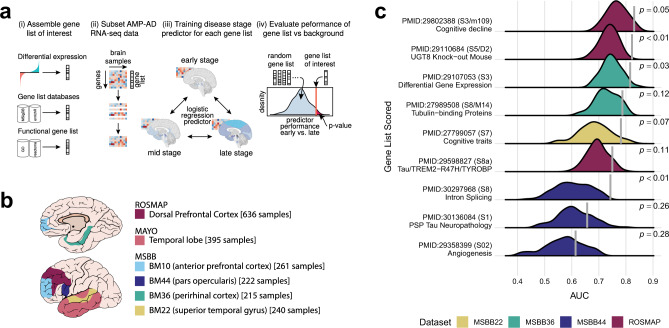
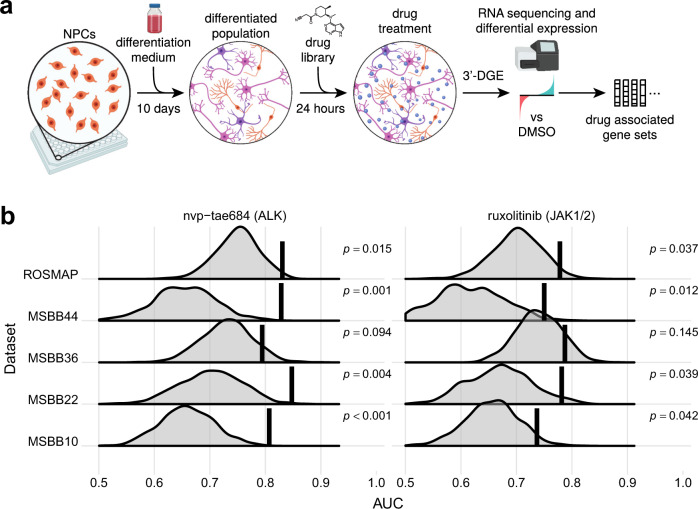
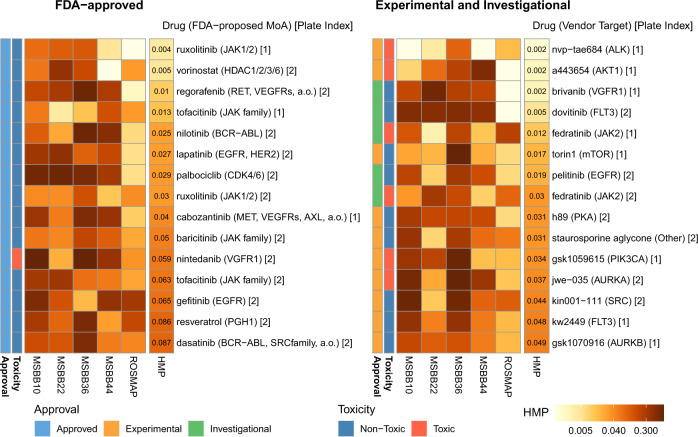
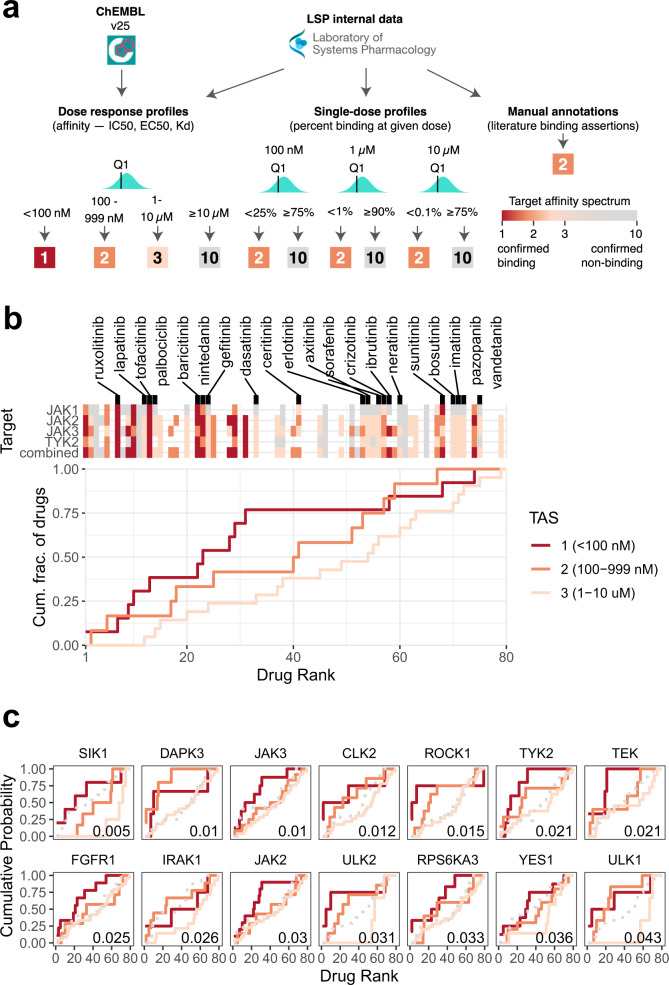
Clinical trials of novel therapeutics for Alzheimer’s Disease (AD) have consumed a large amount of time and resources with largely negative results. Repurposing drugs already approved by the Food and Drug Administration (FDA) for another indication is a more rapid and less expensive option. We present DRIAD (Drug Repurposing In AD), a machine learning framework that quantifies potential associations between the pathology of AD severity (the Braak stage) and molecular mechanisms as encoded in lists of gene names. DRIAD is applied to lists of genes arising from perturbations in differentiated human neural cell cultures by 80 FDA-approved and clinically tested drugs, producing a ranked list of possible repurposing candidates. Top-scoring drugs are inspected for common trends among their targets. We propose that the DRIAD method can be used to nominate drugs that, after additional validation and identification of relevant pharmacodynamic biomarker(s), could be readily evaluated in a clinical trial.
Overview
The claims and statistics of this paper haven’t been checked yet.
Free: it reads the open-access text and checks the first 5 claims that cite a source we can check. Create a free account to check every claim.
Integrity signals
Registry
Cites
Statistics
Figures
Verification
Claims the paper makes
The claims and statistics of this paper haven’t been checked yet.
Free: it reads the open-access text and checks the first 5 claims that cite a source we can check. Create a free account to check every claim.
Claims other papers make about this one
Each is checked against this paper’s own text: does it say what the citing paper says it does?
The cited source says what the claim attributes to it.
In the citing paper
“Additionally, the advancement of artificial intelligence (AI)-based computational tools is facilitating drug repurposing, presenting a promising strategy AD drug development.431–433”
From Recent advances in Alzheimer's disease: Mechanisms, clinical trials and new drug development strategies. (2024) · cites this paper as [432]
The check wasn’t confident either way, so it gives no verdict — never disputed.
In the citing paper
“Other network-centric models, including AlzGPS, map genetic variants onto protein interaction networks to identify modifiable disease nodes. One such node, ATP6V1A, was found to be pharmacologically targetable, with compounds like pioglitazone modulating its associated neuroinflammatory pathways251,334,337,339,340.”
From Artificial intelligence-driven multi-omics approaches in Alzheimer's disease: Progress, challenges, and future directions (2025) · cites this paper as [337]
Experimental — accuracy not yet measured
Self-check
Percentages, sums and reported differences re-computed from the paper’s own numbers.
The self-check needs the paper’s full text.
Citations
Cites
Subramanian, A., Tamayo, P., Mootha, V. K., Mukherjee, S., Ebert, B. L., Gillette, M. A., Paulovich, A., Pomeroy, S. L., Golub, T. R., Lander, E. S., et al. (2005) · Proceedings of the National Academy of Sciences · doi:10.1073/pnas.0506580102 · Cited by 53,625
Robinson, M. D., McCarthy, D. J., & Smyth, G. K. (2010) · Bioinformatics · doi:10.1093/bioinformatics/btp616 · Cited by 41,364
Neuropathological stageing of Alzheimer-related changes.
Braak, H., & Braak, E. (1991) · Acta Neuropathologica · doi:10.1007/bf00308809 · Cited by 16,123
Adjusting batch effects in microarray expression data using empirical Bayes methods
Johnson, W. E., Li, C., & Rabinovic, A. (2007) · Biostatistics · doi:10.1093/biostatistics/kxj037 · Cited by 8,658
Neurotoxic reactive astrocytes are induced by activated microglia
Liddelow, S. A., Guttenplan, K. A., Clarke, L. E., Bennett, F. C., Bohlen, C. J., Schirmer, L., Bennett, M. L., Münch, A. E., Chung, W.-S., Peterson, T. C., et al. (2017) · Nature · doi:10.1038/nature21029 · Cited by 7,971
Structural absorption by barbule microstructures of super black bird of paradise feathers
McCoy, D. E., Feo, T., Harvey, T. A., & Prum, R. O. (2018) · Nature Communications · doi:10.1038/s41467-017-02088-w · Cited by 7,424
Lamb, J., Crawford, E. D., Peck, D., Modell, J. W., Blat, I. C., Wrobel, M. J., Lerner, J., Brunet, J.-P., Subramanian, A., Ross, K. N., et al. (2006) · Science · doi:10.1126/science.1132939 · Cited by 5,257
Drug repurposing: progress, challenges and recommendations
Pushpakom, S., Iorio, F., Eyers, P. A., Escott, K. J., Hopper, S., Wells, A., Doig, A., Guilliams, T., Latimer, J., McNamee, C., et al. (2019) · Nature Reviews Drug Discovery · doi:10.1038/nrd.2018.168 · Cited by 4,718
Alzheimer Disease: An Update on Pathobiology and Treatment Strategies
Long, J. M., & Holtzman, D. M. (2019) · Cell · doi:10.1016/j.cell.2019.09.001 · Cited by 3,204
Alzheimer disease in the United States (2010–2050) estimated using the 2010 census
Hebert, L. E., Weuve, J., Scherr, P. A., & Evans, D. A. (2013) · Neurology · doi:10.1212/wnl.0b013e31828726f5 · Cited by 2,642
Research works printed but not linked: 1
- Rodriguez, S. et al. Machine learning identifies candidates for drug repurposing in Alzheimer’s disease. https://github.com/labsyspharm/DRIAD10.5281/zenodo.4432966 (2021). PMC7884393 33589615 · doi:10.5281/zenodo.4432966
Cited by
Items 101–200 of 299
Tang, A., Woldemariam, S. R., Roger, J. M., & Sirota, M. (2022) · Yearbook of Medical Informatics · doi:10.1055/s-0042-1742513 · Cited by 19
“Another approach for finding AD treatments utilized machine learning on lists of genes that were differentially expressed in neural cells when exposed to a drug [19].”
BackgroundLi, H., Zang, C., Xu, Z., Pan, W., Rajendran, S., Chen, Y., & Wang, F. (2025) · npj Digital Medicine · doi:10.1038/s41746-025-01803-y · Cited by 23
Azevedo, P. H. R. D. A., Peçanha, B. R. D. B., Flores-Junior, L. A. P., Alves, T. F., Dias, L. R. S., Muri, E. M. F., & Lima, C. H. D. S. (2023) · Journal of Biomolecular Structure and Dynamics · doi:10.1080/07391102.2023.2199868 · Cited by 13
“In addition, the variability between public databases, especially between different biological assays, is a limitation for efficient learning (Gurung et al., 2021; Rodriguez et al., 2021).”
BackgroundAnnadurai, N., Malina, L., Salmona, M., Diomede, L., Bastone, A., Cagnotto, A., Romeo, M., Šrejber, M., Berka, K., Otyepka, M., et al. (2021) · FEBS Journal · doi:10.1111/febs.16270 · Cited by 15
Singh, S. K., Kumar, A., Singh, R. B., Ghosh, P., & Bajad, N. G. (2022) · Current Topics in Medicinal Chemistry · doi:10.2174/1568026623666221026091010 · Cited by 20
Matos, M. J. (2021) · Future Medicinal Chemistry · doi:10.4155/fmc-2021-0119 · Cited by 16
Predicting drug responses of unseen cell types through transfer learning with foundation models
Wang, Y., Liu, X., Fan, Y., Xie, B., Cheng, J. S.-C., Wong, K. C., Cheung, P. P., King, I., & Li, Y. (2025) · Nature Computational Science · doi:10.1038/s43588-025-00887-6 · Cited by 20
Sun, Y., Liu, S., Chen, L., Zhou, Z., Yin, X., Shi, Y., Li, H., Li, J., Lü, Y., Jiang, W., et al. (2025) · Science Advances · doi:10.1126/sciadv.adz9283 · Cited by 20
“These techniques not only accelerate drug repur-posing, molecular property prediction, and mechanistic deconvolution of therapeutic candidates but also mitigate the high costs and translational risks typically associated with traditional development approaches ( 25 , 26 ).”
Aleksandrova, Y. R., Munkuev, A. A., Mozhaitsev, E. S., Суслов, Е. В., Tsypyshev, D. O., Chaprov, K., Бегунов, Р. С., Volcho, K. P., Salakhutdinov, N. F., & Неганова, М. Е. (2023) · International Journal of Molecular Sciences · doi:10.3390/ijms24119743 · Cited by 15
The broken Alzheimer’s disease genome
Roque, C. G., Phatnani, H. P., & Hengst, U. (2024) · Cell Genomics · doi:10.1016/j.xgen.2024.100555 · Cited by 15
Leveraging Artificial Intelligence for Synergies in Drug Discovery: From Computers to Clinics
Arora, P., Behera, M., Saraf, S. A., & Shukla, R. (2024) · Current Pharmaceutical Design · doi:10.2174/0113816128308066240529121148 · Cited by 17
Sanchez-Rodriguez, L. M., Khan, A. F., Adewale, Q., Bezgin, G., Therriault, J., Arias, J. F., Servaes, S., Rahmouni, N., Tissot, C., Stevenson, J., et al. (2024) · Frontiers in Aging Neuroscience · doi:10.3389/fnagi.2024.1383163 · Cited by 16
“…the discovery and development of therapeutics, which could potentially increase the effectiveness of randomized controlled trials (Corbett et al., 2012; Mullen et al., 2016; Iturria-Medina et al., 2018; Jack et al., 2018; Cummings et al., 2021; Rodriguez et al., 2021; Petralia et al., 2022).”
BackgroundEmerging paradigms in Alzheimer's therapy
Agnes Preethy, H., Rajendran, K., Sukumar, A. J., & Krishnan, U. M. (2024) · European Journal of Pharmacology · doi:10.1016/j.ejphar.2024.176872 · Cited by 18
KUALA: a machine learning-driven framework for kinase inhibitors repositioning
Simone, G. D., Sardina, D. S., Gulotta, M. R., & Perricone, U. (2022) · Scientific Reports · doi:10.1038/s41598-022-22324-8 · Cited by 14
Modern computational intelligence based drug repurposing for diabetes epidemic
Mohanty, S., Rashid, M. H. A., Mohanty, C., & Swayamsiddha, S. (2021) · Diabetes & Metabolic Syndrome Clinical Research & Reviews · doi:10.1016/j.dsx.2021.06.017 · Cited by 15
Applications of artificial intelligence in drug discovery for neurological diseases
Ekins, S., & Lane, T. R. (2025) · Neurotherapeutics · doi:10.1016/j.neurot.2025.e00624 · Cited by 14
“The BBB penetration of the compounds was also not evaluated so it is also possible while the compounds may look promising in neural cells in vitro , the delivery in vivo may be challenging and limit the value [236].”
Zhang, H., Huang, J., Xie, J., Huang, W., Yang, Y., Xu, M., Lei, J., & Chen, H. (2024) · Journal of Chemical Information and Modeling · doi:10.1021/acs.jcim.3c01700 · Cited by 15
Pham, P., Nguyen, V. T. D., Cho, K. H., & Hy, T.-S. (2025) · Biology Methods and Protocols · doi:10.1093/biomethods/bpaf038 · Cited by 14
Wong, J. H., Lai, K. O., & Barron, A. M. (2025) · Current Opinion in Physiology · doi:10.1016/j.cophys.2025.100874 · Cited by 14
Artificial intelligence in drug development for delirium and Alzheimer’s disease
Ai, R., Xiao, X., Deng, S., Yang, N., Xing, X., Watne, L. O., Selbæk, G., Wedatilake, Y., Xie, C., Rubinsztein, D. C., et al. (2025) · Acta Pharmaceutica Sinica B · doi:10.1016/j.apsb.2025.04.026 · Cited by 13
Li, M., & Larsen, P. A. (2023) · Alzheimer s & Dementia · doi:10.1002/alz.12979 · Cited by 11
Wu, X.-L., Li, Z., Chen, G., Yin, Y., & Chen, C. Y. (2023) · Frontiers in Molecular Biosciences · doi:10.3389/fmolb.2023.1227371 · Cited by 14
“Rodriguez et al. (2021) proposed a machine learning framework, DRIAD (drug repositioning in AD), which quantifies potential associations between the pathological severity of AD and molecular mechanisms encoded in a list of gene names, and identified a ranked list of repositioning candidates for…”
BackgroundChallenges and Discoveries in Polypharmacology of Neurodegenerative Diseases
Scotti, L., Rodrigues, T. C. M. L., de Sousa, N. F., dos Santos, A. M. F., Guimarães, R. D. A., & Scotti, M. T. (2023) · Current Topics in Medicinal Chemistry · doi:10.2174/1568026623666230126112628 · Cited by 15
AΙ-Driven Drug Repurposing: Applications and Challenges
Keramida, P., Syrigos, N. K., Kouvela, M., Poulakou, G., Charpidou, A. G., & Fiste, O. (2025) · Medicines · doi:10.3390/medicines12040028 · Cited by 15
“DRIAD is an ML model, which merged gene expression data and identified the most suitable already approved drugs for AD [185].”
Alzheimer’s Disease Classification Using Genetic Data
Khanal, S., Chen, J., Jacobs, N., & Lin, A. (2021) · IEEE International Conference on Bioinformatics and Biomedicine (BIBM) · doi:10.1109/bibm52615.2021.9669730 · Cited by 12
Wu, Q., Su, S., Cai, C., Xu, L., Fan, X., Ke, H., Dai, Z., Fang, S., Zhuo, Y., Wang, Q., et al. (2023) · Computational and Structural Biotechnology Journal · doi:10.1016/j.csbj.2023.02.041 · Cited by 14
“For instance, Ro-driguez et al. [9] applied the machine learning approach to identify candidates for drug repurposing in AD.”
BackgroundMethodInfluentialAhmadi, M., Javaheri, D., Khajavi, M., Danesh, K., & Hur, J. (2024) · PLoS ONE · doi:10.1371/journal.pone.0297996 · Cited by 14
Unlocking biological complexity: the role of machine learning in integrative multi-omics
Kumar, R., Ruhel, R., & van Wijnen, A. J. (2024) · Academia Biology · doi:10.20935/acadbiol7428 · Cited by 12
“By consolidating multi-omics data with chemical and pharmacological information, ML models can predict drug–target interactions [13–15], identify potential drug repurposing opportunities [16], and forecast adverse drug reactions.”
Network‐based precision medicine and systems pharmacology
Pandey, A. K., Ghiassian, S. D., & Loscalzo, J. (2025) · British Journal of Pharmacology · doi:10.1111/bph.70184 · Cited by 14
“…existing drugs for both prevalent and rare diseases, and predict responses to therapy, and identify side effects and toxicities of drug treatments (Das, 2024; Gangwal & Lavecchia, 2025; Huang et al., 2024; Kamya et al., 2024; Kong et al., 2022; Lacalamita et al., 2023; Rodriguez et al., 2021).”
Research Progress of Targeting Neuro-Immune Inflammation in the Treatment of Alzheimer's Disease
Chen, H., Deng, C., Meng, Z., & Meng, S. (2022) · Frontiers in Bioscience-Landmark · doi:10.31083/j.fbl2711312 · Cited by 10
How Deep Learning in Antiviral Molecular Profiling Identified Anti-SARS-CoV-2 Inhibitors
Ali, M. A., Park, I. H., Kim, J., Kim, G., Oh, J., You, J. S., Kim, J., Shin, J., & Yoon, S. S. (2023) · Biomedicines · doi:10.3390/biomedicines11123134 · Cited by 11
Atomoxetine suppresses radioresistance in glioblastoma via circATIC/miR-520d-5p/Notch2-Hey1 axis
Seok, H. J., Choi, J. Y., Lee, D. H., Shin, I., & Bae, I. H. (2024) · Cell Communication and Signaling · doi:10.1186/s12964-024-01915-0 · Cited by 11
“Therefore, drug discovery through drug repurposing is actively used as an approach to treat many diseases, including cancer treatment [16–19].”
BackgroundWang, Z., Chen, X., Wang, Q., & Wang, Y. (2025) · Discover Oncology · doi:10.1007/s12672-025-02067-4 · Cited by 10
Repurposing Drugs to Treat Heart and Brain Illness
Cantrell, M. S., Soto-Avellaneda, A., Wall, J. D., Ajeti, A. D., Morrison, B. E., Warner, L., & McDougal, O. M. (2021) · Pharmaceuticals · doi:10.3390/ph14060573 · Cited by 9
“kinase inhibitors Alzheimer’s disease machine learning [32]”
Repositioning of receptor tyrosine kinase inhibitors
Mansour, H. M., & El-Khatib, A. S. (2023) · Elsevier eBooks · doi:10.1016/b978-0-443-18677-6.00010-5 · Cited by 13
Akkaya, U. M., & Kalkan, H. (2023) · Biomolecules · doi:10.3390/biom13111563 · Cited by 12
Exploitation of Autophagy Inducers in the Management of Dementia: A Systematic Review
Corasaniti, M. T., Bagetta, G., Nicotera, P., Maione, S., Tonin, P., Guida, F., & Scuteri, D. (2024) · International Journal of Molecular Sciences · doi:10.3390/ijms25021264 · Cited by 10
Fiani, B., Pasko, K. B. D., Sarhadi, K. J., & Covarrubias, C. (2021) · Reviews in the Neurosciences · doi:10.1515/revneuro-2021-0101 · Cited by 17
[Metabolic syndrome and magnesium].
Kumeda, Y., & Inaba, M. (2005) · PubMed · Cited by 11
Protein kinase inhibitors as therapeutics in neurodegenerative and psychiatric disorders
Tridente, G., Jana, A., Nath, A., & Ashraf, G. M. (2023) · Receptor Tyrosine Kinases in Neurodegenerative and Psychiatric Disorders · doi:10.1016/b978-0-443-18677-6.00015-4 · Cited by 8
Ndukwe, K., Serrano, P. A., Rockwell, P., Xie, L., & Figueiredo-Pereira, M. E. (2025) · Journal of Alzheimer s Disease · doi:10.1177/13872877251314777 · Cited by 13
Lammers‐Lietz, F., Akyuez, L., Boraschi, D., Borchers, F., de Bresser, J., Chatterjee, S., Correia, M., de Lange, N. M., Dschietzig, T. B., Ghosh, S., et al. (2026) · British Journal of Anaesthesia · doi:10.1016/j.bja.2026.01.025 · Cited by 10
“24 Abovementioned molecules S100A12, 25 interleukins, and zonulin 26 point to certain immune response pathways, which may be related to neurotransmitter imbalance by tryptophan and kynurenine metabolism.”
Recent advances in Alzheimer’s disease: From molecular mechanisms to therapeutic strategies
Rudman, M. D., Ulrich, J. D., & Holtzman, D. M. (2026) · Cell · doi:10.1016/j.cell.2026.06.006 · Cited by 20
Nehmeh, B., Rebehmed, J., Nehmeh, R., Taleb, R. I., & Akoury, E. (2024) · Drug Discovery Today · doi:10.1016/j.drudis.2024.104216 · Cited by 9
JAK1/2 Regulates Synergy Between Interferon Gamma and Lipopolysaccharides in Microglia
Young, A. P., & Denovan‐Wright, E. M. (2024) · Journal of Neuroimmune Pharmacology · doi:10.1007/s11481-024-10115-z · Cited by 7
“Machine learning algorithms identified ruxolitinib and several other JAK inhibitors as potential treatments AD which is consistent with current evidence that excessive IFN-mediated signaling contributes to disease progression (Taylor et al. 2018; Rodriguez et al. 2021).”
Li, V. O., Han, Y., Kaistha, T., Zhang, Q., Downey, J., Gozes, I., & Lam, J. C. (2024) · doi:10.1101/2024.07.06.24309990 · Cited by 8
Paired evaluation of machine-learning models characterizes effects of confounders and outliers
Nariya, M. K., Mills, C. E., Sorger, P. K., & Sokolov, A. (2023) · Patterns · doi:10.1016/j.patter.2023.100791 · Cited by 15
“This trend is expected, given the relative difficulty of distinguishing among the early stages of the disease in a younger population.(41) The analysis reveals that the presence of confounders does not necessitate that a predictor will learn to recognize them instead of the variable of interest.”
BackgroundSelf-citationXie, W., Yu, J., Huang, L., For, L. S., Zheng, Z., Chen, X., Wang, Y., Liu, Z., Peng, C., & Wong, K. (2024) · Computers in Biology and Medicine · doi:10.1016/j.compbiomed.2024.108487 · Cited by 10
DRADTiP: Drug repurposing for aging disease through drug-target interaction prediction
Muniyappan, S., Rayan, A. X. A., & Varrieth, G. T. (2024) · Computers in Biology and Medicine · doi:10.1016/j.compbiomed.2024.109145 · Cited by 6
Microglia-mediated neuron death requires TNF and is exacerbated by mutant Huntingtin
Young, A. P., & Denovan‐Wright, E. M. (2024) · Pharmacological Research · doi:10.1016/j.phrs.2024.107443 · Cited by 9
Advancements and challenges in using AI for biomarker detection in early Alzheimer’s disease
Beheshti, I., Albensi, B. C., Freitas, A. A., & Ghafourian, T. (2025) · Drug Discovery Today · doi:10.1016/j.drudis.2025.104415 · Cited by 8
Wu, J., Yan, D., Du, X., Wu, C., Lin, X., Xu, B., Xu, Y. C., Ye, J., & Shen, Y. (2025) · Acta Pharmaceutica Sinica B · doi:10.1016/j.apsb.2025.06.010 · Cited by 9
RetractedGait Analysis by Causal Decomposition
Peng, X., Feng, Y., Ji, S., Amos, T. J., Wang, W., Li, M., Ai, S., Qiu, X., Dong, Y., Ma, D., et al. (2021) · IEEE Transactions on Neural Systems and Rehabilitation Engineering · doi:10.1109/tnsre.2021.3082936 · Cited by 9
A Maximum Flow-Based Approach to Prioritize Drugs for Drug Repurposing of Chronic Diseases
Islam, M. M., Wang, Y., & Hu, P. (2021) · Life · doi:10.3390/life11111115 · Cited by 7
“There are different types of approaches to identify new indications of an FDAapproved drug, such as network-based [13,14], and machine learning (ML)-based [15,16] approaches.”
BackgroundLi, X., Tan, B., Zheng, J., Xu, X., Xiao, J., & Liu, Y. (2022) · Computational Intelligence and Neuroscience · doi:10.1155/2022/5371575 · Cited by 7
“Data mining is widely used in the field of hospital pharmacy and its management [11, 12].”
BackgroundHu, E., Li, T. S., Wineinger, N. E., & Su, A. I. (2023) · Alzheimer s Research & Therapy · doi:10.1186/s13195-023-01255-0 · Cited by 10
“As an alternative to de novo drug development, there have more recently been considerations to investigate previously approved drug candidates that can potentially be repurposed for the treatment or prevention of AD [5, 9, 13, 17, 25], taking advantage of the reduced time and cost associated with drug repurposing.”
BackgroundChakkittukandiyil, A., Chakraborty, S., Kothandan, R., Rymbai, E., Muthu, S., Vasu, S., Sajini, D. V., Sugumar, D., Mohammad, Z. B., Saravanan, J., et al. (2023) · Journal of Biomolecular Structure and Dynamics · doi:10.1080/07391102.2023.2258968 · Cited by 10
“The disease-based repositioning approach relies on information about the disease, such as phenotypic characteristics, genetic information, pathogenesis, etc. (Rodriguez et al., 2021).”
Artificial Intelligence in Translational Medicine
Brogi, S., & Calderone, V. (2021) · International Journal of Translational Medicine · doi:10.3390/ijtm1030016 · Cited by 17
Taguchi, Y., & Turki, T. (2022) · Scientific Reports · doi:10.1038/s41598-022-25524-4 · Cited by 7
“We checked the drugs having larger 5 (cid:31) Because most were regarded as effective in the original study 12 , drug repositioning seems to have been successful.”
Zang, C., Zhang, H., Xu, J., Zhang, H., Fouladvand, S., Havaldar, S., Cheng, F., Chen, K., Chen, Y., Glicksberg, B. S., et al. (2022) · medRxiv · doi:10.1101/2022.01.31.22270132 · Cited by 7
“Different color bars denoted balancing performance on the whole data by the best PS model selected under different model selection strategies, including: (1) val_auc, model selection by AUC score on the validation set; (2) val_maxsmd, by maximum SMD after IPTW on the validation set; (3) val_nsmd, by the number of unba…”
MethodPark, S., Kim, M. K., Park, S. B., Kim, D. H., Byun, Y. J., & Choi, S. A. (2025) · Pharmaceuticals · doi:10.3390/ph18030394 · Cited by 7
“Based on machine learning analyses, JAK inhibitors have been identified as promising candidates for drug repurposing in the treatment of Alzheimer’s disease [51].”
Ghorbian, M., & Ghorbian, . (2025) · Computers in Biology and Medicine · doi:10.1016/j.compbiomed.2025.110756 · Cited by 7
Kumar, B. S. H., Dinesh, B. G. H., Ganjipete, S., Ramar, M., Ammunje, D. N., Kunjiappan, S., Chidambaram, K., & Pavadai, P. (2025) · Scientific Reports · doi:10.1038/s41598-025-28605-2 · Cited by 12
Mou, F. S., Ahmed, T., Huda, M. N., & Nandi, A. K. (2026) · Artificial Intelligence Review · doi:10.1007/s10462-025-11484-4 · Cited by 9
Cancer drugs with high repositioning potential for Alzheimer’s disease
Majeed, J., Sabbagh, M. N., Kang, M. H., Lawrence, J. J., Pruitt, K., Bacus, S. S., Reyna, E., Brown, M., & Decourt, B. (2023) · Expert Opinion on Emerging Drugs · doi:10.1080/14728214.2023.2296079 · Cited by 10
“) is an oral selective and reversible inhibitor of JAK that was identified as a possible treatment for AD by machine learning analysis [198].”
BackgroundWu, X., Chen, M., Liu, K., Wu, Y., Feng, Y., Fu, S., Xu, H., Zhao, Y., Lin, F., Liang, L., et al. (2024) · Molecular Therapy — Nucleic Acids · doi:10.1016/j.omtn.2024.102309 · Cited by 6
Multi-Omics Approach Reveals Genes and Pathways Affected in Miller-Dieker Syndrome
Mahendran, G., Breger, K., McCown, P. J., Hulewicz, J. P., Bhandari, T., Addepalli, B., & Brown, J. A. (2024) · Molecular Neurobiology · doi:10.1007/s12035-024-04532-7 · Cited by 6
Zhao, Y., Fu, Z., Barnett, E. J., Wang, N., Zhang, K., Gao, X., Zheng, X., Tian, J., Zhang, H., Ding, X.-T., et al. (2025) · Translational Psychiatry · doi:10.1038/s41398-025-03250-5 · Cited by 11
CoGT: Ensemble Machine Learning Method and Its Application on JAK Inhibitor Discovery
Bu, Y., Gao, R., Zhang, B., Zhang, L., & Sun, D. (2023) · ACS Omega · doi:10.1021/acsomega.3c00160 · Cited by 7
Can Machine Learning Technique Predict the Prostate Cancer accurately?: The fact and remedy
Hasan, S. M., Rabbi, M. F., & Jahan, N. (2021) · 2021 International Conference on Electronics, Communications and Information Technology (ICECIT) · doi:10.1109/icecit54077.2021.9641099 · Cited by 6
AChEI-EL:Prediction of Acetylcholinesterase Inhibitors Based on Ensemble Learning Model
Wang, Z., Sun, D., Jiang, S., & Huang, W. C. (2022) · IEEE International Conference on Big Data Analytics (ICBDA) · doi:10.1109/icbda55095.2022.9760329 · Cited by 6
“Among the remaining predicted top-ranking drugs, Palbociclib and Alfuzosin have been reported as candidates for Alzheimer's disease drug repurposing or potential inhibitors of AChE, which are in good agreement with our predictions [21-22].”
ResultTYK2 as a novel therapeutic target in Alzheimer’s Disease with TDP-43 inclusionsPreprint
König, L. E., Rodriguez, S., Hug, C. B., Daneshvari, S., Chung, A., Bradshaw, G. A., Şahin, A., Zhou, G., Eisert, R. J., Piccioni, F., et al. (2024) · bioRxiv (Cold Spring Harbor Laboratory) · doi:10.1101/2024.06.04.595773 · Cited by 6
Self-citationHill, J., Shalaby, K. E., Bihaqi, S. W., Alansi, B. H., Barlock, B. J., Parang, K., Thompson, I. R., Ouararhni, K., & Zawia, N. H. (2023) · International Journal of Molecular Sciences · doi:10.3390/ijms242015216 · Cited by 5
Wang, Z. P., Li, X., Matsumoto, N., Venkatesan, M., Chang, J.-H., Moran, J., Choi, H., Li, B., Meng, Y., Hernandez, M. E., et al. (2025) · BioData Mining · doi:10.1186/s13040-025-00466-5 · Cited by 13
Umar, A. K., Roy, D., Abdalla, M., Modafer, Y., Al‐Hoshani, N., Yu, H., & Zothantluanga, J. H. (2023) · Journal of Biomolecular Structure and Dynamics · doi:10.1080/07391102.2023.2248272 · Cited by 5
“Many of the Food and Drug Administration-approved drugs that were originally intended for a particular disease have also been successfully repurposed for the treat-ment of other diseases with different in-silico techniques (Elfiky, 2020; Rodriguez et al., 2021).”
Visual analysis of drug research and development based on artificial intelligence
Wei, W., Song, C., Qi, C., Zhang, X., Zhang, X., Pu, R., & Ao, Y. (2024) · Journal of Holistic Integrative Pharmacy · doi:10.1016/j.jhip.2024.12.002 · Cited by 6
In Silico Drug Repurposing using Knowledge Graph Embeddings for Alzheimer's Disease
Daluwatumulle, G., Wijesinghe, R., & Weerasinghe, R. (2022) · International Conference on Bioinformatics Research and Applications (ICBRA) · doi:10.1145/3569192.3569203 · Cited by 6
“Most of the DR studies conducted for AD, rely heavily on ML techniques and gene expression data [10].”
BackgroundSpäth, J., Wang, R., Humphrey, M., Baumbach, J., & Loscalzo, J. (2023) · CPT Pharmacometrics & Systems Pharmacology · doi:10.1002/psp4.13076 · Cited by 6
Drug Repurposing Based on Machine Learning
Tripathi, L., Kumar, P., Swain, K., & Pattnaik, S. (2022) · Wiley eBooks · doi:10.1002/9781394167258.ch5 · Cited by 5
Liu, X., Cui, J., Luan, C., Li, Y., Tong, X., Jiang, Y., Wang, Z.-J., & Guo, C. (2025) · International Journal of Biological Macromolecules · doi:10.1016/j.ijbiomac.2025.144230 · Cited by 4
Yuan, X., Gao, L., Peng, Y., She, T., & Wang, J. (2025) · Artificial Intelligence in Medicine · doi:10.1016/j.artmed.2025.103301 · Cited by 4
Artificial Intelligence to Guide Repurposing of Drugs
Fu, Z., Yang, Y., Chung, M. K., & Cheng, F. (2026) · Annual Review of Medicine · doi:10.1146/annurev-med-050224-122802 · Cited by 19
Goel, K. K., Chahal, S., Kumar, D., Jaiswal, S., Nainwal, N., Singh, R. K., Mahajan, S., Rawat, P., Yadav, S., Fartyal, P., et al. (2024) · RSC Medicinal Chemistry · doi:10.1039/d4md00461b · Cited by 4
Russo, M., Nardini, D., Melchiorre, S., Ciprietti, C., Polito, G., Punzi, M., Dono, F., Santilli, M., Thomas, A., Sensi, S. L., et al. (2025) · Alzheimer s & Dementia · doi:10.1002/alz.14398 · Cited by 7
“23,27 The application of ML algorithms in neuroscience research poses further challenges.”
Application of computational methods in the drug discovery and development of Alzheimer's disease
Zhang, Q., Gong, X., Liu, H., & Yao, X. (2025) · Acta Pharmaceutica Sinica B · doi:10.1016/j.apsb.2025.07.038 · Cited by 10
“By analysing gene expression data from human brains at various stages of disease progression, the DRIAD framework can identify associations between gene activity and AD, thereby potentially informing future therapeutic strategies 274 .”
Rani, N., Kaushik, A., Kardam, S., Kag, S., Raj, V. S., Ambasta, R. K., & Kumar, P. (2024) · Progress in molecular biology and translational science · doi:10.1016/bs.pmbts.2024.03.029 · Cited by 5
DDCM: A Computational Strategy for Drug Repositioning Based on Support-Vector Regression Algorithm
Xu, M., Wan, L., He, J., Wang, Y., Lv, J., He, W., Chen, L., & Zhi, H. (2024) · International Journal of Molecular Sciences · doi:10.3390/ijms25105267 · Cited by 5
“Furthermore, disease-pathway and drug-mechanism data are essential to understanding the reasons underlying the occurrence and progression of diseases, as well as the mechanisms through which drugs can treat such diseases [32].”
BackgroundIntegrating population-level and cell-based signatures for drug repositioning
He, C., Xu, Y., Zhou, Y., Fan, J., Cheng, C., Meng, R., Wu, L., Pan, R., Shah, R. V., Gamazon, E. R., et al. (2025) · Bioinformatics · doi:10.1093/bioinformatics/btaf498 · Cited by 4
An attention mechanism-based LSTM network for cancer kinase activity prediction
Danishuddin, M., Kumar, V., Lee, G., Yoo, J., Ro, H., & Lee, K. W. (2022) · SAR and QSAR in environmental research · doi:10.1080/1062936x.2022.2109062 · Cited by 4
Drug and Protein Interaction Network Construction for Drug Repurposing in Alzheimer’s Disease
Dimitrakopoulos, G. Ν., Vrahatis, A. G., Exarchos, T. P., Krokidis, M. G., & Vlamos, P. (2023) · Future Pharmacology · doi:10.3390/futurepharmacol3040045 · Cited by 6
Yang, J., Li, Z., Wu, W. K. K., Shi, Y., Chu, Q., & Zhang, Q. (2022) · Research Square · doi:10.21203/rs.3.rs-1269212/v1 · Cited by 4
Histone deacetylase inhibitor RG2833 has therapeutic potential for Alzheimer’s disease in femalesPreprint
Ndukwe, K., Serrano, P. A., Rockwell, P., Xie, L., & Figueiredo‐Pereira, M. E. (2023) · bioRxiv (Cold Spring Harbor Laboratory) · doi:10.1101/2023.12.26.573348 · Cited by 4
Wei, H., Wu, C., Yuan, Y., & Lai, L. (2023) · Frontiers in Aging Neuroscience · doi:10.3389/fnagi.2023.1249682 · Cited by 3
“, 2022), drug developments (Rodriguez et al., 2021), and explorations of AD mechanisms (Tandon et al.”
BackgroundUnderstanding the Molecular Basis of Miller–Dieker Syndrome
Mahendran, G., & Brown, J. A. (2025) · International Journal of Molecular Sciences · doi:10.3390/ijms26157375 · Cited by 5
“…(JAKi), such as baricitinib and AZD1480 used to decrease neuroinflammation and inhibit STAT3 activation, may be potential therapies to explore because they would alleviate neuroinflammatory responses, reduce neuronal damage, and promote neuroprotective effects in MDS [139,140] (Figures 3 and 4).”
Nutrient-Sensing Pathways: Gatekeepers of Longevity
Goel, F., Garg, V. K., Singh, P., & Tripathi, P. N. (2025) · Nutritional neurosciences · doi:10.1007/978-981-95-2790-8_8 · Cited by 3
Ma, C.-S., Han, B., Liu, Y.-X., Shi, C., Li, D.-L., Guo, J.-F., Bai, M., Meng, S.-C., Zhang, L., Duan, M.-Y., et al. (2025) · Molecular Neurobiology · doi:10.1007/s12035-025-05423-1 · Cited by 7
Alzheimer’s Disease: Treatment of Multi-Factorial Disorders with Multi- Target Approach
Singh, P., Kaur, B., & Vivesh, V. (2022) · Mini-Reviews in Medicinal Chemistry · doi:10.2174/1389557522666220701112048 · Cited by 3
Translational Informatics Driven Drug Repositioning for Neurodegenerative Disease
Zheng, X. M., Chen, J., Zhang, Y., Hu, S., Bi, C., Singla, R. K., Kamal, M. A., Horimoto, K., & Shen, B. (2025) · Current Neuropharmacology · doi:10.2174/011570159x327908241121062335 · Cited by 5
“The DRIAD model leads in AD drug screening, correlating genes with drug targets to find 15 FDA-approved drugs, including 5 JAK inhibitors [147].”
InfluentialBeyond APP, PSEN1, PSEN2, and APOE: What Else Does the Genome Tell Us?
Behl, C. (2023) · Springer eBooks · doi:10.1007/978-3-031-31570-1_16 · Cited by 5
Zou, Q., Shang, J., Liu, J.-X., & Gao, R. (2024) · IEEE Journal of Biomedical and Health Informatics · doi:10.1109/jbhi.2024.3442468 · Cited by 5
Metadata
- Authors
- Rodriguez, S., Hug, C., Todorov, P., Moret, N., Boswell, S. A., Evans, K., Zhou, G., Johnson, N. T., Hyman, B. T., Sorger, P. K., Albers, M. W., & Sokolov, A.
- Affiliations
- Harvard University (US)
- Massachusetts General Hospital (US)
- Corresponding author
- Albers, Mark W.
- Sokolov, Artem
- ORCID
- Venue
- Nature Communications
- Published
- 2021-02-15
- Volume
- 12
- Issue
- 1
- Pages
- 1033-1033
- ISSN
- 2041-1723 (ISSN-L)
- PMC
- PMC7884393
- OpenAlex
- W3130727496
- Semantic Scholar
- cff247795d6218a75bda13185b26d6282c0b8935
- Cited by
- 299
- References
- 93
- Citations by year
- 2026: 42 · 2025: 61 · 2024: 56 · 2023: 61 · 2022: 52 · 2021: 26
- FWCI
- 25.83
- Type
- journal article
- Language
- en
- Open access
- gold
- doi.org
- Licence
- cc-by
- creativecommons.org/licenses/by/4.0 (tdm)
- creativecommons.org/licenses/by/4.0 (vor)
- Locations
- Nature Communications (publishedVersion, cc-by)
- bioRxiv (Cold Spring Harbor Laboratory) (acceptedVersion, cc-by-nd)
- PubMed Central (publishedVersion, cc-by)
- PubMed (publishedVersion)
- RePEc: Research Papers in Economics (submittedVersion)
- DOAJ (DOAJ: Directory of Open Access Journals) (submittedVersion, cc-by-sa)
- Funders
- U.S. Department of Health & Human Services | NIH | National Institute on Aging (R01 AG058063)
- U.S. Department of Health & Human Services | NIH | National Cancer Institute (U54- CA225088-02S1)
- Topics
- Life Sciences › Pharmacology, Toxicology and Pharmaceutics › Drug Discovery › Computational Drug Discovery Methods
- Life Sciences › Neuroscience › Cellular and Molecular Neuroscience › Alzheimer's disease research and treatments
- Health Sciences › Medicine › Psychiatry and Mental health › Dementia and Cognitive Impairment Research
- Keywords
- Alzheimer's disease, drug repurposing, Braak stages, gene list, drug-target interactions, FDA-approved drugs, drug target prioritization, pharmacodynamic biomarkers
- MeSH terms
- Machine Learning, Alzheimer Disease, Cerebral Cortex, Gene Expression Regulation, Humans, Nerve Tissue Proteins, Neurons, Pharmacogenetics, Severity of Illness Index, Drugs, Investigational, Neuroprotective Agents, Nootropic Agents, Gene Expression Profiling, Prescription Drugs, High-Throughput Screening Assays, Drug Repositioning, Primary Cell Culture, Polypharmacology
About these checks
Registry, retraction, Cites and statistics results are computed, not judged, with one exception: a printed reference that no index lists is read once by a model before it counts as a citation error. Claims are extracted by a model and kept only when their quote appears verbatim in the text; each cited source is then checked, with a model’s help, for whether it says what the claim relies on. Those verdicts can be wrong — read the claim’s quote and the cited source before relying on one.
Statistics and arithmetic are recomputed, not judged.
Confidence bands are shown only for fields calibrated on our annotated test set. None is calibrated yet, so no band is shown.
What counts as a claim ›How we measure confidence ›How we check this ›
Are you an author, or do you see a problem with this page? Request a review
Data sources
Bibliographic data: Semantic Scholar, OpenAlex, Crossref.
Contains information from the Semantic Scholar Academic Graph Datasets, made available under the ODC Attribution License (ODC-BY 1.0).
Semantic Scholar’s data is described in: Kinney, R., et al. (2023). The Semantic Scholar Open Data Platform. arXiv:2301.10140.
