

Machine learning identifies candidates for drug repurposing in Alzheimer’s disease
Open accessPublished version of a preprint
The DOI matches its Crossref record; 90 of the 93 references it cites were found in a registry or an index.
Abstract
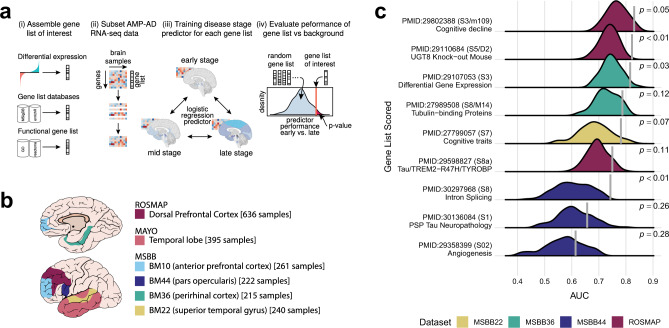
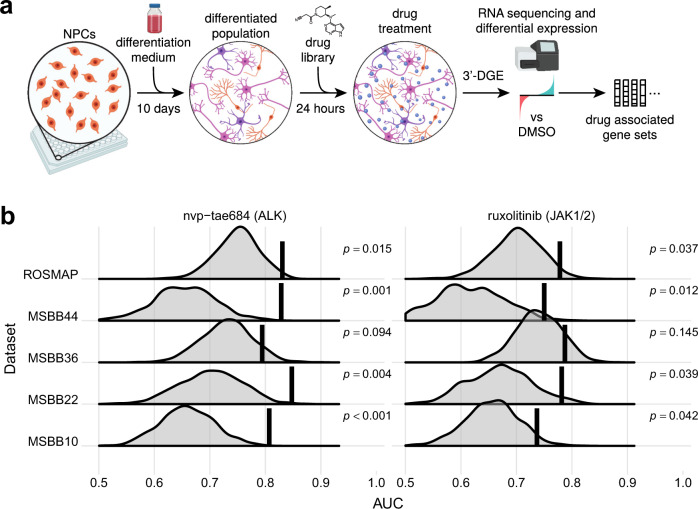
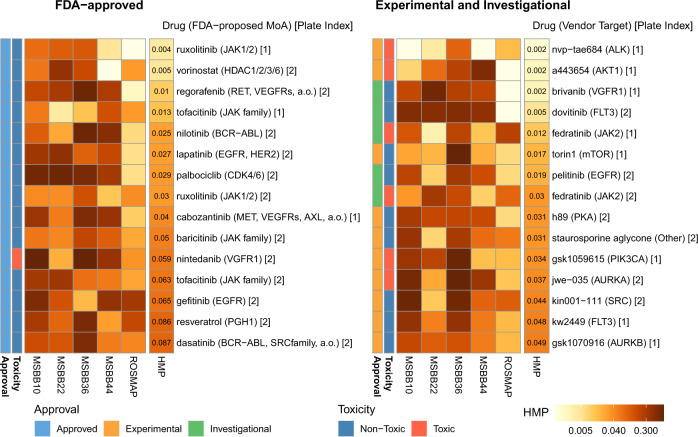
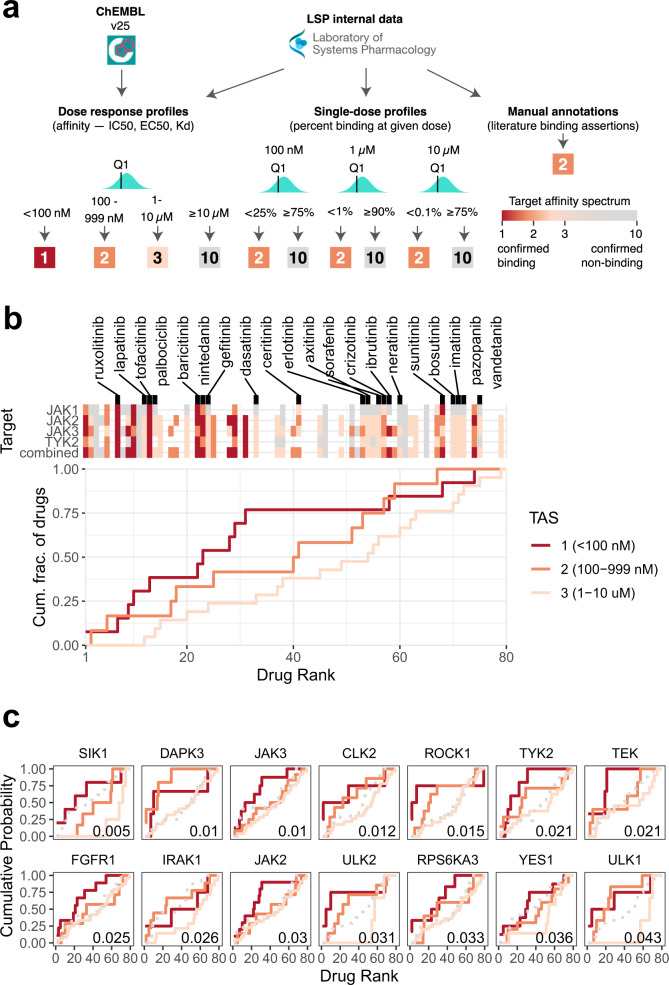
Clinical trials of novel therapeutics for Alzheimer’s Disease (AD) have consumed a large amount of time and resources with largely negative results. Repurposing drugs already approved by the Food and Drug Administration (FDA) for another indication is a more rapid and less expensive option. We present DRIAD (Drug Repurposing In AD), a machine learning framework that quantifies potential associations between the pathology of AD severity (the Braak stage) and molecular mechanisms as encoded in lists of gene names. DRIAD is applied to lists of genes arising from perturbations in differentiated human neural cell cultures by 80 FDA-approved and clinically tested drugs, producing a ranked list of possible repurposing candidates. Top-scoring drugs are inspected for common trends among their targets. We propose that the DRIAD method can be used to nominate drugs that, after additional validation and identification of relevant pharmacodynamic biomarker(s), could be readily evaluated in a clinical trial.
Overview
The claims and statistics of this paper haven’t been checked yet.
Free: it reads the open-access text and checks the first 5 claims that cite a source we can check. Create a free account to check every claim.
Integrity signals
Registry
Cites
Statistics
Figures
Verification
Claims the paper makes
The claims and statistics of this paper haven’t been checked yet.
Free: it reads the open-access text and checks the first 5 claims that cite a source we can check. Create a free account to check every claim.
Claims other papers make about this one
Each is checked against this paper’s own text: does it say what the citing paper says it does?
The cited source says what the claim attributes to it.
In the citing paper
“Additionally, the advancement of artificial intelligence (AI)-based computational tools is facilitating drug repurposing, presenting a promising strategy AD drug development.431–433”
From Recent advances in Alzheimer's disease: Mechanisms, clinical trials and new drug development strategies. (2024) · cites this paper as [432]
The check wasn’t confident either way, so it gives no verdict — never disputed.
In the citing paper
“Other network-centric models, including AlzGPS, map genetic variants onto protein interaction networks to identify modifiable disease nodes. One such node, ATP6V1A, was found to be pharmacologically targetable, with compounds like pioglitazone modulating its associated neuroinflammatory pathways251,334,337,339,340.”
From Artificial intelligence-driven multi-omics approaches in Alzheimer's disease: Progress, challenges, and future directions (2025) · cites this paper as [337]
Experimental — accuracy not yet measured
Self-check
Percentages, sums and reported differences re-computed from the paper’s own numbers.
The self-check needs the paper’s full text.
Citations
Cites
Subramanian, A., Tamayo, P., Mootha, V. K., Mukherjee, S., Ebert, B. L., Gillette, M. A., Paulovich, A., Pomeroy, S. L., Golub, T. R., Lander, E. S., et al. (2005) · Proceedings of the National Academy of Sciences · doi:10.1073/pnas.0506580102 · Cited by 53,625
Robinson, M. D., McCarthy, D. J., & Smyth, G. K. (2010) · Bioinformatics · doi:10.1093/bioinformatics/btp616 · Cited by 41,364
Neuropathological stageing of Alzheimer-related changes.
Braak, H., & Braak, E. (1991) · Acta Neuropathologica · doi:10.1007/bf00308809 · Cited by 16,123
Adjusting batch effects in microarray expression data using empirical Bayes methods
Johnson, W. E., Li, C., & Rabinovic, A. (2007) · Biostatistics · doi:10.1093/biostatistics/kxj037 · Cited by 8,658
Neurotoxic reactive astrocytes are induced by activated microglia
Liddelow, S. A., Guttenplan, K. A., Clarke, L. E., Bennett, F. C., Bohlen, C. J., Schirmer, L., Bennett, M. L., Münch, A. E., Chung, W.-S., Peterson, T. C., et al. (2017) · Nature · doi:10.1038/nature21029 · Cited by 7,971
Structural absorption by barbule microstructures of super black bird of paradise feathers
McCoy, D. E., Feo, T., Harvey, T. A., & Prum, R. O. (2018) · Nature Communications · doi:10.1038/s41467-017-02088-w · Cited by 7,424
Lamb, J., Crawford, E. D., Peck, D., Modell, J. W., Blat, I. C., Wrobel, M. J., Lerner, J., Brunet, J.-P., Subramanian, A., Ross, K. N., et al. (2006) · Science · doi:10.1126/science.1132939 · Cited by 5,257
Drug repurposing: progress, challenges and recommendations
Pushpakom, S., Iorio, F., Eyers, P. A., Escott, K. J., Hopper, S., Wells, A., Doig, A., Guilliams, T., Latimer, J., McNamee, C., et al. (2019) · Nature Reviews Drug Discovery · doi:10.1038/nrd.2018.168 · Cited by 4,718
Alzheimer Disease: An Update on Pathobiology and Treatment Strategies
Long, J. M., & Holtzman, D. M. (2019) · Cell · doi:10.1016/j.cell.2019.09.001 · Cited by 3,204
Alzheimer disease in the United States (2010–2050) estimated using the 2010 census
Hebert, L. E., Weuve, J., Scherr, P. A., & Evans, D. A. (2013) · Neurology · doi:10.1212/wnl.0b013e31828726f5 · Cited by 2,642
Research works printed but not linked: 1
- Rodriguez, S. et al. Machine learning identifies candidates for drug repurposing in Alzheimer’s disease. https://github.com/labsyspharm/DRIAD10.5281/zenodo.4432966 (2021). PMC7884393 33589615 · doi:10.5281/zenodo.4432966
Cited by
Zhang, J., Zhang, Y., Wang, J., Xia, Y., Zhang, J., & Chen, L. (2024) · Signal Transduction and Targeted Therapy · doi:10.1038/s41392-024-01911-3 · Cited by 1,138
Artificial intelligence in drug development
Zhang, K., Yang, X., Wang, Y., Yu, Y., Huang, N., Li, G., Li, X., Wu, J. C., & Yang, S. (2025) · Nature Medicine · doi:10.1038/s41591-024-03434-4 · Cited by 498
Autophagy in Alzheimer’s disease pathogenesis: Therapeutic potential and future perspectives
Zhang, Z., Yang, X., Song, Y.-Q., & Tu, J. (2021) · Ageing Research Reviews · doi:10.1016/j.arr.2021.101464 · Cited by 369
Kale, M., Wankhede, N., Pawar, R., Ballal, S., Kumawat, R., Goswami, M., Khalid, M., Taksande, B., Upaganlawar, A., Umekar, M., et al. (2024) · Ageing Research Reviews · doi:10.1016/j.arr.2024.102497 · Cited by 183
Alzheimer’s Disease: Exploring the Landscape of Cognitive Decline
Tenchov, R., Sasso, J. M., & Zhou, Q. A. (2024) · ACS Chemical Neuroscience · doi:10.1021/acschemneuro.4c00339 · Cited by 170
Discovery of senolytics using machine learning
Smer-Barreto, V., Quintanilla, A., Elliott, R. J. R., Dawson, J. C., Sun, J., Campa, V. M., Lorente-Macías, Á., Unciti-Broceta, A., Carragher, N. O., Acosta, J. C., et al. (2023) · Nature Communications · doi:10.1038/s41467-023-39120-1 · Cited by 139
Computational drug repurposing: approaches, evaluation of in silico resources and case studies
Tanoli, Z., Fernández‐Torras, A., Özcan, U. O., Kushnir, A., Nader, K. M., Gadiya, Y., Fiorenza, L., Ianevski, A., Vähä-Koskela, M. J. V., Miihkinen, M., et al. (2025) · Nature Reviews Drug Discovery · doi:10.1038/s41573-025-01164-x · Cited by 124
“The growing accumulation of biomedical data opens new opportunities for the exploitation of the available data resources by network-based approaches 142 and artificial intelligence (AI) approaches such as ML predictive models 153 .”
Hossain, M. S., & Hussain, M. H. (2025) · Pharmacology Research & Perspectives · doi:10.1002/prp2.70131 · Cited by 121
“This is particularly useful because it often involves multiple co-occurring pathologies [180].”
Ahmed, F., Soomro, A. M., Salih, A. R. C., Samantasinghar, A., Asif, A., Kang, I. S., & Choi, K. H. (2022) · Biomedicine & Pharmacotherapy · doi:10.1016/j.biopha.2022.113350 · Cited by 100
“First attempt to drug repurposing started around two decades ago using simple similarity measure with single source of biological and biomedical data utilization and finally reached to machine learning [24, 25] break through.”
Cerebral Small Vessel Disease: a Review of the Pathophysiological Mechanisms
Hannawi, Y. (2023) · Translational Stroke Research · doi:10.1007/s12975-023-01195-9 · Cited by 104
“Beyond utilizing AI for cSVD segmentation [180], it can also infer the underlying mechanisms by combining the genetic, imaging, and clinical characteristics of the studied sample [181, 182].”
Ren, F., Wei, J., Chen, Q., Hu, M., Yu, L., Mi, J., Zhou, X., Qin, D., Wu, J., & Wu, A. (2025) · Acta Pharmaceutica Sinica B · doi:10.1016/j.apsb.2025.07.030 · Cited by 97
Yadav, M. K., Ahmad, S., Raza, K., Kumar, S., Eswaran, M., & Mussuvir Pasha, K. M. (2022) · Journal of Biomolecular Structure and Dynamics · doi:10.1080/07391102.2021.2021993 · Cited by 90
“Molecular descriptors calculation and filtering OCHEM provides several commonly used software packages to calculate vast collections of molecular descriptors (Rodriguez et al., 2021; Sushko et al., 2011).”
MethodArtificial intelligence for drug discovery and development in Alzheimer's disease
Qiu, Y., & Cheng, F. (2024) · Current Opinion in Structural Biology · doi:10.1016/j.sbi.2024.102776 · Cited by 83
Allosteric TYK2 inhibition: redefining autoimmune disease therapy beyond JAK1-3 inhibitors
Jensen, L. T., Attfield, K. E., Feldmann, M., & Fugger, L. H. (2023) · EBioMedicine · doi:10.1016/j.ebiom.2023.104840 · Cited by 92
New Horizons in artificial intelligence in the healthcare of older people
Shiwani, T., Relton, S. D., Evans, R., Kale, A. U., Heaven, A., Clegg, A. P., Abuzour, A. S., Alderman, J. E., Anand, A., Bhanu, C., et al. (2023) · Age and Ageing · doi:10.1093/ageing/afad219 · Cited by 117
Jo, T., Nho, K., Bice, P., Saykin, A. J., & Initiative, F. T. A. D. N. (2022) · Briefings in Bioinformatics · doi:10.1093/bib/bbac022 · Cited by 80
Alves, C. L., Pineda, A. M., Roster, K. I. O., Thielemann, C., & Rodrigues, F. A. (2022) · Journal of Physics Complexity · doi:10.1088/2632-072x/ac5f8d · Cited by 106
Adipocyte, Immune Cells, and miRNA Crosstalk: A Novel Regulator of Metabolic Dysfunction and Obesity
Kiran, S., Kumar, V., Kumar, S., Price, R. L., & Singh, U. P. (2021) · Cells · doi:10.3390/cells10051004 · Cited by 85
Recent advances in drug repurposing using machine learning
Urbina, F., Puhl, A. C., & Ekins, S. (2021) · Current Opinion in Chemical Biology · doi:10.1016/j.cbpa.2021.06.001 · Cited by 82
Melchiorri, D., Merlo, S., Micallef, B., Borg, J.-J., & Dráfi, F. (2023) · Frontiers in Pharmacology · doi:10.3389/fphar.2023.1196413 · Cited by 70
“However, a machine learning study of gene expression profiles of AD brains identified Baricitinib as one of the kinase inhibitors that reversed the impaired inflammatory signaling in AD (Rodriguez et al., 2021).”
BackgroundGenerative AI and process systems engineering: The next frontier
Decardi‐Nelson, B., Alshehri, A. S., Ajagekar, A., & You, F. (2024) · Computers & Chemical Engineering · doi:10.1016/j.compchemeng.2024.108723 · Cited by 97
High-throughput target trial emulation for Alzheimer’s disease drug repurposing with real-world data
Zang, C., Zhang, H., Xu, J., Zhang, H., Fouladvand, S., Havaldar, S., Cheng, F., Chen, K., Chen, Y., Glicksberg, B. S., et al. (2023) · Nature Communications · doi:10.1038/s41467-023-43929-1 · Cited by 69
Viejo, L., Noori, A., Merrill, E., Das, S., Hyman, B. T., & Serrano‐Pozo, A. (2022) · Neuropathology and Applied Neurobiology · doi:10.1111/nan.12753 · Cited by 69
“AD concluded that Food and Drug Administration-approved JAK inhibitors could be beneficial in AD [282].”
BackgroundSelf-citationAhmed, F., Kang, I. S., Kim, K. H., Asif, A., Rahim, C. S. A., Samantasinghar, A., Memon, F. H., & Choi, K. H. (2023) · Journal of Medical Virology · doi:10.1002/jmv.28693 · Cited by 69
Mansour, H. M., Fawzy, H. M., El-Khatib, A. S., & Khattab, M. M. (2021) · Neuroscience · doi:10.1016/j.neuroscience.2021.06.013 · Cited by 67
Applied machine learning in Alzheimer's disease research: omics, imaging, and clinical data
Li, Z., Jiang, X., Wang, Y., & Kim, Y. (2021) · Emerging Topics in Life Sciences · doi:10.1042/etls20210249 · Cited by 65
DRlinker: Deep Reinforcement Learning for Optimization in Fragment Linking Design
Tan, Y., Dai, L., Huang, W., Guo, Y., Zheng, S., Lei, J., Chen, H., & Yang, Y. (2022) · Journal of Chemical Information and Modeling · doi:10.1021/acs.jcim.2c00982 · Cited by 84
Cheng, F., Wang, F., Tang, J., Zhou, Y., Fu, Z., Zhang, P., Haines, J. L., Leverenz, J. B., Gan, L., Hu, J., et al. (2024) · Cell Reports Medicine · doi:10.1016/j.xcrm.2023.101379 · Cited by 63
Cell-type-directed network-correcting combination therapy for Alzheimer’s disease
Li, Y., Serras, C. P., Blumenfeld, J. R., Xie, M., Hao, Y., Deng, E., Chun, Y. Y., Holtzman, J., An, A., Yoon, S. Y., et al. (2025) · Cell · doi:10.1016/j.cell.2025.06.035 · Cited by 74
Alamro, H., Thafar, M. A., Albaradei, S., Gojobori, T., Essack, M., & Gao, X. (2023) · Scientific Reports · doi:10.1038/s41598-023-30904-5 · Cited by 72
Khattab, M. N. M., Mansour, H. M., Fawzy, H. M., & El-Khatib, A. S. (2021) · Neural Regeneration Research · doi:10.4103/1673-5374.332132 · Cited by 62
“Many epidemiological studies have shown that Alzheimer’s patients have a low risk of developing certain types of cancer (Rodriguez et al., 2021).”
Li, Z., Yin, B., Zhang, S., Lan, Z., & Zhang, L. (2023) · European Journal of Medicinal Chemistry · doi:10.1016/j.ejmech.2023.115817 · Cited by 54
Montal, V., Diez, I., Kim, C.-M., Orwig, W., Bueichekú, E., Gutiérrez-Zúñiga, R., Bejanin, A., Pegueroles, J., Dols-Icardo, O., Vannini, P., et al. (2022) · Science Translational Medicine · doi:10.1126/scitranslmed.abn7273 · Cited by 52
“Further work using drug discovery approaches using machine learning models (34) might be able to identify the most promising protein candidates, from the provided set of genes, to develop different drugs depending on the topography of tau accumulation of each participant.”
MethodYe, X., Wang, H., Cheng, S.-Q., Xia, L., Xu, X.-F., & Li, X.-R. (2022) · Frontiers in Aging Neuroscience · doi:10.3389/fnagi.2022.890046 · Cited by 65
“New therapeutic strategies are urgently needed (Rodriguez et al., 2021).”
Elgammal, Y. M., Zahran, M. A., & Abdelsalam, M. M. (2022) · Scientific Reports · doi:10.1038/s41598-022-26958-6 · Cited by 57
“Their ability to verbally communicate is limited and basic psychomotor abili(cid:24)es are lost with the progression of this phase. application of machine learning techniques gets attention in the classification of AD in several researches in the last decade, see for instance 11–13 .”
BackgroundThe transformative potential of AI-driven CRISPR-Cas9 genome editing to enhance CAR T-cell therapy
Boretti, A. A. (2024) · Computers in Biology and Medicine · doi:10.1016/j.compbiomed.2024.109137 · Cited by 58
Li, V. O. K., Yang, H., Kaistha, T., Zhang, Q., Downey, J. S., Gozes, I., & Lam, J. C. K. (2025) · Scientific Reports · doi:10.1038/s41598-025-85947-7 · Cited by 70
Artificial intelligence for dementia drug discovery and trials optimization
Doherty, T., Yao, Z., Khleifat, A. A. L., Tantiangco, H., Tamburin, S., Albertyn, C., Thakur, L., Llewellyn, D. J., Oxtoby, N. P., Lourida, I., et al. (2023) · Alzheimer's & Dementia · doi:10.1002/alz.13428 · Cited by 48
Mechanistic Insights for Drug Repurposing and the Design of Hybrid Drugs for Alzheimer’s Disease
Padhi, D., & Govindaraju, T. (2022) · Journal of Medicinal Chemistry · doi:10.1021/acs.jmedchem.2c00335 · Cited by 47
Charpignon, M., Vakulenko‐Lagun, B., Zheng, B., Magdamo, C., Su, B., Evans, K. E., Rodriguez, S., Sokolov, A., Boswell, S. A., Sheu, Y.-H., et al. (2022) · Nature Communications · doi:10.1038/s41467-022-35157-w · Cited by 62
Self-citationDigital twins in oncology: From predictive modelling to personalised treatment strategies
Olawade, D. B., Oisakede, E. O., Bello, O. J., Analikwu, C. C., Egbon, E., & Ojo, A. (2026) · Critical Reviews in Oncology/Hematology · doi:10.1016/j.critrevonc.2026.105171 · Cited by 59
Bi, X., Wang, Y., Wang, J., & Liu, C. (2025) · Pharmaceutics · doi:10.3390/pharmaceutics17091186 · Cited by 63
“[130] Note: The table structure and description are consistent with those of Table 2.”
Emerging nanotechnology for Alzheimer's disease: From detection to treatment
Song, N., Sun, S., Chen, K., Wang, Y., Wang, H., Meng, J., Guo, M., Zhang, X.-D., & Zhang, R. (2023) · Journal of Controlled Release · doi:10.1016/j.jconrel.2023.07.004 · Cited by 44
A Survey on Computational Methods in Drug Discovery for Neurodegenerative Diseases
Vicidomini, C., Fontanella, F., D’Alessandro, T., & Roviello, G. N. (2024) · Biomolecules · doi:10.3390/biom14101330 · Cited by 50
“…was used to identify associations between the pathological stages of AD and genes that show altered expression when a small molecule drug is introduced to a culture of terminally differentiated neuronal progenitor cells, consisting of a mixture of neurons, astrocytes and oligodendrocytes [164].”
MethodArtificial intelligence for dementia prevention
Newby, D., Orgeta, V., Marshall, C. R., Lourida, I., Albertyn, C. P., Tamburin, S., Raymont, V., Veldsman, M., Koychev, I., Bauermeister, S., et al. (2023) · Alzheimer's & Dementia · doi:10.1002/alz.13463 · Cited by 42
Cong, Y., Shintani, M., Imanari, F., Osada, N., & Endo, T. (2022) · OMICS A Journal of Integrative Biology · doi:10.1089/omi.2022.0026 · Cited by 50
Artificial intelligence for dementia research methods optimization
Bucholc, M., James, C., Khleifat, A. A., Badhwar, A., Clarke, N., Dehsarvi, A., Madan, C. R., Marzi, S. J., Shand, C., Schilder, B. M., et al. (2023) · Alzheimer's & Dementia · doi:10.1002/alz.13441 · Cited by 40
“Furthermore, potential associations between the pathological stage of AD and genes using a ML-based Drug Repurposing In AD (DRIAD) framework were evaluated in Rodriguez et al [101].”
MethodGao, Z., Winhusen, T. J., Gorenflo, M., Ghitza, U. E., Davis, P. B., Kaelber, D. C., & Xu, R. (2023) · Addiction · doi:10.1111/add.16168 · Cited by 40
“These approaches can be broadly categorized into network-based models [18, 19], structure-based approaches [20, 21] and artificial intelligence (AI)-based approaches [22, 23].”
BackgroundArtificial intelligence-assisted repurposing of lubiprostone alleviates tubulointerstitial fibrosis
Samantasinghar, A., Ahmed, F., Rahim, C. S. A., Kim, K. H., Kim, S., & Choi, K. H. (2023) · Translational research · doi:10.1016/j.trsl.2023.07.010 · Cited by 43
Harnessing the potential of machine learning and artificial intelligence for dementia research
Ranson, J. M., Bucholc, M., Lyall, D. M., Newby, D., Winchester, L. M., Oxtoby, N. P., Veldsman, M., Rittman, T., Marzi, S. J., Skene, N., et al. (2023) · Brain Informatics · doi:10.1186/s40708-022-00183-3 · Cited by 51
“Machine learning approaches can help clarify how and why certain drugs reduce risk, improving our understanding of dementia aetiology and promoting identification of new drug targets [120, 121].”
BackgroundThe Alzheimer’s Knowledge Base: A Knowledge Graph for Alzheimer Disease Research
Romano, J. D., Truong, V. Q., Kumar, R., Venkatesan, M., Graham, B. E., Hao, Y., Matsumoto, N., Li, X., Wang, Z. P., Ritchie, M. D., et al. (2024) · Journal of Medical Internet Research · doi:10.2196/46777 · Cited by 51
“For example, Rodriguez et al [8] developed an ML framework to assess gene lists constructed by differential gene expression data in response to drug treatment to determine whether those drugs would be candidates for repurposing in AD.”
Yoon, J. H., Lee, H., Kwon, D., Lee, D., Lee, S., Cho, E., Kim, J., & Kim, D. (2024) · Brain Communications · doi:10.1093/braincomms/fcae265 · Cited by 47
“115 Moreover, a deep neural network architecture, Joining Omics and Imaging Networks via Graph Convolutional Layers and Attention, has been suggested for Parkinson’s disease classification and has been used to model multi-omics data by integrating diffusion tensor imaging and fMRI data with genetic…”
MethodUtilization of precision medicine digital twins for drug discovery in Alzheimer's disease
Ren, Y., Pieper, A. A., & Cheng, F. (2025) · Neurotherapeutics · doi:10.1016/j.neurot.2025.e00553 · Cited by 62
Applications of natural language processing in ophthalmology: present and future
Chen, J., & Baxter, S. L. (2022) · Frontiers in Medicine · doi:10.3389/fmed.2022.906554 · Cited by 50
Yang, J., Li, Z., Wu, W. K. K., Shi, Y., Xu, Z., Chu, Q., & Zhang, Q. (2022) · Briefings in Bioinformatics · doi:10.1093/bib/bbac469 · Cited by 47
Machine learning in Alzheimer’s disease drug discovery and target identification
Geng, C., Wang, Z., & Tang, Y. (2024) · Ageing Research Reviews · doi:10.1016/j.arr.2023.102172 · Cited by 34
Advances of computer-aided drug design (CADD) in the development of anti-Azheimer’s-disease drugs
Niu, Y., & Lin, P. (2023) · Drug Discovery Today · doi:10.1016/j.drudis.2023.103665 · Cited by 39
Modular design principle based on compartmental drug delivery systems
Eleftheriadis, G. K., Genina, N., Boetker, J. P., & Rantanen, J. (2021) · Advanced Drug Delivery Reviews · doi:10.1016/j.addr.2021.113921 · Cited by 37
Desai, R. J., Mahesri, M., Lee, S. B., Varma, V. R., Loeffler, T., Schilcher, I., Gerhard, T., Segal, J. B., Ritchey, M. E., Horton, D. B., et al. (2022) · Brain Communications · doi:10.1093/braincomms/fcac247 · Cited by 38
Bakrim, S., Aboulaghras, S., Menyiy, N. E., Omari, N. E., Assaggaf, H. M., Lee, L., Montesano, D., Gallo, M., Zengin, G., Al-Dhaheri, Y., et al. (2022) · Molecules · doi:10.3390/molecules27249043 · Cited by 38
“developed a novel artificial intelligence-based approach, Drug Repurposing in AD (DRIAD), which involves a machine learning framework that quantifies the association between any biological process or response that can be characterized by a list of gene names and the stage of AD (early, middle, or advanced) as defined…”
BackgroundMansour, H. M., Mohamed, A. F., Khattab, M. M., & El-Khatib, A. S. (2023) · European Journal of Pharmacology · doi:10.1016/j.ejphar.2023.175875 · Cited by 35
Machine learning approaches for biomolecular, biophysical, and biomaterials research
Rickert, C. A., & Lieleg, O. (2022) · Biophysics Reviews · doi:10.1063/5.0082179 · Cited by 34
Novel methodology for detection and prediction of mild cognitive impairment using resting‐state EEG
Deng, J., Sun, B., Kavcic, V., Liu, M., Giordani, B., & Li, T. (2023) · Alzheimer s & Dementia · doi:10.1002/alz.13411 · Cited by 32
“However, the scalability and reproducibility of these approaches still need to be further verified.”
The Application of Artificial Intelligence in Alzheimer's Research
Zhao, Q., Xu, H., Li, J., Akhtar, F., & Qiao, L. (2023) · Tsinghua Science & Technology · doi:10.26599/tst.2023.9010037 · Cited by 42
Liu, Y., Zhu, K., Peng, W., Liu, Z., & Mao, X. (2026) · Signal Transduction and Targeted Therapy · doi:10.1038/s41392-026-02631-6 · Cited by 51
Cotrina, E. Y., Santos, L. M., Rivas, J., Blasi, D., Leite, J. P., Liz, M. A., Busquets, M. A., Planas, A., Prohens, R., Gimeno, A., et al. (2021) · European Journal of Medicinal Chemistry · doi:10.1016/j.ejmech.2021.113847 · Cited by 32
Applications of artificial intelligence in dementia research
Tsoi, K. K. F., Jia, P., Dowling, N. M., Titiner, J. R., Wagner, M., Capuano, A. W., & Donohue, M. (2022) · Cambridge Prisms Precision Medicine · doi:10.1017/pcm.2022.10 · Cited by 43
Ghimire, A., Rehman, S. A., Subhani, A., Khan, M. A., Rahman, Z., Iqubal, M. K., & Iqubal, A. (2025) · hLife · doi:10.1016/j.hlife.2024.11.006 · Cited by 38
Heterogeneous Graph Attention Network for Drug-Target Interaction Prediction
Li, M., Cai, X., Li, L., Xu, S., & Ji, H. (2022) · ACM International Conference on Information and Knowledge Management (CIKM) · doi:10.1145/3511808.3557346 · Cited by 37
Bi, X.-A., Wang, Y., Luo, S., Chen, K., Xing, Z., & Xu, L. (2022) · IEEE Transactions on Neural Networks and Learning Systems · doi:10.1109/tnnls.2022.3212700 · Cited by 32
C9ORF72 suppresses JAK-STAT mediated inflammation
Pang, W., & Hu, F. (2023) · iScience · doi:10.1016/j.isci.2023.106579 · Cited by 27
“Interestingly, a newly developed machine learning framework, DRIAD (Drug Repurposing In Alzheimer’s Disease), identified multiple drugs that inhibit one or more proteins in the JAK family as top-scoring drugs for treating Alzheimer’s disease.(38) In addition, ALS/FTLD patients with C9ORF72 HRE expansion were found to…”
BackgroundCarbonic anhydrase inhibition ameliorates tau toxicity via enhanced tau secretion
López, A., Siddiqi, F. H., Villeneuve, J., Ureshino, R. P., Jeon, H.-Y., Koulousakis, P., Keeling, S., McEwan, W. A., Fleming, A., & Rubinsztein, D. C. (2024) · Nature Chemical Biology · doi:10.1038/s41589-024-01762-7 · Cited by 28
“Because they have been previously well studied in preclinical and human contexts, they can traverse the drug discovery pipeline more rapidly than new composition of matter 4–7 .”
Han, J., Zhang, X., Kang, L., & Guan, J. (2025) · Journal of Neuroinflammation · doi:10.1186/s12974-025-03443-1 · Cited by 29
Tripathi, M. K., Bhardwaj, B., Waiker, D. K., Tripathi, A., & Shrivastava, S. K. (2023) · Journal of Molecular Structure · doi:10.1016/j.molstruc.2023.135517 · Cited by 26
Hindam, M. O., Ahmed, L. A., Sayed, N. S. E., Khattab, M., & Sallam, N. A. (2024) · Life Sciences · doi:10.1016/j.lfs.2024.122838 · Cited by 30
New Drug Design Avenues Targeting Alzheimer’s Disease by Pharmacoinformatics-Aided Tools
Arrué, L., Cigna-Méndez, A., Barbosa, T., Borrego-Muñoz, P., Struve-Villalobos, S., Oviedo, V., Martínez-García, C., Sepúlveda-Lara, A., Millán, N., Montesinos, J. C. E. M., et al. (2022) · Pharmaceutics · doi:10.3390/pharmaceutics14091914 · Cited by 31
Munteanu, C., Iordan, D. A., Hoteteu, M., Popescu, C., POSTOIU, R. L., Onu, I., & Onose, G. (2023) · International Journal of Molecular Sciences · doi:10.3390/ijms242015481 · Cited by 24
Angelucci, F., Ai, A. R., Piendel, L. A., Cerman, J., & Hort, J. (2024) · Current Opinion in Structural Biology · doi:10.1016/j.sbi.2024.102857 · Cited by 32
Zulhafiz, N. A., Teoh, T.-C., Chin, A., & Chang, S. (2025) · Computer Methods and Programs in Biomedicine · doi:10.1016/j.cmpb.2025.108604 · Cited by 32
Kashyap, K., & Siddiqi, M. I. (2021) · Molecular Diversity · doi:10.1007/s11030-021-10274-8 · Cited by 24
Roque, C. G., Chung, K. M., McCurdy, E. P., Jagannathan, R., Randolph, L. K., Herline, K., Baleriola, J., & Hengst, U. (2023) · Science Advances · doi:10.1126/sciadv.add2671 · Cited by 29
“We and others have closed in on the same molecule using different strategies and datasets (65, 66), which provides a strong indication that CREB3L2-ATF4 captures a core gene expression signature of AD.”
BackgroundInfluentialA New Era of Artificial Intelligence (AI): Transforming Drug Discovery and Development
Ali, S., Tian, X., Chen, H., & Zhou, J. (2025) · Journal of Medicinal Chemistry · doi:10.1021/acs.jmedchem.5c03159 · Cited by 28
Qi, R., Liu, S., Hui, X., Shaytan, A. К., & Liu, B. (2025) · Science China Information Sciences · doi:10.1007/s11432-024-4461-0 · Cited by 29
Artificial Intelligence: A Review of Progress and Prospects in Medicine and Healthcare
Mishra, S. (2022) · Journal of Electronics Electromedical Engineering and Medical Informatics · doi:10.35882/jeeemi.v4i1.1 · Cited by 35
Baricitinib and tofacitinib off‐target profile, with a focus on Alzheimer's disease
Faquetti, M. L., Slappendel, L., Bigonne, H., Grisoni, F., Schneider, P., Aichinger, G., Schneider, G., Sturla, S. J., & Burden, A. M. (2024) · Alzheimer s & Dementia Translational Research & Clinical Interventions · doi:10.1002/trc2.12445 · Cited by 24
“1,63 The use of baricitinib in patients with neurodegenerative diseases, including AD, is currently underclinicalinvestigation(NCT05189106)toassesswhethertheJAK inhibitor reaches therapeutic levels in the CNS and may suppress neuroinflammation.”
BackgroundLearning Binding Affinities via Fine-Tuning of Protein and Ligand Language Models
Gorantla, R., Gema, A. P., Yang, I. X., Serrano‐Morrás, Á., Suutari, B. S., Juárez‐Jiménez, J., & Mey, A. S. J. S. (2025) · Journal of Chemical Information and Modeling · doi:10.1021/acs.jcim.5c02063 · Cited by 28
Drug Repurposing Strategies for Non-cancer to Cancer Therapeutics
Singhal, S., Maheshwari, P., Krishnamurthy, P. T., & Patil, V. M. (2022) · Anti-Cancer Agents in Medicinal Chemistry · doi:10.2174/1871520622666220317140557 · Cited by 22
A compact review of progress and prospects of deep learning in drug discovery
Li, H., Zou, L., Kowah, J. A. H., He, D., Liu, Z., Ding, X., Wen, H., Wang, L., Yuan, M., & Liu, X. (2023) · Journal of Molecular Modeling · doi:10.1007/s00894-023-05492-w · Cited by 19
Application of artificial intelligence and machine learning in drug repurposing
Ghandikota, S. K., & Jegga, A. G. (2024) · Progress in molecular biology and translational science · doi:10.1016/bs.pmbts.2024.03.030 · Cited by 29
Mottaghi-Dastjerdi, N., & Soltany-Rezaee-Rad, M. (2024) · Iranian journal of pharmaceutical research · doi:10.5812/ijpr-150510 · Cited by 18
“Artificial intelligence identifies potential disease-associated biomarkers and discovers new therapeutic applications for existing drugs, facilitating drug repurposing efforts (23).”
Sabry, Z., Arora, H. S., Chandrasekaran, S., & Wang, Z. (2025) · Exploration of Medicine · doi:10.37349/emed.2025.1001340 · Cited by 20
“For instance, Rodriguez et al. [62] leveraged computational models to associate disease severity with underlying molecular mechanisms, screening 80 FDA-approved compounds to produce a ranked list of repurposing candidates.”
Systems modeling of metabolic dysregulation in neurodegenerative diseases
Baloni, P., Funk, C. C., Readhead, B., & Price, N. D. (2021) · Current Opinion in Pharmacology · doi:10.1016/j.coph.2021.06.012 · Cited by 20
Yan, R., Wang, W., Yang, W., Huang, M., & Xu, W. (2024) · Journal of Alzheimer s Disease · doi:10.3233/jad-230314 · Cited by 23
Tackling neurodegeneration in vitro with omics: a path towards new targets and drugs
Carraro, C., Montgomery, J. V., Klimmt, J., Paquet, D., Schultze, J. L., & Beyer, M. (2024) · Frontiers in Molecular Neuroscience · doi:10.3389/fnmol.2024.1414886 · Cited by 20
“…to further optimize the unbiased identification of repurposing candidates, such as DRIAD (Drug Repurposing In AD), a machine learning framework investigating associations between AD Braak stage and specific drug-perturbations in differentiated human neural cell cultures (Rodriguez et al., 2021).”
BackgroundZhang, F., Petersen, M. E., Johnson, L. A., Hall, J. R., & O’Bryant, S. E. (2021) · Frontiers in Artificial Intelligence · doi:10.3389/frai.2021.798962 · Cited by 25
“Machine Learning (ML) methods for AD and AD Related Dementias (ADRDs) is growing faster than ever before (Waring et al., 2008; Magnin et al., 2009; O’Bryant et al., 2011a; O’Bryant et al., 2011b; O’Bryant et al., 2013; O’Bryant et al., 2014; Weiner et al., 2015; O’Bryant et al., 2016; O’Bryant et al., 2017; Grassi et…”
MethodChen, H., Shi, Y., Yuan, M., Li, H., & Liu, X. (2025) · Biotechnology Advances · doi:10.1016/j.biotechadv.2025.108785 · Cited by 21
Experimental modelling of Alzheimer's disease for therapeutic screening
Blaikie, L., Kay, G., Maciel, P., & Lin, P. K. T. (2022) · European Journal of Medicinal Chemistry Reports · doi:10.1016/j.ejmcr.2022.100044 · Cited by 29
Deep learning approaches for noncoding variant prioritization in neurodegenerative diseases
Lan, A. Y., & Corces, M. R. (2022) · Frontiers in Aging Neuroscience · doi:10.3389/fnagi.2022.1027224 · Cited by 20
“, 2021), and nominate existing therapeutics that could potentially be repurposed for AD given a list of disease-relevant molecular mechanisms (Rodriguez et al., 2021).”
BackgroundArtificial intelligence to guide precision anticancer therapy with multitargeted kinase inhibitors
Singha, M., Pu, L., Stanfield, B. A., Uche, I. K., Rider, P. J. F., Kousoulas, K. G., Ramanujam, J., & Bryliński, M. (2022) · BMC Cancer · doi:10.1186/s12885-022-10293-0 · Cited by 19
“…single nucleotide polymorphisms to develop accurate disease models [47], find small molecules binding to target pockets in protein structures [48–50], detect molecular targets for drugs [51], and identify opportunities for the repositioning of existing drugs to treat other conditions [52, 53].”
BackgroundDas, V., Miller, J. H., Goud, A. C., Annadurai, N., Sanctis, J. B. D., Hrubá, L., & Hajdúch, M. (2024) · Medicinal Research Reviews · doi:10.1002/med.22033 · Cited by 16
Metadata
- Authors
- Rodriguez, S., Hug, C., Todorov, P., Moret, N., Boswell, S. A., Evans, K., Zhou, G., Johnson, N. T., Hyman, B. T., Sorger, P. K., Albers, M. W., & Sokolov, A.
- Affiliations
- Harvard University (US)
- Massachusetts General Hospital (US)
- Corresponding author
- Albers, Mark W.
- Sokolov, Artem
- ORCID
- Venue
- Nature Communications
- Published
- 2021-02-15
- Volume
- 12
- Issue
- 1
- Pages
- 1033-1033
- ISSN
- 2041-1723 (ISSN-L)
- PMC
- PMC7884393
- OpenAlex
- W3130727496
- Semantic Scholar
- cff247795d6218a75bda13185b26d6282c0b8935
- Cited by
- 299
- References
- 93
- Citations by year
- 2026: 42 · 2025: 61 · 2024: 56 · 2023: 61 · 2022: 52 · 2021: 26
- FWCI
- 25.83
- Type
- journal article
- Language
- en
- Open access
- gold
- doi.org
- Licence
- cc-by
- creativecommons.org/licenses/by/4.0 (tdm)
- creativecommons.org/licenses/by/4.0 (vor)
- Locations
- Nature Communications (publishedVersion, cc-by)
- bioRxiv (Cold Spring Harbor Laboratory) (acceptedVersion, cc-by-nd)
- PubMed Central (publishedVersion, cc-by)
- PubMed (publishedVersion)
- RePEc: Research Papers in Economics (submittedVersion)
- DOAJ (DOAJ: Directory of Open Access Journals) (submittedVersion, cc-by-sa)
- Funders
- U.S. Department of Health & Human Services | NIH | National Institute on Aging (R01 AG058063)
- U.S. Department of Health & Human Services | NIH | National Cancer Institute (U54- CA225088-02S1)
- Topics
- Life Sciences › Pharmacology, Toxicology and Pharmaceutics › Drug Discovery › Computational Drug Discovery Methods
- Life Sciences › Neuroscience › Cellular and Molecular Neuroscience › Alzheimer's disease research and treatments
- Health Sciences › Medicine › Psychiatry and Mental health › Dementia and Cognitive Impairment Research
- Keywords
- Alzheimer's disease, drug repurposing, Braak stages, gene list, drug-target interactions, FDA-approved drugs, drug target prioritization, pharmacodynamic biomarkers
- MeSH terms
- Machine Learning, Alzheimer Disease, Cerebral Cortex, Gene Expression Regulation, Humans, Nerve Tissue Proteins, Neurons, Pharmacogenetics, Severity of Illness Index, Drugs, Investigational, Neuroprotective Agents, Nootropic Agents, Gene Expression Profiling, Prescription Drugs, High-Throughput Screening Assays, Drug Repositioning, Primary Cell Culture, Polypharmacology
About these checks
Registry, retraction, Cites and statistics results are computed, not judged, with one exception: a printed reference that no index lists is read once by a model before it counts as a citation error. Claims are extracted by a model and kept only when their quote appears verbatim in the text; each cited source is then checked, with a model’s help, for whether it says what the claim relies on. Those verdicts can be wrong — read the claim’s quote and the cited source before relying on one.
Statistics and arithmetic are recomputed, not judged.
Confidence bands are shown only for fields calibrated on our annotated test set. None is calibrated yet, so no band is shown.
What counts as a claim ›How we measure confidence ›How we check this ›
Are you an author, or do you see a problem with this page? Request a review
Data sources
Bibliographic data: Semantic Scholar, OpenAlex, Crossref.
Contains information from the Semantic Scholar Academic Graph Datasets, made available under the ODC Attribution License (ODC-BY 1.0).
Semantic Scholar’s data is described in: Kinney, R., et al. (2023). The Semantic Scholar Open Data Platform. arXiv:2301.10140.
