

Machine learning identifies candidates for drug repurposing in Alzheimer’s disease
Open accessPublished version of a preprint
The DOI matches its Crossref record; 90 of the 93 references it cites were found in a registry or an index.
Abstract
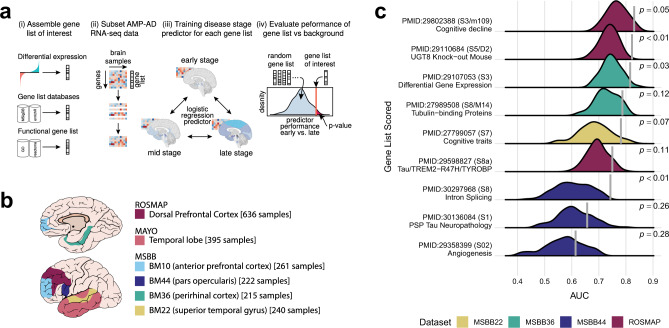
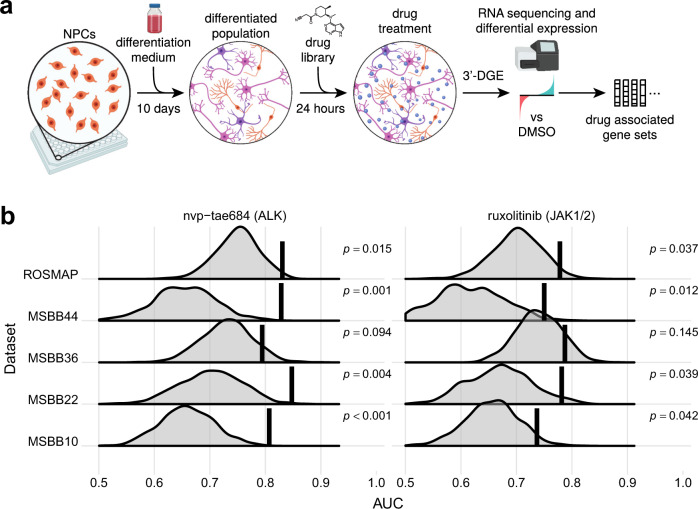
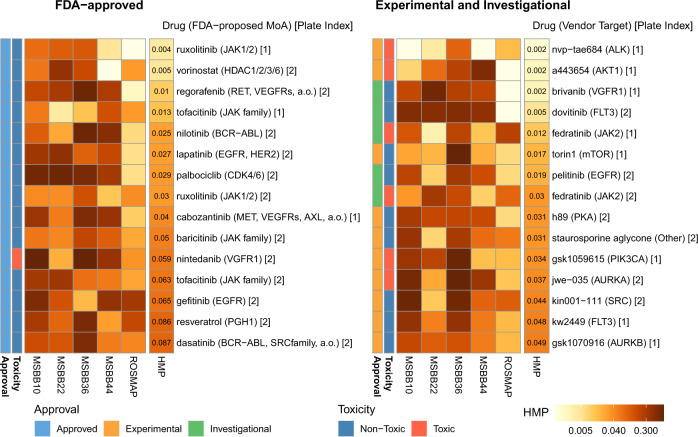
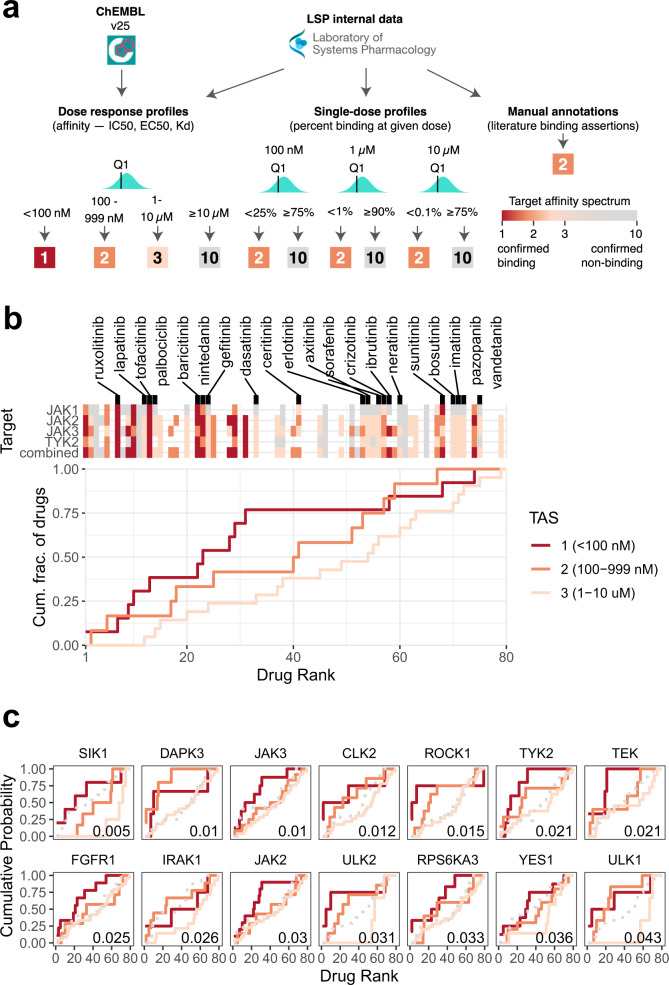
Clinical trials of novel therapeutics for Alzheimer’s Disease (AD) have consumed a large amount of time and resources with largely negative results. Repurposing drugs already approved by the Food and Drug Administration (FDA) for another indication is a more rapid and less expensive option. We present DRIAD (Drug Repurposing In AD), a machine learning framework that quantifies potential associations between the pathology of AD severity (the Braak stage) and molecular mechanisms as encoded in lists of gene names. DRIAD is applied to lists of genes arising from perturbations in differentiated human neural cell cultures by 80 FDA-approved and clinically tested drugs, producing a ranked list of possible repurposing candidates. Top-scoring drugs are inspected for common trends among their targets. We propose that the DRIAD method can be used to nominate drugs that, after additional validation and identification of relevant pharmacodynamic biomarker(s), could be readily evaluated in a clinical trial.
Overview
The claims and statistics of this paper haven’t been checked yet.
Free: it reads the open-access text and checks the first 5 claims that cite a source we can check. Create a free account to check every claim.
Integrity signals
Registry
Cites
Statistics
Figures
Verification
Claims the paper makes
The claims and statistics of this paper haven’t been checked yet.
Free: it reads the open-access text and checks the first 5 claims that cite a source we can check. Create a free account to check every claim.
Claims other papers make about this one
Each is checked against this paper’s own text: does it say what the citing paper says it does?
The cited source says what the claim attributes to it.
In the citing paper
“Additionally, the advancement of artificial intelligence (AI)-based computational tools is facilitating drug repurposing, presenting a promising strategy AD drug development.431–433”
From Recent advances in Alzheimer's disease: Mechanisms, clinical trials and new drug development strategies. (2024) · cites this paper as [432]
The check wasn’t confident either way, so it gives no verdict — never disputed.
In the citing paper
“Other network-centric models, including AlzGPS, map genetic variants onto protein interaction networks to identify modifiable disease nodes. One such node, ATP6V1A, was found to be pharmacologically targetable, with compounds like pioglitazone modulating its associated neuroinflammatory pathways251,334,337,339,340.”
From Artificial intelligence-driven multi-omics approaches in Alzheimer's disease: Progress, challenges, and future directions (2025) · cites this paper as [337]
Experimental — accuracy not yet measured
Self-check
Percentages, sums and reported differences re-computed from the paper’s own numbers.
The self-check needs the paper’s full text.
Citations
Cites
Subramanian, A., Tamayo, P., Mootha, V. K., Mukherjee, S., Ebert, B. L., Gillette, M. A., Paulovich, A., Pomeroy, S. L., Golub, T. R., Lander, E. S., et al. (2005) · Proceedings of the National Academy of Sciences · doi:10.1073/pnas.0506580102 · Cited by 53,625
Robinson, M. D., McCarthy, D. J., & Smyth, G. K. (2010) · Bioinformatics · doi:10.1093/bioinformatics/btp616 · Cited by 41,364
Neuropathological stageing of Alzheimer-related changes.
Braak, H., & Braak, E. (1991) · Acta Neuropathologica · doi:10.1007/bf00308809 · Cited by 16,123
Adjusting batch effects in microarray expression data using empirical Bayes methods
Johnson, W. E., Li, C., & Rabinovic, A. (2007) · Biostatistics · doi:10.1093/biostatistics/kxj037 · Cited by 8,658
Neurotoxic reactive astrocytes are induced by activated microglia
Liddelow, S. A., Guttenplan, K. A., Clarke, L. E., Bennett, F. C., Bohlen, C. J., Schirmer, L., Bennett, M. L., Münch, A. E., Chung, W.-S., Peterson, T. C., et al. (2017) · Nature · doi:10.1038/nature21029 · Cited by 7,971
Structural absorption by barbule microstructures of super black bird of paradise feathers
McCoy, D. E., Feo, T., Harvey, T. A., & Prum, R. O. (2018) · Nature Communications · doi:10.1038/s41467-017-02088-w · Cited by 7,424
Lamb, J., Crawford, E. D., Peck, D., Modell, J. W., Blat, I. C., Wrobel, M. J., Lerner, J., Brunet, J.-P., Subramanian, A., Ross, K. N., et al. (2006) · Science · doi:10.1126/science.1132939 · Cited by 5,257
Drug repurposing: progress, challenges and recommendations
Pushpakom, S., Iorio, F., Eyers, P. A., Escott, K. J., Hopper, S., Wells, A., Doig, A., Guilliams, T., Latimer, J., McNamee, C., et al. (2019) · Nature Reviews Drug Discovery · doi:10.1038/nrd.2018.168 · Cited by 4,718
Alzheimer Disease: An Update on Pathobiology and Treatment Strategies
Long, J. M., & Holtzman, D. M. (2019) · Cell · doi:10.1016/j.cell.2019.09.001 · Cited by 3,204
Alzheimer disease in the United States (2010–2050) estimated using the 2010 census
Hebert, L. E., Weuve, J., Scherr, P. A., & Evans, D. A. (2013) · Neurology · doi:10.1212/wnl.0b013e31828726f5 · Cited by 2,642
2019 Alzheimer’s disease facts and figures.
Alzheimer's Association (2019) · Alzheimer's & Dementia · doi:10.1016/j.jalz.2019.01.010 · Cited by 2,461
Gaulton, A., Hersey, A., Nowotka, M., Bento, A. P., Chambers, J., Mendez, D., Mutowo, P., Atkinson, F., Bellis, L. J., Cibrián-Uhalte, E., et al. (2017) · Nucleic Acids Research · doi:10.1093/nar/gkw1074 · Cited by 2,330
Capturing Heterogeneity in Gene Expression Studies by Surrogate Variable Analysis
Leek, J. T., & Storey, J. D. (2007) · PLoS Genetics · doi:10.1371/journal.pgen.0030161 · Cited by 1,930
No evidence that carotenoid pigments boost either immune or antioxidant defenses in a songbird
Koch, R. E., Kavazis, A. N., Hasselquist, D., Hood, W. R., Zhang, Y., Toomey, M. B., & Hill, G. E. (2018) · Nature Communications · doi:10.1038/s41467-018-02974-x · Cited by 1,924
Zhou, Y., Song, W. M., Andhey, P. S., Swain, A., Levy, T., Miller, K. R., Poliani, P. L., Cominelli, M., Grover, S., Gilfillan, S., et al. (2020) · Nature Medicine · doi:10.1038/s41591-019-0695-9 · Cited by 1,150
Current Strategies for Brain Drug Delivery
Dong, X. (2018) · Theranostics · doi:10.7150/thno.21254 · Cited by 954
PREDICT: a method for inferring novel drug indications with application to personalized medicine
Gottlieb, A., Stein, G. Y., Ruppin, E., & Sharan, R. (2011) · Molecular Systems Biology · doi:10.1038/msb.2011.26 · Cited by 881
The mammalian ULK1 complex and autophagy initiation
Zachari, M., & Ganley, I. G. (2017) · Essays in Biochemistry · doi:10.1042/ebc20170021 · Cited by 789
Systematic integration of biomedical knowledge prioritizes drugs for repurposing
Himmelstein, D. S., Lizee, A., Hessler, C., Brueggeman, L., Chen, S. L., Hadley, D., Green, A., Khankhanian, P., & Baranzini, S. E. (2017) · eLife · doi:10.7554/elife.26726 · Cited by 666 · cited 1×
“Tools such as MeSHDD 11 , PREDICT 12 , Rephetio 13 , Connectivity Map 14 , and others 15 – 17 seek to establish large-scale associations between perturbations induced by drugs and by disease processes, which can then be mined for repurposing opportunities.”
BackgroundA 3D human triculture system modeling neurodegeneration and neuroinflammation in Alzheimer’s disease
Park, J., Wetzel, I., Marriott, I., Dréau, D., D’Avanzo, C., Kim, D. Y., Tanzi, R. E., & Cho, H. (2018) · Nature Neuroscience · doi:10.1038/s41593-018-0175-4 · Cited by 644
Neurotrophin signalling in health and disease
Chao, M. V., Rajagopal, R., & Lee, F. S. (2006) · Clinical Science · doi:10.1042/cs20050163 · Cited by 625
Mehta, D., Jackson, R., Paul, G., Shi, J., & Sabbagh, M. (2017) · Expert Opinion on Investigational Drugs · doi:10.1080/13543784.2017.1323868 · Cited by 607
Conserved epigenomic signals in mice and humans reveal immune basis of Alzheimer's disease
Gjoneska, E., Pfenning, A. R., Mathys, H., Quon, G., Kundaje, A., Tsai, L.-H., & Kellis, M. (2015) · Nature · doi:10.1038/nature14252 · Cited by 576
Power analysis of single-cell RNA-sequencing experiments
Svensson, V., Natarajan, K. N., Ly, L.-H., Miragaia, R. J., Labalette, C., Macaulay, I. C., Cvejic, A., & Teichmann, S. A. (2017) · Nature Methods · doi:10.1038/nmeth.4220 · Cited by 568
Network-based approach to prediction and population-based validation of in silico drug repurposing
Cheng, F., Desai, R. J., Handy, D. E., Wang, R., Schneeweiss, S., Barabási, A.-L., & Loscalzo, J. (2018) · Nature Communications · doi:10.1038/s41467-018-05116-5 · Cited by 552
Mostafavi, S., Gaiteri, C., Sullivan, S. E., White, C. C., Tasaki, S., Xu, J., Taga, M., Klein, H.-U., Patrick, E., Komashko, V., et al. (2018) · Nature Neuroscience · doi:10.1038/s41593-018-0154-9 · Cited by 509
Person-specific contribution of neuropathologies to cognitive loss in old age
Boyle, P. A., Yu, L., Wilson, R. S., Leurgans, S. E., Schneider, J. A., & Bennett, D. A. (2018) · Annals of Neurology · doi:10.1002/ana.25123 · Cited by 508
Seyfried, N. T., Dammer, E. B., Swarup, V., Nandakumar, D., Duong, D. M., Yin, L., Deng, Q., Nguyen, T., Hales, C. M., Wingo, T., et al. (2017) · Cell Systems · doi:10.1016/j.cels.2016.11.006 · Cited by 477
The harmonic mean p -value for combining dependent tests
Wilson, D. J. (2019) · Proceedings of the National Academy of Sciences · doi:10.1073/pnas.1814092116 · Cited by 449
Marsilje, T. H., Pei, W., Chen, B., Lu, W., Uno, T., Jin, Y., Jiang, T., Kim, S., Li, N., Warmuth, M., et al. (2013) · Journal of Medicinal Chemistry · doi:10.1021/jm400402q · Cited by 418
Raj, T., Li, Y. I., Wong, G., Humphrey, J., Wang, M., Ramdhani, S., Wang, Y.-C., Ng, B., Gupta, I., Haroutunian, V., et al. (2018) · Nature Genetics · doi:10.1038/s41588-018-0238-1 · Cited by 410
A Systems Level Analysis of Transcriptional Changes in Alzheimer's Disease and Normal Aging
Miller, J. A., Oldham, M. C., & Geschwind, D. H. (2008) · The Journal of Neuroscience · doi:10.1523/jneurosci.4098-07.2008 · Cited by 385
L1000CDS2: LINCS L1000 characteristic direction signatures search engine
Duan, Q., Reid, S. P., Clark, N. R., Wang, Z., Fernandez, N. F., Rouillard, A. D., Readhead, B., Tritsch, S. R., Hodos, R., Hafner, M., et al. (2016) · npj Systems Biology and Applications · doi:10.1038/npjsba.2016.15 · Cited by 355
Self-citationU1 small nuclear ribonucleoprotein complex and RNA splicing alterations in Alzheimer’s disease
Bai, B., Hales, C. M., Chen, P.-C., Gozal, Y., Dammer, E. B., Fritz, J. J., Wang, X., Xia, Q., Duong, D. M., Street, C., et al. (2013) · Proceedings of the National Academy of Sciences · doi:10.1073/pnas.1310249110 · Cited by 335
Tam, O. H., Rozhkov, N. V., Shaw, R., Kim, D., Hubbard, I., Fennessey, S., Propp, N., Phatnani, H., Kwan, J., Sareen, D., et al. (2019) · Cell Reports · doi:10.1016/j.celrep.2019.09.066 · Cited by 327
Attributable risk of Alzheimer's dementia attributed to age-related neuropathologies
Boyle, P. A., Yu, L., Leurgans, S. E., Wilson, R. S., Brookmeyer, R., Schneider, J. A., & Bennett, D. A. (2019) · Annals of Neurology · doi:10.1002/ana.25380 · Cited by 318
Wang, M., Roussos, P., McKenzie, A., Zhou, X., Kajiwara, Y., Brennand, K. J., De Luca, G. C., Crary, J. F., Casaccia, P., Buxbaum, J. D., et al. (2016) · Genome Medicine · doi:10.1186/s13073-016-0355-3 · Cited by 314
Avoidable flaws in observational analyses: an application to statins and cancer
Dickerman, B. A., García-Albéniz, X., Logan, R. W., Denaxas, S., & Hernán, M. A. (2019) · Nature Medicine · doi:10.1038/s41591-019-0597-x · Cited by 308
Drug repositioning for Alzheimer's disease
Corbett, A., Pickett, J., Burns, A., Corcoran, J., Dunnett, S. B., Edison, P., Hagan, J. J., Holmes, C., Jones, E., Katona, C., et al. (2012) · Nature Reviews Drug Discovery · doi:10.1038/nrd3869 · Cited by 301
Bennett, R. E., Robbins, A. B., Hu, M., Cao, X., Betensky, R. A., Clark, T., Das, S., & Hyman, B. T. (2018) · Proceedings of the National Academy of Sciences · doi:10.1073/pnas.1710329115 · Cited by 299
Self-citationHernandez, J. J., Pryszlak, M., Smith, L., Yanchus, C., Kurji, N., Shahani, V. M., & Molinski, S. V. (2017) · Frontiers in Oncology · doi:10.3389/fonc.2017.00273 · Cited by 281
Jouanne, M., Rault, S., & Voisin-Chiret, A.-S. (2017) · European Journal of Medicinal Chemistry · doi:10.1016/j.ejmech.2017.07.070 · Cited by 252
Hafner, M., Mills, C. E., Subramanian, K., Chen, C., Chung, M., Boswell, S. A., Everley, R. A., Liu, C., Walmsley, C. S., Juric, D., et al. (2019) · Cell Chemical Biology · doi:10.1016/j.chembiol.2019.05.005 · Cited by 250
Self-citationDRUG-seq for miniaturized high-throughput transcriptome profiling in drug discovery
Ye, C., Ho, D. J., Neri, M., Yang, C., Kulkarni, T., Randhawa, R., Henault, M., Mostacci, N., Farmer, P., Renner, S., et al. (2018) · Nature Communications · doi:10.1038/s41467-018-06500-x · Cited by 222
Autophagy in Alzheimer’s disease
Zare-shahabadi, A., Masliah, E., Johnson, G. V. W., & Rezaei, N. (2015) · Reviews in the Neurosciences · doi:10.1515/revneuro-2014-0076 · Cited by 204
L1000FWD: fireworks visualization of drug-induced transcriptomic signatures
Wang, Z., Lachmann, A., Keenan, A. B., & Ma’ayan, A. (2018) · Bioinformatics · doi:10.1093/bioinformatics/bty060 · Cited by 195
The requirement of uncoordinated 51-like kinase 1 (ULK1) and ULK2 in the regulation of autophagy
Lee, E.-J., & Tournier, C. (2011) · Autophagy · doi:10.4161/auto.7.7.15450 · Cited by 186
Hodes, R. J., & Buckholtz, N. (2016) · Expert Opinion on Therapeutic Targets · doi:10.1517/14728222.2016.1135132 · Cited by 174
Airola, A., Pahikkala, T., Waegeman, W., De Baets, B., & Salakoski, T. (2011) · Computational Statistics & Data Analysis · doi:10.1016/j.csda.2010.11.018 · Cited by 166
Tang, H., Wang, Y., Wang, S., Wu, M., Lin, S., & Chen, G. (2011) · The EMBO Journal · doi:10.1038/emboj.2010.338 · Cited by 162
McKenzie, A. T., Moyon, S., Wang, M., Katsyv, I., Song, W.-M., Zhou, X., Dammer, E. B., Duong, D. M., Aaker, J., Zhao, Y., et al. (2017) · Molecular Neurodegeneration · doi:10.1186/s13024-017-0219-3 · Cited by 154
AlzPathway: a comprehensive map of signaling pathways of Alzheimer’s disease
Mizuno, S., Iijima, R., Ogishima, S., Kikuchi, M., Matsuoka, Y., Ghosh, S., Miyamoto, T., Miyashita, A., Kuwano, R., & Tanaka, H. (2012) · BMC Systems Biology · doi:10.1186/1752-0509-6-52 · Cited by 150
Conserved brain myelination networks are altered in Alzheimer’s and other neurodegenerative diseases
Allen, M., Wang, X., Burgess, J. D., Watzlawik, J., Serie, D. J., Younkin, C. S., Nguyen, T., Malphrus, K. G., Lincoln, S., Carrasquillo, M. M., et al. (2018) · Alzheimer's & Dementia · doi:10.1016/j.jalz.2017.09.012 · Cited by 143
Li, X., Long, J., He, T., Belshaw, R., & Scott, J. (2015) · Scientific Reports · doi:10.1038/srep12393 · Cited by 141
Cell “Self‐Eating” (Autophagy) Mechanism in Alzheimer's Disease
Funderburk, S. F., Marcellino, B. K., & Yue, Z. (2010) · Mount Sinai Journal of Medicine: A Journal of Translational and Personalized Medicine · doi:10.1002/msj.20161 · Cited by 139
Translating the biology of aging into novel therapeutics for Alzheimer disease
Hara, Y., McKeehan, N., & Fillit, H. M. (2019) · Neurology · doi:10.1212/wnl.0000000000006745 · Cited by 122
P70 S6 kinase mediates tau phosphorylation and synthesis
Pei, J.-J., An, W.-L., Zhou, X.-W., Nishimura, T., Norberg, J., Benedikz, E., Götz, J., & Winblad, B. (2006) · FEBS Letters · doi:10.1016/j.febslet.2005.11.059 · Cited by 119
Drug repositioning for Alzheimer’s disease based on systematic “omics” data mining
Zhang, M., Schmitt-Ulms, G., Sato, C., Xi, Z., Zhang, Y., Zhou, Y., St George-Hyslop, P., & Rogaeva, E. (2016) · PLOS ONE · doi:10.1371/journal.pone.0168812 · Cited by 108 · cited 1×
“Gene expression also features prominently in previous drug repositioning efforts focused on aging 21 and AD 16,22 , with several approaches making use of the Connectivity Map 14 and related tools 23,24 to identify compounds that induce similar transcriptional changes in a given disease context 25 .”
MethodCaccamo, A., Branca, C., Talboom, J. S., Shaw, D. M., Turner, D., Ma, L., Messina, A., Huang, Z., Wu, J., & Oddo, S. (2015) · The Journal of Neuroscience · doi:10.1523/jneurosci.2781-15.2015 · Cited by 105
RapMap: a rapid, sensitive and accurate tool for mapping RNA-seq reads to transcriptomes
Srivastava, A., Sarkar, H., Gupta, N., & Patro, R. (2016) · Bioinformatics · doi:10.1093/bioinformatics/btw277 · Cited by 105
Type-I interferon pathway in neuroinflammation and neurodegeneration: focus on Alzheimer’s disease
Taylor, J. M., Moore, Z., Minter, M. R., & Crack, P. J. (2017) · Journal of Neural Transmission · doi:10.1007/s00702-017-1745-4 · Cited by 100
A farnesyltransferase inhibitor activates lysosomes and reduces tau pathology in mice with tauopathy
Hernandez, I., Luna, G., Rauch, J. N., Reis, S. A., Giroux, M., Karch, C. M., Boctor, D., Sibih, Y. E., Storm, N. J., Diaz, A., et al. (2019) · Science Translational Medicine · doi:10.1126/scitranslmed.aat3005 · Cited by 95
Phenotypic heterogeneity in dementia: a challenge for epidemiology and biomarker studies
Ryan, J., Fransquet, P., Wrigglesworth, J., & Lacaze, P. (2018) · Frontiers in Public Health · doi:10.3389/fpubh.2018.00181 · Cited by 91
Patir, A., Shih, B., McColl, B. W., & Freeman, T. C. (2019) · Glia · doi:10.1002/glia.23572 · Cited by 90
The NIMA-family kinase Nek3 regulates microtubule acetylation in neurons
Chang, J., Baloh, R. H., & Milbrandt, J. (2009) · Journal of Cell Science · doi:10.1242/jcs.048975 · Cited by 89
p70 S6 Kinase and Tau in Alzheimer's Disease
Pei, J.-J., Björkdahl, C., Zhang, H., Zhou, X., & Winblad, B. (2008) · Journal of Alzheimer's Disease · doi:10.3233/jad-2008-14405 · Cited by 75
Removing unwanted variation from high dimensional data with negative controls
Gagnon-Bartsch, J. A., Jacob, L., & Speed, T. P. (2013) · Cited by 75
Cheminformatics Tools for Analyzing and Designing Optimized Small Molecule Collections and Libraries
Moret, N., Clark, N. A., Hafner, M. A., Wang, Y., Lounkine, E., Medvedovic, M., Wang, J., Gray, N. S., Jenkins, J. L., & Sorger, P. K. (2018) · Cell chemical biology · doi:10.1016/j.chembiol.2019.02.018 · Cited by 75
Self-citationGene expression‐based drug repurposing to target aging
Dönertaş, H. M., Fuentealba Valenzuela, M., Partridge, L., & Thornton, J. M. (2018) · Aging Cell · doi:10.1111/acel.12819 · Cited by 73
Williams, G., Gatt, A., Clarke, E., Corcoran, J., Doherty, P., Chambers, D., & Ballard, C. (2019) · Translational Psychiatry · doi:10.1038/s41398-019-0555-x · Cited by 69
MeSHDD: Literature-based drug-drug similarity for drug repositioning
Brown, A. S., & Patel, C. J. (2017) · Journal of the American Medical Informatics Association · doi:10.1093/jamia/ocw142 · Cited by 63
Allen, M., Wang, X., Serie, D. J., Strickland, S. L., Burgess, J. D., Koga, S., Younkin, C. S., Nguyen, T. T., Malphrus, K. G., Lincoln, S. J., et al. (2018) · Acta Neuropathologica · doi:10.1007/s00401-018-1900-5 · Cited by 58
Rate of Memory Change Before and After Cancer Diagnosis
Ospina-Romero, M., Abdiwahab, E., Kobayashi, L., Filshtein, T., Brenowitz, W. D., Mayeda, E. R., & Glymour, M. M. (2019) · JAMA Network Open · doi:10.1001/jamanetworkopen.2019.6160 · Cited by 58
Connectivity Mapping: Methods and Applications
Keenan, A. B., Wojciechowicz, M. L., Wang, Z., Jagodnik, K. M., Jenkins, S. L., Lachmann, A., & Ma’ayan, A. (2019) · Annual Review of Biomedical Data Science · doi:10.1146/annurev-biodatasci-072018-021211 · Cited by 56
Song, Y., Subramanian, K., Berberich, M. J., Rodriguez, S., Latorre, I. J., Luria, C. M., Everley, R., Albers, M. W., Mitchison, T. J., & Sorger, P. K. (2019) · Scientific Data · doi:10.1038/sdata.2019.16 · Cited by 55
Self-citationAbd-Elrahman, K. S., Hamilton, A., Vasefi, M., & Ferguson, S. S. G. (2018) · Molecular Brain · doi:10.1186/s13041-018-0364-9 · Cited by 51
Seddighi, S., Houck, A. L., Rowe, J. B., & Pharoah, P. D. P. (2019) · Scientific Reports · doi:10.1038/s41598-019-49795-6 · Cited by 47
Wu, M., Fang, K., Wang, W., Lin, W. J., Guo, L., & Wang, J. (2019) · Biophysics Reports · doi:10.1007/s41048-019-0086-2 · Cited by 44
Sekiya, M., Wang, M., Fujisaki, N., Sakakibara, Y., Quan, X., Ehrlich, M. E., De Jager, P. L., Bennett, D. A., Schadt, E. E., Gandy, S., et al. (2018) · Genome Medicine · doi:10.1186/s13073-018-0530-9 · Cited by 38
Ellison, E. M., Bradley-Whitman, M. A., & Lovell, M. A. (2017) · Journal of Molecular Neuroscience · doi:10.1007/s12031-017-0969-y · Cited by 35
Lee, C., Lee, J. Y., & Kim, D. (2018) · Nature Communications · doi:10.1038/s41467-018-02948-z · Cited by 35
Mortezaei, Z., Lanjanian, H., & Masoudi‐Nejad, A. (2017) · Genomics · doi:10.1016/j.ygeno.2017.02.004 · Cited by 34
Protective effect of Tenuifolin against Alzheimer’s disease
Wang, L., Jin, G., Hehan, Y., Li, Q., & Yang, H. (2019) · Neuroscience Letters · doi:10.1016/j.neulet.2019.04.045 · Cited by 33
Parallel increase in p70 kinase activation and tau phosphorylation (S262) with Aβ overproduction
Zhou, X.-W., Tanila, H., & Pei, J.-J. (2008) · FEBS Letters · doi:10.1016/j.febslet.2007.11.078 · Cited by 31
Repurposed Drugs as Potential Therapeutic Candidates for the Management of Alzheimer's Disease
Shoaib, M., Kamal, M. A., & Rizvi, S. M. D. (2017) · Current Drug Metabolism · doi:10.2174/1389200218666170607101622 · Cited by 25
Neurodegeneration, Heterochromatin, and Double-Stranded RNA
Saldi, T. K., Gonzales, P. K., LaRocca, T. J., & Link, C. D. (2019) · Journal of Experimental Neuroscience · doi:10.1177/1179069519830697 · Cited by 20
Nevado‐Holgado, A. J., & Lovestone, S. (2016) · Computational and Structural Biotechnology Journal · doi:10.1016/j.csbj.2016.10.003 · Cited by 19
Therapeutic Manipulation of Ageing: Repurposing Old Dogs and Discovering New Tricks
Mallikarjun, V., & Swift, J. (2016) · EBioMedicine · doi:10.1016/j.ebiom.2016.11.020 · Cited by 14
grImport2: Importing 'SVG' Graphics
Potter, S., & Murrell, P. R. (2018) · doi:10.32614/cran.package.grimport2 · Cited by 5
Drug Repurposing Hypothesis Generation Using the "RE:fine Drugs" System
Regan, K., Moosavinasab, S., Payne, P., & Lin, S. M. (2016) · Journal of Visualized Experiments · doi:10.3791/54948 · Cited by 4
Machine Learning Identifies Candidates for Drug Repurposing in Alzheimer’s Disease
Rodriguez, S., Hug, C. B., Todorov, P. V., Moret, N., Boswell, S. A., Evans, K., Zhou, G., Johnson, N. T., Hyman, B., Sorger, P. K., et al. (2021) · Synapse · doi:10.7303/syn18488020 · Cited by 1
Self-citationlabsyspharm/DRIAD: Nature Communications
Sokolov, A., & Hug, C. B. (2021) · Zenodo (CERN European Organization for Nuclear Research) · doi:10.5281/zenodo.4432965 · Cited by 1
Self-citation
Research works printed but not linked: 1
- Rodriguez, S. et al. Machine learning identifies candidates for drug repurposing in Alzheimer’s disease. https://github.com/labsyspharm/DRIAD10.5281/zenodo.4432966 (2021). PMC7884393 33589615 · doi:10.5281/zenodo.4432966
Cited by
Zhang, J., Zhang, Y., Wang, J., Xia, Y., Zhang, J., & Chen, L. (2024) · Signal Transduction and Targeted Therapy · doi:10.1038/s41392-024-01911-3 · Cited by 1,138
Artificial intelligence in drug development
Zhang, K., Yang, X., Wang, Y., Yu, Y., Huang, N., Li, G., Li, X., Wu, J. C., & Yang, S. (2025) · Nature Medicine · doi:10.1038/s41591-024-03434-4 · Cited by 498
Autophagy in Alzheimer’s disease pathogenesis: Therapeutic potential and future perspectives
Zhang, Z., Yang, X., Song, Y.-Q., & Tu, J. (2021) · Ageing Research Reviews · doi:10.1016/j.arr.2021.101464 · Cited by 369
Kale, M., Wankhede, N., Pawar, R., Ballal, S., Kumawat, R., Goswami, M., Khalid, M., Taksande, B., Upaganlawar, A., Umekar, M., et al. (2024) · Ageing Research Reviews · doi:10.1016/j.arr.2024.102497 · Cited by 183
Alzheimer’s Disease: Exploring the Landscape of Cognitive Decline
Tenchov, R., Sasso, J. M., & Zhou, Q. A. (2024) · ACS Chemical Neuroscience · doi:10.1021/acschemneuro.4c00339 · Cited by 170
Metadata
- Authors
- Rodriguez, S., Hug, C., Todorov, P., Moret, N., Boswell, S. A., Evans, K., Zhou, G., Johnson, N. T., Hyman, B. T., Sorger, P. K., Albers, M. W., & Sokolov, A.
- Affiliations
- Harvard University (US)
- Massachusetts General Hospital (US)
- Corresponding author
- Albers, Mark W.
- Sokolov, Artem
- ORCID
- Venue
- Nature Communications
- Published
- 2021-02-15
- Volume
- 12
- Issue
- 1
- Pages
- 1033-1033
- ISSN
- 2041-1723 (ISSN-L)
- PMC
- PMC7884393
- OpenAlex
- W3130727496
- Cited by
- 299
- References
- 93
- Citations by year
- 2026: 42 · 2025: 61 · 2024: 56 · 2023: 61 · 2022: 52 · 2021: 26
- FWCI
- 25.83
- Type
- journal article
- Language
- en
- Open access
- gold
- doi.org
- Licence
- cc-by
- creativecommons.org/licenses/by/4.0 (tdm)
- creativecommons.org/licenses/by/4.0 (vor)
- Locations
- Nature Communications (publishedVersion, cc-by)
- bioRxiv (Cold Spring Harbor Laboratory) (acceptedVersion, cc-by-nd)
- PubMed Central (publishedVersion, cc-by)
- PubMed (publishedVersion)
- RePEc: Research Papers in Economics (submittedVersion)
- DOAJ (DOAJ: Directory of Open Access Journals) (submittedVersion, cc-by-sa)
- Funders
- U.S. Department of Health & Human Services | NIH | National Institute on Aging (R01 AG058063)
- U.S. Department of Health & Human Services | NIH | National Cancer Institute (U54- CA225088-02S1)
- Topics
- Life Sciences › Pharmacology, Toxicology and Pharmaceutics › Drug Discovery › Computational Drug Discovery Methods
- Life Sciences › Neuroscience › Cellular and Molecular Neuroscience › Alzheimer's disease research and treatments
- Health Sciences › Medicine › Psychiatry and Mental health › Dementia and Cognitive Impairment Research
- Keywords
- Alzheimer's disease, drug repurposing, Braak stages, gene list, drug-target interactions, FDA-approved drugs, drug target prioritization, pharmacodynamic biomarkers
- MeSH terms
- Machine Learning, Alzheimer Disease, Cerebral Cortex, Gene Expression Regulation, Humans, Nerve Tissue Proteins, Neurons, Pharmacogenetics, Severity of Illness Index, Drugs, Investigational, Neuroprotective Agents, Nootropic Agents, Gene Expression Profiling, Prescription Drugs, High-Throughput Screening Assays, Drug Repositioning, Primary Cell Culture, Polypharmacology
About these checks
Registry, retraction, Cites and statistics results are computed, not judged, with one exception: a printed reference that no index lists is read once by a model before it counts as a citation error. Claims are extracted by a model and kept only when their quote appears verbatim in the text; each cited source is then checked, with a model’s help, for whether it says what the claim relies on. Those verdicts can be wrong — read the claim’s quote and the cited source before relying on one.
Statistics and arithmetic are recomputed, not judged.
Confidence bands are shown only for fields calibrated on our annotated test set. None is calibrated yet, so no band is shown.
What counts as a claim ›How we measure confidence ›How we check this ›
Are you an author, or do you see a problem with this page? Request a review
Data sources
Bibliographic data: Semantic Scholar, OpenAlex, Crossref.
Contains information from the Semantic Scholar Academic Graph Datasets, made available under the ODC Attribution License (ODC-BY 1.0).
Semantic Scholar’s data is described in: Kinney, R., et al. (2023). The Semantic Scholar Open Data Platform. arXiv:2301.10140.
