

The DOI matches its Crossref record; 121 of the 124 references it cites were found in a registry or an index.
Osteoclasts protect bone blood vessels against senescence through the angiogenin/plexin-B2 axis
Open accessAbstract
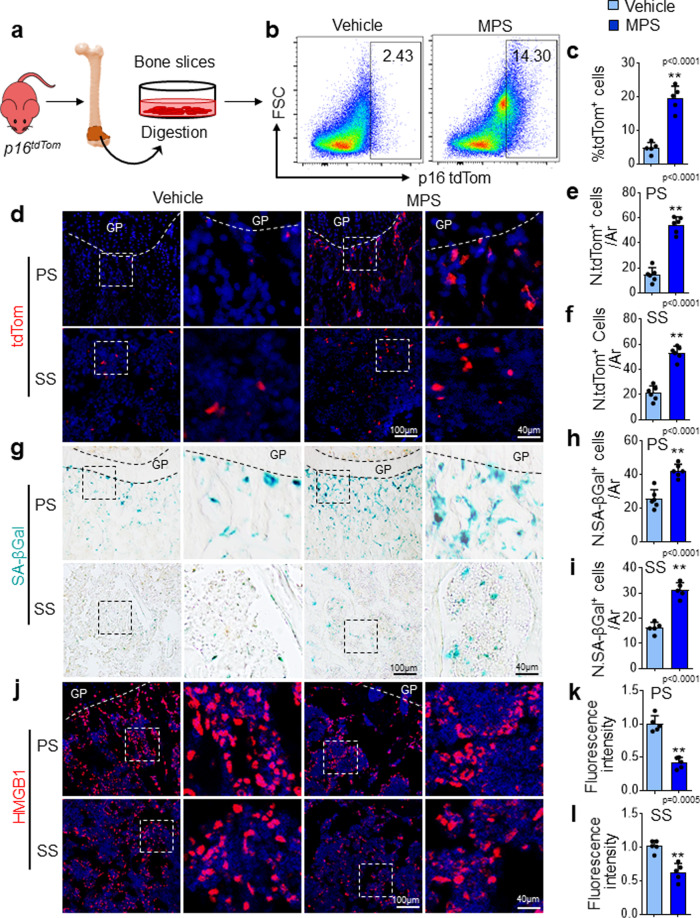
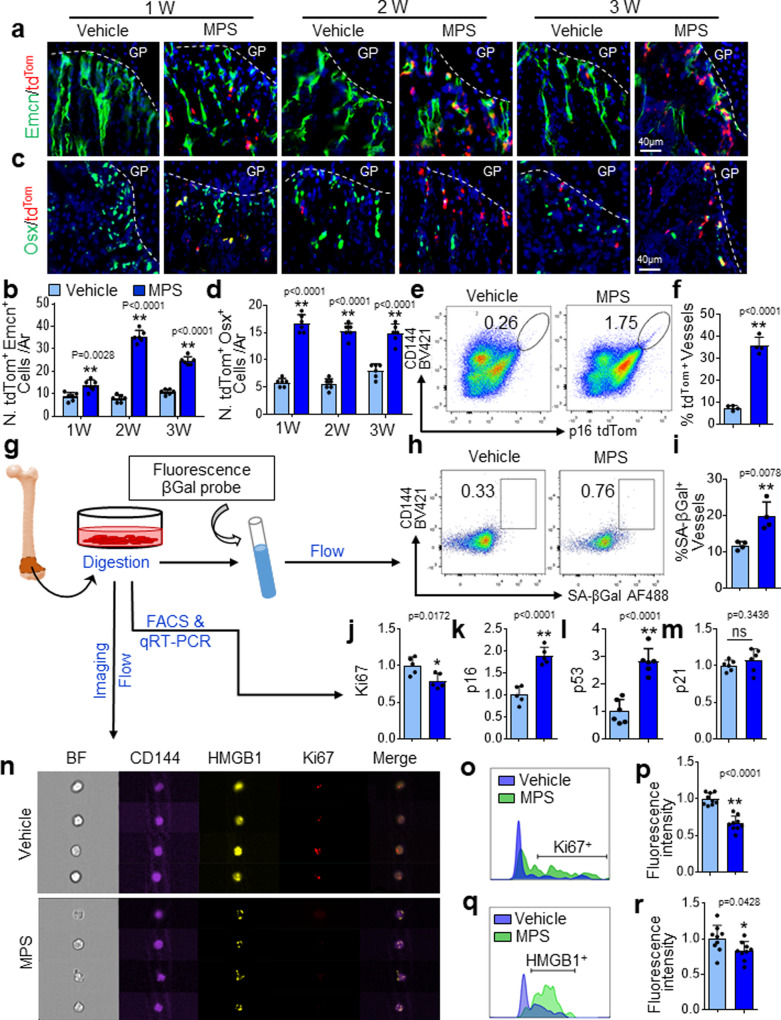
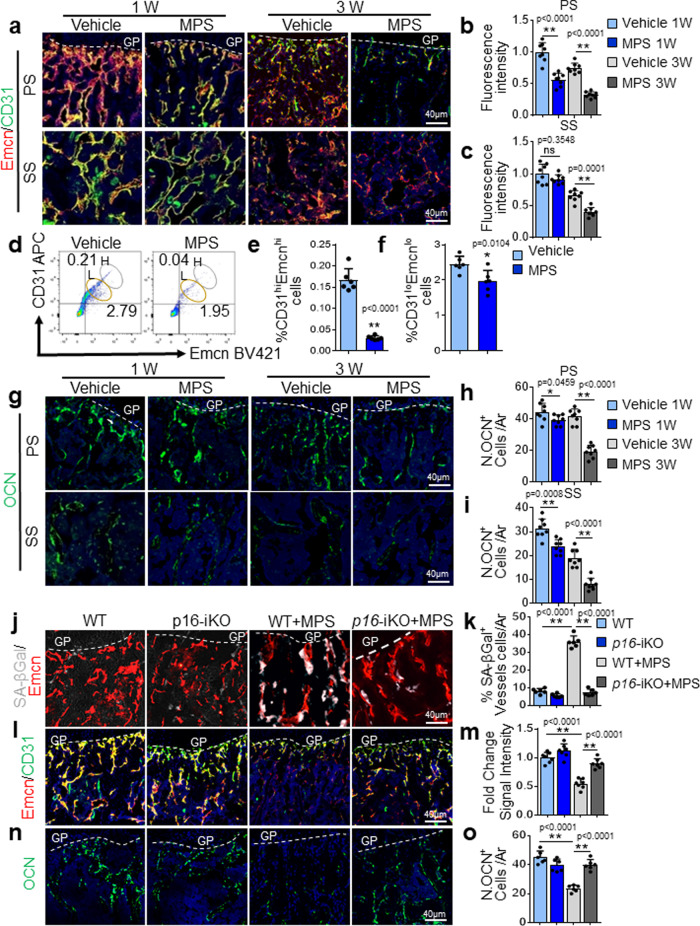
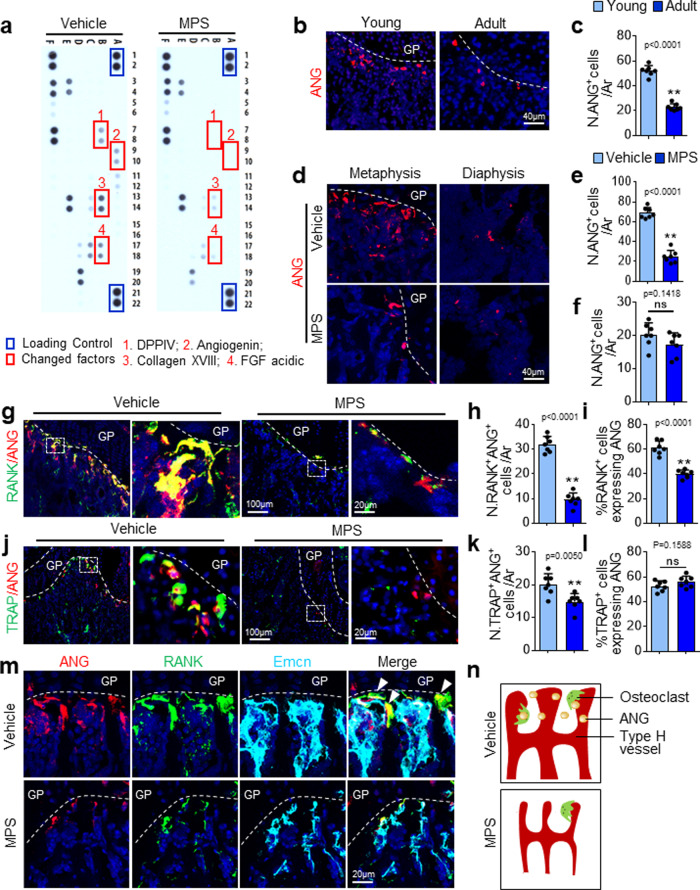
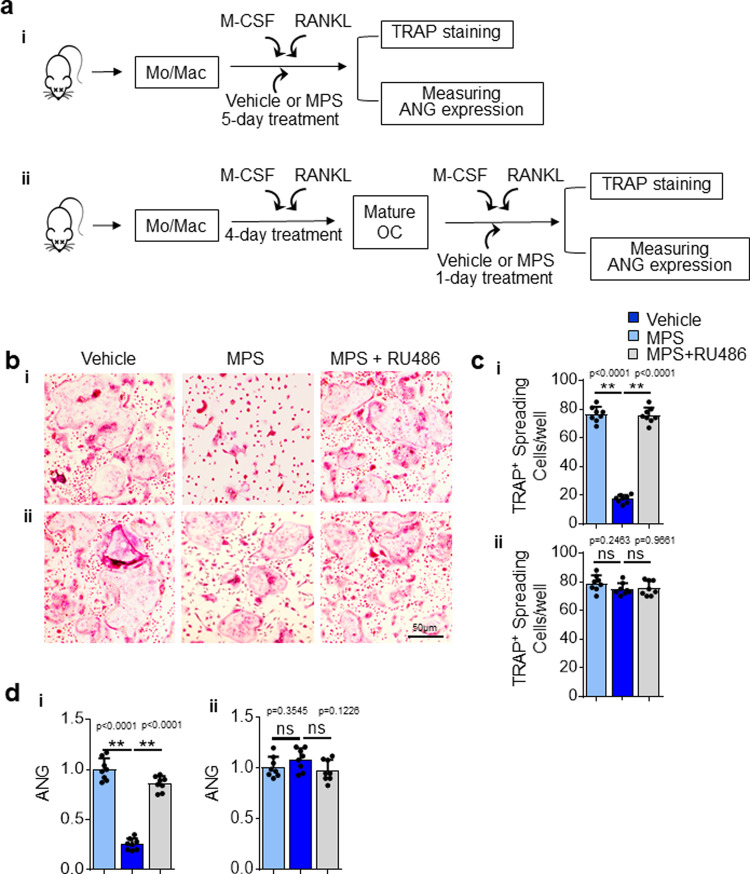
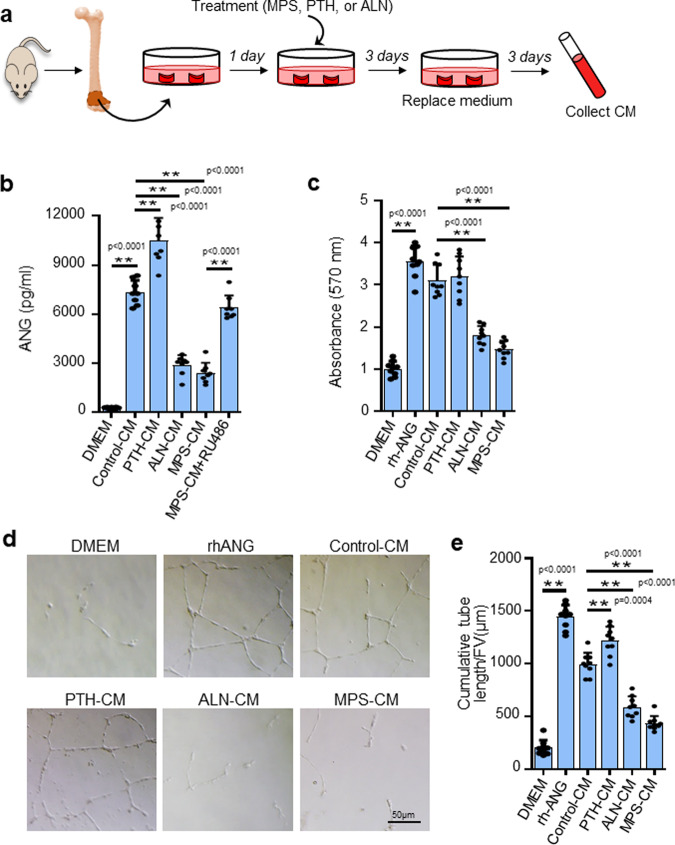
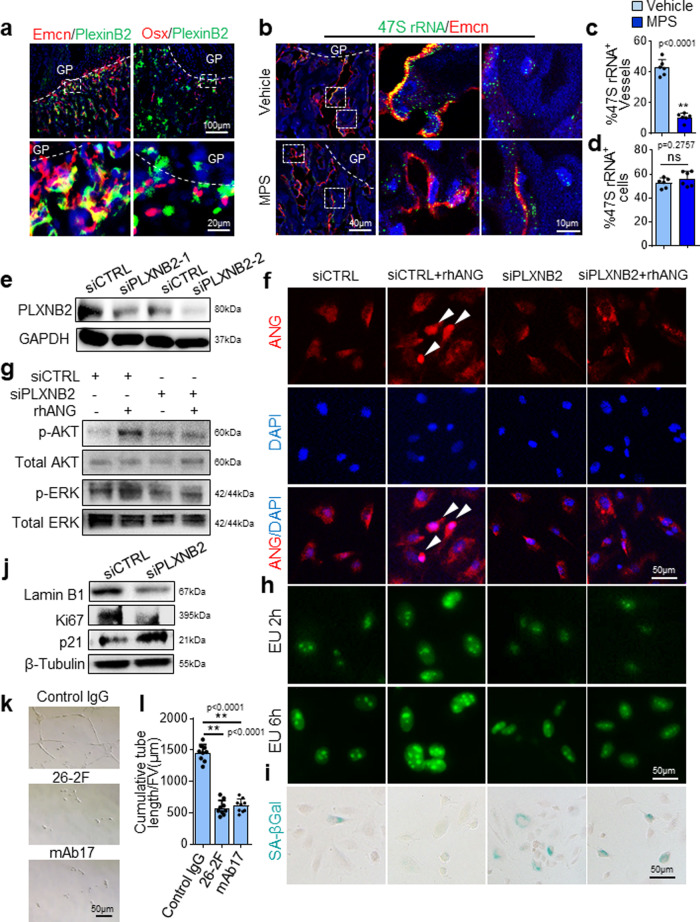
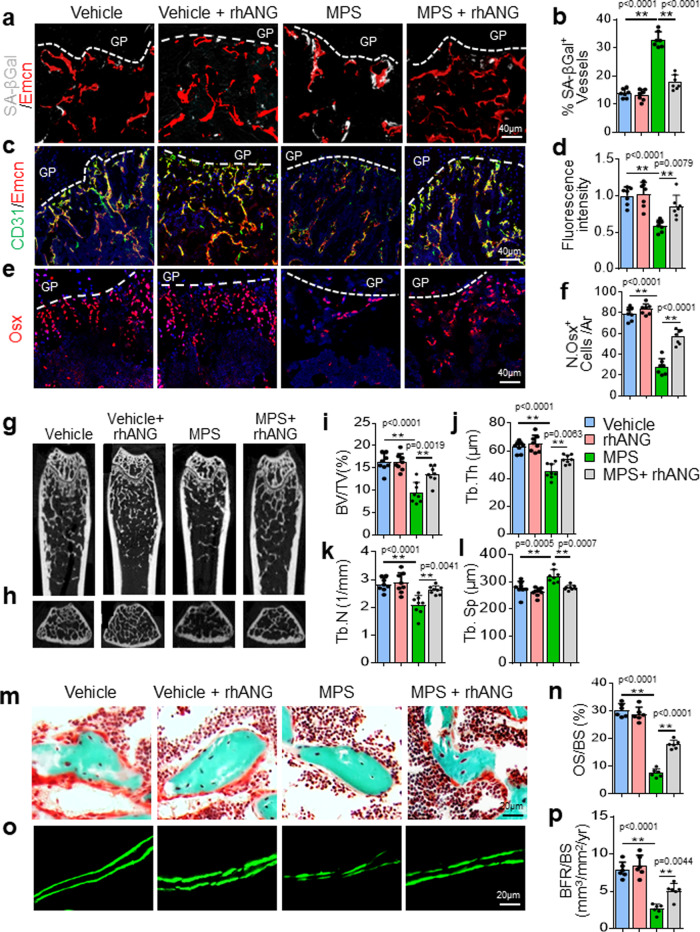
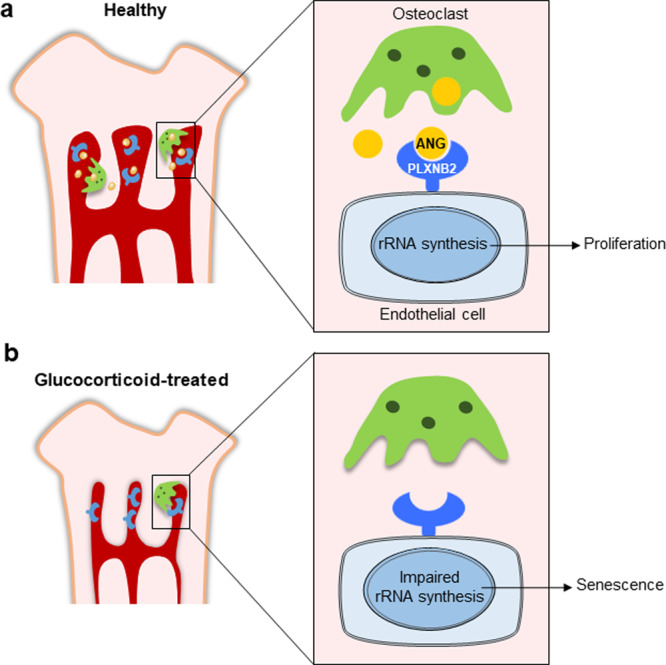
Synthetic glucocorticoids (GCs), one of the most effective treatments for chronic inflammatory and autoimmune conditions in children, have adverse effects on the growing skeleton. GCs inhibit angiogenesis in growing bone, but the underlying mechanisms remain unclear. Here, we show that GC treatment in young mice induces vascular endothelial cell senescence in metaphysis of long bone, and that inhibition of endothelial cell senescence improves GC-impaired bone angiogenesis with coupled osteogenesis. We identify angiogenin (ANG), a ribonuclease with pro-angiogenic activity, secreted by osteoclasts as a key factor for protecting the neighboring vascular cells against senescence. ANG maintains the proliferative activity of endothelial cells through plexin-B2 (PLXNB2)-mediated transcription of ribosomal RNA (rRNA). GC treatment inhibits ANG production by suppressing osteoclast formation in metaphysis, resulting in impaired endothelial cell rRNA transcription and subsequent cellular senescence. These findings reveal the role of metaphyseal blood vessel senescence in mediating the action of GCs on growing skeleton and establish the ANG/PLXNB2 axis as a molecular basis for the osteoclast-vascular interplay in skeletal angiogenesis.
Overview
The claims and statistics of this paper haven’t been checked yet.
Run the check — free, no account needed. It reads the open-access text and checks the sources it cites.
Integrity signals
Registry
Cites
Statistics
Figures
Verification
Claims the paper makes
The claims and statistics of this paper haven’t been checked yet.
Run the check — free, no account needed. It reads the open-access text and checks the sources it cites.
Claims other papers make about this one
Each is checked against this paper’s own text: does it say what the citing paper says it does?
The check wasn’t confident either way, so it gives no verdict — never disputed.
In the citing paper
“Nevertheless, findings from the present study and our recent work on glucocorticoid-induced BMAds69 collectively suggest that BMAds are more susceptible or rapidly acquire a senescence phenotype compared to other cell types in the bone and/or bone marrow, likely because the master regulators of adipogenesis such as PPARγ and CEBPα also function as senescence gene activators.”
From Serum amyloid P secreted by bone marrow adipocytes drives skeletal amyloidosis (2025) · cites this paper as [69]
Experimental — accuracy not yet measured
Self-check
Percentages, sums and reported differences re-computed from the paper’s own numbers.
The self-check needs the paper’s full text.
Citations
Cites
Mccarthy, A. (n.d.) · Children and NGOs in India · doi:10.4324/9781003100416-3 · Cited by 9,461
Cellular senescence: from physiology to pathology
Muñoz-Espín, D., & Serrano, M. (2014) · Nature Reviews Molecular Cell Biology · doi:10.1038/nrm3823 · Cited by 2,818
The bone marrow niche for haematopoietic stem cells
Morrison, S. J., & Scadden, D. T. (2014) · Nature · doi:10.1038/nature12984 · Cited by 2,451
Coupling of angiogenesis and osteogenesis by a specific vessel subtype in bone
Kusumbe, A. P., Ramasamy, S. K., & Adams, R. H. (2014) · Nature · doi:10.1038/nature13145 · Cited by 2,155
Clearance of senescent cells by ABT263 rejuvenates aged hematopoietic stem cells in mice
Chang, J., Wang, Y., Shao, L., Laberge, R.-M., Demaria, M., Campisi, J., Janakiraman, K., Sharpless, N. E., Ding, S., Feng, W., et al. (2016) · Nature Medicine · doi:10.1038/nm.4010 · Cited by 1,819
Senescence in Health and Disease
He, S., & Sharpless, N. E. (2017) · Cell · doi:10.1016/j.cell.2017.05.015 · Cited by 1,766
Weinstein, R. S., Jilka, R. L., Parfitt, A. M., & Manolagas, S. C. (1998) · Journal of Clinical Investigation · doi:10.1172/jci2799 · Cited by 1,753
Weaver, C. M., Gordon, C. M., Janz, K. F., Kalkwarf, H. J., Lappe, J. M., Lewis, R., O’Karma, M., Wallace, T. C., & Zemel, B. S. (2016) · Osteoporosis International · doi:10.1007/s00198-015-3440-3 · Cited by 1,378
Arteriolar niches maintain haematopoietic stem cell quiescence
Kunisaki, Y., Bruns, I., Scheiermann, C., Ahmed, J. U., Pinho, S., Zhang, D., Mizoguchi, T., Wei, Q., Lucas, D., Ito, K., et al. (2013) · Nature · doi:10.1038/nature12612 · Cited by 1,290
Senescent cells: an emerging target for diseases of ageing
Childs, B. G., Gluscevic, M., Baker, D. J., Laberge, R.-M., Marquess, D., Dananberg, J., & van Deursen, J. M. (2017) · Nature Reviews Drug Discovery · doi:10.1038/nrd.2017.116 · Cited by 1,284
Research works printed but not linked: 2
- Hardy, R. S., Zhou, H., Seibel, M. J. & Cooper, M. S. Glucocorticoids and bone: consequences of endogenous and exogenous excess and replacement therapy. Endocr. Rev. 39, 519–548 (2018). · DOI · Paper page
- Liehr, T. Fluorescence In Situ Hybridization (FISH) (Springer, 2017). · DOI
Cited by
Sorted by citations
Long-term and sequential treatment for osteoporosis
Foessl, I., Dimai, H. P., & Obermayer-Pietsch, B. (2023) · Nature Reviews Endocrinology · doi:10.1038/s41574-023-00866-9 · Cited by 273
Senescent immune cells release grancalcin to promote skeletal aging
Li, C.-J., Xiao, Y., Sun, Y.-C., He, W.-Z., Liu, L., Huang, M., He, C., Huang, M., Chen, K.-X., Hou, J., et al. (2021) · Cell Metabolism · doi:10.1016/j.cmet.2021.08.009 · Cited by 190
Self-citationPGE2 activates EP4 in subchondral bone osteoclasts to regulate osteoarthritis
Jiang, W., Jin, Y., Zhang, S., Ding, Y. G., Huo, K., Yang, J., Жао, Л., Nian, B., Zhong, T. P., Lü, W., et al. (2022) · Bone Research · doi:10.1038/s41413-022-00201-4 · Cited by 176
“Osteoclast-secreted cytokines, including VEGF-A 54 , PDGF-BB 16 , SLIT3 55 and angiogenin 56 , can regulate type H blood vessel production and may have a signi fi cant role in OA progression.”
Self-citationPathogenic mechanisms of glucocorticoid-induced osteoporosis
Chen, M., Fu, W., Xu, H., & Liu, C.-J. (2023) · Cytokine & Growth Factor Reviews · doi:10.1016/j.cytogfr.2023.03.002 · Cited by 146
Cellular senescence in musculoskeletal homeostasis, diseases, and regeneration
Wan, M., Gray-Gaillard, E. F., & Elisseeff, J. H. (2021) · Bone Research · doi:10.1038/s41413-021-00164-y · Cited by 155
“We recently found that glucocorticoid treatment in young mice induces vascular endothelial cell senescence in metaphysis of long bone, and that inhibition of endothelial cell senescence improves glucocorticoid-impaired bone angiogenesis with coupled osteogenesis.(34) We identified ANG, a ribonuclease that is secreted…”
BackgroundSelf-citationOxylipin-PPARγ-initiated adipocyte senescence propagates secondary senescence in the bone marrow
Liu, X., Gu, Y., Kumar, S., Amin, S., Guo, Q., Wang, J., Fang, C.-L., Cao, X., & Wan, M. (2023) · Cell Metabolism · doi:10.1016/j.cmet.2023.03.005 · Cited by 137
Self-citationInflammatory Processes Affecting Bone Health and Repair
de Oliveira, H. T., Arnold, K. M., Oviedo, M., Westendorf, J. J., & Weaver, S. R. (2023) · Current Osteoporosis Reports · doi:10.1007/s11914-023-00824-4 · Cited by 135
“Glucocorticoid treatment of young mice induces vascular endothelial cell senescence in the metaphysis of long bone, and inhibiting this senescence improves angiogenesis and osteogenesis [182].”
Zhang, Y.-J., Li, D., Liu, Y., Peng, L.-Q., Lu, D.-D., Wang, P., Ke, D.-X., Yang, H., Zhu, X.-S., & Ruan, C.-S. (2023) · Innovation (Cambridge (Mass.)) · doi:10.1016/j.xinn.2023.100542 · Cited by 102
“In contrast, for the osteogenic differentiation of BMSC-laden hydrogels, the expression levels of angiogenin ( Ang ), 47 Emcn , Vegfa , and Egf were gradually upregulated (Figure 6D).”
BackgroundOsteoporosis treatment: current drugs and future developments
Chen, Y., Jia, L.-H., Han, T.-H., Zhao, Z., Yang, J. M., Xiao, J., Yang, H., & Yang, K. Q. (2024) · Frontiers in Pharmacology · doi:10.3389/fphar.2024.1456796 · Cited by 88
Bad to the Bone: The Effects of Therapeutic Glucocorticoids on Osteoblasts and Osteocytes
Gado, M., Baschant, U., Hofbauer, L. C., & Henneicke, H. (2022) · Frontiers in Endocrinology · doi:10.3389/fendo.2022.835720 · Cited by 95
Cellular senescence and the skeleton: pathophysiology and therapeutic implications
Khosla, S., Farr, J. N., & Monroe, D. G. (2022) · Journal of Clinical Investigation · doi:10.1172/jci154888 · Cited by 106
“(70) demonstrated that glucocorticoid treatment of young (3-week-old) mice induced vascular endothelial cell senescence in the metaphyses of long bones, which was driven by reduced production of angiogenin (a ribonuclease with proangiogenic activity) by osteoclasts.”
BackgroundFang, C., Liu, B., & Wan, M. (2023) · Calcified Tissue International · doi:10.1007/s00223-023-01100-4 · Cited by 72
“We found that in healthy growing long bone, an angiogenesis factor angiogenin (ANG) secreted from metaphyseal osteoclasts is essential to maintain the proliferation of the closely associated blood vessels through ANG/PLXNB2-rRNA transcription signaling [131].”
BackgroundSelf-citationXu, Z., Kusumbe, A. P., Cai, H., Wan, Q., & Chen, J. (2023) · Journal of Biomedical Materials Research Part B Applied Biomaterials · doi:10.1002/jbm.b.35243 · Cited by 65
Liu, G., Wang, J., Wei, Z., Fang, C., Shen, K., Cheng, Q., Qi, C., Li, T., Gao, P., Wong, P. C., et al. (2023) · Advanced Science · doi:10.1002/advs.202206938 · Cited by 44
Self-citationOsteocyte mitochondria regulate angiogenesis of transcortical vessels
Liao, P., Chen, L., Zhou, H., Mei, J., Chen, Z., Wang, B., Feng, J. Q., Li, G., Tong, S., Zhou, J., et al. (2024) · Nature Communications · doi:10.1038/s41467-024-46095-0 · Cited by 58
“When researching angiogenesis-related genes from a repor-ted study 17,18 , we found that Vegfc 19 , Slit3 20 , Notch3 21 , and Notch4 22 overlapped with the differentially expressed downregulated genes in our cortical bone bulk RNA-seq database of Dmp1 Cre -DTA ki/wt mice (Fig.”
Jin, S., Wen, J., Zhang, Y., Mou, P., Luo, Z., Cai, Y., Chen, A., Fu, X., Meng, W., Zhou, Z., et al. (2024) · Acta Biomaterialia · doi:10.1016/j.actbio.2024.01.043 · Cited by 56
Cellular senescence and other age-related mechanisms in skeletal diseases
Li, K., Hu, S., & Chen, H. (2025) · Bone Research · doi:10.1038/s41413-025-00448-7 · Cited by 58
“59,91,92 ECs are highly heterogeneous in different tissues and acquire speci fi c morphological, molecular, and functional properties in the local microenvironment.”
Advances in experimental models of osteonecrosis of the femoral head
Li, Z., Shao, W., Lv, X., Wang, B., Han, L., Gong, S., Wang, P., & Feng, Y. (2023) · Journal of Orthopaedic Translation · doi:10.1016/j.jot.2023.01.003 · Cited by 51
“They figured out that GC treatment inhibited angiogenin (ANG) production by suppressing osteoclast formation in the metaphysis, resulting in endothelial cell senescence and bone loss [120].”
BackgroundSelf-citationSu, W., Liu, G., Mohajer, B., Wang, J., Shen, A. J., Zhang, W., Liu, B., Guermazi, A., Gao, P.-S., Cao, X., et al. (2022) · bioRxiv · doi:10.1101/2022.05.05.490792 · Cited by 49
“SA-βgal 604 staining was conducted as previously described (88, 89), and the sample images were observed 605”
Self-citationType H vessels: functions in bone development and diseases
Liu, X., Zhang, P., Gu, Y., Guo, Q., & Liu, Y. (2023) · Frontiers in Cell and Developmental Biology · doi:10.3389/fcell.2023.1236545 · Cited by 46
Self-citationSenescent cells: A therapeutic target for osteoporosis
Wang, T., Huang, S., & He, C. (2022) · Cell Proliferation · doi:10.1111/cpr.13323 · Cited by 47
“Moreover, ANG, a ribonuclease that is secreted by osteoclasts, is essential for senescence protection of neighbouring blood vessels through an ANG/PLXNB2-rRNA transcription signalling pathway.(200) GC treatment induces blood vessel cell senescence by suppressing the formation of ANG-expressing osteoclasts in the metap…”
BackgroundWang, X., Ma, Y., Chen, J., Liu, Y., Liu, G., Wang, P., Wang, B., Taketo, M. M., Bellido, T., & Tu, X. (2022) · Bioactive Materials · doi:10.1016/j.bioactmat.2022.07.017 · Cited by 46
Self-citationYang, Q.-H., Liu, S.-B., Liu, H.-H., Liu, Y., He, Z., Zheng, Z.-Z., Chen, Y., & Luo, E. (2025) · Biomaterials · doi:10.1016/j.biomaterials.2025.123423 · Cited by 46
The renaissance of one-dimensional carbon nanotubes in tissue engineering
Bao, L., Cui, X., Mortimer, M., Wang, X., Wu, J., & Chen, C. (2023) · Nano Today · doi:10.1016/j.nantod.2023.101784 · Cited by 61
Bone-derived PDGF-BB drives brain vascular calcification in male mice
Wang, J., Fang, C., Noller, K., Wei, Z., Liu, G., Shen, K., Song, K., Cao, X., & Wan, M. (2023) · Journal of Clinical Investigation · doi:10.1172/jci168447 · Cited by 49
“Processing of femoral bone tissue and subsequent immunofluorescence staining of the bone tissue sections were conducted using the same methods described in our previous publications (4, 92, 93).”
Self-citationSympathetic Innervation Regulates Osteocyte‐Mediated Cortical Bone Resorption during Lactation
Guo, Q., Chen, N., Cheng, Q., Qi, C., Noller, K., Wan, M., Liu, X., Zhang, W., Cahan, P., & Cao, X. (2023) · Advanced Science · doi:10.1002/advs.202207602 · Cited by 49
Self-citationZou, N.-Y., Liu, R., Huang, M., Jiao, Y., Wei, J., Jiang, Y., He, W., Huang, M., Xu, Y., Liu, L., et al. (2024) · Bone Research · doi:10.1038/s41413-023-00309-1 · Cited by 43
“11 In this study, we found that the expression of Plxnb2 was highest among the members of the plexin family in callus SSPCs.”
InfluentialSelf-citationMicrobiota-bone axis in ageing-related bone diseases
Fu, L., Zhang, P., Wang, Y., & Liu, X. (2024) · Frontiers in Endocrinology · doi:10.3389/fendo.2024.1414350 · Cited by 42
“This approach has demonstrated effectiveness in manageing systemic conditions like multiple sclerosis and cancer (74).”
BackgroundSelf-citationCheng, W., Fu, Y., Lin, Z., Huang, M., Chen, Y., Hu, Y., Lin, Q., Yu, B., & Liu, G. (2023) · Aging Cell · doi:10.1111/acel.14072 · Cited by 34
“Moreover, senescent macrophages accumulated in the bone marrow could release grancalcin and SASP to induce skeletal aging (Li et al., 2021).”
BackgroundInfluentialSelf-citationPang, S. H. Y., Wu, R.-P., Lv, W., Zou, J., Li, Y.-G., Li, Y.-H., Zhang, P.-L., Ma, X., Wang, Y., & Liu, S. (2024) · Bioactive Materials · doi:10.1016/j.bioactmat.2024.04.012 · Cited by 31
“Western blot was performed as described previously [44,45].”
Li, P., Wang, Y., Xu, Y., Feng, L., Jiang, N., Fang, Y., Song, G., Yu, L., Xu, L., Zhu, Z., et al. (2025) · Neurobiology of Disease · doi:10.1016/j.nbd.2025.107061 · Cited by 32
Ma, T., Wang, Y., Ma, J.-X., Cui, H.-W., Feng, X.-T., & Ma, X.-L. (2024) · Journal of Orthopaedic Surgery and Research · doi:10.1186/s13018-024-04748-2 · Cited by 28
“Liu et al. [71] demonstrated that glucocorticoid therapy inhibits angiogenin (ANG) production by inhibiting osteoclast formation in metaphyseal region, leading to impaired endothelial rRNA transcription and subsequent cell senescence.”
BackgroundShao, W., Wang, B., Wang, P., Zhang, S., Gong, S., Guo, X., Duan, D., Shao, Z., Liu, W., He, L., et al. (2024) · Bone Research · doi:10.1038/s41413-024-00371-3 · Cited by 24
Self-citationBeyond resorption: osteoclasts as drivers of bone formation
Xiang, Q., Li, L., Ji, W., Gawlitta, D., Walboomers, X. F., & van den Beucken, J. J. J. P. (2024) · Cell Regeneration · doi:10.1186/s13619-024-00205-x · Cited by 29
“Furthermore, OCs safeguard neighboring ECs from senescence by secreting angiogenin (ANG), thereby preserving their proliferative activity (Liu et al. 2021).”
BackgroundShu, Y., Tan, Z., Pan, Z., Chen, Y., Wang, J., He, J., Wang, J., & Wang, Y. (2024) · Cell Death and Differentiation · doi:10.1038/s41418-024-01368-5 · Cited by 27
Quan, H., Ren, C., Xie, H., He, Z., Ding, H., Li, J., Li, T., Wang, F., Dong, S., & Jiang, H. (2025) · Biomaterials · doi:10.1016/j.biomaterials.2025.123252 · Cited by 24
Skeleton-secreted PDGF-BB mediates arterial stiffening
Santhanam, L., Liu, G., Jandu, S., Su, W., Wodu, B. P., Savage, W., Poe, A., Liu, X., Alexander, L. M., Cao, X., et al. (2021) · Journal of Clinical Investigation · doi:10.1172/jci147116 · Cited by 51
“Quantitative histomorphometry analyses were performed as 510 described previously (85) in a blinded fashion using OsteoMeasure Software (OsteoMetrics, Inc.”
MethodSelf-citationTargeting type H vessels in bone‐related diseases
Xu, J., He, S., Xia, T., Shan, Y., & Wang, L. (2024) · Journal of Cellular and Molecular Medicine · doi:10.1111/jcmm.18123 · Cited by 23
“16 Other studies also identified Cathepsin K (Ctsk) inhibition as a potential preventive strategy against glucocorticoid-induced osteoporosis in children for preservation of type H vessels and osteoblast.”
BackgroundDaidzein alleviates osteoporosis by promoting osteogenesis and angiogenesis coupling
Jia, J., He, R., Yao, Z.-L., Su, J., Deng, S., Chen, K., & Yu, B. (2023) · PeerJ · doi:10.7717/peerj.16121 · Cited by 22
“As accumulating studies argued that the growth of H-type vessels is pivotal to cancellous bone homeostasis ( Kusumbe, Ramasamy & Adams, 2014 ; Liu et al., 2021 ; Ramasamy et al., vs. OVXV, p < 0 .”
Self-citationA Review Into the Insights of the Role of Endothelial Progenitor Cells on Bone Biology
Shi, H., Zhao, Z., Jiang, W., Zhu, P., Zhou, N., & Huang, X. (2022) · Frontiers in Cell and Developmental Biology · doi:10.3389/fcell.2022.878697 · Cited by 20
“Additionally, osteoclasts secrete Ang, which preserves the proliferative activity of ECs through plexin-B2-mediated transcription of ribosomal RNA and promotes angiogenesis (Liu et al., 2021).”
BackgroundThe role of pro- and antiangiogenic factors in angiogenesis process by Raman spectroscopy
Kopeć, M., & Abramczyk, H. (2021) · bioRxiv · doi:10.1101/2021.07.02.450827 · Cited by 21
Xu, X., Li, Y., Shi, L., He, K., Sun, Y. B., Ding, Y., Meng, B., Zhang, J., Xiang, L., Dong, J., et al. (2022) · EMBO Reports · doi:10.15252/embr.202153509 · Cited by 20
RetractedOsteoclasts drive bone formation in ectopic and orthotopic environments
Zhang, Y., Yu, T., Xiang, Q., van den Tillaart, F. M., Ma, J., Zhuang, Z., Stessuk, T., Wang, H., & van den Beucken, J. J. J. P. (2025) · Biomaterials · doi:10.1016/j.biomaterials.2025.123377 · Cited by 18
Lu, J., Zhang, C., Wang, W., Xu, W., Chen, W., Tao, L., Li, Z., Zhang, Y., & Cheng, J. (2023) · Ecotoxicology and Environmental Safety · doi:10.1016/j.ecoenv.2023.115112 · Cited by 21
Glucocorticoid induced bone disorders in children: Research progress in treatment mechanisms
Hua, J., Huang, J., Li, G., Lin, S., & Cui, L. (2023) · Frontiers in Endocrinology · doi:10.3389/fendo.2023.1119427 · Cited by 22
“Additionally, GC treatment induces senescence and increases the cell apoptosis of vascular endothelial cells in the metaphysis of the long bones (60, 61).”
BackgroundWang, K., Liu, C., Fang, B., Li, B., Li, Y., Xia, Q.-Q., Zhao, Y., Cheng, X.-L., Yang, S., Zhang, M., et al. (2024) · Pharmacological Research · doi:10.1016/j.phrs.2024.107279 · Cited by 20
Serum amyloid P secreted by bone marrow adipocytes drives skeletal amyloidosis
Kumar, S., Song, K., Wang, J., Baghel, M. S., Zeng, Y., Shen, K., Zheng, J., Crane, J., Demehri, S., Gao, P., et al. (2025) · Nature Aging · doi:10.1038/s43587-025-00924-z · Cited by 16
“Nevertheless, findings from the present study and our recent work on glucocorticoid-induced BMAds 69 collectively suggest that BMAds are more susceptible or rapidly acquire a senescence phenotype compared to other cell types in the bone and/or bone marrow, likely because the master regulators of…”
Self-citationOsteoclasts in Osteosarcoma: Mechanisms, Interactions, and Therapeutic Prospects
Gao, Y.-M., Pei, Y., Zhao, F.-F., & Wang, L. (2023) · Cancer Management and Research · doi:10.2147/cmar.s431213 · Cited by 23
“38 The fusion of tartrate-resistant acid phosphatase (TRAP)+ monocytes results in the formation of multinucleated osteoclasts.”
BackgroundScaffold-Mediated Microenvironmental Modulation Targeting Osteoclasts for ONFH Niche Reprogramming
Quan, H., He, Y.-W., Xiao, P.-C., Zhu, Z., Zhou, X., Li, Z., Lei, Y.-T., Jiang, H., & Huang, W. (2025) · Research · doi:10.34133/research.1027 · Cited by 15
“They secrete ANG to activate endothelial cells via the Plexin-B2 pathway and stabilize vessel structure and function [ 109 ].”
Wang, P.-E., Xu, J., Sun, Q., Ge, Q., Qiu, M., Zou, K., Ying, J., Yuan, W., Chen, J.-L., Zeng, Q.-H., et al. (2023) · Drug Design, Development and Therapy · doi:10.2147/dddt.s397185 · Cited by 15
“Histochemistry, Immunohistochemistry and Histomorphometry For 14 days, the knee joints were decalcified in 14% ethylenediamine tetraacetic acid solution after μCT analysis, embedded in paraffin and prepared as 4 μm thick sections as described in the literature.(25) The paraffin sections were stained with Toluidine Blu…”
MethodFu, W., Chen, M., Wang, K., Chen, Y., Cui, Y., Xie, Y., Lei, Z., Hu, W., Sun, G., Huang, G., et al. (2025) · Cell Research · doi:10.1038/s41422-024-01016-0 · Cited by 17
Jiang, H., Zhu, X., Yu, J., Wang, W., Mao, Y., Jiang, L., Zhu, L., Shen, H., Lou, C., Lin, C., et al. (2024) · ACS Nano · doi:10.1021/acsnano.4c13028 · Cited by 13
Human and mouse angiogenins: Emerging insights and potential opportunities
Sultana, M. F., Abo, H., & Kawashima, H. (2022) · Frontiers in Microbiology · doi:10.3389/fmicb.2022.1022945 · Cited by 14
“Administration of recombinant hANG, which antagonizes cellular senescence in vascular endothelial cells, reduces the negative effects of GCs on the developing skeleton (Liu et al., 2021).”
BackgroundGlucocorticoids Alter Bone Microvascular Barrier via MAPK/Connexin43 Mechanisms
Lee, E. J., Lialios, P., Curtis, M., Williams, J. K., Kim, Y., Salipante, P. F., Hudson, S. D., Esch, M. B., Levi, M., Kitlinska, J. B., et al. (2025) · Advanced Healthcare Materials · doi:10.1002/adhm.202404302 · Cited by 14
Glial receptor PLXNB2 regulates schizophrenia-related stress perception via the amygdala
Xuan, F., Yan, L., Li, Y.-L., Fan, F., Deng, H.-H., Gou, M.-Z., Chithanathan, K., Heinla, I., Yuan, L., Seppa, K., et al. (2022) · Frontiers in Immunology · doi:10.3389/fimmu.2022.1005067 · Cited by 12
“Plxnb/Sema4 family is a key regulator in brain developmental processes including angiogenesis (41, 42), axonal growth (43, 44), differentiation of neurons (45, 46), and synaptic formation (47, 48).”
BackgroundBiomaterial Cues for Regulation of Osteoclast Differentiation and Function in Bone Regeneration
Shariati, K., Bedar, M., Huang, K. X., Moghadam, S., Mirzaie, S., LaGuardia, J. S., Chen, W., Kang, Y., Ren, X., & Lee, J. C. (2024) · Advanced Therapeutics · doi:10.1002/adtp.202400296 · Cited by 15
Liu, X., Guo, Q., Wang, L., Gu, Y., Meng, S., Gu, Y., & Yu, B. (2023) · Frontiers in Cell and Developmental Biology · doi:10.3389/fcell.2023.1184524 · Cited by 11
“For immunofluorescence staining, we incubated the sections with primary antibodies to COX-2 (abcam, ab179800, 1:200), PGE2 (abcam, ab2318, 1:200), F4/80 (Bio-rad, MCA497RT, 1:200), iNOS (Invitrogen, 14-5920-82, 1: 200), CD206 (Bio-rad, MCA2235, 1:200), OSX (abcam, ab22552, 1:300), OCN (Takara, M188, 1:200), EMCN (Sant…”
MethodSelf-citationResearch progress on the structure, function, and use of angiogenin in malignant tumours
Mao, M., Chen, W., & Ye, D. (2024) · Heliyon · doi:10.1016/j.heliyon.2024.e30654 · Cited by 10
“In addition, PLXNB2 was recently found to be a functional receptor for the secretory ANG protein [8,35,36], and PLXNB2 may promote ANG nuclear translocation, increase rRNA transcription in the nucleus, and mediate GBM cell proliferation, angiogenesis, and invasion [36,37].”
BackgroundPulsed electromagnetic fields as a promising therapy for glucocorticoid-induced osteoporosis
Zhang, T., Zhao, Z., & Wang, T. (2023) · Frontiers in Bioengineering and Biotechnology · doi:10.3389/fbioe.2023.1103515 · Cited by 9
“Recently, cellular senescence was demonstrated to play a fundamental role in GIOP (Liu et al., 2021; Wang et al., 2021; Wang et al., 2022c).”
BackgroundSchilling, K., Zhai, Y., Zhou, Z., Zhou, B., Brown, E., & Zhang, X.-P. (2022) · bioRxiv · doi:10.1101/2022.09.11.507477 · Cited by 10
Muscone Can Improve Spinal Cord Injury by Activating the Angiogenin/Plexin-B2 Axis
Zhou, Y., Guo, S., Botchway, B. O. A., Zhang, Y., Jin, T., & Liu, X.-H. (2022) · Molecular Neurobiology · doi:10.1007/s12035-022-02948-7 · Cited by 10
Self-citationType H vessels in osteogenesis, homeostasis, and related disorders.
Qin, X.-R., Xi, Y., Jiang, Q.-F., Chen, C.-Z., & Yang, G.-L. (2023) · Differentiation; research in biological diversity · doi:10.1016/j.diff.2023.09.005 · Cited by 9
Glyphosate Causes Vascular Toxicity through Cellular Senescence and Lipid Accumulation
Lu, J., Zhang, C., Wang, W., Xu, W., Chen, W., Tao, L., Li, Z., Zhang, Y., & Cheng, J. (2023) · Chemical Research in Toxicology · doi:10.1021/acs.chemrestox.3c00116 · Cited by 9
Shao, W., Li, Z., Wang, B., Gong, S., Wang, P., Song, B., Chen, Z.-X., & Feng, Y. (2023) · Biomedicines · doi:10.3390/biomedicines11040992 · Cited by 9
Malaise, O., Paulissen, G., Deroyer, C., Ciregia, F., Poulet, C., Neuville, S., Plener, Z., Daniel, C., Gillet, P., Lechanteur, C., et al. (2021) · Journal of Clinical Medicine · doi:10.3390/jcm10225331 · Cited by 9
“senescence in the metaphysis of the long bone [28,29], with a reduction in cell proliferation.”
BackgroundZhang, W., Ding, F., Rong, X., Ren, Q., Hasegawa, T., Liu, H., & Li, M. (2024) · Aging Cell · doi:10.1111/acel.14374 · Cited by 10
“Healthy bone blood vessels play a crucial role in maintaining bone metabolism homeostasis, and their injury is closely linked to bone loss, particularly in type H blood vessels (Hu et al., 2021; Liu et al., 2021 ; Wang et al., 2022 ).”
Pro-aging effects of chronic glucocorticoid signaling
Lambertucci, F., Castinetti, F., Martins, I., López-Otı́n, C., & Kroemer, G. (2026) · Cell Metabolism · doi:10.1016/j.cmet.2026.05.002 · Cited by 8
Bidirectional regulation between bone and vasculature: Mechanisms of osteogenesis and angiogenesis
Wang, T., Yao, H., Jin, F., Yang, Y., Zhang, C., Du, C., Zhang, Z., Zheng, L., Chen, J., & Fang, X. (2026) · Journal of Advanced Research · doi:10.1016/j.jare.2026.02.042 · Cited by 3
Sulfated chitosan enhances BMP-2-mediated spinal fusion via skeletal stem cell rejuvenation in aging
Wang, X., Huang, D., Ji, L., Yu, Y., Zhu, F., Wang, J., & Liu, C. (2025) · Bioactive Materials · doi:10.1016/j.bioactmat.2025.08.044 · Cited by 2
“This observation suggests that excessive osteoclast inhibition impairs angiogenesis, consistent with reports that osteoclast lineage cells secrete factors like PDGF-BB [32] and ANG [33] to support H-type vessel formation and protect against vascular senescence.”
Antioxidant Senotherapy by Natural Compounds: A Beneficial Partner in Cancer Treatment
Aleksandrova, Y. R., & Неганова, М. Е. (2025) · Antioxidants · doi:10.3390/antiox14020199 · Cited by 8
“…[35], MMP-3 [35,36], MMP-9 [37], MMP-10 Growth factors - Increased secretion of amphiregulin (AREG) [55,56], epiregulin (EREG) [57], angiogenin [58], insulin-like growth factor binding proteins (IGFBPs) -3 [59], -4 [60], -5 [61] - Decreased expression of vascular endothelial growth factor…”
Marrow Adipocyte Senescence in the Pathogenesis of Bone Loss
Froemming, M. N., Khosla, S., & Farr, J. N. (2024) · Current Osteoporosis Reports · doi:10.1007/s11914-024-00875-1 · Cited by 7
“For example, another setting that has been associated with accelerated bone loss in young adult mice as well as the premature accumulation of senescent cells in the bone microenvironment is glucocorticoid therapy [13 •• , 47].”
Plexin‐ B2 Mediates Orthodontic Tension‐Induced Osteogenesis via the RhoA /F‐Actin/ YAP Pathway
Li, Q., Chen, X., Li, X., Jiang, X., Li, X., Men, X., Li, Y., & Chen, S. (2024) · Journal of Periodontal Research · doi:10.1111/jre.13358 · Cited by 5
Feng, G., Zhang, P., Huang, J., Yu, Y., Yang, F., Zhao, X., Wang, W., Li, D., Sun, S., Niu, X., et al. (2023) · Journal of Functional Biomaterials · doi:10.3390/jfb14010031 · Cited by 8
“Osteogenesis requires an adequate blood supply [38], and vascular damage easily results in an inability to deliver nutrients to the femoral head [1].”
BackgroundCharacterization and Function of the Interaction of Angiogenin With Alpha-Actinin 2
Weng, C., Dong, H.-J., Mao, J.-J., Lang, X.-B., & Chen, J.-H. (2022) · Frontiers in Molecular Biosciences · doi:10.3389/fmolb.2022.837971 · Cited by 6
“The ANG/PLXNB2 axis has been demonstrated to play pivotal roles in ANG functions in diverse physiologic and pathologic processes (Yu et al., 2017; Bai et al., 2020; Li et al., 2020b; Liu et al., 2021).”
BackgroundZhang, P., Zhang, H., Zemin, L., Pang, S., Hu, J., Wang, Y., Su, Z., Wang, J., Xiao, Y., Wang, K., et al. (2026) · Advanced Functional Materials · doi:10.1002/adfm.202529224 · Cited by 4
“After staining, the samples were then analyzed using the ImageStreamX Mark II system (Amnis, Seattle,WA)followingestablishedprotocols[61].”
Self-citationPlexin B2 in physiology and pathophysiology of the central nervous system
Wang, Q., Zhang, Y., Ma, K., Lin, P., Wang, Y., Wang, R., Li, H., Li, Z., & Wang, G. (2025) · International Immunopharmacology · doi:10.1016/j.intimp.2025.114627 · Cited by 5
Targeting injury-triggered grancalcin from senescent macrophages enhances aged bone healing
Dong, Y., Shen, X., Zhuang, Q., Jin, S., Song, Z., Ling, Z., & Jiang, H. (2025) · Acta Biomaterialia · doi:10.1016/j.actbio.2025.12.031 · Cited by 4
Liu, Z., Yu, L., Zhang, Y., Liu, K., Zhai, H., Xu, X., Lu, Q., Li, X., Li, Z., Yang, J., et al. (2025) · Communications Biology · doi:10.1038/s42003-025-09078-5 · Cited by 4
“A substantial amount of research has con fi rmed that high doses of GC can directly cause endothelial cell injury and inhibit local angiogenesis 38,39 .”
The correlation between fluoride-induced bone damage and reduced DLAV formation in Zebrafish Larvae.
Lan, A.-L., Gong, Y., Li, X.-F., Wang, Y.-F., Zheng, D., Tang, H.-M., Wang, S.-Q., Tang, W.-C., Huang, C., Guan, Z., et al. (2024) · Ecotoxicology and Environmental Safety · doi:10.1016/j.ecoenv.2024.117366 · Cited by 4
“Sufficient angiogenesis during chondrogenesis and osteogenesis is responsible for bone mineralization (Guo et al., 2020; Liu et al., 2021; Ramasamy et al., 2016), and the DLAV can reflect the vascular development of the trunk (Wang et al., 2023).”
Huang, X.-Z., Jie, S., Li, W., & Liu, C. (2024) · Heliyon · doi:10.1016/j.heliyon.2024.e33867 · Cited by 4
“For example, GC stimulation in young mice elicits the senescence of vascular endothelial cells in long bone metaphysis, and suppression of such senescence promotes GCs-impaired osteogenesis-angiogenesis coupling [33].”
BackgroundGli1+ Progenitors Mediate Glucocorticoid-Induced Osteoporosis In Vivo
Yang, P., Shen, F., You, C., Lou, F., & Shi, Y. (2024) · International Journal of Molecular Sciences · doi:10.3390/ijms25084371 · Cited by 3
Ding, W., Su, Y., Mo, J., Sun, D., Cao, C., Zhang, X., & Wang, Y. (2024) · Heliyon · doi:10.1016/j.heliyon.2024.e29984 · Cited by 2
Zhang, W., & Wang, Y. (2021) · Computational and Mathematical Methods in Medicine · doi:10.1155/2021/7936548 · Cited by 4
“and continue to childhood and adulthood [12].”
RetractedWu, J., Yan, X., Chen, M., Nie, H., Yuan, Z., Yuan, F.-L., & Li, X. (2026) · Journal of Orthopaedic Translation · doi:10.1016/j.jot.2026.101194 · Cited by 4
“Age-associated loss of osteogenic vessels, endothelial metabolic decline, reduced brain and muscle ARNT-like protein 1 (BMAL1) activity, and microRNA-mediated impairment of angiogenesis-osteogenesis coupling collectively weaken the vascular arm of the system [42,49,50].”
Zhang, S., Liu, Y., Deng, S.-S., Gao, Z.-H., Wang, J., & Liu, C.-S. (2026) · Proceedings of the National Academy of Sciences of the United States of America · doi:10.1073/pnas.2520755123 · Cited by 3
Zhao, J., Sheng, X., Ding, Y., Wen, H., Zheng, L., Sun, Y. X., He, R., Li, C., Qin, T., Wu, T., et al. (2025) · Journal of Advanced Research · doi:10.1016/j.jare.2025.10.019 · Cited by 4
“Furthermore, previous findings have indicated the engagement of cellular senescence pathways with neovascularization [24,65], a critical contributor to the emerging concept of the neurovascular unit in CNS diseases [66,67].”
Wang, P., Yang, M., Liu, W., & Chen, C. (2025) · International Immunopharmacology · doi:10.1016/j.intimp.2025.114963 · Cited by 4
Sadlowski, A. J., See, J., Bharill, S., Zhang, W., Otte, A., Loscalzo, E., Yousefzadeh, N., Gough, E., Nilles, T. L., Barik, S., et al. (2025) · Journal of Bone and Mineral Research · doi:10.1093/jbmr/zjaf041 · Cited by 3
“6 To explore the relevance in humans, we performed a case–control study on a unique population of youth treated with chronic GCs. Dystrophinopathies, including Duchenne muscular dystrophy (DMD) and Becker MD, are progressive X-linked neuromuscular disorders caused by pathogenic variants in the…”
Luminescent sensing of conformational integrin activation in living cells
Villari, G., Gioelli, N., Gino, M., Zhang, H., Hodge, K., Cordero, F., Zanivan, S. R., Zhu, J., & Serini, G. (2025) · Cell Reports · doi:10.1016/j.celrep.2025.115319 · Cited by 3
“…47,48 and RAB1A 49 ) and its rescue from lysosomal degradation (SNX17 29,46 ), angiogenic factors and their signaling pathways (FGFR1, 53,54 ANG, 55 and SEMA4D and its receptor PLXNB1 56,57 ), and the key small GTPase directly involved in the activation of talin-1 and integrins, namely RAP1B.”
Crosstalk between bone and vasculature within bone
Xia, W., Wang, W., Qin, Y. L., Ding, Y., Li, W., Ge, G., Li, W., Zhang, W., Yang, H., Wang, L., et al. (2025) · Fundamental Research · doi:10.1016/j.fmre.2024.12.021 · Cited by 3
“ANG can regulate the function of hematopoietic stem/progenitor cells, and ANG expression may be growth stage dependent in terms of the cell lineage in which it is expressed [ 82–84 ].”
Cellular senescence in musculoskeletal diseases: biological mechanisms and clinical implications
Li, B.-F., Qi, W.-R., Zhang, B., Ma, S., Zhang, W., Zhang, C., Xiang, W., Chen, R., Bai, C.-Q., Fei, J., et al. (2026) · Theranostics · doi:10.7150/thno.130018 · Cited by 2
“Synthetic steroid therapy can impair endothelial cell ribosomal RNA (rRNA) transcription and trigger cellular senescence in bone blood vessels [187].”
Zhang, W.-D., Liu, T., Rong, X., Liu, H.-R., & Li, M.-Q. (2026) · Bone · doi:10.1016/j.bone.2026.117859 · Cited by 2
Ren, Q.-H., Rong, X., Liu, T., Zhang, Z.-C., Zhang, W.-D., Liu, H.-R., Guan, S., & Li, M.-Q. (2025) · Biochemical Pharmacology · doi:10.1016/j.bcp.2025.117586 · Cited by 2
Development of a Complex Human In Vitro Model of Endochondral Ossification
Ji, E., Urdalleta, A. G., Witte‐Bouma, J., Kremers, G., Maggio, N. D., Banfi, A., Farrell, E., & Lolli, A. (2025) · Tissue Engineering Part C Methods · doi:10.1177/19373341251378152 · Cited by 2
“To date, there have been in vitro models demonstrating osteoclast – vasculature interactions 18,27 – 29 but none yet in the context of modeling EO in vitro combined with a 3D vasculature and a self-assembled cartilage template.”
Liu, X., Long, G., Wang, Q.-W., Wang, J., Chen, X., Zhou, Y., You, K., Li, H., Jiang, Y., Zhang, Z., et al. (2025) · Free Radical Biology & Medicine · doi:10.1016/j.freeradbiomed.2025.06.029 · Cited by 2
Self-citationTao, Z., Wang, S., Liu, J., Zhu, T., Jiang, J., Liu, S., & Ma, X. (2024) · Advanced Science · doi:10.1002/advs.202409128 · Cited by 3
Xie, Y.-H., Su, J., Yang, M., Liu, Z., Chen, T., Qian, J.-K., Yu, B., & Zhang, X.-R. (2024) · Communications Biology · doi:10.1038/s42003-024-07288-x · Cited by 2
“Recent literature indicates that glucocorticoid treat-ment in adult mice can rapidly induce cellular senescence in bone marrow adipocyte lineage cells, with a subsequent spread to vascular cells and osteoblasts 44,45 .”
Self-citationGuo, Z.-B., Guo, D., Kong, D., Bian, S., Zhao, L., Li, Q., Lin, L.-L., Hao, J., Sun, L., & Li, Y. (2023) · Molecular Biology Reports · doi:10.1007/s11033-023-08721-w · Cited by 2
“As a crosscell membrane protein, PLXNB2 is a functional receptor of ANG, and the regulation of angiogenesis by the ANGPLXNB2 axis could maintain vascular renewal in nontumor tissues [16], regulate angiogenesis induced by tumour cells, and promote tumour progression [17], which is also consistent with the PLXNB2-relate…”
ResultOezel, L., Wergen, N. M., Zimmermann, R., Popov, S., Gürsoy, B., Grassmann, J. P., Benölken, N., Kuebart, T., Bittersohl, B., & Grotheer, V. (2026) · Biology · doi:10.3390/biology15110858 · Cited by 1
“There is little data on the impact of ANG on OP, but a study by Liu et al. suggests that ANG’s importance in bone metabolism may have been underestimated [74].”
InfluentialSchwarzer, A. C. D. A. P., Bohnsack, M. T., & Bohnsack, K. E. (2026) · Trends in Biochemical Sciences · doi:10.1016/j.tibs.2026.03.005 · Cited by 1
Metadata
- Authors
- Liu, X., Chai, Y., Liu, G., Su, W., Guo, Q., Lv, X., Gao, P., Yu, B., Ferbeyre, G., Cao, X., & Wan, M.
- Affiliations
- Johns Hopkins University (US)
- Nanfang Hospital (CN)
- Université de Montréal (CA)
- Corresponding author
- Wan, Mei
- ORCID
- Venue
- Nature Communications
- Published
- 2021-03-23
- Volume
- 12
- Issue
- 1
- Pages
- 1832-1832
- ISSN
- 2041-1723 (ISSN-L)
- PMC
- PMC7987975
- OpenAlex
- W3138375299
- Cited by
- 116
- References
- 124
- Citations by year
- 2026: 15 · 2025: 23 · 2024: 27 · 2023: 29 · 2022: 16 · 2021: 6
- FWCI
- 6.12
- Type
- journal article
- Language
- en
- Open access
- gold
- doi.org
- Locations
- Nature Communications (publishedVersion, cc-by)
- PubMed Central (publishedVersion, cc-by)
- PubMed (publishedVersion)
- RePEc: Research Papers in Economics (submittedVersion)
- DOAJ (DOAJ: Directory of Open Access Journals) (submittedVersion, cc-by-sa)
- Funders
- Tufts Medical Center
- Johns Hopkins University
- National Institutes of Health (1s10od016374-01, 1r56ag059578-01)
- National Institute on Aging (R56 AG059578, P01AG066603)
- Topics
- Life Sciences › Biochemistry, Genetics and Molecular Biology › Molecular Biology › Bone Metabolism and Diseases
- Life Sciences › Biochemistry, Genetics and Molecular Biology › Cell Biology › Telomeres, Telomerase, and Senescence
- Life Sciences › Biochemistry, Genetics and Molecular Biology › Molecular Biology › Angiogenesis and VEGF in Cancer
- Keywords
- osteoclasts, endothelial cell senescence, angiogenin, Plexin-B2, synthetic glucocorticoids, bone angiogenesis, metaphysis, rDNA transcription, bone formation, growing skeleton, glucocorticoid adverse effects
- MeSH terms
- Animals, Bone Development, Glucocorticoids, Humans, Immunohistochemistry, Methylprednisolone, Mice, Inbred BALB C, Mice, Inbred C57BL, Neovascularization, Pathologic, Nerve Tissue Proteins, Osteoclasts, Osteogenesis, Recombinant Proteins, Ribonuclease, Pancreatic, RNA, Ribosomal, Signal Transduction, Tomography Scanners, X-Ray Computed, Cellular Senescence, Apoptosis, In Situ Hybridization, Fluorescence, Neovascularization, Physiologic, RNA, Small Interfering, Endothelial Cells, Cell Proliferation, Mice, Human Umbilical Vein Endothelial Cells
About these checks
Registry, retraction, Cites and statistics results are computed, not judged, with one exception: a printed reference that no index lists is read once by a model before it counts as a citation error. Claims are extracted by a model and kept only when their quote appears verbatim in the text; each cited source is then checked, with a model’s help, for whether it says what the claim relies on. Those verdicts can be wrong — read the claim’s quote and the cited source before relying on one.
Statistics and arithmetic are recomputed, not judged.
Confidence bands are shown only for fields calibrated on our annotated test set. None is calibrated yet, so no band is shown.
What counts as a claim ›How we measure confidence ›How we check this ›
Are you an author, or do you see a problem with this page? Request a review
