

Embodied intelligence via learning and evolution
Open accessThe DOI matches its Crossref record; 71 of the 71 references it cites were found in a registry or an index.
Abstract
The intertwined processes of learning and evolution in complex environmental niches have resulted in a remarkable diversity of morphological forms. Moreover, many aspects of animal intelligence are deeply embodied in these evolved morphologies. However, the principles governing relations between environmental complexity, evolved morphology, and the learnability of intelligent control, remain elusive, because performing large-scale in silico experiments on evolution and learning is challenging. Here, we introduce Deep Evolutionary Reinforcement Learning (DERL): a computational framework which can evolve diverse agent morphologies to learn challenging locomotion and manipulation tasks in complex environments. Leveraging DERL we demonstrate several relations between environmental complexity, morphological intelligence and the learnability of control. First, environmental complexity fosters the evolution of morphological intelligence as quantified by the ability of a morphology to facilitate the learning of novel tasks. Second, we demonstrate a morphological Baldwin effect i.e., in our simulations evolution rapidly selects morphologies that learn faster, thereby enabling behaviors learned late in the lifetime of early ancestors to be expressed early in the descendants lifetime. Third, we suggest a mechanistic basis for the above relationships through the evolution of morphologies that are more physically stable and energy efficient, and can therefore facilitate learning and control.
Overview
The claims and statistics of this paper haven’t been checked yet.
Free: it reads the open-access text and checks the first 5 claims that cite a source we can check. Create a free account to check every claim.
Integrity signals
Registry
Cites
Statistics
Figures
Verification
Claims the paper makes
The claims and statistics of this paper haven’t been checked yet.
Free: it reads the open-access text and checks the first 5 claims that cite a source we can check. Create a free account to check every claim.
Claims other papers make about this one
Each is checked against this paper’s own text: does it say what the citing paper says it does?
The source backs part of the claim, not all of it — or backs it for a different population, condition or comparison.
In the citing paper
“our approach uniquely evolves embodied agents with both eyes and behaviors together”
From What if eye...? Computationally recreating vision evolution (2025) · cites this paper as [40]
Experimental — accuracy not yet measuredThe source backs part of the claim, not all of it — or backs it for a different population, condition or comparison.
In the citing paper
“Spatial cognition, the ability to acquire, organize, exploit, and update knowledge about external space, is fundamental to both human beings and artificial intelligence (AI)1,2.”
From Brain-inspired spatial intelligence for embodied agents (2026) · cites this paper as [1]
Experimental — accuracy not yet measured
Self-check
Percentages, sums and reported differences re-computed from the paper’s own numbers.
The self-check needs the paper’s full text.
Citations
Cites
Deep Residual Learning for Image Recognition
He, K., Zhang, X., Ren, S., & Sun, J. (2016) · 2016 IEEE Conference on Computer Vision and Pattern Recognition (CVPR) · doi:10.1109/cvpr.2016.90 · Cited by 235,474
Proximal Policy Optimization Algorithms
Schulman, J., Wolski, F., Dhariwal, P., Radford, A., & Klimov, O. (2017) · arXiv · doi:10.48550/arxiv.1707.06347 · Cited by 40,403 · cited 4×
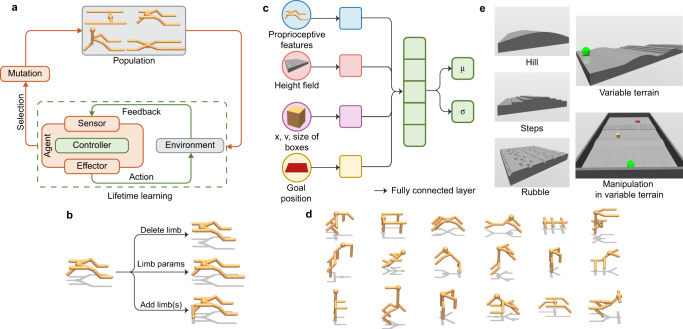
“1b) that are learned via proximal policy optimization (PPO) 28 .”
BackgroundMethodInfluentialLanguage Models are Few-Shot Learners
Brown, T. B., Mann, B., Ryder, N., Subbiah, M., Kaplan, J., Dhariwal, P., Neelakantan, A., Shyam, P., Sastry, G., Askell, A., et al. (2020) · arXiv · doi:10.48550/arxiv.2005.14165 · Cited by 23,372 · cited 2×
“In contrast, the field of artificial intelligence (AI) has focused primarily on disembodied cognition, for example in domains of language 6 , vision 7 or games 8 .”
BackgroundMastering the game of Go with deep neural networks and tree search
Silver, D., Huang, A., Maddison, C. J., Guez, A., Sifre, L., van den Driessche, G., Schrittwieser, J., Antonoglou, I., Panneershelvam, V., Lanctot, M., et al. (2016) · Nature · doi:10.1038/nature16961 · Cited by 15,612 · cited 2×
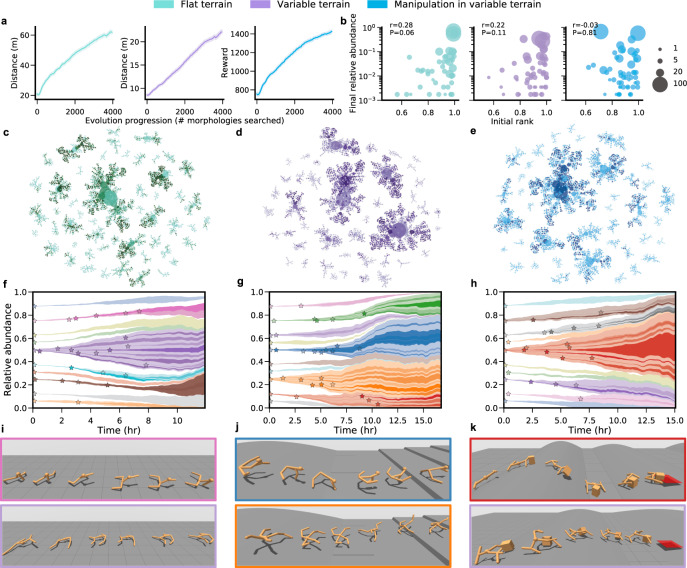
“2i-k, 7, 8).”
BackgroundMomentum Contrast for Unsupervised Visual Representation Learning
He, K., Fan, H., Wu, Y., Xie, S., & Girshick, R. (2020) · 2020 IEEE/CVF Conference on Computer Vision and Pattern Recognition (CVPR) · doi:10.1109/cvpr42600.2020.00975 · Cited by 13,347
A simple framework for contrastive learning of visual representations
Chen, T., Kornblith, S., Norouzi, M., & Hinton, G. (2020) · arXiv · doi:10.48550/arxiv.2002.05709 · Cited by 10,857
Scaling Laws for Neural Language Models
Kaplan, J., McCandlish, S., Henighan, T., Brown, T. B., Chess, B., Child, R., Gray, S., Radford, A., Wu, J., & Amodei, D. (2020) · arXiv · doi:10.48550/arxiv.2001.08361 · Cited by 9,550
Design, fabrication and control of soft robots
Rus, D., & Tolley, M. T. (2015) · Nature · doi:10.1038/nature14543 · Cited by 5,825
MuJoCo: A physics engine for model-based control
Todorov, E., Erez, T., & Tassa, Y. (2012) · 2012 IEEE/RSJ International Conference on Intelligent Robots and Systems · doi:10.1109/iros.2012.6386109 · Cited by 4,767
Neural Architecture Search with Reinforcement Learning
Zoph, B., & Le, Q. V. (2016) · arXiv (Cornell University) · doi:10.48550/arxiv.1611.01578 · Cited by 3,974
Research works printed but not linked: 15
- Darwin, C. On the Origin of Species by Means of Natural Selection, Vol. 167 (John Murray, London, 1859).
- Wang, T., Zhou, Y., Fidler, S. & Ba, J. In International Conference on Learning Representations (2019).
- Luck, K. S., Amor, H. B. & Calandra, R. Data-efficient co-adaptation of morphology and behaviour with deep reinforcement learning. in Conference on Robot Learning, 854–869 (PMLR, 2020).
- Zoph, B. & Le, Q. V. In International Conference on Learning Representations (2017).
- Sutton, R. S. & Barto, A. G. Reinforcement Learning: An Introduction (MIT Press, 2018).
- Turney, P. D. In ICML Workshop on Evolutionary Computation and Machine Learning, 135–142 (1996).
- Hinton GE Nowlan SJ How learning can guide evolution Complex Syst. 1987 1 495 502
- Ackley D Littman M Interactions between learning and evolution Artif. life II 1991 10 487 509
- Bongard, J. C. & Paul, C. in From Animals to Animats: The Sixth International Conference on the Simulation of Adaptive Behaviour (Citeseer, 2000).
- Wang, T., Liao, R., Ba, J. & Fidler, S. In International Conference on Learning Representations (2018).
- Pathak, D., Lu, C., Darrell, T., Isola, P. & Efros, A. A. In Advances in Neural Information Processing Systems (eds Wallach, H. et al.) Vol. 32 (Curran Associates, Inc., 2019).
- Huang, W., Mordatch, I. & Pathak, D. One policy to control them all: shared modular policies for agent-agnostic control. In International Conference on Machine Learning, 4455–4464 (PMLR, 2020).
- Schulman, J., Moritz, P., Levine, S., Jordan, M. & Abbeel, P. In Proceedings of the International Conference on Learning Representations (ICLR) (2016).
- Henderson, P. et al. In Thirty-Second AAAI Conference on Artificial Intelligence (2018).
- Siciliano, B. & Khatib, O. In Springer Handbooks (2016).
Cited by
Artificial intelligence for geoscience: Progress, challenges, and perspectives
Zhao, T., Wang, S., Ouyang, C., Chen, M., Liu, C., Zhang, J., Yu, L., Wang, F., Xie, Y., Li, J., et al. (2024) · The Innovation · doi:10.1016/j.xinn.2024.100691 · Cited by 360
“165 Moreover, the deep integration of large AI models withdrones,autonomousvehicles,andmobilemonitoringdevicesonthesurface orunderground,coupledwithsatellitedata,isfacilitatingmoreef fi cient andauto-mated complex actions in geoscience, including spatiotemporal data collection, processing, and…”
BackgroundCatalyzing next-generation Artificial Intelligence through NeuroAI
Zador, A., Escola, S., Richards, B., Ölveczky, B., Bengio, Y., Boahen, K., Botvinick, M., Chklovskii, D., Churchland, A., Clopath, C., et al. (2023) · Nature Communications · doi:10.1038/s41467-023-37180-x · Cited by 300
Self-citationDiffusion Models in Low-Level Vision: A Survey
He, C., Shen, Y., Fang, C., Xiao, F., Tang, L., Zhang, Y., Zuo, W., Guo, Z., & Li, X. (2025) · IEEE Transactions on Pattern Analysis and Machine Intelligence · doi:10.1109/tpami.2025.3545047 · Cited by 212
“Noting that GSAD [105] and PyDiff [96] employ the ”gt mean” strategy, which involves fine-tuning the brightness of the generated results using the ground truth, thus producing much more impressive results than others in PSNR and SSIM.”
Embodied Intelligence: A Synergy of Morphology, Action, Perception and Learning
Liu, H., Guo, D., & Cangelosi, A. (2025) · ACM Computing Surveys · doi:10.1145/3717059 · Cited by 205
“Currently, the work in this area mainly includes the optimization of morphological parameters and structure, and the methods used mainly include reinforcement learning [63, 65] and genetic optimization [71].”
Li, P., Hao, J., Tang, H., Fu, X., Zheng, Y., & Tang, K. (2024) · IEEE Transactions on Evolutionary Computation · doi:10.1109/tevc.2024.3443913 · Cited by 155
“The hybrid algorithms in this area include EvoGym (GA) [43], HERD [44], AIEA [45], DERL [46], and TAME [47].”
Embodied Intelligence Toward Future Smart Manufacturing in the Era of AI Foundation Model
Ren, L., Dong, J., Liu, S., Li, Z., & Wang, L. (2024) · IEEE/ASME Transactions on Mechatronics · doi:10.1109/tmech.2024.3456250 · Cited by 139
“Furthermore, the ABC embodied intelligence structure are proactively learning from data collected during operation, enabling continuous learning and evolution [17] to generate intelligent behaviors with adaptability [18].”
Zhu, Y., Zhao, Z., Guo, J., Wang, Y., Zhang, C., Zheng, J., Zou, Z., & Liu, W. (2023) · International Journal of Environmental Research and Public Health · doi:10.3390/ijerph20043139 · Cited by 93
Emergent behaviour and neural dynamics in artificial agents tracking odour plumes
Singh, S. H., van Breugel, F., Rao, R. P. N., & Brunton, B. W. (2023) · Nature Machine Intelligence · doi:10.1038/s42256-022-00599-w · Cited by 61
“More complex training curricula 81 or alternative training algorithms using evolutionary techniques 82 might be able to mitigate the notable performance variability we observed in our agents.”
BackgroundSurrogate-assisted evolutionary algorithms for expensive combinatorial optimization: a survey
Liu, S., Wang, H., Peng, W., & Yao, W. (2024) · Complex & Intelligent Systems · doi:10.1007/s40747-024-01465-5 · Cited by 94
Chen, S., Li, Y., Wang, Y., Chen, H., & Özcan, A. (2025) · Nature · doi:10.1038/s41586-025-09446-5 · Cited by 117
“8.”
Combining Evolution and Deep Reinforcement Learning for Policy Search: A Survey
Sigaud, O. (2023) · ACM Transactions on Evolutionary Learning and Optimization · doi:10.1145/3569096 · Cited by 81
“Table 5 only mentions two recent instances, one where the algorithm is not named [25] and Deep Evolutionary Reinforcement Learning (derl) [67], but this idea has led to a larger body of works, e.”
An eyecare foundation model for clinical assistance: a randomized controlled trial
Wu, Y.-L., Qian, B., Li, T., Qin, Y., Guan, Z., Chen, T., Jia, Y., Zhang, P., Zeng, D., Moroi, S. E., et al. (2025) · Nature Medicine · doi:10.1038/s41591-025-03900-7 · Cited by 97
Wang, Z.-Z., Zhang, K., Chen, G., Zhang, J., Wang, W., Wang, H., Zhang, L., Yan, X., & Yao, J. (2022) · Petroleum Science · doi:10.1016/j.petsci.2022.08.016 · Cited by 60
Exploring Embodied Intelligence in Soft Robotics: A Review
Zhao, Z., Wu, Q., Wang, J., Zhang, B., Zhong, C., & Zhilenkov, A. (2024) · Biomimetics · doi:10.3390/biomimetics9040248 · Cited by 77
Vision-Based Learning for Drones: A Survey
Xiao, J., Zhang, R., Zhang, Y., & Feroskhan, M. (2025) · IEEE Transactions on Neural Networks and Learning Systems · doi:10.1109/tnnls.2025.3564184 · Cited by 85
“Through interactions in the open world [21], [211] or provide few-shot imitation [212], vision-based learning can emerge with full autonomy for drone applications.”
Dynamic datasets and market environments for financial reinforcement learning
Liu, X.-Y., Xia, Z., Yang, H., Gao, J., Zha, D., Zhu, M., Wang, C. D., Wang, Z., & Guo, J. (2024) · Machine Learning · doi:10.1007/s10994-023-06511-w · Cited by 71
“Moreover, it will be interesting to explore the evolutionary perspectives (Gupta et al., 2021; Scholl et al., 2021; Li et al., 2021; Liu et al., 2021) to simulate the markets.”
IndVisSGG: VLM-based scene graph generation for industrial spatial intelligence
Wang, Z., Yan, Z., Li, S., & Liu, J. (2025) · Advanced Engineering Informatics · doi:10.1016/j.aei.2024.103107 · Cited by 66
Lin, W., Xu, Y., Yu, S., Wang, H., Huang, Z., Cao, Z., Wei, C., Chen, Z., Zhang, Z., Zhao, Z., et al. (2025) · Advanced Functional Materials · doi:10.1002/adfm.202500633 · Cited by 50
Tan, J., Shi, J., Wu, L., Chen, B., Tang, H., Zhang, C., Zhang, W., Wang, S., & Wan, J. (2025) · IEEE Access · doi:10.1109/access.2025.3572778 · Cited by 48
“In contrast, EI emphasizes dynamic interactions with the environment, enabling systems to perceive and act in real-world settings, thereby adapting their own behavior [1].”
Liu, L., Hu, T., Zhao, X., Su, Y., Yin, D., Lee, C., & Wang, Z. L. (2024) · Nano Energy · doi:10.1016/j.nanoen.2024.110491 · Cited by 40
“Embodied Artificial Intelligence (EAI), a crucial subfield of artificial intelligence, endeavors to attain brain-like capabilities via active perception utilizing multiple sensors, long-term simulation facilitated by integrated algorithms, and continuous improvement throughout interactions[1 – 3].”
Xiao, X., Liang, J., Tong, J., & Wang, H. (2024) · Energies · doi:10.3390/en17102439 · Cited by 55
Memristive Circuit Implementation of Operant Cascaded With Classical Conditioning
Yang, C., Wang, X., Chen, Z., Zhang, S., & Zeng, Z. (2022) · IEEE Transactions on Biomedical Circuits and Systems · doi:10.1109/tbcas.2022.3204742 · Cited by 38
“…reinforcement learning algorithms combined with deep learning have also made important progress, such as the famous AlphaGo [38], deep Q-network [39], and the deep evolutionary reinforcement learning framework [40], but the large parameters and calculations set a barrier to its wide application.”
BackgroundZheng, X., Jiang, Y., Mete, M., Li, J., Watanabe, I., Yamada, T., & Paik, J. K. (2025) · Science Robotics · doi:10.1126/scirobotics.adx1519 · Cited by 52
Embodied navigation with multi-modal information: A survey from tasks to methodology
Wu, Y., Zhang, P., Gu, M., Zheng, J., & Bai, X. (2024) · Information Fusion · doi:10.1016/j.inffus.2024.102532 · Cited by 34
CrowdHMT: Crowd Intelligence With the Deep Fusion of Human, Machine, and IoT
Guo, B., Liu, Y., Liu, S., Yu, Z., & Zhou, X. (2022) · IEEE Internet of Things Journal · doi:10.1109/jiot.2022.3194726 · Cited by 38
“[162] presented the novel deep evolutionary reinforcement learning (DERL) framework.”
BackgroundEfficient automatic design of robots
Matthews, D., Spielberg, A., Rus, D. L., Kriegman, S., & Bongard, J. (2023) · Proceedings of the National Academy of Sciences · doi:10.1073/pnas.2305180120 · Cited by 58
A Comprehensive Survey on Embodied Intelligence: Advancements, Challenges, and Future Perspectives
Sun, F., Chen, R., Ji, T., Luo, Y., Zhou, H., & Liu, H. (2024) · CAAI Artificial Intelligence Research · doi:10.26599/air.2024.9150042 · Cited by 77
VLM-MSGraph: Vision Language Model-enabled Multi-hierarchical Scene Graph for robotic assembly
Li, S., Yan, Z., Wang, Z., & Gao, Y. (2025) · Robotics and Computer-Integrated Manufacturing · doi:10.1016/j.rcim.2025.102978 · Cited by 39
Embodied Multi-Agent Systems: A Review
Li, Z., Wu, W., Guo, Y., Sun, J. Q., & Han, Q. (2025) · IEEE/CAA Journal of Automatica Sinica · doi:10.1109/jas.2025.125552 · Cited by 55
Social Neuro AI: Social Interaction as the “Dark Matter” of AI
Bolotta, S., & Dumas, G. (2022) · Frontiers in Computer Science · doi:10.3389/fcomp.2022.846440 · Cited by 46
“Studies have shown positive effects of physical embodiment on the feeling of an agent’s social presence, the evaluation of the agent, the assessment of public evaluation of the agent, and the evaluation of the interaction with the agent (Kose-Bagci et al., 2009; Gupta et al., 2021).”
Hart, E., & Goff, L. K. L. (2021) · Philosophical Transactions of the Royal Society B Biological Sciences · doi:10.1098/rstb.2021.0117 · Cited by 35
“The field encompasses the use of artificial EAs to design morphology [4], control [5] or a combination of the two for both simulated and physical robots [6 – 9].”
BackgroundMethodInfluentialSemantic-Driven Autonomous Visual Navigation for Unmanned Aerial Vehicles
Yue, P., Xin, J. L., Zhang, Y. M., Lu, Y., & Shan, M. (2024) · IEEE Transactions on Industrial Electronics · doi:10.1109/tie.2024.3363761 · Cited by 38
Is artificial consciousness achievable? Lessons from the human brain
Farisco, M., Evers, K., & Changeux, J. (2024) · Neural Networks · doi:10.1016/j.neunet.2024.106714 · Cited by 61
Poornima, E., Muthu, B., Agrawal, R., Kumar, S., Dhingra, M., Asaad, R. R., & Jumani, A. K. (2023) · Multimedia Tools and Applications · doi:10.1007/s11042-023-15086-6 · Cited by 34
“The On-Board Equipment with the computer system responds to the measurements of car speed and information about the location [12].”
RetractedA survey of multimodal federated learning: background, applications, and perspectives
Pan, H., Zhao, X., He, L., Shi, Y., & Lin, X. S. (2024) · Multimedia Systems · doi:10.1007/s00530-024-01422-9 · Cited by 33
“In the industrial field, recent research has focused on Embodied Intelligence [111], where AI has already acquired various flexible bodies (robots).”
Evolving modular soft robots without explicit inter-module communication using local self-attention
Pigozzi, F., Tang, Y., Medvet, E., & Ha, D. (2022) · Genetic and Evolutionary Computation Conference (GECCO) · doi:10.1145/3512290.3528762 · Cited by 35
“For example, in evolutionary robotics, learning augments evolution by allowing newborn controllers to adapt more quickly to their bodies [24, 44].”
BackgroundArtificial Collective Intelligence Engineering: A Survey of Concepts and Perspectives
Casadei, R. (2023) · Artificial Life · doi:10.1162/artl_a_00408 · Cited by 40
“The combination of learning and evolution is also a very interesting research direction [Gupta et al. 2021].”
BackgroundRoadmap on embodying mechano-intelligence and computing in functional materials and structures
Alù, A., Arrieta, A. F., Dottore, E. D., Dickey, M. D., Ferracin, S., Harne, R. L., Häuser, H., He, Q., Hopkins, J. B., Hyatt, L. P., et al. (2025) · Smart Materials and Structures · doi:10.1088/1361-665x/adb7aa · Cited by 43
“This grand challenge is further compounded in adaptive systems that require expensive training efforts conducted offline from operation and frequently offsite, i.e. not on the autonomous system’s physical embodiment [19].”
Dong, W., Li, S., & Zheng, P. (2025) · Journal of Computing and Information Science in Engineering · doi:10.1115/1.4068235 · Cited by 37
Multi-Modal Legged Locomotion Framework With Automated Residual Reinforcement Learning
Chen, Y., & Rosendo, A. (2022) · IEEE Robotics and Automation Letters · doi:10.1109/lra.2022.3191071 · Cited by 29
A Survey of Embodied Learning for Object-centric Robotic Manipulation
Zheng, Y., Yao, L., Su, Y., Zhang, Y., Wang, Y., Zhao, S., Zhang, Y., & Chau, L. (2025) · Machine Intelligence Research · doi:10.1007/s11633-025-1542-8 · Cited by 90
Li, W., Wang, Z., Mai, R., Ren, P., Zhang, Q., Zhou, Y., Xu, N., Zhuang, J., Xin, B., Gao, L., et al. (2023) · Visual Intelligence · doi:10.1007/s44267-023-00006-x · Cited by 32
“To alleviate this problem, Agrim Gupta et al. [132] designed a deep evolutionary reinforcement learning framework, which learned challenging motor tasks in complex environments by evolving different surrogate models.”
BackgroundLearning to learn by using nonequilibrium training protocols for adaptable materials
Falk, M. J., Wu, J., Matthews, A., Sachdeva, V., Pashine, N., Gardel, M. L., Nagel, S. R., & Murugan, A. (2023) · Proceedings of the National Academy of Sciences · doi:10.1073/pnas.2219558120 · Cited by 35
Acceleration for Deep Reinforcement Learning using Parallel and Distributed Computing: A Survey
Liu, Z., Xu, X., Qiao, P., & Li, D. (2024) · ACM Computing Surveys · doi:10.1145/3703453 · Cited by 39
“Li et al. utilize deep evolutionary RL to evolve diverse agent morphologies to handle locomotion and manipulation tasks in complex environments [8].”
InfluentialEvolutionary Reinforcement Learning: A Systematic Review and Future Directions
Lin, Y., Lin, F., Cai, G., Chen, H., Zou, L., Liu, Y., & Wu, P. (2025) · Mathematics · doi:10.3390/math13050833 · Cited by 45
Yao, T., Lu, B., Kowarschik, M., Yuan, Y., Zhao, H., Ourselin, S., Althoefer, K. A., Ge, J., & Qi, P. (2025) · IEEE Reviews in Biomedical Engineering · doi:10.1109/rbme.2025.3641383 · Cited by 50
“To advance beyond such teleoperated architectures, the concept of EI has emerged as a crucial theoretical and technological driver [9], [10], particularly within the medical domain [11], [12].”
Liu, C., Tang, D., Zhu, H., Wang, L., Cai, Q., & Nie, Q. (2025) · Journal of Manufacturing Systems · doi:10.1016/j.jmsy.2025.12.016 · Cited by 28
A Systematic Review on Hand Exoskeletons From the Mechatronics Aspect
Li, H., & Cheng, L. (2024) · IEEE/ASME Transactions on Mechatronics · doi:10.1109/tmech.2024.3500585 · Cited by 32
Multi-Modal Intelligent Channel Modeling: A New Modeling Paradigm via Synesthesia of Machines
Bai, L., Huang, Z., Sun, M., Cheng, X., & Cui, L. (2025) · IEEE Communications Surveys & Tutorials · doi:10.1109/comst.2025.3558046 · Cited by 48
“2) Multi-Modal Intelligent Channel Modeling for Embodied Intelligence: A paradigm shift is occurring from the era of “Internet AI” to the era of “Embodied AI,” where the AI algorithm and agent no longer primarily learn from the image, video, or text dataset sourced from the internet [214], [215].”
Li, W., Buchanan, E., Goff, L. K. L., Hart, E., Hale, M. F., Wei, B., Carlo, M. D., Angus, M., Woolley, R., Gan, Z., et al. (2023) · IEEE Transactions on Evolutionary Computation · doi:10.1109/tevc.2023.3316363 · Cited by 28
“The latter point contrasts to some previous work, e.g., [12] which clearly demonstrates a strong Baldwin effect, i.e., finding that selecting for controllers that are more capable of learning improves performance.”
InfluentialDuan, K., Suen, C. W. K., & Zou, Z. (2023) · Automation in Construction · doi:10.1016/j.autcon.2023.104956 · Cited by 22
Haşegan, D., Deible, M., Earl, C., Donofrio, D., Hazan, H., Anwar, H., & Neymotin, S. A. (2022) · Frontiers in Computational Neuroscience · doi:10.3389/fncom.2022.1017284 · Cited by 24
“Such a process is consistent with the accelerated learning of models when deploying the Baldwin effect, as has been recently demonstrated in embodied intelligence tasks (Gupta et al., 2021).”
ResultFactors Impacting Diversity and Effectiveness of Evolved Modular Robots
Pigozzi, F., Medvet, E., Bartoli, A., & Rochelli, M. (2023) · ACM Transactions on Evolutionary Learning and Optimization · doi:10.1145/3587101 · Cited by 25
“2018], and evolutionary reinforcement learning [Gupta et al. 2021].”
InfluentialIntegration of cognitive tasks into artificial general intelligence test for large models
Qu, Y., Wei, C., Du, P., Che, W., Zhang, C., Ouyang, W., Bian, Y., Xu, F., Hu, B., Du, K., et al. (2024) · iScience · doi:10.1016/j.isci.2024.109550 · Cited by 25
“110,111 A comprehensive intelligent agent requires not solely a high level of IQ and EQ, but also the ability to perceive and interact with the environment.”
BackgroundThe Effects of Learning in Morphologically Evolving Robot Systems
Luo, J., Stuurman, A. C., Tomczak, J. M., Ellers, J., & Eiben, A. E. (2022) · Frontiers in Robotics and AI · doi:10.3389/frobt.2022.797393 · Cited by 34
“Our definition and that of [Gupta et al., 2021] are similar in spirit, but different in details.”
BackgroundInfluentialDu, Y., Shen, P., Liu, H., Zhang, Z., Yang, F., Chu, D. P., Ren, T., Wang, Z. L., & Wei, D. (2025) · Matter · doi:10.1016/j.matt.2025.102363 · Cited by 18
Physical Artificial Intelligence for Powering the Next Revolution in Robotics
Thakur, A., Kaipa, K. N., Banerjee, A. G., Cappelleri, D. J., Krovi, V., & Gupta, S. K. (2025) · Journal of Computing and Information Science in Engineering · doi:10.1115/1.4070122 · Cited by 30
Compromising LLM Driven Embodied Agents With Contextual Backdoor Attacks
Liu, A., Zhou, Y., Liu, X., Zhang, T., Liang, S., Wang, J., Pu, Y., Li, T., Zhang, J., Zhou, W., et al. (2025) · IEEE Transactions on Information Forensics and Security · doi:10.1109/tifs.2025.3555410 · Cited by 60
“E MBODIED intelligence, exemplified by intelligent robots, can interact intelligently with the environment and solve problems by incorporating modularized elements [1], [2], [3].”
Discovery of the reward function for embodied reinforcement learning agents
Lu, R., Shao, Z., Ding, Y., Chen, R., Wu, D., Su, H., Yang, T., Zhang, F., Wang, J., Shi, Y., et al. (2025) · Nature Communications · doi:10.1038/s41467-025-66009-y · Cited by 42
“Naturally, thismotivates the pursuit of universalcontrol policies that allow embodied agents to adapt seamlessly to various scenarios 7 .”
Morpho Evolution With Learning Using a Controller Archive as an Inheritance Mechanism
Goff, L. K. L., Buchanan, E., Hart, E., Eiben, A. E., Li, W., Carlo, M. D., Winfield, A. F. T., Hale, M. F., Woolley, R., Angus, M., et al. (2022) · IEEE Transactions on Cognitive and Developmental Systems · doi:10.1109/tcds.2022.3148543 · Cited by 34
“Hence, a considerably more diverse range of body plans can be produced in this space than in the previous work that either uses modular systems [24] or spaces in which the components have common control mechanisms [16].”
BackgroundArchitecture for Self-Evolution of 6G Core Network Based on Intelligent Decision Making
Lu, L., Liu, C., Zhang, C., Hu, Z., Lin, S., Liu, Z., Zhang, M., Liu, X., & Chen, J. (2023) · Electronics · doi:10.3390/electronics12153255 · Cited by 19
Chen, C., Xiang, P., Zhang, J., Xiong, R., Wang, Y., & Lu, H. (2023) · IEEE/ASME Transactions on Mechatronics · doi:10.1109/tmech.2023.3330427 · Cited by 15
Liu, C., Song, J., Tang, D., Wang, L., Zhu, H., & Cai, Q. (2025) · Robotics and Computer-Integrated Manufacturing · doi:10.1016/j.rcim.2025.103176 · Cited by 23
Consistent attack: Universal adversarial perturbation on embodied vision navigation
Ying, C., Qiaoben, Y., Zhou, X., Su, H., Ding, W., & Ai, J. (2023) · Pattern Recognition Letters · doi:10.1016/j.patrec.2023.03.001 · Cited by 20
“Following previous works on Embodied Vision Navigation [Chaplot et al., 2020; Ye and Yang, 2021; Gupta et al., 2021], we formulate it as an agent with the policy π interacting with the environment, which can be modeled by an MDPM = {S,A,P,R, γ}.”
MethodRapidly Evolving Soft Robots via Action Inheritance
Liu, S.-L., Yao, W.-Y., Wang, H.-D., Peng, W., & Yang, Y. (2024) · IEEE Transactions on Evolutionary Computation · doi:10.1109/tevc.2023.3327459 · Cited by 18
“Recently, reinforcement learning (RL) has proven effective at discovering control policies [4], [11], [27].”
InfluentialShen, T., Sun, J., Kong, S., Wang, Y., Li, J., Li, X., & Wang, F. (2024) · IEEE/CAA Journal of Automatica Sinica · doi:10.1109/jas.2024.124407 · Cited by 24
“Intelligence accumulates via learning and evolution in the natural environment [10].”
BackgroundEvolution of Brains and Computers: The Roads Not Taken
Solé, R., & Seoane, L. F. (2022) · Entropy · doi:10.3390/e24050665 · Cited by 14
“In silico counterparts based on reinforcement learning are the closest experiments in this direction, although limited to simulated environments [157,158].”
BackgroundKoike, R., Ariizumi, R., & Matsuno, F. (2023) · IEEE Transactions on Neural Networks and Learning Systems · doi:10.1109/tnnls.2023.3272068 · Cited by 17
“To restrict the search target, methods have been proposed to select continuous control parameters from a set of preprepared candidates [5], [6], [7] or to limit the discrete morphological parameters to a certain number of candidates [4].”
BackgroundMethodInfluentialA Survey on Population-Based Deep Reinforcement Learning
Long, W., Hou, T., Wei, X., Yan, S., Zhai, P., & Zhang, L. (2023) · Mathematics · doi:10.3390/math11102234 · Cited by 18
Jin, H., Wang, X., Cheng, S., Sun, Y., Zhang, M., Lu, H. J., Wu, H., & Shi, Y. (2024) · Swarm and Evolutionary Computation · doi:10.1016/j.swevo.2024.101649 · Cited by 13
Language-Driven Visual Consensus for Zero-Shot Semantic Segmentation
Zhang, Z., Ke, W., Zhu, Y., Liang, X., Liu, J., Ye, Q., & Zhang, T. (2024) · IEEE Transactions on Circuits and Systems for Video Technology · doi:10.1109/tcsvt.2024.3504816 · Cited by 19
“This hinders their application in open-world scenarios, such as autonomous driving [27, 29] and embodied intelligence [23, 55].”
Cheng, D., Hu, B., Feng, Y., Yang, J., Zhong, R., Wang, T., & Tan, J. (2025) · Chinese Journal of Mechanical Engineering · doi:10.1186/s10033-025-01224-8 · Cited by 28
“Embodied intelligence in complex product assembly precision prediction driven by DT reflects in real-time data acquisition and feedback [100].”
Real-World Robot Evolution: Why Would it (not) Work?
Eiben, A. E. (2021) · Frontiers in Robotics and AI · doi:10.3389/frobt.2021.696452 · Cited by 15
Multi-modal cognitive computing
李, 学. (2023) · Scientia Sinica Informationis · doi:10.1360/ssi-2022-0226 · Cited by 14
Hu, C., Qiao, R., Zhang, Z., Yan, X., & Li, M. (2022) · Complex System Modeling and Simulation · doi:10.23919/csms.2022.0014 · Cited by 13
Tackling Long-Tailed Category Distribution Under Domain Shifts
Gu, X., Guo, Y., Li, Z., Qiu, J., Dou, Q., Liu, Y., Lo, B. P. L., & Yang, G. (2022) · Lecture notes in computer science · doi:10.1007/978-3-031-20050-2_42 · Cited by 26
Deng, H., Li, D., Panta, K., Wertz, A., Priya, S., & Cheng, B. (2024) · Bioinspiration & Biomimetics · doi:10.1088/1748-3190/ad2f42 · Cited by 14
“However, for swimming or any locomotion type, the physical design and neural con-trol systems are often interdependent, as they jointly evolve and are highly intertwined in the evolution of biological organisms [27, 28].”
BackgroundZhou, X., Wei, H., Lang, Q., Lin, Y., Fang, T., & Cao, W. (2025) · FlexMat. · doi:10.1002/flm2.70014 · Cited by 14
Beyond Conventional Drones: A Review of Unconventional Rotary-Wing UAV Design
Li, M. (2025) · Drones · doi:10.3390/drones9050323 · Cited by 19
Evolution of adaptive learning for nonlinear dynamic systems: a systematic survey
Harib, M., Chaoui, H., & Miah, S. (2022) · Intelligence & Robotics · doi:10.20517/ir.2021.19 · Cited by 20
Multi-UAVs task allocation method based on MPSO-SA-DQN
Peng, P., Xue, G., & Yalian, Z. (2024) · Measurement and Control · doi:10.1177/00202940241270646 · Cited by 11
“Furthermore, evolutionary reinforcement learning algorithm 30–32 has the attributes of evolutionary algo-rithm 33–35 and reinforcement learning algorithm at simultaneously.”
Multi-embodiment Legged Robot Control as a Sequence Modeling Problem
Chen, Y., Zhang, W., Lai, H., Tian, Z., Kneip, L., & Wang, Y.-X. (2023) · Proceedings - IEEE International Conference on Robotics and Automation/Proceedings · doi:10.1109/icra48891.2023.10161034 · Cited by 32
“However, for relatively complicated robots that involve dynamic locomotion, hierarchical approaches often only work in simulation, as it would usually take millions of control steps for evolution [20].”
BackgroundA Q-Learning-Based Brainstorming Optimization Algorithm for Solving Multimodal Optimization Problems
Cheng, S., Jin, H., Lu, H., & Shi, Y. (2024) · IEEE Transactions on Consumer Electronics · doi:10.1109/tce.2024.3502233 · Cited by 10
“Machine learning methods can enhance search efficiency by learning from search experiences [23], [24].”
Parallel memetic algorithm for optimal control of multi-stage catalytic reactions
Sakharov, M., Koledina, K. F., Gubaydullin, I. M., & Karpenko, A. (2023) · Optimization Letters · doi:10.1007/s11590-023-01971-4 · Cited by 10
“The idea of asynchronous learning was inspired by the work [26] where it was used for deep evolutionary reinforcement learning for large-scale problems.”
MethodEnhancing robot evolution through Lamarckian principles
Luo, J., Miras, K., Tomczak, J. M., & Eiben, A. E. (2023) · Scientific Reports · doi:10.1038/s41598-023-48338-4 · Cited by 24
An End-to-End Differentiable Framework for Contact-Aware Robot DesignPreprint
Xu, J., Chen, T., Zlokapa, L., Foshey, M., Matusik, W., Sueda, S., & Agrawal, P. (2021) · DSpace@MIT (Massachusetts Institute of Technology) · Cited by 23
MorphVAE: Advancing Morphological Design of Voxel-Based Soft Robots with Variational Autoencoders
Song, J., Yang, Y., Peng, W., Zhou, W., Wang, F., & Yao, W. (2024) · Proceedings of the AAAI Conference on Artificial Intelligence · doi:10.1609/aaai.v38i9.28904 · Cited by 16
“To this end, more and more works propose novel techniques in pursuit of diversity (Gupta et al. 2021; Medvet et al. 2021; Hu et al. 2022).”
BackgroundLiu, Y., Shen, R., Zhou, L., Xiao, Q., Yuan, J., & Li, Y. (2025) · Briefings in Bioinformatics · doi:10.1093/bib/bbaf312 · Cited by 13
“T he integration of AI agent technology with cutting-edge technologies such as embodied intelligence [46–48],world models [49],and digital twins [50] continues to drive innovation and advancements in various fields.”
Hu, X., Tan, T., Chen, Y., & Yan, Z. (2025) · Nature Communications · doi:10.1038/s41467-025-64956-0 · Cited by 9
“Inspired by embodied intelligence in biological systems capable of dynamically adjusting their functional characteristics to interact with and adapt to various complex and changing environments 13,25 , a reprogrammable logic cube with space utilization and high function density is proposed.”
Bryndin, E. (2022) · Britain International of Exact Sciences (BIoEx) Journal · doi:10.33258/bioex.v4i2.726 · Cited by 10
Artificial intelligence in intelligent vehicles: recent advances and future directions
Zhang, T., Zhao, T., Qin, Y., & Liu, S. (2023) · Journal of the Chinese Institute of Engineers · doi:10.1080/02533839.2023.2262759 · Cited by 12
“Thus, the DERL framework may be integrated into future intelligent vehicles to process complex and constantly changing autonomous driving tasks.”
BackgroundHighway digital twin-enabled Autonomous Maintenance Plant: a perspective
Xu, J., Anvo, N. R., Taha, H. M., d’Avigneau, A. M., Palin, D., Wei, R., Hadjidemetriou, G. M., Schaefer, S., de Silva, L., Al‐Tabbaa, A., et al. (2024) · Data-Centric Engineering · doi:10.1017/dce.2024.34 · Cited by 8
“…preferred is a pro-active sensing pattern where a pavement condition is monitored through embedded sensors or even self-sensing materials (Hasni et al., 2017; Gupta et al., 2021a, 2021b) to predict the condition ’ s evolution and potential risk so that preventive measures can be taken in advance.”
Aucone, E., & Mintchev, S. (2025) · Science Robotics · doi:10.1126/scirobotics.ads0200 · Cited by 8
Machine learning-driven innovation design of clustered tensegrity continuum robot
Shi, X., Yang, Q., Hu, K., Lian, B., Song, Y., Kang, R., & Sun, T. (2025) · Mechanism and Machine Theory · doi:10.1016/j.mechmachtheory.2025.106155 · Cited by 11
Li, S., Liu, C., Zhao, J., Zheng, P., Wang, X. V., & Wang, L. (2026) · Advanced Engineering Informatics · doi:10.1016/j.aei.2026.104370 · Cited by 14
A Survey on Learning Motion Planning and Control for Mobile Robots: Toward Embodied Intelligence
Wang, M., Niu, Y., Wang, B., Zhang, W., & Wang, C. (2026) · IEEE Transactions on Neural Networks and Learning Systems · doi:10.1109/tnnls.2026.3656889 · Cited by 16
“Embodied artificial intelligence (Embodied AI) [6] refers to agents that can master new skills and tasks by learning from environmental interactions.”
Studying the Efficiency of Parallelization in Optimal Control of Multistage Chemical Reactions
Sakharov, M., Koledina, K. F., Gubaydullin, I. M., & Karpenko, A. (2022) · Mathematics · doi:10.3390/math10193589 · Cited by 8
“The idea of asynchronous learning was inspired by the [38], in which it was used for deep evolutionary reinforcement learning for large-scale problems.”
MethodA single neural cellular automaton for body-brain co-evolution
Pontes-Filho, S., Walker, K., Najarro, E., Nichele, S., & Risi, S. (2022) · Genetic and Evolutionary Computation Conference Companion (GECCO Companion) · doi:10.1145/3520304.3529002 · Cited by 8
“The co-design of robot bodies and brains has been an active area of research for decades (Medvet et al., 2021; Sims, 1994; Komosiński & Ulatowski, 1999; Veenstra & Glette, 2020; Gupta et al., 2021).”
BackgroundJu, Z., Ke, W., Jin, L., & Xu, Y. (2023) · IEEE Robotics and Automation Letters · doi:10.1109/lra.2023.3338064 · Cited by 8
“Subsequent research has largely been focused on these foundational gaits [9], [10], [11], [12], [13].”
BackgroundSymbiopersonal intelligence towards symbiotic and personalized digital medicine
Mensah, A., Bao, Q., Zhang, Z., Ya, C., Jiang, Q., & Cai, P. (2025) · Fundamental Research · doi:10.1016/j.fmre.2025.01.009 · Cited by 10
“In neuroscience and cognitive sciences, the focus is on embodied cognition and developmental robotics models of embodied symbol learning [ 2 ].”
Metadata
- Authors
- Gupta, A., Savarese, S., Ganguli, S., & Fei-Fei, L.
- Affiliations
- Stanford University (US)
- Corresponding author
- Gupta, Agrim
- Fei-Fei, Li
- Venue
- Nature Communications
- Published
- 2021-10-06
- Volume
- 12
- Issue
- 1
- Pages
- 5721-5721
- ISSN
- 2041-1723 (ISSN-L)
- PMC
- PMC8494941
- OpenAlex
- W3127203205
- Cited by
- 352
- References
- 70
- Citations by year
- 2026: 97 · 2025: 111 · 2024: 65 · 2023: 47 · 2022: 26 · 2021: 6
- FWCI
- 12.61
- Type
- journal article
- Language
- en
- Open access
- gold
- doi.org
- Licence
- cc-by
- creativecommons.org/licenses/by/4.0 (tdm)
- creativecommons.org/licenses/by/4.0 (vor)
- Locations
- Nature Communications (publishedVersion, cc-by)
- Europe PMC (PubMed Central) (publishedVersion, other-oa)
- PubMed Central (publishedVersion, cc-by)
- PubMed (publishedVersion)
- arXiv (Cornell University) (submittedVersion)
- RePEc: Research Papers in Economics (submittedVersion)
- DOAJ (DOAJ: Directory of Open Access Journals) (submittedVersion, cc-by-sa)
- arXiv (Cornell University) (cc-by)
- Funders
- United States Department of Defense | United States Navy | Office of Naval Research (N00014-16-1-2127)
- Topics
- Physical Sciences › Computer Science › Artificial Intelligence › Reinforcement Learning in Robotics
- Physical Sciences › Computer Science › Artificial Intelligence › Evolutionary Algorithms and Applications
- Life Sciences › Biochemistry, Genetics and Molecular Biology › Genetics › Evolution and Genetic Dynamics
- Keywords
- embodied AI, morphological evolution, environmental complexity, locomotion, manipulation tasks, morphological stability, energy efficiency
- MeSH terms
- Deep Learning, Animals, Computer Simulation, Biological Evolution, Reward
About these checks
Registry, retraction, Cites and statistics results are computed, not judged, with one exception: a printed reference that no index lists is read once by a model before it counts as a citation error. Claims are extracted by a model and kept only when their quote appears verbatim in the text; each cited source is then checked, with a model’s help, for whether it says what the claim relies on. Those verdicts can be wrong — read the claim’s quote and the cited source before relying on one.
Statistics and arithmetic are recomputed, not judged.
Confidence bands are shown only for fields calibrated on our annotated test set. None is calibrated yet, so no band is shown.
What counts as a claim ›How we measure confidence ›How we check this ›
Are you an author, or do you see a problem with this page? Request a review
Data sources
Bibliographic data: Semantic Scholar, OpenAlex, Crossref.
Contains information from the Semantic Scholar Academic Graph Datasets, made available under the ODC Attribution License (ODC-BY 1.0).
Semantic Scholar’s data is described in: Kinney, R., et al. (2023). The Semantic Scholar Open Data Platform. arXiv:2301.10140.
