

Mechanical control of innate immune responses against viral infection revealed in a human lung alveolus chip
Open accessPublished version of a preprint
The DOI matches its Crossref record; 83 of the 84 references it cites were found in a registry or an index.
Abstract
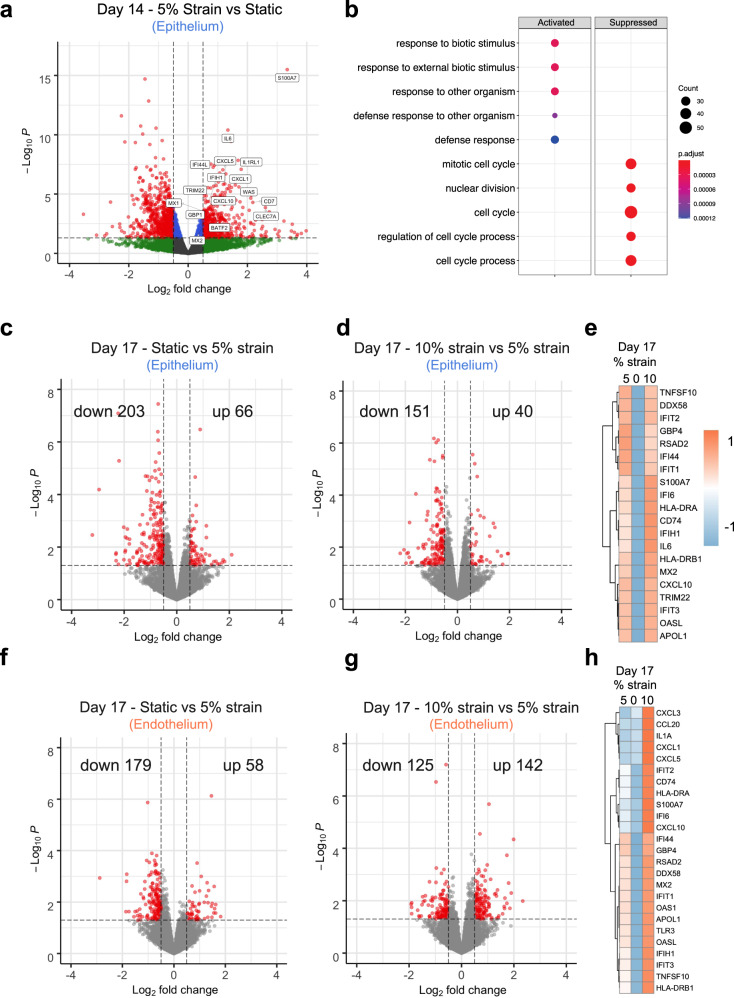
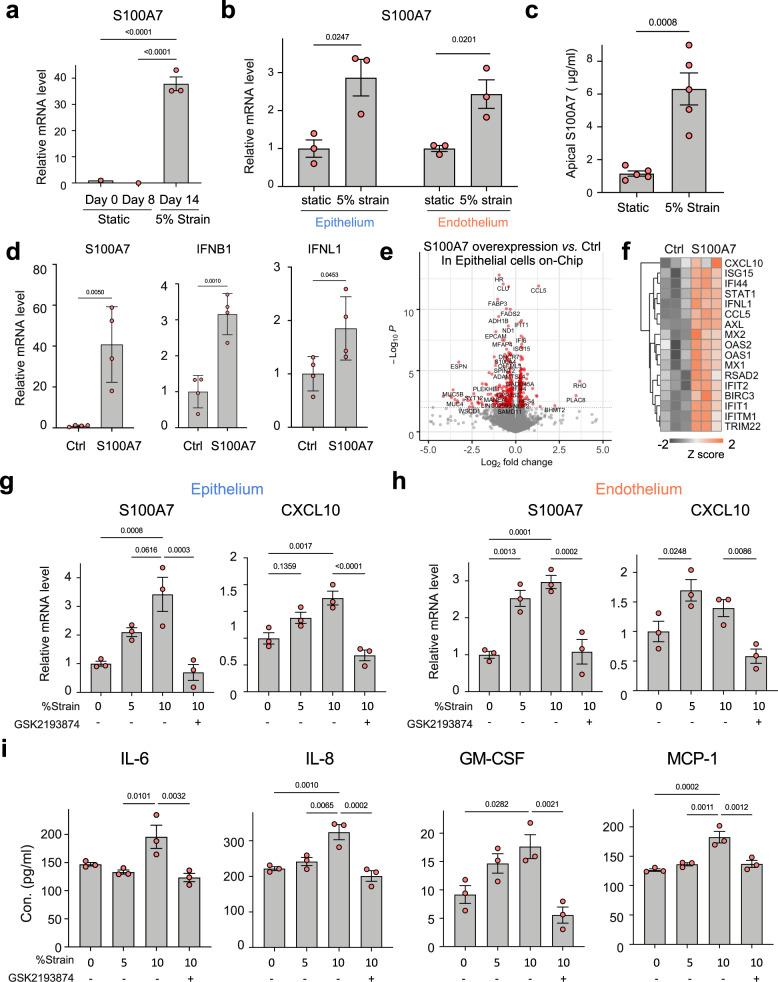
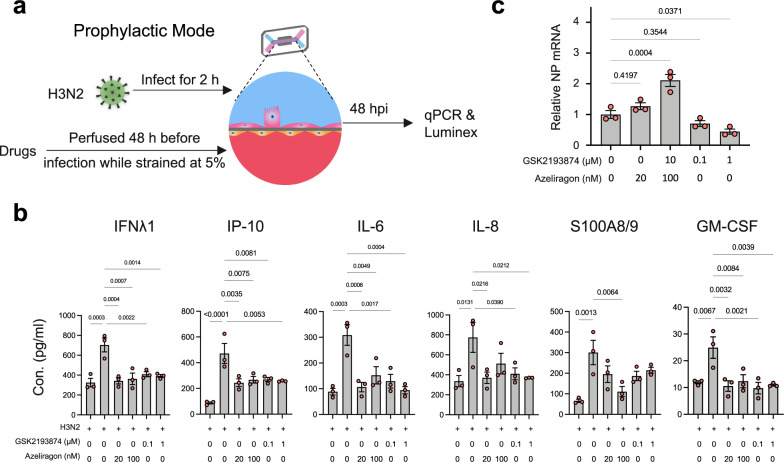
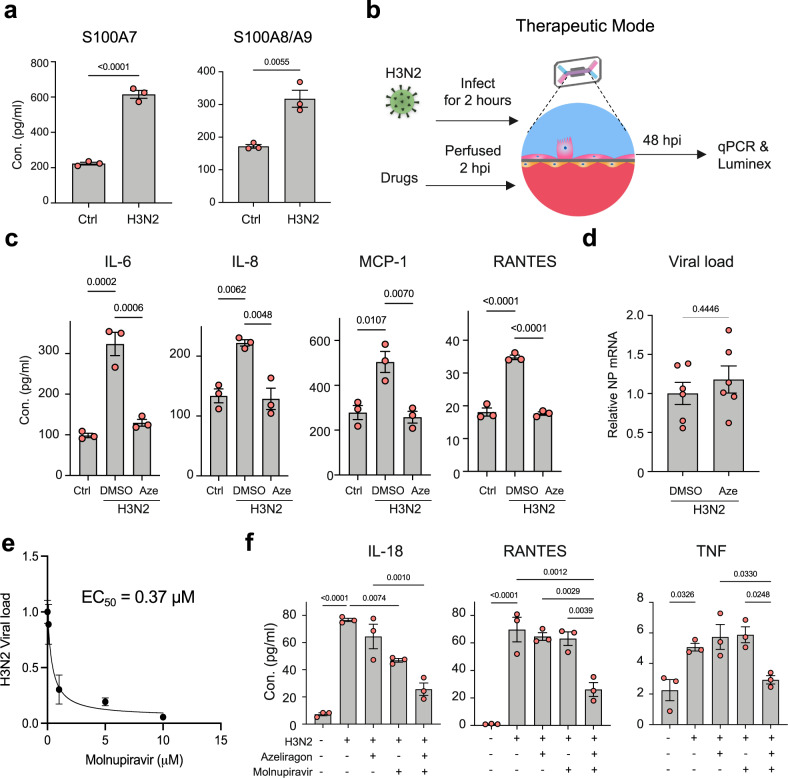
Mechanical breathing motions have a fundamental function in lung development and disease, but little is known about how they contribute to host innate immunity. Here we use a human lung alveolus chip that experiences cyclic breathing-like deformations to investigate whether physical forces influence innate immune responses to viral infection. Influenza H3N2 infection of mechanically active chips induces a cascade of host responses including increased lung permeability, apoptosis, cell regeneration, cytokines production, and recruitment of circulating immune cells. Comparison with static chips reveals that breathing motions suppress viral replication by activating protective innate immune responses in epithelial and endothelial cells, which are mediated in part through activation of the mechanosensitive ion channel TRPV4 and signaling via receptor for advanced glycation end products (RAGE). RAGE inhibitors suppress cytokines induction, while TRPV4 inhibition attenuates both inflammation and viral burden, in infected chips with breathing motions. Therefore, TRPV4 and RAGE may serve as new targets for therapeutic intervention in patients infected with influenza and other potential pandemic viruses that cause life-threatening lung inflammation.
Overview
The claims and statistics of this paper haven’t been checked yet.
Free: it reads the open-access text and checks the first 5 claims that cite a source we can check. Create a free account to check every claim.
Integrity signals
Registry
Cites
Statistics
Figures
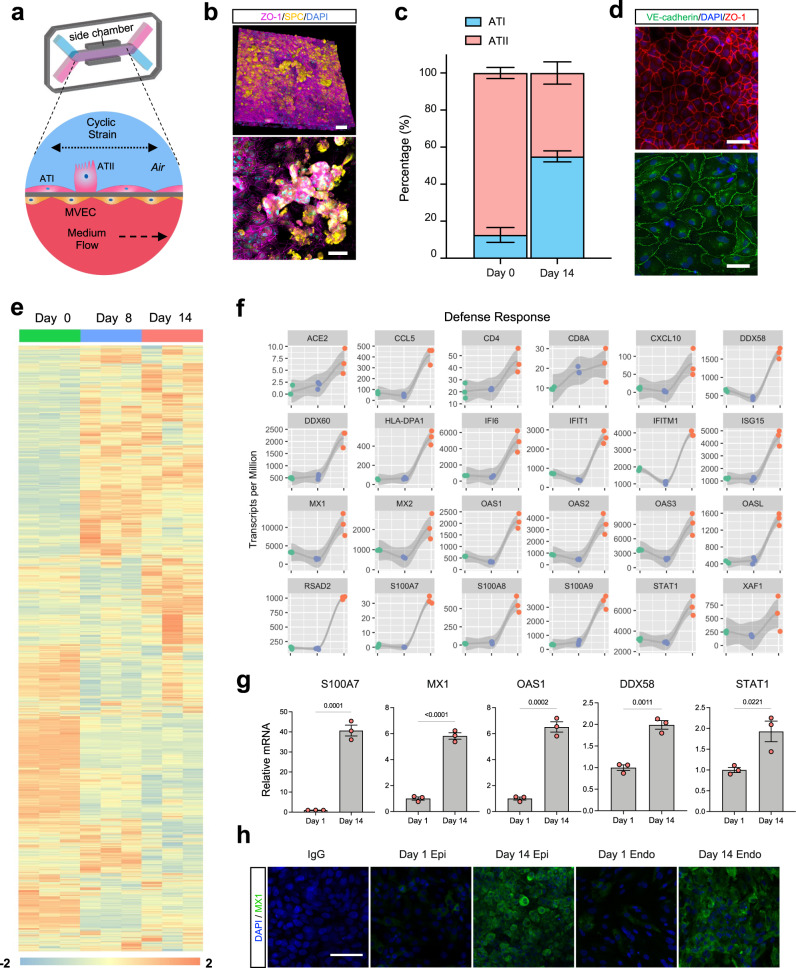
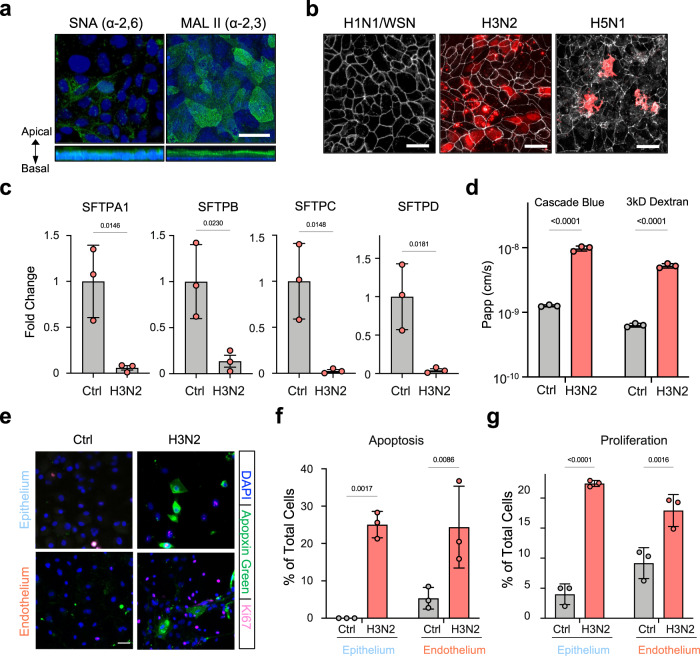
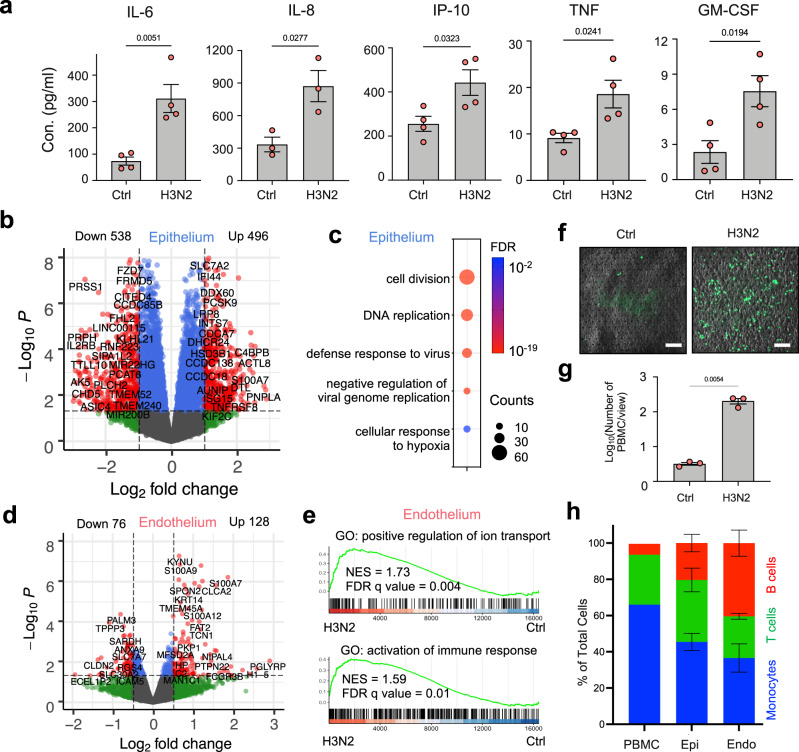
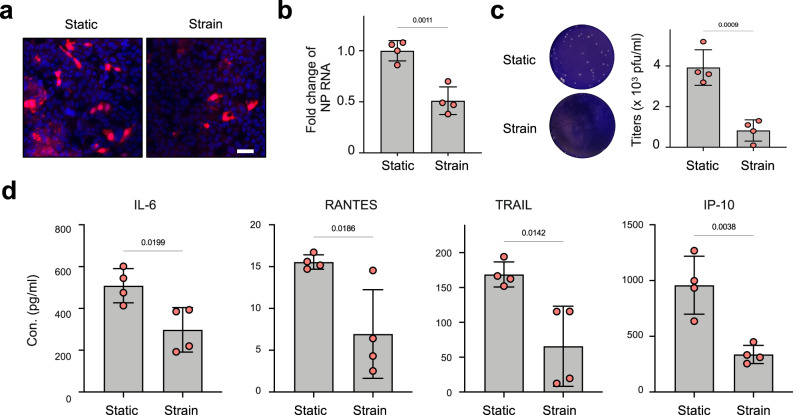
Verification
Claims the paper makes
The claims and statistics of this paper haven’t been checked yet.
Free: it reads the open-access text and checks the first 5 claims that cite a source we can check. Create a free account to check every claim.
Claims other papers make about this one
Each is checked against this paper’s own text: does it say what the citing paper says it does?
The source backs part of the claim, not all of it — or backs it for a different population, condition or comparison.
In the citing paper
“The RAGE inhibitor azeliragon was then identified as effective by suppressing the overshooting of inflammatory responses as observed in patients who were severely ill with COVID-19.”
From Human disease models in drug development (2023) · cites this paper as [113]
Experimental — accuracy not yet measuredThe cited source says what the claim attributes to it.
In the citing paper
“an increase in S100A7 expression was observed which codes for alarmins and receptor for advanced glycation end products (RAGE) ligands.”
From Human disease models in drug development (2023) · cites this paper as [113]
Experimental — accuracy not yet measuredThe cited source says what the claim attributes to it.
In the citing paper
“applying physiological breathing mechanics in alveoli-on-chip models showed antiviral activity by increasing the expression of interferon-related genes and improving host defence113.”
From Human disease models in drug development (2023) · cites this paper as [113]
Self-check
Percentages, sums and reported differences re-computed from the paper’s own numbers.
The self-check needs the paper’s full text.
Citations
Cites
Analysis of Relative Gene Expression Data Using Real-Time Quantitative PCR and the 2−ΔΔCT Method
Livak, K. J., & Schmittgen, T. D. (2001) · Methods · doi:10.1006/meth.2001.1262 · Cited by 180,860
Systematic and integrative analysis of large gene lists using DAVID bioinformatics resources
Huang, D. W., Sherman, B. T., & Lempicki, R. A. (2009) · Nature Protocols · doi:10.1038/nprot.2008.211 · Cited by 35,890
(2000) · New England Journal of Medicine · doi:10.1056/nejm200005043421801 · Cited by 12,941
Reconstituting organ-level lung functions on a chip
Huh, D., Matthews, B. D., Mammoto, A., Montoya-Zavala, M., Hsin, H. Y., & Ingber, D. E. (2010) · Science · doi:10.1126/science.1188302 · Cited by 4,250
Self-citationImbalanced Host Response to SARS-CoV-2 Drives Development of COVID-19
Blanco-Melo, D., Nilsson-Payant, B. E., Liu, W.-C., Uhl, S., Hoagland, D., Møller, R., Jordan, T. X., Oishi, K., Panis, M., Sachs, D., et al. (2020) · Cell · doi:10.1016/j.cell.2020.04.026 · Cited by 4,222
Mutation of the mouse klotho gene leads to a syndrome resembling ageing
Kuro-o, M., Matsumura, Y., Aizawa, H., Kawaguchi, H., Suga, T., Utsugi, T., Ohyama, Y., Kurabayashi, M., Kaname, T., Kume, E., et al. (1997) · Nature · doi:10.1038/36285 · Cited by 3,837
Ranieri, V. M., Suter, P. M., Tortorella, C., De Tullio, R., Dayer, J. M., Brienza, A., Bruno, F., & Slutsky, A. S. (1999) · JAMA · doi:10.1001/jama.282.1.54 · Cited by 1,908
Type 2 alveolar cells are stem cells in adult lung
Barkauskas, C. E., Cronce, M. J., Rackley, C. R., Bowie, E. J., Keene, D. R., Stripp, B. R., Randell, S. H., Noble, P. W., & Hogan, B. L. M. (2013) · Journal of Clinical Investigation · doi:10.1172/jci68782 · Cited by 1,776
STEM: a tool for the analysis of short time series gene expression data
Ernst, J., & Bar-Joseph, Z. (2006) · BMC Bioinformatics · doi:10.1186/1471-2105-7-191 · Cited by 1,703
Krammer, F., Smith, G. J. D., Fouchier, R. A. M., Peiris, M., Kedzierska, K., Doherty, P. C., Palese, P., Shaw, M. L., Treanor, J., Webster, R. G., et al. (2018) · Nature Reviews Disease Primers · doi:10.1038/s41572-018-0002-y · Cited by 1,570
Research works printed but not linked: 1
- Si, L. et al. Human organs-on-chips as tools for repurposing approved drugs as potential influenza and COVID19 therapeutics in viral pandemics. Nat. Biomed. Engi. In Press (2021).
Cited by
Human organs-on-chips for disease modelling, drug development and personalized medicine
Ingber, D. E. (2022) · Nature Reviews Genetics · doi:10.1038/s41576-022-00466-9 · Cited by 1,589
Self-citationHuman disease models in drug development
Loewa, A., Feng, J. J., & Hedtrich, S. (2023) · Nature Reviews Bioengineering · doi:10.1038/s44222-023-00063-3 · Cited by 331
Organ-on-a-chip meets artificial intelligence in drug evaluation
Deng, S., Li, C., Cao, J., Cui, Z., Du, J., Fu, Z., Yang, H., & Chen, P. (2023) · Theranostics · doi:10.7150/thno.87266 · Cited by 260
Modeling pulmonary cystic fibrosis in a human lung airway-on-a-chip
Plebani, R., Potla, R., Soong, M., Bai, H., Izadifar, Z., Jiang, A., Travis, R. N., Belgur, C., Dinis, A., Cartwright, M. J., et al. (2022) · Journal of Cystic Fibrosis · doi:10.1016/j.jcf.2021.10.004 · Cited by 148
Self-citationA human lung alveolus-on-a-chip model of acute radiation-induced lung injury
Dasgupta, Q., Jiang, A. R., Wen, A. M., Mannix, R. J., Man, Y., Hall, S. R. R., Javorsky, E., & Ingber, D. E. (2023) · Nature Communications · doi:10.1038/s41467-023-42171-z · Cited by 181
“…lung alveolus and airway have been successfullyusedinthepasttomodelmultiplelungdiseases,including asthma, chronic obstructive pulmonary disease (COPD), pulmonary thrombosis 23 , cystic fi brosis 24 , and lung cancer 25 , as well as viral infec-tionandevolutionofresistancetoantiviraltherapy 26,27 .”
Self-citationBreakthroughs and Applications of Organ-on-a-Chip Technology
Koyilot, M. C., Natarajan, P., Hunt, C. R., Sivarajkumar, S., Roy, R., Joglekar, S. S., Pandita, S., Tong, C. W.-C., Marakkar, S., Subramanian, L., et al. (2022) · Cells · doi:10.3390/cells11111828 · Cited by 117
Wang, P., Jin, L., Zhang, M., Wu, Y., Duan, Z., Guo, Y., Wang, C., Guo, Y., Chen, W., Liao, Z., et al. (2023) · Nature Biomedical Engineering · doi:10.1038/s41551-023-01054-w · Cited by 126
“Recently, several organ chip models have been used to study viruses, including hepatitis B virus 39 , pseudorabies virus 40,41 , Ebola virus 42 and influenza virus 43,44 , and to test host responses to SARS-CoV-2 infection 44–49 .”
Roadblocks confronting widespread dissemination and deployment of Organs on Chips
Alver, C. G., Drabbe, E., Ishahak, M., & Agarwal, A. (2024) · Nature Communications · doi:10.1038/s41467-024-48864-3 · Cited by 74
“A notable example of a complex Organ on Chip is the EVATAR system for female reproductive systems 14,25 – 27 , which includes separate organ modules for the ovary, fallopian tube, uterus, cervix, and liver within a micro fl uidic system to simulate the in vivo female reproductive tract.”
Revolutionizing immune research with organoid-based co-culture and chip systems
Papp, D., Korcsmáros, T., & Hautefort, I. (2024) · Clinical & Experimental Immunology · doi:10.1093/cei/uxae004 · Cited by 76
“All cell types might be functional in the same medium [31], or they both need slightly different media as factors essential in one medium could influence and affect the functions of the other, as shown for the co-culture of kidney tubuloids and T helper cells [11].”
BackgroundEngineering in vitro vascular microsystems
Liu, Q., Ying, G., Hu, C., Du, L., Zhang, H., Wang, Z., Yue, H., Yetisen, A. K., Wang, G., Shen, Y., et al. (2025) · Microsystems & Nanoengineering · doi:10.1038/s41378-025-00956-w · Cited by 71
“It was achieved by applying cyclic suction to hollow side chambers within a fl exible PDMS device, which revealed how breathing motions inhibited viral replication through a unique mechano-chemical regulatory mechanism 250 .”
Modelling host–microbiome interactions in organ-on-a-chip platforms
Shin, Y. C., Than, N., Min, S., Shin, W., & Kim, H. J. (2023) · Nature Reviews Bioengineering · doi:10.1038/s44222-023-00130-9 · Cited by 66
“Similarly, mechanically dynamic organ-on-a-chip models can reproduce the organ-specific microenvironment and pathogenesis germane to viral infection and immune responses in the lung 89 .”
In vitro immunity: an overview of immunocompetent organ-on-chip models
Morrison, A. I., Sjoerds, M. J., Vonk, L. A., Gibbs, S., & Koning, J. J. (2024) · Frontiers in Immunology · doi:10.3389/fimmu.2024.1373186 · Cited by 61
“This has already seen a bene fi t from a drug repurposing perspective, as a human lung-on-chip accelerated the discovery of a novel class of RNA-based therapeutics, where a pathological role of receptor found on lung alveolar cells was identi fi ed in viral infections (32).”
BackgroundConnection and communication between the nervous and immune systems
Leunig, A., Gianeselli, M., Russo, S. J., & Świrski, F. K. (2025) · Nature reviews. Immunology · doi:10.1038/s41577-025-01199-6 · Cited by 71
“Breathing and gut motility, for example, have been shown to be crucial for appropriate local immune responses in the lung 180 and gut 181 , respectively.”
Challenges and opportunities for human Organ Chips in FDA assessments and pharma pipelines
Ingber, D. E. (2026) · Cell stem cell · doi:10.1016/j.stem.2025.12.022 · Cited by 44
Self-citationWhat Can an Organ-on-a-Chip Teach Us About Human Lung Pathophysiology?
Bai, H., & Ingber, D. E. (2022) · Physiology · doi:10.1152/physiol.00012.2022 · Cited by 42
Self-citationBiomimetic lung-on-a-chip to model virus infection and drug evaluation
Tan, J., Guo, Q., Tian, L., Pei, Z., Li, D., Wu, M., Zhang, J., & Gao, X. (2022) · European Journal of Pharmaceutical Sciences · doi:10.1016/j.ejps.2022.106329 · Cited by 45
An immune-competent lung-on-a-chip for modelling the human severe influenza infection response
Ringquist, R., Bhatia, E., Chatterjee, P., Maniar, D., Fang, Z., Franz, P., Kramer, L., Ghoshal, D., Sonthi, N., Downey, E., et al. (2025) · Nature Biomedical Engineering · doi:10.1038/s41551-025-01491-9 · Cited by 60
“…replication and mutagenesis, as well as the response of endothelial monolayers to epithelial infection, they lack critical immune components necessary to study the immune response to viral infection and exclude the interstitial extracellular matrix (ECM) and stromal components of the lung 23–27 .”
Integration of immune cells in organs-on-chips: a tutorial
van Os, L., Engelhardt, B., & Guenat, O. T. (2023) · Frontiers in Bioengineering and Biotechnology · doi:10.3389/fbioe.2023.1191104 · Cited by 41
Advances of microfluidic lung chips for assessing atmospheric pollutants exposure
Wang, H., Yin, F., Li, Z., Su, W., & Li, D. (2023) · Environment International · doi:10.1016/j.envint.2023.107801 · Cited by 43
Modulation of innate immunity in airway epithelium for host-directed therapy
Myszor, I. T., & Gudmundsson, G. H. (2023) · Frontiers in Immunology · doi:10.3389/fimmu.2023.1197908 · Cited by 42
From microfluidics to microphysiological systems: Past, present, and future
Virumbrales-Muñoz, M., & Ayuso, J. M. (2022) · Organs-on-a-Chip · doi:10.1016/j.ooc.2022.100015 · Cited by 35
Alveolar Organoids in Lung Disease Modeling
Purev, E., Bahmed, K., & Kośmider, B. (2024) · Biomolecules · doi:10.3390/biom14010115 · Cited by 34
“Human micro-physiological systems, such as organ-on-a-chip microfluidic devices, have been developed to culture cells in organ-specific 3D environments to recapitulate the complex biological, structural, and physical states in vivo [117].”
BackgroundYang, J., Khorsandi, D., Trabucco, L., Ahmed, M., Khademhosseini, A., Dokmeci, M. R., Ye, J. Y., & Jucaud, V. (2024) · Small · doi:10.1002/smll.202403560 · Cited by 39
Engineering organoids-on-chips for drug testing and evaluation
Wang, H., Zhu, W., Xu, C., Su, W., & Li, Z. (2024) · Metabolism · doi:10.1016/j.metabol.2024.156065 · Cited by 32
Biomimetic In Vitro Lung Models: Current Challenges and Future Perspective
Doryab, A., & Gröll, J. (2023) · Advanced Materials · doi:10.1002/adma.202210519 · Cited by 35
Organoids as models of immune-organ interaction
Harter, M. F., Recaldin, T., & Gjorevski, N. (2025) · Cell Reports · doi:10.1016/j.celrep.2025.116214 · Cited by 36
Zhao, Q., Cole, T., Zhang, Y., & Tang, S. (2021) · Micromachines · doi:10.3390/mi12070765 · Cited by 34
“studied the effect of the mechanical force generated by respiratory motion on the host innate immunity and investigated the lung alveolus model’s responses against viral infection [62].”
BackgroundFrom tensegrity to human organs-on-chips: implications for mechanobiology and mechanotherapeutics
Ingber, D. E. (2023) · Biochemical Journal · doi:10.1042/bcj20220303 · Cited by 28
Self-citationA Systematic Review on Organ-on-a-Chip in PDMS or Hydrogel in Dentistry: An Update of the Literature
Pierfelice, T. V., D’Amico, E., Petrini, M., Romano, M., D’Arcangelo, C., Sbordone, L., Barone, A. A., Plebani, R., & Iezzi, G. (2024) · Gels · doi:10.3390/gels10020102 · Cited by 30
Self-citationBarua, R., Biswas, N., & Das, D. (2024) · Advances in healthcare information systems and administration book series · doi:10.4018/979-8-3693-1214-8.ch010 · Cited by 25
Richter, C., Latta, L., Harig, D., Carius, P., Stucki, J. D., Hobi, N., Hugi, A., Schumacher, P., Krebs, T., Gamrekeli, A., et al. (2024) · Bioengineering & Translational Medicine · doi:10.1002/btm2.10715 · Cited by 26
“30 To model the pulmonary air-blood barrier, the human alveolar epithelial cell line Arlo 31 was used, either alone or in co-culture with monocyte-derived macrophage-like cells as surrogates for alveolar macrophages to investigate the differences in drug response in mono-and co-cultures.”
3D Lung Tissue Models for Studies on SARS-CoV-2 Pathophysiology and Therapeutics
Plebani, R., Bai, H., Si, L., Li, J., Zhang, C., & Romano, M. (2022) · International Journal of Molecular Sciences · doi:10.3390/ijms231710071 · Cited by 25
Self-citationSelf-assembling short immunostimulatory duplex RNAs with broad-spectrum antiviral activity
Si, L., Bai, H., Oh, C. Y., Jiang, A. R., Hong, F., Zhang, T., Ye, A. Y., Jordan, T. X., Logue, J., McGrath, M. E., et al. (2022) · Molecular Therapy — Nucleic Acids · doi:10.1016/j.omtn.2022.08.031 · Cited by 25
Self-citationDeveloping 3D bioprinting for organs-on-chips
Wu, Z., Liu, R., Shao, N., & Zhao, Y. (2025) · Lab on a Chip · doi:10.1039/d4lc00769g · Cited by 24
The Convergence of Artificial Intelligence and Microfluidics in Drug Research and Development
Qiao, D., Li, H., Zhang, X., Chen, X., Jiang, Z., Zou, J., Zhao, D., Zhu, W., Qian, X. H., & Li, H. (2025) · Engineering · doi:10.1016/j.eng.2025.07.025 · Cited by 25
Toward continuous monitoring systems: emerging trends of on-chip sensors in organ-on-a-chip
Ling, S., Xu, C., Jiang, Y., Xu, F., Jin, H., Chen, H. H., Chen, S., Ding, Z., & Sun, D. (2026) · Microsystems & Nanoengineering · doi:10.1038/s41378-025-01142-8 · Cited by 31
“During dynamic in vitro tissue culture, periodic mechanical stimulation 155 – 158 or fl uid shear stress is often applied.”
Immunity‐on‐a‐Chip: Integration of Immune Components into the Scheme of Organ‐on‐a‐Chip Systems
Ramadan, Q., Hazaymeh, R., & Zourob, M. M. (2023) · Advanced Biology · doi:10.1002/adbi.202200312 · Cited by 23
Integration of nanobiosensors into organ-on-chip systems for monitoring viral infections
Zhang, J., Kim, M., Lee, S., & Park, S. (2024) · Nano Convergence · doi:10.1186/s40580-024-00455-0 · Cited by 19
“These models often employ microfluidic devices with two parallel channels separated by porous membranes to mimic the alveolar-capillary interface [84–92].”
Mechanotransduction in Shaping Immunity: Pathways, Crosstalk, and Pathophysiological Relevance
Yan, R., Li, Y., Chen, S., Zhu, L., Zhou, C., Chen, J., Zou, S., & Han, X. (2025) · Advanced Science · doi:10.1002/advs.202512164 · Cited by 31
An Insight on Microfluidic Organ-on-a-Chip Models for PM2.5-Induced Pulmonary Complications
Shah, D., Dave, B. P., Chorawala, M. R., Prajapati, B. G., Singh, S. K., Elossaily, G. M., Ansari, M. N., & Ali, N. (2024) · ACS Omega · doi:10.1021/acsomega.3c10271 · Cited by 22
Organoids and organ-on-chip technology for investigating host-microorganism interactions
Walocha, R., Kim, M., Wong-Ng, J., Gobaa, S., & Sauvonnet, N. (2024) · Microbes and Infection · doi:10.1016/j.micinf.2024.105319 · Cited by 21
Interaction of Teleost Fish TRPV4 with DEAD Box RNA Helicase 1 Regulates Iridovirus Replication
Luo, Z., Zhan, Z., Qin, X.-W., Pan, W., Liang, M., Li, C., Weng, S., He, J., & Guo, C. (2023) · Journal of Virology · doi:10.1128/jvi.00495-23 · Cited by 19
“(40) showed that TRPV4 may serve as one of the effectors that modulate the impact of breathing motions on the activation of protective innate immune responses in epithelial and endothelial cells, thereby suppressing influenza A virus replication.”
BackgroundYang, Y., Gao, X., Widdicombe, B., Zhang, X., Zielinski, J., Cheng, T., Gunatilaka, A., Leung, K. K., Plaxco, K. W., Unnithan, R. R., et al. (2024) · ACS Nano · doi:10.1021/acsnano.4c06813 · Cited by 24
Chen, Y., Wang, X., Xie, R., Zhang, Y., Xia, T., Lu, Y. Y., Ye, F., Zhang, P., Cao, T., Xu, Y., et al. (2022) · Advanced Functional Materials · doi:10.1002/adfm.202211807 · Cited by 17
Biomimetic Alveoli System with Vivid Mechanical Response and Cell–Cell Interface
Niu, M., Zhu, Y., Ding, X., Zu, Y., Zhao, Y., & Wang, Y. (2023) · Advanced Healthcare Materials · doi:10.1002/adhm.202300850 · Cited by 16
Li, Y., Xie, M., Lv, S., Sun, Y., Li, Z., Gu, Z., & He, Y. (2023) · International Journal of Extreme Manufacturing · doi:10.1088/2631-7990/acef77 · Cited by 20
Yadav, S., Fujimoto, K., Takenaga, T., Takahashi, S., Muramoto, Y., Mikawa, R., Noda, T., Gotoh, S., & Yokokawa, R. (2025) · Nature Biomedical Engineering · doi:10.1038/s41551-025-01444-2 · Cited by 28
“This aligns with previous reports of endothelial activation after IAV infection of epithelial cells 31 .”
Lim, M., Park, S., Joo, Y. H., Kim, S. E., Ham, M. H., Kim, T. S., Kwak, K., Kim, S. J., Lee, J. C., Park, S. H., et al. (2025) · Signal Transduction and Targeted Therapy · doi:10.1038/s41392-025-02350-4 · Cited by 18
“51 54 This dual sensitivity allows Piezo1 to detect subtle mechanical cues and amplify downstream signals in in fl amed tissues.”
Organ-on-a-chip models for elucidating the cellular biology of infectious diseases
Yokoi, F., Deguchi, S., & Takayama, K. (2023) · Biochimica et Biophysica Acta (BBA) - Molecular Cell Research · doi:10.1016/j.bbamcr.2023.119504 · Cited by 21
Hollow Microfiber Assembly‐Based Endocrine Pancreas‐on‐a‐Chip for Sugar Substitute Evaluation
Tian, L., Shi, J., Li, W., Zhang, Y., & Gao, X. (2023) · Advanced Healthcare Materials · doi:10.1002/adhm.202302104 · Cited by 17
Human organ chips for regenerative pharmacology
Goyal, G., Belgur, C., & Ingber, D. E. (2023) · Pharmacology Research & Perspectives · doi:10.1002/prp2.1159 · Cited by 15
“20 A pathology that could benefit from regenerative therapeutics is lung fibrosis observed after severe respiratory infections, idiopathic diseases, or radiation injury.”
BackgroundSelf-citationMattoscio, D., Baeza, L. A., Bai, H., Colangelo, T., Castagnozzi, S., Marzotto, M., Cufaro, M. C., Lotti, V., Yuan, Y. S., Mucci, M., et al. (2025) · FEBS Journal · doi:10.1111/febs.70050 · Cited by 14
Self-citationZhang, T., Li, Y., Cheng, B., Zhao, X., Liu, M., Feng, J., Bai, Y., Yu, Y., Jiang, P., Geng, L., et al. (2025) · Advanced Science · doi:10.1002/advs.202501335 · Cited by 34
Mechanical communication and function regulation of immune cells
Chen, Y., Xie, R., Cao, T., Zhang, Y., Wang, X., Xu, Y., Fan, Q., & Ye, F. (2024) · Fundamental Research · doi:10.1016/j.fmre.2024.04.008 · Cited by 14
“…fundamental biological processes that are regulated by mechanical signals, such as correlated cell migration [ 18 ], cardiac beating [ 19 , 20 ], vascular development [ 21–23 ], blood homeostasis [ 24 , 25 ], proprioception [ 26 , 27 ], and many immune activities [ 7-10 , 13 , 16 , 28 , 29 ].”
Shen, J., Li, J., Shen, Q., Hou, J., Zhang, C., Bai, H., Ai, X., Su, Y., Wang, Z., Zhang, Y., et al. (2025) · Nature Microbiology · doi:10.1038/s41564-024-01908-2 · Cited by 19
Self-citationA similarity scaling approach for organ-on-chip devices
Feng, J. J., & Hedtrich, S. (2022) · Lab on a Chip · doi:10.1039/d2lc00641c · Cited by 13
Real-Time, Continuous Monitoring of Tissue Chips as an Emerging Opportunity for Biosensing
Cognetti, J. S., & Miller, B. L. (2025) · Sensors · doi:10.3390/s25165153 · Cited by 14
“We already have examples of this being implemented with Azeliragon [46], the first FDA-approved clinical trial built in part on preclinical data from TCs [47].”
Advancements in organs-on-chips technology for viral disease and anti-viral research
Li, J., Bai, H., Wang, Z., Beibei, X., Olson, K. N. P., Liu, C., Su, Y., Hao, J., Shen, J., Xi, X., et al. (2023) · Organs-on-a-Chip · doi:10.1016/j.ooc.2023.100030 · Cited by 13
Self-citationKoceva, H., Amiratashani, M., Akbarimoghaddam, P., Hoffmann, B., Zhurgenbayeva, G., Gresnigt, M. S., Marcelino, V. R., Eggeling, C., Figge, M. T., Amorim, M. J., et al. (2025) · Open Biology · doi:10.1098/rsob.240231 · Cited by 16
“This effect was linked to mechanosensitive pathways involving TRPV4 and RAGE signalling, offering new therapeutic targets for respiratory infections [170].”
Microfluidic strategies for biomimetic lung chip establishment and SARS-CoV2 study
Wang, H., Wen, T., Zhu, W., Li, K., Gong, X., & Li, Z. (2023) · Materials Today Bio · doi:10.1016/j.mtbio.2023.100905 · Cited by 18
“Bai et al. [92] created an infected chip by breathing in rhythm, and their research found that receptor for advanced glycation end products (RAGE) and transient receptor potential vanilloid-type 4 (TRPV4) inhibitors could respectively suppress cytokines production, as well as immune-inflammatory…”
BackgroundMethodInfluentialA micro-lung chip with macrophages for targeted anti-fibrotic therapy
Xia, J., Dong, R., Fang, Y., Guo, J., Xiong, Z., Zhang, T., & Sun, W. (2025) · Biofabrication · doi:10.1088/1758-5090/adb338 · Cited by 15
Harris, A. F., Lacombe, J., Sanchez‐Ballester, N. M., Victor, S., Curran, K. A. J., Nordquist, A. R., Thomas, B., Gu, J., Veuthey, J., Soulairol, I., et al. (2022) · ACS Applied Bio Materials · doi:10.1021/acsabm.2c00721 · Cited by 12
Animal Model Alternatives in Filovirus and Bornavirus Research
Widerspick, L., Steffen, J. F., Tappe, D., & Muñoz‐Fontela, C. (2023) · Viruses · doi:10.3390/v15010158 · Cited by 12
Proceedings of a workshop to address animal methods bias in scientific publishing
Krebs, C. E., Camp, C., Constantino, H., Courtot, L., Kavanagh, O., Leite, S. B., Madden, J., Paini, A., Poojary, B., Tripodi, I. J., et al. (2022) · ALTEX · doi:10.14573/altex.2210211 · Cited by 17
“With this capability, Ingber’s group was able to study the effects of breathing motions on viral infection (Bai et al., 2022) and cancer growth (Hassell et al., 2017).”
BackgroundOrganoids in respiratory virus research: advances and perspectives
Li, X., Xiao, H., Zhou, M., Yang, C., Yang, X., Cheng, T., Yuan, L., & Xia, N. (2025) · Molecular Biomedicine · doi:10.1186/s43556-025-00343-x · Cited by 11
“Compared to static chips, this dynamic model elicited a series of host responses, demonstrating that respiratory movement activates protective innate immune responses in both epithelial and endothelial cells, effectively inhibiting viral replication [106].”
Biomimetic microfluidic chips for toxicity assessment of environmental pollutants
Du, X.-Y., & Yang, J. (2024) · The Science of The Total Environment · doi:10.1016/j.scitotenv.2024.170745 · Cited by 13
Fabrication Strategies for Bioinspired and Functional Lung‐on‐Chips
Doryab, A., Braig, J., Jüngst, T., Ryma, M., & Gröll, J. (2024) · Advanced Functional Materials · doi:10.1002/adfm.202407725 · Cited by 12
Liang, S., Wang, X., Zheng, T., Liu, M., Li, C., Liu, L., & Zhang, G. (2025) · Journal of Agricultural and Food Chemistry · doi:10.1021/acs.jafc.5c03079 · Cited by 14
Gao, C., Li, H., Hao, M., Li, X., Dong, Y.-Z., Zhang, Y., Liu, X., Lu, C. C., & Zhao, J. (2022) · Viruses · doi:10.3390/v14081625 · Cited by 17
Microfluidic Techniques for Next‐Generation Organoid Systems
Gong, J., Li, M., Kang, J., Yin, Z., Cha, Z., Yang, J., & Xu, H. (2022) · Advanced Materials Interfaces · doi:10.1002/admi.202200846 · Cited by 17
Modelling SARS-CoV-2 infection in a human alveolus microphysiological system
Šuligoj, T., Coombes, N. S., Booth, C., Savva, G. M., Bewley, K. R., Funnell, S. G. P., & Juge, N. (2024) · Access Microbiology · doi:10.1099/acmi.0.000814.v3 · Cited by 10
A Ventilated Three-Dimensional Artificial Lung System for Human Inhalation Exposure Studies
Chen, H., Harui, A., Feng, Y., Li, L., Patel, S., Schmidt, J. J., Roth, M. D., & Zhu, Y. (2024) · Environmental Science & Technology · doi:10.1021/acs.est.4c08315 · Cited by 13
Man, Y., Posey, R. R., Bai, H., Jiang, A. R., Dosta, P., Ocampo-Alvarado, D., Plebani, R., Ji, J., Belgur, C., Artzi, N., et al. (2025) · Lab on a Chip · doi:10.1039/d5lc00156k · Cited by 14
Self-citationLuk, C. H., Conway, G. L., Goh, K. J., Fearns, A., Hernández, I. R., Day, N. J., Athanasiadi, N., D’Antuono, R., Pellegrino, E., Stucki, J. D., et al. (2026) · Science Advances · doi:10.1126/sciadv.aea9874 · Cited by 16
“We observed that distinct subclusters uniquely enriched in the presence of iVEC (subclusters 2, 5, 6, and 8, which we named as iLoC-E) irrespective of the mechanical stretching, while the remaining are considered as unenriched clusters (subcluster 0, 1, 3, 4, 7, and 9, which we named iLoC-UE) (fig.”
The CaT stretcher: An open-source system for delivering uniaxial strain to cells and tissues (CaT)
Wang, Y., Singer, R., Liu, X., Inman, S. J., Cao, Q., Zhou, Q., Noble, A., Li, L., Tafoya, A. A., Babi, M., et al. (2022) · Frontiers in Bioengineering and Biotechnology · doi:10.3389/fbioe.2022.959335 · Cited by 14
The role of TRPV4 in programmed cell deaths
Ma, Q., Wu, J., Li, H., Ma, X., Yin, R., Bai, L., Tang, H., & Liu, N. (2024) · Molecular Biology Reports · doi:10.1007/s11033-023-09199-2 · Cited by 11
An alveolus lung-on-a-chip model of Mycobacterium fortuitum lung infection
Ektnitphong, V. A., Dias, B., Campos, P. C., & Shiloh, M. U. (2025) · Disease Models & Mechanisms · doi:10.1242/dmm.052085 · Cited by 12
Bisconti, F., Abreu, H., Nguyen, T. D., Stolfi, F., Corbezzolo, N., Gigli, G., Raineri, D., Cappellano, G., Polini, A., Gervaso, F., et al. (2025) · Frontiers in Immunology · doi:10.3389/fimmu.2025.1712796 · Cited by 10
“After this fi rst work, many other devices have been developed to mimic lungs by different research groups fi nding application in disease modeling, toxicology studies and drug testing (89, 124 – 129).”
Obesity and the Importance of Breathing
Bordoni, B., & Escher, A. R. (2025) · Cureus · doi:10.7759/cureus.77431 · Cited by 11
Synthetic biology-inspired development of live attenuated influenza vaccines
Zhang, Q., Cheng, J., Hou, J., Su, Y., Li, L., Tong, L., Li, J., Shen, Q., Wang, Z., Wu, M., et al. (2025) · npj Vaccines · doi:10.1038/s41541-025-01255-1 · Cited by 11
Self-citationModeling of lung-liver interaction during infection in a human fluidic organ-on-a-chip
Reinhold, S., Herr, C., Yao, Y., Pourrostami, M., Ritzmann, F., Lehr, T., Selzer, D., Kohl, Y., Yildiz, D., Slevogt, H., et al. (2025) · Scientific Reports · doi:10.1038/s41598-025-22682-z · Cited by 11
“Lung OOC systems have been developed in a variety of setups including mechanical stretching to model ventilatory movements (“breathing lung-on-a-chip”) 7,8 .”
Report of the Assay Guidance Workshop on 3-Dimensional Tissue Models for Antiviral Drug Development
Jordan, R., Ford‐Scheimer, S. L., Alarcon, R. M., Atala, A., Borenstein, J. T., Brimacombe, K. R., Cherry, S. R., Clevers, H. C., Davis, M. I., Funnell, S. G. P., et al. (2023) · The Journal of Infectious Diseases · doi:10.1093/infdis/jiad334 · Cited by 9
Self-citationRecent frontiers in biofabrication for respiratory tissue engineering
Zimmerling, A., Dahlan, N. A., Zhou, Y., & Chen, D. (2024) · Bioprinting · doi:10.1016/j.bprint.2024.e00342 · Cited by 8
Lung-on-a-chip: From design principles to disease applications
Qiu, Y. L., & Hu, G. (2025) · Biomicrofluidics · doi:10.1063/5.0257908 · Cited by 8
Gibeaud, A., Pizzorno, A., & Terrier, O. (2025) · Current Opinion in Virology · doi:10.1016/j.coviro.2025.101452 · Cited by 7
Mackey, C., Feng, Y., Liang, C., Liang, A., Tian, H., Narayan, O. P., Dong, J., Tai, Y., Hu, J., Mu, Y., et al. (2025) · Cancers · doi:10.3390/cancers17111851 · Cited by 7
Pierre, A., Favory, R., Lancel, S., & Préau, S. (2025) · Intensive Care Medicine Experimental · doi:10.1186/s40635-025-00814-z · Cited by 9
State of the Art in 3D Culture Models Applied to Thyroid Cancer
Prete, A., Matrone, A., & Plebani, R. (2024) · Medicina · doi:10.3390/medicina60040520 · Cited by 7
“…garnered significant attention in the research field, particularly in the study of various diseases such as cystic fibrosis [91], environmental enteric dysfunction [94], viral infections [90,93,98], and cancer [99], where the organ-on-a-chip technology represents one of the best 3D in vitro models.”
BackgroundMethodSelf-citationHigh-throughput histopathology for complex in vitro models
Harter, M. F., D’Arcangelo, E., Aubert, J., Lavickova, B., Havnar, C. A., Stoll, B., Cubela, I., Filip, A. M., Gaspa-Toneu, L., Scherer, J., et al. (2026) · Cell Reports Methods · doi:10.1016/j.crmeth.2026.101419 · Cited by 9
Man, Y., Zhai, Y., Jiang, A. R., Bai, H., Gulati, A., Plebani, R., Mannix, R. J., Merry, G. E., Goyal, G., Belgur, C., et al. (2024) · bioRxiv (Cold Spring Harbor Laboratory) · doi:10.1101/2024.08.13.607799 · Cited by 9
Self-citationA roadmap for developing and engineering in vitro pulmonary fibrosis models
Dabaghi, M., Carpio, M. B., Saraei, N., Moran-Mirabal, J. M., Kolb, M. R. J., & Hirota, J. A. (2023) · Biophysics Reviews · doi:10.1063/5.0134177 · Cited by 7
Lopes, C. F., Laurent, E., Caul-Futy, M., Dubois, J., Mialon, C., Chojnacki, C., Sage, É., Boda, B., Huang, S., Rosa‐Calatrava, M., et al. (2025) · Microorganisms · doi:10.3390/microorganisms13030572 · Cited by 7
Weiss, D. J. (2023) · Frontiers in Pharmacology · doi:10.3389/fphar.2023.1130074 · Cited by 6
Sattar, A. A., Qaiser, A., Kausar, H., Aqil, S., Mudassar, R., Manzoor, S., & Ashraf, J. (2024) · Frontiers in Immunology · doi:10.3389/fimmu.2024.1303115 · Cited by 6
“The immune system provides natural defense against viruses by activating innate (19) and adaptive (20) mechanisms, especially in eliminating acute viral infections, making them last for a week approximately (21).”
BackgroundPast and future of alveolar organoids for lung regenerative medicine
Mikawa, R., & Gotoh, S. (2024) · Stem Cells · doi:10.1093/stmcls/sxae024 · Cited by 7
Integration of bioprinting advances and biomechanical strategies for in vitro lung modelling
Avery, K., & Chen, D. (2024) · Biofabrication · doi:10.1088/1758-5090/ad91e2 · Cited by 7
Establishment of a 3D-Printed Tissue-on-a-Chip Model for Live Imaging of Bacterial Infections
Fuglsang-Madsen, A. J., Haagensen, J. A. J., Rudder, C. D., Simões, F. B., Molin, S., & Johansen, H. K. (2024) · Advances in experimental medicine and biology · doi:10.1007/5584_2024_829 · Cited by 8
A 3D Model of the Human Lung Airway for Evaluating Permeability of Inhaled Drugs
Rahman, S. M., Geiger, R. M., Roni, M. S. R., Tariq, I., Ismaiel, O. A., Matta, M. K., Shea, K. I., Bruckner, D., Jiang, W., Walenga, R. L., et al. (2024) · ACS Pharmacology & Translational Science · doi:10.1021/acsptsci.4c00607 · Cited by 4
Micro-physiological system of human lung: The current status and application to drug discovery
Sone, N., & Gotoh, S. (2025) · Drug Metabolism and Pharmacokinetics · doi:10.1016/j.dmpk.2024.101050 · Cited by 6
A ventilated perfused lung model platform to dissect the response of the lungs to viral infection
Derman, İ. D., Alioglu, M. A., Moses, J. C., Chroneos, Z. C., Yilmaz, Y. O., Banerjee, D., Koff, J. L., Rizvi, S. H. A., Klunk, D. N., Celik, N., et al. (2025) · Trends in biotechnology · doi:10.1016/j.tibtech.2025.03.012 · Cited by 6
Metadata
- Authors
- Bai, H., Si, L., Jiang, A., Belgur, C., Zhai, Y., Plebani, R., Oh, C. Y., Rodas, M., Patil, A., Nurani, A., Gilpin, S. E., Powers, R. K., Goyal, G., Prantil-Baun, R., & Ingber, D. E.
- Affiliations
- Harvard University (US)
- Boston Children's Hospital (US)
- Corresponding author
- Ingber, Donald E.
- ORCID
- Venue
- Nature Communications
- Published
- 2022-04-08
- Volume
- 13
- Issue
- 1
- Pages
- 1928-1928
- ISSN
- 2041-1723 (ISSN-L)
- PMC
- PMC8993817
- OpenAlex
- W4225500737
- Semantic Scholar
- c655ec0a8ffc3bba70af7ca40e12fc0db216e1d8
- Cited by
- 171
- References
- 84
- Citations by year
- 2026: 34 · 2025: 48 · 2024: 42 · 2023: 29 · 2022: 16
- FWCI
- 21.78
- Type
- journal article
- Language
- en
- Open access
- gold
- doi.org
- Licence
- cc-by
- creativecommons.org/licenses/by/4.0 (tdm)
- creativecommons.org/licenses/by/4.0 (vor)
- Locations
- Nature Communications (publishedVersion, cc-by)
- bioRxiv (Cold Spring Harbor Laboratory) (acceptedVersion)
- PubMed Central (publishedVersion, cc-by)
- PubMed (publishedVersion)
- RePEc: Research Papers in Economics (submittedVersion)
- DOAJ (DOAJ: Directory of Open Access Journals) (submittedVersion)
- Funders
- U.S. Department of Health & Human Services | NIH | National Heart, Lung, and Blood Institute (UG3-HL-141797, UH3-HL-141797)
- United States Department of Defense | Defense Advanced Research Projects Agency (HR00111920008, HR0011-20-2-0040)
- The Wyss Institute for Biologically Inspired Engineering at Harvard University
- Topics
- Health Sciences › Medicine › Pulmonary and Respiratory Medicine › Respiratory Support and Mechanisms
- Health Sciences › Medicine › Epidemiology › Influenza Virus Research Studies
- Life Sciences › Biochemistry, Genetics and Molecular Biology › Cell Biology › Cellular Mechanics and Interactions
- Keywords
- mechanical forces, innate immunity, viral infection, influenza H3N2, respiratory mechanics, TRPV4, RAGE, mechanosensitive ion channels, lung permeability, epithelial cells, endothelial cells, cytokine production, lung inflammation, RAGE inhibitors
- MeSH terms
- Antigens, Neoplasm, Humans, Immunity, Innate, Influenza, Human, Lung, Cytokines, Mitogen-Activated Protein Kinases, Endothelial Cells, TRPV Cation Channels, Influenza A Virus, H3N2 Subtype
About these checks
Registry, retraction, Cites and statistics results are computed, not judged, with one exception: a printed reference that no index lists is read once by a model before it counts as a citation error. Claims are extracted by a model and kept only when their quote appears verbatim in the text; each cited source is then checked, with a model’s help, for whether it says what the claim relies on. Those verdicts can be wrong — read the claim’s quote and the cited source before relying on one.
Statistics and arithmetic are recomputed, not judged.
Confidence bands are shown only for fields calibrated on our annotated test set. None is calibrated yet, so no band is shown.
What counts as a claim ›How we measure confidence ›How we check this ›
Are you an author, or do you see a problem with this page? Request a review
Data sources
Bibliographic data: Semantic Scholar, OpenAlex, Crossref.
Contains information from the Semantic Scholar Academic Graph Datasets, made available under the ODC Attribution License (ODC-BY 1.0).
Semantic Scholar’s data is described in: Kinney, R., et al. (2023). The Semantic Scholar Open Data Platform. arXiv:2301.10140.
