

CA1 Nampt knockdown recapitulates hippocampal cognitive phenotypes in old mice which nicotinamide mononucleotide improves
Open accessThe DOI matches its Crossref record; 46 of the 46 references it cites were found in a registry or an index.
Abstract
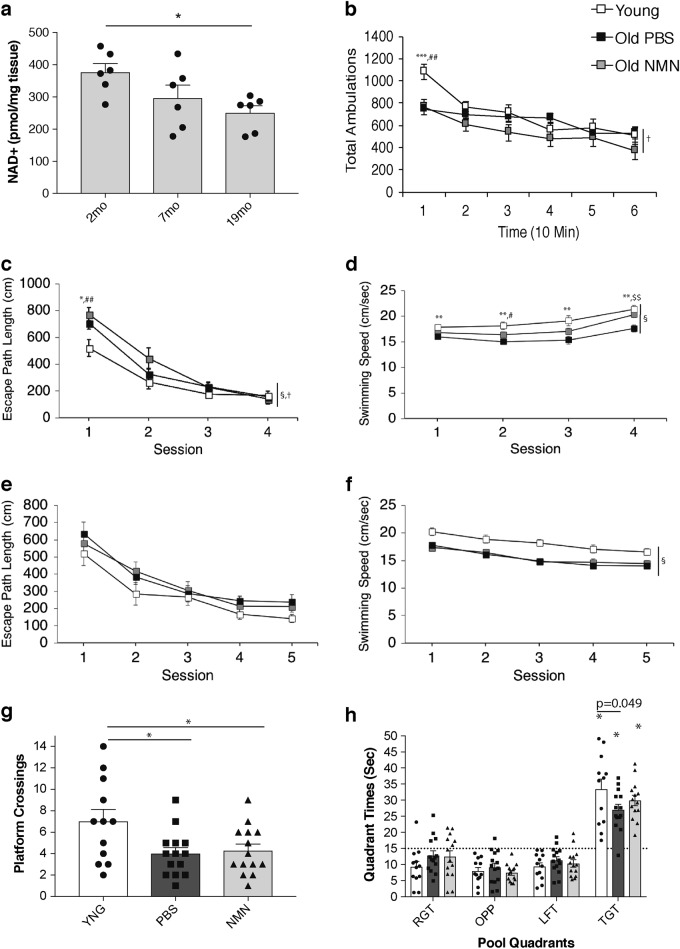
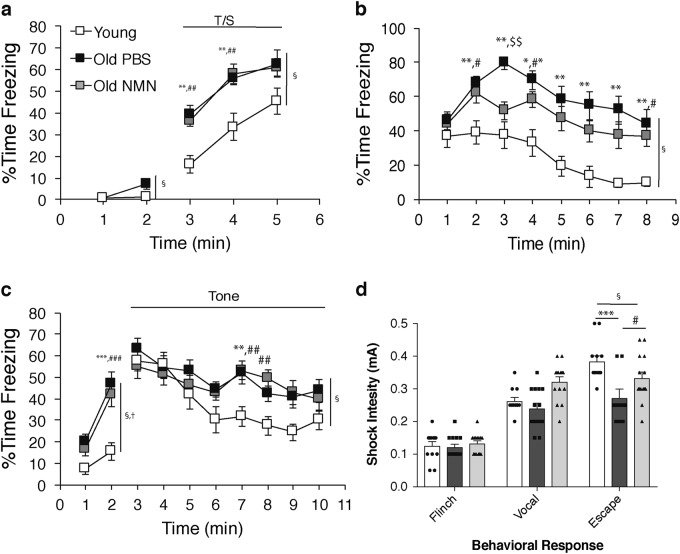
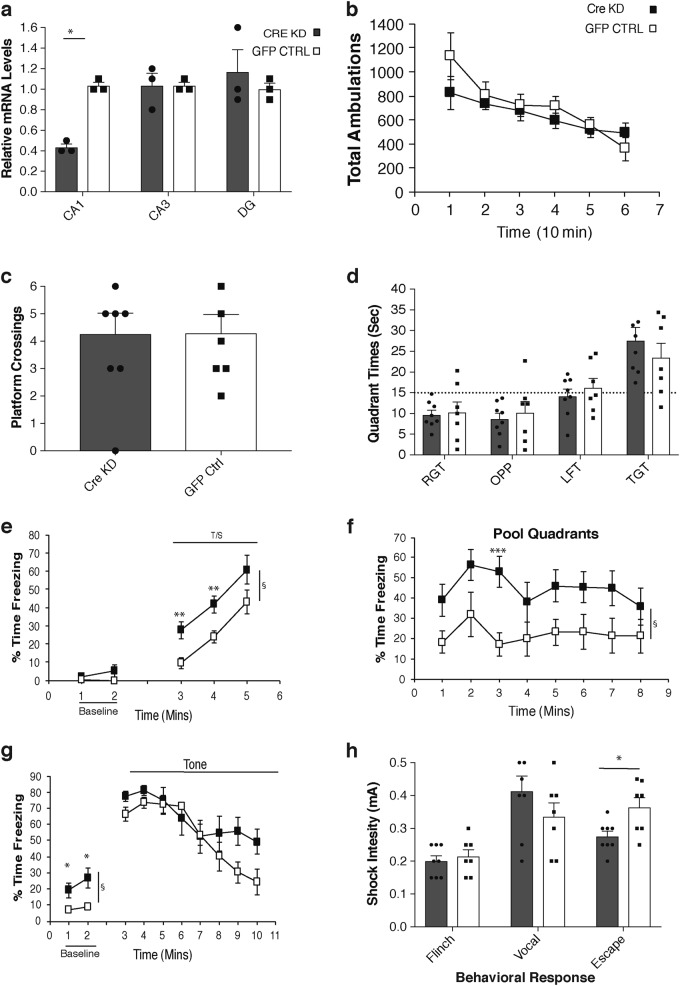
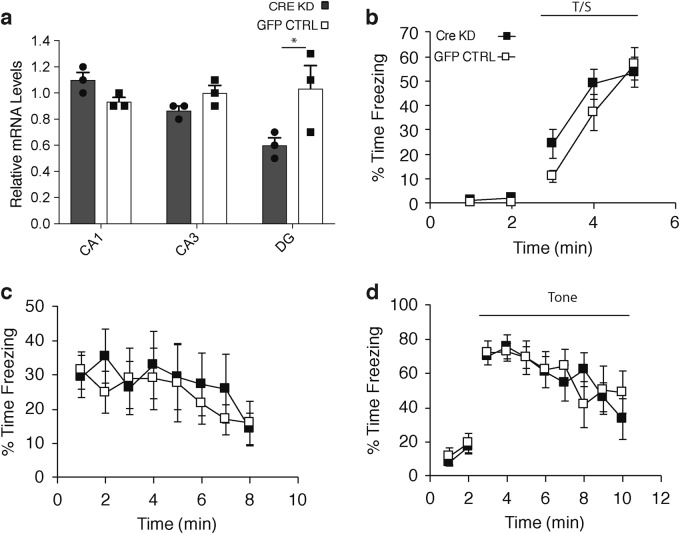
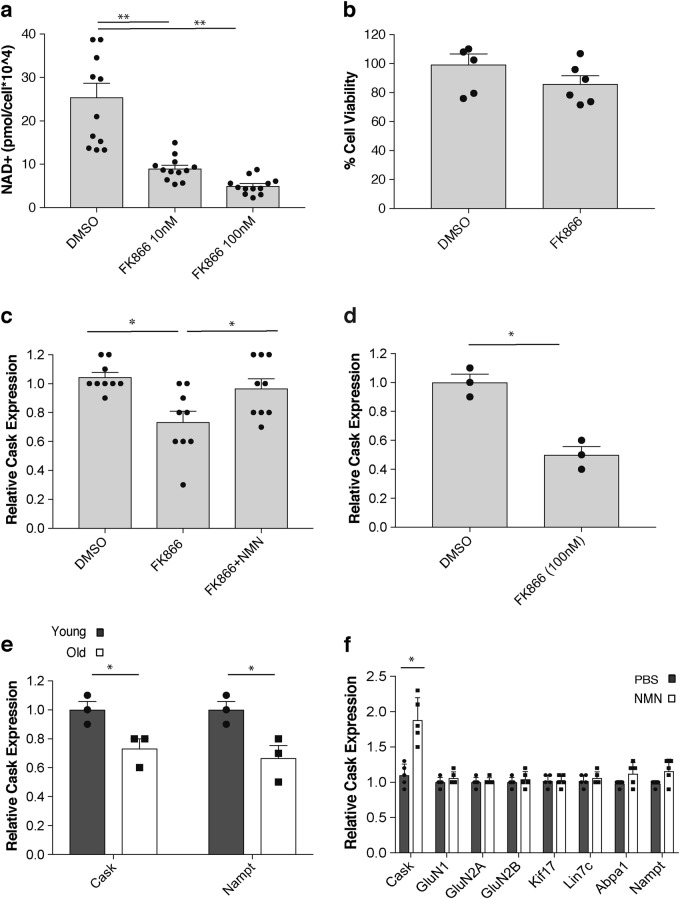
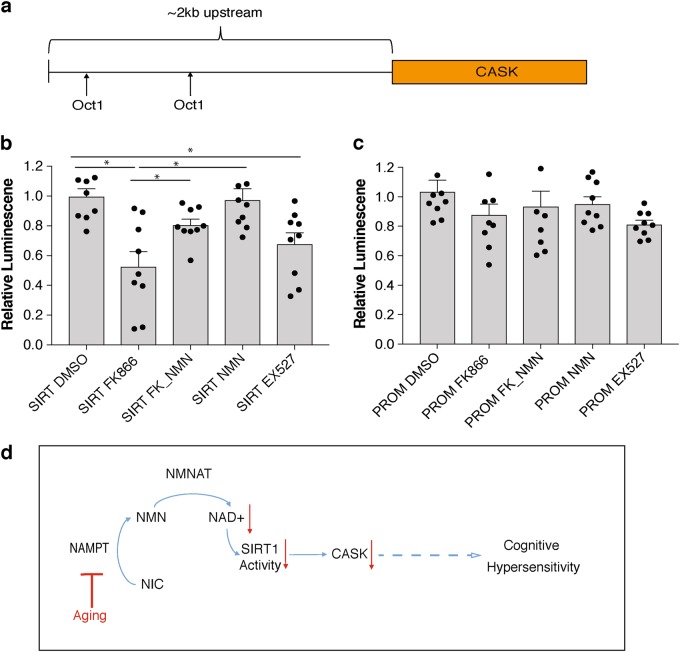
Cognitive dysfunction is one of the most concerning outcomes in global population aging. However, the mechanisms by which cognitive functions are impaired during aging remain elusive. It has been established that NAD+ levels are reduced in multiple tissues and organs, including the brain. We found that NAD+ levels declined in the hippocampus of mice during the course of aging, and whereas we observed minimal age-related effects on spatial learning/memory capabilities in old mice, we discovered that they developed cognitive hypersensitivity in response to aversive stimulation during contextual fear conditioning tests. This cognitive hypersensitivity appears to be associated with alterations in emotionality (fear/anxiety) and sensory processing (shock sensitivity), rather than reflect genuine conditioning/retention effects, during aging. Supplementation of nicotinamide mononucleotide (NMN) improved the sensory processing aspect of the hypersensitivity and possibly other related behaviors. Specific knockdown of nicotinamide phosphoribosyltransferase (Nampt) in the CA1 region, but not in the dentate gyrus, recapitulates this cognitive hypersensitivity observed in old mice. We identified calcium/calmodulin-dependent serine protein kinase (Cask) as a potential downstream effector in response to age-associated NAD+ reduction in the hippocampus. Cask expression is responsive to NAD+ changes and also reduced in the hippocampus during aging. Short-term NMN supplementation can enhance Cask expression in the hippocampus of old mice. Its promoter activity is regulated in a Sirt1-dependent manner. Taken together, NAD+ reduction in the CA1 region contributes to development of age-associated cognitive dysfunction, aspects of which may be prevented or treated by enhancing NAD+ availability through supplementation of NAD+ intermediates, such as NMN.
Overview
The claims and statistics of this paper haven’t been checked yet.
Free: it reads the open-access text and checks the first 5 claims that cite a source we can check. Create a free account to check every claim.
Integrity signals
Registry
Cites
Statistics
Figures
Verification
Claims the paper makes
The claims and statistics of this paper haven’t been checked yet.
Free: it reads the open-access text and checks the first 5 claims that cite a source we can check. Create a free account to check every claim.
Claims other papers make about this one
Each is checked against this paper’s own text: does it say what the citing paper says it does?
The cited source says what the claim attributes to it.
In the citing paper
“Mammalian aging is associated with a decline in central nervous system function (Figure 3A) (Johnson et al., 2018; Ungvari et al., 2017).”
From Loss of epigenetic information as a cause of mammalian aging (2023) · cites this paper as Johnson et al., 2018
The cited source says what the claim attributes to it.
In the citing paper
“Additionally, studies in aged mice show that calcium/calmodulin-dependent serine protein kinase (CASK) is a potential downstream effector in response to age-related NAD+ depletion in the hippocampus (Johnson et al., 2018).”
From NAD+ in Brain Aging and Neurodegenerative Disorders (2019) · cites this paper as Johnson et al., 2018
In the citing paper
“NMN treatment improved cognition in this Nampt-knockdown (CA1) mouse model, partially through upregulation of calcium/calmodulin-dependent serine protein kinase (Cask), a potential downstream effector, in a SIRT1-dependent manner (Johnson et al., 2018).”
From NAD+ in Brain Aging and Neurodegenerative Disorders (2019) · cites this paper as Johnson et al., 2018
In the citing paper
“In line with the role of NAD+ in maintaining healthy brain function, genetic approaches to reduce brain NAD+ production via CA1-region-specific knockdown of Nampt recapitulate hippocampal cognitive phenotypes of old mice (Johnson et al., 2018).”
From NAD+ in Brain Aging and Neurodegenerative Disorders (2019) · cites this paper as Johnson et al., 2018
Self-check
Percentages, sums and reported differences re-computed from the paper’s own numbers.
The self-check needs the paper’s full text.
Citations
Cites
Regier, D. A. (1988) · Archives of General Psychiatry · doi:10.1001/archpsyc.1988.01800350011002 · Cited by 1,737
Cantó, C., Menzies, K. J., & Auwerx, J. (2015) · Cell Metabolism · doi:10.1016/j.cmet.2015.05.023 · Cited by 1,648
NAD+ and sirtuins in aging and disease
Imai, S.-I., & Guarente, L. (2014) · Trends in Cell Biology · doi:10.1016/j.tcb.2014.04.002 · Cited by 1,481
Self-citationYoshino, J., Mills, K. F., Yoon, M. J., & Imai, S.-I. (2011) · Cell Metabolism · doi:10.1016/j.cmet.2011.08.014 · Cited by 1,340
Self-citationSubregion- and Cell Type–Restricted Gene Knockout in Mouse Brain
Tsien, J. Z., Chen, D. F., Gerber, D., Tom, C., Mercer, E. H., Anderson, D. J., Mayford, M., Kandel, E. R., & Tonegawa, S. (1996) · Cell · doi:10.1016/s0092-8674(00)81826-7 · Cited by 1,280
NAD+ Intermediates: The Biology and Therapeutic Potential of NMN and NR
Yoshino, J., Baur, J. A., & Imai, S.-I. (2018) · Cell Metabolism · doi:10.1016/j.cmet.2017.11.002 · Cited by 1,061
Self-citationRevollo, J. R., Grimm, A. A., & Imai, S.-I. (2004) · Journal of Biological Chemistry · doi:10.1074/jbc.m408388200 · Cited by 1,010
Self-citationA novel pathway regulates memory and plasticity via SIRT1 and miR-134
Gao, J., Wang, W.-Y., Mao, Y.-W., Gräff, J., Guan, J.-S., Pan, L., Mak, G., Kim, D., Su, S. C., & Tsai, L.-H. (2010) · Nature · doi:10.1038/nature09271 · Cited by 975
Mills, K. F., Yoshida, S., Stein, L. R., Grozio, A., Kubota, S., Sasaki, Y., Redpath, P., Migaud, M. E., Apte, R. S., Uchida, K., et al. (2016) · Cell Metabolism · doi:10.1016/j.cmet.2016.09.013 · Cited by 930
Self-citationPrevalence of Cognitive Impairment without Dementia in the United States
Plassman, B. L., Langa, K. M., Fisher, G. G., Heeringa, S. G., Weir, D. R., Ofstedal, M. B., Burke, J. R., Hurd, M. D., Potter, G. G., Rodgers, W. L., et al. (2008) · Annals of Internal Medicine · doi:10.7326/0003-4819-148-6-200803180-00005 · Cited by 929
Cited by
NAD+ in Brain Aging and Neurodegenerative Disorders
Lautrup, S., Sinclair, D. A., Mattson, M. P., & Fang, E. F. (2019) · Cell Metabolism · doi:10.1016/j.cmet.2019.09.001 · Cited by 790
Loss of epigenetic information as a cause of mammalian aging
Yang, J.-H., Hayano, M., Griffin, P. T., Amorim, J. A., Bonkowski, M. S., Apostolides, J. K., Salfati, E. L., Blanchette, M., Munding, E. M., Bhakta, M., et al. (2023) · Cell · doi:10.1016/j.cell.2022.12.027 · Cited by 643
Extracellular vesicle-contained eNAMPT delays aging and extends lifespan in mice
Yoshida, M., Satoh, A., Lin, J. B., Mills, K. F., Sasaki, Y., Rensing, N., Wong, M., Apte, R. S., & Imai, S.-I. (2019) · Cell Metabolism · doi:10.1016/j.cmet.2019.05.015 · Cited by 407
“, 2014), particularly neurons in the CA1 region (Johnson et al., 2018).”
BackgroundSelf-citationCD38 ecto-enzyme in immune cells is induced during aging and regulates NAD+ and NMN levels
Chini, C. C. S., Peclat, T. R., Warner, G. M., Kashyap, S., Espindola-Netto, J. M., de Oliveira, G. C., Gomez, L. S., Hogan, K. A., Tarragó, M. G., Puranik, A. S., et al. (2020) · Nature Metabolism · doi:10.1038/s42255-020-00298-z · Cited by 349
Mitochondrial dysfunction in the development and progression of neurodegenerative diseases
Johnson, J., Mercado-Ayon, E., Mercado-Ayon, Y., Dong, Y. N., Halawani, S., Ngaba, L., & Lynch, D. R. (2021) · Archives of Biochemistry and Biophysics · doi:10.1016/j.abb.2020.108698 · Cited by 244
Nicotinamide mononucleotide (NMN) as an anti-aging health product – Promises and safety concerns
Nadeeshani, H., Li, J., Ying, T., Zhang, B., & Lu, J. (2022) · Journal of Advanced Research · doi:10.1016/j.jare.2021.08.003 · Cited by 208
“Supplementation of NMN has been demonstrated to stimulate neuroprotective effects and ameliorate cognitive decline and behavioural dysfunctions [35,36].”
BackgroundHong, W., Mo, F., Zhang, Z., Huang, M., & Wei, X. (2020) · Frontiers in Cell and Developmental Biology · doi:10.3389/fcell.2020.00246 · Cited by 174
Kiss, T., Balasubramanian, P., Valcarcel‐Ares, M. N., Tarantini, S., Yabluchanskiy, A., Csípő, T., Lipécz, Á., Reglődi, D., Zhang, X. A., Bari, F., et al. (2019) · GeroScience · doi:10.1007/s11357-019-00074-2 · Cited by 140
Cellular senescence, DNA damage, and neuroinflammation in the aging brain
Zhang, W., Sun, H.-S., Wang, X., Dumont, A. S., & Liu, Q. (2024) · Trends in Neurosciences · doi:10.1016/j.tins.2024.04.003 · Cited by 104
Yang, L., Shen, J., Liu, C., Kuang, Z., Tang, Y., Qian, Z., Guan, M., Yang, Y., Zhan, Y., Li, N., et al. (2023) · Nature Communications · doi:10.1038/s41467-023-36543-8 · Cited by 110
Role of endothelial NAD+deficiency in age-related vascular dysfunction
Csiszar, A., Tarantini, S., Yabluchanskiy, A., Balasubramanian, P., Kiss, T., Farkas, E., Baur, J. A., & Ungvari, Z. (2019) · American Journal of Physiology-Heart and Circulatory Physiology · doi:10.1152/ajpheart.00039.2019 · Cited by 92
“301 There is increasing evidence that restoration of cellular NAD levels by treatment with NAD 302 precursors in aged mice exerts multifaceted anti-aging effects, reversing age-related dysfunction in 303 multiple organs, including the eye(100), the skeletal muscle(62) and the brain(73).”
BackgroundAli, A. M., & Kunugi, H. (2020) · Antioxidants · doi:10.3390/antiox9100937 · Cited by 106
“In contrast, the activation of endothelial NO synthase (eNOS) or neuronal NO synthase (nNOS) stimulates a brief production of NO (for seconds or few minutes), which acts as a signal molecule that regulates innate immune response [183,184].”
Supplementation with NAD+ and Its Precursors to Prevent Cognitive Decline across Disease Contexts
Campbell, J. M. (2022) · Nutrients · doi:10.3390/nu14153231 · Cited by 67
“Additionally, Johnson et al. (2018) treated 20-month-old mice with NMN (oral gavage, 300 mg/kg/day for 3 weeks) and found that it ameliorated the cognitive hypersensitivity that they observed in older mice [31].”
MethodThe therapeutic perspective of NAD+ precursors in age-related diseases
Iqbal, T., & Nakagawa, T. (2024) · Biochemical and Biophysical Research Communications · doi:10.1016/j.bbrc.2024.149590 · Cited by 78
Age-Dependent Decline of NAD+—Universal Truth or Confounded Consensus?
Peluso, A. A., Damgaard, M. V., Mori, M. A., & Treebak, J. T. (2021) · Nutrients · doi:10.3390/nu14010101 · Cited by 67
ABCA7 deficiency causes neuronal dysregulation by altering mitochondrial lipid metabolism
Kawatani, K., Holm, M.-L., Starling, S. C., Martens, Y. A., Zhao, J., Lu, W., Ren, Y., Li, Z., Jiang, P., Jiang, Y., et al. (2024) · Molecular Psychiatry · doi:10.1038/s41380-023-02372-w · Cited by 53
“The concentrations of NMN, PG, CL, and PA were selected based on their relevance in previous reports [22 – 25].”
MethodArnoriaga‐Rodríguez, M., Mayneris‐Perxachs, J., Contreras‐Rodríguez, O., Burokas, A., Ortega-Sanchez, J.-A., Blasco, G., Coll, C., Biarnés, C., Castells‐Nobau, A., Puig, J., et al. (2021) · Gut · doi:10.1136/gutjnl-2020-323371 · Cited by 54
Sirtuins and Their Implications in Neurodegenerative Diseases from a Drug Discovery Perspective
Yeong, K. Y., Berdigaliyev, N., & Chang, Y. (2020) · ACS Chemical Neuroscience · doi:10.1021/acschemneuro.0c00696 · Cited by 52
Dehhaghi, M., Panahi, H. K. S., Kavyani, B., Heng, B., Tan, V. X., Braidy, N., & Guillemin, G. J. (2022) · Aging and Disease · doi:10.14336/ad.2021.0824 · Cited by 51
“Animal studies have shown that NMN can ameliorate degeneration and improved age-related cognitive decline [127-131].”
BackgroundLoss of Epigenetic Information as a Cause of Mammalian AgingPreprint
Yang, J.-H., Hayano, M., Griffin, P. T., Amorim, J. A., Bonkowski, M. S., Apostolides, J. K., Blanchette, M., Munding, E. M., Bhakta, M. S., Salfati, E., et al. (2021) · SSRN Electronic Journal · doi:10.2139/ssrn.3951490 · Cited by 46
“Mammalian aging is associated with a decline in central nervous system function (Figure 3A; Johnson et al., 2018; Ungvari et al., 2017).”
BackgroundIto, N., Takatsu, A., Ito, H., Koike, Y., Yoshioka, K., Kamei, Y., & Imai, S. (2022) · Cell Reports · doi:10.1016/j.celrep.2022.111131 · Cited by 47
Self-citationHong, S. M., Lee, A., Hwang, S., Ha, Y., Kim, M.-J., Min, S., Hwang, W., Yoon, G., Kwon, S. M., Woo, H. G., et al. (2022) · Redox Biology · doi:10.1016/j.redox.2022.102237 · Cited by 41
Ramanathan, C., Lackie, T., Williams, D. H., Simone, P. S., Zhang, Y., & Bloomer, R. J. (2022) · Nutrients · doi:10.3390/nu14020300 · Cited by 35
Can nicotinamide riboside protect against cognitive impairment?
Braidy, N., & Liu, Y. (2020) · Current Opinion in Clinical Nutrition & Metabolic Care · doi:10.1097/mco.0000000000000691 · Cited by 31
NAD+ Metabolism and Diseases with Motor Dysfunction
Lundt, S., & Ding, S. (2021) · Genes · doi:10.3390/genes12111776 · Cited by 28
Gulej, R., Patai, R., Ungvari, A., Kállai, A., Tarantini, S., Yabluchanskiy, A., Huffman, D. M., Conboy, M. J., Conboy, I. M., Kivimäki, M., et al. (2025) · GeroScience · doi:10.1007/s11357-025-01657-y · Cited by 32
Neuron‐glia (mis)interactions in brain energy metabolism during aging
Mayorga-Weber, G. A., Rivera, F. J., & Castro, M. A. (2022) · Journal of Neuroscience Research · doi:10.1002/jnr.25015 · Cited by 29
“Other studies have observed a decline in NAD+ levels during aging in the hippocampus, which likely contributes to cognitive dysfunction (Johnson et al., 2018).”
BackgroundNAD metabolism in aging and cancer
Kincaid, J. W. R., & Berger, N. A. (2020) · Experimental Biology and Medicine · doi:10.1177/1535370220929287 · Cited by 31
Shen, C., Chen, C., Wang, T., Gao, T., Zeng, M., Lu, Y., & Zhang, W. (2022) · Molecular Neurobiology · doi:10.1007/s12035-022-03142-5 · Cited by 26
“Indeed, it has been reported that the cell viability of neurons was almost unchanged, even when the NAD level decreased by 80–90% upon FK866 treatment [14].”
BackgroundInfluentialAdvancements in NMN biotherapy and research updates in the field of digestive system diseases
Liao, G., Xie, Y., Peng, H., Li, T., Zou, X., Yue, F., Guo, J., & Rong, L. (2024) · Journal of Translational Medicine · doi:10.1186/s12967-024-05614-9 · Cited by 30
“However, short-term NMN supplementation (300 mg/ kg/d for 3 weeks) can enhance the expression of Cask in the hippocampus of aged mice to attenuate age-related cognitive impairment [41].”
BackgroundRecent Neurotherapeutic Strategies to Promote Healthy Brain Aging: Are we there yet?
Kim, C.-K., Sachdev, P. S., & Braidy, N. (2022) · Aging and Disease · doi:10.14336/ad.2021.0705 · Cited by 32
“For instance, NMN treatment maintained neural stem/progenitor cell population in the aged hippocampus and protected against mitochondrial and cognitive dysfunction in murine models for AD [168-173].”
BackgroundDNA Break-Induced Epigenetic Drift as a Cause of Mammalian AgingPreprint
Hayano, M., Yang, J.-H., Bonkowski, M. S., Amorim, J. A., Ross, J. M., Coppotelli, G., Griffin, P. T., Chew, Y. C., Guo, W., Yang, X., et al. (2019) · bioRxiv (Cold Spring Harbor Laboratory) · doi:10.1101/808659 · Cited by 26
“ICE Mice Experience Changes to the Brain That Are Typically Those Seen in Much Older Mice One of the main hallmarks of mammalian aging is a decline in the function of the CNS, manifested as defects in motor coordination and cognition (Figure 6A) (Johnson et al., 2018; Ungvari et al., 2017).”
BackgroundYamaguchi, S., Irie, J., Mitsuishi, M., Uchino, Y., Nakaya, H., Takemura, R., Inagaki, E., Kosugi, S., Okano, H., Yasui, M., et al. (2024) · Endocrine Journal · doi:10.1507/endocrj.ej23-0431 · Cited by 27
Johnson, S., Yoshioka, K., Brace, C. S., & Imai, S. (2023) · npj Aging · doi:10.1038/s41514-023-00098-1 · Cited by 18
Self-citationAMPK as a Potential Therapeutic Target for Intervertebral Disc Degeneration
Wang, Z., Shen, J., Feng, E., & Jiao, Y. (2021) · Frontiers in Molecular Biosciences · doi:10.3389/fmolb.2021.789087 · Cited by 21
Targeting the Electron Transport System for Enhanced Longevity
Radovic, M., Gartzke, L. P., Wink, S. E., van der Kleij, J. A., Politiek, F. A., & Krenning, G. (2025) · Biomolecules · doi:10.3390/biom15050614 · Cited by 17
“The majority of studies conducted in mice point towards reduced NAD + levels with increasing age; however, it is of note that studies conducted in the same tissue, e.g., the brain, have produced conflicting results [150,168–172].”
Cheng, Y., Zhao, J., Zong, W., Wei, X.-J., Xu, Z., Yuan, Y., Jiang, Y.-F., Luo, X., Wang, W., & Qu, W. (2022) · Neurochemical Research · doi:10.1007/s11064-022-03610-3 · Cited by 16
“NAD+ levels have been shown to decrease in the mouse hippocampus during the aging, and replenishment has been reported to be helpful [25].”
BackgroundNagahisa, T., Kosugi, S., & Yamaguchi, S. (2023) · Nutrients · doi:10.3390/nu15061494 · Cited by 15
Penberthy, W. T., & Kirkland, J. B. (2020) · Elsevier eBooks · doi:10.1016/b978-0-323-66162-1.00012-3 · Cited by 18
Risks and rewards of targeting NAD+ homeostasis in the brain
Li, C., & Wu, L. E. (2021) · Mechanisms of Ageing and Development · doi:10.1016/j.mad.2021.111545 · Cited by 14
Importance of NAD+ Anabolism in Metabolic, Cardiovascular and Neurodegenerative Disorders
Helman, T. J., & Braidy, N. (2022) · Drugs & Aging · doi:10.1007/s40266-022-00989-0 · Cited by 15
“Supplementation with NMN showed significant improvement in cognitive impairment, sensory processing [150], mitochondrial function [152], Aβ plaque burden, angiogenic capacity [153], vasodilation [151] and neuroinflammatory cytokines (TNF, IL-1, IL-6) [154].”
BackgroundBiosynthesis of β-nicotinamide mononucleotide from glucose via a new pathway in Bacillus subtilis
Tan, Z., Yang, Y., Wu, Y., Yan, J., Zhang, B., Hou, Y., & Jia, S. (2024) · Frontiers in Microbiology · doi:10.3389/fmicb.2024.1405736 · Cited by 12
“Furthermore, NMN exerts neuroprotective effects and improves cognitive and behavioral functions (Li et al., 2017; Johnson et al., 2018; Hosseini et al., 2019; Miao et al., 2020).”
BackgroundThe role of NAD+ metabolism in macrophages in age-related macular degeneration
Lin, R., & Yu, J. (2022) · Mechanisms of Ageing and Development · doi:10.1016/j.mad.2022.111755 · Cited by 11
Cognitive deficits and impaired hippocampal long-term potentiation in K ATP -induced DEND syndrome
Yahil, S., Wozniak, D. F., Yan, Z., Mennerick, S. J., & Remedi, M. S. (2021) · Proceedings of the National Academy of Sciences · doi:10.1073/pnas.2109721118 · Cited by 13
Self-citationBubR1 and SIRT2: Insights into aneuploidy, aging, and cancer
Pun, R., Kumari, N., Monieb, R. H., Wagh, S., & North, B. J. (2024) · Seminars in Cancer Biology · doi:10.1016/j.semcancer.2024.10.005 · Cited by 10
Zeng, M., Wei, T.-F., Chen, C., Shen, C., Gao, T., Xie, X. M., Wu, M., Lu, Y., & Zhang, W.-P. (2021) · Journal of Cerebral Blood Flow & Metabolism · doi:10.1177/0271678x211006291 · Cited by 11
“Thus, NAD precursors can increase intracellular NAD level and be beneficial to the organism, whereas the inhibition of NAMPT or knockout of Nampt gene can impair the cognitive behaviors of mice.(19,20) FK866 is a potent inhibitor of NAMPT with an IC50 value of several nanomolar.”
BackgroundChen, C., Wang, T., Gao, T., Chen, Y.-L., Lu, Y., & Zhang, W. (2024) · Brain Research Bulletin · doi:10.1016/j.brainresbull.2024.111114 · Cited by 7
“The decrease of NAMPT activity results in NAD depletion and cognitive impairment(Johnson et al., 2018).”
Mayorga-Weber, G. A., Alarcón, P., Peña-Münzenmayer, G., Rojas, P., Burgos, R. A., Rivera, F. J., & Castro, M. A. (2025) · Free Radical Biology and Medicine · doi:10.1016/j.freeradbiomed.2025.06.044 · Cited by 7
Camacho-Pereira, J., de Souza, L. O. L., Chichierchio, M. S., Rodrigues-Chaves, C., Lomba, L. D. S., Fonseca-Oliveira, M., Carvalho-Mendonça, D., Silva-Rodrigues, T., & Galina, A. (2023) · Free Radical Biology and Medicine · doi:10.1016/j.freeradbiomed.2023.09.035 · Cited by 5
Nicotinamide Adenine Dinucleotide and Aging
Jiang, Z., Luo, L., Qin, Y., Huang, Y., & Yan, S. (2025) · Springer eBooks · doi:10.1007/978-981-97-9877-3_28 · Cited by 3
Doğanay, S., Üstündağ, H., Erbaş, E., Yanar, S., Hayme, S., & Kurt, N. (2026) · Naunyn-Schmiedeberg s Archives of Pharmacology · doi:10.1007/s00210-026-05451-1 · Cited by 1
“From a clinical perspective, both compounds are already approved for various indications (MET for methemoglobinemia and NAD precursors for neurological conditions), potentially facilitating translation (Yang et al. 2017; Johnson et al. 2018).”
Potential significance of NAD+ biology translational research in super-aged Japan
山口慎太郎, 裕, 伊., & 純, 吉. (2020) · Nippon Ronen Igakkai Zasshi Japanese Journal of Geriatrics · doi:10.3143/geriatrics.57.213 · Cited by 1
Zhao, N., Xu, B., Xia, J. L., Wang, J., Zhang, X., & Yan, Q. (2023) · Research Square · doi:10.21203/rs.3.rs-3321328/v1
NAMPT deficiency triggers dopaminergic neurodegeneration in the substantia nigra of mousePreprint
Chen, C., Gao, T., Wang, T., Chen, Y.-L., Lu, Y., & Zhang, W. (2024) · Research Square · doi:10.21203/rs.3.rs-3993436/v1
A sensory and motor neuropathy caused by a genetic variant of NAMPT
Zhang, Z., Pilch, J., Lundt, S., Zhang, N., Chang, Y., Singer, T., Śladowski, D., Hu, X.-L., Zheng, L., Ge, W., et al. (2025) · Science Advances · doi:10.1126/sciadv.adx2407 · Cited by 1
“Third, MNs also have limited regenerative capacity ( 75 ) and less flexibility in activating compensatory NAD + biosynthesis pathways ( 76 ).”
Nicotinamide Mononucleotide Adenylyltransferase 1 and NAD+ Homeostasis in Neuroprotection and Aging
Sun, Y., Li, B., & Qian, Z. (2026) · Metabolites · doi:10.3390/metabo16080597 · Cited by 1
“…extracellular NAMPT regulates hypothalamic NAD + and function, extra-cellular vesicle-associated NAMPT delays selected aging phenotypes in mice, and loss of NAMPT in adult neural stem cells or hippocampal CA1 neurons produces age-related functional defects that can be improved by NMN [50–53].”
Tsutsumi, R., Tanaka, S., Funatsu, Y., Meta, Y., Izumi-Mishima, Y., Nomura, K., & Sakaue, H. (2026) · The Journal of Nutritional Biochemistry · doi:10.1016/j.jnutbio.2026.110491
Metadata
- Authors
- Johnson, S., Wozniak, D. F., & Imai, S.
- Affiliations
- Washington University in St. Louis (US)
- Corresponding author
- Imai, S.
- Venue
- npj Aging and Mechanisms of Disease
- Published
- 2018-11-08
- Volume
- 4
- Issue
- 1
- Pages
- 10-10
- ISSN
- 2056-3973 (ISSN-L)
- PMC
- PMC6224504
- OpenAlex
- W2898655244
- Cited by
- 57
- References
- 46
- Citations by year
- 2026: 3 · 2025: 5 · 2024: 8 · 2023: 7 · 2022: 11 · 2021: 9 · 2020: 9 · 2019: 5
- FWCI
- 3.19
- Type
- journal article
- Language
- en
- Open access
- gold
- doi.org
- Licence
- cc-by
- creativecommons.org/licenses/by/4.0 (tdm)
- creativecommons.org/licenses/by/4.0 (vor)
- Locations
- npj Aging and Mechanisms of Disease (publishedVersion, cc-by)
- Europe PMC (PubMed Central) (publishedVersion, other-oa)
- PubMed Central (publishedVersion, cc-by)
- PubMed (publishedVersion)
- Digital Commons@Becker (Washington University School of Medicine) (submittedVersion, cc-by)
- DOAJ (DOAJ: Directory of Open Access Journals) (submittedVersion, cc-by-sa)
- Funders
- American Federation for Aging Research
- Hope Center for Neurological Disorders
- National Institute on Aging (AG037457, R01AG037457, R01AG047902, AG047902)
- Topics
- Health Sciences › Medicine › Geriatrics and Gerontology › Sirtuins and Resveratrol in Medicine
- Life Sciences › Neuroscience › Cognitive Neuroscience › Memory and Neural Mechanisms
- Life Sciences › Neuroscience › Cellular and Molecular Neuroscience › Neuroscience and Neuropharmacology Research
- Keywords
- nicotinamide mononucleotide, visfatin, hippocampal CA1, aging, cognitive impairment, contextual fear conditioning, sensory processing, shock sensitivity, emotionality, CASK, SIRT1, NAD+ supplementation, age-related cognitive impairment
About these checks
Registry, retraction, Cites and statistics results are computed, not judged, with one exception: a printed reference that no index lists is read once by a model before it counts as a citation error. Claims are extracted by a model and kept only when their quote appears verbatim in the text; each cited source is then checked, with a model’s help, for whether it says what the claim relies on. Those verdicts can be wrong — read the claim’s quote and the cited source before relying on one.
Statistics and arithmetic are recomputed, not judged.
Confidence bands are shown only for fields calibrated on our annotated test set. None is calibrated yet, so no band is shown.
What counts as a claim ›How we measure confidence ›How we check this ›
Are you an author, or do you see a problem with this page? Request a review
Data sources
Bibliographic data: Semantic Scholar, OpenAlex, Crossref.
Contains information from the Semantic Scholar Academic Graph Datasets, made available under the ODC Attribution License (ODC-BY 1.0).
Semantic Scholar’s data is described in: Kinney, R., et al. (2023). The Semantic Scholar Open Data Platform. arXiv:2301.10140.
