

The ketogenic diet influences taxonomic and functional composition of the gut microbiota in children with severe epilepsy
Open accessThe DOI matches its Crossref record; 70 of the 72 references it cites were found in a registry or an index.
Abstract
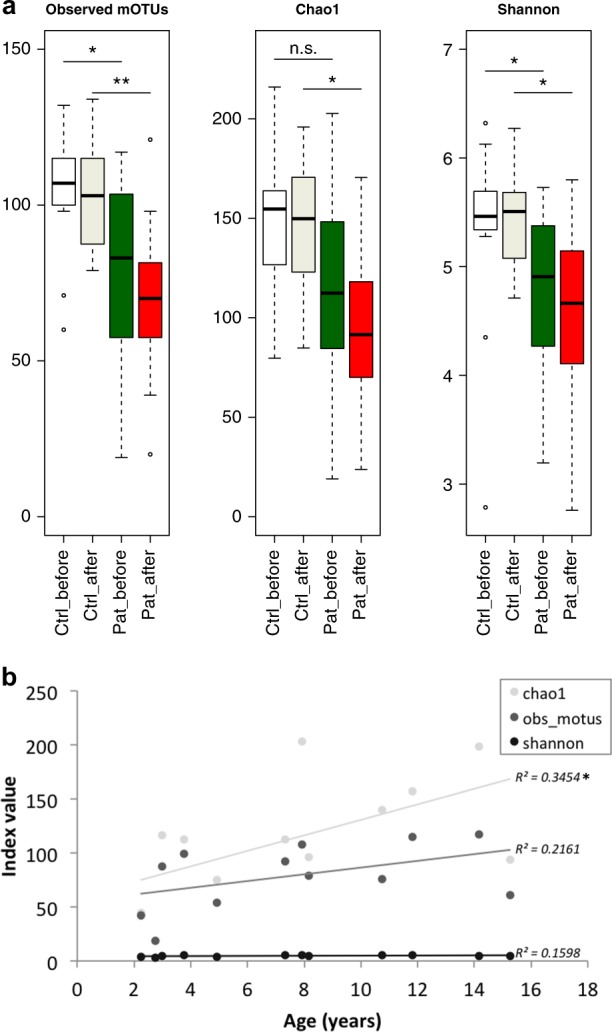
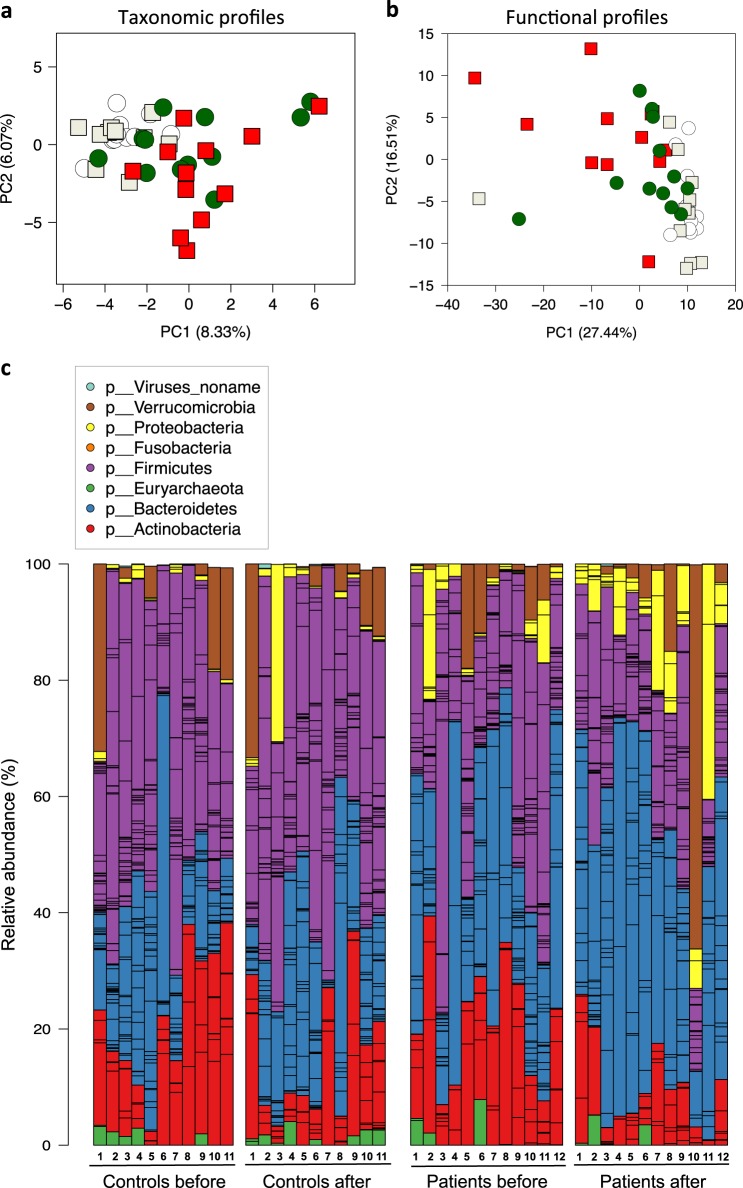
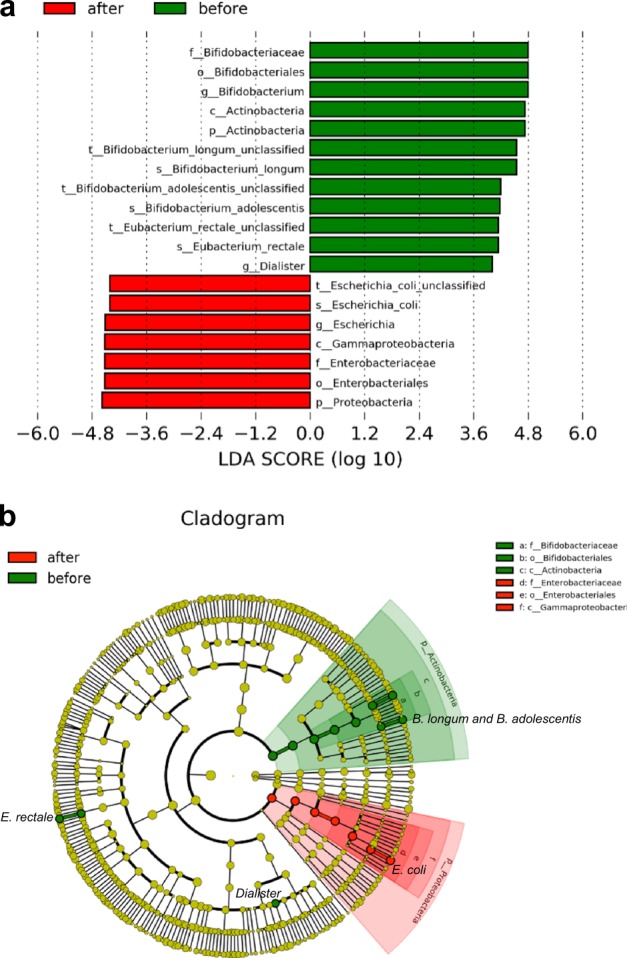
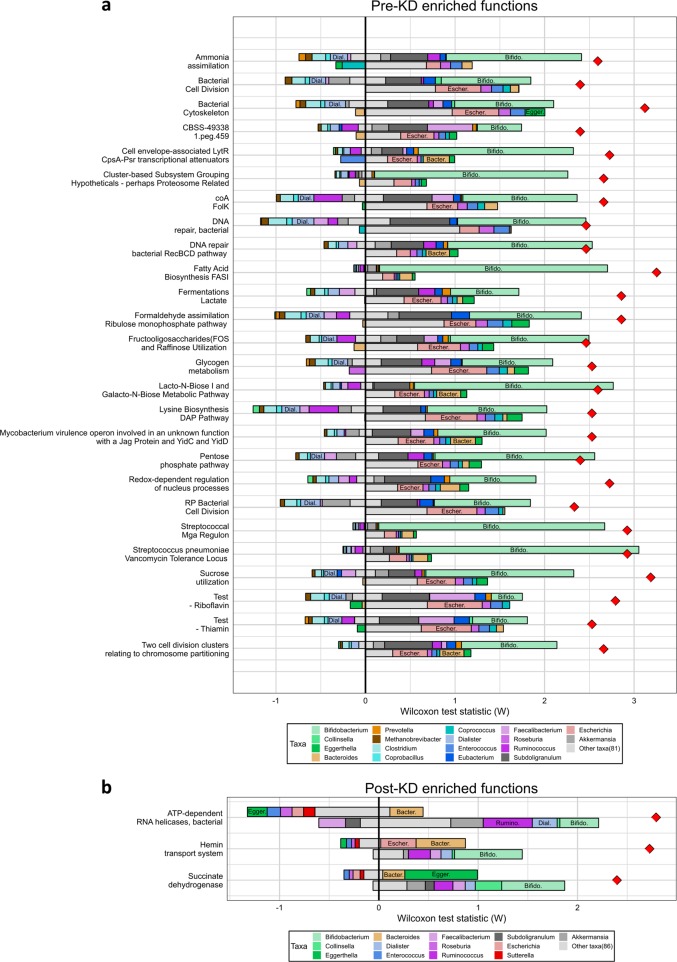
The gut microbiota has been linked to various neurological disorders via the gut–brain axis. Diet influences the composition of the gut microbiota. The ketogenic diet (KD) is a high-fat, adequate-protein, low-carbohydrate diet established for treatment of therapy-resistant epilepsy in children. Its efficacy in reducing seizures has been confirmed, but the mechanisms remain elusive. The diet has also shown positive effects in a wide range of other diseases, including Alzheimer’s, depression, autism, cancer, and type 2 diabetes. We collected fecal samples from 12 children with therapy-resistant epilepsy before starting KD and after 3 months on the diet. Parents did not start KD and served as diet controls. Applying shotgun metagenomic DNA sequencing, both taxonomic and functional profiles were established. Here we report that alpha diversity is not changed significantly during the diet, but differences in both taxonomic and functional composition are detected. Relative abundance of bifidobacteria as well as E. rectale and Dialister is significantly diminished during the intervention. An increase in relative abundance of E. coli is observed on KD. Functional analysis revealed changes in 29 SEED subsystems including the reduction of seven pathways involved in carbohydrate metabolism. Decomposition of these shifts indicates that bifidobacteria and Escherichia are important contributors to the observed functional shifts. As relative abundance of health-promoting, fiber-consuming bacteria becomes less abundant during KD, we raise concern about the effects of the diet on the gut microbiota and overall health. Further studies need to investigate whether these changes are necessary for the therapeutic effect of KD.
Overview
The claims and statistics of this paper haven’t been checked yet.
Free: it reads the open-access text and checks the first 5 claims that cite a source we can check. Create a free account to check every claim.
Integrity signals
Registry
Cites
Statistics
Figures
Verification
Claims the paper makes
The claims and statistics of this paper haven’t been checked yet.
Free: it reads the open-access text and checks the first 5 claims that cite a source we can check. Create a free account to check every claim.
Claims other papers make about this one
Each is checked against this paper’s own text: does it say what the citing paper says it does?
The cited source says what the claim attributes to it.
In the citing paper
“An increase in relative abundance of Escherichia coli was also observed after ketogenic diet [350].”
From The Role of Microbiota-Gut-Brain Axis in Neuropsychiatric and Neurological Disorders (2021) · cites this paper as [350]
In the citing paper
“The alpha diversity was not changed after 3 months of the ketogenic diet in 12 children with drug-resistant epilepsy, compared to their parents, who did not start the ketogenic diet.”
From The Role of Microbiota-Gut-Brain Axis in Neuropsychiatric and Neurological Disorders (2021) · cites this paper as [350]
In the citing paper
“Relative abundance of Bifidobacteria as well as Eubacterium rectale and Dialister was diminished during the intervention.”
From The Role of Microbiota-Gut-Brain Axis in Neuropsychiatric and Neurological Disorders (2021) · cites this paper as [350]
In the citing paper
“Moreover, in clinical studies the control groups were either from the same household (family members [358], parents of children [350]) or from different households, which might also have an impact on microbiota profile, thus affecting the results.”
From The Role of Microbiota-Gut-Brain Axis in Neuropsychiatric and Neurological Disorders (2021) · cites this paper as [350]
In the citing paper
“While taxonomic and functional profiles were altered, alpha diversity did not change significantly during the dietary intervention. Relative abundance of the butyrate producing taxa bifidobacteria, E. rectale, and Dialister were significantly diminished during the intervention, while E. coli was increased [128].”
From Role of diet and its effects on the gut microbiome in the pathophysiology of mental disorders (2022) · cites this paper as [128]
Self-check
Percentages, sums and reported differences re-computed from the paper’s own numbers.
The self-check needs the paper’s full text.
Citations
Cites
The Sequence Alignment/Map format and SAMtools
Li, H., Handsaker, B., Wysoker, A., Fennell, T., Ruan, J., Homer, N., Marth, G., Abecasis, G., Durbin, R., & 1000 Genome Project Data Processing Subgroup (2009) · Bioinformatics · doi:10.1093/bioinformatics/btp352 · Cited by 62,041
Metagenomic biomarker discovery and explanation
Segata, N., Izard, J., Waldron, L., Gevers, D., Miropolsky, L., Garrett, W. S., & Huttenhower, C. (2011) · Genome Biology · doi:10.1186/gb-2011-12-6-r60 · Cited by 16,192 · cited 2×
“Next, we applied the linear discriminant analysis (LDA) effect size (LEfSe) method by Segata et al.(12) for statistical analysis at all taxonomic levels.”
MethodFast and sensitive protein alignment using DIAMOND
Buchfink, B., Xie, C., & Huson, D. H. (2015) · Nature Methods · doi:10.1038/nmeth.3176 · Cited by 14,201
MultiQC: summarize analysis results for multiple tools and samples in a single report
Ewels, P., Magnusson, M., Lundin, S., & Käller, M. (2016) · Bioinformatics · doi:10.1093/bioinformatics/btw354 · Cited by 10,143
Diet rapidly and reproducibly alters the human gut microbiome
David, L. A., Maurice, C. F., Carmody, R. N., Gootenberg, D. B., Button, J. E., Wolfe, B. E., Ling, A. V., Devlin, A. S., Varma, Y., Fischbach, M. A., et al. (2014) · Nature · doi:10.1038/nature12820 · Cited by 10,100 · cited 1×
“Diet influences the composition of the human gut microbiome.(6) Based on the anti-seizure effect of fasting, the ketogenic diet (KD), a high-fat, adequate-protein, very low-carbohydrate diet, was developed in the early 1920s(7) to mirror the key metabolic effects of fasting.”
BackgroundKEGG as a reference resource for gene and protein annotation
Kanehisa, M., Sato, Y., Kawashima, M., Furumichi, M., & Tanabe, M. (2016) · Nucleic Acids Research · doi:10.1093/nar/gkv1070 · Cited by 7,387
De Filippo, C., Cavalieri, D., Di Paola, M., Ramazzotti, M., Poullet, J. B., Massart, S., Collini, S., Pieraccini, G., & Lionetti, P. (2010) · Proceedings of the National Academy of Sciences · doi:10.1073/pnas.1005963107 · Cited by 5,579
Mind-altering microorganisms: the impact of the gut microbiota on brain and behaviour
Cryan, J. F., & Dinan, T. G. (2012) · Nature Reviews Neuroscience · doi:10.1038/nrn3346 · Cited by 4,572
Berg, A. T., Berkovic, S. F., Brodie, M. J., Buchhalter, J., Cross, J. H., Van Emde Boas, W., Engel, J., French, J., Glauser, T. A., Mathern, G. W., et al. (2010) · Epilepsia · doi:10.1111/j.1528-1167.2010.02522.x · Cited by 4,363 · cited 1×
“The types of seizures were classified according to the revised terminology of the International League Against Epilepsy classifications.(60) The majority of children had more than one seizure type.”
MethodRegulation of inflammatory responses by gut microbiota and chemoattractant receptor GPR43
Maslowski, K. M., Vieira, A. T., Ng, A., Kranich, J., Sierro, F., Yu, D., Schilter, H. C., Rolph, M. S., Mackay, F., Artis, D., et al. (2009) · Nature · doi:10.1038/nature08530 · Cited by 3,241
Research works printed but not linked: 1
- Scardovi V Trovatelli LD The fructose-6-phosphate shunt as a peculiar pattern of hexose degradation in the genus Bifidobacterium Ann. Microbiol. Enzimol. 1965 15 19 29
Cited by
The gut microbiome in neurological disorders
Cryan, J. F., O'Riordan, K. J., Sandhu, K., Peterson, V., & Dinan, T. G. (2020) · The Lancet Neurology · doi:10.1016/s1474-4422(19)30356-4 · Cited by 1,336
The Role of Microbiota-Gut-Brain Axis in Neuropsychiatric and Neurological Disorders
Socała, K., Doboszewska, U., Szopa, A., Serefko, A., Włodarczyk, M., Zielińska, A., Poleszak, E., Fichna, J., & Wlaź, P. (2021) · Pharmacological Research · doi:10.1016/j.phrs.2021.105840 · Cited by 857
Food Components and Dietary Habits: Keys for a Healthy Gut Microbiota Composition
Rinninella, E., Cintoni, M., Raoul, P., Lopetuso, L. R., Scaldaferri, F., Pulcini, G., Miggiano, G. A. D., Gasbarrini, A., & Mele, M. C. (2019) · Nutrients · doi:10.3390/nu11102393 · Cited by 673
The interplay between diet and the gut microbiome: implications for health and disease
Ross, F. C., Patangia, D., Grimaud, G., Lavelle, A., Dempsey, E. M., Ross, R. P., & Stanton, C. (2024) · Nature Reviews Microbiology · doi:10.1038/s41579-024-01068-4 · Cited by 638
A Comprehensive Review on the Role of the Gut Microbiome in Human Neurological Disorders
Sorboni, S. G., Moghaddam, H. S., Jafarzadeh-Esfehani, R., & Soleimanpour, S. (2022) · Clinical Microbiology Reviews · doi:10.1128/cmr.00338-20 · Cited by 522
Fecal Microbiota Transplantation in Neurological Disorders
Vendrik, K. E. W., Ooijevaar, R. E., de Jong, P. R. C., Laman, J. D., van Oosten, B. W., van Hilten, J. J., Ducarmon, Q. R., Keller, J. J., Kuijper, E. J., & Contarino, M. F. (2020) · Frontiers in Cellular and Infection Microbiology · doi:10.3389/fcimb.2020.00098 · Cited by 413
Ułamek-Kozioł, M., Czuczwar, S. J., Januszewski, S., & Pluta, R. (2019) · Nutrients · doi:10.3390/nu11102510 · Cited by 266
Ketogenic Diet and Microbiota: Friends or Enemies?
Paoli, A., Mancin, L., Bianco, A., Thomas, E., Mota, J. F., & Piccini, F. (2019) · Genes · doi:10.3390/genes10070534 · Cited by 262
Microbiome-based interventions to modulate gut ecology and the immune system
Hitch, T. C. A., Hall, L. J., Walsh, S. K., Leventhal, G. E., Slack, E., de Wouters, T., Walter, J., & Clavel, T. (2022) · Mucosal Immunology · doi:10.1038/s41385-022-00564-1 · Cited by 243
Ketogenic diets and chronic disease: weighing the benefits against the risks
Crosby, L., Davis, B., Joshi, S., Jardine, M., Paul, J., Neola, M., & Barnard, N. D. (2021) · Frontiers in Nutrition · doi:10.3389/fnut.2021.702802 · Cited by 229
The role of diet in shaping human gut microbiota
Rinninella, E., Tohumcu, E., Raoul, P., Fiorani, M., Cintoni, M., Mele, M. C., Cammarota, G., Gasbarrini, A., & Ianiro, G. (2023) · Best Practice & Research Clinical Gastroenterology · doi:10.1016/j.bpg.2023.101828 · Cited by 214
The Effects of Intermittent Fasting on Brain and Cognitive Function
Gudden, J., Arias Vasquez, A., & Bloemendaal, M. (2021) · Nutrients · doi:10.3390/nu13093166 · Cited by 199
Role of diet and its effects on the gut microbiome in the pathophysiology of mental disorders
Horn, J., Mayer, D. E., Chen, S., & Mayer, E. A. (2022) · Translational Psychiatry · doi:10.1038/s41398-022-01922-0 · Cited by 193
The gut microbiome and epilepsy
Dahlin, M., & Prast-Nielsen, S. (2019) · eBioMedicine · doi:10.1016/j.ebiom.2019.05.024 · Cited by 190
“The ketogenic diet is extremely fibre-deprived and a few recent studies have investigated changes in the gutmicrobiota in patients with epilepsy during KD, which include diminished relative abundance of fibre-consuming bacteria such as bifidobacteria [21].”
BackgroundMethodInfluentialSelf-citationEffect of ultra-processed diet on gut microbiota and thus its role in neurodegenerative diseases
Martínez Leo, E. E., & Segura Campos, M. R. (2020) · Nutrition · doi:10.1016/j.nut.2019.110609 · Cited by 184
Microbiome therapeutics: exploring the present scenario and challenges
Yadav, M., & Chauhan, N. S. (2021) · Gastroenterology report · doi:10.1093/gastro/goab046 · Cited by 181
Microbiota-gut brain axis involvement in neuropsychiatric disorders
Iannone, L. F., Preda, A., Blottière, H. M., Clarke, G., Albani, D., Belcastro, V., Carotenuto, M., Cattaneo, A., Citraro, R., Ferraris, C., et al. (2019) · Expert Review of Neurotherapeutics · doi:10.1080/14737175.2019.1638763 · Cited by 177
“Recently, Lindefeldt et al. showed, after three months of KD treatment a decrease of Actinobacteria (i.e. Bifidobacterium genus, Longum, and Adolescentis spp.), Eubacterium rectale and genus Dialister associated with an increase in Proteobacteria and genus Escherichia [159].”
BackgroundInfluentialIntersection of the Gut Microbiome and Circadian Rhythms in Metabolism
Frazier, K., & Chang, E. B. (2020) · Trends in Endocrinology & Metabolism · doi:10.1016/j.tem.2019.08.013 · Cited by 173
Diet, nutrients and the microbiome
(2020) · Progress in Molecular Biology and Translational Science · doi:10.1016/bs.pmbts.2020.04.006 · Cited by 170
Microbiota–Gut–Brain Axis and Epilepsy: A Review on Mechanisms and Potential Therapeutics
Ding, M., Lang, Y., Shu, H., Shao, J., & Cui, L. (2021) · Frontiers in Immunology · doi:10.3389/fimmu.2021.742449 · Cited by 169
Spichak, S., Bastiaanssen, T. F. S., Berding, K., Vlckova, K., Clarke, G., Dinan, T. G., & Cryan, J. F. (2021) · Neuroscience & Biobehavioral Reviews · doi:10.1016/j.neubiorev.2021.02.044 · Cited by 127
Emerging roles for the intestinal microbiome in epilepsy
Lum, G. R., Olson, C. A., & Hsiao, E. Y. (2020) · Neurobiology of Disease · doi:10.1016/j.nbd.2019.104576 · Cited by 123
Roles of gut microbiome in epilepsy risk: A Mendelian randomization study
Zeng, Y., Cao, S., & Yang, H. (2023) · Frontiers in Microbiology · doi:10.3389/fmicb.2023.1115014 · Cited by 119
Simanenkov, V. I., Maev, I. V., Ткачева, О. Н., Alekseenko, S. A., Андреев, Д. Н., Bordin, D. S., Vlasov, T. D., Vorobyeva, N. M., Grinevich, V. B., Владимировна, Г. И., et al. (2020) · CARDIOVASCULAR THERAPY AND PREVENTION · doi:10.15829/1728-8800-2021-2758 · Cited by 119
Dysbiosis and Alzheimer’s Disease: A Role for Chronic Stress?
Sharma, V., Singh, T. G., Garg, N., Dhiman, S., Gupta, S., Rahman, M. H., Najda, A., Walasek-Janusz, M., Kamel, M. S., Albadrani, G. M., et al. (2021) · Biomolecules · doi:10.3390/biom11050678 · Cited by 117
Alteration of Gut Microbiota in Patients With Epilepsy and the Potential Index as a Biomarker
Gong, X., Liu, X., Chen, C., Lin, J., Li, A., Guo, K., An, D., Zhou, D., & Hong, Z. (2020) · Frontiers in Microbiology · doi:10.3389/fmicb.2020.517797 · Cited by 113
Ketogenic diet for the treatment of pediatric epilepsy: review and meta-analysis
Sourbron, J., Klinkenberg, S., van Kuijk, S. M. J., Lagae, L., Lambrechts, D., Braakman, H. M. H., & Majoie, M. (2020) · Child's Nervous System · doi:10.1007/s00381-020-04578-7 · Cited by 111
Can we ‘seize’ the gut microbiota to treat epilepsy?
De Caro, C., Iannone, L. F., Citraro, R., Striano, P., De Sarro, G., Constanti, A., Cryan, J. F., & Russo, E. (2019) · Neuroscience & Biobehavioral Reviews · doi:10.1016/j.neubiorev.2019.10.002 · Cited by 110
Park, S., Zhang, T., Wu, X., & Qiu, J. Y. (2020) · Journal of Clinical Biochemistry and Nutrition · doi:10.3164/jcbn.19-87 · Cited by 102
The Role of Diet and Gut Microbiota in Alzheimer’s Disease
Dissanayaka, D. M. S., Jayasena, V., Rainey‐Smith, S. R., Martins, R. N., & Fernando, W. M. A. D. B. (2024) · Nutrients · doi:10.3390/nu16030412 · Cited by 102
Fecal Microbiota Transplantation: A New Therapeutic Attempt from the Gut to the Brain
Xu, H.-M., Huang, H.-L., Zhou, Y.-L., Zhao, H.-L., Xu, J., Shou, D.-W., Liu, Y.-D., Zhou, Y.-J., & Nie, Y.-Q. (2021) · Gastroenterology Research and Practice · doi:10.1155/2021/6699268 · Cited by 96
The Role of the Gut Microbiota on the Beneficial Effects of Ketogenic Diets
Attaye, I., van Oppenraaij, S. L., Warmbrunn, M. V., & Nieuwdorp, M. (2021) · Nutrients · doi:10.3390/nu14010191 · Cited by 93
Gut flora and metabolism are altered in epilepsy and partially restored after ketogenic diets
Gong, X., Cai, Q., Liu, X., An, D., Zhou, D., Luo, R., Peng, R., & Hong, Z. (2021) · Microbial Pathogenesis · doi:10.1016/j.micpath.2021.104899 · Cited by 91
The Microbiota–Gut–Brain Axis and Epilepsy
Yue, Q., Cai, M., Xiao, B., Zhan, Q., & Zeng, C. (2021) · Cellular and Molecular Neurobiology · doi:10.1007/s10571-021-01130-2 · Cited by 91
Opeyemi, O., Rogers, M. B., Firek, B., Janesko‐Feldman, K. L., Vagni, V., Mullett, S. J., Wendell, S. G., Nelson, B. P., New, L. A., Mariño, E., et al. (2021) · Journal of Neurotrauma · doi:10.1089/neu.2020.7506 · Cited by 86
Cross talk between drug‐resistant epilepsy and the gut microbiome
Holmes, M., Flaminio, Z., Vardhan, M., Xu, F., Li, X., Devinsky, O., & Saxena, D. B. (2020) · Epilepsia · doi:10.1111/epi.16744 · Cited by 83
Lim, J.-M., Letchumanan, V., Tan, L. T., Hong, K., Wong, S. H., Mutalib, N. A., Lee, L., & Law, J. W. (2022) · Nutrients · doi:10.3390/nu14173566 · Cited by 82
Human gut microbiome, diet, and mental disorders
Borrego-Ruiz, A., & Borrego, J. J. (2024) · International Microbiology · doi:10.1007/s10123-024-00518-6 · Cited by 81
Yu, Y., Ding, Y., Wang, S., & Jiang, L. (2025) · Metabolites · doi:10.3390/metabo15060397 · Cited by 81
The Influence of Ketogenic Diet on Gut Microbiota: Potential Benefits, Risks and Indications
Santangelo, A., Corsello, A., Spolidoro, G. C. I., Trovato, C. M., Agostoni, C., Orsini, A., Milani, G. P., & Peroni, D. G. (2023) · Nutrients · doi:10.3390/nu15173680 · Cited by 80
Potential Protective Mechanisms of Ketone Bodies in Migraine Prevention
Gross, E. C., Klement, R. J., Schoenen, J. E., D’Agostino, D. P., & Fischer, D. (2019) · Nutrients · doi:10.3390/nu11040811 · Cited by 80
What Are the Key Gut Microbiota Involved in Neurological Diseases? A Systematic Review
Bonnechère, B., Amin, N., & van Duijn, C. M. (2022) · International Journal of Molecular Sciences · doi:10.3390/ijms232213665 · Cited by 78
Ketogenic diet for depression: A potential dietary regimen to maintain euthymia?
Włodarczyk, A., Cubała, W. J., & Stawicki, M. (2021) · Progress in Neuro-Psychopharmacology and Biological Psychiatry · doi:10.1016/j.pnpbp.2021.110257 · Cited by 78
How Do Diet Patterns, Single Foods, Prebiotics and Probiotics Impact Gut Microbiota?
Piccioni, A., Covino, M., Candelli, M., Ojetti, V., Capacci, A., Gasbarrini, A., Franceschi, F., & Merra, G. (2023) · Microbiology Research · doi:10.3390/microbiolres14010030 · Cited by 75
Nutrition as Metabolic Treatment for Anxiety
Norwitz, N. G., & Naidoo, U. (2021) · Frontiers in Psychiatry · doi:10.3389/fpsyt.2021.598119 · Cited by 75
Dahlin, M. G., Singleton, S. S., David, J. A., Basuchoudhary, A., Wickström, R., Mazumder, R., & Prast‐Nielsen, S. (2022) · EBioMedicine · doi:10.1016/j.ebiom.2022.104061 · Cited by 74
Self-citationMicrobiota and body weight control: Weight watchers within?
Boscaini, S., Leigh, S., Lavelle, A., García‐Cabrerizo, R., Lipuma, T., Clarke, G. A., Schellekens, H., & Cryan, J. F. (2021) · Molecular Metabolism · doi:10.1016/j.molmet.2021.101427 · Cited by 74
The interplay between microbiota and brain-gut axis in epilepsy treatment
Zhu, H., Wang, W., & Li, Y. (2024) · Frontiers in Pharmacology · doi:10.3389/fphar.2024.1276551 · Cited by 74
Clinical research framework proposal for ketogenic metabolic therapy in glioblastoma
Duraj, T., Kalamian, M., Zuccoli, G., Maroon, J. C., D’Agostino, D. P., Scheck, A. C., Poff, A. M., Winter, S. F., Hu, J. L., Klement, R. J., et al. (2024) · BMC Medicine · doi:10.1186/s12916-024-03775-4 · Cited by 73
Kim, S., Park, S., Choi, T. G., & Kim, S. S. (2022) · Nutrients · doi:10.3390/nu14142982 · Cited by 71
Gut bacterial dysbiosis in children with intractable epilepsy
Lee, K., Kim, N., Shim, J. O., & Kim, G.-H. (2020) · Journal of Clinical Medicine · doi:10.3390/jcm10010005 · Cited by 70
Crosstalk between the Ketogenic Diet and Epilepsy: From the Perspective of Gut Microbiota
Fan, Y., Wang, H., Liu, X., Zhang, J., & Liu, G. (2019) · Mediators of Inflammation · doi:10.1155/2019/8373060 · Cited by 69
Dietary Regulation of Gut-Brain Axis in Alzheimer’s Disease: Importance of Microbiota Metabolites
Frausto, D. M., Forsyth, C. B., Keshavarzian, A., & Voigt, R. M. (2021) · Frontiers in Neuroscience · doi:10.3389/fnins.2021.736814 · Cited by 61
Evidences for a Role of Gut Microbiota in Pathogenesis and Management of Epilepsy
Amlerová, J., Šroubek, J., Angelucci, F., & Hort, J. (2021) · International Journal of Molecular Sciences · doi:10.3390/ijms22115576 · Cited by 61
Molecular Mechanisms Underlying the Bioactive Properties of a Ketogenic Diet
Murakami, M., & Tognini, P. (2022) · Nutrients · doi:10.3390/nu14040782 · Cited by 60
The gut microbiome in drug‐resistant epilepsy
Chatzikonstantinou, S., Gioula, G., Kimiskidis, V. Κ., McKenna, J., Mavroudis, I. A., & Kazis, D. A. (2021) · Epilepsia Open · doi:10.1002/epi4.12461 · Cited by 60
Mu, C., Choudhary, A., Mayengbam, S., Barrett, K. T., Rho, J. M., Shearer, J., & Scantlebury, M. H. (2022) · EBioMedicine · doi:10.1016/j.ebiom.2022.103833 · Cited by 60
Lee, H., Lee, S., Lee, D.-H., & Kim, D. W. (2021) · Epilepsy Research · doi:10.1016/j.eplepsyres.2021.106601 · Cited by 57
Gut microbiota: a new insight into neurological diseases
Liu, L., Wang, H., Chen, X., & Xie, P. (2023) · Chinese Medical Journal · doi:10.1097/cm9.0000000000002212 · Cited by 57
Ferraris, C., Meroni, E., Casiraghi, M. C., Tagliabue, A., GIORGIS, V. D., & Erba, D. (2021) · Frontiers in Nutrition · doi:10.3389/fnut.2021.613100 · Cited by 57
The impact of keto-adaptation on exercise performance and the role of metabolic-regulating cytokines
Sherrier, M., & Li, H. (2019) · The American Journal of Clinical Nutrition · doi:10.1093/ajcn/nqz145 · Cited by 56
Rawat, K., Singh, N., Kumari, P., & Saha, L. (2021) · Reviews in the Neurosciences · doi:10.1515/revneuro-2020-0078 · Cited by 56
Applications of Ketogenic Diets in Patients with Headache: Clinical Recommendations
Lorenzo, C. D., Ballerini, G., Barbanti, P., Bernardini, A., D’Arrigo, G., Egeo, G., Frediani, F., Garbo, R., Pierangeli, G., Prudenzano, M. P., et al. (2021) · Nutrients · doi:10.3390/nu13072307 · Cited by 56
Current Perspectives On The Role Of The Ketogenic Diet In Epilepsy Management
Goswami, J. N., & Sharma, S. (2019) · Neuropsychiatric Disease and Treatment · doi:10.2147/ndt.s201862 · Cited by 55
A diet-dependent host metabolite shapes the gut microbiota to protect from autoimmunity
Alexander, M., Upadhyay, V., Rock, R., Ramirez, L., Trepka, K. R., Puchalska, P., Orellana, D. A., Ang, Q. Y., Whitty, C., Turnbaugh, J. A., et al. (2024) · Cell Reports · doi:10.1016/j.celrep.2024.114891 · Cited by 54
Ilhan, Z. E., Brochard, V., Lapaque, N., Auvin, S., & Lepage, P. (2022) · Neurobiology of Disease · doi:10.1016/j.nbd.2022.105664 · Cited by 53
Larroya, A., Pantoja, J., Codoñer‐Franch, P., & Cénit, M. C. (2021) · Frontiers in Pediatrics · doi:10.3389/fped.2021.705859 · Cited by 51
Ketogenic dietary therapies for epilepsy and beyond
deCampo, D. M., & Kossoff, E. H. (2019) · Current Opinion in Clinical Nutrition & Metabolic Care · doi:10.1097/mco.0000000000000565 · Cited by 51
Raghavan, K., Dedeepiya, V. D., Yamamoto, N., Ikewaki, N., Sonoda, T., Iwasaki, M., Kandaswamy, R. S., Senthilkumar, R., Preethy, S., & Abraham, S. J. (2022) · Journal of Alzheimer s Disease · doi:10.3233/jad-220388 · Cited by 51
Lum, G. R., Ha, S. M., Olson, C. A., Blencowe, M., Paramo, J., Reyes, B. L., Matsumoto, J. H., Yang, X., & Hsiao, E. Y. (2023) · Cell Reports · doi:10.1016/j.celrep.2023.113521 · Cited by 50
Role of diet in regulating the gut microbiota and multiple sclerosis
Sanchez, J. M. S., DePaula-Silva, A. B., Libbey, J. E., & Fujinami, R. S. (2020) · Clinical Immunology · doi:10.1016/j.clim.2020.108379 · Cited by 49
The Microbiota‐Gut‐Brain Connection: A New Horizon in Neurological and Neuropsychiatric Disorders
Faysal, M. F., Zehravi, M., Sutradhar, B., Amin, M. A., Shanmugarajan, T. S., Arjun, U. V. N. V., Ethiraj, S., Durairaj, A., Dayalan, G., Ahamad, S. K., et al. (2025) · CNS Neuroscience & Therapeutics · doi:10.1111/cns.70593 · Cited by 49
Special Diets in Infants and Children and Impact on Gut Microbioma
Profio, E. D., Magenes, V. C., Fiore, G., Agostinelli, M., Mendola, A. L., Acunzo, M., Francavilla, R., Indrio, F., Bosetti, A., D’Auria, E., et al. (2022) · Nutrients · doi:10.3390/nu14153198 · Cited by 48
The gut microbiota as a biomarker in epilepsy
Russo, E. (2021) · Neurobiology of Disease · doi:10.1016/j.nbd.2021.105598 · Cited by 46
Targeted gut microbiota manipulation attenuates seizures in a model of infantile spasms syndrome
Mu, C., Nikpoor, N., Tompkins, T. A., Choudhary, A., Wang, M., Marks, W. N., Rho, J. M., Scantlebury, M. H., & Shearer, J. (2022) · JCI Insight · doi:10.1172/jci.insight.158521 · Cited by 44
Is Gut Microbiota a Key Player in Epilepsy Onset? A Longitudinal Study in Drug-Naive Children
Ceccarani, C., Viganò, I., Ottaviano, E., Redaelli, M. G., Severgnini, M., Vignoli, A., & Borghi, E. (2021) · Frontiers in Cellular and Infection Microbiology · doi:10.3389/fcimb.2021.749509 · Cited by 42
Current Status and Future Therapeutic Options for Fecal Microbiota Transplantation
Ткач, С. М., Dorofeyev, A., Kuzenko, I., Boyko, N., Falalyeyeva, T. M., Boccuto, L., Scarpellini, E., Kobyliak, N. M., & Abenavoli, L. (2022) · Medicina · doi:10.3390/medicina58010084 · Cited by 41
Drug resistant epilepsy and ketogenic diet: A narrative review of mechanisms of action
Mishra, P., Singh, S. C., & Ramadass, B. (2024) · World Neurosurgery X · doi:10.1016/j.wnsx.2024.100328 · Cited by 40
The potential role of interventions impacting on gut-microbiota in epilepsy
Iannone, L. F., Gómez-Eguílaz, M., Citaro, R., & Russo, E. (2020) · Expert Review of Clinical Pharmacology · doi:10.1080/17512433.2020.1759414 · Cited by 39
Proal, A. D., & VanElzakker, M. B. (2020) · Immunometabolism · doi:10.20900/immunometab20210003 · Cited by 40
Impact of the Ketogenic Diet on Neurological Diseases: A Review
Rubio, C., López-Landa, A., Parra, H. R., & Rubio‐Osornio, M. (2025) · Life · doi:10.3390/life15010071 · Cited by 39
Bonnechère, B., Amin, N., & van Duijn, C. M. (2022) · Frontiers in Cellular and Infection Microbiology · doi:10.3389/fcimb.2022.831666 · Cited by 39
Yadav, M., Kumar, T., Kanakan, A., Maurya, R., Pandey, R., & Chauhan, N. S. (2022) · Frontiers in Microbiology · doi:10.3389/fmicb.2022.932795 · Cited by 38
Gut Microbiome Distinguishes Patients With Epilepsy From Healthy Individuals
Cui, G., Liu, S., Liu, Z., Chen, Y., Wu, T., Lou, J., Wang, H., Zou, Y., Sun, Y., Rao, B., et al. (2022) · Frontiers in Microbiology · doi:10.3389/fmicb.2021.696632 · Cited by 37
Zhou, C., Gong, S.-Z., Xiang, S., Liang, L., Hu, X., Huang, R., Liao, Z., Ma, Y., Xiao, Z., & Qiu, J. (2022) · Frontiers in Cellular and Infection Microbiology · doi:10.3389/fcimb.2022.965471 · Cited by 37
Dahlin, M. G., Wheelock, C. E., & Prast‐Nielsen, S. (2024) · EBioMedicine · doi:10.1016/j.ebiom.2024.105400 · Cited by 37
Self-citationZhang, H., Luan, J., He, L., Pan, X., Zhang, H., Li, Y., & Li, H. (2025) · International Journal of Molecular Medicine · doi:10.3892/ijmm.2025.5633 · Cited by 37
Diets, Gut Microbiota and Metabolites
Liu, Y., Zhong, W., Li, X., Shen, F., Ma, X., Yang, Q., Hong, S., & Sun, Y. (2023) · Phenomics · doi:10.1007/s43657-023-00095-0 · Cited by 36
The role of faecal microbiota transplantation: looking beyond Clostridioides difficile infection
Goldenberg, S. D., & Merrick, B. (2021) · Therapeutic Advances in Infectious Disease · doi:10.1177/2049936120981526 · Cited by 36
Borghi, E., & Vignoli, A. (2019) · International Journal of Molecular Sciences · doi:10.3390/ijms20174160 · Cited by 36
Medel‐Matus, J., Lagishetty, V., Santana‐Gomez, C., Shin, D. H., Mowrey, W. B., Staba, R. J., Galanopoulou, A. S., Sankar, R., Jacobs, J. P., & Mazarati, A. M. (2022) · Epilepsia · doi:10.1111/epi.17248 · Cited by 36
Therapeutic potential of gut microbiota modulation in epilepsy: A focus on short-chain fatty acids
Yan, R., Zhang, L., Chen, Y., Zheng, Y., Ping, X., & Xu, Z. (2025) · Neurobiology of Disease · doi:10.1016/j.nbd.2025.106880 · Cited by 37
Gut-microbiota-directed strategies to treat epilepsy: clinical and experimental evidence
Granados, D. M. M., Villasana‐Salazar, B., Lozano‐García, L., Cavalheiro, É. A., & Striano, P. (2021) · Seizure · doi:10.1016/j.seizure.2021.03.009 · Cited by 35
Bhuiyan, P., Chen, Y., Karim, M., Dong, H., & Qian, Y. (2021) · Brain Research Bulletin · doi:10.1016/j.brainresbull.2021.04.010 · Cited by 35
Kundu, S., Nayak, S., Rakshit, D., Singh, T., Shukla, R., Khatri, D. K., & Mishra, A. (2023) · European Journal of Neurology · doi:10.1111/ene.15767 · Cited by 35
Jiao, D., Xu, L., Gu, Z., Yan, H., Shen, D., & Gu, X. (2024) · Neural Regeneration Research · doi:10.4103/nrr.nrr-d-23-01444 · Cited by 34
Eor, J. Y., Son, Y. J., Kim, J.-Y., Kang, H., Youn, S. E., Kim, J. H., & Kim, S. H. (2021) · Epilepsy Research · doi:10.1016/j.eplepsyres.2021.106668 · Cited by 33
Mazandarani, M., Lashkarbolouk, N., Ejtahed, H., & Qorbani, M. (2023) · Nutrition Journal · doi:10.1186/s12937-023-00893-2 · Cited by 33
Barrea, L., Caprio, M., Camajani, E., Verde, L., Elce, A., Frías-Toral, E., Ceriani, F., Cucalón, G., Garcia-Velasquez, E., Ghoch, M. E., et al. (2022) · Critical Reviews in Food Science and Nutrition · doi:10.1080/10408398.2022.2083070 · Cited by 32
Miljanovic, N., & Potschka, H. (2021) · Epilepsy Research · doi:10.1016/j.eplepsyres.2021.106826 · Cited by 32
Metadata
- Authors
- Lindefeldt, M., Eng, A., Darban, H., Bjerkner, A., Zetterström, C. K., Allander, T., Andersson, B., Borenstein, E., Dahlin, M., & Prast-Nielsen, S.
- Affiliations
- Karolinska University Hospital (SE)
- University of Washington (US)
- Karolinska Institutet (SE)
- Santa Fe Institute (US)
- ORCID
- Venue
- npj Biofilms and Microbiomes
- Published
- 2019-01-23
- Volume
- 5
- Issue
- 1
- Pages
- 5-5
- ISSN
- 2055-5008 (ISSN-L)
- PMC
- PMC6344533
- OpenAlex
- W2911984893
- Cited by
- 310
- References
- 72
- Citations by year
- 2026: 34 · 2025: 58 · 2024: 45 · 2023: 34 · 2022: 55 · 2021: 41 · 2020: 24 · 2019: 18
- FWCI
- 11.41
- Type
- journal article
- Language
- en
- Open access
- gold
- doi.org
- Licence
- cc-by
- creativecommons.org/licenses/by/4.0 (tdm)
- creativecommons.org/licenses/by/4.0 (vor)
- Locations
- npj Biofilms and Microbiomes (publishedVersion, cc-by)
- Europe PMC (PubMed Central) (publishedVersion, cc-by)
- PubMed Central (publishedVersion, cc-by)
- PubMed (publishedVersion)
- DOAJ (DOAJ: Directory of Open Access Journals) (submittedVersion)
- Funders
- Stockholms Läns Landsting
- Stiftelsen Sunnerdahls Handikappfond
- Science for Life Laboratory
- National Institutes of Health
- National Institute of General Medical Sciences (R01GM124312)
- Topics
- Life Sciences › Biochemistry, Genetics and Molecular Biology › Molecular Biology › Gut microbiota and health
- Health Sciences › Medicine › Physiology (medical) › Diet and metabolism studies
- Health Sciences › Medicine › Gastroenterology › Gastrointestinal motility and disorders
- Keywords
- ketogenic diet, gut microbiota, drug-resistant epilepsy, pediatric epilepsy, gut-brain axis, Bifidobacterium, Escherichia coli, Dialister, carbohydrate metabolism, dietary intervention
- MeSH terms
- Gastrointestinal Microbiome, Adolescent, Bacteria, Child, Child, Preschool, Epilepsy, Feces, Female, Humans, Infant, Male, Diet, Ketogenic, Metagenomics, Microbiota
About these checks
Registry, retraction, Cites and statistics results are computed, not judged, with one exception: a printed reference that no index lists is read once by a model before it counts as a citation error. Claims are extracted by a model and kept only when their quote appears verbatim in the text; each cited source is then checked, with a model’s help, for whether it says what the claim relies on. Those verdicts can be wrong — read the claim’s quote and the cited source before relying on one.
Statistics and arithmetic are recomputed, not judged.
Confidence bands are shown only for fields calibrated on our annotated test set. None is calibrated yet, so no band is shown.
What counts as a claim ›How we measure confidence ›How we check this ›
Are you an author, or do you see a problem with this page? Request a review
Data sources
Bibliographic data: Semantic Scholar, OpenAlex, Crossref.
Contains information from the Semantic Scholar Academic Graph Datasets, made available under the ODC Attribution License (ODC-BY 1.0).
Semantic Scholar’s data is described in: Kinney, R., et al. (2023). The Semantic Scholar Open Data Platform. arXiv:2301.10140.
