

Accelerating materials discovery using artificial intelligence, high performance computing and robotics
Open accessThe DOI matches its Crossref record; 78 of the 80 references it cites were found in a registry or an index.
Abstract
New tools enable new ways of working, and materials science is no exception. In materials discovery, traditional manual, serial, and human-intensive work is being augmented by automated, parallel, and iterative processes driven by Artificial Intelligence (AI), simulation and experimental automation. In this perspective, we describe how these new capabilities enable the acceleration and enrichment of each stage of the discovery cycle. We show, using the example of the development of a novel chemically amplified photoresist, how these technologies’ impacts are amplified when they are used in concert with each other as powerful, heterogeneous workflows.
Overview
The claims and statistics of this paper haven’t been checked yet.
Free: it reads the open-access text and checks the first 5 claims that cite a source we can check. Create a free account to check every claim.
Integrity signals
Registry
Cites
Statistics
Figures
Verification
Claims the paper makes
The claims and statistics of this paper haven’t been checked yet.
Free: it reads the open-access text and checks the first 5 claims that cite a source we can check. Create a free account to check every claim.
Claims other papers make about this one
Each is checked against this paper’s own text: does it say what the citing paper says it does?
The cited source says what the claim attributes to it.
In the citing paper
“The central challenge is not only to predict a property, but to manage the sequence of reasoning and action that connects a scientific objective to executable computational or experimental steps [2-10].”
From From Scientific Copilots to Tool-Grounded Autonomy: AI Agents in Simulation-Driven Materials Discovery (2026) · cites this paper as [2]
Self-check
Percentages, sums and reported differences re-computed from the paper’s own numbers.
The self-check needs the paper’s full text.
Citations
Cites
Language Models are Few-Shot Learners
Brown, T. B., Mann, B., Ryder, N., Subbiah, M., Kaplan, J., Dhariwal, P., Neelakantan, A., Shyam, P., Sastry, G., Askell, A., et al. (2020) · arXiv · doi:10.48550/arxiv.2005.14165 · Cited by 23,372 · cited 1×
“Recent developments in AI technology based on pre-trained language models 47 and Generative Adversarial Networks (GANs) 48,49 , have been used to automatically generate images, speech, and natural language, and have recently been applied to materials discovery problems 50,51 .”
MethodGaussian Processes for Machine Learning
Rasmussen, C. E., & Williams, C. K. I. (2005) · doi:10.7551/mitpress/3206.001.0001 · Cited by 11,705
Density-Functional Theory for Time-Dependent Systems
Runge, E., & Gross, E. K. U. (1984) · Physical Review Letters · doi:10.1103/physrevlett.52.997 · Cited by 8,914
Extended-Connectivity Fingerprints
Rogers, D., & Hahn, M. (2010) · Journal of Chemical Information and Modeling · doi:10.1021/ci100050t · Cited by 7,524
Gaussian Processes in Machine Learning
Rasmussen, C. E. (2004) · Lecture Notes in Computer Science · doi:10.1007/978-3-540-28650-9_4 · Cited by 5,397
Improved protein structure prediction using potentials from deep learning
Senior, A. W., Evans, R., Jumper, J., Kirkpatrick, J., Sifre, L., Green, T., Qin, C., Žídek, A., Nelson, A. W. R., Bridgland, A., et al. (2020) · Nature · doi:10.1038/s41586-019-1923-7 · Cited by 3,378 · cited 1×
“Emerging from the use of neural networks to bypass expensive physics-based routines 28,29 , AI has been used to predict ever more complex properties, such as energetic materials 30 , solid-state materials properties 31,32 and even the structure of proteins 33 .”
MethodAutomatic Chemical Design Using a Data-Driven Continuous Representation of Molecules
Gómez-Bombarelli, R., Wei, J. N., Duvenaud, D., Hernández-Lobato, J. M., Sánchez-Lengeling, B., Sheberla, D., Aguilera-Iparraguirre, J., Hirzel, T. D., Adams, R. P., & Aspuru-Guzik, A. (2018) · ACS Central Science · doi:10.1021/acscentsci.7b00572 · Cited by 3,106 · cited 2×
“Recent developments in AI technology based on pre-trained language models 47 and Generative Adversarial Networks (GANs) 48,49 , have been used to automatically generate images, speech, and natural language, and have recently been applied to materials discovery problems 50,51 .”
BackgroundMethodRecent advances and applications of machine learning in solid-state materials science
Schmidt, J., Marques, M. R. G., Botti, S., & Marques, M. A. L. (2019) · npj Computational Materials · doi:10.1038/s41524-019-0221-0 · Cited by 2,607 · cited 1×
“Emerging from the use of neural networks to bypass expensive physics-based routines 28,29 , AI has been used to predict ever more complex properties, such as energetic materials 30 , solid-state materials properties 31,32 and even the structure of proteins 33 .”
MethodANI-1: an extensible neural network potential with DFT accuracy at force field computational cost
Smith, J. S., Isayev, O., & Roitberg, A. E. (2017) · Chemical Science · doi:10.1039/c6sc05720a · Cited by 1,921
Self-citationBurger, B., Maffettone, P. M., Gusev, V. V., Aitchison, C. M., Bai, Y., Wang, X., Li, X., Alston, B. M., Li, B., Clowes, R., et al. (2020) · Nature · doi:10.1038/s41586-020-2442-2 · Cited by 1,516 · cited 2×
“Concurrently, there is an explosion of automation and AI in chemical synthesis, with the important contribution in the use of commodity hardware 67 , fl uidic reactors 68 , or the use of robots able to execute the same tasks as human chemists 69 .”
Background
Research works printed but not linked: 8
- Kuhn, T. The Structure of Scientific Revolutions 2nd edn (The University of Chicago Press, 1970).
- arXiv.org e-Print archive. https://arxiv.org/.
- Hernández-Lobato, J. M., Requeima, J., Pyzer-Knapp, E. O. & Aspuru-Guzik, A. Parallel and distributed Thompson sampling for large-scale accelerated exploration of chemical space. In: Proc. 34th International Conference on Machine Learning-Volume 70 1470-1479 (JMLR. org, 2017).
- Brochu, E., Cora, V. M. & de Freitas, N. A Tutorial on Bayesian optimization of expensive cost functions, with application to active user modeling and hier- archical reinforcement learning. Preprint at https://arxiv.org/abs/10122599 (2010).
- Kusner, M. J., Paige, B. & Hernández-Lobato, J. M. Grammar variational auto- encoder. In: International Conference on Machine Learning 1945-1954 (PMLR, 2017).
- Crivello, J. V. & Lam, J. H. W. Photoinitiated cationic polymerization with triar- ylsulfonium salts. J. Polym. Sci. A: Polym. Chem. 17, 977-999 (1979).
- Carrete, J., Li, W., Mingo, N., Wang, S. & Curtarolo, S. Finding unprecedentedly low-thermal-conductivity half-Heusler semiconductors via high-throughput materials modeling. Phys. Rev. X 4, 011019 (2014).
- Shipley, G. & Dumpleton, G. OpenShift for Developers: A Guide for Impatient Beginners (O'Reilly Media, Inc., 2016).
Cited by
Drawbacks of artificial intelligence and their potential solutions in the healthcare sector.
khan, B., Fatima, H., Qureshi, A., Kumar, S., Hanan, A., Hussain, J., & Abdullah, S. (2023) · Biomedical Materials & Devices · doi:10.1007/s44174-023-00063-2 · Cited by 461
“…DL bring innovations for professionals in medicines as well as in approaches like in materials sciences drug delivery vehicles (cyclodextrins [56], Ag nanoparticles [57], nanogels, TMPS [58]) structures are simulated by creating the algorithms [59] to explore the possibilities of their benefits.”
Deep Learning in Mechanical Metamaterials: From Prediction and Generation to Inverse Design
Zheng, X., Zhang, X., Chen, T., & Watanabe, I. (2023) · Advanced Materials · doi:10.1002/adma.202302530 · Cited by 372
Ding, R., Chen, J., Chen, Y., Liu, J., Bando, Y., & Wang, X. (2024) · Chemical Society Reviews · doi:10.1039/d4cs00844h · Cited by 239
Overcoming Challenges in Small-Molecule Drug Bioavailability: A Review of Key Factors and Approaches
Wu, K., Kwon, S. H., Zhou, X., Fuller, C., Wang, X., Vadgama, J., & Wu, Y. (2024) · International Journal of Molecular Sciences · doi:10.3390/ijms252313121 · Cited by 191
Hagos, D. H., Battle, R., & Rawat, D. B. (2024) · IEEE Transactions on Artificial Intelligence · doi:10.1109/tai.2024.3444742 · Cited by 308
“The application of Generative AI models in material science [82] can significantly accelerate the material discovery process by guiding experimental efforts, predicting new materials, and optimizing existing materials [83].”
Machine Learning-Guided Protein Engineering
Kouba, P., Kohout, P., Haddadi, F., Bushuiev, A., Samusevich, R., Sedlar, J., Damborsky, J., Pluskal, T., Sivic, J., & Mazurenko, S. (2023) · ACS Catalysis · doi:10.1021/acscatal.3c02743 · Cited by 209
Artificial Intelligence for Materials Discovery, Development, and Optimization
Madika, B., Saha, A., Kang, C., Buyantogtokh, B., Agar, J., Wolverton, C. M., Voorhees, P., Littlewood, P., Kalinin, S., & Hong, S. (2025) · ACS Nano · doi:10.1021/acsnano.5c04200 · Cited by 171
Madanaguli, A. T., Sjödin, D., Parida, V., & Mikalef, P. (2024) · Technological Forecasting and Social Change · doi:10.1016/j.techfore.2023.123189 · Cited by 216
Unleashing the Power of Artificial Intelligence in Materials Design
Badini, S., Regondi, S., & Pugliese, R. (2023) · Materials · doi:10.3390/ma16175927 · Cited by 179
“In recent decades, AI and ML have ushered in a new era for materials science by leveraging computer algorithms to aid in exploration, understanding, experimentation, modeling, and simulation [4,6].”
BackgroundArtificial intelligence for personalized nanomedicine; from material selection to patient outcomes
Mazumdar, H., Khondakar, K. R., Das, S., Halder, A., & Kaushik, A. (2025) · Expert Opinion on Drug Delivery · doi:10.1080/17425247.2024.2440618 · Cited by 159
“Machine learning (ML) algorithms can predict and optimize material properties by analyzing extensive data from simulations and experiments, thus reducing trial-and-error approaches [86–88].”
Toward an AI Era: Advances in Electronic Skins
Fu, X., Cheng, W., Wan, G., Yang, Z., & Tee, B. C. K. (2024) · Chemical Reviews · doi:10.1021/acs.chemrev.4c00049 · Cited by 172
Li, L., Wei, J., Zhang, J., Li, B., Yang, Y., & Zhang, J. (2023) · Science Advances · doi:10.1126/sciadv.adj1554 · Cited by 172
Human organoids-on-chips for biomedical research and applications
Wang, H., Ning, X., Zhao, F. H., Zhao, H., & Li, D. (2024) · Theranostics · doi:10.7150/thno.90492 · Cited by 159
“With the development of multiple disciplines including biomaterial, chemistry, computer and mathematics, scientists have presented various reliable human organ models [1-5].”
BackgroundFoundation models for materials discovery – current state and future directions
Pyzer‐Knapp, E. O., Manica, M., Staar, P., Morin, L., Ruch, P., Laino, T., Smith, J. R., & Curioni, A. (2025) · npj Computational Materials · doi:10.1038/s41524-025-01538-0 · Cited by 187
“Whilst materials discovery can be a somewhat more nuanced task than language generation 14 – 16 , we have seen that techniques and technology developed in the AI realm for language are often transposed and translated to this important task 14,17,18 .”
Self-citationBarthwal, S., Uniyal, S., & Barthwal, S. (2024) · Micromachines · doi:10.3390/mi15030391 · Cited by 155
Embracing data science in catalysis research
Suvarna, M., & Pérez‐Ramírez, J. (2024) · Nature Catalysis · doi:10.1038/s41929-024-01150-3 · Cited by 155
“…convergence of a number of factors, including, but not limited to, the broad availability of high-performance computing hardware, local clusters or cloud hardware 29,30 , easy-to-use and open-source software and ML libraries (for example, Scikit-learn, PyTorch and RDKit) 31,32 that lower the entry”
A dynamic knowledge graph approach to distributed self-driving laboratories
Bai, J., Mosbach, S., Taylor, C. J., Karan, D., Lee, K. F., Rihm, S. D., Akroyd, J., Lapkin, A. A., & Kraft, M. (2024) · Nature Communications · doi:10.1038/s41467-023-44599-9 · Cited by 167
“The World Avatar 34,35 is such a knowledge graph that aims to encompass all aspects of scienti fi c research laboratories as shown in Fig.”
BackgroundLiu, X.-B., Fan, K., Huang, X., Ge, J., Liu, Y., & Kang, H. (2024) · Chemical Engineering Journal · doi:10.1016/j.cej.2024.151625 · Cited by 155
Artificial Intelligence‐Driven Nanoarchitectonics for Smart Targeted Drug Delivery
Bae, H., Ji, H., Konstantinov, K., Sluyter, R., Ariga, K., Kim, Y. H., & Kim, J. H. (2025) · Advanced Materials · doi:10.1002/adma.202510239 · Cited by 150
Role of ChatGPT and Similar Generative Artificial Intelligence (AI) in Construction IndustryPreprint
Rane, N. (2023) · SSRN Electronic Journal · doi:10.2139/ssrn.4598258 · Cited by 150
Towards end-to-end automation of AI research
Lu, C., Lu, C., Lange, R. T., Yamada, Y., Hu, S., Foerster, J., Ha, D., & Clune, J. (2026) · Nature · doi:10.1038/s41586-026-10265-5 · Cited by 116
Autonomous ‘self-driving’ laboratories: a review of technology and policy implications
Tobias, A. V., & Wahab, A. (2025) · Royal Society Open Science · doi:10.1098/rsos.250646 · Cited by 153
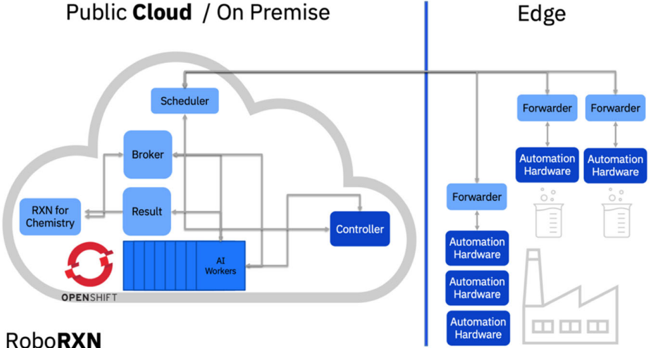
“Researchers at IBM have developed an autonomous chemical synthesis SDL, RoboRXN [25], that integrates cloud computing, AI and commercial automation.”
Artificial-intelligence-led revolution of construction materials: From molecules to Industry 4.0
Wang, X. Q., Chen, P., Chow, C. L., & Lau, D. (2023) · Matter · doi:10.1016/j.matt.2023.04.016 · Cited by 120
Schrier, J., Norquist, A. J., Buonassisi, T., & Brgoch, J. (2023) · Journal of the American Chemical Society · doi:10.1021/jacs.3c04783 · Cited by 115
The future of self-driving laboratories: from human in the loop interactive AI to gamification
Hysmith, H., Foadian, E., Padhy, S. P., Kalinin, S. V., Moore, R. G., Ovchinnikova, O. S., & Ahmadi, M. (2024) · Digital Discovery · doi:10.1039/d4dd00040d · Cited by 103
“32 The recent advancements in AI 33 – 35 and the re ned e ffi ciency of ML algorithms 36 have signi cantly transformed the landscape of materials science research, especially with the emergence of SDLs. 40 The integration of AI and ML algorithms enables these labs to rapidly process and interpret…”
BackgroundSelf-Driving Laboratory for Polymer Electronics
Vriza, A., Chan, H., & Xu, J. (2023) · Chemistry of Materials · doi:10.1021/acs.chemmater.2c03593 · Cited by 103
Generative adversarial networks and diffusion models in material discovery
Alverson, M., Baird, S. G., Murdock, R., Ho, S.-H. E., Johnson, J. A., & Sparks, T. D. (2023) · Digital Discovery · doi:10.1039/d3dd00137g · Cited by 104
“With these constraints, deep learning-based generative modeling has shown an immense amount of promise within the field of materials discovery [4, 5, 6, 7, 8, 9, 10, 11].”
BackgroundPhase prediction and experimental realisation of a new high entropy alloy using machine learning
Singh, S., Katiyar, N. K., Goel, S., & Joshi, S. N. (2023) · Scientific Reports · doi:10.1038/s41598-023-31461-7 · Cited by 105
A multi-fidelity machine learning approach to high throughput materials screening
Fare, C., Fenner, P., Benatan, M., Varsi, A., & Pyzer‐Knapp, E. O. (2022) · npj Computational Materials · doi:10.1038/s41524-022-00947-9 · Cited by 106
Self-citationCatalysis in the digital age: Unlocking the power of data with machine learning
Abraham, B. M., Jyothirmai, M. V., Sinha, P., Viñes, F., Singh, J. K., & Illas, F. (2024) · Wiley Interdisciplinary Reviews Computational Molecular Science · doi:10.1002/wcms.1730 · Cited by 91
“22,23 26 Despite its roots dating back to the 1940s, the practical use of ML has only recently gained prominence.”
Carbon‐based Flame Retardants for Polymers: A Bottom‐up Review
Yeoh, G. H., Cordeiro, I. M. D. C., Wang, W., Wang, C., Yuen, A. C. Y., Chen, T. B. Y., Vargas, J. B., Mao, G., Garbe, U., & Chua, H. T. (2024) · Advanced Materials · doi:10.1002/adma.202403835 · Cited by 110
Batool, M., Sanumi, O. J., & Janković, J. (2024) · Energy and AI · doi:10.1016/j.egyai.2024.100424 · Cited by 88
Gu, Y., Luo, Y., Guo, Q., Yu, W., Li, P., Wang, X., Ye, T., Chang, H., Yuan, W., Wu, H., et al. (2025) · Advanced Functional Materials · doi:10.1002/adfm.202509085 · Cited by 126
EMFF-2025: a general neural network potential for energetic materials with C, H, N, and O elements
Wen, M., Han, J., Li, W., Chang, X., Chu, Q., & Chen, D. (2025) · npj Computational Materials · doi:10.1038/s41524-025-01809-w · Cited by 91
“Most ML projects rely on supervised learning 56 , which plays a key role in computation-driven material development 15,30,36 .”
MatGPT: A Vane of Materials Informatics from Past, Present, to Future
Wang, Z., Chen, A., Tao, K., Han, Y., & Li, J. (2023) · Advanced Materials · doi:10.1002/adma.202306733 · Cited by 94
Cold Atmospheric Plasma Medicine: Applications, Challenges, and Opportunities for Predictive Control
Kazemi, A., Nicol, M. J., Bilén, S. G., Kirimanjeswara, G. S., & Knecht, S. D. (2024) · Plasma · doi:10.3390/plasma7010014 · Cited by 85
Synthetic Aspects and Characterization Needs in MOF Chemistry – from Discovery to Applications
Achenbach, B., Yurduşen, A., Stock, N., Maurin, G., & Serre, C. (2025) · Advanced Materials · doi:10.1002/adma.202411359 · Cited by 73
Machine learning applied to the design and optimization of polymeric materials: A review
Pai, S. M., Shah, K. A., Sunder, S., Albuquerque, R. Q., Brütting, C., & Ruckdäschel, H. (2024) · Next Materials · doi:10.1016/j.nxmate.2024.100449 · Cited by 80
Accelerating battery innovation: AI-powered molecular discovery
Gao, Y., Chen, X., Yuan, Y., Chen, Y., Niu, Y.-L., Yao, N., Gao, Y.-B., Li, W. Z., & Zhang, Q. (2025) · Chemical Society Reviews · doi:10.1039/d5cs00053j · Cited by 68
Equivariant Graph Neural Networks for Toxicity Prediction
Cremer, J., Medrano Sandonas, L., Tkatchenko, A., Clevert, D.-A., & De Fabritiis, G. (2023) · Chemical Research in Toxicology · doi:10.1021/acs.chemrestox.3c00032 · Cited by 62
Ahasan, T., Edirisooriya, E. M. N. T., Senanayake, P. S., Xu, P., & Wang, H. (2025) · Molecules · doi:10.3390/molecules30051127 · Cited by 66
“These combined approaches allow researchers to evaluate numerous variables simultaneously, reducing the time and resources required for experimental validation [370 – 372].”
AI powered, automated discovery of polymer membranes for carbon capture
Giro, R., Hsu, H., Kishimoto, A., Hama, T., Ferreira, R. N. B., Luan, B., Takeda, S., Hamada, L., & Steiner, M. B. (2023) · npj Computational Materials · doi:10.1038/s41524-023-01088-3 · Cited by 60
Self-citationAljabali, A. A. A., Alkaraki, A. K., Gammoh, O., Qnais, E. Y., Alqudah, A. M., Mishra, V. K., Mishra, Y., & El‐Tanani, M. (2025) · RSC Advances · doi:10.1039/d5ra04634c · Cited by 66
Kazim, M. Z., Raza, N., Aldaghfag, S. A., Dahshan, A., Ahmad, K., Yasar, M., Ishfaq, M., & Yaseen, M. S. (2024) · Journal of Physics and Chemistry of Solids · doi:10.1016/j.jpcs.2024.111954 · Cited by 58
Delgado‐Licona, F., & Abolhasani, M. (2022) · Advanced Intelligent Systems · doi:10.1002/aisy.202200331 · Cited by 60
Towards Sustainable Fuel Cells and Batteries with an AI Perspective
Ramasubramanian, B., Rao, R. P., Chellappan, V., & Ramakrishna, S. (2022) · Sustainability · doi:10.3390/su142316001 · Cited by 59
Design and assembly of porous organic cages
Xu, Z., Ye, Y., Liu, Y., Liu, H., & Jiang, S. H. (2024) · Chemical Communications · doi:10.1039/d3cc05091b · Cited by 56
Harris, S. B., Biswas, A., Yun, S. J., Roccapriore, K. M., Rouleau, C. M., Puretzky, A. A., Vasudevan, R. K., Geohegan, D. B., & Xiao, K. (2024) · Small Methods · doi:10.1002/smtd.202301763 · Cited by 66
Designer Anions for Better Rechargeable Lithium Batteries and Beyond
Song, Z., Wang, X., Feng, W., Armand, M. B., Zhou, Z., & Zhang, H. (2024) · Advanced Materials · doi:10.1002/adma.202310245 · Cited by 55
What is missing in autonomous discovery: open challenges for the community
Maffettone, P. M., Friederich, P., Baird, S. G., Blaiszik, B. J., Brown, K. A., Campbell, S. I., Cohen, O., Davis, R. L., Foster, I. T., Haghmoradi, N., et al. (2023) · Digital Discovery · doi:10.1039/d3dd00143a · Cited by 65
A Self-Driving Lab for Nano- and Advanced Materials Synthesis
Zaki, M., Prinz, C., & Ruehle, B. (2025) · ACS Nano · doi:10.1021/acsnano.4c17504 · Cited by 59
Large language model for knowledge synthesis and AI-enhanced biomanufacturing
Li, W., Mao, Z., Xiao, Z., Liao, X., Koffas, M. A. G., Chen, Y., Ma, H., & Tang, Y. (2025) · Trends in biotechnology · doi:10.1016/j.tibtech.2025.02.008 · Cited by 55
Artificial Intelligence‐Based Material Discovery for Clean Energy Future
Maleki, R., Asadnia, M., & Razmjou, A. (2022) · Advanced Intelligent Systems · doi:10.1002/aisy.202200073 · Cited by 53
Foppiano, L., Lambard, G., Amagasa, T., & Ishii, M. (2024) · Science and Technology of Advanced Materials Methods · doi:10.1080/27660400.2024.2356506 · Cited by 48
“But, materials science literature is a vast source of knowledge that remains relatively unexplored with data mining techniques [8], especially for the reason that materials science data come in diverse forms such as unstructured textual content and structured tables and graphs, adding complexity to…”
BackgroundM100 ExaData: a data collection campaign on the CINECA’s Marconi100 Tier-0 supercomputer
Borghesi, A., Santi, C. D., Molan, M., Ardebili, M. S., Mauri, A., Guarrasi, M., Galetti, D., Cestari, M., Barchi, F., Benini, L., et al. (2023) · Scientific Data · doi:10.1038/s41597-023-02174-3 · Cited by 48
“…are very important for society at large, as their usage has been steadily increasing in recent years 1 making it central in a wide variety of fields, from drug design 2 to precise weather forecast 3 and crowd flow simulation 4 , especially in conjunction with Artificial Intelligence (AI) 5,6 .”
BackgroundRegulating the AI-enabled ecosystem for human therapeutics
Singh, R., Paxton, M., & Auclair, J. R. (2025) · Communications Medicine · doi:10.1038/s43856-025-00910-x · Cited by 47
“Similarly, AI ’ s application in material science is progressing at an unprecedented rate 24 .”
Zahoor, S., Chaudhry, I. S., Yang, S., & Ren, X. (2024) · Artificial Intelligence Review · doi:10.1007/s10462-024-11013-9 · Cited by 58
“…and Artificial Intelligence adoption suggests that orga - nizations investing in artificial intelligence technology-based practices are more likely to achieve successful high-performance work systems by upskilling their employees and pre-paring them for the future market (Pyzer-Knapp et al. 2022 ).”
A Computational Inflection for Scientific Discovery
Hope, T., Downey, D., Weld, D. S., Etzioni, O., & Horvitz, E. (2022) · Communications of the ACM · doi:10.1145/3576896 · Cited by 50
“More recent work has focused on developing robot scientists [16, 30] that run certain experiments in biology or chemistry—not only formulating hypotheses but “closing the loop” by automated tests”
BackgroundA Computational Renaissance in High-Energy Density Materials (HEDMs) Research
Gao, H., Murray, J. S., & Shreeve, J. M. (2025) · Chemical Reviews · doi:10.1021/acs.chemrev.5c00232 · Cited by 47
Advancing health care via artificial intelligence: From concept to clinic
Sandeep Ganesh, G., Kolusu, A. S., Prasad, K., Samudrala, P. K., & Nemmani, K. V. S. (2022) · European Journal of Pharmacology · doi:10.1016/j.ejphar.2022.175320 · Cited by 43
Distributed computing in multi-agent systems: a survey of decentralized machine learning approaches
Ahmed, I., Syed, M. A., Maaruf, M., & Khalid, M. (2024) · Computing · doi:10.1007/s00607-024-01356-0 · Cited by 55
Machine learning-assisted selection of adsorption-based carbon dioxide capture materials
Al-Sakkari, E. G., Ragab, A., So, T. M. Y., Shokrollahi, M., Dagdougui, H., Navarri, P., Elkamel, A., & Amazouz, M. (2023) · Journal of environmental chemical engineering · doi:10.1016/j.jece.2023.110732 · Cited by 46
Multi-fidelity Bayesian optimization of covalent organic frameworks for xenon/krypton separations
Gantzler, N., Deshwal, A., Doppa, J. R., & Simon, C. M. (2023) · Digital Discovery · doi:10.1039/d3dd00117b · Cited by 56
Ghorbani, M., Boley, M., Nakashima, P. N. H., & Birbilis, N. (2024) · Scientific Reports · doi:10.1038/s41598-024-59100-9 · Cited by 44
AlFaraj, Y. S., Mohapatra, S., Shieh, P., Husted, K. E. L., Ivanoff, D. G., Lloyd, E. M., Cooper, J. C., Dai, Y., Singhal, A. P., Moore, J. S., et al. (2023) · ACS Central Science · doi:10.1021/acscentsci.3c00502 · Cited by 43
Pre-training with fractional denoising to enhance molecular property prediction
Ni, Y., Feng, S., Hong, X., Sun, Y., Ma, W., Ma, Z.-M., Ye, Q., & Lan, Y. (2024) · Nature Machine Intelligence · doi:10.1038/s42256-024-00900-z · Cited by 51
“Therefore, deep learning methods have been considered a promising way to reduce the cost and substantially accelerate the screening process 8,9 .”
Bhatti, S., Manzoor, H. U., Michel, B., Bonilla, R. S., Abrams, R., Zoha, A., Hussain, S., & Ghannam, R. (2023) · Advanced Energy and Sustainability Research · doi:10.1002/aesr.202300004 · Cited by 40
Exploring Optimal Reaction Conditions Guided by Graph Neural Networks and Bayesian Optimization
Kwon, Y., Lee, D., Kim, J. W., Choi, Y.-S., & Kim, S. (2022) · ACS Omega · doi:10.1021/acsomega.2c05165 · Cited by 40
Schilter, O. T., Gutiérrez, D. P., Folkmann, L. M., Castrogiovanni, A., García-Durán, A., Zipoli, F., Roch, L. M., & Laino, T. (2024) · Chemical Science · doi:10.1039/d3sc05607d · Cited by 36
Self-citationPiane, F. L., Vozza, M., Baldoni, M., & Mercuri, F. (2024) · Beilstein Journal of Nanotechnology · doi:10.3762/bjnano.15.119 · Cited by 39
Qian, X., Yoon, B.-J., Arróyave, R., Qian, X., & Dougherty, E. R. (2023) · Patterns · doi:10.1016/j.patter.2023.100863 · Cited by 42
Lee, S., Kim, T., Choi, M.-S., Kwak, Y., Park, J., Hwang, S. J., & Kim, S. (2024) · New Phytologist · doi:10.1111/nph.20012 · Cited by 37
Zhang, Y., Sun, J., Li, L., Long, Z., Meng, P., Ang, E. H., & Liang, Q. (2025) · Coordination Chemistry Reviews · doi:10.1016/j.ccr.2025.216432 · Cited by 34
Nair, A. S., Foppa, L., & Scheffler, M. (2025) · npj Computational Materials · doi:10.1038/s41524-025-01596-4 · Cited by 39
AI-enabled materials discovery for advanced ceramic electrochemical cells
Bello, I. T., Taiwo, R., Esan, O. C., Adegoke, A. H., Ijaola, A. O., Li, Z., Zhao, S., Wang, C., Shao, Z., & Ni, M. (2023) · Energy and AI · doi:10.1016/j.egyai.2023.100317 · Cited by 36
“As machines continuously learn from experience, their performance improves, and the accuracy of their predictions gradually increases [24,26,27,268].”
Conducting polymers: Towards printable transparent electrodes
Aivali, S., Beaumont, C., & Leclerc, M. (2023) · Progress in Polymer Science · doi:10.1016/j.progpolymsci.2023.101766 · Cited by 34
Wealth Over Woe: Global Biases in Hydro‐Hazard Research
Stein, L., Mukkavilli, S. K., Pfitzmann, B., Staar, P., Öztürk, U., Berrospi, C., Brunschwiler, T., & Wagener, T. (2024) · Earth s Future · doi:10.1029/2024ef004590 · Cited by 38
Self-citationRole of artificial intelligence in the design and discovery of next-generation battery electrolytes
Nair, M. R., & Roy, T. (2025) · Chemical Physics Reviews · doi:10.1063/5.0251325 · Cited by 36
Binder jet green parts microstructure: advanced quantitative analysis
Ojea, S. B., Torrents‐Barrena, J., Pérez-Prado, M. T., Moreno, R. M., & Sket, F. (2023) · Journal of Materials Research and Technology · doi:10.1016/j.jmrt.2023.02.051 · Cited by 32
Design of high bulk moduli high entropy alloys using machine learning
Kandavalli, M., Agarwal, A., Poonia, A., Modalavalasa, K., & Ayyagari, K. P. R. (2023) · Scientific Reports · doi:10.1038/s41598-023-47181-x · Cited by 33
“Further, research work by Pyzer et. al. suggested that artificial intelligence can accelerate and enhance material discovery 13 .”
Experimentally validated inverse design of multi-property Fe-Co-Ni alloys
Padhy, S. P., Chaudhary, V., Lim, Y.-F., Zhu, R., Thway, M., Hippalgaonkar, K., & Ramanujan, R. V. (2024) · iScience · doi:10.1016/j.isci.2024.109723 · Cited by 34
Jiang, X., Jia, J. F., Zhu, Y., Li, J., Jia, H., Liu, C., Zhao, G., Yu, L., & Zhu, G. (2024) · Energy storage materials · doi:10.1016/j.ensm.2024.103462 · Cited by 35
Crystalline Material Discovery in the Era of Artificial Intelligence
Wang, Z., Hua, H., Lin, W., Yang, M., & Tan, K. C. (2026) · ACM Computing Surveys · doi:10.1145/3794853 · Cited by 33
Sun, Z., Ting, Y.-S., Liang, Y., Duan, N., Huang, S., & Cai, Z. (2026) · The Astrophysical Journal Supplement Series · doi:10.3847/1538-4365/ae5d3a · Cited by 35
“…process faces distinct methodological challenges compared to fields like bio-chemistry (e.g., Jumper et al. 2021; Tunyasuvunakool et al. 2021; Madani et al. 2023; Notin et al. 2024) or materials research (Pyzer-Knapp et al. 2022; Merchant et al. 2023; Manica et al. 2023; Tran et al. 2024).”
Yager, K. G., Majewski, P. W., Noack, M. M., & Fukuto, M. (2023) · Nanotechnology · doi:10.1088/1361-6528/acd25a · Cited by 29
Foundation Model for Material Science
Takeda, S., Kishimoto, A., Hamada, L., Nakano, D., & Smith, J. R. (2023) · Proceedings of the AAAI Conference on Artificial Intelligence · doi:10.1609/aaai.v37i13.26793 · Cited by 45
“Machine learning models have recently been adapted to material science (Gómez-Bombarelli et al. 2016; Pyzer-Knapp et al. 2022).”
MethodSelf-citationIntelligent design and synthesis of energy catalytic materials
Han, L., & Xiang, Z. (2023) · Fundamental Research · doi:10.1016/j.fmre.2023.10.012 · Cited by 29
“Machine learning (ML) and intelligent robot technology in AI have been widely used in recent years [24–26] .”
Cheng, Z., Liu, J., Jiang, T., Chen, M., Dai, F., Gao, Z., Ke, G., Zhao, Z., & Ou, Q. (2023) · Advanced Optical Materials · doi:10.1002/adom.202301093 · Cited by 31
Computational Modeling of Reticular Materials: The Past, the Present, and the Future
Temmerman, W., Goeminne, R., Rawat, K. S., & Speybroeck, V. V. (2024) · Advanced Materials · doi:10.1002/adma.202412005 · Cited by 32
Artificial intelligence in plant science: from image-based phenotyping to yield and trait prediction
Wang, T., Tong, R., Xu, T., Li, Y. S., & Chen, Y. (2026) · Frontiers in Plant Science · doi:10.3389/fpls.2025.1732979 · Cited by 33
Peivaste, I., Ramezani, S., Alahyarizadeh, G., Ghaderi, R., Makradi, A., & Belouettar, S. (2024) · Scientific Reports · doi:10.1038/s41598-023-50893-9 · Cited by 27
“In recent years, the field of materials science has witnessed significant advancements, driven by the ever-growing demand for novel materials with superior properties and performance 1–3 .”
BackgroundThe Role of AI in Driving the Sustainability of the Chemical Industry
Toniato, A., Schilter, O. T., & Laino, T. (2023) · CHIMIA International Journal for Chemistry · doi:10.2533/chimia.2023.144 · Cited by 28
Self-citationIntegrated data-driven cross-disciplinary framework to prevent chemical water pollution
Ateia, M., Sigmund, G., Bentel, M. J., Washington, J. W., Lai, A., Merrill, N., & Wang, Z. (2023) · One Earth · doi:10.1016/j.oneear.2023.07.001 · Cited by 28
Wood, C. H., & Schaak, R. E. (2024) · Journal of the American Chemical Society · doi:10.1021/jacs.4c06413 · Cited by 25
A Review of Machine Learning in Organic Solar Cells
Ahmed, D. R., & Muhammadsharif, F. F. (2025) · Processes · doi:10.3390/pr13020393 · Cited by 28
Ecco: Improving Memory Bandwidth and Capacity for LLMs via Entropy-Aware Cache Compression
Cheng, F., Guo, C., Wei, C., Zhang, J., Zhou, C., Hanson, E., Zhang, J., Liu, X., Li, H. H., & Chen, Y. (2025) · Proceedings - International Symposium on Computer Architecture/Proceedings · doi:10.1145/3695053.3731024 · Cited by 30
Recent advances and challenges of tactile sensing for robotics: from fundamentals to applications
Zhan, Z., Yang, Y., Zuo, W., Xie, M., & Ning, M. (2025) · Materials Today Physics · doi:10.1016/j.mtphys.2025.101740 · Cited by 34
AI Design for High Entropy Alloys: Progress, Challenges and Future Prospects
Xie, E., & Yang, C. (2025) · Metals · doi:10.3390/met15091012 · Cited by 26
Materials Informatics: Emergence to Autonomous Discovery in the Age of AI
Lookman, T., Liu, Y., & Gao, Z. (2026) · Advanced Materials · doi:10.1002/adma.202515941 · Cited by 37
Yang, X., Zhou, K., He, X., & Zhang, L. (2024) · Science China Materials · doi:10.1007/s40843-024-2851-9 · Cited by 24
“The intertwined advancement of high-throughput computing and materials databases has propelled the development of data-driven methodologies in materials simulation [25–31].”
Metadata
- Authors
- Pyzer-Knapp, E. O., Pitera, J. W., Staar, P. W. J., Takeda, S., Laino, T., Sanders, D. P., Sexton, J., Smith, J. R., & Curioni, A.
- Affiliations
- IBM Research - Almaden (US)
- IBM Research - Zurich (CH)
- IBM Research - Tokyo (JP)
- IBM Research - Thomas J. Watson Research Center (US)
- Venue
- npj Computational Materials
- Published
- 2022-04-26
- Volume
- 8
- Issue
- 1
- ISSN
- 2057-3960 (ISSN-L)
- OpenAlex
- W4225000412
- Semantic Scholar
- 51bb51b06f57fada5d8f338aa484a87f93226468
- Cited by
- 465
- References
- 75
- Citations by year
- 2026: 120 · 2025: 150 · 2024: 107 · 2023: 65 · 2022: 23
- FWCI
- 24.26
- Type
- journal article
- Language
- en
- Open access
- gold
- doi.org
- Licence
- cc-by
- creativecommons.org/licenses/by/4.0 (tdm)
- creativecommons.org/licenses/by/4.0 (vor)
- Locations
- npj Computational Materials (publishedVersion, cc-by)
- DOAJ (DOAJ: Directory of Open Access Journals) (submittedVersion, cc-by-sa)
- Topics
- Physical Sciences › Materials Science › Materials Chemistry › Machine Learning in Materials Science
- Life Sciences › Pharmacology, Toxicology and Pharmaceutics › Drug Discovery › Computational Drug Discovery Methods
- Social Sciences › Decision Sciences › Information Systems and Management › Scientific Computing and Data Management
- Keywords
- materials discovery, artificial intelligence, high-performance computing, robotics, experimental automation, simulation automation, chemically amplified resists
About these checks
Registry, retraction, Cites and statistics results are computed, not judged, with one exception: a printed reference that no index lists is read once by a model before it counts as a citation error. Claims are extracted by a model and kept only when their quote appears verbatim in the text; each cited source is then checked, with a model’s help, for whether it says what the claim relies on. Those verdicts can be wrong — read the claim’s quote and the cited source before relying on one.
Statistics and arithmetic are recomputed, not judged.
Confidence bands are shown only for fields calibrated on our annotated test set. None is calibrated yet, so no band is shown.
What counts as a claim ›How we measure confidence ›How we check this ›
Are you an author, or do you see a problem with this page? Request a review
Data sources
Bibliographic data: Semantic Scholar, OpenAlex, Crossref.
Contains information from the Semantic Scholar Academic Graph Datasets, made available under the ODC Attribution License (ODC-BY 1.0).
Semantic Scholar’s data is described in: Kinney, R., et al. (2023). The Semantic Scholar Open Data Platform. arXiv:2301.10140.
