

Deeply conserved synteny resolves early events in vertebrate evolution
Open accessThe DOI matches its Crossref record; 69 of the 69 references it cites were found in a registry or an index.
Abstract
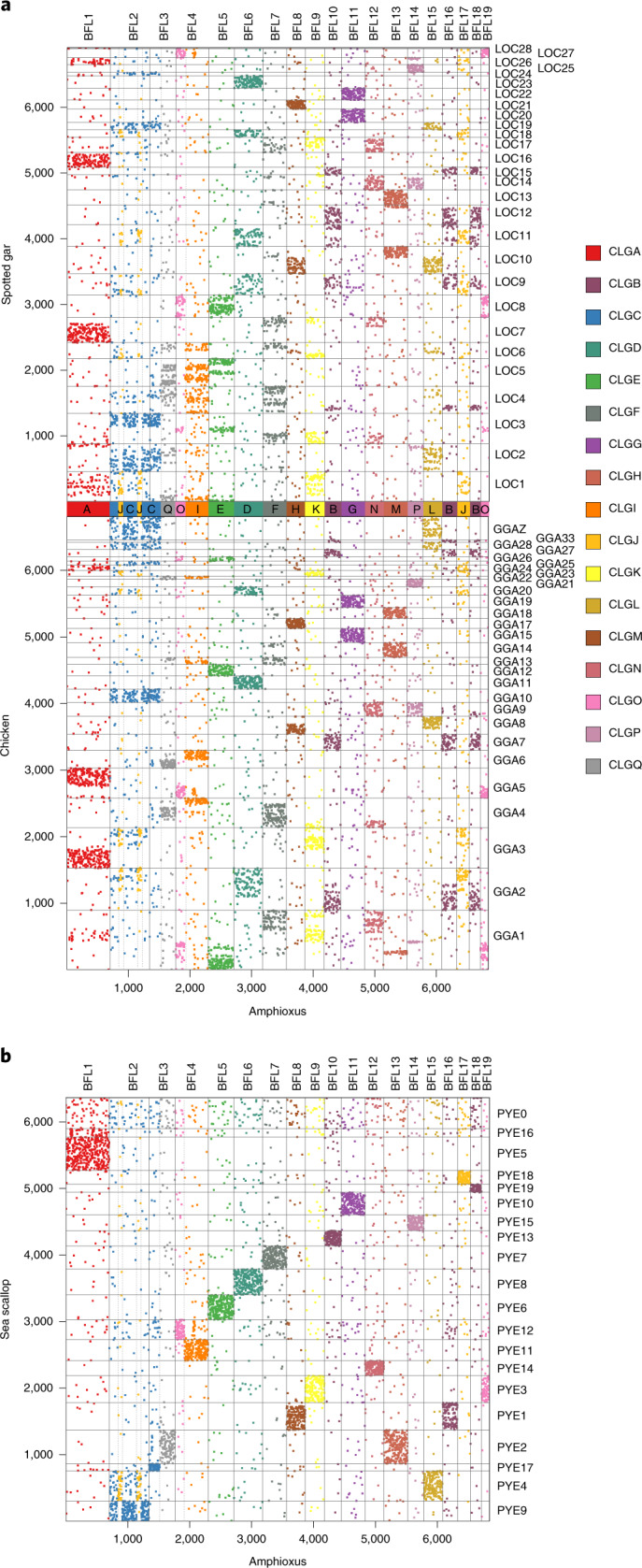
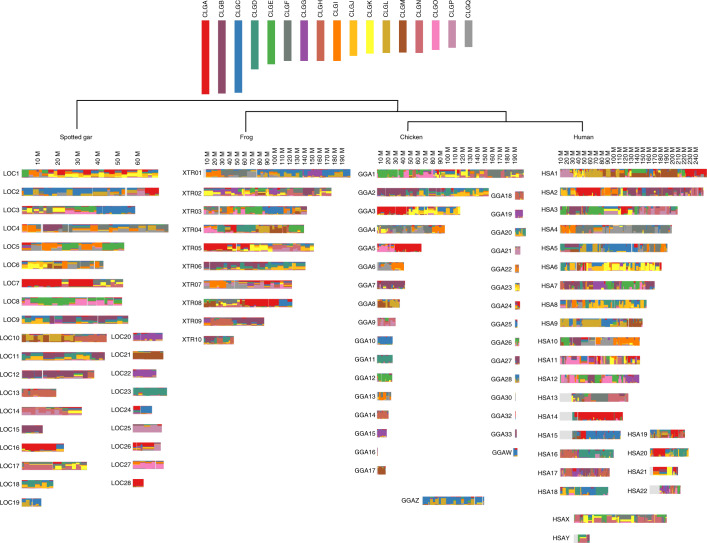
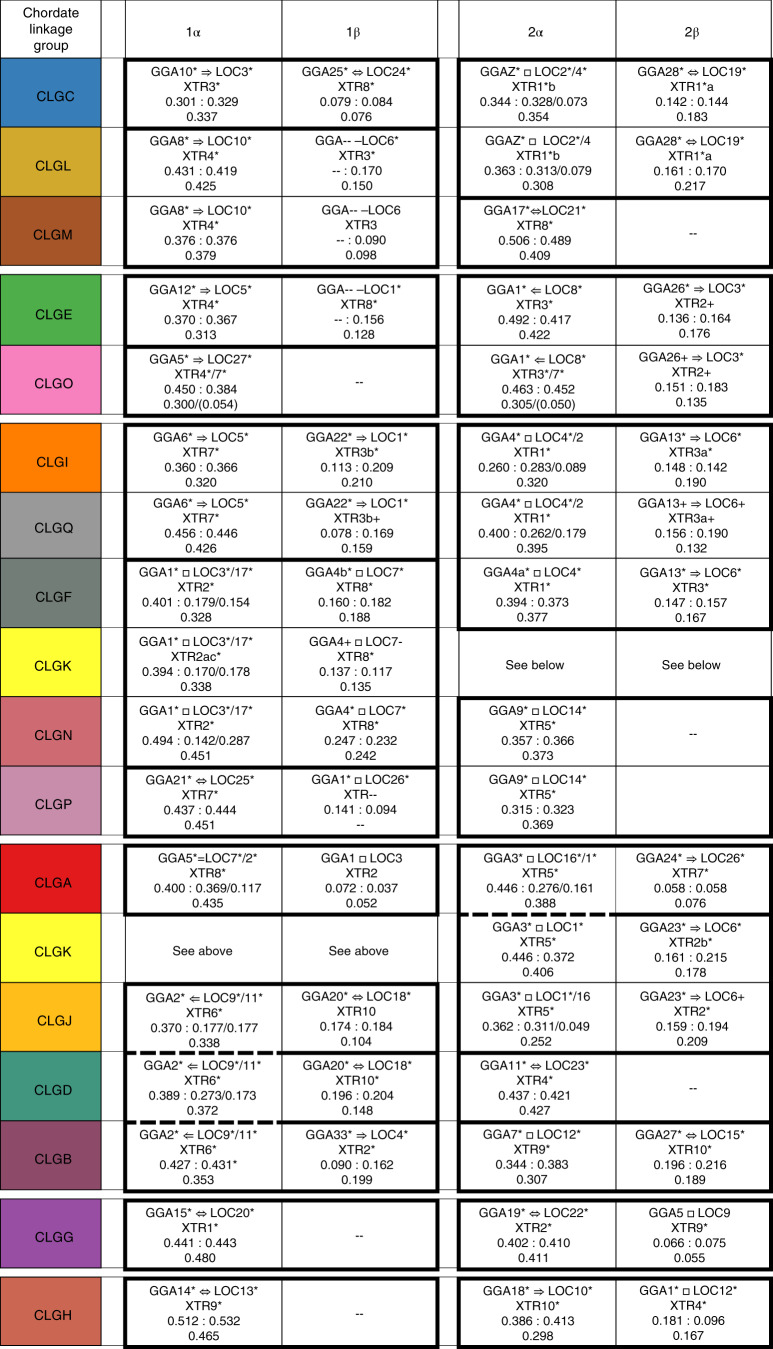
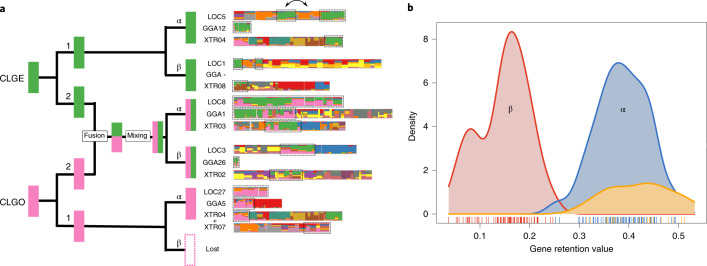
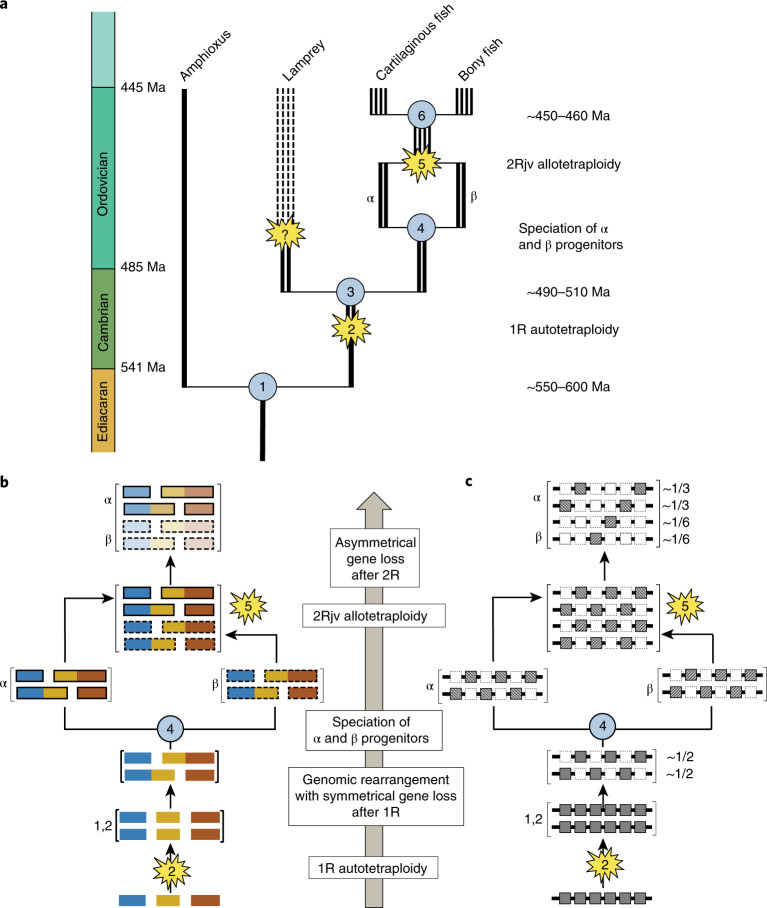
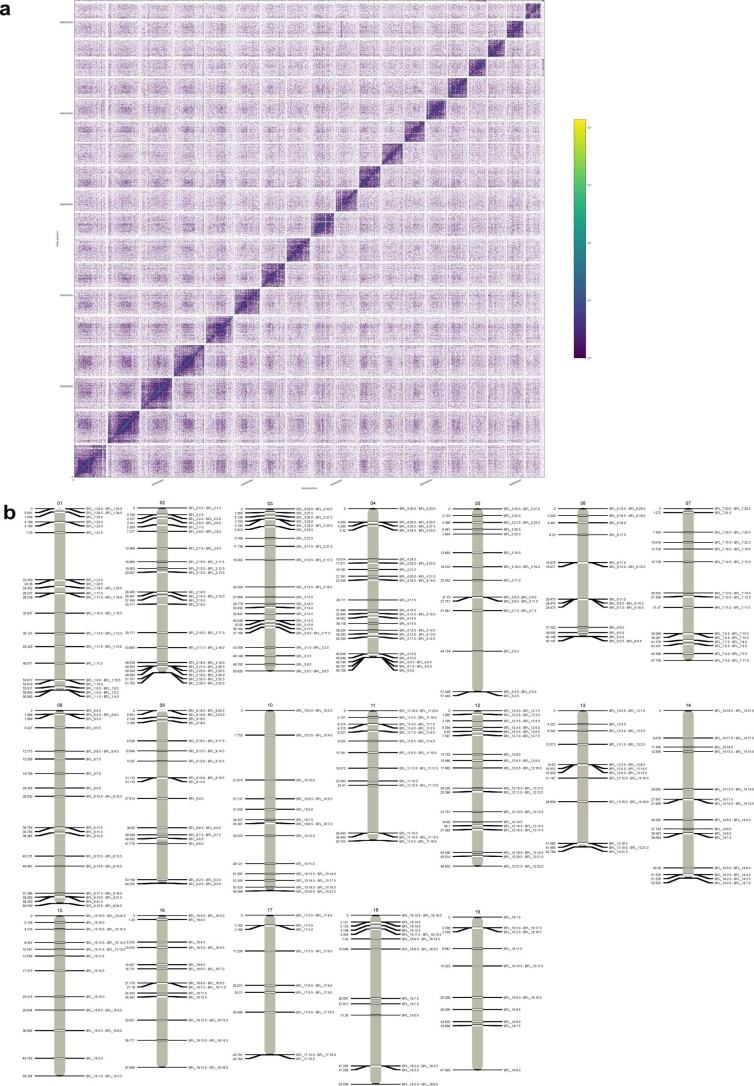
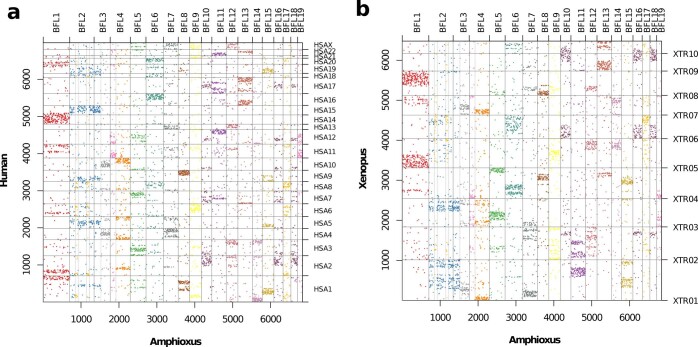
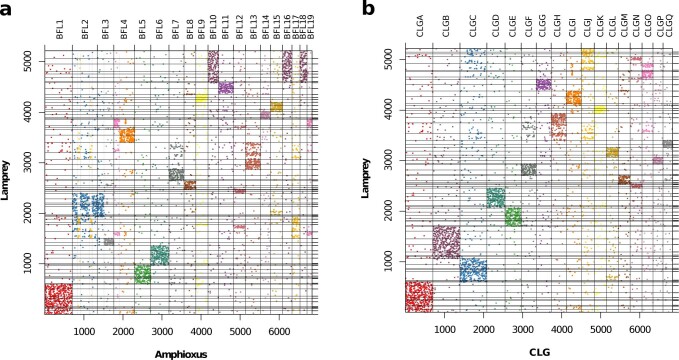
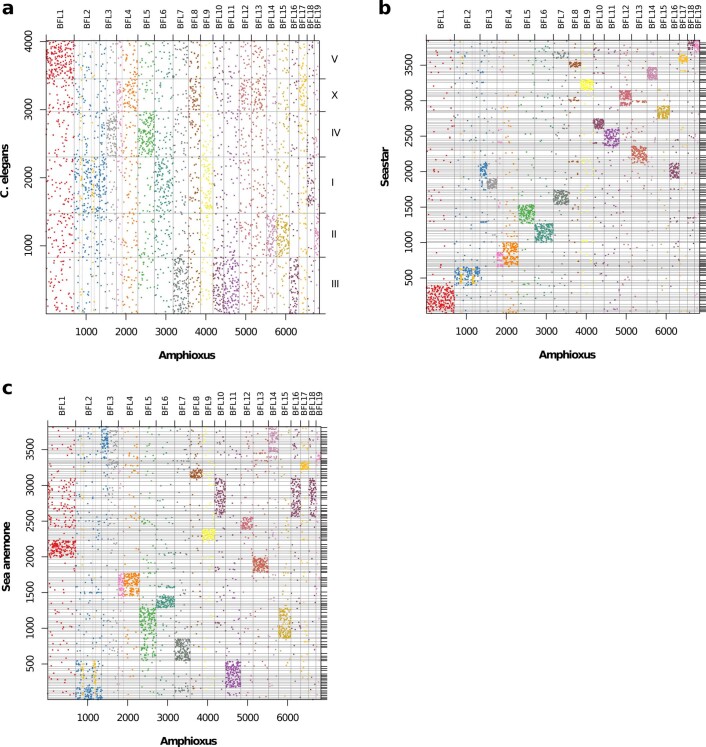
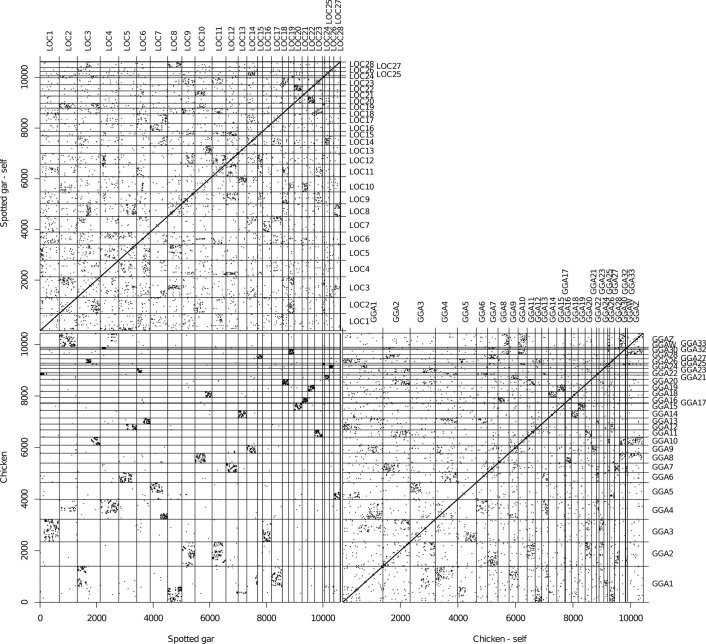
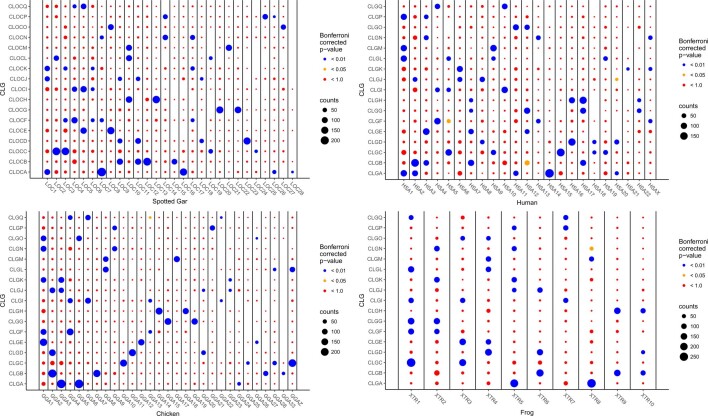
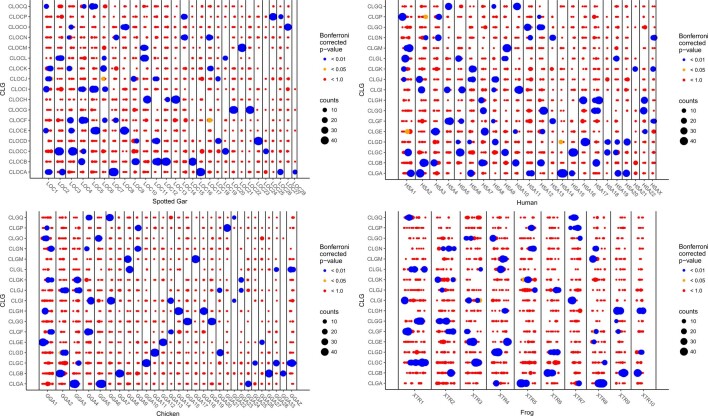
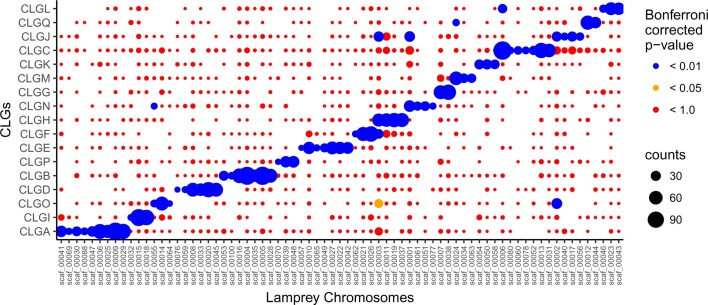
Although it is widely believed that early vertebrate evolution was shaped by ancient whole-genome duplications, the number, timing and mechanism of these events remain elusive. Here, we infer the history of vertebrates through genomic comparisons with a new chromosome-scale sequence of the invertebrate chordate amphioxus. We show how the karyotypes of amphioxus and diverse vertebrates are derived from 17 ancestral chordate linkage groups (and 19 ancestral bilaterian groups) by fusion, rearrangement and duplication. We resolve two distinct ancient duplications based on patterns of chromosomal conserved synteny. All extant vertebrates share the first duplication, which occurred in the mid/late Cambrian by autotetraploidization (that is, direct genome doubling). In contrast, the second duplication is found only in jawed vertebrates and occurred in the mid–late Ordovician by allotetraploidization (that is, genome duplication following interspecific hybridization) from two now-extinct progenitors. This complex genomic history parallels the diversification of vertebrate lineages in the fossil record.
Overview
The claims and statistics of this paper haven’t been checked yet.
Free: it reads the open-access text and checks the first 5 claims that cite a source we can check. Create a free account to check every claim.
Integrity signals
Registry
Cites
Statistics
Figures
Verification
Claims the paper makes
The claims and statistics of this paper haven’t been checked yet.
Free: it reads the open-access text and checks the first 5 claims that cite a source we can check. Create a free account to check every claim.
Claims other papers make about this one
Each is checked against this paper’s own text: does it say what the citing paper says it does?
The source backs part of the claim, not all of it — or backs it for a different population, condition or comparison.
In the citing paper
“The multistep dynamic of FWM helps explain the mosaic origins of extant chromosomes and can be thought of as contributing to diversification through population-level, speciation, and macroevolutionary processes (67, 69).”
From Topological Approaches in Animal Comparative Genomics (2026) · cites this paper as [67]
Experimental — accuracy not yet measuredThe source backs part of the claim, not all of it — or backs it for a different population, condition or comparison.
In the citing paper
“This particular chromosome ALG G has survived even with rare translocations in several vertebrate lineages after the two rounds of vertebrate WGD in the lineages leading to jawed vertebrates (Gnathostoma).”
From Topological Approaches in Animal Comparative Genomics (2026) · cites this paper as [67]
Experimental — accuracy not yet measuredThe source backs part of the claim, not all of it — or backs it for a different population, condition or comparison.
In the citing paper
“The most highly conserved of the three ALG G ohnologs among diverse vertebrates are microchromosomes 15 and 19 in chicken (Gallus gallus), the two small chromosomes 20 and 22 in the spotted gar (Lepisosteus oculatus), and independently integrated into larger chromosomes in frog (Xenopus tropicalis) and human (Homo sapiens) (67).”
From Topological Approaches in Animal Comparative Genomics (2026) · cites this paper as [67]
Experimental — accuracy not yet measuredThe source backs part of the claim, not all of it — or backs it for a different population, condition or comparison.
In the citing paper
“These patterns of conservation hold largely for smaller chromosomes across vertebrates, including mammals (65, 67, 100)”
From Topological Approaches in Animal Comparative Genomics (2026) · cites this paper as [67]
Experimental — accuracy not yet measuredThe cited source says what the claim attributes to it.
In the citing paper
“In several jawed vertebrate lineages, three of the four ALG G homeologous chromosomes derived from two rounds of WGD remain largely intact and lack major translocations or fusions with other chromosomes (67).”
From Topological Approaches in Animal Comparative Genomics (2026) · cites this paper as [67]
3 more claims about this paper
Create a free account to see every claim other papers make about this one.
Self-check
Percentages, sums and reported differences re-computed from the paper’s own numbers.
The self-check needs the paper’s full text.
Citations
Cites
Ohno, S. (1970) · doi:10.1007/978-3-642-86659-3 · Cited by 7,833
Haas, B. J., Salzberg, S. L., Zhu, W., Pertea, M., Allen, J. E., Orvis, J., White, O., Buell, C. R., & Wortman, J. R. (2008) · Genome Biology · doi:10.1186/gb-2008-9-1-r7 · Cited by 4,079
DNA methylation and epigenetic inheritance
Holliday, R. (1990) · Philosophical Transactions of the Royal Society of London. B, Biological Sciences · doi:10.1098/rstb.1990.0015 · Cited by 2,279
Molecular evidence for an ancient duplication of the entire yeast genome
Wolfe, K. H., & Shields, D. C. (1997) · Nature · doi:10.1038/42711 · Cited by 1,785
The amphioxus genome and the evolution of the chordate karyotype
Putnam, N. H., Butts, T., Ferrier, D. E. K., Furlong, R. F., Hellsten, U., Kawashima, T., Robinson-Rechavi, M., Shoguchi, E., Terry, A., Yu, J.-K., et al. (2008) · Nature · doi:10.1038/nature06967 · Cited by 1,580
Self-citationSea Anemone Genome Reveals Ancestral Eumetazoan Gene Repertoire and Genomic Organization
Putnam, N. H., Srivastava, M., Hellsten, U., Dirks, B., Chapman, J., Salamov, A., Terry, A., Shapiro, H., Lindquist, E., Kapitonov, V. V., et al. (2007) · Science · doi:10.1126/science.1139158 · Cited by 1,555
Self-citationTwo Rounds of Whole Genome Duplication in the Ancestral Vertebrate
Dehal, P., & Boore, J. L. (2005) · PLoS Biology · doi:10.1371/journal.pbio.0030314 · Cited by 1,526
Proof and evolutionary analysis of ancient genome duplication in the yeast Saccharomyces cerevisiae
Kellis, M., Birren, B. W., & Lander, E. S. (2004) · Nature · doi:10.1038/nature02424 · Cited by 1,522
Chromosome-scale scaffolding of de novo genome assemblies based on chromatin interactions
Burton, J. N., Adey, A., Patwardhan, R. P., Qiu, R., Kitzman, J. O., & Shendure, J. (2013) · Nature Biotechnology · doi:10.1038/nbt.2727 · Cited by 1,470
The Atlantic salmon genome provides insights into rediploidization
Lien, S., Koop, B. F., Sandve, S. R., Miller, J. R., Kent, M. P., Nome, T., Hvidsten, T. R., Leong, J. S., Minkley, D. R., Zimin, A., et al. (2016) · Nature · doi:10.1038/nature17164 · Cited by 1,047
Cited by
GENESPACE tracks regions of interest and gene copy number variation across multiple genomes
Lovell, J. T., Sreedasyam, A., Schranz, M. E., Wilson, M., Carlson, J. W., Harkess, A., Emms, D., Goodstein, D. M., & Schmutz, J. (2022) · eLife · doi:10.7554/elife.78526 · Cited by 391
Self-citationAncient gene linkages support ctenophores as sister to other animals
Schultz, D. T., Haddock, S. H. D., Bredeson, J. V., Green, R. E., Simakov, O., & Rokhsar, D. S. (2023) · Nature · doi:10.1038/s41586-023-05936-6 · Cited by 362
Self-citationComparative genomics reveals the dynamics of chromosome evolution in Lepidoptera
Wright, C. J., Stevens, L., Mackintosh, A., Lawniczak, M., & Blaxter, M. (2024) · Nature Ecology & Evolution · doi:10.1038/s41559-024-02329-4 · Cited by 318
Giant lungfish genome elucidates the conquest of land by vertebrates
Meyer, A., Schloissnig, S., Franchini, P., Du, K., Woltering, J. M., Irisarri, I., Wong, W. Y., Nowoshilow, S., Kneitz, S., Kawaguchi, A., et al. (2021) · Nature · doi:10.1038/s41586-021-03198-8 · Cited by 211
Self-citationDeeply conserved synteny and the evolution of metazoan chromosomes
Simakov, O., Bredeson, J., Berkoff, K., Marletaz, F., Mitros, T., Schultz, D. T., O’Connell, B. L., Dear, P., Martinez, D. E., Steele, R. E., et al. (2022) · Science Advances · doi:10.1126/sciadv.abi5884 · Cited by 197
Self-citationEvolutionary analysis of a complete chicken genome
Huang, Z. J., Xu, Z., Bai, H., Huang, Y., Kang, N., Ding, X., Liu, J., Luo, H., Yang, C., Chen, W., et al. (2023) · Proceedings of the National Academy of Sciences · doi:10.1073/pnas.2216641120 · Cited by 196
Yu, D., Ren, Y., Uesaka, M., Beavan, A. J. S., Muffato, M., Shen, J., Li, Y., Sato, I., Wan, W., Clark, J., et al. (2024) · Nature Ecology & Evolution · doi:10.1038/s41559-023-02299-z · Cited by 174
Microchromosomes are building blocks of bird, reptile, and mammal chromosomes
Waters, P. D., Patel, H. R., Ruiz-Herrera, A., Álvarez-González, L., Lister, N. C., Simakov, O., Ezaz, T., Kaur, P., Frere, C., Grützner, F., et al. (2021) · Proceedings of the National Academy of Sciences · doi:10.1073/pnas.2112494118 · Cited by 153
Self-citationRhodopsin, light-sensor of vision
Hofmann, K. P., & Lamb, T. D. (2022) · Progress in Retinal and Eye Research · doi:10.1016/j.preteyeres.2022.101116 · Cited by 153
Nakatani, Y., Shingate, P., Ravi, V., Pillai, N. E., Prasad, A., McLysaght, A., & Venkatesh, B. (2021) · Nature Communications · doi:10.1038/s41467-021-24573-z · Cited by 151
MirGeneDB 2.1: toward a complete sampling of all major animal phyla
Fromm, B., Høye, E., Domanska, D., Zhong, X., Aparicio-Puerta, E., Ovchinnikov, V., Umu, S. U., Chabot, P. J., Kang, W., Aslanzadeh, M., et al. (2022) · Nucleic Acids Research · doi:10.1093/nar/gkab1101 · Cited by 147
“(46), vertebrates underwent a single WGD sometime after the split from urochordates, but before the vertebrate last common ancestor (LCA).”
A hydrophobic ratchet entrenches molecular complexes
Hochberg, G. K. A., Liu, Y., Marklund, E. G., Metzger, B. P. H., Laganowsky, A., & Thornton, J. W. (2020) · Nature · doi:10.1038/s41586-020-3021-2 · Cited by 134
Kenny, N. J., Francis, W. R., Rivera-Vicéns, R. E., Juravel, K., de Mendoza, A., Díez-Vives, C., Lister, R., Bezares-Calderón, L. A., Grombacher, L., Roller, M., et al. (2020) · Nature Communications · doi:10.1038/s41467-020-17397-w · Cited by 129
The hagfish genome and the evolution of vertebrates
Marlétaz, F., Timoshevskaya, N., Timoshevskiy, V. A., Parey, E., Simakov, O., Gavriouchkina, D., Suzuki, M., Kubokawa, K., Brenner, S., Smith, J. J., et al. (2024) · Nature · doi:10.1038/s41586-024-07070-3 · Cited by 128
Self-citationSchloissnig, S., Kawaguchi, A., Nowoshilow, S., Falcon, F., Otsuki, L., Tardivo, P., Timoshevskaya, N., Keinath, M. C., Smith, J. J., Voss, S. R., et al. (2021) · Proceedings of the National Academy of Sciences · doi:10.1073/pnas.2017176118 · Cited by 120
Genome and transcriptome mechanisms driving cephalopod evolution
Albertin, C. B., Medina-Ruiz, S., Mitros, T., Schmidbaur, H., Sanchez, G., Wang, Z. Y., Grimwood, J., Rosenthal, J. J. C., Ragsdale, C. W., Simakov, O., et al. (2022) · Nature Communications · doi:10.1038/s41467-022-29748-w · Cited by 119
Self-citationLi, J.-T., Wang, Q., Yang, M.-D. H., Li, Q.-S., Cui, M.-S., Dong, Z., Wang, H., Yu, J., Zhao, Y., Yang, C.-R., et al. (2021) · Nature Genetics · doi:10.1038/s41588-021-00933-9 · Cited by 112
Self-citationLiu, F., Li, Y., Yu, H., Zhang, L., Hu, J., Bao, Z., & Wang, S. (2020) · Nucleic Acids Research · doi:10.1093/nar/gkaa918 · Cited by 111
Topological structures and syntenic conservation in sea anemone genomes
Zimmermann, B., Montenegro, J. D., Robb, S. M. C., Fropf, W. J., Weilguny, L., He, S., Chen, S., Lovegrove-Walsh, J., Hill, E. M., Chen, C.-Y., et al. (2023) · Nature Communications · doi:10.1038/s41467-023-44080-7 · Cited by 106
“Cephalochordates are early branching chordates lacking the two rounds of whole-genome duplication and allotetraploidization suggested for vertebrates 41,42 , as represented by their single Hox cluster 43 (Fig.”
BackgroundMethodSelf-citationLamb, T. D. (2022) · The Journal of Physiology · doi:10.1113/jp282058 · Cited by 98
Ontano, A. Z., Gainett, G., Aharon, S., Ballesteros, J. A., Benavides, L. R., Corbett, K. F., Gavish‐Regev, E., Harvey, M. S., Monsma, S. A., Santibáñez‐López, C. E., et al. (2021) · Molecular Biology and Evolution · doi:10.1093/molbev/msab038 · Cited by 99
Conservative route to genome compaction in a miniature annelid
Martín-Durán, J. M., Vellutini, B. C., Marlétaz, F., Cetrangolo, V., Cvetešić, N., Thiel, D. J., Henriet, S., Grau‐Bové, X., Carrillo‐Baltodano, A. M., Gu, W., et al. (2020) · Nature Ecology & Evolution · doi:10.1038/s41559-020-01327-6 · Cited by 94
Self-citationThe oldest complete jawed vertebrates from the early Silurian of China
Zhu, Y.-A., Li, Q., Lü, J., Chen, Y., Wang, J., Gai, Z., Zhao, W., Wei, G., Yu, Y., Ahlberg, P., et al. (2022) · Nature · doi:10.1038/s41586-022-05136-8 · Cited by 84
Parey, E., Louis, A., Montfort, J., Guiguen, Y., Crollius, H. R., & Berthelot, C. (2022) · Genome Research · doi:10.1101/gr.276953.122 · Cited by 83
“WGDs more than 450 million years ago (Dehal and Boore 2005), and these events have contributed to the establishment of the vertebrate karyotype aswe know it (Sacerdot et al. 2018; Simakov et al. 2020), as well as to the expansion of major gene families such as the Hox clusters and MHC genes (Castro et al.”
BackgroundThe bowfin genome illuminates the developmental evolution of ray-finned fishes
Thompson, A. W., Hawkins, M. B., Parey, E., Wcisel, D. J., Ota, T., Kawasaki, K., Funk, E., Losilla, M., Fitch, O. E., Pan, Q., et al. (2021) · Nature Genetics · doi:10.1038/s41588-021-00914-y · Cited by 82
Redmond, A. K., Casey, D., Gundappa, M. K., Macqueen, D. J., & McLysaght, A. (2023) · Nature Communications · doi:10.1038/s41467-023-38714-z · Cited by 80
The genomes of all lungfish inform on genome expansion and tetrapod evolution
Schartl, M., Woltering, J. M., Irisarri, I., Du, K., Kneitz, S., Pippel, M., Brown, T., Franchini, P., Li, J., Li, M., et al. (2024) · Nature · doi:10.1038/s41586-024-07830-1 · Cited by 77
Self-citationStöck, M., Kratochvíl, L., Kuhl, H., Rovatsos, M., Evans, B. J., Suh, A., Valenzuela, N., Veyrunes, F., Zhou, Q., Gamble, T., et al. (2021) · Philosophical Transactions of the Royal Society B Biological Sciences · doi:10.1098/rstb.2020.0426 · Cited by 75
The little skate genome and the evolutionary emergence of wing-like fins
Marlétaz, F., de la Calle-Mustienes, E., Acemel, R. D., Paliou, C., Naranjo, S., Martínez-García, P. M., Cases, I., Sleight, V. A., Hirschberger, C., Marcet-Houben, M., et al. (2023) · Nature · doi:10.1038/s41586-023-05868-1 · Cited by 71
Self-citationGundappa, M. K., To, T.-H., Grønvold, L., Martin, S. A. M., Lien, S., Geist, J., Hazlerigg, D., Sandve, S. R., & Macqueen, D. J. (2022) · Molecular Biology and Evolution · doi:10.1093/molbev/msab310 · Cited by 68
Whole-genome Duplications and the Long-term Evolution of Gene Regulatory Networks in Angiosperms
Almeida‐Silva, F., & de Peer, Y. V. (2023) · Molecular Biology and Evolution · doi:10.1093/molbev/msad141 · Cited by 67
Liu, J., Wang, Z., Li, J., Xu, L., Liu, J., Feng, S., Guo, C., Chen, S., Ren, Z., Rao, J., et al. (2021) · Genome Research · doi:10.1101/gr.271569.120 · Cited by 67
Bao, Y., Zeng, Q., Wang, J., Zhang, Z., Zhang, Y., Wang, S., Wong, N.-K., Yuan, W., Huang, Y., Zhang, W., et al. (2021) · Molecular Biology and Evolution · doi:10.1093/molbev/msab030 · Cited by 67
Fourth Report on Chicken Genes and Chromosomes 2022
Smith, J., Alfieri, J. M., Anthony, N., Arensburger, P., Athrey, G., Balacco, J., Balic, A., Bardou, P., Barela, P., Bigot, Y., et al. (2022) · Cytogenetic and Genome Research · doi:10.1159/000529376 · Cited by 66
Three amphioxus reference genomes reveal gene and chromosome evolution of chordates
Huang, Z. J., Xu, L., Cai, C., Zhou, Y., Liu, J., Xu, Z., Zhu, Z., Kang, W., Cen, W., Pei, S., et al. (2023) · Proceedings of the National Academy of Sciences · doi:10.1073/pnas.2201504120 · Cited by 63
Self-citationRapid Radiation and Rampant Reticulation: Phylogenomics of South AmericanLiolaemusLizards
Esquerré, D., Keogh, J. S., Demangel, D., Morando, M. M., Ávila, L. J., Sites, J. W., Ferri‐Yáñez, F., & Leaché, A. D. (2021) · Systematic Biology · doi:10.1093/sysbio/syab058 · Cited by 62
Fossilized cell structures identify an ancient origin for the teleost whole-genome duplication
Davesne, D., Friedman, M., Schmitt, A. D., Fernández, V., Carnevale, G., Ahlberg, P., Sanchez, S., & Benson, R. (2021) · Proceedings of the National Academy of Sciences · doi:10.1073/pnas.2101780118 · Cited by 60
Catchen, J., Amores, A., & Bassham, S. (2020) · G3 Genes Genomes Genetics · doi:10.1534/g3.120.401485 · Cited by 59
The role of cnidarian developmental biology in unraveling axis formation and Wnt signaling
Holstein, T. W. (2022) · Developmental Biology · doi:10.1016/j.ydbio.2022.04.005 · Cited by 57
An Updated Staging System for Cephalochordate Development: One Table Suits Them All
Carvalho, J. E., Lahaye, F., Yong, L. W., Croce, J. C., Escrivá, H., Yu, J., & Schubert, M. (2021) · Frontiers in Cell and Developmental Biology · doi:10.3389/fcell.2021.668006 · Cited by 57
Self-citationIntegrating the Study of Polyploidy Across Organisms, Tissues, and Disease
Morris, J. P., Baslan, T., Soltis, P. S., Soltis, P. S., & Fox, D. T. (2024) · Annual Review of Genetics · doi:10.1146/annurev-genet-111523-102124 · Cited by 56
Marlétaz, F., Couloux, A., Poulain, J., Labadie, K., Silva, C. D., Mangenot, S., Noël, B., Poustka, A. J., Dru, P., Pegueroles, C., et al. (2023) · Cell Genomics · doi:10.1016/j.xgen.2023.100295 · Cited by 55
Self-citationLewin, T. D., Liao, I. J.-Y., & Luo, Y. (2024) · Molecular Biology and Evolution · doi:10.1093/molbev/msae172 · Cited by 54
The Earth BioGenome Project Phase II: illuminating the eukaryotic tree of life
Blaxter, M., Lewin, H. A., Palma, F. D., CHALLIS, R. J., da Silva, M., Durbin, R. M., Formenti, G., Franz, N. M., Guigó, R., Harrison, P. W., et al. (2025) · Frontiers in Science · doi:10.3389/fsci.2025.1514835 · Cited by 51
Molecular and Morphological Signatures of Chordate Development: Two Distinct Pathways, One Tunicate
Kowarsky, M., Anselmi, C., Hotta, K., Burighel, P., Zaniolo, G., Caicci, F., Rosental, B., Neff, N. F., Ishizuka, K. J., Palmeri, K. J., et al. (2019) · Cell Reports · doi:10.1016/j.celrep.2020.108681 · Cited by 50
Evolution of the endothelin pathway drove neural crest cell diversification
Square, T. A., Jandzík, D., Massey, J. L., Romášek, M., Stein, H. P., Hansen, A. W., Purkayastha, A., Cattell, M. V., & Medeiros, D. M. (2020) · Nature · doi:10.1038/s41586-020-2720-z · Cited by 50
Ivanković, M., Brand, J. N., Pandolfini, L., Brown, T., Pippel, M., Rozanski, A., Schubert, T., Grohme, M. A., Winkler, S., Robledillo, L. Á., et al. (2024) · Nature Communications · doi:10.1038/s41467-024-52380-9 · Cited by 49
Evolution after Whole-Genome Duplication: Teleost MicroRNAs
Desvignes, T., Sydes, J., Montfort, J., Bobe, J., & Postlethwait, J. H. (2021) · Molecular Biology and Evolution · doi:10.1093/molbev/msab105 · Cited by 49
Two-phased evolution: Genome chaos-mediated information creation and maintenance
Heng, J., & Heng, H. H. (2021) · Progress in Biophysics and Molecular Biology · doi:10.1016/j.pbiomolbio.2021.04.003 · Cited by 48
Brown, T., Mishra, K., Elewa, A., Iarovenko, S. I., Subramanian, E., Joven, A., Petzold, A., Fromm, B., Friedländer, M. R., Rikk, L., et al. (2025) · Cell Genomics · doi:10.1016/j.xgen.2025.100761 · Cited by 46
Evolution of the Spider Homeobox Gene Repertoire by Tandem and Whole Genome Duplication
Aase-Remedios, M. E., Janßen, R., Leite, D. J., Sumner‐Rooney, L. H., & McGregor, A. P. (2023) · Molecular Biology and Evolution · doi:10.1093/molbev/msad239 · Cited by 46
Shark and ray genomics for disentangling their morphological diversity and vertebrate evolution
Kuraku, S. (2021) · Developmental Biology · doi:10.1016/j.ydbio.2021.06.001 · Cited by 46
Dornburg, A., & Yoder, J. A. (2022) · Immunogenetics · doi:10.1007/s00251-021-01232-7 · Cited by 45
Transposon signatures of allopolyploid genome evolution
Session, A. M., & Rokhsar, D. S. (2023) · Nature Communications · doi:10.1038/s41467-023-38560-z · Cited by 44
Self-citationUnderstanding vertebrate immunity through comparative immunology
Boehm, T. L. J. (2024) · Nature reviews. Immunology · doi:10.1038/s41577-024-01083-9 · Cited by 44
Myriapod genomes reveal ancestral horizontal gene transfer and hormonal gene loss in millipedes
So, W. L., Nong, W., Xie, Y., Baril, T., Ma, H.-Y., Qu, Z., Haimovitz, J., Swale, T., Gaitán‐Espitía, J. D., Lau, K., et al. (2022) · Nature Communications · doi:10.1038/s41467-022-30690-0 · Cited by 42
Ahmad, S. F., Singchat, W., Jehangir, M., Panthum, T., & Srikulnath, K. (2020) · Genes · doi:10.3390/genes11070827 · Cited by 42
Millipede genomes reveal unique adaptations during myriapod evolution
Qu, Z., Nong, W., So, W. L., Barton-Owen, T., Li, Y., Li, C., Leung, T. C. N., Baril, T., Wong, A. Y. P., Swale, T., et al. (2020) · PLoS Biology · doi:10.1371/journal.pbio.3000636 · Cited by 43
Liu, F., Cai, B., Lian, S., Chang, X., Chen, D., Pu, Z., Bao, L., Wang, J., Lv, J., Zheng, H., et al. (2024) · Nucleic Acids Research · doi:10.1093/nar/gkae1026 · Cited by 41
The brittle star genome illuminates the genetic basis of animal appendage regeneration
Parey, E., Ortega‐Martinez, O., Delroisse, J., Piovani, L., Czarkwiani, A., Dylus, D. V., Arya, S., Dupont, S., Thorndyke, M. C., Larsson, T., et al. (2024) · Nature Ecology & Evolution · doi:10.1038/s41559-024-02456-y · Cited by 39
Self-citationMaternal dominance contributes to subgenome differentiation in allopolyploid fishes
Xu, M.-R.-X., Liao, Z., Brock, J. R., Du, K., Li, G.-Y., Chen, Z., Wang, Y.-H., Gao, Z.-N., Agarwal, G., Wei, K. H.-C., et al. (2023) · Nature Communications · doi:10.1038/s41467-023-43740-y · Cited by 40
Ferguson, S., Jones, A., Murray, K., Andrew, R. L., Schwessinger, B., & Borevitz, J. (2024) · Genome Research · doi:10.1101/gr.277999.123 · Cited by 40
Parallel evolution of amphioxus and vertebrate small-scale gene duplications
Brasó‐Vives, M., Marlétaz, F., Echchiki, A., Mantica, F., Acemel, R. D., Gómez-Skármeta, J. L., Hartasánchez, D. A., Targa, L. L., Pontarotti, P., Tena, J. J., et al. (2022) · Genome biology · doi:10.1186/s13059-022-02808-6 · Cited by 38
Self-citationNong, W., Yu, Y., Aase-Remedios, M. E., Xie, Y., So, W. L., Li, Y., Wong, C. F., Baril, T., Law, S. T. S., Lai, S. Y., et al. (2022) · PubMed Central · doi:10.1093/gigascience/giac012 · Cited by 38
Sequencing and chromosome-scale assembly of the giant Pleurodeles waltl genome
Brown, T., Elewa, A., Iarovenko, S., Subramanian, E., Araus, A. J., Petzold, A., Suzuki, M., Suzuki, K.-I. T., Hayashi, T., Toyoda, A., et al. (2022) · doi:10.1101/2022.10.19.512763 · Cited by 37
MicroRNAs as Indicators into the Causes and Consequences of Whole-Genome Duplication Events
Peterson, K. J., Beavan, A. J. S., Chabot, P. J., McPeek, M. A., Pisani, D., Fromm, B., & Simakov, O. (2021) · Molecular Biology and Evolution · doi:10.1093/molbev/msab344 · Cited by 36
Self-citationUnravelling the Complex Duplication History of Deuterostome Glycerol Transporters
Yılmaz, Ö., Chauvigné, F., Ferré, A., Nilsen, F., Fjelldal, P. G., Cerdà, J., & Finn, R. N. (2020) · Cells · doi:10.3390/cells9071663 · Cited by 36
Bliznina, A., Masunaga, A., Mansfield, M. J., Tan, Y., Liu, A. W., West, C., Rustagi, T., Chien, H., Kumar, S., Pichon, J., et al. (2021) · BMC Genomics · doi:10.1186/s12864-021-07512-6 · Cited by 36
Daza, D. O., Bergqvist, C. A., & Larhammar, D. (2022) · Frontiers in Endocrinology · doi:10.3389/fendo.2021.792644 · Cited by 34
Maugars, G., Nourizadeh-Lillabadi, R., & Weltzien, F. (2020) · Frontiers in Endocrinology · doi:10.3389/fendo.2020.538196 · Cited by 34
Elasmobranch genome sequencing reveals evolutionary trends of vertebrate karyotype organization
Yamaguchi, K., Uno, Y., Kadota, M., Nishimura, O., Nozu, R., Murakumo, K., Matsumoto, R., Sato, K., & Kuraku, S. (2023) · Genome Research · doi:10.1101/gr.276840.122 · Cited by 34
Uvizl, M., Puechmaille, S. J., Power, S., Pippel, M., Carthy, S., Haerty, W., Myers, E. W., Teeling, E. C., & Huang, Z. (2023) · Molecular Biology and Evolution · doi:10.1093/molbev/msad278 · Cited by 32
Dallaire, X., Bouchard, R., Hénault, P., Ulmo‐Diaz, G., Normandeau, É., Mérot, C., Bernatchez, L., & Moore, J. (2023) · Genome Biology and Evolution · doi:10.1093/gbe/evad229 · Cited by 31
Liu, F., Li, Y., Yu, H., Zhang, L., Hu, J., Bao, Z., & Wang, S. (2020) · Nucleic Acids Research · doi:10.1093/nar/gkaa1166 · Cited by 31
Effects of Melatonin on Anterior Pituitary Plasticity: A Comparison Between Mammals and Teleosts
Ciani, E., Haug, T. M., Maugars, G., Weltzien, F., Falcón, J., & Fontaine, R. (2021) · Frontiers in Endocrinology · doi:10.3389/fendo.2020.605111 · Cited by 30
Importance of Synteny in Homology Inference
Ijaz, A. Z., Ali, R. H., Sarwar, A., Khan, T. A., & Baig, M. M. (2022) · International Conference on Emerging Technologies · doi:10.1109/icet56601.2022.10004649 · Cited by 30
Aase-Remedios, M. E., Coll-Lladó, C., & Ferrier, D. E. K. (2020) · Molecular Biology and Evolution · doi:10.1093/molbev/msaa147 · Cited by 29
Newton, A. H., & Pask, A. J. (2020) · Communications Biology · doi:10.1038/s42003-020-01501-3 · Cited by 29
macrosyntR : Drawing automatically ordered Oxford Grids from standard genomic files in RPreprint
El-Hilali, S., & Copley, R. R. (2023) · bioRxiv (Cold Spring Harbor Laboratory) · doi:10.1101/2023.01.26.525673 · Cited by 29
Fusion, fission, and scrambling of the bilaterian genome in Bryozoa
Lewin, T. D., Liao, I. J.-Y., Chen, M.-E., Bishop, J., Holland, P. W. H., & Luo, Y. (2025) · Genome Research · doi:10.1101/gr.279636.124 · Cited by 28
Cardoso, J. C. R., Bergqvist, C. A., & Larhammar, D. (2020) · Frontiers in Neuroscience · doi:10.3389/fnins.2020.00672 · Cited by 28
Origin and Evolution of RAS Membrane Targeting
García‐España, A., & Philips, M. R. (2023) · Oncogene · doi:10.1038/s41388-023-02672-z · Cited by 27
Insights into early animal evolution from the genome of the xenacoelomorph worm Xenoturbella bocki
Schiffer, P. H., Natsidis, P., Leite, D. J., Robertson, H. E., Lapraz, F., Marlétaz, F., Fromm, B., Baudry, L., Simpson, F., Høye, E., et al. (2024) · eLife · doi:10.7554/elife.94948 · Cited by 27
Self-citationContrasting modes of macro and microsynteny evolution in a eukaryotic subphylum
Li, Y., Liu, H., Steenwyk, J. L., LaBella, A. L., Harrison, M., Groenewald, M., Zhou, X., Shen, X., Zhao, T., Hittinger, C. T., et al. (2022) · Current Biology · doi:10.1016/j.cub.2022.10.025 · Cited by 27
A Revised Perspective on the Evolution of Troponin I and Troponin T Gene Families in Vertebrates
Joyce, W., Ripley, D. M., Gillis, T. E., Black, A. C., Shiels, H. A., & Hoffmann, F. G. (2022) · Genome Biology and Evolution · doi:10.1093/gbe/evac173 · Cited by 26
Convergent and divergent evolution of microRNA ‐mediated regulation in metazoans
Wang, Y., Tang, X., & Lü, J. (2023) · Biological reviews/Biological reviews of the Cambridge Philosophical Society · doi:10.1111/brv.13033 · Cited by 25
Amphioxus as a model to study the evolution of development in chordates
D’Aniello, S., Bertrand, S., & Escrivá, H. (2023) · eLife · doi:10.7554/elife.87028 · Cited by 25
Ferguson, S., Jones, A., Murray, K., Schwessinger, B., & Borevitz, J. (2022) · Molecular Ecology · doi:10.1111/mec.16608 · Cited by 25
Yu, H., Li, Y., Han, W., Bao, L., Liu, F., Ma, Y., Pu, Z., Zeng, Q., Zhang, L., Bao, Z., et al. (2024) · Nature Protocols · doi:10.1038/s41596-024-00966-4 · Cited by 25
Hox genes control homocercal caudal fin development and evolution
Cumplido, N., Gloria Arratia, F., Desvignes, T., Muñoz‐Sánchez, S., Postlethwait, J. H., & Allende, M. L. (2024) · Science Advances · doi:10.1126/sciadv.adj5991 · Cited by 25
Whole-genome Sequencing Reveals Autooctoploidy in Chinese Sturgeon and Its Evolutionary Trajectories
Wang, B., Wu, B., Liu, X., Hu, Y., Ming, Y., Bai, M., Liu, J., Xiao, K., Zeng, Q., Yang, J., et al. (2023) · Genomics Proteomics & Bioinformatics · doi:10.1093/gpbjnl/qzad002 · Cited by 25
Conservation of bilaterian genome structure is the exception, not the rule
Lewin, T. D., Liao, I. J.-Y., & Luo, Y. (2025) · Genome biology · doi:10.1186/s13059-025-03732-1 · Cited by 24
Spiralian genomics and the evolution of animal genome architecture
Liao, I. J.-Y., Lu, T.-M., Chen, M.-E., & Luo, Y. (2023) · Briefings in Functional Genomics · doi:10.1093/bfgp/elad029 · Cited by 24
Zhang, Y., Yáñez-Guerra, L. A., Tinoco, A. B., Castelán, N. E., Egertová, M., & Elphick, M. R. (2022) · Proceedings of the National Academy of Sciences · doi:10.1073/pnas.2113589119 · Cited by 24
Yasmin, T., Grayson, P., Docker, M. F., & Good, S. V. (2022) · Communications Biology · doi:10.1038/s42003-022-03375-z · Cited by 24
Origin and significance of the human DNase repertoire
Mori, G., Delfino, D., Pibiri, P., Rivetti, C., & Percudani, R. (2022) · Scientific Reports · doi:10.1038/s41598-022-14133-w · Cited by 21
Evolutionary origin of vertebrate OCT4/POU5 functions in supporting pluripotency
Sukparangsi, W., Morganti, E., Lowndes, M., Mayeur, H., Weisser, M. B., Hammachi, F., Peradziryi, H., Roske, F. V., Hölzenspies, J., Livigni, A., et al. (2022) · Nature Communications · doi:10.1038/s41467-022-32481-z · Cited by 21
Emergence and evolution of protein-coding de novo genes
Bornberg‐Bauer, E., & Eicholt, L. A. (2026) · Nature Reviews Genetics · doi:10.1038/s41576-025-00929-9 · Cited by 21
Genome Duplications as the Basis of Vertebrates’ Evolutionary Success
Bayramov, A. V., Ermakova, G. V., Kucheryavyy, A. V., & Zaraisky, A. G. (2021) · Russian Journal of Developmental Biology · doi:10.1134/s1062360421030024 · Cited by 21
Morini, M., Bergqvist, C. A., Asturiano, J. F., Larhammar, D., & Dufour, S. (2022) · Frontiers in Endocrinology · doi:10.3389/fendo.2022.1013868 · Cited by 21
Metadata
- Authors
- Simakov, O., Marlétaz, F., Yue, J.-X., O’Connell, B., Jenkins, J., Brandt, A., Calef, R., Tung, C.-H., Huang, T.-K., Schmutz, J., Satoh, N., Yu, J.-K., Putnam, N. H., Green, R. E., & Rokhsar, D. S.
- Affiliations
- University of Vienna (AT)
- Okinawa Institute of Science and Technology Graduate University (JP)
- Centre National de la Recherche Scientifique (FR)
- University of California, Santa Cruz (US)
- HudsonAlpha Institute for Biotechnology (US)
- University of California, Berkeley (US)
- Dovetail Genomics (United States) (US)
- Institute of Cellular and Organismic Biology, Academia Sinica (TW)
- Corresponding author
- Simakov, Oleg
- Rokhsar, Daniel S.
- ORCID
- Venue
- Nature Ecology & Evolution
- Published
- 2020-04-20
- Volume
- 4
- Issue
- 6
- Pages
- 820-830
- ISSN
- 2397-334X (ISSN-L)
- PMC
- PMC7269912
- OpenAlex
- W3016709954
- Semantic Scholar
- bbce7bb5ffbad541c8aa7e908256cdaab5c8ccd6
- Cited by
- 363
- References
- 69
- Citations by year
- 2026: 39 · 2025: 57 · 2024: 66 · 2023: 62 · 2022: 61 · 2021: 55 · 2020: 23
- FWCI
- 32.61
- Type
- journal article
- Language
- en
- Open access
- hybrid
- doi.org
- Licence
- cc-by
- creativecommons.org/licenses/by/4.0 (tdm)
- creativecommons.org/licenses/by/4.0 (vor)
- Locations
- Nature Ecology & Evolution (publishedVersion, cc-by)
- PubMed Central (publishedVersion, cc-by)
- PubMed (publishedVersion)
- Institutional Repositories DataBase (IRDB) (submittedVersion, cc-by-nc-nd)
- OSTI OAI (U.S. Department of Energy Office of Scientific and Technical Information) (submittedVersion)
- UCL Discovery (University College London) (submittedVersion)
- Okinawa Institute of Science and Technology Graduate University (Okinawa Institute of Science and Technology Graduate University) (submittedVersion, cc-by-nc-nd)
- Funders
- U.S. Department of Energy (-AC02-05CH11231, 05CH11231, DE AC02 05CH11231, DE-AC02-)
- Gordon and Betty Moore Foundation (GBMF3804)
- Joint Genome Institute (AC02-05CH11231, DE–AC02–05CH11231)
- Academia Sinica (AS-98-CDA-L06)
- Austrian Science Fund (P32190, P30686‐B29), P30686, DE‐AC02‐05CH11231)
- Universität Wien
- Fondation ARC pour la Recherche sur le Cancer (PDF20150602803)
- Okinawa Institute of Science and Technology Graduate University
- Ministry of Science and Technology, Taiwan (MOST105-2628-B001-003-MY3, MOST104-2923-B001-002-MY3, 003-MY3, DE-AC02-05CH11231)
- Directorate for Biological Sciences
- Office of Science (DEAC02–05CH11231, AC02-05CH11231, DE-AC02, 05CH11231)
- Japan Society for the Promotion of Science (19K06620)
- National Human Genome Research Institute (T32HG000047)
- Topics
- Life Sciences › Biochemistry, Genetics and Molecular Biology › Genetics › Chromosomal and Genetic Variations
- Life Sciences › Biochemistry, Genetics and Molecular Biology › Genetics › Genome Rearrangement Algorithms
- Life Sciences › Biochemistry, Genetics and Molecular Biology › Molecular Biology › Genomics and Phylogenetic Studies
- Keywords
- vertebrate evolution, whole-genome duplication, conserved synteny, amphioxus, karyotype evolution, chromosome-level genome assembly, allotetraploidization, interspecific hybridization, Cambrian, Ordovician, jawed vertebrates, genome rearrangement
- MeSH terms
- Animals, Vertebrates, Genome, Evolution, Molecular, Gene Duplication, Synteny
About these checks
Registry, retraction, Cites and statistics results are computed, not judged, with one exception: a printed reference that no index lists is read once by a model before it counts as a citation error. Claims are extracted by a model and kept only when their quote appears verbatim in the text; each cited source is then checked, with a model’s help, for whether it says what the claim relies on. Those verdicts can be wrong — read the claim’s quote and the cited source before relying on one.
Statistics and arithmetic are recomputed, not judged.
Confidence bands are shown only for fields calibrated on our annotated test set. None is calibrated yet, so no band is shown.
What counts as a claim ›How we measure confidence ›How we check this ›
Are you an author, or do you see a problem with this page? Request a review
Data sources
Bibliographic data: Semantic Scholar, OpenAlex, Crossref.
Contains information from the Semantic Scholar Academic Graph Datasets, made available under the ODC Attribution License (ODC-BY 1.0).
Semantic Scholar’s data is described in: Kinney, R., et al. (2023). The Semantic Scholar Open Data Platform. arXiv:2301.10140.
