

Cholangiocarcinoma 2020: the next horizon in mechanisms and management
Open accessThe DOI matches its Crossref record; 410 of the 410 references it cites were found in a registry or an index.
Abstract
Cholangiocarcinoma (CCA) includes a cluster of highly heterogeneous biliary malignant tumours that can arise at any point of the biliary tree. Their incidence is increasing globally, currently accounting for ~15% of all primary liver cancers and ~3% of gastrointestinal malignancies. The silent presentation of these tumours combined with their highly aggressive nature and refractoriness to chemotherapy contribute to their alarming mortality, representing ~2% of all cancer-related deaths worldwide yearly. The current diagnosis of CCA by non-invasive approaches is not accurate enough, and histological confirmation is necessary. Furthermore, the high heterogeneity of CCAs at the genomic, epigenetic and molecular levels severely compromises the efficacy of the available therapies. In the past decade, increasing efforts have been made to understand the complexity of these tumours and to develop new diagnostic tools and therapies that might help to improve patient outcomes. In this expert Consensus Statement, which is endorsed by the European Network for the Study of Cholangiocarcinoma, we aim to summarize and critically discuss the latest advances in CCA, mostly focusing on classification, cells of origin, genetic and epigenetic abnormalities, molecular alterations, biomarker discovery and treatments. Furthermore, the horizon of CCA for the next decade from 2020 onwards is highlighted.
Overview
The claims and statistics of this paper haven’t been checked yet.
Free: it reads the open-access text and checks the first 5 claims that cite a source we can check. Create a free account to check every claim.
Integrity signals
Registry
Cites
Statistics
Figures
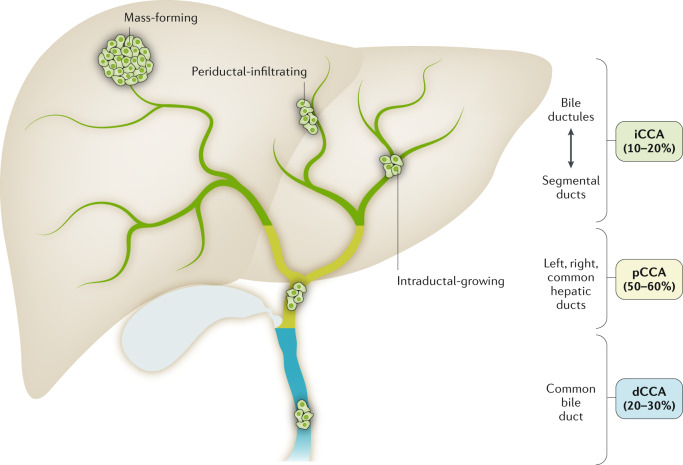
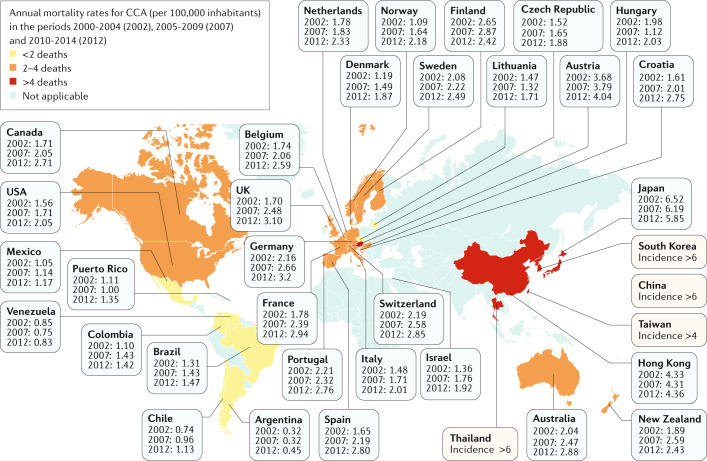
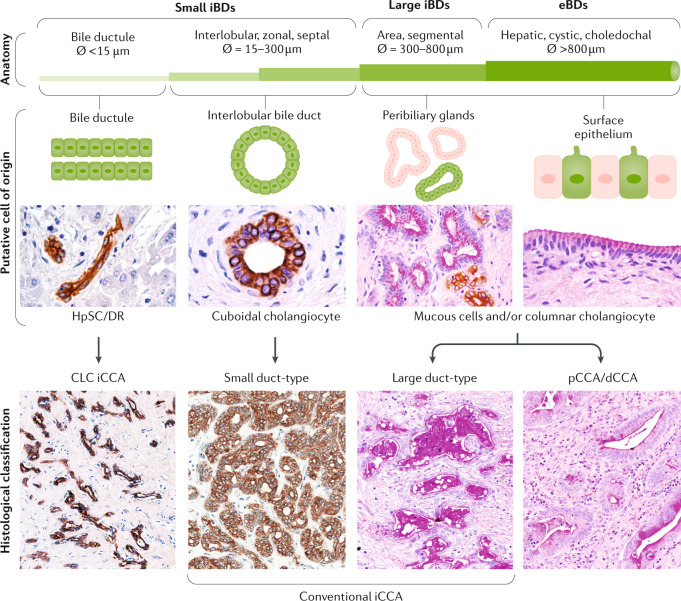
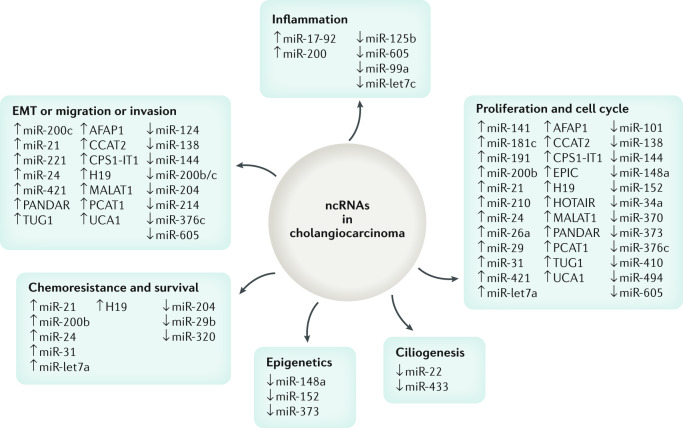
Verification
Claims the paper makes
The claims and statistics of this paper haven’t been checked yet.
Free: it reads the open-access text and checks the first 5 claims that cite a source we can check. Create a free account to check every claim.
Claims other papers make about this one
Each is checked against this paper’s own text: does it say what the citing paper says it does?
The source backs part of the claim, not all of it — or backs it for a different population, condition or comparison.
In the citing paper
“It is thought that the majority of ICCs are derived from BECs [210], but mouse and human hepatocytes also represent potential sources for ICCs [212, 213].”
From Inflammation and immunity in liver homeostasis and disease: a nexus of hepatocytes, nonparenchymal cells and immune cells (2025) · doi:10.1038/s41423-025-01313-7 · cites this paper as [210]
Experimental — accuracy not yet measuredThe source backs part of the claim, not all of it — or backs it for a different population, condition or comparison.
In the citing paper
“Several studies suggest that cholangiocarcinoma and other biliary tract malignancies are frequently associated with overactivation of the Notch and Hedgehog signaling pathways[61].”
From Liver regeneration after partial hepatectomy: Triggers and mechanisms (2025) · cites this paper as [61]
Experimental — accuracy not yet measuredIn the citing paper
“Intrahepatic cholangiocarcinoma (ICC) is a biliary tree neoplasia that arises in noncirrhotic and cirrhotic livers and has a rising incidence [210, 211].”
From Inflammation and immunity in liver homeostasis and disease: a nexus of hepatocytes, nonparenchymal cells and immune cells (2025) · doi:10.1038/s41423-025-01313-7 · cites this paper as [210]
Self-check
Percentages, sums and reported differences re-computed from the paper’s own numbers.
The self-check needs the paper’s full text.
Citations
Cites
Items 201–400 of 410
Kawashima, H., Ito, A., Ohno, E., Itoh, Y., Ebata, T., Nagino, M., Goto, H., & Hirooka, Y. (2012) · Annals of Surgery · doi:10.1097/sla.0b013e318262b2e9 · Cited by 142
Cambridge, W. A., Fairfield, C., Powell, J. J., Harrison, E. M., Søreide, K., Wigmore, S. J., & Guest, R. V. (2021) · Annals of Surgery · doi:10.1097/sla.0000000000003801 · Cited by 141
Akita, M., Fujikura, K., Ajiki, T., Fukumoto, T., Otani, K., Azuma, T., Itoh, T., Ku, Y., & Zen, Y. (2017) · Modern Pathology · doi:10.1038/modpathol.2017.22 · Cited by 141
Current standards and future perspectives in adjuvant treatment for biliary tract cancers
Lamarca, Á., Edeline, J., McNamara, M. G., Hubner, R. A., Nagino, M., Bridgewater, J. A., Primrose, J. M., & Valle, J. W. (2019) · Cancer Treatment Reviews · doi:10.1016/j.ctrv.2019.101936 · Cited by 139 · cited 1×
“A total of 226, 196 and 447 patients were randomly assigned in each study, respectively 320 .”
Self-citationTreatment and survival of resected and unresected distal cholangiocarcinoma: a nationwide study
Strijker, M., Belkouz, A., van der Geest, L. G., van Gulik, T. M., van Hooft, J. E., de Meijer, V. E., Mohammad, N. H., de Reuver, P. R., Verheij, J., de Vos‐Geelen, J., et al. (2019) · Acta Oncologica · doi:10.1080/0284186x.2019.1590634 · Cited by 139
Self-citationGovaere, O., Wouters, J., Petz, M., Vandewynckel, Y.-P., Van den Eynde, K., Van den broeck, A., Verhulst, S., Dollé, L., Gremeaux, L., Ceulemans, A., et al. (2016) · Journal of Hepatology · doi:10.1016/j.jhep.2015.11.011 · Cited by 136 · cited 2×
“It has been proposed that ECM proteins, such as laminin-332, induce resistance to doxorubicin and sorafenib in CCA 197 .”
Chemoresistance and chemosensitization in cholangiocarcinoma
Marín, J. J. G., Lozano, E., Herráez, E., Asensio, M., Giacomo, S. D., Romero, M. R., Briz, Ó., Serrano, M. A., Efferth, T., & Macías, R. I. R. (2017) · Biochimica et Biophysica Acta (BBA) - Molecular Basis of Disease · doi:10.1016/j.bbadis.2017.06.005 · Cited by 136 · cited 4×
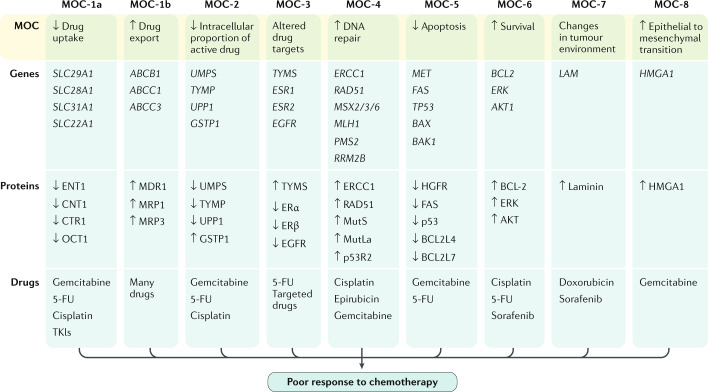
“On the basis of their mechanism of action, MOC genes have been classified into seven groups 365,366 (Fig.”
InfluentialClapéron, A., Mergey, M., Ho-Bouldoires, T. H. N., Vignjevic, D. M., Wendum, D., Chrétien, Y., Merabtene, F., Frazao, A., Paradis, V., Housset, C., et al. (2014) · Journal of Hepatology · doi:10.1016/j.jhep.2014.03.033 · Cited by 132
Self-citationActivation of biliary tree stem cells within peribiliary glands in primary sclerosing cholangitis
Carpino, G., Cardinale, V., Renzi, A., Hov, J. R., Berloco, P. B., Rossi, M., Karlsen, T. H., Alvaro, D., & Gaudio, E. (2015) · Journal of Hepatology · doi:10.1016/j.jhep.2015.06.018 · Cited by 131 · cited 1×
“C o n S e n S u S Stat e m e n t In PSC, peribiliary gland cell proliferation, mucinous metaplasia, and dysplasia to cancer progression take place within bile ducts and along the biliary tree, mimicking the cancerization field (‘field defect’) 49,75 .”
Self-citationMolecular Targeted Drugs and Treatment of Colorectal Cancer: Recent Progress and Future Perspectives
Geng, F., Wang, Z., Yin, H., Yu, J., & Cao, B. (2017) · Cancer Biotherapy and Radiopharmaceuticals · doi:10.1089/cbr.2017.2210 · Cited by 131
Jhaveri, K. S., & Hosseini‐Nik, H. (2014) · Journal of Magnetic Resonance Imaging · doi:10.1002/jmri.24810 · Cited by 129 · cited 1×
“MRI has similar accuracy to CT for diagnosis and staging, but it incorporates specific sequences such as diffusion-weighted imaging and the potential for performing magnetic resonance cholangiopancreatography (MRCP), which is critical for pCCA staging 92 .”
Cardinale, V., Carpino, G., Reid, L., Gaudio, E., & Alvaro, D. (2012) · World Journal of Gastrointestinal Oncology · doi:10.4251/wjgo.v4.i5.94 · Cited by 126 · cited 1×
“Evidence regarding the cells of origin of CCA in humans was obtained by phenotyping the candidate tissues and/or cells of origin with respect to CCA subtypes through histological and gene expression analysis 38,44,46,63–68 , whereas indirect evidence might be derived from risk factors 67,68 .”
Self-citationChanges of bivalent chromatin coincide with increased expression of developmental genes in cancer
Bernhart, S. H., Kretzmer, H., Holdt, L. M., Jühling, F., Ammerpohl, O., Bergmann, A. K., Northoff, B. H., Doose, G., Siebert, R., Stadler, P. F., et al. (2016) · Scientific Reports · doi:10.1038/srep37393 · Cited by 125
Management and potentialities of primary cancer cultures in preclinical and translational studies
Miserocchi, G., Mercatali, L., Liverani, C., De Vita, A., Spadazzi, C., Pieri, F., Bongiovanni, A., Recine, F., Amadori, D., & Ibrahim, T. (2017) · Journal of Translational Medicine · doi:10.1186/s12967-017-1328-z · Cited by 123 · cited 2×
“Also, primary culture cells lack realistic intercellular and cell–matrix interactions 236,237 .”
Wongjarupong, N., Assavapongpaiboon, B., Susantitaphong, P., Cheungpasitporn, W., Treeprasertsuk, S., Rerknimitr, R., & Chaiteerakij, R. (2017) · BMC Gastroenterology · doi:10.1186/s12876-017-0696-4 · Cited by 123
Diabetes mellitus and increased risk of cholangiocarcinoma: a meta-analysis
Jing, W., Jin, G., Zhou, X., Zhou, Y., Zhang, Y., Shao, C., Liu, R., & Hu, X. (2012) · European Journal of Cancer Prevention · doi:10.1097/cej.0b013e3283481d89 · Cited by 122
Global Alterations of DNA Methylation in Cholangiocarcinoma Target the Wnt Signaling Pathway
Goeppert, B., Konermann, C., Schmidt, C. R., Bogatyrova, O., Geiselhart, L., Ernst, C., Gu, L., Becker, N., Zucknick, M., Mehrabi, A., et al. (2014) · Hepatology · doi:10.1002/hep.26721 · Cited by 122 · cited 2×
“…CCAs, in part as an effect of the release of Wnt ligands by inflammatory macrophages infiltrating the stroma 162,163 , but also as a consequence of DNA methylation alterations targeting this pathway 133 and/or mutations encoding key components of the canonical WNT–β-catenin signalling pathway 164 .”
Cell Lineage Tracing Reveals a Biliary Origin of Intrahepatic Cholangiocarcinoma
Guest, R. V., Boulter, L., Kendall, T. J., Minnis-Lyons, S. E., Walker, R., Wigmore, S. J., Sansom, O. J., & Forbes, S. J. (2014) · Cancer Research · doi:10.1158/0008-5472.can-13-1911 · Cited by 120
Self-citationLiver carcinogenesis: Rodent models of hepatocarcinoma and cholangiocarcinoma
Minicis, S. D., Kisseleva, T., Francis, H., Svegliati‐Baroni, G., Benedetti, A., Brenner, D. A., Alvaro, D., Alpini, G. D., & Marzioni, M. (2012) · Digestive and Liver Disease · doi:10.1016/j.dld.2012.10.008 · Cited by 120 · cited 1×
“…it should be underlined that current experimental models of liver damage do not fully recapitulate the pathogenesis of human chronic liver disease, including proliferative senescence in hepatocytes 66,82,83 , and that lineage tracing studies must be conducted and interpreted cautiously 76,84–87 .”
BackgroundSelf-citationProfiles of Cancer Stem Cell Subpopulations in Cholangiocarcinomas
Cardinale, V., Renzi, A., Carpino, G., Torrice, A., Bragazzi, M. C., Giuliante, F., Rose, A. M. D., Fraveto, A., Onori, P., Napoletano, C., et al. (2015) · American Journal Of Pathology · doi:10.1016/j.ajpath.2015.02.010 · Cited by 120 · cited 2×
“Increasing evidence suggests associations between EMT and acquisition of cancer stem cell (CSC) properties in different cancer types 65,184 , and this might also contribute to CCA heterogeneity as well as resistance to anticancer drugs.”
Self-citationAspirin use and the risk of cholangiocarcinoma‡
Choi, J., Ghoz, H. M., Peeraphatdit, T. B., Baichoo, E., Addissie, B. D., Harmsen, W. S., Therneau, T. M., Olson, J. E., Chaiteerakij, R., & Roberts, L. R. (2016) · Hepatology · doi:10.1002/hep.28529 · Cited by 120 · cited 1×
“A number of studies are examining the potential influence of commonly used drugs such as aspirin 31–33 and lipid-lowering statins 34,35 in the prevention of CCA.”
Self-citationGalassi, M., Iavarone, M., Rossi, S., Bota, S., Vavassori, S., Rosa, L., Leoni, S., Venerandi, L., Marinelli, S., Sangiovanni, A., et al. (2013) · Liver International · doi:10.1111/liv.12124 · Cited by 117 · cited 18×
“CCA usually shows lower vascularity than in HCC — probably as a result of its extensive stroma — which is associated with greater malignant potential 386 .”
InfluentialMUC1 peptide vaccination in patients with advanced pancreas or biliary tract cancer.
Yamamoto, K. T., Ueno, T., Kawaoka, T., Hazama, S., Fukui, M., Suehiro, Y., Hamanaka, Y., Ikematsu, Y., Imai, K., Oka, M., et al. (2005) · PubMed · Cited by 117
Abbas, S. M., & Sandroussi, C. (2013) · HPB · doi:10.1111/j.1477-2574.2012.00616.x · Cited by 117 · cited 1×
“Moreover, resection and reconstruction of the portal vein and hepatic artery are increasingly performed 307,308 .”
Shuang, Z.-Y., Wu, W.-C., Xu, J., Lin, G., Liu, Y.-C., Lao, X., Zheng, L., & Li, S. (2014) · Cancer Letters · doi:10.1016/j.canlet.2014.08.030 · Cited by 116 · cited 3×
“Besides EMT, TGFβ is known to promote stemness in CCA cells in vitro (human CCA cell line TFK-1) 192 .”
BackgroundInfluentialMIR21 Drives Resistance to Heat Shock Protein 90 Inhibition in Cholangiocarcinoma
Lampis, A., Carotenuto, P., Vlachogiannis, G., Cascione, L., Hedayat, S., Burke, R., Clarke, P., Bosma, E., Simbolo, M., Scarpa, A., et al. (2018) · Gastroenterology · doi:10.1053/j.gastro.2017.10.043 · Cited by 116 · cited 2×
“Evidence also suggests that HDAC inhibitors, as well as dasatinib, might be particularly active in IDH - mutated tumour cells 129,130 .”
Self-citationConstitutive Notch2 signaling induces hepatic tumors in mice
Dill, M. T., Tornillo, L., Fritzius, T., Terracciano, L., Semela, D., Bettler, B., Heim, M. H., & Tchorz, J. S. (2013) · Hepatology · doi:10.1002/hep.26165 · Cited by 116
Notch2 controls hepatocyte-derived cholangiocarcinoma formation in mice
Wang, J., Dong, M., Xu, Z., Song, X., Zhang, S., Qiao, Y., Che, L., Gordan, J., Hu, K., Liu, Y., et al. (2018) · Oncogene · doi:10.1038/s41388-018-0188-1 · Cited by 115
Self-citationWang, L.-J., He, C.-C., Sui, X., Cai, M.-J., Zhou, C.-Y., Ma, J.-L., Wu, L., Wang, H., Han, S.-X., & Zhu, Q. (2015) · Oncotarget · doi:10.18632/oncotarget.3465 · Cited by 114 · cited 2×
“In serum, the levels of miR-21 (reFs 259–261 ) , a well-known onco-miR, were found to be increased in patients with CCA, compared with healthy individuals, positively correlating with clinical stage and poor survival, although the translation of this miRNA into clinics should be performed carefully…”
Findlay, V. J., Wang, C., Watson, D. K., & Camp, E. R. (2014) · Cancer Gene Therapy · doi:10.1038/cgt.2014.15 · Cited by 114
Spolverato, G., Bagante, F., Weiss, M. J., Alexandrescu, S. T., Marques, H. P., Aldrighetti, L. A., Maithel, S. K., Pulitanò, C., Bauer, T. W., Shen, F., et al. (2017) · Journal of Surgical Oncology · doi:10.1002/jso.24569 · Cited by 113 · cited 3×
“First, it has limited discriminatory ability between T2 and T3 tumours in surgically resected iCCAs 105,106 .”
Self-citationIntegrative Analysis Defines Distinct Prognostic Subgroups of Intrahepatic Cholangiocarcinoma
Goeppert, B. F., Tóth, R., Singer, S., Albrecht, T., Lipka, D. B., Lutsik, P., Brocks, D., Baehr, M., Muecke, O., Assenov, Y., et al. (2019) · Hepatology · doi:10.1002/hep.30493 · Cited by 112 · cited 22×
“Although initially considered as a binary process, it is now well established that epithelial cells undergoing EMT become mesenchymal in a gradual manner, known as partial EMT 178,179 .”
InfluentialSakai, D., Kanai, M., Kobayashi, S., Eguchi, H., Baba, H., Seo, S., Taketomi, A., Takayama, T., Yamaue, H., Ishioka, C., et al. (2018) · Annals of Oncology · doi:10.1093/annonc/mdy282 · Cited by 112
Clapéron, A., Mergey, M., Aoudjehane, L., Ho-Bouldoires, T. H. N., Wendum, D., Prignon, A., Merabtene, F., Firrincieli, D., Desbois-Mouthon, C., Scatton, O., et al. (2013) · Hepatology · doi:10.1002/hep.26585 · Cited by 111 · cited 8×
“Expression levels of EGFR have been associated with the sensitivity of CCA cells to targeted agents 379 .”
InfluentialSelf-citationUTISPAN, K., SONONGBUA, J., THUWAJIT, P., CHAU-IN, S., PAIROJKUL, C., WONGKHAM, S., & THUWAJIT, C. (2012) · International Journal of Oncology · doi:10.3892/ijo.2012.1530 · Cited by 111 · cited 1×
“In cooperation with collagen I, tenascin C and integrins (α5β1, α5β3, α5β5 and α6β4), periostin stimulates cell proliferation of malignant cholangiocytes in a PI3K– AKT-dependent manner in vitro 211 .”
BackgroundDifferential effects of targeting Notch receptors in a mouse model of liver cancer
Huntzicker, E. G., Hötzel, K., Choy, L., Che, L., Ross, J., Pau, G., Sharma, N., Siebel, C. W., Chen, X., & French, D. M. (2015) · Hepatology · doi:10.1002/hep.27566 · Cited by 111
Role of ErbB family receptor tyrosine kinases in intrahepatic cholangiocarcinoma
Sirica, A. E. (2008) · World Journal of Gastroenterology · doi:10.3748/wjg.14.7033 · Cited by 110 · cited 2×
“Similarly, bile acids are not genotoxic but might also promote cholangiocarcinogen-esis through a mechanism involving the activation of EGFR, induction of COX2, MCL1 and IL-6, and down-regulation of farnesoid X receptor (FXR) 146,147 .”
Fujita, N., Asayama, Y., Nishie, A., Ishigami, K., Ushijima, Y., Takayama, Y., Okamoto, D., Moirta, K., Shirabe, K., Aishima, S., et al. (2016) · European Radiology · doi:10.1007/s00330-016-4386-3 · Cited by 110
Wnt signalling modulates transcribed-ultraconserved regions in hepatobiliary cancers
Carotenuto, P., Fassan, M., Pandolfo, R., Lampis, A., Vicentini, C., Cascione, L., Paulus-Hock, V., Boulter, L., Guest, R. V., Quagliata, L., et al. (2016) · Gut · doi:10.1136/gutjnl-2016-312278 · Cited by 110
Self-citationAntwi, S. O., Mousa, O. Y. S., & Patel, T. C. (2018) · Annals of Hepatology · doi:10.5604/01.3001.0012.0929 · Cited by 110
Jimeno, A., Rubio-Viqueira, B., Amador, M. L., Oppenheimer, D., Bouraoud, N., Kulesza, P., Sebastiani, V., Maitra, A., & Hidalgo, M. (2005) · Cancer Research · doi:10.1158/0008-5472.can-04-3586 · Cited by 109 · cited 1×
“Expression levels of EGFR have been associated with the sensitivity of CCA cells to targeted agents 379 .”
Coulouarn, C., Cavard, C., Rubbia-Brandt, L., Audebourg, A., Dumont, F., Jacques, S., Just, P.-A., Clément, B., Gilgenkrantz, H., Perret, C., et al. (2012) · Carcinogenesis · doi:10.1093/carcin/bgs208 · Cited by 109 · cited 1×
“Evidence regarding the cells of origin of CCA in humans was obtained by phenotyping the candidate tissues and/or cells of origin with respect to CCA subtypes through histological and gene expression analysis 38,44,46,63–68 , whereas indirect evidence might be derived from risk factors 67,68 .”
BackgroundSelf-citationThe search for novel diagnostic and prognostic biomarkers in cholangiocarcinoma
Macías, R. I. R., Bañales, J. M., Sangro, B., Muntané, J., Avila, M. A., Lozano, E., Perugorria, M. J., Ruiz, F. J. P., Bujanda, L., & Marín, J. J. G. (2017) · Biochimica et Biophysica Acta (BBA) - Molecular Basis of Disease · doi:10.1016/j.bbadis.2017.08.002 · Cited by 109 · cited 1×
“Circulating nucleic acids found in biofluids after active transport or resulting from dying cells are promising diagnostic and prognostic tools for human disorders 250–252 .”
Self-citationVoigtländer, T., Gupta, S. K., Thum, S., Fendrich, J., Manns, M. P., Lankisch, T. O., & Thum, T. (2015) · PLoS ONE · doi:10.1371/journal.pone.0139305 · Cited by 108 · cited 2×
“Importantly, combining miR-1537 with CA19-9 resulted in higher diagnostic values than CA19-9 alone (AUC 0.91 versus 0.88; P > 0.05) 258 .”
InfluentialDrug sensitivity and drug resistance profiles of human intrahepatic cholangiocarcinoma cell lines
Tepsiri, N. (2005) · World Journal of Gastroenterology · doi:10.3748/wjg.v11.i18.2748 · Cited by 106
SOX17 regulates cholangiocyte differentiation and acts as a tumor suppressor in cholangiocarcinoma
Merino-Azpitarte, M., Lozano, E., Perugorria, M. J., Esparza-Baquer, A., Erice, O., Santos-Laso, Á., O'Rourke, C. J., Andersen, J. B., Jiménez-Agüero, R., Lacasta, A., et al. (2017) · Journal of Hepatology · doi:10.1016/j.jhep.2017.02.017 · Cited by 105
Self-citationExtracellular Vesicles in Bile as Markers of Malignant Biliary Stenoses
Severino, V., Dumonceau, J., Delhaye, M., Moll, S., Annessi-Ramseyer, I., Robin, X., Frossard, J., & Farina, A. (2017) · Gastroenterology · doi:10.1053/j.gastro.2017.04.043 · Cited by 105 · cited 1×
“Furthermore, another study identified an extra-cellular vesicle-derived miRNA panel in bile (miRNAs miR-191, miR-486-3p, miR-1274b and miR-484) for the discrimination of CCA from non-malignant biliary diseases 290 .”
Oshikiri, T., Miyamoto, M., Shichinohe, T., Suzuoki, M., Hiraoka, K., Nakakubo, Y., Shinohara, T., Itoh, T., Kondo, S., & Katoh, H. (2003) · Journal of Surgical Oncology · doi:10.1002/jso.10321 · Cited by 104 · cited 1×
“Immunohistochemical analyses have demonstrated a preponderance of CD8 + T cells within the tumour and CD4 + T cells in the tumour–liver interface 224 , as well as an association with longer OS and the presence of tumour-infiltrating CD4 + or CD8 + T cells 223,225–227 .”
BackgroundTabibian, J. H., Trussoni, C. E., O'Hara, S. P., Splinter, P. L., Heimbach, J. K., & LaRusso, N. F. (2014) · Laboratory Investigation · doi:10.1038/labinvest.2014.94 · Cited by 104 · cited 1×
“Importantly, preneoplastic (for example, PSC-derived cholangiocytes) and/or normal cholangiocyte primary cultures should be used as controls 132,140,238,239 .”
Self-citationActivated macrophages promote Wnt/β-catenin signaling in cholangiocarcinoma cells
Loilome, W., Bungkanjana, P., Techasen, A., Namwat, N., Yongvanit, P., Puapairoj, A., Khuntikeo, N., & Riggins, G. J. (2014) · Tumor Biology · doi:10.1007/s13277-014-1698-2 · Cited by 104
Cheon, Y. K., Cho, Y. D., Moon, J. H., Jang, J. Y., Kim, Y. S., Kim, Y. S., Lee, M. S., Lee, J. S., & Shim, C. S. (2007) · The American Journal of Gastroenterology · doi:10.1111/j.1572-0241.2007.01403.x · Cited by 103
Doussot, A., Koerkamp, B. G., Wiggers, J. K., Chou, J. F., Gönen, M., DeMatteo, R. P., Allen, P. J., Kingham, T. P., D'Angelica, M. I., & Jarnagin, W. R. (2015) · Journal of the American College of Surgeons · doi:10.1016/j.jamcollsurg.2015.04.009 · Cited by 102
Self-citationNew insights into cholangiocarcinoma: multiple stems and related cell lineages of origin
Bragazzi, M. C., Ridola, L., Safarikia, S., Matteo, S. D., Costantini, D., Nevi, L., & Cardinale, V. (2017) · Annals of Gastroenterology · doi:10.20524/aog.2017.0209 · Cited by 101
Afonso, M., Rodrigues, P., Simão, A., & Castro, R. (2016) · Journal of Clinical Medicine · doi:10.3390/jcm5030030 · Cited by 99
Self-citationA New Clinically Based Staging System for Perihilar Cholangiocarcinoma
Chaiteerakij, R., Harmsen, W. S., Marrero, C. R., Aboelsoud, M. M., Ndzengue, A., Kaiya, J., Therneau, T. M., Sanchez, W., Gores, G. J., & Roberts, L. R. (2014) · American Journal of Gastroenterology · doi:10.1038/ajg.2014.327 · Cited by 96 · cited 2×
“Second, although size has been level, which has shown a better performance in predicting survival than the TNM staging system 109 .”
Self-citationTumor reactive stroma in cholangiocarcinoma: The fuel behind cancer aggressiveness
Brivio, S., Cadamuro, M., Strazzabosco, M., & Fabris, L. (2017) · World Journal of Hepatology · doi:10.4254/wjh.v9.i9.455 · Cited by 96 · cited 2×
“B and extracellular matrix (ECM) proteins 148 .”
Self-citationMartinez-Becerra, P., Vaquero, J., Romero, M. R., Lozano, E., Anadon, C. M., Macı́as, R. I. R., Serrano, M. A., Grañé-Boladeras, N., Muñoz‐Bellvís, L., Alvarez, L., et al. (2012) · Molecular Pharmaceutics · doi:10.1021/mp300028a · Cited by 96
Yang, J. D., Campion, M. B., Liu, M., Chaiteerakij, R., Giama, N. H., Mohammed, H. A., Zhang, X., Hu, C., Campion, V. L., Jen, J., et al. (2015) · Hepatology · doi:10.1002/hep.27944 · Cited by 96 · cited 2×
“…associations between numbers of CTCs, patient and tumour characteristics and survival in patients with biliary tract cancer, 17–25% of the patients showed elevated numbers of CTCs (two or more per 7.5 mL of blood) 291–293 , and 10% of the patients showed five or more CTCs per 7.5 mL of blood 292 .”
InfluentialSelf-citationNotch3 drives development and progression of cholangiocarcinoma
Guest, R. V., Boulter, L., Dwyer, B. J., Kendall, T. J., Man, T., Minnis-Lyons, S. E., Lu, W., Robson, A. J., Ferreira-González, S., Raven, A., et al. (2016) · Proceedings of the National Academy of Sciences · doi:10.1073/pnas.1600067113 · Cited by 96 · cited 1×
“160 ) and Hedgehog 207 .”
Self-citationLowery, M. A., Abou‐Alfa, G. K., Burris, H. A., Jankú, F., Shroff, R. T., Cleary, J. M., Azad, N. S., Goyal, L., Maher, E. A., Gore, L., et al. (2017) · Journal of Clinical Oncology · doi:10.1200/jco.2017.35.15_suppl.4015 · Cited by 96 · cited 1×
“AG120 (ivosidenib) was tested in 73 patients with IDH1 - mutant advanced CCA in a phase I study 353 .”
MethodAlvaro, D., Bragazzi, M. C., Benedetti, A., Fabris, L., Fava, G., Invernizzi, P., Marzioni, M., Nuzzo, G., Strazzabosco, M., & Stroffolini, T. (2010) · Digestive and Liver Disease · doi:10.1016/j.dld.2010.05.002 · Cited by 95 · cited 2×
“The most frequent symptom of pCCA and dCCA is jaundice due to biliary tract obstruction 88 .”
Self-citationA Hippo and Fibroblast Growth Factor Receptor Autocrine Pathway in Cholangiocarcinoma
Ilyas, S. I., Yamada, D., Hirsova, P., Bronk, S. F., Werneburg, N. W., Krishnan, A., Salim, W., Zhang, L., Trushina, E., Truty, M. J., et al. (2016) · Journal of Biological Chemistry · doi:10.1074/jbc.m115.698472 · Cited by 94 · cited 1×
“In vitro studies on CCA cell lines have shown that YAP can be activated by IL-6, PDGF and fibroblast growth factor 170,171 .”
Self-citationShi, R., Yang, X., Shen, Q., Yang, L., Xu, Y., Qiu, S., Sun, Y., Zhang, X., Wang, Z., Zhu, K., et al. (2012) · Cancer · doi:10.1002/cncr.27788 · Cited by 92
Dysregulation of Iron Metabolism in Cholangiocarcinoma Stem-like Cells
Raggi, C., Gammella, E., Correnti, M., Buratti, P., Forti, E., Andersen, J. B., Alpini, G. D., Glaser, S. S., Alvaro, D., Invernizzi, P., et al. (2017) · Scientific Reports · doi:10.1038/s41598-017-17804-1 · Cited by 92
Self-citationChoi, S. H., Lee, S. S., Kim, S. Y., Park, S. H., Park, S. H., Kim, K. M., Hong, S., Yu, E., & Lee, M.-G. (2016) · Radiology · doi:10.1148/radiol.2016160639 · Cited by 90
Abou‐Alfa, G. K., Macarulla, T. M., Javle, M. M., Kelley, R. K., Lubner, S. J., Adeva, J., Cleary, J. M., Catenacci, D. V. T., Borad, M. J., Bridgewater, J. A., et al. (2019) · Annals of Oncology · doi:10.1093/annonc/mdz394.027 · Cited by 90 · cited 2×
“In a preliminary phase III trial in which 185 patients with IDH-1 mutant CCA were randomly assigned to ivosidenib or placebo 128 , ivosidenib showed a benefit in terms of progression free-survival (HR 0.37).”
BackgroundInfluentialSelf-citationRaggi, C., Invernizzi, P., & Andersen, J. B. (2015) · Journal of Hepatology · doi:10.1016/j.jhep.2014.09.007 · Cited by 89
Self-citationDendritic cells, T-cell infiltration, and grp94 expression in cholangiocellular carcinoma
TAKAGI, S. (2004) · Human Pathology · doi:10.1016/j.humpath.2004.03.016 · Cited by 87
Duignan, S., Maguire, D., Ravichand, C. S., Geoghegan, J., Hoti, E., Fennelly, D., Armstrong, J., Rock, K., Mohan, H., & Traynor, O. (2014) · HPB · doi:10.1111/hpb.12082 · Cited by 87
Differential effects of FXR or TGR5 activation in cholangiocarcinoma progression
Erice, O., Labiano, I., Arbelaiz, A., Santos‐Laso, Á., Muñoz-Garrido, P., Jiménez-Agüero, R., Olaizola, P., Caro‐Maldonado, A., Martín-Martín, N., Carracedo, A., et al. (2017) · Biochimica et Biophysica Acta (BBA) - Molecular Basis of Disease · doi:10.1016/j.bbadis.2017.08.016 · Cited by 86 · cited 3×
“Of note, FXR expression was reported to be decreased in human CCA tumours compared with surrounding normal liver tissue, correlating with tumour differentiation 140 .”
Self-citationSerum Cytokeratin 19 Fragment (CYFRA21-1) as a Prognostic Factor in Intrahepatic Cholangiocarcinoma
Uenishi, T., Yamazaki, O., Tanaka, H., Takemura, S., Yamamoto, T., Tanaka, S., Nishiguchi, S., & Kubo, S. (2007) · Annals of Surgical Oncology · doi:10.1245/s10434-007-9650-y · Cited by 86
Serum microRNAs as novel biomarkers for primary sclerosing cholangitis and cholangiocarcinoma
Bernuzzi, F., Marabita, F., Lleò, A., Carbone, M., Mirolo, M., Marzioni, M., Alpini, G. D., Alvaro, D., Boberg, K. M., Locati, M., et al. (2016) · Clinical & Experimental Immunology · doi:10.1111/cei.12776 · Cited by 86
Self-citationPrimary malignant tumours in the non-cirrhotic liver
Lee, D. H., & Lee, J. M. (2017) · European Journal of Radiology · doi:10.1016/j.ejrad.2017.08.030 · Cited by 86
Ueno, M., Chung, H. C., Nagrial, A. M., Marabelle, A., Kelley, R. K., Xu, L., Mahoney, J. M., Pruitt, S. K., & Oh, D. (2018) · Annals of Oncology · doi:10.1093/annonc/mdy282.009 · Cited by 86 · cited 2×
“However, the KEYNOTE-158 trial failed to confirm such activity in biliary tract tumours, with only 6% of patients responding, with a median progression-free survival of 2 months (NCT02628067) according to a preliminary report 230 .”
BackgroundSirica, A. E., Zhang, Z., Lai, G., Asano, T., Shen, X., Ward, D. J., Mahatme, A., & DeWitt, J. L. (2008) · Hepatology · doi:10.1002/hep.22088 · Cited by 84
The challenge of cholangiocarcinoma: dissecting the molecular mechanisms of an insidious cancer
Zabron, A., Edwards, R. J., & Khan, S. A. (2013) · Disease Models & Mechanisms · doi:10.1242/dmm.010561 · Cited by 84
Self-citationFouassier, L., Marzioni, M., Afonso, M. B., Dooley, S., Gaston, K., Giannelli, G., Rodrigues, C. M. P., Lozano, E., Mancarella, S., Segatto, O., et al. (2019) · Liver International · doi:10.1111/liv.14102 · Cited by 83 · cited 1×
“Their expression during carcinogenesis accounts for intrinsic chemoresistance, whereas upregulation in response to treatment contributes to acquired chemoresistance 365,367 .”
Self-citationCholangiocarcinoma pathogenesis: Role of the tumor microenvironment.
Leyva‐Illades, D., McMillin, M., Quinn, M. A., & DeMorrow, S. (2012) · PubMed · Cited by 82
Ling, H., Roux, E., Hempel, D., Tao, J., Smith, M., Lonning, S., Zuk, A., Arbeeny, C., & Ledbetter, S. (2013) · PLoS ONE · doi:10.1371/journal.pone.0054499 · Cited by 82 · cited 1×
“TGFβ was reported to be pivotal in promoting an iCCA-desmoplastic phenotype in a 3D rat organotypic culture model 205 , and targeting the TGFβ pathway in thioacetamide-treated rats improved fibrosis and reduced CCA burden 206 .”
BackgroundAnimal models of cholangiocarcinoma
Loeuillard, E., Fischbach, S. R., Gores, G. J., & Ilyas, S. I. (2019) · Biochimica et Biophysica Acta (BBA) - Molecular Basis of Disease · doi:10.1016/j.bbadis.2018.03.026 · Cited by 82
Self-citationKang, S., Hwang, S., Lee, Y. J., Kim, K., Ahn, C., Moon, D., Ha, T., Song, G., Jung, D., & Lee, S. (2018) · Journal of Hepato-Biliary-Pancreatic Sciences · doi:10.1002/jhbp.543 · Cited by 82 · cited 1×
“First, it has limited discriminatory ability between T2 and T3 tumours in surgically resected iCCAs 105,106 .”
Cocarcinogenic Effects of Intrahepatic Bile Acid Accumulation in Cholangiocarcinoma Development
Lozano, E., Sanchez-Vicente, L., Monte, M. J., Herraez, E., Briz, O., Banales, J. M., Marin, J. J. G., & Macias, R. I. R. (2014) · Molecular Cancer Research · doi:10.1158/1541-7786.mcr-13-0503 · Cited by 81 · cited 1×
“Similarly, bile acids are not genotoxic but might also promote cholangiocarcinogen-esis through a mechanism involving the activation of EGFR, induction of COX2, MCL1 and IL-6, and down-regulation of farnesoid X receptor (FXR) 146,147 .”
Liver tumor infiltrating lymphocytes: Comparison of hepatocellular and cholangiolar carcinoma
Kasper, H.-U., Drebber, U., Stippel, D. L., Dienes, H. P., & Gillessen, A. (2009) · World Journal of Gastroenterology · doi:10.3748/wjg.15.5053 · Cited by 81
Khatib, M. E., Kalnytska, A., Palagani, V., Kossatz-Boehlert, U., Manns, M. P., Malek, N. P., Wilkens, L., & Plentz, R. R. (2012) · Hepatology · doi:10.1002/hep.26147 · Cited by 81 · cited 3×
“During liver repair and in inflammatory conditions (known risk factors for iCCA), signalling pathways involved in biliary development are activated in ductu-lar reactive cells, including Notch, WNT, Hippo–YAP and Hedgehog.”
InfluentialReames, B. N., Ejaz, A. M., Koerkamp, B. G., Alexandrescu, S. T., Marques, H. P., Aldrighetti, L. A., Maithel, S. K., Pulitanò, C., Bauer, T. W., Shen, F., et al. (2017) · Journal of Surgical Oncology · doi:10.1002/jso.24633 · Cited by 81
Self-citationKamsa‐ard, S., Luvira, V., Suwanrungruang, K., Kamsa‐ard, S., Luvira, V., Santong, C., Srisuk, T., Pugkhem, A., Bhudhisawasdi, V., & Pairojkul, C. (2018) · Journal of Epidemiology · doi:10.2188/jea.je20180007 · Cited by 81
Silakit, R., Loilome, W., Yongvanit, P., Chusorn, P., Techasen, A., Boonmars, T., Khuntikeo, N., Chamadol, N., Pairojkul, C., & Namwat, N. (2014) · Journal of Hepato-Biliary-Pancreatic Sciences · doi:10.1002/jhbp.145 · Cited by 80
Loosen, S. H., Roderburg, C., Kauertz, K. L., Stein, I. C. A. P., Leyh, C., Benz, F., Vucur, M., Longerich, T., Koch, A. H., Braunschweig, T. A., et al. (2017) · Journal of Hepatology · doi:10.1016/j.jhep.2017.06.020 · Cited by 80 · cited 1×
“Among these biomarkers, increased CYFRA 21-1 and osteopontin levels showed superior diagnostic capacity for identifying CCA compared with CA19-9 and CEA 271,275 , and also showed prognostic value.”
Epithelial‐to‐mesenchymal transition transcription factors in cancer‐associated fibroblasts
Baulida, J. (2017) · Molecular Oncology · doi:10.1002/1878-0261.12080 · Cited by 78 · cited 1×
“Beyond the EMT programme, EMT-TFs display pleiotropic roles linking EMT to stemness, metabolic reprogramming, immune evasion and drug resistance 178,182,183 .”
Cardinale, V., Wang, Y., Carpino, G., Reid, L. M., Gaudio, E., & Alvaro, D. (2012) · Hepatology · doi:10.1002/hep.25587 · Cited by 77
Self-citationShen, J., Wang, W., Wu, J., Feng, B. C., Chen, W., Wang, M., Tang, J., Wang, F., Cheng, F., Pu, L., et al. (2012) · PLoS ONE · doi:10.1371/journal.pone.0047476 · Cited by 77
Chusorn, P., Namwat, N., Loilome, W., Techasen, A., Pairojkul, C., Khuntikeo, N., Dechakhamphu, A., Talabnin, C., Chan-on, W., Ong, C. K., et al. (2013) · Tumor Biology · doi:10.1007/s13277-013-0688-0 · Cited by 77
Carpino, G., Cardinale, V., Folseraas, T., Overi, D., Grzyb, K., Costantini, D., Berloco, P. B., Matteo, S. D., Karlsen, T. H., Alvaro, D., et al. (2019) · Hepatology · doi:10.1002/hep.30210 · Cited by 76 · cited 5×
“C o n S e n S u S Stat e m e n t In PSC, peribiliary gland cell proliferation, mucinous metaplasia, and dysplasia to cancer progression take place within bile ducts and along the biliary tree, mimicking the cancerization field (‘field defect’) 49,75 .”
InfluentialSelf-citationAlabraba, E., Joshi, H., Bird, N., Griffin, R. C., Sturgess, R. P., Stern, N., Sieberhagen, C., Cross, T. J. S., Camenzuli, A., Davis, R., et al. (2019) · European Journal of Surgical Oncology · doi:10.1016/j.ejso.2019.04.002 · Cited by 75
Zhang, X., Beal, E. W., Chakedis, J. M., Chen, Q., Lv, Y., Ethun, C. G., Salem, A., Weber, S. M., Tran, T. B., Poultsides, G. A., et al. (2018) · World Journal of Surgery · doi:10.1007/s00268-018-4530-0 · Cited by 74
van Vugt, J. L. A., Gaspersz, M. P., Coelen, R. J. S., Vugts, J. J. A., Labeur, T. A., de Jonge, J., Polak, W. G., Busch, O. R., Besselink, M. G., IJzermans, J. N. M., et al. (2017) · HPB · doi:10.1016/j.hpb.2017.08.025 · Cited by 73 · cited 2×
“However, tumour abutment on imaging of the main portal vein or common hepatic artery exceeding 180° is associated with a poor prognosis 297 .”
BackgroundSelf-citationMansini, A. P., Pisarello, M. J. L., Thelen, K. M., Cruz‐Reyes, M., Peixoto, E., Jin, S., Howard, B. N., Trussoni, C. E., Gajdos, G. B., LaRusso, N. F., et al. (2018) · Hepatology · doi:10.1002/hep.29832 · Cited by 73
Self-citationDetection of serum MMP-7 and MMP-9 in cholangiocarcinoma patients: evaluation of diagnostic accuracy
Leelawat, K., Sakchinabut, S., Narong, S., & Wannaprasert, J. (2009) · BMC Gastroenterology · doi:10.1186/1471-230x-9-30 · Cited by 72
YAP-associated chromosomal instability and cholangiocarcinoma in mice
Rizvi, S., Fischbach, S. R., Bronk, S. F., Hirsova, P., Krishnan, A., Dhanasekaran, R., Smadbeck, J. B., Smoot, R. L., Vasmatzis, G., & Gores, G. J. (2018) · Oncotarget · doi:10.18632/oncotarget.23638 · Cited by 71
Self-citationSmoot, R. L., Werneburg, N. W., Sugihara, T., Hernandez, M. C., Yang, L., Mehner, C., Graham, R. P., Bronk, S. F., Truty, M. J., & Gores, G. J. (2018) · Journal of Cellular Biochemistry · doi:10.1002/jcb.26246 · Cited by 71
Self-citationCheng, Q., Feng, F., Zhu, L., Zheng, Y., Luo, X., Liu, C., Yi, B., & Jiang, X. (2015) · Scientific Reports · doi:10.1038/srep16103 · Cited by 71 · cited 1×
“…be performed carefully since it is usually increased in serum and/or plasma of patients with HCC and other liver diseases and cancers 262,263 264–270 , but with some inconsistency, which underscores the necessity for conducting further studies for validation in large, biopsy-proven and…”
JUNG, I. H., KIM, D. H., YOO, D. K., BAEK, S. Y., JEONG, S. H., JUNG, D. E., PARK, S. W., & CHUNG, Y.-Y. (2018) · In Vivo · doi:10.21873/invivo.11307 · Cited by 70 · cited 1×
“Similarly, infusion of ex vivo-expanded human NK cells in CCA mouse xenograft models resulted in tumour regression 222 .”
Lim, Y. J., Koh, J., Kim, K., Chie, E. K., Kim, B., Lee, K. B., Jang, J., Kim, S., Oh, D., Bang, Y., et al. (2015) · Radiotherapy and Oncology · doi:10.1016/j.radonc.2015.07.003 · Cited by 69
Correa‐Gallego, C., Maddalo, D., Doussot, A., Kemeny, N. E., Kingham, T. P., Allen, P. J., D'Angelica, M. I., DeMatteo, R. P., Betel, D., Klimstra, D. S., et al. (2016) · PLoS ONE · doi:10.1371/journal.pone.0163699 · Cited by 69
Role of staging laparoscopy in the stratification of patients with perihilar cholangiocarcinoma
Bird, N., Elmasry, M., Jones, R. P., Elniel, M., Kelly, M. E., Palmer, D., Fenwick, S. W., Poston, G. J., & Malik, H. M. A. (2016) · British journal of surgery · doi:10.1002/bjs.10399 · Cited by 69 · cited 1×
“Staging laparoscopy should precede laparotomy to exclude occult metastatic disease that occurs in ∼ 15% of patients 302 .”
Brandi, G., Girolamo, S. D., Farioli, A., Rosa, F. D., Curti, S., Pinna, A. D., Ercolani, G., Violante, F. S., Biasco, G., & Mattioli, S. (2013) · Cancer Causes & Control · doi:10.1007/s10552-013-0167-3 · Cited by 66
Meric‐Bernstam, F., Arkenau, H., Tran, B., Bahleda, R., Kelley, R. K., Hierro, C., Ahn, D. H., Zhu, A. X., Javle, M. M., Winkler, R. E., et al. (2018) · Annals of Oncology · doi:10.1093/annonc/mdy149 · Cited by 66
Serum miR-26a as a diagnostic and prognostic biomarker in cholangiocarcinoma
Wang, L., Zhang, K., Zhang, N., Ma, X., Yan, S.-W., Cao, D.-H., & Shi, S. (2015) · Oncotarget · doi:10.18632/oncotarget.4072 · Cited by 65
Upregulated circulating miR-150 is associated with the risk of intrahepatic cholangiocarcinoma
Wang, S., Yin, J., LI, T., Yuan, L., Wang, D., HE, J., Du, X., & Lu, J. (2014) · Oncology Reports · doi:10.3892/or.2014.3641 · Cited by 65
Molecular Bases of Chemoresistance in Cholangiocarcinoma
Marín, J. J. G., Lozano, E., Briz, Ó., Al‐Abdulla, R., Serrano, M. A., & Macías, R. I. R. (2015) · Current Drug Targets · doi:10.2174/1389450116666150223121508 · Cited by 64 · cited 3×
“Their expression during carcinogenesis accounts for intrinsic chemoresistance, whereas upregulation in response to treatment contributes to acquired chemoresistance 365,367 .”
Miura, T., Yoshizawa, T., Hirai, H., Seino, H., Morohashi, S., Wu, Y., Wakiya, T., Kimura, N., Kudo, D., Ishido, K., et al. (2017) · Anticancer Research · doi:10.21873/anticanres.11304 · Cited by 63
Huang, L. T., Chen, W., Liang, P., Hu, W., Zhang, K., Shen, S., Chen, J., Zhang, Z., Chen, B., Han, Y., et al. (2014) · Digestive Diseases and Sciences · doi:10.1007/s10620-014-3472-0 · Cited by 63
Albiin, N., Smith, I. C. P., Arnelo, U., Lindberg, B., Bergquist, A. M., Dolenko, B., Bryksina, N., & Bezabeh, T. (2008) · Acta Radiologica · doi:10.1080/02841850802220092 · Cited by 62
Nakajima, T., Takayama, T., Miyanishi, K., Nobuoka, A., Hayashi, T., Abe, T., Kato, J., Sakon, K., Naniwa, Y., Tanabe, H., et al. (2003) · Journal of Pharmacology and Experimental Therapeutics · doi:10.1124/jpet.103.052696 · Cited by 61 · cited 1×
“Glutathione S-transferase P, which inactivates drugs, such as cisplatin, by conjugation with glutathione, is highly expressed in CCA 376 .”
BackgroundAlberts, R., de Vries, E. M. G., Goode, E. C., Jiang, X., Sampaziotis, F., Rombouts, K., Böttcher, K., Folseraas, T., Weismüller, T. J., Mason, A. L., et al. (2018) · Gut · doi:10.1136/gutjnl-2016-313598 · Cited by 59 · cited 11×
“In this regard, some bile miRNAs have already been shown to display increased diagnostic capacity for CCA, in comparison with healthy individuals (miR-9, miR-145) 257 and also when comparing patients with PSC-derived CCA and isolated PSC (miR-412, miR-640, miR-1537, miR-3189) 258 .”
InfluentialSelf-citationProspective study of MMP7 serum levels in the diagnosis of cholangiocarcinoma
Leelawat, K. (2010) · World Journal of Gastroenterology · doi:10.3748/wjg.v16.i37.4697 · Cited by 59
Ruys, A. T., Koerkamp, B. G., Wiggers, J. K., Klümpen, H., ten Kate, F. J. W., & van Gulik, T. M. (2013) · Annals of Surgical Oncology · doi:10.1245/s10434-013-3286-x · Cited by 59 · cited 1×
“…prognostic protein biomarkers, of which fascin, EGFR, mucin 1 (MUC1), MUC4 and p27 were independently associated with OS: high levels of EGFR, MUC1, MUC4 and fascin expression were associated with reduced survival, whereas a high level of p27 expression was associated with increased survival 294 .”
Self-citationNoncoding RNA in Cholangiocarcinoma
Salati, M., & Braconi, C. (2018) · Seminars in Liver Disease · doi:10.1055/s-0038-1676097 · Cited by 58 · cited 1×
“These non-coding RNAs regulate the expression of a plethora of target genes affecting all the hallmarks of the cancer phenotype from cell proliferation and migration to EMT and the regulation of the primary cilium in cholangiocytes 138–142 (Fig.”
Self-citationMicroRNAs and extracellular vesicles in cholangiopathies
Olaizola, P., Lee, P. Y., Arbelaiz, A., Lapitz, A., Perugorria, M. J., Bujanda, L., & Bañales, J. M. (2017) · Biochimica et Biophysica Acta (BBA) - Molecular Basis of Disease · doi:10.1016/j.bbadis.2017.06.026 · Cited by 57
Self-citationRole of histone deacetylase expression in intrahepatic cholangiocarcinoma
Morine, Y., Shimada, M., Iwahashi, S., Utsunomiya, T., Imura, S., Ikemoto, T., Mori, H., Hanaoka, J., & Miyake, H. (2011) · Surgery · doi:10.1016/j.surg.2011.07.038 · Cited by 57 · cited 1×
“HDAC were found to be upregulated in CCA in vitro 137 , and are being investigated as targets of treatment.”
Koerkamp, B. G., Wiggers, J. K., Allen, P. J., Busch, O. R., D'Angelica, M. I., DeMatteo, R. P., Fong, Y., Gönen, M., Gouma, D. J., Kingham, T. P., et al. (2014) · HPB · doi:10.1111/hpb.12320 · Cited by 57 · cited 1×
“Patients with distant metastatic disease or involvement of aortocaval or truncal nodes are unlikely to benefit from resection 309 .”
BackgroundSelf-citationSurvival after Resection of Multiple Tumor Foci of Intrahepatic Cholangiocarcinoma
Buettner, S., ten Cate, D. W. G., Bagante, F., Alexandrescu, S. T., Marques, H. P., Lamelas, J., Aldrighetti, L. A., Gamblin, T. C., Maithel, S. K., Pulitanò, C., et al. (2019) · Journal of Gastrointestinal Surgery · doi:10.1007/s11605-019-04184-2 · Cited by 57 · cited 1×
“In a study investigating long-term outcomes after resection of iCCA, the median OS in patients with a solitary iCCA was 43.2 months, versus 21.2 months in those with two tumours and 15.3 months in those with three or more tumours 311 .”
InfluentialSelf-citationAnimal models of cholestasis: An update on inflammatory cholangiopathies
Mariotti, V., Cadamuro, M., Spirli, C., Fiorotto, R., Strazzabosco, M., & Fabris, L. (2019) · Biochimica et Biophysica Acta (BBA) - Molecular Basis of Disease · doi:10.1016/j.bbadis.2018.07.025 · Cited by 56
Self-citationLehrke, H. D., Heimbach, J. K., Wu, T.-T., Jenkins, S. M., Gores, G. J., Rosen, C. B., & Mounajjed, T. (2016) · American Journal of Surgical Pathology · doi:10.1097/pas.0000000000000588 · Cited by 55
Self-citationMetabolic profiling of bile in cholangiocarcinoma using in vitro magnetic resonance spectroscopy
Sharif, A. W., Williams, H. R. T., Lampejo, T., Khan, S. A., Bansi, D. S., Westaby, D., Thillainayagam, A. V., Thomas, H. C., Cox, I. J., & Taylor-Robinson, S. D. (2010) · HPB · doi:10.1111/j.1477-2574.2010.00185.x · Cited by 55
Self-citationBorbath, I., Verbrugghe, L., Lai, R. L., Gigot, J. F., Humblet, Y., Piessevaux, H. H., & Sempoux, C. L. (2011) · European Journal of Cancer · doi:10.1016/j.ejca.2011.11.006 · Cited by 55 · cited 1×
“…of concentrative nucleoside transporters and equilibrative nucleoside transporters, involved in the uptake of nucleoside analogues, such as gemcitabine and 5-FU, or the copper transporter CTR1, involved in cisplatin uptake, lead to reduced sensitivity of CCA cells to these drugs 368,369 .”
Javle, M. M., Shroff, R. T., Zhu, A., Sadeghi, S., Choo, S., Borad, M. J., Lowery, M. A., El-Khoueiry, A., Macarulla, T., Philip, P. A., et al. (2016) · Journal of Clinical Oncology · doi:10.1200/jco.2016.34.4_suppl.335 · Cited by 55
Bile Acid Analysis in Biliary Tract Cancer
Park, J. Y., Park, B. K., Ko, J. S., Bang, S., Song, S. Y., & Chung, J. B. (2006) · Yonsei Medical Journal · doi:10.3349/ymj.2006.47.6.817 · Cited by 53 · cited 17×
“CCA usually shows lower vascularity than in HCC — probably as a result of its extensive stroma — which is associated with greater malignant potential 386 .”
InfluentialCellular Mechanisms Underlying Intertumoral Heterogeneity
Sutherland, K. D., & Visvader, J. E. (2015) · Trends in cancer · doi:10.1016/j.trecan.2015.07.003 · Cited by 53
YAP and the Hippo pathway in cholangiocarcinoma
Sugihara, T., Isomoto, H., Gores, G. J., & Smoot, R. L. (2019) · Journal of Gastroenterology · doi:10.1007/s00535-019-01563-z · Cited by 53 · cited 1×
“PDGF and fibroblast growth factor form a feed-forward loop activating YAP; YAP transcriptional targets are genes of these signalling pathways, such as FGFR1 , FGFR2 and FGFR4 (reFs 170–172 ) .”
Self-citationSeehofer, D., Thelen, A., Neumann, U. P., Veltzke-Schlieker, W., Denecke, T., Kamphues, C., Pratschke, J., Jonas, S., & Neuhaus, P. (2009) · Liver Transplantation · doi:10.1002/lt.21887 · Cited by 52
Lautem, A., Heise, M., GRÄSEL, A., Hoppe‐Lotichius, M., Weiler, N., Foltys, D. B., Knapstein, J., Schattenberg, J. M., Schad, A., Zimmermann, A., et al. (2013) · International Journal of Oncology · doi:10.3892/ijo.2013.1840 · Cited by 52 · cited 1×
“OCT1 downregulation in CCA 369–371 is involved in the lack of response to sorafenib 372 .”
Prognostic significance of macrophage invasion in hilar cholangiocarcinoma
Atanasov, G., Hau, H., Dietel, C., Benzing, C., Krenzien, F., Brandl, A., Wiltberger, G. J., Matia, I., Prager, I., Schierle, K., et al. (2015) · BMC Cancer · doi:10.1186/s12885-015-1795-7 · Cited by 52 · cited 2×
“Similarly, in a retrospective study of patients with pCCA who had undergone surgical resection, high density of tumour-associated macrophages in the tumour invasive front correlated with increased local and tumour recurrence 216 .”
Epigenome dysregulation in cholangiocarcinoma
O’Rourke, C. J., Muñoz-Garrido, P., Aguayo, E. L., & Andersen, J. B. (2017) · Biochimica et Biophysica Acta (BBA) - Molecular Basis of Disease · doi:10.1016/j.bbadis.2017.06.014 · Cited by 52
Self-citationScreening for circulating RAS/RAF mutations by multiplex digital PCR
Andersen, R. F., & Jakobsen, A. K. M. (2016) · Clinica Chimica Acta · doi:10.1016/j.cca.2016.05.007 · Cited by 51 · cited 1×
“Cell-free DNA (cfDNA) has been envisaged as mirroring changes in tumour aggressiveness and size, being found both in tumour tissue and plasma from patients with CCA 253 .”
Wu, W., ZHANG, R., Shi, X.-D., Zhu, M.-S., Xu, L., ZENG, H., & Liu, C. (2014) · Oncology Reports · doi:10.3892/or.2014.3123 · Cited by 50
Merdrignac, A., Angenard, G., Allain, C., Petitjean, K., Bergeat, D., Bellaud, P., Fautrel, A., Turlin, B., Clément, B., Dooley, S., et al. (2018) · Hepatology Communications · doi:10.1002/hep4.1142 · Cited by 50
Self-citationEpigenome Remodeling in Cholangiocarcinoma
O’Rourke, C. J., Lafuente-Barquero, J. F., & Andersen, J. B. (2019) · Trends in cancer · doi:10.1016/j.trecan.2019.05.002 · Cited by 48 · cited 1×
“Epigenetics was shown to play an important part in the initiation and progression of CCA, affecting tumour phenotype in the absence of changes in DNA sequences 131 .”
Self-citationPeng, Y., Lin, C., Hsu, W., Chang, C., Yeh, H., Tung, C., Wu, Y.-L., Sung, F., & Kao, C. (2015) · British Journal of Clinical Pharmacology · doi:10.1111/bcp.12641 · Cited by 47
Detection of circulating tumor cells in cancers of biliary origin.
Ustwani, O. A., Iancu, D., Yacoub, R., & Iyer, R. V. (2012) · PubMed Central · doi:10.3978/j.issn.2078-6891.2011.047 · Cited by 45 · cited 2×
“…associations between numbers of CTCs, patient and tumour characteristics and survival in patients with biliary tract cancer, 17–25% of the patients showed elevated numbers of CTCs (two or more per 7.5 mL of blood) 291–293 , and 10% of the patients showed five or more CTCs per 7.5 mL of blood 292 .”
BackgroundInfluentialThe complexities and caveats of lineage tracing in the mammary gland
Rios, A. C., Fu, N. Y., Cursons, J., Lindeman, G. J., & Visvader, J. E. (2016) · Breast Cancer Research · doi:10.1186/s13058-016-0774-5 · Cited by 45 · cited 1×
“…it should be underlined that current experimental models of liver damage do not fully recapitulate the pathogenesis of human chronic liver disease, including proliferative senescence in hepatocytes 66,82,83 , and that lineage tracing studies must be conducted and interpreted cautiously 76,84–87 .”
Novel organotypic culture model of cholangiocarcinoma progression
Campbell, D. J. W., Dumur, C. I., Lamour, N. F., DeWitt, J. L., & Sirica, A. E. (2012) · Hepatology Research · doi:10.1111/j.1872-034x.2012.01026.x · Cited by 44
Murine Liver Organoids as a Genetically Flexible System to Study Liver Cancer In Vivo and In Vitro
Saborowski, A., Wolff, K., Spielberg, S., Beer, B., Hartleben, B., Erlangga, Z., Becker, D., Dow, L. E., Marhenke, S., Woller, N., et al. (2019) · Hepatology Communications · doi:10.1002/hep4.1312 · Cited by 44 · cited 1×
“…by inducing genetic mutations in healthy organoids via viral transduction and CRISPR–Cas9 genome editing approaches, thus enabling the characterization and elucidation of the roles of oncogenes and/or tumour suppressor genes, either alone or in combination, in cholangiocarcinogenesis 76,246 .”
Gene expression analysis for predicting gemcitabine resistance in human cholangiocarcinoma
Sato, J., Kimura, T., Saito, T., Anazawa, T., Kenjo, A., Sato, Y., Tsuchiya, T., & Gotoh, M. (2011) · Journal of Hepato-Biliary-Pancreatic Sciences · doi:10.1007/s00534-011-0376-7 · Cited by 44 · cited 1×
“Upregulation of ribonucleotide reductase p53R2 has been proposed as a predictive marker of CCA resistance to gemcitabine 382 .”
Xue, T., Zhang, B., Ye, S., & Ren, Z. (2015) · Tumor Biology · doi:10.1007/s13277-015-3261-1 · Cited by 44
Farioli, A., Straíf, K., Brandi, G., Curti, S., Kjærheim, K., Martinsen, J. I., Sparén, P., Tryggvadóttír, L., Weiderpass, E., Biasco, G., et al. (2017) · Occupational and Environmental Medicine · doi:10.1136/oemed-2017-104603 · Cited by 44
Correnti, M., & Raggi, C. (2016) · Oncotarget · doi:10.18632/oncotarget.12569 · Cited by 43
Self-citationKumagai, S., Sobue, T., Makiuchi, T., Kubo, S., Uehara, S., Hayashi, T., Satō, K., & Endo, G. (2016) · Occupational and Environmental Medicine · doi:10.1136/oemed-2015-103427 · Cited by 43
Autocrine and Paracrine Mechanisms Promoting Chemoresistance in Cholangiocarcinoma
Cadamuro, M., Brivio, S., Spirlì, C., Joplin, R., Strazzabosco, M., & Fabris, L. (2017) · International Journal of Molecular Sciences · doi:10.3390/ijms18010149 · Cited by 43 · cited 1×
“Importantly, CSCs represent a peculiar subcompartment of the tumour cell population crucially involved in recurrence, metastasis and drug resistance 185–187 .”
Self-citationSurgical resection of lymph node positive intrahepatic cholangiocarcinoma may not improve survival
Kizy, S., Altman, A. M., Marmor, S., Wirth, K. M., Hui, J. Y. C., Tuttle, T. M., Denbo, J. W., & Jensen, E. H. (2018) · HPB · doi:10.1016/j.hpb.2018.08.006 · Cited by 43 · cited 1×
“In a 2018 SEER analysis, even patients with positive regional lymph nodes had similar OS after resection and adjuvant systemic chemotherapy 310 .”
Saito, Y., Nakaoka, T., Muramatsu, T., Ojima, H., Sukeda, A., Sugiyama, Y., Uchida, R., Furukawa, R., Kitahara, A., Sato, T., et al. (2018) · Scientific Reports · doi:10.1038/s41598-018-21121-6 · Cited by 43 · cited 1×
“Furthermore, CCA orga-noids have been shown to be a reliable system for drug testing and personalized medicine applications, and possess an almost negligible capacity to differentiate into hepatocytes 76,245 .”
Limpaiboon, T., Khaenam, P., Chinnasri, P., Soonklang, M., Jearanaikoon, P., Sripa, B., Pairojkul, C., & Bhudhisawasdi, V. (2004) · Cancer Letters · doi:10.1016/j.canlet.2004.06.020 · Cited by 42 · cited 1×
“Changes in promoter methylation of protein complexes involved in DNA MMR, such as human MLH1, affect prognosis in CCA 381 .”
Marzioni, M., Torrice, A., Saccomanno, S., Rychlicki, C., Agostinelli, L., Pierantonelli, I., Rhonnstad, P., Trozzi, L., Apelqvist, T., Gentile, R., et al. (2011) · Digestive and Liver Disease · doi:10.1016/j.dld.2011.06.014 · Cited by 42
Self-citationIncreased risk of death in thorotrast-exposed patients during the late follow-up period.
Kato, I., & Kido, C. (1987) · PubMed · Cited by 42
Determining the fate of hepatic cells by lineage tracing: Facts and pitfalls
Lemaigre, F. P. (2015) · Hepatology · doi:10.1002/hep.27659 · Cited by 42
Plieskatt, J. L., Rinaldi, G., Feng, Y., Peng, J., Easley, S., Jia, X., Potriquet, J., Pairojkul, C., Bhudhisawasdi, V., Sripa, B., et al. (2015) · BMC Cancer · doi:10.1186/s12885-015-1270-5 · Cited by 42
Clinicopathological significance of aberrant Notch receptors in intrahepatic cholangiocarcinoma.
Wu, W., Shi, X.-D., Zhang, R., Zhu, M.-S., Xu, L., Yu, X., Zeng, H., Wang, J., & Liu, C. (2014) · PubMed Central · Cited by 42
Wu, X., Xia, M., Chen, D., Wu, F., Lv, Z., Zhan, Q., Jiao, Y., Wang, W., Chen, G., & An, F. (2016) · Tumor Biology · doi:10.1007/s13277-016-5313-6 · Cited by 42
Role of the Notch signaling in cholangiocarcinoma
Cigliano, A., Wang, J., Chen, X., & Calvisi, D. F. (2017) · Expert Opinion on Therapeutic Targets · doi:10.1080/14728222.2017.1310842 · Cited by 42
Self-citationIshikawa, Y., Wada, I., & Fukumoto, M. (2001) · Journal of Environmental Pathology Toxicology and Oncology · doi:10.1615/jenvironpatholtoxicoloncol.v20.i4.70 · Cited by 42
Massani, M., Stecca, T., Fabris, L., Caratozzolo, E., Ruffolo, C., Furlanetto, A., MORTON, S., Cadamuro, M., Strazzabosco, M., & Bassi, N. (2013) · Oncology Reports · doi:10.3892/or.2013.2568 · Cited by 41
Self-citationVicent, S., Lieshout, R., Saborowski, A. L., Verstegen, M. M. A., Raggi, C., Recalcati, S., Invernizzi, P., van der Laan, L. J. W., Alvaro, D., Calvisi, D. F., et al. (2019) · Liver International · doi:10.1111/liv.14094 · Cited by 41 · cited 9×
“In vitro cell lines, mainly derived from human CCA specimens, have been used widely as a tool to study this disease 76,233–235 .”
InfluentialSelf-citationVisualization of Bile Homeostasis Using 1H‐NMR Spectroscopy as a Route for Assessing Liver Cancer
Gowda, G. A. N., Shanaiah, N., Cooper, A. B., Maluccio, M. A., & Raftery, D. (2008) · Lipids · doi:10.1007/s11745-008-3254-6 · Cited by 41
Yokoi, K., Kobayashi, A., Motoyama, H., Kitazawa, M., Shimizu, A., Notake, T., Yokoyama, T., Matsumura, T., Takeoka, M., & Miyagawa, S. (2017) · Oncology Reports · doi:10.3892/or.2017.6153 · Cited by 41 · cited 1×
“Overexpression of ERK and BCL-2 or the overactivation of the PI3K–AKT and RAF–MEK–ERK pathways have been associated with chemoresistance in CCA cells 385 .”
BackgroundThe Impact of Changed Strategies for Patients with Cholangiocarcinoma in This Millenium
Lindnér, P., Rizell, M., & Hafström, L. (2015) · HPB Surgery · doi:10.1155/2015/736049 · Cited by 40
Onsurathum, S., Haonon, O., Pinlaor, P., Pairojkul, C., Khuntikeo, N., Thanan, R., Roytrakul, S., & Pinlaor, S. (2018) · Tumor Biology · doi:10.1177/1010428318767195 · Cited by 40
Statin use and reduced risk of biliary tract cancers in the UK Clinical Practice Research Datalink
Liu, Z., Alsaggaf, R., McGlynn, K. A., Anderson, L. A., Tsai, H., Zhu, B., Zhu, Y., Mbulaiteye, S. M., Gadalla, S. M., & Koshiol, J. E. (2018) · Gut · doi:10.1136/gutjnl-2018-317504 · Cited by 40 · cited 1×
“A number of studies are examining the potential influence of commonly used drugs such as aspirin 31–33 and lipid-lowering statins 34,35 in the prevention of CCA.”
Morisaki, T., Umebayashi, M., Kiyota, A., Koya, N., Tanaka, H., Onishi, H., & Katano, M. (2012) · PubMed · Cited by 39
Circulating microRNA-21 as a prognostic, biological marker in cholangiocarcinoma
Liu, C., Huang, Q., Jin, Z., Xie, F., Zhu, C., Liu, Z., & Wang, C. (2018) · Journal of Cancer Research and Therapeutics · doi:10.4103/0973-1482.193125 · Cited by 39 · cited 1×
“In serum, the levels of miR-21 (reFs 259–261 ) , a well-known onco-miR, were found to be increased in patients with CCA, compared with healthy individuals, positively correlating with clinical stage and poor survival, although the translation of this miRNA into clinics should be performed carefully…”
Inflammatory cells infiltrate and angiogenesis in locally advanced and metastatic cholangiocarcinoma
Tamma, R., Annese, T., Ruggieri, S., Brunetti, O., Longo, V., Cascardi, E., Mastropasqua, M. G., Maiorano, E., Silvestris, N., & Ribatti, D. (2019) · European Journal of Clinical Investigation · doi:10.1111/eci.13087 · Cited by 38 · cited 1×
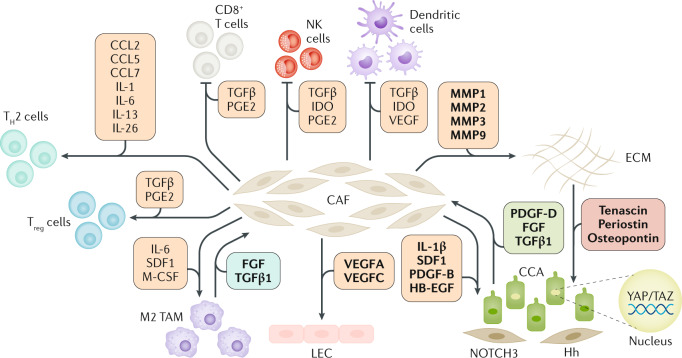
“T H 2 cell, T helper 2 cell. cells, CAFs and a complex group of inflammatory cells, including macrophages, neutrophils, natural killer (NK) and T cells 196 .”
Lamarca, Á., Benafif, S., Ross, P. J., Bridgewater, J. A., & Valle, J. W. (2015) · European Journal of Cancer · doi:10.1016/j.ejca.2015.05.018 · Cited by 35
Self-citationDiagnostic value of microRNAs as biomarkers for cholangiocarcinoma
Liang, Z., Liu, X., Zhang, Q., Wang, C., & Zhao, Y. (2016) · Digestive and Liver Disease · doi:10.1016/j.dld.2016.07.006 · Cited by 35 · cited 1×
“Two meta-analyses have evaluated their diagnostic value for CCA, and found a pooled area under the receiver operator curve (AUC) of ~0.9 (reFs 255,256 ) .”
InfluentialAoki, S., Mizuma, M., Takahashi, Y., Haji, Y., Okada, R., Abe, T., Karasawa, H., Tamai, K., Okada, T., Morikawa, T., et al. (2016) · BMC Cancer · doi:10.1186/s12885-016-2919-4 · Cited by 35
Participation of peribiliary glands in biliary tract pathophysiologies
Igarashi, S., Sato, Y., Ren, X. S., Harada, K., Sasaki, M., & Nakanuma, Y. (2013) · World Journal of Hepatology · doi:10.4254/wjh.v5.i8.425 · Cited by 34
Itoh, R. A., Uyama, N., Hirota, S., Kawada, N., Wu, S., Miyashita, S., Nakamura, I., Suzumura, K., Sueoka, H., Okada, T., et al. (2018) · Human Pathology · doi:10.1016/j.humpath.2018.08.016 · Cited by 32
Molecular perturbations in cholangiocarcinoma: Is it time for precision medicine?
Braconi, C., Roessler, S. K., Kruk, B., Lammert, F., Krawczyk, M. J., & Andersen, J. B. (2019) · Liver International · doi:10.1111/liv.14085 · Cited by 32 · cited 1×
“To date, information on the inherited predisposing genetic risk factors causing CCA is very limited 125 .”
Self-citationElevation of serum KL-6 mucin levels in patients with cholangiocarcinoma.
Xu, H., Inagaki, Y., Tang, W., Guo, Q., Wang, F., Seyama, Y., Midorikawa, Y., Gai, R., Kokudo, N., Sugawara, Y., et al. (2008) · PubMed · Cited by 32
Hahnvajanawong, C. (2012) · World Journal of Gastroenterology · doi:10.3748/wjg.v18.i30.3955 · Cited by 30 · cited 1×
“Uridine monophosphate synthase, thymidine phosphorylase and uridine phosphorylase 1, which transforms 5-FU and gemcitabine into their active metabolites, are upregulated in many 5- FU-sensitive CCA tumours 375 .”
Hwang, I. G., Jang, J.-S., Do, J. H., Kang, J. H., Lee, G. W., Oh, S. Y., Kwon, H.-C., Jun, H. J., Lim, H. Y., Lee, S., et al. (2011) · Cancer Chemotherapy and Pharmacology · doi:10.1007/s00280-011-1558-3 · Cited by 30 · cited 1×
“The endonuclease DNA excision repair protein 1 removes bulky DNA adducts, whose levels have been associated with the response to cisplatin in patients with CCA 380 .”
Association Between Aspirin Use and Biliary Tract Cancer Survival
Jackson, S. S., Pfeiffer, R. M., Liu, Z., Anderson, L. A., Tsai, H.-T., Gadalla, S. M., & Koshiol, J. (2019) · JAMA Oncology · doi:10.1001/jamaoncol.2019.4328 · Cited by 29 · cited 1×
“Notably, post-diagnosis aspirin usage has been found to be associated with a reduced risk of death (HR 0.71) among patients with CCA 36 .”
InfluentialIshikawa, Y., Wada, I., & Fukumoto, M. (2001) · PubMed · Cited by 29
Zhou, J., Liu, Z., Yang, S., & Li, X. (2016) · Clinics and Research in Hepatology and Gastroenterology · doi:10.1016/j.clinre.2016.10.007 · Cited by 29
Liang, Q., Liu, H., Zhang, T., Jiang, Y., Xing, H., & Zhang, H. (2015) · Molecular BioSystems · doi:10.1039/c5mb00572h · Cited by 28 · cited 1×
“Serum metabolomics has also revealed promising diagnostic biomarkers 288,289 .”
Uhlig, J., Sellers, C. M., Cha, C. H., Khan, S. A., Lacy, J., Stein, S., & Kim, H. S. (2019) · Annals of Surgical Oncology · doi:10.1245/s10434-019-07175-4 · Cited by 28 · cited 1×
“Of note, the hospital charges associated with iCCA management almost doubled from 2005 to 2014 in the USA 22 , and male patients with low annual incomes ( US$37,999) tended to show shorter OS, pinpointing socioeconomic treatment discrepancies that clearly affect outcome 23 .”
Self-citationHigh expression of ABCC1 indicates poor prognosis in intrahepatic cholangiocarcinoma.
Srimunta, U., Sawanyawisuth, K., Kraiklang, R., Pairojkul, C., Puapairoj, A., Titipungul, T., Hahnvajanawong, C., Tassaneeyakul, W., Wongkham, C., Wongkham, S., et al. (2012) · PubMed · Cited by 26
Aspirin May Prevent Cholangiocarcinoma: A Case–Control Study from the United Kingdom
Burr, N. E., Talboys, R., Savva, S., Clark, A., Phillips, M. G., Metcalfe, M. S., Dennison, A. R., Robinson, R., Lewis, M. P., Rhodes, M. A., et al. (2014) · Digestive Diseases and Sciences · doi:10.1007/s10620-014-3056-z · Cited by 25
MicroRNAs in cholangiopathies: Potential diagnostic and therapeutic tools
Esparza-Baquer, A., Labiano, I., Bujanda, L., Perugorria, M. J., & Bañales, J. M. (2016) · Clinics and Research in Hepatology and Gastroenterology · doi:10.1016/j.clinre.2015.10.001 · Cited by 25
Self-citationQuintavalle, C., Burmeister, K., Piscuoglio, S., Quagliata, L., Karamitopoulou, E., Sepe, R., Fusco, A., Terracciano, L., Andersen, J. B., Pallante, P., et al. (2017) · Molecular Carcinogenesis · doi:10.1002/mc.22671 · Cited by 25 · cited 1×
“High mobility group A1 protein promoted CCA tumorigenicity and conferred resistance to gemcitabine in vitro in CCA cell lines 388 .”
Self-citationThuwajit, C., Thuwajit, P., Jamjantra, P., Pairojkul, C., Wongkham, S., Bhudhisawasdi, V., Ono, J., Ohta, S., Fujimoto, K., & Izuhara, K. (2017) · Oncology Letters · doi:10.3892/ol.2017.6250 · Cited by 25 · cited 2×
“A soluble fragment of cytokeratin-19 (CYFRA 21-1), MMP-7, osteo-pontin, periostin and IL-6, among others, were shown to be enriched in the serum of patients with CCA, when compared with healthy individuals as controls and/or patients with benign biliary diseases (such as PSC) 271–282 .”
InfluentialManzanares, M. Á., Usui, A., Campbell, D. J. W., Dumur, C. I., Maldonado, G. T., Fausther, M., Dranoff, J. A., & Sirica, A. E. (2017) · American Journal Of Pathology · doi:10.1016/j.ajpath.2017.01.013 · Cited by 25
Animal models of cholangiocarcinoma: What they teach us about the human disease
Cadamuro, M., Brivio, S., Stecca, T., Kaffe, E., Mariotti, V., Milani, C., Fiorotto, R., Spirlı̀, C., Strazzabosco, M., & Fabris, L. (2018) · Clinics and Research in Hepatology and Gastroenterology · doi:10.1016/j.clinre.2018.04.008 · Cited by 25
Self-citationCorrection: Investigation of Indazole Unbinding Pathways in CYP2E1 by Molecular Dynamics Simulations
Shen, Z., Cheng, F., Xu, Y., Fu, J., Xiao, W., Shen, J., Liu, G., Li, W., & Tang, Y. S. (2012) · PLoS ONE · doi:10.1371/annotation/86d9f6df-7175-467c-a9ff-94eac53af128 · Cited by 25
Habara, K., Ajiki, T., Kamigaki, T., Nakamura, T., & KURODA, Y. (2001) · Japanese Journal of Cancer Research · doi:10.1111/j.1349-7006.2001.tb01068.x · Cited by 24 · cited 1×
“High expression of thymidylate synthase in human biliary tract carcinoma cells has been related to insensitivity to 5-FU 377 .”
Fernandez, T. F., Samal, A. B., Bedwell, G. J., Chen, Y., & Saad, J. S. (2013) · Journal of Biological Chemistry · doi:10.1074/jbc.m113.471821 · Cited by 24 · cited 1×
“Interaction of Fas cell surface death receptor with calmodulin inhibits Fas-induced apoptosis and results in CCA chemoresistance 384 .”
MicroRNAs and Benign Biliary Tract Diseases
O’Hara, S. P., Masyuk, T. V., Pisarello, M. J. L., LaRusso, N. F., & Gradilone, S. A. (2015) · Seminars in Liver Disease · doi:10.1055/s-0034-1397346 · Cited by 24
Self-citationCao, L., Duchrow, M., Windhövel, U., Kujath, P., Bruch, H. ‐., & Broll, R. (1998) · European Journal of Cancer · doi:10.1016/s0959-8049(98)00142-7 · Cited by 24
Genomic Decoding of Intrahepatic Cholangiocarcinoma Reveals Therapeutic Opportunities
Andersen, J. B., & Thorgeirsson, S. S. (2013) · Gastroenterology · doi:10.1053/j.gastro.2013.02.018 · Cited by 23 · cited 1×
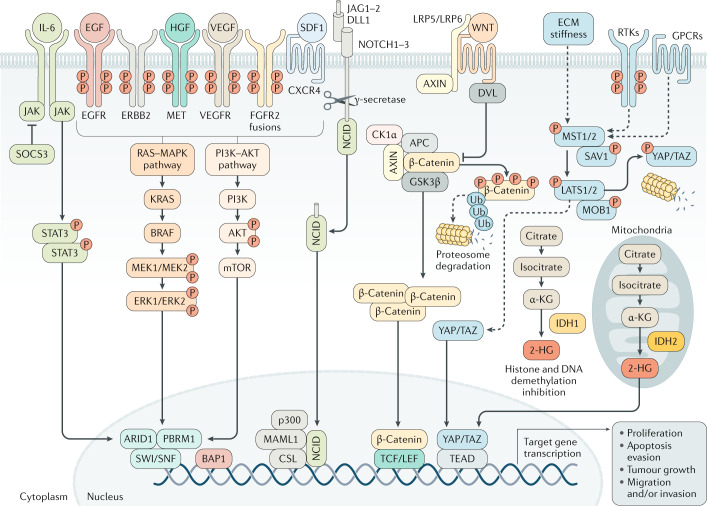
“…migration and invasion are shown. receptor tyrosine kinase (RTK) signalling, RAS–RAF– ERK, PI3K–AKT–mTOR, insulin growth factor receptor 1, MET, polo-like kinase 1, aurora kinase A, KRAS mutations and stem-like genomic traits as well as a focal deletion in the Hippo pathway ( SAV1 ) 8,110,143 .”
Self-citationThe jigsaw of dual hepatocellular–intrahepatic cholangiocarcinoma tumours
Muñoz-Garrido, P., & Rodrigues, P. M. (2019) · Nature Reviews Gastroenterology & Hepatology · doi:10.1038/s41575-019-0185-z · Cited by 23 · cited 2×
“…include the unknown effects of improved diagnostics (imaging, endoscopy, histology), greater awareness and the acceptance of performing a biopsy even when imaging is highly suggestive of HCC (in accordance with current guidelines), and increasing the detection of combined HCC–CCA or iCCAs 3,24–28 .”
Self-citationDistribution of fibronectin and laminin in human liver tumors
Szendrői, M., & Lapis, K. (1985) · Journal of Cancer Research and Clinical Oncology · doi:10.1007/bf01884256 · Cited by 20 · cited 1×
“In addition to this complex cellular microenvironment, the tumour stroma also contains an extensive network of ECM proteins such as collagens, laminin and fibronectin 197,198 .”
Eke, R., Li, T., Espinosa, J. A., Chou, J., Somnay, V., & Munene, G. (2019) · Journal of Gastrointestinal Oncology · doi:10.21037/jgo.2018.12.07 · Cited by 19 · cited 5×
“This open, structured initiative has received the support of the European Commission and is endorsed by the European Association for the Study of the Liver, the International Liver Foundation, several research and development companies, and the CCA patient associations (including the Cholangiocarcinoma Foundation in t…”
Influential
Research works printed but not linked: 3
- Bosman, F. T., Carneiro, F., Hruban, R. & Theise N. WHO Classification of Tumours: Digestive System Tumours 5th edn Vol. 1 (IARC, 2019).
- Hamilton, S. R. A. et al. WHO Classification of Tumours: Pathology and Genetics of Tumours of the Digestive System 3rd edn Vol. 2 (IARC, 2000).
- Amin, M. B. et al. AJCC Cancer Staging Manual (Springer, 2017).
Cited by
Brindley, P. J., Bachini, M., Ilyas, S. I., Khan, S. A., Loukas, A., Sirica, A. E., Teh, B. T., Wongkham, S., & Gores, G. J. (2021) · Nature Reviews Disease Primers · doi:10.1038/s41572-021-00300-2 · Cited by 841
Self-citationBiliary tract cancer: ESMO Clinical Practice Guideline for diagnosis, treatment and follow-up
Vogel, A., Bridgewater, J., Edeline, J., Kelley, R. K., Klümpen, H. J., Malka, D., Primrose, J. N., Rimassa, L., Stenzinger, A., Valle, J. W., et al. (2023) · Annals of Oncology · doi:10.1016/j.annonc.2022.10.506 · Cited by 718
Self-citationFutibatinib for FGFR2 -Rearranged Intrahepatic Cholangiocarcinoma
Goyal, L., Meric-Bernstam, F., Hollebecque, A., Valle, J. W., Morizane, C., Karasic, T. B., Abrams, T. A., Furuse, J., Kelley, R. K., Cassier, P. A., et al. (2023) · New England Journal of Medicine · doi:10.1056/nejmoa2206834 · Cited by 613
Self-citationCancer-associated fibroblasts in the single-cell era
Lavie, D., Ben-Shmuel, A., Erez, N., & Scherz-Shouval, R. (2022) · Nature Cancer · doi:10.1038/s43018-022-00411-z · Cited by 616
Lactate and lactylation in cancer
Chen, J., Huang, Z., Chen, Y., Tian, H., Chai, P., Shen, Y., Yao, Y., Xu, S., Ge, S., & Jia, R. (2025) · Signal Transduction and Targeted Therapy · doi:10.1038/s41392-024-02082-x · Cited by 477
“158,443 Apart from primary liver cancer, PD-1 resistant NSCLC cells were characterized by a markedly lower glycolytic reserve and exhibited a signi fi cantly higher reliance on OXPHOS compared to PD-1 sensitive NSCLC cells, which implies that tumor progression leads to complex changes in lactate…”
Metadata
- Authors
- Banales, J. M., Marin, J. J. G., Lamarca, A., Rodrigues, P. M., Khan, S. A., Roberts, L. R., Cardinale, V., Carpino, G., Andersen, J. B., Braconi, C., Calvisi, D. F., Perugorria, M. J., Fabris, L., Boulter, L., Macias, R. I. R., Gaudio, E., Alvaro, D., Gradilone, S. A., Strazzabosco, M., Marzioni, M., Coulouarn, C., Fouassier, L., Raggi, C., Invernizzi, P., Mertens, J. C., Moncsek, A., Ilyas, S. I., Heimbach, J., Koerkamp, B. G., Bruix, J., Forner, A., Bridgewater, J., Valle, J. W., & Gores, G. J.
- Affiliations
- University of the Basque Country (ES)
- Hammersmith Hospital (GB)
- Mayo Clinic (US)
- Sapienza University of Rome (IT)
- Foro Italico University of Rome (IT)
- University of Copenhagen (DK)
- University of Glasgow (GB)
- University of Regensburg (DE)
- University of Padua (IT)
- Institute of Genetics and Cancer (GB)
- University of Minnesota (US)
- Marche Polytechnic University (IT)
- Inserm (FR)
- University of Florence (IT)
- University of Milano-Bicocca (IT)
- University of Zurich (CH)
- Erasmus MC (NL)
- Instituto de Salud Carlos III (ES)
- University College London (GB)
- National Health Service (GB)
- ORCID
- Banales, Jesus M.
- Marin, Jose J. G.
- Lamarca, Angela
- Rodrigues, Pedro M.
- Khan, Shahid A.
- Roberts, Lewis R.
- Cardinale, Vincenzo
- Carpino, Guido
- Andersen, Jesper B.
- Braconi, Chiara
- Calvisi, Diego F.
- Perugorria, Maria J.
- Fabris, Luca
- Boulter, Luke
- Macias, Rocio I. R.
- Gaudio, Eugenio
- Alvaro, Domenico
- Gradilone, Sergio A.
- Strazzabosco, Mario
- Marzioni, Marco
- Coulouarn, Cédric
- Fouassier, Laura
- Raggi, Chiara
- Invernizzi, Pietro
- Mertens, Joachim C.
- Moncsek, Anja
- Ilyas, Sumera I.
- Heimbach, Julie
- Koerkamp, Bas Groot
- Bruix, Jordi
- Forner, Alejandro
- Bridgewater, John
- Valle, Juan W.
- Gores, Gregory J.
- Venue
- Nature Reviews Gastroenterology & Hepatology
- Published
- 2020-06-30
- Volume
- 17
- Issue
- 9
- Pages
- 557-588
- ISSN
- 1759-5045 (ISSN-L)
- 1759-5053
- PMC
- PMC7447603
- OpenAlex
- W3039360174
- Cited by
- 2,411
- References
- 410
- Citations by year
- 2026: 259 · 2025: 482 · 2024: 461 · 2023: 434 · 2022: 455 · 2021: 271 · 2020: 39
- FWCI
- 68.28
- Type
- journal article
- Language
- en
- Open access
- hybrid
- doi.org
- Licence
- cc-by
- creativecommons.org/licenses/by/4.0 (tdm)
- creativecommons.org/licenses/by/4.0 (vor)
- Locations
- Nature Reviews Gastroenterology & Hepatology (publishedVersion, cc-by)
- PubMed Central (publishedVersion, cc-by)
- PubMed (publishedVersion)
- Hispana (publishedVersion, other-oa)
- EUR Research Repository (Erasmus University Rotterdam) (publishedVersion, other-oa)
- Florence Research (University of Florence) (submittedVersion, other-oa)
- Università Politecnica delle Marche (Università Politecnica delle Marche) (submittedVersion, cc-by)
- Padua Research Archive (University of Padova) (submittedVersion, cc-by)
- EUR Research Repository (Erasmus University Rotterdam) (submittedVersion, other-oa)
- RePub (Erasmus University Rotterdam) (submittedVersion, other-oa)
- HAL (submittedVersion, other-oa)
- Communities in ADDI (University of the Basque Country) (submittedVersion, cc-by)
- BOA (University of Milano-Bicocca) (submittedVersion, cc-by)
- LA Referencia (Red Federada de Repositorios Institucionales de Publicaciones Científicas) (submittedVersion, cc-by)
- UCL Discovery (University College London) (submittedVersion)
- University of Regensburg Publication Server (University of Regensburg) (submittedVersion)
- Gredos (University of Salamanca) (submittedVersion, other-oa)
- IRIS Research product catalog (Sapienza University of Rome) (submittedVersion, cc-by)
- Funders
- Cholangiocarcinoma Foundation
- Novo Nordisk Fonden (NNF19OC0058419, NNF15OC0014040)
- National Institutes of Health (UL1TR001863)
- National Cancer Institute (K08CA236874, P50CA210964)
- National Institute of Diabetes and Digestive and Kidney Diseases (P30DK034989)
- National Center for Advancing Translational Sciences
- Topics
- Health Sciences › Medicine › Surgery › Cholangiocarcinoma and Gallbladder Cancer Studies
- Health Sciences › Medicine › Surgery › Pediatric Hepatobiliary Diseases and Treatments
- Health Sciences › Medicine › Hepatology › Liver Diseases and Immunity
- Keywords
- cholangiocarcinoma, biliary tract cancer, tumor heterogeneity, cell of origin, genetic alterations, epigenetic modifications, molecular alterations, biomarker discovery, diagnosis, treatment, prognosis, tumor classification
- MeSH terms
- Bile Duct Neoplasms, Humans, Cholangiocarcinoma
About these checks
Registry, retraction, Cites and statistics results are computed, not judged, with one exception: a printed reference that no index lists is read once by a model before it counts as a citation error. Claims are extracted by a model and kept only when their quote appears verbatim in the text; each cited source is then checked, with a model’s help, for whether it says what the claim relies on. Those verdicts can be wrong — read the claim’s quote and the cited source before relying on one.
Statistics and arithmetic are recomputed, not judged.
Confidence bands are shown only for fields calibrated on our annotated test set. None is calibrated yet, so no band is shown.
What counts as a claim ›How we measure confidence ›How we check this ›
Are you an author, or do you see a problem with this page? Request a review
Data sources
Bibliographic data: Semantic Scholar, OpenAlex, Crossref.
Contains information from the Semantic Scholar Academic Graph Datasets, made available under the ODC Attribution License (ODC-BY 1.0).
Semantic Scholar’s data is described in: Kinney, R., et al. (2023). The Semantic Scholar Open Data Platform. arXiv:2301.10140.
