

Cholangiocarcinoma 2020: the next horizon in mechanisms and management
Open accessThe DOI matches its Crossref record; 410 of the 410 references it cites were found in a registry or an index.
Abstract
Cholangiocarcinoma (CCA) includes a cluster of highly heterogeneous biliary malignant tumours that can arise at any point of the biliary tree. Their incidence is increasing globally, currently accounting for ~15% of all primary liver cancers and ~3% of gastrointestinal malignancies. The silent presentation of these tumours combined with their highly aggressive nature and refractoriness to chemotherapy contribute to their alarming mortality, representing ~2% of all cancer-related deaths worldwide yearly. The current diagnosis of CCA by non-invasive approaches is not accurate enough, and histological confirmation is necessary. Furthermore, the high heterogeneity of CCAs at the genomic, epigenetic and molecular levels severely compromises the efficacy of the available therapies. In the past decade, increasing efforts have been made to understand the complexity of these tumours and to develop new diagnostic tools and therapies that might help to improve patient outcomes. In this expert Consensus Statement, which is endorsed by the European Network for the Study of Cholangiocarcinoma, we aim to summarize and critically discuss the latest advances in CCA, mostly focusing on classification, cells of origin, genetic and epigenetic abnormalities, molecular alterations, biomarker discovery and treatments. Furthermore, the horizon of CCA for the next decade from 2020 onwards is highlighted.
Overview
The claims and statistics of this paper haven’t been checked yet.
Free: it reads the open-access text and checks the first 5 claims that cite a source we can check. Create a free account to check every claim.
Integrity signals
Registry
Cites
Statistics
Figures
Verification
Claims the paper makes
The claims and statistics of this paper haven’t been checked yet.
Free: it reads the open-access text and checks the first 5 claims that cite a source we can check. Create a free account to check every claim.
Claims other papers make about this one
Each is checked against this paper’s own text: does it say what the citing paper says it does?
The source backs part of the claim, not all of it — or backs it for a different population, condition or comparison.
In the citing paper
“It is thought that the majority of ICCs are derived from BECs [210], but mouse and human hepatocytes also represent potential sources for ICCs [212, 213].”
From Inflammation and immunity in liver homeostasis and disease: a nexus of hepatocytes, nonparenchymal cells and immune cells (2025) · doi:10.1038/s41423-025-01313-7 · cites this paper as [210]
Experimental — accuracy not yet measuredThe source backs part of the claim, not all of it — or backs it for a different population, condition or comparison.
In the citing paper
“Several studies suggest that cholangiocarcinoma and other biliary tract malignancies are frequently associated with overactivation of the Notch and Hedgehog signaling pathways[61].”
From Liver regeneration after partial hepatectomy: Triggers and mechanisms (2025) · cites this paper as [61]
Experimental — accuracy not yet measuredIn the citing paper
“Intrahepatic cholangiocarcinoma (ICC) is a biliary tree neoplasia that arises in noncirrhotic and cirrhotic livers and has a rising incidence [210, 211].”
From Inflammation and immunity in liver homeostasis and disease: a nexus of hepatocytes, nonparenchymal cells and immune cells (2025) · doi:10.1038/s41423-025-01313-7 · cites this paper as [210]
Self-check
Percentages, sums and reported differences re-computed from the paper’s own numbers.
The self-check needs the paper’s full text.
Citations
Cites
The National Comprehensive Cancer Network: Present and future directions
McGivney, W. T. (1998) · Cancer · doi:10.1002/(sici)1097-0142(19980515)82:10+<2057::aid-cncr14>3.0.co;2-a · Cited by 16,766 · cited 1×
“Patients diagnosed with iCCA in liver-predominant disease might be considered for liver-directed therapies 345,346 .”
BackgroundEpithelial-Mesenchymal Transitions in Development and Disease
Thiery, J. P., Acloque, H., Huang, R. Y. J., & Nieto, M. A. (2009) · Cell · doi:10.1016/j.cell.2009.11.007 · Cited by 9,931 · cited 1×
“EMT is a cell plasticity-promoting phenomenon initially reported to occur during embryogenesis, but that also takes place in cancer, enabling epithelial cancer cells to acquire mesenchymal features with invasive properties that lead to metastatic colonization 174 .”
BackgroundPD-1 Blockade in Tumors with Mismatch-Repair Deficiency
Le, D. T., Uram, J. N., Wang, H., Bartlett, B. R., Kemberling, H., Eyring, A. D., Skora, A. D., Luber, B. S., Azad, N. S., Laheru, D., et al. (2015) · New England Journal of Medicine · doi:10.1056/nejmoa1500596 · Cited by 9,377
Mismatch repair deficiency predicts response of solid tumors to PD-1 blockade
Le, D. T., Durham, J. N., Smith, K. N., Wang, H., Bartlett, B. R., Aulakh, L. K., Lu, S., Kemberling, H., Wilt, C., Luber, B. S., et al. (2017) · Science · doi:10.1126/science.aan6733 · Cited by 6,645 · cited 2×
“In a cohort of 86 patients with MMR-deficient tumours, including four patients with CCA, immune checkpoint blockade with the anti-PDL1 monoclonal antibody pembrolizumab resulted in a complete response in one of the patients with CCA and stabilization of disease in the other three 232 .”
Understanding the tumor immune microenvironment (TIME) for effective therapy
Binnewies, M., Roberts, E. W., Kersten, K., Chan, V., Fearon, D. F., Merad, M., Coussens, L. M., Gabrilovich, D. I., Ostrand-Rosenberg, S., Hedrick, C. C., et al. (2018) · Nature Medicine · doi:10.1038/s41591-018-0014-x · Cited by 6,145 · cited 2×
“…of T cell-infiltrated TMEs, characterized by infiltration of CD8 + T cells, chemo-kines and molecules responsible for T cell priming and immune infiltration, is associated with higher response to immune checkpoint blockade, whereas non-T cell-infiltrated TMEs have poorer responses 214,215 .”
Role of YAP/TAZ in mechanotransduction
Dupont, S., Morsut, L., Aragona, M., Enzo, E., Giulitti, S., Cordenonsi, M., Zanconato, F., Le Digabel, J., Forcato, M., Bicciato, S., et al. (2011) · Nature · doi:10.1038/nature10137 · Cited by 5,979
Mutational heterogeneity in cancer and the search for new cancer-associated genes
Lawrence, M. S., Stojanov, P., Polak, P., Kryukov, G. V., Cibulskis, K., Sivachenko, A., Carter, S. L., Stewart, C., Mermel, C. H., Roberts, S. A., et al. (2013) · Nature · doi:10.1038/nature12213 · Cited by 5,461 · cited 1×
“Regarding genomic alterations, CCA falls midway in the mutational spectrum of cancers 111 , with an approximately equal content of genomic alterations in iCCA (median 39 non-synonymous mutations per tumour) and eCCA (median 35 non-synonymous mutations per tumour) 56 .”
Cisplatin plus Gemcitabine versus Gemcitabine for Biliary Tract Cancer
Valle, J., Wasan, H., Palmer, D. H., Cunningham, D., Anthoney, A., Maraveyas, A., Madhusudan, S., Iveson, T., Hughes, S., Pereira, S. P., et al. (2010) · New England Journal of Medicine · doi:10.1056/nejmoa0908721 · Cited by 4,406 · cited 2×
“The ABC-02 trial randomly assigned 410 patients with ECOG-PS ≤2 to systemic chemotherapy with gemcitabine alone or cisplatin–gemcitabine 336 ; the study showed an OS benefit in favour of cisplatin– gemcitabine (HR 0.64), a benefit confirmed in the Japanese randomized phase II BT22 study 337 .”
InfluentialSelf-citationThe biology and function of fibroblasts in cancer
Kalluri, R. (2016) · Nature Reviews Cancer · doi:10.1038/nrc.2016.73 · Cited by 4,366 · cited 1×
“CAFs are a heterogeneous population of spindle-shaped cells with mesenchymal origin that contribute to tumour progression in many human cancers 199 .”
New insights into the mechanisms of epithelial–mesenchymal transition and implications for cancer
Dongre, A., & Weinberg, R. A. (2019) · Nature Reviews Molecular Cell Biology · doi:10.1038/s41580-018-0080-4 · Cited by 3,876
Fundamental Mechanisms of Immune Checkpoint Blockade Therapy
Wei, S. C., Duffy, C. R., & Allison, J. P. (2018) · Cancer Discovery · doi:10.1158/2159-8290.cd-18-0367 · Cited by 3,088
Mechanisms of hepatic stellate cell activation
Tsuchida, T., & Friedman, S. L. (2017) · Nature Reviews Gastroenterology & Hepatology · doi:10.1038/nrgastro.2017.38 · Cited by 2,909 · cited 1×
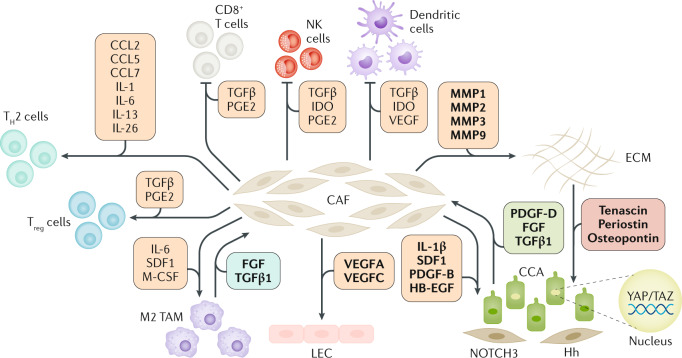
“In CCA, the persistent activation of fibroblasts is induced primarily by TGFβ, fibroblast growth factor and PDGF, which are released from tumour-associated macrophages and CCA cells 204 .”
EMT Transition States during Tumor Progression and Metastasis
Pastushenko, I., & Blanpain, C. (2019) · Trends in Cell Biology · doi:10.1016/j.tcb.2018.12.001 · Cited by 2,876 · cited 2×
“Although initially considered as a binary process, it is now well established that epithelial cells undergoing EMT become mesenchymal in a gradual manner, known as partial EMT 178,179 .”
Efficacy of Larotrectinib in TRK Fusion–Positive Cancers in Adults and Children
Drilon, A., Laetsch, T. W., Kummar, S., DuBois, S. G., Lassen, U. N., Demetri, G. D., Nathenson, M., Doebele, R. C., Farago, A. F., Pappo, A. S., et al. (2018) · New England Journal of Medicine · doi:10.1056/nejmoa1714448 · Cited by 2,824
Hoadley, K. A., Yau, C., Hinoue, T., Wolf, D. M., Lazar, A. J., Drill, E., Shen, R., Taylor, A. M., Cherniack, A. D., Thorsson, V., et al. (2018) · Cell · doi:10.1016/j.cell.2018.03.022 · Cited by 2,546
YAP/TAZ at the Roots of Cancer
Zanconato, F., Cordenonsi, M., & Piccolo, S. (2016) · Cancer Cell · doi:10.1016/j.ccell.2016.05.005 · Cited by 1,970 · cited 1×
“…activity by favouring its sequestration by the SWI–SNF chromatin-remodelling complex through ARID1A, stiff ECM induces YAP–TAZ to detach from SWI–SNF and to bind to TEAD, unfolding a transcriptional programme and promoting cell proliferation, CSC traits, plasticity and reprogramming 173,212 .”
Variation in cancer risk among tissues can be explained by the number of stem cell divisions
Tomasetti, C., & Vogelstein, B. (2015) · Science · doi:10.1126/science.1260825 · Cited by 1,927 · cited 1×
“Small bile duct and cholangiolocarcinoma iCCA usually develop on a background of chronic liver disease (such as chronic viral hepatitis and cirrhosis) 38,46,70 , characterized by HpSC activation 71,73,74 .”
Background(2011) · Hepatogastroenterology · doi:10.5754/hge11589 · Cited by 1,756
Spheroid-based drug screen: Considerations and practical approach
Friedrich, J., Seidel, C., Ebner, R., & Kunz-Schughart, L. A. (2009) · Nature Protocols · doi:10.1038/nprot.2008.226 · Cited by 1,742 · cited 1×
“To recapitulate more adequately the in vivo tumour tissue structure and to investigate the interaction between CCA and the TME, 3D model systems, known as tumour spheroids and organoids, were developed 240,241 .”
The EMT-activator ZEB1 promotes tumorigenicity by repressing stemness-inhibiting microRNAs
Wellner, U., Schubert, J., Burk, U. C., Schmalhofer, O., Zhu, F., Sonntag, A., Waldvogel, B., Vannier, C., Darling, D., Hausen, A. Z., et al. (2009) · Nature Cell Biology · doi:10.1038/ncb1998 · Cited by 1,699 · cited 1×
“Indeed, EMT-TFs, such as ZEB1, regulate expression of CSC markers by inhibiting miR-200 family members, well-known potent stemness repressors 190 .”
Cholangiocarcinoma — evolving concepts and therapeutic strategies
Ilyas, S. I., Khan, S. A., Hallemeier, C. L., Kelley, R. K., & Gores, G. J. (2018) · Nature Reviews Clinical Oncology · doi:10.1038/nrclinonc.2017.157 · Cited by 1,626 · cited 5×
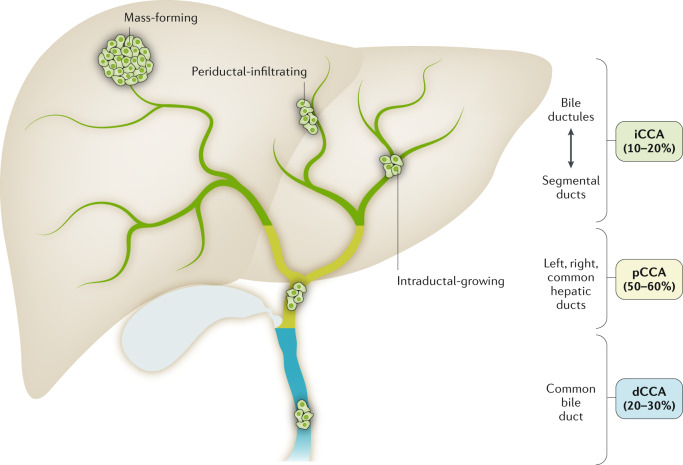
“The three subtypes of CCA can have different risk factors, pathobiology, clinical presentations, management and prognosis, as well as distinct epidemiological trends 1,2 .”
InfluentialSelf-citationGuidelines for the diagnosis and management of intrahepatic cholangiocarcinoma
Bridgewater, J., Galle, P. R., Khan, S. A., Llovet, J. M., Park, J.-W., Patel, T., Pawlik, T. M., & Gores, G. J. (2014) · Journal of Hepatology · doi:10.1016/j.jhep.2014.01.021 · Cited by 1,511 · cited 3×
“…include the unknown effects of improved diagnostics (imaging, endoscopy, histology), greater awareness and the acceptance of performing a biopsy even when imaging is highly suggestive of HCC (in accordance with current guidelines), and increasing the detection of combined HCC–CCA or iCCAs 3,24–28 .”
Self-citationHuman primary liver cancer–derived organoid cultures for disease modeling and drug screening
Broutier, L., Mastrogiovanni, G., Verstegen, M. M., Francies, H. E., Gavarró, L. M., Bradshaw, C. R., Allen, G. E., Arnes-Benito, R., Sidorova, O., Gaspersz, M. P., et al. (2017) · Nature Medicine · doi:10.1038/nm.4438 · Cited by 1,471
Visvader, J. E. (2011) · Nature · doi:10.1038/nature09781 · Cited by 1,449 · cited 1×
“Growing evidence demonstrates that distinct cells of origin within an organ can give rise to different subtypes of cancer, typically tissue-specific stem and progenitor cells 59–62 .”
Evaluating cell lines as tumour models by comparison of genomic profiles
Domcke, S., Sinha, R., Levine, D. A., Sander, C., & Schultz, N. (2013) · Nature Communications · doi:10.1038/ncomms3126 · Cited by 1,418 · cited 1×
“In vitro cell lines, mainly derived from human CCA specimens, have been used widely as a tool to study this disease 76,233–235 .”
Banales, J. M., Cardinale, V., Carpino, G., Marzioni, M., Andersen, J. B., Invernizzi, P., Lind, G. E., Folseraas, T., Forbes, S. J., Fouassier, L., et al. (2016) · Nature Reviews Gastroenterology & Hepatology · doi:10.1038/nrgastro.2016.51 · Cited by 1,376
Self-citationCholangiocarcinoma: Thirty-one-Year Experience With 564 Patients at a Single Institution
DeOliveira, M. L., Cunningham, S. C., Cameron, J. L., Kamangar, F., Winter, J. M., Lillemoe, K. D., Choti, M. A., Yeo, C. J., & Schulick, R. D. (2007) · Annals of Surgery · doi:10.1097/01.sla.0000251366.62632.d3 · Cited by 1,300
Genomic spectra of biliary tract cancer
Nakamura, H., Arai, Y., Totoki, Y., Shirota, T., Elzawahry, A., Kato, M., Hama, N., Hosoda, F., Urushidate, T., Ohashi, S., et al. (2015) · Nature Genetics · doi:10.1038/ng.3375 · Cited by 1,284 · cited 11×
“By contrast, large bile duct iCCA, similar to pCCA and dCCA, shows a high frequency of mutations in KRAS and/or TP53 genes 51,53,56,57 .”
InfluentialPrimrose, J. N., Fox, R. P., Palmer, D. H., Malik, H. Z., Prasad, R., Mirza, D., Anthony, A., Corrie, P., Falk, S., Finch-Jones, M., et al. (2019) · The Lancet Oncology · doi:10.1016/s1470-2045(18)30915-x · Cited by 1,273
Self-citationCholangiocarcinoma: A Spectrum of Intrahepatic, Perihilar, and Distal Tumors
Nakeeb, A., Pitt, H. A., Sohn, T. A., Coleman, J., Abrams, R. A., Piantadosi, S., Hruban, R. H., Lillemoe, K. D., Yeo, C. J., & Cameron, J. L. (1996) · Annals of Surgery · doi:10.1097/00000658-199610000-00005 · Cited by 1,187
Liver Cancer Cell of Origin, Molecular Class, and Effects on Patient Prognosis
Sia, D., Villanueva, A., Friedman, S. L., & Llovet, J. M. (2017) · Gastroenterology · doi:10.1053/j.gastro.2016.11.048 · Cited by 1,153 · cited 2×
“Small bile duct and cholangiolocarcinoma iCCA usually develop on a background of chronic liver disease (such as chronic viral hepatitis and cirrhosis) 38,46,70 , characterized by HpSC activation 71,73,74 .”
Chernyak, V., Fowler, K. J., Kamaya, A., Kielar, A. Z., Elsayes, K. M., Bashir, M. R., Kono, Y., Do, R. K., Mitchell, D. G., Singal, A. G., et al. (2018) · Radiology · doi:10.1148/radiol.2018181494 · Cited by 1,152 · cited 1×
“A targetoid pattern defined as arterial rim enhancement, peripheral washout and delayed central enhancement can also be present in iCCA 95 .”
Prognostic Nomogram for Intrahepatic Cholangiocarcinoma After Partial Hepatectomy
Wang, Y., Li, J., Xia, Y., Gong, R., Wang, K., Yan, Z., Wan, X., Liu, G., Wu, D., Shi, L., et al. (2013) · Journal of Clinical Oncology · doi:10.1200/jco.2012.41.5984 · Cited by 1,057 · cited 1×
“Frequent post-surgical relapse 313,314 has led to multiple attempts to identify patients at increased risk of relapse 315,316 and also to a number of studies of adjuvant therapy.”
Oncogenic roles of EMT-inducing transcription factors
Puisieux, A., Brabletz, T., & Caramel, J. (2014) · Nature Cell Biology · doi:10.1038/ncb2976 · Cited by 1,040 · cited 1×
“Notably, EMT is orchestrated by transcription factors (EMT-TFs), comprising SNAIL, ZEB and TWIST family, that regulate the expression of epithelial and mesenchymal genes 180 .”
Ott, P. A., Bang, Y.-J., Piha-Paul, S. A., Razak, A. R. A., Bennouna, J., Soria, J.-C., Rugo, H. S., Cohen, R. B., O’Neil, B. H., Mehnert, J. M., et al. (2019) · Journal of Clinical Oncology · doi:10.1200/jco.2018.78.2276 · Cited by 969
Whole-Genome and Epigenomic Landscapes of Etiologically Distinct Subtypes of Cholangiocarcinoma
Jusakul, A., Cutcutache, I., Yong, C. H., Lim, J. Q., Huang, M. N., Padmanabhan, N., Nellore, V., Kongpetch, S., Ng, A. W. T., Ng, L. M., et al. (2017) · Cancer Discovery · doi:10.1158/2159-8290.cd-17-0368 · Cited by 969
A novel prognostic subtype of human hepatocellular carcinoma derived from hepatic progenitor cells
Lee, J.-S., Heo, J., Libbrecht, L., Chu, I.-S., Kaposi-Novak, P., Calvisi, D. F., Mikaelyan, A., Roberts, L. R., Demetris, A. J., Sun, Z., et al. (2006) · Nature Medicine · doi:10.1038/nm1377 · Cited by 953 · cited 18×
“CCA usually shows lower vascularity than in HCC — probably as a result of its extensive stroma — which is associated with greater malignant potential 386 .”
InfluentialSelf-citationThree-dimensional culture systems in cancer research: Focus on tumor spheroid model
Nath, S., & Devi, G. R. (2016) · Pharmacology & Therapeutics · doi:10.1016/j.pharmthera.2016.03.013 · Cited by 919
Drilon, A., Siena, S., Ou, S.-H. I., Patel, M., Ahn, M. J., Lee, J., Bauer, T. M., Farago, A. F., Wheler, J. J., Liu, S. V., et al. (2017) · Cancer Discovery · doi:10.1158/2159-8290.cd-16-1237 · Cited by 826
Forty-Year Trends in Cholangiocarcinoma Incidence in the U.S.: Intrahepatic Disease on the Rise
Saha, S. K., Zhu, A. X., Fuchs, C. S., & Brooks, G. A. (2016) · The Oncologist · doi:10.1634/theoncologist.2015-0446 · Cited by 786
Cholangiocarcinoma: Epidemiology and risk factors
Khan, S. A., Tavolari, S., & Brandi, G. (2019) · Liver International · doi:10.1111/liv.14095 · Cited by 783 · cited 4×
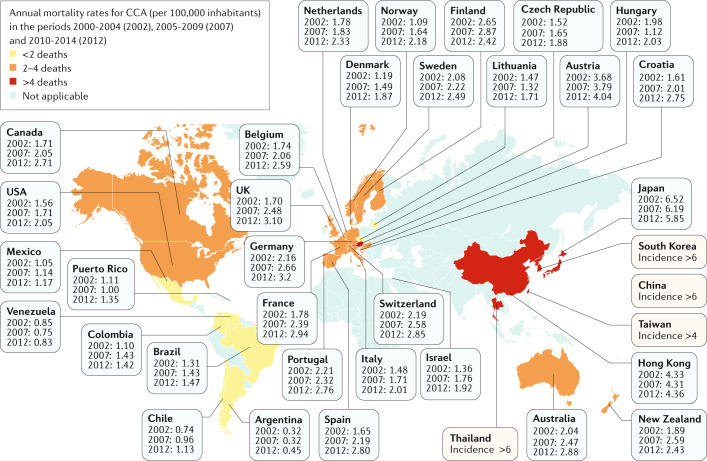
“Variations in incidence probably reflect differences in local risk factors and potential genetic predispositions 1,2,19 .”
InfluentialSelf-citationYang, X., Lin, Y., Shi, Y., Li, B., Liu, W., Yin, W., Dang, Y., Chu, Y., Fan, J., & He, R. (2016) · Cancer Research · doi:10.1158/0008-5472.can-15-2973 · Cited by 748
Identification of Targetable FGFR Gene Fusions in Diverse Cancers
Wu, Y.-M., Su, F., Kalyana-Sundaram, S., Khazanov, N., Ateeq, B., Cao, X., Lonigro, R. J., Vats, P., Wang, R., Lin, S.-F., et al. (2013) · Cancer Discovery · doi:10.1158/2159-8290.cd-13-0050 · Cited by 744 · cited 1×
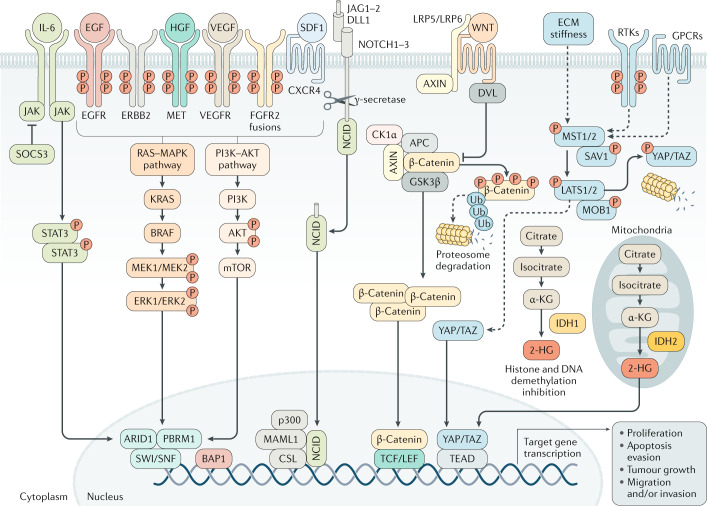
“…sequencing studies 56,112–121 and IDH2 R172 ) that cause an accumulation of the onco-metabolite 2-hydroxyglutarate (2-HG) 57 , as well as the constitutive active gene fusion event between FGFR2 and many different partners, including the most prevalent ( BICC1 (reFs 50,112–114 ) , PPHLN1 (reF.”
Okusaka, T., Nakachi, K., Fukutomi, A., Mizuno, N., Ohkawa, S., Funakoshi, A., Nagino, M., Kondo, S., Nagaoka, S., Funai, J., et al. (2010) · British Journal of Cancer · doi:10.1038/sj.bjc.6605779 · Cited by 744
Borger, D. R., Tanabe, K. K., Fan, K. C., Lopez, H. U., Fantin, V. R., Straley, K. S., Schenkein, D. P., Hezel, A. F., Ancukiewicz, M., Liebman, H. M., et al. (2012) · The Oncologist · doi:10.1634/theoncologist.2011-0386 · Cited by 728
Rea, D. J., Heimbach, J. K., Rosen, C. B., Haddock, M. G., Alberts, S. R., Kremers, W. K., Gores, G. J., & Nagorney, D. M. (2005) · Annals of Surgery · doi:10.1097/01.sla.0000179678.13285.fa · Cited by 693
Self-citationPhase II Study of BGJ398 in Patients With FGFR-Altered Advanced Cholangiocarcinoma
Javle, M., Lowery, M., Shroff, R. T., Weiss, K. H., Springfeld, C., Borad, M. J., Ramanathan, R. K., Goyal, L., Sadeghi, S., Macarulla, T., et al. (2018) · Journal of Clinical Oncology · doi:10.1200/jco.2017.75.5009 · Cited by 693 · cited 3×
“There have been promising preliminary data for FGFR inhibitors from phase II studies 123,354–357 .”
InfluentialJiao, Y., Pawlik, T. M., Anders, R. A., Selaru, F. M., Streppel, M. M., Lucas, D. J., Niknafs, N., Guthrie, V. B., Maitra, A., Argani, P., et al. (2013) · Nature Genetics · doi:10.1038/ng.2813 · Cited by 684 · cited 2×
“Besides epigenetic silencing, inactivating mutations in multiple chromatin-remodelling genes (including BAP1 , ARID1A and PBRM1 ) are common in iCCA 151 .”
Self-citationGeorges, G. T., Nájera, O., Sowers, K., & Sowers, J. R. (2017) · Cardiorenal Medicine · doi:10.1159/000449476 · Cited by 680
Biliary cancer: ESMO Clinical Practice Guidelines for diagnosis, treatment and follow-up
Valle, J. W., Borbath, I., Khan, S. A., Huguet, F., Gruenberger, T., & Arnold, D. (2016) · Annals of Oncology · doi:10.1093/annonc/mdw324 · Cited by 675 · cited 3×
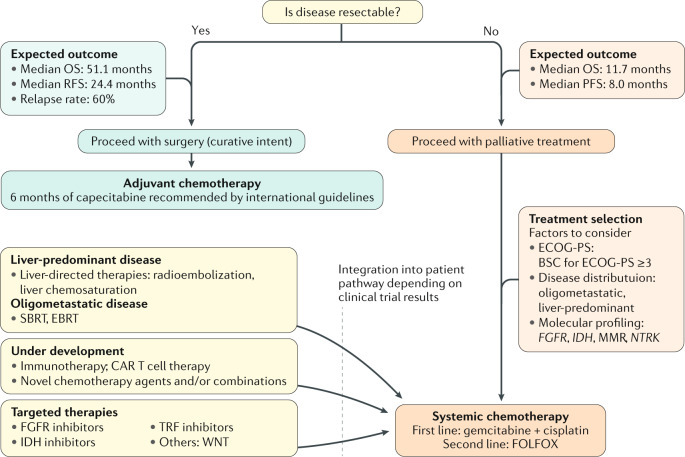
“When disease is unresectable, only palliative treatment is possible 104,296 .”
Self-citationNagino, M., Ebata, T., Yokoyama, Y., Igami, T., Sugawara, G., Takahashi, Y., & Nimura, Y. (2013) · Annals of Surgery · doi:10.1097/sla.0b013e3182708b57 · Cited by 656
Global trends in mortality from intrahepatic and extrahepatic cholangiocarcinoma
Bertuccio, P., Malvezzi, M., Carioli, G., Hashim, D., Boffetta, P., El-Serag, H. B., La Vecchia, C., & Negri, E. (2019) · Journal of Hepatology · doi:10.1016/j.jhep.2019.03.013 · Cited by 648
Hippo signaling in organ size control
Pan, D. (2007) · Genes & Development · doi:10.1101/gad.1536007 · Cited by 647
Stem cell fate in cancer growth, progression and therapy resistance
Lytle, N. K., Barber, A. G., & Reya, T. (2018) · Nature Reviews Cancer · doi:10.1038/s41568-018-0056-x · Cited by 647
Integrative Genomic Analysis of Cholangiocarcinoma Identifies Distinct IDH-Mutant Molecular Profiles
Farshidfar, F., Zheng, S., Gingras, M.-C., Newton, Y., Shih, J., Robertson, A. G., Hinoue, T., Hoadley, K. A., Gibb, E. A., Roszik, J., et al. (2017) · Cell Reports · doi:10.1016/j.celrep.2017.02.033 · Cited by 610 · cited 4×
“Genetic alteration of the YAP pathway seems to be uncommon in CCA, according to an integrative genomic analysis of CCA specimens 121 .”
InfluentialSelf-citationWnt–β-catenin signalling in liver development, health and disease
Perugorria, M. J., Olaizola, P., Labiano, I., Esparza-Baquer, A., Marzioni, M., Marin, J. J. G., Bujanda, L., & Banales, J. M. (2019) · Nature Reviews Gastroenterology & Hepatology · doi:10.1038/s41575-018-0075-9 · Cited by 605
Self-citationDarwish Murad, S., Kim, W. R., Harnois, D. M., Douglas, D. D., Burton, J., Kulik, L. M., Botha, J. F., Mezrich, J. D., Chapman, W. C., Schwartz, J. J., et al. (2012) · Gastroenterology · doi:10.1053/j.gastro.2012.04.008 · Cited by 597 · cited 1×
“…a multi centre retrospective study in 216 patients with early-stage, unresectable pCCA treated with neoadjuvant chemoradiotherapy followed by liver transplantation in 12 centres in the USA demonstrated 5-year disease-free survival of 65%, with an intent- to-treat 5-year survival of 53% 326–328 .”
BackgroundSelf-citationLowery, M. A., Ptashkin, R., Jordan, E., Berger, M. F., Zehir, A., Capanu, M., Kemeny, N. E., O'Reilly, E. M., El-Dika, I., Jarnagin, W. R., et al. (2018) · Clinical Cancer Research · doi:10.1158/1078-0432.ccr-18-0078 · Cited by 582
Sia, D., Hoshida, Y., Villanueva, A., Roayaie, S., Ferrer, J., Tabak, B., Peix, J., Sole, M., Tovar, V., Alsinet, C., et al. (2013) · Gastroenterology · doi:10.1053/j.gastro.2013.01.001 · Cited by 575 · cited 5×
“In this regard, aberrant EGFR , ERBB2 and MET RTK expression has been found in different CCA subclasses that are associated with worse prognosis 8,110 .”
InfluentialSelf-citationInnate Immune Recognition of Cancer
Woo, S.-R., Corrales, L., & Gajewski, T. F. (2015) · Annual Review of Immunology · doi:10.1146/annurev-immunol-032414-112043 · Cited by 571 · cited 1×
“…of T cell-infiltrated TMEs, characterized by infiltration of CD8 + T cells, chemo-kines and molecules responsible for T cell priming and immune infiltration, is associated with higher response to immune checkpoint blockade, whereas non-T cell-infiltrated TMEs have poorer responses 214,215 .”
Arai, Y., Totoki, Y., Hosoda, F., Shirota, T., Hama, N., Nakamura, H., Ojima, H., Furuta, K., Shimada, K., Okusaka, T., et al. (2014) · Hepatology · doi:10.1002/hep.26890 · Cited by 553 · cited 3×
“Small bile duct iCCA can be characterized by isocitrate dehydrogenase ( IDH1 , IDH2) mutations or fibroblast growth factor receptor 2 ( FGFR2 ) fusions 40,50–55 .”
Goyal, L., Saha, S. K., Liu, L. Y., Siravegna, G., Leshchiner, I., Ahronian, L. G., Lennerz, J. K., Vu, P., Deshpande, V., Kambadakone, A., et al. (2017) · Cancer Discovery · doi:10.1158/2159-8290.cd-16-1000 · Cited by 552
Andersen, J. B., Spee, B., Blechacz, B. R., Avital, I., Komuta, M., Barbour, A., Conner, E. A., Gillen, M. C., Roskams, T., Roberts, L. R., et al. (2012) · Gastroenterology · doi:10.1053/j.gastro.2011.12.005 · Cited by 552 · cited 7×
“In this regard, aberrant EGFR , ERBB2 and MET RTK expression has been found in different CCA subclasses that are associated with worse prognosis 8,110 .”
InfluentialSelf-citationClements, O., Eliahoo, J., Kim, J. U., Taylor-Robinson, S. D., & Khan, S. A. (2020) · Journal of Hepatology · doi:10.1016/j.jhep.2019.09.007 · Cited by 550 · cited 2×
“For instance, high alcohol consumption, tobacco smoking and viral infections (hepatitis B virus (HBV) and hepatitis C virus (HCV)) have been reported to increase the risk of CCA development 30 .”
Self-citationEdeline, J., Benabdelghani, M., Bertaut, A., Watelet, J., Hammel, P., Joly, J.-P., Boudjema, K., Fartoux, L., Bouhier-Leporrier, K., Jouve, J.-L., et al. (2019) · Journal of Clinical Oncology · doi:10.1200/jco.18.00050 · Cited by 541
A peek into cancer-associated fibroblasts: origins, functions and translational impact
LeBleu, V. S., & Kalluri, R. (2018) · Disease Models & Mechanisms · doi:10.1242/dmm.029447 · Cited by 537
Cholangiocytes act as facultative liver stem cells during impaired hepatocyte regeneration
Raven, A., Lu, W.-Y., Man, T. Y., Ferreira-Gonzalez, S., O’Duibhir, E., Dwyer, B. J., Thomson, J. P., Meehan, R. R., Bogorad, R., Koteliansky, V., et al. (2017) · Nature · doi:10.1038/nature23015 · Cited by 533 · cited 1×
“…it should be underlined that current experimental models of liver damage do not fully recapitulate the pathogenesis of human chronic liver disease, including proliferative senescence in hepatocytes 66,82,83 , and that lineage tracing studies must be conducted and interpreted cautiously 76,84–87 .”
Self-citationCholangiocarcinomas can originate from hepatocytes in mice
Fan, B., Malato, Y., Calvisi, D. F., Naqvi, S., Razumilava, N., Ribback, S., Gores, G. J., Dombrowski, F., Evert, M., Chen, X., et al. (2012) · Journal of Clinical Investigation · doi:10.1172/jci63212 · Cited by 529 · cited 1×
“…epigenetic events might be used for early detection of tumours in the first cluster (by using quantitative DNA methylation markers in the bile of individuals at risk) 80 and on the other hand, the tumour clonal mutations might be a marker of effective targeted therapies (such as IDH inhibitors).”
Self-citationLIVER TRANSPLANTATION FOR CHOLANGIOCARCINOMA: RESULTS IN 207 PATIENTS1
Meyer, C. G., Penn, I., & James, L. (2000) · Transplantation · doi:10.1097/00007890-200004270-00019 · Cited by 502
Chan-on, W., Nairismägi, M.-L., Ong, C. K., Lim, W. K., Dima, S., Pairojkul, C., Lim, K. H., McPherson, J. R., Cutcutache, I., Heng, H. L., et al. (2013) · Nature Genetics · doi:10.1038/ng.2806 · Cited by 497
Exome sequencing of liver fluke–associated cholangiocarcinoma
Ong, C. K., Subimerb, C., Pairojkul, C., Wongkham, S., Cutcutache, I., Yu, W., McPherson, J. R., Allen, G. E., Ng, C. C. Y., Wong, B. H., et al. (2012) · Nature Genetics · doi:10.1038/ng.2273 · Cited by 486
Hepatic progenitor cells of biliary origin with liver repopulation capacity
Lu, W.-Y., Bird, T. G., Boulter, L., Tsuchiya, A., Cole, A. M., Hay, T., Guest, R. V., Wojtacha, D., Man, T. Y., Mackinnon, A., et al. (2015) · Nature Cell Biology · doi:10.1038/ncb3203 · Cited by 479 · cited 1×
“…it should be underlined that current experimental models of liver damage do not fully recapitulate the pathogenesis of human chronic liver disease, including proliferative senescence in hepatocytes 66,82,83 , and that lineage tracing studies must be conducted and interpreted cautiously 76,84–87 .”
Self-citationOrganoid Models of Human Liver Cancers Derived from Tumor Needle Biopsies
Nuciforo, S., Fofana, I., Matter, M. S., Blumer, T., Calabrese, D., Boldanova, T., Piscuoglio, S., Wieland, S., Ringnalda, F., Schwank, G., et al. (2018) · Cell Reports · doi:10.1016/j.celrep.2018.07.001 · Cited by 473 · cited 2×
“Importantly, whole-exome sequencing revealed that the vast majority of the mutations are retained in liver cancer organoids derived from resected tissues, whereas mutation retention is heterogeneous in biopsy-derived liver cancer organoids 76,242,243 .”
Intrahepatic Cholangiocarcinoma: expert consensus statement
Weber, S. M., Ribero, D., O'Reilly, E. M., Kokudo, N., Miyazaki, M., & Pawlik, T. M. (2015) · HPB · doi:10.1111/hpb.12441 · Cited by 472 · cited 2×
“Staging laparoscopy is recommended by clinical guidelines, especially in patients with a high CA19-9 level or major vascular invasion 299 .”
Hong, T. S., Wo, J. Y., Yeap, B. Y., Ben-Josef, E., McDonnell, E. I., Blaszkowsky, L. S., Kwak, E. L., Allen, J. N., Clark, J. W., Goyal, L., et al. (2016) · Journal of Clinical Oncology · doi:10.1200/jco.2015.64.2710 · Cited by 472
Shroff, R. T., Javle, M. M., Xiao, L., Kaseb, A. O., Varadhachary, G. R., Wolff, R. A., Raghav, K. P. S., Iwasaki, M., Masci, P., Ramanathan, R. K., et al. (2019) · JAMA Oncology · doi:10.1001/jamaoncol.2019.0270 · Cited by 468
An overview of targeted cancer therapy
Padma, V. V. (2015) · BioMedicine · doi:10.7603/s40681-015-0019-4 · Cited by 459
Ross, J. S., Wang, K., Gay, L., Al-Rohil, R., Rand, J. V., Jones, D. M., Lee, H. J., Sheehan, C. E., Otto, G. A., Palmer, G., et al. (2014) · The Oncologist · doi:10.1634/theoncologist.2013-0352 · Cited by 454
Epidemiology of cholangiocarcinoma: An update focusing on risk factors
Shin, H., Oh, J., Masuyer, E., Curado, M., Bouvard, V., Fang, Y., Wiangnon, S., Sripa, B., & Hong, S. (2010) · Cancer Science · doi:10.1111/j.1349-7006.2009.01458.x · Cited by 454
Emerging insights into natural killer cells in human peripheral tissues
Björkström, N. K., Ljunggren, H.-G., & Michaëlsson, J. (2016) · Nature Reviews Immunology · doi:10.1038/nri.2016.34 · Cited by 449 · cited 1×
“Although NK cells comprise 30–40% of all hepatic lymphocytes 220 , current knowledge on the role of these cells in CCA is limited.”
Adjuvant Therapy for Resected Biliary Tract Cancer: ASCO Clinical Practice Guideline
Shroff, R. T., Kennedy, E. B., Bachini, M., Bekaii-Saab, T., Crane, C., Edeline, J., El-Khoueiry, A., Feng, M., Katz, M. H. G., Primrose, J., et al. (2019) · Journal of Clinical Oncology · doi:10.1200/jco.18.02178 · Cited by 445
Self-citationHydrodynamic Transfection for Generation of Novel Mouse Models for Liver Cancer Research
Chen, X., & Calvisi, D. F. (2014) · The American Journal of Pathology · doi:10.1016/j.ajpath.2013.12.002 · Cited by 434 · cited 1×
“Mouse models of CCA enable the investigation of the pathobiology of the disease and treatment response in a context that more closely recapitulates the human disease 76,247–249 .”
Self-citationCommon Molecular Subtypes Among Asian Hepatocellular Carcinoma and Cholangiocarcinoma
Chaisaingmongkol, J., Budhu, A., Dang, H., Rabibhadana, S., Pupacdi, B., Kwon, S. M., Forgues, M., Pomyen, Y., Bhudhisawasdi, V., Lertprasertsuke, N., et al. (2017) · Cancer Cell · doi:10.1016/j.ccell.2017.05.009 · Cited by 434
Self-citationMutational landscape of intrahepatic cholangiocarcinoma
Zou, S., Li, J., Zhou, H., Frech, C., Jiang, X., Chu, J. S. C., Zhao, X., Li, Y., Li, Q., Wang, H., et al. (2014) · Nature Communications · doi:10.1038/ncomms6696 · Cited by 434 · cited 1×
“A statistically significant association has also been observed between TP53 mutation and HBV infection 119,120 .”
Ben-Josef, E., Guthrie, K. A., El-Khoueiry, A. B., Corless, C. L., Zalupski, M. M., Lowy, A. M., Thomas, C. R., Alberts, S. R., Dawson, L. A., Micetich, K. C., et al. (2015) · Journal of Clinical Oncology · doi:10.1200/jco.2014.60.2219 · Cited by 420
How Fibroblast Growth Factor 23 Works
Liu, S., & Quarles, L. D. (2007) · Journal of the American Society of Nephrology · doi:10.1681/asn.2007010068 · Cited by 408
Wang, P., Dong, Q., Zhang, C., Kuan, P.-F., Liu, Y., Jeck, W. R., Andersen, J. B., Jiang, W., Savich, G. L., Tan, T.-X., et al. (2013) · Oncogene · doi:10.1038/onc.2012.315 · Cited by 399 · cited 2×
“…are the discovery of hotspot IDH mutations ( IDH1 R132 and IDH2 R172 ) that cause an accumulation of the onco-metabolite 2-hydroxyglutarate (2-HG) 57 , as well as the constitutive active gene fusion event between FGFR2 and many different partners, including the most prevalent ( BICC1 (reFs…”
BackgroundSelf-citationAlagille syndrome: pathogenesis, diagnosis and management
Turnpenny, P. D., & Ellard, S. (2012) · European Journal of Human Genetics · doi:10.1038/ejhg.2011.181 · Cited by 398
Ebata, T., Hirano, S., Konishi, M., Uesaka, K., Tsuchiya, Y., Ohtsuka, M., Kaneoka, Y., Yamamoto, M., Ambo, Y., Shimizu, Y., et al. (2018) · British Journal of Surgery · doi:10.1002/bjs.10776 · Cited by 397 · cited 2×
“Three phase III randomized clinical studies have been reported, and in all of them patients with resected biliary tract cancer (CCA and gallbladder cancer) were randomly assigned to observation alone or chemotherapy 317–319 1).”
Alteration of the Antitumor Immune Response by Cancer-Associated Fibroblasts
Ziani, L., Chouaib, S., & Thiery, J. (2018) · Frontiers in Immunology · doi:10.3389/fimmu.2018.00414 · Cited by 381
Sapisochin, G., Facciuto, M., Rubbia‐Brandt, L., Marti, J., Mehta, N., Yao, F. Y., Vibert, E., Cherqui, D., Grant, D. R., Hernandez‐Alejandro, R., et al. (2016) · Hepatology · doi:10.1002/hep.28744 · Cited by 370
Self-citationMazzaferro, V., El-Rayes, B. F., Droz dit Busset, M., Cotsoglou, C., Harris, W. P., Damjanov, N., Masi, G., Rimassa, L., Personeni, N., Braiteh, F., et al. (2019) · British Journal of Cancer · doi:10.1038/s41416-018-0334-0 · Cited by 365
Clinicopathological study on cholangiolocellular carcinoma suggesting hepatic progenitor cell origin
Komuta, M., Spee, B., Borght, S. V., De Vos, R., Verslype, C., Aerts, R., Yano, H., Suzuki, T., Matsuda, M., Fujii, H., et al. (2008) · Hepatology · doi:10.1002/hep.22238 · Cited by 363 · cited 4×
“These malignancies mainly develop in ducts affected by chronic inflammation as in primary sclerosing cholangitis (PSC) or liver fluke infection 46,49,69 .”
InfluentialAnatomical, histomorphological and molecular classification of cholangiocarcinoma
Kendall, T., Verheij, J., Gaudio, E., Evert, M., Guido, M., Goeppert, B., & Carpino, G. (2019) · Liver International · doi:10.1111/liv.14093 · Cited by 350 · cited 2×
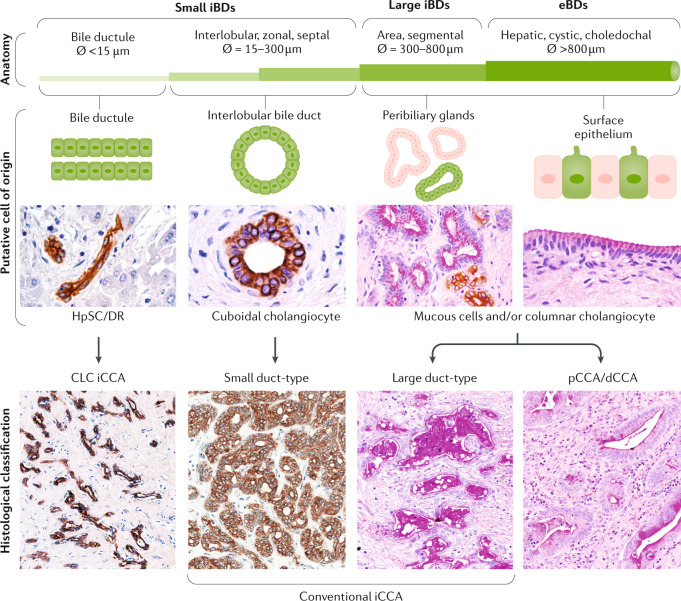
“Histologically, although the vast majority of pCCA and dCCA are conventional mucin-producing adenocarcinomas or papillary tumours 40 , iCCA shows several histological variants (that is, conventional, cholangiolocarcinoma and rare variants) 41 (Fig.”
Self-citationIntrahepatic cholangiocarcinoma can arise from Notch-mediated conversion of hepatocytes
Sekiya, S., & Suzuki, A. (2012) · Journal of Clinical Investigation · doi:10.1172/jci63065 · Cited by 348
Borad, M. J., Champion, M. D., Egan, J. B., Liang, W. S., Fonseca, R., Bryce, A. H., McCullough, A. E., Barrett, M. T., Hunt, K., Patel, M. D., et al. (2014) · PLoS Genetics · doi:10.1371/journal.pgen.1004135 · Cited by 344 · cited 3×
“Massive sequencing studies 56,112–121 and IDH2 R172 ) that cause an accumulation of the onco-metabolite 2-hydroxyglutarate (2-HG) 57 , as well as the constitutive active gene fusion event between FGFR2 and many different partners, including the most prevalent ( BICC1 (reFs 50,112–114 ) , PPHLN1…”
Second-line chemotherapy in advanced biliary cancer: a systematic review
Lamarca, A., Hubner, R. A., David Ryder, W., & Valle, J. W. (2014) · Annals of Oncology · doi:10.1093/annonc/mdu162 · Cited by 339 · cited 1×
“After progression on first-line chemotherapy, the benefit of second-line treatment remained unclear until the past few years 342 .”
Self-citationBrunt, E., Aishima, S., Clavien, P., Fowler, K., Goodman, Z., Gores, G., Gouw, A., Kagen, A., Klimstra, D., Komuta, M., et al. (2018) · Hepatology · doi:10.1002/hep.29789 · Cited by 339
Self-citationPathological classification of intrahepatic cholangiocarcinoma based on a new concept
Nakanuma, Y. (2010) · World Journal of Hepatology · doi:10.4254/wjh.v2.i12.419 · Cited by 335 · cited 8×
“Evidence regarding the cells of origin of CCA in humans was obtained by phenotyping the candidate tissues and/or cells of origin with respect to CCA subtypes through histological and gene expression analysis 38,44,46,63–68 , whereas indirect evidence might be derived from risk factors 67,68 .”
InfluentialKomuta, M., Govaere, O., Vandecaveye, V., Akiba, J., Van Steenbergen, W., Verslype, C., Laleman, W., Pirenne, J., Aerts, R., Yano, H., et al. (2012) · Hepatology · doi:10.1002/hep.25595 · Cited by 333 · cited 10×
“3) , which are also implicated in the origin of precursor lesions (such as intraductal papillary neoplasm) 46 .”
InfluentialThe SWI/SNF complex is a mechanoregulated inhibitor of YAP and TAZ
Chang, L., Azzolin, L., Di Biagio, D., Zanconato, F., Battilana, G., Lucon Xiccato, R., Aragona, M., Giulitti, S., Panciera, T., Gandin, A., et al. (2018) · Nature · doi:10.1038/s41586-018-0658-1 · Cited by 327 · cited 2×
“…activity by favouring its sequestration by the SWI–SNF chromatin-remodelling complex through ARID1A, stiff ECM induces YAP–TAZ to detach from SWI–SNF and to bind to TEAD, unfolding a transcriptional programme and promoting cell proliferation, CSC traits, plasticity and reprogramming 173,212 .”
Clinical presentation, diagnosis and staging of cholangiocarcinoma
Forner, A., Vidili, G., Rengo, M., Bujanda, L., Ponz‐Sarvisé, M., & Lamarca, A. (2019) · Liver International · doi:10.1111/liv.14086 · Cited by 326 · cited 3×
“When disease is unresectable, only palliative treatment is possible 104,296 .”
Self-citationNew staging system and a registry for perihilar cholangiocarcinoma
DeOliveira, M. L., Schulick, R. D., Nimura, Y., Rosen, C., Gores, G., Neuhaus, P., & Clavien, P.-A. (2011) · Hepatology · doi:10.1002/hep.24227 · Cited by 318 · cited 2×
“In contrast to HCC, iCCA usually develops in non-cirrhotic liver 37 . pCCA can arise in the right and/or left hepatic duct and/or at their junction (so-called perihilar bile ducts) 38 , and dCCA involves the common bile duct 39 .”
Self-citationVilana, R., Forner, A., Bianchi, L., García-Criado, Á., Rimola, J., de Lope, C. R., Reig, M., Ayuso, C., Brú, C., & Bruix, J. (2010) · Hepatology · doi:10.1002/hep.23600 · Cited by 318
Self-citationTao, J., Calvisi, D. F., Ranganathan, S., Cigliano, A., Zhou, L., Singh, S., Jiang, L., Fan, B., Terracciano, L., Armeanu–Ebinger, S., et al. (2014) · Gastroenterology · doi:10.1053/j.gastro.2014.05.004 · Cited by 317
Self-citationIntrahepatic Cholangiocarcinoma: Continuing Challenges and Translational Advances
Sirica, A. E., Gores, G. J., Groopman, J. D., Selaru, F. M., Strazzabosco, M., Wei Wang, X., & Zhu, A. X. (2019) · Hepatology · doi:10.1002/hep.30289 · Cited by 315 · cited 1×
“Unfortunately, the majority of iCCA cases occur in the absence of known risk factors 90 , when the only chance for early diagnosis is by cross-sectional imaging performed for other reasons.”
Self-citationSudan, D., DeRoover, A., Chinnakotla, S., Fox, I., Shaw, B., McCashland, T., Sorrell, M., Tempero, M., & Langnas, A. (2002) · American Journal of Transplantation · doi:10.1034/j.1600-6143.2002.20812.x · Cited by 314
Fibroblast growth factor receptor 2 translocations in intrahepatic cholangiocarcinoma
Graham, R. P., Barr Fritcher, E. G., Pestova, E., Schulz, J., Sitailo, L. A., Vasmatzis, G., Murphy, S. J., McWilliams, R. R., Hart, S. N., Halling, K. C., et al. (2014) · Human Pathology · doi:10.1016/j.humpath.2014.03.014 · Cited by 313 · cited 1×
“Interestingly, chromosomal oncogenic gene fusion rearrangements involving FGFR2 RTK occur almost exclusively in iCCA 50,52,56,112,113 .”
Self-citationSia, D., Losic, B., Moeini, A., Cabellos, L., Hao, K., Revill, K., Bonal, D., Miltiadous, O., Zhang, Z., Hoshida, Y., et al. (2015) · Nature Communications · doi:10.1038/ncomms7087 · Cited by 311
Survey of Tyrosine Kinase Signaling Reveals ROS Kinase Fusions in Human Cholangiocarcinoma
Gu, T.-L., Deng, X., Huang, F., Tucker, M., Crosby, K., Rimkunas, V., Wang, Y., Deng, G., Zhu, L., Tan, Z., et al. (2011) · PLoS ONE · doi:10.1371/journal.pone.0015640 · Cited by 307 · cited 1×
“Besides FGFR2 fusions, ROS1 kinase protein fusions have also been identified in iCCA 150 .”
Spanish Experience in Liver Transplantation for Hilar and Peripheral Cholangiocarcinoma
Robles, R., Figueras, J., Turrión, V. S., Margarit, C., Moya, A., Varo, E., Calleja, J., Valdivieso, A., Valdecasas, J. C. G., López, P., et al. (2004) · Annals of Surgery · doi:10.1097/01.sla.0000108702.45715.81 · Cited by 304
Clinicopathological study on cholangiolocellular carcinoma suggesting hepatic progenitor cell origin
Komuta, M., Borght, S. V., Kojiro, M., Aerts, R., & Roskams, T. (2007) · Cited by 301
Lunsford, K. E., Javle, M., Heyne, K., Shroff, R. T., Abdel-Wahab, R., Gupta, N., Mobley, C. M., Saharia, A., Victor, D. W., Nguyen, D. T., et al. (2018) · The Lancet Gastroenterology & Hepatology · doi:10.1016/s2468-1253(18)30045-1 · Cited by 298
Rimola, J., Forner, A., Reig, M., Vilana, R., de Lope, C. R., Ayuso, C., & Bruix, J. (2009) · Hepatology · doi:10.1002/hep.23071 · Cited by 298
Self-citationXue, R., Chen, L., Zhang, C., Fujita, M., Li, R., Yan, S.-M., Ong, C. K., Liao, X., Gao, Q., Sasagawa, S., et al. (2019) · Cancer Cell · doi:10.1016/j.ccell.2019.04.007 · Cited by 296 · cited 1×
“In line with these findings, nestin, a maker of bipotent progenitor oval cells, is greatly increased in HCC–CCA tumours and is associated with a worse prognosis, and has been proposed as a new possible diagnostic and prognostic biomarker 3,26 .”
EMT transcription factors in cancer development re-evaluated: Beyond EMT and MET
Goossens, S., Vandamme, N., Van Vlierberghe, P., & Berx, G. (2017) · Biochimica et Biophysica Acta (BBA) - Reviews on Cancer · doi:10.1016/j.bbcan.2017.06.006 · Cited by 295
A DNA hypermethylation module for the stem/progenitor cell signature of cancer
Easwaran, H., Johnstone, S. E., Van Neste, L., Ohm, J., Mosbruger, T., Wang, Q., Aryee, M. J., Joyce, P., Ahuja, N., Weisenberger, D., et al. (2012) · Genome Research · doi:10.1101/gr.131169.111 · Cited by 292
Arbelaiz, A., Azkargorta, M., Krawczyk, M., Santos‐Laso, A., Lapitz, A., Perugorria, M. J., Erice, O., Gonzalez, E., Jimenez‐Agüero, R., Lacasta, A., et al. (2017) · Hepatology · doi:10.1002/hep.29291 · Cited by 289 · cited 2×
“Importantly, preneoplastic (for example, PSC-derived cholangiocytes) and/or normal cholangiocyte primary cultures should be used as controls 132,140,238,239 .”
Self-citationSpolverato, G., Kim, Y., Alexandrescu, S., Marques, H. P., Lamelas, J., Aldrighetti, L., Clark Gamblin, T., Maithel, S. K., Pulitano, C., Bauer, T. W., et al. (2016) · Annals of Surgical Oncology · doi:10.1245/s10434-015-4642-9 · Cited by 283
WNT signaling drives cholangiocarcinoma growth and can be pharmacologically inhibited
Boulter, L., Guest, R. V., Kendall, T. J., Wilson, D. H., Wojtacha, D., Robson, A. J., Ridgway, R. A., Samuel, K., Van Rooijen, N., Barry, S. T., et al. (2015) · Journal of Clinical Investigation · doi:10.1172/jci76452 · Cited by 278 · cited 3×
“…also known to be activated in most CCAs, in part as an effect of the release of Wnt ligands by inflammatory macrophages infiltrating the stroma 162,163 , but also as a consequence of DNA methylation alterations targeting this pathway 133 and/or mutations encoding key components of the canonical…”
Self-citationPrognostic impact of tumour-infiltrating immune cells on biliary tract cancer
Goeppert, B., Frauenschuh, L., Zucknick, M., Stenzinger, A., Andrulis, M., Klauschen, F., Joehrens, K., Warth, A., Renner, M., Mehrabi, A., et al. (2013) · British Journal of Cancer · doi:10.1038/bjc.2013.610 · Cited by 275 · cited 3×
“CCA progression has been associated with a decrease in the components of the adaptive immune response 223 .”
InfluentialSignificance of alternatively activated macrophages in patients with intrahepatic cholangiocarcinoma
Hasita, H., Komohara, Y., Okabe, H., Masuda, T., Ohnishi, K., Lei, X. F., Beppu, T., Baba, H., & Takeya, M. (2010) · Cancer Science · doi:10.1111/j.1349-7006.2010.01614.x · Cited by 275 · cited 2×
“M2-like macrophages stimulate WNT signalling with consequent CCA progression 163 , and are associated with inferior patient outcomes 216,217 .”
Nuzzo, G. (2012) · Archives of Surgery · doi:10.1001/archsurg.2011.771 · Cited by 275
Valle, J. W., Wasan, H., Lopes, A., Backen, A. C., Palmer, D. H., Morris, K., Duggan, M., Cunningham, D., Anthoney, D. A., Corrie, P., et al. (2015) · The Lancet Oncology · doi:10.1016/s1470-2045(15)00139-4 · Cited by 273 · cited 2×
“…associations between numbers of CTCs, patient and tumour characteristics and survival in patients with biliary tract cancer, 17–25% of the patients showed elevated numbers of CTCs (two or more per 7.5 mL of blood) 291–293 , and 10% of the patients showed five or more CTCs per 7.5 mL of blood 292 .”
InfluentialSelf-citationGuo, Y., Feng, K., Liu, Y., Wu, Z., Dai, H., Yang, Q., Wang, Y., Jia, H., & Han, W. (2018) · Clinical Cancer Research · doi:10.1158/1078-0432.ccr-17-0432 · Cited by 267
Liau, J.-Y., Tsai, J.-H., Yuan, R.-H., Chang, C.-N., Lee, H.-J., & Jeng, Y.-M. (2014) · Modern Pathology · doi:10.1038/modpathol.2013.241 · Cited by 265 · cited 4×
“Evidence regarding the cells of origin of CCA in humans was obtained by phenotyping the candidate tissues and/or cells of origin with respect to CCA subtypes through histological and gene expression analysis 38,44,46,63–68 , whereas indirect evidence might be derived from risk factors 67,68 .”
InfluentialMulticentre European study of preoperative biliary drainage for hilar cholangiocarcinoma
Farges, O., Regimbeau, J. M., Fuks, D., Le Treut, Y. P., Cherqui, D., Bachellier, P., Mabrut, J. Y., Adham, M., Pruvot, F. R., & Gigot, J. F. (2013) · Journal of British Surgery · doi:10.1002/bjs.8950 · Cited by 263 · cited 1×
“%) of those who die dying from post-hepatectomy liver failure 303,304 .”
Oishi, N., Kumar, M. R., Roessler, S., Ji, J., Forgues, M., Budhu, A., Zhao, X., Andersen, J. B., Ye, Q.-H., Jia, H.-L., et al. (2012) · Hepatology · doi:10.1002/hep.25890 · Cited by 260
Self-citationTerzi, E., Iavarone, M., Pompili, M., Veronese, L., Cabibbo, G., Fraquelli, M., Riccardi, L., De Bonis, L., Sangiovanni, A., Leoni, S., et al. (2018) · Journal of Hepatology · doi:10.1016/j.jhep.2017.11.007 · Cited by 259
Melum, E., Franke, A., Schramm, C., Weismüller, T. J., Gotthardt, D. N., Offner, F. A., Juran, B. D., Laerdahl, J. K., Labi, V., Björnsson, E., et al. (2011) · Nature Genetics · doi:10.1038/ng.728 · Cited by 256 · cited 1×
“Data mostly stem from GWAS of patient cohorts diagnosed with PSC 25,126 , with increased risk of CCA.”
Noman, M. Z., Janji, B., Abdou, A., Hasmim, M., Terry, S., Tan, T. Z., Mami-Chouaib, F., Thiery, J. P., & Chouaib, S. (2017) · OncoImmunology · doi:10.1080/2162402x.2016.1263412 · Cited by 253
Early versus late recurrence of intrahepatic cholangiocarcinoma after resection with curative intent
Zhang, X. F., Beal, E. W., Bagante, F., Chakedis, J., Weiss, M., Popescu, I., Marques, H. P., Aldrighetti, L., Maithel, S. K., Pulitano, C., et al. (2018) · Journal of British Surgery · doi:10.1002/bjs.10676 · Cited by 250 · cited 1×
“Frequent post-surgical relapse 313,314 has led to multiple attempts to identify patients at increased risk of relapse 315,316 and also to a number of studies of adjuvant therapy.”
Self-citationEmerging roles of Notch signaling in liver disease
Geisler, F., & Strazzabosco, M. (2015) · Hepatology · doi:10.1002/hep.27268 · Cited by 249 · cited 1×
“…involved in biliary repair, growth, tubulogenesis, fibrosis and maintenance of the stem cell niche; defective Notch function due to JAG1 or NOTCH2 mutations causes impaired regeneration and Alagille syndrome 153 , whereas increased Notch activity has been associated with primary liver tumours 154 .”
Self-citationJohnson, K. L. (2015) · 2015 APHA Annual Meeting & Expo (Oct. 31 - Nov. 4, 2015) · Cited by 245
Isocitrate dehydrogenase 1 and 2 mutations in cholangiocarcinoma
Kipp, B. R., Voss, J. S., Kerr, S. E., Barr Fritcher, E. G., Graham, R. P., Zhang, L., Highsmith, W. E., Zhang, J., Roberts, L. R., Gores, G. J., et al. (2012) · Human Pathology · doi:10.1016/j.humpath.2011.12.007 · Cited by 244 · cited 2×
“IDH1 and IDH2 encode metabolic enzymes that interconvert isocitrate and α-ketoglutarate 51,53,113,117,151 .”
Self-citationMetabolic rearrangements in primary liver cancers: cause and consequences
Satriano, L., Lewinska, M., Rodrigues, P. M., Banales, J. M., & Andersen, J. B. (2019) · Nature Reviews Gastroenterology & Hepatology · doi:10.1038/s41575-019-0217-8 · Cited by 243
Self-citationMolecular Pathogenesis and Targeted Therapies for Intrahepatic Cholangiocarcinoma
Moeini, A., Sia, D., Bardeesy, N., Mazzaferro, V., & Llovet, J. M. (2016) · Clinical Cancer Research · doi:10.1158/1078-0432.ccr-14-3296 · Cited by 240 · cited 2×
“However, mutations in ARID1A have been reported in up to 14% of CCAs 149 .”
An overview of precision oncology basket and umbrella trials for clinicians
Park, J. J. H., Hsu, G., Siden, E. G., Thorlund, K., & Mills, E. J. (2020) · CA: A Cancer Journal for Clinicians · doi:10.3322/caac.21600 · Cited by 233 · cited 1×
“In fact, targeting these mutations is amenable and is already a reality in other types of cancer 389,390 .”
Cercek, A., Boerner, T., Tan, B. R., Chou, J. F., Gönen, M., Boucher, T. M., Hauser, H. F., Do, R. K. G., Lowery, M. A., Harding, J. J., et al. (2020) · JAMA Oncology · doi:10.1001/jamaoncol.2019.3718 · Cited by 228 · cited 1×
“A phase II trial including 38 patients with unresectable iCCA who received hepatic intra-arterial pump chemotherapy with floxu-ridine found an impressive radiological response rate of 58% and a 3-year OS exceeding 40% 352 .”
BackgroundIsomoto, H., Kobayashi, S., Werneburg, N. W., Bronk, S. F., Guicciardi, M. E., Frank, D. A., & Gores, G. J. (2005) · Hepatology · doi:10.1002/hep.20966 · Cited by 227 · cited 1×
“In particular, sustained IL-6–STAT3 signalling was shown to contribute to mitogenesis by upregulating myeloid cell leukaemia 1 (MCL1) or altering EGFR promoter methylation 144,145 .”
Self-citationKobayashi, S., Werneburg, N. W., Bronk, S. F., Kaufmann, S. H., & Gores, G. J. (2005) · Gastroenterology · doi:10.1053/j.gastro.2005.03.010 · Cited by 226
Self-citationWehbe, H., Henson, R., Meng, F., Mize-Berge, J., & Patel, T. (2006) · Cancer Research · doi:10.1158/0008-5472.can-06-2130 · Cited by 224 · cited 1×
“In particular, sustained IL-6–STAT3 signalling was shown to contribute to mitogenesis by upregulating myeloid cell leukaemia 1 (MCL1) or altering EGFR promoter methylation 144,145 .”
Trastuzumab in the Treatment of Breast Cancer
Maximiano, S., Magalhães, P., Guerreiro, M. P., & Morgado, M. (2016) · BioDrugs · doi:10.1007/s40259-016-0162-9 · Cited by 223
Lamarca, A., Palmer, D. H., Wasan, H. S., Ross, P. J., Ma, Y. T., Arora, A., Falk, S., Gillmore, R., Wadsley, J., Patel, K., et al. (2019) · Journal of Clinical Oncology · doi:10.1200/jco.2019.37.15_suppl.4003 · Cited by 220
Self-citationClonal Tracing of Sox9+ Liver Progenitors in Mouse Oval Cell Injury
Tarlow, B. D., Finegold, M. J., & Grompe, M. (2014) · Hepatology · doi:10.1002/hep.27084 · Cited by 219
Recurrence Rate and Pattern of Perihilar Cholangiocarcinoma after Curative Intent Resection
Koerkamp, B. G., Wiggers, J. K., Allen, P. J., Besselink, M. G., Blumgart, L. H., Busch, O. R. C., Coelen, R. J., D’Angelica, M. I., DeMatteo, R. P., Gouma, D. J., et al. (2015) · Journal of the American College of Surgeons · doi:10.1016/j.jamcollsurg.2015.09.005 · Cited by 218
Self-citationDesmoplastic stroma and cholangiocarcinoma: Clinical implications and therapeutic targeting
Sirica, A. E., & Gores, G. J. (2014) · Hepatology · doi:10.1002/hep.26762 · Cited by 217
Self-citationNomogram for Predicting the Benefit of Adjuvant Chemoradiotherapy for Resected Gallbladder Cancer
Wang, S. J., Lemieux, A., Kalpathy-Cramer, J., Ord, C. B., Walker, G. V., Fuller, C. D., Kim, J.-S., & Thomas, C. R. (2011) · Journal of Clinical Oncology · doi:10.1200/jco.2010.33.8020 · Cited by 217 · cited 1×
“Surgery is a potential curative option for CCA.”
de Jong, M. C., Marques, H., Clary, B. M., Bauer, T. W., Marsh, J. W., Ribero, D., Majno, P., Hatzaras, I., Walters, D. M., Barbas, A. S., et al. (2012) · Cancer · doi:10.1002/cncr.27492 · Cited by 214 · cited 1×
“Moreover, resection and reconstruction of the portal vein and hepatic artery are increasingly performed 307,308 .”
BackgroundImaging Diagnosis of Intrahepatic and Perihilar Cholangiocarcinoma: Recent Advances and Challenges
Joo, I., Lee, J. M., & Yoon, J. H. (2018) · Radiology · doi:10.1148/radiol.2018171187 · Cited by 213 · cited 2×
“Their diagnostic accuracy is influenced by the anatomical location and growth patterns of CCA, and their use for staging varies according to tumour location 91 .”
Therapeutic Effects of Deleting Cancer-Associated Fibroblasts in Cholangiocarcinoma
Mertens, J. C., Fingas, C. D., Christensen, J. D., Smoot, R. L., Bronk, S. F., Werneburg, N. W., Gustafson, M. P., Dietz, A. B., Roberts, L. R., Sirica, A. E., et al. (2013) · Cancer Research · doi:10.1158/0008-5472.can-12-2130 · Cited by 212
Self-citationPathway-specific differences between tumor cell lines and normal and tumor tissue cells
Ertel, A., Verghese, A., Byers, S. W., Ochs, M., & Tozeren, A. (2006) · Molecular Cancer · doi:10.1186/1476-4598-5-55 · Cited by 212
Khan, A. S., & Dageforde, L. A. (2019) · Surgical Clinics of North America · doi:10.1016/j.suc.2018.12.004 · Cited by 212
Petrick, J. L., Yang, B., Altekruse, S. F., Van Dyke, A. L., Koshiol, J., Graubard, B. I., & McGlynn, K. A. (2017) · PLOS ONE · doi:10.1371/journal.pone.0186643 · Cited by 210
Anti-Apoptotic Mechanisms of Drug Resistance in Cancer
Wilson, T., Johnston, P., & Longley, D. (2009) · Current Cancer Drug Targets · doi:10.2174/156800909788166547 · Cited by 203 · cited 1×
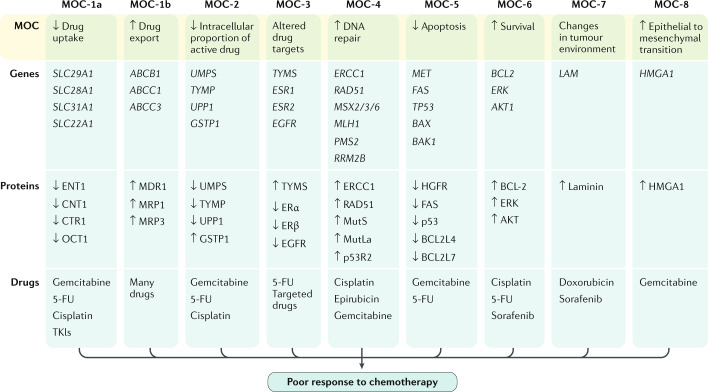
“Downregulation of BAX , BAK , caspase 3 and caspase 9 has been associated with drug resistance in cancer 383 .”
Coelen, R. J. S., Roos, E., Wiggers, J. K., Besselink, M. G., Buis, C. I., Busch, O. R. C., Dejong, C. H. C., van Delden, O. M., van Eijck, C. H. J., Fockens, P., et al. (2018) · The Lancet Gastroenterology & Hepatology · doi:10.1016/s2468-1253(18)30234-6 · Cited by 203 · cited 1×
“Regarding pCCA, pre-operative drainage of the future liver remnant is performed to improve liver function and avoid post-hepatectomy liver failure 300,301 .”
Self-citationA Critical Role for Notch Signaling in the Formation of Cholangiocellular Carcinomas
Zender, S., Nickeleit, I., Wuestefeld, T., Sörensen, I., Dauch, D., Bozko, P., El-Khatib, M., Geffers, R., Bektas, H., Manns, M. P., et al. (2013) · Cancer Cell · doi:10.1016/j.ccr.2013.04.019 · Cited by 200
Sapisochin, G., Rodríguez de Lope, C., Gastaca, M., Ortiz de Urbina, J., Suarez, M. A., Santoyo, J., Castroagudín, J. F., Varo, E., López-Andujar, R., Palacios, F., et al. (2014) · American Journal of Transplantation · doi:10.1111/ajt.12591 · Cited by 197 · cited 1×
“…iBDs with cuboidal cholangiocytes representing the putative cell of origin, and large duct-type iCCA involves large iBDs and is considered to be derived from columnar cholangiocytes and peribiliary glands (seromucous glands; mucous acini are shown in light pink, serous acini are shown in green).”
Self-citationOrganoid models of gastrointestinal cancers in basic and translational research
Lau, H. C. H., Kranenburg, O., Xiao, H., & Yu, J. (2020) · Nature Reviews Gastroenterology & Hepatology · doi:10.1038/s41575-019-0255-2 · Cited by 194 · cited 1×
“Organoids are successfully established from resected tissue biopsy and needle biopsy samples, faithfully recapitulating the patient tumour at the histopathological level, both in culture and as xenografts in immune-deficient mice 242,244 .”
Cadamuro, M., Brivio, S., Mertens, J., Vismara, M., Moncsek, A., Milani, C., Fingas, C., Cristina Malerba, M., Nardo, G., Dall'Olmo, L., et al. (2019) · Journal of Hepatology · doi:10.1016/j.jhep.2018.12.004 · Cited by 193
Self-citationBurger, I., Hong, K., Schulick, R., Georgiades, C., Thuluvath, P., Choti, M., Kamel, I., & Geschwind, J.-F. H. (2005) · Journal of Vascular and Interventional Radiology · doi:10.1097/01.rvi.0000143768.60751.78 · Cited by 193
Ethun, C. G., Lopez-Aguiar, A. G., Anderson, D. J., Adams, A. B., Fields, R. C., Doyle, M. B., Chapman, W. C., Krasnick, B. A., Weber, S. M., Mezrich, J. D., et al. (2018) · Annals of Surgery · doi:10.1097/sla.0000000000002574 · Cited by 191
Lorenzini, S., Bird, T. G., Boulter, L., Bellamy, C., Samuel, K., Aucott, R., Clayton, E., Andreone, P., Bernardi, M., Golding, M., et al. (2010) · Gut · doi:10.1136/gut.2009.182345 · Cited by 190 · cited 1×
“CCA shares many characteristics with scars that form around bile ducts in premalignant disease, as usually found in PSC and congenital hepatic fibrosis, suggesting that the origin of the tumour stroma can be found in the regenerative microenvironment during bile duct repair 195 .”
Self-citationIdentification of a Cholangiocarcinoma-Like Gene Expression Trait in Hepatocellular Carcinoma
Woo, H. G., Lee, J.-H., Yoon, J.-H., Kim, C. Y., Lee, H.-S., Jang, J. J., Yi, N.-J., Suh, K.-S., Lee, K. U., Park, E. S., et al. (2010) · Cancer Research · doi:10.1158/0008-5472.can-09-2823 · Cited by 190
Ibrahim, S. M., Mulcahy, M. F., Lewandowski, R. J., Sato, K. T., Ryu, R. K., Masterson, E. J., Newman, S. B., Benson, A., Omary, R. A., & Salem, R. (2008) · Cancer · doi:10.1002/cncr.23818 · Cited by 188
The tumour microenvironment and immune milieu of cholangiocarcinoma
Fabris, L., Perugorria, M. J., Mertens, J., Björkström, N. K., Cramer, T., Lleo, A., Solinas, A., Sänger, H., Lukacs‐Kornek, V., Moncsek, A., et al. (2019) · Liver International · doi:10.1111/liv.14098 · Cited by 187 · cited 2×
“Cell interactions within the TME are favoured by the ECM, which is gradually ‘transformed’ into a compact and stiff scaffold, enabling mutual communications and exchange of paracrine factors between the different cell elements 210 .”
Self-citationAl-Adra, D. P., Gill, R. S., Axford, S. J., Shi, X., Kneteman, N., & Liau, S.-S. (2015) · European Journal of Surgical Oncology (EJSO) · doi:10.1016/j.ejso.2014.09.007 · Cited by 187
Genomic Sequencing Identifies ELF3 as a Driver of Ampullary Carcinoma
Yachida, S., Wood, L. D., Suzuki, M., Takai, E., Totoki, Y., Kato, M., Luchini, C., Arai, Y., Nakamura, H., Hama, N., et al. (2016) · Cancer Cell · doi:10.1016/j.ccell.2015.12.012 · Cited by 187 · cited 1×
“Interestingly, dCCA is also associated with ELF3 mutations 58 .”
Sapisochin, G., de Lope, C. R., Gastaca, M., de Urbina, J. O., López-Andujar, R., Palacios, F., Ramos, E., Fabregat, J., Castroagudín, J. F., Varo, E., et al. (2014) · Annals of Surgery · doi:10.1097/sla.0000000000000494 · Cited by 185
Self-citationBanales, J. M., Iñarrairaegui, M., Arbelaiz, A., Milkiewicz, P., Muntané, J., Muñoz‐Bellvis, L., La Casta, A., Gonzalez, L. M., Arretxe, E., Alonso, C., et al. (2019) · Hepatology · doi:10.1002/hep.30319 · Cited by 179 · cited 2×
“…had higher diagnostic capacity for iCCA than CA19-9, and the authors proposed an algorithm containing six metabolites that was able to differentially diagnose iCCA and HCC (AUC 0.9) in discovery ( n = 20 per group) and validation phases (independent cohorts of 14–15 patients per group) 289 .”
InfluentialPD-L1 expression in perihilar and intrahepatic cholangiocarcinoma
Fontugne, J., Augustin, J., Pujals, A., Compagnon, P., Rousseau, B., Luciani, A., Tournigand, C., Cherqui, D., Azoulay, D., Pawlotsky, J.-M., et al. (2017) · Oncotarget · doi:10.18632/oncotarget.15602 · Cited by 178
Cadamuro, M., Nardo, G., Indraccolo, S., Dall'Olmo, L., Sambado, L., Moserle, L., Franceschet, I., Colledan, M., Massani, M., Stecca, T., et al. (2013) · Hepatology · doi:10.1002/hep.26384 · Cited by 175 · cited 1×
“Importantly, although CCA cells express mesenchymal markers they do not transdifferentiate into CAFs, but they do secrete PDGF-D to stimulate fibroblast migration 203 .”
Self-citationMoeini, A., Sia, D., Zhang, Z., Camprecios, G., Stueck, A., Dong, H., Montal, R., Torrens, L., Martinez-Quetglas, I., Fiel, M. I., et al. (2017) · Journal of Hepatology · doi:10.1016/j.jhep.2017.01.010 · Cited by 174
Raggi, C., Correnti, M., Sica, A., Andersen, J. B., Cardinale, V., Alvaro, D., Chiorino, G., Forti, E., Glaser, S., Alpini, G., et al. (2017) · Journal of Hepatology · doi:10.1016/j.jhep.2016.08.012 · Cited by 172
Self-citationHayashi, A., Misumi, K., Shibahara, J., Arita, J., Sakamoto, Y., Hasegawa, K., Kokudo, N., & Fukayama, M. (2016) · American Journal of Surgical Pathology · doi:10.1097/pas.0000000000000670 · Cited by 170
Biliary carcinomas: pathology and the role of DNA mismatch repair deficiency
Silva, V. W. K., Askan, G., Daniel, T. D., Lowery, M., Klimstra, D. S., Abou-Alfa, G. K., & Shia, J. (2016) · Chinese Clinical Oncology · doi:10.21037/cco.2016.10.04 · Cited by 169
Deregulation of Hippo kinase signalling in Human hepatic malignancies
Li, H., Wolfe, A., Septer, S., Edwards, G., Zhong, X., Bashar Abdulkarim, A., Ranganathan, S., & Apte, U. (2012) · Liver International · doi:10.1111/j.1478-3231.2011.02646.x · Cited by 168
Pathologic classification of cholangiocarcinoma: New concepts
Nakanuma, Y., & Kakuda, Y. (2015) · Best Practice & Research Clinical Gastroenterology · doi:10.1016/j.bpg.2015.02.006 · Cited by 167 · cited 3×
“Histologically, although the vast majority of pCCA and dCCA are conventional mucin-producing adenocarcinomas or papillary tumours 40 , iCCA shows several histological variants (that is, conventional, cholangiolocarcinoma and rare variants) 41 (Fig.”
Shigehara, K., Yokomuro, S., Ishibashi, O., Mizuguchi, Y., Arima, Y., Kawahigashi, Y., Kanda, T., Akagi, I., Tajiri, T., Yoshida, H., et al. (2011) · PLoS ONE · doi:10.1371/journal.pone.0023584 · Cited by 165 · cited 1×
“In this regard, some bile miRNAs have already been shown to display increased diagnostic capacity for CCA, in comparison with healthy individuals (miR-9, miR-145) 257 and also when comparing patients with PSC-derived CCA and isolated PSC (miR-412, miR-640, miR-1537, miR-3189) 258 .”
Gani, F., Nagarajan, N., Kim, Y., Zhu, Q., Luan, L., Bhaijee, F., Anders, R. A., & Pawlik, T. M. (2016) · Annals of Surgical Oncology · doi:10.1245/s10434-016-5101-y · Cited by 164 · cited 1×
“On the basis of small cohorts of patients with CCA (range 41–104 patients across the studies), PDL1 is expressed in 42–72% of tumours 228–230 , and seems to be present primarily on immune cells 228,229 .”
Lamarca, Á., Barriuso, J., Chander, A., McNamara, M. G., Hubner, R. A., O'Reilly, D. A., Manoharan, P., & Valle, J. W. (2019) · Journal of Hepatology · doi:10.1016/j.jhep.2019.01.038 · Cited by 164
Self-citationLanzoni, G., Cardinale, V., & Carpino, G. (2016) · Hepatology · doi:10.1002/hep.28326 · Cited by 163
Self-citationLamarca, A., Ross, P., Wasan, H. S., Hubner, R. A., McNamara, M. G., Lopes, A., Manoharan, P., Palmer, D., Bridgewater, J., & Valle, J. W. (2019) · JNCI: Journal of the National Cancer Institute · doi:10.1093/jnci/djz071 · Cited by 162
Self-citationSaha, S. K., Gordan, J. D., Kleinstiver, B. P., Vu, P., Najem, M. S., Yeo, J.-C., Shi, L., Kato, Y., Levin, R. S., Webber, J. T., et al. (2016) · Cancer Discovery · doi:10.1158/2159-8290.cd-15-1442 · Cited by 160 · cited 2×
“Evidence also suggests that HDAC inhibitors, as well as dasatinib, might be particularly active in IDH - mutated tumour cells 129,130 .”
Wildner, D., Bernatik, T., Greis, C., Seitz, K., Neurath, M., & Strobel, D. (2015) · Ultraschall in der Medizin - European Journal of Ultrasound · doi:10.1055/s-0034-1399147 · Cited by 160
Intra-arterial Therapy for Advanced Intrahepatic Cholangiocarcinoma: A Multi-institutional Analysis
Hyder, O. N., Marsh, J. W., Salem, R., Petre, E. N., Kalva, S. P., Liapi, E. A., Cosgrove, D., Neal, D., Kamel, I. R., Zhu, A. X., et al. (2013) · Annals of Surgical Oncology · doi:10.1245/s10434-013-3127-y · Cited by 159
Multi-organ Mapping of Cancer Risk
Zhu, L., Finkelstein, D., Gao, C., Shi, L., Wang, Y., López-Terrada, D., Wang, K., Utley, S., Pounds, S., Neale, G., et al. (2016) · Cell · doi:10.1016/j.cell.2016.07.045 · Cited by 158
Wang, Y., Gao, X., Wei, F., Zhang, X., Yu, J., Zhao, H., Sun, Q., Yan, F., Yan, C., Li, H., et al. (2014) · Gene · doi:10.1016/j.gene.2013.09.038 · Cited by 158
Yao, K., Jabbour, S. K., Parekh, N., Lin, Y., & Moss, R. A. (2016) · BMC Gastroenterology · doi:10.1186/s12876-016-0527-z · Cited by 158 · cited 1×
“(18)Ffluorodeoxyglucose positron emission tomography ((18)FDGPET) for patients with biliary tract cancer: systematic review and metaanalysis.”
BackgroundThuwajit (2009) · Oncology Reports · doi:10.3892/or_00000309 · Cited by 157
Ampullary Cancers Harbor ELF3 Tumor Suppressor Gene Mutations and Exhibit Frequent WNT Dysregulation
Gingras, M., Covington, K. R., Chang, D. K.-F., Donehower, L. A., Gill, A. J., Ittmann, M., Creighton, C. J., Johns, A. L., Shinbrot, E., Dewal, N., et al. (2016) · Cell Reports · doi:10.1016/j.celrep.2015.12.005 · Cited by 156 · cited 2×
“Nakamura et al. emphasized the difference in anatomical location of the tumour, highlighting IDH , EPHA2 and BAP1 mutations and FGFR2 fusions in iCCA, whereas extrahepatic tumours specifically show PRKACA and PRKACB fusions as well as mutations in ELF3 (similar to tumours in the ampulla of Vater) 127 and ARID1B 56 .”
Vaquero, J., Guedj, N., Clapéron, A., Nguyen Ho-Bouldoires, T. H., Paradis, V., & Fouassier, L. (2017) · Journal of Hepatology · doi:10.1016/j.jhep.2016.09.010 · Cited by 154
Self-citationSulpice, L., Rayar, M., Desille, M., Turlin, B., Fautrel, A., Boucher, E., Llamas-Gutierrez, F., Meunier, B., Boudjema, K., Clément, B., et al. (2013) · Hepatology · doi:10.1002/hep.26577 · Cited by 153 · cited 1×
“The prototype inducer of EMT is the TGFβ-dependent pathway, whose signature has been identified in iCCA stroma 8,175 .”
Self-citationSurgical resection for Bismuth type IV perihilar cholangiocarcinoma
Ebata, T., Mizuno, T., Yokoyama, Y., Igami, T., Sugawara, G., & Nagino, M. (2017) · British journal of surgery · doi:10.1002/bjs.10556 · Cited by 153 · cited 1×
“The presence of Bismuth type IV pCCA (involving both the right and left intrahepatic ducts) is no longer an absolute contraindication for complete resection since it is associated with an OS similar to that in patients with less extensive biliary extension 306 .”
YAP is a critical oncogene in human cholangiocarcinoma
Pei, T., Li, Y., Wang, J., Wang, H., Liang, Y., Shi, H., Sun, B., Yin, D., Sun, J., Song, R., et al. (2015) · Oncotarget · doi:10.18632/oncotarget.4043 · Cited by 149 · cited 1×
“Several groups have reported increased nuclear expression of YAP in CCA specimens and correlation with a worse prognosis 167–169 .”
Murad, S. D., Kim, R. W., Therneau, T., Gores, G. J., Rosen, C. B., Martenson, J. A., Alberts, S. R., & Heimbach, J. K. (2012) · Hepatology · doi:10.1002/hep.25629 · Cited by 148 · cited 2×
“An area of uncertainty is that in a subgroup of patients, no malignancy was ever confirmed (either pre-operatively or in explanted specimens) 329 .”
BackgroundSelf-citationAishima, S., Kuroda, Y., Nishihara, Y., Iguchi, T., Taguchi, K., Taketomi, A., Maehara, Y., & Tsuneyoshi, M. (2007) · The American Journal of Surgical Pathology · doi:10.1097/pas.0b013e31802b34b6 · Cited by 145
Komaya, K., Ebata, T., Yokoyama, Y., Igami, T., Sugawara, G., Mizuno, T., Yamaguchi, J., & Nagino, M. (2018) · Surgery · doi:10.1016/j.surg.2017.08.011 · Cited by 144
Genomic perturbations reveal distinct regulatory networks in intrahepatic cholangiocarcinoma
Nepal, C., O’Rourke, C. J., Oliveira, D. V. N. P., Taranta, A., Shema, S., Gautam, P., Caldéraro, J., Barbour, A. P., Raggi, C., Wennerberg, K., et al. (2017) · Hepatology · doi:10.1002/hep.29764 · Cited by 143 · cited 5×
“A statistically significant association has also been observed between TP53 mutation and HBV infection 119,120 .”
InfluentialSelf-citationHerráez, E., Lozano, E., Macı́as, R. I. R., Vaquero, J., Bujanda, L., Bañales, J. M., Marı́n, J. J. G., & Briz, Ó. (2013) · Hepatology · doi:10.1002/hep.26425 · Cited by 143
Research works printed but not linked: 3
- Bosman, F. T., Carneiro, F., Hruban, R. & Theise N. WHO Classification of Tumours: Digestive System Tumours 5th edn Vol. 1 (IARC, 2019).
- Hamilton, S. R. A. et al. WHO Classification of Tumours: Pathology and Genetics of Tumours of the Digestive System 3rd edn Vol. 2 (IARC, 2000).
- Amin, M. B. et al. AJCC Cancer Staging Manual (Springer, 2017).
Cited by
Brindley, P. J., Bachini, M., Ilyas, S. I., Khan, S. A., Loukas, A., Sirica, A. E., Teh, B. T., Wongkham, S., & Gores, G. J. (2021) · Nature Reviews Disease Primers · doi:10.1038/s41572-021-00300-2 · Cited by 841
Self-citationBiliary tract cancer: ESMO Clinical Practice Guideline for diagnosis, treatment and follow-up
Vogel, A., Bridgewater, J., Edeline, J., Kelley, R. K., Klümpen, H. J., Malka, D., Primrose, J. N., Rimassa, L., Stenzinger, A., Valle, J. W., et al. (2023) · Annals of Oncology · doi:10.1016/j.annonc.2022.10.506 · Cited by 718
Self-citationFutibatinib for FGFR2 -Rearranged Intrahepatic Cholangiocarcinoma
Goyal, L., Meric-Bernstam, F., Hollebecque, A., Valle, J. W., Morizane, C., Karasic, T. B., Abrams, T. A., Furuse, J., Kelley, R. K., Cassier, P. A., et al. (2023) · New England Journal of Medicine · doi:10.1056/nejmoa2206834 · Cited by 613
Self-citationCancer-associated fibroblasts in the single-cell era
Lavie, D., Ben-Shmuel, A., Erez, N., & Scherz-Shouval, R. (2022) · Nature Cancer · doi:10.1038/s43018-022-00411-z · Cited by 616
Lactate and lactylation in cancer
Chen, J., Huang, Z., Chen, Y., Tian, H., Chai, P., Shen, Y., Yao, Y., Xu, S., Ge, S., & Jia, R. (2025) · Signal Transduction and Targeted Therapy · doi:10.1038/s41392-024-02082-x · Cited by 477
“158,443 Apart from primary liver cancer, PD-1 resistant NSCLC cells were characterized by a markedly lower glycolytic reserve and exhibited a signi fi cantly higher reliance on OXPHOS compared to PD-1 sensitive NSCLC cells, which implies that tumor progression leads to complex changes in lactate…”
Metadata
- Authors
- Banales, J. M., Marin, J. J. G., Lamarca, A., Rodrigues, P. M., Khan, S. A., Roberts, L. R., Cardinale, V., Carpino, G., Andersen, J. B., Braconi, C., Calvisi, D. F., Perugorria, M. J., Fabris, L., Boulter, L., Macias, R. I. R., Gaudio, E., Alvaro, D., Gradilone, S. A., Strazzabosco, M., Marzioni, M., Coulouarn, C., Fouassier, L., Raggi, C., Invernizzi, P., Mertens, J. C., Moncsek, A., Ilyas, S. I., Heimbach, J., Koerkamp, B. G., Bruix, J., Forner, A., Bridgewater, J., Valle, J. W., & Gores, G. J.
- Affiliations
- University of the Basque Country (ES)
- Hammersmith Hospital (GB)
- Mayo Clinic (US)
- Sapienza University of Rome (IT)
- Foro Italico University of Rome (IT)
- University of Copenhagen (DK)
- University of Glasgow (GB)
- University of Regensburg (DE)
- University of Padua (IT)
- Institute of Genetics and Cancer (GB)
- University of Minnesota (US)
- Marche Polytechnic University (IT)
- Inserm (FR)
- University of Florence (IT)
- University of Milano-Bicocca (IT)
- University of Zurich (CH)
- Erasmus MC (NL)
- Instituto de Salud Carlos III (ES)
- University College London (GB)
- National Health Service (GB)
- ORCID
- Banales, Jesus M.
- Marin, Jose J. G.
- Lamarca, Angela
- Rodrigues, Pedro M.
- Khan, Shahid A.
- Roberts, Lewis R.
- Cardinale, Vincenzo
- Carpino, Guido
- Andersen, Jesper B.
- Braconi, Chiara
- Calvisi, Diego F.
- Perugorria, Maria J.
- Fabris, Luca
- Boulter, Luke
- Macias, Rocio I. R.
- Gaudio, Eugenio
- Alvaro, Domenico
- Gradilone, Sergio A.
- Strazzabosco, Mario
- Marzioni, Marco
- Coulouarn, Cédric
- Fouassier, Laura
- Raggi, Chiara
- Invernizzi, Pietro
- Mertens, Joachim C.
- Moncsek, Anja
- Ilyas, Sumera I.
- Heimbach, Julie
- Koerkamp, Bas Groot
- Bruix, Jordi
- Forner, Alejandro
- Bridgewater, John
- Valle, Juan W.
- Gores, Gregory J.
- Venue
- Nature Reviews Gastroenterology & Hepatology
- Published
- 2020-06-30
- Volume
- 17
- Issue
- 9
- Pages
- 557-588
- ISSN
- 1759-5045 (ISSN-L)
- 1759-5053
- PMC
- PMC7447603
- OpenAlex
- W3039360174
- Cited by
- 2,411
- References
- 410
- Citations by year
- 2026: 259 · 2025: 482 · 2024: 461 · 2023: 434 · 2022: 455 · 2021: 271 · 2020: 39
- FWCI
- 68.28
- Type
- journal article
- Language
- en
- Open access
- hybrid
- doi.org
- Licence
- cc-by
- creativecommons.org/licenses/by/4.0 (tdm)
- creativecommons.org/licenses/by/4.0 (vor)
- Locations
- Nature Reviews Gastroenterology & Hepatology (publishedVersion, cc-by)
- PubMed Central (publishedVersion, cc-by)
- PubMed (publishedVersion)
- Hispana (publishedVersion, other-oa)
- EUR Research Repository (Erasmus University Rotterdam) (publishedVersion, other-oa)
- Florence Research (University of Florence) (submittedVersion, other-oa)
- Università Politecnica delle Marche (Università Politecnica delle Marche) (submittedVersion, cc-by)
- Padua Research Archive (University of Padova) (submittedVersion, cc-by)
- EUR Research Repository (Erasmus University Rotterdam) (submittedVersion, other-oa)
- RePub (Erasmus University Rotterdam) (submittedVersion, other-oa)
- HAL (submittedVersion, other-oa)
- Communities in ADDI (University of the Basque Country) (submittedVersion, cc-by)
- BOA (University of Milano-Bicocca) (submittedVersion, cc-by)
- LA Referencia (Red Federada de Repositorios Institucionales de Publicaciones Científicas) (submittedVersion, cc-by)
- UCL Discovery (University College London) (submittedVersion)
- University of Regensburg Publication Server (University of Regensburg) (submittedVersion)
- Gredos (University of Salamanca) (submittedVersion, other-oa)
- IRIS Research product catalog (Sapienza University of Rome) (submittedVersion, cc-by)
- Funders
- Cholangiocarcinoma Foundation
- Novo Nordisk Fonden (NNF19OC0058419, NNF15OC0014040)
- National Institutes of Health (UL1TR001863)
- National Cancer Institute (K08CA236874, P50CA210964)
- National Institute of Diabetes and Digestive and Kidney Diseases (P30DK034989)
- National Center for Advancing Translational Sciences
- Topics
- Health Sciences › Medicine › Surgery › Cholangiocarcinoma and Gallbladder Cancer Studies
- Health Sciences › Medicine › Surgery › Pediatric Hepatobiliary Diseases and Treatments
- Health Sciences › Medicine › Hepatology › Liver Diseases and Immunity
- Keywords
- cholangiocarcinoma, biliary tract cancer, tumor heterogeneity, cell of origin, genetic alterations, epigenetic modifications, molecular alterations, biomarker discovery, diagnosis, treatment, prognosis, tumor classification
- MeSH terms
- Bile Duct Neoplasms, Humans, Cholangiocarcinoma
About these checks
Registry, retraction, Cites and statistics results are computed, not judged, with one exception: a printed reference that no index lists is read once by a model before it counts as a citation error. Claims are extracted by a model and kept only when their quote appears verbatim in the text; each cited source is then checked, with a model’s help, for whether it says what the claim relies on. Those verdicts can be wrong — read the claim’s quote and the cited source before relying on one.
Statistics and arithmetic are recomputed, not judged.
Confidence bands are shown only for fields calibrated on our annotated test set. None is calibrated yet, so no band is shown.
What counts as a claim ›How we measure confidence ›How we check this ›
Are you an author, or do you see a problem with this page? Request a review
Data sources
Bibliographic data: Semantic Scholar, OpenAlex, Crossref.
Contains information from the Semantic Scholar Academic Graph Datasets, made available under the ODC Attribution License (ODC-BY 1.0).
Semantic Scholar’s data is described in: Kinney, R., et al. (2023). The Semantic Scholar Open Data Platform. arXiv:2301.10140.
