

The DOI matches its Crossref record; 26 of the 26 references it cites were found in a registry or an index.
Architecture of the dynamic fungal cell wall
Open accessAbstract
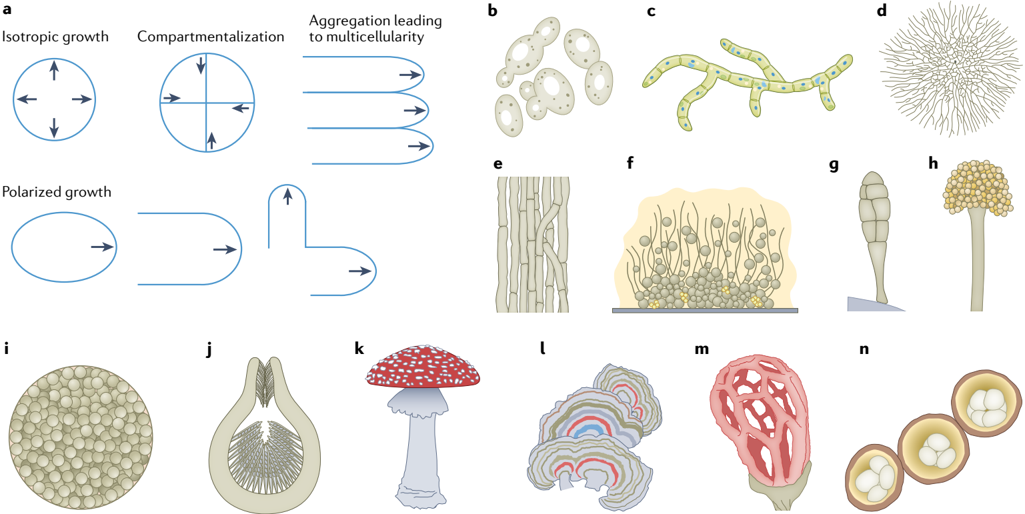
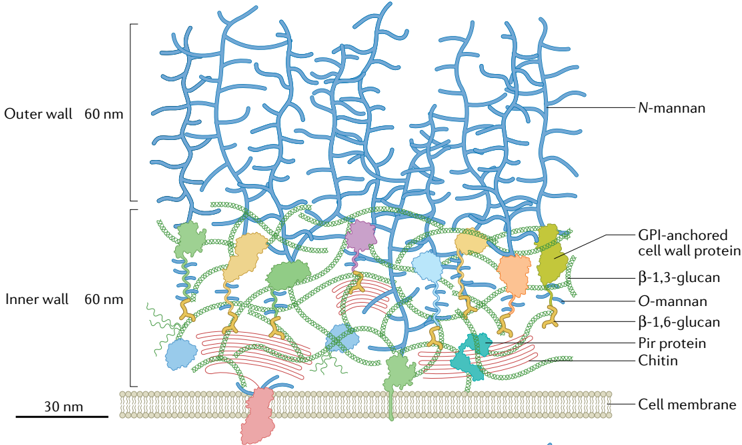
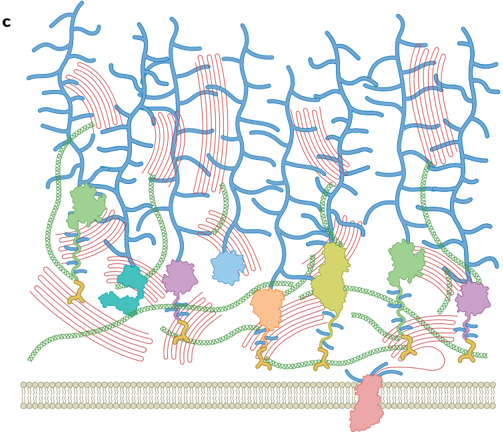
The fungal cell wall is essential for growth and survival, and is a key target for antifungal drugs and the immune system. The cell wall must be robust but flexible, protective and shielding yet porous to nutrients and membrane vesicles and receptive to exogenous signals. Most fungi have a common inner wall skeleton of chitin and β-glucans that functions as a flexible viscoelastic frame to which a more diverse set of outer cell wall polymers and glycosylated proteins are attached. Whereas the inner wall largely determines shape and strength, the outer wall confers properties of hydrophobicity, adhesiveness, and chemical and immunological heterogeneity. The spatial organization and dynamic regulation of the wall in response to prevailing growth conditions enable fungi to thrive within changing, diverse and often hostile environments. Understanding this architecture provides opportunities to develop diagnostics and drugs to combat life-threatening fungal infections. In this Review, Gow and Lenardon describe how fungal cell walls are organized, focusing on the underlying architectural and mechanical principles that are required to deliver differing and bespoke biochemical and biophysical attributes.
Overview
The claims and statistics of this paper haven’t been checked yet.
Run the check — free, no account needed. It reads the open-access text and checks the sources it cites.
Integrity signals
Registry
Cites
Statistics
Figures
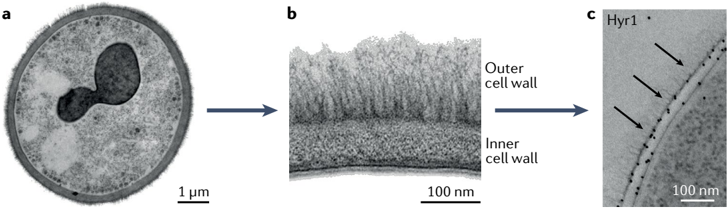
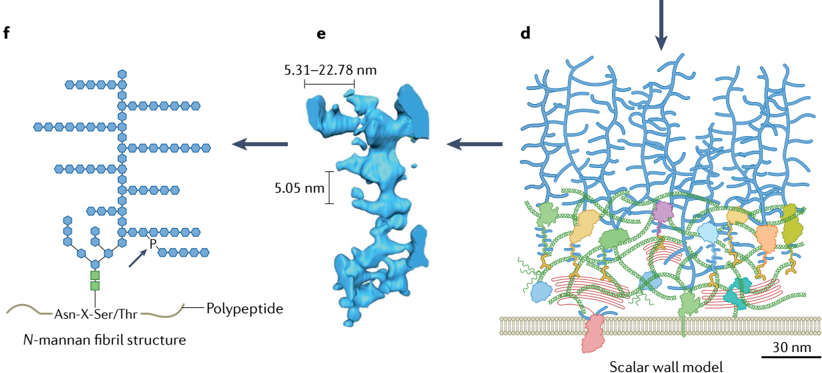
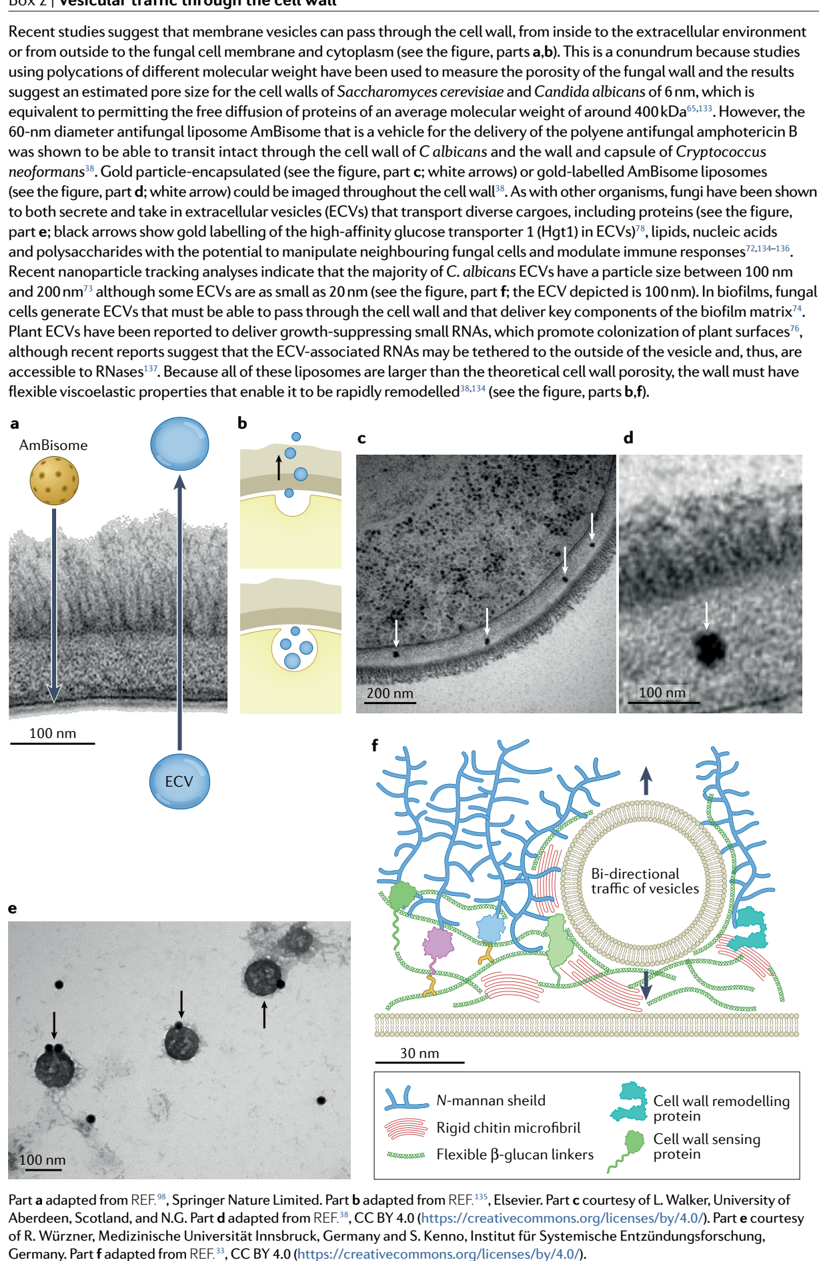
Verification
Claims the paper makes
The claims and statistics of this paper haven’t been checked yet.
Run the check — free, no account needed. It reads the open-access text and checks the sources it cites.
Claims other papers make about this one
Each is checked against this paper’s own text: does it say what the citing paper says it does?
In the citing paper
“The cell walls of C. auris, like C. albicans, contain a higher abundance of N-linked mannans compared to O-linked mannans (23).”
From Dual function of Candida auris mannosyltransferase, MNT5, in biofilm community protection from antifungal therapy and the host (2025) · cites this paper as [23]
In the citing paper
“C. albicans has a well-characterized cell wall composed of an inner layer of chitin, β−1,3-glucan, and β−1,6-glucan, and an outer layer composed of proteins modified with N- and O-linked mannans and phosphomannans, called mannoproteins34,35.”
From Distinct echinocandin responses of Candida albicans and Candida auris cell walls revealed by solid-state NMR (2025) · cites this paper as [35]
In the citing paper
“These α-1,2-mannoses can be connected to the α-1,6-mannan backbone, as well as to β-1,2-mannose, α-1,3-mannose, and phosphate groups found in the sidechains27,35.”
From Distinct echinocandin responses of Candida albicans and Candida auris cell walls revealed by solid-state NMR (2025) · cites this paper as [35]
Self-check
Percentages, sums and reported differences re-computed from the paper’s own numbers.
The self-check needs the paper’s full text.
Citations
Cites
Growth of Candida albicans hyphae
Sudbery, P. E. (2011) · Nature Reviews Microbiology · doi:10.1038/nrmicro2636 · Cited by 1,110
An integrated model of the recognition of Candida albicans by the innate immune system
Netea, M. G., Brown, G. D., Kullberg, B. J., & Gow, N. A. R. (2008) · Nature Reviews Microbiology · doi:10.1038/nrmicro1815 · Cited by 946
Self-citationCandida albicans morphogenesis and host defence: discriminating invasion from colonization
Gow, N. A. R., van de Veerdonk, F. L., Brown, A. J. P., & Netea, M. G. (2012) · Nature Reviews Microbiology · doi:10.1038/nrmicro2711 · Cited by 888
Self-citationCandida Biofilms: Threats, Challenges, and Promising Strategies
Cavalheiro, M., & Teixeira, M. C. (2018) · Frontiers in Medicine · doi:10.3389/fmed.2018.00028 · Cited by 690
Innate Immune Training of Granulopoiesis Promotes Anti-tumor Activity
Kalafati, L., Kourtzelis, I., Schulte-Schrepping, J., Li, X., Hatzioannou, A., Grinenko, T., Hagag, E., Sinha, A., Has, C., Dietz, S., et al. (2020) · Cell · doi:10.1016/j.cell.2020.09.058 · Cited by 648
Stimulation of Chitin Synthesis Rescues Candida albicans from Echinocandins
Walker, L. A., Munro, C. A., de Bruijn, I., Lenardon, M. D., McKinnon, A., & Gow, N. A. R. (2008) · PLoS Pathogens · doi:10.1371/journal.ppat.1000040 · Cited by 445
Self-citationFunction of Candida albicans Adhesin Hwp1 in Biofilm Formation
Nobile, C. J., Nett, J. E., Andes, D. R., & Mitchell, A. P. (2006) · Eukaryotic Cell · doi:10.1128/ec.00194-06 · Cited by 395
Harnessing calcineurin as a novel anti-infective agent against invasive fungal infections.
Steinbach, W. J., Reedy, J. L., Cramer, R. A., Perfect, J. R., & Heitman, J. (2007) · Nature Reviews Microbiology · doi:10.1038/nrmicro1680 · Cited by 313
Ene, I. V., Adya, A. K., Wehmeier, S., Brand, A. C., MacCallum, D. M., Gow, N. A. R., & Brown, A. J. P. (2012) · Cellular Microbiology · doi:10.1111/j.1462-5822.2012.01813.x · Cited by 313
Self-citationDynamic, Morphotype-Specific Candida albicans β-Glucan Exposure during Infection and Drug Treatment
Wheeler, R. T., Kombe, D., Agarwala, S. D., & Fink, G. R. (2008) · PLoS Pathogens · doi:10.1371/journal.ppat.1000227 · Cited by 309
Research works printed but not linked: 110
- Verstrepen, K. J., Reynolds, T. B. & Fink, G. R. Origins of variation in the fungal cell surface. Nat. Rev. Microbiol. 2, 533–540 (2004). · DOI
- de Groot, P. W. et al. A genomic approach for the identification and classification of genes involved in cell wall formation and its regulation in Saccharomyces cerevisiae. Comp. Funct. Genomics 2, 124–142 (2001). · DOI
- Polizeli, M. L., Pietro, R. C., Jorge, J. A. & Terenzi, H. F. Effects of cell wall deficiency on the synthesis of polysaccharide-degrading exoenzymes: a study on mycelial and wall-less phenotypes of the fz; sg; os-1 (‘slime’) triple mutant of Neurospora crassa. J. Gen. Microbiol. 136, 1463–1468 (1990). · DOI
- Ene, I. V. et al. Cell wall remodeling enzymes modulate fungal cell wall elasticity and osmotic stress resistance. mBio 6, e00986 (2015). · DOI
- Money, N. P. & Fischer, M. W. F. in Plant Relationships Vol. 5 (ed. Deising, H. B.) 115–133 (Springer, 2009).
- Davì, V. et al. Mechanosensation dynamically coordinates polar growth and cell wall assembly to promote cell survival. Dev. Cell 45, 170–182.e7 (2018). This report demonstrates that cell wall thickness fluctuates during cell growth and is regulated by a mechanosensitive homeostatic mechanism. · DOI
- Veneault-Fourrey, C., Barooah, M., Egan, M., Wakley, G. & Talbot, N. J. Autophagic fungal cell death is necessary for infection by the rice blast fungus. Science 312, 580–583 (2006). · DOI
- Howard, R. J., Ferrari, M. A., Roach, D. H. & Money, N. P. Penetration of hard substrates by a fungus employing enormous turgor pressures. Proc. Natl Acad. Sci. USA 88, 11281–11284 (1991). · DOI
- Talbot, N. J. Appressoria. Curr. Biol. 29, R144–R146 (2019). · DOI
- Berger, B. W. & Sallada, N. D. Hydrophobins: multifunctional biosurfactants for interface engineering. J. Biol. Eng. 13, 10 (2019). · DOI
- Wösten, H. A. B. Hydrophobins: multipurpose proteins. Annu. Rev. Microbiol. 55, 625–646 (2001). · DOI
- Winandy, L., Schlebusch, O. & Fischer, R. Fungal hydrophobins render stones impermeable for water but keep them permeable for vapor. Sci. Rep. 9, 6264 (2019). This publication explores the biophysical properties of fungal cell wall hydrophobin layers and shows that they have remarkable breathable yet waterproof properties. · DOI
- Nehls, U. & Dietz, S. Fungal aquaporins: cellular functions and ecophysiological perspectives. Appl. Microbiol. Biotechnol. 98, 8835–8851 (2014). · DOI
- Casadevall, A. et al. The capsule of Cryptococcus neoformans. Virulence 10, 822–831 (2019). · DOI
- Tlalka, M., Fricker, M. & Watkinson, S. Imaging of long-distance α-aminoisobutyric acid translocation dynamics during resource capture by Serpula lacrymans. Appl. Environ. Microbiol. 74, 2700–2708 (2008). · DOI
- Aguilar-Trigueros, C. A., Boddy, L., Rillig, M. C. & Fricker, M. D. Network traits predict ecological strategies in fungi. ISME Commun. 2, 2 (2022). · DOI
- Lew, R. R. How does a hypha grow? The biophysics of pressurized growth in fungi. Nat. Rev. Microbiol. 9, 509–518 (2011). · DOI
- Read, N. D. in Oxford Textbook of Medical Mycology Ch. 4 (eds Kibbler, K. C. et al.) 23–34 (Oxford Univ. Press, 2018). · DOI
- Grün, C. H. et al. The structure of cell wall α-glucan from fission yeast. Glycobiology 15, 245–257 (2005). · DOI
- Ma, L. et al. Genome analysis of three Pneumocystis species reveals adaptation mechanisms to life exclusively in mammalian hosts. Nat. Commun. 7, 10740 (2016). · DOI
- Muzzarelli, C. J. & Gooday, G. W. (eds). Chitin in Nature and Technology (Springer, 1986). · DOI
- Kanagawa, M. et al. Structural insights into recognition of triple-helical β-glucans by an insect fungal receptor. J. Biol. Chem. 286, 29158–29165 (2011). · DOI
- Liu, Y. et al. Triple helix conformation of β-d-glucan from Ganoderma lucidum and effect of molecular weight on its immunostimulatory activity. Int. J. Biol. Macromol. 114, 1064–1070 (2018). · DOI
- Fernando, L. D. et al. Structural polymorphism of chitin and chitosan in fungal cell walls from solid-state NMR and principal component analysis. Front. Mol. Biosci. 8, 727053 (2021). · DOI
- Latgé, J. P. & Wang, T. Modern biophysics redefines our understanding of fungal cell wall structure, complexity, and dynamics. mBio 13, e0114522 (2022). · DOI · Paper page
- Orlean, P. & Funai, D. Priming and elongation of chitin chains: implications for chitin synthase mechanism. Cell Surf. 5, 100017 (2019). · DOI
- da Silva Dantas, A. et al. Crosstalk between the calcineurin and cell wall integrity pathways prevents chitin overexpression in Candida albicans. J. Cell Sci. 134, jcs258889 (2021). · DOI · Paper page
- Gow, N. A. R. & Gooday, G. W. Ultrastructure of chitin in hyphae of Candida albicans and other dimorphic and mycelial fungi. Protoplasma 115, 52–58 (1983). · DOI
- Vermeulen, C. A. & Wessels, J. G. H. Ultrastructural differences between wall apices of growing and non-growing hyphae of Schizophyllum commune. Protoplasma 120, 123–131 (1984). · DOI
- Vermeulen, C. A. & Wessels, J. G. Chitin biosynthesis by a fungal membrane preparation. Evidence for a transient non-crystalline state of chitin. Eur. J. Biochem. 158, 411–415 (1986). · DOI
- Lenardon, M. D., Sood, P., Dorfmueller, H. C., Brown, A. J. P. & Gow, N. A. R. Scalar nanostructure of the Candida albicans cell wall; a molecular, cellular and ultrastructural analysis and interpretation. Cell Surf. 6, 100047 (2020). This publication provides the first to-scale model of the C. albicans cell wall and includes a menu of icons which can be used to construct other bespoke cell wall models. · DOI · Paper page
- Kang, X. et al. Molecular architecture of fungal cell walls revealed by solid-state NMR. Nat. Commun. 9, 2747 (2018). This report utilizes solid-state nuclear magnetic resonance to demonstrate that chitin and α-1,3-glucan in the Aspergillus cell wall forms a hydrophobic scaffold which is surrounded by β-glucans and capped by glycoproteins and α-1,3-glucan. · DOI · Paper page
- Krol, P. Synthesis methods, chemical structures and phase structures of linear polyurethanes. Properties and applications of linear polyurethanes in polyurethane elastomers, copolymers and ionomers. Prog. Mater. Sci. 52, 915–1015 (2007). · DOI
- Bates, S. et al. Outer chain N-glycans are required for cell wall integrity and virulence of Candida albicans. J. Biol. Chem. 281, 90–98 (2006). · DOI
- Walker, L. et al. The viscoelastic properties of the fungal cell wall allow traffic of AmBisome as intact liposome vesicles. mBio 9, e02383-17 (2018). This study demonstrates that intact AmBisome vesicles can carry non-elastic gold particle cargoes through the fungal cell wall. · DOI
- Ballou, E. R. et al. Lactate signalling regulates fungal β-glucan masking and immune evasion. Nat. Microbiol. 2, 16238 (2016). This study makes key observations that Candida cells ‘mask’ β-1,3-glucan when grown on lactate, demonstrating that metabolic adaptability makes Candida cells an immunological moving target. · DOI · Paper page
- Pradhan, A. et al. Non-canonical signalling mediates changes in fungal cell wall PAMPs that drive immune evasion. Nat. Commun. 10, 5315 (2019). · DOI · Paper page
- Lopes-Bezerra, L. M. et al. Cell walls of the dimorphic fungal pathogens Sporothrix schenckii and Sporothrix brasiliensis exhibit bilaminate structures and sloughing of extensive and intact layers. PLoS Negl. Trop. Dis. 12, e0006169 (2018). · DOI
- Hobson, R. P. et al. Loss of cell wall mannosylphosphate in Candida albicans does not influence macrophage recognition. J. Biol. Chem. 279, 39628–39635 (2004). · DOI
- Trinel, P. A. et al. Candida albicans serotype B strains synthesize a serotype-specific phospholipomannan overexpressing a β-1,2-linked mannotriose. Mol. Microbiol. 58, 984–998 (2005). · DOI
- Singleton, D. R., Masuoka, J. & Hazen, K. C. Surface hydrophobicity changes of two Candida albicans serotype B mnn4delta mutants. Eukaryot. Cell 4, 639–648 (2005). · DOI
- Silva-Dias, A. et al. Adhesion, biofilm formation, cell surface hydrophobicity, and antifungal planktonic susceptibility: relationship among Candida spp. Front. Microbiol. 6, 205 (2015). · DOI
- Wessels, J. G. H. Hydrophobins, unique fungal proteins. Mycologist 14, 153–159 (2000). · DOI
- Aimanianda, V. et al. Surface hydrophobin prevents immune recognition of airborne fungal spores. Nature 460, 1117–1121 (2009). · DOI · Paper page
- Carrion, S. J. et al. The RodA hydrophobin on Aspergillus fumigatus spores masks dectin-1- and dectin-2-dependent responses and enhances fungal survival in vivo. J. Immunol. 191, 2581–2588 (2013). · DOI
- Willaert, R. G. Adhesins of yeasts: protein structure and interactions. J. Fungi 4, 119 (2018). · DOI
- Staab, J. F., Bradway, S. D., Fidel, P. L. & Sundstrom, P. Adhesive and mammalian transglutaminase substrate properties of Candida albicans Hwp1. Science 283, 1535–1538 (1999). · DOI
- Vendele, I. et al. Mannan detecting C-type lectin receptor probes recognise immune epitopes with diverse chemical, spatial and phylogenetic heterogeneity in fungal cell walls. PLoS Pathog. 16, e1007927 (2020). · DOI
- Kumar, R., Breindel, C., Saraswat, D., Cullen, P. J. & Edgerton, M. Candida albicans Sap6 amyloid regions function in cellular aggregation and zinc binding, and contribute to zinc acquisition. Sci. Rep. 7, 2908 (2017). · DOI
- Lipke, P. N., Klotz, S. A., Dufrene, Y. F., Jackson, D. N. & Garcia-Sherman, M. C. Amyloid-like β-aggregates as force-sensitive switches in fungal biofilms and infections. Microbiol. Mol. Biol. Rev. 82, e00035-17 (2018). · DOI
- Speth, C., Rambach, G., Lass-Flörl, C., Howell, P. L. & Sheppard, D. C. Galactosaminogalactan (GAG) and its multiple roles in Aspergillus pathogenesis. Virulence 10, 976–983 (2019). · DOI
- Gravelat, F. N. et al. Aspergillus galactosaminogalactan mediates adherence to host constituents and conceals hyphal β-glucan from the immune system. PLoS Pathog. 9, e1003575 (2013). This paper demonstrates that an epimerase is required for GAG synthesis which mediates adhesion of Aspergillus to a range of surfaces and is essential for virulence. · DOI · Paper page
- Nosanchuk, J. D., Stark, R. E. & Casadevall, A. Fungal melanin: what do we know about structure? Front. Microbiol. 6, 1463 (2015). · DOI · Paper page
- Liu, S., Youngchim, S., Zamith-Miranda, D. & Nosanchuk, J. D. Fungal melanin and the mammalian immune system. J. Fungi 7, 264 (2021). · DOI
- Casadevall, A., Cordero, R. J. B., Bryan, R., Nosanchuk, J. & Dadachova, E. Melanin, radiation, and energy transduction in fungi. Microbiol. Spectr. 5, 5.2.05 (2017). This work proposes that fungal cell wall melanin can harness electromagnetic radiation as an energy source to promote survival. · DOI · Paper page
- De Nobel, J. G., Dijkers, C., Hooijberg, E. & Klis, F. M. Increased cell wall porosity in Saccharomyces cerevisiae after treatment with dithiothreitol or EDTA. Microbiology 135, 2077–2084 (1989). · DOI
- Yadav, B. et al. Differences in fungal immune recognition by monocytes and macrophages: N-mannan can be a shield or activator of immune recognition. Cell Surf. 6, 100042 (2020). · DOI
- Nazik, H. et al. Pseudomonas phage inhibition of Candida albicans. Microbiology 163, 1568–1577 (2017). · DOI
- Nuss, D. L. Hypovirulence: mycoviruses at the fungal–plant interface. Nat. Rev. Microbiol. 3, 632–642 (2005). · DOI
- Kim, Y. & Mylonakis, E. Killing of Candida albicans filaments by Salmonella enterica serovar Typhimurium is mediated by sopB effectors, parts of a type III secretion system. Eukaryot. Cell 10, 782–790 (2011). · DOI
- Trunk, K. et al. The type VI secretion system deploys antifungal effectors against microbial competitors. Nat. Microbiol. 3, 920–931 (2018). · DOI
- Cuskin, F. et al. Human gut Bacteroidetes can utilize yeast mannan through a selfish mechanism. Nature 517, 165–169 (2015). · DOI
- Zhao, K. et al. Extracellular vesicles secreted by Saccharomyces cerevisiae are involved in cell wall remodelling. Commun. Biol. 2, 305 (2019). · DOI
- Dawson, C. S. et al. Protein markers for Candida albicans EVs include claudin-like Sur7 family proteins. J. Extracell. Vesicles 9, 1750810 (2020). · DOI
- Zhao, M. et al. Turbinmicin inhibits Candida biofilm growth by disrupting fungal vesicle-mediated trafficking. J. Clin. Invest. 131, e145123 (2021). · DOI · Paper page
- He, B. et al. RNA-binding proteins contribute to small RNA loading in plant extracellular vesicles. Nat. Plants 7, 342–352 (2021). · DOI
- Sorgo, A. G., Heilmann, C. J., Brul, S., de Koster, C. G. & Klis, F. M. Beyond the wall: Candida albicans secret(e)s to survive. FEMS Microbiol. Lett. 338, 10–17 (2013). · DOI
- Kenno, S. et al. Candida albicans factor H binding molecule Hgt1p — a low glucose-induced transmembrane protein is trafficked to the cell wall and impairs phagocytosis and killing by human neutrophils. Front. Microbiol. 9, 3319 (2019). · DOI
- Urban, C. et al. The moonlighting protein Tsa1p is implicated in oxidative stress response and in cell wall biogenesis in Candida albicans. Mol. Microbiol. 57, 1318–1341 (2005). · DOI
- Satala, D., Karkowska-Kuleta, J., Zelazna, A., Rapala-Kozik, M. & Kozik, A. Moonlighting proteins at the Candidal cell surface. Microorganisms 8, 1046 (2020). · DOI
- Gow, N. A. R., Latge, J. P. & Munro, C. A. The fungal cell wall: structure, biosynthesis, and function. Microbiol. Spectr. 5, 5.3.01 (2017). · DOI · Paper page
- Riquelme, M. et al. Fungal morphogenesis, from the polarized growth of hyphae to complex reproduction and infection structures. Microbiol. Mol. Biol. Rev. 82, e00068-17 (2018). · DOI
- Arkowitz, R. A. & Bassilana, M. Recent advances in understanding Candida albicans hyphal growth. F1000Res 8, 700 (2019). · DOI · Paper page
- Schuster, M. et al. Co-delivery of cell-wall-forming enzymes in the same vesicle for coordinated fungal cell wall formation. Nat. Microbiol. 1, 16149 (2016). This study shows that the Ustilago class V and class VII chitin synthases (chitin synthases with an N-terminal myosin motor-like domain) and β-1,3-glucan synthases are transported and co-secreted in the same vesicles and that the myosin motor-like domains play a key role in the secretory process. · DOI
- Klis, F. M., de Groot, P. & Hellingwerf, K. Molecular organization of the cell wall of Candida albicans. Med. Mycol. 39, 1–8 (2001). · DOI · Paper page
- Garcia-Rubio, R., de Oliveira, H. C., Rivera, J. & Trevijano-Contador, N. The fungal cell wall: Candida, Cryptococcus, and Aspergillus species. Front. Microbiol. 10, 2993 (2019). · DOI · Paper page
- Yoshimi, A., Miyazawa, K. & Abe, K. Cell wall structure and biogenesis in Aspergillus species. Biosci. Biotechnol. Biochem. 80, 1700–1711 (2016). · DOI
- Knafler, H. C. et al. AP-2-dependent endocytic recycling of the chitin synthase Chs3 regulates polarized growth in Candida albicans. mBio 10, e02421-18 (2019). · DOI
- Munro, C. A. et al. The PKC, HOG and Ca2+ signalling pathways co-ordinately regulate chitin synthesis in Candida albicans. Mol. Microbiol. 63, 1399–1413 (2007). · DOI · Paper page
- Dichtl, K., Samantaray, S. & Wagener, J. Cell wall integrity signalling in human pathogenic fungi. Cell. Microbiol. 18, 1228–1238 (2016). · DOI · Paper page
- Ibe, C. & Munro, C. A. Fungal cell wall: an underexploited target for antifungal therapies. PLoS Pathog. 17, e1009470 (2021). · DOI
- González-Rubio, G., Fernández-Acero, T., Martín, H. & Molina, M. Mitogen-activated protein kinase phosphatases (MKPs) in fungal signaling: conservation, function, and regulation. Int. J. Mol. Sci. 20, 1709 (2019). · DOI
- Geißel, B. et al. Azole-induced cell wall carbohydrate patches kill Aspergillus fumigatus. Nat. Commun. 9, 3098 (2018). This work shows that azole antifungals lead to the formation of carbohydrate patches that penetrate and rupture the cell membrane, leading to cidal effects. · DOI · Paper page
- Erwig, L. P. & Gow, N. A. R. Interactions of fungal pathogens with phagocytes. Nat. Rev. Microbiol. 14, 163–176 (2016). · DOI · Paper page
- Brown, G. D., Willment, J. A. & Whitehead, L. C-Type lectins in immunity and homeostasis. Nat. Rev. Immunol. 18, 374–389 (2018). · DOI
- Casadevall, A. Immunity to invasive fungal diseases. Annu. Rev. Immunol. 40, 121–141 (2022). · DOI
- Rappleye, C. A. & Goldman, W. E. Fungal stealth technology. Trends Immunol. 29, 18–24 (2008). · DOI
- Graus, M. S. et al. Mannan molecular substructures control nanoscale glucan exposure in. Candida. Cell Rep. 24, 2432–2442 (2018). · DOI
- Wheeler, R. T. & Fink, G. R. A drug-sensitive genetic network masks fungi from the immune system. PLoS Pathog. 2, e35 (2006). · DOI
- Cottier, F. et al. Remasking of Candida albicans β-glucan in response to environmental pH is regulated by quorum sensing. mBio 10, e02347-19 (2019). · DOI
- Chen, T., Wagner, A. S. & Reynolds, T. B. When is it appropriate to take off the mask? Signaling pathways that regulate β(1,3)-glucan exposure in Candida albicans. Front. Fungal Biol. 3, 842501 (2022). · DOI
- Lopes, J. P. et al. Evasion of immune surveillance in low oxygen environments enhances Candida albicans virulence. mBio 9, e02120-18 (2018). · DOI · Paper page
- Childers, D. S. et al. Epitope shaving promotes fungal immune evasion. mBio 11, e00984-20 (2020). This work shows that the removal of superficial strands of β-1,3-glucan from the Candida cell surface by the β-glucanase Xog1 contributes to the immunological disguise of cells by preventing glucan recognition by the dectin 1 receptor. · DOI
- Hole, C. R., Lam, W. C., Upadhya, R. & Lodge, J. K. Cryptococcus neoformans chitin synthase 3 plays a critical role in dampening host inflammatory responses. mBio 11, e03373-19 (2020). · DOI
- Lam, W. C. et al. Chitosan biosynthesis and virulence in the human fungal pathogen Cryptococcus gattii. mSphere 4, e00644-19 (2019). · DOI
- Davis, M. R., Donnelley, M. A. & Thompson, G. R. Ibrexafungerp: a novel oral glucan synthase inhibitor. Med. Mycol. 58, 579–592 (2020). · DOI · Paper page
- Pfaller, M. A., Huband, M. D., Flamm, R. K., Bien, P. A. & Castanheira, M. Antimicrobial activity of manogepix, a first-in-class antifungal, and comparator agents tested against contemporary invasive fungal isolates from an international surveillance programme (2018–2019). J. Glob. Antimicrob. Resist. 26, 117–127 (2021). · DOI
- Steinbach, W. J. et al. Calcineurin inhibition or mutation enhances cell wall inhibitors against Aspergillus fumigatus. Antimicrob. Agents Chemother. 51, 2979–2981 (2007). · DOI · Paper page
- Hussain, K. K. et al. Biosensors and diagnostics for fungal detection. J. Fungi 6, 349 (2020). · DOI
- Edwards, J. E. Jr. et al. A fungal immunotherapeutic vaccine (NDV-3A) for treatment of recurrent vulvovaginal candidiasis — a phase 2 randomized, double-blind, placebo-controlled trial. Clin. Infect. Dis. 66, 1928–1936 (2018). · DOI · Paper page
- Datta, K., Lees, A. & Pirofski, L. A. Therapeutic efficacy of a conjugate vaccine containing a peptide mimotope of cryptococcal capsular polysaccharide glucuronoxylomannan. Clin. Vaccin. Immunol. 15, 1176–1187 (2008). · DOI
- Devi, S. J. Preclinical efficacy of a glucuronoxylomannan–tetanus toxoid conjugate vaccine of Cryptococcus neoformans in a murine model. Vaccine 14, 841–844 (1996). · DOI
- Meagher, R. B., Lewis, Z. A., Ambati, S. & Lin, X. Aiming for a bull’s-eye: targeting antifungals to fungi with dectin-decorated liposomes. PLoS Pathog. 17, e1009699 (2021). · DOI
- Rudkin, F. M. et al. Single human B cell-derived monoclonal anti-Candida antibodies enhance phagocytosis and protect against disseminated candidiasis. Nat. Commun. 9, 5288 (2018). · DOI
- Palliyil, S. et al. Monoclonal antibodies targeting surface-exposed epitopes of Candida albicans cell wall proteins confer in vivo protection in an infection model. Antimicrob. Agents Chemother. 66, e0195721 (2022). · DOI
- De Nobel, J. G., Klis, F. M., Munnik, T., Priem, J. & Van Den Ende, H. An assay of relative cell wall porosity in Saccharomyces cerevisiae, Kluyveromyces lactis and Schizosaccharomyces pombe. Yeast 6, 483–490 (1990). · DOI
- Bleackley, M. R., Dawson, C. S. & Anderson, M. A. Fungal extracellular vesicles with a focus on proteomic analysis. Proteomics 19, e1800232 (2019). · DOI
- Casadevall, A., Nosanchuk, J. D., Williamson, P. & Rodrigues, M. L. Vesicular transport across the fungal cell wall. Trends Microbiol. 17, 158–162 (2009). · DOI
- Rodrigues, M. L. & Casadevall, A. A two-way road: novel roles for fungal extracellular vesicles. Mol. Microbiol. 110, 11–15 (2018). · DOI
- Zand Karimi, H. et al. Arabidopsis apoplastic fluid contains sRNA– and circular RNA–protein complexes that are located outside extracellular vesicles. Plant Cell 34, 1863–1881 (2022). · DOI
Cited by
Sorted by citations
Items 201–300 of 410
TBK1 phagosomal recruitment enhances antifungal immunity via positive feedback regulation with SRC
Feng, Y., Cheng, X., Yang, Y., Liu, C., Shi, Y., Qi, X., Zhao, W., Liu, B., Chen, T., & Gao, C. (2025) · Cell Reports · doi:10.1016/j.celrep.2025.115972 · Cited by 3
Song, X.-W., Chen, S., Cai, Z., Wu, J.-X., Zhang, Y.-F., Na, R., Lv, H., He, C., Wu, T.-T., & Wang, X. (2025) · European Journal of Wood and Wood Products · doi:10.1007/s00107-025-02259-3 · Cited by 3
“The inner-layer chitin provides mechanical strength and stiffness to the mycelium, whereas outer-layer proteins endow the mycelium with hydrophobic properties (Ehren et al. 2020 ; Gow and Lenardon 2023 ).”
Acyltransferases that Modify Cell Surface Polymers Across the Membrane
Schultz, B. J., & Walker, S. (2025) · Biochemistry · doi:10.1021/acs.biochem.4c00731 · Cited by 3
The Role of Intestinal Fungi in the Pathogenesis and Treatment of Ulcerative Colitis
Zhang, Y., Wang, L., & Peng, L. (2025) · Microorganisms · doi:10.3390/microorganisms13040794 · Cited by 4
“The fungal cell wall is critical for fungal survival and reproduction and is a key target for antifungal drugs and the host immune system [52].”
Mazheika, I. S., & Kamzolkina, O. (2025) · Archives of Microbiology · doi:10.1007/s00203-025-04271-w · Cited by 3
“The higher the level of fibril cross-linking and the longer the chitin fibrils, the more rigid the cell wall will be (Lenardon et al. 2020; Gow, Lenardon 2023).”
InfluentialCairns, T., Freidank-Pohl, C., Birke, A., Regner, C., Jung, S., & Meyer, V. (2025) · Fungal Biology and Biotechnology · doi:10.1186/s40694-024-00192-3 · Cited by 5
“Fungal cell walls are a complex yet organized mesh of chitin, β-1,3 D-glucan β-1,6 -glucans, β-1,4 -glucan, α-1,3-glucan, mannans, galactomannan, melanins, and a wide variety of proteins including hydrophobins [78–80].”
Guo, D., Zhang, X.-N., Liu, H., Shi, Y., Ma, X.-Q., Fan, R., Hao, W., & Tu, Z.-T. (2025) · Plasma Processes and Polymers · doi:10.1002/ppap.202400274 · Cited by 3
Surface-modifying Ganoderma lucidum spores as improved microcarriers in protein delivery
Chen, R., Ma, A., Liao, J.-J., Meng, Y.-Q., Zhang, J.-Z., Li, H., Yao, H., Gong, Z.-P., & Lyu, H. (2025) · LWT · doi:10.1016/j.lwt.2025.117570 · Cited by 3
Sahu, S., Bhardwaj, P., Singh, G., Bhalla, A., & Arya, S. (2025) · Environmental science and pollution research international · doi:10.1007/s11356-025-36130-y · Cited by 3
“Mechanical strength and rigidity are provided by chitin microfibrils (Gow and Lenardon 2022).”
Chatrath, A., Patel, P., Dey, P., & Free, S. J. (2025) · The Cell Surface · doi:10.1016/j.tcsw.2024.100140 · Cited by 3
Molecular Insights Into the Interplay Between Host Platelets and Fungal Pathogens
Kumari, N., Maharaj, S., Chattopadhyay, R., Singh, S. K., & Bari, V. K. (2024) · Current Clinical Microbiology Reports · doi:10.1007/s40588-024-00237-6 · Cited by 2
Recent advances in chemical synthesis of phosphodiester linkages found in fungal mannans
Ma, Z., Ensley, H. E., Lowman, D. W., Kruppa, M., & Williams, D. L. (2024) · Carbohydrate Research · doi:10.1016/j.carres.2024.109325 · Cited by 3
Gray, K., Edwards, H., Doan, A. G., Huso, W. D., Lee, J., Pan, W., Bolima, N., Morse, M. E., Yoda, S., Gautam, I., et al. (2024) · Fungal Biology and Biotechnology · doi:10.1186/s40694-024-00191-4 · Cited by 5
“Testing via fourier transform infrared (FTIR) spectroscopy provides the ability to characterize the water content of heterogenous natural materials, and others have used this approach to characterize mycelial materials [17, 36].”
Simulation of the compression of pellets out of filamentous microorganisms using DEM
Schrader, M., Hoffmann, N., Schmideder, S., Deffur, C., Schilde, C., Briesen, H., & Kwade, A. (2024) · Computational Particle Mechanics · doi:10.1007/s40571-024-00805-z · Cited by 3
“The thickness of the cell wall is generally dependent on the strain and cultivation conditions and can range from approximately one hundred to several hundred nanometers in fungi [12, 74].”
Novel Copper Alginate Microspheres as Ecological Fungicides
Vinceković, M., Jurić, S., Vlahoviček‐Kahlina, K., Novak, A., Ivić, D., Hazler, L., Marić, I., Bafti, A., & Vujičić, N. Š. (2024) · Sustainability · doi:10.3390/su16135637 · Cited by 5
Martínez-Maldonado, M. A., Millán-Chiu, B. E., Fernández, F., Larrañaga, D., Gómez-Lim, M. A., & Loske, A. (2024) · Fluids · doi:10.3390/fluids9040081 · Cited by 3
Shinto, H., Ryu, T., Fukuda, J., Fujimoto, K., Hirohashi, Y., & Seto, H. (2023) · Advanced Powder Technology · doi:10.1016/j.apt.2023.104153 · Cited by 3
Structural Remodeling of Fungal Cell Wall Promotes Resistance to Echinocandins
Widanage, M. C. D., Gautam, I., Sarkar, D., Mentink-Vigier, F., Vermaas, J., Fontaine, T., Latgé, J., Wang, P., & Wang, T. (2023) · bioRxiv · doi:10.1101/2023.08.09.552708 · Cited by 3
Fungal spore swelling and germination are restricted by the macrophage phagolysosome
Alonso, M. F., Bain, J. M., Erwig, L. P., Brown, A. J. P., & Gow, N. A. R. (2023) · Fungal Biology · doi:10.1016/j.funbio.2023.08.002 · Cited by 5
Self-citationSivaramakrishnan, M., Goel, S., Ratnaparkhi, N., & Chandrasekar, B. (2023) · Current Protocols · doi:10.1002/cpz1.869 · Cited by 3
Yang, P., Qu, C., Yuan, M., Xi, B., Jia, X. J., Zhang, B., & Zhang, L. (2023) · Microorganisms · doi:10.3390/microorganisms11071768 · Cited by 3
“The polysaccharides, including chitin and β-1,3-glucan, form the inner wall skeleton, which provide the mechanical strength of the cell wall [69].”
BackgroundMontaño‐Silva, P., Callejas‐Negrete, O. A., Pereira‐Santana, A., & Verdín, J. (2025) · The FEBS Journal · doi:10.1111/febs.70020 · Cited by 3
Breaking the mould: cellulose in the cell walls of the Ophiostomatales
Marx, B., van Dijk, A., Steenkamp, E., Wingfield, M., & Wingfield, B. (2026) · Fungal Biology Reviews · doi:10.1016/j.fbr.2026.100489 · Cited by 2
Li, R., Liu, Y.-Y., Li, L., Zhang, Y.-X., Wang, X.-W., Ji, X., Zhang, M., Zong, Y.-Z., Bi, Y., & Li, Y.-C. (2026) · Virulence · doi:10.1080/21505594.2026.2715208 · Cited by 2
“Composed predominantly of chitin, glucan, mannan, melanin, GPI-anchored hydrophobic proteins, and various extracellular materials, the precise architecture of the cell wall varies among plant-pathogenic fungal species [9].”
Exploring the Antimicrobial Efficacy of Graphene Oxide: Key Mechanisms and Future Directions
Li, Y.-Z., Ke, Z.-H., Deng, B.-L., Chen, Y., Lin, X.-D., Chen, A.-J., Guo, W., & Feng, X. (2026) · Pharmaceutics · doi:10.3390/pharmaceutics18080966 · Cited by 2
“Compared with bacteria, fungi exhibit more complex cellular structures and growth forms, with a cell wall composed of β -glucans, chitin, mannoproteins, and other components surrounding the cell membrane, and may occur as yeast cells, spores, or hyphae [126].”
Expansins and expansin-like proteins revisited: Untangling the 'Gordian' knots.
Santamaría, I. D., Eijsink, V. G. H., & Várnai, A. (2026) · Biotechnology Advances · doi:10.1016/j.biotechadv.2026.108930 · Cited by 2
Obeng-Gyasi, O., & Deplazes, E. (2026) · Quarterly Reviews of Biophysics · doi:10.1017/s0033583526100158 · Cited by 2
“These species-specific components of the outer cell wall provide chemical and immunological heterogeneity, critical for the interaction of fungal cells with their host environment (Gow and Lenardon, 2023).”
Ghorai, S., Ghorai, P., Bera, D., Pramanick, S., Das, S., Karmakar, A., Ghosh, D., Datta, P. K., Banik, A., & Ganguly, J. (2026) · ACS Applied Bio Materials · doi:10.1021/acsabm.6c00177 · Cited by 2
Xie, D.-D., Zheng, J., & Zhao, L. (2026) · Food microbiology · doi:10.1016/j.fm.2026.105123 · Cited by 2
Harnessing Fungal Biowelding for Constructing Mycelium‐Engineered Materials
Bai, X. B., Niu, X. S., & Zhao Qin, A. (2026) · Advanced Engineering Materials · doi:10.1002/adem.202501759 · Cited by 3
“The chitin and β -glucan in the hyphal inner cell wall constitute the structural element, providing stability to the bonding system [44].”
Las-Casas, L. D. O., Mellon, D. A., Bezerra, B. T., de Souza, C. M., Reis, F. C. G., & Rodrigues, M. L. (2026) · Microbiology Spectrum · doi:10.1128/spectrum.03604-25 · Cited by 2
A Glucan Synthase-Remodeler Module Organizes Branched Glucan Assembly in the Fungal Cell WallPreprint
Willet, A. H., Jacob, A., Turner, L. A., Alsanad, A., Wang, T., & Gould, K. (2026) · bioRxiv · doi:10.64898/2026.02.18.706439 · Cited by 2
“Reflecting this complexity, cell wall assembly is among the most elaborate biosynthetic processes carried out by the cell, and 20% or more of fungal genomes encode proteins contributing to cell wall biogenesis, remodeling, and regulation (Gow et al., 2017; Gow & Lenardon, 2023).”
Xu, L., Wen, T.-T., Chen, C.-Y., Sun, L., Liu, Z.-Y., Wang, H., Sun, W.-J., & Cui, F. (2026) · Journal of Agricultural and Food Chemistry · doi:10.1021/acs.jafc.5c16146 · Cited by 4
Molecular breeding alters mycelium material properties in the white-rot fungus Pleurotus ostreatus
Kojima, H., Im, H.-S., Kawauchi, M., Shin, H.-J., Schiphof, K., Tsuji, K., Yoshimi, A., Tanaka, C., Nakazawa, T., & Honda, Y. (2026) · Applied Microbiology and Biotechnology · doi:10.1007/s00253-026-13743-y · Cited by 2
he, Y., Niu, J., Huang, W., Ju, C., Deng, S., Cui, J., Wang, X., & Zhang, M. (2026) · Materials Today Bio · doi:10.1016/j.mtbio.2026.102857
“Unlike the peptidoglycan monolayers of prokaryotes, fungal cell walls are composed of β -glucans, chitin, mannoproteins, and glycoproteins, forming a dense and cross-linked multilayer structure that acts as a natural physicochemical barrier [13,14].”
Insights into the Adaptation of Geotrichum citri-aurrantii in Highly Acidic Environments
Niu, Q., Zheng, J., Liao, W., Qian, J., Tan, X., Ouyang, Q.-L., Li, L., & Tao, N.-G. (2026) · Journal of Fungi · doi:10.3390/jof12020091 · Cited by 2
“Moreover, the cell wall and cell membrane of fungi are highly adaptable structures that react to stress by changing their composition [30,31].”
GbWAKL20 Phosphorylates GbNFYB8 to Modulate Verticillium Wilt Resistance in Cotton
Wang, G., Si, Q., Chen, Z., Yu, Z., Guo, Z., Wang, L., Li, W.-X., & Guo, W.-Z. (2026) · Advancement of science · doi:10.1002/advs.202515724 · Cited by 2
“Simultaneously, plant-derived hydrolases targeting fungal cell walls generate PAMPs including chitin oligosaccharides and β -glucans [ 44 ].”
Jo, M., An, S.-M., Kim, K.-T., Kim, D. S., Kim, H., Kim, K.-H., Kim, S., Lee, Y.-H., Chi, W.-J., & Park, S.-Y. (2026) · Pest Management Science · doi:10.1002/ps.70544 · Cited by 2
Microbial chitinases in the plant holobiont: ecological roles and structural determinants
Eichfeld, R., & Zuccaro, A. (2026) · FEMS Microbiology Reviews · doi:10.1093/femsre/fuag022 · Cited by 2
“Chitin is a linear polymer of β -1,4-linked N-acetylglucosamine that adopts an antiparallel crystalline arrangement in fungal cell walls, stabilized by hydrogen bonding (Kang et al. 2018 , Gow and Lenardon 2023 ).”
Oxidative Stress-Responsive Cell Wall Remodeling Depends on Phosphate in Candida albicansPreprint
Jacob, A., Qi, W., Yarava, J. R., Barkarar, M., Karai, A., Vermaas, J. V., Köhler, J. R., & Wang, T. (2025) · bioRxiv (Cold Spring Harbor Laboratory) · doi:10.64898/2025.12.23.696271 · Cited by 1
The role of nucleic acid sensors in antifungal immunity
Liang, X., Zhou, H., Ouyang, L., Chen, J., & He, W. (2025) · Frontiers in Immunology · doi:10.3389/fimmu.2025.1725717 · Cited by 2
“This, in turn, serves to shield the inner b -glucan layer, thereby creating a barrier to recognition (85).”
Engineering probiotics for inflammatory bowel disease: Strategies and perspectives
Ye, C., Wang, L., Gao, Y., Rui, Z., He, Q., Zhang, Y., Si, H., Pei, P., & Wang, W. (2025) · Chinese Chemical Letters · doi:10.1016/j.cclet.2025.112219 · Cited by 3
Houdelet, C., Gonçalves, A. T., Dias, J., Rawling, M., & Leclercq, E. (2025) · Fish Physiology & Biochemistry · doi:10.1007/s10695-025-01612-w · Cited by 2
Luo, X.-B., Chen, X.-W., Zhai, F.-H., Zhang, X., Zhao, Y.-X., Zhang, H., Li, H.-H., Xu, B., Ouyang, J.-X., Li, H., et al. (2025) · New Phytologist · doi:10.1111/nph.70734 · Cited by 2
“It is possible that c -Cyts are located in the fungal cell membrane and blocked by cell walls composed of chitin and glucans (Gow & Lenardon, 2023).”
Wang, Y.-X., Chen, K., Zhang, Y., Zhang, Z., Tao, Z., & Ye, X.-F. (2025) · Journal of Fungi · doi:10.3390/jof11110791 · Cited by 2
“Plant pathogens dynamically remodel cell wall composition to evade host immune detection during invasion, thereby securing their survival, effective colonization and proliferation within the host [66].”
Electrical stimulation as an emerging antifungal therapeutic strategy
Zhu, X., Zhao, Y., Mu, Y., Jia, X., Chao, D., & Tian, Y. (2025) · Cell Reports Physical Science · doi:10.1016/j.xcrp.2025.102982 · Cited by 2
Kauser, S., Gulzar, M., Hasan, G. M., & Kumar, P. S. (2025) · Archives of Microbiology · doi:10.1007/s00203-025-04519-5 · Cited by 2
“Composed of polysaccharides, glycoproteins, and lipids, the fungal cell wall provides mechanical strength, immune recognition and antifungal resistance (Gow and Lenardon 2023).”
Dietary tannic acid promotes intestinal clearance of C. albicans by cross-linking hyphal chitosan
Feng, J., Gao, L., Qiu, L., Chao, W., Liu, Y., Wang, R., Yan, L., Jiang, Y., & Lv, Q. (2025) · PLoS Pathogens · doi:10.1371/journal.ppat.1013596 · Cited by 4
The dual roles of T cells and keratinocytes in seborrheic dermatitis: a narrative review
Xu, Y., & Tong, X. (2025) · European journal of medical research · doi:10.1186/s40001-025-03005-4 · Cited by 3
The Role of the Microbiome in Pancreas Cancer
Awad, D., & Daley, D. (2025) · Surgical Clinics of North America · doi:10.1016/j.suc.2025.06.001 · Cited by 1
Kałucka, M., Podsadni, P., Szczepańska, A., Malinowska, E., Błażewicz, A., & Turło, J. (2025) · Molecules · doi:10.3390/molecules30143015 · Cited by 2
“The external layer of the fungal cell wall consists mainly of mannoproteins with functional groups typical of polysaccharides and proteins, e.g., hydroxyl, amino, or carboxyl groups [61,62].”
Liu, Y.-Z., Xie, M.-H., Hu, X.-Y., Sun, J.-T., Xu, H., Liu, J.-H., Su, A.-X., Song, H., & Yang, W.-J. (2025) · International Journal of Biological Macromolecules · doi:10.1016/j.ijbiomac.2025.145151 · Cited by 2
Pring, S., Kato, H., Taniuchi, K., Camagna, M., Saito, M., Tanaka, A., Merritt, B. A., Argüello-Miranda, O., Sato, I., Chiba, S., et al. (2025) · Plant Science · doi:10.1016/j.plantsci.2025.112578 · Cited by 2
Ruf, D., Striegler, K., Brazil, S., Elsaman, H., Singh, K., Lepas, M., Fernando, L. D., Brantl, V., Hess, P., Dichtl, K., et al. (2025) · bioRxiv · doi:10.1101/2025.03.10.642427 · Cited by 2
Wu, F., Sun, Q., Huang, L., Liu, S., Chen, Y., Zhang, X., Li, C., Guo, S., & Tan, X. (2025) · Journal of Fungi · doi:10.3390/jof11020084 · Cited by 2
“The extension of germ tubes and hyphae, as well as the generation of turgor pressure, are closely related to cell surface expansion and cell wall integrity [39].”
Stressor-Actuated Proximity Labeling for Reporting Cellular Interaction
Wang, G., Wang, Y., Wang, L., Wu, S., Cao, A., Pu, W., Li, T., Xie, R., Wang, H., Ding, L., et al. (2024) · Analytical Chemistry · doi:10.1021/acs.analchem.4c05008 · Cited by 2
Diver, P., Ward, B., & Cunliffe, M. (2024) · Mycologia · doi:10.1080/00275514.2024.2418784 · Cited by 2
“Yeast shape is primarily determined by cell wall architecture, which also responds to changing growth conditions (Gow and Lenardon 2023).”
Hyphal swelling induced in the phagosome of macrophages
Alonso, M. F., Bain, J. M., Erwig, L., Brown, A. J. P., & Gow, N. (2024) · Fungal Biology · doi:10.1016/j.funbio.2024.08.011 · Cited by 2
Self-citationHe, H., Fan, S., Zeng, R., Liu, D.-Y., Wang, X.-H., Wang, J.-Q., & Geng, F. (2024) · Agronomy · doi:10.3390/agronomy14071539 · Cited by 2
Morphological and pathogenic investigation of the emerging fungal threat Emergomyces africanus
Albergoni, E. C., de Oliveira, H. C., Honorato, L., Valdez, A. F., Sena, B. A. G., Castelli, R. F., Rodrigues, A. J. C., Marcon, B. H., Robert, A. W., Nimrichter, L., et al. (2024) · Microbiology Spectrum · doi:10.1128/spectrum.00863-24 · Cited by 3
Murdoch, E., Schweizer, L. M., & Schweizer, M. (2024) · Current Genetics · doi:10.1007/s00294-024-01290-w · Cited by 8
Jia, L.-W., Chan, Y., & Law, M. C. (2023) · ACS Applied Bio Materials · doi:10.1021/acsabm.3c00515 · Cited by 2
Pejenaute-Ochoa, M. D., Tomás-Gallardo, L., Ibeas, J. I., & Barrales, R. R. (2023) · bioRxiv · doi:10.1101/2023.09.11.557153 · Cited by 2
Jiang, L.-H., & Yan, H. (2023) · Protein Expression and Purification · doi:10.1016/j.pep.2023.106343 · Cited by 2
Gómez-Gaviria, M., Ramírez-Sotelo, U., Reis, N. F., Baptista, A. R. D. S., & Mora-Montes, H. (2026) · Fungal Biology Reviews · doi:10.1016/j.fbr.2026.100488 · Cited by 2
A pair of chitosan receptors confer broad-spectrum fungal resistance.
Huang, K.-Y., Wu, J.-N., Cao, Y., Cao, Y.-Y., Pu, Z.-J., Xu, A.-S., Wang, W., Zhou, X.-C., Li, M., Zhang, M., et al. (2026) · Science · doi:10.1126/science.ady7647 · Cited by 1
Yang, C., Wang, Y.-M., Sun, W., Lv, Y.-Y., Zhai, H.-C., Wei, S., Ma, P.-A., Hu, Y.-S., & Zhang, S.-B. (2026) · Journal of Stored Products Research · doi:10.1016/j.jspr.2026.103186 · Cited by 1
Li, Q., Pang, Y., Zhang, J., Liu, Y., Chen, H., Wang, Y., Mei, L., Tu, L., Li, J., & Sun, Y. (2026) · Journal of the American Chemical Society · doi:10.1021/jacs.6c10086 · Cited by 2
Trentin, G., Martins‐Santana, L., Taborda, C. P., & Almeida, F. (2026) · Frontiers in Immunology · doi:10.3389/fimmu.2026.1912476 · Cited by 1
“…with the Pattern Recognition Receptors (PRRs), such as toll-like receptors (TLRs), Nucleotide-binding and Oligomerization Domain-like receptors (NODs), mannose receptors (MRs), Dendritic Cell-Speci fi c Intercellular adhesion molecule-3-Grabbing Non-integrin (DC-SIGN), and others (29, 33, 34).”
InfluentialZhang, Y., Chai, Y.-W., Wang, X., Cheng, H.-B., Li, Y., Ma, J., Chang, L., & Chai, S.-X. (2026) · European Journal of Agronomy · doi:10.1016/j.eja.2026.128142 · Cited by 1
Mycelium-based composites for extreme environment engineering: from Earth to space
Li, S., Gan, Y.-D., Zhou, F., Zhou, C., & Ding, L.-Y. (2026) · Biogeotechnics · doi:10.1016/j.bgtech.2026.100262 · Cited by 1
Sones-Dykes, T., & Wallace, E. W. J. (2026) · G3 Genes Genomes Genetics · doi:10.1093/g3journal/jkag134 · Cited by 1
“…secreted proteins such as digestive enzymes that allow fungi to feed from their environment; transmembrane channels and enzymes; and secreted virulence factors and effectors in fungal pathogens of animals, plants, and other fungi (Ellis et al. 2007; Brunke et al. 2016; Gow and Lenardon 2022).”
Isolation of Bacteria and Fungi from Human Pancreatic Tumors and Duodenum
Awad, D., Attebury, H., Hong, R., Kim, K., Zhang, L., Bischoff, A., Achi, S. C., denDekker, A., Lesniak, N., The, S., et al. (2026) · Gut Microbes · doi:10.1080/19490976.2026.2695522 · Cited by 3
“61 Thus, the substantial number of unidentified colonies in our culture isolates were possibly filamentous fungi that we were unable to adequately lyse for MALDI-TOF identification (Figure 2 and Supplemental Figure 5A, D).”
Dembitsky, V., & Terent'ev, A. O. (2026) · MarineMedicine · doi:10.64187/mm.2026.v2.i2.003 · Cited by 1
Surface‐Engineered Filters for Wettability‐Driven Collection of Airborne Fungal Spores
Affan, H. U., Lenehan, C., Fryar, S. C., Taylor, M., Whiley, H., Delcheva, I., & MacGregor, M. (2026) · Global Challenges · doi:10.1002/gch2.70127 · Cited by 1
Higashijima, K., Kuraoka, T., FUJIMATSU, N., Ambo, A., Ito, F., Ogawa, Y., & Kobayashi, H. (2026) · Microorganisms · doi:10.3390/microorganisms14071472 · Cited by 1
“…O -linked oligosaccharides are indeed exposed on the outer surface of the cell wall, as suggested by the cell wall architecture model of Gow et al. [31], the structural differences between these N - and O -linked glycans could potentially be exploited as target antigens and the rapid…”
Production of Mycelium-Based Nonwoven Fabrics via Submerged Fermentation.
Ahokas, P., Arias-Barrantes, M., Valtonen, A., Kärkkäinen, E., Kunnari, V., Vikman, M., Mattila, H., Penttilä, M., & Szilvay, G. (2026) · ACS Applied Bio Materials · doi:10.1021/acsabm.6c00471 · Cited by 1
Berosich, C. M., Valverde-Urrea, M., Zubcoff, J., Lopez-Llorca, L., & Lopez-Moya, F. (2026) · Physiological and molecular plant pathology · doi:10.1016/j.pmpp.2026.103287 · Cited by 1
Garzoli, S., Elizondo‐Luévano, J. H., Hsouna, A. B., Saad, R. B., & Kačániová, M. (2026) · Chemistry & Biodiversity · doi:10.1002/cbdv.71425 · Cited by 1
Beyond Fungitoxicity: Recent Achievements in Targeted Fungicide Discovery
Wu, X., Lu, J.-P., Ma, S., Lin, F.-C., & Shi, X.-T. (2026) · Journal of Fungi · doi:10.3390/jof12060446 · Cited by 1
“It is primarily composed of chitin, β -glucans, and glycoproteins [10]; its components are typically absent in plants and mammals, making them attractive targets for highly specific fungicides.”
Cheng, Q.-H., Lu, C.-Y., Gong, X.-F., Wang, Q.-Y., Liao, S., & Chen, L.-H. (2026) · Food Hydrocolloids · doi:10.1016/j.foodhyd.2026.113022 · Cited by 1
Response of Psychrotolerant Fungus Mucor flavus to Cell Wall Stress, Induced by Azo Dyes
Saharova, S. A., Ianutsevich, E., Danilova, O. A., Kochkina, G., & Tereshina, V. (2026) · International Journal of Molecular Sciences · doi:10.3390/ijms27114927 · Cited by 1
“The rigid chitin microfibrils of A. fumigatus do not form a continuous layer and are localized in the inner layer of the CW, where they are covalently linked to a flexible branched β -1,3-glucan with β -1,6-side branches [6].”
Dai, T., Chen, A. X., Chow, E. W. L., Pang, L. M., Li, J. M., Verma, C. S., Oehlers, S. H., Wang, Y., & Li, N. (2026) · Advanced Science · doi:10.1002/advs.75480 · Cited by 1
“Surrounding the cytoplasmic membrane, the dynamic, semi-rigid fungal cell wall serves as the first point-of-contact between the fungus and its environment [ 25 ].”
Mechanosensation Promotes Local Cell Wall Repair
Reignier, Y., Amiri-Czajkowski, D., Borgne, R. L., & Minc, N. (2026) · bioRxiv · doi:10.64898/2026.04.23.720310 · Cited by 1
Qiu, J.-C., Zhang, X.-H., Zhang, Z.-H., Xu, Y.-H., Bai, J.-H., Zhai, Y.-J., Cao, L.-X., Cao, W., Wang, Y.-Q., & Liu, Y. (2026) · Bioresource Technology · doi:10.1016/j.biortech.2026.134701 · Cited by 1
Cai, Z., Chen, S., Wen, J., Liu, Y.-Z., Takahashi, H., & Song, X.-W. (2026) · European Journal of Wood and Wood Products · doi:10.1007/s00107-026-02398-1 · Cited by 1
“The outer layer con - tains a protein layer, a glycoprotein layer, and a mucilagi-nous matrix (Gow and Lenardon 2023).”
Fu, Q.-Y., Gong, K.-Y., Feng, S.-Q., Luo, X.-Q., Yang, L., Ye, Z., Pan, J., Feng, Y., Wang, J., Chen, P.-S., et al. (2026) · Chemical Engineering Journal · doi:10.1016/j.cej.2026.175159 · Cited by 1
Bai, Y., Zhan, J., Zhang, W., Zheng, W., Chen, F., & Kh, W. (2026) · Journal of Natural Products · doi:10.1021/acs.jnatprod.5c01507 · Cited by 1
Liu, J., Xu, M., Guo, Y., Li, J., Chen, L., Gu, Z.-H., Shi, G., & Ding, Z.-Y. (2026) · International Journal of Biological Macromolecules · doi:10.1016/j.ijbiomac.2026.151053 · Cited by 1
Shaping Aspergillus niger into a next-generation cell factory for L-malic acid.
Liu, H., Chang, M., Zhang, C., & Xu, Q. (2026) · Current Opinion in Biotechnology · doi:10.1016/j.copbio.2026.103452 · Cited by 1
Malavia, D., Leaves, I., Onime, J., O'Neill, P., Yan, K., Brown, A. J., & Gow, N. A. R. (2026) · The Cell Surface · doi:10.1016/j.tcsw.2026.100170 · Cited by 1
“…pathways namely, cell wall remodelling, PKA and Hog pathways (Navarro-García et al., 2005; Munro et al., 2007; Bermejo et al., 2008; Walker et al., 2010; Xiong et al., 2021; Gow and Lenardon, 2023), to ensure that the strength of the wall is sustained even when wall integrity is under assault.”
InfluentialSelf-citationStress-Induced Cross-Protection and Combined Stress Responses in Extremotolerant Black Yeasts
Fortuna, K., Kajin, M., & Gostinčar, C. (2026) · Journal of Fungi · doi:10.3390/jof12010043 · Cited by 1
“Filamentous growth supports nutrient exchange but increases water loss due to a high surface-to-volume ratio [58,59], whereas yeast cells function as individual units with greater protection from the cell wall.”
Long, Z., Luo, G., Chen, L., Wu, K., Chang, X., Wu, C., & Tian, W. (2026) · International Journal of Biological Macromolecules · doi:10.1016/j.ijbiomac.2026.150631 · Cited by 1
Myricetin Derivatives Chart the Course for Next-Generation Green Pesticides.
Zheng, Y.-G., Liu, G., Hong, X., Chen, D.-Y., Huang, Y., Pan, Q., Zhou, Q., Zhang, W.-B., Hao, G.-F., & Xue, W. (2025) · Journal of Agricultural and Food Chemistry · doi:10.1021/acs.jafc.5c11609 · Cited by 1
Lisha, K., Al-Hussain, S., Elangovan, N., Gomha, S. M., Sowrirajan, S., Zaki, M., & Berdimurodov, E. (2025) · Journal of Fluorescence · doi:10.1007/s10895-025-04651-x · Cited by 1
Xu, Z., & Ma, R. (2025) · Biological control (Print) · doi:10.1016/j.biocontrol.2025.105933 · Cited by 1
Klemm, S., Abali, B., Zaslansky, P., Völlmecke, C., & Fleck, C. (2025) · Materials & Design · doi:10.1016/j.matdes.2025.115280 · Cited by 1
Fei, L., Liang, J., Fu, S., Xu, Y., & Hao, L. (2025) · Pest Management Science · doi:10.1002/ps.70358 · Cited by 2
“49,50 Cell wall damage induced by RFE-AgNPs was con fi rmed through light microscopy and SEM, which revealed distorted morphological features in P. oryzae .”
Erdenetsetseg, B., Arakawa, K., Galipon, J., Undrakhbold, S., Fukuda, S., & Boldgiv, B. (2025) · Scientific Reports · doi:10.1038/s41598-025-22696-7 · Cited by 1
Mycoelectronics: Bioprinted Living Fungal Bioelectronics for Artificial Sensation
Cai, Y., Yuan, H., Ronders, C., Mottini, V., Singh, K., Xing, L.-X., Singh, I., Fu, D.-H., Zhao, K., Heller, L., et al. (2025) · bioRxiv · doi:10.1101/2025.10.06.680560 · Cited by 1
“3I, left), reflecting structural remodeling in the load-bearing regions of the fungal network( 81 , 82 ).”
Metadata
- Authors
- Gow, N. A. R., & Lenardon, M. D.
- Affiliations
- University of Exeter (GB)
- UNSW Sydney (AU)
- Corresponding author
- Gow, Neil A. R.
- Lenardon, Megan D.
- Venue
- Nature Reviews Microbiology
- Published
- 2022-10-20
- Volume
- 21
- Issue
- 4
- Pages
- 248-259
- ISSN
- 1740-1526 (ISSN-L)
- 1740-1534
- OpenAlex
- W4306878780
- Cited by
- 447
- References
- 138
- Citations by year
- 2026: 146 · 2025: 157 · 2024: 93 · 2023: 48 · 2022: 3
- FWCI
- 7.89
- Type
- journal article
- Language
- en
- Open access
- hybrid
- doi.org
- Licence
- Locations
- Nature Reviews Microbiology (publishedVersion, cc-by)
- PubMed (publishedVersion)
- UNSWorks (University of New South Wales, Sydney, Australia) (submittedVersion, cc-by-nc-nd)
- Funders
- Wellcome Trust (215599/Z/19/Z, 200208/A/15/Z, 101873/Z/13/Z)
- Medical Research Council (MR/N006364, MR/N006364/2, MR/J008230/1, MR/M026663/2, MR/V033417/1)
- Topics
- Life Sciences › Biochemistry, Genetics and Molecular Biology › Molecular Biology › Fungal and yeast genetics research
- Health Sciences › Medicine › Infectious Diseases › Antifungal resistance and susceptibility
- Health Sciences › Medicine › Infectious Diseases › Fungal Infections and Studies
- Keywords
- fungal cell wall, chitin, β-glucan, cell wall architecture, cell wall mechanics, viscoelasticity, glycosylated proteins, cell wall hydrophobicity, cell adhesion, cell wall regulation, antifungal drug targets, fungal infection
- MeSH terms
- Antifungal Agents, Cell Wall, Chitin, Fungal Proteins, Glucans, beta-Glucans
About these checks
Registry, retraction, Cites and statistics results are computed, not judged, with one exception: a printed reference that no index lists is read once by a model before it counts as a citation error. Claims are extracted by a model and kept only when their quote appears verbatim in the text; each cited source is then checked, with a model’s help, for whether it says what the claim relies on. Those verdicts can be wrong — read the claim’s quote and the cited source before relying on one.
Statistics and arithmetic are recomputed, not judged.
Confidence bands are shown only for fields calibrated on our annotated test set. None is calibrated yet, so no band is shown.
What counts as a claim ›How we measure confidence ›How we check this ›
Are you an author, or do you see a problem with this page? Request a review
