

The DOI matches its Crossref record; 26 of the 26 references it cites were found in a registry or an index.
Architecture of the dynamic fungal cell wall
Open accessAbstract
The fungal cell wall is essential for growth and survival, and is a key target for antifungal drugs and the immune system. The cell wall must be robust but flexible, protective and shielding yet porous to nutrients and membrane vesicles and receptive to exogenous signals. Most fungi have a common inner wall skeleton of chitin and β-glucans that functions as a flexible viscoelastic frame to which a more diverse set of outer cell wall polymers and glycosylated proteins are attached. Whereas the inner wall largely determines shape and strength, the outer wall confers properties of hydrophobicity, adhesiveness, and chemical and immunological heterogeneity. The spatial organization and dynamic regulation of the wall in response to prevailing growth conditions enable fungi to thrive within changing, diverse and often hostile environments. Understanding this architecture provides opportunities to develop diagnostics and drugs to combat life-threatening fungal infections. In this Review, Gow and Lenardon describe how fungal cell walls are organized, focusing on the underlying architectural and mechanical principles that are required to deliver differing and bespoke biochemical and biophysical attributes.
Overview
The claims and statistics of this paper haven’t been checked yet.
Run the check — free, no account needed. It reads the open-access text and checks the sources it cites.
Integrity signals
Registry
Cites
Statistics
Figures
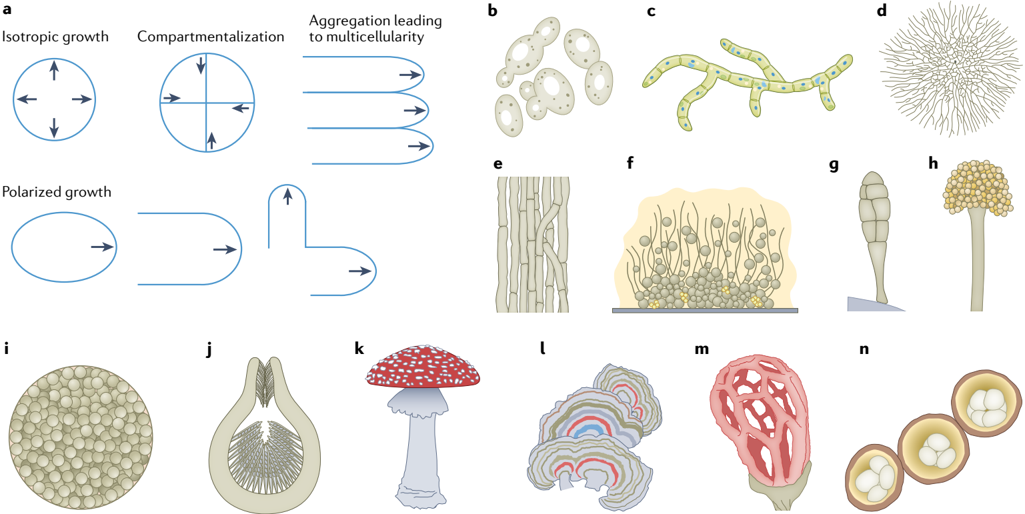
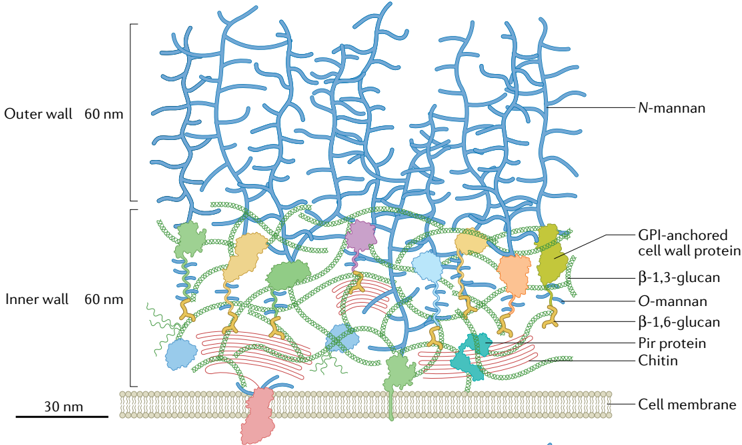
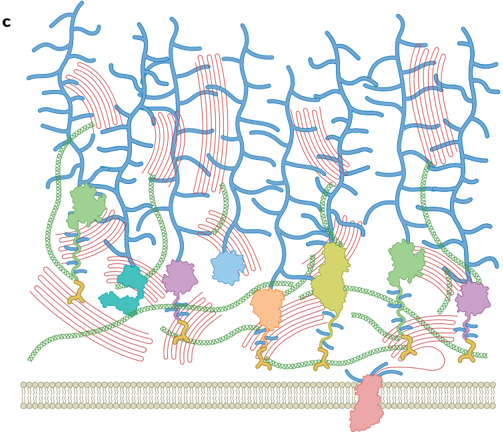
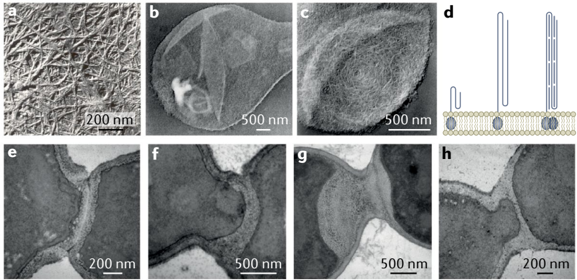
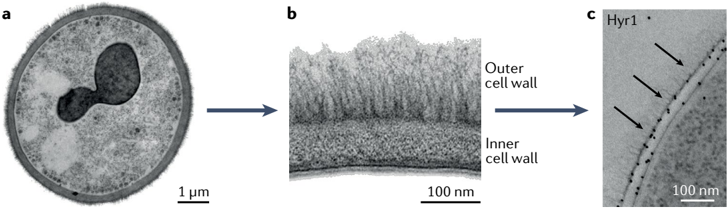
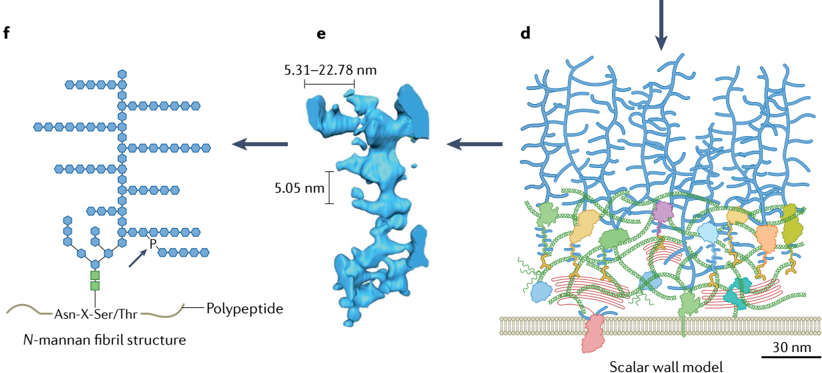
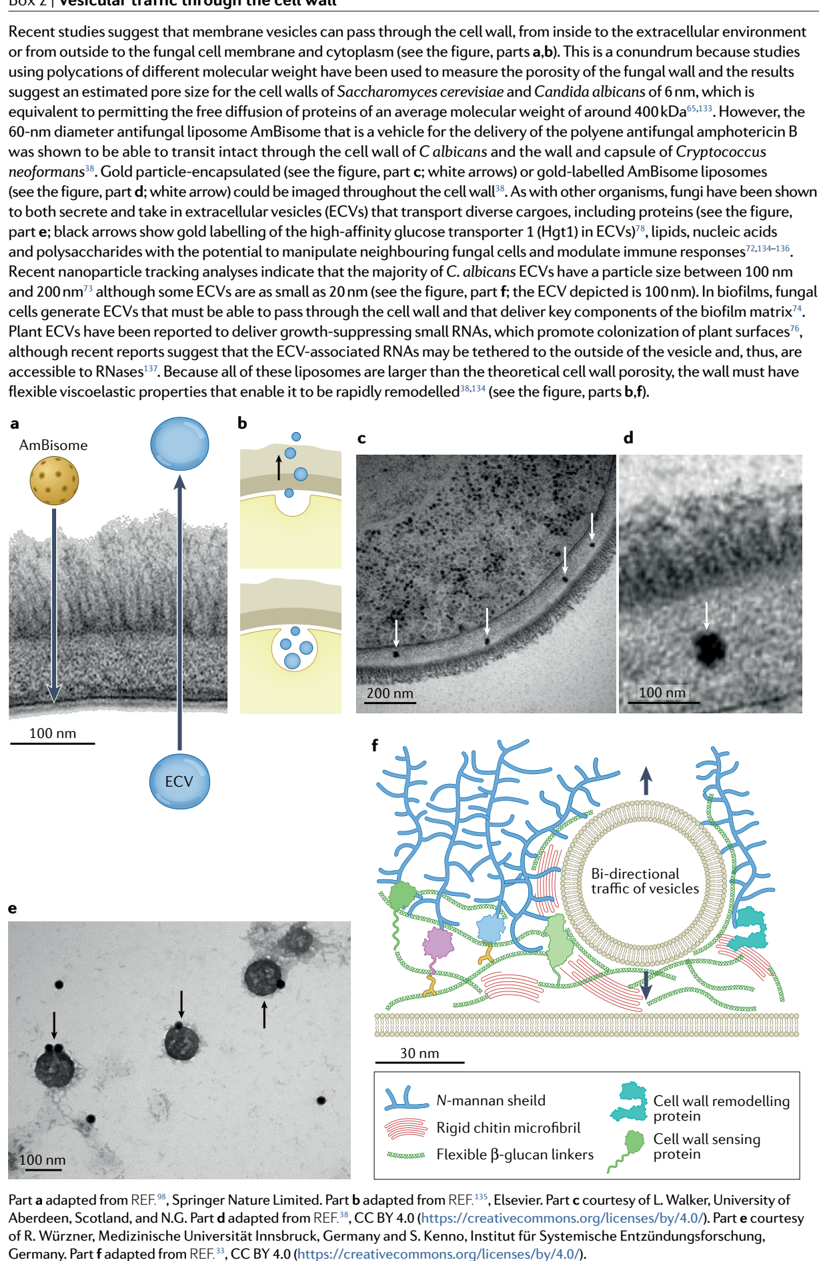
Verification
Claims the paper makes
The claims and statistics of this paper haven’t been checked yet.
Run the check — free, no account needed. It reads the open-access text and checks the sources it cites.
Claims other papers make about this one
Each is checked against this paper’s own text: does it say what the citing paper says it does?
In the citing paper
“The cell walls of C. auris, like C. albicans, contain a higher abundance of N-linked mannans compared to O-linked mannans (23).”
From Dual function of Candida auris mannosyltransferase, MNT5, in biofilm community protection from antifungal therapy and the host (2025) · cites this paper as [23]
In the citing paper
“C. albicans has a well-characterized cell wall composed of an inner layer of chitin, β−1,3-glucan, and β−1,6-glucan, and an outer layer composed of proteins modified with N- and O-linked mannans and phosphomannans, called mannoproteins34,35.”
From Distinct echinocandin responses of Candida albicans and Candida auris cell walls revealed by solid-state NMR (2025) · cites this paper as [35]
In the citing paper
“These α-1,2-mannoses can be connected to the α-1,6-mannan backbone, as well as to β-1,2-mannose, α-1,3-mannose, and phosphate groups found in the sidechains27,35.”
From Distinct echinocandin responses of Candida albicans and Candida auris cell walls revealed by solid-state NMR (2025) · cites this paper as [35]
Self-check
Percentages, sums and reported differences re-computed from the paper’s own numbers.
The self-check needs the paper’s full text.
Citations
Cites
Growth of Candida albicans hyphae
Sudbery, P. E. (2011) · Nature Reviews Microbiology · doi:10.1038/nrmicro2636 · Cited by 1,110
An integrated model of the recognition of Candida albicans by the innate immune system
Netea, M. G., Brown, G. D., Kullberg, B. J., & Gow, N. A. R. (2008) · Nature Reviews Microbiology · doi:10.1038/nrmicro1815 · Cited by 946
Self-citationCandida albicans morphogenesis and host defence: discriminating invasion from colonization
Gow, N. A. R., van de Veerdonk, F. L., Brown, A. J. P., & Netea, M. G. (2012) · Nature Reviews Microbiology · doi:10.1038/nrmicro2711 · Cited by 888
Self-citationCandida Biofilms: Threats, Challenges, and Promising Strategies
Cavalheiro, M., & Teixeira, M. C. (2018) · Frontiers in Medicine · doi:10.3389/fmed.2018.00028 · Cited by 690
Innate Immune Training of Granulopoiesis Promotes Anti-tumor Activity
Kalafati, L., Kourtzelis, I., Schulte-Schrepping, J., Li, X., Hatzioannou, A., Grinenko, T., Hagag, E., Sinha, A., Has, C., Dietz, S., et al. (2020) · Cell · doi:10.1016/j.cell.2020.09.058 · Cited by 648
Stimulation of Chitin Synthesis Rescues Candida albicans from Echinocandins
Walker, L. A., Munro, C. A., de Bruijn, I., Lenardon, M. D., McKinnon, A., & Gow, N. A. R. (2008) · PLoS Pathogens · doi:10.1371/journal.ppat.1000040 · Cited by 445
Self-citationFunction of Candida albicans Adhesin Hwp1 in Biofilm Formation
Nobile, C. J., Nett, J. E., Andes, D. R., & Mitchell, A. P. (2006) · Eukaryotic Cell · doi:10.1128/ec.00194-06 · Cited by 395
Harnessing calcineurin as a novel anti-infective agent against invasive fungal infections.
Steinbach, W. J., Reedy, J. L., Cramer, R. A., Perfect, J. R., & Heitman, J. (2007) · Nature Reviews Microbiology · doi:10.1038/nrmicro1680 · Cited by 313
Ene, I. V., Adya, A. K., Wehmeier, S., Brand, A. C., MacCallum, D. M., Gow, N. A. R., & Brown, A. J. P. (2012) · Cellular Microbiology · doi:10.1111/j.1462-5822.2012.01813.x · Cited by 313
Self-citationDynamic, Morphotype-Specific Candida albicans β-Glucan Exposure during Infection and Drug Treatment
Wheeler, R. T., Kombe, D., Agarwala, S. D., & Fink, G. R. (2008) · PLoS Pathogens · doi:10.1371/journal.ppat.1000227 · Cited by 309
Research works printed but not linked: 110
- Verstrepen, K. J., Reynolds, T. B. & Fink, G. R. Origins of variation in the fungal cell surface. Nat. Rev. Microbiol. 2, 533–540 (2004). · DOI
- de Groot, P. W. et al. A genomic approach for the identification and classification of genes involved in cell wall formation and its regulation in Saccharomyces cerevisiae. Comp. Funct. Genomics 2, 124–142 (2001). · DOI
- Polizeli, M. L., Pietro, R. C., Jorge, J. A. & Terenzi, H. F. Effects of cell wall deficiency on the synthesis of polysaccharide-degrading exoenzymes: a study on mycelial and wall-less phenotypes of the fz; sg; os-1 (‘slime’) triple mutant of Neurospora crassa. J. Gen. Microbiol. 136, 1463–1468 (1990). · DOI
- Ene, I. V. et al. Cell wall remodeling enzymes modulate fungal cell wall elasticity and osmotic stress resistance. mBio 6, e00986 (2015). · DOI
- Money, N. P. & Fischer, M. W. F. in Plant Relationships Vol. 5 (ed. Deising, H. B.) 115–133 (Springer, 2009).
- Davì, V. et al. Mechanosensation dynamically coordinates polar growth and cell wall assembly to promote cell survival. Dev. Cell 45, 170–182.e7 (2018). This report demonstrates that cell wall thickness fluctuates during cell growth and is regulated by a mechanosensitive homeostatic mechanism. · DOI
- Veneault-Fourrey, C., Barooah, M., Egan, M., Wakley, G. & Talbot, N. J. Autophagic fungal cell death is necessary for infection by the rice blast fungus. Science 312, 580–583 (2006). · DOI
- Howard, R. J., Ferrari, M. A., Roach, D. H. & Money, N. P. Penetration of hard substrates by a fungus employing enormous turgor pressures. Proc. Natl Acad. Sci. USA 88, 11281–11284 (1991). · DOI
- Talbot, N. J. Appressoria. Curr. Biol. 29, R144–R146 (2019). · DOI
- Berger, B. W. & Sallada, N. D. Hydrophobins: multifunctional biosurfactants for interface engineering. J. Biol. Eng. 13, 10 (2019). · DOI
- Wösten, H. A. B. Hydrophobins: multipurpose proteins. Annu. Rev. Microbiol. 55, 625–646 (2001). · DOI
- Winandy, L., Schlebusch, O. & Fischer, R. Fungal hydrophobins render stones impermeable for water but keep them permeable for vapor. Sci. Rep. 9, 6264 (2019). This publication explores the biophysical properties of fungal cell wall hydrophobin layers and shows that they have remarkable breathable yet waterproof properties. · DOI
- Nehls, U. & Dietz, S. Fungal aquaporins: cellular functions and ecophysiological perspectives. Appl. Microbiol. Biotechnol. 98, 8835–8851 (2014). · DOI
- Casadevall, A. et al. The capsule of Cryptococcus neoformans. Virulence 10, 822–831 (2019). · DOI
- Tlalka, M., Fricker, M. & Watkinson, S. Imaging of long-distance α-aminoisobutyric acid translocation dynamics during resource capture by Serpula lacrymans. Appl. Environ. Microbiol. 74, 2700–2708 (2008). · DOI
- Aguilar-Trigueros, C. A., Boddy, L., Rillig, M. C. & Fricker, M. D. Network traits predict ecological strategies in fungi. ISME Commun. 2, 2 (2022). · DOI
- Lew, R. R. How does a hypha grow? The biophysics of pressurized growth in fungi. Nat. Rev. Microbiol. 9, 509–518 (2011). · DOI
- Read, N. D. in Oxford Textbook of Medical Mycology Ch. 4 (eds Kibbler, K. C. et al.) 23–34 (Oxford Univ. Press, 2018). · DOI
- Grün, C. H. et al. The structure of cell wall α-glucan from fission yeast. Glycobiology 15, 245–257 (2005). · DOI
- Ma, L. et al. Genome analysis of three Pneumocystis species reveals adaptation mechanisms to life exclusively in mammalian hosts. Nat. Commun. 7, 10740 (2016). · DOI
- Muzzarelli, C. J. & Gooday, G. W. (eds). Chitin in Nature and Technology (Springer, 1986). · DOI
- Kanagawa, M. et al. Structural insights into recognition of triple-helical β-glucans by an insect fungal receptor. J. Biol. Chem. 286, 29158–29165 (2011). · DOI
- Liu, Y. et al. Triple helix conformation of β-d-glucan from Ganoderma lucidum and effect of molecular weight on its immunostimulatory activity. Int. J. Biol. Macromol. 114, 1064–1070 (2018). · DOI
- Fernando, L. D. et al. Structural polymorphism of chitin and chitosan in fungal cell walls from solid-state NMR and principal component analysis. Front. Mol. Biosci. 8, 727053 (2021). · DOI
- Latgé, J. P. & Wang, T. Modern biophysics redefines our understanding of fungal cell wall structure, complexity, and dynamics. mBio 13, e0114522 (2022). · DOI · Paper page
- Orlean, P. & Funai, D. Priming and elongation of chitin chains: implications for chitin synthase mechanism. Cell Surf. 5, 100017 (2019). · DOI
- da Silva Dantas, A. et al. Crosstalk between the calcineurin and cell wall integrity pathways prevents chitin overexpression in Candida albicans. J. Cell Sci. 134, jcs258889 (2021). · DOI · Paper page
- Gow, N. A. R. & Gooday, G. W. Ultrastructure of chitin in hyphae of Candida albicans and other dimorphic and mycelial fungi. Protoplasma 115, 52–58 (1983). · DOI
- Vermeulen, C. A. & Wessels, J. G. H. Ultrastructural differences between wall apices of growing and non-growing hyphae of Schizophyllum commune. Protoplasma 120, 123–131 (1984). · DOI
- Vermeulen, C. A. & Wessels, J. G. Chitin biosynthesis by a fungal membrane preparation. Evidence for a transient non-crystalline state of chitin. Eur. J. Biochem. 158, 411–415 (1986). · DOI
- Lenardon, M. D., Sood, P., Dorfmueller, H. C., Brown, A. J. P. & Gow, N. A. R. Scalar nanostructure of the Candida albicans cell wall; a molecular, cellular and ultrastructural analysis and interpretation. Cell Surf. 6, 100047 (2020). This publication provides the first to-scale model of the C. albicans cell wall and includes a menu of icons which can be used to construct other bespoke cell wall models. · DOI · Paper page
- Kang, X. et al. Molecular architecture of fungal cell walls revealed by solid-state NMR. Nat. Commun. 9, 2747 (2018). This report utilizes solid-state nuclear magnetic resonance to demonstrate that chitin and α-1,3-glucan in the Aspergillus cell wall forms a hydrophobic scaffold which is surrounded by β-glucans and capped by glycoproteins and α-1,3-glucan. · DOI · Paper page
- Krol, P. Synthesis methods, chemical structures and phase structures of linear polyurethanes. Properties and applications of linear polyurethanes in polyurethane elastomers, copolymers and ionomers. Prog. Mater. Sci. 52, 915–1015 (2007). · DOI
- Bates, S. et al. Outer chain N-glycans are required for cell wall integrity and virulence of Candida albicans. J. Biol. Chem. 281, 90–98 (2006). · DOI
- Walker, L. et al. The viscoelastic properties of the fungal cell wall allow traffic of AmBisome as intact liposome vesicles. mBio 9, e02383-17 (2018). This study demonstrates that intact AmBisome vesicles can carry non-elastic gold particle cargoes through the fungal cell wall. · DOI
- Ballou, E. R. et al. Lactate signalling regulates fungal β-glucan masking and immune evasion. Nat. Microbiol. 2, 16238 (2016). This study makes key observations that Candida cells ‘mask’ β-1,3-glucan when grown on lactate, demonstrating that metabolic adaptability makes Candida cells an immunological moving target. · DOI · Paper page
- Pradhan, A. et al. Non-canonical signalling mediates changes in fungal cell wall PAMPs that drive immune evasion. Nat. Commun. 10, 5315 (2019). · DOI · Paper page
- Lopes-Bezerra, L. M. et al. Cell walls of the dimorphic fungal pathogens Sporothrix schenckii and Sporothrix brasiliensis exhibit bilaminate structures and sloughing of extensive and intact layers. PLoS Negl. Trop. Dis. 12, e0006169 (2018). · DOI
- Hobson, R. P. et al. Loss of cell wall mannosylphosphate in Candida albicans does not influence macrophage recognition. J. Biol. Chem. 279, 39628–39635 (2004). · DOI
- Trinel, P. A. et al. Candida albicans serotype B strains synthesize a serotype-specific phospholipomannan overexpressing a β-1,2-linked mannotriose. Mol. Microbiol. 58, 984–998 (2005). · DOI
- Singleton, D. R., Masuoka, J. & Hazen, K. C. Surface hydrophobicity changes of two Candida albicans serotype B mnn4delta mutants. Eukaryot. Cell 4, 639–648 (2005). · DOI
- Silva-Dias, A. et al. Adhesion, biofilm formation, cell surface hydrophobicity, and antifungal planktonic susceptibility: relationship among Candida spp. Front. Microbiol. 6, 205 (2015). · DOI
- Wessels, J. G. H. Hydrophobins, unique fungal proteins. Mycologist 14, 153–159 (2000). · DOI
- Aimanianda, V. et al. Surface hydrophobin prevents immune recognition of airborne fungal spores. Nature 460, 1117–1121 (2009). · DOI · Paper page
- Carrion, S. J. et al. The RodA hydrophobin on Aspergillus fumigatus spores masks dectin-1- and dectin-2-dependent responses and enhances fungal survival in vivo. J. Immunol. 191, 2581–2588 (2013). · DOI
- Willaert, R. G. Adhesins of yeasts: protein structure and interactions. J. Fungi 4, 119 (2018). · DOI
- Staab, J. F., Bradway, S. D., Fidel, P. L. & Sundstrom, P. Adhesive and mammalian transglutaminase substrate properties of Candida albicans Hwp1. Science 283, 1535–1538 (1999). · DOI
- Vendele, I. et al. Mannan detecting C-type lectin receptor probes recognise immune epitopes with diverse chemical, spatial and phylogenetic heterogeneity in fungal cell walls. PLoS Pathog. 16, e1007927 (2020). · DOI
- Kumar, R., Breindel, C., Saraswat, D., Cullen, P. J. & Edgerton, M. Candida albicans Sap6 amyloid regions function in cellular aggregation and zinc binding, and contribute to zinc acquisition. Sci. Rep. 7, 2908 (2017). · DOI
- Lipke, P. N., Klotz, S. A., Dufrene, Y. F., Jackson, D. N. & Garcia-Sherman, M. C. Amyloid-like β-aggregates as force-sensitive switches in fungal biofilms and infections. Microbiol. Mol. Biol. Rev. 82, e00035-17 (2018). · DOI
- Speth, C., Rambach, G., Lass-Flörl, C., Howell, P. L. & Sheppard, D. C. Galactosaminogalactan (GAG) and its multiple roles in Aspergillus pathogenesis. Virulence 10, 976–983 (2019). · DOI
- Gravelat, F. N. et al. Aspergillus galactosaminogalactan mediates adherence to host constituents and conceals hyphal β-glucan from the immune system. PLoS Pathog. 9, e1003575 (2013). This paper demonstrates that an epimerase is required for GAG synthesis which mediates adhesion of Aspergillus to a range of surfaces and is essential for virulence. · DOI · Paper page
- Nosanchuk, J. D., Stark, R. E. & Casadevall, A. Fungal melanin: what do we know about structure? Front. Microbiol. 6, 1463 (2015). · DOI · Paper page
- Liu, S., Youngchim, S., Zamith-Miranda, D. & Nosanchuk, J. D. Fungal melanin and the mammalian immune system. J. Fungi 7, 264 (2021). · DOI
- Casadevall, A., Cordero, R. J. B., Bryan, R., Nosanchuk, J. & Dadachova, E. Melanin, radiation, and energy transduction in fungi. Microbiol. Spectr. 5, 5.2.05 (2017). This work proposes that fungal cell wall melanin can harness electromagnetic radiation as an energy source to promote survival. · DOI · Paper page
- De Nobel, J. G., Dijkers, C., Hooijberg, E. & Klis, F. M. Increased cell wall porosity in Saccharomyces cerevisiae after treatment with dithiothreitol or EDTA. Microbiology 135, 2077–2084 (1989). · DOI
- Yadav, B. et al. Differences in fungal immune recognition by monocytes and macrophages: N-mannan can be a shield or activator of immune recognition. Cell Surf. 6, 100042 (2020). · DOI
- Nazik, H. et al. Pseudomonas phage inhibition of Candida albicans. Microbiology 163, 1568–1577 (2017). · DOI
- Nuss, D. L. Hypovirulence: mycoviruses at the fungal–plant interface. Nat. Rev. Microbiol. 3, 632–642 (2005). · DOI
- Kim, Y. & Mylonakis, E. Killing of Candida albicans filaments by Salmonella enterica serovar Typhimurium is mediated by sopB effectors, parts of a type III secretion system. Eukaryot. Cell 10, 782–790 (2011). · DOI
- Trunk, K. et al. The type VI secretion system deploys antifungal effectors against microbial competitors. Nat. Microbiol. 3, 920–931 (2018). · DOI
- Cuskin, F. et al. Human gut Bacteroidetes can utilize yeast mannan through a selfish mechanism. Nature 517, 165–169 (2015). · DOI
- Zhao, K. et al. Extracellular vesicles secreted by Saccharomyces cerevisiae are involved in cell wall remodelling. Commun. Biol. 2, 305 (2019). · DOI
- Dawson, C. S. et al. Protein markers for Candida albicans EVs include claudin-like Sur7 family proteins. J. Extracell. Vesicles 9, 1750810 (2020). · DOI
- Zhao, M. et al. Turbinmicin inhibits Candida biofilm growth by disrupting fungal vesicle-mediated trafficking. J. Clin. Invest. 131, e145123 (2021). · DOI · Paper page
- He, B. et al. RNA-binding proteins contribute to small RNA loading in plant extracellular vesicles. Nat. Plants 7, 342–352 (2021). · DOI
- Sorgo, A. G., Heilmann, C. J., Brul, S., de Koster, C. G. & Klis, F. M. Beyond the wall: Candida albicans secret(e)s to survive. FEMS Microbiol. Lett. 338, 10–17 (2013). · DOI
- Kenno, S. et al. Candida albicans factor H binding molecule Hgt1p — a low glucose-induced transmembrane protein is trafficked to the cell wall and impairs phagocytosis and killing by human neutrophils. Front. Microbiol. 9, 3319 (2019). · DOI
- Urban, C. et al. The moonlighting protein Tsa1p is implicated in oxidative stress response and in cell wall biogenesis in Candida albicans. Mol. Microbiol. 57, 1318–1341 (2005). · DOI
- Satala, D., Karkowska-Kuleta, J., Zelazna, A., Rapala-Kozik, M. & Kozik, A. Moonlighting proteins at the Candidal cell surface. Microorganisms 8, 1046 (2020). · DOI
- Gow, N. A. R., Latge, J. P. & Munro, C. A. The fungal cell wall: structure, biosynthesis, and function. Microbiol. Spectr. 5, 5.3.01 (2017). · DOI · Paper page
- Riquelme, M. et al. Fungal morphogenesis, from the polarized growth of hyphae to complex reproduction and infection structures. Microbiol. Mol. Biol. Rev. 82, e00068-17 (2018). · DOI
- Arkowitz, R. A. & Bassilana, M. Recent advances in understanding Candida albicans hyphal growth. F1000Res 8, 700 (2019). · DOI · Paper page
- Schuster, M. et al. Co-delivery of cell-wall-forming enzymes in the same vesicle for coordinated fungal cell wall formation. Nat. Microbiol. 1, 16149 (2016). This study shows that the Ustilago class V and class VII chitin synthases (chitin synthases with an N-terminal myosin motor-like domain) and β-1,3-glucan synthases are transported and co-secreted in the same vesicles and that the myosin motor-like domains play a key role in the secretory process. · DOI
- Klis, F. M., de Groot, P. & Hellingwerf, K. Molecular organization of the cell wall of Candida albicans. Med. Mycol. 39, 1–8 (2001). · DOI · Paper page
- Garcia-Rubio, R., de Oliveira, H. C., Rivera, J. & Trevijano-Contador, N. The fungal cell wall: Candida, Cryptococcus, and Aspergillus species. Front. Microbiol. 10, 2993 (2019). · DOI · Paper page
- Yoshimi, A., Miyazawa, K. & Abe, K. Cell wall structure and biogenesis in Aspergillus species. Biosci. Biotechnol. Biochem. 80, 1700–1711 (2016). · DOI
- Knafler, H. C. et al. AP-2-dependent endocytic recycling of the chitin synthase Chs3 regulates polarized growth in Candida albicans. mBio 10, e02421-18 (2019). · DOI
- Munro, C. A. et al. The PKC, HOG and Ca2+ signalling pathways co-ordinately regulate chitin synthesis in Candida albicans. Mol. Microbiol. 63, 1399–1413 (2007). · DOI · Paper page
- Dichtl, K., Samantaray, S. & Wagener, J. Cell wall integrity signalling in human pathogenic fungi. Cell. Microbiol. 18, 1228–1238 (2016). · DOI · Paper page
- Ibe, C. & Munro, C. A. Fungal cell wall: an underexploited target for antifungal therapies. PLoS Pathog. 17, e1009470 (2021). · DOI
- González-Rubio, G., Fernández-Acero, T., Martín, H. & Molina, M. Mitogen-activated protein kinase phosphatases (MKPs) in fungal signaling: conservation, function, and regulation. Int. J. Mol. Sci. 20, 1709 (2019). · DOI
- Geißel, B. et al. Azole-induced cell wall carbohydrate patches kill Aspergillus fumigatus. Nat. Commun. 9, 3098 (2018). This work shows that azole antifungals lead to the formation of carbohydrate patches that penetrate and rupture the cell membrane, leading to cidal effects. · DOI · Paper page
- Erwig, L. P. & Gow, N. A. R. Interactions of fungal pathogens with phagocytes. Nat. Rev. Microbiol. 14, 163–176 (2016). · DOI · Paper page
- Brown, G. D., Willment, J. A. & Whitehead, L. C-Type lectins in immunity and homeostasis. Nat. Rev. Immunol. 18, 374–389 (2018). · DOI
- Casadevall, A. Immunity to invasive fungal diseases. Annu. Rev. Immunol. 40, 121–141 (2022). · DOI
- Rappleye, C. A. & Goldman, W. E. Fungal stealth technology. Trends Immunol. 29, 18–24 (2008). · DOI
- Graus, M. S. et al. Mannan molecular substructures control nanoscale glucan exposure in. Candida. Cell Rep. 24, 2432–2442 (2018). · DOI
- Wheeler, R. T. & Fink, G. R. A drug-sensitive genetic network masks fungi from the immune system. PLoS Pathog. 2, e35 (2006). · DOI
- Cottier, F. et al. Remasking of Candida albicans β-glucan in response to environmental pH is regulated by quorum sensing. mBio 10, e02347-19 (2019). · DOI
- Chen, T., Wagner, A. S. & Reynolds, T. B. When is it appropriate to take off the mask? Signaling pathways that regulate β(1,3)-glucan exposure in Candida albicans. Front. Fungal Biol. 3, 842501 (2022). · DOI
- Lopes, J. P. et al. Evasion of immune surveillance in low oxygen environments enhances Candida albicans virulence. mBio 9, e02120-18 (2018). · DOI · Paper page
- Childers, D. S. et al. Epitope shaving promotes fungal immune evasion. mBio 11, e00984-20 (2020). This work shows that the removal of superficial strands of β-1,3-glucan from the Candida cell surface by the β-glucanase Xog1 contributes to the immunological disguise of cells by preventing glucan recognition by the dectin 1 receptor. · DOI
- Hole, C. R., Lam, W. C., Upadhya, R. & Lodge, J. K. Cryptococcus neoformans chitin synthase 3 plays a critical role in dampening host inflammatory responses. mBio 11, e03373-19 (2020). · DOI
- Lam, W. C. et al. Chitosan biosynthesis and virulence in the human fungal pathogen Cryptococcus gattii. mSphere 4, e00644-19 (2019). · DOI
- Davis, M. R., Donnelley, M. A. & Thompson, G. R. Ibrexafungerp: a novel oral glucan synthase inhibitor. Med. Mycol. 58, 579–592 (2020). · DOI · Paper page
- Pfaller, M. A., Huband, M. D., Flamm, R. K., Bien, P. A. & Castanheira, M. Antimicrobial activity of manogepix, a first-in-class antifungal, and comparator agents tested against contemporary invasive fungal isolates from an international surveillance programme (2018–2019). J. Glob. Antimicrob. Resist. 26, 117–127 (2021). · DOI
- Steinbach, W. J. et al. Calcineurin inhibition or mutation enhances cell wall inhibitors against Aspergillus fumigatus. Antimicrob. Agents Chemother. 51, 2979–2981 (2007). · DOI · Paper page
- Hussain, K. K. et al. Biosensors and diagnostics for fungal detection. J. Fungi 6, 349 (2020). · DOI
- Edwards, J. E. Jr. et al. A fungal immunotherapeutic vaccine (NDV-3A) for treatment of recurrent vulvovaginal candidiasis — a phase 2 randomized, double-blind, placebo-controlled trial. Clin. Infect. Dis. 66, 1928–1936 (2018). · DOI · Paper page
- Datta, K., Lees, A. & Pirofski, L. A. Therapeutic efficacy of a conjugate vaccine containing a peptide mimotope of cryptococcal capsular polysaccharide glucuronoxylomannan. Clin. Vaccin. Immunol. 15, 1176–1187 (2008). · DOI
- Devi, S. J. Preclinical efficacy of a glucuronoxylomannan–tetanus toxoid conjugate vaccine of Cryptococcus neoformans in a murine model. Vaccine 14, 841–844 (1996). · DOI
- Meagher, R. B., Lewis, Z. A., Ambati, S. & Lin, X. Aiming for a bull’s-eye: targeting antifungals to fungi with dectin-decorated liposomes. PLoS Pathog. 17, e1009699 (2021). · DOI
- Rudkin, F. M. et al. Single human B cell-derived monoclonal anti-Candida antibodies enhance phagocytosis and protect against disseminated candidiasis. Nat. Commun. 9, 5288 (2018). · DOI
- Palliyil, S. et al. Monoclonal antibodies targeting surface-exposed epitopes of Candida albicans cell wall proteins confer in vivo protection in an infection model. Antimicrob. Agents Chemother. 66, e0195721 (2022). · DOI
- De Nobel, J. G., Klis, F. M., Munnik, T., Priem, J. & Van Den Ende, H. An assay of relative cell wall porosity in Saccharomyces cerevisiae, Kluyveromyces lactis and Schizosaccharomyces pombe. Yeast 6, 483–490 (1990). · DOI
- Bleackley, M. R., Dawson, C. S. & Anderson, M. A. Fungal extracellular vesicles with a focus on proteomic analysis. Proteomics 19, e1800232 (2019). · DOI
- Casadevall, A., Nosanchuk, J. D., Williamson, P. & Rodrigues, M. L. Vesicular transport across the fungal cell wall. Trends Microbiol. 17, 158–162 (2009). · DOI
- Rodrigues, M. L. & Casadevall, A. A two-way road: novel roles for fungal extracellular vesicles. Mol. Microbiol. 110, 11–15 (2018). · DOI
- Zand Karimi, H. et al. Arabidopsis apoplastic fluid contains sRNA– and circular RNA–protein complexes that are located outside extracellular vesicles. Plant Cell 34, 1863–1881 (2022). · DOI
Cited by
Sorted by citations
Candida albicans and Candida glabrata : global priority pathogens
Katsipoulaki, M., Stappers, M. H. T., Malavia-Jones, D., Brunke, S., Hube, B., & Gow, N. A. R. (2024) · Microbiology and Molecular Biology Reviews · doi:10.1128/mmbr.00021-23 · Cited by 180
Self-citationThe pathobiology of human fungal infections
Brown, G. D., Ballou, E. R., Bates, S., Bignell, E., Borman, A. M., Brand, A., Brown, A. J. P., Coelho, C., Cook, P. C., Farrer, R. A., et al. (2024) · Nature Reviews Microbiology · doi:10.1038/s41579-024-01062-w · Cited by 169
Self-citationThe mechanics of plant morphogenesis
Coen, E., & Cosgrove, D. J. (2023) · Science · doi:10.1126/science.ade8055 · Cited by 151
“To what extent can the principles of plant morphogenesis be extended to microbial and animal development? Like plants, bacteria and fungi have cell walls with fibers that confer mechanical strength but that correspond to peptidoglycans, glycans, or chitin rather than cellulose (100, 101).”
BackgroundExtracellular vesicles: cross-organismal RNA trafficking in plants, microbes, and mammalian cells
Cai, Q., Halilovic, L., Shi, T., Chen, A., He, B., Wu, H., & Jin, H. (2023) · Extracellular Vesicles and Circulating Nucleic Acids · doi:10.20517/evcna.2023.10 · Cited by 99
A polyene macrolide targeting phospholipids in the fungal cell membrane
Deng, Q., Li, Y., He, W., Chen, T., Liu, N., Ma, L., Qiu, Z., Shang, Z., & Wang, Z. (2025) · Nature · doi:10.1038/s41586-025-08678-9 · Cited by 98
“Phospholip-ids, the essential lipids found in fungal cell membranes, have a crucial role in maintaining membrane integrity and intracellular homeostasis 30 .”
Structural adaptation of fungal cell wall in hypersaline environment
Fernando, L. D., Pérez-Llano, Y., Dickwella Widanage, M. C., Jacob, A., Martínez-Ávila, L., Lipton, A. S., Gunde-Cimerman, N., Latgé, J.-P., Batista-García, R. A., & Wang, T. (2023) · Nature Communications · doi:10.1038/s41467-023-42693-6 · Cited by 91
“Since variations in the structural organization of the fungal cell wall are often associated with alternations in environmental factors 32,39 – 41 , such as salinity, we hypothesize that the altered cell wall organization contributes to the survival of halophiles in hypersaline conditions.”
Jo, C., Zhang, J., Tam, J. M., Church, G. M., Khalil, A. S., Segrè, D., & Tang, T. (2023) · Materials Today Bio · doi:10.1016/j.mtbio.2023.100560 · Cited by 110
“macro-morphology of the fungus and is well conserved across fungi [288].”
BackgroundLu, H., Hong, T., Jiang, Y., Whiteway, M. S., & Zhang, S. (2023) · Advanced Drug Delivery Reviews · doi:10.1016/j.addr.2023.114960 · Cited by 103
Cheng, Q., Widanage, M. C. D., Yarava, J. R., Ankur, A., Latgé, J., Wang, P., & Wang, T. (2024) · Nature Communications · doi:10.1038/s41467-024-52759-8 · Cited by 87
“Of greater potential practical significance is the hypothesis that emerges and is then confirmed from these observations: disruption of a complex among these three PS types.”
Liu, N.-Y., Zou, S.-W., Xie, C.-H., Meng, Y., & Xu, X.-J. (2023) · Carbohydrate Polymers · doi:10.1016/j.carbpol.2023.121069 · Cited by 74
McCrory, C., Lenardon, M. D., & Traven, A. (2024) · Trends in Microbiology · doi:10.1016/j.tim.2024.04.004 · Cited by 74
Self-citationThomson, P., González, C., Blank, O., Ramírez, V., Rio, C. D., Santibanez, S. H., & Pena, P. (2023) · Journal of Fungi · doi:10.3390/jof9020226 · Cited by 56
Video-rate mid-infrared photothermal imaging by single-pulse photothermal detection per pixel
Yin, J.-Z., Zhang, M., Tan, Y., Guo, Z., He, H.-J., Lan, L., & Cheng, J.-X. (2023) · Science Advances · doi:10.1126/sciadv.adg8814 · Cited by 52
“In the middle of the cell wall, the peak becomes broad and blue-shifted due to the mix of multiple glucan and chitin corresponding to the inner wall structure (27), which displays a central peak at 1080 cm.”
BackgroundInfluentialDickwella Widanage, M. C., Singh, K., Li, J., Yarava, J. R., Scott, F. J., Xu, Y., Gow, N. A. R., Mentink-Vigier, F., Wang, P., Lamoth, F., et al. (2025) · Nature Communications · doi:10.1038/s41467-025-61678-1 · Cited by 51
Self-citationInteractions between Entomopathogenic Fungi and Insects and Prospects with Glycans
Liu, D.-D., Smagghe, G., & Liu, T.-X. (2023) · Journal of Fungi · doi:10.3390/jof9050575 · Cited by 51
“They play a critical role in protecting fungal cells from environmental stresses and providing structural support [108,109].”
BackgroundReview on mushroom mycelium-based products and their production process: from upstream to downstream
Shin, H., Ro, H., Kawauchi, M., & Honda, Y. (2025) · Bioresources and Bioprocessing · doi:10.1186/s40643-024-00836-7 · Cited by 56
Wu, J., Chang, J., Liu, J., Huang, J.-J., Song, Z., Xie, X., Wei, L., Xu, J., Huang, S.-Q., Cheng, D.-M., et al. (2023) · International Journal of Biological Macromolecules · doi:10.1016/j.ijbiomac.2023.126947 · Cited by 47
Guo, Y., Xu, M., Zhang, J., Ma, Z., Cui, J., Zhao, L.-T., Chen, L., Shi, G., & Ding, Z.-Y. (2025) · Carbohydrate Polymers · doi:10.1016/j.carbpol.2025.123560 · Cited by 46
Antifungal Performance and Mechanisms of Carbon Quantum Dots in Cellulosic Materials.
Zhao, X.-Q., Zhang, S., Zhang, M.-C., Zhang, Z., Zhou, M., & Cao, J.-Z. (2025) · ACS Nano · doi:10.1021/acsnano.5c00052 · Cited by 44
Cell walls of filamentous fungi – challenges and opportunities for biotechnology
Ost, K. J., Student, M., Cord-Landwehr, S., Moerschbacher, B., Ram, A., & Dirks-Hofmeister, M. E. (2025) · Applied Microbiology and Biotechnology · doi:10.1007/s00253-025-13512-3 · Cited by 44
Peng, M.-Y., Peng, Q., Li, W., Chen, X.-C., Yan, Q., Wu, X., Wu, M.-X., Yuan, D., Song, H., & Shi, J.-F. (2025) · Advances in Materials · doi:10.1002/adma.202503283 · Cited by 42
Characterizing extracellular vesicles of human fungal pathogens
Rodrigues, M. L., Janbon, G., O'Connell, R. J., Chu, T., May, R. C., Jin, H.-L., Reis, F. C. G., Alves, L. L., Puccia, R., Fill, T., et al. (2025) · Nature Microbiology · doi:10.1038/s41564-025-01962-4 · Cited by 42
“Although other membrane components remain poorly characterized, it has been suggested that fungal EVs can be coated with lectins and pathogen-associated molecular patterns 109–111 .”
Self-citationβ-1,6-Glucan plays a central role in the structure and remodeling of the bilaminate fungal cell wallPreprint
Bekirian, C., Valsecchi, I., Bachellier-Bassi, S., Scandola, C., Guijarro, J., Chauvel, M., Mourer, T., Gow, N. A. R., Aimanianda, V., d'Enfert, C., et al. (2024) · bioRxiv · doi:10.1101/2024.06.30.601427 · Cited by 41
Self-citationPolysaccharide assemblies in fungal and plant cell walls explored by solid-state NMR
Fernando, L. D., Zhao, W., Gautam, I., Ankur, A., & Wang, T. (2023) · Structure · doi:10.1016/j.str.2023.07.012 · Cited by 38
Candida glabrata: A powerhouse of resistance
Duggan, S., & Usher, J. (2023) · PLoS Pathogens · doi:10.1371/journal.ppat.1011651 · Cited by 37
Fungal cell wall biogenesis: structural complexity, regulation and inhibition
Gow, N. A. R. (2025) · Fungal Genetics and Biology · doi:10.1016/j.fgb.2025.103991 · Cited by 40
Self-citationAntifungal Resistance in Cryptococcal Infections
Melhem, M. D. S. C., Júnior, D. P. L., Takahashi, J. P. F., Macioni, M. B., de Oliveira, L., Araujo, L. S., Fava, W. S., Bonfietti, L. X., Paniago, A. M. M., Venturini, J., et al. (2024) · Pathogens · doi:10.3390/pathogens13020128 · Cited by 37
“Additionally, the fungal wall plays a role in virulence, since the spatial organization and dynamic regulation change the properties of hydrophobicity, adhesiveness, and chemical and immunological heterogeneity in response to environmental growth conditions [33].”
Wu, Z.-W., Zhao, X.-F., Quan, C.-X., Liu, X.-C., Tao, X.-Y., Li, Y.-J., Peng, X.-R., & Qiu, M.-H. (2025) · Natural Products and Bioprospecting · doi:10.1007/s13659-025-00496-w · Cited by 35
Gutierrez-Perez, C., & Cramer, R. A. (2025) · npj Antimicrobials and Resistance · doi:10.1038/s44259-025-00093-4 · Cited by 35
Intestinal fungal-host interactions in promoting and maintaining health
Hill, J. H., & Round, J. L. (2024) · Cell Host & Microbe · doi:10.1016/j.chom.2024.09.010 · Cited by 38
Biotechnological potential of yeast cell wall: An overview
Jofre, F. M., Queiroz, S. D. S., Sanchez, D. A., de Arruda, P. V., Santos, J. C. F. S., & Felipe, M. D. G. D. A. (2024) · Biotechnology Progress · doi:10.1002/btpr.3491 · Cited by 35
Recent advances in the biosynthesis of fungal glucan structural diversity
Liu, J.-J., Hou, Y.-K., Wang, X., Zhou, X., Yin, J., & Nie, S. (2024) · Carbohydrate Polymers · doi:10.1016/j.carbpol.2024.121782 · Cited by 31
Malavia-Jones, D., Farrer, R. A., Stappers, M. H. T., Edmondson, M. B., Borman, A. M., Johnson, E. M., Lipke, P. N., & Gow, N. A. R. (2023) · The Cell Surface · doi:10.1016/j.tcsw.2023.100110 · Cited by 29
“Neither cell wall charge nor cell surface hydrophobicity correlated with higher levels of aggregation, despite the importance of both cell wall charge and hydrophobicity to the biology and virulence of fungal pathogens (Gow and Lenardon, 2023).”
Self-citationNavigating the Fusarium species complex: Host-range plasticity and genome variations
Armer, V. J., Kroll, E., Darino, M. A., Smith, D. P., Urban, M., & Hammond-Kosack, K. E. (2024) · Fungal Biology · doi:10.1016/j.funbio.2024.07.004 · Cited by 34
Zhao, P., Hong, S., Li, Y.-K., Chen, H., Gao, H.-C., & Wang, C.-S. (2024) · Microbiome · doi:10.1186/s40168-024-01764-6 · Cited by 28
Fungal cell walls: the rising importance of carbohydrate-active enzymes.
Yao, R. A., Berrin, J., McKee, L., & Bissaro, B. (2025) · Trends in Microbiology · doi:10.1016/j.tim.2025.05.001 · Cited by 27
Liu, X., Li, H., Qi, G., Qian, Y., Li, B., Shi, L., & Liu, B. (2024) · Journal of the American Chemical Society · doi:10.1021/jacs.4c09916 · Cited by 34
Honorato, L., Bonilla, J. J. A., Valdez, A. F., Frases, S., Araújo, G. R. D. S., Sabino, A. L. R. D. N., da Silva, N. M., Ribeiro, L., Ferreira, M. D. S., Kornetz, J., et al. (2024) · mSphere · doi:10.1128/msphere.00467-24 · Cited by 28
“C. albicans , as well as other fungal species, displays a diversity of pathogen-associated molecular patterns (PAMPs), including mannoproteins, β -1,3-glucan, chitin, and glycolipids (30).”
BackgroundSelf-citationThe role of the Candida biofilm matrix in drug and immune protection
Roy, S., & Gow, N. A. R. (2023) · The Cell Surface · doi:10.1016/j.tcsw.2023.100111 · Cited by 33
“To date, it is not clear if there are any changes to the cell wall component in the persister cells although it is highly likely since growth rate affects cell wall composition (Gow & Lenardon, 2022).”
BackgroundSelf-citationCaspofungin-induced β(1,3)-glucan exposure in Candida albicans is driven by increased chitin levels
Wagner, A. S., Lumsdaine, S. W., Mangrum, M. M., & Reynolds, T. B. (2023) · mBio · doi:10.1128/mbio.00074-23 · Cited by 26
Ecosystems have multiple interacting processes that buffer against co-occurring stressors
Kong, X., Xu, B., Orr, J. A., Meidl, P., Rillig, M. C., & Yang, G. (2025) · Trends in Ecology & Evolution · doi:10.1016/j.tree.2025.03.002 · Cited by 27
Jin, P., Wang, L., Chen, D., & Chen, Y. (2024) · Journal of Oral Microbiology · doi:10.1080/20002297.2024.2339161 · Cited by 25
Targeting Fks1 proteins for novel antifungal drug discovery
Kumar, V., Huang, J., Dong, Y., & Hao, G. (2024) · Trends in Pharmacological Sciences · doi:10.1016/j.tips.2024.02.007 · Cited by 30
The largely neglected ecological role of oceanic pelagic fungi.
Breyer, E., & Baltar, F. (2023) · Trends in Ecology & Evolution · doi:10.1016/j.tree.2023.05.002 · Cited by 25
Yugueros, S., Pelaez, J., Stajich, J., Fuertes-Rabanal, M., Sánchez-Vallet, A., Largo-Gosens, A., & Mélida, H. (2024) · The Cell Surface · doi:10.1016/j.tcsw.2024.100127 · Cited by 24
Hu, K., Li, R., Mo, F., Ding, Y., Zhou, A., Guo, X. Y., Li, R., Li, M., Ou, M., & Li, M. (2023) · Pesticide Biochemistry and Physiology · doi:10.1016/j.pestbp.2023.105623 · Cited by 25
Selective Detection of Intermediate-Amplitude Motion by Solid-State NMR
Duan, P., & Hong, M. (2024) · The Journal of Physical Chemistry B · doi:10.1021/acs.jpcb.3c06839 · Cited by 24
“5,6 − 10 In virus capsid proteins, intrinsically disordered domains coexist with rigid domains to carry out multiple functions.”
Advances in molecular enzymology of β-1,3-glucanases: A comprehensive review.
Jiang, Y., Chang, Z., Xu, Y., Zhan, X.-B., Wang, Y.-Y., & Gao, M. (2024) · International Journal of Biological Macromolecules · doi:10.1016/j.ijbiomac.2024.135349 · Cited by 22
Recent Advances and Future Prospects in Biological-Membrane-Targeted Polymers
Chen, R., Liu, Y., Jiang, Y., Sun, M., Fan, Z., & Du, J. (2025) · Polymer science & technology. · doi:10.1021/polymscitech.5c00014 · Cited by 23
Yarava, J. R., Gautam, I., Jacob, A., Fu, R., & Wang, T. (2025) · Journal of the American Chemical Society · doi:10.1021/jacs.5c04054 · Cited by 18
“4,5 − 9 The biological functions of carbohydrates are largely dictated by their structure and properties; however, these molecules are typically highly complex in their native cellular state.”
Liu, S.-J., Tariq, M. R., Zhang, Q.-H., Wang, H., Wang, F., Zheng, C.-Z., Li, K.-Q., Zhuang, Z., & Wang, L. (2024) · Insects · doi:10.3390/insects15110872 · Cited by 21
“This study contributes to our understanding of how dietary factors and immune pathways can be manipulated to enhance AMP production, providing a basis for future research aimed at harnessing AMPs for practical and commercial use.”
Ma, X., Xu, J.-Y., Zhao, X.-H., Qu, L., Gao, Y., Huang, W.-X., Han, D., Dang, B., Xu, Z.-C., & Jia, W. (2024) · Journal of Agricultural and Food Chemistry · doi:10.1021/acs.jafc.3c07277 · Cited by 21
Usmani, S. A., Kumar, M., Arya, K., Ali, B., Bhardwaj, N., Gaur, N. A., Prasad, R., & Singh, A. (2023) · Research in Microbiology · doi:10.1016/j.resmic.2023.104087 · Cited by 21
Mechanisms of Azole Potentiation: Insights from Drug Repurposing Approaches
Xiong, J., Lu, H., & Jiang, Y. (2025) · ACS Infectious Diseases · doi:10.1021/acsinfecdis.4c00657 · Cited by 20
Decoding Rhizoctonia spp. in-depth genomic analysis, pathogenic mechanisms, and host interactions
Nizamani, M. M., Zhang, Q., Asif, M., Khaskheli, M. A., Wang, Y., & Li, C. (2025) · Phytopathology Research · doi:10.1186/s42483-024-00297-y · Cited by 22
Fabrication of Living Entangled Network Composites Enabled by Mycelium
Wang, H., Tao, J., Wu, Z.-Y., Weiland, K., Wang, Z.-K., Masania, K., & Wang, B. (2024) · Advancement of science · doi:10.1002/advs.202309370 · Cited by 20
Penman, R., Kariuki, R., Shaw, Z. L., Dekiwadia, C. D., Christofferson, A. J., Bryant, G., Vongsvivut, J. P., Bryant, S. J., & Elbourne, A. J. (2023) · Journal of Colloid and Interface Science · doi:10.1016/j.jcis.2023.10.017 · Cited by 26
Fungal Chitin Synthases: Structure, Function, and Regulation
Brain, L. M., Bleackley, M. R., Doblin, M. S., & Anderson, M. A. (2025) · Journal of Fungi · doi:10.3390/jof11110796 · Cited by 23
“Chitin deposition is spatially and temporally controlled by a complex regulatory network that coordinates the expression, transport, and activity of the enzymes responsible for its synthesis, CHSs [16,25,26].”
Tugelbay, S., Yergaliuly, G., Abilkhan, A., Khan, N., & Tatykayev, B. (2025) · Chemical Engineering Journal · doi:10.1016/j.cej.2025.167818 · Cited by 19
Elhalis, H. (2025) · Food Reviews International · doi:10.1080/87559129.2025.2493734 · Cited by 21
“[48,49] Fungi growth, derived products, and their diverse applications Filamentous fungi demonstrate robust growth in both solid and liquid media, a process often accompanied by the generation of substantial amounts of mycelium waste, Fig.”
Schiavone, M., François, J., Zerbib, D., & Capp, J. (2023) · Current Research in Food Science · doi:10.1016/j.crfs.2023.100603 · Cited by 23
Liu, X., Sui, J.-X., Li, C., Wang, Q., Peng, X., Meng, F., Xu, Q., Jiang, N., Zhao, G.-Q., & Lin, J. (2023) · Acta Biomaterialia · doi:10.1016/j.actbio.2023.08.019 · Cited by 19
Candida auris : host interactions, antifungal drug resistance, and diagnostics
Chowdhary, A., Lionakis, M. S., & Chauhan, N. (2025) · Microbiology and Molecular Biology Reviews · doi:10.1128/mmbr.00187-22 · Cited by 17
“Most of this carbohydrate is found in branched polymers of glucose (β-glucans), unbranched linear polymers of β-1,4-N-acetylglucosa mine (chitin), and polymers of mannose (mannans) (58, 59).”
Gautam, I., Yarava, J. R., Xu, Y., Li, R., Scott, F. J., Mentink‐Vigier, F., Momany, M., Latgé, J., & Wang, T. (2024) · Carbohydrate Polymers · doi:10.1016/j.carbpol.2024.122907 · Cited by 25
Ibrahim, E., Xu, L., Nasser, R., Adel, A., Hafeez, R., Ogunyemi, S. O., Abdallah, Y., Zhang, Z.-S., Shou, L.-F., Wang, D., et al. (2024) · Sustainable Materials and Technologies · doi:10.1016/j.susmat.2024.e01028 · Cited by 17
New Vision of Cell Walls in Aspergillus fumigatus from Solid-State NMR Spectroscopy
Gautam, I., Singh, K., Widanage, M. C. D., Yarava, J. R., & Wang, T. (2024) · Journal of Fungi · doi:10.3390/jof10030219 · Cited by 16
“The fungal cell wall, an intricate and dynamic composite of polysaccharides and proteins positioned outside the plasma membrane, serves as the frontline in the interaction between fungi and their environment [1,2].”
BackgroundChemical Innovations of Antimicrobial Polymers for Combating Antimicrobial Resistance
Si, Z., & Chan‐Park, M. B. E. (2025) · ACS Biomaterials Science & Engineering · doi:10.1021/acsbiomaterials.4c02147 · Cited by 16
Advanced Mycelium Skins for Sustainable Electronics
Pruckner, R., Holzinger, L., Preninger, D., Breitwieser, M., Lehner, L. E., Putz, C., Demchyshyn, S., Berrer, S., Hirz, A., Koeppe, R., et al. (2024) · Advanced Functional Materials · doi:10.1002/adfm.202412196 · Cited by 16
Marine-Derived Metabolites Act as Promising Antifungal Agents
Hang, S., Lu, H., & Jiang, Y. (2024) · Marine Drugs · doi:10.3390/md22040180 · Cited by 17
“The outer layer of the cell wall is formed by attaching N -mannan structures to CWPs, while short-chain O -mannan are also attached to CWPs [26] (Figure 1).”
BackgroundBreaking down the wall: Solid-state NMR illuminates how fungi build and remodel diverse cell walls
Gautam, I., Ankur, A., Singh, K., Jacob, A., Doering, T. L., Gow, N. A. R., Latgé, J., & Wang, T. (2025) · PLoS Pathogens · doi:10.1371/journal.ppat.1013678 · Cited by 13
Self-citationThe contribution of pelagic fungi to ocean biomass.
Breyer, E., Stix, C., Kilker, S., Roller, B. R. K., Panagou, F., Doebke, C., Amano, C., Saavedra, D. E. M., Coll-García, G., Steger-Mähnert, B., et al. (2025) · Cell · doi:10.1016/j.cell.2025.05.004 · Cited by 15
“23 20 This similarity highlights both the robustness of the methodology and the broad applicability of this biovolume-to-carbon conversion factor across diverse ecosystems, reinforcing its potential as a reliable tool for estimating fungal biomass in various environments.”
InfluentialZhou, Y., Duan, Y., Chen, L.-M., Yang, Y., Ma, L., Chen, W., Liao, Z., Cai, J., & Li, D.-M. (2025) · Bioresource Technology · doi:10.1016/j.biortech.2025.132652 · Cited by 15
Strong and tough chitin hydrogel constructed by dehydration and rehydration strategy
Liu, R., Mao, L.-B., & Yu, S.-H. (2024) · Nano Reseach · doi:10.1007/s12274-024-6782-3 · Cited by 15
Ma, L.-S., Tsai, W.-L., Damei, F. A., Kalunke, R. M., Xu, M.-Y., Lin, Y.-H., & Lee, H.-C. (2023) · mBio · doi:10.1128/mbio.00093-23 · Cited by 15
“The outer wall of fungal hyphae covered by the N-mannans of glycoproteins, especially the cell wall of Candida albicans (45), has been proposed to function as a b-glucan barrier to protect the inner cell walls, where GPI-anchored cell proteins and glycoproteins are located.”
BackgroundZhang, X.-P., Huang, Z.-Y., Zhong, Z.-K., Li, Q.-L., Bian, F.-Y., & Yang, C.-B. (2022) · Frontiers in Microbiology · doi:10.3389/fmicb.2022.1051721 · Cited by 15
“The biomass of fungal residues mainly contains polysaccharides, which account for 80–90% of the total cell wall (Baldrian et al., 2013; Gow and Lenardon, 2022).”
BackgroundFöldi, C., Merényi, Z., Balázs, B., Csernetics, Á., Miklovics, N., Wu, H., Hegedüs, B., Virágh, M., Hou, Z., Liu, X.-B., et al. (2024) · mSystems · doi:10.1128/msystems.01208-23 · Cited by 15
Roles of α-1,3-glucosyltransferase in growth and polysaccharides biosynthesis of Ganoderma lucidum
Chen, H., Zhao, L., You, C., Liu, J., Chen, L., Gu, Z., Shi, G., Li, J., & Ding, Z. (2024) · International Journal of Biological Macromolecules · doi:10.1016/j.ijbiomac.2024.134031 · Cited by 12
Liu, J.-J., Hou, Y.-K., Wang, X., He, W.-W., Huang, X.-J., Yin, J.-Y., & Nie, S. (2024) · International Journal of Biological Macromolecules · doi:10.1016/j.ijbiomac.2024.131799 · Cited by 14
Black yeasts in hypersaline conditions
Gostinčar, C., & Gunde‐Cimerman, N. (2024) · Applied Microbiology and Biotechnology · doi:10.1007/s00253-024-13052-2 · Cited by 21
“…growth facilitates the exchange of water, nutrient absorption and solutes between cells, this connectivity also makes the cells susceptible to water loss due to the high surface area-to-volume ratio of hyphae, making them more susceptible to water loss (Sterflinger 1998; Gow and Lenardon 2023).”
BackgroundTop five unanswered questions in fungal cell surface research
Gow, N., Casadevall, A., & Fang, W.-X. (2023) · The Cell Surface · doi:10.1016/j.tcsw.2023.100114 · Cited by 14
Self-citationCharting the solid‐state NMR signals of polysaccharides: A database‐driven roadmap
Zhao, W., Debnath, D., Gautam, I., Fernando, L. D. P., & Wang, T. (2023) · Magnetic Resonance in Chemistry · doi:10.1002/mrc.5397 · Cited by 18
Recent advances in designing antimicrobial polymers with diverse uptake and killing mechanisms
Si, Z., & Chan‐Park, M. B. E. (2026) · Progress in Polymer Science · doi:10.1016/j.progpolymsci.2026.102080 · Cited by 13
Gradients of Aliveness and Engineering: A Taxonomy of Fungal Engineered Living Materials
Elsacker, E., Martin, J. S., Sangosanya, A.-O., Verstuyft, A., Wylick, A. V., & Peeters, E. (2025) · Advances in Materials · doi:10.1002/adma.202502728 · Cited by 13
Cryptococcal infection: host immunity, immune evasion and emerging immunotherapeutic strategies
Li, F., Yu, X., Li, M., Ning, X., & Zhou, K. (2025) · Frontiers in Cellular and Infection Microbiology · doi:10.3389/fcimb.2025.1671873 · Cited by 11
“Glucans, chitins, chitosans, mannoproteins (MPs), and Glycosylphosphatidylinositol (GPI)-anchored proteins, which are the important constitutes of the cell walls, are also pathogen-associated molecular patterns (PAMPs) (Garcia-Rubio et al., 2019; Gow and Lenardon, 2023).”
Kong, M.-M., Wang, F., Jing, H., Yang, X., Chang, X., Xu, H., Liu, X., & Shen, Y. (2025) · Pest Management Science · doi:10.1002/ps.8778 · Cited by 13
“28 These structural modi fi cations may create additional binding sites for nanoparticle interactions and increase cellular uptake ef fi ciency.”
Metals and the cell surface of Cryptococcus neoformans
Xue, P., Hu, G., Jung, W. H., & Kronstad, J. W. (2023) · Current Opinion in Microbiology · doi:10.1016/j.mib.2023.102331 · Cited by 17
Carbon Dots‐Based Nanomaterials as Potent Antifungal Agents
Zhu, H., Hu, C., Qin, W., Abbas, K., & BI, H. (2026) · Advanced Functional Materials · doi:10.1002/adfm.202532111 · Cited by 11
“Therefore, deactivating fungi is more challenging than general bacteria [33].”
Hanafi, M. A., Asri, N. M., Auwal, S. M., Brishti, F. H., & Saari, N. (2025) · Food Research International · doi:10.1016/j.foodres.2025.118158 · Cited by 14
Advancing β-Glucan-Based Immunomodulation and Nanotherapeutic Strategies for Cancer Biotherapy
Kiran, N. S., Subramaniam, D., Yashaswini, C., Chatterjee, A., Prajapati, B. G., Alsaidan, O. A., Alzarea, S. I., & Bhattacharya, S. (2025) · Cancer Biotherapy and Radiopharmaceuticals · doi:10.1177/10849785251396324 · Cited by 9
Magic-angle spinning NMR spectral editing of polysaccharides in whole cells using the DREAM scheme
Delcourte, L., Berbon, M., Rodriguez, M., Subban, K., Lends, A., Grélard, A., Morvan, E., Habenstein, B., Saupe, S. J., Delhaès, L., et al. (2024) · Methods · doi:10.1016/j.ymeth.2024.07.003 · Cited by 10
Yang, H., Cui, S., Wei, Y.-L., Li, H.-M., Hu, J.-D., Yang, K., Wu, Y.-Z., Zhao, Z., Li, J.-S., Wang, Y.-L., et al. (2024) · Frontiers in Microbiology · doi:10.3389/fmicb.2023.1292885 · Cited by 12
Engineering Strategies for Fungal Cell Disruption in Biotechnological Applications
Mantri, B. U., Vahidinasab, M., & Berensmeier, S. (2025) · Engineering in Life Sciences · doi:10.1002/elsc.70061 · Cited by 11
Fungal β-1,3-glucan synthase: a review of structure, mechanism, and regulation
Huang, X.-T., Chen, M., Chen, Z., & Zhang, Y.-P. (2025) · FEMS Yeast Research · doi:10.1093/femsyr/foaf071 · Cited by 11
“It forms the core fibrillar network of the cell wall, providing rigidity and structural strength (Lesage and Bussey 2006 , Gow and Lenardon 2023 ).”
Immunomodulatory function of chitosan is dependent on complement receptor 3
Wagener, J., Wang, X., Becker, K. L., Aimanianda, V., Valsecchi, I., Gresnigt, M. S., Netea, M. G., Latgé, J., Gow, N. A. R., & van de Veerdonk, F. L. (2025) · The Cell Surface · doi:10.1016/j.tcsw.2025.100146 · Cited by 12
“Unlike chitin, chitosan is always deacetylated from chitin, and is not a prevalent component in the cell wall of most fungi, although chitosan represents a significant fraction of the wall of Cryptococcus species and Zygomycetes (Lam, Upadhya et al. 2019, Gow and Lenardon, 2023).”
Self-citationWen, T.-T., Qian, Z.-Y., Sun, L., Cui, F., Zan, X., Meng, L., & Sun, W.-J. (2024) · International Journal of Biological Macromolecules · doi:10.1016/j.ijbiomac.2024.138651 · Cited by 11
Wu, Y., Zou, Y., Dai, Y., Lu, H., Zhang, W., Chang, W., Wang, Y., Nie, Z., Wang, Y., & Jiang, X. (2025) · PLOS Pathogens · doi:10.1371/journal.ppat.1013220 · Cited by 10
“Echi-nocandins, in the process of inhibiting 1,3-β -glucan synthase, also trigger cell wall stress responses, which are characterized by an increase in chitin content and enhanced exposure of 1,3-β -glucan in Candida species [10,11].”
The phenomenon of anhydrobiosis—structural and functional changes in yeast cells
Kieliszek, M. (2025) · Applied Microbiology and Biotechnology · doi:10.1007/s00253-025-13539-6 · Cited by 11
“In addition to the β-glucan skeleton, the inner layer also contains chitin, which, together with β-glucan, is linked by covalent bonds (Edo et al. 2024) to form a network located in the lower part of the inner layer (Gow and Lenardon 2022).”
InfluentialExtracellular vesicle-mediated RNA warfare: A cross-kingdom battleground.
Davila, B., & He, B.-Y. (2025) · Current opinion in plant biology · doi:10.1016/j.pbi.2025.102741 · Cited by 10
Schiavone, M., Dagkesamanskaya, A. R., Vieu, P.-G., Duperray, M., Duplan-Eche, V., & François, J. (2024) · Scientific Reports · doi:10.1038/s41598-024-72030-w · Cited by 10
Gautam, I., Yarava, J. R., Xu, Y., Li, R., Scott, F., Mentink-Vigier, F., Momany, M., Latgé, J.-P., & Wang, T. (2024) · bioRxiv · doi:10.1101/2024.08.13.607833 · Cited by 10
“It is important to recognize that the fungal cell wall is a highly dynamic structure, continuously reshuffling its composition and nanoscale organization in response to the fungus's age, growth conditions, and environmental stressors (Gow & Lenardon, 2023).”
Metadata
- Authors
- Gow, N. A. R., & Lenardon, M. D.
- Affiliations
- University of Exeter (GB)
- UNSW Sydney (AU)
- Corresponding author
- Gow, Neil A. R.
- Lenardon, Megan D.
- Venue
- Nature Reviews Microbiology
- Published
- 2022-10-20
- Volume
- 21
- Issue
- 4
- Pages
- 248-259
- ISSN
- 1740-1526 (ISSN-L)
- 1740-1534
- OpenAlex
- W4306878780
- Cited by
- 447
- References
- 138
- Citations by year
- 2026: 146 · 2025: 157 · 2024: 93 · 2023: 48 · 2022: 3
- FWCI
- 7.89
- Type
- journal article
- Language
- en
- Open access
- hybrid
- doi.org
- Licence
- Locations
- Nature Reviews Microbiology (publishedVersion, cc-by)
- PubMed (publishedVersion)
- UNSWorks (University of New South Wales, Sydney, Australia) (submittedVersion, cc-by-nc-nd)
- Funders
- Wellcome Trust (215599/Z/19/Z, 200208/A/15/Z, 101873/Z/13/Z)
- Medical Research Council (MR/N006364, MR/N006364/2, MR/J008230/1, MR/M026663/2, MR/V033417/1)
- Topics
- Life Sciences › Biochemistry, Genetics and Molecular Biology › Molecular Biology › Fungal and yeast genetics research
- Health Sciences › Medicine › Infectious Diseases › Antifungal resistance and susceptibility
- Health Sciences › Medicine › Infectious Diseases › Fungal Infections and Studies
- Keywords
- fungal cell wall, chitin, β-glucan, cell wall architecture, cell wall mechanics, viscoelasticity, glycosylated proteins, cell wall hydrophobicity, cell adhesion, cell wall regulation, antifungal drug targets, fungal infection
- MeSH terms
- Antifungal Agents, Cell Wall, Chitin, Fungal Proteins, Glucans, beta-Glucans
About these checks
Registry, retraction, Cites and statistics results are computed, not judged, with one exception: a printed reference that no index lists is read once by a model before it counts as a citation error. Claims are extracted by a model and kept only when their quote appears verbatim in the text; each cited source is then checked, with a model’s help, for whether it says what the claim relies on. Those verdicts can be wrong — read the claim’s quote and the cited source before relying on one.
Statistics and arithmetic are recomputed, not judged.
Confidence bands are shown only for fields calibrated on our annotated test set. None is calibrated yet, so no band is shown.
What counts as a claim ›How we measure confidence ›How we check this ›
Are you an author, or do you see a problem with this page? Request a review
