

The DOI matches its Crossref record; 63 of the 63 references it cites were found in a registry or an index.
The cGAS–STING pathway drives type I IFN immunopathology in COVID-19
Open accessAbstract
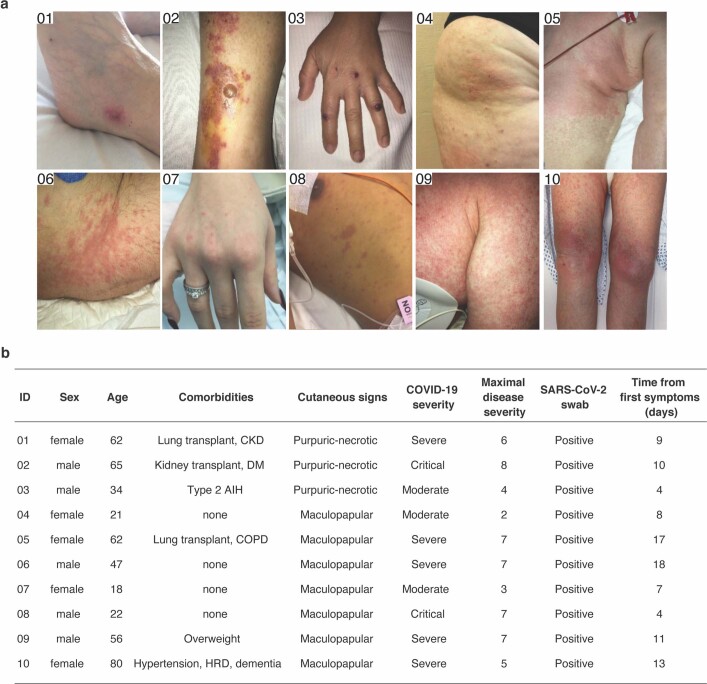
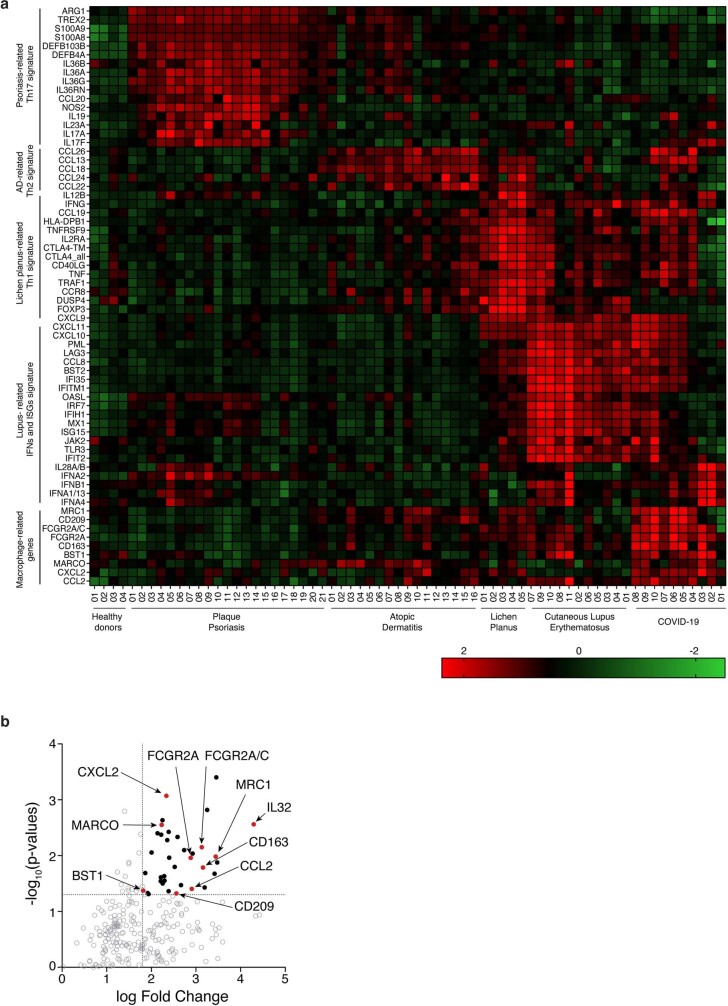
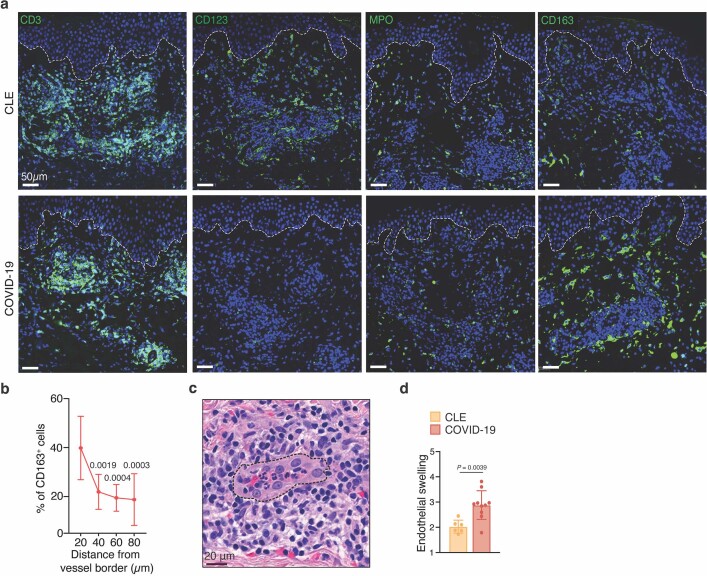
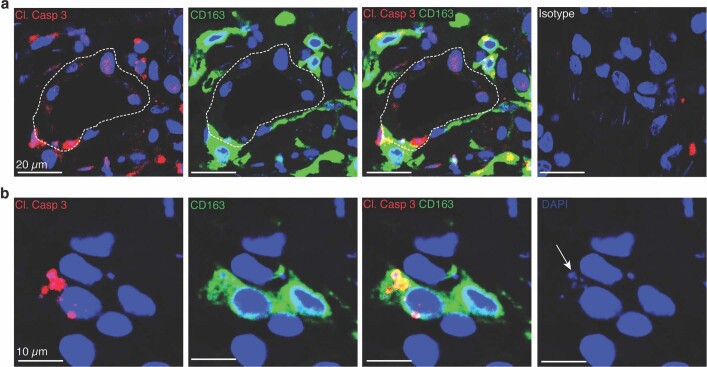
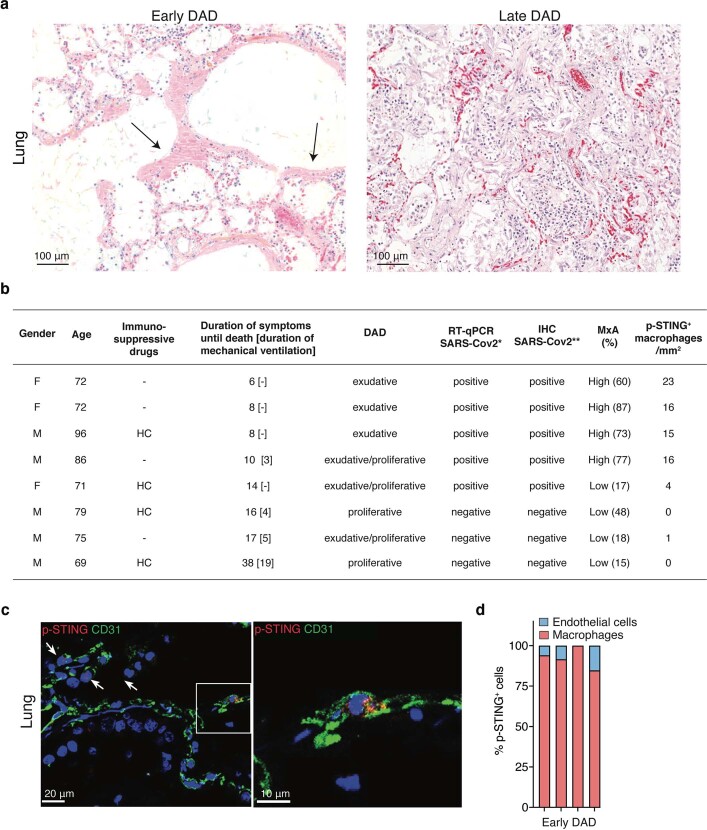
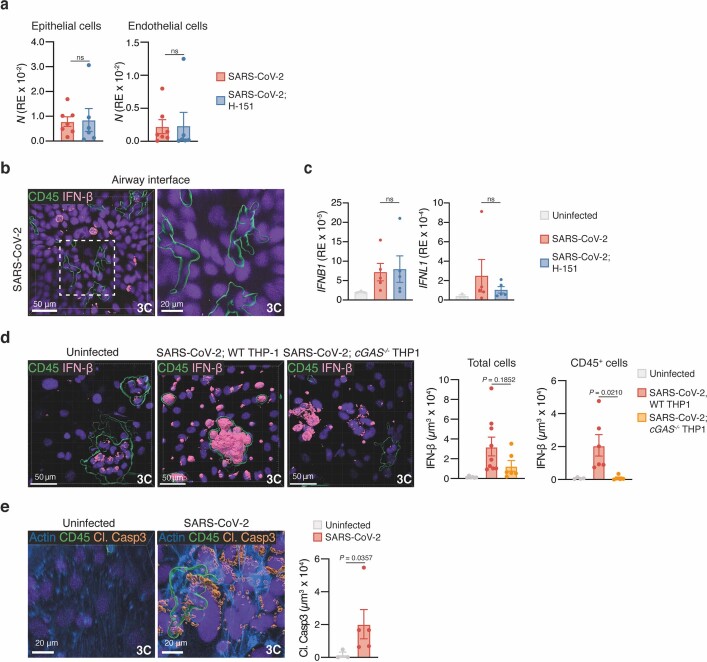
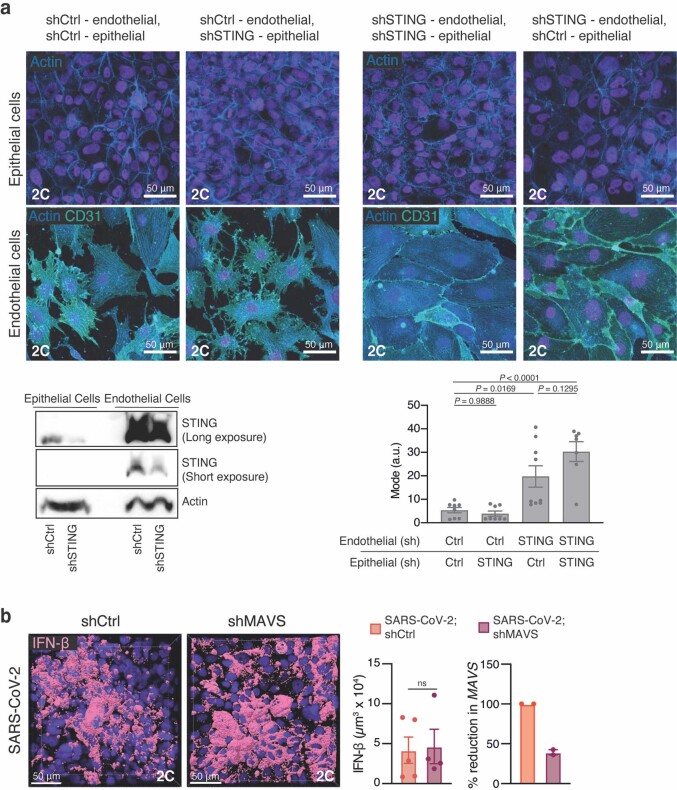
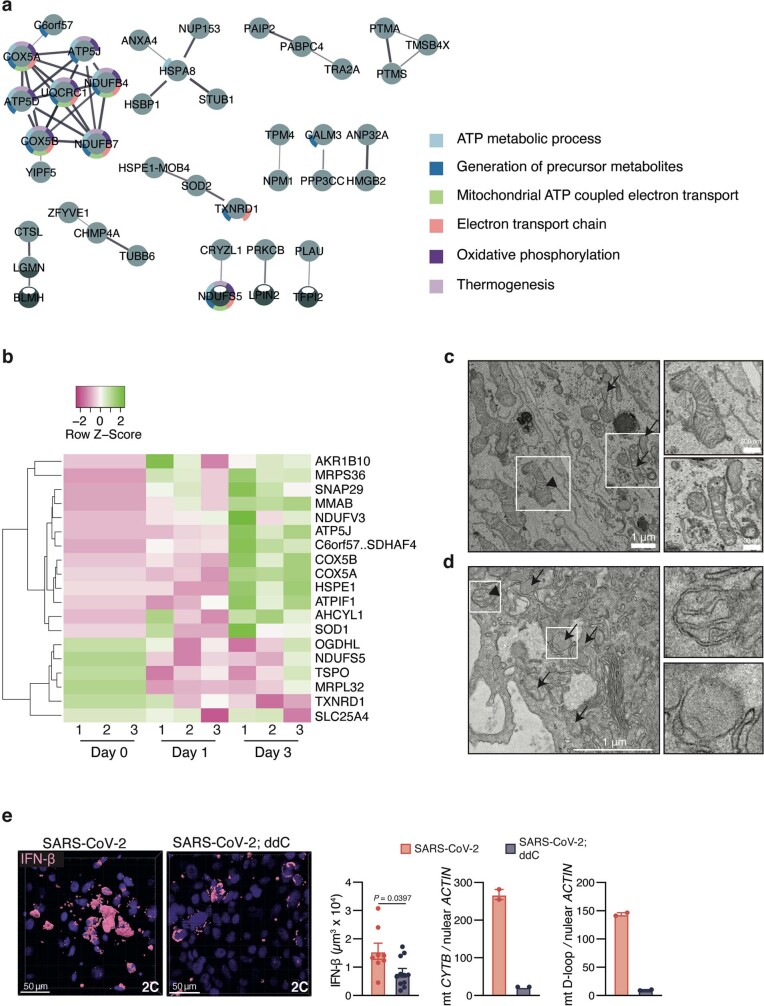
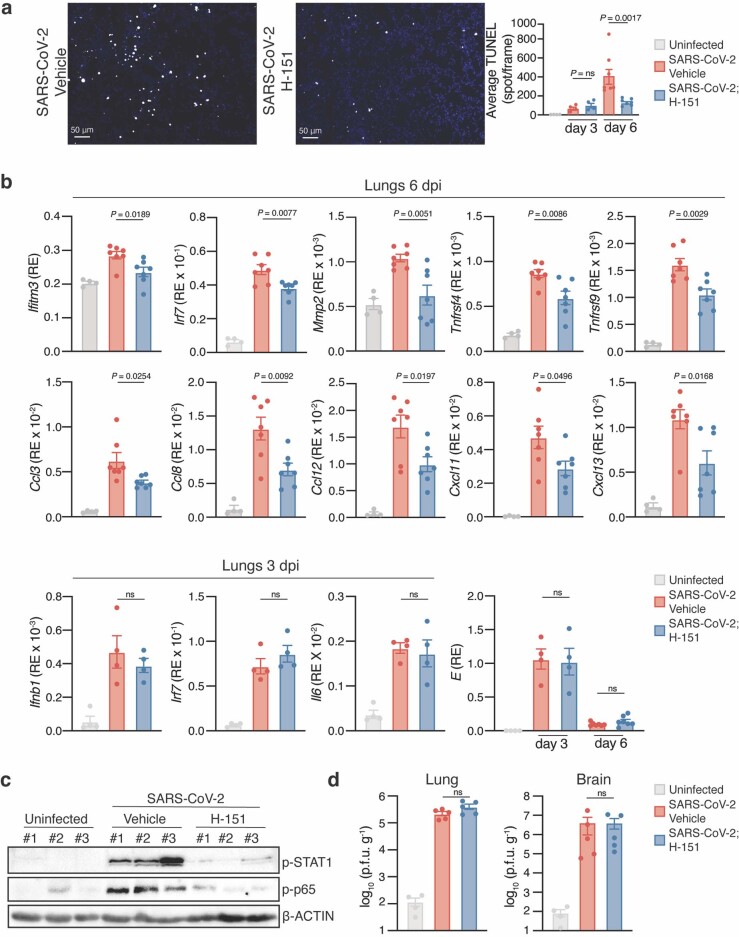
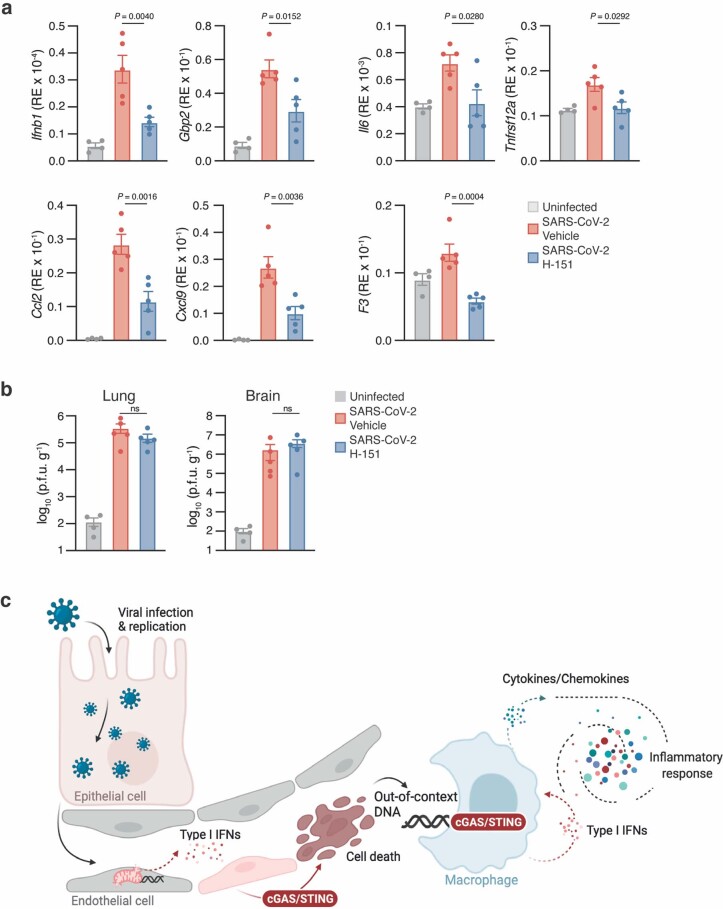
COVID-19, which is caused by infection with SARS-CoV-2, is characterized by lung pathology and extrapulmonary complications 1,2 . Type I interferons (IFNs) have an essential role in the pathogenesis of COVID-19 (refs 3–5 ). Although rapid induction of type I IFNs limits virus propagation, a sustained increase in the levels of type I IFNs in the late phase of the infection is associated with aberrant inflammation and poor clinical outcome 5–17 . Here we show that the cyclic GMP-AMP synthase (cGAS)–stimulator of interferon genes (STING) pathway, which controls immunity to cytosolic DNA, is a critical driver of aberrant type I IFN responses in COVID-19 (ref. 18 ). Profiling COVID-19 skin manifestations, we uncover a STING-dependent type I IFN signature that is primarily mediated by macrophages adjacent to areas of endothelial cell damage. Moreover, cGAS–STING activity was detected in lung samples from patients with COVID-19 with prominent tissue destruction, and was associated with type I IFN responses. A lung-on-chip model revealed that, in addition to macrophages, infection with SARS-CoV-2 activates cGAS–STING signalling in endothelial cells through mitochondrial DNA release, which leads to cell death and type I IFN production. In mice, pharmacological inhibition of STING reduces severe lung inflammation induced by SARS-CoV-2 and improves disease outcome. Collectively, our study establishes a mechanistic basis of pathological type I IFN responses in COVID-19 and reveals a principle for the development of host-directed therapeutics.
Overview
The claims and statistics of this paper haven’t been checked yet.
Run the check — free, no account needed. It reads the open-access text and checks the sources it cites.
Integrity signals
Registry
Cites
Statistics
Figures
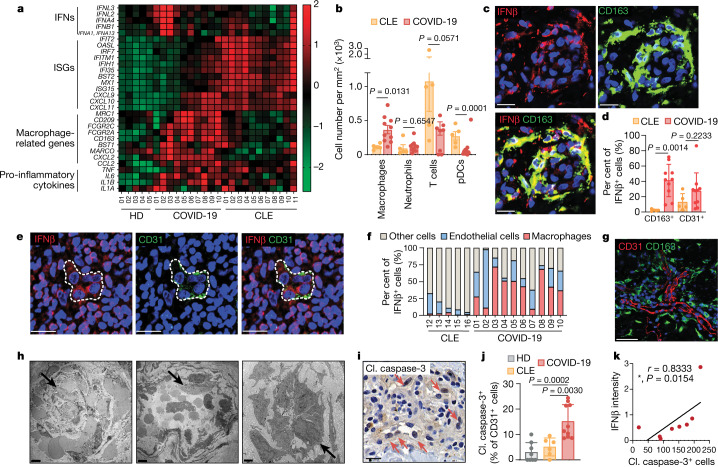
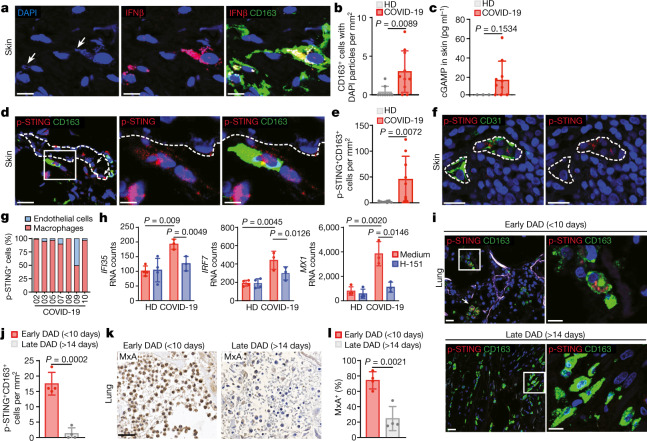
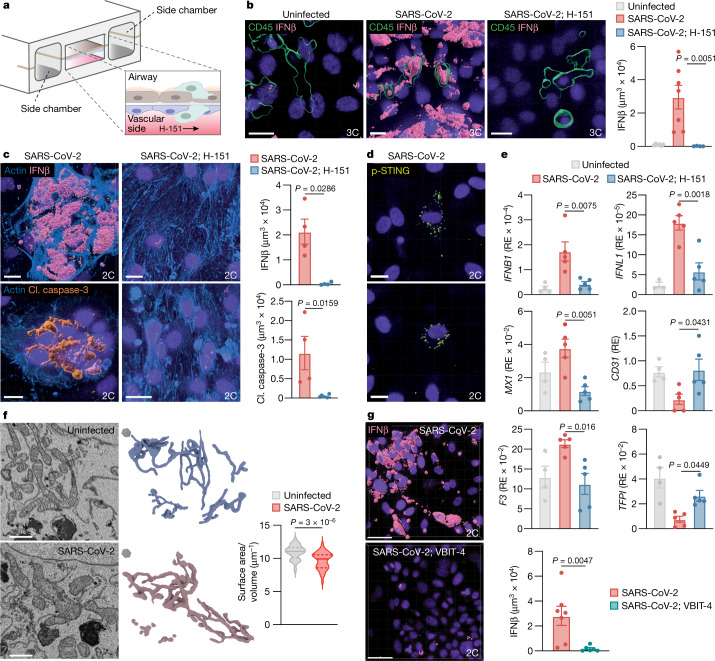
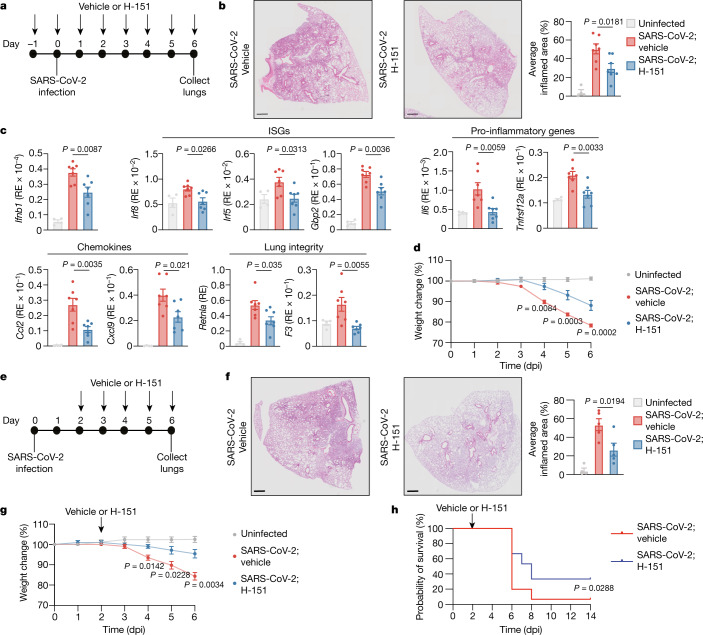
Verification
Claims the paper makes
The claims and statistics of this paper haven’t been checked yet.
Run the check — free, no account needed. It reads the open-access text and checks the sources it cites.
Claims other papers make about this one
Each is checked against this paper’s own text: does it say what the citing paper says it does?
The cited source says what the claim attributes to it.
In the citing paper
“Targeting of the cGAS–STING axis, which induces type I interferons and other SASP factors, with the small-molecule STING inhibitor H-151 had a SASP-suppressing, senomorphic effect28,121,128,129 and led to reduced lung pathology and prolonged survival in a human ACE2-transgenic mouse model of COVID-19 (ref.59).”
From COVID-19 and cellular senescence (2023) · cites this paper as [59]
Self-check
Percentages, sums and reported differences re-computed from the paper’s own numbers.
The self-check needs the paper’s full text.
Citations
Cites
Clinical features of patients infected with 2019 novel coronavirus in Wuhan, China
Huang, C., Wang, Y., Li, X., Ren, L., Zhao, J., Hu, Y., Zhang, L., Fan, G., Xu, J., Gu, X., et al. (2020) · The Lancet · doi:10.1016/s0140-6736(20)30183-5 · Cited by 48,884
Robinson, M. D., McCarthy, D. J., & Smyth, G. K. (2010) · Bioinformatics · doi:10.1093/bioinformatics/btp616 · Cited by 41,364
limma powers differential expression analyses for RNA-sequencing and microarray studies
Ritchie, M. E., Phipson, B., Wu, D., Hu, Y., Law, C. W., Shi, W., & Smyth, G. K. (2015) · Nucleic Acids Research · doi:10.1093/nar/gkv007 · Cited by 40,458
Virological assessment of hospitalized patients with COVID-2019
Wölfel, R., Corman, V. M., Guggemos, W., Seilmaier, M., Zange, S., Müller, M. A., Niemeyer, D., Jones, T. C., Vollmar, P., Rothe, C., et al. (2020) · Nature · doi:10.1038/s41586-020-2196-x · Cited by 6,661
Endothelial cell infection and endotheliitis in COVID-19
Varga, Z., Flammer, A. J., Steiger, P., Haberecker, M., Andermatt, R., Zinkernagel, A. S., Mehra, M. R., Schuepbach, R. A., Ruschitzka, F., & Moch, H. (2020) · The Lancet · doi:10.1016/s0140-6736(20)30937-5 · Cited by 6,358
Rappsilber, J., Mann, M., & Ishihama, Y. (2007) · Nature Protocols · doi:10.1038/nprot.2007.261 · Cited by 4,641
Extrapulmonary manifestations of COVID-19
Gupta, A., Madhavan, M. V., Sehgal, K., Nair, N., Mahajan, S., Sehrawat, T. S., Bikdeli, B., Ahluwalia, N., Ausiello, J. C., Wan, E. Y., et al. (2020) · Nature Medicine · doi:10.1038/s41591-020-0968-3 · Cited by 3,185
Impaired type I interferon activity and inflammatory responses in severe COVID-19 patients
Hadjadj, J., Yatim, N., Barnabei, L., Corneau, A., Boussier, J., Smith, N., Péré, H., Charbit, B., Bondet, V., Chenevier-Gobeaux, C., et al. (2020) · Science · doi:10.1126/science.abc6027 · Cited by 2,984
Single-cell landscape of bronchoalveolar immune cells in patients with COVID-19
Liao, M., Liu, Y., Yuan, J., Wen, Y., Xu, G., Zhao, J., Cheng, L., Li, J., Wang, X., Wang, F., et al. (2020) · Nature Medicine · doi:10.1038/s41591-020-0901-9 · Cited by 2,614
MSFragger: ultrafast and comprehensive peptide identification in mass spectrometry–based proteomics
Kong, A. T., Leprevost, F. D. V., Avtonomov, D. M., Mellacheruvu, D., & Nesvizhskii, A. I. (2017) · Nature Methods · doi:10.1038/nmeth.4256 · Cited by 2,406
Cited by
Sorted by citations
Mitochondrial control of inflammation
Marchi, S., Guilbaud, E., Tait, S. W. G., Yamazaki, T., & Galluzzi, L. (2023) · Nature Reviews Immunology · doi:10.1038/s41577-022-00760-x · Cited by 1,027
Cold and hot tumors: from molecular mechanisms to targeted therapy
Wu, B., Zhang, B., Li, B., Wu, H., & Jiang, M. (2024) · Signal Transduction and Targeted Therapy · doi:10.1038/s41392-024-01979-x · Cited by 811
The cGAS–STING pathway and cancer
Samson, N., & Ablasser, A. (2022) · Nature Cancer · doi:10.1038/s43018-022-00468-w · Cited by 740
Self-citationMolecular mechanisms of mitochondrial DNA release and activation of the cGAS-STING pathway
Kim, J., Kim, H., & Chung, J. H. (2023) · Experimental & Molecular Medicine · doi:10.1038/s12276-023-00965-7 · Cited by 594
Cellular functions of cGAS-STING signaling
Chen, C., & Xu, P. (2022) · Trends in Cell Biology · doi:10.1016/j.tcb.2022.11.001 · Cited by 474
Metadata
- Authors
- Domizio, J. D., Gulen, M. F., Saidoune, F., Thacker, V. V., Yatim, A., Sharma, K., Nass, T., Guenova, E., Schaller, M., Conrad, C., Goepfert, C., de Leval, L., Garnier, C. V., Berezowska, S., Dubois, A., Gilliet, M., & Ablasser, A.
- Affiliations
- École Polytechnique Fédérale de Lausanne (CH)
- Centre Hospitalier Universitaire Vaudois (CH)
- University of Tübingen (DE)
- University of Bern (CH)
- Corresponding author
- Gilliet, Michel
- Ablasser, Andrea
- ORCID
- Venue
- Nature
- Published
- 2022-01-19
- Volume
- 603
- Issue
- 7899
- Pages
- 145-151
- ISSN
- 0028-0836 (ISSN-L)
- 1476-4687
- PMC
- PMC8891013
- OpenAlex
- W4205252391
- Cited by
- 538
- References
- 60
- Citations by year
- 2026: 63 · 2025: 98 · 2024: 136 · 2023: 141 · 2022: 98
- FWCI
- 45.46
- Type
- journal article
- Language
- en
- Open access
- hybrid
- doi.org
- Locations
- Nature (publishedVersion, cc-by)
- PubMed Central (publishedVersion, cc-by)
- PubMed (publishedVersion)
- SERVAL (Université de Lausanne) (publishedVersion, cc-by)
- RePEc: Research Papers in Economics (submittedVersion)
- BORIS (University Library Bern) (submittedVersion, cc-by)
- Infoscience (Ecole Polytechnique Fédérale de Lausanne) (submittedVersion, cc-by-nc-nd)
- IRIS (submittedVersion, cc-by)
- Open Access CRIS of the University of Bern
- Funders
- Novartis Foundation
- Fondation Acteria
- European Commission (HORIZON2020, COVID-19)
- Novartis Stiftung für Medizinisch-Biologische Forschung
- Fondation Leenaards
- Université de Lausanne
- Centre Hospitalier Universitaire Vaudois
- H2020 European Research Council (804933)
- Topics
- Life Sciences › Immunology and Microbiology › Immunology › interferon and immune responses
- Health Sciences › Medicine › Infectious Diseases › SARS-CoV-2 and COVID-19 Research
- Health Sciences › Medicine › Infectious Diseases › COVID-19 Clinical Research Studies
- Keywords
- COVID-19 pandemic, SARS-CoV-2, cGAS-STING pathway, type I interferon, immunopathology, cytosolic DNA sensing, macrophages, endothelial cells, mitochondrial DNA release, lung inflammation, STING inhibition, host-directed therapeutics, cutaneous manifestations
- MeSH terms
- COVID-19, SARS-CoV-2, STING Protein, Cyclic Guanosine Monophosphate-Adenosine Monophosphate Synthase, Animals, Cells, Cultured, Disease Models, Animal, DNA, Mitochondrial, Female, Gene Expression Regulation, Humans, Immunity, Innate, Interferon Type I, Lung, Macrophages, Membrane Proteins, Mice, Inbred C57BL, Nucleotidyltransferases, Pneumonia, Skin, Signal Transduction, Disease Progression, Endothelial Cells, Mice
About these checks
Registry, retraction, Cites and statistics results are computed, not judged, with one exception: a printed reference that no index lists is read once by a model before it counts as a citation error. Claims are extracted by a model and kept only when their quote appears verbatim in the text; each cited source is then checked, with a model’s help, for whether it says what the claim relies on. Those verdicts can be wrong — read the claim’s quote and the cited source before relying on one.
Statistics and arithmetic are recomputed, not judged.
Confidence bands are shown only for fields calibrated on our annotated test set. None is calibrated yet, so no band is shown.
What counts as a claim ›How we measure confidence ›How we check this ›
Are you an author, or do you see a problem with this page? Request a review
