

Cardiogenic control of affective behavioural state
Open accessThe DOI matches its Crossref record; 67 of the 67 references it cites were found in a registry or an index.
Abstract
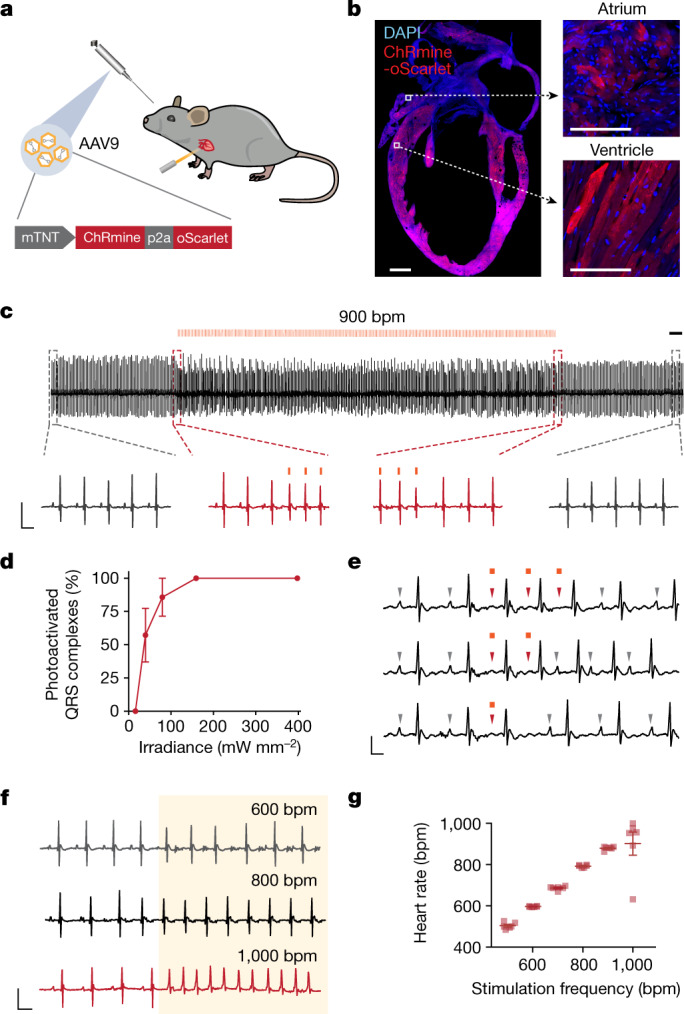
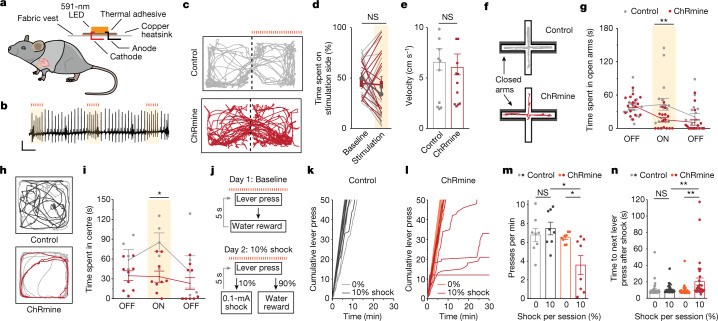
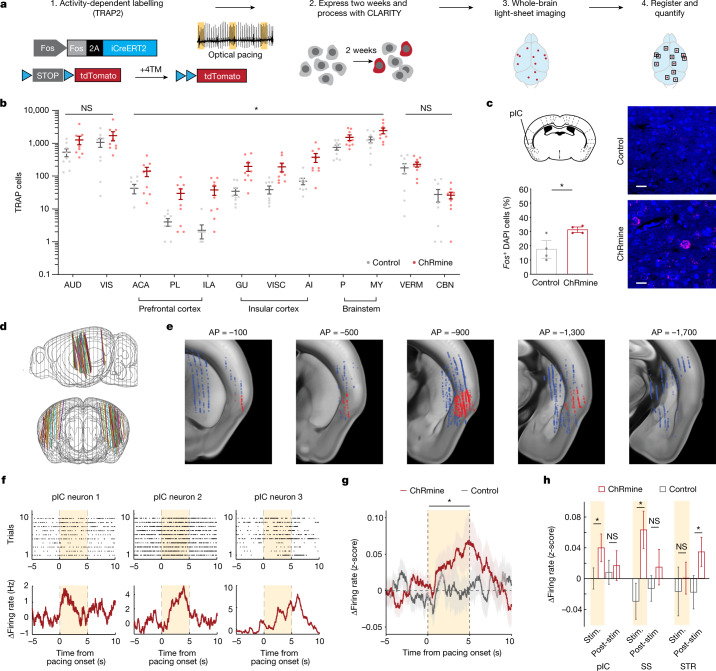
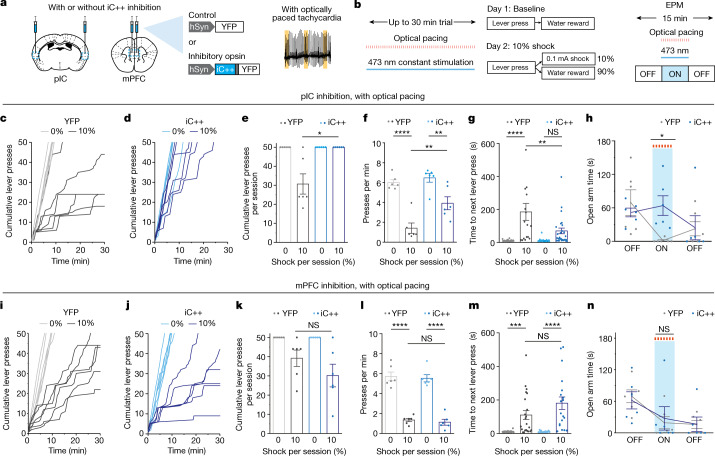
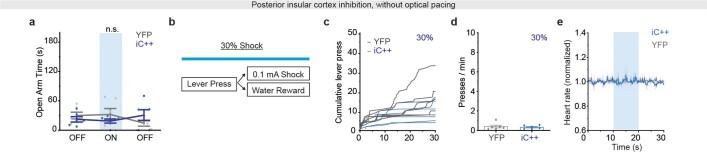
Emotional states influence bodily physiology, as exemplified in the top-down process by which anxiety causes faster beating of the heart 1–3 . However, whether an increased heart rate might itself induce anxiety or fear responses is unclear 3–8 . Physiological theories of emotion, proposed over a century ago, have considered that in general, there could be an important and even dominant flow of information from the body to the brain 9 . Here, to formally test this idea, we developed a noninvasive optogenetic pacemaker for precise, cell-type-specific control of cardiac rhythms of up to 900 beats per minute in freely moving mice, enabled by a wearable micro-LED harness and the systemic viral delivery of a potent pump-like channelrhodopsin. We found that optically evoked tachycardia potently enhanced anxiety-like behaviour, but crucially only in risky contexts, indicating that both central (brain) and peripheral (body) processes may be involved in the development of emotional states. To identify potential mechanisms, we used whole-brain activity screening and electrophysiology to find brain regions that were activated by imposed cardiac rhythms. We identified the posterior insular cortex as a potential mediator of bottom-up cardiac interoceptive processing, and found that optogenetic inhibition of this brain region attenuated the anxiety-like behaviour that was induced by optical cardiac pacing. Together, these findings reveal that cells of both the body and the brain must be considered together to understand the origins of emotional or affective states. More broadly, our results define a generalizable approach for noninvasive, temporally precise functional investigations of joint organism-wide interactions among targeted cells during behaviour.
Overview
The claims and statistics of this paper haven’t been checked yet.
Free: it reads the open-access text and checks the first 5 claims that cite a source we can check. Create a free account to check every claim.
Integrity signals
Registry
Cites
Statistics
Figures
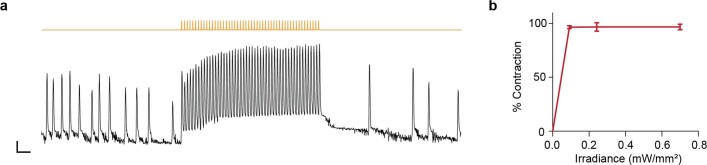
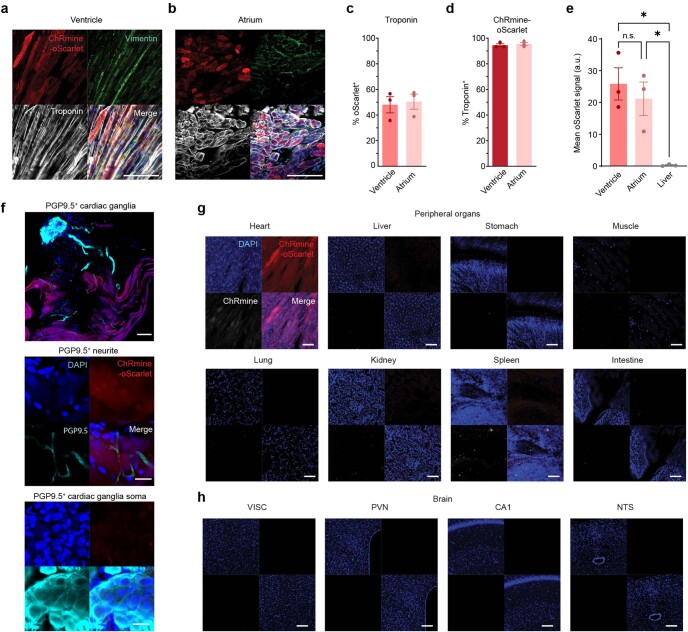
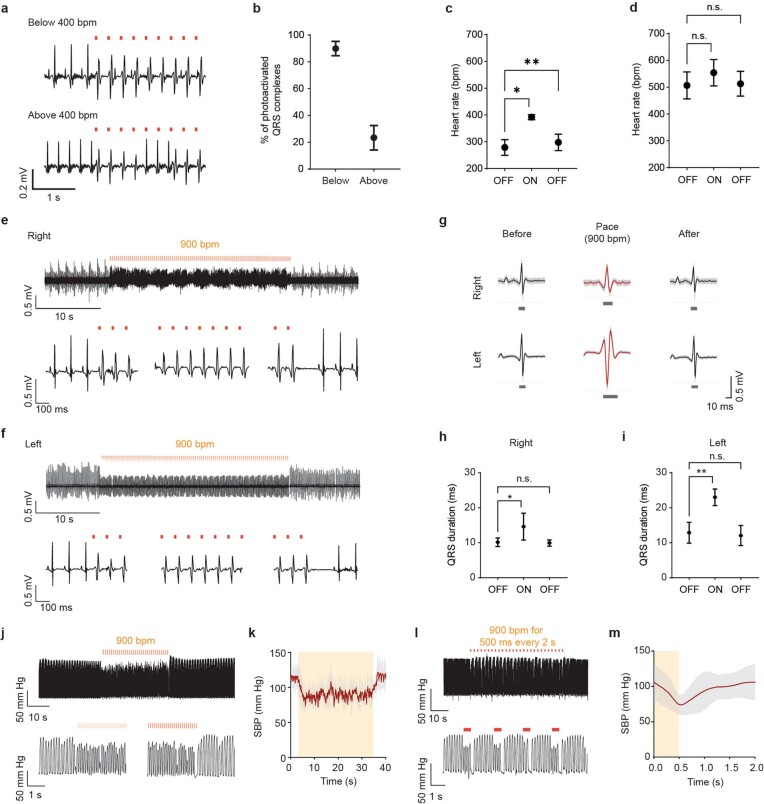
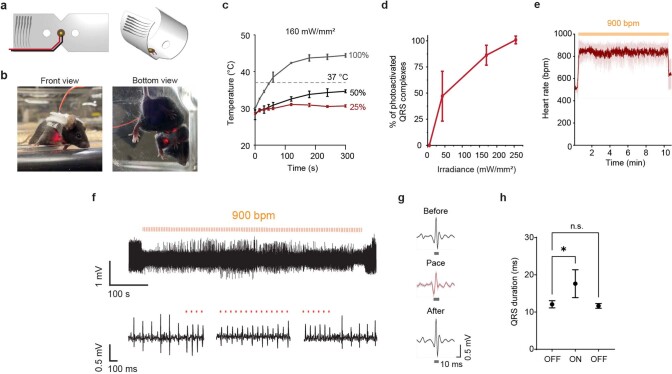
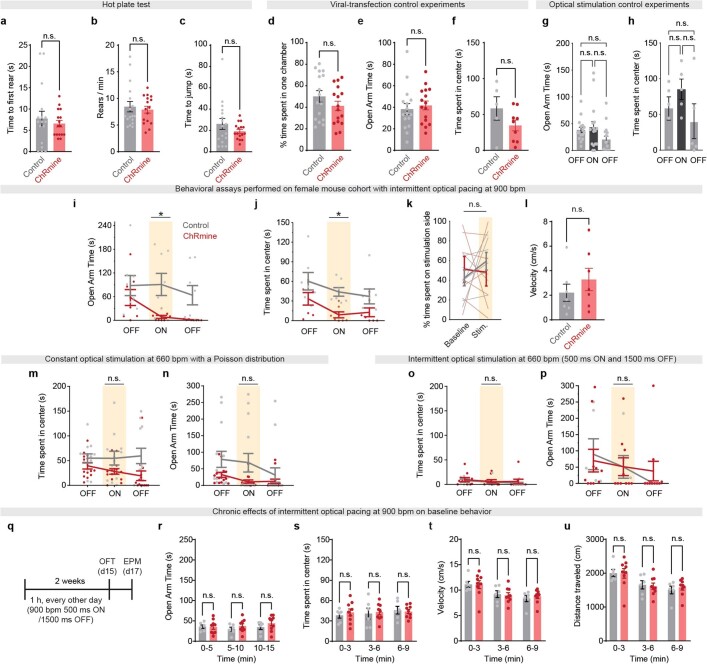
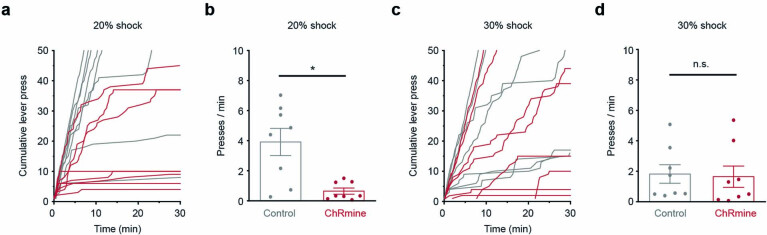
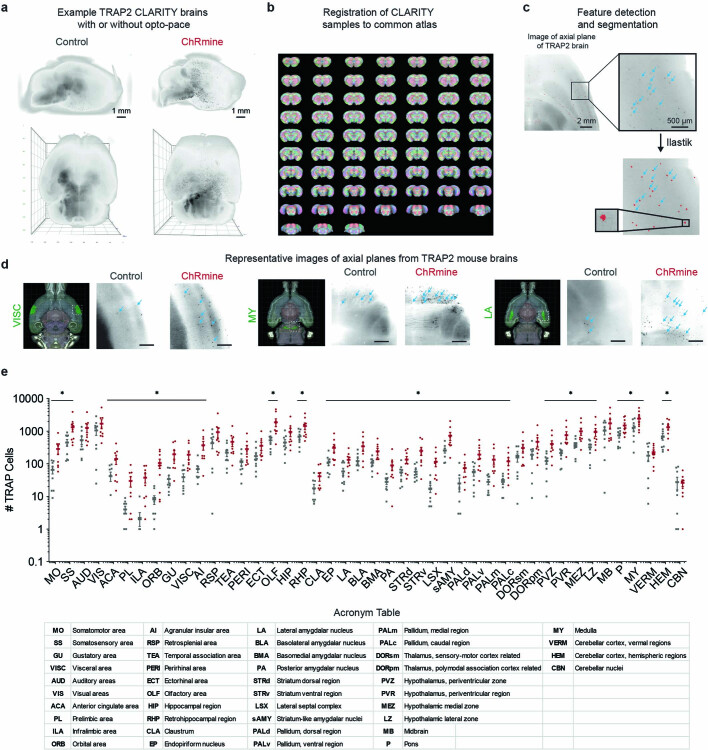
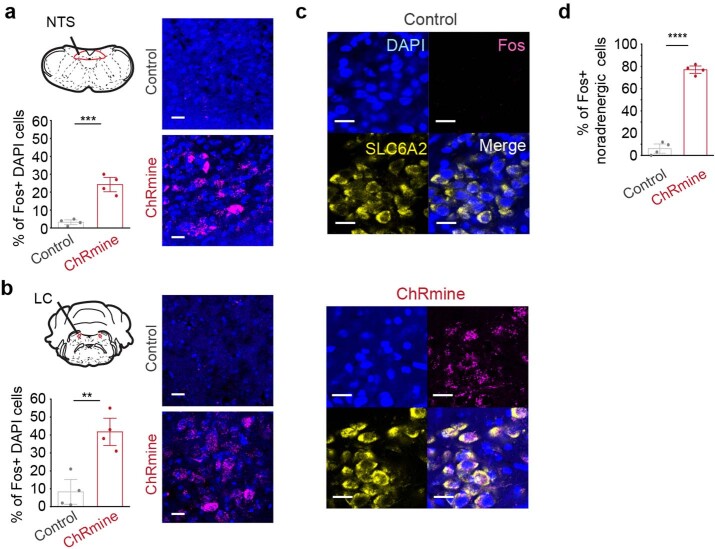
Verification
Claims the paper makes
The claims and statistics of this paper haven’t been checked yet.
Free: it reads the open-access text and checks the first 5 claims that cite a source we can check. Create a free account to check every claim.
Claims other papers make about this one
Each is checked against this paper’s own text: does it say what the citing paper says it does?
The cited source says what the claim attributes to it.
In the citing paper
“A recent study has demonstrated that optically evoked tachycardia could activate the pIC in a bottom-up way, identifying the pIC as a potential mediator of bottom-up cardiac interoceptive processing [57].”
From The Insular Cortex: An Interface Between Sensation, Emotion and Cognition (2024) · cites this paper as [57]
Self-check
Percentages, sums and reported differences re-computed from the paper’s own numbers.
The self-check needs the paper’s full text.
Citations
Cites
How do you feel? Interoception: The sense of the physiological condition of the body
Craig, A. D. (2002) · Nature Reviews Neuroscience · doi:10.1038/nrn894 · Cited by 6,006
Neural systems supporting interoceptive awareness
Critchley, H. D., Wiens, S., Rotshtein, P., Öhman, A., & Dolan, R. J. (2004) · Nature Neuroscience · doi:10.1038/nn1176 · Cited by 3,406
ilastik: interactive machine learning for (bio)image analysis
Berg, S., Kutra, D., Kroeger, T., Straehle, C. N., Kausler, B. X., Haubold, C., Schiegg, M., Ales, J., Beier, T., Rudy, M., et al. (2019) · Nature Methods · doi:10.1038/s41592-019-0582-9 · Cited by 3,368
The Central Autonomic Network: Functional Organization, Dysfunction, and Perspective
BENARROCH, E. E. (1993) · Mayo Clinic Proceedings · doi:10.1016/s0025-6196(12)62272-1 · Cited by 1,534
Choi, H. M. T., Schwarzkopf, M., Fornace, M. E., Acharya, A., Artavanis, G., Stegmaier, J., Cunha, A., & Pierce, N. A. (2018) · Development · doi:10.1242/dev.165753 · Cited by 1,495
Heart beat perception and emotional experience
Schandry, R. (1981) · Psychophysiology · doi:10.1111/j.1469-8986.1981.tb02486.x · Cited by 1,335
Visceral influences on brain and behavior
Critchley, H. D., & Harrison, N. A. (2013) · Neuron · doi:10.1016/j.neuron.2013.02.008 · Cited by 1,177
Anxiety Disorders are Associated with Reduced Heart Rate Variability: A Meta-Analysis
Chalmers, J. A., Quintana, D. S., Abbott, M. J.-A., & Kemp, A. H. (2014) · Frontiers in Psychiatry · doi:10.3389/fpsyt.2014.00080 · Cited by 1,067
Targeting abnormal neural circuits in mood and anxiety disorders: from the laboratory to the clinic
Ressler, K. J., & Mayberg, H. S. (2007) · Nature Neuroscience · doi:10.1038/nn1944 · Cited by 1,007
Tuning arousal with optogenetic modulation of locus coeruleus neurons
Carter, M. E., Yizhar, O., Chikahisa, S., Nguyen, H., Adamantidis, A., Nishino, S., Deisseroth, K., & de Lecea, L. (2010) · Nature Neuroscience · doi:10.1038/nn.2682 · Cited by 993
Self-citation
Research works printed but not linked: 1
- Oppenheimer S Cechetto D The insular cortex and the regulation of cardiac function Compr. Physiol. 2011 6 1081 1133 27065176
Cited by
The microbiota–gut–brain axis and neurodevelopmental disorders
Wang, Q., Yang, Q., & Liu, X. (2023) · Protein & Cell · doi:10.1093/procel/pwad026 · Cited by 355
Frontostriatal salience network expansion in individuals in depression
Lynch, C. J., Elbau, I. G., Ng, T., Ayaz, A., Zhu, S., Wolk, D., Manfredi, N., Johnson, M., Chang, M., Chou, J., et al. (2024) · Nature · doi:10.1038/s41586-024-07805-2 · Cited by 271
“Of note, there are several neuroimaging and circuit physiology studies implicating the insula in the expression of anxiety and the processing of aversive states 75–79 .”
BackgroundA brain-wide map of neural activity during complex behaviour
Laboratory, I. B., Meshulam, L., Angelaki, D., Benson, J., McRoberts, I., Noel, J.-P., Arlandis, J., Bonacchi, N., Bougrova, K., Catarino, J. A., et al. (2025) · Nature · doi:10.1038/s41586-025-09235-0 · Cited by 179
“In a species with a small brain such as the mouse, Neuropixels probes 13,14 have enabled larger-scale recordings, such as sampling activity across eight visual areas 15 or across tens of brain regions in mice performing behavioural tasks 1,16,17 or experiencing changes in physiological state 18 .”
The brain’s action-mode network
Dosenbach, N. U. F., Raichle, M. E., & Gordon, E. M. (2025) · Nature Reviews Neuroscience · doi:10.1038/s41583-024-00895-x · Cited by 162
“In macaques, direct cortical stimulation of the SCAN is thought to evoke complex actions 81–85 , and animal studies have demonstrated its connectivity to internal organs such as the adrenal medulla 86,87 , stomach 88 , kidney 89 and heart 90 .”
The Insular Cortex: An Interface Between Sensation, Emotion and Cognition
Zhang, R., Deng, H., & Xiao, X. (2024) · Neuroscience Bulletin · doi:10.1007/s12264-024-01211-4 · Cited by 158
Blood pressure pulsations modulate central neuronal activity via mechanosensitive ion channels
Jammal, L., Bitzenhofer, S. H., Hanganu‐Opatz, I. L., Dutschmann, M., & Egger, V. (2024) · Science · doi:10.1126/science.adk8511 · Cited by 150
“Optogenetically increased heart rates in mice were shown to recruit anxio-genic brain circuits ( 81 ).”
BackgroundMyocardial infarction augments sleep to limit cardiac inflammation and damage
Huynh, P., Hoffmann, J. D., Gerhardt, T., Kiss, M. G., Zuraikat, F. M., Cohen, O., Wolfram, C., Yates, A. G., Leunig, A., Heiser, M., et al. (2024) · Nature · doi:10.1038/s41586-024-08100-w · Cited by 121
The brain–heart axis: integrative cooperation of neural, mechanical and biochemical pathways
Valenza, G., Matić, Z., & Catrambone, V. (2025) · Nature Reviews Cardiology · doi:10.1038/s41569-025-01140-3 · Cited by 168
The neurobiology of interoception and affect
Feldman, M. J., Bliss-Moreau, E., & Lindquist, K. A. (2024) · Trends in Cognitive Sciences · doi:10.1016/j.tics.2024.01.009 · Cited by 101
Fatigue-resistant hydrogel optical fibers enable peripheral nerve optogenetics during locomotion
Liu, X., Rao, S., Chen, W., Felix, K., Ni, J., Sahasrabudhe, A., Lin, S., Wang, Q., Liu, Y., He, Z., et al. (2023) · Nature Methods · doi:10.1038/s41592-023-02020-9 · Cited by 123
“Beyond the application in sciatic nerves, the hydrogel fibers can be tailored for implantation in peripheral nerves, as well as on other motile organs, such as the heart, gut and blood vessels 15,45,46 .”
BackgroundA neural manifold view of the brain
Perich, M. G., Narain, D., & Gallego, J. Á. (2025) · Nature Neuroscience · doi:10.1038/s41593-025-02031-z · Cited by 179
“…subcellular (for example, receptor expression or vesicular transport) 104,105 or dendritic 106 processes, precise spike timing events 107,108 , neuromodulators released widely across the brain, non-neuronal activity such as glia 109,110 and even physiological signals such as heart rate 111 .”
Monolithic silicon for high spatiotemporal translational photostimulation
Li, P., Zhang, J., Hayashi, H., Yue, J., Li, W., Yang, C., Sun, C., Shi, J., Huberman-Shlaes, J., Hibino, N., et al. (2024) · Nature · doi:10.1038/s41586-024-07016-9 · Cited by 113
Self-citationMohanta, S. K., Yin, C., Weber, C., Godinho-Silva, C., Veiga-Fernandes, H., Xu, Q. J., Chang, R. B., & Habenicht, A. J. R. (2023) · Circulation Research · doi:10.1161/circresaha.123.322791 · Cited by 89
Weng, H., Deng, L., Wang, T., Xu, H., Wu, J., Zhou, Q., Yu, L., Chen, B., Huang, L., Qu, Y., et al. (2024) · Nature Communications · doi:10.1038/s41467-024-49972-w · Cited by 93
“After 45 days of housing in a humid heat environment, the mice preferred totravelinthe peripheral region of the open fi eldand stay in the closed arms of the elevated plus maze, which are typical anxiety-like behaviours 38 .”
BackgroundNeural Mechanisms in Cardiovascular Health and Disease
Ziegler, K. A., Engelhardt, S., Carnevale, D., McAlpine, C. S., Guzik, T. J., Dimmeler, S., & Swirski, F. K. (2025) · Circulation Research · doi:10.1161/circresaha.125.325580 · Cited by 83
Interoceptive Mechanisms and Emotional Processing
Greenwood, B. M., & Garfinkel, S. N. (2024) · Annual Review of Psychology · doi:10.1146/annurev-psych-020924-125202 · Cited by 103
Advances in Biointegrated Wearable and Implantable Optoelectronic Devices for Cardiac Healthcare
Li, C., Bian, Y., Zhao, Z., Liu, Y., & Guo, Y. (2024) · Cyborg and Bionic Systems · doi:10.34133/cbsystems.0172 · Cited by 80
“By delivering photosensitive opsins to cardiomyocytes or nerves associated with cardiac function, it is feasible to modulate the electrical activity of cardiac tissue by light, which can achieve light-controlled HR regulation and cardiac neuro-modulation [ 104 – 106 ].”
BackgroundThe neuroimmune connectome in health and disease
Wheeler, M. A., & Quintana, F. J. (2025) · Nature · doi:10.1038/s41586-024-08474-x · Cited by 82
“…opsins such as ChRmine or step-function opsins highly sensitive to blue light (SOUL) can be used to stimulate deep brain nuclei and neurons in peripheral tissues 99,183–185 , enabling the non-invasive control of neuroimmune circuits without optical fibre implantation or much tissue heating.”
The evolving neurobiology of early-life stress
Birnie, M. T., & Baram, T. Z. (2025) · Neuron · doi:10.1016/j.neuron.2025.02.016 · Cited by 82
Tan, S., Chen, W., Kong, G., Wei, L., & Xie, Y. (2023) · Frontiers in Aging Neuroscience · doi:10.3389/fnagi.2023.1305790 · Cited by 73
Menuet, C., Ben‐Tal, A., Linossier, A., Allen, A. M., Machado, B. H., Moraes, D. J. A., Farmer, D., Paterson, D. J., Mendelowitz, D., Lakatta, E. G., et al. (2025) · Nature Reviews Cardiology · doi:10.1038/s41569-025-01160-z · Cited by 88
From bugs to brain: unravelling the GABA signalling networks in the brain–gut–microbiome axis
Belelli, D., Lambert, J. J., Wan, M. L. Y., Monteiro, A. R., Nutt, D. J., & Swinny, J. D. (2024) · Brain · doi:10.1093/brain/awae413 · Cited by 83
“364 This study showed that the activation of heart rate can induce anxiogenic-like behavioural states, depending on the context of the environment, thereby illustrating the profound influence of peripheral physiological states in driving brain function and behaviour.”
Structural basis for ion selectivity in potassium-selective channelrhodopsins
Tajima, S., Kim, Y. S., Fukuda, M., Jo, Y., Wang, P. Y., Paggi, J. M., Inoue, M., Byrne, E. F. X., Kishi, K. E., Nakamura, S., et al. (2023) · Cell · doi:10.1016/j.cell.2023.08.009 · Cited by 60
Self-citationLiu, J. J., Borsari, B., Li, Y., Liu, S. X., Gao, Y., Xin, X., Lou, S., Jensen, M., Garrido-Martín, D., Verplaetse, T. L., et al. (2024) · Cell · doi:10.1016/j.cell.2024.11.012 · Cited by 71
Thyroid hormone remodels cortex to coordinate body-wide metabolism and exploration
Hochbaum, D. R., Hulshof, L., Urke, A., Wang, W., Dubinsky, A. C., Farnsworth, H. C., Hakim, R., Lin, S., Kleinberg, G., Robertson, K., et al. (2024) · Cell · doi:10.1016/j.cell.2024.07.041 · Cited by 64
Capturing wild animal welfare: a physiological perspective
Beaulieu, M. (2023) · Biological reviews/Biological reviews of the Cambridge Philosophical Society · doi:10.1111/brv.13009 · Cited by 59
“For instance, experimentally increasing heart rate in laboratory mice may result in anxiety-like states (Hsueh et al ., 2023).”
BackgroundTop-down brain circuits for operant bradycardia
Yoshimoto, A., Morikawa, S., Kato, E., Takeuchi, H., & Ikegaya, Y. (2024) · Science · doi:10.1126/science.adl3353 · Cited by 53
The Coding Logic of Interoception
Wang, R. L., & Chang, R. B. (2023) · Annual Review of Physiology · doi:10.1146/annurev-physiol-042222-023455 · Cited by 54
“…a systemic whole-brain activity mapping in response to heart rate changes that was evoked using a novel optogenetic pacemaker tool in freely moving mice, the posterior insular cortex was identified as a potential region for cardiac interoceptive processing and tachycardia-induced anxiety (185).”
BackgroundIt’s not the thought that counts: Allostasis at the core of brain function
Theriault, J. E., Katsumi, Y., Reimann, H. M., Zhang, J., Deming, P., Dickerson, B. C., Quigley, K. S., & Barrett, L. F. (2025) · Neuron · doi:10.1016/j.neuron.2025.09.028 · Cited by 74
cAMP-PKA signaling pathway and anxiety: Where do we go next?
Chen, D., Wang, J., Cao, J., & Zhu, G. (2024) · Cellular Signalling · doi:10.1016/j.cellsig.2024.111311 · Cited by 49
A neural mechanism for learning from delayed postingestive feedback
Zimmerman, C. A., Bolkan, S. S., Pan-Vazquez, A., Wu, B., Keppler, E., Meares-Garcia, J. B., Guthman, E. M., Fetcho, R. N., McMannon, B., Lee, J., et al. (2025) · Nature · doi:10.1038/s41586-025-08828-z · Cited by 50
“The 10% FDR threshold used here is standard for brain-wide FOS studies 83–85 .”
Cerebellar contribution to the regulation of defensive states
da Silva, G. N., Seiffert, N., & Tovote, P. (2023) · Frontiers in Systems Neuroscience · doi:10.3389/fnsys.2023.1160083 · Cited by 39
“Defensive state dynamics are not only determined by exteroceptive sensory inputs, but also crucially by interoceptive feedback from the body (Hsueh et al., 2023), two information streams that have to be integrated into an internal model to predict and adequately respond to threats (Barrett, 2017; Kleckner et al.”
BackgroundMechanisms for survival: vagal control of goal-directed behavior
Teckentrup, V., & Kroemer, N. B. (2023) · Trends in Cognitive Sciences · doi:10.1016/j.tics.2023.11.001 · Cited by 48
Memory Trace for Fear Extinction: Fragile yet Reinforceable
Liu, Y., Ye, S., Li, X.-N., & Li, W. (2023) · Neuroscience Bulletin · doi:10.1007/s12264-023-01129-3 · Cited by 37
“The posterior IC may serve as a potential mediator of bottom-up cardiac interoceptive processing, suggesting that both central (brain) and peripheral (body) processes together are required for the development of emotional or affective states [138].”
BackgroundEfficient and sustained optogenetic control of sensory and cardiac systems
Alekseev, A. A., Hunniford, V. T., Zerche, M., Jeschke, M., May, F. E., Vavakou, A., Siegenthaler, D., Hüser, M. A., Kiehn, S. M., Garrido‐Charles, A., et al. (2025) · Nature Biomedical Engineering · doi:10.1038/s41551-025-01461-1 · Cited by 44
“Stained cells were imaged using the CellVoyager CQ1 microscope (Yokogawa) (Supplementary Note 10).”
Vagus nerve stimulation recruits the central cholinergic system to enhance perceptual learning
Martin, K. A., Papadoyannis, E. S., Schiavo, J. K., Fadaei, S. S., Issa, H. A., Song, S. C., Valencia, S. O., Temiz, N. Z., McGinley, M. J., McCormick, D. A., et al. (2024) · Nature Neuroscience · doi:10.1038/s41593-024-01767-4 · Cited by 37
“Activating the autonomic system can cause anxiety-like behaviors, potentially via activation of the noradrenergic system 80 .”
Multifunctional bioelectronics for brain–body circuits
Sahasrabudhe, A., Cea, C., & Anikeeva, P. (2025) · Nature Reviews Bioengineering · doi:10.1038/s44222-025-00289-3 · Cited by 38
“Opsin spectra have been tuned to span the ultraviolet, visible and far-red range, while their kinetics enable neuronal activation and/or inhibition at scales ranging from milliseconds to minutes 66–68 .”
Signal processing in the vagus nerve: Hypotheses based on new genetic and anatomical evidence
Shaffer, C., Barrett, L. F., & Quigley, K. S. (2023) · Biological Psychology · doi:10.1016/j.biopsycho.2023.108626 · Cited by 36
Baines, O., Sha, R., Kalla, M., Holmes, A. P., Efimov, I. R., Pavlović, D., & O’Shea, C. (2024) · EP Europace · doi:10.1093/europace/euae017 · Cited by 36
“90 Lin et al. 91 engineered red-shifted opsin ReaChR with reduced tissue absorption and scattering, resulting in greater photocurrents.”
BackgroundHeart–Brain Axis: A Narrative Review of the Interaction between Depression and Arrhythmia
Fang, S., & Zhang, W. Y. (2024) · Biomedicines · doi:10.3390/biomedicines12081719 · Cited by 45
“Brian Hsueh et al. found that optically evoked tachycardia can effectively enhance anxiety-like behavior in mice [164], which may partially support the role of interoception in emotion regulation.”
BackgroundAssessing quality and reliability of online videos on tachycardia: a YouTube video-based study
Li, Z., Yan, C., Lyu, X., Li, F., & Zeng, R. (2024) · BMC Public Health · doi:10.1186/s12889-024-20062-2 · Cited by 41
“While most individuals experience physiological tachycardia during activities such as exercise or in response to anxiety [3, 4], a significant portion of the population still grapples with pathological forms, which necessitate medical attention.”
BackgroundImmune system influence on physiology
Nahrendorf, M., Ginhoux, F., & Świrski, F. K. (2025) · Science · doi:10.1126/science.adx4380 · Cited by 42
Valenza, G. (2023) · Frontiers in Network Physiology · doi:10.3389/fnetp.2023.1125495 · Cited by 39
“When uncontrolled ANS (i.e., sympathetic-dominant hyperarousal and/or parasympathetic-dominant hypoarousal) cannot control heightened emotional or depressive states, patients often report being unable to cope with emotional and physiological arousal (Ogden, 2006; Corrigan et al., 2010).”
BackgroundInfluentialAt the heart of the matter: how mental stress and negative emotions affect atrial fibrillation
Leo, D. G., Ozdemir, H., Lane, D. A., Lip, G. Y. H., Keller, S. S., & Proietti, R. (2023) · Frontiers in Cardiovascular Medicine · doi:10.3389/fcvm.2023.1171647 · Cited by 31
Brain–body states embody complex temporal dynamics
Kluger, D. S., Allen, M., & Groß, J. (2024) · Trends in Cognitive Sciences · doi:10.1016/j.tics.2024.05.003 · Cited by 48
The brain’s cingulo-opercular action-mode networkPreprint
Dosenbach, N. U. F., Raichle, M. E., & Gordon, E. M. (2024) · doi:10.31234/osf.io/2vt79 · Cited by 32
Llorens, A., Bellier, L., Blenkmann, A. O., Ivanović, J., Larsson, P. G., Lin, J. J., Endestad, T., Solbakk, A., & Knight, R. T. (2023) · iScience · doi:10.1016/j.isci.2023.107653 · Cited by 29
Bo, W., Cai, M., Ma, Y., Di, L., Geng, Y., Li, H., Tang, C., Tai, F., He, Z., & Tian, Z. (2024) · Advanced Science · doi:10.1002/advs.202305581 · Cited by 35
Fontes, M. A. P., Machado, L. R. D. S., Viana, A. C. R., Cruz, M. H., Nogueira, Í. S., Oliveira, M. G. L., Neves, C. B., de Godoy, A. C. V., Henderson, L. A., & Macefield, V. G. (2024) · Clinical Autonomic Research · doi:10.1007/s10286-024-01066-9 · Cited by 29
Storm on predictive brain: A neurocomputational account of ketamine antidepressant effect
Bottemanne, H., Berkovitch, L., Gauld, C., Balcerac, A., Schmidt, L., Mouchabac, S., & Fossati, P. (2023) · Neuroscience & Biobehavioral Reviews · doi:10.1016/j.neubiorev.2023.105410 · Cited by 33
“valence (positive or negative value) of sensory signals (Bottemanne et al., 2022a; Hsueh et al., 2023; Clark et al., 2018), and highlight the role of interoception in emotional functioning.”
Dorsal motor vagal neurons can elicit bradycardia and reduce anxiety-like behavior
Strain, M. M., Conley, N. J., KAUFFMAN, L. S., Espinoza, L., Fedorchak, S., Martinez, P. C., Crook, M. E., Jalil, M., Hodes, G. E., Abbott, S. B. G., et al. (2024) · iScience · doi:10.1016/j.isci.2024.109137 · Cited by 32
“29 Inversely, beta-blockers such as propranolol, which robustly decrease HR, 59 also reduce anxiety-like behaviors in mice.”
InfluentialLong, Y., Min, R., Xiao, K., Wang, Z., Liu, L., Sun, Y., Li, X., Li, Z., & Zalevsky, Z. (2025) · Opto-Electronic Technology · doi:10.29026/oet.2025.250010 · Cited by 28
Aberrant Cardiac Interoception in Psychosis
Jeganathan, J., Campbell, M. E. J., Legrand, N., Allen, M., & Breakspear, M. J. (2024) · Schizophrenia Bulletin · doi:10.1093/schbul/sbae078 · Cited by 27
Defining cardioception: Heart-brain crosstalk
Lovelace, J. W., Ma, J., & Augustine, V. (2024) · Neuron · doi:10.1016/j.neuron.2024.10.009 · Cited by 27
How the brain impacts the heart: lessons from ischaemic stroke and other neurological disorders
Stengl, H., Poller, W. C., Vece, D. D., Templin, C., Endres, M., Nolte, C. H., & Scheitz, J. F. (2024) · Heart · doi:10.1136/heartjnl-2024-324173 · Cited by 25
Mechanosensation of the heart and gut elicits hypometabolism and vigilance in mice
Scott, K. A., Tan, Y., Johnson, D. N., Elsaafien, K., Baumer-Harrison, C., Méndez‐Hernández, R., Kirchner, M. K., Eikenberry, S. A., Jessica, M., Stern, J. E., et al. (2025) · Nature Metabolism · doi:10.1038/s42255-024-01205-6 · Cited by 25
“…our understanding of the processes by which an organism senses disturbances from within itself to impact physiology and emotionality is limited. environment, and signals from cardiovascular and gastrointestinal tissues impact emotionality 1,2 , cognition 3 , cardiac output 4 and nutrient choice 5 .”
Cold memories control whole-body thermoregulatory responses
Zamora, A., Douglas, A., Conway, P. B., Urrieta, E., Moniz, T., O’Leary, J. D., Marks, L. C., Denny, C. A., Luis, C. O. S., Lynch, L., et al. (2025) · Nature · doi:10.1038/s41586-025-08902-6 · Cited by 29
Conserved brain-wide emergence of emotional response from sensory experience in humans and mice
Kauvar, I., Richman, E. B., Liu, T. X., Li, C., Vesuna, S. S., Chibukhchyan, A., Yamada, L., Fogarty, A. S., Solomon, E. A., Choi, E. Y., et al. (2025) · Science · doi:10.1126/science.adt3971 · Cited by 36
“Future work will build upon the system-level dynamics we present here to further investigate network mechanisms for coordination of emotional states across brain regions and indeed across the body ( 54 ).”
Self-citationAttarpour, A., Osmann, J., Rinaldi, A., Qi, T., Lal, N., Patel, S. B., Rozak, M. W., Yu, F., Cho, N., Squair, J. W., et al. (2025) · Nature Methods · doi:10.1038/s41592-024-02583-1 · Cited by 27
“Artficial intelligence-based cartography of ensembles utilizes our MIRACL 10,41,42 platform to automatically register LSFM whole-brain or hemisphere data to a common coordinate system via linear and nonlinear transformations—here, ARA 43 .”
Self-citationPressure Pulsatility Links Cardio-Respiratory and Brain Rhythmicity
Hamill, O. P. (2023) · Journal of Integrative Neuroscience · doi:10.31083/j.jin2206143 · Cited by 25
“A somewhat similar challenge was recently successfully met using noninvasive optogenetics to evoke tachycardia, and to demonstrate enhanced anxiety-like behavior in risky contexts, confirming in vivo both brain and heart involvement in triggering specific emotional states [194].”
BackgroundMeasures of the coupling between fluctuating brain network organization and heartbeat dynamics
Candia‐Rivera, D., Chávez, M., & Fallani, F. D. V. (2024) · Network Neuroscience · doi:10.1162/netn_a_00369 · Cited by 35
“In the realm of affective processing, brain – heart interactions have been previously described in the role of visceral activity in arousal (Candia-Rivera, Catrambone, Thayer, Gentili, & Valenza, 2022; Hsueh et al., 2023; Klein, Dolensek, Weiand, & Gogolla, 2021).”
BackgroundThe missing hallmark of health: psychosocial adaptation
López-Otín, C., & Kroemer, G. (2024) · Cell Stress · doi:10.15698/cst2024.03.294 · Cited by 32
The mechanisms of electrical neuromodulation
Balbinot, G. C., Milosevic, M., Morshead, C. M., Iwasa, S. N., Zariffa, J., Milosevic, L., Valiante, T. A., Hoffer, J. A., & Popović, M. R. (2024) · The Journal of Physiology · doi:10.1113/jp286205 · Cited by 32
“…wireless, soft/subdermal and modular will also contribute to advancing the field by enabling ease-of-use and enhanced recordings in the chronic setting (Bin Fan et al., 2014; Hsueh et al., 2023; Kim et al., 2021; Lee et al., 2015; Park et al., 2016; Qazi et al., 2019; Sahasrabudhe et al., 2024).”
Price, C. J., Sevinc, G., & Farb, N. A. S. (2023) · Brain Sciences · doi:10.3390/brainsci13101396 · Cited by 20
A neural circuit for lavender-essential-oil-induced antinociception
Yang, Y., Huang, H., Zhu, M., Wei, H.-R., Zhang, M., Tang, L. F., Gao, W., Yang, X., Zhang, Z., Cao, P., et al. (2024) · Cell Reports · doi:10.1016/j.celrep.2024.114800 · Cited by 26
Linking brain–heart interactions to emotional arousal in immersive virtual reality
Fourcade, A., Klotzsche, F., Hofmann, S., Mariola, A., Nikulin, V. V., Villringer, A., & Gaebler, M. (2024) · Psychophysiology · doi:10.1111/psyp.14696 · Cited by 24
Regulation of Cardiac Function by the Autonomic Nervous System
Hafez, O. A., & Chang, R. B. (2024) · Physiology · doi:10.1152/physiol.00018.2024 · Cited by 42
Stomach–brain coupling indexes a dimensional signature of mental health
Banellis, L., Rebollo, I., Nikolova, N. E., & Allen, M. (2025) · Nature Mental Health · doi:10.1038/s44220-025-00468-6 · Cited by 40
“Recent landmark findings demonstrate that, for example, anxiety responses in threatening situations rely on ascending cardiac information 6 and that respiratory rhythms modify neural patterns during emotional processing 13 .”
A triple-node heart-brain neuroimmune loop underlying myocardial infarction
Yadav, S., Ninh, V. K., Lovelace, J. W., Ma, J., Pham, A., Salamon, R. J., Ji, E., Na, Y., Fu, Z., Ugochukwu, S. I., et al. (2026) · Cell · doi:10.1016/j.cell.2025.12.058 · Cited by 30
Enhanced Myocardial Adenylyl Cyclase Activity Alters Heart-Brain Communication
Agrimi, J., Menicucci, D., Qu, J.-H., Laurino, M., Mackey, C. D., Hasnain, L., Tarasova, Y. S., Tarasov, K. V., McDevitt, R. A., Hoover, D. B., et al. (2023) · JACC. Clinical electrophysiology · doi:10.1016/j.jacep.2023.07.023 · Cited by 21
Burrows, K., Figueroa‐Hall, L. K., Stewart, J. L., Alarbi, A. M., Kuplicki, R., Hannafon, B. N., Tan, C., Risbrough, V. B., McKinney, B. A., Ramesh, R., et al. (2024) · Translational Psychiatry · doi:10.1038/s41398-024-02907-x · Cited by 24
“Although the cellular and molecular processes resulting in altered interoception in MDD are only beginning to be understood [11], several hypotheses have been advanced.”
The neurobiology of parenting and infant-evoked aggression
Kaplan, H. S., Horvath, P. M., Rahman, M. M., & Dulac, C. G. (2024) · Physiological Reviews · doi:10.1152/physrev.00036.2023 · Cited by 26
Action-mode subnetworks for decision-making, action control, and feedback
D’Andrea, C. B., Laumann, T. O., Newbold, D. J., Lynch, C. J., Hadji, M., Nelson, S. M., Nielsen, A. N., Chauvin, R. J., Krimmel, S. R., Snyder, A. Z., et al. (2025) · Proceedings of the National Academy of Sciences · doi:10.1073/pnas.2502021122 · Cited by 30
“The Action sub-network may also contribute to visceral organ control, which is localized in the posterior insula ( 104 ).”
Toward a multidisciplinary neurobiology of interoception and mental health
Verdonk, C., Ajijola, O. A., & Khalsa, S. S. (2025) · Current Opinion in Neurobiology · doi:10.1016/j.conb.2025.103084 · Cited by 26
Challenges and opportunities in next-generation LED therapeutic devices
Wang, C., Yu, Q., Li, M., Chen, H., Fan, H., Ma, Y., Zhang, Z., Wu, M. X., & Lu, M. (2025) · Light Science & Applications · doi:10.1038/s41377-025-01990-z · Cited by 28
“…self-healing properties and exceptional ductility, are especially well-suited for dynamic applications 86 , such as treating arthritis, adapting to the beating surface of the heart 19,41 , and addressing urinary dysfunction through optogenetic modulation in response to bladder pressure changes 48 .”
InfluentialYu, T., Zhong, X., Li, D., Zhu, J., Tuchin, V. V., & Zhu, D. (2024) · Advanced Drug Delivery Reviews · doi:10.1016/j.addr.2024.115470 · Cited by 21
ACE2/Angiotensin-(1-7)/Mas and the brain
Campagnole‐Santos, M. J., Fontes, M. A. P., Verano‐Braga, T., Haibara, A. S., Bäder, M., & Santos, R. A. S. (2025) · Brain Research · doi:10.1016/j.brainres.2025.149739 · Cited by 18
Emergent photonics for cardiovascular health
Zhou, Y., Nakagawa, A., Sonoshita, M., Tearney, G. J., Özcan, A., & Goda, K. (2025) · Nature Photonics · doi:10.1038/s41566-025-01714-0 · Cited by 20
“Photonic therapies include photodynamic therapy (PDT) for treating atherosclerosis 51–54 , optogenetic control of cardiac tissue for arrhythmia treatment 55,56 and laser thrombolysis with pulsed laser systems 57,58 (Table 2).”
Influentialvan Weperen, V. Y. H., & Vaseghi, M. (2025) · Nature reviews. Neuroscience · doi:10.1038/s41583-025-01000-6 · Cited by 30
“Finally, in a study by Hsueh et al. 293 , optogenetic inhibition of insular cortices reduced the anxiety-like behaviour that was induced by cardiac pacing in mice.”
Immune-brain plasticity underpins stress and affective behaviors
Lee, J., & Wheeler, M. E. (2025) · Neuron · doi:10.1016/j.neuron.2025.11.020 · Cited by 21
Neural cell-types and circuits linking thermoregulation and social behavior
Rogers, J. F., Vandendoren, M., Prather, J. F., Landen, J. G., Bedford, N. L., & Nelson, A. C. (2024) · Neuroscience & Biobehavioral Reviews · doi:10.1016/j.neubiorev.2024.105667 · Cited by 20
Common threads: Altered interoceptive processes across affective and anxiety disorders
Saltafossi, M., Heck, D. H., Kluger, D. S., & Varga, S. (2024) · Journal of Affective Disorders · doi:10.1016/j.jad.2024.09.135 · Cited by 27
Li, J., Liu, T., Xian, M., Zhou, K., & Wei, J. (2025) · Journal of Advanced Research · doi:10.1016/j.jare.2025.03.001 · Cited by 20
“An increasing body of evidence highlights a strong relationship between heart and brain health, with cardiovascular diseases contributing to brain disorders such as stroke, dementia, and cognitive impairment [215–217].”
Self-citationLüscher, C., Emiliani, V., Farahany, N. A., Gittis, A. H., Gradinaru, V., High, K. A., Roska, B., Sahel, J., Yizhar, O., Zeng, H., et al. (2025) · Nature Neuroscience · doi:10.1038/s41593-025-02097-9 · Cited by 30
“In fact, both excitatory and inhibitory variants in this family have been shown to enable fully noninvasive optogenetics (with fast optical control even in deep bodily structures exerted through the skin and/or skull without the need for penetrating optical hardware) 6,81 .”
InfluentialSelf-citationAffective integration in experience, judgment, and decision-making
Asutay, E., & Västfjäll, D. (2024) · Communications Psychology · doi:10.1038/s44271-024-00178-2 · Cited by 30
Mohanta, S. K., Sun, T., Lu, S., Wang, Z., Zhang, X., Yin, C., Weber, C., & Habenicht, A. J. R. (2023) · Cells · doi:10.3390/cells12202485 · Cited by 17
“While the genetic makeup in a given study of experimental mice is identical, each human owns its individual interoceptive pathways based on the combination of functionally relevant genetic mutations and the acquired interoceptive brain engrams during their lifetimes [21,25,26,36].”
BackgroundInfluentialBansal, H., Pyari, G., & Roy, S. (2024) · Scientific Reports · doi:10.1038/s41598-024-62558-2 · Cited by 18
Liang, T., Jin, Z., Lin, Y., Chen, Z., Li, Y., Xu, J., Yang, F., & Qin, L. (2025) · Military Medical Research · doi:10.1186/s40779-025-00600-8 · Cited by 24
“Manipulating the brain and efferent nerves exerted direct and reciprocal effects on various peripheral organs, including the liver [12], heart [13], intestine [14], adipose tissue [15], immune cells [16], and respiratory tract [17].”
Emerging optogenetics technologies in biomedical applications
Ren, H., Cheng, Y., Wen, G., Wang, J., & Zhou, M. (2023) · Smart Medicine · doi:10.1002/smmd.20230026 · Cited by 16
Shao, J., Chen, Y., Gao, D., Liu, Y., Hu, N., Yin, L., Zhang, X., & Yang, F. (2023) · Frontiers in Cellular Neuroscience · doi:10.3389/fncel.2023.1281919 · Cited by 20
Schwarzová, B., Stüdemann, T., Sönmez, M. I., Rössinger, J., Pan, B., Eschenhagen, T., Stenzig, J., Wiegert, J. S., Christ, T., & Weinberger, F. (2023) · Pflügers Archiv - European Journal of Physiology · doi:10.1007/s00424-023-02869-x · Cited by 15
“Stimulation has been used to model tachyarrhythmias [27, 29], study cell–cell interactions [21], control heart rate [20], and, in more translational approaches, evaluate optical pacemaking [35].”
MethodLight exposure and its applications in human health
Li, A., Wei, X., Xie, Y., Ren, Y., Zhu, X., Liu, M., & Liu, S. (2024) · Journal of Biophotonics · doi:10.1002/jbio.202400023 · Cited by 15
Clark, M. I., Fitzpatrick, S. W., & Bradburd, G. S. (2024) · Evolutionary Applications · doi:10.1111/eva.13754 · Cited by 16
Li, H., Cheng, H., Ding, K., Zhang, Y., Gao, F., Zhu, G., & Zhang, Z. (2024) · European Journal of Neuroscience · doi:10.1111/ejn.16445 · Cited by 14
“…whether interventions targeting the InsCtx brain regions could mitigate the risk of CVD in individuals with PTSD. Modern correlational studies have revealed that the insular cortex plays a pivotal role in processing physiological signals and regulating emotions (Gogolla, 2017; Hsueh et al., 2023).”
Mapping human brain topography to heart rhythms: an SEEG study
Wang, X., Yang, H., Cheng, Y., Liu, S., Jin, G., Qiao, Z., Qi, L., Wang, S., Ge, J., Hu, D., et al. (2025) · Cardiovascular Research · doi:10.1093/cvr/cvaf099 · Cited by 15
The how and why of sleep: Motor theory and catecholamine hypothesis
Ma, C., & Dan, Y. (2025) · Neuron · doi:10.1016/j.neuron.2025.08.017 · Cited by 15
Vagal blood volume receptors compensate for haemorrhage and posture change
Liu, Z., Lu, S., Haskell, I. A., Schappe, M. S., Josipović, M., Min, S., Alabi, A. A., Chi, J., Kim, M., & Liberles, S. D. (2026) · Nature · doi:10.1038/s41586-025-10010-4 · Cited by 16
“Moreover, cardiovascular signals can drive some of our most basic emotions, as optogenetic induction of a racing heart can cause anxiety 8 .”
Bidirectional brain–heart interactions in health and disease
Scheitz, J. F., Villringer, A., Mikaïl, N., Gebhard, C., & Endres, M. (2026) · Nature Reviews Neurology · doi:10.1038/s41582-025-01180-w · Cited by 25
Evaluating chest pain in patients with post COVID conditions permission to think outside of the box
Becker, R. C. (2023) · Journal of Thrombosis and Thrombolysis · doi:10.1007/s11239-023-02808-8 · Cited by 12
Munguba, H., Srivastava, I., Gutzeit, V. A., Singh, A., Vijay, A., Kristt, M., Arefin, A., Thukral, S., Broichhagen, J., Stujenske, J. M., et al. (2024) · Neuron · doi:10.1016/j.neuron.2025.01.002 · Cited by 14
Metadata
- Authors
- Hsueh, B., Chen, R., Jo, Y., Tang, D., Raffiee, M., Kim, Y. S., Inoue, M., Randles, S., Ramakrishnan, C., Patel, S., Kim, D. K., Liu, T. X., Kim, S. H., Tan, L., Mortazavi, L., Cordero, A., Shi, J., Zhao, M., Ho, T. T., Crow, A., Yoo, A.-C. W., Raja, C., Evans, K., Bernstein, D., Zeineh, M., Goubran, M., & Deisseroth, K.
- Affiliations
- Stanford University (US)
- Stanford Medicine (US)
- Howard Hughes Medical Institute (US)
- Corresponding author
- Deisseroth, Karl
- ORCID
- Hsueh, Brian
- Chen, Ritchie
- Jo, YoungJu
- Tang, Daniel
- Kim, Yoon Seok
- Inoue, Masatoshi
- Ramakrishnan, Charu
- Patel, Sneha
- Kim, Doo Kyung
- Liu, Tony X.
- Kim, Soo Hyun
- Tan, Longzhi
- Mortazavi, Leili
- Cordero, Arjay
- Shi, Jenny
- Zhao, Mingming
- Ho, Theodore T.
- Raja, Cephra
- Evans, Kathryn
- Bernstein, Daniel
- Zeineh, Michael
- Goubran, Maged
- Deisseroth, Karl
- Venue
- Nature
- Published
- 2023-03-01
- Volume
- 615
- Issue
- 7951
- Pages
- 292-299
- ISSN
- 0028-0836 (ISSN-L)
- 1476-4687
- PMC
- PMC9995271
- OpenAlex
- W4322733206
- Semantic Scholar
- 9f008820ec3c3675e65af26d304ef0d2dd5f9762
- Cited by
- 335
- References
- 64
- Citations by year
- 2026: 80 · 2025: 104 · 2024: 93 · 2023: 58
- FWCI
- 65.65
- Type
- journal article
- Language
- en
- Open access
- hybrid
- doi.org
- Licence
- cc-by
- creativecommons.org/licenses/by/4.0 (tdm)
- creativecommons.org/licenses/by/4.0 (vor)
- Locations
- Nature (publishedVersion, cc-by)
- PubMed Central (publishedVersion, cc-by)
- PubMed (publishedVersion)
- eScholarship (California Digital Library) (submittedVersion, cc-by)
- RePEc: Research Papers in Economics (submittedVersion)
- Funders
- National Science Foundation
- National Alliance for Research on Schizophrenia and Depression
- National Institutes of Health
- National Institute of Mental Health (R37MH075957, R01MH086373)
- National Institute on Drug Abuse (R37DA035377)
- National Institute of Neurological Disorders and Stroke (K99NS119784)
- Topics
- Health Sciences › Medicine › Cardiology and Cardiovascular Medicine › Heart Rate Variability and Autonomic Control
- Life Sciences › Neuroscience › Cognitive Neuroscience › Memory and Neural Mechanisms
- Life Sciences › Neuroscience › Cellular and Molecular Neuroscience › Photoreceptor and optogenetics research
- Keywords
- cardiac pacing, anxiety-like behavior, heart rate, interoception, posterior insular cortex, emotional state
- MeSH terms
- Channelrhodopsins, Insular Cortex, Animals, Anxiety, Behavior, Animal, Brain, Brain Mapping, Electrophysiology, Emotions, Heart, Heart Rate, Pacemaker, Artificial, Tachycardia, Mice, Optogenetics
About these checks
Registry, retraction, Cites and statistics results are computed, not judged, with one exception: a printed reference that no index lists is read once by a model before it counts as a citation error. Claims are extracted by a model and kept only when their quote appears verbatim in the text; each cited source is then checked, with a model’s help, for whether it says what the claim relies on. Those verdicts can be wrong — read the claim’s quote and the cited source before relying on one.
Statistics and arithmetic are recomputed, not judged.
Confidence bands are shown only for fields calibrated on our annotated test set. None is calibrated yet, so no band is shown.
What counts as a claim ›How we measure confidence ›How we check this ›
Are you an author, or do you see a problem with this page? Request a review
Data sources
Bibliographic data: Semantic Scholar, OpenAlex, Crossref.
Contains information from the Semantic Scholar Academic Graph Datasets, made available under the ODC Attribution License (ODC-BY 1.0).
Semantic Scholar’s data is described in: Kinney, R., et al. (2023). The Semantic Scholar Open Data Platform. arXiv:2301.10140.
