

Cardiogenic control of affective behavioural state
Open accessThe DOI matches its Crossref record; 67 of the 67 references it cites were found in a registry or an index.
Abstract
Emotional states influence bodily physiology, as exemplified in the top-down process by which anxiety causes faster beating of the heart 1–3 . However, whether an increased heart rate might itself induce anxiety or fear responses is unclear 3–8 . Physiological theories of emotion, proposed over a century ago, have considered that in general, there could be an important and even dominant flow of information from the body to the brain 9 . Here, to formally test this idea, we developed a noninvasive optogenetic pacemaker for precise, cell-type-specific control of cardiac rhythms of up to 900 beats per minute in freely moving mice, enabled by a wearable micro-LED harness and the systemic viral delivery of a potent pump-like channelrhodopsin. We found that optically evoked tachycardia potently enhanced anxiety-like behaviour, but crucially only in risky contexts, indicating that both central (brain) and peripheral (body) processes may be involved in the development of emotional states. To identify potential mechanisms, we used whole-brain activity screening and electrophysiology to find brain regions that were activated by imposed cardiac rhythms. We identified the posterior insular cortex as a potential mediator of bottom-up cardiac interoceptive processing, and found that optogenetic inhibition of this brain region attenuated the anxiety-like behaviour that was induced by optical cardiac pacing. Together, these findings reveal that cells of both the body and the brain must be considered together to understand the origins of emotional or affective states. More broadly, our results define a generalizable approach for noninvasive, temporally precise functional investigations of joint organism-wide interactions among targeted cells during behaviour.
Overview
The claims and statistics of this paper haven’t been checked yet.
Free: it reads the open-access text and checks the first 5 claims that cite a source we can check. Create a free account to check every claim.
Integrity signals
Registry
Cites
Statistics
Figures
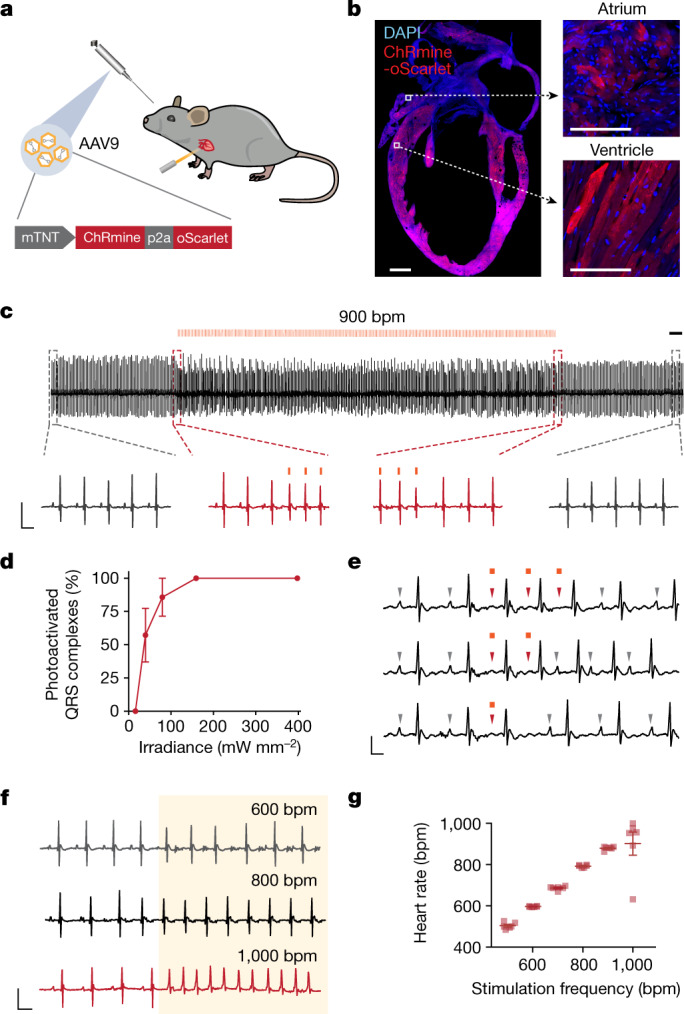
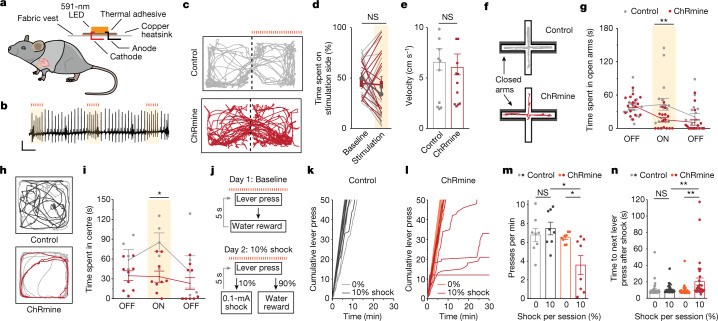
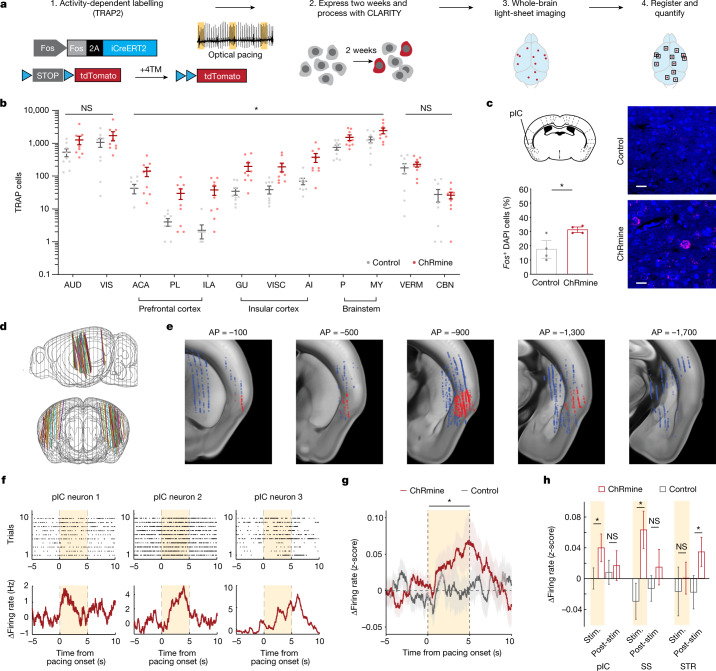
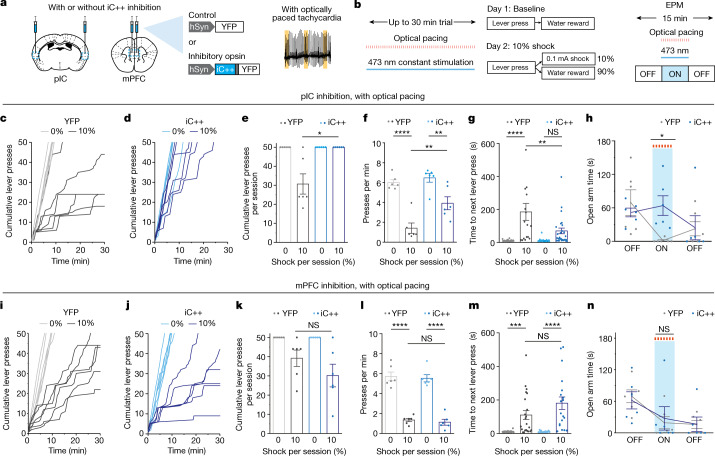
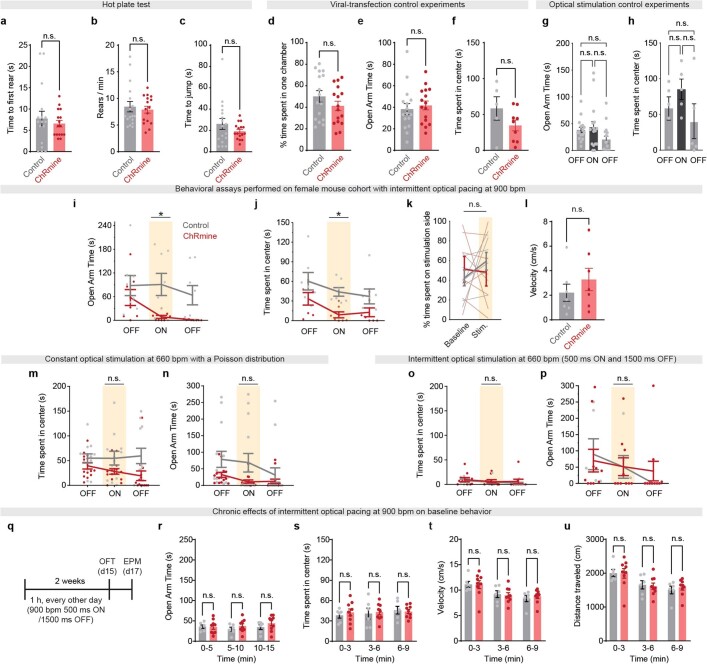
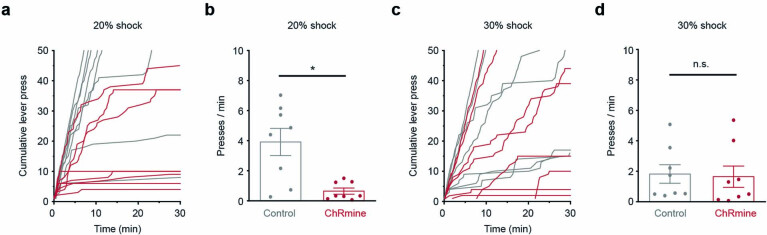
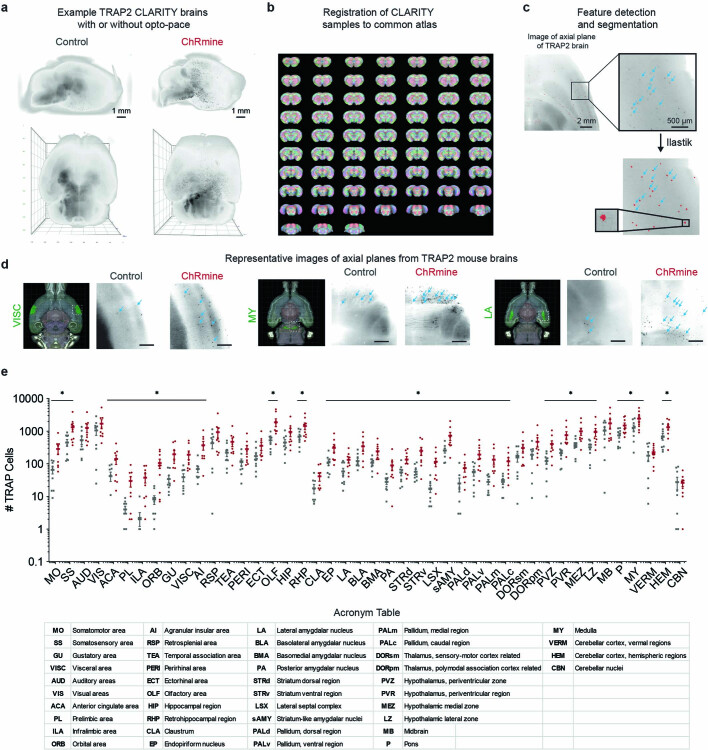
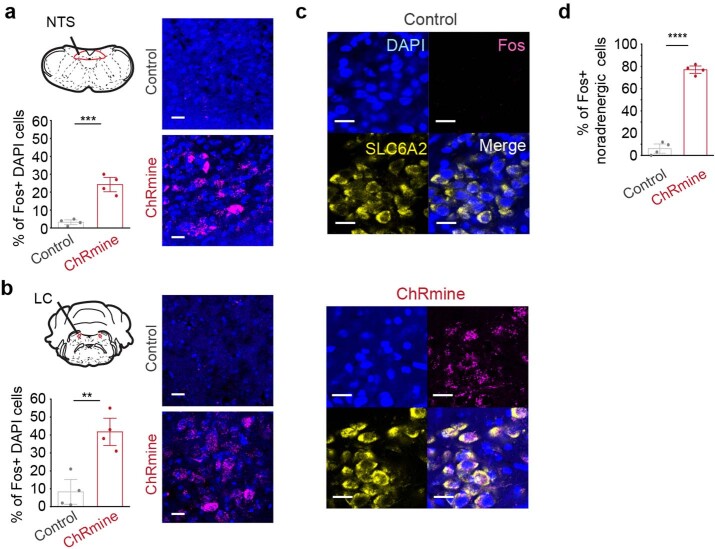
Verification
Claims the paper makes
The claims and statistics of this paper haven’t been checked yet.
Free: it reads the open-access text and checks the first 5 claims that cite a source we can check. Create a free account to check every claim.
Claims other papers make about this one
Each is checked against this paper’s own text: does it say what the citing paper says it does?
The cited source says what the claim attributes to it.
In the citing paper
“A recent study has demonstrated that optically evoked tachycardia could activate the pIC in a bottom-up way, identifying the pIC as a potential mediator of bottom-up cardiac interoceptive processing [57].”
From The Insular Cortex: An Interface Between Sensation, Emotion and Cognition (2024) · cites this paper as [57]
Self-check
Percentages, sums and reported differences re-computed from the paper’s own numbers.
The self-check needs the paper’s full text.
Citations
Cites
How do you feel? Interoception: The sense of the physiological condition of the body
Craig, A. D. (2002) · Nature Reviews Neuroscience · doi:10.1038/nrn894 · Cited by 6,006
Neural systems supporting interoceptive awareness
Critchley, H. D., Wiens, S., Rotshtein, P., Öhman, A., & Dolan, R. J. (2004) · Nature Neuroscience · doi:10.1038/nn1176 · Cited by 3,406
ilastik: interactive machine learning for (bio)image analysis
Berg, S., Kutra, D., Kroeger, T., Straehle, C. N., Kausler, B. X., Haubold, C., Schiegg, M., Ales, J., Beier, T., Rudy, M., et al. (2019) · Nature Methods · doi:10.1038/s41592-019-0582-9 · Cited by 3,368
The Central Autonomic Network: Functional Organization, Dysfunction, and Perspective
BENARROCH, E. E. (1993) · Mayo Clinic Proceedings · doi:10.1016/s0025-6196(12)62272-1 · Cited by 1,534
Choi, H. M. T., Schwarzkopf, M., Fornace, M. E., Acharya, A., Artavanis, G., Stegmaier, J., Cunha, A., & Pierce, N. A. (2018) · Development · doi:10.1242/dev.165753 · Cited by 1,495
Heart beat perception and emotional experience
Schandry, R. (1981) · Psychophysiology · doi:10.1111/j.1469-8986.1981.tb02486.x · Cited by 1,335
Visceral influences on brain and behavior
Critchley, H. D., & Harrison, N. A. (2013) · Neuron · doi:10.1016/j.neuron.2013.02.008 · Cited by 1,177
Anxiety Disorders are Associated with Reduced Heart Rate Variability: A Meta-Analysis
Chalmers, J. A., Quintana, D. S., Abbott, M. J.-A., & Kemp, A. H. (2014) · Frontiers in Psychiatry · doi:10.3389/fpsyt.2014.00080 · Cited by 1,067
Targeting abnormal neural circuits in mood and anxiety disorders: from the laboratory to the clinic
Ressler, K. J., & Mayberg, H. S. (2007) · Nature Neuroscience · doi:10.1038/nn1944 · Cited by 1,007
Tuning arousal with optogenetic modulation of locus coeruleus neurons
Carter, M. E., Yizhar, O., Chikahisa, S., Nguyen, H., Adamantidis, A., Nishino, S., Deisseroth, K., & de Lecea, L. (2010) · Nature Neuroscience · doi:10.1038/nn.2682 · Cited by 993
Self-citation
Research works printed but not linked: 1
- Oppenheimer S Cechetto D The insular cortex and the regulation of cardiac function Compr. Physiol. 2011 6 1081 1133 27065176
Cited by
Items 201–300 of 332
Synaptic plasticity in fronto-insular circuits underlying stress susceptibility and resilience
Rocks, D., & Liston, C. M. (2024) · Neuroscience Research · doi:10.1016/j.neures.2024.12.006 · Cited by 2
castrillo, R. P. (2023) · Preprints.org · doi:10.20944/preprints202307.1081.v1 · Cited by 2
Rhythms of the Heart, Echoes in the Brain
Khalsa, S. S. (2023) · JACC. Clinical electrophysiology · doi:10.1016/j.jacep.2023.09.001 · Cited by 4
Livermore, J., Skora, L., Adamatzky, K., Garfinkel, S., Critchley, H., & Campbell-Meiklejohn, D. (2024) · medRxiv · doi:10.1101/2024.01.23.24301647
Klotzsche, F., Motyka, P., Molak, A., Sahula, V., Darmová, B., Byrnes, C., Fajnerová, I., & Gaebler, M. (2024) · bioRxiv (Cold Spring Harbor Laboratory) · doi:10.1101/2024.01.31.578172 · Cited by 2
“Such periodic visceral signals may also be predicted and integrated into (active) perceptual processing (e.g., in the posterior insula; Hsueh et al., 2023; Klein et al., 2021), among other things, to counter detrimental effects, such as sensory attenuation or uncertainty (Al et al., 2020; Allen et…”
BackgroundInteroceptive Signals Bias Decision Making in Rhesus MacaquesPreprint
Cardenas, M. A., Le, R. P., Champ, T. M., O’Neill, D., Fuglevand, A. J., & Gothard, K. M. (2024) · bioRxiv (Cold Spring Harbor Laboratory) · doi:10.1101/2024.07.08.602563 · Cited by 2
“Hsueh et al. (Hsueh et al., 2023), for example, showed that experimentally induced tachycardia in mice elicits affective states that manifest in exaggerated avoidance behaviors.”
BackgroundDopamine D1 receptor activation shapes anterior insula neural coding of anxietyPreprint
Couderc, Y., Reddy, T., Garg, A., Ricci, D., Vardiero, G., D'Almeida, M., Nicolas, C., Bordes, J., HABCHI, T., Penet, C., et al. (2024) · bioRxiv (Cold Spring Harbor Laboratory) · doi:10.1101/2024.10.25.620186 · Cited by 5
Covert muscle activity reveals dynamic freezing states and prepares the animal for actionPreprint
Hobbiss, A. F., Franco, M. C., Medeiros, A. M., Rosher, C., Mendes, C. S., & Moita, M. A. (2024) · bioRxiv (Cold Spring Harbor Laboratory) · doi:10.1101/2024.11.26.622641 · Cited by 3
Chen, W., James, B., Ruetten, V. M. S., Banala, S., Wei, Z., Fleishman, G. M., Rubinov, M., Fishman, M. C., Engert, F., Lavis, L. D., et al. (2025) · bioRxiv (Cold Spring Harbor Laboratory) · doi:10.1101/2025.03.26.645305 · Cited by 2
Schneider, K. N., Nota, M. H. C., Lazaro, H., Rijsketic, D. R., Jin, M., Neiswanger, C., Beck, A. I., Ressler, N., Zhang, J. J., Li, A., et al. (2025) · bioRxiv (Cold Spring Harbor Laboratory) · doi:10.1101/2025.03.28.646066 · Cited by 2
Cardiac interoception impacts behavior and brain-wide neuronal dynamicsPreprint
Herrera, K. J., Zarghani-Shiraz, A., Ahrens, M. B., Engert, F., & Fishman, M. C. (2025) · bioRxiv (Cold Spring Harbor Laboratory) · doi:10.1101/2025.04.25.650721 · Cited by 2
“Recent work, directly modulating heart rate in mice, would support this notion 8,45 .”
The physiological response during optogenetic-based cardiac pacing in awake freely moving mice
Kaminosono, J., Kambe, Y., Tanimoto, A., Kuwaki, T., & Yamashita, A. (2023) · Frontiers in Physiology · doi:10.3389/fphys.2023.1130956 · Cited by 1
“However, there are not many studies assessing the animals’ physiological response during optogenetic-based pacing (Hsueh et al., 2023), as optogenetic-based cardiac pacemakers have rarely been applied to conscious, freely moving animals.”
BackgroundMethodExploring Affective Peripheral Patterns Based on Body Surface Potentials With Covariance
Wu, W. Y., Pi, Y., Zhang, X., Wu, W., & Wu, W. (2024) · IEEE Transactions on Affective Computing · doi:10.1109/taffc.2024.3486165 · Cited by 1
“Karl Deisseroth’s recent study also reinforced this concept, demonstrating that an increased heart rate itself can induce anxiety or fear, as shown by experiments using noninvasive optogenetic pacemakers for precise control of cardiac rhythms in mice [25].”
Guo, Z., Lv, J. C., Liu, X., Pan, W., & Song, D. (2025) · Behavioural Brain Research · doi:10.1016/j.bbr.2025.115610 · Cited by 3
Wang, Y. B., Saunders, S. E., Campbell, J. N., & Boychuk, C. R. (2025) · Current Opinion in Neurobiology · doi:10.1016/j.conb.2025.103068 · Cited by 4
The gut and heart’s role in reward processing
Arinel, M., & Abdelaal, K. (2025) · Frontiers in Integrative Neuroscience · doi:10.3389/fnint.2025.1479923 · Cited by 3
“Causal evidence from optogenetic studies further supports this link, showing that increasing heart rate in mice induces anxiety-like behaviors in anxiety-provoking contexts (Hsueh et al., 2023).”
Miedema, M., Dagenais, R., Torabi, M., Askarinejad, S. E., Long, S., & Mitsis, G. D. (2025) · NeuroImage · doi:10.1016/j.neuroimage.2025.121369 · Cited by 3
“…its movement of brain tissue (Dagli et al., 1999; Kassinopoulos and Mitsis, 2021), may contribute to the BOLD signal alongside interoceptive neural spiking on a similar time scale through the direct influence of blood pressure pulsations on mechanosensitive channels (Jammal Salameh et al., 2024).”
Puaud, M., Joshi, D., Wright, A., Ho, V., Belin‐Rauscent, A., Fouyssac, M., Everitt, B. J., Peterschmitt, Y., & Belin, D. (2025) · eNeuro · doi:10.1523/eneuro.0156-25.2025 · Cited by 4
“In rodents, bottom-up interoceptive states have been shown causally to generate affective states, such as anxiety, via activation of the PIC (Hsueh et al., 2023), replicating previous evidence in humans (Hassanpour et al., 2018).”
InfluentialTowards a multi-dimensional understanding of brain states
Karigo, T., & Charles, A. S. (2025) · Neurobiology of Learning and Memory · doi:10.1016/j.nlm.2025.108110 · Cited by 3
Zhao, X., Chen, F., He, H., Zhou, C., Weng, X., Zang, Y., & Zuo, X. (2025) · Chinese Science Bulletin (Chinese Version) · doi:10.1360/csb-2025-5227 · Cited by 1
A multi-dimensional transfer learning framework for studying reward-guided behaviors across species
Liu, Y. M., Turnbull, A. G., Adeli, E., Zhao, G., Wang, K. H., & Lin, F. V. (2025) · Nature Mental Health · doi:10.1038/s44220-025-00547-8 · Cited by 1
The effects of mindfulness training on emotion and sleep quality in patients with colorectal cancer
Shi, L., Xin, S., Li, D.-N., Zhu, M., Sun, Q., Ren, F., Tian, Y., & Wang, Y. (2025) · Scientific Reports · doi:10.1038/s41598-025-27139-x · Cited by 2
“From an emotional perspective, both emotional and psychological states can impact individual behavior and physiological patterns 47 .”
Cardiac Rehabilitation and Mental Health
Albuquerque, R. P., Dores, H., & Gonçalves‐Pereira, M. (2026) · Cardiology Clinics · doi:10.1016/j.ccl.2025.11.001 · Cited by 1
Liu, X., Wang, S., Lai, J., Gao, X., Wang, L., Feng, B., Yang, L., Qian, Z., Jiang, R., Chu, J., et al. (2026) · Neuron · doi:10.1016/j.neuron.2025.12.048 · Cited by 3
Self-citationDixit, N., Pyari, G., & Roy, S. (2026) · Scientific Reports · doi:10.1038/s41598-026-40578-4 · Cited by 1
Qiao, K., Wu, G., Cao, Y., Wu, Y., Sun, C., Huang, J., Yang, S., Zhong, C., Zhou, H., & Lu, Y. (2026) · Advanced Optical Materials · doi:10.1002/adom.202503813 · Cited by 1
Abdus-Saboor, I. (2026) · Annual Review of Neuroscience · doi:10.1146/annurev-neuro-102124-022220 · Cited by 1
Optical control of the cardiac rhythm with photoswitchable NaV1.5 channel blockers
Liu, S., Guan, W., Li, Z., Wang, W., Song, H., Li, J., Hou, J., Wang, H., Xiong, J., Yang, M., et al. (2026) · Nature Communications · doi:10.1038/s41467-026-70305-6 · Cited by 2
Dynamic phase synchronization within the brain–heart-vascular network
Bianco, M., Catrambone, V., Cairo, B., Bari, V., Ranucci, M., Porta, A., & Valenza, G. (2026) · The European Physical Journal Special Topics · doi:10.1140/epjs/s11734-026-02272-4 · Cited by 1
Li, X., Li, Y., Zhang, X., Zhang, H., & Wu, W. (2026) · Frontiers in Public Health · doi:10.3389/fpubh.2026.1743520 · Cited by 2
“Research has confirmed that anxiety can induce elevated heart rate (HR) (41, 42).”
The global patent landscape of optogenetics: current advances, challenges and opportunities
Zhang, Y., Lyu, L., Zhang, Y., & Yuanjia, H. (2026) · Nature Biotechnology · doi:10.1038/s41587-026-03080-w · Cited by 1
Experience-dependent development of vagal circuitry in rodents and humans
Panvini, S., Kamitakahara, A. K., Rinaman, L., & Levitt, P. R. (2026) · Neuroscience & Biobehavioral Reviews · doi:10.1016/j.neubiorev.2026.106728 · Cited by 2
Niu, J., Wei, X., Li, H., Xia, R., Wang, J., Zhang, J., Yang, S., Zhu, G., & Chen, L. (2026) · European Journal of Pharmacology · doi:10.1016/j.ejphar.2026.178961 · Cited by 1
Noninvasive optogenetic induction of cardiac arrhythmias alters systemic hemodynamics in mice
Amaral, M. M., Matt, A., Schloss, K. H., Wang, F., Gracheva, E., Wang, Y., Liang, H., Bice, A. R., Ding, J., Kovacs, A., et al. (2026) · Science Advances · doi:10.1126/sciadv.aeb1092 · Cited by 1
“ChRmine has also been used for transthoracic light stimulation in a study of the connection between the heart and anxiety-like behaviors in mice ( 39 ).”
InfluentialCandia‐Rivera, D. (2026) · Physics of Life Reviews · doi:10.1016/j.plrev.2026.06.003 · Cited by 1
“For instance, neuromodulation of heart rate directly affects emotion-related behavior in rodents [59].”
Wang, Y., Huang, C., Zhong, B., Lu, Y., Yu, H., Liu, Y., Gao, L., Xiang, B., Wang, T., & Liu, K. (2026) · Journal of Affective Disorders · doi:10.1016/j.jad.2026.122232 · Cited by 1
BaHammam, A. S. (2026) · Journal of Taibah University Medical Sciences · doi:10.1016/j.jtumed.2026.06.008 · Cited by 3
“104 What the Qur’an captures in a single phrase, “hearts reached the throats,” maps onto a documented physiological cascade where the heart participates in producing the actual experience of terror.”
Comparative insights into insula structure and function
Charbonneau, J. A., Carp, S. B., Bennett, J. L., Maw, S. M., Moadab, G., Christianson, J. P., Baxter, M. G., & Bliss‐Moreau, E. (2026) · Nature Neuroscience · doi:10.1038/s41593-026-02380-3 · Cited by 3
Jongbloets, B. C., Chen, Y., Muniak, M. A., Gingerich, I. K., Maanum, K. A., & Mao, T. (2026) · Nature Neuroscience · doi:10.1038/s41593-026-02391-0 · Cited by 2
“The insular cortex (IC), an evolutionarily conserved associative cortex, is an integration hub 1–3 that orchestrates diverse functions, such as external and internal sensory perception, bodily homeostasis, learning, motivation and self-awareness and emotional awareness 4–7 .”
InfluentialModel-based cardiac field artefact correction for OP-MEG
Woelk, S. P., Alexander, N., O’Neill, G. C., Garfinkel, S. N., & Barnes, G. R. (2026) · Imaging Neuroscience · doi:10.1162/imag.a.1353 · Cited by 1
Wireless microelectronic fibers to discover gut and brain pathways
(2023) · Nature Biotechnology · doi:10.1038/s41587-023-01850-4 · Cited by 2
Neuropsychiatric research in 2023: mechanisms of stress and therapies
López, J. P., & Chen, A. (2023) · The Lancet Neurology · doi:10.1016/s1474-4422(23)00469-6 · Cited by 1
Light can restore a heart’s rhythm
Efimov, I. R. (2024) · Nature · doi:10.1038/d41586-024-00303-5 · Cited by 1
NÍVEIS DE ANSIEDADE ASSOCIADO AO ATENDIMENTO ODONTOLÓGICO
da Rocha, S. S., Lima, Y. A. R., Campos, M. R. D. O., Rêgo, I. C. Q., Verde, G. M. F. L., & Lima, L. R. (2024) · Revista Ibero-Americana de Humanidades, Ciências e Educação · doi:10.51891/rease.v10i5.13954 · Cited by 1
Zhao, Y., Lian, Y., Di, H., & Zhao, W. (2024) · Frontiers in Human Neuroscience · doi:10.3389/fnhum.2024.1435859 · Cited by 2
The promise of optogenetic arrhythmia termination
Bruegmann, T., & Sacconi, L. (2023) · Journal of Internal Medicine · doi:10.1111/joim.13680 · Cited by 1
Nagai, Y., Moukayed, A., Schorscher, P., Karwat, J., Mulcahy, J. S., Patchitt, J., Azevedo, R. T., Tsakiris, M., Garfinkel, S. N., & Critchley, H. (2023) · Research Square · doi:10.21203/rs.3.rs-3366038/v1 · Cited by 2
Meseguer-Beltrán, M., Sánchez‐Sarasúa, S., Kerekes, N., Landry, M., Real‐López, M., & Sánchez‐Pérez, A. M. (2024) · bioRxiv (Cold Spring Harbor Laboratory) · doi:10.1101/2024.05.15.592910 · Cited by 1
Yuan, K., Wang, Z., Shao, Z., Du, Z., Wen, X., Liu, J., Li, Y. H. M., Zhao, X., Xue, Y. X., Sheng, X., et al. (2024) · Research Square · doi:10.21203/rs.3.rs-4930236/v1 · Cited by 1
Saunders, S. E., Dow, K. E., Bostic, G. E., Boychuk, J. A., Maguire, J. L., & Boychuk, C. R. (2025) · eLife · doi:10.1101/2025.11.11.687816 · Cited by 2
Emergence of Functional Heart-Brain Circuits in a VertebratePreprint
Hernandez-Nunez, L., Avrami, J., Shi, S., Markarian, A., Kim, A., Boulanger-Weill, J., Rutten, V., Zarghani-Shiraz, A., Ahrens, M. B., Engert, F., et al. (2025) · eLife · doi:10.7554/elife.109362.1 · Cited by 1
Emergence of Functional Heart-Brain Circuits in a VertebratePreprint
Hernandez-Nunez, L., Avrami, J., Shi, S., Markarian, A., Kim, A., Boulanger-Weill, J., Rutten, V., Zarghani-Shiraz, A., Ahrens, M. B., Engert, F., et al. (2026) · eLife · doi:10.7554/elife.109362 · Cited by 2
A cortical basis for perception of internal gut sensationsPreprint
Rafael-Izhaki, O., Shtiglitz, S., Miller, J., Prilutski, Y., Talpir, I., Lavi, A., & Livneh, Y. (2026) · bioRxiv (Cold Spring Harbor Laboratory) · doi:10.64898/2026.02.11.705298 · Cited by 3
Anxiety can be created by the body, mouse heart study suggests
Reardon, S. (2023) · Nature · doi:10.1038/d41586-023-00584-2
Optically induced tachycardia evokes anxiety in risky settings
Huynh, K. (2023) · Nature Reviews Cardiology · doi:10.1038/s41569-023-00858-2
Long COVID is primarily a Spike protein Induced Thrombotic VasculitisPreprint
Kerr, R., & Carroll, H. A. (2023) · Research Square · doi:10.21203/rs.3.rs-2939263/v1 · Cited by 4
Benestad, H. B. (2023) · Tidsskrift for Den norske legeforening · doi:10.4045/tidsskr.23.0312
Sun, Z., An, W., He, T., Liu, Q., Wang, Z., Guo, P., & Zhang, S. (2024) · Journal of Visualized Experiments · doi:10.3791/65858
Computational modeling and autonomic control
Suksasilp, C., Friston, K. J., & Garfinkel, S. N. (2024) · Elsevier eBooks · doi:10.1016/b978-0-12-820480-1.00076-0
Brain-heart Interactions in Fibromyalgia Syndrome
Costa, V., Gianlorenço, A. C., Pacheco‐Barrios, K., & Fregni, F. (2024) · Principles and Practice of Clinical Research Journal · doi:10.21801/ppcrj.2023.94.1 · Cited by 1
Central regulation of the heart
Patchitt, J., & Critchley, H. (2024) · Elsevier eBooks · doi:10.1016/b978-0-12-820480-1.00071-1
Unveiling the Neuroscientific Underpinnings of Mood and Anxiety Disorders
Institut Pasteur, U. P. C., & Lledo, P. (2023) · Annals of Depression and Anxiety · doi:10.26420/anndepressanxiety.2023.1120
Amaral, M. M., Matt, A., Wang, F., Gracheva, E., Liang, H., Kovacs, A., Weinheimer, C. J., Diwan, A., Cui, J., Rentchler, S., et al. (2024) · Optics in the Life Sciences · doi:10.1364/translational.2024.tw1b.6
Liu, X., Lai, J., Gao, X., Wang, L., Hu, Y., Liao, G., Ma, S., Feng, B., Yang, L., Qian, Z., et al. (2024) · bioRxiv (Cold Spring Harbor Laboratory) · doi:10.1101/2024.08.12.607510
Self-citationNovel Method for Efficient Control of Human Heart with Light
Pyari, G., Bansal, H., & Roy, S. (2023) · Workshop on Recent Advances in Photonics (WRAP) · doi:10.1109/wrap59682.2023.10712892
“Recent experimental and theoretical studies have shown that ChRmine enables low-power deep excitation of heart [4, 8].”
BackgroundWang, Z., Zhang, J., & Ren, Q. (2024) · Aging and Disease · doi:10.14336/ad.2024.1083
“Previous studies have shown that increased optogenetic heart rate in mice forms anxious brain circuits [26].”
Sensory Processing and Anxiety: Within and Beyond the Autism Spectrum
Zoltowski, A. R., Convery, C. A., Eyoh, E. E., Plump, E., Sullivan, M., Arumalla, E. R., Quinde-Zlibut, J. M., Keçeli-Kaysılı, B., Lewis, B. J., & Cascio, C. J. (2024) · Current topics in behavioral neurosciences · doi:10.1007/7854_2024_557 · Cited by 1
Driscoll, I., Briefer, E. F., Ganswindt, A., & Manser, M. B. (2025) · Hormones and Behavior · doi:10.1016/j.yhbeh.2025.105676
Monocytes in the brain–heart crosstalk control sleep under myocardial infarction
Mao, M., Bing, H., Ye, J., Xia, Z., & Chu, Q. (2025) · Acta Pharmaceutica Sinica B · doi:10.1016/j.apsb.2025.01.025
Somatic Emotions Training (SET) as a Brief Thomistic Intervention
Roberson, D. R., & Hinde, J. (2025) · Integratus · doi:10.1521/intg.2025.3.1.73
Heart rate changes related to risky selections and outcomes in rat gambling tasks
Fukushima, F., Tamura, A., Kuga, N., & Sasaki, T. (2025) · The Journal of Physiological Sciences · doi:10.1016/j.jphyss.2025.100022 · Cited by 1
“Consistent with this idea, recent studies have shown that acceleration of the heart rate by artificial cardiac stimulation increases anxiety-like behavior [22] and that heart rate changes are related to fearful behavior [23].”
Genetic capture for conscious state transitionsPreprint
Heshmati, M., Lazaro, H., Schneider, K. N., Jin, M., Beck, A. I., Rijsketic, D. R., Murry, A. D., Navarrete, J. S., Shin, C. C., Barrow, A. C., et al. (2025) · Research Square · doi:10.21203/rs.3.rs-6192781/v1
Soriano, J. R., Karaiskou, A.-Ι., Rodriguez‐Larios, J., Varon, C., Castellanos, N. P., & Alaerts, K. (2025) · medRxiv · doi:10.1101/2025.06.29.25330504 · Cited by 1
Hong, J., Zhu, W., Li, P., Priezzhev, A. V., Lugovtsov, A. E., & Lu, J. (2025) · Optics Express · doi:10.1364/oe.568262
The Study of Emotion in Other Animals
Karamihalev, S., & Gogolla, N. (2025) · Cambridge University Press eBooks · doi:10.1017/9781009342919.011
Armony, J., & Vuilleumier, P. (2025) · Cambridge University Press eBooks · doi:10.1017/9781009342919.005
Armony, J. L., & Vuilleumier, P. O. (2025) · Cambridge University Press eBooks · doi:10.1017/9781009342919.002
The Body’s Band: How Heart and Brain Communicate
Gerosa, M., Patyczek, A., Reinwarth, E., & Gaebler, M. (2025) · Frontiers for Young Minds · doi:10.3389/frym.2025.1536787
Osypenko, D., Palchaudhuri, S., Kochubey, O., & Schneggenburger, R. (2025) · bioRxiv (Cold Spring Harbor Laboratory) · doi:10.1101/2025.09.25.678609
Neuronal architecture of the mouse insular cortex underlying its diverse functionsPreprint
Jongbloets, B. C., Chen, Y., Gingerich, I. K., Muniak, M. A., & Mao, T. (2025) · bioRxiv (Cold Spring Harbor Laboratory) · doi:10.1101/2025.10.23.683697
Vagal volume receptors in the heart compensate for blood loss and posture changePreprint
Liu, Z., Lu, S., Haskell, I. A., Min, S., Josipović, M., Alabi, A. A., Chi, J., Kim, M., & Liberles, S. D. (2025) · bioRxiv (Cold Spring Harbor Laboratory) · doi:10.64898/2025.12.05.692432
Dopaminergic neurons linking threat processing to cardiac modulation and locomotor responses
Tsuji, M., Jinkoma, D., Uemura, Y., Ogasawara, A., & Emoto, K. (2026) · eLife · doi:10.64898/2025.12.21.695849
Disruption of Pre-Bötzinger Complex neuropeptidergic tonality controls fear and metabolic responsePreprint
Shetty, S., Farmanbar, A., Toh, P., Yildiz, R., Jang, Y., Duesman, S. J., Warnock, A., Espinoza, D., Stanley, S. A., Rajbhandari, P., et al. (2026) · bioRxiv (Cold Spring Harbor Laboratory) · doi:10.64898/2026.01.01.697304
Why emotion research is stuck—and how to move it forward
Johansen, J. P. (2026) · The Transmitter · doi:10.53053/kqal5174
Wu, C. J., Li, D., Khetarpal, S. A., Yuan, Z., Huang, S., Guerra, J. R. B., Li, C., Zhou, Q., Quan, M., He, J., et al. (2026) · medRxiv · doi:10.64898/2026.01.26.26344874
Li, J., Xiao, Y., Lyu, S., Wang, K., Zhang, H., Zheng, Y., Zhang, X., Yang, H., & Shu, Y. (2026) · Molecular Psychiatry · doi:10.1038/s41380-026-03453-2
“Additionally, optical cardiac pacing activates LSNs [52] and the activation of LSNs increases the heart rate [53].”
Physiological Network of Emotion
Feng, Y., Liu, S., Peng, X., Huang, S., Amos, T. J., Yao, D., Valdes-Sosa, P. A., & Ren, P. (2026) · IEEE Transactions on Affective Computing · doi:10.1109/taffc.2026.3663362
“Substantial biological evidence supporting this notion has been elucidated through seminal publications in prestigious journals such as Nature and Science [42], [43], [44], [45], [46], [47], [48], [49], [50], [51].”
Akinloye, O. A., Akamo, A. J., Akinloye, D. I., Ojo, D. A., Salami, O., Adewale, A. O., Abiola, O., Toriola, M. A., & Ogunbiyi, O. E. (2026) · Pharmacological Research - Natural Products · doi:10.1016/j.prenap.2026.100557
Sturm, V. E., & Seeley, W. W. (2026) · Social Cognitive and Affective Neuroscience · doi:10.1093/scan/nsag014 · Cited by 1
Wu, Z., Huang, Z., Ding, F., Ma, H., Deng, C., Zeng, C., Chang, R., Kuang, W., & Zhao, Y. (2026) · Scientific Reports · doi:10.1038/s41598-026-43510-y
Cardiac signals shape insular cortex activity and emotion codingPreprint
Malézieux, M., Yeongseok, J., Ressle, A., Schmid, B., & Gogolla, N. (2026) · bioRxiv (Cold Spring Harbor Laboratory) · doi:10.64898/2026.03.18.712676 · Cited by 1
Liu, J., 康劲翮, Zhu, L., Liu, J., Cai, H., Liu, X., & Hu, B. (2026) · IEEE Transactions on Computational Social Systems · doi:10.1109/tcss.2026.3671135
Brain anoxia : a multiscale and multi structure study
Carrion‐Falgarona, S. (2024) · theses.fr (ABES) · doi:10.70675/0b2670f6z5366z4a56za002z7619042a847c
Li, K. H., Wei, Y., & Ni, J. D. (2026) · Neuron · doi:10.1016/j.neuron.2026.03.030
Body-Brain Integration: The Lower Brainstem in Sleep-Wake Regulation
Yao, Y., & Dan, Y. (2026) · Annual Review of Neuroscience · doi:10.1146/annurev-neuro-082625-012115 · Cited by 1
Metabolism-Mediated Regulation of Brain–Heart Interactions
Liu, Z., Peng, R., & Zhao, L. (2026) · International Journal of Molecular Sciences · doi:10.3390/ijms27093712
Pribiš, M., Bankwitz, A., Gyurkó, D. M., & Olbrich, S. (2026) · Clinical Neurophysiology · doi:10.1016/j.clinph.2026.2111904
Targeting insulo-frontal pathway to reduce stress-evoked cognitive rigidity
Ma, S., Wang, K. H., & Zuo, Y. (2026) · Nature Communications · doi:10.1038/s41467-026-72221-1
“extensively studied 13 – 17 , its causal contribution to cognitive rigidity remains unclear.”
Metadata
- Authors
- Hsueh, B., Chen, R., Jo, Y., Tang, D., Raffiee, M., Kim, Y. S., Inoue, M., Randles, S., Ramakrishnan, C., Patel, S., Kim, D. K., Liu, T. X., Kim, S. H., Tan, L., Mortazavi, L., Cordero, A., Shi, J., Zhao, M., Ho, T. T., Crow, A., Yoo, A.-C. W., Raja, C., Evans, K., Bernstein, D., Zeineh, M., Goubran, M., & Deisseroth, K.
- Affiliations
- Stanford University (US)
- Stanford Medicine (US)
- Howard Hughes Medical Institute (US)
- Corresponding author
- Deisseroth, Karl
- ORCID
- Hsueh, Brian
- Chen, Ritchie
- Jo, YoungJu
- Tang, Daniel
- Kim, Yoon Seok
- Inoue, Masatoshi
- Ramakrishnan, Charu
- Patel, Sneha
- Kim, Doo Kyung
- Liu, Tony X.
- Kim, Soo Hyun
- Tan, Longzhi
- Mortazavi, Leili
- Cordero, Arjay
- Shi, Jenny
- Zhao, Mingming
- Ho, Theodore T.
- Raja, Cephra
- Evans, Kathryn
- Bernstein, Daniel
- Zeineh, Michael
- Goubran, Maged
- Deisseroth, Karl
- Venue
- Nature
- Published
- 2023-03-01
- Volume
- 615
- Issue
- 7951
- Pages
- 292-299
- ISSN
- 0028-0836 (ISSN-L)
- 1476-4687
- PMC
- PMC9995271
- OpenAlex
- W4322733206
- Semantic Scholar
- 9f008820ec3c3675e65af26d304ef0d2dd5f9762
- Cited by
- 335
- References
- 64
- Citations by year
- 2026: 80 · 2025: 104 · 2024: 93 · 2023: 58
- FWCI
- 65.65
- Type
- journal article
- Language
- en
- Open access
- hybrid
- doi.org
- Licence
- cc-by
- creativecommons.org/licenses/by/4.0 (tdm)
- creativecommons.org/licenses/by/4.0 (vor)
- Locations
- Nature (publishedVersion, cc-by)
- PubMed Central (publishedVersion, cc-by)
- PubMed (publishedVersion)
- eScholarship (California Digital Library) (submittedVersion, cc-by)
- RePEc: Research Papers in Economics (submittedVersion)
- Funders
- National Science Foundation
- National Alliance for Research on Schizophrenia and Depression
- National Institutes of Health
- National Institute of Mental Health (R37MH075957, R01MH086373)
- National Institute on Drug Abuse (R37DA035377)
- National Institute of Neurological Disorders and Stroke (K99NS119784)
- Topics
- Health Sciences › Medicine › Cardiology and Cardiovascular Medicine › Heart Rate Variability and Autonomic Control
- Life Sciences › Neuroscience › Cognitive Neuroscience › Memory and Neural Mechanisms
- Life Sciences › Neuroscience › Cellular and Molecular Neuroscience › Photoreceptor and optogenetics research
- Keywords
- cardiac pacing, anxiety-like behavior, heart rate, interoception, posterior insular cortex, emotional state
- MeSH terms
- Channelrhodopsins, Insular Cortex, Animals, Anxiety, Behavior, Animal, Brain, Brain Mapping, Electrophysiology, Emotions, Heart, Heart Rate, Pacemaker, Artificial, Tachycardia, Mice, Optogenetics
About these checks
Registry, retraction, Cites and statistics results are computed, not judged, with one exception: a printed reference that no index lists is read once by a model before it counts as a citation error. Claims are extracted by a model and kept only when their quote appears verbatim in the text; each cited source is then checked, with a model’s help, for whether it says what the claim relies on. Those verdicts can be wrong — read the claim’s quote and the cited source before relying on one.
Statistics and arithmetic are recomputed, not judged.
Confidence bands are shown only for fields calibrated on our annotated test set. None is calibrated yet, so no band is shown.
What counts as a claim ›How we measure confidence ›How we check this ›
Are you an author, or do you see a problem with this page? Request a review
Data sources
Bibliographic data: Semantic Scholar, OpenAlex, Crossref.
Contains information from the Semantic Scholar Academic Graph Datasets, made available under the ODC Attribution License (ODC-BY 1.0).
Semantic Scholar’s data is described in: Kinney, R., et al. (2023). The Semantic Scholar Open Data Platform. arXiv:2301.10140.
