

Cardiogenic control of affective behavioural state
Open accessThe DOI matches its Crossref record; 67 of the 67 references it cites were found in a registry or an index.
Abstract
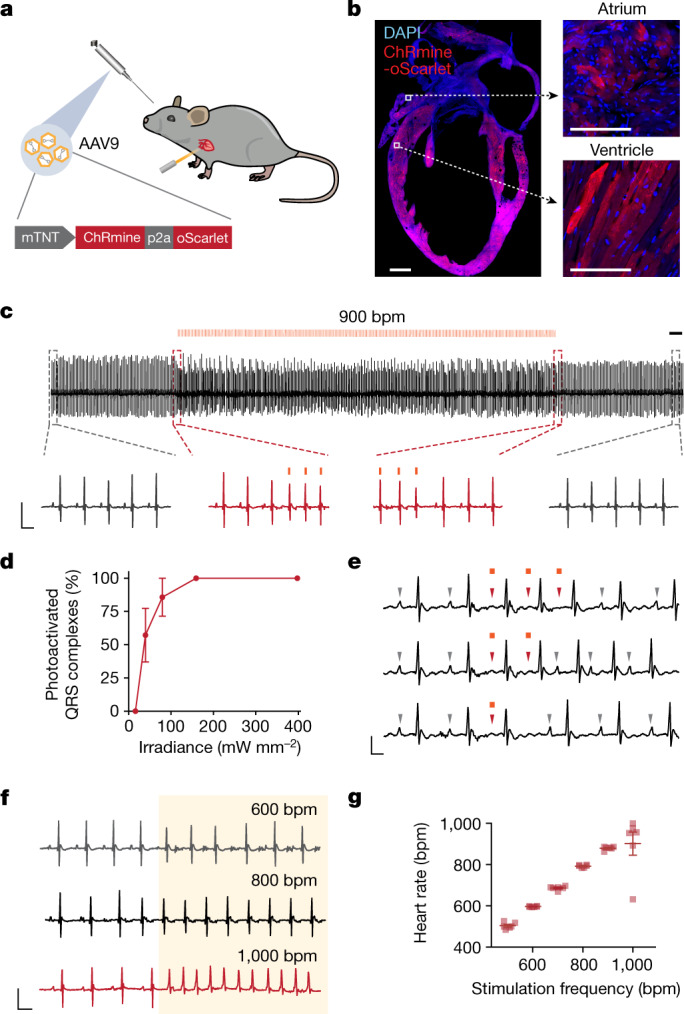
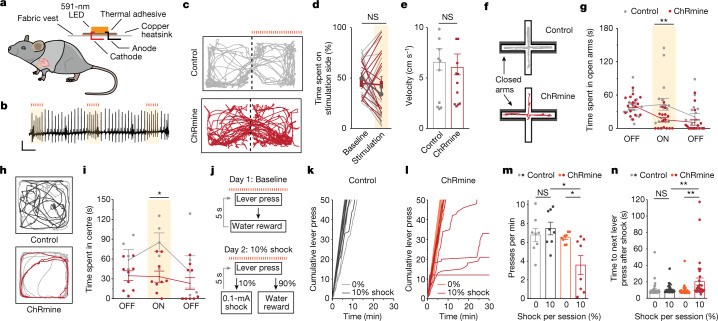
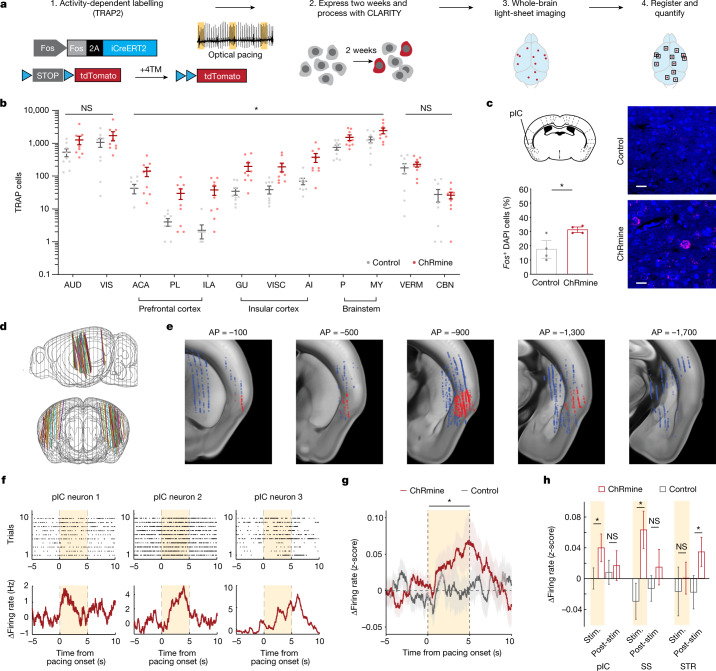
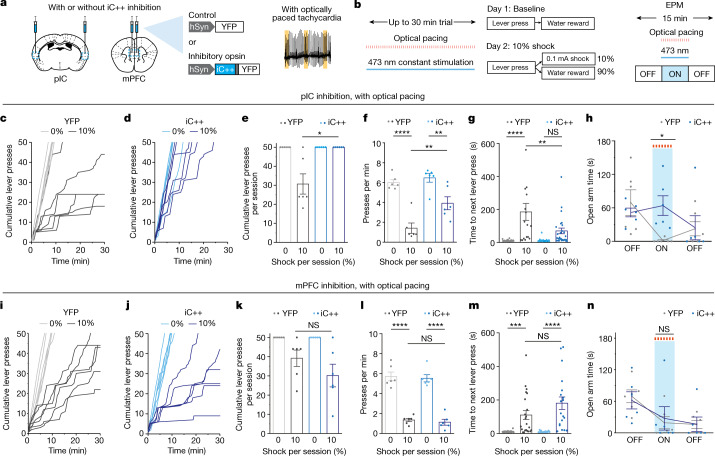
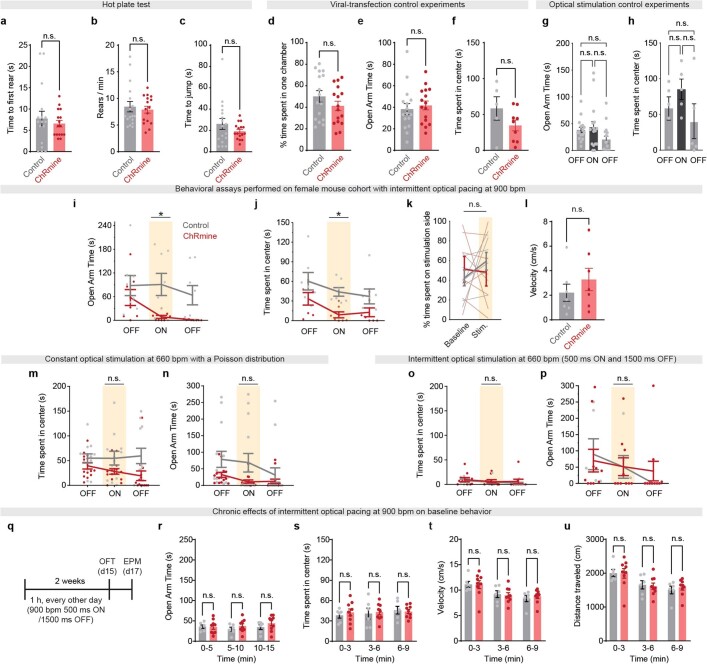
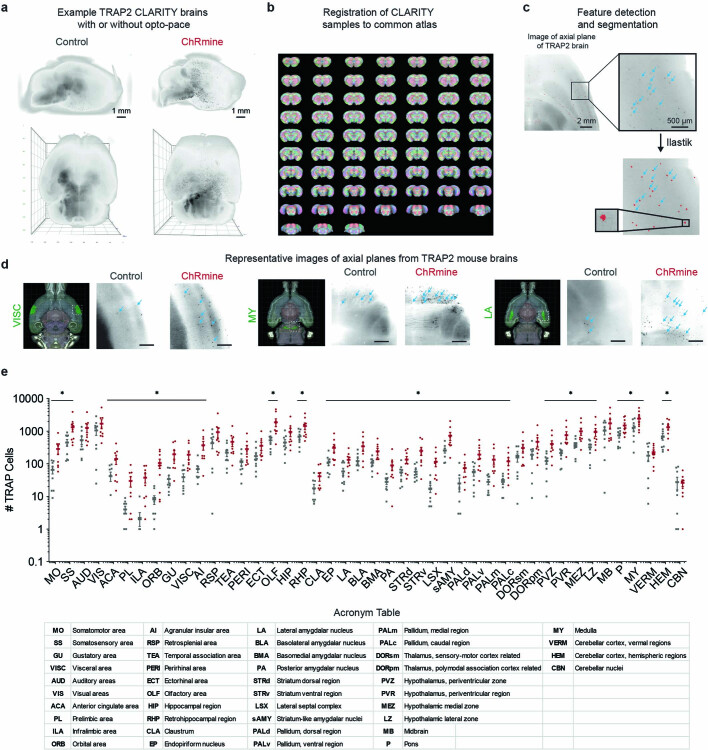
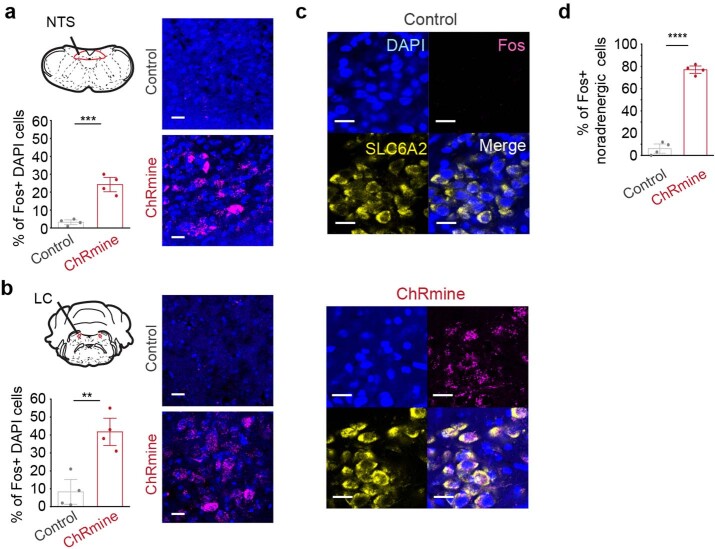
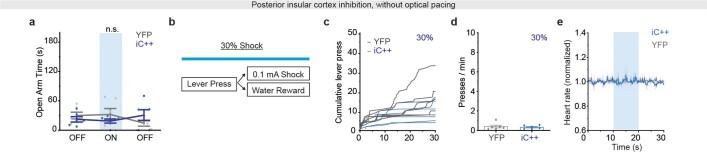
Emotional states influence bodily physiology, as exemplified in the top-down process by which anxiety causes faster beating of the heart 1–3 . However, whether an increased heart rate might itself induce anxiety or fear responses is unclear 3–8 . Physiological theories of emotion, proposed over a century ago, have considered that in general, there could be an important and even dominant flow of information from the body to the brain 9 . Here, to formally test this idea, we developed a noninvasive optogenetic pacemaker for precise, cell-type-specific control of cardiac rhythms of up to 900 beats per minute in freely moving mice, enabled by a wearable micro-LED harness and the systemic viral delivery of a potent pump-like channelrhodopsin. We found that optically evoked tachycardia potently enhanced anxiety-like behaviour, but crucially only in risky contexts, indicating that both central (brain) and peripheral (body) processes may be involved in the development of emotional states. To identify potential mechanisms, we used whole-brain activity screening and electrophysiology to find brain regions that were activated by imposed cardiac rhythms. We identified the posterior insular cortex as a potential mediator of bottom-up cardiac interoceptive processing, and found that optogenetic inhibition of this brain region attenuated the anxiety-like behaviour that was induced by optical cardiac pacing. Together, these findings reveal that cells of both the body and the brain must be considered together to understand the origins of emotional or affective states. More broadly, our results define a generalizable approach for noninvasive, temporally precise functional investigations of joint organism-wide interactions among targeted cells during behaviour.
Overview
The claims and statistics of this paper haven’t been checked yet.
Free: it reads the open-access text and checks the first 5 claims that cite a source we can check. Create a free account to check every claim.
Integrity signals
Registry
Cites
Statistics
Figures
Verification
Claims the paper makes
The claims and statistics of this paper haven’t been checked yet.
Free: it reads the open-access text and checks the first 5 claims that cite a source we can check. Create a free account to check every claim.
Claims other papers make about this one
Each is checked against this paper’s own text: does it say what the citing paper says it does?
The cited source says what the claim attributes to it.
In the citing paper
“A recent study has demonstrated that optically evoked tachycardia could activate the pIC in a bottom-up way, identifying the pIC as a potential mediator of bottom-up cardiac interoceptive processing [57].”
From The Insular Cortex: An Interface Between Sensation, Emotion and Cognition (2024) · cites this paper as [57]
Self-check
Percentages, sums and reported differences re-computed from the paper’s own numbers.
The self-check needs the paper’s full text.
Citations
Cites
How do you feel? Interoception: The sense of the physiological condition of the body
Craig, A. D. (2002) · Nature Reviews Neuroscience · doi:10.1038/nrn894 · Cited by 6,006
Neural systems supporting interoceptive awareness
Critchley, H. D., Wiens, S., Rotshtein, P., Öhman, A., & Dolan, R. J. (2004) · Nature Neuroscience · doi:10.1038/nn1176 · Cited by 3,406
ilastik: interactive machine learning for (bio)image analysis
Berg, S., Kutra, D., Kroeger, T., Straehle, C. N., Kausler, B. X., Haubold, C., Schiegg, M., Ales, J., Beier, T., Rudy, M., et al. (2019) · Nature Methods · doi:10.1038/s41592-019-0582-9 · Cited by 3,368
The Central Autonomic Network: Functional Organization, Dysfunction, and Perspective
BENARROCH, E. E. (1993) · Mayo Clinic Proceedings · doi:10.1016/s0025-6196(12)62272-1 · Cited by 1,534
Choi, H. M. T., Schwarzkopf, M., Fornace, M. E., Acharya, A., Artavanis, G., Stegmaier, J., Cunha, A., & Pierce, N. A. (2018) · Development · doi:10.1242/dev.165753 · Cited by 1,495
Heart beat perception and emotional experience
Schandry, R. (1981) · Psychophysiology · doi:10.1111/j.1469-8986.1981.tb02486.x · Cited by 1,335
Visceral influences on brain and behavior
Critchley, H. D., & Harrison, N. A. (2013) · Neuron · doi:10.1016/j.neuron.2013.02.008 · Cited by 1,177
Anxiety Disorders are Associated with Reduced Heart Rate Variability: A Meta-Analysis
Chalmers, J. A., Quintana, D. S., Abbott, M. J.-A., & Kemp, A. H. (2014) · Frontiers in Psychiatry · doi:10.3389/fpsyt.2014.00080 · Cited by 1,067
Targeting abnormal neural circuits in mood and anxiety disorders: from the laboratory to the clinic
Ressler, K. J., & Mayberg, H. S. (2007) · Nature Neuroscience · doi:10.1038/nn1944 · Cited by 1,007
Tuning arousal with optogenetic modulation of locus coeruleus neurons
Carter, M. E., Yizhar, O., Chikahisa, S., Nguyen, H., Adamantidis, A., Nishino, S., Deisseroth, K., & de Lecea, L. (2010) · Nature Neuroscience · doi:10.1038/nn.2682 · Cited by 993
Self-citation
Research works printed but not linked: 1
- Oppenheimer S Cechetto D The insular cortex and the regulation of cardiac function Compr. Physiol. 2011 6 1081 1133 27065176
Cited by
Items 101–200 of 332
Buron, J., Linossier, A., Gestreau, C., Schaller, F., Tyzio, R., Félix, M., Matarazzo, V. A., Thoby‐Brisson, M., Muscatelli, F., & Menuet, C. (2025) · Nature Neuroscience · doi:10.1038/s41593-025-02074-2 · Cited by 17
Marchal, G. A., Biasci, V., Yan, P., Palandri, C., Campione, M., Cerbai, E., Loew, L. M., & Sacconi, L. (2023) · Pflügers Archiv - European Journal of Physiology · doi:10.1007/s00424-023-02858-0 · Cited by 14
Brain–body states as a link between cardiovascular and mental health
Villringer, A., Nikulin, V. V., & Gaebler, M. (2025) · Trends in Neurosciences · doi:10.1016/j.tins.2025.08.004 · Cited by 23
“The link between the increased heart rate and the environmental context seemed to be established by the insula [64].”
Central and peripheral neural circuits regulating glucose homeostasis
Espinoza, D., Seibold, F., & Stanley, S. A. (2025) · npj Biomedical Innovations. · doi:10.1038/s44385-025-00036-8 · Cited by 17
The emerging roles of Shank3 in cardiac function and dysfunction
Kim, Y., Ko, T. H., Jin, C., Zhang, Y., Kang, H. R., Ma, R., Li, H., Choi, J., & Han, K. (2023) · Frontiers in Cell and Developmental Biology · doi:10.3389/fcell.2023.1191369 · Cited by 12
“It is becoming increasingly clear that the heart is not simply an organ that supplies blood to the body, but rather has a complex and bidirectional relationship with the brain (‘brain-heart crosstalk’), affecting brain function and even behavior (Hsueh et al., 2023).”
BackgroundSelf-citationDissociative Symptoms and Interoceptive Integration
Woelk, S. P., & Garfinkel, S. N. (2024) · Current topics in behavioral neurosciences · doi:10.1007/7854_2024_480 · Cited by 12
Translational cross-species evidence of heart-related dynamics in threat learning
Battaglia, S., Andero, R., & Thayer, J. F. (2025) · Neuroscience & Biobehavioral Reviews · doi:10.1016/j.neubiorev.2025.106273 · Cited by 12
A holistic approach to evaluate the synergies and trade-offs of city and country success
Kaklauskas, A., Rajib, S., Kaklauskiene, L., Ruddock, L., Bianchi, M., Ubartė, I., Klıukas, R., Milevicius, V., Tūpėnaitė, L., & Stasiukynas, A. (2024) · Ecological Indicators · doi:10.1016/j.ecolind.2024.111595 · Cited by 12
Asymmetric control of food intake by left and right vagal sensory neuronsPreprint
de Araujo, A., Braga, I., Leme, G. M., Singh, A., McDougle, M. J., Smith, J. A., Vergara, M., Yang, M., Lin, M., Khoshbouei, H., et al. (2023) · bioRxiv (Cold Spring Harbor Laboratory) · doi:10.1101/2023.05.08.539627 · Cited by 20
The role of bodily experiences during pregnancy on mother and infant outcomes
Munns, L., & Preston, C. (2024) · Journal of Neuropsychology · doi:10.1111/jnp.12370 · Cited by 12
“…literature has implicated interoception in anxiety, with anxious individuals more likely to pay attention to internal bodily signals (as a way of protecting themselves from danger), and less able to self-regulate interoceptive signals and trust the body (Garfinkel et al., 2015; Hsueh et al., 2023).”
Rough is salient: a conserved vocal niche to hijack the brain’s salience system
Arnal, L. H., & Gonçalves, N. (2025) · Philosophical Transactions of the Royal Society B Biological Sciences · doi:10.1098/rstb.2024.0020 · Cited by 14
“Several studies have linked stress and anxiety with cardiac changes in humans, with similar findings observed in animals [96–98].”
Next frontiers in consciousness research
He, B. J. (2023) · Neuron · doi:10.1016/j.neuron.2023.09.042 · Cited by 14
“…range of intriguing empirical findings were also presented in this session, including optogenetic studies in mice showing that externally imposed tachycardia induces anxiety-like behavior 11 and human psychophysical studies revealing the intricate roles that awareness can play in fear conditioning.”
BackgroundA nociceptive amygdala-striatal pathway for chronic pain aversionPreprint
Wojick, J. A., Paranjapye, A., Chiu, J. K., Mahmood, M., Oswell, C. S., Kimmey, B. A., Wooldridge, L. M., McCall, N. M., Han, A., Ejoh, L. L., et al. (2024) · bioRxiv (Cold Spring Harbor Laboratory) · doi:10.1101/2024.02.12.579947 · Cited by 10
Zhang, T., Wu, H., Li, W., Cui, X., Zhu, Y., Wang, S., Shi, W., Wen, S., Shi, C., Xu, X., et al. (2023) · Therapeutic Advances in Chronic Disease · doi:10.1177/20406223231173628 · Cited by 13
The Association of Emotion Regulation and Somatic Symptoms
Petzke, T. M., & Witthöft, M. (2024) · Psychosomatic Medicine · doi:10.1097/psy.0000000000001310 · Cited by 20
“Another recent study found that inducing tachycardia via a pacemaker in mice led to more anxiety-like behavior, but only in risky contexts (6).”
BackgroundCritchley, H., & Patchitt, J. (2024) · Current topics in behavioral neurosciences · doi:10.1007/7854_2024_518 · Cited by 51
Marano, G., Anesini, M. B., Milintenda, M., Acanfora, M., Calderoni, C., Bardi, F., Lisci, F. M., Brisi, C., Traversi, G., Mazza, O., et al. (2025) · Pediatric Reports · doi:10.3390/pediatric17030065 · Cited by 11
Rong, Z., Meng, C., Li, X., Li, X., Gu, Y., Li, Y., & Mao, W. (2025) · European journal of medical research · doi:10.1186/s40001-025-03295-8 · Cited by 14
“…] E l e c t r o c o n v u l s i v e t h e r a p y [ 154 ] , n e r v e s t i m u l a t i o n [ 160 ] I n s u l a c o r t e x E m o t i o n [ 161 – 163 ] , a n x i e t y [ 164 ] , d e p r e ss i o n [ 165 ] A rr h y t h m i a [ 166 ] ; c a r d i a c i n j u r y [ 167 ] C h e m o t h e r a p y ( a…”
Zhou, H., Xiong, T., Dai, Z., Zou, H., Wang, X., Tang, H., Huang, Y., Sun, H., You, W., Yao, Z., et al. (2023) · European Archives of Psychiatry and Clinical Neuroscience · doi:10.1007/s00406-023-01628-4 · Cited by 10
“Hsueh identified that accelerating the heart rate in mice could promote activation of the insula and thus induce anxiety-like symptoms [15].”
Lopes, L. M., Reis‐Silva, L. L., Rodrigues, B., & Crestani, C. C. (2024) · BioMed Research International · doi:10.1155/2024/8322844 · Cited by 10
Scharfen, H., & Memmert, D. (2024) · Consciousness and Cognition · doi:10.1016/j.concog.2024.103700 · Cited by 11
Neural circuits and therapeutic mechanisms of empathic pain
Yang, Z., Xie, L., Zhang, B., Hu, S., Liu, C., Wu, Z., & Yang, C. (2024) · Neuropharmacology · doi:10.1016/j.neuropharm.2024.110268 · Cited by 9
Coordinated excitatory and inhibitory circuits governing unpredictable threat-induced anxiety
Teng, S.-W., Wang, X., Yao, Z.-X., He, T., Gao, M.-Y., Che, Y.-Y., Wei, X.-Y., Chen, X.-L., Liu, C., & Chen, Z.-Y. (2024) · Cell Reports · doi:10.1016/j.celrep.2024.115146 · Cited by 9
Sen, M. G., Chooi, R., & McMullen, J. R. (2025) · The Journal of Physiology · doi:10.1113/jp287400 · Cited by 9
“…suggested that detection and the response of the brain to changes in heart beat can regulate mental and emotional states and contribute to psychological outcomes (Coll et al., 2021; Hassanpour et al., 2016; Hsueh et al., 2023; Khalsa & Lapidus, 2016; Kumral et al., 2022; Petzschner et al., 2019).”
Optogenetic Generation of Neural Firing Patterns with Temporal Shaping of Light Pulses
Bansal, H., Pyari, G., & Roy, S. (2023) · Photonics · doi:10.3390/photonics10050571 · Cited by 11
Supraspinal glycinergic neurotransmission in pain: A scoping review of current literature
Fenech, C. E., Winters, B. L., Otsu, Y., & Aubrey, K. R. (2024) · Journal of Neurochemistry · doi:10.1111/jnc.16191 · Cited by 11
“A mechanistic understanding of how cardiac function and breathing influence pain and anxiety has begun to be elucidated (Hsueh et al., 2023 ; Liu et al., 2022 ).”
Portero, V., Deng, S., Boink, G. J. J., Zhang, G., de Vries, A. A. F., & Pijnappels, D. A. (2023) · Journal of Internal Medicine · doi:10.1111/joim.13744 · Cited by 9
“In a recent study, the use of the ultralight-sensitive channelrhodopsin ChRmine allowed transthoracic optical pacing of mouse hearts [66].”
BackgroundGhouse, A., Pfurtscheller, G., Schwarz, G., & Valenza, G. (2024) · IEEE Transactions on Neural Systems and Rehabilitation Engineering · doi:10.1109/tnsre.2024.3401577 · Cited by 7
“There is evidence for the posterior insular cortex as a potential mediator of bottom-up cardiac interoceptive processing, and that inhibition of this brain region attenuates anxiety-like behavior induced by cardiac pacing [39].”
BackgroundIntegrated Bioelectronic and Optogenetic Methods to Study Brain–Body Circuits
Zhang, Q., Wang, S. X., & Chen, R. (2024) · ACS Nano · doi:10.1021/acsnano.4c07256 · Cited by 8
Self-citationVagal nerve stimulation dynamically alters anxiety-like behavior in rats
Butler, A. G., Bassi, J. K., Connelly, A. A., Melo, M., Allen, A. M., & McDougall, S. J. (2025) · Brain stimulation · doi:10.1016/j.brs.2025.01.018 · Cited by 8
“These observations align with those relating anxiety-like behavior to optogenetically or chemogenetically modified HR in the mouse [46,47].”
From Physiology to Psychiatry: Key Role of Vagal Interoceptive Pathways in Emotional Control
Krieger, J.-P., & Skibicka, K. P. (2025) · Biological Psychiatry · doi:10.1016/j.biopsych.2025.04.012 · Cited by 13
Machine Learning-Enabled Emotion Recognition by Multisource Throat Signals
Mao, J.-H., Shen, Z., Wang, J., Liu, R., Liu, X., Lan, Y., Zhou, M., Jiang, J., Shen, Y., & Nan, C. (2025) · ACS Nano · doi:10.1021/acsnano.5c01451 · Cited by 9
A top-down insular cortex circuit crucial for non-nociceptive fear learning
Han, J., Suh, B., & Han, J. (2025) · Science Advances · doi:10.1126/sciadv.adt6996 · Cited by 9
“CGRP PBN neurons were required for threat conditioning and learned fear responses but not for immediate defensive behaviors to visual threats (Fig.”
Fronto-insular circuit mechanisms of accelerated intermittent theta burst stimulation
Johnson, S. B., Rocks, D., Chalençon, L., Johnson, K., Hassan, U., Arefin, A., Akgül, G., Donatelle, A., Asher, H., Elbau, I., et al. (2026) · Cell · doi:10.1016/j.cell.2026.04.030 · Cited by 12
Bodily Electrodermal Representations for Affective Computing
Shui, X., Lin, R., Luo, Z., Lin, B., Mao, X., Li, H., Liu, R., & Zhang, D. (2023) · IEEE Transactions on Affective Computing · doi:10.1109/taffc.2023.3315973 · Cited by 9
“H UMAN emotions are embodied, accompanied by physiological responses throughout the body [1], [2].”
BackgroundPerspectives on non-genetic optoelectronic modulation biointerfaces for advancing healthcare
Majmudar, A., Kim, S., Li, P., & Tian, B. (2024) · Med-X · doi:10.1007/s44258-024-00030-6 · Cited by 9
“Nongenetic optoelectronic photostimulation contrasts with optogenetics, which employs genetically modified cells with light-sensitive channels for direct modulation using light [13].”
Self-citationA feedback loop study of brain-heart interaction based on HEP and HRV
Wang, S., Wang, X., Zhao, Y., Xie, L., & Zhang, J. (2025) · Journal of Applied Biomedicine · doi:10.1016/j.bbe.2025.02.005 · Cited by 9
Loïodice, S., D’Acquisto, F., Drinkenburg, P., Suojanen, C., Llorca, P., & Manji, H. K. (2024) · Drug Discovery Today · doi:10.1016/j.drudis.2024.104255 · Cited by 8
Yu, Y., Zhang, T., Li, Q.-Q., Song, M.-Y., Qi, L., Sun, J.-M., Ji, G.-J., Tian, Y.-H., & Wang, K. (2025) · Journal of Affective Disorders · doi:10.1016/j.jad.2025.01.018 · Cited by 6
Candia‐Rivera, D., Carrion‐Falgarona, S., Fallani, F. D. V., & Chávez, M. (2025) · The Journal of Physiology · doi:10.1113/jp288400 · Cited by 9
“Animal models have provided important insights into brain–heart interactions (Hsueh et al., 2023; Jammal Salameh et al., 2024), but the exploration of cardiac changes has largely been limited to simple increases or decreases in heart rate, over-looking the contextual shifts in cardiac rhythmicity.”
Lin, H., Cheng, J., Li, R., Zhu, C., Zhao, Y., Yang, Z., Song, G., Huang, Y., Lv, F., Bai, H., et al. (2025) · Advanced Materials · doi:10.1002/adma.202516726 · Cited by 6
Unpinning and elimination of spiral waves: A machine learning-based method
Hu, Y.-P., Ding, Q.-M., Wu, Y., Yu, D., Li, T.-Y., & Jia, Y. (2025) · Chaos Solitons & Fractals · doi:10.1016/j.chaos.2025.117764 · Cited by 6
Association of Hypnotizability, Interoception, and Emotion
Zelič, Ž., Sebastiani, L., & Santarcangelo, E. L. (2023) · International Journal of Clinical and Experimental Hypnosis · doi:10.1080/00207144.2023.2226188 · Cited by 7
“increased interoceptive accuracy, which may be the reason for their preoccupation with bodily signals, hypervigilance, catastrophizing thoughts (Paulus & Stein, 2010), as well as modified physiological functions (Hsueh et al., 2023; Navas-León et al., 2023).”
BackgroundRodríguez-Durán, L. F., López-Ibarra, D. L., Herrera-Xithe, G., Bermúdez‐Rattoni, F., Osorio‐Gómez, D., & Escobar, M. L. (2023) · Neurobiology of Learning and Memory · doi:10.1016/j.nlm.2023.107845 · Cited by 8
Dabrowska, J. (2023) · Neuropharmacology · doi:10.1016/j.neuropharm.2023.109529 · Cited by 6
Synaptic plasticity through a naturalistic lens
Piette, C., Gervasi, N., & Venance, L. (2023) · Frontiers in Synaptic Neuroscience · doi:10.3389/fnsyn.2023.1250753 · Cited by 6
Livermore, J. J. A., Skora, L. I., Adamatzky, K., Garfinkel, S. N., Critchley, H., & Campbell-Meiklejohn, D. K. (2024) · Translational Psychiatry · doi:10.1038/s41398-024-02971-3 · Cited by 13
Pyari, G., Bansal, H., & Roy, S. (2023) · Pflügers Archiv - European Journal of Physiology · doi:10.1007/s00424-023-02831-x · Cited by 6
Zhang, R., Gao, Y., Yang, T., Yan, C., Wang, Y., Lui, S. S. Y., & Chan, R. C. K. (2025) · Schizophrenia Bulletin Open · doi:10.1093/schizbullopen/sgaf003 · Cited by 6
“Moreover, recent research showed that heart rate varied with emotion, 57 and employed smartwatches 58 or smartphones 59 to measure heart rate in AF research, we followed this method to additionally measure participants’ heart rate, which provided an objective index other than self-report formats…”
Parasubthalamic Glutamatergic Neurons Coordinate Cardiovascular Homeostasis and Locomotion in Mice
Lu, M., Huang, J., Xu, X., Sun, J., Zou, D., Zhang, J., Chi, C., Zhang, Q., & Liu, W. (2025) · Advanced Science · doi:10.1002/advs.202417353 · Cited by 9
Predictive coding in the primate brain: From visual to fronto-limbic systems
Ito, R., Amemori, S., & Amemori, K. (2025) · Neuroscience Research · doi:10.1016/j.neures.2025.104972 · Cited by 5
Optogenetics: Pinpoint Light on Precise Neuromodulation
Guo, J., Yeung, K., Jiang, C., Duan, L., Han, X., & Qiao, W. (2025) · IEEE Reviews in Biomedical Engineering · doi:10.1109/rbme.2025.3624697 · Cited by 5
“For example, optically induced tachycardia (900 beats per minute) in mice heightened anxiety-like behavior, while inhibition of the posterior insular cortex effectively reduced these effects [254].”
Li, Y., Pan, N., Xu, C., Qiao, L., Wang, X., Shu, W., Yu, T., & Wang, Y. (2026) · Circulation Arrhythmia and Electrophysiology · doi:10.1161/circep.125.013875 · Cited by 6
“20 Notably, the posterior cingulate gyri (PCG) activity was coupled with cardiac oscillations, 21,22 but evidence supporting its direct role in modulating cardio-autonomic balance remains limited.”
InfluentialBrain-Heart Dialogue ― Decoding Its Role in Homeostasis and Cardiovascular Disease ―
Fujiu, K. (2023) · Circulation Journal · doi:10.1253/circj.cj-23-0579 · Cited by 5
Optogenetic modulation of cardiac autonomic nervous system
Hernandez-Dominguez, R. A., Herrera-Orozco, J. F., Salazar-Calderón, G. E., Chávez‐Canales, M., Márquez, M. F., González-Alvarez, F., Totomoch-Serra, A., Reyes-Cruz, T., Lip, F., & Buendia, J. D. J. A. (2024) · Autonomic Neuroscience · doi:10.1016/j.autneu.2024.103199 · Cited by 6
Roy, S., Pyari, G., & Bansal, H. (2025) · Communications Biology · doi:10.1038/s42003-025-07792-8 · Cited by 7
Shi, M., Wang, R., & Zhang, L. (2025) · PLoS ONE · doi:10.1371/journal.pone.0322301 · Cited by 10
Heart rate perception and expectation impact laboratory-induced perceived stress
Nagy, T., Ipacs, H., Ferentzi, E., & Köteles, F. G. (2024) · International Journal of Psychophysiology · doi:10.1016/j.ijpsycho.2024.112326 · Cited by 7
Reina, S., Yokoi, T., Kinoshita, K., Xue, W., Sasaki, T., & Kuga, N. (2024) · Neuroscience · doi:10.1016/j.neuroscience.2024.06.025 · Cited by 10
“Recent studies have shown that a certain neuronal population in the IC exhibit activity patterns associated with heartbeat signals (Klein et al., 2021; Hsueh et al., 2023), demonstrating the encoding of inter-oceptive information by IC neurons.”
BackgroundA heart releasing neuropeptide that synchronizes brain-heart regulation during courtship behaviorPreprint
Li, H., Cheng, S., Niu, Y., Diao, T., Zhang, Q., & Zhang, W. (2025) · bioRxiv (Cold Spring Harbor Laboratory) · doi:10.1101/2025.03.31.646145 · Cited by 7
“…the causal link between the brain and the heart in different emotional and physiological states, for instance, the optically induced tachycardia elicited anxiety-like behaviours in a context dependent manner 32 , suggesting that cardiac activity is sufficient to induce changes of internal states.”
Interoceptive modulation of emotions
Zsembik, L. C. P., Oldroyd, P., & Chen, R. (2025) · Current Opinion in Neurobiology · doi:10.1016/j.conb.2025.103049 · Cited by 5
Self-citationArtery Tertiary Lymphoid Organs Form Neuroimmune Cardiovascular Interfaces in Atherosclerosis
Mohanta, S. K., Hong, M., Deng, X., Dou, X., Xu, X., Monjezi, M. R., Li, Y., Sun, T., Wang, Z., Habenicht, A. J. R., et al. (2026) · Immunological Reviews · doi:10.1111/imr.70106 · Cited by 7
“For instance, atrial fibrillation stimulates specific nuclei including neurons in the tractus solitarius and insular cortex via the sensory pathway of the heart-brain circuit [134–138].”
Oleson, S., Cao, J., Wang, X., & Liu, Z. (2023) · Frontiers in Neuroscience · doi:10.3389/fnins.2023.1254097 · Cited by 5
“It also allows these organ systems to influence the brain, shaping perception, behavior, cognition, and emotion (Craig, 2002; Critchley and Harrison, 2013; Azzalini et al., 2019; Hsueh et al., 2023).”
BackgroundXiong, S., Peng, M., Zhao, W., Ren, J., Yao, D., Qin, Y. F., & Liu, T. (2025) · International Journal of Clinical and Health Psychology · doi:10.1016/j.ijchp.2025.100571 · Cited by 6
“For instance, controlled increasing heart rate (HR) in mice enhanced anxiety-like behavior (Hsueh et al., 2023), while biofeedback-based operant manipulations that decreased HR exhibited anxiolytic behavior (Yoshimoto et al., 2024).”
Self-citationFundamental role of brain-organ interaction in behavior-driven holistic homeostasis
Liu, X.-A., Li, X., Shen, P., Cong, B., & Wang, L. (2024) · Fundamental Research · doi:10.1016/j.fmre.2024.09.005 · Cited by 10
Direct Stimulation of Gastric Smooth Muscle Cells via Gq Proteins With Light
Zipf, D., Vogt, M., Sathyanarayanan, U., Wagdi, A., Riebeling, J., Patejdl, R., & Bruegmann, T. (2025) · Neurogastroenterology & Motility · doi:10.1111/nmo.70028 · Cited by 3
“For example, the recently described ChRmine and ChReef already enhanced the efficiency of membrane depolarization-based stimulation by magnitudes, allowing the heart and brain to be stimulated from outside through the intact body wall [57–60].”
Meseguer-Beltrán, M., Sánchez‐Sarasúa, S., Kerekes, N., Landry, M., Real‐López, M., & Sánchez‐Pérez, A. M. (2025) · Journal of Neuroimmune Pharmacology · doi:10.1007/s11481-025-10186-6 · Cited by 6
“Furthermore, neuroinflammation in the ACC is strongly associated to mood disorders (Matisz and Gruber 2022; Zhou et al. 2022), while activity in the posterior insular cortex correlates with heart-induced anxiety (Couderc and Beyeler 2023; Hsueh et al. 2023).”
How an anxious heart talks to the brain
Couderc, Y., & Beyeler, A. (2023) · Nature · doi:10.1038/d41586-023-00502-6 · Cited by 5
Yu, Y., Yan, R., & Tian, X. (2023) · Ibrain · doi:10.1002/ibra.12102 · Cited by 4
“While we focus on the idea that emotional characteristics, such as personality, are brain‐derived, recent research indicates that some emotions can be cardiogenic.(15) This study shows that when it comes to “traditional brain‐related questions,” we should not just focus on the brain itself but also other elements that…”
BackgroundRuetten, V. M. S., Zheng, W., Siwanowicz, I., Mensh, B. D., Eddison, M., Hu, A., Chi, Y., Lemire, A. L., Guo, C., Kadobianskyi, M., et al. (2025) · bioRxiv (Cold Spring Harbor Laboratory) · doi:10.1101/2025.08.20.670374 · Cited by 4
Exploring brain-heart interactions: advances in physiological signal fusion for healthcare
Shi, Q., Shi, L., Chao, J., Liu, J., Zhang, L., Tian, F., Xu, C., & Hu, B. (2025) · Information Fusion · doi:10.1016/j.inffus.2025.103950 · Cited by 5
Synchronization of behavioral and cardiac dynamics in larval zebrafish
Herrera, K. J., Zarghani-Shiraz, A., Ahrens, M. B., Engert, F., & Fishman, M. C. (2026) · Cell Reports · doi:10.1016/j.celrep.2026.116947 · Cited by 9
Neurovascular interactions in the ageing heart
Wagner, J. U. G., & Dimmeler, S. (2026) · Nature Reviews Cardiology · doi:10.1038/s41569-026-01260-4 · Cited by 3
“However, an elegant study using a mouse model with a non-invasive optogenetic pacemaker provided direct evidence of a causal link between heart and brain function by demonstrating that optically evoked tachycardia increases anxiety-like behaviour 69 .”
The human amygdala in threat learning and extinction
Meijer, S. W., Carpino, E., Kop, B. R., Lam, J., de Voogd, L. D., Roelofs, K., & Verhagen, L. (2026) · Science Advances · doi:10.1126/sciadv.aea8233 · Cited by 8
“This model echoes earlier suggestions for the role of the amygdala in enacting a motivational state on learning systems ( 62 ) and expands this to emotional learning state in humans ( 63 , 64 ).”
Transforming healthcare through in-body bioelectronic systems
Ceto, S., Elshove, S. A., Wu, M., Ramadi, K. B., Tondera, C., Minev, I. R., Srinivasan, S. S., Lee, K., Gora, M. J., Rogers, J. A., et al. (2026) · Nature Communications · doi:10.1038/s41467-026-71188-3 · Cited by 5
“A long list of potential applications for optogenetics exists — ranging from cardiac abnormalities such as arrhythmias 167 , to visual restoration 117,168,169 , hearing restoration 170 , epilepsy 171,172 , depression 173 , bladder control 120 (Fig.”
Interoception, Immunoception, and the Role of Insular Cortex in Cardiovascular Disease
Nagai, M., Umeda, S., Ewbank, H., Vélez, F. G. S., Po, S. S., & Dasari, T. W. (2026) · European Journal of Neuroscience · doi:10.1111/ejn.70534 · Cited by 3
“A recent study has revealed that the optogenetic inhibition of Ic attenuated the anxiety-like behavior that was induced by optical cardiac pacing in mice (Hsueh et al. 2023).”
Cardiac optogenetics: regulating brain states via the heart
Rodriguez-Rozada, S., Frantz, S., & Tovote, P. (2023) · Signal Transduction and Targeted Therapy · doi:10.1038/s41392-023-01582-6 · Cited by 4
“Nonetheless, the clinical applicability of optogenetic methods still faces major obstacles, including (1) the delivery of exogenous opsins by safe and sustainable AAV gene transfer strategies (2); phototoxicity and dysfunctional cellular reactions, especially during long-term stimulations; and (3) the development of i…”
BackgroundResting heart rate causally affects the brain cortical structure: Mendelian randomization study
Zhong, Y., Li, J., Hong, Y., Yang, S., Pei, L., Chen, X., Wu, H., & Wang, T. (2024) · Cerebral Cortex · doi:10.1093/cercor/bhad536 · Cited by 4
Borghesi, F., Simoncini, G., Cremascoli, R., Bianchi, L., Mendolicchio, L., Cappelli, S., Brusa, F., Cattaldo, S., Prina, E., Chirico, A., et al. (2025) · Frontiers in Psychiatry · doi:10.3389/fpsyt.2025.1502217 · Cited by 3
Saito, R., Yoshida, K., & Sawamura, D. (2025) · Physiology & Behavior · doi:10.1016/j.physbeh.2025.114877 · Cited by 4
Sheng, J., Xia, Y., Hua, L., Zhou, H., Liao, Q., Tian, S., Du, Y., Wang, X., Yan, R., Sun, H., et al. (2025) · NeuroImage · doi:10.1016/j.neuroimage.2025.121234 · Cited by 5
“Additionally, disruptions in the autonomic nervous system are more easily detected in children and adolescents compared to adults (Brown et al., 2018; Chen et al., 2023; Koch et al., 2019).”
Hu, W., Bian, G., Huang, L., Pi, Y., Zhang, X., Zhang, X., de Albuquerque, V. H. C., & Wu, W. (2023) · IEEE Journal of Biomedical and Health Informatics · doi:10.1109/jbhi.2023.3339382 · Cited by 3
“By implanting a non-invasive optical pacemaker into the hearts of mice, Professor Karl Deisseroth’s team at Stanford University in the United States has demonstrated that an increased heart rate itself may trigger an anxiety or fear response [14].”
BackgroundThe Afferent Function of Adipose Innervation
Wang, Y., & Li, Y. (2024) · Diabetes · doi:10.2337/dbi23-0002 · Cited by 7
Cortico-limbic restructuring and atherosclerosis: a stressful liaison
Mohanta, S. K., Santovito, D., & Weber, C. (2024) · European Heart Journal · doi:10.1093/eurheartj/ehae212 · Cited by 3
“6,7,11 Notably, ad-ventitial neuroimmune cardiovascular interfaces show robust neural restructuring of peripheral nerves originating from perivascular ganglia that may trigger the formation of adventitia leucocyte aggregates adjacent to atherosclerotic plaques in diseased arteries and employ…”
BackgroundDisentangling the Neural Circuits of Arousal and Anxiety-Like Behavior
Florido, A., Curtis, V. R., Pégard, N. C., & Rodríguez-Romaguera, J. (2024) · Current topics in behavioral neurosciences · doi:10.1007/7854_2024_539 · Cited by 4
Manipulation of interoceptive signaling biases decision making in rhesus macaques
Cardenas, M. A., Le, R. P., Champ, T. M., O’Neill, D., Fuglevand, A. J., & Gothard, K. M. (2025) · Proceedings of the National Academy of Sciences · doi:10.1073/pnas.2424680122 · Cited by 6
“Recently, Hsueh et al. ( 27 ) used this approach to show that selective cardiac perturbations in mice elicit exaggerated avoidance behaviors.”
Emergence of Functional Heart-Brain Circuits in a VertebratePreprint
Hernandez-Nunez, L., Avrami, J., Shi, S., Markarian, A., Kim, A., Boulanger-Weill, J., Ruetten, V. M. S., Zarghani-Shiraz, A., Ahrens, M. B., Engert, F., et al. (2025) · bioRxiv (Cold Spring Harbor Laboratory) · doi:10.1101/2025.09.22.677693 · Cited by 7
“Recent studies have shown that interoceptive signals from the heart influence emotion, cognition [39], and behavior [40], and disruptions in cardiac sensory coding have been implicated in conditions ranging from anxiety to dysautonomia [41, 42].”
Antianxiety effects of dexmedetomidine: systematic review and meta-analysis
Gao, T., Liu, X., Liu, S., Liu, F., Zhou, Y., Wang, S., Zeng, N., Bao, Y., Wang, Y., & Lu, L. (2025) · European Archives of Psychiatry and Clinical Neuroscience · doi:10.1007/s00406-025-02017-9 · Cited by 7
“Additionally, recent studies have shown that tachycardia triggers anxiety-like behavior in mice[63], and that the effect of dexmedetomidine to slow heart rate may be beneficial in clinical patients with anxiety disorders and tachycardia.”
Hwang, S., Utesch, T., Schattenberg, C. J., Vierock, J., & Sun, H. (2025) · Journal of Chemical Information and Modeling · doi:10.1021/acs.jcim.5c00356 · Cited by 2
Rodriguez-Rozada, S., & Tovote, P. (2025) · Current Opinion in Neurobiology · doi:10.1016/j.conb.2025.103105 · Cited by 6
Theories of Emotion for Human Affective Neuroscience
Sander, D. (2025) · Cambridge University Press eBooks · doi:10.1017/9781009342919.003 · Cited by 13
Autonomic cardiovascular mechanisms linked to stress in dental practice
Felice, M. D., Neves, V. D. C. M. D., Almeida‐Leite, C. M., Majid, A., & Fontes, M. A. P. (2026) · BDJ · doi:10.1038/s41415-025-9459-8 · Cited by 4
Large-scale identification of protein biomarkers and therapeutic targets in heart and brain disease
Wu, C., Li, D., Khetarpal, S. A., Yuan, Z., Huang, S., Guerra, J. R. B., Li, C., Zhou, Q., Quan, M., He, J., et al. (2026) · Nature Cardiovascular Research · doi:10.1038/s44161-026-00799-2 · Cited by 4
Role of Exercise in Modulating the Brain–Heart Axis in Cardiovascular Diseases
Bo, W., Guo, Q., & Ma, Y. (2026) · International Journal of Molecular Sciences · doi:10.3390/ijms27073292 · Cited by 2
Klotzsche, F., Motyka, P., Molak, A., Sahula, V., Darmová, B., Byrnes, C., Fajnerová, I., & Gaebler, M. (2024) · Royal Society Open Science · doi:10.1098/rsos.241072 · Cited by 8
“Such periodic visceral signals may also be predicted and integrated into (active) perceptual processing (e.g. in the posterior insula [30,31]), among other things, to counter detrimental effects, such as sensory attenuation or uncertainty [15,32].”
BackgroundBartolomé, A., Palme, R., Macho‐Maschler, S., Carazo, P., & Font, E. (2024) · Physiology & Behavior · doi:10.1016/j.physbeh.2024.114751 · Cited by 5
“Research in human and in animal models highlight the importance of context in modulating the effect of physiological signals in the behavioural response (e.g., [137]), along with other factors.”
Chen, X., Song, Z., Chen, X.-L., Bo, Y., & Li, L. (2024) · World Journal of Psychiatry · doi:10.5498/wjp.v14.i12.1988 · Cited by 2
Accessing the viscera: Technologies for interoception research
Pang, K. K. L., Mondal, R., Sahasrabudhe, A., & Anikeeva, P. (2025) · Current Opinion in Neurobiology · doi:10.1016/j.conb.2025.103050 · Cited by 4
Theta-tACS modulates brain-heart interplay to enhance sleep in insomnia disorder
Shao, Z., Wang, Z., Li, Q., Du, Z., Liu, J., Li, Y., Zhao, X., Yu, D., Sheng, X., Zhu, Y., et al. (2025) · Sleep Medicine · doi:10.1016/j.sleep.2025.106606 · Cited by 3
castrillo, R. P. (2023) · International Journal of Clinical Case Reports and Reviews · doi:10.31579/2690-4861/324 · Cited by 2
Metadata
- Authors
- Hsueh, B., Chen, R., Jo, Y., Tang, D., Raffiee, M., Kim, Y. S., Inoue, M., Randles, S., Ramakrishnan, C., Patel, S., Kim, D. K., Liu, T. X., Kim, S. H., Tan, L., Mortazavi, L., Cordero, A., Shi, J., Zhao, M., Ho, T. T., Crow, A., Yoo, A.-C. W., Raja, C., Evans, K., Bernstein, D., Zeineh, M., Goubran, M., & Deisseroth, K.
- Affiliations
- Stanford University (US)
- Stanford Medicine (US)
- Howard Hughes Medical Institute (US)
- Corresponding author
- Deisseroth, Karl
- ORCID
- Hsueh, Brian
- Chen, Ritchie
- Jo, YoungJu
- Tang, Daniel
- Kim, Yoon Seok
- Inoue, Masatoshi
- Ramakrishnan, Charu
- Patel, Sneha
- Kim, Doo Kyung
- Liu, Tony X.
- Kim, Soo Hyun
- Tan, Longzhi
- Mortazavi, Leili
- Cordero, Arjay
- Shi, Jenny
- Zhao, Mingming
- Ho, Theodore T.
- Raja, Cephra
- Evans, Kathryn
- Bernstein, Daniel
- Zeineh, Michael
- Goubran, Maged
- Deisseroth, Karl
- Venue
- Nature
- Published
- 2023-03-01
- Volume
- 615
- Issue
- 7951
- Pages
- 292-299
- ISSN
- 0028-0836 (ISSN-L)
- 1476-4687
- PMC
- PMC9995271
- OpenAlex
- W4322733206
- Semantic Scholar
- 9f008820ec3c3675e65af26d304ef0d2dd5f9762
- Cited by
- 335
- References
- 64
- Citations by year
- 2026: 80 · 2025: 104 · 2024: 93 · 2023: 58
- FWCI
- 65.65
- Type
- journal article
- Language
- en
- Open access
- hybrid
- doi.org
- Licence
- cc-by
- creativecommons.org/licenses/by/4.0 (tdm)
- creativecommons.org/licenses/by/4.0 (vor)
- Locations
- Nature (publishedVersion, cc-by)
- PubMed Central (publishedVersion, cc-by)
- PubMed (publishedVersion)
- eScholarship (California Digital Library) (submittedVersion, cc-by)
- RePEc: Research Papers in Economics (submittedVersion)
- Funders
- National Science Foundation
- National Alliance for Research on Schizophrenia and Depression
- National Institutes of Health
- National Institute of Mental Health (R37MH075957, R01MH086373)
- National Institute on Drug Abuse (R37DA035377)
- National Institute of Neurological Disorders and Stroke (K99NS119784)
- Topics
- Health Sciences › Medicine › Cardiology and Cardiovascular Medicine › Heart Rate Variability and Autonomic Control
- Life Sciences › Neuroscience › Cognitive Neuroscience › Memory and Neural Mechanisms
- Life Sciences › Neuroscience › Cellular and Molecular Neuroscience › Photoreceptor and optogenetics research
- Keywords
- cardiac pacing, anxiety-like behavior, heart rate, interoception, posterior insular cortex, emotional state
- MeSH terms
- Channelrhodopsins, Insular Cortex, Animals, Anxiety, Behavior, Animal, Brain, Brain Mapping, Electrophysiology, Emotions, Heart, Heart Rate, Pacemaker, Artificial, Tachycardia, Mice, Optogenetics
About these checks
Registry, retraction, Cites and statistics results are computed, not judged, with one exception: a printed reference that no index lists is read once by a model before it counts as a citation error. Claims are extracted by a model and kept only when their quote appears verbatim in the text; each cited source is then checked, with a model’s help, for whether it says what the claim relies on. Those verdicts can be wrong — read the claim’s quote and the cited source before relying on one.
Statistics and arithmetic are recomputed, not judged.
Confidence bands are shown only for fields calibrated on our annotated test set. None is calibrated yet, so no band is shown.
What counts as a claim ›How we measure confidence ›How we check this ›
Are you an author, or do you see a problem with this page? Request a review
Data sources
Bibliographic data: Semantic Scholar, OpenAlex, Crossref.
Contains information from the Semantic Scholar Academic Graph Datasets, made available under the ODC Attribution License (ODC-BY 1.0).
Semantic Scholar’s data is described in: Kinney, R., et al. (2023). The Semantic Scholar Open Data Platform. arXiv:2301.10140.
