

Cardiogenic control of affective behavioural state
Open accessThe DOI matches its Crossref record; 67 of the 67 references it cites were found in a registry or an index.
Abstract
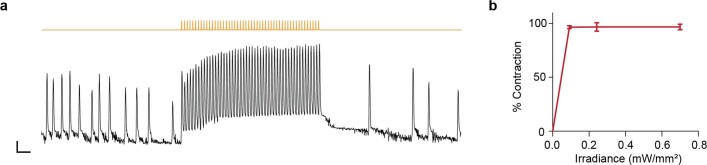
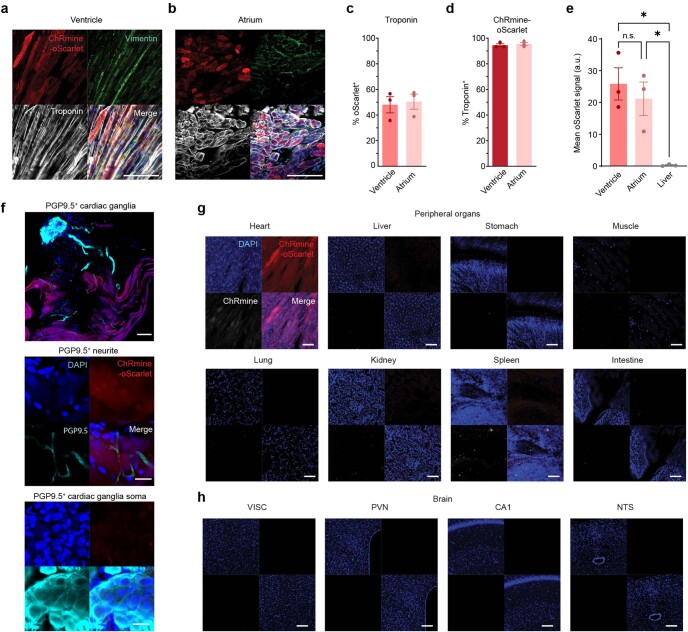
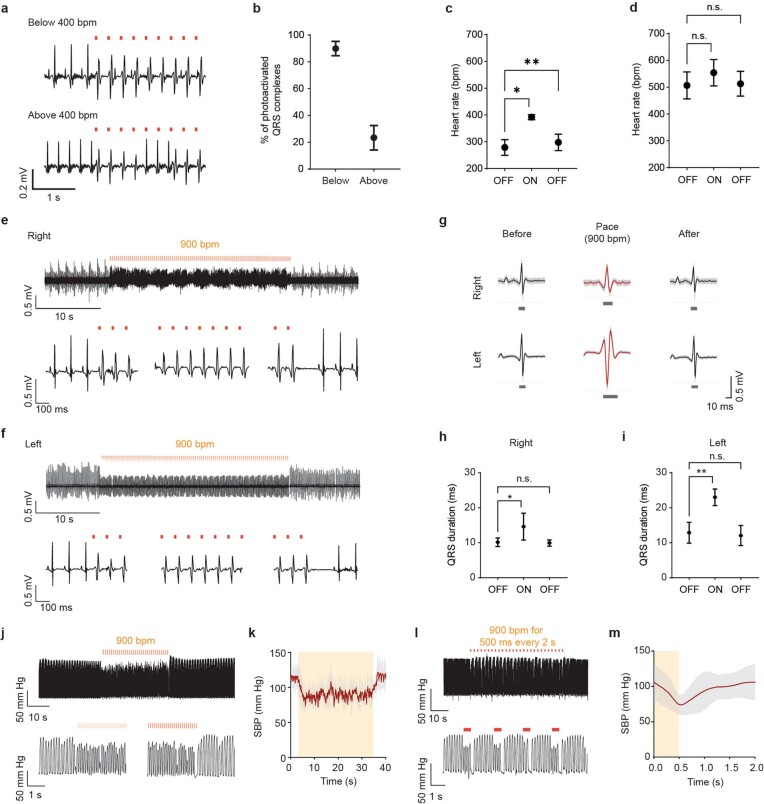
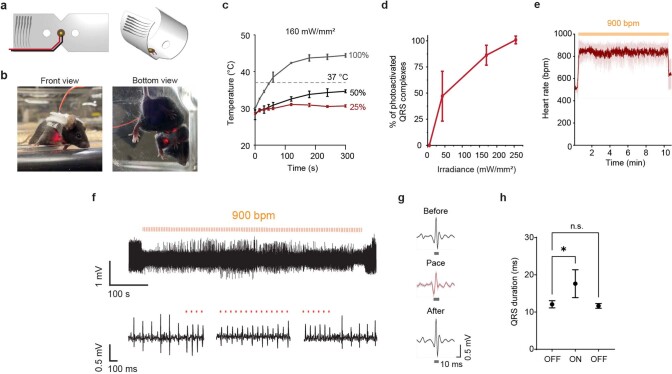
Emotional states influence bodily physiology, as exemplified in the top-down process by which anxiety causes faster beating of the heart 1–3 . However, whether an increased heart rate might itself induce anxiety or fear responses is unclear 3–8 . Physiological theories of emotion, proposed over a century ago, have considered that in general, there could be an important and even dominant flow of information from the body to the brain 9 . Here, to formally test this idea, we developed a noninvasive optogenetic pacemaker for precise, cell-type-specific control of cardiac rhythms of up to 900 beats per minute in freely moving mice, enabled by a wearable micro-LED harness and the systemic viral delivery of a potent pump-like channelrhodopsin. We found that optically evoked tachycardia potently enhanced anxiety-like behaviour, but crucially only in risky contexts, indicating that both central (brain) and peripheral (body) processes may be involved in the development of emotional states. To identify potential mechanisms, we used whole-brain activity screening and electrophysiology to find brain regions that were activated by imposed cardiac rhythms. We identified the posterior insular cortex as a potential mediator of bottom-up cardiac interoceptive processing, and found that optogenetic inhibition of this brain region attenuated the anxiety-like behaviour that was induced by optical cardiac pacing. Together, these findings reveal that cells of both the body and the brain must be considered together to understand the origins of emotional or affective states. More broadly, our results define a generalizable approach for noninvasive, temporally precise functional investigations of joint organism-wide interactions among targeted cells during behaviour.
Overview
The claims and statistics of this paper haven’t been checked yet.
Free: it reads the open-access text and checks the first 5 claims that cite a source we can check. Create a free account to check every claim.
Integrity signals
Registry
Cites
Statistics
Figures
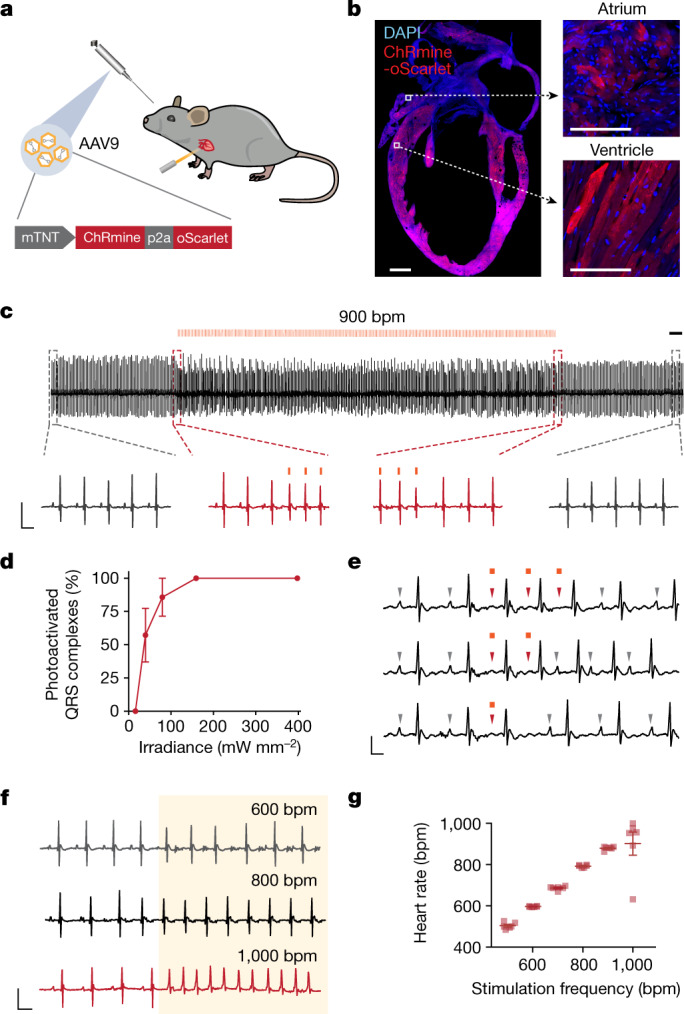
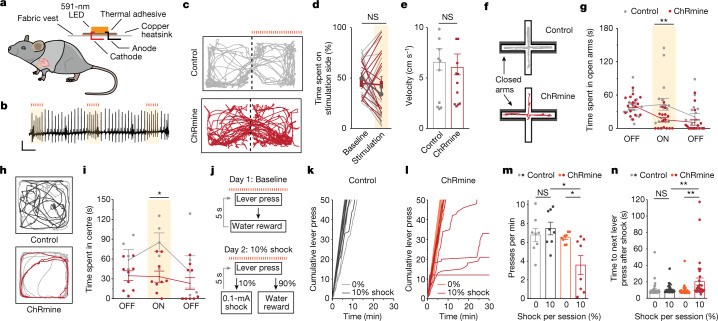
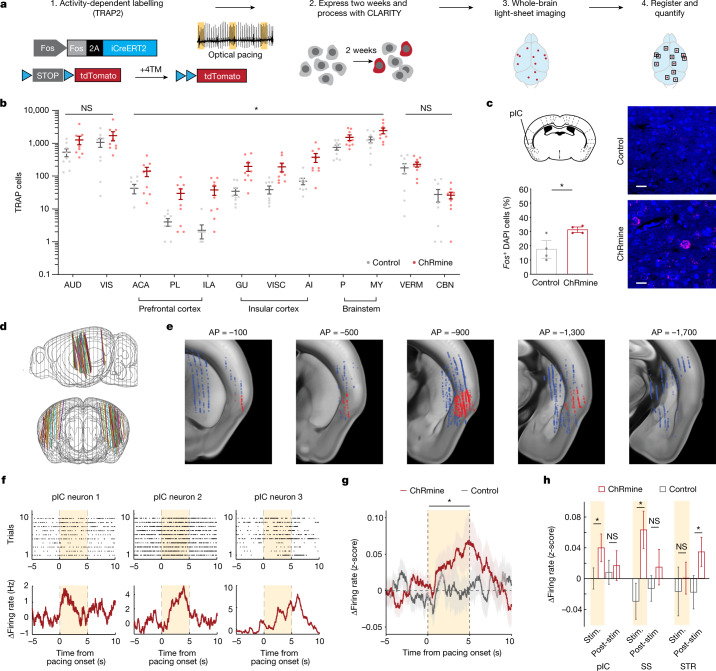
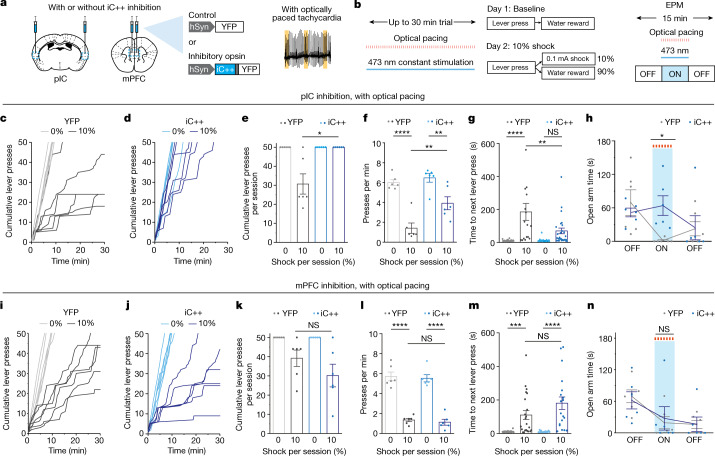
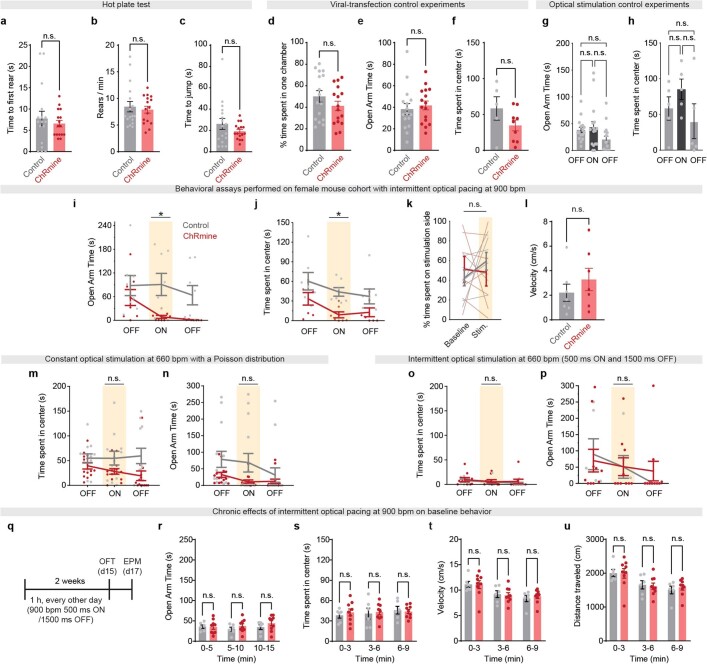
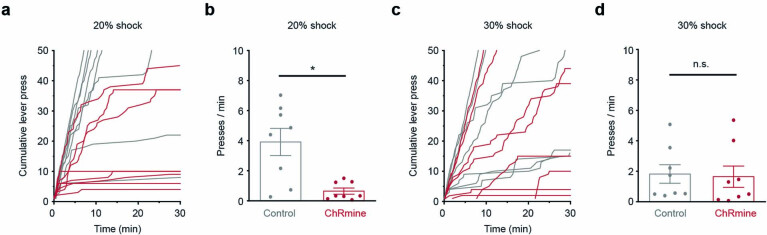
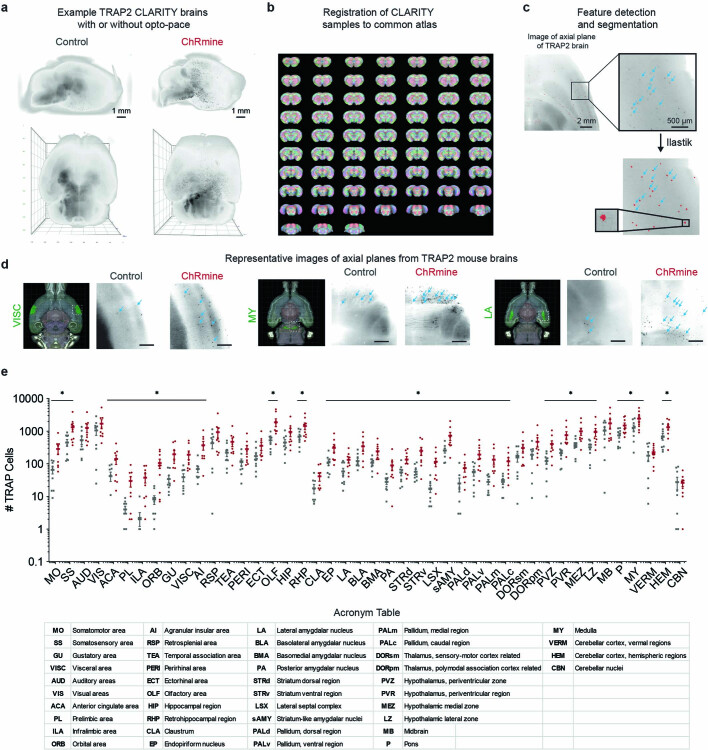
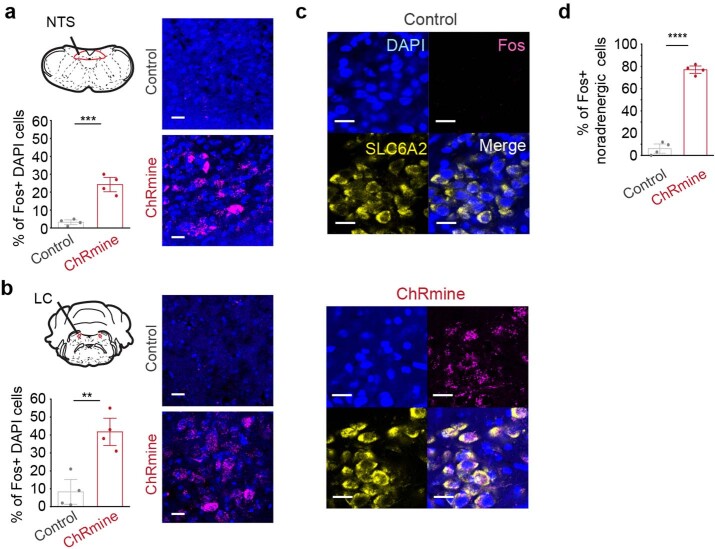
Verification
Claims the paper makes
The claims and statistics of this paper haven’t been checked yet.
Free: it reads the open-access text and checks the first 5 claims that cite a source we can check. Create a free account to check every claim.
Claims other papers make about this one
Each is checked against this paper’s own text: does it say what the citing paper says it does?
The cited source says what the claim attributes to it.
In the citing paper
“A recent study has demonstrated that optically evoked tachycardia could activate the pIC in a bottom-up way, identifying the pIC as a potential mediator of bottom-up cardiac interoceptive processing [57].”
From The Insular Cortex: An Interface Between Sensation, Emotion and Cognition (2024) · cites this paper as [57]
Self-check
Percentages, sums and reported differences re-computed from the paper’s own numbers.
The self-check needs the paper’s full text.
Citations
Cites
How do you feel? Interoception: The sense of the physiological condition of the body
Craig, A. D. (2002) · Nature Reviews Neuroscience · doi:10.1038/nrn894 · Cited by 6,006
Neural systems supporting interoceptive awareness
Critchley, H. D., Wiens, S., Rotshtein, P., Öhman, A., & Dolan, R. J. (2004) · Nature Neuroscience · doi:10.1038/nn1176 · Cited by 3,406
ilastik: interactive machine learning for (bio)image analysis
Berg, S., Kutra, D., Kroeger, T., Straehle, C. N., Kausler, B. X., Haubold, C., Schiegg, M., Ales, J., Beier, T., Rudy, M., et al. (2019) · Nature Methods · doi:10.1038/s41592-019-0582-9 · Cited by 3,368
The Central Autonomic Network: Functional Organization, Dysfunction, and Perspective
BENARROCH, E. E. (1993) · Mayo Clinic Proceedings · doi:10.1016/s0025-6196(12)62272-1 · Cited by 1,534
Choi, H. M. T., Schwarzkopf, M., Fornace, M. E., Acharya, A., Artavanis, G., Stegmaier, J., Cunha, A., & Pierce, N. A. (2018) · Development · doi:10.1242/dev.165753 · Cited by 1,495
Heart beat perception and emotional experience
Schandry, R. (1981) · Psychophysiology · doi:10.1111/j.1469-8986.1981.tb02486.x · Cited by 1,335
Visceral influences on brain and behavior
Critchley, H. D., & Harrison, N. A. (2013) · Neuron · doi:10.1016/j.neuron.2013.02.008 · Cited by 1,177
Anxiety Disorders are Associated with Reduced Heart Rate Variability: A Meta-Analysis
Chalmers, J. A., Quintana, D. S., Abbott, M. J.-A., & Kemp, A. H. (2014) · Frontiers in Psychiatry · doi:10.3389/fpsyt.2014.00080 · Cited by 1,067
Targeting abnormal neural circuits in mood and anxiety disorders: from the laboratory to the clinic
Ressler, K. J., & Mayberg, H. S. (2007) · Nature Neuroscience · doi:10.1038/nn1944 · Cited by 1,007
Tuning arousal with optogenetic modulation of locus coeruleus neurons
Carter, M. E., Yizhar, O., Chikahisa, S., Nguyen, H., Adamantidis, A., Nishino, S., Deisseroth, K., & de Lecea, L. (2010) · Nature Neuroscience · doi:10.1038/nn.2682 · Cited by 993
Self-citation
Research works printed but not linked: 1
- Oppenheimer S Cechetto D The insular cortex and the regulation of cardiac function Compr. Physiol. 2011 6 1081 1133 27065176
Cited by
Items 301–332 of 332
Prontenko, K. V., Bondarenko, V. V., Chernikov, A. M., Томенко, О. А., Kondratska, H. D., Bashtova, O. H., & Gavryliuk, V. O. (2026) · Polski Merkuriusz Lekarski · doi:10.36740/merkur202602110
Heartbeat-locked auditory deviations slow down cardiac activityPreprint
Koroma, M., Nguy, K., Pelentritou, A., Lucia, M. D., & Demertzi, A. (2026) · bioRxiv (Cold Spring Harbor Laboratory) · doi:10.64898/2026.04.28.721302
“More specifically, cardiac signals play an important role in emotional processes (Garfinkel et al., 2014; Hsueh et al., 2023; Pfeifer et al., 2017), self-consciousness (Seth & Critchley, 2013; Tallon-Baudry et al., 2018), social perception (Azevedo et al., 2017) and perceptual processes (Al et al.,…”
Li, Z., Huang, Y., Zhou, J., Wu, F., & Wu, K. (2026) · BMC Psychiatry · doi:10.1186/s12888-026-08153-3
“…interactions govern the homeostatic regulation of interoception through anatomical and functional connections, which have been confirmed to play a pivotal role in cardiovascular diseases (CVD) [8, 9], emotional states [10, 11], behavioral controls [12], and neurological disorders [13, 14].”
Jin, Y., & Yao, H. (2026) · Reviews in the Neurosciences · doi:10.1515/revneuro-2026-0065 · Cited by 1
“…longer temporal scale (seconds), these physical signals are “ translated ” into subjective emotional experiences (e.g., palpitations or anxiety), demonstrating a seamless integration of biomechanics and psychological perception (Chen et al. 2023; Zheng et al. 2023; Hsueh et al. 2023; Zi et al. 2024”
The negative chronotropic control of the insula: An SEEG-based investigation
Huang, Z., Yan, H., Li, Z., Yu, X., Yu, T., & Yin, K. (2026) · Journal of Biomedical Research · doi:10.7555/jbr.39.20250457
Xiao, F., Liu, Z., Xu, J., Wei, Z., Sun, Z., Xu, X., Li, J., Jiang, S., Ding, N., Shen, S., et al. (2026) · IEEE Robotics & Automation Magazine · doi:10.1109/mra.2026.3687384
ZHANG, F., Zheng-jie, L. U. O., Wei, N.-X., Yu, J., Shao, W.-J., Wei, L. I. U., Zhi-hao, X. U., Shu, Q., Xiang, Z. H. O. U., Jie, W. A. N. G., et al. (2026) · Translational Psychiatry · doi:10.1038/s41398-026-04115-1
“In the sham operation group, an empty puncture was performed without LAD ligation, while all other treatments remained identical to those administered to the myocardial ischemia-reperfusion injury (MIRI) group.”
Dopaminergic Neurons Linking Threat Processing to Cardiac Modulation and Locomotor ResponsesPreprint
Tsuji, M., Jinkoma, D., Uemura, Y., Ogasawara, A., & Emoto, K. (2026) · eLife · doi:10.7554/elife.111256.1
Dopaminergic neurons linking threat processing to cardiac modulation and locomotor responsesPreprint
Tsuji, M., Jinkoma, D., Uemura, Y., Ogasawara, A., & Emoto, K. (2026) · eLife · doi:10.7554/elife.111256
Emotion effects on spatiotemporal brain–heart interactions with convergent cross mapping
Zeng, X., Zhang, X., Dong, H., Bian, G., de Albuquerque, V. H. C., & Wu, W. (2026) · Physiological Measurement · doi:10.1088/1361-6579/ae7c55
Gu, X., & Johansen, J. P. (2026) · Science · doi:10.1126/science.aeh1665
The vagus nerve as a neurovisceral interface: a comprehensive review
In, S.-Y., Cho, T., & Yang, H. (2026) · Frontiers in Neuroscience · doi:10.3389/fnins.2026.1878765
“Experimentally induced tachycardia enhances anxiety-like behavior via central interoceptive processing involving the posterior insular cortex, illustrating how peripheral physiological states shape emotional responses (Hsueh et al., 2023).”
Interoception network in the rat brain
Alkaabi, F., Wang, X., & Liu, Z. (2026) · Imaging Neuroscience · doi:10.1162/imag.a.1334
“The right vagus is preferentially involved in regulating heart rate, while a recent study demonstrates that elevated heart rate drives affective behavioral state (e.g., anxiety) ( Hsueh et al., 2023).”
Bidirectional regulation of brain–heart interaction: mechanisms and therapeutic advances
Chen, K., Liao, B., & Chen, K. (2026) · Brain-Apparatus Communication A Journal of Bacomics · doi:10.1080/27706710.2026.2709178
Linking the Heart to the Brain in Depression: Cardiac Dysregulation and Insula Structure
Tyborowska, A. (2026) · Biological Psychiatry · doi:10.1016/j.biopsych.2026.06.021
Linking sensory experience to bodily states in the insular cortex
Yiannakas, A., Kayyal, H., Chandran, S. K., & Rosenblum, K. (2026) · Trends in Neurosciences · doi:10.1016/j.tins.2026.07.003 · Cited by 1
Zhong, X., Zhang, B., Yuan, Y., Li, Q., Fang, S., Lv, Q., Wang, X., & Wang, X. (2026) · Neuroscience & Biobehavioral Reviews · doi:10.1016/j.neubiorev.2026.106907
Methodologies for Manipulating Cardiomyocyte Physiology: In Vitro and In Vivo PerspectivesPreprint
Yang, R., Liu, D.-H., Wang, D., Li, S., Liu, P., Li, S., & Kang, J. (2026) · bioRxiv (Cold Spring Harbor Laboratory) · doi:10.64898/2026.08.11.744256
“Skin-permeable infrared-sensitive rhodopsin ChRmine have been developed for noninvasive optical pacing with a wearable infrared light stimulation vest in vivo [10].”
Slower cardiac-coupled cortical dynamics link depressive symptoms to inflexible affective updatingPreprint
Lee, J., Oh, K., Kim, J., & Cha, J. (2026) · bioRxiv (Cold Spring Harbor Laboratory) · doi:10.64898/2026.08.11.744232
Vagal nerve stimulation induces vascular oscillations and enhances long-term learning
Chen, J. U., Ikoma, Y., & Matsui, K. (2026) · iScience · doi:10.1016/j.isci.2026.117413
Neurocardiology: Brain–Heart Interactions in the Heart
Wang, W., Jia, H., Han, H., & Song, J. (2026) · MedComm · doi:10.1002/mco2.70935
“Hsueh et al. employed an optogenetic cardiac pacemaker to achieve precise HR control in freely behaving mice [ 17 ].”
InfluentialXia, K., Wang, Y., Liu, J., Yao, Y., 苏瑞斌, & Yan, H. (2026) · Molecular Psychiatry · doi:10.1038/s41380-026-03894-9
Does the MEM Model Explain the "Hard Problem" of Phenomenal Consciousness?Preprint
Galus, W. L. (2026) · Qeios · doi:10.32388/bfdt0t · Cited by 1
Liu, L. D., & Duricka, D. (2026) · Medical Hypotheses · doi:10.1016/j.mehy.2026.112161
Does the MEM Model Explain the "Hard Problem" of Phenomenal Consciousness?Preprint
Galus, W. L. (2026) · Qeios · doi:10.32388/bfdt0t.2
Saunders, S. E., Dow, K. E., Bostic, G. E., Boychuk, J. A., Maguire, J. L., & Boychuk, C. R. (2026) · eLife · doi:10.7554/elife.111303.2
Cortical circuits linking peripheral inflammation to affective states
Jun, D. J., Tang, S., & Favuzzi, E. (2026) · Frontiers in Cellular Neuroscience · doi:10.3389/fncel.2026.1951226
Zou, H., Li, H., & Li, C. (2026) · Progress in Neuro-Psychopharmacology and Biological Psychiatry · doi:10.1016/j.pnpbp.2026.111980
den Ouden, B. L., Deng, S., Bart, C. I., Bax, W. H., Boukens, B. J., Poelma, R. H., van Driel, W., Zhang, G., de Vries, A. A. F., Portero, V., et al. (2026) · Device · doi:10.1016/j.device.2026.101331
Pettebone, M. E., Han, J., Forouzandehmehr, M., Chesla, O., Chua, C. J., Pozo, M. R., Heinson, Y. W., Liu, W., & Entcheva, E. G. (2026) · bioRxiv (Cold Spring Harbor Laboratory) · doi:10.64898/2026.10.19.760310
“Combined with newer very-high conductance opsins with red-shifted spectral profile[15, 16], such magnetically-guided bioactuators can exert rate control from well-defined locations in the heart, triggered by external or subcutaneously placed LEDs.”
Dopaminergic Neurons Linking Threat Processing to Cardiac Modulation and Locomotor ResponsesPreprint
Tsuji, M., Jinkoma, D., Uemura, Y., Ogasawara, A., & Emoto, K. (2026) · eLife · doi:10.7554/elife.111256.2
Cai, Y., Li, X., 施凱耀, Li, J., Zhang, Y., & Cui, W. (2026) · Biomedical Signal Processing and Control · doi:10.1016/j.bspc.2026.111703
Metadata
- Authors
- Hsueh, B., Chen, R., Jo, Y., Tang, D., Raffiee, M., Kim, Y. S., Inoue, M., Randles, S., Ramakrishnan, C., Patel, S., Kim, D. K., Liu, T. X., Kim, S. H., Tan, L., Mortazavi, L., Cordero, A., Shi, J., Zhao, M., Ho, T. T., Crow, A., Yoo, A.-C. W., Raja, C., Evans, K., Bernstein, D., Zeineh, M., Goubran, M., & Deisseroth, K.
- Affiliations
- Stanford University (US)
- Stanford Medicine (US)
- Howard Hughes Medical Institute (US)
- Corresponding author
- Deisseroth, Karl
- ORCID
- Hsueh, Brian
- Chen, Ritchie
- Jo, YoungJu
- Tang, Daniel
- Kim, Yoon Seok
- Inoue, Masatoshi
- Ramakrishnan, Charu
- Patel, Sneha
- Kim, Doo Kyung
- Liu, Tony X.
- Kim, Soo Hyun
- Tan, Longzhi
- Mortazavi, Leili
- Cordero, Arjay
- Shi, Jenny
- Zhao, Mingming
- Ho, Theodore T.
- Raja, Cephra
- Evans, Kathryn
- Bernstein, Daniel
- Zeineh, Michael
- Goubran, Maged
- Deisseroth, Karl
- Venue
- Nature
- Published
- 2023-03-01
- Volume
- 615
- Issue
- 7951
- Pages
- 292-299
- ISSN
- 0028-0836 (ISSN-L)
- 1476-4687
- PMC
- PMC9995271
- OpenAlex
- W4322733206
- Semantic Scholar
- 9f008820ec3c3675e65af26d304ef0d2dd5f9762
- Cited by
- 335
- References
- 64
- Citations by year
- 2026: 80 · 2025: 104 · 2024: 93 · 2023: 58
- FWCI
- 65.65
- Type
- journal article
- Language
- en
- Open access
- hybrid
- doi.org
- Licence
- cc-by
- creativecommons.org/licenses/by/4.0 (tdm)
- creativecommons.org/licenses/by/4.0 (vor)
- Locations
- Nature (publishedVersion, cc-by)
- PubMed Central (publishedVersion, cc-by)
- PubMed (publishedVersion)
- eScholarship (California Digital Library) (submittedVersion, cc-by)
- RePEc: Research Papers in Economics (submittedVersion)
- Funders
- National Science Foundation
- National Alliance for Research on Schizophrenia and Depression
- National Institutes of Health
- National Institute of Mental Health (R37MH075957, R01MH086373)
- National Institute on Drug Abuse (R37DA035377)
- National Institute of Neurological Disorders and Stroke (K99NS119784)
- Topics
- Health Sciences › Medicine › Cardiology and Cardiovascular Medicine › Heart Rate Variability and Autonomic Control
- Life Sciences › Neuroscience › Cognitive Neuroscience › Memory and Neural Mechanisms
- Life Sciences › Neuroscience › Cellular and Molecular Neuroscience › Photoreceptor and optogenetics research
- Keywords
- cardiac pacing, anxiety-like behavior, heart rate, interoception, posterior insular cortex, emotional state
- MeSH terms
- Channelrhodopsins, Insular Cortex, Animals, Anxiety, Behavior, Animal, Brain, Brain Mapping, Electrophysiology, Emotions, Heart, Heart Rate, Pacemaker, Artificial, Tachycardia, Mice, Optogenetics
About these checks
Registry, retraction, Cites and statistics results are computed, not judged, with one exception: a printed reference that no index lists is read once by a model before it counts as a citation error. Claims are extracted by a model and kept only when their quote appears verbatim in the text; each cited source is then checked, with a model’s help, for whether it says what the claim relies on. Those verdicts can be wrong — read the claim’s quote and the cited source before relying on one.
Statistics and arithmetic are recomputed, not judged.
Confidence bands are shown only for fields calibrated on our annotated test set. None is calibrated yet, so no band is shown.
What counts as a claim ›How we measure confidence ›How we check this ›
Are you an author, or do you see a problem with this page? Request a review
Data sources
Bibliographic data: Semantic Scholar, OpenAlex, Crossref.
Contains information from the Semantic Scholar Academic Graph Datasets, made available under the ODC Attribution License (ODC-BY 1.0).
Semantic Scholar’s data is described in: Kinney, R., et al. (2023). The Semantic Scholar Open Data Platform. arXiv:2301.10140.
