

The DOI matches its Crossref record; 62 of the 62 references it cites were found in a registry or an index.
Microbial peptides activate tumour-infiltrating lymphocytes in glioblastoma
Open accessAbstract
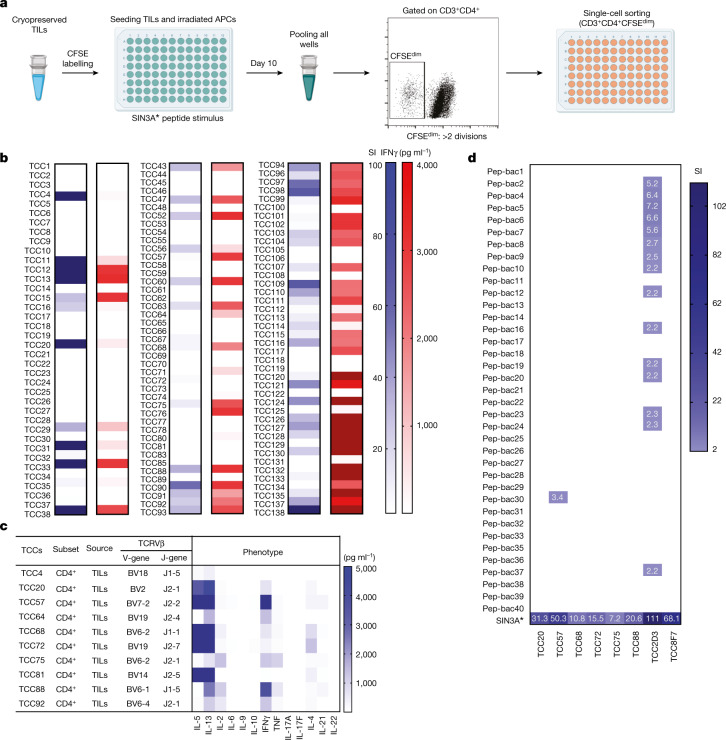
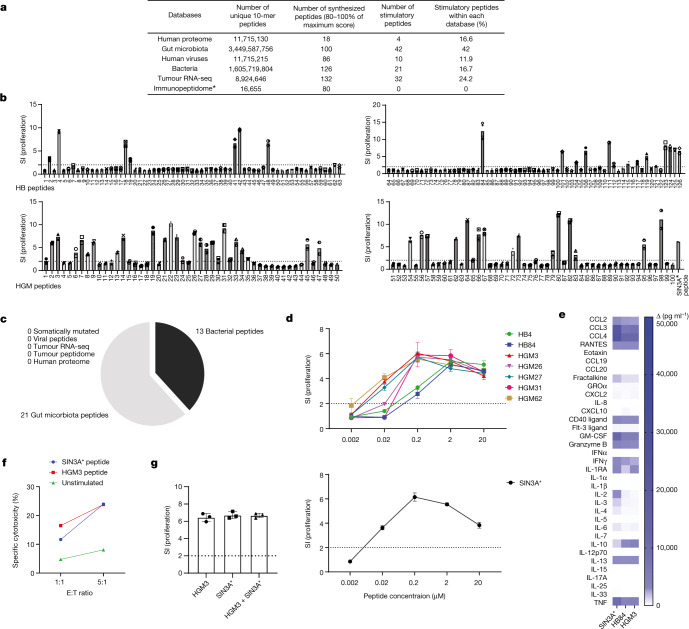
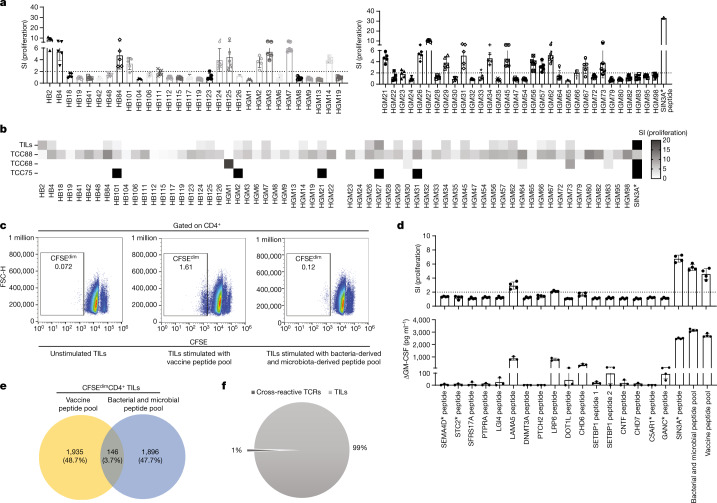
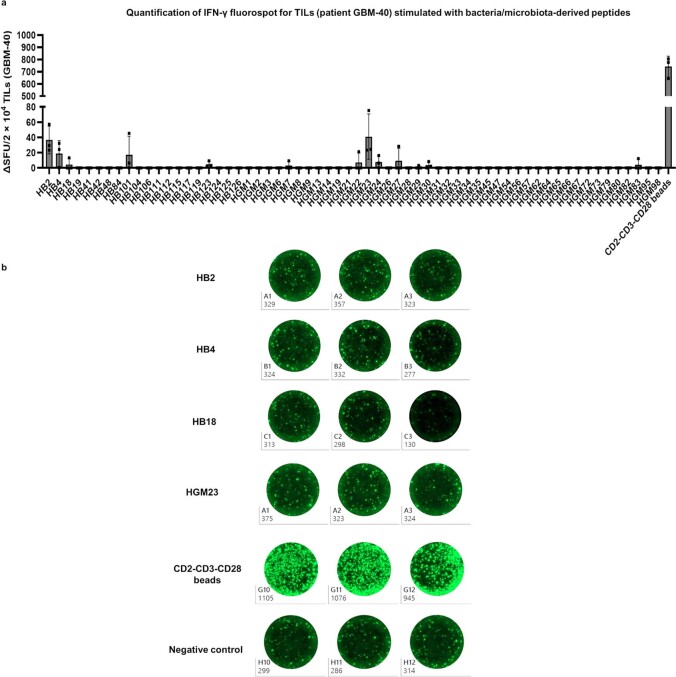
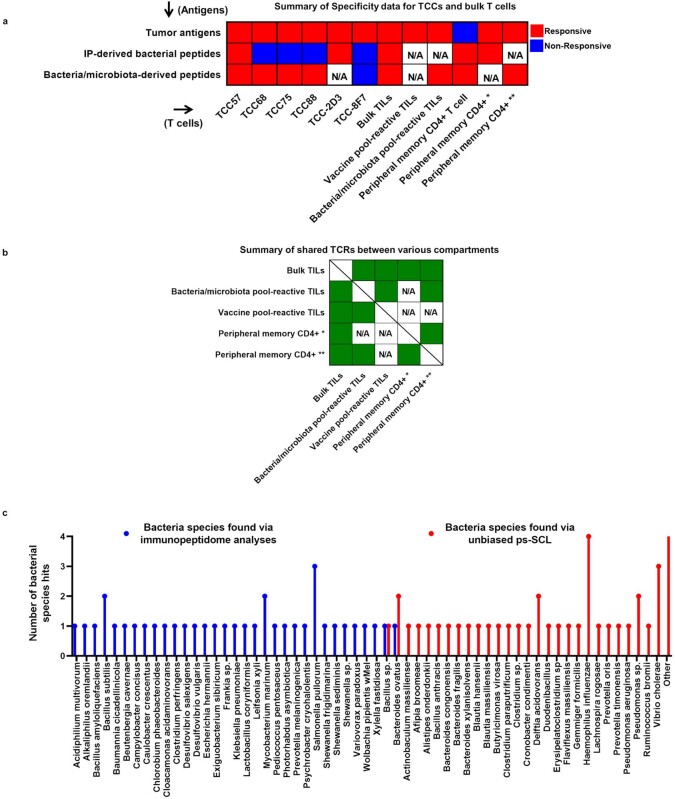
Abstract Microbial organisms have key roles in numerous physiological processes in the human body and have recently been shown to modify the response to immune checkpoint inhibitors1,2. Here we aim to address the role of microbial organisms and their potential role in immune reactivity against glioblastoma. We demonstrate that HLA molecules of both glioblastoma tissues and tumour cell lines present bacteria-specific peptides. This finding prompted us to examine whether tumour-infiltrating lymphocytes (TILs) recognize tumour-derived bacterial peptides. Bacterial peptides eluted from HLA class II molecules are recognized by TILs, albeit very weakly. Using an unbiased antigen discovery approach to probe the specificity of a TIL CD4+ T cell clone, we show that it recognizes a broad spectrum of peptides from pathogenic bacteria, commensal gut microbiota and also glioblastoma-related tumour antigens. These peptides were also strongly stimulatory for bulk TILs and peripheral blood memory cells, which then respond to tumour-derived target peptides. Our data hint at how bacterial pathogens and bacterial gut microbiota can be involved in specific immune recognition of tumour antigens. The unbiased identification of microbial target antigens for TILs holds promise for future personalized tumour vaccination approaches.
Overview
The claims and statistics of this paper haven’t been checked yet.
Run the check — free, no account needed. It reads the open-access text and checks the sources it cites.
Integrity signals
Registry
Cites
Statistics
Figures
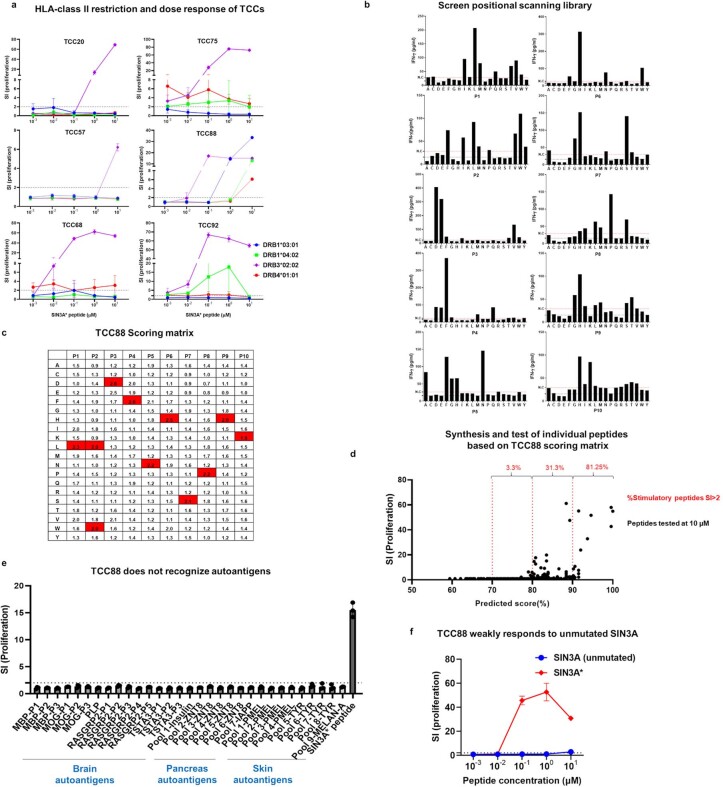
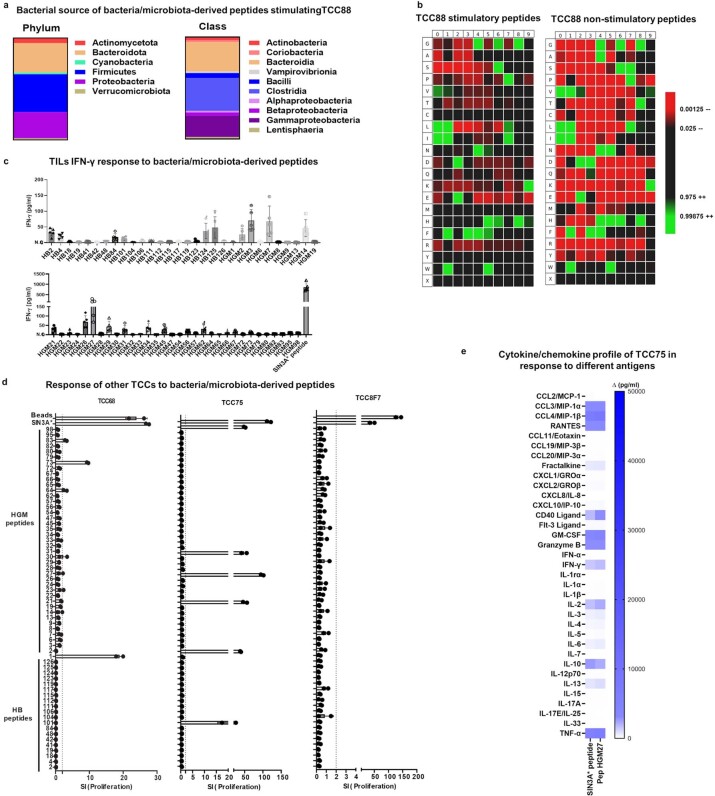
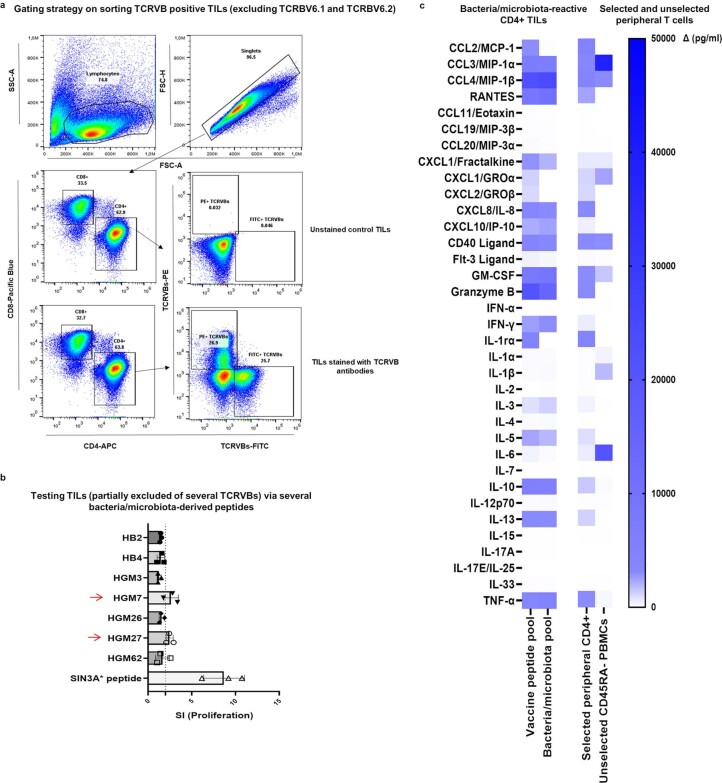
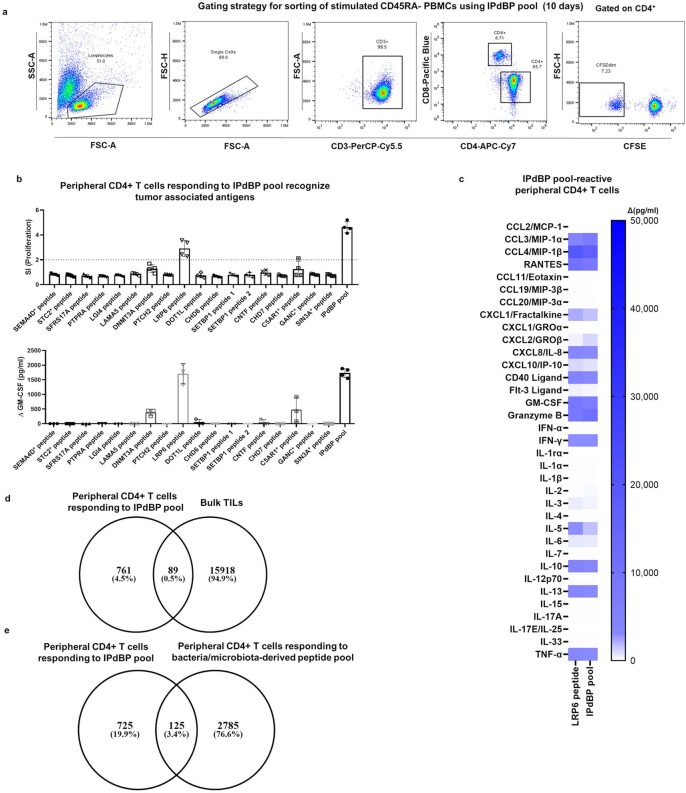
Verification
Claims the paper makes
The claims and statistics of this paper haven’t been checked yet.
Run the check — free, no account needed. It reads the open-access text and checks the sources it cites.
Claims other papers make about this one
Each is checked against this paper’s own text: does it say what the citing paper says it does?
In the citing paper
“Moreover, the gut microbiome’s vast antigen reservoir may facilitate cross-reactivity between bacterial and tumor antigens, thereby enhancing antitumor immune responses (Fluckiger et al., 2020; Naghavian et al., 2023).”
From Microbiota-centered interventions to boost immune checkpoint blockade therapies (2025) · cites this paper as Naghavian et al., 2023
Self-check
Percentages, sums and reported differences re-computed from the paper’s own numbers.
The self-check needs the paper’s full text.
Citations
Cites
Search and clustering orders of magnitude faster than BLAST
Edgar, R. C. (2010) · Bioinformatics · doi:10.1093/bioinformatics/btq461 · Cited by 21,098
Pérez-Riverol, Y., Csordas, A., Bai, J.-W., Bernal-Llinares, M., Hewapathirana, S., Kundu, D. J., Inuganti, A., Griss, J., Mayer, G., Eisenacher, M., et al. (2018) · Nucleic Acids Res. · doi:10.1093/nar/gky1106 · Cited by 6,216
Gut microbiome influences efficacy of PD-1-based immunotherapy against epithelial tumors
Routy, B., Le Chatelier, E., Derosa, L., Duong, C. P. M., Alou, M. T., Daillère, R., Fluckiger, A., Messaoudene, M., Rauber, C., Roberti, M. P., et al. (2018) · Science · doi:10.1126/science.aan3706 · Cited by 5,671 · cited 2×
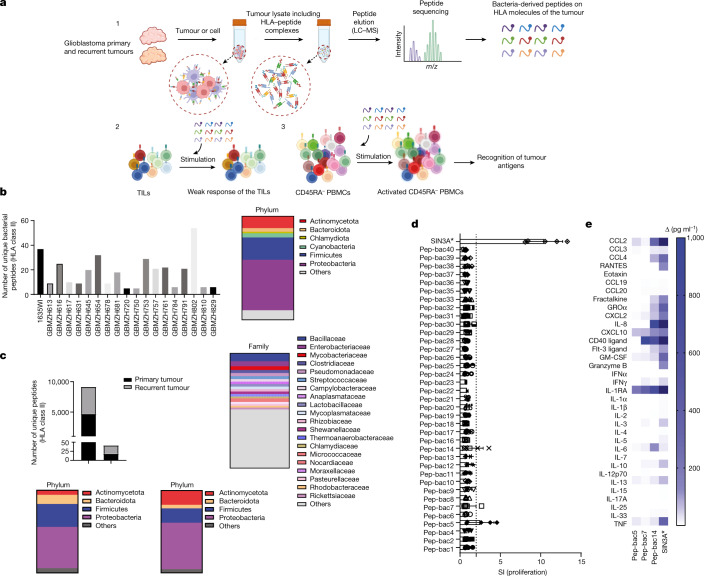
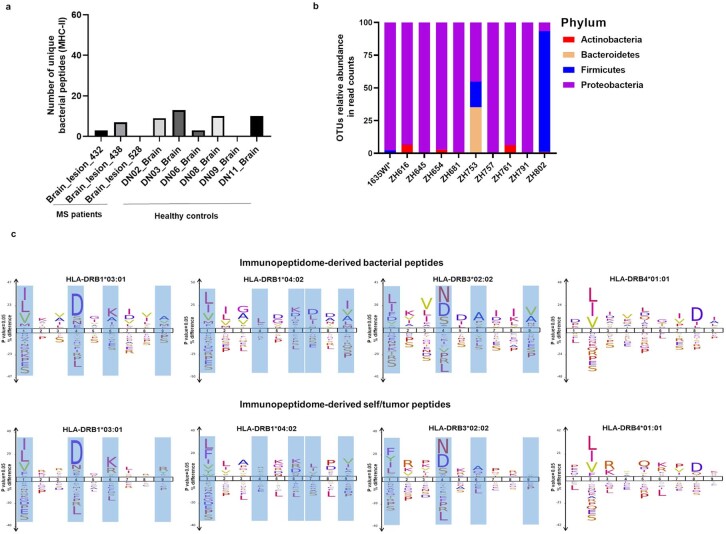
“a, Schematic of the immunopeptidome analyses of glioblastoma tissue, from which eluted peptides were annotated using the UniProt bacteria database (1).”
MethodResultGut microbiome modulates response to anti-PD-1 immunotherapy in melanoma patients
Gopalakrishnan, V., Spencer, C. N., Nezi, L., Reuben, A., Andrews, M. C., Karpinets, T. V., Prieto, P. A., Vicente, D., Hoffman, K., Wei, S. C., et al. (2018) · Science · doi:10.1126/science.aan4236 · Cited by 4,812
Ribosomal Database Project: data and tools for high throughput rRNA analysis
Cole, J. R., Wang, Q., Fish, J. A., Chai, B., McGarrell, D. M., Sun, Y., Brown, C. T., Porras‐Alfaro, A., Kuske, C. R., & Tiedje, J. M. (2013) · Nucleic Acids Research · doi:10.1093/nar/gkt1244 · Cited by 4,480
Cancer immunotherapy comes of age
Mellman, I., Coukos, G., & Dranoff, G. (2011) · Nature · doi:10.1038/nature10673 · Cited by 3,893
IFN-γ–related mRNA profile predicts clinical response to PD-1 blockade
Ayers, M., Lunceford, J., Nebozhyn, M., Murphy, E., Loboda, A., Kaufman, D. R., Albright, A., Cheng, J. D., Kang, S. P., Shankaran, V., et al. (2017) · Journal of Clinical Investigation · doi:10.1172/jci91190 · Cited by 3,788
Anticancer immunotherapy by CTLA-4 blockade relies on the gut microbiota
Vétizou, M., Pitt, J. M., Daillère, R., Lepage, P., Waldschmitt, N., Flament, C., Rusakiewicz, S., Routy, B., Roberti, M. P., Duong, C. P. M., et al. (2015) · Science · doi:10.1126/science.aad1329 · Cited by 3,488 · cited 1×
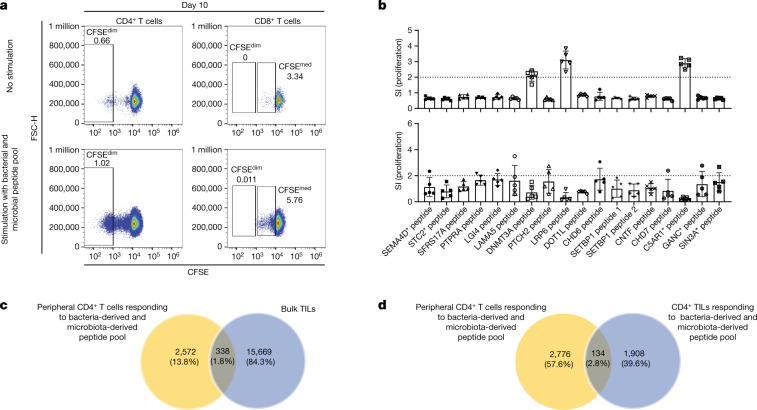
“These data show that (1) T cells with reactivity against bacterial peptides that are presented on HLA class II molecules, that is, the immunopeptidome, within the tumour exist in the peripheral blood, (2) memory T cells that recognize bacteria and microbiota that had been identified by analysing a tumour neoantigen-re…”
ResultThe commensal microbiome is associated with anti-PD-1 efficacy in metastatic melanoma patients
Matson, V., Fessler, J., Bao, R., Chongsuwat, T., Zha, Y., Alegre, M.-L., Luke, J. J., & Gajewski, T. F. (2018) · Science · doi:10.1126/science.aao3290 · Cited by 3,107
An immunogenic personal neoantigen vaccine for patients with melanoma
Ott, P. A., Hu, Z., Keskin, D. B., Shukla, S. A., Sun, J., Bozym, D. J., Zhang, W., Luoma, A., Giobbie-Hurder, A., Peter, L., et al. (2017) · Nature · doi:10.1038/nature22991 · Cited by 2,936
A landscape of driver mutations in melanoma
Hodis, E., Watson, I. R., Kryukov, G. V., Arold, S. T., Imielinski, M., Theurillat, J.-P., Nickerson, E., Auclair, D., Li, L., Place, C., et al. (2012) · Cell · doi:10.1016/j.cell.2012.06.024 · Cited by 2,610
The human tumor microbiome is composed of tumor type–specific intracellular bacteria
Nejman, D., Livyatan, I., Fuks, G., Gavert, N., Zwang, Y., Geller, L. T., Rotter-Maskowitz, A., Weiser, R., Mallel, G., Gigi, E., et al. (2020) · Science · doi:10.1126/science.aay9189 · Cited by 2,464
SYFPEITHI: database for MHC ligands and peptide motifs
Rammensee, H., Bachmann, J., Emmerich, N., Bachor, O. A., & Stevanović, S. (1999) · Immunogenetics · doi:10.1007/s002510050595 · Cited by 2,316
Self-citationA decade of immune-checkpoint inhibitors in cancer therapy
Robert, C. (2020) · Nature Communications · doi:10.1038/s41467-020-17670-y · Cited by 1,608
Tumor Microbiome Diversity and Composition Influence Pancreatic Cancer Outcomes
Riquelme, E., Zhang, Y., Zhang, L., Montiel, M., Zoltan, M., Dong, W., Quesada, P., Sahin, I., Chandra, V., San Lucas, A., et al. (2019) · Cell · doi:10.1016/j.cell.2019.07.008 · Cited by 1,577
A unified catalog of 204,938 reference genomes from the human gut microbiome
Almeida, A., Nayfach, S., Boland, M., Strozzi, F., Beracochea, M., Shi, Z. J., Pollard, K. S., Sakharova, E., Parks, D. H., Hugenholtz, P., et al. (2021) · Nature Biotechnology · doi:10.1038/s41587-020-0603-3 · Cited by 1,367
Mutant MHC class II epitopes drive therapeutic immune responses to cancer
Kreiter, S., Vormehr, M., van de Roemer, N., Diken, M., Löwer, M., Diekmann, J., Boegel, S., Schrörs, B., Vascotto, F., Castle, J. C., et al. (2015) · Nature · doi:10.1038/nature14426 · Cited by 1,243
Wen, P. Y., Weller, M., Lee, E. Q., Alexander, B. M., Barnholtz-Sloan, J. S., Barthel, F. P., Batchelor, T. T., Bindra, R. S., Chang, S. M., Chiocca, E. A., et al. (2020) · Neuro-Oncology · doi:10.1093/neuonc/noaa106 · Cited by 1,168
Self-citationTumor-resident intracellular microbiota promotes metastatic colonization in breast cancer
Fu, A., Yao, B., Dong, T., Chen, Y., Yao, J., Liu, Y., Li, H., Bai, H., Liu, X., Zhang, Y., et al. (2022) · Cell · doi:10.1016/j.cell.2022.02.027 · Cited by 981
Effect of the intratumoral microbiota on spatial and cellular heterogeneity in cancer
Galeano Niño, J. L., Wu, H., LaCourse, K. D., Kempchinsky, A. G., Baryiames, A., Barber, B., Futran, N., Houlton, J., Sather, C., Sicinska, E., et al. (2022) · Nature · doi:10.1038/s41586-022-05435-0 · Cited by 887
Castellino, F., Huang, A. Y.-C., Altan-Bonnet, G. Y., Stoll, S., Scheinecker, C., & Germain, R. N. (2006) · Nature · doi:10.1038/nature04651 · Cited by 847
Improved methods for predicting peptide binding affinity to MHC class II molecules
Jensen, K. K., Andreatta, M., Marcatili, P., Buus, S., Greenbaum, J., Zhen, Y., Sette, A., Peters, B., & Nielsen, M. (2018) · Immunology · doi:10.1111/imm.12889 · Cited by 805
Improved visualization of protein consensus sequences by iceLogo
Colaert, N., Helsens, K., Martens, L., Vandekerckhove, J. S., & Gevaert, K. (2009) · Nature Methods · doi:10.1038/nmeth1109-786 · Cited by 746
Linnemann, C., van Buuren, M. M., Bies, L., Verdegaal, E. M. E., Schotte, R., Calis, J. J. A., Behjati, S., Velds, A., Hilkmann, H., Atmioui, D. E., et al. (2014) · Nature Medicine · doi:10.1038/nm.3773 · Cited by 688
T-Cell Tolerance: Central and PeripheralPreprint
Xing, Y., & Hogquist, K. A. (2012) · Cold Spring Harbor Perspectives in Biology · doi:10.1101/cshperspect.a006957 · Cited by 621
Massive expansion of human gut bacteriophage diversity
Camarillo-Guerrero, L. F., Almeida, A., Rangel-Pineros, G., Finn, R. D., & Lawley, T. D. (2021) · Cell · doi:10.1016/j.cell.2021.01.029 · Cited by 594
CD8+ T lymphocyte mobilization to virus-infected tissue requires CD4+ T-cell help
Nakanishi, Y., Lu, B., Gerard, C. J., & Iwasaki, A. (2009) · Nature · doi:10.1038/nature08511 · Cited by 567
Hu, Z., Leet, D., Allesøe, R. L., Oliveira, G., Li, S., Luoma, A., Liu, J., Forman, J., Huang, T., Iorgulescu, J. B., et al. (2021) · Nature Medicine · doi:10.1038/s41591-020-01206-4 · Cited by 560
Memory B Cells Activate Brain-Homing, Autoreactive CD4+ T Cells in Multiple Sclerosis
Jelčić, I., Nimer, F. A., Wang, J., Lentsch, V., Planas, R., Jelčić, I., Madjovski, A., Ruhrmann, S., Faigle, W., Frauenknecht, K. B. M., et al. (2018) · Cell · doi:10.1016/j.cell.2018.08.011 · Cited by 532
Self-citationA Single Autoimmune T Cell Receptor Recognizes More Than a Million Different Peptides
Wooldridge, L., Makinde, J., van den Berg, H. A., Skowera, A., Miles, J. J., Tan, M. P., Dolton, G. M., Clement, M., Llewellyn‐Lacey, S., Price, D. A., et al. (2011) · Journal of Biological Chemistry · doi:10.1074/jbc.m111.289488 · Cited by 459
Identification of bacteria-derived HLA-bound peptides in melanoma
Kalaora, S., Nagler, A., Nejman, D., Alon, M., Barbolin, C., Barnea, E., Ketelaars, S. L. C., Cheng, K., Vervier, K., Shental, N., et al. (2021) · Nature · doi:10.1038/s41586-021-03368-8 · Cited by 457
A vaccine targeting mutant IDH1 in newly diagnosed glioma
Platten, M., Bunse, L., Wick, A., Bunse, T., Cornet, L. L., Harting, I., Sahm, F., Sanghvi, K., Tan, C. L., Poschke, I. C., et al. (2021) · Nature · doi:10.1038/s41586-021-03363-z · Cited by 452
'Final common pathway' of human cancer immunotherapy: targeting random somatic mutations
Tran, E., Robbins, P. F., & Rosenberg, S. A. (2017) · Nature Immunology · doi:10.1038/ni.3682 · Cited by 443
Intratumoral injection of Clostridium novyi -NT spores induces antitumor responses
Roberts, N. J., Zhang, L., Janku, F., Collins, A., Bai, R.-Y., Staedtke, V., Rusk, A. W., Tung, D., Miller, M., Roix, J., et al. (2014) · Science Translational Medicine · doi:10.1126/scitranslmed.3008982 · Cited by 400
Cross-reactivity between tumor MHC class I–restricted antigens and an enterococcal bacteriophage
Fluckiger, A., Daillère, R., Sassi, M., Sixt, B. S., Liu, P., Loos, F., Richard, C., Rabu, C., Alou, M. T., Goubet, A.-G., et al. (2020) · Science · doi:10.1126/science.aax0701 · Cited by 396
Oncolytic Viruses and the Immune System: The Dynamic Duo
de Matos, A. L., Franco, L. S., & McFadden, G. (2020) · Molecular Therapy — Methods & Clinical Development · doi:10.1016/j.omtm.2020.01.001 · Cited by 289
Commensal bacteria and fungi differentially regulate tumor responses to radiation therapy
Shiao, S. L., Kershaw, K. M., Limon, J. J., You, S., Yoon, J., Ko, E. Y., Guarnerio, J., Potdar, A. A., McGovern, D. P. B., Bose, S., et al. (2021) · Cancer Cell · doi:10.1016/j.ccell.2021.07.002 · Cited by 283
HLA-DR15 Molecules Jointly Shape an Autoreactive T Cell Repertoire in Multiple Sclerosis
Wang, J., Jelčić, I., Mühlenbruch, L., Haunerdinger, V., Toussaint, N. C., Zhao, Y., Cruciani, C., Faigle, W., Naghavian, R., Foege, M., et al. (2020) · Cell · doi:10.1016/j.cell.2020.09.054 · Cited by 282
Self-citationThe lung microbiome regulates brain autoimmunity
Hosang, L., Canals, R. C., van der Flier, F. J., Hollensteiner, J., Daniel, R., Flügel, A., & Odoardi, F. (2022) · Nature · doi:10.1038/s41586-022-04427-4 · Cited by 263
Marcu, A., Bichmann, L., Kuchenbecker, L., Kowalewski, D. J., Freudenmann, L. K., Backert, L., Mühlenbruch, L., Szolek, A., Lübke, M., Wagner, P., et al. (2021) · Journal for ImmunoTherapy of Cancer · doi:10.1136/jitc-2020-002071 · Cited by 250
Self-citationThermoRawFileParser: Modular, Scalable, and Cross-Platform RAW File Conversion
Hulstaert, N., Shofstahl, J., Sachsenberg, T. T., Walzer, M., Barsnes, H., Martens, L., & Pérez‐Riverol, Y. (2019) · Journal of Proteome Research · doi:10.1021/acs.jproteome.9b00328 · Cited by 249
Commensal bacteria stimulate antitumor responses via T cell cross-reactivity
Bessell, C. A., Isser, A., Havel, J. J., Lee, S., Bell, D. R., Hickey, J. W., Chaisawangwong, W., Bieler, J. G., Srivastava, R. M., Kuo, F., et al. (2020) · JCI Insight · doi:10.1172/jci.insight.135597 · Cited by 190
Chiou, S.-H., Tseng, D., Reuben, A., Mallajosyula, V., Molina, I. S., Conley, S., Wilhelmy, J., McSween, A. M., Yang, X., Nishimiya, D., et al. (2021) · Immunity · doi:10.1016/j.immuni.2021.02.014 · Cited by 133
Zuccarini, M., Giuliani, P., Ziberi, S., Carluccio, M., Iorio, P. D., Caciagli, F., & Ciccarelli, R. (2018) · Genes · doi:10.3390/genes9020105 · Cited by 128
Planas, R., Santos, R. G., Ojer, P. T., Cruciani, C., Lutterotti, A., Faigle, W., Schaeren‐Wiemers, N., Espejo, C., Eixarch, H., Pinilla, C., et al. (2018) · Science Translational Medicine · doi:10.1126/scitranslmed.aat4301 · Cited by 115
Self-citationAntonelli, A. C., Binyamin, A., Hohl, T. M., Glickman, M. S., & Redelman‐Sidi, G. (2020) · Proceedings of the National Academy of Sciences · doi:10.1073/pnas.2004421117 · Cited by 104
Zhao, Y., Gran, B., Pinilla, C., Markovic‐Plese, S., Hemmer, B., Tzou, A., Whitney, L. W., Biddison, W. E., Martinꝉ, R., & Simon, R. M. (2001) · The Journal of Immunology · doi:10.4049/jimmunol.167.4.2130 · Cited by 93
Self-citationPinilla, C., Appel, J. R., & Houghten, R. A. (1994) · Biochemical Journal · doi:10.1042/bj3010847 · Cited by 92
Recognition of Conserved Amino Acid Motifs of Common Viruses and Its Role in Autoimmunity
Sospedra, M., Zhao, Y., Hausen, H. Z., Muraro, P. A., Hamashin, C., de Villiers, E., Pinilla, C., & Martinꝉ, R. (2005) · PLoS Pathogens · doi:10.1371/journal.ppat.0010041 · Cited by 90
Self-citationBonté, P., Arribas, Y. A., Merlotti, A., Carrascal, M., Zhang, J. V., Zueva, E., Binder, Z. A., Alanio, C., Goudot, C., & Amigorena, S. (2022) · Cell Reports · doi:10.1016/j.celrep.2022.110916 · Cited by 81
Self-citationCD4 + T cell–mediated HLA class II cross-restriction in HIV controllers
Galperin, M., Farenc, C., Mukhopadhyay, M., Jayasinghe, D., Decroos, A., Benati, D., Tan, L. L., Ciacchi, L., Reid, H. H., Rossjohn, J., et al. (2018) · Science Immunology · doi:10.1126/sciimmunol.aat0687 · Cited by 76
Intravesical BCG Induces CD4+ T-Cell Expansion in an Immune Competent Model of Bladder Cancer
Kates, M. R., Nirschl, T. R., Sopko, N. A., Matsui, H., Kochel, C. M., Reis, L. O., Netto, G. J., Hoque, M. O., Hahn, N. M., McConkey, D. J., et al. (2017) · Cancer Immunology Research · doi:10.1158/2326-6066.cir-16-0267 · Cited by 75
Predicting Cross-Reactivity and Antigen Specificity of T Cell Receptors
Lee, C. H.-J., Salio, M., Napolitani, G., Ogg, G. S., Simmons, A., & Koohy, H. (2020) · Frontiers in Immunology · doi:10.3389/fimmu.2020.565096 · Cited by 71
Separation of three class II antigens from a homozygous human B cell line.
Shackelford, D. A., Lampson, L. A., & Strominger, J. L. (1983) · The Journal of Immunology · doi:10.4049/jimmunol.130.1.289 · Cited by 62
Ødum, N., Ledbetter, J. A., Martin, P. J., Geraghty, D. E., Tsu, T. T., Hansen, J. A., & Gladstone, P. (1991) · European Journal of Immunology · doi:10.1002/eji.1830210921 · Cited by 53
A Mycoplasma Peptide Elicits Heteroclitic CD4+ T Cell Responses against Tumor Antigen MAGE-A6
Vujanovic, L. N., Mandić, M., Olson, W. C., Kirkwood, J. M., & Storkus, W. J. (2007) · Clinical Cancer Research · doi:10.1158/1078-0432.ccr-07-1909 · Cited by 43
ThermoRawFileParser: modular, scalable and cross-platform RAW file conversionPreprint
Hulstaert, N., Sachsenberg, T. T., Walzer, M., et al. (2019) · bioRxiv (Cold Spring Harbor Laboratory) · doi:10.1101/622852 · Cited by 42
Yousef, S., Planas, R., Chakroun, K., Hoffmeister‐Ullerich, S., Binder, T. M. C., EIERMANN, T. H., Martinꝉ, R., & Sospedra, M. (2012) · The Journal of Immunology · doi:10.4049/jimmunol.1201612 · Cited by 32
Self-citationPitfalls in HLA Ligandomics—How to Catch a Li(e)gand
Fritsche, J., Kowalewski, D. J., Backert, L., Gwinner, F., Dorner, S., Priemer, M., Tsou, C., Hoffgaard, F., Römer, M., Schuster, H., et al. (2021) · Molecular & Cellular Proteomics · doi:10.1016/j.mcpro.2021.100110 · Cited by 31
Cross-reactivity between cancer and microbial antigens
Zitvogel, L., & Kroemer, G. (2021) · OncoImmunology · doi:10.1080/2162402x.2021.1877416 · Cited by 25
Wang, J., Weiß, T., Neidert, M. C., Toussaint, N. C., Naghavian, R., Moreno, C. S., Foege, M., Ojer, P. T., Medici, G., Jelčić, I., et al. (2022) · Clinical Cancer Research · doi:10.1158/1078-0432.ccr-22-1741 · Cited by 13
Self-citationSospedra, M., Zhao, Y., Giulianotti, M. A., Simon, R. M., Pinilla, C., & Martinꝉ, R. (2009) · Journal of Immunological Methods · doi:10.1016/j.jim.2009.12.006 · Cited by 10
Self-citation
Cited by
Sorted by citations
Lin, H., Liu, C., Hu, A.-K., Zhang, D., Yang, H., & Mao, Y. Q. (2024) · Journal of Hematology & Oncology · doi:10.1186/s13045-024-01544-7 · Cited by 462
Cancer organoids 2.0: modelling the complexity of the tumour immune microenvironment
Polak, R., Zhang, E., & Kuo, C. J. (2024) · Nature reviews. Cancer · doi:10.1038/s41568-024-00706-6 · Cited by 347
Probiotic neoantigen delivery vectors for precision cancer immunotherapy
Redenti, A., Im, J., Redenti, B. J., Li, F., Rouanne, M., Sheng, Z., Sun, W. Y., Gurbatri, C. R., Huang, S., Komaranchath, M., et al. (2024) · Nature · doi:10.1038/s41586-024-08033-4 · Cited by 216
Gut microbiota shapes cancer immunotherapy responses
Lei, W., Zhou, K., Lei, Y., Li, Q., & Zhu, H. (2025) · npj Biofilms and Microbiomes · doi:10.1038/s41522-025-00786-8 · Cited by 182
Role of the microbiota in response to and recovery from cancer therapy
Blake, S. J., Wolf, Y., Boursi, B., & Lynn, D. J. (2023) · Nature reviews. Immunology · doi:10.1038/s41577-023-00951-0 · Cited by 151
Metadata
- Authors
- Naghavian, R., Faigle, W., Oldrati, P., Wang, J., Toussaint, N. C., Qiu, Y., Medici, G., Wacker, M., Freudenmann, L. K., Bonté, P.-E., Weller, M., Regli, L., Amigorena, S., Rammensee, H.-G., Walz, J. S., Brugger, S. D., Mohme, M., Zhao, Y., Sospedra, M., Neidert, M. C., & Martin, R.
- Affiliations
- University of Zurich (CH)
- Inserm (FR)
- University of Science and Technology of China (CN)
- SIB Swiss Institute of Bioinformatics (CH)
- German Cancer Research Center (DE)
- Universität Hamburg (DE)
- National Institutes of Health (US)
- ORCID
- Naghavian, Reza
- Faigle, Wolfgang
- Oldrati, Pietro
- Wang, Jian
- Toussaint, Nora C.
- Qiu, Yuhan
- Medici, Gioele
- Wacker, Marcel
- Freudenmann, Lena K.
- Bonté, Pierre-Emmanuel
- Weller, Michael
- Regli, Luca
- Amigorena, Sebastian
- Rammensee, Hans-Georg
- Walz, Juliane S.
- Brugger, Silvio D.
- Mohme, Malte
- Zhao, Yingdong
- Sospedra, Mireia
- Neidert, Marian C.
- Martin, Roland
- Venue
- Nature
- Published
- 2023-05-17
- Volume
- 617
- Issue
- 7962
- Pages
- 807-817
- ISSN
- 0028-0836 (ISSN-L)
- 1476-4687
- PMC
- PMC10208956
- OpenAlex
- W4376959488
- Cited by
- 163
- References
- 61
- Citations by year
- 2026: 38 · 2025: 60 · 2024: 49 · 2023: 15
- FWCI
- 17.76
- Type
- journal article
- Language
- en
- Open access
- hybrid
- doi.org
- Locations
- Nature (publishedVersion, cc-by)
- PubMed Central (publishedVersion, cc-by)
- PubMed (publishedVersion)
- Repository for Publications and Research Data (ETH Zurich) (submittedVersion, cc-by)
- RePEc: Research Papers in Economics (submittedVersion)
- Zurich Open Repository and Archive (University of Zurich) (submittedVersion, cc-by)
- ETH Zürich Research Collection
- Funders
- National Science Foundation
- Schweizerischer Nationalfonds zur Förderung der Wissenschaftlichen Forschung (153213)
- Universität Zürich
- FP7 Ideas: European Research Council (340733)
- Topics
- Life Sciences › Immunology and Microbiology › Immunology › Immunotherapy and Immune Responses
- Health Sciences › Medicine › Oncology › Cancer Immunotherapy and Biomarkers
- Life Sciences › Immunology and Microbiology › Immunology › T-cell and B-cell Immunology
- Keywords
- glioblastoma, tumor-infiltrating lymphocytes, bacterial peptides, HLA class II, tumor antigen presentation, gut microbiota, commensal bacteria, pathogenic bacteria, CD4+ T cells, personalized cancer immunotherapy, immune checkpoint inhibitors
- MeSH terms
- Gastrointestinal Microbiome, Histocompatibility Antigens Class II, Antigens, Neoplasm, Bacteria, Bacterial Proteins, Glioblastoma, HLA Antigens, Humans, Peptide Fragments, Symbiosis, CD4-Positive T-Lymphocytes, Lymphocytes, Tumor-Infiltrating, Cancer Vaccines, Cell Line, Tumor
About these checks
Registry, retraction, Cites and statistics results are computed, not judged, with one exception: a printed reference that no index lists is read once by a model before it counts as a citation error. Claims are extracted by a model and kept only when their quote appears verbatim in the text; each cited source is then checked, with a model’s help, for whether it says what the claim relies on. Those verdicts can be wrong — read the claim’s quote and the cited source before relying on one.
Statistics and arithmetic are recomputed, not judged.
Confidence bands are shown only for fields calibrated on our annotated test set. None is calibrated yet, so no band is shown.
What counts as a claim ›How we measure confidence ›How we check this ›
Are you an author, or do you see a problem with this page? Request a review
