

Ultra-fast deep-learned CNS tumour classification during surgery
Open accessPublished version of a preprint
The DOI matches its Crossref record; 44 of the 44 references it cites were found in a registry or an index.
Abstract
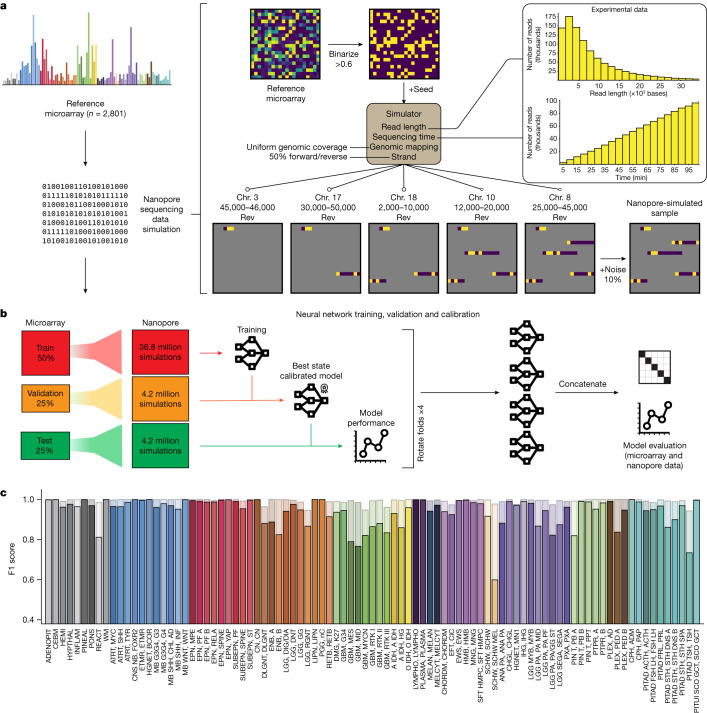
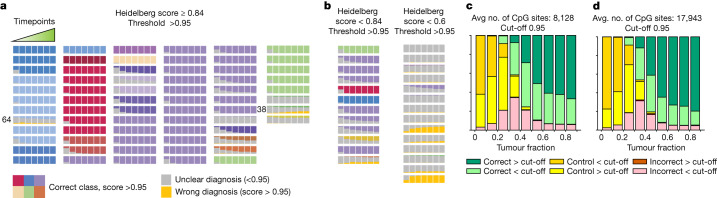
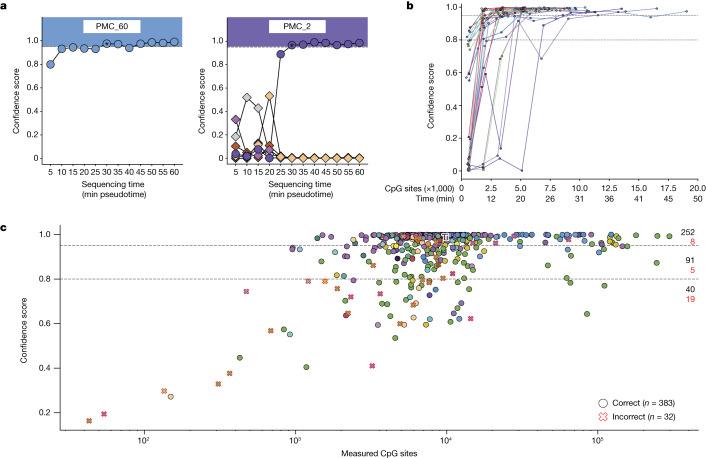
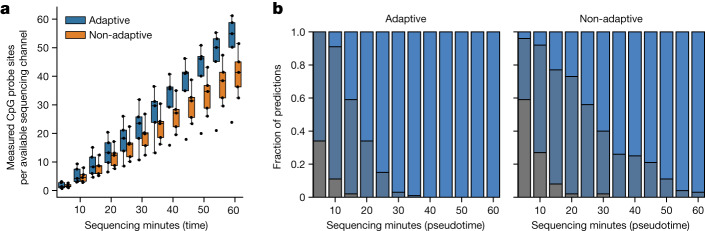
Central nervous system tumours represent one of the most lethal cancer types, particularly among children 1 . Primary treatment includes neurosurgical resection of the tumour, in which a delicate balance must be struck between maximizing the extent of resection and minimizing risk of neurological damage and comorbidity 2,3 . However, surgeons have limited knowledge of the precise tumour type prior to surgery. Current standard practice relies on preoperative imaging and intraoperative histological analysis, but these are not always conclusive and occasionally wrong. Using rapid nanopore sequencing, a sparse methylation profile can be obtained during surgery 4 . Here we developed Sturgeon, a patient-agnostic transfer-learned neural network, to enable molecular subclassification of central nervous system tumours based on such sparse profiles. Sturgeon delivered an accurate diagnosis within 40 minutes after starting sequencing in 45 out of 50 retrospectively sequenced samples (abstaining from diagnosis of the other 5 samples). Furthermore, we demonstrated its applicability in real time during 25 surgeries, achieving a diagnostic turnaround time of less than 90 min. Of these, 18 (72%) diagnoses were correct and 7 did not reach the required confidence threshold. We conclude that machine-learned diagnosis based on low-cost intraoperative sequencing can assist neurosurgical decision-making, potentially preventing neurological comorbidity and avoiding additional surgeries.
Overview
The claims and statistics of this paper haven’t been checked yet.
Free: it reads the open-access text and checks the first 5 claims that cite a source we can check. Create a free account to check every claim.
Integrity signals
Registry
Cites
Statistics
Figures

Verification
Claims the paper makes
The claims and statistics of this paper haven’t been checked yet.
Free: it reads the open-access text and checks the first 5 claims that cite a source we can check. Create a free account to check every claim.
Claims other papers make about this one
Each is checked against this paper’s own text: does it say what the citing paper says it does?
The source backs part of the claim, not all of it — or backs it for a different population, condition or comparison.
In the citing paper
“By integrating advanced algorithms with robotic systems, AI enhances the surgeon’s ability to perform complex procedures with unparalleled accuracy.101”
From A foundational architecture for AI agents in healthcare (2025) · cites this paper as [101]
Experimental — accuracy not yet measured
Self-check
Percentages, sums and reported differences re-computed from the paper’s own numbers.
The self-check needs the paper’s full text.
Citations
Cites
BEDTools: a flexible suite of utilities for comparing genomic features
Quinlan, A. R., & Hall, I. M. (2010) · Bioinformatics · doi:10.1093/bioinformatics/btq033 · Cited by 27,437
The future of digital health with federated learning
Rieke, N., Hancox, J., Li, W., Milletarì, F., Roth, H. R., Albarqouni, S., Bakas, S., Galtier, M. N., Landman, B. A., Maier-Hein, K., et al. (2020) · npj Digital Medicine · doi:10.1038/s41746-020-00323-1 · Cited by 4,015 · cited 1×
“Sturgeon is ideally suited to address this as it can readily be employed in a federated learning setting 33 .”
BackgroundThe Future of Digital Health with Federated Learning
Rieke, N., Hancox, J., Li, W., Milletari, F., Roth, H., Albarqouni, S., Bakas, S., Galtier, M. N., Landman, B., Maier-Hein, K., et al. (2020) · arXiv · doi:10.48550/arxiv.2003.08119 · Cited by 3,495 · cited 1×
“Sturgeon is ideally suited to address this as it can readily be employed in a federated learning setting 33 .”
BackgroundStummer, W., Pichlmeier, U., Meinel, T., Wiestler, O. D., Zanella, F., & Reulen, H.-J. (2006) · The Lancet Oncology · doi:10.1016/s1470-2045(06)70665-9 · Cited by 3,423 · cited 1×
“…showing enhancement on T1 contrast-weighted MRI, intraoperative fluorescence (5-aminolevulinic acid) is used to mark tumour cells during resection 30 , allowing consistent sampling of high tumour content samples and resulting in successful classification in 4 out of 5 cases where tumour was…”
MethodDNA methylation-based classification of central nervous system tumours
Capper, D., Jones, D. T. W., Sill, M., Hovestadt, V., Schrimpf, D., Sturm, D., Koelsche, C., Sahm, F., Chavez, L., Reuss, D. E., et al. (2018) · Nature · doi:10.1038/nature26000 · Cited by 3,033 · cited 12×
“14 , can be found in Supplementary Table 2.”
BackgroundMethodInfluentialValidation of a DNA methylation microarray for 450,000 CpG sites in the human genome
Sandoval, J., Heyn, H., Moran, S., Serra-Musach, J., Pujana, M. A., Bibikova, M., & Esteller, M. (2011) · Epigenetics · doi:10.4161/epi.6.6.16196 · Cited by 990 · cited 1×
“Methylation arrays 17,18 , in combination with the algorithm described by Capper et al. 14 , are widely used in routine diagnostic practice.”
MethodMoran, S., Arribas, C., & Esteller, M. (2016) · Epigenomics · doi:10.2217/epi.15.114 · Cited by 697
Molinaro, A. M., Hervey-Jumper, S., Morshed, R. A., Young, J., Han, S. J., Chunduru, P., Zhang, Y., Phillips, J. J., Shai, A., Lafontaine, M., et al. (2020) · JAMA Oncology · doi:10.1001/jamaoncol.2019.6143 · Cited by 631 · cited 1×
“For the five CNS tumour samples from adult patients, we focused specifically on glioma, as surgical strategy may affect the outcome differently in IDH-wild-type versus IDH-mutant high-grade gliomas 28,29 .”
MethodCapper, D., Stichel, D., Sahm, F., Jones, D. T. W., Schrimpf, D., Sill, M., Schmid, S., Hovestadt, V., Reuss, D. E., Koelsche, C., et al. (2018) · Acta Neuropathologica · doi:10.1007/s00401-018-1879-y · Cited by 567
Scheinin, I., Sie, D., Bengtsson, H., van de Wiel, M. A., Olshen, A. B., van Thuijl, H. F., van Essen, H. F., Eijk, P. P., Rustenburg, F., Meijer, G. A., et al. (2014) · Genome Research · doi:10.1101/gr.175141.114 · Cited by 518 · cited 1×
“Therefore, we restricted the analysis to genomic bins spanning 2 Megabases using the QDNAseq package 37 .”
MethodSelf-citation
Research works printed but not linked: 2
- Guo, C., Pleiss, G., Sun, Y. & Weinberger, K. Q. On calibration of modern neural networks. In Proc. 34th International Conference on Machine Learning, Vol. 70 (eds Precup, D. & Teh, Y. W.) 1321–1330 (Proceedings of Machine Learning Research, 2017).
- Loshchilov, I & Hutter, F. Decoupled Weight Decay Regularization. In Proc. 7th International Conference on Learning Representations (ICLR, 2019).
Cited by
Items 101–200 of 234
Jacobson, A. L., Rayyan, A. A., Gülsüner, S., Slater, H., Anasiz, Y., Ahmad, S. M., Lee, M. K., Mandell, J. B., Rettner, E. J., Konnick, E. Q., et al. (2025) · Journal of Medical Genetics · doi:10.1136/jmg-2025-110851 · Cited by 6
Machine Intelligence in Cerebrovascular and Endovascular Neurosurgery
Staartjes, V. E., Zanier, O., Mutten, R. D., Serra, C., & Regli, L. (2024) · Advances in experimental medicine and biology · doi:10.1007/978-3-031-64892-2_23 · Cited by 4
Chen, B., Gao, J., Sun, H., Chen, Z., & Qiu, X. (2025) · Critical Reviews in Oncology/Hematology · doi:10.1016/j.critrevonc.2025.104838 · Cited by 4
Goel, A., Tura, B. J., Stockton, J., Tovey, N., Ames, L., Beggs, A. D., Zeegers, M. P., James, N. D., Cheng, K. K., Bryan, R. T., et al. (2025) · Clinical Epigenetics · doi:10.1186/s13148-025-01946-5 · Cited by 5
“As low-read depths (which could be obtained in a few hours [28]) appear sufficient, this approach is potentially fast and uses portable inexpensive instrumentation suitable for near-patient testing.”
Brain tumor classification from FFPE samples using nanopore methylation sequencing
Feinberg‐Gorenshtein, G., Grunwald, A., Vermeulen, C., Mark, N. G., Shinderman-Maman, E., Levy‐Barda, A., Shichrur, K., Hameiri-Grossman, M., Michaeli, O., Amar, S., et al. (2025) · NAR Cancer · doi:10.1093/narcan/zcaf038 · Cited by 4
“16.1 [ 23 ], and subsequently analyzed using the Sturgeon classifier [ 12 ] under default parameters for CNS tumor classification.”
InfluentialSelf-citationFlexible and rapid validation of structural variation using adaptive sampling
Paivandy, A., Lenner, F., Eisfeldt, J., Jonson, T., Ehrencrona, H., Lindstrand, A., Scherer, S. W., & Feuk, L. (2026) · European Journal of Human Genetics · doi:10.1038/s41431-026-02039-4 · Cited by 4
A multi-modal foundation model for brain disease diagnosis and medical imaging
Zhang, G., Gao, Z., Duan, C., Liu, J., Lizhu, Y., Liu, Y., Chen, Q., Wang, L., Fei, K., Wang, T., et al. (2026) · Patterns · doi:10.1016/j.patter.2026.101538 · Cited by 5
Tran, Q. T., Jia, S., Alom, M. Z., Wang, L., Mullighan, C. G., Tatevossian, R., & Orr, B. A. (2025) · Brain Pathology · doi:10.1111/bpa.70000 · Cited by 4
“While direct nanopore sequencing has been effective for rapid methylation-based classification, it performs best with FF material, though recent advances suggest the potential for FFPE [17, 28].”
Empowering protein single-molecule sequencing: nanopore technology toward sensing gene sequences
Gao, S., Huang, X., Zhang, X., Yuan, Z., Chen, H., Li, Z., El‐Mesery, H. S., Shi, J., & Zou, X. (2025) · Analytical Methods · doi:10.1039/d5ay00572h · Cited by 4
Chung, C. C. Y., Chu, A. T.-W., & Chung, B. H. (2025) · Communications Medicine · doi:10.1038/s43856-025-00917-4 · Cited by 4
Loo, C. E., Fowler, J. M., Zhu, H., Krapp, C. J., Zhu, R., Bartolomei, M. S., Zhou, W., & Kohli, R. M. (2026) · NAR Genomics and Bioinformatics · doi:10.1093/nargab/lqag082 · Cited by 3
“Notably, recent work has also suggested the possibility of sparse sampling of DNA methylomes through nanopore approaches, which may have different associated accuracy errors [ 49 , 50 ].”
Revisiting diagnostics: rapid diagnosis of neurological infections
Smit, L. F. E., Wessels, E., Boers, S. A., & Claas, E. C. J. (2025) · Clinical Microbiology and Infection · doi:10.1016/j.cmi.2025.01.020 · Cited by 3
Cross-Platform Methylation-Based Site of Origin Classification for Squamous Cell Carcinomas
Zhang, A. W., Akbari, V., Galbraith, A., Kore, Z., Li, Y., Leung, S. C. Y., Ji, J. X. Y., Dever, K., MacIsaac, J. L., Brewis, H. T., et al. (2025) · Modern Pathology · doi:10.1016/j.modpat.2025.100878 · Cited by 3
Morozov, A., Matkovskiy, I. A., Somani, B. K., Baniel, J., Traxer, O., Lifshitz, D. A., Ali, S., Erlich, Y., Golan, S., Pushkar, D., et al. (2025) · World Journal of Urology · doi:10.1007/s00345-025-06031-3 · Cited by 3
How “Sturgeon” guides the surgeon in pediatric neuro-oncology
Sie, M., Rooda, O. H. J. E., Kranendonk, M. E. G., Wesseling, P., Pagès-Gallego, M., Kester, L. A., van Tuil, M. C., Strengman, E., Slijkoort-Blom, J., Verwiel, E. T. P., et al. (2026) · Neuro-Oncology · doi:10.1093/neuonc/noag187 · Cited by 3
Self-citationNow and then in eukaryotic DNA methylation
Stein, R. A., Gomaa, F. E., Raparla, P., & Riber, L. (2024) · Physiological Genomics · doi:10.1152/physiolgenomics.00091.2024 · Cited by 3
Panzenboeck, L., Schoeny, H., Stelzer, B., Foels, E., Glas, M., Pühringer, M., Hirschmann, D., Loetsch, D., Dorfer, C., Rampler, E., et al. (2024) · Analytica Chimica Acta · doi:10.1016/j.aca.2024.343314 · Cited by 3
Long-Term Follow-Up of a Child with EWSR1-BEND2 Fused Spinal Astroblastoma
Arroteia, I. F., Licci, M., Hench, J., Bartoli, A., Ansari, M., Plavsky, P., Terrier, A., von Bueren, A. O., Frank, S., Soleman, J., et al. (2024) · Pediatric Neurosurgery · doi:10.1159/000542050 · Cited by 3
“Molecular diagnosis can be performed using ultra-fast tumor DNA methylation pro fi ling based on nano-pore sequencing [22, 23, 30].”
Hermelo, I., Haapala, I., Mäkelä, M., Sanz, D. J., Kontunen, A., Karjalainen, M., Müller, P., Lehtimäki, K. A., Nykter, M., Frösén, J., et al. (2024) · Journal of Neuro-Oncology · doi:10.1007/s11060-024-04891-0 · Cited by 6
Wu, H., Wu, X., Miao, S., Cao, G., Su, H. W., Pan, J., Xu, Y., & Zhou, J. (2025) · Japanese Journal of Radiology · doi:10.1007/s11604-025-01780-y · Cited by 4
“It had shown excellent performance in the field such as rapid subclassification of central nervous system tumors during surgery [23], the prediction of sensitivity to chemotherapy in hepatocellular carcinoma patients [24], and so on.”
Thompson, D., Castle, J., Sill, M., Pfister, S. M., Bailey, S., Hicks, D., Clifford, S. C., & Schwalbe, E. C. (2025) · Acta Neuropathologica Communications · doi:10.1186/s40478-025-02049-1 · Cited by 3
“Another Nanopore-based study has utilised neural networks to deliver rapid diagnosis of subgroup within an hour of sequencing but has yet to reach high accuracy [24].”
Paluh, J. L., Sunil, S., Rajeev, R., Chatterjee, A., Pilitsis, J. G., & Mukherjee, A. (2024) · Research Square · doi:10.21203/rs.3.rs-4087784/v1 · Cited by 4
Comprehensive Genome Analysis Facilitates the Diagnosis of Ependymoma With ZFTA::NCOA2 Fusion
Kikuchi, R., Inoue, S., Inoue, S., Kato, S., Watanabe, K., Hidaka, M., Sekiguchi, M., Kondo, A., Katano, A., Yasaka, K., et al. (2025) · Pediatric Blood & Cancer · doi:10.1002/pbc.31855 · Cited by 2
Yang, Y., Guo, Y., Wang, Z., Weng, Y., Hao, T., Zhang, Q., Wang, S., & Guo, Z. (2025) · Biosensors and Bioelectronics · doi:10.1016/j.bios.2025.118051 · Cited by 2
AI ‐Based Methods in Neuropathology for Diagnosis and Treatment of Brain Tumors
Roetzer-Pejrimovsky, T., Amberg, N., Widhalm, G., & Höftberger, R. (2026) · European Journal of Neurology · doi:10.1111/ene.70577 · Cited by 2
“…profiling and can be used to obtain sparse methylation profiles, from which DNA methylation classes can be predicted within 24 h [8, 53, 79, 80] or even in-traoperatively, impacting the neurosurgical strategy and paving the way towards intraoperative tumor type specific therapies (Figure…”
Han, C., Zhao, B., Deng, T., Huang, J., Liu, F., Lin, J., Lyu, S., Wang, L., Lu, C. Y., Liang, C., et al. (2026) · Cancer Research · doi:10.1158/0008-5472.can-25-3255 · Cited by 3
Wu, Y., Spies, S., Bo, Q., Zhang, Y., Qi, J., Wesseling, P., Groot, M. L., & Zhang, A. (2026) · Matter & Light · doi:10.1016/j.matlit.2026.100044 · Cited by 2
Self-citationContemporary surgical strategies for resection of intracranial gliomas
Kueckelhaus, J., Jeising, S., Young, J. S., Wagner, A., Gerritsen, J. K. W., Negwer, C., Meyer, B., Schnell, O., Tonn, J.-C., & Karschnia, P. (2026) · Neurotherapeutics · doi:10.1016/j.neurot.2026.e00958 · Cited by 2
“It allows for intraoperative molecular classification of tumors through methylation analysis within up to 90 min when sampled from appropriate tumor regions [99].”
Long-read sequencing for epigenomic studies in the fields of ecology and evolution
de Carvalho, C. F., Ord, J., Escuer, P., Fox, J. A., Li‐Byarlay, H., Peck, L. D., Planidin, N. P., Venney, C. J., & Marshall, H. (2026) · Philosophical Transactions of the Royal Society B Biological Sciences · doi:10.1098/rstb.2025.0099 · Cited by 4
Detection of Base Modifications Using Long-Read Sequencing: Methods, Applications, and Challenges
Sheng, T., Wang, S., Xiao, Y., Ni, P., Zhu, Y., Zhong, Z., & Wang, J. (2026) · Big Data Mining and Analytics · doi:10.26599/bdma.2025.9020101 · Cited by 2
The Next, Next-Generation of Sequencing, Promising to Boost Research and Clinical Practice
Kumar, K. R., Cowley, M. J., & Davis, R. L. (2024) · Seminars in Thrombosis and Hemostasis · doi:10.1055/s-0044-1786756 · Cited by 2
Mittelbronn, M. G. A. (2024) · Free Neuropathology · doi:10.17879/freeneuropathology-2024-5809 · Cited by 2
The Evolution of Digital Pathology in Infrastructure, Artificial Intelligence and Clinical Impact
Jung, C. K. (2025) · International Journal of Thyroidology · doi:10.11106/ijt.2025.18.1.6 · Cited by 2
Yuan, C., Yan, X., Yue, K., Wang, H., Zhang, X., Yan, D., & An, C. (2025) · Computer Methods and Programs in Biomedicine · doi:10.1016/j.cmpb.2025.108967 · Cited by 4
The role of DNA methylation in directing treatment in medulloblastoma
Alsaedi, M. A. H., & Strathdee, G. R. (2025) · Epigenomics · doi:10.1080/17501911.2025.2554570 · Cited by 2
Mittelbronn, M. G. A. (2026) · Free Neuropathology · doi:10.17879/freeneuropathology-2026-9688 · Cited by 2
AI rapidly diagnoses brain tumours during surgery
Baird, L. C. (2023) · Nature · doi:10.1038/d41586-023-03072-9 · Cited by 2
Extent of resection for low-grade gliomas – Prognostic or therapeutic?
Kinslow, C. J., Garton, A. L. A., Rae, A. I., Kocakavuk, E., McKhann, G. M., Cheng, S. K., Sisti, M. B., Bruce, J. N., & Wang, T. J. C. (2024) · Clinical Neurology and Neurosurgery · doi:10.1016/j.clineuro.2024.108117 · Cited by 2
Real-time genomic characterization of pediatric acute leukemia using adaptive samplingPreprint
Geyer, J. K., Opoku, K. B., Lin, J., Ramkissoon, L. A., Mullighan, C. G., Bhakta, N. H., Alexander, T., & Wang, J. (2024) · bioRxiv (Cold Spring Harbor Laboratory) · doi:10.1101/2024.10.11.617690 · Cited by 2
Whole-Genome Long-Read Sequencing for Rapid Comprehensive Molecular Diagnostics of Brain TumorsPreprint
Halldórsson, S., Nagymihaly, R. M., Bope, C. D., Lund‐Iversen, M., Niehusmann, P., Lien-Dahl, T., Pahnke, J., Brüning, T., Kongelf, G., Patel, A., et al. (2026) · medRxiv · doi:10.64898/2026.04.23.26351563 · Cited by 2
Antwi, S. B., Agyeman, A. Y., Tetteh, S. G., & Azupwah, L. (2024) · International Journal of Latest Technology in Engineering Management & Applied Science · doi:10.51583/ijltemas.2024.130907 · Cited by 1
Deacon, S., Loose, M., Smith, S. J., & Paine, S. (2024) · Diagnostic histopathology · doi:10.1016/j.mpdhp.2024.09.001 · Cited by 2
Roth, P., Capper, D., Calabrese, E., Halasz, L. M., & Jakola, A. S. (2024) · Neuro-Oncology Practice · doi:10.1093/nop/npae100 · Cited by 1
Future Directions in the Treatment of Low-Grade Gliomas
Kinslow, C. J., & Mehta, M. P. (2025) · The Cancer Journal · doi:10.1097/ppo.0000000000000759 · Cited by 1
Rare glioblastoma subtype masquerading as a poorly differentiated carcinoma: illustrative case
Harnisch, K. J., Consuegra, A., Okuducu, A. F., Reisch, R., Frank, S., Hench, J., & Rushing, E. J. (2025) · Journal of Neurosurgery Case Lessons · doi:10.3171/case24553 · Cited by 1
“9,10,11 Currently, the results of nanopore sequencing are always confirmed with microarray-based methylation analysis, the current gold standard.”
Challenges and ethical considerations in artificial intelligence-driven brain cancer care
Demetriou, D., Maimela, C., Neric, D., Vidal, L., Nachane, P., Saini, K. S., & Dlamini, Z. (2025) · Elsevier eBooks · doi:10.1016/b978-0-443-45495-0.00015-2 · Cited by 1
Enhancing medulloblastoma classification with nanopore sequencing of FFPE samples
Ficorilli, M., Oriani, M., Dossena, C., Morelli, F., Lucchetta, M., Biassoni, V., Schiavello, E., Nigro, O., Massimino, M., & Cecco, L. D. (2025) · Neuro-Oncology Advances · doi:10.1093/noajnl/vdaf180 · Cited by 1
Wykes, V., Albanese, E., Crispi, V., Manan, S., Khan, T., Cole, N., Bennett, C., Hughes, L., Vafadar, N., Cheng, V. W. T., et al. (2025) · BJC Reports · doi:10.1038/s44276-025-00168-9 · Cited by 1
McAuley, L., O’Sullivan, L., Grogan, L., Murphy, A., Skourou, C., Curran, B., McNamara, D. A., Fay, J., O’Neill, B. P., Hennessy, B. T., et al. (2026) · Scientific Reports · doi:10.1038/s41598-026-54265-x · Cited by 1
Speed meets precision: rapid intraoperative diagnostics in neuro-oncologic surgery
Fatehi, M., Tosefsky, K. N., Makarenko, S., Martin, K. C., Harrison, R. A., Müller, F.-J., Spence, T., Gooderham, P. A., & Yip, S. S. F. (2026) · Trends in cancer · doi:10.1016/j.trecan.2025.12.003 · Cited by 1
SquiDBase: a community resource of raw nanopore data from microbes
Cuypers, W. L., Ceylan, H., Turcksin, E., Raes, L., de Vrij, N., Míchiels, J., Coppens, S., de Block, T., Jansen, D., Ariën, K. K., et al. (2026) · NAR Genomics and Bioinformatics · doi:10.1093/nargab/lqaf213 · Cited by 2
“Second, raw data support downstream analyses, including the detection of splice junctions [ 14 ], tandem repeats [ 15 –17 ], and base modifications [ 18 , 19 ], which in turn enable classification models [ 20 ] and de novo motif discovery [ 21 ].”
Li, J., & Ma, S. (2026) · Statistics in Medicine · doi:10.1002/sim.70435 · Cited by 1
“Representative examples include van der Laak et al. [8], Vermeulen et al. [9], van Hilten et al. [10], among many others.”
Neurosurgical Application of Artificial Intelligence in Pediatric Neuro-Oncology
Kim, J. W. (2026) · Journal of Korean Neurosurgical Society · doi:10.3340/jkns.2026.0085 · Cited by 1
Lim-Fat, M. J., Darlix, A., Suchorska, B., Castellano, A., Minniti, G., Wijnenga, M. M. J., Short, S. C., & van den Bent, M. J. (2026) · Neuro-Oncology Practice · doi:10.1093/nop/npag032 · Cited by 1
Hou, H., Zhang, Y., Ma, Y., Han, Y., Li, J., & Zhang, R. (2026) · Journal of Translational Medicine · doi:10.1186/s12967-026-08396-4 · Cited by 1
“Although the widely used Illumina EPIC array (a high-throughput DNA methylation detection chip) can complete the classification, it has a complex procedure and takes several days, which cannot meet the requirements for real-time decision-making during surgery [95, 96].”
Li, W., Yu, S., Cheng, Y., & Wang, S. (2026) · PLoS Computational Biology · doi:10.1371/journal.pcbi.1014476 · Cited by 1
Rooda, O. H. J. E., Sie, M., Plasschaert, S. L. A., Kranendonk, M. E. G., & Hoving, E. W. (2026) · Child s Nervous System · doi:10.1007/s00381-026-07377-8 · Cited by 1
Self-citationAlexiou, G. Α., Lampros, M. G., Markopoulos, G. S., Voulgaris, S., & Vartholomatos, G. (2026) · Cancers · doi:10.3390/cancers18162661 · Cited by 1
“…and p53 immunolabelling, TERT promoter mutation analysis, EGFR amplification, combined chromosome 7 gain and chromosome 10 loss, and MGMT promoter methylation, may take a further two to three weeks, and considerably longer when material must be referred to an external molecular laboratory [7,12].”
Tralongo, P., Ricciardi, G., Ballato, M., Fiorentino, V., Zuccalà, V., Castellani, G., D’Alessandris, Q. G., Fadda, G., Ricci‐Vitiani, L., Caffo, M., et al. (2026) · Neuropathology and Applied Neurobiology · doi:10.1111/nan.70100 · Cited by 1
“The Sturgeon deep-learning classifier used sparse Nanopore data for ultra-rapid intraoperative classification and was prospectively tested during neurosurgical procedures [28].”
Geoffrion, N., Lawruk‐Desjardins, C., Langlois, S., Alvarado, M. A., Dreyer, N., Lisi, V., Sagniez, M., Carrier, A. C., Richer, C., St-Hilaire, A. R., et al. (2026) · Genome Medicine · doi:10.1186/s13073-026-01815-7 · Cited by 2
Jakola, A. S., & Reinertsen, I. (2023) · EBioMedicine · doi:10.1016/j.ebiom.2023.104933 · Cited by 1
Clinical use-cases and implementation guidelines for the development of valuable AI
Jiménez, K. C. B., Kemmeren, P., van den Heuvel‐Eibrink, M. M., de Krijger, R. R., Grootenhuis, M. A., Partanen, M., Graf, N. M., Wen, S., Leemans, A., Oberski, D. L., et al. (2024) · EJC Paediatric Oncology · doi:10.1016/j.ejcped.2024.100187 · Cited by 1
Pathological diagnosis of central nervous system tumours in adults: what's new?
Kooi, E., Marcelis, L., & Wesseling, P. (2024) · Pathology · doi:10.1016/j.pathol.2024.11.004 · Cited by 3
Self-citationIntratumoral Manipulation of the Immune Microenvironment of Solid Tumors
Mao, L., Xu, K., Jin, T., Yan, W., & Fang, R. H. (2025) · ACS Nano Medicine · doi:10.1021/acsnanomed.5c00063 · Cited by 1
SIENNA: Generalizable Lightweight Machine Learning Platform for Brain Tumor DiagnosticsPreprint
Sunil, S., Rajeev, R. S., Chatterjee, A., Pilitsis, J. G., Mukherjee, A., & Paluh, J. L. (2024) · medRxiv · doi:10.1101/2024.04.03.24305210 · Cited by 1
“Sturgeon's approach [52] utilizes simulated nanopore sequencing data derived from readily available methylation array data, enabling accurate classification of tumor types based on intraoperatively generated sequence data.”
MethodKarschnia, P., & Tonn, J. C. (2024) · Neuro-Oncology · doi:10.1093/neuonc/noae100 · Cited by 1
Profiling platform-independent tumor classification using artificial intelligence
Manzl, C., & Wöehrer, A. (2025) · Nature Cancer · doi:10.1038/s43018-025-00971-w · Cited by 1
Satterlee, A., Mann, B., Artz, N., Adefolaju, A., Valdivia, A., Zhang, X., Dasari, R., Stockwell, C. A., Thang, M., Murray, A., et al. (2025) · Research Square · doi:10.21203/rs.3.rs-7993619/v1 · Cited by 1
Straehle, J., Neidert, N. N., Villa, G., Scheffler, P., Mercan, Z., Reinecke, D., Meißner, A.-K., Al-Shughri, A., Goldbrunner, R., Widhalm, G., et al. (2025) · medRxiv · doi:10.64898/2025.11.28.25341141 · Cited by 1
Bope, C. D., Leske, H., Nagymihaly, R. M., Vik-Mo, E. O., & Halldórsson, S. (2026) · bioRxiv (Cold Spring Harbor Laboratory) · doi:10.64898/2026.03.25.714119 · Cited by 1
Hierarchical classification of hematologic malignancies using epigenetic and genetic informationPreprint
Schönung, M., Türe, M., Lajer, P., Renders, S., Rausch, T., Steinicke, T. L., Dolnik, A., Sträng, E., Oak, M. S., Heilmann, J., et al. (2026) · bioRxiv (Cold Spring Harbor Laboratory) · doi:10.64898/2026.07.02.735835 · Cited by 1
Metamorphosing Neurosurgery: AI-Enabled Clinical Transformations
Haider, S. (2023) · Eurasian Journal of Medicine and Oncology · doi:10.14744/ejmo.2023.49294
Reply to: “Addressing Chatbots as Artificial Intelligence Aids in Pediatric Pathology”
van der Kamp, A., Waterlander, T. J., de Bel, T., van der Laak, J. A. W. M., van den Heuvel‐Eibrink, M. M., Mavinkurve‐Groothuis, A. M. C., & de Krijger, R. R. (2024) · Pediatric and Developmental Pathology · doi:10.1177/10935266241237904
“…of AI in (pediatric) pathology, we would like to highlight another AI-based application, which was very recently published by Vermeulen et al, 5 concerning the potential use and application of intraoperative molecular classification of pediatric brain tumors by the use of nanopore sequencing…”
MethodAdvancing evolutionary medicine in Northern Germany
Baines, J. F., Baldus, C. D., Bertels, F., Brüggemann, M., Kaleta, C., Laudes, M., Mueller, F.-J., Odenthal-Hesse, L., Poyet, M., Rainey, P. B., et al. (2024) · Evolution Medicine and Public Health · doi:10.1093/emph/eoae013
“Technologies such as nanopore sequencing and real-time CpG methylation detection are advancing epigenetic classification at the point of care, enabling accurate intraoperative diagnosis of a wide variety of brain tumors [8].”
DNA-Methylierungs-basierte Hirntumorklassifikation
Sturm, D. (2025) · Monatsschrift Kinderheilkunde · doi:10.1007/s00112-024-02110-8
Tariciotti, L., Zohdy, Y. M., Riva, M., Levi, R., Pessina, F., & Pradilla, G. (2025) · Springer eBooks · doi:10.1007/978-3-031-81850-9_21
Santana-Garcia, W., Fitzgerald, T. W., Loosli, F., Wittbrodt, J., & Birney, E. (2025) · bioRxiv (Cold Spring Harbor Laboratory) · doi:10.1101/2025.06.24.661039
Wong, D. (2025) · Advances in Molecular Pathology · doi:10.1016/j.yamp.2025.05.007
Le méthylome ou l’avenir de la neuro-oncologie ?
Fontaine, A., Basset, L., Argentin, J., & Rousseau, A. (2025) · médecine/sciences · doi:10.1051/medsci/2025095 · Cited by 1
The Cancer Genome in the Long Reads Era
Ermini, L. (2025) · Methods in molecular biology · doi:10.1007/978-1-0716-4702-8_15
Bondareva, E., Moser, S., Roetzer-Pejrimovsky, T., Höftberger, R., Haberler, C., & Amberg, N. (2025) · EMJ Neurology · doi:10.33590/mjneurol/tqfq8692
Advances in whole genome methylomic sequencing
Nordlund, J. (2025) · Elsevier eBooks · doi:10.1016/b978-0-443-26759-8.00030-8
Moradi, E., Vuorinen, J., Hoikka, T., Hartewig, A., Helin, L., Rodriguez-Martinez, A., Pekkarinen, M., Vulli, M., Lehtipuro, S., Ampuja, S., et al. (2025) · medRxiv · doi:10.1101/2025.10.07.25337348
“36,37 The recently commercialized single-primer enrichment method QIAseq Targeted Methyl Sequencing could be a valid option for at least smaller sets of features, as well.”
Advancing intraoperative diagnostics, one (or rather three) mutations at a time
Huse, J. T. (2025) · Neuro-Oncology · doi:10.1093/neuonc/noaf232
Molecular Neurosurgery: Understanding and Harnessing Human Chemical Structure and Function
Aaronson, D., Tosi, U., & Ramakrishna, R. (2025) · Cambridge University Press eBooks · doi:10.1017/9781009597852.012
Hench, J., Hultschig, C., Brugger, J., Mariani, L., Guzman, R. G., Soleman, J., Leu, S., Benton, M. C., Stec, I. M., Hench, I. B., et al. (2024) · Figshare · doi:10.6084/m9.figshare.26702125
Huang, Y., Zhu, L., Weng, X., Chen, P., Zhou, X., & Yang, J. (2026) · Scientia Sinica Chimica · doi:10.1360/ssc-2025-0292
Ultra-fast sample-to-sequencing workflow for clinical diagnostics using micropillarsPreprint
Bisogni, A. J., Bastuzel, I., Rashed, M. Z., Goffena, J., Storz, S. H. R., Anderson, Z. B., Park, M. S., Prall, T. M., Zalusky, M. P., Crotty, E. E., et al. (2026) · medRxiv · doi:10.64898/2026.01.29.26345156
Nanopore-Sequenzierung zur ultraschnellen molekularen Hirntumordiagnostik
Miller-Michlits, A., & Wöhrer, A. (2026) · psychopraxis neuropraxis · doi:10.1007/s00739-026-01146-7
Xue, D., Cao, Y., Li, W., Li, S., Song, S., Wang, Y., & Zhang, H. (2026) · Chemical Engineering Journal · doi:10.1016/j.cej.2026.175114
TUCAN: Ultra-fast methylation-based classification of pediatric solid tumors and lymphomasPreprint
Jongmans, M., van Tuil, M. C., de Ruijter, E., Hiemcke‐Jiwa, L. S., Flucke, U. E., de Krijger, R. R., Vermeulen, M. A., Kusters, P. J. H., van Ewijk, R., Merks, J. H. M., et al. (2026) · medRxiv · doi:10.64898/2026.03.24.26348466
Self-citationZhang, B., Wang, Y., Fang, Y., Wang, Y., & Feng, M. (2026) · Cell Reports Physical Science · doi:10.1016/j.xcrp.2026.103222
Caractérisation multi-omique des tumeurs gliales et glioneuronales avec altération des gènes FGFR1-3
Métais, A. (2024) · theses.fr (ABES) · doi:10.70675/2af8f09dz1749z4403z8883z657a86818d97
DNA methylation profiling in central nervous system tumours
Ellenbogen, Y., Essibayi, M. A., Yefet, L. S., Landry, A., Ajisebutu, A. A., Gui, C., Persaud, P., Nassiri, F., Aldape, K., & Zadeh, G. M. (2026) · Journal of Neurology Neurosurgery & Psychiatry · doi:10.1136/jnnp-2025-337691
“These include neural network and ensemble classifiers such as Sturgeon, 64 Rapid-CNS 263 and ROBIN, 62 as well as sparsity-tolerant probabilistic models such as Methy-LYZR.”
AI nanomedicine: a new paradigm for precision cancer diagnosis and therapy
Fu, Y., Wu, C., Feng, W., & Chen, Y. (2026) · Chinese Science Bulletin (Chinese Version) · doi:10.1360/csb-2026-0391
CnQuant: high-resolution chromosomal copy number profiling for precision oncology in the clinics
Freyter, B. M., Hultschig, C., Brugger, J., Hench, I. B., Frank, S., & Hench, J. (2026) · Acta Neuropathologica · doi:10.1007/s00401-026-03025-2
“For plausibility checks, usage expands into the non-microarray field, particularly the interpretation of (targeted) 2nd generation parallel and 3rd-generation nanopore sequencing results [6, 14, 16, 18].”
Berhe, S., Fuchs, S., Akalin, A., van der Steeg, A. F. W., Warmann, S. W., Buser, M. A. D., & Markel, M. (2026) · Cancer Medicine · doi:10.1002/cam4.71976
“Furthermore, technologies like intraoperative nanopore sequencing show promise for future surgical applications [38].”
Lee, M., Park, J., Choi, J., Kim, H., Park, H., Kim, J. M., 최진혁, Kim, S., & Heo, K. (2026) · SSRN Electronic Journal · doi:10.2139/ssrn.6907309
Metadata
- Authors
- Vermeulen, C., Pagès-Gallego, M., Kester, L., Kranendonk, M. E. G., Wesseling, P., Verburg, N., de Witt Hamer, P., Kooi, E. J., Dankmeijer, L., van der Lugt, J., van Baarsen, K., Hoving, E. W., Tops, B. B. J., & de Ridder, J.
- Affiliations
- University Medical Center Utrecht (NL)
- Princess Máxima Center (NL)
- Amsterdam University Medical Centers (NL)
- Corresponding author
- Tops, B. B. J.
- ORCID
- Venue
- Nature
- Published
- 2023-10-11
- Volume
- 622
- Issue
- 7984
- Pages
- 842-849
- ISSN
- 0028-0836 (ISSN-L)
- 1476-4687
- PMC
- PMC10600004
- OpenAlex
- W4387541211
- Semantic Scholar
- 65ea217bf0bbbb0a585d8317668b0398f0faec69
- Cited by
- 216
- References
- 41
- Citations by year
- 2026: 57 · 2025: 85 · 2024: 68 · 2023: 6
- FWCI
- 37.62
- Type
- journal article
- Language
- en
- Open access
- hybrid
- doi.org
- Licence
- cc-by
- creativecommons.org/licenses/by/4.0 (tdm)
- creativecommons.org/licenses/by/4.0 (vor)
- Locations
- Nature (publishedVersion, cc-by)
- medRxiv (acceptedVersion, cc-by-nd)
- PubMed Central (publishedVersion, cc-by)
- PubMed (publishedVersion)
- RePEc: Research Papers in Economics (submittedVersion)
- Utrecht University Repository (Utrecht University) (submittedVersion, other-oa)
- Amsterdam UMC (VU Amsterdam) - Institutional Repository (submittedVersion, other-oa)
- Funders
- Nederlandse Organisatie voor Wetenschappelijk Onderzoek (184.034.019)
- Universitair Medisch Centrum Utrecht
- Stichting Kinderen Kankervrij (184.034.019)
- Oncode Institute
- Topics
- Health Sciences › Medicine › Oncology › Glioma Diagnosis and Treatment
- Life Sciences › Biochemistry, Genetics and Molecular Biology › Cancer Research › Cancer Genomics and Diagnostics
- Life Sciences › Biochemistry, Genetics and Molecular Biology › Molecular Biology › Gene expression and cancer classification
- Keywords
- central nervous system tumors, intraoperative diagnosis, nanopore sequencing, DNA methylation profiling, transfer learning, neural network classifier, sturgeon, neurosurgical resection, extent of resection, pediatric brain tumors, molecular subtyping, real-time sequencing
- MeSH terms
- Clinical Decision-Making, Deep Learning, Child, Humans, Intraoperative Care, Methylation, Retrospective Studies, Time Factors, Central Nervous System Neoplasms, Sequence Analysis, DNA
About these checks
Registry, retraction, Cites and statistics results are computed, not judged, with one exception: a printed reference that no index lists is read once by a model before it counts as a citation error. Claims are extracted by a model and kept only when their quote appears verbatim in the text; each cited source is then checked, with a model’s help, for whether it says what the claim relies on. Those verdicts can be wrong — read the claim’s quote and the cited source before relying on one.
Statistics and arithmetic are recomputed, not judged.
Confidence bands are shown only for fields calibrated on our annotated test set. None is calibrated yet, so no band is shown.
What counts as a claim ›How we measure confidence ›How we check this ›
Are you an author, or do you see a problem with this page? Request a review
Data sources
Bibliographic data: Semantic Scholar, OpenAlex, Crossref.
Contains information from the Semantic Scholar Academic Graph Datasets, made available under the ODC Attribution License (ODC-BY 1.0).
Semantic Scholar’s data is described in: Kinney, R., et al. (2023). The Semantic Scholar Open Data Platform. arXiv:2301.10140.
