

The DOI matches its Crossref record; 75 of the 77 references it cites were found in a registry or an index.
BANKSY unifies cell typing and tissue domain segmentation for scalable spatial omics data analysis
Open accessPublished version of a preprint
Abstract
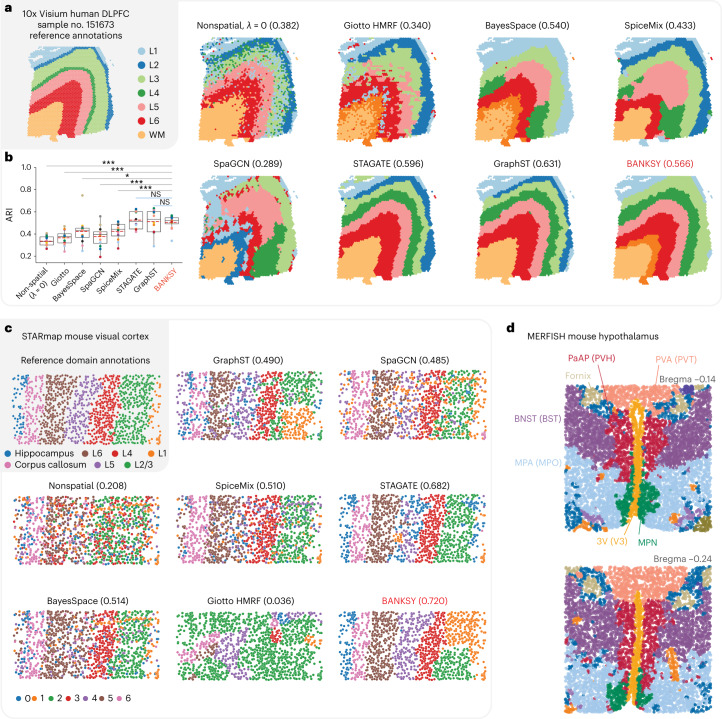
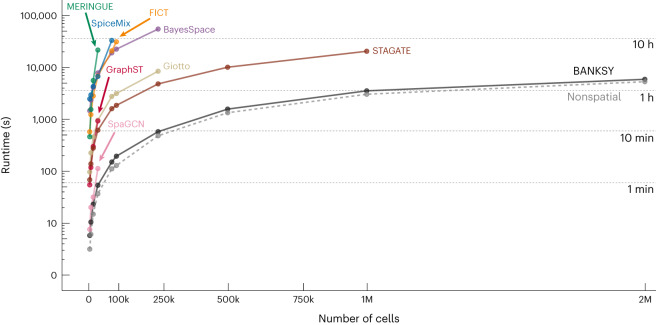
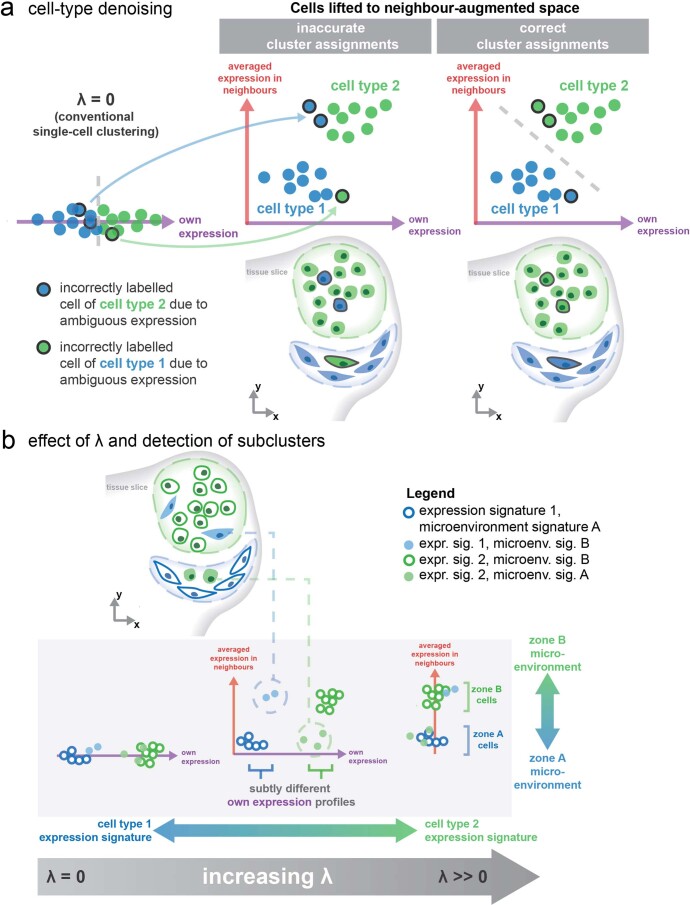
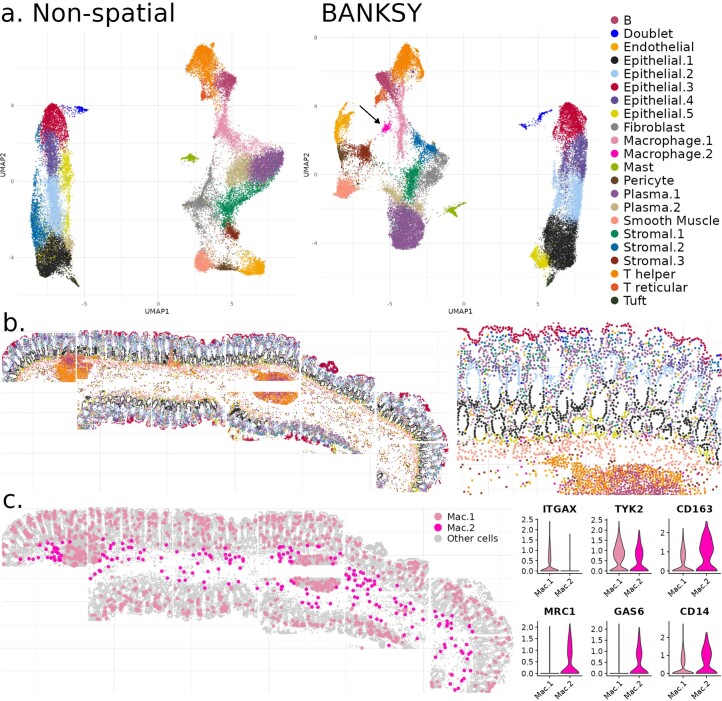
Spatial omics data are clustered to define both cell types and tissue domains. We present Building Aggregates with a Neighborhood Kernel and Spatial Yardstick (BANKSY), an algorithm that unifies these two spatial clustering problems by embedding cells in a product space of their own and the local neighborhood transcriptome, representing cell state and microenvironment, respectively. BANKSY’s spatial feature augmentation strategy improved performance on both tasks when tested on diverse RNA (imaging, sequencing) and protein (imaging) datasets. BANKSY revealed unexpected niche-dependent cell states in the mouse brain and outperformed competing methods on domain segmentation and cell typing benchmarks. BANKSY can also be used for quality control of spatial transcriptomics data and for spatially aware batch effect correction. Importantly, it is substantially faster and more scalable than existing methods, enabling the processing of millions of cell datasets. In summary, BANKSY provides an accurate, biologically motivated, scalable and versatile framework for analyzing spatially resolved omics data.
Overview
The claims and statistics of this paper haven’t been checked yet.
Run the check — free, no account needed. It reads the open-access text and checks the sources it cites.
Integrity signals
Registry
Cites
Statistics
Figures
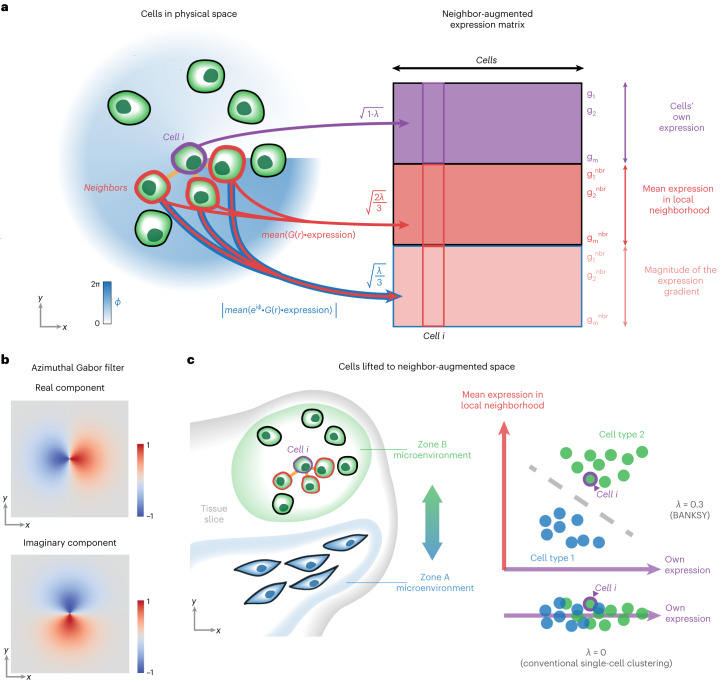
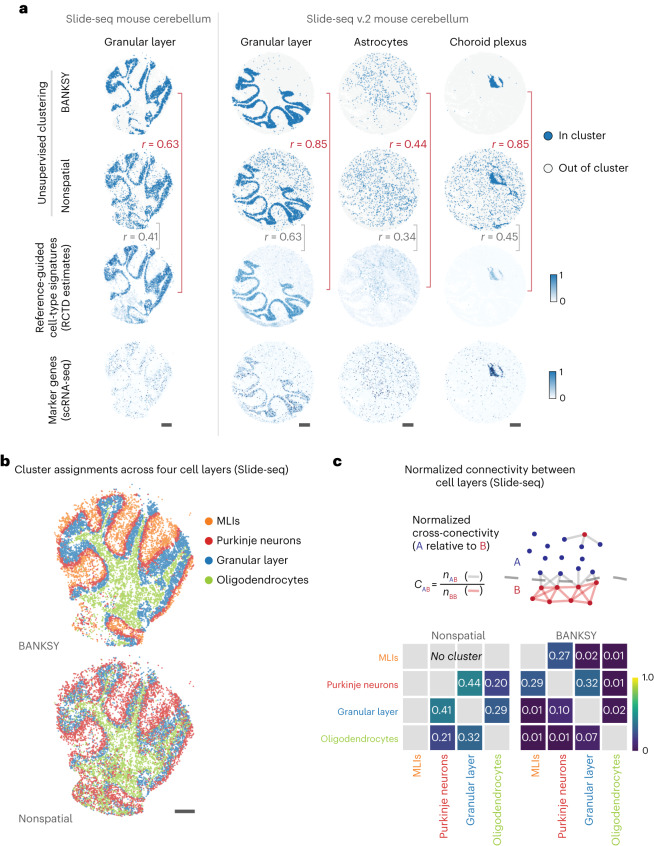
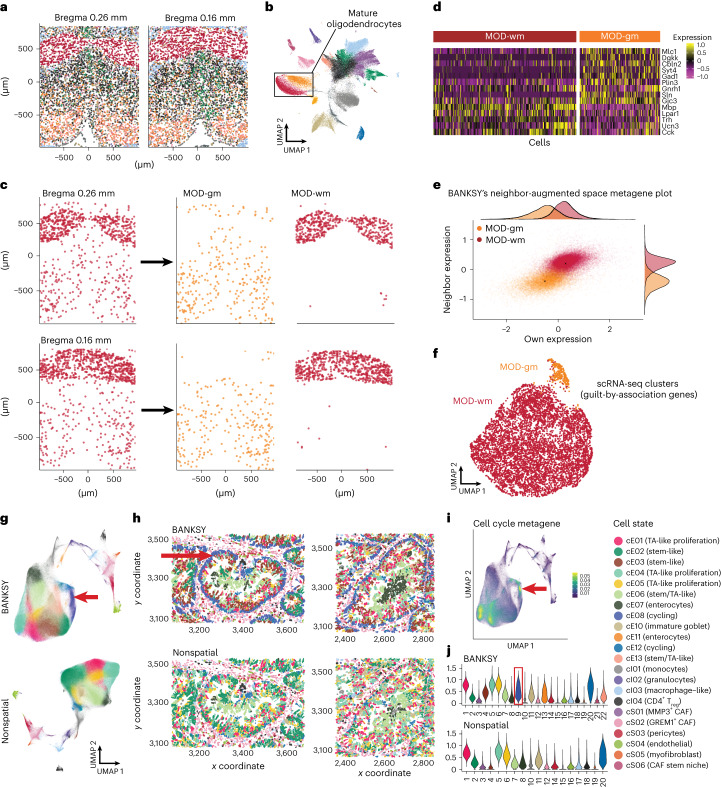
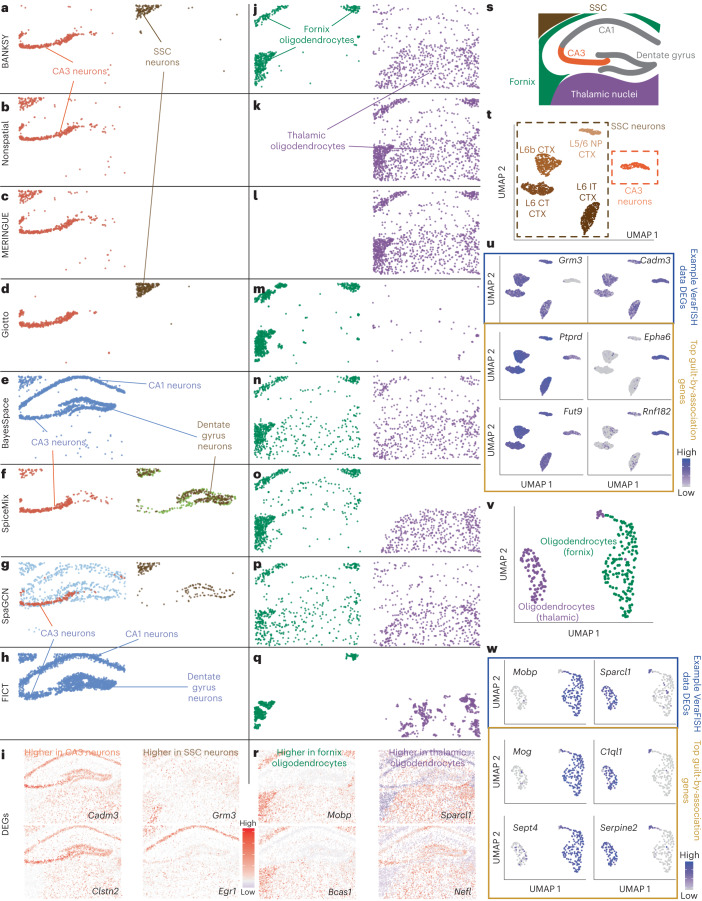
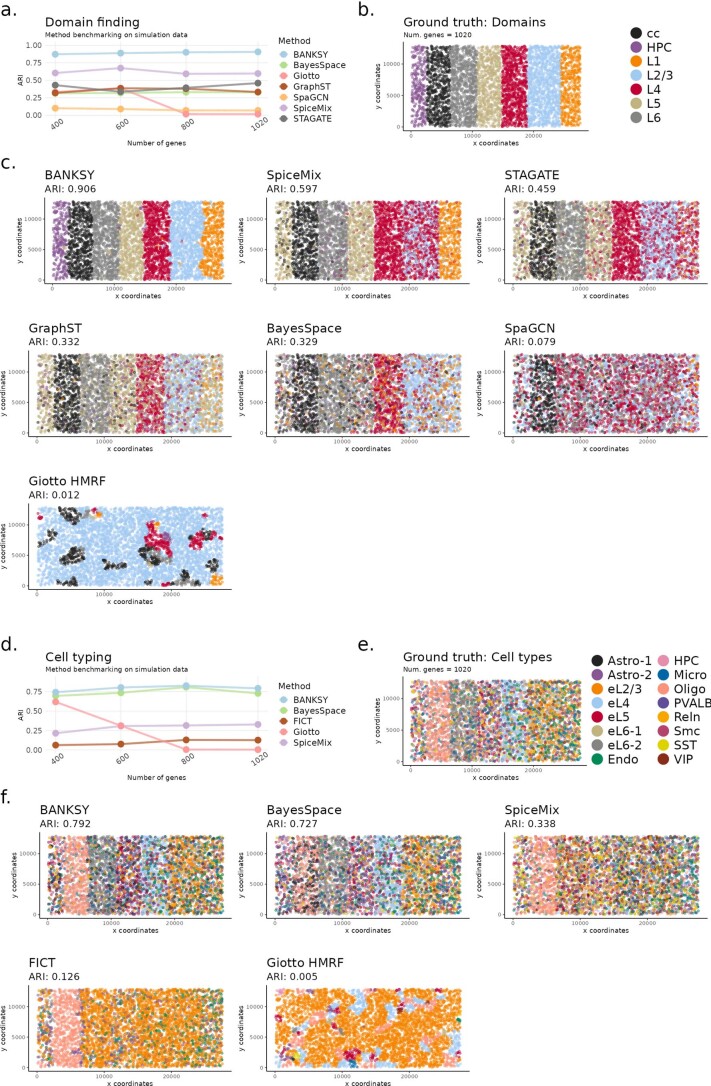
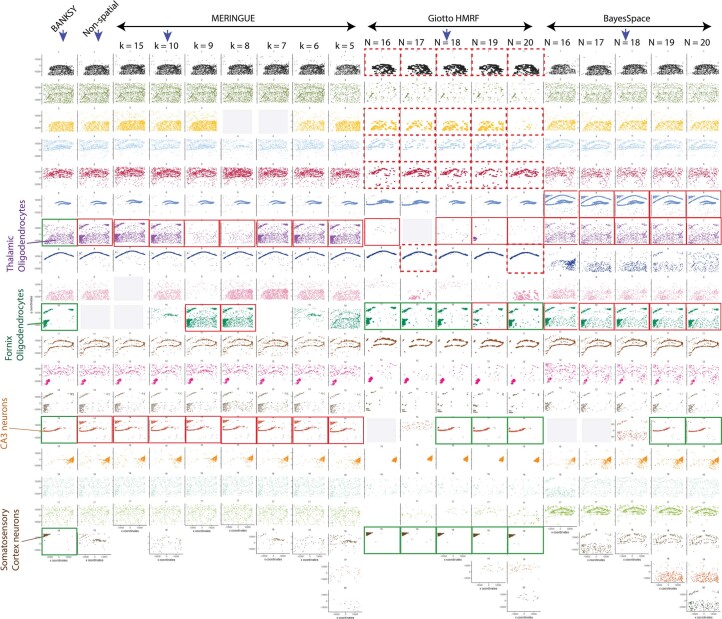
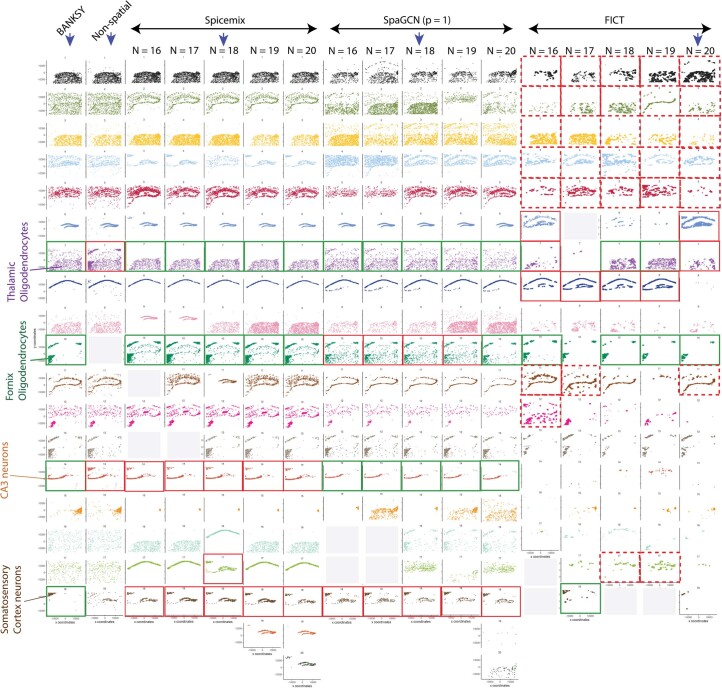
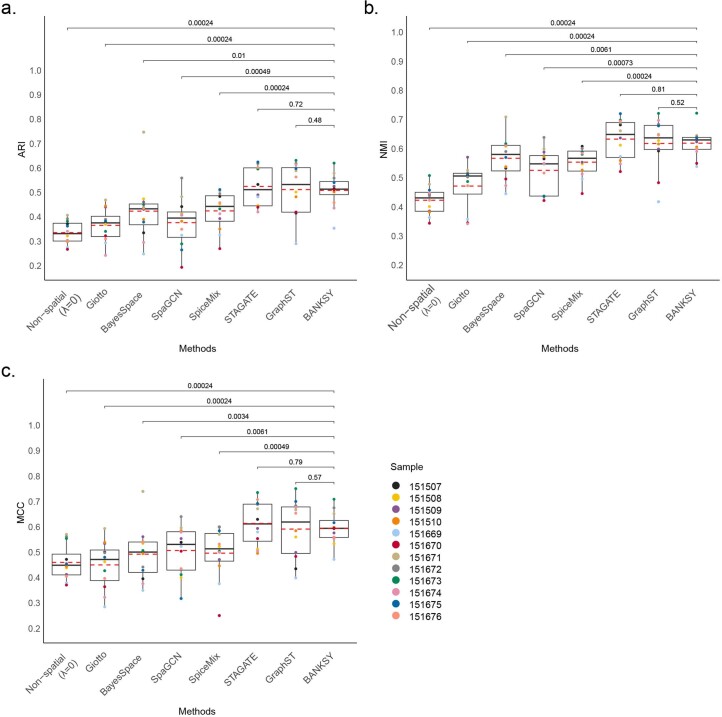
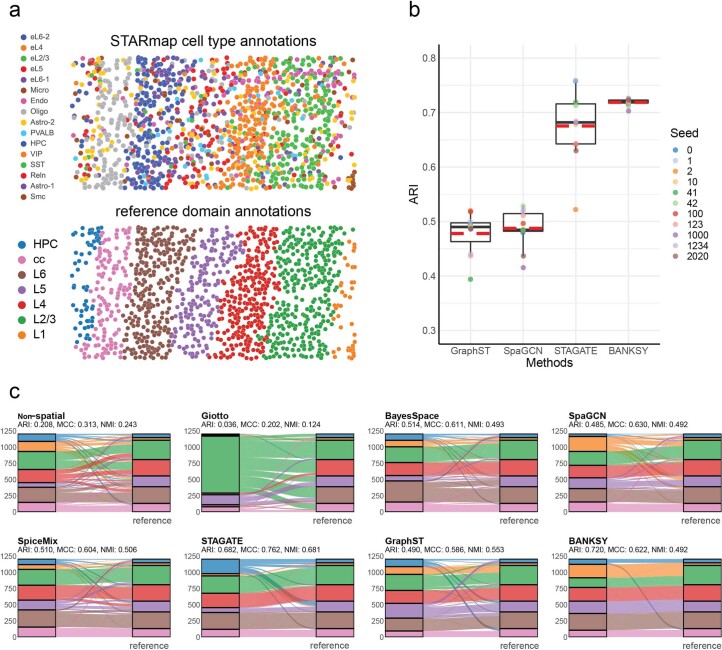
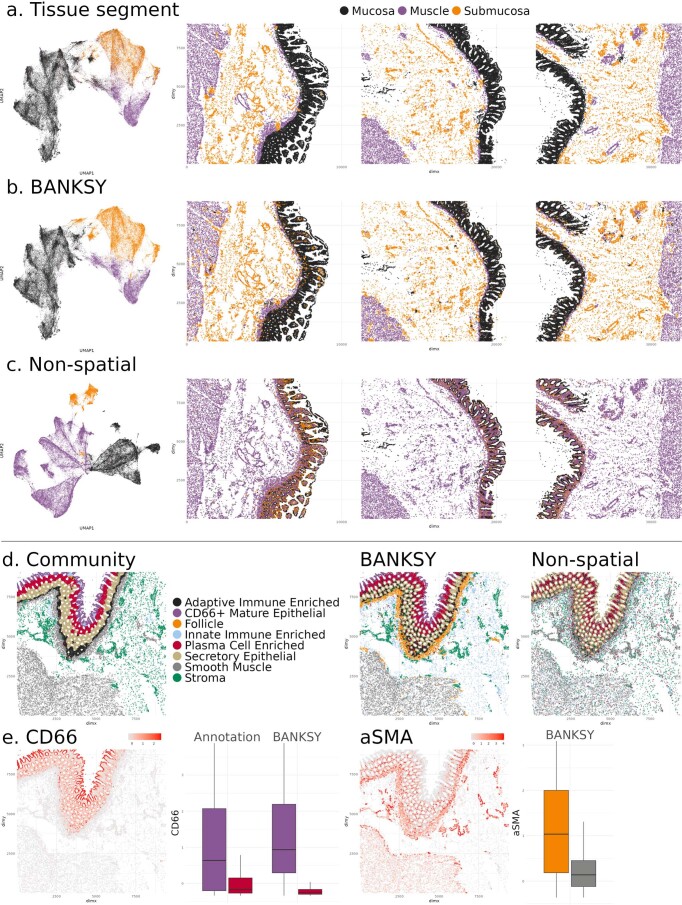
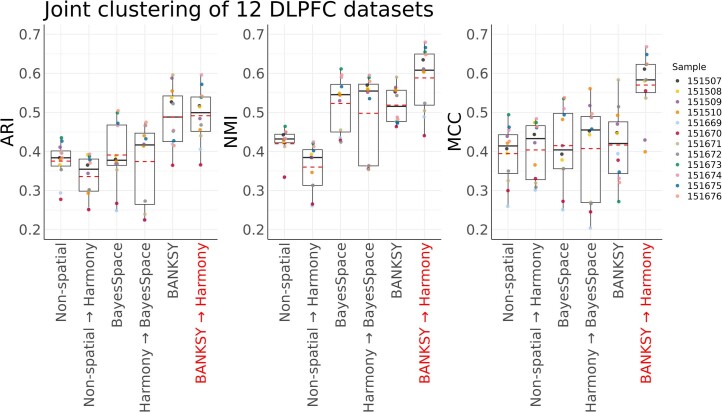
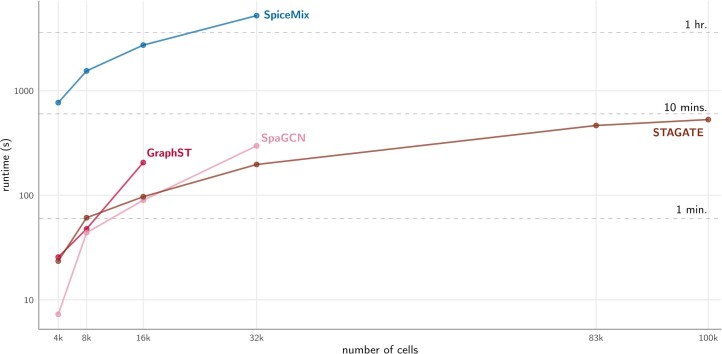
Verification
Claims the paper makes
The claims and statistics of this paper haven’t been checked yet.
Run the check — free, no account needed. It reads the open-access text and checks the sources it cites.
Claims other papers make about this one
Each is checked against this paper’s own text: does it say what the citing paper says it does?
The cited source says what the claim attributes to it.
In the citing paper
“Using BANKSY50-derived spatial domains and Harmony39 correction, we identified 18 reproducible niches shared across 20 samples (Figures S5A–S5C; STAR Methods).”
From Cellular senescence in human liver under normal aging and cancer (2026) · cites this paper as [50]
Self-check
Percentages, sums and reported differences re-computed from the paper’s own numbers.
The self-check needs the paper’s full text.
Citations
Cites
SciPy 1.0: fundamental algorithms for scientific computing in Python
Virtanen, P., Gommers, R., Oliphant, T. E., Haberland, M., Reddy, T., Cournapeau, D., Burovski, E., Peterson, P., Weckesser, W., Bright, J., et al. (2020) · Nature Methods · doi:10.1038/s41592-019-0686-2 · Cited by 38,430
Efficient Estimation of Word Representations in Vector Space
Mikolov, T., Chen, K., Corrado, G., & Dean, J. (2013) · arXiv · doi:10.48550/arxiv.1301.3781 · Cited by 26,568
Self-citationFast unfolding of communities in large networks
Blondel, V. D., Guillaume, J.-L., Lambiotte, R., & Lefebvre, E. (2008) · Journal of Statistical Mechanics: Theory and Experiment · doi:10.1088/1742-5468/2008/10/p10008 · Cited by 21,424
Integrated analysis of multimodal single-cell data
Hao, Y., Hao, S., Andersen-Nissen, E., Mauck, W. M., Zheng, S., Butler, A., Lee, M. J., Wilk, A. J., Darby, C., Zagar, M., et al. (2020) · doi:10.1101/2020.10.12.335331 · Cited by 15,508
Comprehensive Integration of Single-Cell Data
Stuart, T., Butler, A., Hoffman, P., Hafemeister, C., Papalexi, E., Mauck, W. M., Hao, Y., Stoeckius, M., Smibert, P., & Satija, R. (2019) · Cell · doi:10.1016/j.cell.2019.05.031 · Cited by 15,453
The Hungarian method for the assignment problem
Kuhn, H. W. (1955) · Naval Research Logistics Quarterly · doi:10.1002/nav.3800020109 · Cited by 13,120
Fast, sensitive and accurate integration of single-cell data with Harmony
Korsunsky, I., Millard, N., Fan, J., Slowikowski, K., Zhang, F., Wei, K., Baglaenko, Y., Brenner, M., Loh, P.-R., & Raychaudhuri, S. (2019) · Nature Methods · doi:10.1038/s41592-019-0619-0 · Cited by 10,488
SciPy 1.0: fundamental algorithms for scientific computing in Python
Virtanen, P., Gommers, R., Oliphant, T. E., Haberland, M., Reddy, T., Cournapeau, D., Burovski, E., Peterson, P., Weckesser, W., Bright, J., et al. (2019) · Apollo - University of Cambridge Repository · doi:10.17863/cam.64134 · Cited by 10,460
SCANPY: large-scale single-cell gene expression data analysis
Wolf, F. A., Angerer, P., & Theis, F. J. (2018) · Genome Biology · doi:10.1186/s13059-017-1382-0 · Cited by 8,881
Macrophage activation and polarization: nomenclature and experimental guidelines
Murray, P. J., Allen, J. E., Biswas, S. K., Fisher, E. A., Gilroy, D. W., Goerdt, S., Gordon, S., Hamilton, J. A., Ivashkiv, L. B., Lawrence, T., et al. (2014) · Immunity · doi:10.1016/j.immuni.2014.06.008 · Cited by 6,337
Research works printed but not linked: 3
- Huuki-Myers, L. et al. Integrated single cell and unsupervised spatial transcriptomic analysis defines molecular anatomy of the human dorsolateral prefrontal cortex. Preprint at bioRxiv https://doi.org/10.1101/2023.02.15.528722 (2023). · DOI
- Gabor, D. Theory of communication. J. Inst. Electrical Engineering 93, 429–441 (1946).
- Csardi, G. & Nepusz, T. The igraph software package for complex network research. Int. J. Complex Syst. 1695, 1–9 (2006).
Cited by
Sorted by citations
Profiling cell identity and tissue architecture with single-cell and spatial transcriptomics
Gulati, G. S., D'Silva, J. P., Liu, Y., Wang, L., & Newman, A. M. (2024) · Nature Reviews Molecular Cell Biology · doi:10.1038/s41580-024-00768-2 · Cited by 347
Ren, Y., Huang, Z., Zhou, L., Xiao, P., Song, J., He, P., Xie, C., Zhou, R., Li, M., Dong, X., et al. (2023) · Nature Communications · doi:10.1038/s41467-023-36707-6 · Cited by 252
Optimizing Xenium In Situ data utility by quality assessment and best-practice analysis workflows
Salas, S. M., Kuemmerle, L. B., Langseth, C. M., Tiesmeyer, S., Avenel, C., Hu, T., Rehman, H., Grillo, M., Czarnewski, P., Helgadóttir, S., et al. (2025) · Nature Methods · doi:10.1038/s41592-025-02617-2 · Cited by 192
Computational approaches and challenges in spatial transcriptomics
Fang, S., Chen, B., Zhang, Y., Sun, H., Liu, L., Liu, S., Li, Y., & Xu, X. (2023) · Genomics, Proteomics & Bioinformatics · doi:10.1016/j.gpb.2022.10.001 · Cited by 159
Liu, Y., Dai, Y., & Wang, L. (2025) · Cancer Cell · doi:10.1016/j.ccell.2025.12.009 · Cited by 153
Metadata
- Authors
- Singhal, V., Chou, N., Lee, J., Yue, Y., Liu, J., Chock, W. K., Lin, L., Chang, Y.-C., Teo, E. M. L., Aow, J., Lee, H. K., Chen, K. H., & Prabhakar, S.
- Affiliations
- Agency for Science, Technology and Research (SG)
- National University of Singapore (SG)
- Corresponding author
- Chen, Kok Hao
- Prabhakar, Shyam
- ORCID
- Venue
- Nature Genetics
- Published
- 2024-02-27
- Volume
- 56
- Issue
- 3
- Pages
- 431-441
- ISSN
- 1061-4036 (ISSN-L)
- 1546-1718
- PMC
- PMC10937399
- OpenAlex
- W4392198237
- Cited by
- 282
- References
- 77
- Citations by year
- 2026: 124 · 2025: 103 · 2024: 47
- FWCI
- 37.44
- Type
- journal article
- Language
- en
- Open access
- hybrid
- doi.org
- Locations
- Nature Genetics (publishedVersion, cc-by)
- bioRxiv (Cold Spring Harbor Laboratory) (acceptedVersion, cc-by-nc-nd)
- PubMed Central (publishedVersion, cc-by)
- PubMed (publishedVersion)
- DR-NTU (Nanyang Technological University) (submittedVersion, cc-by)
- Funders
- MOH | National Medical Research Council (OFIRG21jun-0090, OF-YIRG18nov-0014, OFIRG-000618-00)
- Agency for Science, Technology and Research (#H18/01/a0/020, 202D800010, H18/01/a0/020, I1801E0029)
- National Research Foundation Singapore (NRF-CRP25-2020-0001)
- Topics
- Life Sciences › Biochemistry, Genetics and Molecular Biology › Molecular Biology › Single-cell and spatial transcriptomics
- Life Sciences › Biochemistry, Genetics and Molecular Biology › Biophysics › Cell Image Analysis Techniques
- Life Sciences › Biochemistry, Genetics and Molecular Biology › Molecular Biology › Gene expression and cancer classification
- Keywords
- spatial omics, cell typing, spatial clustering, mouse brain, batch effect correction, scalable data analysis
- MeSH terms
- Data Analysis, Algorithms, Animals, RNA, Benchmarking, Gene Expression Profiling, Mice, Transcriptome
About these checks
Registry, retraction, Cites and statistics results are computed, not judged, with one exception: a printed reference that no index lists is read once by a model before it counts as a citation error. Claims are extracted by a model and kept only when their quote appears verbatim in the text; each cited source is then checked, with a model’s help, for whether it says what the claim relies on. Those verdicts can be wrong — read the claim’s quote and the cited source before relying on one.
Statistics and arithmetic are recomputed, not judged.
Confidence bands are shown only for fields calibrated on our annotated test set. None is calibrated yet, so no band is shown.
What counts as a claim ›How we measure confidence ›How we check this ›
Are you an author, or do you see a problem with this page? Request a review
