

The DOI matches its Crossref record; 52 of the 54 references it cites were found in a registry or an index.
Long-term neurologic outcomes of COVID-19
Open accessPublished version of a preprint
Abstract
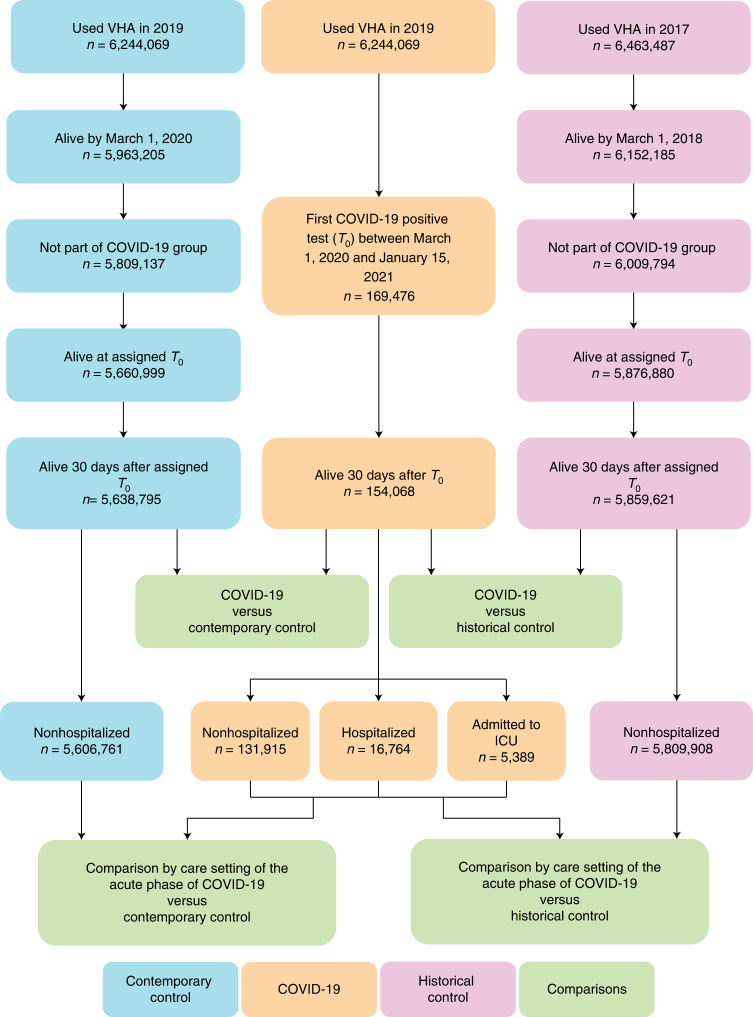
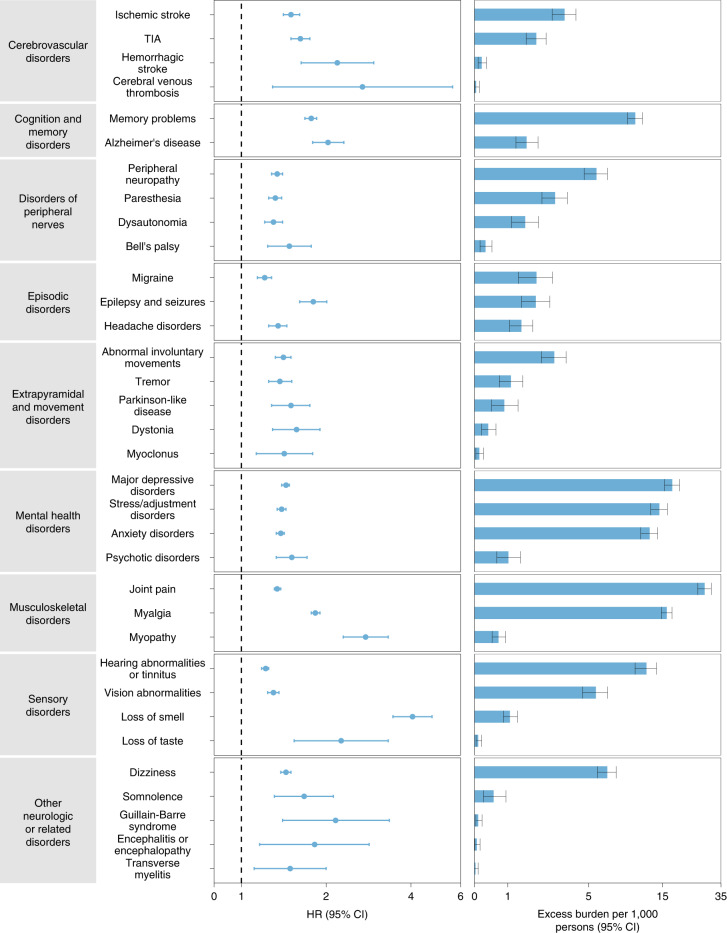
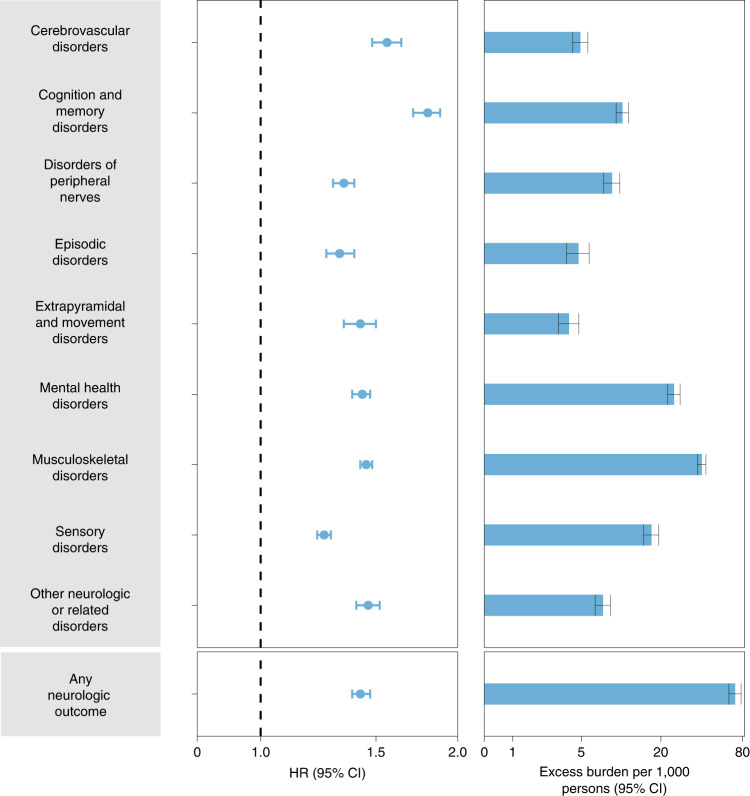
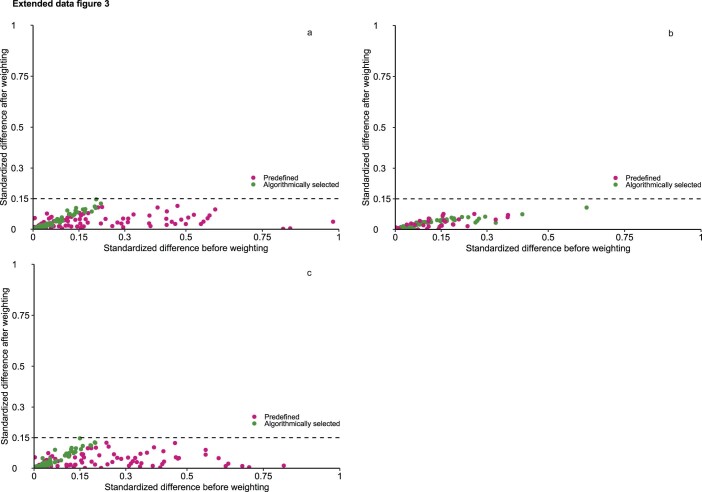
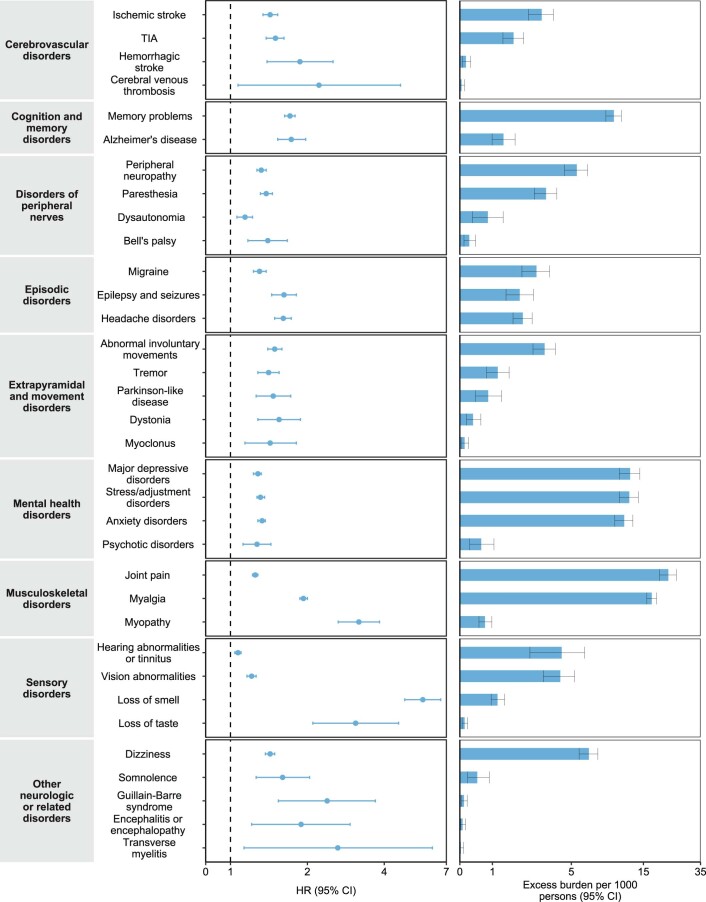
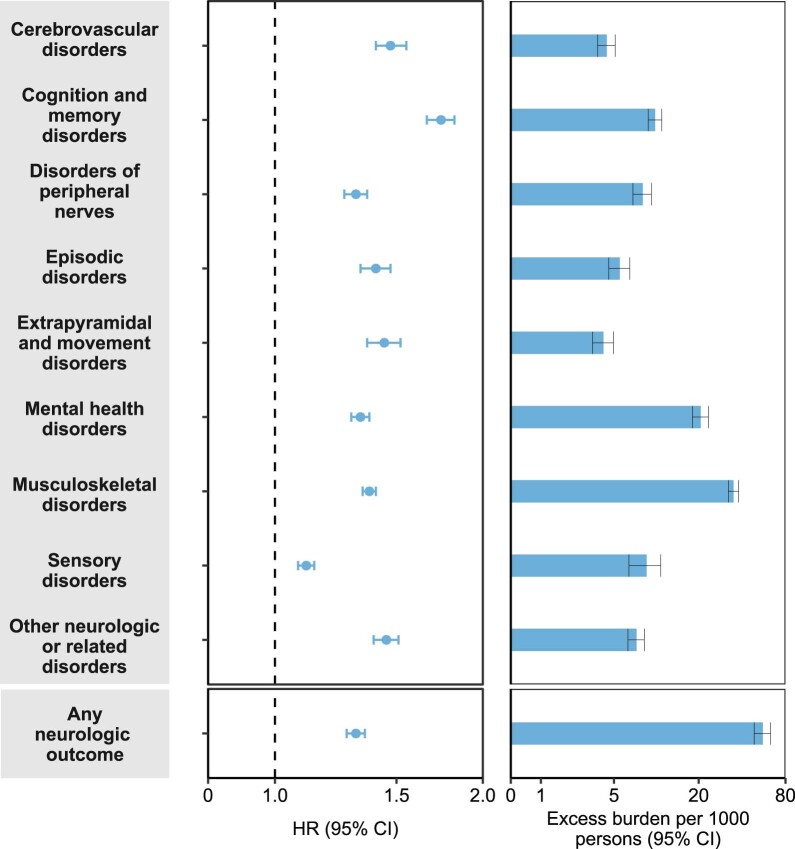
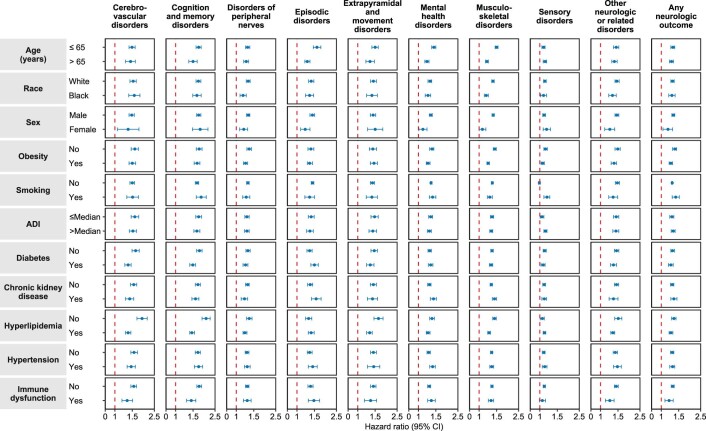
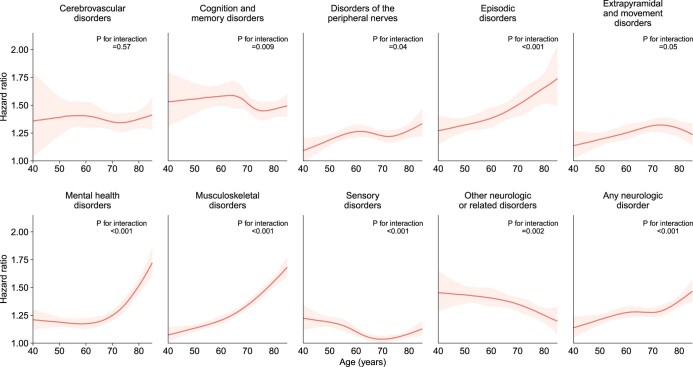
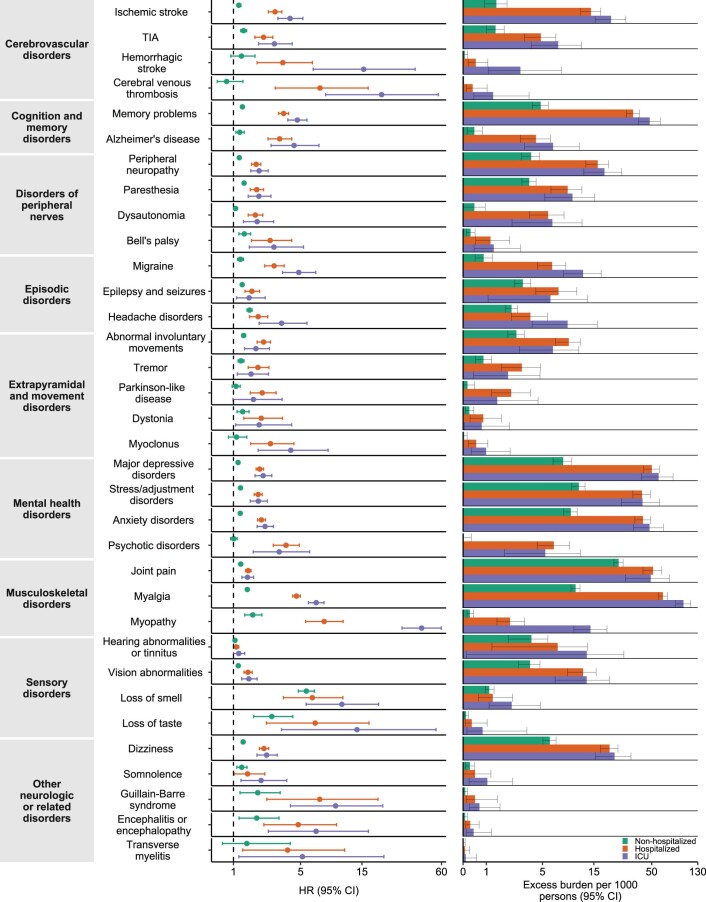
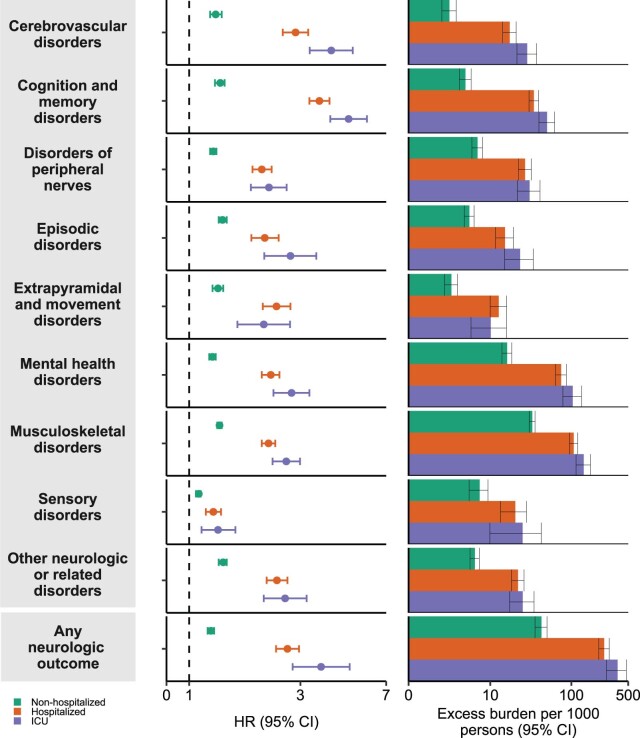
The neurologic manifestations of acute COVID-19 are well characterized, but a comprehensive evaluation of postacute neurologic sequelae at 1 year has not been undertaken. Here we use the national healthcare databases of the US Department of Veterans Affairs to build a cohort of 154,068 individuals with COVID-19, 5,638,795 contemporary controls and 5,859,621 historical controls; we use inverse probability weighting to balance the cohorts, and estimate risks and burdens of incident neurologic disorders at 12 months following acute SARS-CoV-2 infection. Our results show that in the postacute phase of COVID-19, there was increased risk of an array of incident neurologic sequelae including ischemic and hemorrhagic stroke, cognition and memory disorders, peripheral nervous system disorders, episodic disorders (for example, migraine and seizures), extrapyramidal and movement disorders, mental health disorders, musculoskeletal disorders, sensory disorders, Guillain–Barré syndrome, and encephalitis or encephalopathy. We estimated that the hazard ratio of any neurologic sequela was 1.42 (95% confidence intervals 1.38, 1.47) and burden 70.69 (95% confidence intervals 63.54, 78.01) per 1,000 persons at 12 months. The risks and burdens were elevated even in people who did not require hospitalization during acute COVID-19. Limitations include a cohort comprising mostly White males. Taken together, our results provide evidence of increased risk of long-term neurologic disorders in people who had COVID-19.
Overview
The claims and statistics of this paper haven’t been checked yet.
Run the check — free, no account needed. It reads the open-access text and checks the sources it cites.
Integrity signals
Registry
Cites
Statistics
Figures
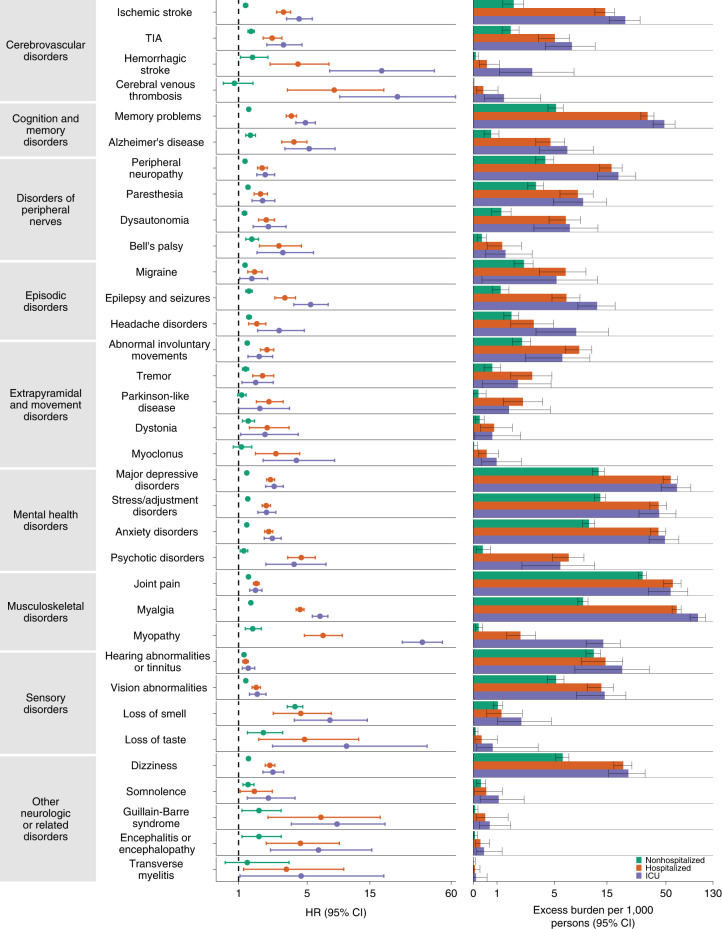
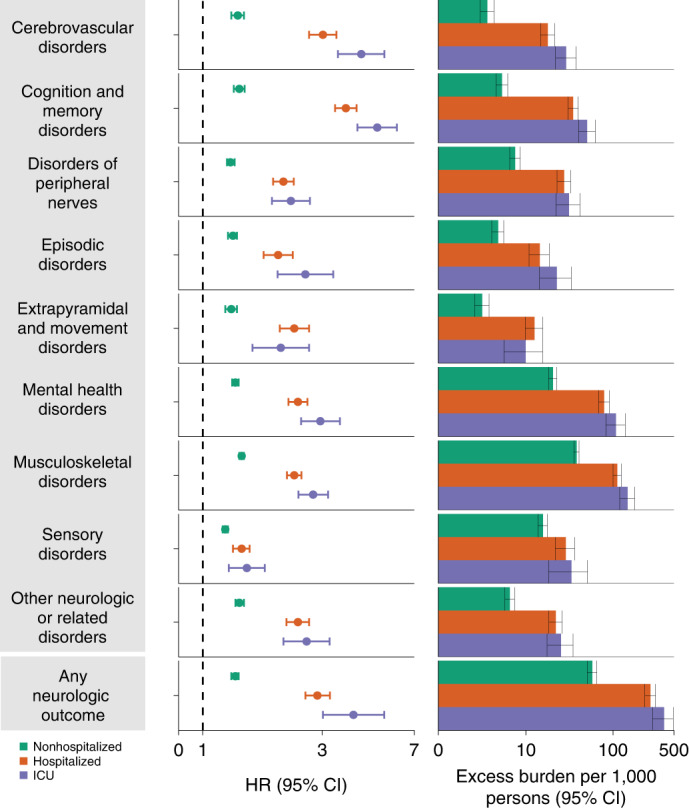
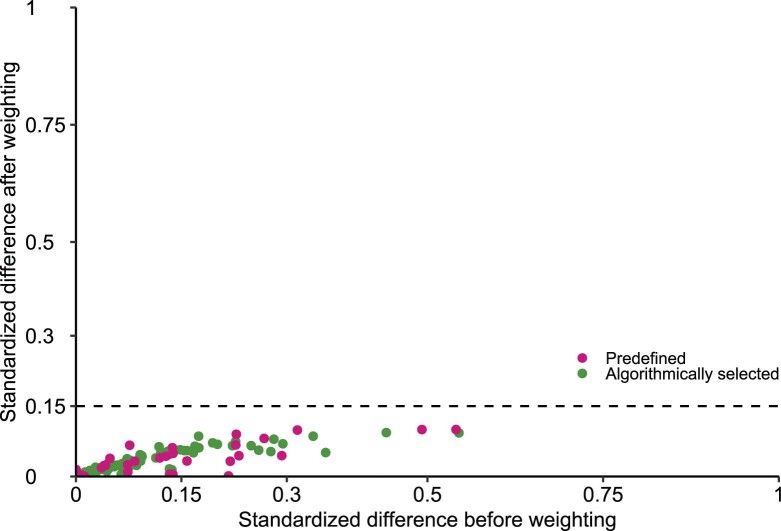
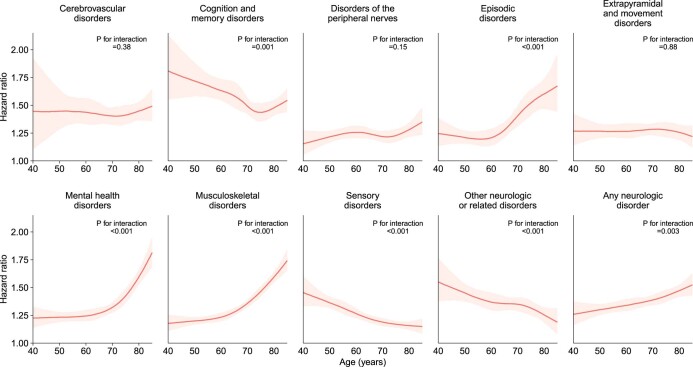
Verification
Claims the paper makes
The claims and statistics of this paper haven’t been checked yet.
Run the check — free, no account needed. It reads the open-access text and checks the sources it cites.
Claims other papers make about this one
Each is checked against this paper’s own text: does it say what the citing paper says it does?
The cited source says what the claim attributes to it.
In the citing paper
“There also appears to be an increased risk of MDD as well as other mental disorders121.”
From Comorbidity between major depressive disorder and physical diseases: a comprehensive review of epidemiology, mechanisms and management (2023) · cites this paper as [121]
Self-check
Percentages, sums and reported differences re-computed from the paper’s own numbers.
The self-check needs the paper’s full text.
Citations
Cites
1 retracted
RETRACTED: 6-month consequences of COVID-19 in patients discharged from hospital: a cohort study
Huang, C., Huang, L., Wang, Y., Li, X., Ren, L., Gu, X., Kang, L., Guo, L., Liu, M., Zhou, X., et al. (2021) · The Lancet · doi:10.1016/s0140-6736(20)32656-8 · Cited by 4,084
RetractedEndothelial cell infection and endotheliitis in COVID-19
Varga, Z., Flammer, A. J., Steiger, P., Haberecker, M., Andermatt, R., Zinkernagel, A. S., Mehra, M. R., Schuepbach, R. A., Ruschitzka, F., & Moch, H. (2020) · The Lancet · doi:10.1016/s0140-6736(20)30937-5 · Cited by 6,358
Nalbandian, A., Sehgal, K., Gupta, A., Madhavan, M. V., McGroder, C., Stevens, J. S., Cook, J. R., Nordvig, A. S., Shalev, D., Sehrawat, T. S., et al. (2021) · Nature Medicine · doi:10.1038/s41591-021-01283-z · Cited by 4,862
Persistent Symptoms in Patients After Acute COVID-19
Carfì, A., Bernabei, R., Landi, F., & for the Gemelli Against COVID-19 Post-Acute Care Study Group (2020) · JAMA · doi:10.1001/jama.2020.12603 · Cited by 4,561
Austin, P. C., & Stuart, E. A. (2015) · Statistics in Medicine · doi:10.1002/sim.6607 · Cited by 4,495
Making Neighborhood-Disadvantage Metrics Accessible — The Neighborhood Atlas
Kind, A. J. H., & Buckingham, W. R. (2018) · New England Journal of Medicine · doi:10.1056/nejmp1802313 · Cited by 3,310
Characterizing long COVID in an international cohort: 7 months of symptoms and their impact
Davis, H. E., Assaf, G. S., McCorkell, L., Wei, H., Low, R. J., Re'em, Y., Redfield, S., Austin, J. P., & Akrami, A. (2021) · eClinicalMedicine · doi:10.1016/j.eclinm.2021.101019 · Cited by 2,881
Constructing Inverse Probability Weights for Marginal Structural Models
Cole, S. R., & Hernan, M. A. (2008) · American Journal of Epidemiology · doi:10.1093/aje/kwn164 · Cited by 2,796
Taquet, M., Geddes, J. R., Husain, M., Luciano, S., & Harrison, P. J. (2021) · The Lancet Psychiatry · doi:10.1016/s2215-0366(21)00084-5 · Cited by 2,189
Long-term cardiovascular outcomes of COVID-19
Xie, Y., Xu, E., Bowe, B. C., & Al‐Aly, Z. (2022) · Nature Medicine · doi:10.1038/s41591-022-01689-3 · Cited by 2,125
Self-citation
Research works printed but not linked: 2
- Xie, Y., Xu, E., Bowe, B. & Al-Aly, Z. Long-term cardiovascular outcomes of COVID-19. Nat. Med. 28, 583–590 (2022). · DOI
- Hernán, M. A. & Robins, J. M. Causal Inference: What If (Chapman & Hall/CRC, 2020).
Cited by
Sorted by citations
Distinguishing features of long COVID identified through immune profiling
Klein, J., Wood, J., Jaycox, J. R., Dhodapkar, R. M., Lu, P., Gehlhausen, J. R., Tabachnikova, A., Greene, K., TABACOF, L. R., Malik, A. A., et al. (2023) · Nature · doi:10.1038/s41586-023-06651-y · Cited by 852
Acute and postacute sequelae associated with SARS-CoV-2 reinfection
Bowe, B. C., Xie, Y., & Al‐Aly, Z. (2022) · Nature Medicine · doi:10.1038/s41591-022-02051-3 · Cited by 656
Self-citationBobrovitz, N., Ware, H., Ma, X., Li, Z., Hosseini, R., Cao, C., Selemon, A., Whelan, M., Premji, Z., Issa, H., et al. (2023) · The Lancet Infectious Diseases · doi:10.1016/s1473-3099(22)00801-5 · Cited by 614
Long COVID science, research and policy
Al-Aly, Z., Davis, H., McCorkell, L., Soares, L., Wulf-Hanson, S., Iwasaki, A., & Topol, E. J. (2024) · Nature Medicine · doi:10.1038/s41591-024-03173-6 · Cited by 538
Self-citationAltmann, D. M., Whettlock, E. M., Liu, S., Arachchillage, D. J., & Boyton, R. J. (2023) · Nature reviews. Immunology · doi:10.1038/s41577-023-00904-7 · Cited by 471
The neurobiology of long COVID
Monje, M., & Iwasaki, A. (2022) · Neuron · doi:10.1016/j.neuron.2022.10.006 · Cited by 415
Association of Treatment With Nirmatrelvir and the Risk of Post–COVID-19 Condition
Xie, Y., Choi, T., & Al‐Aly, Z. (2023) · JAMA Internal Medicine · doi:10.1001/jamainternmed.2023.0743 · Cited by 352
Self-citationPostacute sequelae of COVID-19 at 2 years
Bowe, B. C., Xie, Y., & Al‐Aly, Z. (2023) · Nature Medicine · doi:10.1038/s41591-023-02521-2 · Cited by 354
Self-citationBerk, M., Köhler‐Forsberg, O., Turner, M., Penninx, B. W. J. H., Wrobel, A., Firth, J., Loughman, A., Reavley, N. J., McGrath, J. J., Momen, N. C., et al. (2023) · World Psychiatry · doi:10.1002/wps.21110 · Cited by 336
Postacute Sequelae of SARS-CoV-2 Infection in the Pre-Delta, Delta, and Omicron Eras
Xie, Y., Choi, T., & Al‐Aly, Z. (2024) · New England Journal of Medicine · doi:10.1056/nejmoa2403211 · Cited by 290
Self-citationCognition and Memory after Covid-19 in a Large Community Sample
Hampshire, A., Azor, A., Atchison, C., Trender, W., Hellyer, P. J., Giunchiglia, V., Husain, M., Cooke, G. S., Cooper, E., Lound, A., et al. (2024) · New England Journal of Medicine · doi:10.1056/nejmoa2311330 · Cited by 268
Three-year outcomes of post-acute sequelae of COVID-19
Cai, M., Xie, Y., Topol, E. J., & Al‐Aly, Z. (2024) · Nature Medicine · doi:10.1038/s41591-024-02987-8 · Cited by 276
Self-citationMucosal immune response in biology, disease prevention and treatment
Zhou, X., Wu, Y., Zhu, Z., Lu, C., Zhang, C., Zeng, L., Xie, F., Zhang, L., & Zhou, F. (2025) · Signal Transduction and Targeted Therapy · doi:10.1038/s41392-024-02043-4 · Cited by 230
Social participation and risk of developing dementia
Sommerlad, A., Kivimäki, M., Larson, E. B., Röhr, S., Shirai, K., Singh-Manoux, A., & Livingston, G. (2023) · Nature Aging · doi:10.1038/s43587-023-00387-0 · Cited by 207
Type-I-interferon-responsive microglia shape cortical development and behavior
Escoubas, C. C., Dorman, L. C., Nguyen, P. T., Lagares-Linares, C., Nakajo, H., Anderson, S. R., Barron, J. J., Wade, S. D., Cuevas, B., Vainchtein, I. D., et al. (2024) · Cell · doi:10.1016/j.cell.2024.02.020 · Cited by 179
Data-driven identification of post-acute SARS-CoV-2 infection subphenotypes
Zhang, H., Zang, C., Xu, Z., Zhang, Y., Xu, J., Bian, J., Morozyuk, D., Khullar, D., Zhang, Y., Nordvig, A. S., et al. (2022) · Nature Medicine · doi:10.1038/s41591-022-02116-3 · Cited by 187
Fontes-Dantas, F. L., Fernandes, G. G., Gutman, E. G., de Lima, E. V., Antonio, L. S., Hämmerle, M. B., Mota-Araujo, H. P., Colodeti, L. C., Araújo, S. M. B., Froz, G. M., et al. (2023) · Cell Reports · doi:10.1016/j.celrep.2023.112189 · Cited by 185
Xie, Y., Choi, T., & Al‐Aly, Z. (2023) · The Lancet Infectious Diseases · doi:10.1016/s1473-3099(23)00684-9 · Cited by 154
Self-citationAdvances and challenges in neuropathic pain: a narrative review and future directions
Attal, N., Bouhassira, D., & Colvin, L. (2023) · British Journal of Anaesthesia · doi:10.1016/j.bja.2023.04.021 · Cited by 149
Microbiota–neuroepithelial signalling across the gut–brain axis
Ohara, T. E., & Hsiao, E. Y. (2025) · Nature Reviews Microbiology · doi:10.1038/s41579-024-01136-9 · Cited by 147
Incident autoimmune diseases in association with SARS-CoV-2 infection: a matched cohort study
Tesch, F., Ehm, F., Vivirito, A., Wende, D., Batram, M., Loser, F., Menzer, S., Jacob, J., Roessler, M., Seifert, M., et al. (2023) · Clinical Rheumatology · doi:10.1007/s10067-023-06670-0 · Cited by 142
Long-term gastrointestinal outcomes of COVID-19
Xu, E., Xie, Y., & Al‐Aly, Z. (2023) · Nature Communications · doi:10.1038/s41467-023-36223-7 · Cited by 141
Self-citationRisks and burdens of incident dyslipidaemia in long COVID: a cohort study
Xu, E., Xie, Y., & Al‐Aly, Z. (2023) · The Lancet Diabetes & Endocrinology · doi:10.1016/s2213-8587(22)00355-2 · Cited by 130
Self-citationAutoimmune and Autoinflammatory Connective Tissue Disorders Following COVID-19
Lim, S. H., Ju, H. J., Han, J. H., Lee, J. H., Lee, W., Bae, J. M., & Lee, S. (2023) · JAMA Network Open · doi:10.1001/jamanetworkopen.2023.36120 · Cited by 133
Zhang, H., Huang, C., Gu, X., Wang, Y., Li, X., Liu, M., Wang, Q., Xu, J., Wang, Y., Dai, H., et al. (2023) · The Lancet Respiratory Medicine · doi:10.1016/s2213-2600(23)00387-9 · Cited by 126
Molnupiravir and risk of post-acute sequelae of covid-19: cohort study
Xie, Y., Choi, T., & Al‐Aly, Z. (2023) · BMJ · doi:10.1136/bmj-2022-074572 · Cited by 106
Self-citationSauvé, F., Nampoothiri, S. S., Clarke, S. A., Fernandois, D., Coêlho, C. F. F., Dewisme, J., Mills, E., Ternier, G., Cotellessa, L., Iglesias, C., et al. (2023) · EBioMedicine · doi:10.1016/j.ebiom.2023.104784 · Cited by 109
Damage to endothelial barriers and its contribution to long COVID
Wu, X., Xiang, M., Jing, H., Wang, C., Novakovic, V. A., & Shi, J. (2023) · Angiogenesis · doi:10.1007/s10456-023-09878-5 · Cited by 111
Xie, Y., Bowe, B., Xian, H., Loux, T., McGill, J. B., & Al-Aly, Z. (2023) · The Lancet Diabetes & Endocrinology · doi:10.1016/s2213-8587(23)00171-7 · Cited by 104
Self-citationInflammasomes in neurological disorders — mechanisms and therapeutic potential
Ravichandran, K. A., & Heneka, M. T. (2024) · Nature Reviews Neurology · doi:10.1038/s41582-023-00915-x · Cited by 112
Quan, M., Wang, X., Gong, M., Wang, Q., Li, Y., & Jia, J. (2023) · The Lancet Regional Health - Western Pacific · doi:10.1016/j.lanwpc.2023.100836 · Cited by 105
Lam, I. C. H., Wong, C. K. H., Zhang, R., Chui, C. S. L., Lai, F. T. T., Li, X., Chan, E. W., Luo, H., Zhang, Q., Man, K. K. C., et al. (2023) · EClinicalMedicine · doi:10.1016/j.eclinm.2023.102000 · Cited by 103
Oh, J., Lee, M., Kim, M., Kim, H. J., Lee, S. W., Rhee, S. Y., Koyanagi, A., Smith, L., Kim, M. S., Lee, H., et al. (2024) · Nature Communications · doi:10.1038/s41467-024-47176-w · Cited by 95
Taquet, M., Skórniewska, Z., Hampshire, A., Chalmers, J. D., Ho, L., Horsley, A. R., Marks, M., Poinasamy, K., Raman, B., Leavy, O. C., et al. (2023) · Nature Medicine · doi:10.1038/s41591-023-02525-y · Cited by 94
Effects of COVID-19 on cognition and brain health
Zhao, S., Toniolo, S., Hampshire, A., & Husain, M. (2023) · Trends in Cognitive Sciences · doi:10.1016/j.tics.2023.08.008 · Cited by 90
Senolytic therapy alleviates physiological human brain aging and COVID-19 neuropathology
Aguado, J., Amarilla, A. A., Taherian Fard, A., Albornoz, E. A., Tyshkovskiy, A., Schwabenland, M., Chaggar, H. K., Modhiran, N., Gómez-Inclán, C., Javed, I., et al. (2023) · Nature Aging · doi:10.1038/s43587-023-00519-6 · Cited by 80
Lam, I. C. H., Zhang, R., Man, K. K. C., Wong, C. K. H., Chui, C. S. L., Lai, F. T. T., Li, X., Chan, E. W., Lau, C. S., Wong, I. C. K., et al. (2024) · Nature Communications · doi:10.1038/s41467-024-45953-1 · Cited by 80
Vagus nerve inflammation contributes to dysautonomia in COVID-19
Woo, M. S., Shafiq, M., Fitzek, A., Dottermusch, M., Altmeppen, H. C., Mohammadi, B., Mayer, C., Bal, L. C., Raich, L., Matschke, J., et al. (2023) · Acta Neuropathologica · doi:10.1007/s00401-023-02612-x · Cited by 86
Long-Term Autoimmune Inflammatory Rheumatic Outcomes of COVID-19
Kim, M. S., Lee, H., Lee, S. W., Kwon, R., Rhee, S. Y., Lee, J. A., Koyanagi, A., Smith, L., Fond, G. B., Boyer, L., et al. (2024) · Annals of Internal Medicine · doi:10.7326/m23-1831 · Cited by 75
Short- and long-term neuropsychiatric outcomes in long COVID in South Korea and Japan
Kim, S. Y., Lee, H., Lee, J., Lee, S. W., Kwon, R., Kim, M. S., Koyanagi, A., Smith, L., Fond, G. B., Boyer, L., et al. (2024) · Nature Human Behaviour · doi:10.1038/s41562-024-01895-8 · Cited by 75
Understanding Long COVID; Mitochondrial Health and Adaptation—Old Pathways, New Problems
Nunn, A. V. W., Guy, G. W., Brysch, W., & Bell, J. D. (2022) · Biomedicines · doi:10.3390/biomedicines10123113 · Cited by 74
VanElzakker, M. B., Bues, H. F., Brusaferri, L., Kim, M., Saadi, D., Ratai, E., Dougherty, D. D., & Loggia, M. L. (2024) · Brain Behavior and Immunity · doi:10.1016/j.bbi.2024.04.015 · Cited by 73
The kynurenine pathway relates to post‐acute COVID ‐19 objective cognitive impairment and PASC
Cysique, L. A., Jakabek, D., Bracken, S. G., Allen‐Davidian, Y., Heng, B., Chow, S., Dehhaghi, M., Pires, A. S., Darley, D. R., Byrne, A., et al. (2023) · Annals of Clinical and Translational Neurology · doi:10.1002/acn3.51825 · Cited by 77
Wang, K., Khoramjoo, M., Srinivasan, K. K., Gordon, P. M. K., Mandal, R., Jackson, D., Sligl, W., Grant, M. B., Penninger, J. M., Borchers, C. H., et al. (2023) · Cell Reports Medicine · doi:10.1016/j.xcrm.2023.101254 · Cited by 71
Hilser, J. R., Spencer, N. J., Afshari, K. M., Gilliland, F. D., Hu, H., Deb, A., Lusis, A. J., Tang, W. H. W., Hartiala, J., Hazen, S. L., et al. (2024) · Arteriosclerosis Thrombosis and Vascular Biology · doi:10.1161/atvbaha.124.321001 · Cited by 69
Long COVID: long-term health outcomes and implications for policy and research
Al‐Aly, Z., Agarwal, A., Alwan, N. A., & Luyckx, V. A. (2022) · Nature Reviews Nephrology · doi:10.1038/s41581-022-00652-2 · Cited by 67
Self-citationXie, Y., Bowe, B. C., & Al‐Aly, Z. (2023) · BMJ · doi:10.1136/bmj-2022-073312 · Cited by 65
Self-citationGuo, M., Shang, S., Li, M., Cai, G., Li, P., Chen, X., & Li, Q. (2024) · Medical Review · doi:10.1515/mr-2024-0013 · Cited by 64
Acıoğlu, Ç., & Elkabes, S. (2025) · Journal of Neuroinflammation · doi:10.1186/s12974-025-03360-3 · Cited by 67
Xie, Y., Bowe, B. C., & Al‐Aly, Z. (2023) · BMJ · doi:10.1136/bmj-2022-072705 · Cited by 63
Self-citationPatel, M. A., Knauer, M. J., Nicholson, M., Daley, M., Nynatten, L. R. V., Cepinskas, G., & Fraser, D. D. (2023) · Molecular Medicine · doi:10.1186/s10020-023-00610-z · Cited by 65
Rahmati, M., Yon, D. K., Lee, S. W., Soysal, P., Koyanagi, A., Jacob, L., Li, Y., Park, J. M., Kim, Y. W., Shin, J. I., et al. (2023) · Journal of Medical Virology · doi:10.1002/jmv.28909 · Cited by 64
Long Covid and Impaired Cognition — More Evidence and More Work to Do
Al‐Aly, Z., & Rosen, C. J. (2024) · New England Journal of Medicine · doi:10.1056/nejme2400189 · Cited by 59
Self-citationMechanisms of SARS-CoV-2-associated anosmia
Tsukahara, T., Brann, D. H., & Datta, S. R. (2023) · Physiological Reviews · doi:10.1152/physrev.00012.2023 · Cited by 62
Infection and chronic disease activate a systemic brain-muscle signaling axis
Yang, S., Tian, M., Dai, Y., Wang, R., Yamada, S., Feng, S., Wang, Y., Chhangani, D., Ou, T., Li, W., et al. (2024) · Science Immunology · doi:10.1126/sciimmunol.adm7908 · Cited by 58
Plasma proteomic evidence for increased β-amyloid pathology after SARS-CoV-2 infection
Duff, E. P., Zetterberg, H., Heslegrave, A., Dehghan, A., Elliott, P., Allen, N. E., Runz, H., Laban, R., Veleva, E., Whelan, C. D., et al. (2025) · Nature Medicine · doi:10.1038/s41591-024-03426-4 · Cited by 61
Raman, B., McCracken, C., Cassar, M. P., Moss, A. J., Finnigan, L., Samat, A. H. A., Ogbole, G. I., Tunnicliffe, E. M., Alfaro‐Almagro, F., Menke, R., et al. (2023) · The Lancet Respiratory Medicine · doi:10.1016/s2213-2600(23)00262-x · Cited by 56
Protein–protein interactions regulating α-synuclein pathology
Wang, J., Dai, L., Chen, S., Zhang, Z., Fang, X., & Zhang, Z. (2024) · Trends in Neurosciences · doi:10.1016/j.tins.2024.01.002 · Cited by 58
Cortical Grey matter volume depletion links to neurological sequelae in post COVID-19 “long haulers”
Rothstein, T. L. (2023) · BMC Neurology · doi:10.1186/s12883-023-03049-1 · Cited by 56
Huang, P., Zhang, L., Tan, Y., & Chen, S. (2023) · Translational Neurodegeneration · doi:10.1186/s40035-023-00337-1 · Cited by 54
Zuin, M., Mazzitelli, M., Rigatelli, G., Bilato, C., & Cattelan, A. M. (2023) · European Stroke Journal · doi:10.1177/23969873231190432 · Cited by 50
Fenza, R. D., Shetty, N. S., Gianni, S., Parcha, V., Giammatteo, V., Fakhr, B. S., Törnberg, D. C., Wall, O., Harbut, P., Lai, P. S., et al. (2023) · American Journal of Respiratory and Critical Care Medicine · doi:10.1164/rccm.202304-0637oc · Cited by 52
Yadav, V. K., Dhanasekaran, S., Choudhary, N., Nathiya, D., Thakur, V., Gupta, R., Pramanik, S., Kumar, P., Gupta, N., & Patel, A. (2025) · Frontiers in Medicine · doi:10.3389/fmed.2025.1535682 · Cited by 50
Quinn, K. L., Stukel, T. A., Huang, A., Abdel-Qadir, H. M., Altaf, A., Bell, C. M., Cheung, A. M., Detsky, A. S., Goulding, S., Herridge, M. S., et al. (2023) · JAMA Internal Medicine · doi:10.1001/jamainternmed.2023.2228 · Cited by 51
Neurologic Manifestations of Long COVID Disproportionately Affect Young and Middle‐Age Adults
Choudhury, N. A., Mukherjee, S., Singer, T., Venkatesh, A., Perez-Giraldo, G., Jimenez, M., Miller, J. L., Lopez, M., Hanson, B. A., Bawa, A. P., et al. (2024) · Annals of Neurology · doi:10.1002/ana.27128 · Cited by 51
Fonseca, D. L. M., Filgueiras, I. S., Marques, A. H. C., Vojdani, E., Halpert, G., Ostrinski, Y., Baiocchi, G. C., Plaça, D. R., Freire, P. P., Pour, S. Z., et al. (2023) · npj Aging · doi:10.1038/s41514-023-00118-0 · Cited by 49
Michael, B. D., Dunai, C., Needham, E., Tharmaratnam, K., Williams, R., Huang, Y., Boardman, S., Clark, J. J., Sharma, P., Subramaniam, K. S., et al. (2023) · Nature Communications · doi:10.1038/s41467-023-42320-4 · Cited by 51
Evolution of nasal and olfactory infection characteristics of SARS-CoV-2 variants
Chen, M., Pekosz, A. S., Villano, J., Shen, W., Zhou, R., Kulaga, H. M., Li, Z., Smith, A. K., Gurung, A., Beck, S. E., et al. (2024) · Journal of Clinical Investigation · doi:10.1172/jci174439 · Cited by 52
Mitigating neurological, cognitive, and psychiatric sequelae of COVID-19-related critical illness
Pandharipande, P. P., Roberson, S. W., Harrison, F. E., Wilson, J. E., Bastarache, J. A., & Ely, E. W. (2023) · The Lancet Respiratory Medicine · doi:10.1016/s2213-2600(23)00238-2 · Cited by 46
Neutrophil extracellular traps and long COVID
Shafqat, A., Omer, M. H., Albalkhi, I., Razzak, G. A., Abdulkader, H. S., Rab, S. A., Sabbah, B. N., AlKattan, K. M., & Yaqinuddin, A. (2023) · Frontiers in Immunology · doi:10.3389/fimmu.2023.1254310 · Cited by 49
Cai, M., Choi, T., Xie, Y., & Al‐Aly, Z. (2026) · BMJ · doi:10.1136/bmj-2025-086886 · Cited by 47
Self-citationChagas, L. D. S., & Serfaty, C. A. (2024) · International Journal of Molecular Sciences · doi:10.3390/ijms25073819 · Cited by 50
Update: Protective and risk factors for Parkinson disease
Grotewold, N., & Albin, R. L. (2024) · Parkinsonism & Related Disorders · doi:10.1016/j.parkreldis.2024.107026 · Cited by 53
Mesquita, S. D., & Rua, R. (2024) · Trends in Immunology · doi:10.1016/j.it.2024.03.007 · Cited by 46
Bland, A. R., Barraclough, M. L., Trender, W. R., Mehta, M. A., Hellyer, P. J., Hampshire, A., Penner, I., Elliott, R., & Harenwall, S. (2024) · Scientific Reports · doi:10.1038/s41598-024-62050-x · Cited by 47
Vaccination reduces central nervous system IL-1β and memory deficits after COVID-19 in mice
Vanderheiden, A., Hill, J. D., Jiang, X., Deppen, B., Bamunuarachchi, G., Soudani, N., Joshi, A., Cain, M. D., Boon, A. C. M., & Klein, R. S. (2024) · Nature Immunology · doi:10.1038/s41590-024-01868-z · Cited by 42
Epigenetic control of microglial immune responses
Scholz, R., Brösamle, D., Yuan, X., Beyer, M., & Neher, J. J. (2024) · Immunological Reviews · doi:10.1111/imr.13317 · Cited by 39
National plans and awareness campaigns as priorities for achieving global brain health
Winter, S. F., Walsh, D., Catsman‐Berrevoets, C. E., Feigin, V. L., Destrebecq, F., Dickson, S. L., Leonardi, M., Hoemberg, V., Tassorelli, C., Ferretti, M. T., et al. (2024) · The Lancet Global Health · doi:10.1016/s2214-109x(23)00598-3 · Cited by 38
Gupta, S., Dubey, A. K., Singh, R., Kalra, M. K., Abraham, A., Kumari, V., Laird, J. R., Al-Maini, M., Gupta, N., Singh, I. M., et al. (2024) · Diagnostics · doi:10.3390/diagnostics14141534 · Cited by 38
Significance of Artificial Intelligence in the Study of Virus–Host Cell Interactions
Elste, J., Saini, A., Mejía-Alvarez, R., Mejía, A., Millán‐Pacheco, C., Swanson-Mungerson, M. A., & Tiwari, V. (2024) · Biomolecules · doi:10.3390/biom14080911 · Cited by 38
Talkington, G. M., Kolluru, P., Gressett, T. E., Ismael, S., Umar, M., Acquarone, M., Solch-Ottaiano, R. J., White, A., Ouvrier, B., Paré, K., et al. (2025) · Frontiers in Neurology · doi:10.3389/fneur.2024.1465787 · Cited by 39
Kim, Y., Bae, S., Chang, H., & Kim, S.-W. (2024) · Scientific Reports · doi:10.1038/s41598-023-50024-4 · Cited by 37
Wang, Y., Su, B., Alcalde‐Herraiz, M., Barclay, N. L., Tian, Y., Li, C., Wareham, N. J., Paredes, R., Xie, J., & Prieto‐Alhambra, D. (2024) · Nature Communications · doi:10.1038/s41467-024-50495-7 · Cited by 36
Pathophysiology, diagnosis, and management of neuroinflammation in covid-19
Brown, R. L., Benjamin, L. A., Lunn, M. P., Bharucha, T., Zandi, M. S., Hoskote, C., McNamara, P., & Manji, H. (2023) · BMJ · doi:10.1136/bmj-2022-073923 · Cited by 37
Wang, Y., Su, B., Xie, J., García‐Rizo, C., & Prieto‐Alhambra, D. (2024) · Nature Human Behaviour · doi:10.1038/s41562-024-01853-4 · Cited by 36
Neuroimmune pathophysiology of long COVID
Moen, J. K., Baker, C. A., & Iwasaki, A. (2025) · Psychiatry and Clinical Neurosciences · doi:10.1111/pcn.13855 · Cited by 38
The global challenges of the long COVID-19 in adults and children
Rodriguez-Morales, A. J., Lopez-Echeverri, M. C., Perez-Raga, M. F., Quintero-Romero, V., Valencia-Gallego, V., Galindo-Herrera, N., López-Alzate, S., Sánchez-Vinasco, J. D., Gutiérrez-Vargas, J. J., Mayta‐Tristán, P., et al. (2023) · Travel Medicine and Infectious Disease · doi:10.1016/j.tmaid.2023.102606 · Cited by 38
Neuropsychiatric disorders following SARS-CoV-2 infection
Harrison, P. J., & Taquet, M. (2023) · Brain · doi:10.1093/brain/awad008 · Cited by 34
Stewart, R., Yan, K., Ellis, S. A., Bishop, C. R., Dumenil, T. D., Tang, B., Nguyen, W., Larcher, T., Parry, R. H., Sng, J. D. J., et al. (2023) · Frontiers in Microbiology · doi:10.3389/fmicb.2023.1320856 · Cited by 34
Talwar, S., Harker, J. A., Openshaw, P., & Thwaites, R. S. (2025) · Journal of Allergy and Clinical Immunology · doi:10.1016/j.jaci.2025.02.005 · Cited by 34
Risk of Guillain-Barré Syndrome Following COVID-19 Vaccines
Vu, S. L., Bertrand, M., Botton, J., Jabagi, M.-J., Drouin, J., Semenzato, L., Weill, A., Dray‐Spira, R., & Zureik, M. (2023) · Neurology · doi:10.1212/wnl.0000000000207847 · Cited by 32
Qiu, X., Nair, M. G., Jaroszewski, L., & Godzik, A. (2024) · International Journal of Molecular Sciences · doi:10.3390/ijms25115941 · Cited by 32
Vakili, K. G., Fathi, M., Yaghoobpoor, S., Sayehmiri, F., Nazerian, Y., Nazerian, A., Mohamadkhani, A., Khodabakhsh, P., Réus, G. Z., Hajibeygi, R., et al. (2022) · Frontiers in Cellular and Infection Microbiology · doi:10.3389/fcimb.2022.983089 · Cited by 32
Aben, B., Kok, R. N., & de Wind, A. (2023) · Scandinavian Journal of Work Environment & Health · doi:10.5271/sjweh.4077 · Cited by 33
Kettunen, P., Lesnikova, A., Räsänen, N., Ojha, R., Palmunen, L., Laakso, M., Lehtonen, Š., Kuusisto, J., Pietiläinen, O. P. H., Saber, S. H., et al. (2023) · Journal of Virology · doi:10.1128/jvi.00144-23 · Cited by 31
Chuang, M., Wu, J., Liu, T., Hsu, W., Tsai, Y., Huang, P., & Lai, C. (2023) · Journal of Medical Virology · doi:10.1002/jmv.28750 · Cited by 31
Long COVID: Molecular Mechanisms and Detection Techniques
Constantinescu‐Bercu, A., Lobiuc, A., Căliman-Sturdza, O. A., Oita, R. C., Iavorschi, M., Pavăl, N.-E., Șoldănescu, I., Dimian, M., & Covașă, M. (2023) · International Journal of Molecular Sciences · doi:10.3390/ijms25010408 · Cited by 31
Melamed, E., Rydberg, L., Ambrose, A. F., Bhavaraju-Sanka, R. K., Fine, J. S., Fleming, T. K., Herman, E., Johnson, J. L. P., Kucera, J. R., Longo, M. T., et al. (2023) · PM&R · doi:10.1002/pmrj.12976 · Cited by 31
Effects of Chinese medicine for COVID-19 rehabilitation: a multicenter observational study
Zhong, L. L. D., Wong, Y.-P., Leung, C.-Y., Peng, B., Lin, Z., Taam, V. C.-W. W., Luo, Y., Chen, H., Chao, C.-D., Wong, C.-F., et al. (2022) · Chinese Medicine · doi:10.1186/s13020-022-00654-z · Cited by 28
Viruses and amyloids - a vicious liaison
Hammarström, P., & Nyström, S. (2023) · Prion · doi:10.1080/19336896.2023.2194212 · Cited by 29
Metadata
- Authors
- Xu, E., Xie, Y., & Al-Aly, Z.
- Affiliations
- VA St. Louis Health Care System (US)
- Venue
- Nature Medicine
- Published
- 2022-09-22
- Volume
- 28
- Issue
- 11
- Pages
- 2406-2415
- ISSN
- 1078-8956 (ISSN-L)
- 1546-170X
- PMC
- PMC9671811
- OpenAlex
- W4296806570
- Cited by
- 530
- References
- 54
- Citations by year
- 2026: 61 · 2025: 107 · 2024: 168 · 2023: 166 · 2022: 27
- FWCI
- 61.58
- Type
- journal article
- Language
- en
- Open access
- hybrid
- doi.org
- Locations
- Nature Medicine (publishedVersion, cc-by)
- Research Square (acceptedVersion, cc-by)
- PubMed Central (publishedVersion, cc-by)
- PubMed (publishedVersion)
- Digital Commons@Becker (Washington University School of Medicine) (submittedVersion, cc-by)
- Funders
- U.S. Department of Veterans Affairs
- American Society of Nephrology
- Topics
- Health Sciences › Medicine › Clinical Neurology › Long-Term Effects of COVID-19
- Health Sciences › Medicine › Infectious Diseases › COVID-19 Clinical Research Studies
- Health Sciences › Medicine › Infectious Diseases › Infectious Encephalopathies and Encephalitis
- Keywords
- COVID-19 pandemic, SARS-CoV-2, long-term neurologic outcome, stroke, cognitive impairment, Guillain-Barré syndrome, encephalitis, migraine, seizures, movement disorders, mental illness, peripheral nerve disorders, veterans
- MeSH terms
- COVID-19, SARS-CoV-2, Brain Diseases, Humans, Male, Nervous System Diseases, Guillain-Barre Syndrome
About these checks
Registry, retraction, Cites and statistics results are computed, not judged, with one exception: a printed reference that no index lists is read once by a model before it counts as a citation error. Claims are extracted by a model and kept only when their quote appears verbatim in the text; each cited source is then checked, with a model’s help, for whether it says what the claim relies on. Those verdicts can be wrong — read the claim’s quote and the cited source before relying on one.
Statistics and arithmetic are recomputed, not judged.
Confidence bands are shown only for fields calibrated on our annotated test set. None is calibrated yet, so no band is shown.
What counts as a claim ›How we measure confidence ›How we check this ›
Are you an author, or do you see a problem with this page? Request a review
