

Differential roles of Aβ42/40, p-tau231 and p-tau217 for Alzheimer’s trial selection and disease monitoring
Open accessThe DOI matches its Crossref record; 55 of the 55 references it cites were found in a registry or an index.
Abstract
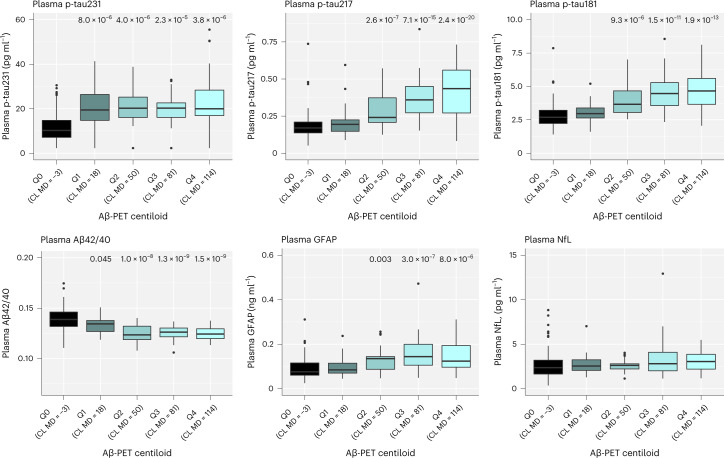
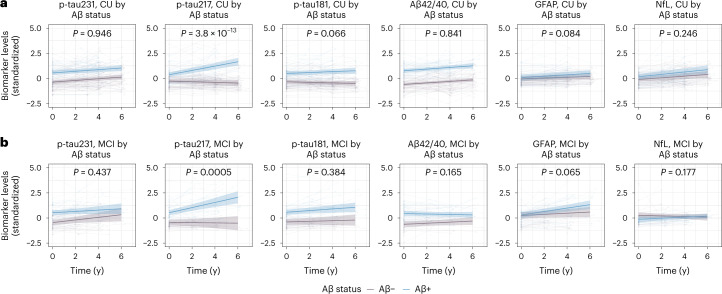
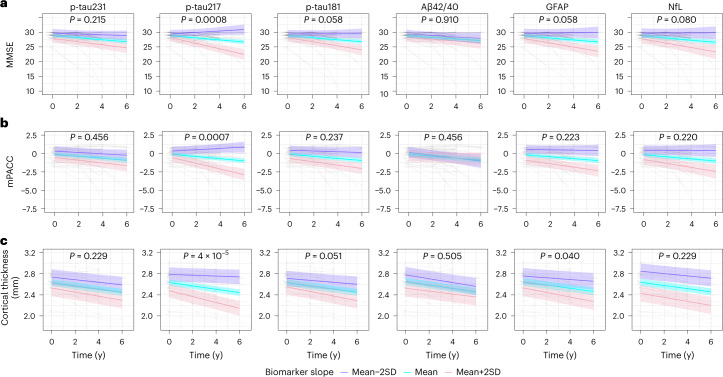
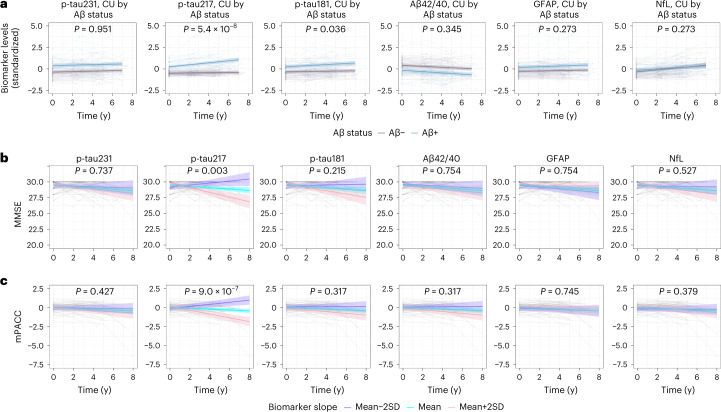
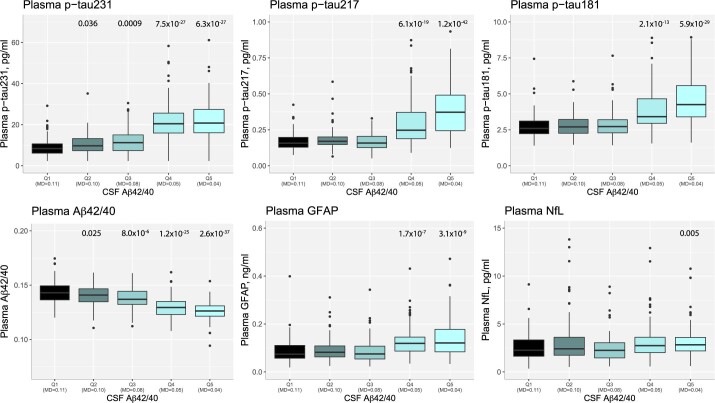
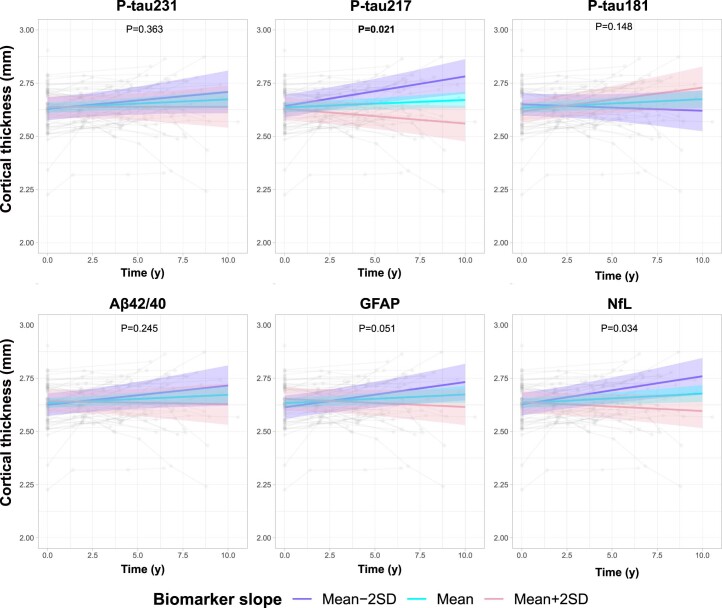
Blood biomarkers indicative of Alzheimer’s disease (AD) pathology are altered in both preclinical and symptomatic stages of the disease. Distinctive biomarkers may be optimal for the identification of AD pathology or monitoring of disease progression. Blood biomarkers that correlate with changes in cognition and atrophy during the course of the disease could be used in clinical trials to identify successful interventions and thereby accelerate the development of efficient therapies. When disease-modifying treatments become approved for use, efficient blood-based biomarkers might also inform on treatment implementation and management in clinical practice. In the BioFINDER-1 cohort, plasma phosphorylated (p)-tau231 and amyloid-β42/40 ratio were more changed at lower thresholds of amyloid pathology. Longitudinally, however, only p-tau217 demonstrated marked amyloid-dependent changes over 4–6 years in both preclinical and symptomatic stages of the disease, with no such changes observed in p-tau231, p-tau181, amyloid-β42/40, glial acidic fibrillary protein or neurofilament light. Only longitudinal increases of p-tau217 were also associated with clinical deterioration and brain atrophy in preclinical AD. The selective longitudinal increase of p-tau217 and its associations with cognitive decline and atrophy was confirmed in an independent cohort (Wisconsin Registry for Alzheimer’s Prevention). These findings support the differential association of plasma biomarkers with disease development and strongly highlight p-tau217 as a surrogate marker of disease progression in preclinical and prodromal AD, with impact for the development of new disease-modifying treatments.
Overview
The claims and statistics of this paper haven’t been checked yet.
Free: it reads the open-access text and checks the first 5 claims that cite a source we can check. Create a free account to check every claim.
Integrity signals
Registry
Cites
Statistics
Figures
Verification
Claims the paper makes
The claims and statistics of this paper haven’t been checked yet.
Free: it reads the open-access text and checks the first 5 claims that cite a source we can check. Create a free account to check every claim.
Claims other papers make about this one
Each is checked against this paper’s own text: does it say what the citing paper says it does?
The source backs part of the claim, not all of it — or backs it for a different population, condition or comparison.
In the citing paper
“Plasma levels of p-tau are strongly associated with PET and CSF biomarkers of AD pathology19–25, neuropathological changes associated with AD20,23,26,27 and the subsequent development of AD dementia20,23,28.”
From Highly accurate blood test for Alzheimer's disease is similar or superior to clinical cerebrospinal fluid tests (2024) · cites this paper as [19]
Experimental — accuracy not yet measuredThe cited source says what the claim attributes to it.
In the citing paper
“Additionally, p-tau217 demonstrates a unique longitudinal trajectory, showing increases associated with worsening brain atrophy and declining cognitive performance in individuals with elevated Aβ pathology.24,25”
From Diagnostic Accuracy of a Plasma Phosphorylated Tau 217 Immunoassay for Alzheimer Disease Pathology (2024) · cites this paper as [24]
Self-check
Percentages, sums and reported differences re-computed from the paper’s own numbers.
The self-check needs the paper’s full text.
Citations
Cites
Palmqvist, S., Janelidze, S., Quiroz, Y. T., Zetterberg, H., Lopera, F., Stomrud, E., Su, Y., Chen, Y., Serrano, G. E., Leuzy, A., et al. (2020) · JAMA · doi:10.1001/jama.2020.12134 · Cited by 1,603 · cited 3×
“For example, while all p-tau biomarkers relate to AD postmortem pathology 6,14,15 , in AD brain tissue, p-tau217 is prominently seen in granulovacuolar degeneration bodies and multivesicular bodies in neurons, which is not observed for p-tau181 and p-tau231 (ref.”
Self-citationThe Centiloid Project: standardizing quantitative amyloid plaque estimation by PET
Klunk, W. E., Koeppe, R. A., Price, J. C., Benzinger, T. L., Devous, M. D., Jagust, W. J., Johnson, K. A., Mathis, C. A., Minhas, D., Pontecorvo, M. J., et al. (2015) · Alzheimer's & Dementia · doi:10.1016/j.jalz.2014.07.003 · Cited by 1,348 · cited 1×
“Next, we analyzed plasma biomarkers when grouping participants by Aβ-PET centiloids, which is an established measure to increase comparability across Aβ-PET methods 22 .”
Karikari, T. K., Pascoal, T. A., Ashton, N. J., Janelidze, S., Benedet, A. L., Rodriguez, J. L., Chamoun, M., Savard, M., Kang, M. S., Therriault, J., et al. (2020) · The Lancet Neurology · doi:10.1016/s1474-4422(20)30071-5 · Cited by 1,316
Self-citationJanelidze, S., Mattsson, N., Palmqvist, S., Smith, R., Beach, T. G., Serrano, G. E., Chai, X., Proctor, N. K., Eichenlaub, U., Zetterberg, H., et al. (2020) · Nature Medicine · doi:10.1038/s41591-020-0755-1 · Cited by 1,247 · cited 1×
“Recently, blood biomarkers reflecting Aβ 3,4 , tau 5–8 , neurodegeneration 9,10 and astrogliosis 11,12 , have been developed and validated.”
Self-citationBiomarkers for neurodegenerative diseases
Hansson, O. (2021) · Nature Medicine · doi:10.1038/s41591-021-01382-x · Cited by 1,159
Self-citationAssociation of plasma neurofilament light with neurodegeneration in patients with Alzheimer disease
Mattsson, N., Andreasson, U., Zetterberg, H., Blennow, K., & Initiative, F. T. A. D. N. (2017) · JAMA Neurology · doi:10.1001/jamaneurol.2016.6117 · Cited by 1,070
Self-citationDefining imaging biomarker cut points for brain aging and Alzheimer's disease
Jack, C. R., Wiste, H. J., Weigand, S. D., Therneau, T. M., Lowe, V. J., Knopman, D. S., Gunter, J. L., Senjem, M. L., Jones, D. T., Kantarci, K., et al. (2017) · Alzheimer's & Dementia · doi:10.1016/j.jalz.2016.08.005 · Cited by 931
High-precision plasma β-amyloid 42/40 predicts current and future brain amyloidosis
Schindler, S. E., Bollinger, J. G., Ovod, V., Mawuenyega, K. G., Li, Y., Gordon, B. A., Holtzman, D. M., Morris, J. C., Benzinger, T. L. S., Xiong, C., et al. (2019) · Neurology · doi:10.1212/wnl.0000000000008081 · Cited by 885 · cited 3×
“Recently, blood biomarkers reflecting Aβ 3,4 , tau 5–8 , neurodegeneration 9,10 and astrogliosis 11,12 , have been developed and validated.”
Self-citationThe Preclinical Alzheimer Cognitive Composite: Measuring Amyloid-Related Decline
Donohue, M. C., Sperling, R. A., Salmon, D. P., Rentz, D. M., Raman, R., Thomas, R. G., Weiner, M., & Aisen, P. S. (2014) · JAMA Neurology · doi:10.1001/jamaneurol.2014.803 · Cited by 860
Mattsson, N., Cullen, N. C., Andreasson, U., Zetterberg, H., & Blennow, K. (2019) · JAMA Neurology · doi:10.1001/jamaneurol.2019.0765 · Cited by 726 · cited 1×
“This includes a marker of global neurodegeneration, plasma NfL, which has been shown to associate with clinical progression in patients with more advanced symptoms 24,25 .”
Self-citation
Cited by
Items 101–200 of 467
Jarek, D. J., Mizerka, H., Nuszkiewicz, J., & Szewczyk‐Golec, K. (2024) · Biomedicines · doi:10.3390/biomedicines12040786 · Cited by 44
“Plasma p-tau231 demonstrates superior accuracy in distinguishing between CU A+ and A − individuals compared to plasma p-tau181, plasma p-tau217, and the A β 42/40 ratio, showing significantly better performance than other plasma biomarkers, with the exception of A β 42/40 [44,74,114].”
BackgroundResultInfluentialZheng, J., Zhou, R., Wang, B., He, C., Bai, S., Yan, H., Yu, J., Li, H., Peng, B., Gao, Z., et al. (2024) · Extracellular Vesicles and Circulating Nucleic Acids · doi:10.20517/evcna.2023.72 · Cited by 37
Wojdała, A. L., Vanbrabant, J., Bayoumy, S., Antwi‐Berko, D., Bastard, N. L., van der Flier, W. M., Jeromin, A., Lambrechts, C., Loo, M. V., Vandijck, M. L. J., et al. (2024) · Alzheimer s Research & Therapy · doi:10.1186/s13195-024-01630-5 · Cited by 38
Jiang, Y., Uhm, H., Ip, F. C., Ouyang, L., Lo, R. M. N., Cheng, E. Y. L., Cao, X., Tan, C. M. C., Law, B. C. H., Ortiz‐Romero, P., et al. (2024) · Alzheimer's & Dementia · doi:10.1002/alz.13676 · Cited by 36
Self-citationDiagnostic performance of plasma p‐tau217 and Aβ42/40 biomarkers in the outpatient memory clinic
Piura, Y. D., Figdore, D. J., Lachner, C., Bornhorst, J. A., Algeciras‐Schimnich, A., Graff‐Radford, N. R., & Day, G. S. (2025) · Alzheimer s & Dementia · doi:10.1002/alz.70316 · Cited by 44
Snellman, A., Ekblad, L. L., Ashton, N. J., Karikari, T. K., Lantero‐Rodriguez, J., Pietilä, E. A., Koivumäki, M., Helin, S., Karrasch, M., Zetterberg, H., et al. (2023) · Neurobiology of Disease · doi:10.1016/j.nbd.2023.106175 · Cited by 36
“…unimpaired individuals with subtle changes in A β and without neurofibrillary tangle pathology measurable by tau PET (Mil ` a-Alom ` a et al., 2022; Ashton et al., 2022), likely caused by a change in the metabolism of tau associated with the initiation of A β pathology (Sato et al., 2018;…”
BackgroundSelf-citationVila‐Castelar, C., Chen, Y., Langella, S., Lopera, F. J., Zetterberg, H., Hansson, O., Dage, J. L., Janelidzde, S., Su, Y., Chen, K., et al. (2023) · Alzheimer s & Dementia · doi:10.1002/alz.13314 · Cited by 37
Self-citationKubota, M., Bun, S., Takahata, K., Kurose, S., Momota, Y., Iwabuchi, Y., Tezuka, T., Tabuchi, H., Seki, M., Yamamoto, Y., et al. (2025) · Alzheimer s Research & Therapy · doi:10.1186/s13195-025-01778-8 · Cited by 42
“In contrast, p-tau217 increased in parallel with disease progression across the AD continuum, consistent with previous findings [9].”
Plasma ATN(I) classification and precision pharmacology in Alzheimer's disease
Imbimbo, B. P., Watling, M., Imbimbo, C., & Nisticò, R. (2023) · Alzheimer's & Dementia · doi:10.1002/alz.13084 · Cited by 34
Cai, Y. Q., Shi, D., Lan, G., Chen, L., Jiang, Y., Zhou, L., Guo, T., & Initiative, A. D. N. (2024) · Neurology · doi:10.1212/wnl.0000000000209205 · Cited by 34
Haraldsen, I., Hatlestad‐Hall, C., Marra, C., Renvall, H., Maestú, F., Acosta-Hernández, J., Alfonsín, S., Andersson, V., Anand, A., Ayllón, V., et al. (2024) · Frontiers in Neurorobotics · doi:10.3389/fnbot.2023.1289406 · Cited by 37
Zhuang, X., Jie, L., Song, Y., Ban, R., Zhao, X., Xia, Z., Wang, Z., & Zhang, G. (2024) · NeuroMolecular Medicine · doi:10.1007/s12017-024-08815-z · Cited by 35
“The study found that p-tau231 was particularly effective, with high accuracy in identifying Aβ pathology, indicating its potential in early detection and monitoring of AD progression (Ashton et al., 2022).”
Delva, A., Pelletier, A., Somerville, E. N., Montplaisir, J. Y., Gagnon, J., Kollmorgen, G., Kam‐Thong, T., Kustermann, T., Machado, V., Gan‐Or, Z., et al. (2025) · Brain · doi:10.1093/brain/awaf003 · Cited by 33
How the gut microbiota impacts neurodegenerative diseases by modulating CNS immune cells
Schaible, P., Henschel, J., & Erny, D. (2025) · Journal of Neuroinflammation · doi:10.1186/s12974-025-03371-0 · Cited by 35
“CSF and blood biomarkers show high potential to optimize diagnostic strategies, with several candidates currently being investigated such as Aβ42/40 as well as p-tau 231 and p-tau217 [6].”
Head-to-head comparison of plasma and PET imaging ATN markers in subjects with cognitive complaints
Lu, J., Ma, X., Zhang, H., Xiao, Z., Li, M., Wu, J., Ju, Z., Chen, L., Zheng, L., Ge, J., et al. (2023) · Translational Neurodegeneration · doi:10.1186/s40035-023-00365-x · Cited by 33
“Future work in this area should also validate different plasma T biomarkers, which may have differential roles for identifying amyloid pathology [64].”
BackgroundMeijer, L., Chrétien, E., & Ravel, D. (2024) · Journal of Alzheimer s Disease · doi:10.3233/jad-240078 · Cited by 33
Mengel, D., Soter, E., Ott, J. M., Wacker, M., Leyva, A., Peters, O., Hellmann‐Regen, J., Schneider, L., Wang, X., Priller, J., et al. (2025) · Molecular Psychiatry · doi:10.1038/s41380-025-03021-0 · Cited by 34
Effects of certain pre-analytical factors on the performance of plasma phospho-tau217
Bali, D., Hansson, O., & Janelidze, S. (2024) · Alzheimer s Research & Therapy · doi:10.1186/s13195-024-01391-1 · Cited by 32
“A recent work demonstrated that plasma levels of p-tau217 but not other candidate plasma AD biomarkers (e.g., p-tau181 and p-tau231) clearly increase over time in people with abnormal brain Aβ deposition correlating with brain atrophy and cognitive decline [12].”
BackgroundSelf-citationA critical appraisal of blood-based biomarkers for Alzheimer’s disease
Lista, S., Mapstone, M. E., Caraci, F., Emanuele, E., López‐Ortiz, S., Martín-Hernández, J., Triaca, V., Imbimbo, C., Gabelle, A., Mielke, M. M., et al. (2024) · Ageing Research Reviews · doi:10.1016/j.arr.2024.102290 · Cited by 32
Plasma pTau181 and pTau217 predict asymptomatic amyloid accumulation equally well as amyloid PET
Meyer, S. D., Schaeverbeke, J. M., Luckett, E. S., Reinartz, M., Blujdea, E. R., Cleynen, I., Dupont, P. J., Laere, K. V., Vanbrabant, J., Stoops, E., et al. (2024) · Brain Communications · doi:10.1093/braincomms/fcae162 · Cited by 31
“Future studies should explore whether factors reflecting other early pathophysiological processes (e.g. synaptic markers or pTau231 14,34 ) can further improve this performance.”
BackgroundMethodSelf-citationSanchez-Rodriguez, L. M., Bezgin, G., Carbonell, F., Therriault, J., Arias, J. F., Servaes, S., Rahmouni, N., Tissot, C., Stevenson, J., Karikari, T. K., et al. (2024) · Communications Biology · doi:10.1038/s42003-024-06217-2 · Cited by 36
“Increased excitability was also associated with high levels of plasma biomarkers (blood phosphorylated tau and GFAP) which are sensitive to incipient AD pathology 40 – 42, 54, 55 and disease progression , especially p-tau217 p-tau217 39, 40 .”
BackgroundSelf-citationTsoy, E., Joie, R. L., VandeVrede, L. A., Rojas, J. C., Yballa, C., Chan, B., Lago, A. L., Rodriguez, A., Goode, C. A., Erlhoff, S. J., et al. (2024) · Alzheimer s & Dementia · doi:10.1002/alz.13686 · Cited by 31
Ravichandran, S., Snyder, P. J., Alber, J., Murchison, C., Chaby, L. E., Jeromin, A., & Arthur, E. (2025) · Alzheimer s Research & Therapy · doi:10.1186/s13195-024-01668-5 · Cited by 31
“…from preclinical to dementia due to AD respectively, with plasma p-tau217 having a better diagnostic ability for the former compared to other plasma p-tau isoforms such as p-tau181 and p-tau231 [78, 79], indicating that some plasma-based biomarkers may do well in later rather than early disease.”
Differential roles of Alzheimer's disease plasma biomarkers in stepwise biomarker‐guided diagnostics
Jang, H., Shin, D., Yoo, H., Zetterberg, H., Blennow, K., González‐Ortiz, F., Ashton, N. J., Day, T. A., Lee, E. H., Yun, J., et al. (2025) · Alzheimer s & Dementia · doi:10.1002/alz.14526 · Cited by 29
Self-citationGonzález‐Escalante, A., Milà‐Alomà, M., Brum, W. S., Ashton, N. J., Ortiz-Romero, P. L., Shekari, M., del Campo, M., Anastasi, F., Quijano‐Rubio, C., Kollmorgen, G., et al. (2025) · EBioMedicine · doi:10.1016/j.ebiom.2025.105741 · Cited by 33
“Previous studies have shown that blood-based biomarkers are able to accurately detect those CU individuals who are A+, 5,8,10,12,15,45 – 49 but the discrimination accuracies are not as high as those found in CI individuals.”
Self-citationValidating blood tests as a possible routine diagnostic assay of Alzheimer’s disease
Kodosaki, E., Zetterberg, H., & Heslegrave, A. (2023) · Expert Review of Molecular Diagnostics · doi:10.1080/14737159.2023.2289553 · Cited by 27
“…has been shown repeatedly to correlate with development or existence of AD, increased brain amyloid pathology as indicated by amyloid burden and tau-related pathology as that confirmed by either imaging and/or CSF biomarkers at population/cohort level [16–21] and even at an individual level [22].”
BackgroundResultInfluentialSelf-citationMendes, A. J., Ribaldi, F., Lathuilière, A., Ashton, N. J., Zetterberg, H., Abramowicz, M., Scheffler, M., Assal, F., Garibotto, V., Blennow, K., et al. (2024) · Alzheimer s Research & Therapy · doi:10.1186/s13195-024-01478-9 · Cited by 28
“A recent longitudinal study has shown minimal changes of p-tau181 and p-tau231 in Aβ-positive CU and MCI individuals, despite large baseline changes [38] This change is better represented by p-tau217 which was associated with atrophy and cognitive measure over 8-years [38].”
BackgroundSelf-citationMassussi, M., Bellicini, M. G., Adamo, M., Pilotto, A., Metra, M., Padovani, A., & Proietti, R. (2024) · ESC Heart Failure · doi:10.1002/ehf2.15144 · Cited by 29
“89,90 Integrating such biomarkers into screening strategies could signi fi cantly advance the identi fi cation of high-risk patients and improve overall cognitive assessment in the HF population.”
Sarto, J., Esteller, D., Tort‐Merino, A., Guillén, N., Pérez‐Millan, A., Falgàs, N., Borrego‐Écija, S., Fernández‐Villullas, G., Bosch, B., Juncà‐Parella, J., et al. (2023) · Journal of Neurology · doi:10.1007/s00415-023-12153-8 · Cited by 28
Integrating amyloid and tau imaging with proteomics and genomics in Alzheimer’s disease
Vilkaite, G., Vogel, J. W., & Mattsson, N. (2024) · Cell Reports Medicine · doi:10.1016/j.xcrm.2024.101735 · Cited by 29
Vogelgsang, J. S., Hansen, N., Stark, M., Wagner, M., Klafki, H., Morgado, B., Jahn‐Brodmann, A., Schott, B. H., Esselmann, H., Bauer, C., et al. (2024) · Alzheimer s & Dementia · doi:10.1002/alz.13909 · Cited by 27
“Especiallyfor the SCD group, we see the best correlation between the measured A β ratio and disease progression; it also complements other markers such as p-tau231 or p-tau217, which are pathological at preclinical AD stages 28 and predicts long-term cognitive decline in preclinical AD.”
ResultBlood biomarkers differentiate AD‐related versus non‐AD‐related cognitive deficits
Sewell, K. R., Oberlin, L. E., Karikari, T. K., Olvera‐Rojas, M., Wan, L., Morris, J. K., Kueck, P. J., Zeng, X., Huang, H., Grove, G., et al. (2025) · Alzheimer s & Dementia · doi:10.1002/alz.14619 · Cited by 25
Self-citationMalek‐Ahmadi, M. H., Sharma, S., Stipho, F., Denkinger, M. N., Singh, A., Brum, W. S., & Ashton, N. J. (2025) · JAMA Neurology · doi:10.1001/jamaneurol.2025.4721 · Cited by 26
Self-citationFluid biomarkers for neurodegenerative diseases: a comprehensive update
Valletta, M., Briel, N., Yuksekel, I., Barboure, M. C., Coward, A. R., Houwer, J. F. H. D., Fawad, A., González-Mayoral, A., Iaccarino, G., Martínez‐Dubarbie, F., et al. (2025) · Alzheimer s Research & Therapy · doi:10.1186/s13195-025-01919-z · Cited by 26
Self-citationKorologou‐Linden, R., Kalsi, J., Kafetsouli, D., Olawale, A., Wingfield, D., Mummery, D., Hayhoe, B. W. J., Robinson, O., Majeed, A., & Middleton, L. T. (2024) · The Journal of Prevention of Alzheimer s Disease · doi:10.14283/jpad.2024.83 · Cited by 28
“In the BioFINDER-1 cohort of individuals who had MCI or were cognitively unimpaired (NCU=147, NMCI=95) (66), p-Tau217 showed clear changes in Aβ+ individuals compared to Aβ-individuals in both pre-clinical and symptomatic AD stages over a span of four to six years.”
MethodResultChen, S., Ou, R., Wei, Q., Li, C., Wei, S., Zhao, B., Yang, H. J., Fu, J., Ma, Y., Liu, J., et al. (2025) · Alzheimer s & Dementia · doi:10.1002/alz.70750 · Cited by 27
Kong, Q., Liu, C., Zhang, Y., He, Y., Zhang, R., Wang, Y., Zhou, Q., & Cui, F. (2024) · Microchimica Acta · doi:10.1007/s00604-024-06395-0 · Cited by 25
BACE Inhibitor Clinical Trials for Alzheimer’s Disease
Watkins, E. A., & Vassar, R. J. (2024) · Journal of Alzheimer s Disease · doi:10.3233/jad-231258 · Cited by 25
Sarto, J., Esteller, D., Guillén, N., Falgàs, N., Borrego‐Écija, S., Massons, M., Fernández‐Villullas, G., González, Y., Tort‐Merino, A., Bosch, B., et al. (2025) · Journal of Neurology · doi:10.1007/s00415-025-12897-5 · Cited by 25
Wang, Z., Tan, L., Gao, P., Ma, Y., Fu, Y., Sun, Y., Yu, J., & Initiative, A. D. N. (2023) · Alzheimer s & Dementia · doi:10.1002/alz.13413 · Cited by 25
CSF glial biomarkers are associated with cognition in individuals at risk of Alzheimer's disease
Warmenhoven, N., Sánchez‐Benavides, G., González‐Escalante, A., Milà‐Alomà, M., Shekari, M., López‐Martos, D., Ortiz‐Romero, P., Kollmorgen, G., Quijano‐Rubio, C., Minguillón, C., et al. (2024) · Alzheimer s & Dementia · doi:10.1002/alz.13862 · Cited by 25
Self-citationAnkeny, S. E., Bacci, J. R., Decourt, B., Sabbagh, M. N., & Mielke, M. M. (2024) · Neurology and Therapy · doi:10.1007/s40120-024-00658-x · Cited by 23
Blūma, M., Chiotis, K., Bucci, M., Savitcheva, I., Matton, A., Kivipelto, M., Jeromin, A., Santis, G. D., Molfetta, G. D., Ashton, N. J., et al. (2024) · EBioMedicine · doi:10.1016/j.ebiom.2024.105504 · Cited by 22
“10 The observation of an association between CSF pTau181 and pTau231 suggests that tau, rather than amyloid pathology, may contribute to the subsequent elevation of pTau231 levels.”
Self-citationLin, Y., Kwon, H. S., Lee, W., Hwang, M., Jeong, J. H., Koh, S., Choi, S. H., & Fuh, J. (2025) · Alzheimer s & Dementia · doi:10.1002/alz.14565 · Cited by 27
“31 In the present study, a difference in the ability of p-tau217 and p-tau181 levels to predict A β + was not detected in the MCI group, and the difference began to emerge again in patients with dementia, although it was not statistically significant (Figure 3).”
Jiao, B., Ouyang, Z., Liu, Y., Zhang, C., Xu, T., Yang, Q., Zhang, S., Zhu, Y., Wan, M., Xiao, X., et al. (2025) · Alzheimer s Research & Therapy · doi:10.1186/s13195-025-01712-y · Cited by 23
“However, these results are inconsistent with the findings of Ashton et al., which showed that longitudinal changes in p-tau217, but not p-tau181, were associated with cognitive changes [14].”
Plasma Alzheimer's biomarkers and brain amyloid in Hispanic and non‐Hispanic older adults
Asken, B. M., Wang, W., McFarland, K. N., Arias, F., Fiala, J. A., Vélez-Uribe, I., Mayrand, R. P., Sawada, L. O., Freytes, C. Y., Adeyosoye, M., et al. (2023) · Alzheimer s & Dementia · doi:10.1002/alz.13456 · Cited by 22
Diffusion MRI relates to plasma Aβ42/40 in PET negative participants without dementia
DeSimone, J. C., Wang, W., Loewenstein, D., Duara, R., Smith, G. E., McFarland, K. N., Armstrong, M. J., Weber, D. M., Barker, W., Coombes, S. A., et al. (2024) · Alzheimer s & Dementia · doi:10.1002/alz.13693 · Cited by 24
Blood biomarkers in Down syndrome: Facilitating Alzheimer's disease detection and monitoring
Petersen, M. E., Aguilar, L. F., Head, E., Montoliu‐Gaya, L., Strydom, A., Pape, S. E., Fortea, J., Ashton, N. J., Udeh‐Momoh, C. T., O’Bryant, S. E., et al. (2024) · Alzheimer s & Dementia · doi:10.1002/alz.14364 · Cited by 22
“70 This is supported by studies demonstrating positive associations among IL-1b, total tau, and A β 42 measured in plasma in DS-AD.”
Self-citationLombardi, G., Pancani, S., Manca, R., Mitolo, M., Baiardi, S., Massa, F., Coppola, L., Franzese, M., Nicolai, E., Guerini, F. R., et al. (2024) · International Journal of Molecular Sciences · doi:10.3390/ijms252312916 · Cited by 23
Wu, C., Kupferschmid, A. C., Liu, C., McManus, A. J., Kivisäkk, P., Galler, J. A., Schwab, N. A., DesRuisseaux, L. A., Williams, V. J., Gerber, J. A., et al. (2025) · Alzheimer s & Dementia Translational Research & Clinical Interventions · doi:10.1002/trc2.70023 · Cited by 31
Peng, L., Xie, X., Chen, X., & Chen, C. (2025) · ACS Sensors · doi:10.1021/acssensors.5c02453 · Cited by 22
Longitudinal Blood-Based Biomarkers and Clinical Progression in Subjective Cognitive Decline
Trieu, C., van Harten, A. C., van Leeuwenstijn, M. S. S. A., Schlüter, L., Boonkamp, L., Aladdin, A., Sikkes, S. A. M., van de Giessen, E., Verberk, I. M. W., Teunissen, C. E., et al. (2025) · JAMA Network Open · doi:10.1001/jamanetworkopen.2025.45862 · Cited by 24
Angioni, D., Hansson, O., Bateman, R. J., Rabe, C., Toloue, M., Braunstein, J. B., Agus, S., Sims, J. R., Bittner, T., Carrillo, M. C., et al. (2023) · The Journal of Prevention of Alzheimer s Disease · doi:10.14283/jpad.2023.68 · Cited by 23
“A recent analysis from the BioFINDER cohort showed that plasma p-tau217 had longitudinal increases over a period of 4-6 years in amyloid-positive individuals, with no such changes demonstrated in p-tau231, p-tau181, Aβ42/40, GFAP or NfL that reached a plateau (44).”
MethodSelf-citationJanelidze, S., Collij, L. E., Mattsson, N., Antill, A., Laymon, C. M., Lott, I. T., Rosas, H. D., Minhas, D. S., Luo, W., Zaman, S. H., et al. (2025) · The Lancet Neurology · doi:10.1016/s1474-4422(25)00158-9 · Cited by 20
Self-citationEstimating the time course of biomarker changes in Alzheimer’s disease
Rakêt, L. L., Binette, A. P., Mattsson, N., Janelidze, S., Zetterberg, H., Ashton, N. J., Blennow, K., Stomrud, E., Palmqvist, S., & Hansson, O. (2025) · Brain · doi:10.1093/brain/awaf413 · Cited by 24
“P-tau P-tau biomarkers (especially p-tau231 but to some extent also p-tau217) have been shown to be very closely associated with early A β accumulation, 42,60,61 so the observed signal could reflect early A β -induced changes in p-tau and not insoluble tau pathology.”
Self-citationSerrano‐Pozo, A., Escott‐Price, V., Grinberg, L. T., Pascoal, T. A., Suárez‐Calvet, M., Dubois, B., & Sperling, R. A. (2026) · The Lancet · doi:10.1016/s0140-6736(26)00198-4 · Cited by 22
Wang, J., Chen, M., Masters, C. L., & Wang, Y. (2023) · Alzheimer s & Dementia · doi:10.1002/alz.13116 · Cited by 20
Martínez‐Dubarbie, F., Guerra-Ruiz, A. R., López‐García, S., Lage, C., Fernández‐Matarrubia, M., Infante, J., Pozueta‐Cantudo, A., García‐Martínez, M., Corrales‐Pardo, A., Bravo, M., et al. (2024) · The Journal of Prevention of Alzheimer s Disease · doi:10.14283/jpad.2024.152 · Cited by 20
Devanarayan, V., Charil, A., Horie, K., Doherty, T., Llano, D. A., Andreozzi, E., Sachdev, P., Ye, Y., Murali, L. K., Zhou, J., et al. (2025) · Alzheimer's & Dementia · doi:10.1002/alz.14411 · Cited by 19
Longitudinal trajectory of plasma p-tau217 in cognitively unimpaired subjects
Martínez‐Dubarbie, F., Guerra-Ruiz, A. R., López‐García, S., Lage, C., Fernández‐Matarrubia, M., Pozueta‐Cantudo, A., García‐Martínez, M., Corrales‐Pardo, A., Bravo, M., López‐Hoyos, M., et al. (2024) · Alzheimer s Research & Therapy · doi:10.1186/s13195-024-01642-1 · Cited by 19
“Taken together, these findings reflect that plasma p-tau217 is a dynamic marker even in preclinical stages, being related to the evolution of brain pathology, as it has been previously suggested [12, 40].”
Alzheimer’s disease basics: we all should know
Das, S. K. (2025) · Neurological Research · doi:10.1080/01616412.2025.2529560 · Cited by 21
“…pTau biomarker for AD diagnosis and patient observation due to its noticeable fold alterations and strong relationship with AD clinical markers [127,128]. pTau235, a phosphorylation site that has been discovered to be a crucial component in paired helical filaments (PHFs) [129,130], is the latest…”
Evaluating Plasma p-tau217 as an Endpoint for Alzheimer Disease Clinical Trials
Ferreira, P. C. L., Bellaver, B., Povala, G., Bauer‐Negrini, G., Aguzzoli, C. S., Ferrari‐Souza, J. P., Leffa, D. T., Soares, C., Lussier, F. Z., Medeiros, M. S., et al. (2025) · Neurology · doi:10.1212/wnl.0000000000214441 · Cited by 22
“19,38 In conclusion, our fi ndings suggest that plasma p-tau217 is a promising marker for tracking treatment response in both preclinical and symptomatic A β -positive individuals.”
Self-citationYang, H. Y., Anzai, J. A. U., Yau, W. W., Healy, B. C., Viera, A. M. R., Maa, C., Kirn, D. R., Properzi, M. J., Bellier, J., Schultz, A. P., et al. (2026) · Nature Communications · doi:10.1038/s41467-026-71269-3 · Cited by 21
“…A β accumulation 17,18 , and a longitudinal increase in pTau217 has been shown to correlate with progressive brain atrophy and cognitive decline 14,15,19 , suggesting that plasma pTau217 may be used to track individual-level disease progression and treatment response in the earliest…”
Tau: a biomarker of Huntington’s disease
Lepinay, E., & Cicchetti, F. (2023) · Molecular Psychiatry · doi:10.1038/s41380-023-02230-9 · Cited by 19
Relationship of plasma biomarkers to digital cognitive tests in Alzheimer's disease
Toniolo, S., Zhao, S., Scholcz, A., Amein, B., Ganse‐Dumrath, A., Heslegrave, A., Thompson, S., Manohar, S., Zetterberg, H., & Husain, M. (2024) · Alzheimer s & Dementia Diagnosis Assessment & Disease Monitoring · doi:10.1002/dad2.12590 · Cited by 22
“…Institute on Aging–Alzheimer’s Association revised criteria for AD, 66 and given their increased use in clinical practice, 67 implementation of a digital cognitive platform that has been validated with AD plasma biomarkers provides an important step forward for future large-scale deployment.”
Self-citationZarkali, A., Hannaway, N., McColgan, P., Heslegrave, A., Veleva, E., Laban, R., Zetterberg, H., Lees, A. J., Fox, N. C., & Weil, R. S. (2024) · Brain Communications · doi:10.1093/braincomms/fcae130 · Cited by 20
“122,123 Plasma p-tau217 levels are also predictive of abnormal tau-PET and β -amyloid CSF status in dementia with Lewy bodies and PD dementia 124 but these have not yet been applied in earlier stages of PD and could be examined in future work.”
Self-citationLizama, B. N., North, H. A., Pandey, K., Williams, C., Duong, D., Cho, E., Di Caro, V., Ping, L., Blennow, K., Zetterberg, H., et al. (2024) · Neurobiology of Disease · doi:10.1016/j.nbd.2024.106575 · Cited by 19
“CSF A β 42 and A β 40 levels, including calculation of the A β 42/40 ratio, are routinely assessed to evaluate impact on disease biology and for diagnosis of AD (Ashton et al., 2022).”
MethodSelf-citationKwon, H. S., Hwang, M., Koh, S., Choi, S. H., Lee, J., Kim, H., Park, S., Park, H., Jeong, J. H., Han, M. H., et al. (2025) · Scientific Reports · doi:10.1038/s41598-025-90232-8 · Cited by 20
“A previous study analyzing Aβ positivity–related changes in plasma p-tau 31 . showed that plasma p-tau217 increased significantly more in CU individuals who were amyloid-positive than in those who were amyloid-negative.”
Potential utility of plasma pTau217 for assessing amyloid and tau biomarker profiles
Shin, D., Jang, H., Yoo, H., Kim, K., Zetterberg, H., Blennow, K., González‐Ortiz, F., Ashton, N. J., Lee, E. H., Yun, J., et al. (2025) · European Journal of Nuclear Medicine and Molecular Imaging · doi:10.1007/s00259-025-07457-y · Cited by 18
“Previous studies [ 53 –55] have shown that elevated pTau217 levels are associated with accelerated cognitive decline and linked to both Aβ and tau PET posi - tivity.”
Self-citationPlasma phosphorylated-tau217 is increased in Niemann–Pick disease type C
González‐Ortiz, F., Karikari, T. K., Vruchte, D. T., Shepherd, D., Kirsebom, B., Fladby, T., Platt, F. M., & Blennow, K. (2024) · Brain Communications · doi:10.1093/braincomms/fcae375 · Cited by 18
Self-citationJung, S., Cho, K., Jung, E.-S., Son, D., Byun, J.-S., Kim, S.-I., Chae, S., Yang, J.-C., Lee, S., & Lim, S. (2025) · Nutrients · doi:10.3390/nu17040691 · Cited by 18
“Further, recent studies suggested that the analysis of p-tau and APOE genotypes in human plasma could serve as reliable biomarkers for cognitive assessments and the predictive diagnosis of AD [63–66].”
Raffin, J., Blennow, K., Rolland, Y., Cantet, C., Guyonnet, S., Vellas, B. J., & Barreto, P. D. S. (2025) · The Lancet Healthy Longevity · doi:10.1016/j.lanhl.2024.100678 · Cited by 19
Self-citationRecent advances in immunotherapy targeting amyloid-beta and tauopathies in Alzheimer’s disease
Sha, S., Ren, L., Xing, X., Guo, W., Wang, Y., Li, Y., Cao, Y., & Qu, L. (2025) · Neural Regeneration Research · doi:10.4103/nrr.nrr-d-24-00846 · Cited by 20
Self-citationXu, X., Mei, B., Yang, Y., Li, J., Weng, J., Yang, Y., Zhu, Q., Zhang, H., & Liu, X. (2025) · International Journal of Biological Sciences · doi:10.7150/ijbs.109315 · Cited by 17
“…various plasma biomarkers in early-stage AD cohorts, longitudinal increases in p-tau217 are specifically linked to lower Mini-Mental State Examination scores and brain atrophy, and in a delayed recall memory test, only the slope of p-tau217 is significantly associated with cognitive decline[108].”
Bermudez, C. L., Syrjanen, J. A., Stricker, N. H., Algeciras‐Schimnich, A., Kouri, N., Kremers, W. K., Petersen, R. C., Jack, C. R., Knopman, D. S., Dickson, D. W., et al. (2025) · The Journal of Prevention of Alzheimer s Disease · doi:10.1016/j.tjpad.2025.100224 · Cited by 18
“Plasma biomarkers have shown great promise as emerging tools in early diagnosis of Alzheimer’s Disease (AD) and other dementias [ 1 , 2 ] to discriminate those cognitively unimpaired individuals and those with mild cognitive impairment (MCI) or dementia due to AD [ 3–10 ].”
Tau in Alzheimer's disease: Shaping the future patient journey
Mummery, C. J., Li-Hsian, C. C., Lasagna‐Reeves, C. A., Ossenkoppele, R., Rowe, C. C., Scharre, D. W., Wang, H., Kyaga, S., & Cummings, J. L. (2026) · The Journal of Prevention of Alzheimer s Disease · doi:10.1016/j.tjpad.2025.100447 · Cited by 19
“Studies suggest that p-tau231 increases early, followed by p-tau217 and then p-tau181 [89,90].”
Taneva, S. G., Todinova, S. J., & Andreeva, T. D. (2023) · International Journal of Molecular Sciences · doi:10.3390/ijms241814296 · Cited by 18
Plasma phosphorylated tau 217 and amyloid‑β 42/40 for amyloid risk in subgroups
Kang, H., Yoo, H., Lee, J., Yoon, S., Zetterberg, H., Blennow, K., González‐Ortiz, F., Ashton, N. J., Day, T. A., Kang, S. H., et al. (2025) · Alzheimer s Research & Therapy · doi:10.1186/s13195-025-01826-3 · Cited by 17
Self-citationArthur, E., Ravichandran, S., Snyder, P. J., Alber, J., Strenger, J. R., Bittner, A. K., Khankan, R., Adams, S. L., Putnam, N., Lypka, K. R., et al. (2023) · Alzheimer s Research & Therapy · doi:10.1186/s13195-023-01312-8 · Cited by 16
“…ranges from low to high effect size from preclinical AD to prodromal AD, respectively, with the highest levels in AD dementia with p-tau 181 and also p-tau 231 both not performing as well as p-tau 217 [79, 80], positing that blood-based biomarkers may do better in later rather than early disease.”
BackgroundThe aldehyde dehydrogenase 2 rs671 variant enhances amyloid β pathology
Wang, X., Wang, J., Chen, Y., Qian, X., Luo, S., Wang, X., Ma, C., & Ge, W. (2024) · Nature Communications · doi:10.1038/s41467-024-46899-0 · Cited by 17
“The language should be corrected accordingly.”
Koychev, I. G., Adler, A., Edison, P., Tom, B. D. M., Milton, J. E., Butchart, J., Hampshire, A., Marshall, C. R., Coulthard, E. J., Zetterberg, H., et al. (2024) · BMJ Open · doi:10.1136/bmjopen-2023-081401 · Cited by 20
“25 48 Digitally derived measures may offer an alternative or complementary method for tracking effects in prodromal AD through the high density of data obtainable through passive and active cognitive function monitoring.”
MethodSelf-citationHsiao, W. W., Angela, S., Le, T., Fadhilah, G., Chiang, W., & Chang, H. (2024) · Microchemical Journal · doi:10.1016/j.microc.2024.111315 · Cited by 17
Kang, Y., Feng, Z., Zhang, Q., Liu, M., Li, Y., Yang, H., Zheng, L., Cheng, C., Zhou, W., Lou, D., et al. (2024) · Alzheimer s & Dementia · doi:10.1002/alz.14443 · Cited by 16
Self-citationCatania, M., Battipaglia, C., Perego, A., Salvi, E., Maderna, E., Cazzaniga, F. A., Rossini, P. M., Marra, C., Vanacore, N., Redolfi, A., et al. (2025) · Fluids and Barriers of the CNS · doi:10.1186/s12987-025-00620-5 · Cited by 18
Lantero‐Rodriguez, J., Vrillon, A., Fernández‐Lebrero, A., Ortiz‐Romero, P., Snellman, A., Montoliu‐Gaya, L., Brum, W. S., Cognat, E., Dumurgier, J., Puig‐Pijoan, A., et al. (2023) · Alzheimer s Research & Therapy · doi:10.1186/s13195-023-01201-0 · Cited by 18
“For example, p-tau231 is the first p-tau residue increasing in preclinical AD, confirming the earliest underlying AD processes [11, 12] whereas p-tau217, with its pronounced fold changes and strong association with AD pathological hallmarks, appears to be the most suitable p-tau biomarker for AD diagnosis and patient…”
BackgroundSelf-citationJiang, L., Roberts, R., Wong, M., Zhang, L., Webber, C. J., Libera, J., Wang, Z., Kilci, A., Jenkins, M., Ortiz, A. R., et al. (2024) · Frontiers in Neuroscience · doi:10.3389/fnins.2024.1372297 · Cited by 15
Harnessing cognitive trajectory clusterings to examine subclinical decline risk factors
Du, L., Hermann, B. P., Jonaitis, E. M., Cody, K. A., Rivera‐Rivera, L. A., Rowley, H. A., Field, A. S., Eisenmenger, L. B., Christian, B. T., Betthauser, T. J., et al. (2023) · Brain Communications · doi:10.1093/braincomms/fcad333 · Cited by 16
“…was assayed using the Lilly immunoassay on the Meso Scale Discovery platform, and the assays were performed at Lund University as described by Jonaitis et al. , 41 Palmqvist et al. , 42 Ashton et al. 43 and Mattsson-Carlgren et al. 44 All samples were assayed blind to any clinical and imaging data.”
MethodSelf-citationSilva‐Spínola, A., Leitão, M. J., Nadal, A., Bastard, N. L., Santana, I. J., & Baldeiras, I. (2024) · Alzheimer s Research & Therapy · doi:10.1186/s13195-024-01397-9 · Cited by 17
“Even though p-Tau217 has shown better performance in the prediction of future cognitive decline in pre-symptomatic and early stages [18, 34], p-Tau181 provides advantages from its cohesiveness from its compa-rability with traditional gold standard biomarkers, such as CSF p-Tau181 quantification and…”
BackgroundGöschel, L., Dell’Orco, A., Fillmer, A., Aydın, S., Ittermann, B., Riemann, L. T., Lehmann, S., Cano, S., Melin, J., Pendrill, L., et al. (2024) · Alzheimer s & Dementia · doi:10.1002/alz.14318 · Cited by 16
“3,13,66 Longitudinalassociations between hippocampus volume and plasma p-tau181 were not substantial in a previous study.”
Li, L., Che, P., Liu, D., Wang, Y., Li, J., He, D., Liu, T., & Zhang, N. (2025) · The Journal of Prevention of Alzheimer s Disease · doi:10.1016/j.tjpad.2025.100092 · Cited by 16
“…studies, blood-based biomarkers were shown to have high potential in the screening, early diagnosis, tracking progress and, ultimately, monitoring of the effectiveness of AD treatment in affected patients [ 4 , 5 ]. and detecting AD pathology at the mild cognitive impairment (MCI) stage [ 8 , 17 ].”
Utility of plasma GFAP as a secondary endpoint for clinical trials in Alzheimer’s disease
Abbas, S., Ferreira, P. C. L., Bellaver, B., Povala, G., Rohden, F., Aguzzoli, C. S., Zalzale, H., Ferrari‐Souza, J. P., Leffa, D. T., Lussier, F. Z., et al. (2025) · The Journal of Prevention of Alzheimer s Disease · doi:10.1016/j.tjpad.2025.100205 · Cited by 16
“Previous studies have tested the performance of plasma p-tau and NfL as endpoints in clinical trials [ 8 , 20 , 21 ].”
Self-citationNovel CSF tau biomarkers can be used for disease staging of sporadic Alzheimer’s
Salvadó, G., Horie, K., Barthélemy, N. R., Vogel, J. W., Binette, A. P., Chen, C. D., Aschenbrenner, A. J., Gordon, B. A., Benzinger, T. L. S., Holtzman, D. M., et al. (2023) · Alzheimer s & Dementia · doi:10.1002/alz.075367 · Cited by 14
Self-citationDiagnosis of Alzheimer's disease: Towards accuracy and accessibility
Mu, Y., Chang, K., Chen, Y.-F., Yan, K., Wang, C.-X., & Hua, Q. (2024) · Journal of Biological Methods · doi:10.14440/jbm.2024.412 · Cited by 14
“…AD plasma biomarker levels should evolve with AD progression, and current reports indicated that p-tau217 is advantageous over other biomarkers [60], and further validation is needed to determine the ultimate application of plasma biomarkers, in a combined multi-marker or single-marker fashion.”
BackgroundBiofluid biomarkers for Alzheimer’s disease: past, present, and future
An, C., Cai, H., Ren, Z., Fu, X., Quan, S., & Jia, L. (2024) · Medical Review · doi:10.1515/mr-2023-0071 · Cited by 14
“In contrast, P-tau231 displays more pronounced cross-sectional changes in response to early A β pathology but does not exhibit signi fi cant longitudinal changes [73].”
Inflammation biomarkers and Alzheimer's disease: A pilot study using NULISAseq
Molfetta, G. D., Pola, I., Tan, K., Isaacson, R., Blennow, K., Ashton, N. J., Benedet, A. L., & Zetterberg, H. (2025) · Alzheimer s & Dementia Diagnosis Assessment & Disease Monitoring · doi:10.1002/dad2.70079 · Cited by 15
Self-citationSarathkumar, E., Menon, R. N., & Jayasree, R. S. (2025) · Nanoscale · doi:10.1039/d5nr03475b · Cited by 13
Collij, L. E., Salvadó, G., Horie, K., Barthélemy, N. R., Betthauser, T. J., Strandberg, O. T., Smith, R. A., Palmqvist, S., Schindler, S. E., Ossenkoppele, R., et al. (2026) · Nature Communications · doi:10.1038/s41467-026-71732-1 · Cited by 13
“…as a particularly high-performing biomarker 12 – 16 , with excellent accuracy in discriminating between A β -negative and A β -positive individuals and low-intermediate vs high tau-PET burden 17 and strong associations with AD disease progression in both preclinical and symptomatic stages 18,19 .”
InfluentialSelf-citationSuárez‐Calvet, M., Ruiz, C. A., Alcolea, D. A., Mendióroz, M., Balasa, M., Morenas‐Rodríguez, E., Puig‐Pijoan, A., Sánchez‐Juan, P., Villarejo‐Galende, A., & Sánchez‐Valle, R. (2025) · Neurología (English Edition) · doi:10.1016/j.nrleng.2025.07.004 · Cited by 16
Post-Translationally Modified Proteoforms as Biomarkers: From Discovery to Clinical Use
Luo, Y. R., Yeung, P. S.-W., Mann, M. W., Zhang, L., Yang, Y. K., & Hoofnagle, A. N. (2025) · Clinical Chemistry · doi:10.1093/clinchem/hvaf094 · Cited by 15
Borelli, W. V., Ferreira, P. C. L., Brum, W. S., Ferrari‐Souza, J. P., Carello‐Collar, G., Holz, M. R., Souza, V. T., Strelow, M. Z., Formoso, C., Chaves, M. L. F., et al. (2025) · Molecular Psychiatry · doi:10.1038/s41380-025-03192-w · Cited by 14
Self-citation
Metadata
- Authors
- Ashton, N. J., Janelidze, S., Mattsson-Carlgren, N., Binette, A. P., Strandberg, O., Brum, W. S., Karikari, T. K., González-Ortiz, F., Di Molfetta, G., Meda, F. J., Jonaitis, E. M., Koscik, R. L., Cody, K., Betthauser, T. J., Li, Y., Vanmechelen, E., Palmqvist, S., Stomrud, E., Bateman, R. J., Zetterberg, H., Johnson, S. C., Blennow, K., & Hansson, O.
- Affiliations
- King's College London (GB)
- Lund University (SE)
- Universidade Federal do Rio Grande do Sul (BR)
- University of Pittsburgh (US)
- University of Gothenburg (SE)
- University of Wisconsin–Madison (US)
- Washington University in St. Louis (US)
- ADx NeuroSciences (BE)
- Sahlgrenska University Hospital (SE)
- Corresponding author
- Blennow, Kaj
- Hansson, Oskar
- ORCID
- Ashton, Nicholas J.
- Janelidze, Shorena
- Binette, Alexa Pichet
- Brum, Wagner S.
- Karikari, Thomas K.
- Meda, Francisco J.
- Jonaitis, Erin M.
- Koscik, Rebecca Langhough
- Cody, Karly
- Betthauser, Tobey J.
- Vanmechelen, Eugeen
- Palmqvist, Sebastian
- Stomrud, Erik
- Bateman, Randall J.
- Zetterberg, Henrik
- Johnson, Sterling C.
- Blennow, Kaj
- Hansson, Oskar
- Venue
- Nature Medicine
- Published
- 2022-12
- Volume
- 28
- Issue
- 12
- Pages
- 2555-2562
- ISSN
- 1078-8956 (ISSN-L)
- 1546-170X
- PMC
- PMC9800279
- OpenAlex
- W4310603866
- Cited by
- 436
- References
- 53
- Citations by year
- 2026: 99 · 2025: 128 · 2024: 135 · 2023: 72 · 2022: 1
- FWCI
- 52.02
- Type
- journal article
- Language
- en
- Open access
- hybrid
- doi.org
- Licence
- cc-by
- creativecommons.org/licenses/by/4.0 (tdm)
- creativecommons.org/licenses/by/4.0 (vor)
- Locations
- Nature Medicine (publishedVersion, cc-by)
- PubMed Central (publishedVersion, cc-by)
- PubMed (publishedVersion)
- Digital Commons@Becker (Washington University School of Medicine) (submittedVersion, cc-by)
- UCL Discovery (University College London) (submittedVersion)
- Lund University Publications (Lund University) (submittedVersion)
- Funders
- Alzheimer's Association (ADSF-21-831377-C, ZEN-21-848495, ADSF‐21‐831376‐C, ADSF-21-831376-C, ADSF-21-831381-C and ADSF-21-831377-C, #ADSF-21-831381-C, 2021 Zenith Award, -21- 831377-C)
- Alzheimer's Drug Discovery Foundation (201809–2016862, 201809-2016615, #RDAPB‐201809‐2016615)
- Eli Lilly and Company
- Pfizer
- Biogen
- Familjen Erling-Perssons Stiftelse (FO2019-0228, 860197)
- Stiftelsen för Gamla Tjänarinnor (860197, FO2019‐0228)
- EU Joint Programme – Neurodegenerative Disease Research (JPND2019-466-236)
- Prothena
- Australian Government
- Cerveau Technologies
- European Commission (HORIZON2020, JPND2019‐466‐236, 860197)
- Lunds Universitet
- Eisai
- Hjärnfonden (FO2019-0029, ALZ2022-0006), FO2021-0293, FO2017‑0243, FO2017, ALFGBG-715986, FO2020‐0271, FO2019‐0228, #ALFGBG-965240, JPND2019-466-236)
- Knut och Alice Wallenbergs Stiftelse (681712, 2017‐0383)
- Vetenskapsrådet (ALFGBG-965240, ALZ2022-0006, 2017-00915, 2016-00906, (#ALFGBG-715986, 681712, FO2021-0293, 2018-, JPND2019-466-236, 2018-02052, 2021-02219, 2017-00383, FO2017-0243, 2018-02532)
- Konung Gustaf V:s och Drottning Victorias Frimurarestiftelse (2020-O000028, 2020-0314, FO2017-0243)
- Region Skåne
- Skånes universitetssjukhus (2020-O000028)
- Siemens Healthineers
- Marcus och Amalia Wallenbergs minnesfond (2015.0125)
- Julius Clinical
- UK Dementia Research Institute (#2017-00915)
- Olav Thon Stiftelsen (#FO2019-0228)
- Stiftelsen Bundy Academy
- National Institutes of Health (ZEN-21- 848495, AG027161)
- Genentech
- Parkinsonfonden (1280/20)
- Avid Radiopharmaceuticals
- National Institute on Aging (R01AG068398, RF1AG027161, R01AG021155, R01AG027161, P30AG062715)
- Topics
- Life Sciences › Neuroscience › Cellular and Molecular Neuroscience › Alzheimer's disease research and treatments
- Health Sciences › Medicine › Psychiatry and Mental health › Dementia and Cognitive Impairment Research
- Health Sciences › Medicine › Clinical Neurology › Amyotrophic Lateral Sclerosis Research
- Keywords
- Alzheimer's disease, blood biomarkers, phosphorylated tau217, preclinical Alzheimer's disease, prodromal Alzheimer's disease, disease progression, brain atrophy, cognitive decline, disease-modifying therapy, clinical trial selection, neurofilament light chain, Wisconsin Registry for Alzheimer's Prevention
- MeSH terms
- Alzheimer Disease, Atrophy, Humans, Peptide Fragments, Biomarkers, Amyloid beta-Peptides, tau Proteins, Disease Progression, Cognitive Dysfunction
About these checks
Registry, retraction, Cites and statistics results are computed, not judged, with one exception: a printed reference that no index lists is read once by a model before it counts as a citation error. Claims are extracted by a model and kept only when their quote appears verbatim in the text; each cited source is then checked, with a model’s help, for whether it says what the claim relies on. Those verdicts can be wrong — read the claim’s quote and the cited source before relying on one.
Statistics and arithmetic are recomputed, not judged.
Confidence bands are shown only for fields calibrated on our annotated test set. None is calibrated yet, so no band is shown.
What counts as a claim ›How we measure confidence ›How we check this ›
Are you an author, or do you see a problem with this page? Request a review
Data sources
Bibliographic data: Semantic Scholar, OpenAlex, Crossref.
Contains information from the Semantic Scholar Academic Graph Datasets, made available under the ODC Attribution License (ODC-BY 1.0).
Semantic Scholar’s data is described in: Kinney, R., et al. (2023). The Semantic Scholar Open Data Platform. arXiv:2301.10140.
