

Differential roles of Aβ42/40, p-tau231 and p-tau217 for Alzheimer’s trial selection and disease monitoring
Open accessThe DOI matches its Crossref record; 55 of the 55 references it cites were found in a registry or an index.
Abstract
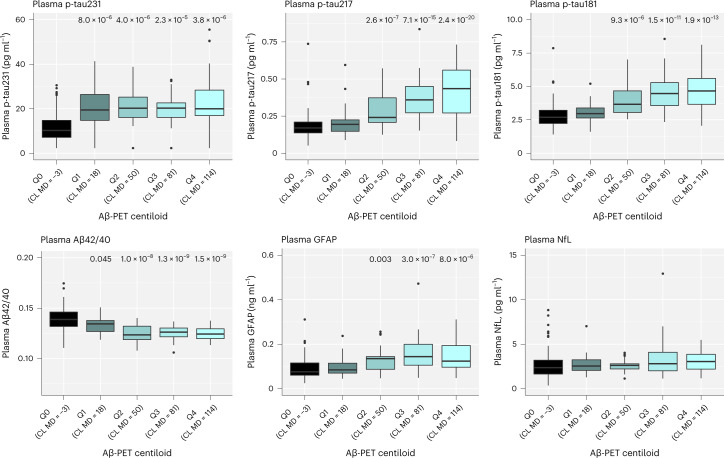
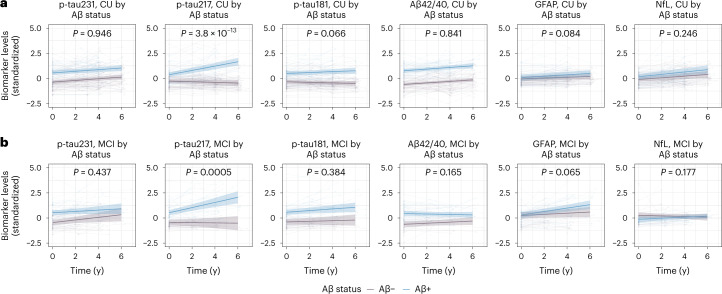
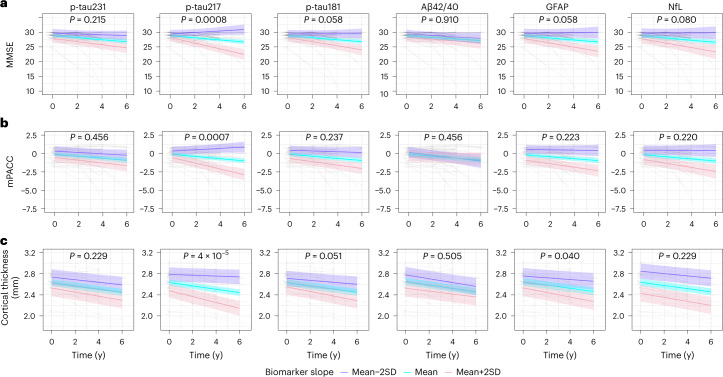
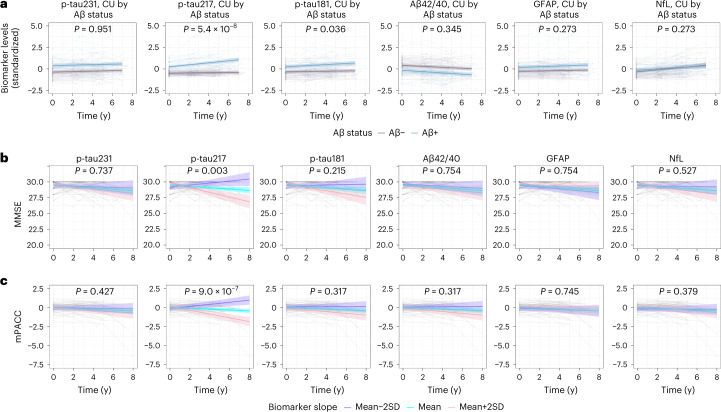
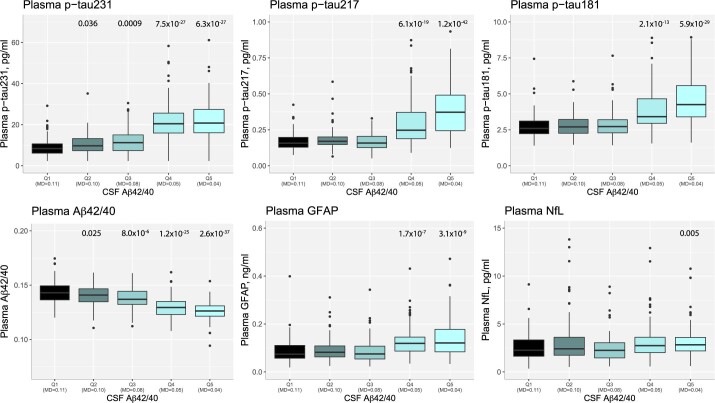
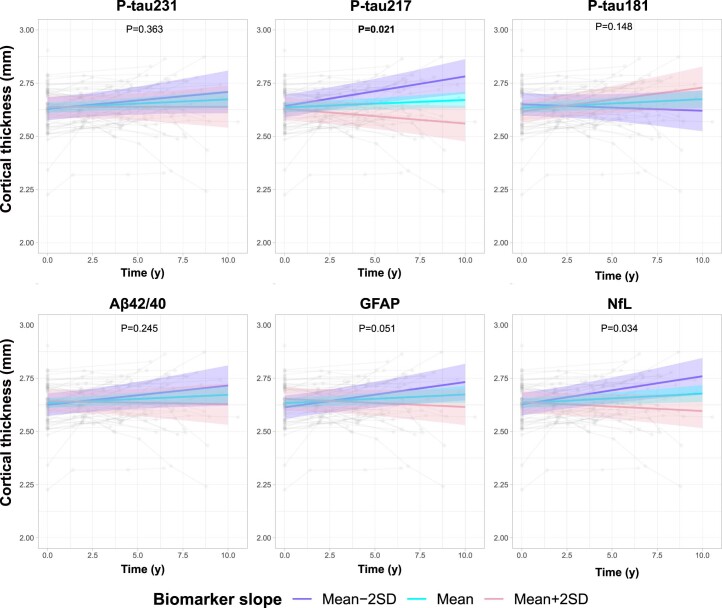
Blood biomarkers indicative of Alzheimer’s disease (AD) pathology are altered in both preclinical and symptomatic stages of the disease. Distinctive biomarkers may be optimal for the identification of AD pathology or monitoring of disease progression. Blood biomarkers that correlate with changes in cognition and atrophy during the course of the disease could be used in clinical trials to identify successful interventions and thereby accelerate the development of efficient therapies. When disease-modifying treatments become approved for use, efficient blood-based biomarkers might also inform on treatment implementation and management in clinical practice. In the BioFINDER-1 cohort, plasma phosphorylated (p)-tau231 and amyloid-β42/40 ratio were more changed at lower thresholds of amyloid pathology. Longitudinally, however, only p-tau217 demonstrated marked amyloid-dependent changes over 4–6 years in both preclinical and symptomatic stages of the disease, with no such changes observed in p-tau231, p-tau181, amyloid-β42/40, glial acidic fibrillary protein or neurofilament light. Only longitudinal increases of p-tau217 were also associated with clinical deterioration and brain atrophy in preclinical AD. The selective longitudinal increase of p-tau217 and its associations with cognitive decline and atrophy was confirmed in an independent cohort (Wisconsin Registry for Alzheimer’s Prevention). These findings support the differential association of plasma biomarkers with disease development and strongly highlight p-tau217 as a surrogate marker of disease progression in preclinical and prodromal AD, with impact for the development of new disease-modifying treatments.
Overview
The claims and statistics of this paper haven’t been checked yet.
Free: it reads the open-access text and checks the first 5 claims that cite a source we can check. Create a free account to check every claim.
Integrity signals
Registry
Cites
Statistics
Figures
Verification
Claims the paper makes
The claims and statistics of this paper haven’t been checked yet.
Free: it reads the open-access text and checks the first 5 claims that cite a source we can check. Create a free account to check every claim.
Claims other papers make about this one
Each is checked against this paper’s own text: does it say what the citing paper says it does?
The source backs part of the claim, not all of it — or backs it for a different population, condition or comparison.
In the citing paper
“Plasma levels of p-tau are strongly associated with PET and CSF biomarkers of AD pathology19–25, neuropathological changes associated with AD20,23,26,27 and the subsequent development of AD dementia20,23,28.”
From Highly accurate blood test for Alzheimer's disease is similar or superior to clinical cerebrospinal fluid tests (2024) · cites this paper as [19]
Experimental — accuracy not yet measuredThe cited source says what the claim attributes to it.
In the citing paper
“Additionally, p-tau217 demonstrates a unique longitudinal trajectory, showing increases associated with worsening brain atrophy and declining cognitive performance in individuals with elevated Aβ pathology.24,25”
From Diagnostic Accuracy of a Plasma Phosphorylated Tau 217 Immunoassay for Alzheimer Disease Pathology (2024) · cites this paper as [24]
Self-check
Percentages, sums and reported differences re-computed from the paper’s own numbers.
The self-check needs the paper’s full text.
Citations
Cites
Palmqvist, S., Janelidze, S., Quiroz, Y. T., Zetterberg, H., Lopera, F., Stomrud, E., Su, Y., Chen, Y., Serrano, G. E., Leuzy, A., et al. (2020) · JAMA · doi:10.1001/jama.2020.12134 · Cited by 1,603 · cited 3×
“For example, while all p-tau biomarkers relate to AD postmortem pathology 6,14,15 , in AD brain tissue, p-tau217 is prominently seen in granulovacuolar degeneration bodies and multivesicular bodies in neurons, which is not observed for p-tau181 and p-tau231 (ref.”
Self-citationThe Centiloid Project: standardizing quantitative amyloid plaque estimation by PET
Klunk, W. E., Koeppe, R. A., Price, J. C., Benzinger, T. L., Devous, M. D., Jagust, W. J., Johnson, K. A., Mathis, C. A., Minhas, D., Pontecorvo, M. J., et al. (2015) · Alzheimer's & Dementia · doi:10.1016/j.jalz.2014.07.003 · Cited by 1,348 · cited 1×
“Next, we analyzed plasma biomarkers when grouping participants by Aβ-PET centiloids, which is an established measure to increase comparability across Aβ-PET methods 22 .”
Karikari, T. K., Pascoal, T. A., Ashton, N. J., Janelidze, S., Benedet, A. L., Rodriguez, J. L., Chamoun, M., Savard, M., Kang, M. S., Therriault, J., et al. (2020) · The Lancet Neurology · doi:10.1016/s1474-4422(20)30071-5 · Cited by 1,316
Self-citationJanelidze, S., Mattsson, N., Palmqvist, S., Smith, R., Beach, T. G., Serrano, G. E., Chai, X., Proctor, N. K., Eichenlaub, U., Zetterberg, H., et al. (2020) · Nature Medicine · doi:10.1038/s41591-020-0755-1 · Cited by 1,247 · cited 1×
“Recently, blood biomarkers reflecting Aβ 3,4 , tau 5–8 , neurodegeneration 9,10 and astrogliosis 11,12 , have been developed and validated.”
Self-citationBiomarkers for neurodegenerative diseases
Hansson, O. (2021) · Nature Medicine · doi:10.1038/s41591-021-01382-x · Cited by 1,159
Self-citationAssociation of plasma neurofilament light with neurodegeneration in patients with Alzheimer disease
Mattsson, N., Andreasson, U., Zetterberg, H., Blennow, K., & Initiative, F. T. A. D. N. (2017) · JAMA Neurology · doi:10.1001/jamaneurol.2016.6117 · Cited by 1,070
Self-citationDefining imaging biomarker cut points for brain aging and Alzheimer's disease
Jack, C. R., Wiste, H. J., Weigand, S. D., Therneau, T. M., Lowe, V. J., Knopman, D. S., Gunter, J. L., Senjem, M. L., Jones, D. T., Kantarci, K., et al. (2017) · Alzheimer's & Dementia · doi:10.1016/j.jalz.2016.08.005 · Cited by 931
High-precision plasma β-amyloid 42/40 predicts current and future brain amyloidosis
Schindler, S. E., Bollinger, J. G., Ovod, V., Mawuenyega, K. G., Li, Y., Gordon, B. A., Holtzman, D. M., Morris, J. C., Benzinger, T. L. S., Xiong, C., et al. (2019) · Neurology · doi:10.1212/wnl.0000000000008081 · Cited by 885 · cited 3×
“Recently, blood biomarkers reflecting Aβ 3,4 , tau 5–8 , neurodegeneration 9,10 and astrogliosis 11,12 , have been developed and validated.”
Self-citationThe Preclinical Alzheimer Cognitive Composite: Measuring Amyloid-Related Decline
Donohue, M. C., Sperling, R. A., Salmon, D. P., Rentz, D. M., Raman, R., Thomas, R. G., Weiner, M., & Aisen, P. S. (2014) · JAMA Neurology · doi:10.1001/jamaneurol.2014.803 · Cited by 860
Mattsson, N., Cullen, N. C., Andreasson, U., Zetterberg, H., & Blennow, K. (2019) · JAMA Neurology · doi:10.1001/jamaneurol.2019.0765 · Cited by 726 · cited 1×
“This includes a marker of global neurodegeneration, plasma NfL, which has been shown to associate with clinical progression in patients with more advanced symptoms 24,25 .”
Self-citation
Cited by
Items 201–300 of 467
Coley, N., Zetterberg, H., Cantet, C., Guyonnet, S., Ashton, N. J., Vellas, B. J., Blennow, K., Andrieu, S., Vellas, B. J., Guyonnet, S., et al. (2024) · The Lancet Healthy Longevity · doi:10.1016/s2666-7568(23)00255-6 · Cited by 17
Self-citationCarmona‐Iragui, M., O’Connor, A., Llibre‐Guerra, J. J., Lao, P. J., Ashton, N. J., Fortea, J., & Sánchez‐Valle, R. (2024) · EBioMedicine · doi:10.1016/j.ebiom.2024.105327 · Cited by 13
“However, recent evidence suggests that ADAD shows lower CSF A β 42 levels and higher CSF levels of p-tau181 than other forms of AD but no signi fi cant differences in t-tau and other markers of neurodegeneration.”
Self-citationRosano, C., Karikari, T. K., Cvejkus, R., Bellaver, B., Ferreira, P. C. L., Zmuda, J. M., Wheeler, V. W., Pascoal, T. A., & Miljkovic, I. (2024) · Alzheimer s & Dementia Translational Research & Clinical Interventions · doi:10.1002/trc2.12460 · Cited by 13
Self-citationIntegrated Spatial Multi-Omics Study of Postmortem Brains of Alzheimer’s Disease
Toyama, Y., Nirasawa, T., Morishima, M., Saito, Y., Irie, K., Murayama, S., & Ikegawa, M. (2024) · ACTA HISTOCHEMICA ET CYTOCHEMICA · doi:10.1267/ahc.24-00025 · Cited by 12
“These markers, in particular, different variants of phosphorylated tau (p-tau), exhibit high performance in identifying AD pathology in the differential diagnosis of cognitive decline and demonstrate excellent prognostic performance to predict progression to AD dementia [2].”
Thanapornsangsuth, P., Booncharoen, K., Khieukhajee, J., Luechaipanit, W., Haethaisong, T., Chongsuksantikul, A., Supharatpariyakorn, T., Chunharas, C., Likitjaroen, Y., & Hemachudha, T. (2024) · Alzheimer s & Dementia · doi:10.1002/alz.14138 · Cited by 14
Zhang, H., Liu, J., Zhang, N., Jeromin, A., & Lin, Z. J. (2024) · The Journal of Prevention of Alzheimer s Disease · doi:10.14283/jpad.2024.155 · Cited by 12
Bader, I., Groot, C., Tan, H. S., Milongo, J.-M. A., den Haan, J., Verberk, I. M. W., Yong, K. X. X., Orellina, J. A., Campbell, S. R., Wilson, D., et al. (2024) · Alzheimer s Research & Therapy · doi:10.1186/s13195-024-01545-1 · Cited by 12
Plasma N‐terminal tau fragment is an amyloid‐dependent biomarker in Alzheimer's disease
Lan, G., Zhang, L., Li, A., Ran, W., Lv, J., González‐Ortiz, F., Cai, Y. Q., Sun, P., Liu, L., Yang, J., et al. (2025) · Alzheimer s & Dementia · doi:10.1002/alz.14550 · Cited by 12
“45,46 Therefore, plasmap-taubiomarkerssignificantlycontributetotheearlydetection anddiagnosisofADbutlimittheirutilityasbiomarkersofinsolubletau aggregation.”
Self-citationAccuracy of plasma biomarkers to detect Alzheimer's disease proteinopathy prior to dementia
Cody, K. A., Du, L., Studer, R. L., Jonaitis, E. M., Asthana, S., Christian, B. T., Chin, N. A., Kirmess, K. M., Meyer, M. R., Yarasheski, K. E., et al. (2025) · Alzheimer s & Dementia · doi:10.1002/alz.14570 · Cited by 15
Self-citationKim, J. K., Anwar, M., Gupta, A., Thyagarajan, B., Hu, P., Faul, J. D., Weir, D. R., Langa, K. M., Lee, J., Dey, S., et al. (2025) · American Journal of Epidemiology · doi:10.1093/aje/kwaf179 · Cited by 12
“10-14 10-14 While a number of studies have reported that CSF A β 42 concentrations are decreased with AD, studies generally report no change or higher plasma A β 42 levels with AD.”
Daniilidou, M., Öhlund‐Wistbacka, U., Hagman, G., Rosenberg, A., Ashton, N. J., Zetterberg, H., Blennow, K., Matton, A., & Kivipelto, M. (2025) · Alzheimer s & Dementia · doi:10.1002/alz.70931 · Cited by 13
Self-citationWhere Do Plasma Biomarkers fit in With Current Alzheimer's Disease Detection?
Gildengers, A. G., Weinstein, A. M., Gujral, S., Zeng, X., Diaz, J. L., Lafferty, T. K., Cowie, M., Emanuel, J. E., López, O. L., Royse, S. K., et al. (2024) · American Journal of Geriatric Psychiatry · doi:10.1016/j.jagp.2024.09.015 · Cited by 12
Self-citationKhosroazad, S., Gilbert, C. F., Aronis, J., Daigle, K. M., Esfahani, M., Almaghasilah, A., Ahmed, F. S., Elias, M. F., Meuser, T. M., Kaye, L. W., et al. (2023) · BMC Geriatrics · doi:10.1186/s12877-023-03983-2 · Cited by 11
“Current progress in detection of AD and other neurological disease depends on the presence of Aβ with or without tau or neurodegeneration in CNS and plasma biomarkers of disease [11, 12], although p-tau plasma biomarker, NF1 [13] and p-tau217 [14] show promise in longitudinal studies for early AD.”
BackgroundExosomes as a Nanotheranostic Platform in Brain Diseases
Kudpaje, M., Joghee, S., & Kumar, R. M. R. (2025) · European Journal of Neuroscience · doi:10.1111/ejn.70215 · Cited by 11
“Additionally, phosphorylated tau (p-tau), particularly p-tau231 and p-tau217, has been identified in neuronal-derived exosomes and serves as a differentiating biomarker for AD from other dementias (Ashton et al. 2022).”
Plasma p‐tau217 and Aβ42/40 as markers of Aβ pathology in the Lewy body continuum
Woo, K. A., Yoon, E. J., Kim, R., Kim, H., Kim, S.-Y., Jin, B., Lee, S., Kim, Y. K., Nam, H., & Lee, J. (2025) · Alzheimer s & Dementia · doi:10.1002/alz.70788 · Cited by 11
Benussi, A., Michelutti, M., Lombardo, T. M. I., Toffoletto, B., Palacino, F., Cenacchi, V., Pelusi, L., Capacchione, F., Menichelli, A., Perego, A., et al. (2025) · Neurobiology of Aging · doi:10.1016/j.neurobiolaging.2025.12.005 · Cited by 14
Ali, M., Timsina, J., Xu, Y., Chen, Y., Gong, K., Western, D., Heo, G., Liu, M., Budde, J., Pottier, C. P., et al. (2026) · Neuron · doi:10.1016/j.neuron.2026.02.035 · Cited by 13
Uncovering elevated tau TPP motif phosphorylation in the brain of Alzheimer's disease patients
Bellier, J., Cai, Y., Alam, S. M., Wiederhold, T., Aiello, A., Vogelgsang, J. S., Berretta, S., Chhatwal, J. P., Selkoe, D. J., & Liu, L. (2023) · Alzheimer s & Dementia · doi:10.1002/alz.13557 · Cited by 12
Focusing on oligomeric tau as a therapeutic target in Alzheimer’s disease and other tauopathies
Rayman, J. B. (2023) · Expert Opinion on Therapeutic Targets · doi:10.1080/14728222.2023.2206561 · Cited by 12
Diagnosis and therapy of Alzheimer's disease: Light-driven heterogeneous redox processes
Chen, W., Li, J., Guo, J., Li, L., & Wu, H. (2024) · Advances in Colloid and Interface Science · doi:10.1016/j.cis.2024.103253 · Cited by 11
Blood‐based biomarkers of Alzheimer's disease: Standardization and comprehensiveness
Liu, Y., Guo, Y., & Yu, J. (2024) · Neuroprotection/Neuroprotection (Chichester, England. Print) · doi:10.1002/nep3.58 · Cited by 11
Blood-based biomarkers of Alzheimer’s disease—A guideline for clinical use
Shi, J., Ou, Q., & Chen, X. (2024) · Medicine Plus · doi:10.1016/j.medp.2024.100057 · Cited by 11
Suárez‐Calvet, M., Ruiz, C. A., Alcolea, D. A., Mendióroz, M., Balasa, M., Morenas‐Rodríguez, E., Puig‐Pijoan, A., Sánchez‐Juan, P., Villarejo‐Galende, A., & Sánchez‐Valle, R. (2024) · Neurología · doi:10.1016/j.nrl.2024.08.002 · Cited by 12
How well do plasma Alzheimer’s disease biomarkers reflect the CSF amyloid status?
Hazan, J., Abel, E., Rosa‐Grilo, M., Alawode, D. O. T., Laranjinha, I., Heslegrave, A., Liu, K. Y., Schott, J. M., Howard, R. J., Zetterberg, H., et al. (2024) · Journal of Neurology Neurosurgery & Psychiatry · doi:10.1136/jnnp-2024-334122 · Cited by 12
Self-citationFrost, B. E., Rowe, J. B., Akinyemi, R., Abisambra, J. F., Ashton, N. J., Brendel, M., Buée, L., Butler, D., Carrillo, M. C., Chung, P. S., et al. (2025) · Alzheimer s & Dementia · doi:10.1002/alz.70078 · Cited by 12
Self-citationSehrawat, A., Zeng, X., Abrahamson, E. E., Deek, R. A., Gogola, A., Kamboh, M. I., Pascoal, T. A., Villemagne, V. L., López, O. L., Ikonomović, M. D., et al. (2025) · Alzheimer s & Dementia · doi:10.1002/alz.70409 · Cited by 11
“9 8, Recentinvestigationshavesuggestedthatplasmap-tau217tendsto demonstrate superior diagnostic and prognostic accuracies compared to p-tau181 and p-tau231, especially in the preclinical stages, 14–17 while another study reported equivalence of plasma p-tau217 with p-tau212.”
Self-citationReversible tau hyperphosphorylation in hibernation: a blood biomarker and brain tissue study
Brum, W. S., Montoliu‐Gaya, L., Brinkmalm, G., Piotrowska, D., Camporesi, E., Jäger, C., Isaksson, H. S., Martin, S., Kindberg, J., Lantero‐Rodriguez, J., et al. (2025) · Acta Neuropathologica · doi:10.1007/s00401-025-02930-2 · Cited by 11
Self-citationClinical translation of fluid, imaging, and digital biomarkers for Alzheimer’s disease
Bacci, J. R., Karagianni, S., Alexopoulou, Z.-S., Moukaled, S., Tato-Fernández, C., Arunachalam, P., Aslanyan, A., Aye, S., Rocha, A. S. L., Crugel, M., et al. (2026) · Alzheimer s Research & Therapy · doi:10.1186/s13195-025-01921-5 · Cited by 12
“Further, p-tau217 has demonstrated dynamic longitudinal trajectories, highlighting its potential efficacy for disease staging and predicting disease progression [53, 60].”
Reiman, E. M., Alexander, R. C., Langbaum, J. B. S., Aisen, P. S. S., Ashton, N. J., Atri, A., Barbarino, P., Byrd, G. S., Feldman, H., Fowler, N. R., et al. (2026) · The Lancet Neurology · doi:10.1016/s1474-4422(25)00483-1 · Cited by 11
Self-citationHayes, C. A., Najmi, Z., Contreras, J. A., Dharmapuri, A., Winston, C. N., & *The Health and Aging Brain Study (HABS‐HD) Study Team (2026) · Alzheimer s & Dementia Diagnosis Assessment & Disease Monitoring · doi:10.1002/dad2.70269 · Cited by 11
Kaeser, S. A., Schultz, S. A., Hofmann, A., Häsler, L. M., Xu, Y., Lambert, M., Obermüller, U., Brockmann, K., Bijzet, J., Nienhuis, H. L. A., et al. (2026) · Nature Medicine · doi:10.1038/s41591-026-04272-2 · Cited by 12
Multi-Omic Blood Biomarkers as Dynamic Risk Predictors in Late-Onset Alzheimer’s Disease
Bhalala, O. G., Watson, R., & Yassi, N. (2024) · International Journal of Molecular Sciences · doi:10.3390/ijms25021231 · Cited by 11
“Interestingly, p-tau231 is significantly elevated at lower thresholds of A β -PET Centiloids compared to p-tau217, p-tau181, GFAP and NfL [169].”
BackgroundWennström, M., Schultz, N., Gallardo, P. M., Bank, T. N. B., Serrano, G. E., Beach, T. G., Bose, S., & Hansson, O. (2024) · Cells · doi:10.3390/cells13040331 · Cited by 11
“P-tau217 P-tau217 and p-tau231 are two examples of such variants, and today, both p-tau217 and p-tau231 are considered to be among the earliest biomarkers reflecting pathological changes linked to AD [8–12].”
BackgroundSelf-citationAltomare, D., Libri, I., Alberici, A., Rivolta, J., Padovani, A., Ashton, N. J., Zetterberg, H., Blennow, K., & Borroni, B. (2024) · Alzheimer s Research & Therapy · doi:10.1186/s13195-024-01474-z · Cited by 11
“Finally, we acknowledge that developing evidence suggests that p-tau 217 could have slightly greater accuracy for AD pathology [38]; however, this plasma biomarker was not available for the present study.”
BackgroundSelf-citationSala, G., Cuffaro, L., Pozzi, F. E., Andreoni, S., Bazzini, C., Conti, E., Zoia, C., Beretta, S., Tremolizzo, L., Bellelli, G., et al. (2025) · Frontiers in Aging Neuroscience · doi:10.3389/fnagi.2025.1581892 · Cited by 10
Gut bacterial metabolite imidazole propionate potentiates Alzheimer’s disease pathology
Vemuganti, V., Kang, J. W., Zhang, Q., McGregor, E. R., Hilser, J. R., Aquino-Martinez, R., Harding, S., Harpt, J. L., Beck, K. R., Bussan, H., et al. (2026) · Nature Communications · doi:10.1038/s41467-026-74744-z · Cited by 11
Self-citationDevanarayan, V., Horie, K., Wildsmith, K. R., Doherty, T., Andreozzi, E. M., Charil, A., Sachdev, P., Kramer, L. D., Dhadda, S., & Irizarry, M. C. (2025) · Alzheimer s & Dementia · doi:10.1002/alz.70881 · Cited by 10
Cao, S., Jiménez‐Loygorri, J. I., Qiu, Y., Kang, Y. J., Do, K. V., Smith, A. N., Huang, J., Pan, J., Mao, L., Li, A., et al. (2026) · Advanced Science · doi:10.1002/advs.202512374 · Cited by 12
“Recent studies postulate that plasma p-Tau217 holds potential as an early predictive marker of AD progression [ 14–16 , Mitochondria are essential organelles responsible for production of the energy required for proper neuronal function; in AD, these organelles become impaired and unproductive […”
InfluentialLockhart, S. N., Sutphen, C. L., Tanley, J. E., González‐Ortiz, F., Kac, P. R., Habes, M., Heckbert, S. R., Ashton, N. J., Mielke, M. M., Koeppe, R. A., et al. (2026) · Alzheimer s & Dementia · doi:10.1002/alz.71131 · Cited by 11
Self-citationTaylor, J. A., Jaros, M. J., Chen, C., Harrison, J., & Hilt, D. C. (2024) · Journal of Alzheimer s Disease · doi:10.3233/jad-231456 · Cited by 10
Chen, T., Hutchison, R. M., Rubel, C., Murphy, J., Xie, J., Montenigro, P. H., Cheng, W., Fraser, K. B., Dent, G. W., Hendrix, S., et al. (2024) · The Journal of Prevention of Alzheimer s Disease · doi:10.14283/jpad.2024.126 · Cited by 10
“…in general as another example of an early accelerating biomarker, plasma p-tau levels reflect early pathophysiological changes of disease progression (Figure 1B) (3), with changes detected prior to the onset of clinical symptoms with a continued increase as clinical symptoms manifest (3, 35, 36).”
BackgroundSelf-citationSerum biomarkers as prognostic markers for Alzheimer's disease in a clinical setting
Meyer, S. D., Blujdea, E. R., Schaeverbeke, J. M., Adamczuk, K., Vandenberghe, R. R., Poesen, K., & Teunissen, C. E. (2025) · Alzheimer s & Dementia Diagnosis Assessment & Disease Monitoring · doi:10.1002/dad2.70071 · Cited by 12
Álvarez‐Sánchez, L., Peña‐Bautista, C., Ferré‐González, L., Balaguer, Á., Amengual, J. L., Baquero, M., & Cháfer‐Pericás, C. (2025) · Scientific Reports · doi:10.1038/s41598-025-01511-3 · Cited by 9
“Moreover, the present study showed that p-Tau217 could be a promising biomarker of Aβ pathology in preclinical AD, like previous studies 35 .”
Walter, A. E., Pike, J. R., Coresh, J., Diaz-Arrastia, R. R., Menon, D. K., Gottesman, R. F., Palta, P., & Schneider, A. L. C. (2025) · Alzheimer s & Dementia · doi:10.1002/alz.70611 · Cited by 8
Collij, L. E., Mattsson, N., Janelidze, S., Ossenkoppele, R., & Hansson, O. (2025) · Alzheimer s & Dementia · doi:10.1002/alz.70763 · Cited by 10
Self-citationRoh, H. W., Chang, Y. Y., Kim, K. Y., Jeon, S. Y., Wang, S., Kim, E., Bae, J. N., & Ryu, S. (2026) · Psychiatry Investigation · doi:10.30773/pi.2025.0400 · Cited by 12
Monitoring Acidification Preceding Aβ Deposition in Alzheimer's Disease
Zhu, G., Zhang, H., Xie, R., Younis, M. R., Fu, S., Wang, X., Liu, B., Li, K., Lui, S., & Wu, M. C. (2025) · Advanced Healthcare Materials · doi:10.1002/adhm.202404907 · Cited by 9
Kim, B. H., Shin, D., Kang, S. H., Jang, H., Yun, J., Park, Y., Zetterberg, H., Blennow, K., González‐Ortiz, F., Ashton, N. J., et al. (2025) · Scientific Reports · doi:10.1038/s41598-025-14200-y · Cited by 9
“This suggests that these biomarkers primarily reflect extracellular changes 41–44 including neuroinflammation and tissue atrophy, rather than axonal or microstructural integrity, indicating their close link to extracellular fluid dynamics and neuroinflammatory processes.”
Self-citationLei, H., Chen, X., Ruan, L., Liu, X., Ye, F., Li, K., Cheng, W., Yu, B., Li, Q., & Di, C. (2025) · Ageing Research Reviews · doi:10.1016/j.arr.2025.102927 · Cited by 8
Association of plasma p-tau and p-tau/Aβ ratio with Alzheimer's pathology
Chen, X., Jiang, M., Zhang, L., Zhu, J., Li, A., He, Z., Zhou, X., Zhu, Y., Zhang, C., Wang, C., et al. (2026) · The Journal of Prevention of Alzheimer s Disease · doi:10.1016/j.tjpad.2025.100472 · Cited by 8
“Blood-based biomarker trajectories demonstrate that plasma A β 42/40 and p-tau217 abnormalities are among the earliest detectable changes [11, 16,17].”
Plasma proteomic signatures of preclinical Alzheimer’s disease in clinically unimpaired older adults
Trelle, A. N., Cody, K. A., Nguyen, T. T., Winer, J. R., Weiss, S., Sai, I., Ward, T., Cheng, G., Channappa, D., Mendiola, J. H., et al. (2026) · Molecular Neurodegeneration · doi:10.1186/s13024-026-00941-5 · Cited by 7
“These results are consistent with the classification of these proteins as Core 1 plasma biomarkers and existing findings that phosphorylated mid-region fragments pTau217, pTau181, and pTau231 become abnormal around the same time as amyloid PET [40, 41].”
Self-citationPlasma phosphorylated tau and neuropsychiatric symptoms in dementia with Lewy bodies
Gibson, L. L., González, M. C., Ashton, N. J., Tovar, D., Blanc, F., Pilotto, A., Lemstra, A. W., Paquet, C., Ballard, C. G., Zetterberg, H., et al. (2024) · Alzheimer s & Dementia · doi:10.1002/alz.14434 · Cited by 7
Self-citationAlpaugh, M., Lantero‐Rodriguez, J., Benedet, A. L., Manseau, U., Boutin, M., Maiuri, M., Denis, H. L., Masnata, M., Fazal, S. V., Chouinard, S., et al. (2025) · Journal of Neurology · doi:10.1007/s00415-025-12966-9 · Cited by 7
Self-citationBelinga, L. N., Espourteille, J., Njamnshi, W. Y., Zeukang, A. Z., Rouaud, O., NJAMNSHI, A. K., Allali, G., & Richetin, K. (2024) · Neurodegenerative Diseases · doi:10.1159/000538623 · Cited by 7
“However, the speci fi city and sensitivity of plasma A β 42 are somewhat limited, leading to possible false positives in non-AD patients and false negatives in those with Alzheimer ’ s [61].”
BackgroundOughli, H. A., Siddarth, P., Lum, M., Tang, L., Ito, B. S., Abikenari, M. A., Cappelleti, M., Khalsa, D. S., Nguyen, S. A., & Lavretsky, H. (2025) · The Canadian Journal of Psychiatry · doi:10.1177/07067437251343291 · Cited by 7
Emerging concepts towards a translational framework in Alzheimer’s disease
Cozachenco, D., Zimmer, E. R., & Lourenco, M. V. (2023) · Neuroscience & Biobehavioral Reviews · doi:10.1016/j.neubiorev.2023.105246 · Cited by 8
A Multiform Heterogeneity Framework for Alzheimer’s Disease Based on Multimodal Neuroimaging
Zhao, K., Chen, P., Wang, D., Zhou, R., Ma, G., & Liu, Y. (2024) · Biological Psychiatry · doi:10.1016/j.biopsych.2024.12.009 · Cited by 6
Bolton, C. J., Khan, O. A., Liu, D., Pechman, K. R., Gifford, K. A., Hohman, T. J., Blennow, K., Zetterberg, H., & Jefferson, A. L. (2025) · Alzheimer s & Dementia · doi:10.1002/alz.70796 · Cited by 6
Self-citationImaging and plasma biomarkers for pathological accumulation in Down syndrome
Wisch, J. K., Jiao, Z., Kennedy, J. T., Cohen, A. D., Schlachetzki, Z., Petersen, M. E., Handen, B. L., Christian, B. T., Mapstone, M., Rosas, H. D., et al. (2025) · Brain · doi:10.1093/brain/awaf418 · Cited by 7
Zahra, S., French, S. R., Arias, J. C., Ally, M., Wiskoski, H. E., Escareno, C., Heitkamp, E., Vazquez, F., Hillis, M., Culwell, G. C., et al. (2025) · Alzheimer s & Dementia · doi:10.1002/alz.70893 · Cited by 7
“Plasma p-tau217 is a strong predictor of cognitive decline in AD, 59 and our recent work showed that within a vascular cohort, 55% had elevated plasma p-tau217 levels, which is often underdiagnosed in cardiovascular populations.”
InfluentialApoE4 lowers the ptau217 threshold for tau aggregation and spread in an allele dose-dependent manner
Steward, A., Dewenter, A., Hirsch, F., Roemer, S. N., Zhu, Z., Dehsarvi, A., Biel, D., Klonowski, M., Frontzkowski, L. K., Palleis, C., et al. (2025) · Brain · doi:10.1093/brain/awaf463 · Cited by 6
Wang, Z., Ranasinghe, J. C., Chan, D., Gomm, A., Tanzi, R. E., Zhang, C. M., Zhang, N., & Huang, S. (2025) · ACS Applied Materials & Interfaces · doi:10.1021/acsami.5c22623 · Cited by 7
Karur, P., Kaldas, M., Babu, Y. S. R., & Parmar, M. S. (2026) · Molecular Neurobiology · doi:10.1007/s12035-025-05647-1 · Cited by 6
“In a cross-sectional analysis from the BioFINDER-1 study (2009–2014, southern Sweden), Ashton et al. evaluated plasma biomarkers in participants grouped by Aβ-PET centiloids, a standardized measure of Aβ burden [25].”
Caviedes, A., Cabral‐Miranda, F., Orellana, P., Hernández, H., Henriquez, F. A., González-Gómez, R., Pizarro, M., Migeot, J., Ochoa‐Rosales, C., Gonzalez‐Silva, C., et al. (2026) · Nature Aging · doi:10.1038/s43587-025-01061-3 · Cited by 6
“Amyloid-β (Aβ), phosphorylated tau (p-tau) and NfL are key biomarkers that can detect and track AD 1–3 , 25– 27 even in preclinical stages Validation of the AT(N) framework in underrepresented populations remains critically limited.”
Self-citationPerformance of Plasma Phosphorylated tau-217 in Patients on the Continuum of Alzheimer’s Disease
Dakterzada, F., Ortega, R. L., Vilella-Figuerola, A., Montero-Castilla, N., Llena, I. R., Ruiz-Julián, M., Arias, A., Sarto, J., Tahan, N., & Piñol‐Ripoll, G. (2025) · International Journal of Molecular Sciences · doi:10.3390/ijms26146771 · Cited by 6
“Consistent with our observations, some earlier studies have also demonstrated the utility of plasma p-tau217 in predicting cognitive decline [17,19,28] and conversion to AD dementia [36].”
Mukherjee, S., Coyle, R. A., Dubois, C., Perez, K. A., McLean, C., Masters, C. L., & Roberts, B. R. (2025) · Acta Neuropathologica · doi:10.1007/s00401-025-02914-2 · Cited by 9
Morgado, B., Klafki, H., Bauer, C., Steiert, A., Waniek, K., Lachmann, I., Osterloh, D., Esselmann, H., Hansen, N., Schuchhardt, J., et al. (2025) · European Archives of Psychiatry and Clinical Neuroscience · doi:10.1007/s00406-025-02123-8 · Cited by 6
Tan, Y.-R., Mohammadi, R., Saffari, S. E., Tan, N. I., Lim, L. S., Low, S. H., Tan, L. C., Chiew, H. J., Ng, K. P., Hameed, S., et al. (2026) · Alzheimer s Research & Therapy · doi:10.1186/s13195-026-02008-5 · Cited by 6
Guo, X., Li, J., Qi, Y., Chen, J., Jiang, M., Zhu, L., Liu, Z., Wang, H., Wang, G.-W., & Wang, X. (2024) · Aging Cell · doi:10.1111/acel.14121 · Cited by 6
Is phosphorylated tau a good biomarker of synapse pathology in Alzheimer’s disease?
Saura, C. A., & Parra‐Damas, A. (2023) · Brain Communications · doi:10.1093/braincomms/fcad142 · Cited by 6
“Plasma p-tau at Thr 181 and 217 is positively associated with cerebral measurements of Aβ- and tau-PET imaging in Alzheimer’s disease compared to cognitively unimpaired controls or frontotemporal lobar degeneration,(4,5) and correlate with cognitive deterioration in preclinical and symptomatic stages of the disease.(4…”
BackgroundJiang, L., Roberts, R., Wong, M., Zhang, L., Webber, C. J., Kilci, A., Jenkins, M., Sun, G., Rashad, S., Sun, J., et al. (2023) · Research Square · doi:10.1101/2023.03.28.534515 · Cited by 9
Wei, M., Yu, X., Hu, S., Hu, W., Shi, R., Wang, M., Zhong, J., Zhang, Q., Zhang, Y., Li, C., et al. (2025) · Journal of Alzheimer s Disease · doi:10.1177/13872877241309105 · Cited by 5
“18,19 27 Given the etiologically heterogeneous of SCD, distinguishing SCD subgroups and identifying individuals at high risk of conversion is essential.”
Zinkunegi, A. J., Wilson, R. E., Langhough, R. E., Ashton, N. J., Blennow, K., Johnson, S. C., Zetterberg, H., Bruno, D., & Mueller, K. D. (2025) · The Clinical Neuropsychologist · doi:10.1080/13854046.2025.2481119 · Cited by 5
“…et al., 2023). other studies have shown that plasma p-tau217 levels correlate with longitudinal cognitive decline in preclinical and prodromal AD (Ashton et al., 2022; Mattsson-Carlgren et al., 2020), outperforming other plasma biomarkers in Cu individuals (Jack et al., 2024b; Mattsson-Carlgren…”
InfluentialSelf-citationFu, S.-Y., Zheng, Q., Xu, B., & Chen, F. (2025) · View · doi:10.1002/viw.20240119 · Cited by 5
Lan, W., Dai, Y., Chen, S., Wang, S., Zhang, Y., Gu, C., Jiang, T., & Pan, Y. (2025) · Microchemical Journal · doi:10.1016/j.microc.2025.113939 · Cited by 6
Brain‐derived tau to measure treatment effect in Alzheimer's disease and frontotemporal dementia
Marotta, C., González‐Ortiz, F., Turton, M., Zetterberg, H., Harrison, P., Hovens, C. M., Sinclair, B., O'Brien, T. J., Blennow, K., & Vivash, L. E. (2025) · Alzheimer s & Dementia Diagnosis Assessment & Disease Monitoring · doi:10.1002/dad2.70123 · Cited by 6
“16,17 Therefore, the 24-week treatment period in our AD study may not have been a long enough period to detect any change in p-tau217.”
Self-citationGiudici, K. V., Barreto, P. D. S., Cantet, C., Zetterberg, H., Blennow, K., & Vellas, B. J. (2025) · The Journal of Frailty & Aging · doi:10.1016/j.tjfa.2025.100064 · Cited by 5
Self-citationPotential diagnostic markers in Alzheimer's disease: current perspectives and future directions
Zheng, M., Wang, S., & Jia, J. (2025) · Neurodegenerative Disease Management · doi:10.1080/17582024.2025.2554515 · Cited by 5
Russotto, A., Longobardi, A., Ciullini, A., Cazzaniga, F. A., Bacınoğlu, M. B., Borroni, B., Ghidoni, R., Moda, F., & Saraceno, C. (2025) · Journal of Translational Medicine · doi:10.1186/s12967-025-07471-6 · Cited by 6
Tsurumi, A., Cahill, C. M., Liu, A., Chatterjee, P., Das, S., & Kobayashi, A. (2025) · International Journal of Molecular Sciences · doi:10.3390/ijms262311673 · Cited by 5
Housini, M., Contreras, J. A., Hayes, C. A., & The Health and Aging Brain Study (HABS‐HD) Study Team (2026) · Journal of Alzheimer s Disease · doi:10.1177/13872877251415367 · Cited by 5
Deek, R. A., Balogun, W. G., Zeng, X., Triana‐Baltzer, G., Pascoal, T. A., Kolb, H. C., Snitz, B. E., Cohen, A. D., & Karikari, T. K. (2026) · Alzheimer s Research & Therapy · doi:10.1186/s13195-026-01969-x · Cited by 6
Self-citationHuang, R., Lin, B.-B., Lu, Z., Hao, Y., Li, C. F., Lin, Z., Zhang, Y., Wei, N., & Chen, J. (2026) · Frontiers in Immunology · doi:10.3389/fimmu.2026.1770509 · Cited by 6
Dyer, A. H., Dolphin, H., O’Connor, A., Morrison, L., Sedgwick, G., McFeely, A., Killeen, E., Gallagher, C., Davey, N., Connolly, E., et al. (2023) · BMJ Open · doi:10.1136/bmjopen-2023-077772 · Cited by 5
Handloom and resource equity - A circularity narrative from India in the Global South
Suresh, R., Saha, P., & James, J. K. (2024) · Journal of Cleaner Production · doi:10.1016/j.jclepro.2024.143081 · Cited by 8
Blood plasma proteomic markers of Alzheimer’s disease, current status and application prospects
Strelnikova, P. A., Zakharova, N. V., Kononikhin, A. S., Bugrova, A. E., Indeykina, M. I., Mitkevich, V. A., Makarov, A. А., & Николаев, Е. Н. (2025) · Expert Review of Proteomics · doi:10.1080/14789450.2025.2450804 · Cited by 5
“In turn, p-tau217 exhibits higher sensitivity and specificity compared to p-tau181 and Aβ42/Aβ40, making it more effective in early AD detection and differentiation from other neurodegenerative disorders [15,16].”
Chu, H., Huang, C., Xie, F., & Guo, Q. (2025) · The Journal of Prevention of Alzheimer s Disease · doi:10.1016/j.tjpad.2025.100076 · Cited by 6
PF4 in rejuvenation therapy: Neuroprotection and cognitive enhancement
Li, L., & Xie, C. (2025) · Biomolecules and Biomedicine · doi:10.17305/bb.2025.11960 · Cited by 5
Wei, M., Zhang, Y., Wang, M., Zhong, J., Chai, W., Hu, W., Tao, F., Wang, L., Zhang, Q., Yu, X., et al. (2025) · Alzheimer s & Dementia · doi:10.1002/alz.70114 · Cited by 5
“25,26 Considering the pathological processes, it remains unclear whether plasma biomarkers mediate the association between standardized uptake value ratio (SUVR) and brain network FCs.”
Musaeus, C. S., Gleerup, H. S., Clemmensen, F. K., Sellebjerg, F. T., Hansen, M. B., Søndergaard, H. B., Waldemar, G., Hasselbalch, S. G., & Simonsen, A. H. (2025) · Journal of the Neurological Sciences · doi:10.1016/j.jns.2025.123679 · Cited by 5
Plasma Phosphorylated Tau 231 Increases at One-Year Intervals in Cognitively Unimpaired Subjects
Martínez‐Dubarbie, F., López‐García, S., Lage, C., Molfetta, G. D., Fernández‐Matarrubia, M., Pozueta‐Cantudo, A., García‐Martínez, M., Corrales‐Pardo, A., Bravo, M., Jiménez-Bonilla, J. F., et al. (2024) · Journal of Alzheimer s Disease · doi:10.3233/jad-231479 · Cited by 5
Self-citationWang, J., Yao, K.-Y., Li, J., Wong, D. W., & Cheung, J. C. (2025) · Biosensors · doi:10.3390/bios15120784 · Cited by 4
“Its elevated concentrations in CSF and plasma further reinforce its diagnostic utility, driving innovations in minimally invasive detection methodologies [20,25,26].”
Brodman, S. T., Heaton, N., Triana‐Baltzer, G., Zeng, X., Gogola, A., Kamboh, M. I., Villemagne, V. L., López, O. L., Kolb, H. C., Deek, R. A., et al. (2025) · Alzheimer s & Dementia · doi:10.1002/alz.70985 · Cited by 6
Self-citationLi, C., Fan, S., Chen, P., Chang, Y., Lan, M., Wu, Y., Hsiao, I., Chiang, H. L., Chen, C., Lee, T.-L., et al. (2025) · Neurology · doi:10.1212/wnl.0000000000214406 · Cited by 6
AD‐related plasma biomarkers in centenarians: links to cognition and neuropathology
Lorenz, L. M. C., Rohde, S. K., Luimes, M. C., Rozemüller, A. J. M., Bank, N. B., Hulsman, M., Graat, M. J. I., van der Hoorn, M. E., Daatselaar, D. A. H., Gouda, M., et al. (2025) · Alzheimer s & Dementia · doi:10.1002/alz.70969 · Cited by 4
APOE ɛ4 carriership determines a faster plasma p‐tau217 progression in Aβ‐positive individuals
Woo, M. S., Macedo, A. C., Hosseini, S. A., Therriault, J., Wang, Y., Rahmouni, N., Aumont, É., Servaes, S., Tissot, C., Arias, J. F., et al. (2025) · Alzheimer s & Dementia · doi:10.1002/alz.71048 · Cited by 5
“44 APOE ɛ 4 is also associated with higher vascular burden.”
Self-citationChen, S., Li, C., Zhang, C., Zhao, S., Wang, Y., & Liu, Q. (2025) · Coordination Chemistry Reviews · doi:10.1016/j.ccr.2025.217551 · Cited by 6
Modelling the temporal evolution of plasma p-tau217, amyloid PET, tau PET and cognition
Cogswell, P. M., Lundt, E. S., Therneau, T. M., Hu, M., Griswold, M. E., Wiste, H. J., Machulda, M. M., Stricker, N. H., Braunstein, J. B., West, T., et al. (2026) · Brain · doi:10.1093/brain/awag075 · Cited by 4
“15-17 Our study adds to the literature by modelling individual-level plasma and PET Alzheimer’s disease biomarker temporal progression and its relationship to longitudinal cognitive decline.”
Alzheimer's disease Stage 1 and 2: Biology, diagnostics, and treatment
Schindler, S. E., Hansson, O., Algeciras‐Schimnich, A., Arias, J. J., Beasley, B. W., Farrar, G., Fowler, N. R., Hartz, S. M., Jack, C. R., Jönsson, L., et al. (2026) · Alzheimer s & Dementia Translational Research & Clinical Interventions · doi:10.1002/trc2.70216 · Cited by 4
Self-citationCirculating Biomarkers of Neurodegeneration and All-Cause and Dementia-Specific Mortality
Sawyer, R. P., Blair, J. P., Judd, S. E., Olson, N. C., Howard, V. J., Armstrong, N. D., Long, D. L., Hyacinth, H. I., Sargent, L. J., Manly, J. J., et al. (2026) · Neurology · doi:10.1212/wnl.0000000000214752 · Cited by 4
Metadata
- Authors
- Ashton, N. J., Janelidze, S., Mattsson-Carlgren, N., Binette, A. P., Strandberg, O., Brum, W. S., Karikari, T. K., González-Ortiz, F., Di Molfetta, G., Meda, F. J., Jonaitis, E. M., Koscik, R. L., Cody, K., Betthauser, T. J., Li, Y., Vanmechelen, E., Palmqvist, S., Stomrud, E., Bateman, R. J., Zetterberg, H., Johnson, S. C., Blennow, K., & Hansson, O.
- Affiliations
- King's College London (GB)
- Lund University (SE)
- Universidade Federal do Rio Grande do Sul (BR)
- University of Pittsburgh (US)
- University of Gothenburg (SE)
- University of Wisconsin–Madison (US)
- Washington University in St. Louis (US)
- ADx NeuroSciences (BE)
- Sahlgrenska University Hospital (SE)
- Corresponding author
- Blennow, Kaj
- Hansson, Oskar
- ORCID
- Ashton, Nicholas J.
- Janelidze, Shorena
- Binette, Alexa Pichet
- Brum, Wagner S.
- Karikari, Thomas K.
- Meda, Francisco J.
- Jonaitis, Erin M.
- Koscik, Rebecca Langhough
- Cody, Karly
- Betthauser, Tobey J.
- Vanmechelen, Eugeen
- Palmqvist, Sebastian
- Stomrud, Erik
- Bateman, Randall J.
- Zetterberg, Henrik
- Johnson, Sterling C.
- Blennow, Kaj
- Hansson, Oskar
- Venue
- Nature Medicine
- Published
- 2022-12
- Volume
- 28
- Issue
- 12
- Pages
- 2555-2562
- ISSN
- 1078-8956 (ISSN-L)
- 1546-170X
- PMC
- PMC9800279
- OpenAlex
- W4310603866
- Cited by
- 436
- References
- 53
- Citations by year
- 2026: 99 · 2025: 128 · 2024: 135 · 2023: 72 · 2022: 1
- FWCI
- 52.02
- Type
- journal article
- Language
- en
- Open access
- hybrid
- doi.org
- Licence
- cc-by
- creativecommons.org/licenses/by/4.0 (tdm)
- creativecommons.org/licenses/by/4.0 (vor)
- Locations
- Nature Medicine (publishedVersion, cc-by)
- PubMed Central (publishedVersion, cc-by)
- PubMed (publishedVersion)
- Digital Commons@Becker (Washington University School of Medicine) (submittedVersion, cc-by)
- UCL Discovery (University College London) (submittedVersion)
- Lund University Publications (Lund University) (submittedVersion)
- Funders
- Alzheimer's Association (ADSF-21-831377-C, ZEN-21-848495, ADSF‐21‐831376‐C, ADSF-21-831376-C, ADSF-21-831381-C and ADSF-21-831377-C, #ADSF-21-831381-C, 2021 Zenith Award, -21- 831377-C)
- Alzheimer's Drug Discovery Foundation (201809–2016862, 201809-2016615, #RDAPB‐201809‐2016615)
- Eli Lilly and Company
- Pfizer
- Biogen
- Familjen Erling-Perssons Stiftelse (FO2019-0228, 860197)
- Stiftelsen för Gamla Tjänarinnor (860197, FO2019‐0228)
- EU Joint Programme – Neurodegenerative Disease Research (JPND2019-466-236)
- Prothena
- Australian Government
- Cerveau Technologies
- European Commission (HORIZON2020, JPND2019‐466‐236, 860197)
- Lunds Universitet
- Eisai
- Hjärnfonden (FO2019-0029, ALZ2022-0006), FO2021-0293, FO2017‑0243, FO2017, ALFGBG-715986, FO2020‐0271, FO2019‐0228, #ALFGBG-965240, JPND2019-466-236)
- Knut och Alice Wallenbergs Stiftelse (681712, 2017‐0383)
- Vetenskapsrådet (ALFGBG-965240, ALZ2022-0006, 2017-00915, 2016-00906, (#ALFGBG-715986, 681712, FO2021-0293, 2018-, JPND2019-466-236, 2018-02052, 2021-02219, 2017-00383, FO2017-0243, 2018-02532)
- Konung Gustaf V:s och Drottning Victorias Frimurarestiftelse (2020-O000028, 2020-0314, FO2017-0243)
- Region Skåne
- Skånes universitetssjukhus (2020-O000028)
- Siemens Healthineers
- Marcus och Amalia Wallenbergs minnesfond (2015.0125)
- Julius Clinical
- UK Dementia Research Institute (#2017-00915)
- Olav Thon Stiftelsen (#FO2019-0228)
- Stiftelsen Bundy Academy
- National Institutes of Health (ZEN-21- 848495, AG027161)
- Genentech
- Parkinsonfonden (1280/20)
- Avid Radiopharmaceuticals
- National Institute on Aging (R01AG068398, RF1AG027161, R01AG021155, R01AG027161, P30AG062715)
- Topics
- Life Sciences › Neuroscience › Cellular and Molecular Neuroscience › Alzheimer's disease research and treatments
- Health Sciences › Medicine › Psychiatry and Mental health › Dementia and Cognitive Impairment Research
- Health Sciences › Medicine › Clinical Neurology › Amyotrophic Lateral Sclerosis Research
- Keywords
- Alzheimer's disease, blood biomarkers, phosphorylated tau217, preclinical Alzheimer's disease, prodromal Alzheimer's disease, disease progression, brain atrophy, cognitive decline, disease-modifying therapy, clinical trial selection, neurofilament light chain, Wisconsin Registry for Alzheimer's Prevention
- MeSH terms
- Alzheimer Disease, Atrophy, Humans, Peptide Fragments, Biomarkers, Amyloid beta-Peptides, tau Proteins, Disease Progression, Cognitive Dysfunction
About these checks
Registry, retraction, Cites and statistics results are computed, not judged, with one exception: a printed reference that no index lists is read once by a model before it counts as a citation error. Claims are extracted by a model and kept only when their quote appears verbatim in the text; each cited source is then checked, with a model’s help, for whether it says what the claim relies on. Those verdicts can be wrong — read the claim’s quote and the cited source before relying on one.
Statistics and arithmetic are recomputed, not judged.
Confidence bands are shown only for fields calibrated on our annotated test set. None is calibrated yet, so no band is shown.
What counts as a claim ›How we measure confidence ›How we check this ›
Are you an author, or do you see a problem with this page? Request a review
Data sources
Bibliographic data: Semantic Scholar, OpenAlex, Crossref.
Contains information from the Semantic Scholar Academic Graph Datasets, made available under the ODC Attribution License (ODC-BY 1.0).
Semantic Scholar’s data is described in: Kinney, R., et al. (2023). The Semantic Scholar Open Data Platform. arXiv:2301.10140.
