

The DOI matches its Crossref record; 73 of the 73 references it cites were found in a registry or an index.
Multiomic spatial landscape of innate immune cells at human central nervous system borders
Open accessAbstract
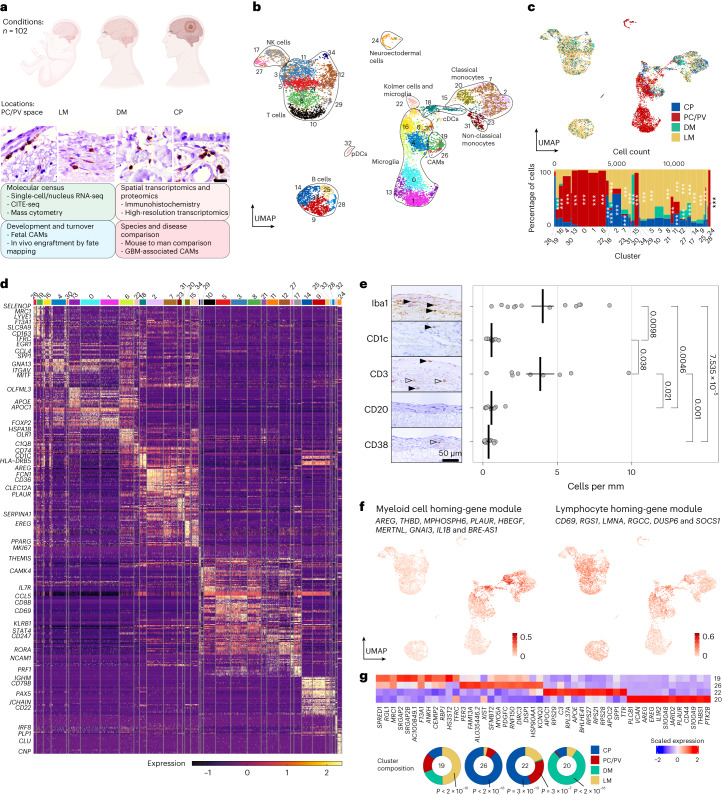
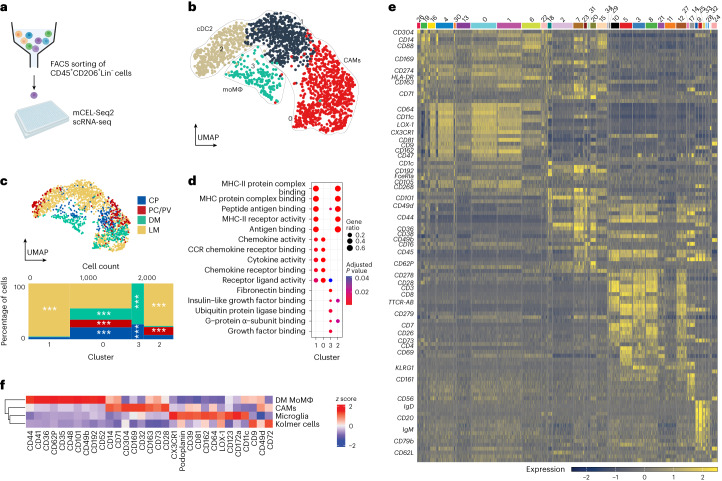
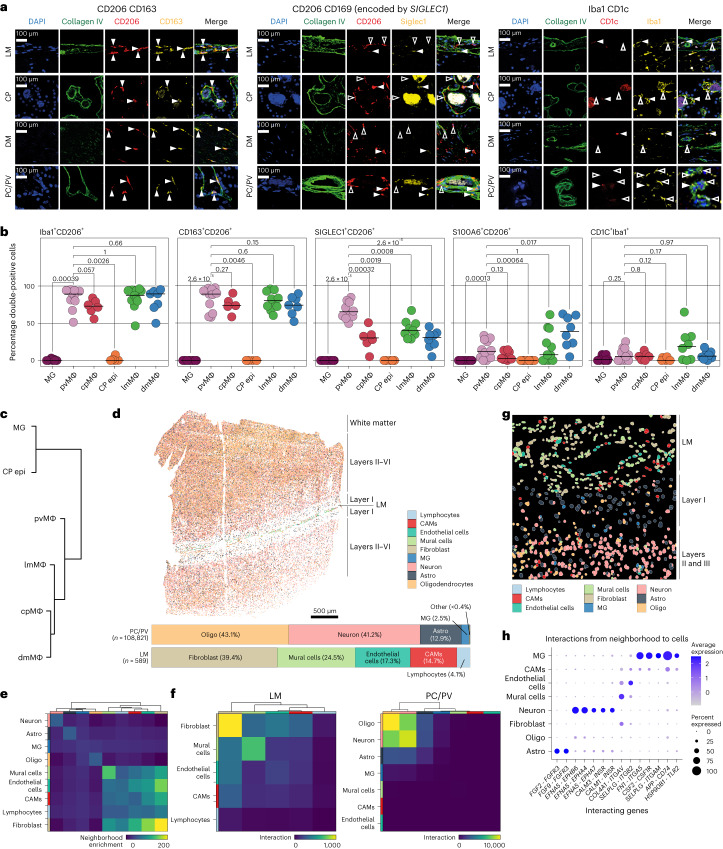
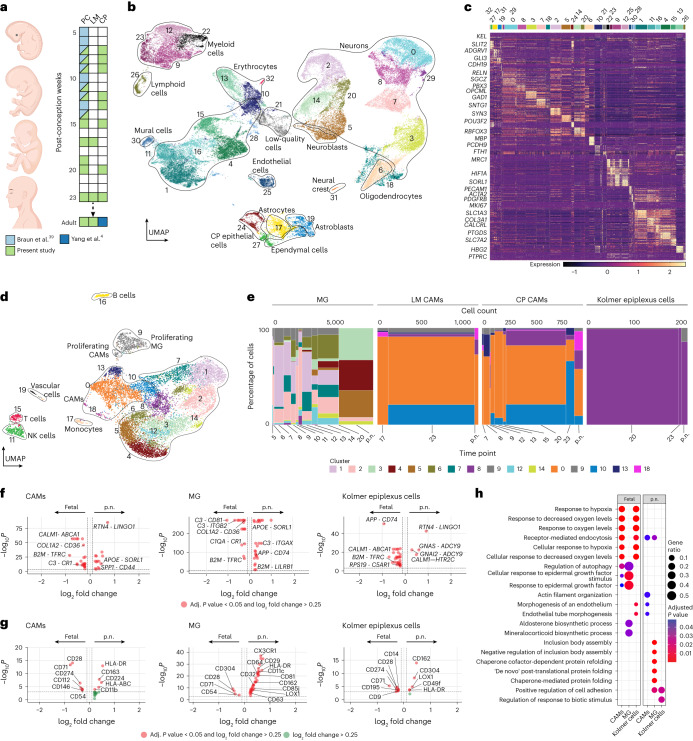
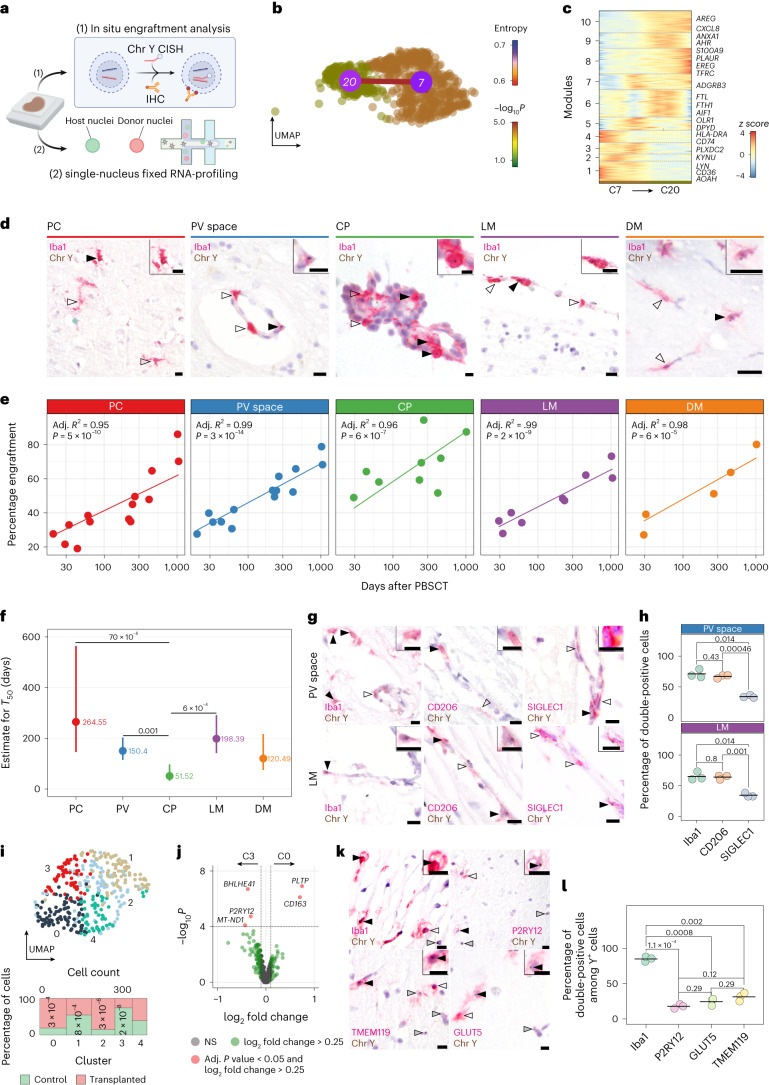
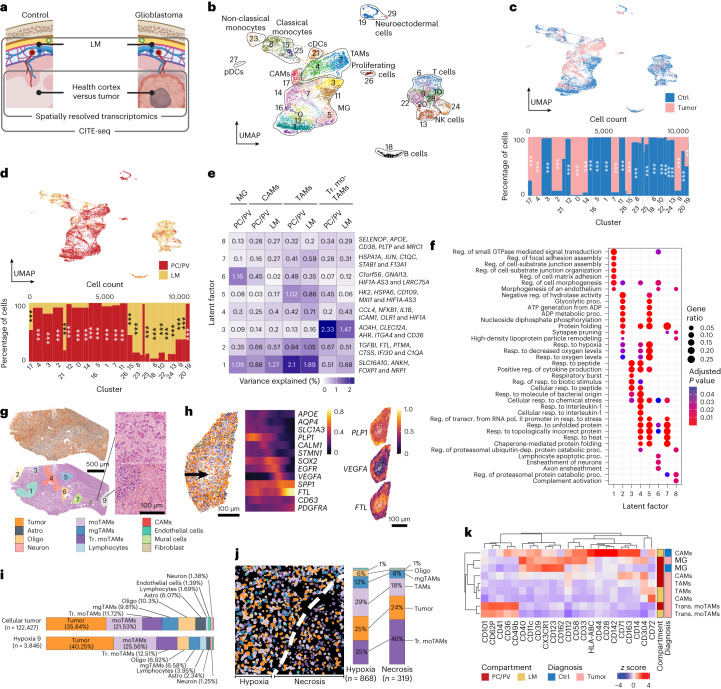
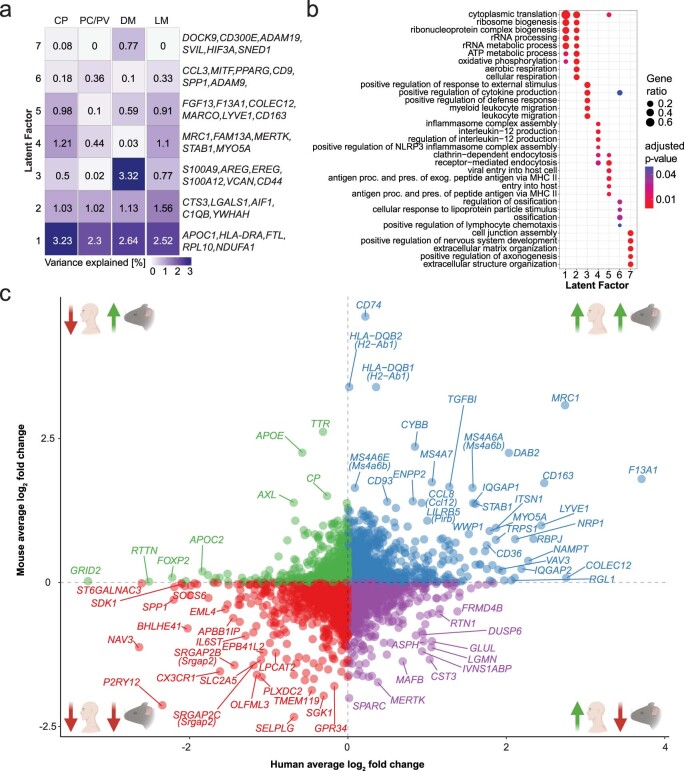
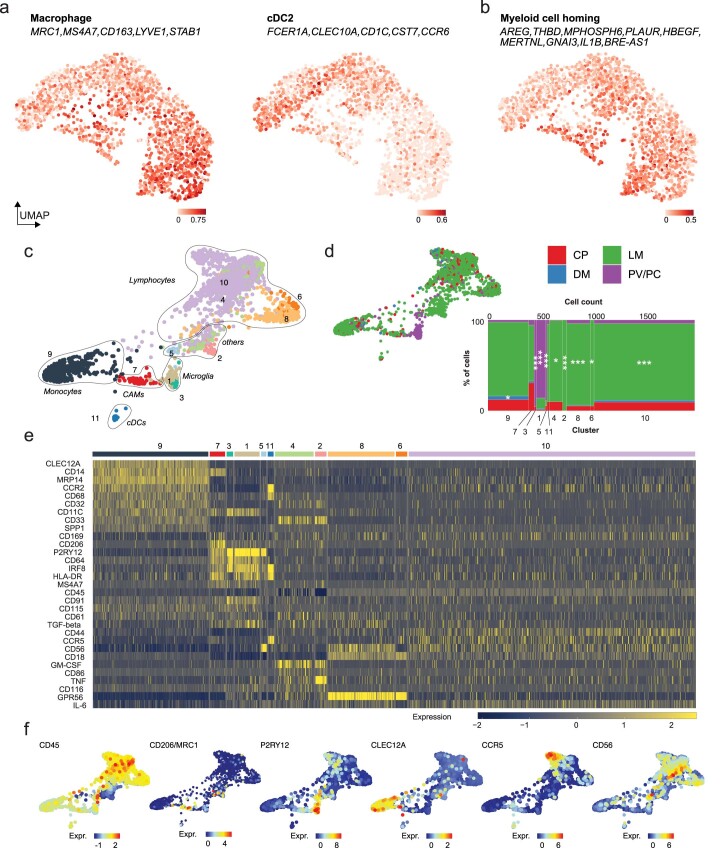
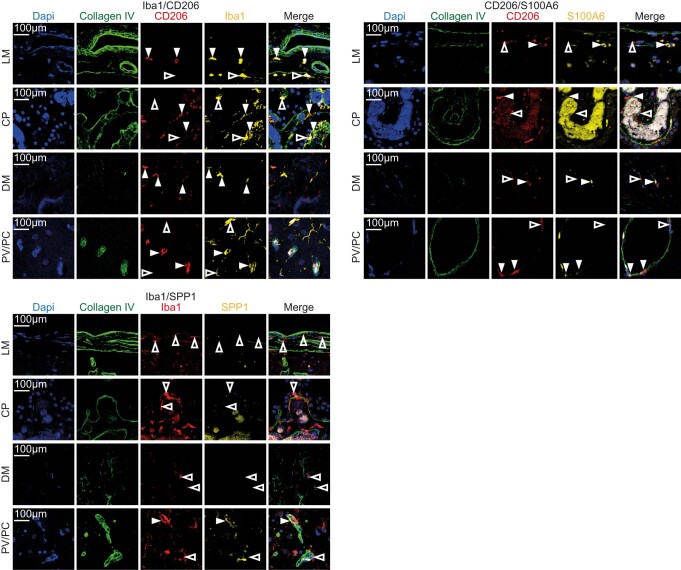
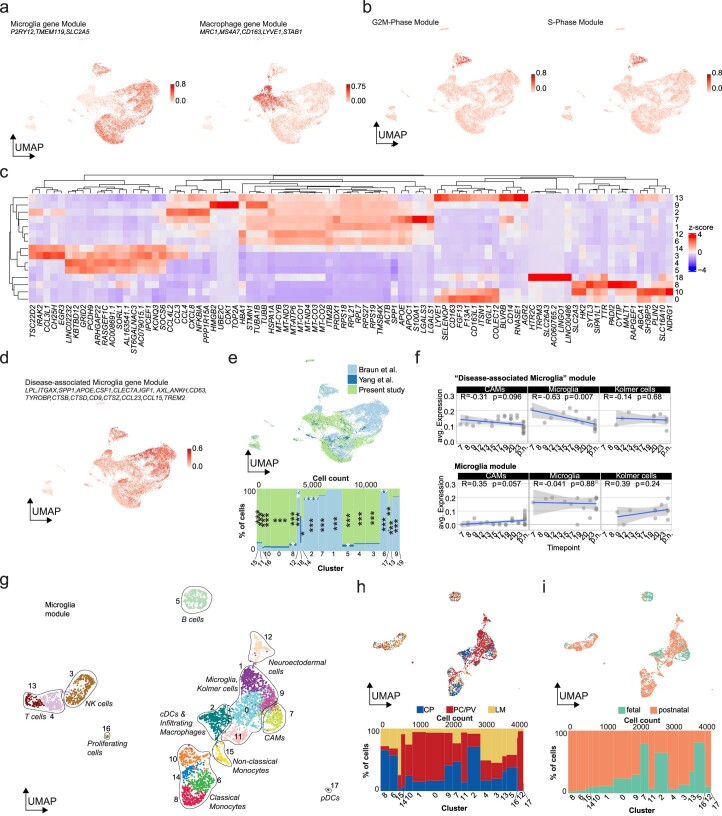
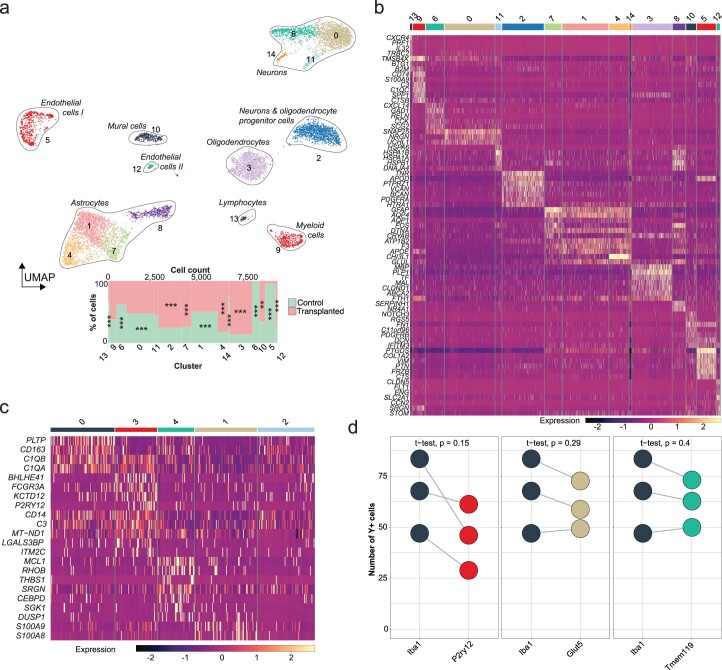
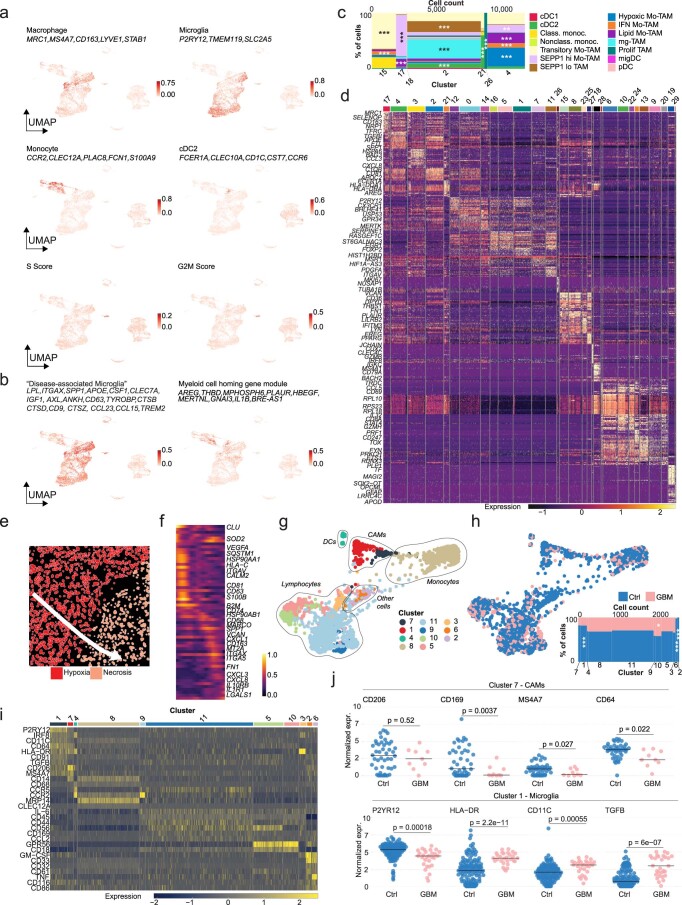
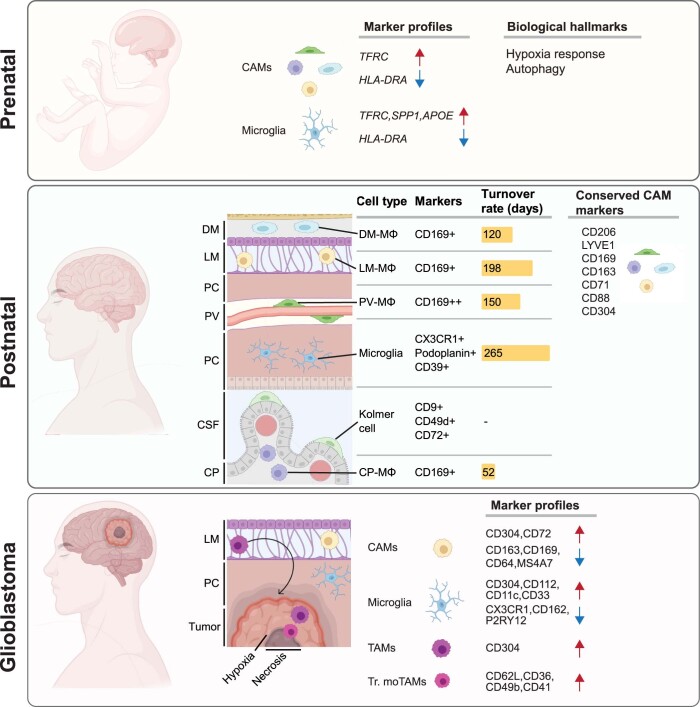
The innate immune compartment of the human central nervous system (CNS) is highly diverse and includes several immune-cell populations such as macrophages that are frequent in the brain parenchyma (microglia) and less numerous at the brain interfaces as CNS-associated macrophages (CAMs). Due to their scantiness and particular location, little is known about the presence of temporally and spatially restricted CAM subclasses during development, health and perturbation. Here we combined single-cell RNA sequencing, time-of-flight mass cytometry and single-cell spatial transcriptomics with fate mapping and advanced immunohistochemistry to comprehensively characterize the immune system at human CNS interfaces with over 356,000 analyzed transcriptomes from 102 individuals. We also provide a comprehensive analysis of resident and engrafted myeloid cells in the brains of 15 individuals with peripheral blood stem cell transplantation, revealing compartment-specific engraftment rates across different CNS interfaces. Integrated multiomic and high-resolution spatial transcriptome analysis of anatomically dissected glioblastoma samples shows regionally distinct myeloid cell-type distributions driven by hypoxia. Notably, the glioblastoma-associated hypoxia response was distinct from the physiological hypoxia response in fetal microglia and CAMs. Our results highlight myeloid diversity at the interfaces of the human CNS with the periphery and provide insights into the complexities of the human brain’s immune system.
Overview
The claims and statistics of this paper haven’t been checked yet.
Run the check — free, no account needed. It reads the open-access text and checks the sources it cites.
Integrity signals
Registry
Cites
Statistics
Figures
Verification
Claims the paper makes
The claims and statistics of this paper haven’t been checked yet.
Run the check — free, no account needed. It reads the open-access text and checks the sources it cites.
Claims other papers make about this one
Each is checked against this paper’s own text: does it say what the citing paper says it does?
The source backs part of the claim, not all of it — or backs it for a different population, condition or comparison.
In the citing paper
“As immune surveillants, CAMs clear harmful substances through phagocytosis, antigen presentation, and cytokine production [364,368,371,372,373,374,375,376]”
From Revisiting the Pathogenesis of X-Linked Adrenoleukodystrophy (2025) · cites this paper as [374]
Experimental — accuracy not yet measured
Self-check
Percentages, sums and reported differences re-computed from the paper’s own numbers.
The self-check needs the paper’s full text.
Citations
Cites
Wickham, H., Averick, M., Bryan, J., Chang, W., McGowan, L., François, R., Grolemund, G., Hayes, A., Henry, L., Hester, J., et al. (2019) · Journal of Open Source Software · doi:10.21105/joss.01686 · Cited by 22,138
Hierarchical Grouping to Optimize an Objective Function
Ward, J. H. (1963) · Journal of the American Statistical Association · doi:10.1080/01621459.1963.10500845 · Cited by 21,341
Integrated analysis of multimodal single-cell data
Hao, Y., Hao, S., Andersen-Nissen, E., Mauck, W. M., Zheng, S., Butler, A., Lee, M. J., Wilk, A. J., Darby, C., Zagar, M., et al. (2020) · doi:10.1101/2020.10.12.335331 · Cited by 15,508
clusterProfiler 4.0: A universal enrichment tool for interpreting omics data
(2021) · doi:10.1016/j.xinn.2021.100141 · Cited by 12,455
Fast, sensitive and accurate integration of single-cell data with Harmony
Korsunsky, I., Millard, N., Fan, J., Slowikowski, K., Zhang, F., Wei, K., Baglaenko, Y., Brenner, M., Loh, P.-R., & Raychaudhuri, S. (2019) · Nature Methods · doi:10.1038/s41592-019-0619-0 · Cited by 10,488
Complex heatmaps reveal patterns and correlations in multidimensional genomic data
Gu, Z., Eils, R., & Schlesner, M. (2016) · Bioinformatics · doi:10.1093/bioinformatics/btw313 · Cited by 10,037
SCANPY: large-scale single-cell gene expression data analysis
Wolf, F. A., Angerer, P., & Theis, F. J. (2018) · Genome Biology · doi:10.1186/s13059-017-1382-0 · Cited by 8,881
A Unique Microglia Type Associated with Restricting Development of Alzheimer’s Disease
Keren-Shaul, H., Spinrad, A., Weiner, A., Matcovitch-Natan, O., Dvir-Szternfeld, R., Ulland, T. K., David, E., Baruch, K., Lara-Astaiso, D., Toth, B., et al. (2017) · Cell · doi:10.1016/j.cell.2017.05.018 · Cited by 5,493
Cellpose: a generalist algorithm for cellular segmentation
Stringer, C., Wang, T., Michaelos, M., & Pachitariu, M. (2021) · Nature Methods · doi:10.1038/s41592-020-01018-x · Cited by 4,369
Microglia Function in the Central Nervous System During Health and Neurodegeneration
Colonna, M., & Butovsky, O. (2017) · Annual Review of Immunology · doi:10.1146/annurev-immunol-051116-052358 · Cited by 2,894
Cited by
Sorted by citations
Rosenzweig, N., Kleemann, K. L., Rust, T., Carpenter, M., Grucci, M., Aronchik, M., Brouwer, N., Valenbreder, I., Cooper-Hohn, J., Iyer, M., et al. (2024) · Nature Medicine · doi:10.1038/s41591-024-03122-3 · Cited by 90
Wu, Y., Bogale, T. A., Koıstınaho, J., Pizzi, M., Rõlova, T., & Bellucci, A. (2024) · Acta Neuropathologica · doi:10.1007/s00401-024-02696-z · Cited by 82
Border-associated macrophages as gatekeepers of brain homeostasis and immunity
Vara‐Pérez, M., & Movahedi, K. (2025) · Immunity · doi:10.1016/j.immuni.2025.04.005 · Cited by 84
The niche matters: Origin, function and fate of CNS-associated macrophages during health and disease
Dalmau Gasull, A., Glavan, M., Samawar, S. K. R., Kapupara, K., Kelk, J., Rubio, M., Fumagalli, S., Sorokin, L., Vivien, D., & Prinz, M. (2024) · Acta Neuropathologica · doi:10.1007/s00401-023-02676-9 · Cited by 60
Self-citationCranioencephalic functional lymphoid units in glioblastoma
Dobersalske, C., Rauschenbach, L., Hua, Y., Berliner, C., Steinbach, A., Grüneboom, A., Kokkaliaris, K. D., Heiland, D. H., Berger, P., Langer, S., et al. (2024) · Nature Medicine · doi:10.1038/s41591-024-03152-x · Cited by 57
Self-citation
Metadata
- Authors
- Sankowski, R., Süß, P., Benkendorff, A., Böttcher, C., Fernandez-Zapata, C., Chhatbar, C., Cahueau, J., Monaco, G., Gasull, A. D., Khavaran, A., Grauvogel, J., Scheiwe, C., Shah, M. J., Heiland, D. H., Schnell, O., Markfeld-Erol, F., Kunze, M., Zeiser, R., Priller, J., & Prinz, M.
- Affiliations
- University of Freiburg (DE)
- Charité – Universitätsmedizin Berlin (DE)
- UK Dementia Research Institute (GB)
- Corresponding author
- Sankowski, Roman
- Prinz, Marco
- ORCID
- Sankowski, Roman
- Süß, Patrick
- Benkendorff, Alexander
- Böttcher, Chotima
- Fernandez-Zapata, Camila
- Chhatbar, Chintan
- Monaco, Gianni
- Gasull, Adrià Dalmau
- Khavaran, Ashkan
- Grauvogel, Jürgen
- Scheiwe, Christian
- Shah, Mukesch Johannes
- Heiland, Dieter Henrik
- Schnell, Oliver
- Markfeld-Erol, Filiz
- Kunze, Mirjam
- Zeiser, Robert
- Priller, Josef
- Prinz, Marco
- Venue
- Nature Medicine
- Published
- 2023-12-20
- Volume
- 30
- Issue
- 1
- Pages
- 186-198
- ISSN
- 1078-8956 (ISSN-L)
- 1546-170X
- PMC
- PMC10803260
- OpenAlex
- W4390032293
- Cited by
- 156
- References
- 73
- Citations by year
- 2026: 65 · 2025: 56 · 2024: 32 · 2023: 2
- FWCI
- 13.81
- Type
- journal article
- Language
- en
- Open access
- hybrid
- doi.org
- Locations
- Nature Medicine (publishedVersion, cc-by)
- PubMed Central (publishedVersion, cc-by)
- PubMed (publishedVersion)
- MDC Repository (Max-Delbrueck-Center for Molecular Medicine) (acceptedVersion)
- mediaTUM – the media and publications repository of the Technical University Munich (Technical University Munich) (submittedVersion)
- DZNE Pub (submittedVersion, cc-by)
- Edinburgh Research Explorer (University of Edinburgh) (submittedVersion, cc-by)
- Funders
- Wellcome Trust (MR/006237/1)
- Deutsche Forschungsgemeinschaft (CIBSS-EXC 2189, SFB-1160, TRR 359, SFB 992, EXC‐2189, 450392965, SFB-1479 –, CRC/TRR 167, 2021/B3-Fol, 441891347, TRR 265, 491676693, 390939984, 192904750, GRK 2162, 259373024, 505539112, 270949263, TRR 167, KFO5024)
- Bundesministerium für Bildung und Forschung (01EO2103, EXC-2189, 390939984)
- Albert-Ludwigs-Universität Freiburg (EXC-2189, 2021/B3-Fol, 2021/A2-Fol, 390939984)
- Fritz Thyssen Stiftung
- Gottfried Wilhelm Leibniz Universität Hannover
- Novo Nordisk
- Roman, Marga und Mareille Sobek Stiftung
- National Institutes of Health
- Medical Research Council
- Leibniz-Gemeinschaft
- Medizinische Fakultät der Albert-Ludwigs-Universität Freiburg (2021/A2-Fol, 2021/B3-Fol)
- HORIZON EUROPE European Research Council (101094168)
- Topics
- Life Sciences › Biochemistry, Genetics and Molecular Biology › Molecular Biology › Single-cell and spatial transcriptomics
- Life Sciences › Neuroscience › Neurology › Neuroinflammation and Neurodegeneration Mechanisms
- Health Sciences › Medicine › Clinical Neurology › Multiple Sclerosis Research Studies
- Keywords
- microglia, innate immune cells, peripheral blood stem cell transplantation, glioblastoma, tumor hypoxia, hypoxia response, fate mapping
- MeSH terms
- Multiomics, Hypoxia, Central Nervous System, Glioblastoma, Humans, Immunity, Innate, Microglia
About these checks
Registry, retraction, Cites and statistics results are computed, not judged, with one exception: a printed reference that no index lists is read once by a model before it counts as a citation error. Claims are extracted by a model and kept only when their quote appears verbatim in the text; each cited source is then checked, with a model’s help, for whether it says what the claim relies on. Those verdicts can be wrong — read the claim’s quote and the cited source before relying on one.
Statistics and arithmetic are recomputed, not judged.
Confidence bands are shown only for fields calibrated on our annotated test set. None is calibrated yet, so no band is shown.
What counts as a claim ›How we measure confidence ›How we check this ›
Are you an author, or do you see a problem with this page? Request a review
