

BioWordVec, improving biomedical word embeddings with subword information and MeSH
Open accessThe DOI matches its Crossref record; 39 of the 40 references it cites were found in a registry or an index.
Abstract
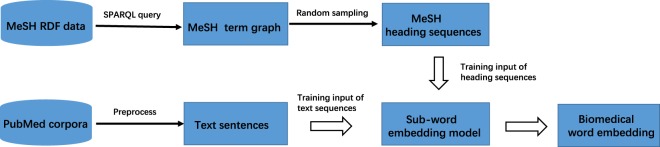
Distributed word representations have become an essential foundation for biomedical natural language processing (BioNLP), text mining and information retrieval. Word embeddings are traditionally computed at the word level from a large corpus of unlabeled text, ignoring the information present in the internal structure of words or any information available in domain specific structured resources such as ontologies. However, such information holds potentials for greatly improving the quality of the word representation, as suggested in some recent studies in the general domain. Here we present BioWordVec: an open set of biomedical word vectors/embeddings that combines subword information from unlabeled biomedical text with a widely-used biomedical controlled vocabulary called Medical Subject Headings (MeSH). We assess both the validity and utility of our generated word embeddings over multiple NLP tasks in the biomedical domain. Our benchmarking results demonstrate that our word embeddings can result in significantly improved performance over the previous state of the art in those challenging tasks.
Overview
The claims and statistics of this paper haven’t been checked yet.
Free: it reads the open-access text and checks the first 5 claims that cite a source we can check. Create a free account to check every claim.
Integrity signals
Registry
Cites
Statistics
Figures
Verification
Claims the paper makes
The claims and statistics of this paper haven’t been checked yet.
Free: it reads the open-access text and checks the first 5 claims that cite a source we can check. Create a free account to check every claim.
Claims other papers make about this one
Each is checked against this paper’s own text: does it say what the citing paper says it does?
The cited source says what the claim attributes to it.
In the citing paper
“Finally, while recent studies including our own (13,25) have shown promise in improving classification performance with deep learning, such algorithms are not implemented due to the bottleneck of model efficiency in practical use.”
From LitSuggest: a web-based system for literature recommendation and curation using machine learning (2021) · cites this paper as [25]
Self-check
Percentages, sums and reported differences re-computed from the paper’s own numbers.
The self-check needs the paper’s full text.
Citations
Cites
Glove: Global Vectors for Word Representation
Pennington, J., Socher, R., & Manning, C. (2014) · Proceedings of the 2014 Conference on Empirical Methods in Natural Language Processing (EMNLP) · doi:10.3115/v1/d14-1162 · Cited by 34,071 · cited 2×
“In recent years, several word embedding models and pre-trained word embeddings 1,7,8 have been made publicly available and successfully applied to many biomedical NLP (BioNLP) tasks.”
MethodAdvances in neural information processing systems 7
Cios, K., & Shields, M. (1997) · Neurocomputing · doi:10.1016/s0925-2312(97)90018-7 · Cited by 22,059
node2vec: Scalable Feature Learning for Networks
Grover, A., & Leskovec, J. (2016) · Proceedings of the 22nd ACM SIGKDD International Conference on Knowledge Discovery and Data Mining · doi:10.1145/2939672.2939754 · Cited by 10,926
DeepWalk: online learning of social representations
Perozzi, B., Al-Rfou, R., & Skiena, S. (2014) · Proceedings of the 20th ACM SIGKDD international conference on Knowledge discovery and data mining · doi:10.1145/2623330.2623732 · Cited by 10,123 · cited 1×
“Recent studies (e.g. 16,17 ) inspired by the skip-gram model 16,17 have proposed to translate network/graphs into nodes sequences to learn networks embeddings.”
BackgroundEnriching Word Vectors with Subword Information
Bojanowski, P., Grave, E., Joulin, A., & Mikolov, T. (2017) · Transactions of the Association for Computational Linguistics · doi:10.1162/tacl_a_00051 · Cited by 9,645 · cited 4×
“Bojanowski et al . recently proposed a novel embedding model 11 , which can effectively use the subword information to enrich the final word embedding results.”
BackgroundMethodInfluentialLINE: Large-scale Information Network Embedding
Tang, J., Qu, M., Wang, M., Zhang, M., Yan, J., & Mei, Q. (2015) · Proceedings of the 24th International Conference on World Wide Web · doi:10.1145/2736277.2741093 · Cited by 5,416
Advances in Neural Information Processing Systems 27 (NIPS 2014)
Zhong, M., Goddard, N., & Sutton, C. A. (2014) · Cited by 2,636
SemEval-2017 Task 1: Semantic Textual Similarity Multilingual and Crosslingual Focused Evaluation
Cer, D., Diab, M., Agirre, E., Lopez-Gazpio, I., & Specia, L. (2017) · Proceedings of the 11th International Workshop on Semantic Evaluation (SemEval-2017) · doi:10.18653/v1/s17-2001 · Cited by 1,562 · cited 1×
“In the general domain, the SemEval Semantic Textual Similarity (SemEval STS) challenge has been organized for over five years, which calls for effective models to measure sentence similarity 23 .”
MethodLearning Sentiment-Specific Word Embedding for Twitter Sentiment Classification
Tang, D., Wei, F., Yang, N., Zhou, M., Liu, T., & Qin, B. (2014) · Proceedings of the 52nd Annual Meeting of the Association for Computational Linguistics (Volume 1: Long Papers) · doi:10.3115/v1/p14-1146 · Cited by 1,181 · cited 1×
“The training of our model is to maximize the above objective function in (5), which will learn the joint PubMed text sequences and MeSH term sequences in word embedding.”
MethodRetrofitting Word Vectors to Semantic Lexicons
Faruqui, M., Dodge, J., Jauhar, S. K., Dyer, C., Hovy, E., & Smith, N. A. (2015) · Proceedings of the 2015 Conference of the North American Chapter of the Association for Computational Linguistics: Human Language Technologies · doi:10.3115/v1/n15-1184 · Cited by 721
Research works printed but not linked: 4
- Mikolov, T., Sutskever, I., Chen, K., Corrado, G. S. & Dean, J. Distributed representations of words and phrases and their compositionality. In Advances in Neural Information Processing systems26, 3111–3119 (NIPS, 2013).
- Bengio Y Ducharme R Vincent P Jauvin C A neural probabilistic language model Journal of Machine Learning Research 2003 3 1137 1155
- Yanshan, W. et al. Overview of the BioCreative/OHNLP challenge 2018 task 2: clinical semantic textual similarity. In Proceedings of the BioCreative/OHNLP Challenge. 1–4 (2018).
- Chen, Q., Du, J., Kim, S., Wilbur, W. J. & Lu, Z. Combining rich features and deep learning for finding similar sentences in electronic medical records. In Proceedings of the BioCreative/OHNLP Challenge. 5–8 (2018).
Cited by
Items 201–300 of 453
Out-of-vocabulary word embedding learning based on reading comprehension mechanism
Zhuang, Z., Liang, Z., Rao, Y., Xie, H., & Wang, F. L. (2023) · Natural Language Processing Journal · doi:10.1016/j.nlp.2023.100038 · Cited by 12
Word embedding mining for SARS-CoV-2 and COVID-19 drug repurposing
Kuusisto, F., Page, D., & Stewart, R. M. (2020) · F1000Research · doi:10.12688/f1000research.24271.1 · Cited by 7
Zlabinger, M., Sabou, M., Hofstätter, S., & Hanbury, A. (2020) · Findings of the Association for Computational Linguistics: EMNLP (Findings of EMNLP) · doi:10.18653/v1/2020.findings-emnlp.274 · Cited by 9
“Word BioWord2Vec (Zhang et al., 2019) PubMed abstracts, MIMIC III corpus (Johnson et al.”
BackgroundParikh, S., Davoudi, A., Yu, S., Giraldo, C., Schriver, E., & Mowery, D. L. (2021) · JMIR Medical Informatics · doi:10.2196/21679 · Cited by 8
“Zhang et al [15] ( BioWordVec corpus) and Flamholz et al [16] ( ClinicalEmbeddings corpus) also leveraged PubMed and PubMed Central articles in addition to clinical notes from the MIMIC III to train embeddings using the FastText, GloVe, and Word2Vec algorithms [12].”
Tao, J., Charlson, E. S., Zhu, Y., Guo, Z., Chen, W., Zhan, X., Shi, H., & Harris, I. G. (2021) · American Journal of Ophthalmology · doi:10.1016/j.ajo.2021.03.025 · Cited by 7
Nguyen, V., Yip, H. Y., Bajaj, G., Wijesiriwardene, T., Javangula, V., Parthasarathy, S., Sheth, A., & Bodenreider, O. (2022) · International World Wide Web Conference (WWW) · doi:10.1145/3485447.3511946 · Cited by 12
“The inputs (a pair of atoms) are pre-processed and transformed into their numerical representationswith BioWordVec embeddings pre-trained from PubMed text corpus and MeSH data [47].”
BackgroundMapping Chinese Medical Entities to the Unified Medical Language System
Chen, L., Qi, Y., Wu, A., Deng, L., & Jiang, T. (2023) · Health Data Science · doi:10.34133/hds.0011 · Cited by 9
“For example, the LexLM model presented by Nguyen et al. [14] achieved state of the art (SOTA) on the UMLS Vocabulary Align - ment task by representing the UMLS concepts for a high-dimensional embedding space (BioWordVec [15]).”
MethodPredicting accrual success for better clinical trial resource allocation
Ma, S., Wang, Y., Wagner, J. E., Johnson, S., Pakhomov, S., & Aliferis, C. (2025) · Scientific Reports · doi:10.1038/s41598-025-88400-x · Cited by 7
McCarroll, N., McShane, P., O’Connell, E., Curran, K., Singh, M., McNamee, E., Clist, A., & Brammer, A. (2025) · SN Computer Science · doi:10.1007/s42979-025-04300-x · Cited by 10
“However, their per - formance has been challenged by human-level deep learning performance on large domain-specific datasets and by shallow approaches, such as SVM and Bayesian methods, outperforming when training on small dataset scenarios [47 , 48]. training time.”
Lim, J., Lee, M., & Jang, J. (2024) · Journal of Quality Assurance in Hospitality & Tourism · doi:10.1080/1528008x.2024.2437810 · Cited by 7
RAG Without the Lag: Enabling "What-If" Analysis for Retrieval-Augmented Generation Pipelines
Lauro, Q. R., Shankar, S., Zeighami, S., & Parameswaran, A. (2026) · CHI Conference on Human Factors in Computing Systems · doi:10.1145/3772318.3790874 · Cited by 14
Document-Level Chemical-Induced Disease Relation Extraction via Hierarchical Representation Learning
Zhao, W., Zhang, J., Yang, J., Jiang, X., & He, T. (2021) · IEEE Transactions on Computational Biology and Bioinformatics · doi:10.1109/tcbb.2021.3086090 · Cited by 6
“More specifically, three pre-trained models (i.e., GloVe [16], BioWordVec [17] and BioBERT [18]) are evaluated, and the detailed experimental analysis will be presented in Section 3.3.”
MethodInfluentialLeveraging deep survival models to predict quality of care risk in diverse hospital readmissions
Tran, N. Q., Goel, G., Pudota, N., Suesserman, M., Helms, J., Lasaga, D., Olson, D., Bowen, E., & Bhattacharya, S. (2023) · Scientific Reports · doi:10.1038/s41598-023-37477-3 · Cited by 6
“For word embedding, we use the embeddings (dimension: 200) obtained from the BioWordVec model 43 trained on the string descriptions of the diagnosis codes.”
MethodAm I Hurt?: Evaluating Psychological Pain Detection in Hindi Text Using Transformer-based Models
Kaur, R., Bhatia, M. P. S., & Kumar, A. (2024) · ACM Transactions on Asian and Low-Resource Language Information Processing · doi:10.1145/3650206 · Cited by 6
Gupta, P., Yaseen, U., & Schütze, H. (2019) · Workshop on BioNLP Open Shared Tasks (BioNLP-OST) · doi:10.18653/v1/d19-5720 · Cited by 6
“We trained FastText embeddings on the following corpora: IBECS (Rodrı́guez, 2002), IULA-Spanish-English-Corpus (Marimon et al., 2017), MedlinePlus (Miller et al., 2000), PubMed (Lu, 2011), ScIELO (Goldenberg et al., 2007) and PharmaCoNer (Gonzalez-Agirre et al., 2019).”
MethodLarge-scale literature mining to assess the relation between anti-cancer drugs and cancer types
Bauer, C., Herwig, R., Lienhard, M., Prasse, P., Scheffer, T., & Schuchhardt, J. (2021) · Journal of Translational Medicine · doi:10.1186/s12967-021-02941-z · Cited by 7
Lapshinova‐Koltunski, E., Przybyl, H., & Bizzoni, Y. (2021) · Workshop on Computational Approaches to Discourse (CODI) · doi:10.18653/v1/2021.codi-main.13 · Cited by 10
“Besides that, our work is related to those with a focus on domain-specific word embeddings (Zhang et al., 2019; Wang et al., 2018), those dealing with multilingual word embeddings for lexicon induction and mapping (Shi et al., 2019; Zhang et al., 2019; Artetxe et al., 2017, 2018) and those focusing…”
BackgroundNguyen, N. D., Du, L., Buntine, W., Chen, C., & Beare, R. J. (2022) · Conference on Empirical Methods in Natural Language Processing (EMNLP) · doi:10.18653/v1/2022.emnlp-main.271 · Cited by 6
Confidence-Guided Radiology Report Generation.Preprint
Wang, Y., Lin, Z., Tian, J., Shi, Z., Zhang, Y., Fan, J., & He, Z. (2021) · arXiv (Cornell University) · Cited by 6
Self-citationWang, L., Novoa-Laurentiev, J., Cook, C., Srivatsan, S., Hua, Y., Yang, J., Miloslavsky, E., Choi, H. K., Zhou, L., & Wallace, Z. S. (2025) · International Journal of Medical Informatics · doi:10.1016/j.ijmedinf.2025.105797 · Cited by 5
Knowledge based convolutional transformer for joint estimation of PM2.5 and O3 concentrations
Ren, Y., Wang, S., Xia, B., & Xia, B. (2025) · Scientific Reports · doi:10.1038/s41598-025-95019-5 · Cited by 6
Lee, H., Jeon, J., Jung, D., Won, J.-I., Kim, K.-Y., Kim, Y. J., & Yoon, J. (2023) · Genes & Genomics · doi:10.1007/s13258-023-01405-6 · Cited by 5
“In this study, BioWordVec, which generates dimension vectors based on semantic similarity, was used to perform a semantic analysis of words (Zhang et al. 2019).”
MethodKumar, A., Jain, D., & Beniwal, R. (2023) · ACM Transactions on Asian and Low-Resource Language Information Processing · doi:10.1145/3625228 · Cited by 5
“Static embeddings, such as GloVe [27, 28], Crawl [29], Wikipedia [30], BioWordVec [31-32], GoogleNews [33], and PubMed [34], are pre-trained on a large corpus and remain fixed throughout the NLP task.”
Impact of Translation on Biomedical Information Extraction: Experiment on Real-Life Clinical Notes
Gérardin, C., Xiong, Y., Wajsbürt, P., Carrat, F., & Tannier, X. (2023) · JMIR Medical Informatics · doi:10.2196/49607 · Cited by 4
SUMEX: A hybrid framework for Semantic textUal siMilarity and EXplanation generation
Saeed, S., Rajput, Q., & Haider, S. (2024) · Information Processing & Management · doi:10.1016/j.ipm.2024.103771 · Cited by 7
Saleh, H., McCann, M., El–Sappagh, S., & Breslin, J. G. (2024) · International Conference on Computer and Applications (ICCA) · doi:10.1109/icca62237.2024.10927742 · Cited by 5
“BioWordVec [17] and BioBERT-base [18] are used to represent features for clinical notes.”
Zhou, F., Xu, Y., Cui, Y., Zhang, S., Zhu, Y., He, W., Zhang, D., Wang, J., Wang, X., Chan, R. C., et al. (2025) · The Innovation Informatics · doi:10.59717/j.xinn-inform.2025.100011 · Cited by 6
Ritskes-Hoitinga, M. J., & Alkema, W. B. L. (2021) · Alternatives to Laboratory Animals · doi:10.1177/02611929211048447 · Cited by 6
“Next, we used the AI algorithm word2vec 14 to retrieve word combinations that were signi fi cantly enriched in the set of Three Rs-related papers.”
An Efficient Method for Biomedical Entity Linking Based on Inter- and Intra-Entity Attention
Abdurxit, M., Tohti, T., & Hamdulla, A. (2022) · Applied Sciences · doi:10.3390/app12063191 · Cited by 5
Improving Image Representations via MoCo Pre-training for Multimodal CXR Classification
Serra, F. D., Jacenków, G., Deligianni, F., Dalton, J., & O’Neil, A. Q. (2022) · Lecture notes in computer science · doi:10.1007/978-3-031-12053-4_46 · Cited by 10
“• Attentive [17] - this model follows a two stream approach where a) the CXR image is processed by a ResNet-50 model and b) the indication field is encoded by BioWordVec embeddings [32] followed by two sequential bi-directional Gated Recurrent Units (GRUs) [33].”
MethodNezamuldeen, L., & Jafri, M. S. (2023) · Biology · doi:10.3390/biology12101344 · Cited by 5
“Furthermore, to expand the learning of semantic and syntactic features of the text, a pretrained word embedding vector on more than 20 million biomedical documents from PubMed and more than four billion words of biomedical terms was used to train the DL model [26].”
BackgroundMethodInfluentialZheng, X., Wang, X., Luo, X., Tong, F., & Zhao, D. (2023) · BMC Bioinformatics · doi:10.1186/s12859-023-05601-9 · Cited by 5
Graph-Based Approach for European Law Classification
Russo, R., Giuseppe, G. D., Vanacore, A., Gatta, V. L., Ferraro, A., Galli, A., Postiglione, M., & Moscato, V. (2023) · IEEE International Conference on Big Data (BigData) · doi:10.1109/bigdata59044.2023.10386684 · Cited by 6
“Alongside these advancements, there was a pronounced shift towards refining document embeddings, integrating both domain-tailored [29] and graph-based methodologies [30]–[32].”
BackgroundKIMedQA: towards building knowledge-enhanced medical QA models
Zafar, A., Sahoo, S. K., Varshney, D., Das, A., & Ekbal, A. (2024) · Journal of Intelligent Information Systems · doi:10.1007/s10844-024-00844-1 · Cited by 11
“For triples, we concatenate the head, relation, and tail entities into a single string and use BioWordVec Zhang et al. (2019) model 2 to acquire the embedding representation for both question and triples.”
Zero-Shot Medical Information Retrieval via Knowledge Graph Embedding
Wang, Y., Wang, Z., Wang, W., Chen, Q., Huang, K., Nguyen, A., & De, S. (2024) · Communications in computer and information science · doi:10.1007/978-3-031-52216-1_3 · Cited by 5
Self-citationVerma, S., Sharan, A., & Malik, N. (2024) · New Generation Computing · doi:10.1007/s00354-024-00248-3 · Cited by 5
Dong, X., & Zheng, W. (2024) · Artificial Intelligence Chemistry · doi:10.1016/j.aichem.2024.100060 · Cited by 6
Dai, H.-J., Chen, C.-C., Mir, T. H., Wang, T., Wang, C.-K., Chang, Y.-C., Yu, S.-J., Shen, Y., Huang, C.-J., Tsai, C.-H., et al. (2024) · Computational and Structural Biotechnology Journal · doi:10.1016/j.csbj.2024.04.007 · Cited by 5
“For MT-CNN, BioWordVec [30] were used to represent word tokens and only one model was trained for generating all of the 30 cancer registry items.”
Machine learning and deep learning for classifying the justification of brain CT referrals
Potočnik, J., Thomas, E., Lawlor, A., Kearney, D., Heffernan, E. J., Killeen, R. P., & Foley, S. J. (2024) · European Radiology · doi:10.1007/s00330-024-10851-z · Cited by 5
Privacy-Preserving Multi-Party Keyword-Based Classification of Unstructured Text Data
Pépin, I., Alaca, F., & Zulkernine, F. H. (2024) · International Conference on Distributed Computing in Smart Systems and the Internet of Things (DCOSS-IoT) · doi:10.1109/dcoss-iot61029.2024.00037 · Cited by 7
Storey, S., Luo, X., Ofner, S., Perkins, S. M., & Ah, D. M. V. (2025) · Supportive Care in Cancer · doi:10.1007/s00520-025-09434-5 · Cited by 7
Automated MeSH Indexing of Biomedical Literature Using Contextualized Word Representations
Koutsomitropoulos, D. A., & Andriopoulos, A. D. (2020) · IFIP advances in information and communication technology · doi:10.1007/978-3-030-49161-1_29 · Cited by 6
Predicting Mortality in Critical Care Patients with Fungemia Using Structured and Unstructured Data
Baxter, S. L., Klie, A., Saseendrakumar, B. R., Ye, G. Y., Hogarth, M. A., & Nemati, S. (2020) · Annual International Conference of the IEEE Engineering in Medicine and Biology Society (EMBC) · doi:10.1109/embc44109.2020.9175287 · Cited by 6
“Tokens for each note were vectorized into 200-dimensional vectors using the BioWordVec subword embedding model from Zhang et al. [18].”
MethodParwez, M. A., Fazil, M., Arif, M., Nafis, M. T., & Auwul, M. R. (2023) · Computational Intelligence and Neuroscience · doi:10.1155/2023/2989791 · Cited by 6
“Researchers have demonstrated the adaptability of Word2Vec and BERT in the feld of biomedical domain to develop models such as BioWordVec [33] and BioBERT [34], as well as other do-main-specifc models such as SciBERT [35] trained on various scientifc and biomedical corpuses, ClinicalBERT [36]…”
MethodMao, Y., Miller, R. A., Bodenreider, O., Nguyen, V., & Fung, K. W. (2023) · Journal of the American Medical Informatics Association · doi:10.1093/jamia/ocad152 · Cited by 5
“We chose BioWordVec 8 and SapBERT 12 as language models based on their performance during earlier testing.”
BackgroundMethodInfluentialTowards User Friendly Medication Mapping Using Entity-Boosted Two-Tower Neural Network
Yuan, S., Bhatia, P., Celikkaya, B., Liu, H., & Choi, K. (2021) · Communications in computer and information science · doi:10.1007/978-981-16-0575-8_10 · Cited by 5
Choi, I., Long, Q., & Getzen, E. J. (2024) · medRxiv · doi:10.1101/2024.05.06.24306959 · Cited by 7
Bonandrini, R., & Gatti, D. (2024) · Elsevier eBooks · doi:10.1016/b978-0-323-95504-1.00032-6 · Cited by 5
Wang, Z., Wang, L., Li, Y.-C., & Wang, L. (2026) · Neurocomputing · doi:10.1016/j.neucom.2026.132661 · Cited by 4
Semantic Enrichment of Explanations of AI Models for Healthcare
Corbucci, L., Monreale, A., Panigutti, C., Natilli, M., Smiraglio, S., & Pedreschi, D. (2023) · Lecture notes in computer science · doi:10.1007/978-3-031-45275-8_15 · Cited by 4
Koo, H. (2025) · IEEE International Conference on Acoustics Speech and Signal Processing · doi:10.1109/icassp49660.2025.10890473 · Cited by 9
“However, it confronts two issues: 1) under-performance under incomplete data despite outstanding performance under complete data, and 2) adoption of a pre-trained BioWord2Vec [23], limiting the adaptation to missing data.”
Benchmarking pre-trained text embedding models in aligning built asset information
Shahinmoghadam, M., & Motamedi, A. (2025) · Scientific Reports · doi:10.1038/s41598-025-09052-5 · Cited by 6
Raciti, D., Auken, K. M. V., Arnaboldi, V., Tabone, C. J., Muller, H.-M., & Sternberg, P. W. (2025) · Database · doi:10.1093/database/baaf063 · Cited by 5
“Models such as BioWordVec [ 32 ] and BioSentVec [ 33 ] are able to generate word and sentence embeddings specifically for biomedical texts and demonstrated considerable promise.”
A Comparative Analysis of word embedding techniques and text similarity Measures
Kumar, N. V. A., & Mehrotra, S. (2022) · International Conference on Contemporary Computing and Informatics (IC3I) · doi:10.1109/ic3i56241.2022.10072927 · Cited by 6
Jeon, W., Park, M., An, D., Nam, W., Shin, J., Lee, S., & Lee, S. (2025) · JMIR Medical Informatics · doi:10.2196/67513 · Cited by 6
“In fact, it has been pointed out that traditional word embedding models such as Word2Vec, which do not consider contextual information, do not sufficiently represent the relationships between complex biomedical concepts [15,16].”
Juris2vec: Building Word Embeddings from Philippine Jurisprudence
Peramo, E. C., Cheng, C. K., & Cordel, M. O. (2021) · International Conference on Artificial Intelligence in Information and Communication (ICAIIC) · doi:10.1109/icaiic51459.2021.9415251 · Cited by 4
“They have also assessed both the validity and the utility of their generated word embeddings over multiple NLP tasks in the biomedical domain [7],”
BackgroundMining Latent Disease Factors from Medical Literature using Causality
Gujarathi, P., VanSchaik, J. T., Karri, V. M. B., Rajapuri, A. S., Cheriyan, B., Thyvalikakath, T. P., & Chakraborty, S. (2022) · IEEE International Conference on Big Data (BigData) · doi:10.1109/bigdata55660.2022.10020994 · Cited by 14
Kroll, H., Pirklbauer, J., Plötzky, F., & Balke, W. (2023) · International Journal on Digital Libraries · doi:10.1007/s00799-023-00368-z · Cited by 6
Rare Codes Count: Mining Inter-code Relations for Long-tail Clinical Text Classification
Chen, J., Li, X., Xi, J., Yu, L., & Xiong, H. (2023) · Clinical Natural Language Processing Workshop (ClinicalNLP) · doi:10.18653/v1/2023.clinicalnlp-1.43 · Cited by 10
“We tried in our work with other pretraining strategies, such as ClinicalBERT (Alsentzer et al., 2019), BERT (Devlin et al., 2019), BioBERT (Lee et al., 2020) and BioWordVec (Zhang et al., 2019).”
MethodDiversity-Preserving Chest Radiographs Generation from Reports in One Stage
Hou, Z., Yan, R., Wang, Q., Lang, N., & Zhou, X. (2023) · Lecture notes in computer science · doi:10.1007/978-3-031-43904-9_47 · Cited by 9
Siamese KG-LSTM: A deep learning model for enriching UMLS Metathesaurus synonymy
Tran, T., Nghiem, S. V., Le, V. T., Quan, T., Nguyen, V., Yip, H. Y., & Bodenreider, O. (2020) · International Conference on Knowledge and Systems Engineering/Proceedings · doi:10.1109/kse50997.2020.9287797 · Cited by 7
“BioWordVec [14], is a set of biomedical word vectors generated by using subword methods on PubMed biomedical vocabulary dataset and MeSH (medical subject headings) data.”
MethodKim, T., Han, S. W., Kang, M., Lee, S. H., Kim, J.-H., Joo, H. J., & Sohn, J. W. (2021) · JMIR Medical Informatics · doi:10.2196/25530 · Cited by 4
Protocol for a reproducible experimental survey on biomedical sentence similarity
Lara-Clares, A., Lastra-Díaz, J. J., & García-Serrano, A. M. (2021) · PLoS ONE · doi:10.1371/journal.pone.0248663 · Cited by 4
“We have already gathered all the pre-trained embeddings [22, 25, 70, 71, 73, 77, 114, 115] and BERT-based language models [31, 32, 79–81, 116] required for our experiments.”
BackgroundMethodInfluentialTraining and intrinsic evaluation of lightweight word embeddings for the clinical domain in Spanish
Chiu, C., Villena, F., Martin, K., Torres, F. N., Besa, C., & Dunstan, J. (2022) · Frontiers in Artificial Intelligence · doi:10.3389/frai.2022.970517 · Cited by 4
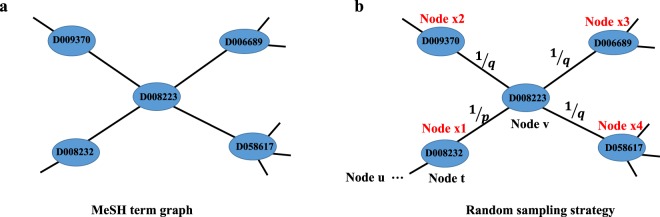
“We used p = 2 and q = 1 following the work by Zhang et al. (2019).”
BackgroundMethodInfluentialLuo, A. L., Ravi, A., Arvisais‐Anhalt, S., Muniyappa, A. N., Liu, X., & Wang, S. (2023) · Informatics · doi:10.3390/informatics10020033 · Cited by 4
“One was using BioSentVec [10,11] to transform the raw text into sentence embeddings that were then used in modeling.”
MethodDUKweb, diachronic word representations from the UK Web Archive corpus
Tsakalidis, A., Basile, P., Bazzi, M., Cucuringu, M., & McGillivray, B. (2021) · Scientific Data · doi:10.1038/s41597-021-01047-x · Cited by 9
Nguyen, M., Beidler, P. G., Tsai, J. C., Anderson, A., Chen, D., Kinahan, P. E., & Kang, J. (2025) · International Journal of Radiation Oncology*Biology*Physics · doi:10.1016/j.ijrobp.2025.01.009 · Cited by 3
Çelikten, T., & Onan, A. (2025) · Knowledge-Based Systems · doi:10.1016/j.knosys.2025.114103 · Cited by 5
Semantic Extension for Cross-Modal Retrieval of Medical Image-Diagnosis Report
Ding, G., Zhang, Q., Geng, S., & Fan, C. (2023) · Lecture notes in computer science · doi:10.1007/978-3-031-44693-1_35 · Cited by 4
Erlanson, N., China, J. F., Taavola, H., & Norén, G. N. (2025) · Drug Safety · doi:10.1007/s40264-024-01509-2 · Cited by 3
Aghaarabi, E., & Murray, D. M. (2025) · JMIR Medical Informatics · doi:10.2196/63267 · Cited by 4
“To enhance the model’s capability to process biomedical text data, we leveraged pretrained FastText embeddings specifically trained on PubMed and MIMIC-III data, known as BioWordVec [24], to extract meaningful features from titles and abstracts of publications.”
Machine learning to predict penumbra core mismatch in acute ischemic stroke using clinical note data
Kohli, S., Agarwal, P., Chan, A. H. W., Erekat, A. N., Nadkarni, G. N., & Kummer, B. R. (2025) · npj Digital Medicine · doi:10.1038/s41746-025-01703-1 · Cited by 3
“Toaccomplishthis,we fi rstconvertedeach word in each patient-level corpus into vectors using an open-source set of 200-dimensional biomedical word embeddings that were pre-trained on a large corpus of clinical notes and medical texts (BioWordVec) 29 .”
Wang, Z., Ive, J., Moylett, S., Mueller, C., Cardinal, R. N., Velupillai, S. U., O'Brien, J. T., & Stewart, R. J. (2020) · Clinical Natural Language Processing Workshop (ClinicalNLP) · doi:10.18653/v1/2020.clinicalnlp-1.19 · Cited by 3
Multiscale representation learning for biomedical analysis
Singh, A., Porwal, U., Bhardwaj, A., & Jin, W. (2023) · Handbook of statistics · doi:10.1016/bs.host.2022.12.004 · Cited by 3
Representation-centric approach for classification of Consumer Health Questions
Saedi, A., Fatemi, A., & Nematbakhsh, M. A. (2023) · Expert Systems with Applications · doi:10.1016/j.eswa.2023.120436 · Cited by 4
Lee, S., Kwon, J.-H., Kim, D., & Kim, E. (2023) · ICT Express · doi:10.1016/j.icte.2023.08.006 · Cited by 3
Learning medical concept representation based on semantic information in medical textural data
Im, S. J., Xu, Y., & Watson, J. (2023) · Expert Systems with Applications · doi:10.1016/j.eswa.2023.122123 · Cited by 6
Enhancing Clinical Outcome Predictions through Auxiliary Loss and Sentence-Level Self-Attention
Lee, S.-H., Jang, G., Kim, C., Park, S., Yoo, K., Kim, J., Kim, S., & Kang, J. (2023) · IEEE International Conference on Bioinformatics and Biomedicine (BIBM) · doi:10.1109/bibm58861.2023.10385852 · Cited by 3
Learning to Rank Complex Biomedical Hypotheses for Accelerating Scientific Discovery
Ding, J., Dahal, S., Adhikari, B., & Jha, K. (2024) · IEEE International Conference on Healthcare Informatics (ICHI) · doi:10.1109/ichi61247.2024.00044 · Cited by 3
Chemical and Textual Embeddings for Drug Repurposing
Nordon, G., Gottlieb, L., & Radinsky, K. (2020) · Proceedings of the AAAI Conference on Artificial Intelligence · doi:10.1609/aaai.v34i08.7046 · Cited by 5
“Most methods (Zhang et al. 2019; Ngo et al. 2016) create the representation based on the tex-( (Bojanowski et al. 2017; Zhang et al. 2019) and Elmo (Peters et al. 2018) were shown to create useful representations in other domains.”
MethodVarious Approaches for Predicting Stroke Prognosis using Magnetic Resonance Imaging Text Records
Heo, T.-S., Kim, C., Choi, J.-M., Jeong, Y.-S., & Kim, Y.-S. (2020) · Clinical Natural Language Processing Workshop (ClinicalNLP) · doi:10.18653/v1/2020.clinicalnlp-1.1 · Cited by 3
“Word embedding uses BioWordVec, a pre-trained FastText model that represents the meaning of words in 200 dimensions (Zhang et al., 2019), and sentence embedding uses BioSentVec, a pre-trained Sent2Vec model that represents the meaning of sentences in 700 dimensions (Chen et al., 2019).”
MethodSemantic Changepoint Detection for Finding Potentially Novel Research Publications
Dinakar, B., Boguslav, M. R., Görg, C., & Dinakarpandian, D. (2020) · Pacific Symposium on Biocomputing (PSB) · doi:10.1142/9789811232701_0011 · Cited by 3
“Several models have been published for projecting words into vector spaces 18,19,20 .”
Yum, Y., Lee, J. M., Jang, M. J., Kim, Y., Kim, J.-H., Kim, S., Shin, U., Song, S., & Joo, H. J. (2021) · JMIR Medical Informatics · doi:10.2196/29667 · Cited by 3
Li, M., Chen, T., Ryu, K. H., & Jin, C. (2021) · Computational and Mathematical Methods in Medicine · doi:10.1155/2021/7937573 · Cited by 3
“In the domain of biomedical text mining, Medical Subject Headings (MeSH) is one of the most commonly used ontologies, which contains 29,638 MeSH headings arranged hierarchically in a tree structure by 2020 [35, 36].”
MethodRefining electronic medical records representation in manifold subspace
Wang, B., Sun, Y., Chu, Y., Zhao, D., Yang, Z., & Wang, J. (2022) · BMC Bioinformatics · doi:10.1186/s12859-022-04653-7 · Cited by 4
“We explore several state-of-the-art meth-ods to compare with our proposed method [11, 27–31].”
BackgroundMethodSelf-citationA Library Perspective on Nearly-Unsupervised Information Extraction Workflows in Digital Libraries
Kroll, H., Pirklbauer, J., Plötzky, F., & Balke, W. (2022) · ACM/IEEE Joint Conference on Digital Libraries · doi:10.1145/3529372.3530924 · Cited by 5
“To find more synonyms automatically, we used a Biomedical Word Embedding [31] that we used in the toolbox paper before.”
MethodAutomatic Patient Note Assessment without Strong Supervision
Zhou, J., Thakkar, V., Yudkowsky, R., Bhat, S., & Bond, W. F. (2022) · International Workshop on Health Text Mining and Information Analysis (LOUHI) · doi:10.18653/v1/2022.louhi-1.14 · Cited by 3
“If not, we compute a similarity score between the checklist item and the patient note medical entity using BioWordVec (Zhang et al., 2019).”
MethodBioRel: A Large-Scale Dataset for Biomedical Relation Extraction
Xing, R., Luo, J., & Song, T. (2019) · IEEE International Conference on Bioinformatics and Biomedicine (BIBM) · doi:10.1109/bibm47256.2019.8983057 · Cited by 4
“We use a pre-trained model BioWordVec [14] for wordembedding in baseline models.”
MethodA Representation Learning Approach to Animal Biodiversity Conservation
Mukadam, M., Jayaram, M., & Zhang, Y. (2020) · International Conference on Computational Linguistics · doi:10.18653/v1/2020.coling-main.26 · Cited by 3
Self-citationMNLP at MEDIQA 2021: Fine-Tuning PEGASUS for Consumer Health Question Summarization
Lee, J., Dang, H., Uzuner, Ö., & Henry, S. (2021) · Workshop on Biomedical Language Processing (BioNLP) · doi:10.18653/v1/2021.bionlp-1.37 · Cited by 6
“The vectors are from BioWordVec (Yijia et al., 2019), which are trained on PUBMED and MIMIC-III.”
MethodMultifaceted Domain-Specific Document Embeddings
Risch, J., Hager, P., & Krestel, R. (2021) · doi:10.18653/v1/2021.naacl-demos.9 · Cited by 6
“In comparison with the domain-specific embed-dings from BioWordVec (Zhang et al., 2019) and BioSentVec (Chen et al., 2019), our approach achieves almost the same performance on Med-STS, which is remarkable given that our Faceted Domain Encoder requires no pre-training on large corpora in contrast to the other presented…”
BackgroundMethodResultInfluentialECO-CollecTF: A Corpus of Annotated Evidence-Based Assertions in Biomedical Manuscripts
Hobbs, E., Goralski, S. M., Mitchell, A., Simpson, A., Leka, D., Kotey, E., Sekira, M., Munro, J. B., Nadendla, S., Jackson, R., et al. (2021) · Frontiers in Research Metrics and Analytics · doi:10.3389/frma.2021.674205 · Cited by 4
“Biomedical text mining has incorporated a diverse palette of machine learning techniques (Aggarwal and Zhai, 2012; Jovanović and Bagheri, 2017; Wei et al., 2019; Chen et al., 2020; Zhang et al., 2019; Lee et al., 2019).”
BackgroundFurlan, V., Moran, J., Salazar, N. B., Rennie, O., Hoang, N., wan, A., de Aquino, M. M., Engchuan, W., Vorstman, J. A. S., & Scherer, S. W. (2025) · medRxiv · doi:10.1101/2025.09.10.25334730 · Cited by 4
“We used pretrained BioWordVec embeddings 63 for the embedding layer, with a vocabulary size of 10,475 and where each embedding vector is 200-long.”
Yan, Z., Liu, F., & Liu, Y. (2023) · International Symposium on Artificial Intelligence for Medicine Sciences (ISAIMS) · doi:10.1145/3644116.3644310 · Cited by 2
“The label vectors for the feature matrix were obtained using the BioWordVec word embedding model [10], and the parameters within the adjacency matrix were learnable.”
MethodMusical Word Embedding for Music Tagging and Retrieval
Doh, S., Lee, J., Jeong, D., & Nam, J. (2025) · IEEE Transactions on Audio Speech and Language Processing · doi:10.1109/taslpro.2025.3577408 · Cited by 5
“(cid:2) Tag rank prediction (tag-to-tag): The quality of word embeddings can be assessed by examining similarity scores for pre-defined relevant word pairs [12], [14], but in the music domain, there are no established word pairs.”
O’Connell, E., Duffy, W., McCarroll, N., Sloan, K., Curran, K., McNamee, E., Clist, A., & Brammer, A. (2025) · Artificial Intelligence and Law · doi:10.1007/s10506-025-09484-4 · Cited by 5
A heterogeneous graph neural network for candidate gene prediction in endometriosis
Soo, Z., Lin, H., Wu, M., Guo, K., Grosser, M., Zhang, Y., & Lü, J. (2026) · Journal of Biomedical Informatics · doi:10.1016/j.jbi.2026.105028 · Cited by 2
Self-citationLiu, S., Feng, L., Luo, Y., Wang, B., Chen, P., Wang, X., Xu, H., Ma, D., Chen, M., Chen, C., et al. (2026) · Health Information Science and Systems · doi:10.1007/s13755-026-00448-9 · Cited by 2
Fodeh, S. J., Wang, Y. Y., Ma, L., Talakokkul, S., Alpert, J. M., & Schellhorn, S. E. (2026) · Artificial Intelligence in Medicine · doi:10.1016/j.artmed.2026.103429 · Cited by 6
Wang, B., Kabir, D., Clark, C. R., Choi, K. W., & Smoller, J. W. (2026) · JMIR Medical Informatics · doi:10.2196/89534 · Cited by 5
Metadata
- Authors
- Zhang, Y., Chen, Q., Yang, Z., Lin, H., & Lu, Z.
- Affiliations
- National Institutes of Health (US)
- Dalian University of Technology (CN)
- Corresponding author
- Lu, Zhiyong
- Venue
- Scientific Data
- Published
- 2019-05-10
- Volume
- 6
- Issue
- 1
- Pages
- 52-52
- ISSN
- 2052-4463 (ISSN-L)
- PMC
- PMC6510737
- OpenAlex
- W2944400536
- Cited by
- 455
- References
- 40
- Citations by year
- 2026: 28 · 2025: 49 · 2024: 57 · 2023: 70 · 2022: 74 · 2021: 96 · 2020: 62 · 2019: 19
- Type
- data paper
- Language
- en
- Open access
- gold
- doi.org
- Licence
- cc-by
- creativecommons.org/licenses/by/4.0 (tdm)
- creativecommons.org/licenses/by/4.0 (vor)
- Locations
- Scientific Data (publishedVersion, cc-by)
- PubMed Central (publishedVersion, cc-by)
- PubMed (publishedVersion)
- Funders
- the NIH Intramural Research Program, National Library of Medicine
- Topics
- Health Sciences › Medicine › Health Informatics › Biomedical Text Mining and Ontologies
- Physical Sciences › Computer Science › Artificial Intelligence › Topic Modeling
- Physical Sciences › Computer Science › Artificial Intelligence › Machine Learning in Healthcare
- Keywords
- Medical Subject Headings, controlled vocabulary, distributed word representations, biomedical natural language processing, word representation learning, ontology integration
- MeSH terms
- Algorithms, Natural Language Processing, Medical Subject Headings, Data Mining
About these checks
Registry, retraction, Cites and statistics results are computed, not judged, with one exception: a printed reference that no index lists is read once by a model before it counts as a citation error. Claims are extracted by a model and kept only when their quote appears verbatim in the text; each cited source is then checked, with a model’s help, for whether it says what the claim relies on. Those verdicts can be wrong — read the claim’s quote and the cited source before relying on one.
Statistics and arithmetic are recomputed, not judged.
Confidence bands are shown only for fields calibrated on our annotated test set. None is calibrated yet, so no band is shown.
What counts as a claim ›How we measure confidence ›How we check this ›
Are you an author, or do you see a problem with this page? Request a review
Data sources
Bibliographic data: Semantic Scholar, OpenAlex, Crossref.
Contains information from the Semantic Scholar Academic Graph Datasets, made available under the ODC Attribution License (ODC-BY 1.0).
Semantic Scholar’s data is described in: Kinney, R., et al. (2023). The Semantic Scholar Open Data Platform. arXiv:2301.10140.
