

Interleukin-1α associates with the tumor suppressor p53 following DNA damage
Open accessThe DOI matches its Crossref record; 87 of the 87 references it cites were found in a registry or an index.
Abstract
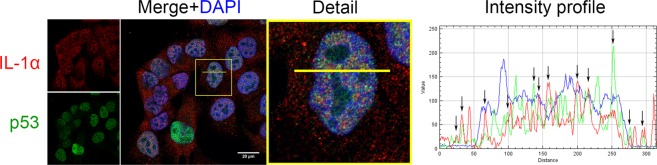
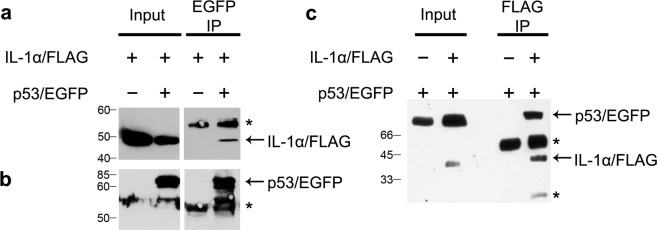
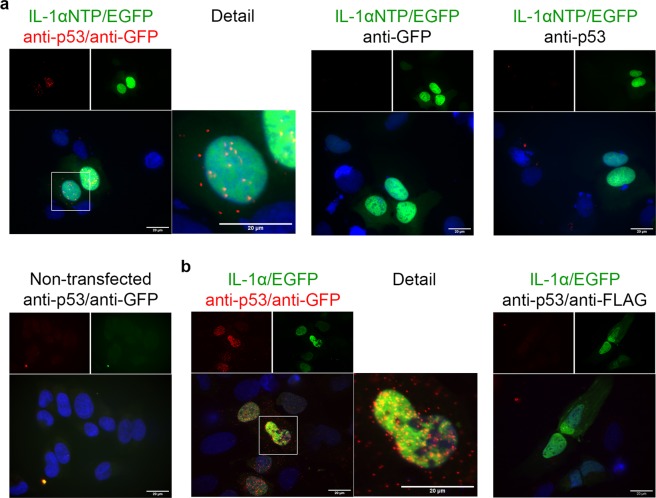
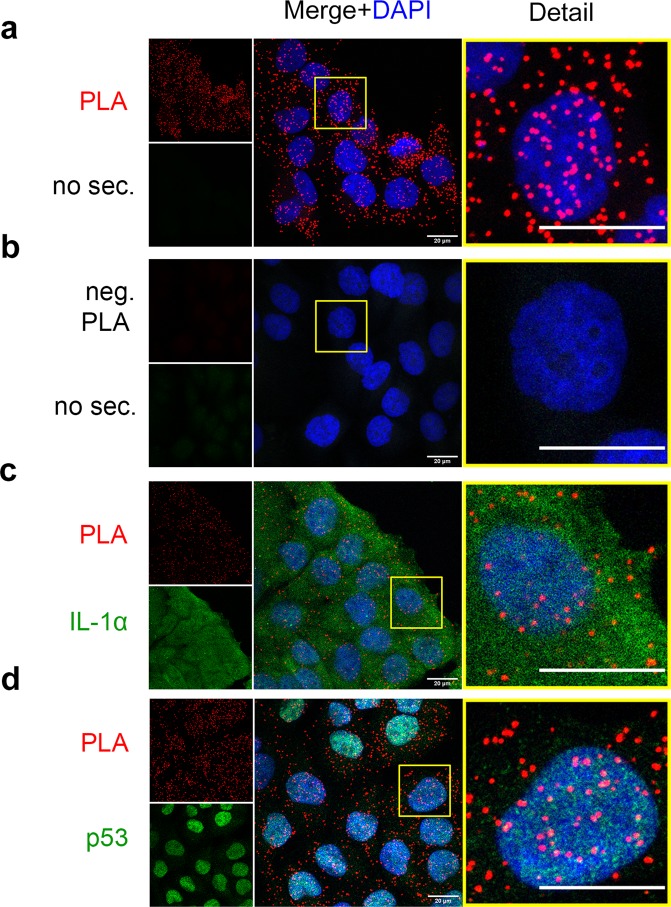
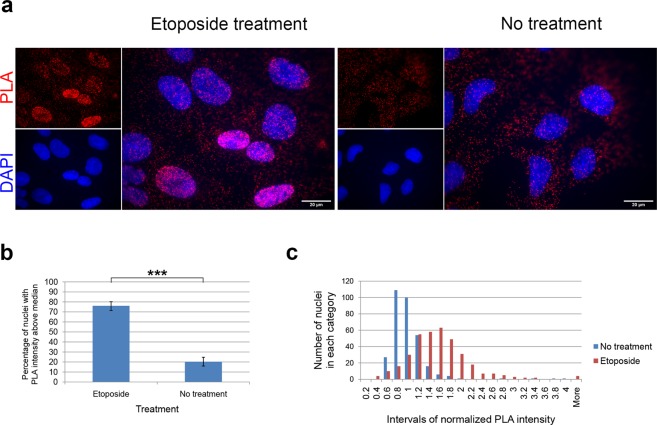
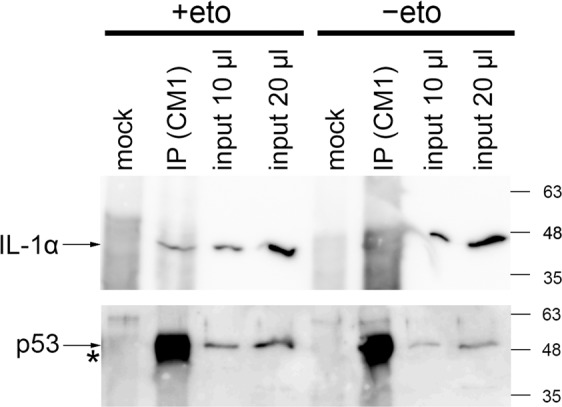
Interleukin-1α (IL-1α) is a dual-function proinflammatory mediator. In addition to its role in the canonical IL-1 signaling pathway, which employs membrane-bound receptors, a growing body of evidence shows that IL-1α has some additional intracellular functions. We identified the interaction of IL-1α with the tumor suppressor p53 in the nuclei and cytoplasm of both malignant and noncancerous mammalian cell lines using immunoprecipitation and the in situ proximity ligation assay (PLA). This interaction was enhanced by treatment with the antineoplastic drug etoposide, which suggests a role for the IL-1α•p53 interaction in genotoxic stress.
Overview
The claims and statistics of this paper haven’t been checked yet.
Free: it reads the open-access text and checks the first 5 claims that cite a source we can check. Create a free account to check every claim.
Integrity signals
Registry
Cites
Statistics
Figures
Verification
Claims the paper makes
The claims and statistics of this paper haven’t been checked yet.
Free: it reads the open-access text and checks the first 5 claims that cite a source we can check. Create a free account to check every claim.
Claims other papers make about this one
Each is checked against this paper’s own text: does it say what the citing paper says it does?
In the citing paper
“Links between IL-1 signalling and p53 have been reported in the context of tumour cells 68,69 , and the cGAS-STING axis is increasingly linked to DNA damage 70 , although the exact triggers of this pathway in the context of AAV-mediated CNS transduction remain to be defined.”
From AAV vectors trigger DNA damage response-dependent pro-inflammatory signalling in human iPSC-derived CNS models and mouse brain (2025) · cites this paper as [68]
Self-check
Percentages, sums and reported differences re-computed from the paper’s own numbers.
The self-check needs the paper’s full text.
Citations
Cites
Fiji: an open-source platform for biological-image analysis
Schindelin, J., Arganda-Carreras, I., Frise, E., Kaynig, V., Longair, M., Pietzsch, T., Preibisch, S., Rueden, C., Saalfeld, S., Schmid, B., et al. (2012) · Nature Methods · doi:10.1038/nmeth.2019 · Cited by 66,890
ImageJ2: ImageJ for the next generation of scientific image data
Rueden, C. T., Schindelin, J., Hiner, M. C., DeZonia, B. E., Walter, A. E., Arena, E. T., & Eliceiri, K. W. (2017) · BMC Bioinformatics · doi:10.1186/s12859-017-1934-z · Cited by 5,980
Mdm2 promotes the rapid degradation of p53
Haupt, Y., Maya, R., Kazaz, A., & Oren, M. (1997) · Nature · doi:10.1038/387296a0 · Cited by 4,506
The E6 oncoprotein encoded by human papillomavirus types 16 and 18 promotes the degradation of p53
Scheffner, M., Werness, B. A., Huibregtse, J. M., Levine, A. J., & Howley, P. M. (1990) · Cell · doi:10.1016/0092-8674(90)90409-8 · Cited by 3,995
Regulation of p53 stability by Mdm2
Kubbutat, M. H. G., Jones, S. N., & Vousden, K. H. (1997) · Nature · doi:10.1038/387299a0 · Cited by 3,312
Direct observation of individual endogenous protein complexes in situ by proximity ligation
Söderberg, O., Gullberg, M., Jarvius, M., Ridderstråle, K., Leuchowius, K.-J., Jarvius, J., Wester, K., Hydbring, P., Bahram, F., Larsson, L.-G., et al. (2006) · Nature Methods · doi:10.1038/nmeth947 · Cited by 2,419
Wild-type p53 induces apoptosis of myeloid leukaemic cells that is inhibited by interleukin-6
Yonish-Rouach, E., Resnftzky, D., Lotem, J., Sachs, L., Kimchi, A., & Oren, M. (1991) · Nature · doi:10.1038/352345a0 · Cited by 2,079
p53 Regulates Mitochondrial Respiration
Matoba, S., Kang, J.-G., Patino, W. D., Wragg, A., Boehm, M., Gavrilova, O., Hurley, P. J., Bunz, F., & Hwang, P. M. (2006) · Science · doi:10.1126/science.1126863 · Cited by 1,650
Altered cell cycle arrest and gene amplification potential accompany loss of wild-type p53
Livingstone, L. R., White, A., Sprouse, J., Livanos, E., Jacks, T., & Tlsty, T. D. (1992) · Cell · doi:10.1016/0092-8674(92)90243-6 · Cited by 1,332
DNA damage activates p53 through a phosphorylation–acetylation cascade
Sakaguchi, K., Herrera, J. E., Saito, S., Miki, T., Bustin, M., Vassilev, A., Anderson, C. W., & Appella, E. (1998) · Genes & Development · doi:10.1101/gad.12.18.2831 · Cited by 1,204
Sutton, C., Brereton, C., Keogh, B., Mills, K. H. G., & Lavelle, E. C. (2006) · The Journal of Experimental Medicine · doi:10.1084/jem.20060285 · Cited by 1,010
Nelson, W. G., & Kastan, M. B. (1994) · Molecular and Cellular Biology · doi:10.1128/mcb.14.3.1815 · Cited by 857
p53 Sites Acetylated In Vitro by PCAF and p300 Are Acetylated In Vivo in Response to DNA Damage
Liu, L., Scolnick, D. M., Trievel, R. C., Zhang, H. B., Marmorstein, R., Halazonetis, T. D., & Berger, S. L. (1999) · Molecular and Cellular Biology · doi:10.1128/mcb.19.2.1202 · Cited by 776
Induction of nuclear accumulation of the tumor-suppressor protein p53 by DNA-damaging agents.
Fritsche, M., Haessler, C., & Brandner, G. (1993) · PubMed · Cited by 747
Stommel, J. M., Marchenko, N. D., Jimenez, G. S., Moll, U. M., Hope, T. J., & Wahl, G. M. (1999) · The EMBO Journal · doi:10.1093/emboj/18.6.1660 · Cited by 738
Transcriptional Cross Talk between NF-κB and p53
Webster, G. A., & Perkins, N. D. (1999) · Molecular and Cellular Biology · doi:10.1128/mcb.19.5.3485 · Cited by 598
Cytotoxicity of Human p I 7 Interleukin-1 for Pancreatic Islets of Langerhans
Bendtzen, K., Mandrup-Poulsen, T., Nerup, J., Nielsen, J. H., Dinarello, C. A., & Svenson, M. (1986) · Science · doi:10.1126/science.3086977 · Cited by 529
Molecular mechanisms of etoposide
Montecucco, A., Zanetta, F., & Biamonti, G. (2015) · EXCLI journal · doi:10.17179/excli2014-561 · Cited by 435
Martinez, E., Palhan, V. B., Tjernberg, A., Lymar, E. S., Gamper, A. M., Kundu, T. K., Chait, B. T., & Roeder, R. G. (2001) · Molecular and Cellular Biology · doi:10.1128/mcb.21.20.6782-6795.2001 · Cited by 382
IL‐1 and IL‐1 regulatory pathways in cancer progression and therapy
Mantovani, A., Barajon, I., & Garlanda, C. (2018) · Immunological Reviews · doi:10.1111/imr.12614 · Cited by 376
Involvement of the p53 tumor suppressor in repair of u.v.-type DNA damage.
Smith, M. L., Chen, I. T., Zhan, Q., O'Connor, P. M., & Fornace, A. J. (1995) · PubMed · Cited by 364
The haplotype-resolved genome and epigenome of the aneuploid HeLa cancer cell line
Adey, A., Burton, J. N., Kitzman, J. O., Hiatt, J. B., Lewis, A. P., Martin, B. K., Qiu, R., Lee, C., & Shendure, J. (2013) · Nature · doi:10.1038/nature12064 · Cited by 362
The precursor form of IL-1α is an intracrine proinflammatory activator of transcription
Werman, A., Werman-Venkert, R., White, R., Lee, J.-K., Werman, B., Krelin, Y., Voronov, E., Dinarello, C. A., & Apte, R. N. (2004) · Proceedings of the National Academy of Sciences · doi:10.1073/pnas.0308705101 · Cited by 346
p53 Acetylation: Regulation and Consequences
Reed, S., & Quelle, D. (2014) · Cancers · doi:10.3390/cancers7010030 · Cited by 332
Cohen, I., Rider, P., Carmi, Y., Braiman, A., Dotan, S., White, M. R., Voronov, E., Martin, M. U., Dinarello, C. A., & Apte, R. N. (2010) · Proceedings of the National Academy of Sciences · doi:10.1073/pnas.0915018107 · Cited by 329
Karpinich, N. O., Tafani, M., Rothman, R. J., Russo, M. A., & Farber, J. L. (2002) · Journal of Biological Chemistry · doi:10.1074/jbc.m110629200 · Cited by 308
Ogiwara, H., Ui, A., Otsuka, A., Satoh, H., Yokomi, I., Nakajima, S., Yasui, A., Yokota, J., & Kohno, T. (2011) · Oncogene · doi:10.1038/onc.2010.592 · Cited by 304
Molecular mechanisms of etoposide.
Montecucco, A., Zanetta, F., & Biamonti, G. (2015) · EXCLI journal · doi:10.17179/excli2015-561 · Cited by 291
Distinct p53 acetylation cassettes differentially influence gene-expression patterns and cell fate
Knights, C. D., Catania, J., Giovanni, S. D., Muratoglu, S., Perez, R., Swartzbeck, A., Quong, A. A., Zhang, X., Beerman, T., Pestell, R. G., et al. (2006) · The Journal of Cell Biology · doi:10.1083/jcb.200512059 · Cited by 287
Lee, H., Park, J., Kim, S., Kwon, S., & Kwon, J. (2010) · The EMBO Journal · doi:10.1038/emboj.2010.27 · Cited by 264
Wolf, J., Chen, Z., Dong, G., Sunwoo, J. B., Bancroft, C. C., Capo, D. E., Yeh, N. T., Mukaida, N., & Waes, C. V. (2001) · PubMed · Cited by 244
Blockade of interleukin 1 in type 1 diabetes mellitus
Mandrup-Poulsen, T., Pickersgill, L., & Donath, M. Y. (2010) · Nature Reviews Endocrinology · doi:10.1038/nrendo.2009.271 · Cited by 237
Inflammation and p53: A Tale of Two Stresses
Gudkov, A. V., Gurova, K. V., & Komarova, E. A. (2011) · Genes & Cancer · doi:10.1177/1947601911409747 · Cited by 205
CREB-binding Protein Is a Nuclear Integrator of Nuclear Factor-κB and p53 Signaling
Wadgaonkar, R., Phelps, K. M., Haque, Z., Williams, A. J., Silverman, E. S., & Collins, T. (1999) · Journal of Biological Chemistry · doi:10.1074/jbc.274.4.1879 · Cited by 192
Four domains of p300 each bind tightly to a sequence spanning both transactivation subdomains of p53
Teufel, D. P., Freund, S. M., Bycroft, M., & Fersht, A. R. (2007) · Proceedings of the National Academy of Sciences · doi:10.1073/pnas.0702010104 · Cited by 192
Thomas, M. C., & Chiang, C.-M. (2005) · Molecular Cell · doi:10.1016/j.molcel.2004.12.016 · Cited by 178
Role of p53 Serine 46 in p53 Target Gene Regulation
Smeenk, L., van Heeringen, S. J., Koeppel, M., Gilbert, B., Janssen-Megens, E., Stunnenberg, H. G., & Lohrum, M. (2011) · PLoS ONE · doi:10.1371/journal.pone.0017574 · Cited by 169
Wessendorf, J. H., Garfinkel, S., Zhan, X., Brown, S., & Maciag, T. (1993) · Journal of Biological Chemistry · doi:10.1016/s0021-9258(20)80653-x · Cited by 154
Mayo, L. D., Seo, Y. R., Jackson, M. W., Smith, M. L., Guzman, J. R., Korgaonkar, C. K., & Donner, D. B. (2005) · Journal of Biological Chemistry · doi:10.1074/jbc.m503026200 · Cited by 147
The Tale of Protein Lysine Acetylation in the Cytoplasm
Sadoul, K., Wang, J., Diagouraga, B., & Khochbin, S. (2011) · BioMed Research International · doi:10.1155/2011/970382 · Cited by 140
Stress-mediated nuclear stabilization of p53 is regulated by ubiquitination and importin-α3 binding
Marchenko, N. D., Hanel, W., Li, D., Becker, K., Reich, N., & Moll, U. M. (2010) · Cell Death & Differentiation · doi:10.1038/cdd.2009.173 · Cited by 123
Ramachandran, S., Haddad, D., Li, C., Le, M. N., Ling, A. K., So, C. C., Nepal, R. M., Gommerman, J. L., Yu, K., Ketela, T., et al. (2016) · Cell Reports · doi:10.1016/j.celrep.2016.04.041 · Cited by 115
Role of p53 in the Regulation of the Inflammatory Tumor Microenvironment and Tumor Suppression
Uehara, I., & Tanaka, N. (2018) · Cancers · doi:10.3390/cancers10070219 · Cited by 115
The N-terminal propiece of interleukin 1α is a transforming nuclear oncoprotein
Stevenson, F. T., Turck, J., Locksley, R. M., & Lovett, D. H. (1997) · Proceedings of the National Academy of Sciences · doi:10.1073/pnas.94.2.508 · Cited by 113
Evidence for the Direct Binding of Phosphorylated p53 to Sites of DNA Breaks In vivo
Al Rashid, S. T., Dellaire, G., Cuddihy, A., Jalali, F., Vaid, M., Coackley, C., Folkard, M., Xu, Y., Chen, B. P. C., Chen, D. J., et al. (2005) · Cancer Research · doi:10.1158/0008-5472.can-05-0729 · Cited by 107
The mutant p53‐ID4 complex controls VEGFA isoforms by recruiting lncRNA MALAT1
Pruszko, M., Milano, E., Forcato, M., Donzelli, S., Ganci, F., Di Agostino, S., De Panfilis, S., Fazi, F., Bates, D. O., Bicciato, S., et al. (2017) · EMBO reports · doi:10.15252/embr.201643370 · Cited by 107
PML IV/ARF interaction enhances p53 SUMO-1 conjugation, activation, and senescence
Ivanschitz, L., Takahashi, Y., Jollivet, F., Ayrault, O., Bras, M. L., & de Thé, H. (2015) · Proceedings of the National Academy of Sciences · doi:10.1073/pnas.1507540112 · Cited by 100
Numerical Analysis of Etoposide Induced DNA Breaks
Muslimović, A., Nyström, S., Gao, Y., & Hammarsten, O. (2009) · PLoS ONE · doi:10.1371/journal.pone.0005859 · Cited by 100
Intracellular Interleukin-1α Functionally Interacts with Histone Acetyltransferase Complexes
Buryskova, M., Pospisek, M., Grothey, A., Simmet, T., & Burysek, L. (2004) · Journal of Biological Chemistry · doi:10.1074/jbc.m306342200 · Cited by 98
Self-citationCohen, I., Rider, P., Vornov, E., Tomas, M., Tudor, C., Wegner, M., Brondani, L., Freudenberg, M., Mittler, G., Ferrando-May, E., et al. (2015) · Scientific Reports · doi:10.1038/srep14756 · Cited by 98
p53 is required for etoposide-induced apoptosis of human embryonic stem cells
Grandela, C., Pera, M. F., & Wolvetang, E. J. (2007) · Stem Cell Research · doi:10.1016/j.scr.2007.10.003 · Cited by 97
Association between the interleukin-1α gene and Alzheimer’s disease: a meta-analysis
Rainero, I., Bo, M., Ferrero, M., Valfrè, W., Vaula, G., & Pinessi, L. (2004) · Neurobiology of Aging · doi:10.1016/j.neurobiolaging.2004.02.011 · Cited by 95
A simple, sensitive bioassay for the detection of interleukin-1 using human melanoma A375 cell line
Nakai, S., Mizuno, K., Kaneta, M., & Hirai, Y. (1988) · Biochemical and Biophysical Research Communications · doi:10.1016/0006-291x(88)90266-5 · Cited by 95
Redefining the ancestral origins of the interleukin-1 superfamily
Rivers-Auty, J., Daniels, M. J. D., Colliver, I., Robertson, D. L., & Brough, D. (2018) · Nature Communications · doi:10.1038/s41467-018-03362-1 · Cited by 88
Etoposide induced cytotoxicity mediated by ROS and ERK in human kidney proximal tubule cells
Shin, H., Kwon, H., Lee, J., Anwar, M. A., & Choi, S. (2016) · Scientific Reports · doi:10.1038/srep34064 · Cited by 81
Cheng, W., Shivshankar, P., Zhong, Y., Chen, D., Li, Z., & Zhong, G. (2007) · Infection and Immunity · doi:10.1128/iai.01313-07 · Cited by 80
Bou-Dargham, M. J., Khamis, Z. I., Cognetta, A. B., & Sang, Q. A. (2016) · Medicinal Research Reviews · doi:10.1002/med.21406 · Cited by 79
Hu, B., Wang, S., Zhang, Y., Feghali, C. A., Dingman, J. R., & Wright, T. M. (2003) · Proceedings of the National Academy of Sciences · doi:10.1073/pnas.1737765100 · Cited by 75
Redox Control of the Senescence Regulator Interleukin-1α and the Secretory Phenotype
McCarthy, D. A., Clark, R. R., Bartling, T. R., Trebak, M., & Melendez, J. A. (2013) · Journal of Biological Chemistry · doi:10.1074/jbc.m113.493841 · Cited by 73
Rybak, P., Hoang, A., Bujnowicz, Ł., Bernaś, T., Berniak, K., Zarębski, M., Darżynkiewicz, Z., & Dobrucki, J. W. (2016) · Oncotarget · doi:10.18632/oncotarget.10411 · Cited by 69
Arriola, E. L., Lopez, A. R., & Chresta, C. M. (1999) · Oncogene · doi:10.1038/sj.onc.1202391 · Cited by 68
Pollock, A. S., Turck, J., & Lovett, D. H. (2003) · The FASEB Journal · doi:10.1096/fj.02-0602com · Cited by 65
SWI/SNF recruitment to a DNA double-strand break by the NuA4 and Gcn5 histone acetyltransferases
Bennett, G., & Peterson, C. L. (2015) · DNA repair · doi:10.1016/j.dnarep.2015.03.006 · Cited by 64
Emerging role of interleukin-1 in cardiovascular diseases
Vicenová, B., Vopálenský, V, Burýšek, L., & Pospíšek, M. (2009) · Physiological Research · doi:10.33549/physiolres.931673 · Cited by 64
IL-1α gene expression and protein production by fibroblasts from patients with systemic sclerosis
KAWAGUCHI, Y. (2008) · Clinical and Experimental Immunology · doi:10.1111/j.1365-2249.1994.tb06108.x · Cited by 61
Reading chromatin signatures after DNA double-strand breaks
Wilson, M. D., & Durocher, D. (2017) · Philosophical Transactions of the Royal Society B Biological Sciences · doi:10.1098/rstb.2016.0280 · Cited by 61
Kawaguchi, Y., Ito, A., Appella, E., & Yao, T.-P. (2006) · Journal of Biological Chemistry · doi:10.1074/jbc.m505772200 · Cited by 57
Multivalent binding of p53 to the STAGA complex mediates coactivator recruitment after UV damage
Gamper, A. M., & Roeder, R. G. (2008) · Molecular and Cellular Biology · doi:10.1128/mcb.01461-07 · Cited by 55
The regulation of radiosensitivity by p53 and its acetylation
Zhang, J., Shen, L., & Sun, L. (2015) · Cancer Letters · doi:10.1016/j.canlet.2015.04.015 · Cited by 48
Xie, L., Gazin, C., Park, S. M., Zhu, L. J., Debily, M.-A., Kittler, E. L. W., Zapp, M. L., Lapointe, D. S., Gobeil, S., Virbasius, C.-M. A., et al. (2012) · PLoS Genetics · doi:10.1371/journal.pgen.1003151 · Cited by 48
Heterogeneity of cytokine production by human malignant melanoma cells
Armstrong, C. A., Tara, D., Hart, C. E., Köck, A., Luger, T. A., & Ansel, J. C. (1992) · Experimental Dermatology · doi:10.1111/j.1600-0625.1992.tb00070.x · Cited by 45
Human papillomavirus 18 E6 inhibits phosphorylation of p53 expressed in HeLa cells
Ajay, A. K., Meena, A. S., & Bhat, M. K. (2012) · Cell & Bioscience · doi:10.1186/2045-3701-2-2 · Cited by 36
HPV-Mediated Inactivation of Tumor Suppressor P53
Travé, G., & Zanier, K. (2016) · Cell Cycle · doi:10.1080/15384101.2016.1191257 · Cited by 36
Redox-control of the alarmin, Interleukin-1α
McCarthy, D. A., Ranganathan, A., Subbaram, S., Flaherty, N. L., Patel, N., Trebak, M., Hempel, N., & Melendez, J. A. (2013) · Redox Biology · doi:10.1016/j.redox.2013.03.001 · Cited by 35
Palmer, G., Trolliet, S., Talabot‐Ayer, D., Mézin, F., Magne, D., & Gabay, C. (2005) · Cytokine · doi:10.1016/j.cyto.2005.03.007 · Cited by 33
Frydrýšková, K., Mašek, T., & Pospíšek, M. (2020) · Wiley Interdisciplinary Reviews - RNA · doi:10.1002/wrna.1596 · Cited by 32
Global re‐wiring of p53 transcription regulation by the hepatitis B virus X protein
Chan, C. S. C., Thurnherr, T., Wang, J., Gallart‐Palau, X., Sze, S. K., Rozen, S., & Lee, C. G. L. (2016) · Molecular Oncology · doi:10.1016/j.molonc.2016.05.006 · Cited by 31
Zhang, Y., Xiao, Y., Lin, D., Lei, L., Hu, B., Cao, F., Mei, Y., Wu, D., & Liu, H. (2017) · Oncotarget · doi:10.18632/oncotarget.14934 · Cited by 28
Zamostna, B., Novak, J., Vopalensky, V., Masek, T., Burysek, L., & Pospisek, M. (2012) · PLoS ONE · doi:10.1371/journal.pone.0041801 · Cited by 27
Self-citationBurzynski, L. C., Humphry, M., Bennett, M. R., & Clarke, M. C. H. (2015) · Journal of Biological Chemistry · doi:10.1074/jbc.m115.667915 · Cited by 24
Novel protein–protein interactions of TPPII, p53, and SIRT7
Nahálková, J. (2015) · Molecular and Cellular Biochemistry · doi:10.1007/s11010-015-2507-y · Cited by 24
Kang, M. A., Kim, M., KIM, J. Y., Shin, Y.-J., Song, J., & Jeong, J. (2014) · International Journal of Oncology · doi:10.3892/ijo.2014.2720 · Cited by 23
Spectroscopic detection of etoposide binding to chromatin components: The role of histone proteins
Chamani, E., Rabbani‐Chadegani, A., & Zahraei, Z. (2014) · Spectrochimica Acta Part A Molecular and Biomolecular Spectroscopy · doi:10.1016/j.saa.2014.05.068 · Cited by 20
Solyakov, L. S., Sayan, E., Riley, J., Pointon, A., & Tobin, A. B. (2009) · Oncogene · doi:10.1038/onc.2009.225 · Cited by 16
Tembe, V., Martino‐Echarri, E., Marzec, K. A., Mok, M. T. S., Brodie, K. M., Mills, K. M., Lei, Y., DeFazio, A., Rizos, H., Kettle, E., et al. (2015) · Cellular Signalling · doi:10.1016/j.cellsig.2015.05.011 · Cited by 10
Zámostná, B. (2013) · Digital Repository (National Repository of Grey Literature) · Cited by 1
Cann, S. A. H., Netten, J. P. V., & Netten, C. V. (2000) · Pure Amsterdam UMC · doi:10.1002/1531-8249(200003)47:3
Research works printed but not linked: 1
- Nicoll, J. A. et al. Association of interleukin-1 gene polymorphisms with Alzheimer's disease. Ann Neurol 47, 365-368 (2000). · doi:10.1002/1531-8249(200003)47:3<365::aid-ana13>3.0.co;2-g
Cited by
AAV vectors trigger DNA damage responses and STING-dependent inflammation in human CNS cells
Costa-Verdera, H., Meneghini, V., Fitzpatrick, Z., Alezz, M. A., Fabyanic, E., Huang, X., Dzhashiashvili, Y., Ahiya, A., Mangiameli, E., Valeri, E., et al. (2024) · doi:10.21203/rs.3.rs-4171795/v1 · Cited by 32
Costa-Verdera, H., Meneghini, V., Fitzpatrick, Z., Abou Alezz, M., Fabyanic, E., Huang, X., Dzhashiashvili, Y., Ahiya, A., Mangiameli, E., Valeri, E., et al. (2025) · Nature Communications · doi:10.1038/s41467-025-58778-3 · Cited by 32
In Situ Detection of Complex DNA Damage Using Microscopy: A Rough Road Ahead
Nikitaki, Z., Pariset, E., Sudar, D., Costes, S. V., & Georgakilas, A. G. (2020) · Cancers · doi:10.3390/cancers12113288 · Cited by 25
Novak, J. F., Vopálenský, V., Pospíšek, M., & Vedeler, A. (2020) · Cytokine · doi:10.1016/j.cyto.2020.155141 · Cited by 7
Self-citationSignatures of Radiation‐Induced Stress and Putative Selection on Immune Targets in Chornobyl Wolves
Love, C. N., Lance, S. L., Hinton, T. G., Rochette, N., Beasley, J. C., Shamovich, D., Byrne, M. E., Nadel, B. B., Webster, S. C., & Campbell‐Staton, S. C. (2026) · Molecular Ecology · doi:10.1111/mec.70308 · Cited by 3
Metadata
- Authors
- Novak, J., Zamostna, B., Vopalensky, V., Buryskova, M., Burysek, L., Doleckova, D., & Pospisek, M.
- Affiliations
- Charles University (CZ)
- Protean (Czechia) (CZ)
- ORCID
- Novak, J.
- Venue
- Scientific Reports
- Published
- 2020-04-24
- Volume
- 10
- Issue
- 1
- Pages
- 6995-6995
- ISSN
- 2045-2322 (ISSN-L)
- PMC
- PMC7181607
- OpenAlex
- W3020073795
- Cited by
- 3
- References
- 86
- Citations by year
- 2025: 1 · 2020: 2
- FWCI
- 0.18
- Type
- journal article
- Language
- en
- Open access
- gold
- doi.org
- Licence
- cc-by
- creativecommons.org/licenses/by/4.0 (tdm)
- creativecommons.org/licenses/by/4.0 (vor)
- Locations
- Scientific Reports (publishedVersion, cc-by)
- PubMed Central (publishedVersion, cc-by)
- PubMed (publishedVersion)
- Funders
- Univerzita Karlova v Praze (SVV 260568)
- European Regional Development Fund (CZ.1.05/4.1.00/16.0347, CZ.2.16/3.1, LM2015062, CZ.2.16/3.1.00/21515)
- Topics
- Health Sciences › Medicine › Oncology › Cancer-related Molecular Pathways
- Life Sciences › Immunology and Microbiology › Immunology › Cytokine Signaling Pathways and Interactions
- Life Sciences › Biochemistry, Genetics and Molecular Biology › Molecular Biology › DNA Repair Mechanisms
- Keywords
- interleukin-1 alpha, p53, protein-protein interaction, DNA damage, genotoxic stress, etoposide, tumor suppression, intracellular signaling
- MeSH terms
- Cytoplasm, DNA Damage, HeLa Cells, Humans, Microscopy, Fluorescence, Blotting, Western, Tumor Suppressor Protein p53, Immunoprecipitation, Interleukin-1alpha, DNA Breaks, Double-Stranded
About these checks
Registry, retraction, Cites and statistics results are computed, not judged, with one exception: a printed reference that no index lists is read once by a model before it counts as a citation error. Claims are extracted by a model and kept only when their quote appears verbatim in the text; each cited source is then checked, with a model’s help, for whether it says what the claim relies on. Those verdicts can be wrong — read the claim’s quote and the cited source before relying on one.
Statistics and arithmetic are recomputed, not judged.
Confidence bands are shown only for fields calibrated on our annotated test set. None is calibrated yet, so no band is shown.
What counts as a claim ›How we measure confidence ›How we check this ›
Are you an author, or do you see a problem with this page? Request a review
Data sources
Bibliographic data: Semantic Scholar, OpenAlex, Crossref.
Contains information from the Semantic Scholar Academic Graph Datasets, made available under the ODC Attribution License (ODC-BY 1.0).
Semantic Scholar’s data is described in: Kinney, R., et al. (2023). The Semantic Scholar Open Data Platform. arXiv:2301.10140.
