

Bifidobacterium adolescentis as a key member of the human gut microbiota in the production of GABA
Open accessThe DOI matches its Crossref record; 40 of the 40 references it cites were found in a registry or an index.
Abstract
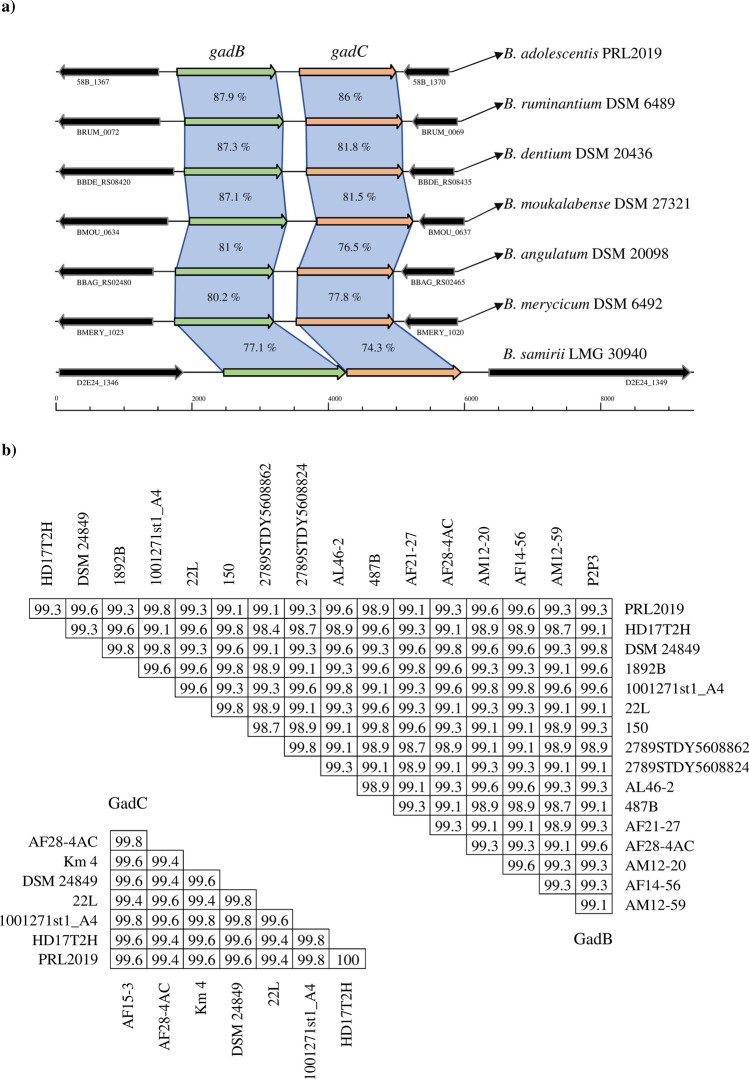
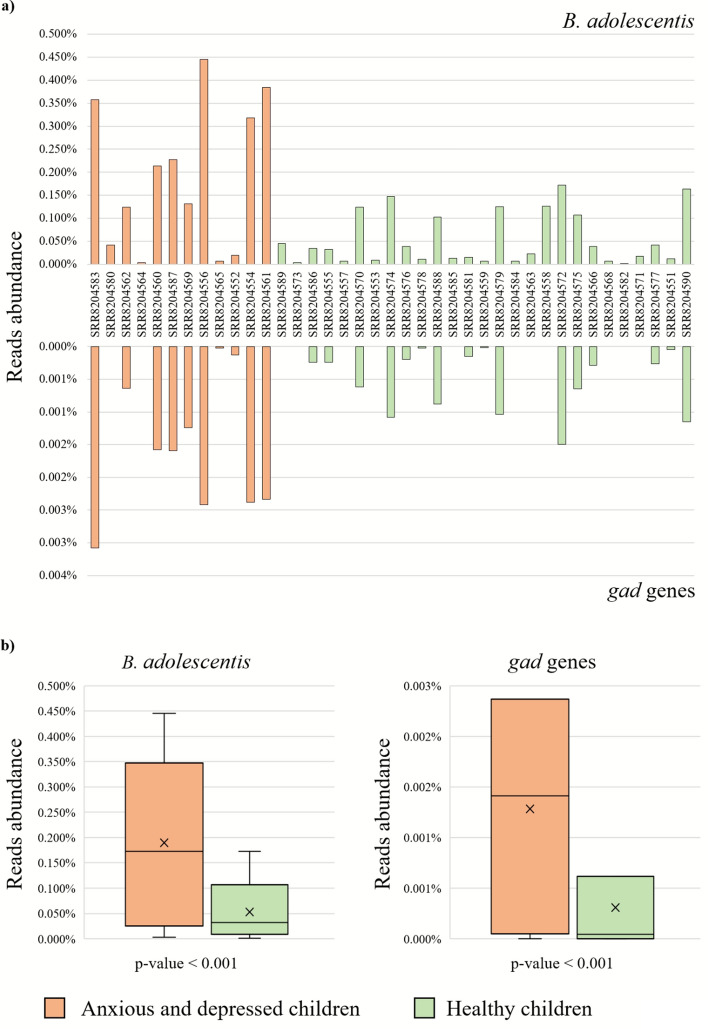
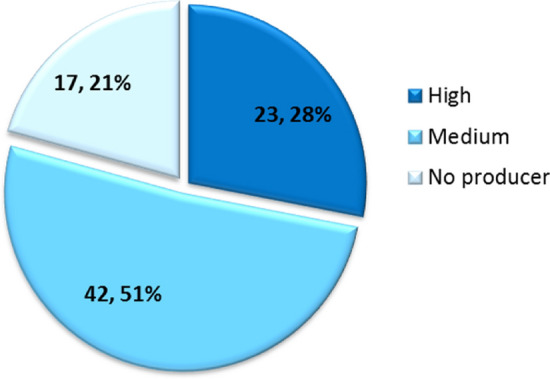
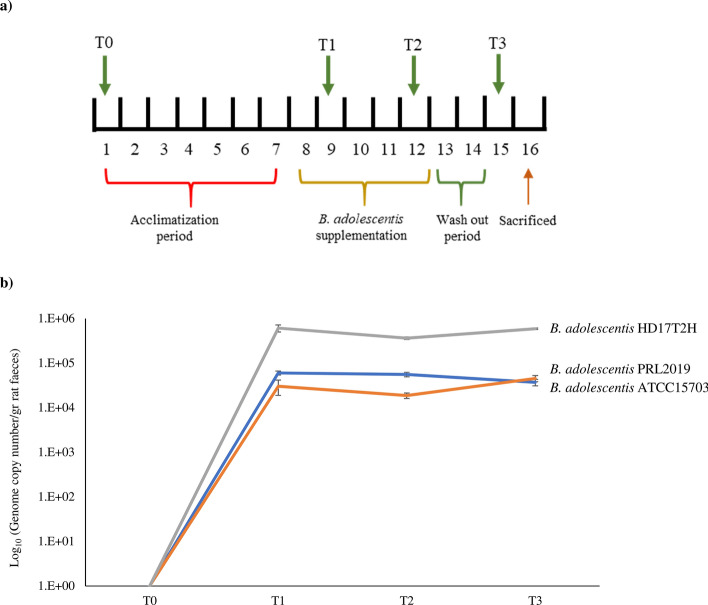
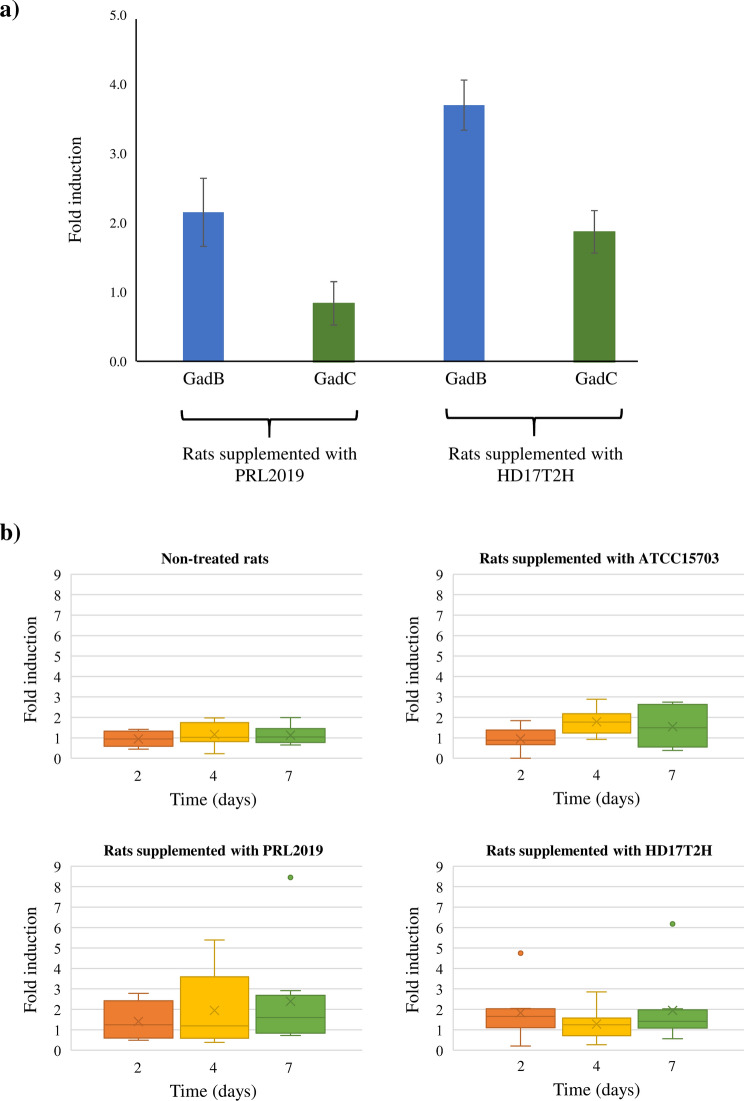
Gamma aminobutyric acid (GABA) is the principal inhibitory neurotransmitter playing a key role in anxiety and depression disorders in mammals. Recent studies revealed that members of the gut microbiota are able to produce GABA modulating the gut-brain axis response. Among members of the human gut microbiota, bifidobacteria are well known to establish many metabolic and physiologic interactions with the host. In this study, we performed genome analyses of more than 1,000 bifidobacterial strains publicly available revealing that Bifidobacterium adolescentis taxon might represent a model GABA producer in human gastrointestinal tract. Moreover, the in silico screening of human/animal metagenomic datasets showed an intriguing association/correlation between B. adolescentis load and mental disorders such as depression and anxiety. Interestingly, in vitro screening of 82 B. adolescentis strains allowed identifying two high GABA producers, i.e. B. adolescentis PRL2019 and B. adolescentis HD17T2H, which were employed in an in vivo trial in rats. Feeding Groningen rats with a supplementation of B. adolescentis strains, confirmed the ability of these microorganisms to stimulate the in vivo production of GABA highlighting their potential implication in gut-brain axis interactions.
Overview
The claims and statistics of this paper haven’t been checked yet.
Free: it reads the open-access text and checks the first 5 claims that cite a source we can check. Create a free account to check every claim.
Integrity signals
Registry
Cites
Statistics
Figures
Verification
Claims the paper makes
The claims and statistics of this paper haven’t been checked yet.
Free: it reads the open-access text and checks the first 5 claims that cite a source we can check. Create a free account to check every claim.
Claims other papers make about this one
Each is checked against this paper’s own text: does it say what the citing paper says it does?
The source backs part of the claim, not all of it — or backs it for a different population, condition or comparison.
In the citing paper
“in vitro trials of 82 Bifidobacterium adolescentis strains allowed to recognize two, which are superior GABA producers (i.e., PRL2019 and HD17T2H) and thus confirmed the ability of these bacteria to influence the CNS function via the gut-brain axis signaling [140].”
From The Role of Microbiota-Gut-Brain Axis in Neuropsychiatric and Neurological Disorders (2021) · cites this paper as [140]
Experimental — accuracy not yet measuredIn the citing paper
“In silico screening of animal and human metagenomic datasets prepared by Duranti et al. [140] indicated a puzzling dependence between Bifidobacterium adolescentis amount in the gut microbiota and mental disorders such as depression and anxiety.”
From The Role of Microbiota-Gut-Brain Axis in Neuropsychiatric and Neurological Disorders (2021) · cites this paper as [140]
Self-check
Percentages, sums and reported differences re-computed from the paper’s own numbers.
The self-check needs the paper’s full text.
Citations
Cites
The Sequence Alignment/Map format and SAMtools
Li, H., Handsaker, B., Wysoker, A., Fennell, T., Ruan, J., Homer, N., Marth, G., Abecasis, G., Durbin, R., & 1000 Genome Project Data Processing Subgroup (2009) · Bioinformatics · doi:10.1093/bioinformatics/btp352 · Cited by 62,041
Fast and accurate short read alignment with Burrows-Wheeler transform
Li, H., & Durbin, R. (2009) · Bioinformatics · doi:10.1093/bioinformatics/btp324 · Cited by 58,607
Fast gapped-read alignment with Bowtie 2
Langmead, B., & Salzberg, S. L. (2012) · Nature Methods · doi:10.1038/nmeth.1923 · Cited by 56,400
SPAdes: A New Genome Assembly Algorithm and Its Applications to Single-Cell Sequencing
Bankevich, A., Nurk, S., Antipov, D., Gurevich, A. A., Dvorkin, M., Kulikov, A. S., Lesin, V. M., Nikolenko, S. I., Pham, S., Prjibelski, A. D., et al. (2012) · Journal of Computational Biology · doi:10.1089/cmb.2012.0021 · Cited by 25,987
HTSeq—a Python framework to work with high-throughput sequencing data
Anders, S., Pyl, P. T., & Huber, W. (2015) · Bioinformatics · doi:10.1093/bioinformatics/btu638 · Cited by 21,464
Prodigal: prokaryotic gene recognition and translation initiation site identification
Hyatt, D., Chen, G.-L., LoCascio, P. F., Land, M. L., Larimer, F. W., & Hauser, L. J. (2010) · BMC Bioinformatics · doi:10.1186/1471-2105-11-119 · Cited by 12,587
Milani, C., Duranti, S., Bottacini, F., Casey, E., Turroni, F., Mahony, J., Belzer, C., Delgado Palacio, S., Arboleya Montes, S., Mancabelli, L., et al. (2017) · Microbiology and Molecular Biology Reviews · doi:10.1128/mmbr.00036-17 · Cited by 1,950
Self-citationAssembling Single-Cell Genomes and Mini-Metagenomes From Chimeric MDA Products
Nurk, S., Bankevich, A., Antipov, D., Gurevich, A. A., Korobeynikov, A., Lapidus, A., Prjibelski, A. D., Pyshkin, A., Sirotkin, A., Sirotkin, Y., et al. (2013) · Journal of Computational Biology · doi:10.1089/cmb.2013.0084 · Cited by 1,327
γ-Aminobutyric acid production by culturable bacteria from the human intestine
Barrett, E., Ross, R. P., O'Toole, P. W., Fitzgerald, G. F., & Stanton, C. (2012) · Journal of Applied Microbiology · doi:10.1111/j.1365-2672.2012.05344.x · Cited by 1,156
Bridging the cleft at GABA synapses in the brain
Mody, I., De Koninck, Y., Otis, T. S., & Soltesz, I. (1994) · Trends in Neurosciences · doi:10.1016/0166-2236(94)90155-4 · Cited by 620
Production of gaba (γ - aminobutyric acid) by microorganisms: a review
Dhakal, R., Bajpai, V. K., & Baek, K.-H. (2012) · Brazilian Journal of Microbiology · doi:10.1590/s1517-83822012000400001 · Cited by 545
The role of GABA in anxiety disorders.
Lydiard, R. B. (2003) · PubMed · Cited by 535
Role of GABA in anxiety and depression
Kalueff, A. V., & Nutt, D. J. (2007) · Depression and Anxiety · doi:10.1002/da.20262 · Cited by 534
Vitamin B6 and Its Role in Cell Metabolism and Physiology
Parra, M., Stahl, S., & Hellmann, H. (2018) · Cells · doi:10.3390/cells7070084 · Cited by 532
Synthesis of γ-Aminobutyric Acid by Lactic Acid Bacteria Isolated from a Variety of Italian Cheeses
Siragusa, S., De Angelis, M., Di Cagno, R., Rizzello, C. G., Coda, R., & Gobbetti, M. (2007) · Applied and Environmental Microbiology · doi:10.1128/aem.01064-07 · Cited by 438
Don't worry ‘B’ happy!: a role for GABAB receptors in anxiety and depression
Cryan, J. F., & Kaupmann, K. (2005) · Trends in Pharmacological Sciences · doi:10.1016/j.tips.2004.11.004 · Cited by 421
Yunes, R. A., Poluektova, E. U., Dyachkova, M. S., Klimina, K. M., Kovtun, A. S., Averina, O. V., Orlova, V. S., & Danilenko, V. N. (2016) · Anaerobe · doi:10.1016/j.anaerobe.2016.10.011 · Cited by 376
Gómez-Alonso, S., Hermosín-Gutiérrez, I., & García-Romero, E. (2007) · Journal of Agricultural and Food Chemistry · doi:10.1021/jf062820m · Cited by 285
Sarasa, S. B., Mahendran, R., Muthusamy, G., Thankappan, B., Selta, D. R. F., & Angayarkanni, J. (2020) · Current Microbiology · doi:10.1007/s00284-019-01839-w · Cited by 238
Production of γ-Aminobutyric Acid By Cheese Starters During Cheese Ripening
Nomura, M., Kimoto, H., Someya, Y., Furukawa, S., & Suzuki, I. (1998) · Journal of Dairy Science · doi:10.3168/jds.s0022-0302(98)75714-5 · Cited by 171
Purification and Characterization of Glutamate Decarboxylase from Lactobadllus bvevis IFO 12005
Ueno, Y., Hayakawa, K., Takahashi, S., & Oda, K. (1997) · Bioscience, Biotechnology, and Biochemistry · doi:10.1271/bbb.61.1168 · Cited by 160
Redruello, B., Ladero, V., Cuesta, I., Álvarez-Buylla, J. R., Martín, M. C., Fernández, M., & Alvarez, M. A. (2013) · Food Chemistry · doi:10.1016/j.foodchem.2013.01.071 · Cited by 159
Yunes, R. A., Poluektova, E. U., Vasileva, E. V., Odorskaya, M. V., Marsova, M. V., Kovalev, G. I., & Danilenko, V. N. (2020) · Probiotics and Antimicrobial Proteins · doi:10.1007/s12602-019-09601-1 · Cited by 150
Unveiling bifidobacterial biogeography across the mammalian branch of the tree of life
Milani, C., Mangifesta, M., Mancabelli, L., Lugli, G. A., James, K., Duranti, S., Turroni, F., Ferrario, C., Ossiprandi, M. C., van Sinderen, D., et al. (2017) · The ISME Journal · doi:10.1038/ismej.2017.138 · Cited by 119
Self-citationDuranti, S., Milani, C., Lugli, G. A., Mancabelli, L., Turroni, F., Ferrario, C., Mangifesta, M., Viappiani, A., Sánchez, B., Margolles, A., et al. (2016) · Scientific Reports · doi:10.1038/srep23971 · Cited by 116
Self-citationMEGAnnotator: a user-friendly pipeline for microbial genomes assembly and annotation
Lugli, G. A., Milani, C., Mancabelli, L., van Sinderen, D., & Ventura, M. (2016) · FEMS Microbiology Letters · doi:10.1093/femsle/fnw049 · Cited by 107
Self-citationGlycan cross-feeding activities between bifidobacteria under in vitro conditions
Turroni, F., Özcan, E., Milani, C., Mancabelli, L., Viappiani, A., van Sinderen, D., Sela, D. A., & Ventura, M. (2015) · Frontiers in Microbiology · doi:10.3389/fmicb.2015.01030 · Cited by 97
Self-citationNovel characteristic for distinguishing Lactococcus lactis subsp. lactis from subsp. cremoris
Nomura, M., Kimoto, H., Someya, Y., & Suzuki, I. (1999) · International Journal of Systematic and Evolutionary Microbiology · doi:10.1099/00207713-49-1-163 · Cited by 82
BIAVATI, B., & MATTARELLI, P. (1991) · International Journal of Systematic Bacteriology · doi:10.1099/00207713-41-1-163 · Cited by 79
Protective effect of γ-aminobutyric acid against glycerol-induced acute renal failure in rats
Kim, H. Y., Yokozawa, T., Nakagawa, T., & Sasaki, S. (2004) · Food and Chemical Toxicology · doi:10.1016/j.fct.2004.06.021 · Cited by 65
Qaidi, S. E., Yang, J., Zhang, J., Metzger, D. W., & Bai, G. (2013) · Journal of Bacteriology · doi:10.1128/jb.00041-13 · Cited by 65
Schousboe, A., Bak, L. K., Sickmann, H. M., Sonnewald, U., & Waagepetersen, H. S. (2007) · Neurotoxicity Research · doi:10.1007/bf03033909 · Cited by 64 · cited 3×
“Primers Bado_PRL2019_fw (5′-GAG CAG GCA AGG ACA CTT TC-3′) and Bado_PRL2019_rev (5′-CTG AAG AGG CAA GCT TGA GG-3′) were used for B. adolescentis PRL2019; primers Bado_HD17T2M_fw (5′-CGG CTA CAG GTT CGC TTA TC-3′) and Bado_ HD17T2H_rev (5′-TTC CGC AGT AAT TCG AGC TT-3′) were used for B. adolescentis HD17T2H; and Bado_A…”
InfluentialTracking the Taxonomy of the Genus Bifidobacterium Based on a Phylogenomic Approach
Lugli, G. A., Milani, C., Duranti, S., Mancabelli, L., Mangifesta, M., Turroni, F., Viappiani, A., van Sinderen, D., & Ventura, M. (2018) · Applied and Environmental Microbiology · doi:10.1128/aem.02249-17 · Cited by 60
Self-citationIsolation of novel gut bifidobacteria using a combination of metagenomic and cultivation approaches
Lugli, G. A., Milani, C., Duranti, S., Alessandri, G., Turroni, F., Mancabelli, L., Tatoni, D., Ossiprandi, M. C., van Sinderen, D., & Ventura, M. (2019) · Genome Biology · doi:10.1186/s13059-019-1711-6 · Cited by 60
Self-citationPsychobiotics: An emerging probiotic in psychiatric practice
Kali, A. (2016) · Biomedical Journal · doi:10.1016/j.bj.2015.11.004 · Cited by 43
Milani, C., Mangifesta, M., Mancabelli, L., Lugli, G. A., Mancino, W., Viappiani, A., Faccini, A., van Sinderen, D., Ventura, M., & Turroni, F. (2017) · Applied and Environmental Microbiology · doi:10.1128/aem.01295-17 · Cited by 41
Self-citationJang, H. M., Jang, S.-E., Han, M. J., & Kim, D.-H. (2018) · Beneficial Microbes · doi:10.3920/bm2016.0226 · Cited by 38
Duranti, S., Lugli, G. A., Napoli, S., Anzalone, R., Milani, C., Mancabelli, L., Alessandri, G., Turroni, F., Ossiprandi, M. C., van Sinderen, D., et al. (2019) · International Journal of Systematic and Evolutionary Microbiology · doi:10.1099/ijsem.0.003306 · Cited by 34
Self-citationDuranti, S., Lugli, G. A., Viappiani, A., Mancabelli, L., Alessandri, G., Anzalone, R., Longhi, G., Milani, C., Ossiprandi, M. C., Turroni, F., et al. (2020) · INTERNATIONAL JOURNAL OF SYSTEMATIC AND EVOLUTIONARY MICROBIOLOGY · doi:10.1099/ijsem.0.004032 · Cited by 19
Self-citationLugli, G. A., Duranti, S., Milani, C., Turroni, F., Viappiani, A., Mangifesta, M., van Sinderen, D., & Ventura, M. (2014) · Genome Announcements · doi:10.1128/genomea.00048-14 · Cited by 7
Self-citation
Cited by
Microbiota–gut–brain axis and its therapeutic applications in neurodegenerative diseases
Loh, J. S., Mak, W. Q., Tan, L. K. S., Ng, C. X., Chan, H. H., Yeow, S. H., Foo, J. B., Ong, Y. S., How, C. W., & Khaw, K. Y. (2024) · Signal Transduction and Targeted Therapy · doi:10.1038/s41392-024-01743-1 · Cited by 1,193
The Role of Microbiota-Gut-Brain Axis in Neuropsychiatric and Neurological Disorders
Socała, K., Doboszewska, U., Szopa, A., Serefko, A., Włodarczyk, M., Zielińska, A., Poleszak, E., Fichna, J., & Wlaź, P. (2021) · Pharmacological Research · doi:10.1016/j.phrs.2021.105840 · Cited by 857
Brain–gut–microbiota axis in depression: A historical overview and future directions
Chang, L., Wei, Y., & Hashimoto, K. (2022) · Brain Research Bulletin · doi:10.1016/j.brainresbull.2022.02.004 · Cited by 377
“…for depression have mainly concentrated on the genera Lactobacillus and Bifidobacterium, finding that different strains have specific contributions to mental health (Barros-Santos et al., 2020; Burnet and Cowen, 2013; Duranti et al., 2020; Misra and Mohanty, 2019; Sarkar et al., 2016).”
Gut liver brain axis in diseases: the implications for therapeutic interventions
Yan, M., Man, S., Sun, B., Ma, L., Guo, L., Huang, L., & Gao, W. (2023) · Signal Transduction and Targeted Therapy · doi:10.1038/s41392-023-01673-4 · Cited by 287
“187,188 Importantly, the adhesion from GABA to GABA receptors, and then to postsynaptic neurons inhibits the transfer of Na + , K + , Ca 2 + , and Cl − .”
BackgroundThe microbiota-gut-brain axis in sleep disorders
Wang, Z., Wang, Z., Lu, T., Chen, W., Yan, W., Yuan, K., Shi, L., Liu, X., Zhou, X., Shi, J., et al. (2022) · Sleep Medicine Reviews · doi:10.1016/j.smrv.2022.101691 · Cited by 285
Metadata
- Authors
- Duranti, S., Ruiz, L., Lugli, G. A., Tames, H., Milani, C., Mancabelli, L., Mancino, W., Longhi, G., Carnevali, L., Sgoifo, A., Margolles, A., Ventura, M., Ruas-Madiedo, P., & Turroni, F.
- Affiliations
- University of Parma (IT)
- Corresponding author
- Turroni, Francesca
- ORCID
- Venue
- Scientific Reports
- Published
- 2020-08-24
- Volume
- 10
- Issue
- 1
- Pages
- 14112-14112
- ISSN
- 2045-2322 (ISSN-L)
- PMC
- PMC7445748
- OpenAlex
- W3080129625
- Semantic Scholar
- 4adb9ac05baee0621b6ab100b624a531095e0e9d
- Cited by
- 341
- References
- 40
- Citations by year
- 2026: 61 · 2025: 67 · 2024: 76 · 2023: 50 · 2022: 62 · 2021: 22 · 2020: 1
- FWCI
- 11.03
- Type
- journal article
- Language
- en
- Open access
- gold
- doi.org
- Licence
- cc-by
- creativecommons.org/licenses/by/4.0 (tdm)
- creativecommons.org/licenses/by/4.0 (vor)
- Locations
- Scientific Reports (publishedVersion, cc-by)
- PubMed Central (publishedVersion, cc-by)
- PubMed (publishedVersion)
- DIGITAL.CSIC (Spanish National Research Council (CSIC)) (submittedVersion, cc-by)
- Funders
- “Severo Ochoa” Research grant
- MCIU/AEI/FEDER, UE (RTI2018-096339-B-I00)
- PCTI Govierno Principado de Asturias / FEDER (IDI_2018_000236)
- EU Joint Programming Initiative – A Healthy Diet for a Healthy Life
- MIUR, Italy
- Topics
- Life Sciences › Biochemistry, Genetics and Molecular Biology › Molecular Biology › Gut microbiota and health
- Life Sciences › Agricultural and Biological Sciences › Food Science › Probiotics and Fermented Foods
- Life Sciences › Agricultural and Biological Sciences › Plant Science › GABA and Rice Research
- Keywords
- Bifidobacterium adolescentis, GABA, GABA production, gut microbiota, gut-brain axis, depression, anxiety, metagenomics, probiotic supplementation, neurotransmitter synthesis
- MeSH terms
- Gastrointestinal Microbiome, Bifidobacterium adolescentis, Animals, Anxiety, Depression, gamma-Aminobutyric Acid, Humans, Male, Probiotics, Models, Animal, Gastrointestinal Tract, Rats, Bacterial Load
About these checks
Registry, retraction, Cites and statistics results are computed, not judged, with one exception: a printed reference that no index lists is read once by a model before it counts as a citation error. Claims are extracted by a model and kept only when their quote appears verbatim in the text; each cited source is then checked, with a model’s help, for whether it says what the claim relies on. Those verdicts can be wrong — read the claim’s quote and the cited source before relying on one.
Statistics and arithmetic are recomputed, not judged.
Confidence bands are shown only for fields calibrated on our annotated test set. None is calibrated yet, so no band is shown.
What counts as a claim ›How we measure confidence ›How we check this ›
Are you an author, or do you see a problem with this page? Request a review
Data sources
Bibliographic data: Semantic Scholar, OpenAlex, Crossref.
Contains information from the Semantic Scholar Academic Graph Datasets, made available under the ODC Attribution License (ODC-BY 1.0).
Semantic Scholar’s data is described in: Kinney, R., et al. (2023). The Semantic Scholar Open Data Platform. arXiv:2301.10140.
