

Bifidobacterium adolescentis as a key member of the human gut microbiota in the production of GABA
Open accessThe DOI matches its Crossref record; 40 of the 40 references it cites were found in a registry or an index.
Abstract
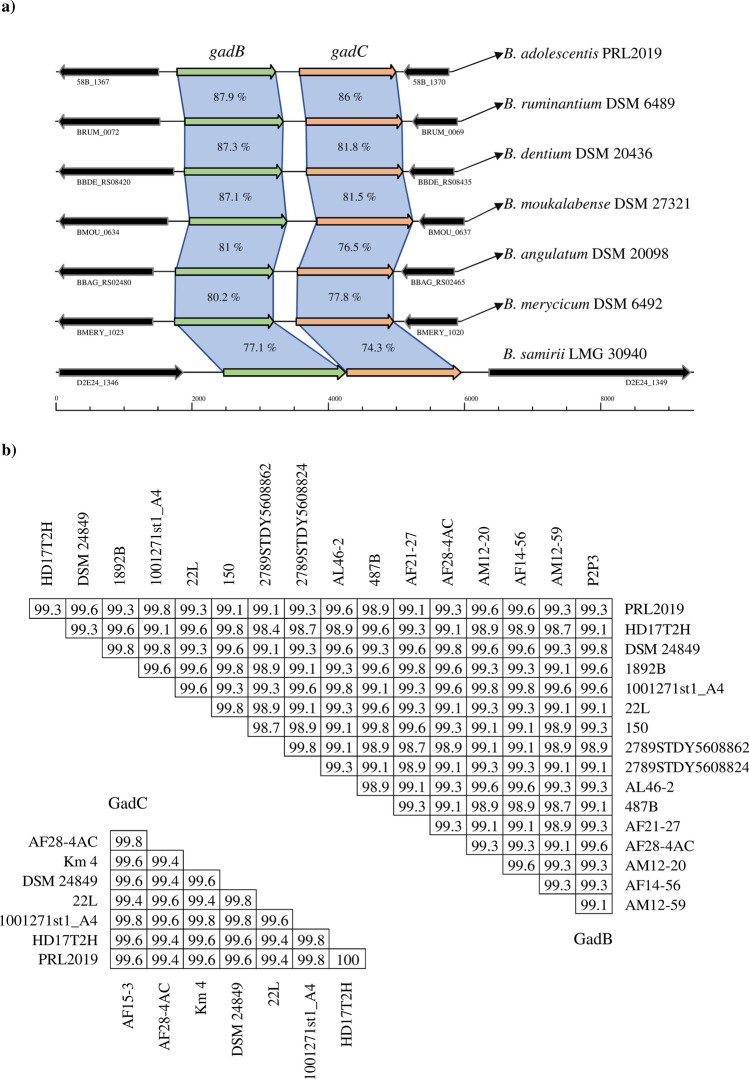
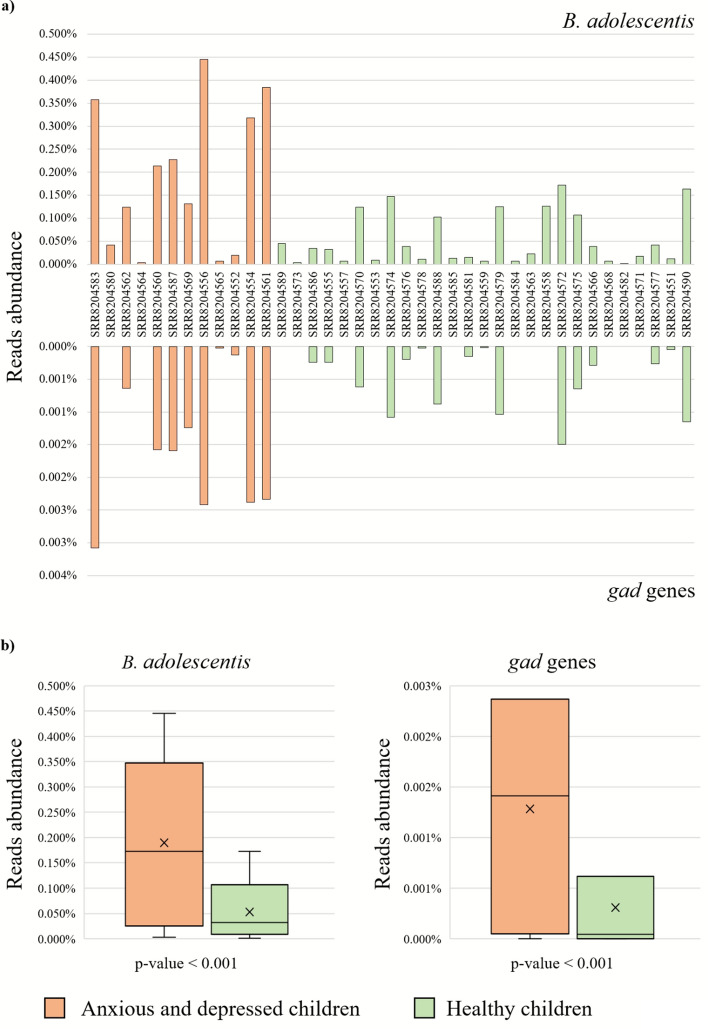
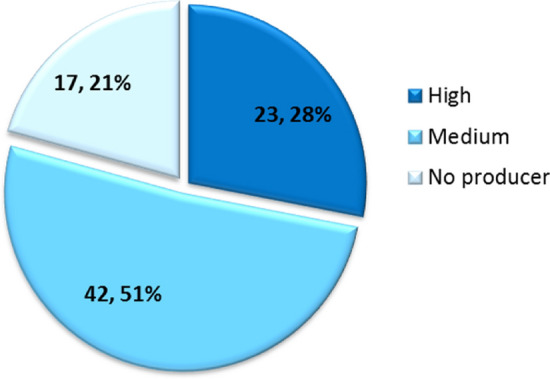
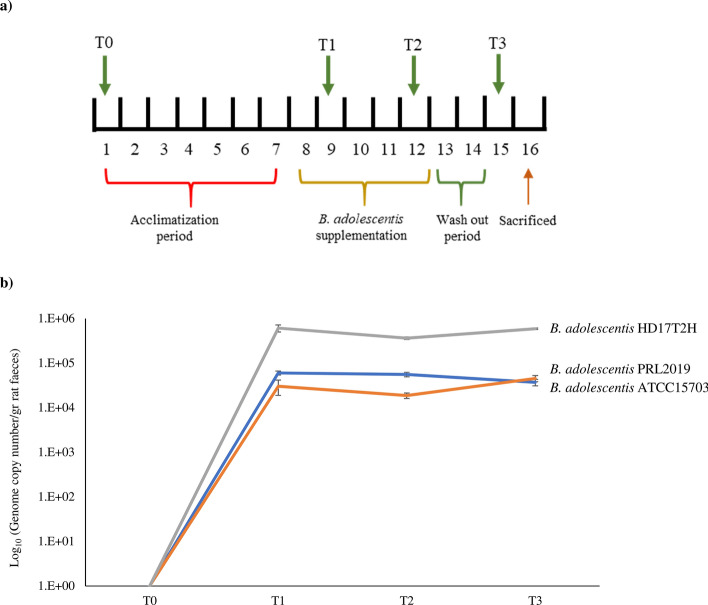
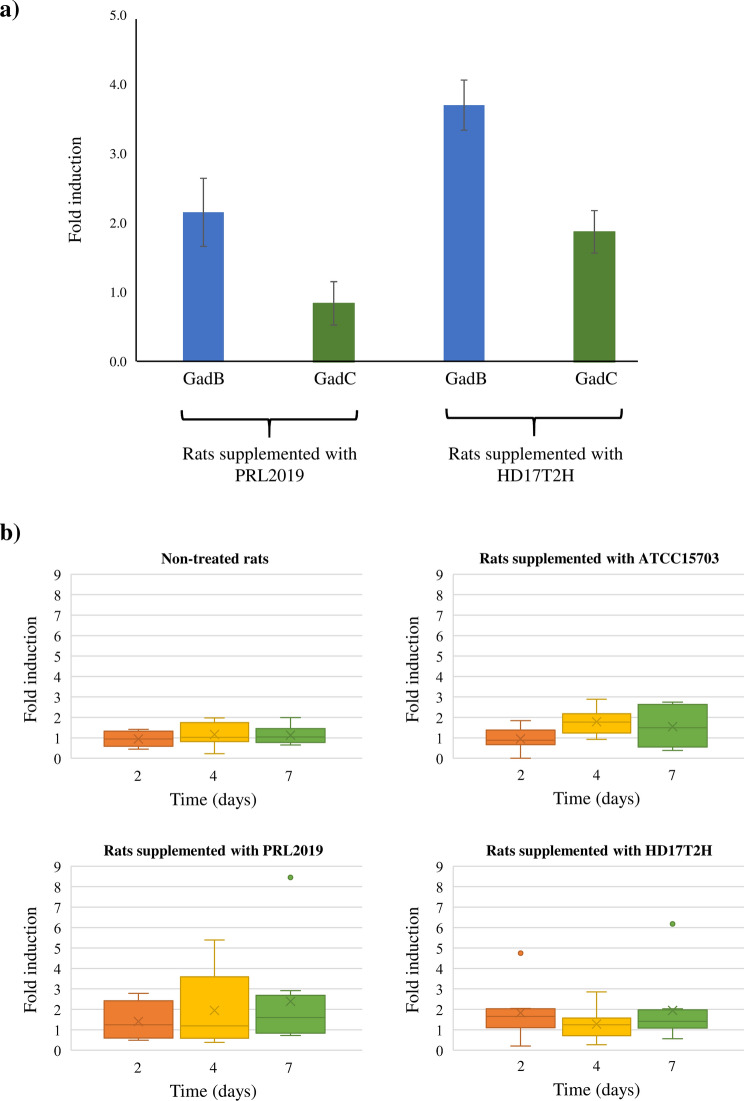
Gamma aminobutyric acid (GABA) is the principal inhibitory neurotransmitter playing a key role in anxiety and depression disorders in mammals. Recent studies revealed that members of the gut microbiota are able to produce GABA modulating the gut-brain axis response. Among members of the human gut microbiota, bifidobacteria are well known to establish many metabolic and physiologic interactions with the host. In this study, we performed genome analyses of more than 1,000 bifidobacterial strains publicly available revealing that Bifidobacterium adolescentis taxon might represent a model GABA producer in human gastrointestinal tract. Moreover, the in silico screening of human/animal metagenomic datasets showed an intriguing association/correlation between B. adolescentis load and mental disorders such as depression and anxiety. Interestingly, in vitro screening of 82 B. adolescentis strains allowed identifying two high GABA producers, i.e. B. adolescentis PRL2019 and B. adolescentis HD17T2H, which were employed in an in vivo trial in rats. Feeding Groningen rats with a supplementation of B. adolescentis strains, confirmed the ability of these microorganisms to stimulate the in vivo production of GABA highlighting their potential implication in gut-brain axis interactions.
Overview
The claims and statistics of this paper haven’t been checked yet.
Free: it reads the open-access text and checks the first 5 claims that cite a source we can check. Create a free account to check every claim.
Integrity signals
Registry
Cites
Statistics
Figures
Verification
Claims the paper makes
The claims and statistics of this paper haven’t been checked yet.
Free: it reads the open-access text and checks the first 5 claims that cite a source we can check. Create a free account to check every claim.
Claims other papers make about this one
Each is checked against this paper’s own text: does it say what the citing paper says it does?
The source backs part of the claim, not all of it — or backs it for a different population, condition or comparison.
In the citing paper
“in vitro trials of 82 Bifidobacterium adolescentis strains allowed to recognize two, which are superior GABA producers (i.e., PRL2019 and HD17T2H) and thus confirmed the ability of these bacteria to influence the CNS function via the gut-brain axis signaling [140].”
From The Role of Microbiota-Gut-Brain Axis in Neuropsychiatric and Neurological Disorders (2021) · cites this paper as [140]
Experimental — accuracy not yet measuredIn the citing paper
“In silico screening of animal and human metagenomic datasets prepared by Duranti et al. [140] indicated a puzzling dependence between Bifidobacterium adolescentis amount in the gut microbiota and mental disorders such as depression and anxiety.”
From The Role of Microbiota-Gut-Brain Axis in Neuropsychiatric and Neurological Disorders (2021) · cites this paper as [140]
Self-check
Percentages, sums and reported differences re-computed from the paper’s own numbers.
The self-check needs the paper’s full text.
Citations
Cites
The Sequence Alignment/Map format and SAMtools
Li, H., Handsaker, B., Wysoker, A., Fennell, T., Ruan, J., Homer, N., Marth, G., Abecasis, G., Durbin, R., & 1000 Genome Project Data Processing Subgroup (2009) · Bioinformatics · doi:10.1093/bioinformatics/btp352 · Cited by 62,041
Fast and accurate short read alignment with Burrows-Wheeler transform
Li, H., & Durbin, R. (2009) · Bioinformatics · doi:10.1093/bioinformatics/btp324 · Cited by 58,607
Fast gapped-read alignment with Bowtie 2
Langmead, B., & Salzberg, S. L. (2012) · Nature Methods · doi:10.1038/nmeth.1923 · Cited by 56,400
SPAdes: A New Genome Assembly Algorithm and Its Applications to Single-Cell Sequencing
Bankevich, A., Nurk, S., Antipov, D., Gurevich, A. A., Dvorkin, M., Kulikov, A. S., Lesin, V. M., Nikolenko, S. I., Pham, S., Prjibelski, A. D., et al. (2012) · Journal of Computational Biology · doi:10.1089/cmb.2012.0021 · Cited by 25,987
HTSeq—a Python framework to work with high-throughput sequencing data
Anders, S., Pyl, P. T., & Huber, W. (2015) · Bioinformatics · doi:10.1093/bioinformatics/btu638 · Cited by 21,464
Prodigal: prokaryotic gene recognition and translation initiation site identification
Hyatt, D., Chen, G.-L., LoCascio, P. F., Land, M. L., Larimer, F. W., & Hauser, L. J. (2010) · BMC Bioinformatics · doi:10.1186/1471-2105-11-119 · Cited by 12,587
Milani, C., Duranti, S., Bottacini, F., Casey, E., Turroni, F., Mahony, J., Belzer, C., Delgado Palacio, S., Arboleya Montes, S., Mancabelli, L., et al. (2017) · Microbiology and Molecular Biology Reviews · doi:10.1128/mmbr.00036-17 · Cited by 1,950
Self-citationAssembling Single-Cell Genomes and Mini-Metagenomes From Chimeric MDA Products
Nurk, S., Bankevich, A., Antipov, D., Gurevich, A. A., Korobeynikov, A., Lapidus, A., Prjibelski, A. D., Pyshkin, A., Sirotkin, A., Sirotkin, Y., et al. (2013) · Journal of Computational Biology · doi:10.1089/cmb.2013.0084 · Cited by 1,327
γ-Aminobutyric acid production by culturable bacteria from the human intestine
Barrett, E., Ross, R. P., O'Toole, P. W., Fitzgerald, G. F., & Stanton, C. (2012) · Journal of Applied Microbiology · doi:10.1111/j.1365-2672.2012.05344.x · Cited by 1,156
Bridging the cleft at GABA synapses in the brain
Mody, I., De Koninck, Y., Otis, T. S., & Soltesz, I. (1994) · Trends in Neurosciences · doi:10.1016/0166-2236(94)90155-4 · Cited by 620
Cited by
Microbiota–gut–brain axis and its therapeutic applications in neurodegenerative diseases
Loh, J. S., Mak, W. Q., Tan, L. K. S., Ng, C. X., Chan, H. H., Yeow, S. H., Foo, J. B., Ong, Y. S., How, C. W., & Khaw, K. Y. (2024) · Signal Transduction and Targeted Therapy · doi:10.1038/s41392-024-01743-1 · Cited by 1,193
The Role of Microbiota-Gut-Brain Axis in Neuropsychiatric and Neurological Disorders
Socała, K., Doboszewska, U., Szopa, A., Serefko, A., Włodarczyk, M., Zielińska, A., Poleszak, E., Fichna, J., & Wlaź, P. (2021) · Pharmacological Research · doi:10.1016/j.phrs.2021.105840 · Cited by 857
Brain–gut–microbiota axis in depression: A historical overview and future directions
Chang, L., Wei, Y., & Hashimoto, K. (2022) · Brain Research Bulletin · doi:10.1016/j.brainresbull.2022.02.004 · Cited by 377
“…for depression have mainly concentrated on the genera Lactobacillus and Bifidobacterium, finding that different strains have specific contributions to mental health (Barros-Santos et al., 2020; Burnet and Cowen, 2013; Duranti et al., 2020; Misra and Mohanty, 2019; Sarkar et al., 2016).”
Gut liver brain axis in diseases: the implications for therapeutic interventions
Yan, M., Man, S., Sun, B., Ma, L., Guo, L., Huang, L., & Gao, W. (2023) · Signal Transduction and Targeted Therapy · doi:10.1038/s41392-023-01673-4 · Cited by 287
“187,188 Importantly, the adhesion from GABA to GABA receptors, and then to postsynaptic neurons inhibits the transfer of Na + , K + , Ca 2 + , and Cl − .”
BackgroundThe microbiota-gut-brain axis in sleep disorders
Wang, Z., Wang, Z., Lu, T., Chen, W., Yan, W., Yuan, K., Shi, L., Liu, X., Zhou, X., Shi, J., et al. (2022) · Sleep Medicine Reviews · doi:10.1016/j.smrv.2022.101691 · Cited by 285
Kong, C., Liang, L., Liu, G., Du, L., Yang, Y., Liu, J., Shi, D., Li, X., & Ma, Y. (2023) · Gut · doi:10.1136/gutjnl-2022-327156 · Cited by 254
Chakrabarti, A., Geurts, L., Hoyles, L., Iozzo, P., Kraneveld, A. D., La Fata, G., Miani, M., Patterson, E., Pot, B., Shortt, C., et al. (2022) · Cellular and Molecular Life Sciences · doi:10.1007/s00018-021-04060-w · Cited by 237
“GABA is also produced by some Lactobacilli [43] and specific strains of Bifidobacterium [13, 44].”
BackgroundGamma-aminobutyric acid as a potential postbiotic mediator in the gut–brain axis
Braga, J. D., Thongngam, M., & Kumrungsee, T. (2024) · npj Science of Food · doi:10.1038/s41538-024-00253-2 · Cited by 224
Gut microbiota modulates neurotransmitter and gut-brain signaling
Qu, S., Yu, Z., Zhou, Y., Wang, S., Jia, M., Chen, T., & Zhang, X. (2024) · Microbiological Research · doi:10.1016/j.micres.2024.127858 · Cited by 186
Shabbir, U., Arshad, M. S., Sameen, A., & Oh, D.-H. (2021) · Nutrients · doi:10.3390/nu13020690 · Cited by 191
Emerging role of gut microbiota dysbiosis in neuroinflammation and neurodegeneration
Solanki, R., Karande, A., & Ranganathan, P. (2023) · Frontiers in Neurology · doi:10.3389/fneur.2023.1149618 · Cited by 186
“Bifidobacterium Gamma-aminobutyric acid Reduces anxiety, stress, and fear Improves ADHD (42)”
BackgroundRecent developments in probiotics: An emphasis on Bifidobacterium
Sharma, M., Wasan, A., & Sharma, R. K. (2021) · Food Bioscience · doi:10.1016/j.fbio.2021.100993 · Cited by 163
Roles and Mechanisms of Gut Microbiota in Patients With Alzheimer’s Disease
Wu, S., Liu, X., Jiang, R., Yan, X., & Ling, Z. (2021) · Frontiers in Aging Neuroscience · doi:10.3389/fnagi.2021.650047 · Cited by 143
“GABA, the major inhibitory transmitter in the adult mammalian brain, has been reported in several species belonging to the families Bifidobacteriaceae, Lactobacillaceae, Bacteroidaceae, Enterococcaceae, Propionibacteriaceae, and Streptococcaceae (Duranti et al., 2020; Altaib et al., 2021).”
BackgroundOrtega, M. A., Alvarez-Mon, M. A., García-Montero, C., Fraile-Martinez, O., Guijarro, L. G., Lahera, G., Monserrat, J., Valls, P., Mora, F., Rodríguez-Jiménez, R., et al. (2022) · Metabolites · doi:10.3390/metabo12010050 · Cited by 123
“Bifidobacterium adolescentis, and particularly the strains PRL2019 and HD17T2H also seem to be major producers of GABA in the gut [138] whereas Bravo et al.”
BackgroundCross-talks between gut microbiota and tobacco smoking: a two-sample Mendelian randomization study
Fan, J., Zhou, Y., Meng, R., Tang, J., Zhu, J., Aldrich, M. C., Cox, N. J., Zhu, Y., Li, Y., & Zhou, D. (2023) · BMC Medicine · doi:10.1186/s12916-023-02863-1 · Cited by 143
“5HT 5-Hydroxytryptamine, as known as serotonin BaP Benzo[a]pyrene BMI Body mass index cML-MA A constrained maximum likelihood and model averagingbased MR method CNS Central nervous system FDR False discovery rate GABA γ-Aminobutyric acid GWAS Genome-wide association study InSIDE Instrument Strength Independent of Dire…”
BackgroundInfluentialTette, F.-M., Kwofie, S. K., & Wilson, M. D. (2022) · Current Issues in Molecular Biology · doi:10.3390/cimb44040096 · Cited by 135
İçer, M. A., Sarıkaya, B., Koçyiğit, E., Atabılen, B., Çelik, M. N., Capasso, R., Ağagündüz, D., & Budán, F. (2024) · Foods · doi:10.3390/foods13152437 · Cited by 117
Pan, H., Sun, T., Cui, M., Ma, N., Yang, C., Liu, J., Pang, G., Liu, B., Li, L., Zhang, X., et al. (2022) · ACS Nano · doi:10.1021/acsnano.1c11536 · Cited by 94
Navarro-Tapia, E., Almeida-Toledano, L., Sebastiani, G., Serra-Delgado, M., García-Algar, Ó., & Andreu-Fernández, V. (2021) · International Journal of Molecular Sciences · doi:10.3390/ijms22052351 · Cited by 88
Iorizzo, M., Paventi, G., & Martino, C. D. (2023) · Current Issues in Molecular Biology · doi:10.3390/cimb46010015 · Cited by 101
Enrichment of gamma-aminobutyric acid in foods: From conventional methods to innovative technologies
Sun, Y., Mehmood, A., Battino, M. A., Xiao, J., & Chen, X. (2022) · Food Research International · doi:10.1016/j.foodres.2022.111801 · Cited by 87
Human milk: From complex tailored nutrition to bioactive impact on child cognition and behavior
de Weerth, C., Aatsinki, A., Azad, M. B., Bartol, F. F., Bode, L., Collado, M. C., Dettmer, A. M., Field, C. J., Guilfoyle, M. M., Hinde, K., et al. (2022) · Critical Reviews in Food Science and Nutrition · doi:10.1080/10408398.2022.2053058 · Cited by 82
“Mediation analysis on several of the piglet studies done by this group revealed an association between bacterial genera selected for by oligosaccharides and short-term as well as long-term memory through GABAergic and glutamatergic genes, as well as myelination transcription factors, brain volume and exploratory behav…”
BackgroundProbiotics for the treatment of depression and its comorbidities: A systemic review
Gao, J., Zhao, N., Cheng, Y., Lei, W., Wang, Y., Liu, X., Zheng, N., Shao, L., Chen, X., Sun, Y., et al. (2023) · Frontiers in Cellular and Infection Microbiology · doi:10.3389/fcimb.2023.1167116 · Cited by 87
Chen, S., Chen, L., Qi, Y., Xu, J., Ge, Q., Fan, Y., Chen, D., Zhang, Y., Wang, L., Hou, T., et al. (2021) · Nature Aging · doi:10.1038/s43587-021-00129-0 · Cited by 72
Stress Response in Bifidobacteria
Schöpping, M., Zeidan, A. A., & Franzén, C. J. (2022) · Microbiology and Molecular Biology Reviews · doi:10.1128/mmbr.00170-21 · Cited by 78
Sibanda, T., Marole, T. A., Thomashoff, U. L., Thantsha, M. S., & Buys, E. M. (2024) · Frontiers in Microbiology · doi:10.3389/fmicb.2024.1327010 · Cited by 79
From bugs to brain: unravelling the GABA signalling networks in the brain–gut–microbiome axis
Belelli, D., Lambert, J. J., Wan, M. L. Y., Monteiro, A. R., Nutt, D. J., & Swinny, J. D. (2024) · Brain · doi:10.1093/brain/awae413 · Cited by 83
“153,296 While the genera Lactobacillus and Bifidobacterium are some of the most widely characterized and used GABA-producers in the food industry, individual prebiotics or combinations of prebiotics may also promote the abundance of other human gut GABA-producing probiotic strains.”
González‐González, F., Delgado, S., Ruíz, L., Margollés, A., & Ruas‐Madiedo, P. (2022) · Journal of Applied Microbiology · doi:10.1111/jam.15510 · Cited by 73
“Several works reported that L. brevis is among the most efficient GABA producers (Barrett et al., 2012).”
BackgroundInfluentialSelf-citationAltaib, H., Nakamura, K., Abe, M., Badr, Y., Yanase, E., Nomura, I., & Suzuki, T. (2021) · Microorganisms · doi:10.3390/microorganisms9020378 · Cited by 65
Sadeghi, A., Ebrahimi, M. T., Kharazmi, M. S., & Jafari, S. M. (2023) · Food Chemistry · doi:10.1016/j.foodchem.2023.135478 · Cited by 59
Nagy, D. U., Sándor-Bajusz, K. A., Bódy, B., Decsi, T., Harsselaar, J. V., Theis, S., & Lohner, S. (2022) · Critical Reviews in Food Science and Nutrition · doi:10.1080/10408398.2022.2098246 · Cited by 66
“…health-promoting effects: it contributes to the maintenance of healthy intestinal function, counteracts the growth of pathogens, modulates immune response and mucosal physiology, and even the gut-brain axis (Yang et al. 2008; Round and Mazmanian 2009; Fanning et al. 2012; Duranti et al. 2020).”
BackgroundPham, V. T., Calatayud, M., Rotsaert, C., Seifert, N., Richard, N., den Abbeele, P. V., Marzorati, M., & Steinert, R. E. (2021) · Nutrients · doi:10.3390/nu13041125 · Cited by 65
“adolescentis participates in gut–brain axis interaction, stimulating the in vivo production of GABA [36].”
BackgroundLong, X., Liu, D., Gao, Q., Ni, J., Qian, L., Ni, Y., Fang, Q., Jia, W., & Li, H. (2021) · Frontiers in Endocrinology · doi:10.3389/fendo.2021.773340 · Cited by 51
Feng, R., Zhu, Q., Wang, A., Wang, H., Wang, J., Chen, P., Zhang, R., Liang, D., Teng, J., Ma, M., et al. (2024) · BMC Medicine · doi:10.1186/s12916-024-03781-6 · Cited by 53
The Molecular Gut-Brain Axis in Early Brain Development
Muhammad, F., Fan, B., Wang, R., Ren, J., Jia, S., Wang, L., Chen, Z., & Liu, X. (2022) · International Journal of Molecular Sciences · doi:10.3390/ijms232315389 · Cited by 58
“It can identify microorganisms in the gut and transmit this information to the CNS, where the information is integrated, following which it generates an adapted response.”
BackgroundInfluentialBajic, D., Wiens, F., Wintergerst, E., Deyaert, S., Baudot, A., & den Abbeele, P. V. (2023) · Nutrients · doi:10.3390/nu15071701 · Cited by 48
“In line with recent studies [11,12], GABA correlated positively with B.”
ResultGuo, S., Sun, Y., Wu, T., Kwok, L. Y., Sun, Z., Wang, J., & Zhang, H. (2023) · Food Chemistry · doi:10.1016/j.foodchem.2023.136840 · Cited by 51
Aloo, S. O., & Oh, D. (2022) · Antioxidants · doi:10.3390/antiox11020333 · Cited by 51
Jackson, P. P. J., Wijeyesekera, A., Williams, C. M., Theis, S., Harsselaar, J. V., & Rastall, R. A. (2023) · American Journal of Clinical Nutrition · doi:10.1016/j.ajcnut.2023.08.016 · Cited by 54
Shen, Y., Laue, H. E., Shrubsole, M. J., Wu, H., Bloomquist, T. R., Larouche, A., Zhao, K., Gao, F., Boivin, A., Prada, D., et al. (2022) · Environmental Health Perspectives · doi:10.1289/ehp9674 · Cited by 43
“Raw data were then quality checked using fastqc and multiqc (Andrews 2010; Ewels et al. 2016).”
MethodInfluentialBifidobacterium adolescentis – a beneficial microbe
Leser, T. D., & Baker, A. (2017) · Beneficial Microbes · doi:10.1163/18762891-20230030 · Cited by 61
Microbiome Shifts and Their Impact on Gut Physiology in Irritable Bowel Syndrome
Aggeletopoulou, I., & Triantos, C. K. (2024) · International Journal of Molecular Sciences · doi:10.3390/ijms252212395 · Cited by 56
Gallo, V., Arienzo, A., Tomassetti, F., & Antonini, G. (2024) · Foods · doi:10.3390/foods13060907 · Cited by 54
“…addition, the bifidogenic effect of MOs is important for the production of other health-promoting metabolites, including the neurotransmitter GABA [94] and indole-3-lactic acid, which is involved in the activation of the aryl hydrocarbon receptor, a regulator of the gut-brain axis, intestinal…”
BackgroundGut microbial factors predict disease severity in a mouse model of multiple sclerosis
Steimle, A., Neumann, M., Grant, E. T., Willième, S., Sciscio, A. D., Parrish, A., Ollert, M. W., Miyauchi, E., Soga, T., Fukuda, S., et al. (2024) · Nature Microbiology · doi:10.1038/s41564-024-01761-3 · Cited by 53
“Although the ability of A. muciniphila 46 and other gut commensals 47,48 to produce GABA has previously been reported, the effect on other microbes and the resulting neuroinflammation-promoting or -preventing properties remain elusive.”
BackgroundKyei-Baffour, V. O., Vijaya, A. K., Burokas, A., & Daliri, E. B. (2025) · Critical Reviews in Food Science and Nutrition · doi:10.1080/10408398.2025.2459341 · Cited by 59
“…, and S. thermophilus EG007, as well as yeast strains like S. cerevisiae SC125 and DL6–20, and K. marxianus , are known to produce GABA (Daliri et al. 2021; Duranti et al. 2020; Kim et al. 2022; Li, Zhang, et al. 2022; Perpetuini et al. 2020; Tette, Kwofie, and Wilson 2022; Zhang et al. 2020).”
InfluentialLi, J., Li, Y., Zhao, J., Li, L., Wang, Y., Chen, F., Li, Y., Cheng, R., He, F., Ze, X., et al. (2024) · European Journal of Nutrition · doi:10.1007/s00394-024-03447-2 · Cited by 56
Emerging Role of the Gut Microbiome in Irritable Bowel Syndrome
Singh, P., & Lembo, A. J. (2021) · Gastroenterology Clinics of North America · doi:10.1016/j.gtc.2021.03.003 · Cited by 42
Size-specific effects of microplastics and lead on zebrafish
Yu, J. H., Chen, L., & Wu, B. (2023) · Chemosphere · doi:10.1016/j.chemosphere.2023.139383 · Cited by 43
Ma, L., Jiang, X., Huang, Q.-Y., Chen, W., Zhang, H., Pei, H., Cao, Y., Wang, H., & Li, H. (2023) · Biomedicine & Pharmacotherapy · doi:10.1016/j.biopha.2023.115244 · Cited by 45
Sakkaa, S. E., Zaghloul, E. H., & Ghanem, K. M. (2022) · Probiotics and Antimicrobial Proteins · doi:10.1007/s12602-022-09963-z · Cited by 38
“Gamma-aminobutyric acid (GABA) is a non-protein amino acid that can be found in a wide range of microbes, plants, and mammals [1].”
BackgroundAdamson, A. B., Buck, S. A., Freyberg, Z., & Miranda, B. R. D. (2022) · Current Environmental Health Reports · doi:10.1007/s40572-022-00380-6 · Cited by 39
Song, Z., Cheng, L., Liu, Y., Zhan, S., Wu, Z., & Zhang, X. (2022) · Trends in Food Science & Technology · doi:10.1016/j.tifs.2022.10.019 · Cited by 37
Gut-Brain Axis and Neurological Disorders-How Microbiomes Affect our Mental Health
Bhatia, N. Y., Jalgaonkar, M. P., Hargude, A. B., Sherje, A. P., Oza, M. J., & Doshi, G. (2022) · CNS & Neurological Disorders - Drug Targets · doi:10.2174/1871527321666220822172039 · Cited by 44
Haran, J. P., Zeamer, A. L., Ward, D. V., Dutta, P., Bucci, V., & McCormick, B. A. (2021) · The Journals of Gerontology Series A · doi:10.1093/gerona/glab167 · Cited by 40
Lee, D. H., Seong, H., Chang, D., Gupta, V. K., Kim, J., Cheon, S., Kim, G., Sung, J., & Han, N. S. (2023) · npj Science of Food · doi:10.1038/s41538-023-00195-1 · Cited by 41
Zeamer, A. L., Salive, M.-C., An, X., Beaudoin, F. L., House, S. L., Stevens, J. S., Zeng, D., Neylan, T. C., Clifford, G. D., Linnstaedt, S. D., et al. (2023) · Translational Psychiatry · doi:10.1038/s41398-023-02643-8 · Cited by 37
Gamma aminobutyric acid production by commercially available probiotic strains
Monteagudo-Mera, A., Fanti, V., Rodriguez-Sobstel, C., Gibson, G. R., Wijeyesekera, A., Karatzas, K. A. G., & Chakrabarti, B. (2022) · Journal of Applied Microbiology · doi:10.1093/jambio/lxac066 · Cited by 38
Taj, T., Kaushik, M., Islam, A., Das, J., Kumar, B., Hussain, M. S., Ramzan, M., Ashique, S., Tariq, M., Sridhar, S. B., et al. (2025) · Biomedicine & Pharmacotherapy · doi:10.1016/j.biopha.2025.118861 · Cited by 41
Zhou, H., Wang, R., Zhang, S., Zhang, X., Zhou, H., Wen, T., & Wang, J. (2022) · Biochemical and Biophysical Research Communications · doi:10.1016/j.bbrc.2022.01.026 · Cited by 37
Zhao, N., Shu, Y., Jian, C., Zhou, Z., Bao, H., Li, X., Cheng, X., Zhao, Y., Shu, X., & Jin, S. (2022) · Frontiers in Immunology · doi:10.3389/fimmu.2022.915393 · Cited by 40
Alterations of Gut Microbiome, Metabolome, and Lipidome in Takayasu Arteritis
Fan, L., Chen, J., Pan, L., Xin, X., Geng, B., Yang, L., Wang, Q., Ma, W., Lou, Y., Bian, J., et al. (2022) · Arthritis & Rheumatology · doi:10.1002/art.42331 · Cited by 33
“In contrast, B adolescentis, the core decreased species in TAK with the highest importance for diagnosis (Figure 2) and inversely correlated with inflammation and type II disease via lipids (metabolites), is an immunomodulatory bacterium with a GABAproducing role (44) and alleviating choline-deficient, high-fat diet–i…”
BackgroundSu, W., Yang, Y., Zhao, X., Cheng, J., Li, Y., Wu, S., & Wu, C. (2023) · Chinese Herbal Medicines · doi:10.1016/j.chmed.2023.08.001 · Cited by 44
“…) could produce GABA, further regulate GABA receptors GABAA a 2 and GABAB1b in the brain, and thereby participating in the amelioration of depression and anxiety-like behaviour (Barrett, Ross, O’Toole, Fitzgerald, & Stanton, 2012; Duranti et al., 2020; Otaru et al., 2021; Siragusa et al., 2007).”
BackgroundSpecific microbial ratio in the gut microbiome is associated with multiple sclerosis
Ghimire, S., Lehman, P., Meza, L. S. A., Shahi, S. K., Hoang, J., Olalde, H. M., Paullus, M., Cherwin, C. H., Wang, K., Gill, C. M., et al. (2025) · Proceedings of the National Academy of Sciences · doi:10.1073/pnas.2413953122 · Cited by 36
“BA can regulate the gut–brain axis through gamma - aminobutyric acid production ( 46 , 47 ).”
Jiang, C., Chen, Y., & Sun, T. (2025) · Frontiers in Neuroscience · doi:10.3389/fnins.2025.1570173 · Cited by 37
“Probiotic bacteria such as Bifidobacterium , Lactobacillus and Lactiplantibacillus can produce GABA and significantly increase the GABA level in the intestines (Table 3) (Barrett et al., 2012; Duranti et al., 2020; Luck et al., 2021; Watanabe et al., 2022).”
Probiotic Ameliorating Effects of Altered GABA/Glutamate Signaling in a Rodent Model of Autism
Bin-Khattaf, R. M., Alonazi, M. A., Al-Dbass, A. M., Almnaizel, A. T., Aloudah, H. S., Soliman, D. A., & El-Ansary, A. K. (2022) · Metabolites · doi:10.3390/metabo12080720 · Cited by 37
“[21], in Groningen rats fed on a diet supplemented with B.”
BackgroundMethodLeite, A. K. F., Fonteles, T. V., Filho, E. G. A., Oliveira, F. A. D. S., & Rodrigues, S. (2022) · Food Chemistry · doi:10.1016/j.foodchem.2022.134706 · Cited by 45
The gut-immune-brain axis in neurodevelopment and neurological disorders
Park, J. C., & Im, S. (2022) · Microbiome Research Reports · doi:10.20517/mrr.2022.11 · Cited by 40
Ladakis, D. C., Harrison, K. L., Smith, M. D., Solem, K., Gadani, S. P., Jank, L., Hwang, S. A., Farhadi, F., Dewey, B. E., Fitzgerald, K. C., et al. (2024) · Med · doi:10.1016/j.medj.2024.09.011 · Cited by 34
Gong, X., Huang, C., Yang, X., Chen, J., Pu, J., He, Y., & Xie, P. (2021) · Frontiers in Neuroscience · doi:10.3389/fnins.2021.701355 · Cited by 33
Pierro, F. D. (2021) · Microorganisms · doi:10.3390/microorganisms9112341 · Cited by 35
“Both goals could be achieved by modifying the individual’s diet and enriching it with fermented foods [2,3] and dietary fibers [4], and perhaps opting for the use of botanicals, such as curcuminoids [5–7] and probiotics, for example Bifidobacterium adolescentis, which recently has been experimentally described to coun…”
BackgroundAdvances in gut–brain organ chips
Zhang, Y., Lu, S., Zhuang, J., & Liang, L. (2024) · Cell Proliferation · doi:10.1111/cpr.13724 · Cited by 34
Radiation-Induced Brain Injury: Mechanistic Insights and the Promise of Gut–Brain Axis Therapies
Li, M., Tong, F., Wu, B., & Dong, X. (2024) · Brain Sciences · doi:10.3390/brainsci14121295 · Cited by 34
“For example, specific Bifidobacterium strains produce GABA, an inhibitory neurotransmitter that modulates neuronal excitability and anxiety [174].”
Fonvig, C. E., Amundsen, I. D., Vigsnæs, L. K., Sørensen, N., Frithioff‐Bøjsøe, C., Michael, C., Hedley, P. L., Holm, L. A., McConnell, B., & Holm, J. (2021) · Journal of Pediatric Gastroenterology and Nutrition · doi:10.1097/mpg.0000000000003205 · Cited by 30
Diez-Gutiérrez, L., Vicente, L. S., Sáenz, J., Esquivel, A., Barrón, L. J. R., & Chávarri, M. (2022) · Scientific Reports · doi:10.1038/s41598-022-22875-w · Cited by 35
Gastrointestinal microbiota and inflammasomes interplay in health and disease: a gut feeling
Luca, R. D., Arrè, V., Nardone, S., Incerpi, S., Giannelli, G., Trivedi, P., Anastasiadou, E., & Negro, R. (2025) · Gut · doi:10.1136/gutjnl-2025-334938 · Cited by 37
Abuaish, S., Al-Otaibi, N. M., Aabed, K., Abujamel, T. S., Alzahrani, S. A., Alotaibi, S. M., Bhat, R. S., Arzoo, S., Algahtani, N. M., Moubayed, N., et al. (2022) · Journal of Molecular Neuroscience · doi:10.1007/s12031-021-01959-8 · Cited by 32
“The presence of Bifidobacterium in the gut can be linked to behavioral changes in some specific neurological disorders, as these strains can stimulate the production of gamma-aminobutyric acid (GABA), which plays an important role in anxiety and depression (Duranti et al. 2020).”
BackgroundMoore, R., Feehily, C., Killeen, S. L., Yelverton, C. A., Geraghty, A. A., Walsh, C. J., O’Neill, I. J., Nielsan, I. B., Lawton, E. M., Sánchez-Gallardo, R., et al. (2023) · American Journal of Obstetrics & Gynecology MFM · doi:10.1016/j.ajogmf.2023.100994 · Cited by 30
Midya, V., Lane, J. M., Gennings, C., Torres-Olascoaga, L. A., Gregory, J. K., Wright, R. O., Arora, M., Téllez‐Rojo, M. M., & Eggers, S. I. (2023) · Environmental Science & Technology · doi:10.1021/acs.est.3c04346 · Cited by 29
Tamés-Caunedo, H., Sabater, C., Margollés, A., Ruíz, L., & Ruas‐Madiedo, P. (2023) · Food Research International · doi:10.1016/j.foodres.2023.113009 · Cited by 30
“Several QPS bacterial species, including Bifidobacterium adolescentis , have demonstrated capacity to synthesize neurotransmitters such as GABA, one of the major inhibitors of the central nervous system (Duranti et al., 2020; Valenzuela et al., 2019).”
InfluentialSelf-citationPrebiotics for depression: how does the gut microbiota play a role?
Yang, Y., Bi, Z., Zhang, S., Si, L., Liu, X., & Li, F. (2023) · Frontiers in Nutrition · doi:10.3389/fnut.2023.1206468 · Cited by 39
“In a study with children, researchers portrayed a negative correlation between B adolescentis and mental disorders, including depression and anxiety (93).”
BackgroundNovel microbially transformed bile acids: Biosynthesis, structure, and function
Zhao, Q., Duan, Z., Lai, R., & Ma, P. (2025) · Pharmacological Research · doi:10.1016/j.phrs.2025.107775 · Cited by 28
Sleep apnoea, gut dysbiosis and cognitive dysfunction
Deyang, T., Baig, M., Dolkar, P., Hediyal, T. A., Rathipriya, A. G., Bhaskaran, M., Pandi-Perumal, S. R., Monaghan, T. M., Mahalakshmi, A. M., & Chidambaram, S. B. (2023) · FEBS Journal · doi:10.1111/febs.16960 · Cited by 27
“This may be interrelated with the decline in major GABA-producing bacteria Bifidobacterium in the gut of OSA adolescent patients [19].”
BackgroundThe Role of Dietary Lipids in Cognitive Health: Implications for Neurodegenerative Disease
Hans, S., Karadimou, A., Mulvihill, J. J., Grabrucker, A. M., & Zabetakis, I. (2022) · Biomedicines · doi:10.3390/biomedicines10123250 · Cited by 25
“metabolism affect gut health through reactive oxygen species generation [59].”
BackgroundInflammatory Manifestations Associated With Gut Dysbiosis in Alzheimer’s Disease
Kozhakhmetov, S., Kaiyrlykyzy, A., Jarmukhanov, Z., Vinogradova, E. B., Zholdasbekova, G., Alzhanova, D., Kunz, J., Kushugulova, A. R., & Askarova, S. (2024) · International Journal of Alzheimer s Disease · doi:10.1155/2024/9741811 · Cited by 27
“Furthermore, research has associated the levels of the primary inhibitory neurotransmitter, gamma-aminobutyric acid (GABA), with the prevalence of Bi fi dobacteria in the guts of healthy individuals [28].”
Gut production of GABA by a probiotic formula: an in vitro study
Casertano, M., Fryganas, C., Valentino, V., Troise, A. D., Vitaglione, P., Fogliano, V., & Ercolini, D. (2017) · Beneficial Microbes · doi:10.1163/18762891-20230025 · Cited by 29
Kulkarni, R., Kumari, S., Dhapola, R., Sharma, P., Singh, S. K., Medhi, B., & HariKrishnaReddy, D. (2024) · Molecular Neurobiology · doi:10.1007/s12035-024-04545-2 · Cited by 29
Gao, M., Chen, S., Fan, H., Li, P., Liu, A., Li, D., Li, X., Hu, Y., Han, G., Guo, Y., et al. (2025) · iMeta · doi:10.1002/imt2.70044 · Cited by 24
“Previous research has indicated that Bifidobacterium influences development and immune function in the early stages of infant life through its metabolic products [44].”
Psychobiotics in Depression: Sources, Metabolites, and Treatment—A Systematic Review
Śliwka, A., Polak‐Berecka, M., Zdybel, K., Zelek-Molik, A., & Waśko, A. (2025) · Nutrients · doi:10.3390/nu17132139 · Cited by 32
Microbiome First Medicine in Health and Safety
Dietert, R. R. (2021) · Biomedicines · doi:10.3390/biomedicines9091099 · Cited by 23
Baseline gut microbiota and metabolome predict durable immunogenicity to SARS-CoV-2 vaccines
Peng, Y., Zhang, L., Mok, C. K. P., Ching, J. Y. L., Zhao, S., Wong, M. K. L., Zhu, J., Chen, C., Wang, S., Yan, S., et al. (2023) · Signal Transduction and Targeted Therapy · doi:10.1038/s41392-023-01629-8 · Cited by 26
Gut flora in multiple sclerosis: implications for pathogenesis and treatment
Zhang, W., Wang, Y., Zhu, M., Liu, K., & Zhang, H. (2023) · Neural Regeneration Research · doi:10.4103/1673-5374.387974 · Cited by 26
Cutibacterium acnes‐derived extracellular vesicles promote tumor growth in renal cell carcinoma
Jingushi, K., Kawashima, A., Tanikawa, S., Saito, T., Yamamoto, A., Uemura, T., Sassi, N., Ishizuya, Y., Yamamoto, Y., Kato, T., et al. (2024) · Cancer Science · doi:10.1111/cas.16202 · Cited by 23
“28 In contrast, EVs released by C. acnes , Our data showed that the abundances of several bacteria taxa, including Bifidobacterium adolescentis 30 and Bariatricus massiliensis , 31 which have been identified as gut bacteria, were upregulated in the serum EVs obtained from RCC patients after surgery.”
BackgroundAdvanced Bioinspired Multifunctional Platforms Focusing on Gut Microbiota Regulation
Li, M., Wang, L., Lin, D., Liu, Z., Wang, H., Yang, Y., Sun, C., Ye, J., & Liu, Y. (2024) · ACS Nano · doi:10.1021/acsnano.4c05013 · Cited by 28
Decoding the Genomic Variability among Members of the Bifidobacterium dentium Species
Lugli, G. A., Tarracchini, C., Alessandri, G., Milani, C., Mancabelli, L., Turroni, F., Bunešová, V., Ruíz, L., Margollés, A., & Ventura, M. (2020) · Microorganisms · doi:10.3390/microorganisms8111720 · Cited by 25
“dentium genome sequenced to date [33], while the sensory neuron activity in a rat fecal retention model of visceral hypersensitivity has been proved by oral administration of B.”
BackgroundSelf-citationBacteria-driven bio-therapy: From fundamental studies to clinical trials
Yu, Y., Lin, S., Chen, Z., Qin, B. Y., He, Z., Cheng, M., Sun, M., & Sun, J. Y. (2022) · Nano Today · doi:10.1016/j.nantod.2022.101731 · Cited by 26
Cante, R. C., Nigro, F., Passannanti, F., Lentini, G., Gallo, M., Nigro, R., & Budelli, A. (2024) · Comprehensive Reviews in Food Science and Food Safety · doi:10.1111/1541-4337.13356 · Cited by 23
Bocchio, F., Mancabelli, L., Milani, C., Lugli, G. A., Tarracchini, C., Longhi, G., Conto, F. D., Turroni, F., & Ventura, M. (2024) · Microbiome Research Reports · doi:10.20517/mrr.2024.52 · Cited by 49
Self-citationSleep deprivation-induced shifts in gut microbiota: Implications for neurological disorders
Wankhede, N. L., Kale, M. B., Kyada, A., Rekha, M. M., Chaudhary, K., Naidu, K. S., Rahangdale, S. R., Shende, P. V., Taksande, B. G., Khalid, M., et al. (2024) · Neuroscience · doi:10.1016/j.neuroscience.2024.11.070 · Cited by 24
Liu, L., Zou, Z., Yang, J., Li, X., Zhu, B., Zhang, H., Sun, Y., Zhang, Y., Zhang, Z., & Wang, W. (2021) · Frontiers in Pharmacology · doi:10.3389/fphar.2021.645638 · Cited by 21
Characteristic alterations of gut microbiota in uncontrolled gout
Ul-Haq, A., Lee, K., Seo, H., Kim, S., Jo, S., Ko, K. M., Moon, S., Kim, Y. S., Choi, J. R., Song, H., et al. (2022) · The Journal of Microbiology · doi:10.1007/s12275-022-2416-1 · Cited by 21
“Furthermore, B. adolescentis is known to facilitate the metabolism of multiple essential metabolites such as gammaaminobutyric acid (Duranti et al., 2020), butyrate formation (Rios-Covian et al., 2015), starch metabolism (Jung et al., 2019), and insulin metabolism (Ramirez-Farias et al., 2009).”
Background
Metadata
- Authors
- Duranti, S., Ruiz, L., Lugli, G. A., Tames, H., Milani, C., Mancabelli, L., Mancino, W., Longhi, G., Carnevali, L., Sgoifo, A., Margolles, A., Ventura, M., Ruas-Madiedo, P., & Turroni, F.
- Affiliations
- University of Parma (IT)
- Corresponding author
- Turroni, Francesca
- ORCID
- Venue
- Scientific Reports
- Published
- 2020-08-24
- Volume
- 10
- Issue
- 1
- Pages
- 14112-14112
- ISSN
- 2045-2322 (ISSN-L)
- PMC
- PMC7445748
- OpenAlex
- W3080129625
- Cited by
- 341
- References
- 40
- Citations by year
- 2026: 61 · 2025: 67 · 2024: 76 · 2023: 50 · 2022: 62 · 2021: 22 · 2020: 1
- FWCI
- 11.03
- Type
- journal article
- Language
- en
- Open access
- gold
- doi.org
- Licence
- cc-by
- creativecommons.org/licenses/by/4.0 (tdm)
- creativecommons.org/licenses/by/4.0 (vor)
- Locations
- Scientific Reports (publishedVersion, cc-by)
- PubMed Central (publishedVersion, cc-by)
- PubMed (publishedVersion)
- DIGITAL.CSIC (Spanish National Research Council (CSIC)) (submittedVersion, cc-by)
- Funders
- “Severo Ochoa” Research grant
- MCIU/AEI/FEDER, UE (RTI2018-096339-B-I00)
- PCTI Govierno Principado de Asturias / FEDER (IDI_2018_000236)
- EU Joint Programming Initiative – A Healthy Diet for a Healthy Life
- MIUR, Italy
- Topics
- Life Sciences › Biochemistry, Genetics and Molecular Biology › Molecular Biology › Gut microbiota and health
- Life Sciences › Agricultural and Biological Sciences › Food Science › Probiotics and Fermented Foods
- Life Sciences › Agricultural and Biological Sciences › Plant Science › GABA and Rice Research
- Keywords
- Bifidobacterium adolescentis, GABA, GABA production, gut microbiota, gut-brain axis, depression, anxiety, metagenomics, probiotic supplementation, neurotransmitter synthesis
- MeSH terms
- Gastrointestinal Microbiome, Bifidobacterium adolescentis, Animals, Anxiety, Depression, gamma-Aminobutyric Acid, Humans, Male, Probiotics, Models, Animal, Gastrointestinal Tract, Rats, Bacterial Load
About these checks
Registry, retraction, Cites and statistics results are computed, not judged, with one exception: a printed reference that no index lists is read once by a model before it counts as a citation error. Claims are extracted by a model and kept only when their quote appears verbatim in the text; each cited source is then checked, with a model’s help, for whether it says what the claim relies on. Those verdicts can be wrong — read the claim’s quote and the cited source before relying on one.
Statistics and arithmetic are recomputed, not judged.
Confidence bands are shown only for fields calibrated on our annotated test set. None is calibrated yet, so no band is shown.
What counts as a claim ›How we measure confidence ›How we check this ›
Are you an author, or do you see a problem with this page? Request a review
Data sources
Bibliographic data: Semantic Scholar, OpenAlex, Crossref.
Contains information from the Semantic Scholar Academic Graph Datasets, made available under the ODC Attribution License (ODC-BY 1.0).
Semantic Scholar’s data is described in: Kinney, R., et al. (2023). The Semantic Scholar Open Data Platform. arXiv:2301.10140.
