

Multi-omics analysis identifies glioblastoma dependency on H3K9me3 methyltransferase activity
Open accessPublished version of a preprint
The DOI matches its Crossref record; 53 of the 53 references it cites were found in a registry or an index; 19 of the 28 sources its claims cite were checked for support.
Abstract
Histone H3 lysine 9 dimethylation and trimethylation (H3K9me2/3) are prevalent in human genomes, especially in heterochromatin and specific euchromatic genes. Methylation of H3K9 is modulated by enzymes such as SUV39H1, SUV39H2, SETDB1, SETDB2, and EHMT1/2, which influence cancer progression. This study reveals differential expression of these six H3K9 methyltransferases in tumors, with SUV39H1, SUV39H2, and SETDB1 showing significant links to cancer phenotypes. We developed the "H3K9me3 MtSig" (H3K9me3 methyltransferases signature) based on these findings. H3K9me3 MtSig is unique to various tumors, with prognostic significance and associations with key signaling pathways, especially in glioblastoma (GBM). Elevated H3K9me3 MtSig was observed in GBM samples, correlating with the G2/M cell cycle and reduced immune responses. H3K9me3-mediated repetitive sequence silencing by H3K9me3 MtSig contributed to these phenotypes, and inhibiting H3K9me3 MtSig in patient-derived GBM cells suppressed proliferation and increased immune responses. H3K9me3 MtSig serves as an independent prognostic factor and potential therapeutic target.
Overview
CoChat Summary
TL;DR
This multi-omics study defines an H3K9me3 methyltransferases signature (H3K9me3 MtSig) from SUV39H1, SUV39H2, and SETDB1 and links it to poor prognosis, G2/M checkpoint activation, and reduced immune responses, especially in glioblastoma (GBM). In patient-derived GBM cells, H3K9me3 MtSig maintains H3K9me3 at repetitive elements, and its inhibition suppresses proliferation while inducing immune-response genes.
Key findings
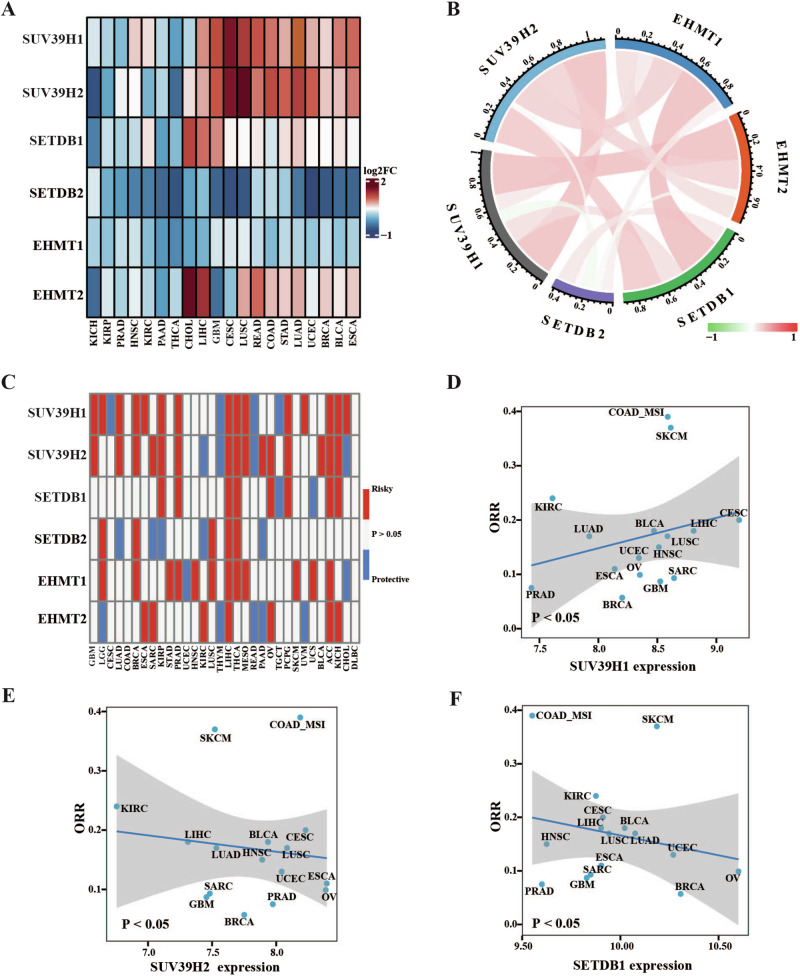
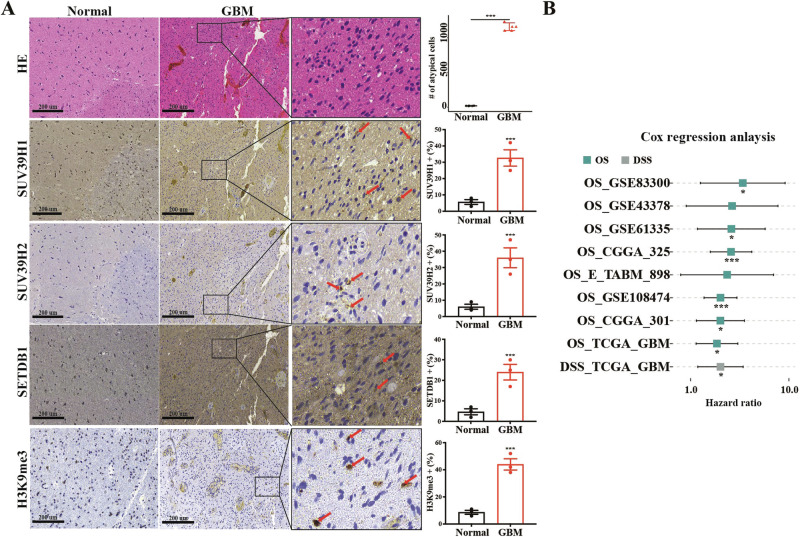
- Across cancers, SUV39H1, SUV39H2, and SETDB1 showed correlated expression and prognostic relevance; high expression was associated with poorer survival in GBM, SARC, LIHC, and BRCA with hazard ratios of 1.5 to 2.2, and SUV39H1/SUV39H2/SETDB1 high expression was associated with poorer prognosis with hazard ratios of 1.3 to 1.8 in GBM and KIRP.
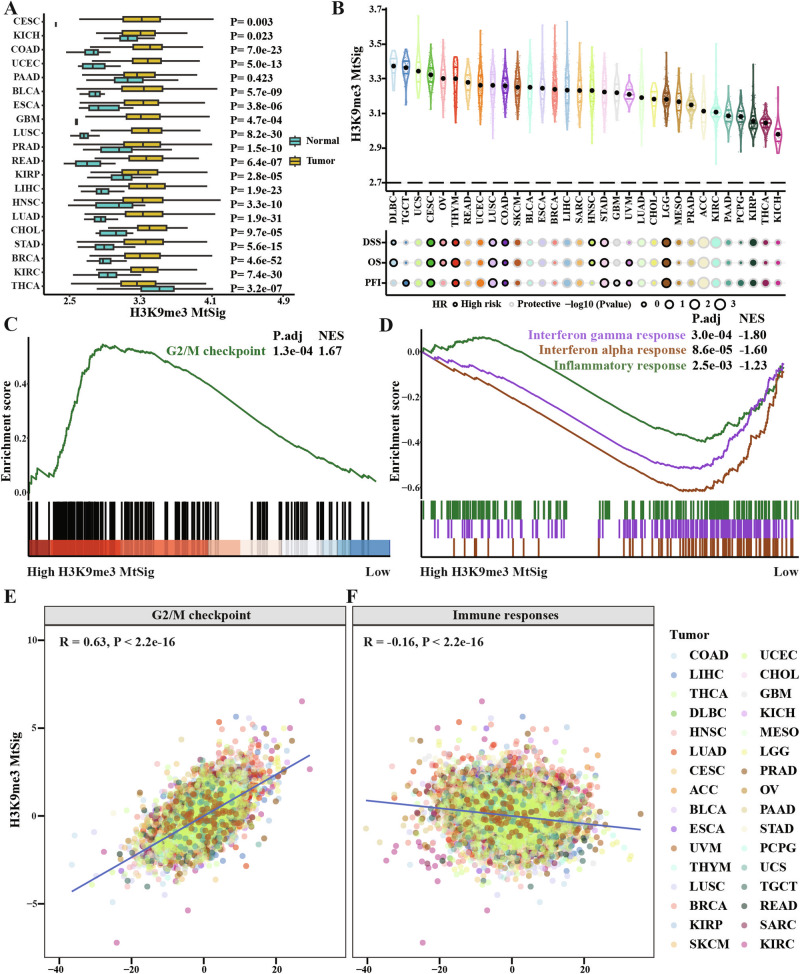
- H3K9me3 MtSig was positively correlated with the G2/M checkpoint (pan-cancer R = 0.63, P < 0.001; GBM R = 0.81, P < 0.001) and negatively correlated with immune responses (pan-cancer R = -0.16, P < 0.001; GBM R = -0.6, P < 0.001).
- In GBM cells, knockdown of SUV39H1, SUV39H2, and SETDB1 reduced tumorsphere formation; SUV39H1 knockdown reduced H3K9me3 enrichment at repetitive elements, downregulated G2/M checkpoint genes, upregulated immune-response genes, and caused G2/M arrest.
- Drug susceptibility screening linked elevated H3K9me3 MtSig to increased sensitivity to compounds including GDC-0879, vemurafenib, MK-0752, BRD-K33199242, and PLX-4720 by CTRP2.0, and EPZ-5676, oxymatrine, ganetespib, rubitecan, dirithromycin, and simvastatin by PRISM.
Methods
- Integrated multi-omic analyses of TCGA data across 33 cancer types, with paired tumor-normal analyses in 20 cancer types, including expression, survival, SNV, CNV, and DNA methylation; H3K9me3 MtSig was calculated by ssGSEA using SUV39H1, SUV39H2, and SETDB1.
- Pathway and single-cell analyses used GSEA and the Extended GBmap dataset, comprising 16 datasets from 110 GBM patients and over 330,000 cells.
- Experimental validation used patient-derived GBM cells (GSC3565 and public GSC23 ChIP-seq), with H3K9me3 ChIP-seq, RNA-seq, qPCR, tumorsphere assays, cell cycle analysis, immunohistochemistry, immunofluorescence, and H3K9M plasmid-mediated H3K9me3 depletion; clinical prediction models used TCGA GBM and CGGA GBM data, and drug susceptibility used CTRP2.0 and PRISM.
Limitations
- The paper states that further studies are necessary to validate and explore the immunotherapy-response associations in other cancer types, and that the drug-sensitivity findings require additional research and validation.
- The paper states that future studies should investigate the specific molecular mechanisms connecting H3K9me3 MtSig with drug sensitivity and the detailed mechanisms linking H3K9 methylation, immune response pathways, and the tumor microenvironment.
- Evident from the text: the experimental validation is largely cell-based in patient-derived GBM cells/GSCs, with no in vivo animal model reported in the Methods; the clinical prediction model is developed and revalidated retrospectively using TCGA and CGGA data.
Model-written summary. Check it against the paper before relying on it.
Integrity signals
Registry
Cites
Statistics
Figures
Verification
Claims the paper makes
14 Valid · 2 Not valid · 6 Not checked · 69 Own results and interpretations
A result the paper reports from its own data — it cites no other source for it, so there is none to check. The quote shows it is in the paper.
In the paper
“We identified a robust correlation between H3K9me3 MtSig and both G2/M checkpoint and immune responses across diverse cancers (Supplementary Fig. 9A–E).”
§ Multi-omics analysis identifies glioblastoma dependency on H3K9me3 methyltransferase activity > Results > H3K9me3 methyltransferases signature (H3K9me3 MtSig) and regulated pathways in cancers
boostedstates an association- Asserted: passes — The authors put it forward as true.
- Checkable: passes — It can be checked against evidence.
- Load-bearing: unclear — It is unclear whether the paper’s conclusions depend on it.
- Based: passes — The paper gives a reason why it holds.
- Rests on an assumption not shown here.
A result the paper reports from its own data — it cites no other source for it, so there is none to check. The quote shows it is in the paper.
In the paper
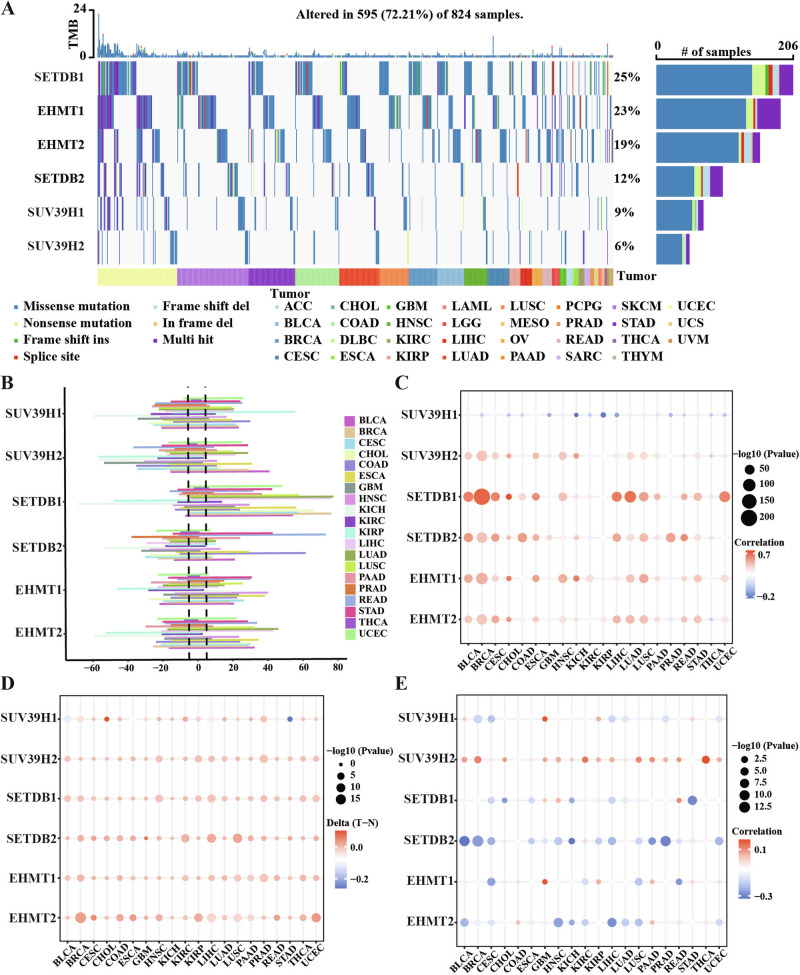
“Interestingly, SUV39H1 exhibits a pattern opposite to other H3K9 methyltransferase genes in BLCA and STAD (P < 0.05; Fig. 2D).”
§ Multi-omics analysis identifies glioblastoma dependency on H3K9me3 methyltransferase activity > Results > Genetic and epigenetic alterations of H3K9 methyltransferases genes
plainstates an association- Asserted: passes — The authors put it forward as true.
- Checkable: passes — It can be checked against evidence.
- Load-bearing: unclear — It is unclear whether the paper’s conclusions depend on it.
- Based: passes — The paper gives a reason why it holds.
A result the paper reports from its own data — it cites no other source for it, so there is none to check. The quote shows it is in the paper.
In the paper
“Drug susceptibility screening revealed a significant positive correlation between elevated H3K9me3 MtSig and increased sensitivity to various compounds.”
§ Multi-omics analysis identifies glioblastoma dependency on H3K9me3 methyltransferase activity > Discussion
plainstates an association- Asserted: passes — The authors put it forward as true.
- Checkable: passes — It can be checked against evidence.
- Load-bearing: passes — The paper’s conclusions depend on it.
- Based: passes — The paper gives a reason why it holds.
A result the paper reports from its own data — it cites no other source for it, so there is none to check. The quote shows it is in the paper.
In the paper
“In the majority of tumors, H3K9me3 MtSig was significantly upregulated compared to the normal, except for THCA (Fig. 3A).”
§ Multi-omics analysis identifies glioblastoma dependency on H3K9me3 methyltransferase activity > Results > H3K9me3 methyltransferases signature (H3K9me3 MtSig) and regulated pathways in cancers
plainstates an association- Asserted: passes — The authors put it forward as true.
- Checkable: passes — It can be checked against evidence.
- Load-bearing: unclear — It is unclear whether the paper’s conclusions depend on it.
- Based: passes — The paper gives a reason why it holds.
- Rests on an assumption not shown here.
A result the paper reports from its own data — it cites no other source for it, so there is none to check. The quote shows it is in the paper.
In the paper
“The H3K9 methyltransferase genes displayed distinct CNV patterns, with similar frequencies of 6% to 12% observed for SUV39H1 and SUV39H2 across major cancer types (Fig. 2B).”
§ Multi-omics analysis identifies glioblastoma dependency on H3K9me3 methyltransferase activity > Results > Genetic and epigenetic alterations of H3K9 methyltransferases genes
plain- Asserted: passes — The authors put it forward as true.
- Checkable: passes — It can be checked against evidence.
- Load-bearing: unclear — It is unclear whether the paper’s conclusions depend on it.
- Based: passes — The paper gives a reason why it holds.
44 more claims
Create a free account to see all 91 claims and to verify the 1 reference still open.
- Probably not a substantial claim. 21
- It may state two separate claims as one. 30
- The quote only partly states this claim. 1
Self-check
Percentages, sums and reported differences re-computed from the paper’s own numbers.
Each contradiction between two passages listed here was confirmed by an independent check.
Rated minor: it would not touch a result — a value no result rests on, a p-value that stays on the same side of the significance level, or a conflict that is clerical, resolved elsewhere in the paper, or outside its own findings.
In the paper
§ Multi-omics analysis identifies glioblastoma dependency on H3K9me3 methyltransferase activity > Results > Clinical prediction model incorporating H3K9me3 MtSig for GBM
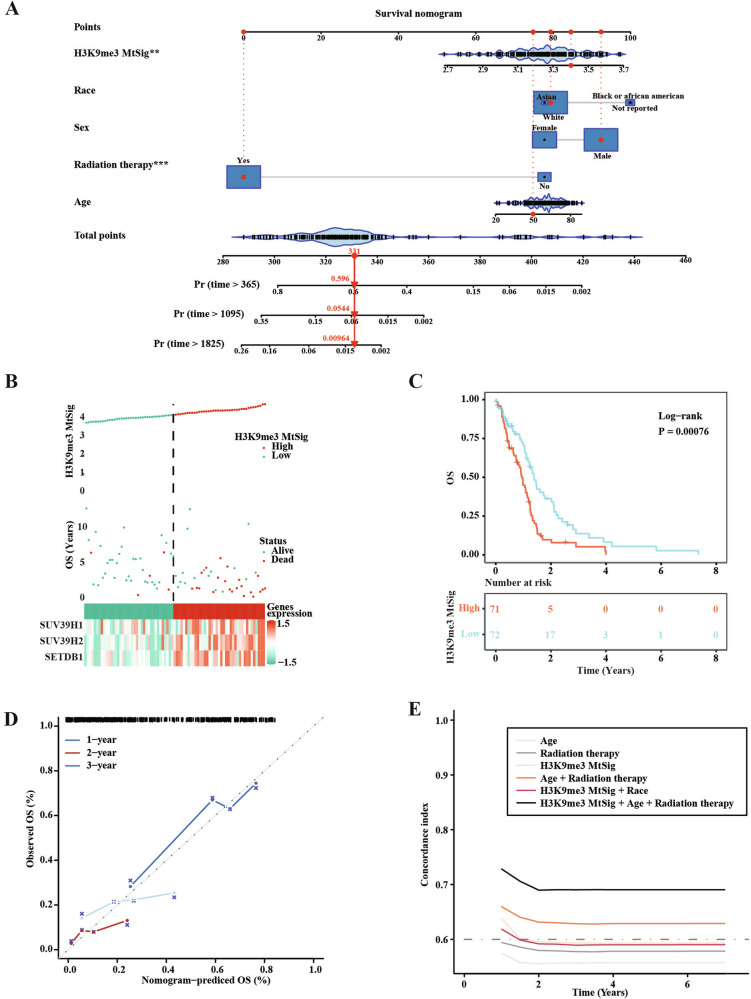
“Calibration curves for 1-year, 2-year, and 3-year survival rates closely aligned with the standard curve, affirming the accuracy of our network score curve in approximating actual survival probabilities (Fig. 7C).”
§ Multi-omics analysis identifies glioblastoma dependency on H3K9me3 methyltransferase activity > Results > Clinical prediction model incorporating H3K9me3 MtSig for GBM
“D Calibration of the nomogram for predicting 1-year, 2-year, and 3-year outcomes, showing the consistency between predicted and observed results.”
Rated minor: it would not touch a result — a value no result rests on, a p-value that stays on the same side of the significance level, or a conflict that is clerical, resolved elsewhere in the paper, or outside its own findings.
In the paper
§ Multi-omics analysis identifies glioblastoma dependency on H3K9me3 methyltransferase activity > Results > Clinical prediction model incorporating H3K9me3 MtSig for GBM
“The time-dependent concordance index demonstrated strong model consistency when combining H3K9me3 MtSig with clinical prognostic factors (Fig. 7D).”
§ Multi-omics analysis identifies glioblastoma dependency on H3K9me3 methyltransferase activity > Results > Clinical prediction model incorporating H3K9me3 MtSig for GBM
“E Concordance index showing measure of concordance of predictor with survival of patients.”
Rated minor: it would not touch a result — a value no result rests on, a p-value that stays on the same side of the significance level, or a conflict that is clerical, resolved elsewhere in the paper, or outside its own findings.
In the paper
§ Multi-omics analysis identifies glioblastoma dependency on H3K9me3 methyltransferase activity > Results > H3K9me3 MtSig regulates repetitive sequence silencing in GBM
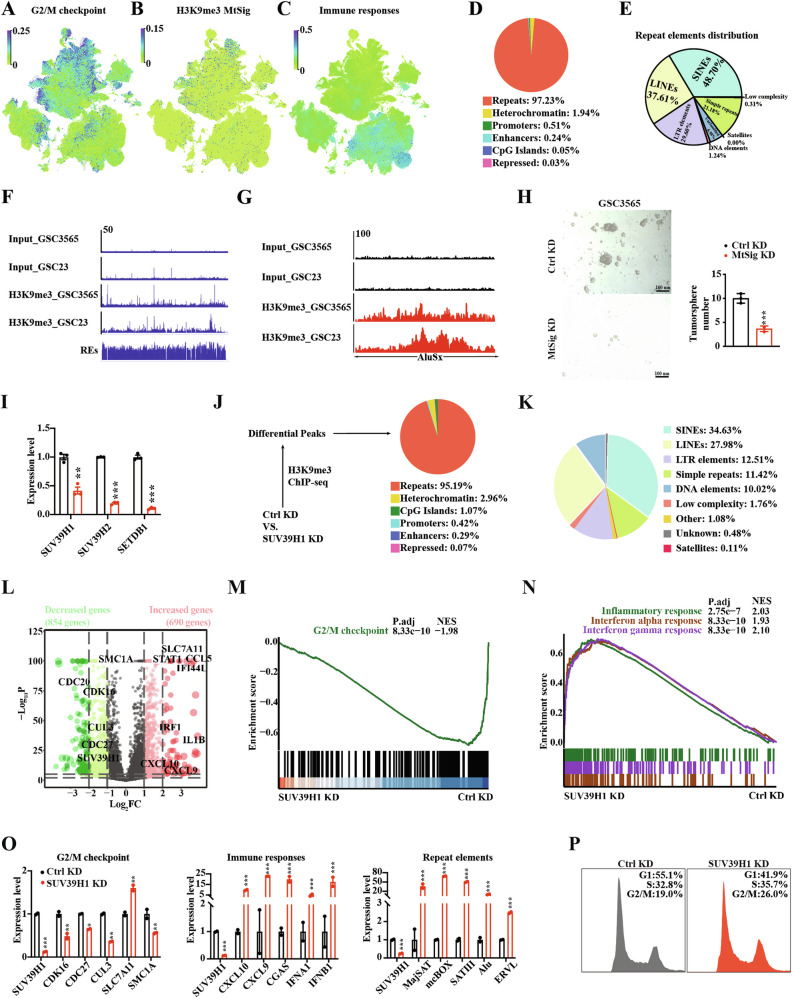
“For (J) and (K), data are presented as mean ± SEM (n = 3).”
§ Multi-omics analysis identifies glioblastoma dependency on H3K9me3 methyltransferase activity > Results > H3K9me3 MtSig regulates repetitive sequence silencing in GBM
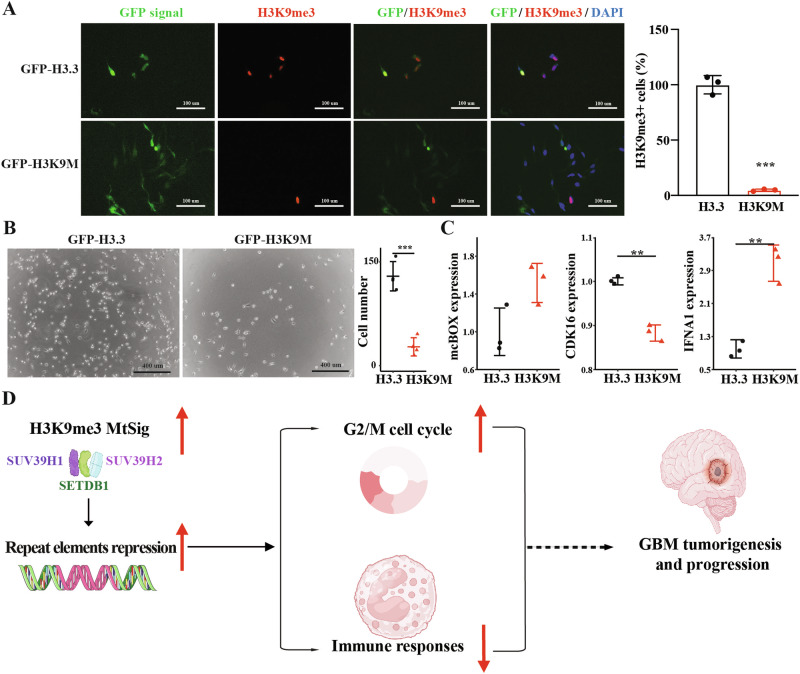
“D The working model showing the signal cascade between H3K9me3 MtSig, H3K9me3, repeat elements, cell cycle regulation (G2/M checkpoint), and immune responses in the context of GBM.”
Citations
Cites
Fast gapped-read alignment with Bowtie 2
Langmead, B., & Salzberg, S. L. (2012) · Nature Methods · doi:10.1038/nmeth.1923 · Cited by 56,400
Robinson, M. D., McCarthy, D. J., & Smyth, G. K. (2010) · Bioinformatics · doi:10.1093/bioinformatics/btp616 · Cited by 41,364
Model-based Analysis of ChIP-Seq (MACS)
Zhang, Y., Liu, T., Meyer, C. A., Eeckhoute, J., Johnson, D. S., Bernstein, B. E., Nusbaum, C., Myers, R. M., Brown, M., Li, W., et al. (2008) · Genome Biology · doi:10.1186/gb-2008-9-9-r137 · Cited by 18,386
GSVA: gene set variation analysis for microarray and RNA-Seq data
Hänzelmann, S., Castelo, R., & Guinney, J. (2013) · BMC Bioinformatics · doi:10.1186/1471-2105-14-7 · Cited by 15,440
Robinson, J. T., Thorvaldsdóttir, H., Winckler, W., Guttman, M., Lander, E. S., Getz, G., & Mesirov, J. P. (2011) · Nature Biotechnology · doi:10.1038/nbt.1754 · Cited by 15,390
clusterProfiler 4.0: A universal enrichment tool for interpreting omics data
(2021) · doi:10.1016/j.xinn.2021.100141 · Cited by 12,455
Complex heatmaps reveal patterns and correlations in multidimensional genomic data
Gu, Z., Eils, R., & Schlesner, M. (2016) · Bioinformatics · doi:10.1093/bioinformatics/btw313 · Cited by 10,034
deepTools2: a next generation web server for deep-sequencing data analysis
Ramírez, F., Ryan, D. P., Grüning, B., Bhardwaj, V., Kilpert, F., Richter, A. S., Heyne, S., Dündar, F., & Manke, T. (2016) · Nucleic Acids Research · doi:10.1093/nar/gkw257 · Cited by 8,096
Maftools: efficient and comprehensive analysis of somatic variants in cancer
Mayakonda, A., Lin, D.-C., Assenov, Y., Plass, C., & Koeffler, H. P. (2018) · Genome Research · doi:10.1101/gr.239244.118 · Cited by 4,935
Next-generation characterization of the Cancer Cell Line Encyclopedia
Ghandi, M., Huang, F. W., Jané-Valbuena, J., Kryukov, G. V., Lo, C. C., McDonald, E. R., Barretina, J., Gelfand, E. T., Bielski, C. M., Li, H., et al. (2019) · Nature · doi:10.1038/s41586-019-1186-3 · Cited by 3,394 · cited 1×
“The expression pro fi le data for human cancer cell lines were obtained from the Broad Institute Cancer Cell Line Encyclopedia (CCLE) project (https:// portals.broadinstitute.org/ccle/) 46 .”
Nomograms in oncology: more than meets the eye
Balachandran, V. P., Gonen, M., Smith, J. J., & DeMatteo, R. P. (2015) · The Lancet Oncology · doi:10.1016/s1470-2045(14)71116-7 · Cited by 3,292
VennDiagram: a package for the generation of highly-customizable Venn and Euler diagrams in R
Chen, H., & Boutros, P. C. (2011) · BMC Bioinformatics · doi:10.1186/1471-2105-12-35 · Cited by 3,131
Balar, A. V., Galsky, M. D., Rosenberg, J. E., Powles, T., Petrylak, D. P., Bellmunt, J., Loriot, Y., Necchi, A., Hoffman-Censits, J., Perez-Gracia, J. L., et al. (2017) · The Lancet · doi:10.1016/s0140-6736(16)32455-2 · Cited by 2,199
Loss of the Suv39h Histone Methyltransferases Impairs Mammalian Heterochromatin and Genome Stability
Peters, A. H. F. M., O'Carroll, D., Scherthan, H., Mechtler, K., Sauer, S., Schöfer, C., Weipoltshammer, K., Pagani, M., Lachner, M., Kohlmaier, A., et al. (2001) · Cell · doi:10.1016/s0092-8674(01)00542-6 · Cited by 1,766
Chronic inflammation and cytokines in the tumor microenvironment
Landskron, G., De la Fuente, M., Thuwajit, P., Thuwajit, C., & Hermoso, M. A. (2014) · Journal of Immunology Research · doi:10.1155/2014/149185 · Cited by 1,765
Alba, A. C., Agoritsas, T., Walsh, M., Hanna, S., Iorio, A., Devereaux, P. J., McGinn, T., & Guyatt, G. (2017) · JAMA · doi:10.1001/jama.2017.12126 · Cited by 1,631
Discovery of a selective inhibitor of oncogenic B-Raf kinase with potent antimelanoma activity
Tsai, J., Lee, J. T., Wang, W., Zhang, J., Cho, H., Mamo, S., Bremer, R., Gillette, S., Kong, J., Haass, N. K., et al. (2008) · Proceedings of the National Academy of Sciences · doi:10.1073/pnas.0711741105 · Cited by 1,346
Schultz, D. C., Ayyanathan, K., Negorev, D., Maul, G. G., & Rauscher, F. J. (2002) · Genes & Development · doi:10.1101/gad.973302 · Cited by 1,313
Type I interferons in anticancer immunity
Zitvogel, L., Galluzzi, L., Kepp, O., Smyth, M. J., & Kroemer, G. (2015) · Nature Reviews Immunology · doi:10.1038/nri3845 · Cited by 1,305
Interferons at age 50: past, current and future impact on biomedicine
Borden, E. C., Sen, G. C., Uze, G., Silverman, R. H., Ransohoff, R. M., Foster, G. R., & Stark, G. R. (2007) · Nature Reviews Drug Discovery · doi:10.1038/nrd2422 · Cited by 1,154 · cited 1×
“Similarly, interferon signaling pathways play diverse roles in promoting antitumor immunity by enhancing the expression of major histocompatibility complex (MHC) molecules, stimulating immune cell activation, and inducing apoptosis in tumor cells 22,23 .”
Targeting epigenetic regulators for cancer therapy: mechanisms and advances in clinical trials
Cheng, Y., He, C., Wang, M., Ma, X., Mo, F., Yang, S., Han, J., & Wei, X. (2019) · Signal Transduction and Targeted Therapy · doi:10.1038/s41392-019-0095-0 · Cited by 1,097 · cited 1×
“Simvastatin, a cholesterol-lowering drug, displays anti-tumor effects in GBM by inducing apoptosis and inhibiting cell migration and invasion 30 .”
Correlating chemical sensitivity and basal gene expression reveals mechanism of action
Rees, M. G., Seashore-Ludlow, B., Cheah, J. H., Adams, D. J., Price, E. V., Gill, S., Javaid, S., Coletti, M. E., Jones, V. L., Bodycombe, N. E., et al. (2016) · Nature Chemical Biology · doi:10.1038/nchembio.1986 · Cited by 898
Discovering the anticancer potential of non-oncology drugs by systematic viability profiling
Corsello, S. M., Nagari, R. T., Spangler, R. D., Rossen, J., Kocak, M., Bryan, J. G., Humeidi, R., Peck, D., Wu, X., Tang, A. A., et al. (2020) · Nature Cancer · doi:10.1038/s43018-019-0018-6 · Cited by 878
Tachibana, M., Ueda, J., Fukuda, M., Takeda, N., Ohta, T., Iwanari, H., Sakihama, T., Kodama, T., Hamakubo, T., & Shinkai, Y. (2005) · Genes & Development · doi:10.1101/gad.1284005 · Cited by 845
Tschiersch, B., Hofmann, A., Krauss, V., Dorn, R., Korge, G., & Reuter, G. (1994) · The EMBO Journal · doi:10.1002/j.1460-2075.1994.tb06693.x · Cited by 567
The histone methyltransferase SETDB1 is recurrently amplified in melanoma and accelerates its onset
Ceol, C. J., Houvras, Y., Jane-Valbuena, J., Bilodeau, S., Orlando, D. A., Battisti, V., Fritsch, L., Lin, W. M., Hollmann, T. J., Ferré, F., et al. (2011) · Nature · doi:10.1038/nature09806 · Cited by 542
Padeken, J., Methot, S. P., & Gasser, S. M. (2022) · Nature Reviews Molecular Cell Biology · doi:10.1038/s41580-022-00483-w · Cited by 514
Epigenetic silencing by SETDB1 suppresses tumour intrinsic immunogenicity
Griffin, G. K., Wu, J., Iracheta-Vellve, A., Patti, J. C., Hsu, J., Davis, T., Dele-Oni, D., Du, P. P., Halawi, A. G., Ishizuka, J. J., et al. (2021) · Nature · doi:10.1038/s41586-021-03520-4 · Cited by 370
Chen, M.-W., Hua, K.-T., Kao, H.-J., Chi, C.-C., Wei, L.-H., Johansson, G., Shiah, S.-G., Chen, P.-S., Jeng, Y.-M., Cheng, T.-Y., et al. (2010) · Cancer Research · doi:10.1158/0008-5472.can-10-0833 · Cited by 369 · cited 1×
“Additionally, EHMT2 suppresses the expression of the cell adhesion molecule Ep-CAM, promoting EMT and tumor progression in lung cancer 12 .”
N-methyladenine DNA Modification in Glioblastoma
Xie, Q., Wu, T. P., Gimple, R. C., Li, Z., Prager, B. C., Wu, Q., Yu, Y., Wang, P., Wang, Y., Gorkin, D. U., et al. (2018) · Cell · doi:10.1016/j.cell.2018.10.006 · Cited by 325
Self-citationFritsch, L., Robin, P., Mathieu, J. R. R., Souidi, M., Hinaux, H., Rougeulle, C., Harel-Bellan, A., Ameyar-Zazoua, M., & Ait-Si-Ali, S. (2010) · Molecular Cell · doi:10.1016/j.molcel.2009.12.017 · Cited by 321
Wang, X., Prager, B. C., Wu, Q., Kim, L. J. Y., Gimple, R. C., Shi, Y., Yang, K., Morton, A. R., Zhou, W., Zhu, Z., et al. (2018) · Cell Stem Cell · doi:10.1016/j.stem.2018.03.011 · Cited by 285 · cited 1×
“…cell (GSC) model established using cells obtained from a 32-year-old male GBM patient at University Hospitals, Cleveland, in Dr. Jeremy Rich ’ s lab 36 , were transduced with lentiviral particles containing shRNA targeting SUV39H1 (Sigma-Aldrich Mission shRNA, TRCN0000275322) or a non-targeting…”
KDM5B promotes immune evasion by recruiting SETDB1 to silence retroelements
Zhang, S.-M., Cai, W. L., Liu, X., Thakral, D., Luo, J., Chan, L. H., McGeary, M. K., Song, E., Blenman, K. R. M., Micevic, G., et al. (2021) · Nature · doi:10.1038/s41586-021-03994-2 · Cited by 272
Transcriptome analysis reveals tumor microenvironment changes in glioblastoma
Hoogstrate, Y., Draaisma, K., Ghisai, S. A., van Hijfte, L., Barin, N., de Heer, I., Coppieters, W., van den Bosch, T. P. P., Bolleboom, A., Gao, Z., et al. (2023) · Cancer Cell · doi:10.1016/j.ccell.2023.02.019 · Cited by 240
Lee, J. S., & Ruppin, E. (2019) · JAMA Oncology · doi:10.1001/jamaoncol.2019.2311 · Cited by 228
Interaction with Suv39H1 is critical for Snail-mediated E-cadherin repression in breast cancer
Dong, C., Wu, Y., Wang, Y., Wang, C., Kang, T., Rychahou, P. G., Chi, Y.-I., Evers, B. M., & Zhou, B. P. (2013) · Oncogene · doi:10.1038/onc.2012.169 · Cited by 214 · cited 1×
“In breast cancer, SUV39H1 deposits H3K9me3 on the E-cadherin gene, suppressing its expression, potentially driving epithelial to mesenchymal transition (EMT) and metastasis 11 .”
Homotypic clustering of L1 and B1/Alu repeats compartmentalizes the 3D genome
Lu, J. Y., Chang, L., Li, T., Wang, T., Yin, Y., Zhan, G., Han, X., Zhang, K., Tao, Y., Percharde, M., et al. (2021) · Cell Research · doi:10.1038/s41422-020-00466-6 · Cited by 205 · cited 1×
“Previous studies suggest an inverse correlation between repetitive sequence expression and cell cycle progression 14,15 and a positive correlation with immune responses 16,17 .”
Epigenetic mechanisms in glioblastoma multiforme
Nagarajan, R. P., & Costello, J. F. (2009) · Seminars in Cancer Biology · doi:10.1016/j.semcancer.2009.02.005 · Cited by 176 · cited 1×
“This observation aligns with recent studies reporting frequent overexpression of these H3K9 methyltransferases in GBM, which correlates with adverse patient prognosis 19,20 .”
Pan-cancer analysis identifies tumor-specific antigens derived from transposable elements
Shah, N. M., Jang, H. J., Liang, Y., Maeng, J. H., Tzeng, S.-C., Wu, A., Basri, N. L., Qu, X., Fan, C., Li, A., et al. (2023) · Nature Genetics · doi:10.1038/s41588-023-01349-3 · Cited by 175
Genomic instability, inflammatory signaling and response to cancer immunotherapy
Chen, M., Linstra, R., & van Vugt, M. A. T. M. (2022) · Biochimica et Biophysica Acta (BBA) - Reviews on Cancer · doi:10.1016/j.bbcan.2021.188661 · Cited by 166
BRAF–MEK Inhibition in Newly Diagnosed Papillary Craniopharyngiomas
Brastianos, P. K., Twohy, E., Geyer, S., Gerstner, E. R., Kaufmann, T. J., Tabrizi, S., Kabat, B., Thierauf, J., Ruff, M. W., Bota, D. A., et al. (2023) · New England Journal of Medicine · doi:10.1056/nejmoa2213329 · Cited by 146 · cited 1×
“For example, vemurafenib, a BRAF inhibitor, has demonstrated ef fi cacy in BRAF V600E-mutant GBM patients and is undergoing clinical investigation 28 .”
FBXO44 promotes DNA replication-coupled repetitive element silencing in cancer cells
Shen, J. Z., Qiu, Z., Wu, Q., Finlay, D., Garcia, G., Sun, D., Rantala, J., Barshop, W., Hope, J. L., Gimple, R. C., et al. (2021) · Cell · doi:10.1016/j.cell.2020.11.042 · Cited by 113
Self-citationDisruption of SUV39H1 -Mediated H3K9 Methylation Sustains CAR T-cell Function
Jain, N., Zhao, Z., Koche, R. P., Antelope, C., Gozlan, Y., Montalbano, A., Brocks, D., Lopez, M., Dobrin, A., Shi, Y., et al. (2024) · Cancer Discovery · doi:10.1158/2159-8290.cd-22-1319 · Cited by 95
SUV39H1 Ablation Enhances Long-term CAR T Function in Solid Tumors
López-Cobo, S., Fuentealba, J. R., Gueguen, P., Bonté, P.-E., Tsalkitzi, K., Chacón, I., Glauzy, S., Bohineust, A., Biquand, A., Silva, L., et al. (2024) · Cancer Discovery · doi:10.1158/2159-8290.cd-22-1350 · Cited by 72 · cited 1×
“SUV39H1 targeting enhances the persistence and antitumor ef fi cacy of CAR T cells in lung and disseminated solid tumor models 26 , and leukemia and prostatecancermodels 27 .”
Wu, R., Wang, Z., Zhang, H., Gan, H., & Zhang, Z. (2017) · Nucleic Acids Research · doi:10.1093/nar/gkw848 · Cited by 58
Saha, N., & Muntean, A. G. (2021) · Biochimica et Biophysica Acta (BBA) - Reviews on Cancer · doi:10.1016/j.bbcan.2020.188498 · Cited by 56
Xu, P.-F., Zhu, K.-Y., Jin, Y., Chen, Y., Sun, X.-J., Deng, M., Chen, S.-J., Chen, Z., & Liu, T. X. (2010) · Proceedings of the National Academy of Sciences · doi:10.1073/pnas.0914396107 · Cited by 52
Interferons: role in cancer therapy
Abdolvahab, M. H., Darvishi, B., Zarei, M., Majidzadeh-A, K., & Farahmand, L. (2020) · Immunotherapy · doi:10.2217/imt-2019-0217 · Cited by 50 · cited 1×
“Similarly, interferon signaling pathways play diverse roles in promoting antitumor immunity by enhancing the expression of major histocompatibility complex (MHC) molecules, stimulating immune cell activation, and inducing apoptosis in tumor cells 22,23 .”
Li, Y., Yang, C. G., Liu, Z., Du, S., Can, S., Zhang, H., Zhang, L., Huang, X., Xiao, Z., Li, X., et al. (2022) · Molecular Cancer · doi:10.1186/s12943-021-01462-z · Cited by 37
Sundararajan, R., & Freudenreich, C. H. (2011) · PLoS Genetics · doi:10.1371/journal.pgen.1001339 · Cited by 36 · cited 1×
“Previous studies suggest an inverse correlation between repetitive sequence expression and cell cycle progression 14,15 and a positive correlation with immune responses 16,17 .”
Gimple, R. C., Zhang, G., Wang, S., Huang, T., Lee, J., Taori, S., Lv, D., Dixit, D., Halbert, M. E., Morton, A. R., et al. (2023) · JCI Insight · doi:10.1172/jci.insight.158077 · Cited by 21
Self-citationDumetier, B., Sauter, C., Hajmirza, A., Pernon, B., Aucagne, R., Fournier, C., Row, C., Guidez, F., Rossi, C., Lepage, C., et al. (2022) · Biomedicines · doi:10.3390/biomedicines10123101 · Cited by 9
Mehdipour, P., Marhon, S. A., Ettayebi, I., Chakravarthy, A., Hosseini, A., Wang, Y., de Castro, F. A., Yau, H. L., Ishak, C., Abelson, S., et al. (2021) · Nature · doi:10.1038/s41586-021-03329-1 · Cited by 6 · cited 1×
“Previous studies suggest an inverse correlation between repetitive sequence expression and cell cycle progression 14,15 and a positive correlation with immune responses 16,17 .”
Cited by
Wang, S., Hu, D., Wang, R., Huang, J., & Wang, B. (2025) · npj Precision Oncology · doi:10.1038/s41698-025-01027-z · Cited by 26
Giannopoulou, A.-I., Skouras, P., Sarantis, P., Armoundas, A. A., Palamaris, K., Gargalionis, A. N., Sepsa, A., Boviatsis, E. I., Κalamatianos, T., Stranjalis, G., et al. (2025) · Neurotherapeutics · doi:10.1016/j.neurot.2025.e00754 · Cited by 5
Kundu, S., Akhtar, A. R., Kumar, A., & Sharma, A. K. (2026) · Scientific Reports · doi:10.1038/s41598-026-44020-7 · Cited by 4
Li, Y., Wu, L., Shi, J., Wl, L., Kuang, J., Li, S. H., Fan, W., & Jiang, Q. (2026) · Translational Oncology · doi:10.1016/j.tranon.2026.102929
Choudhary, A., Kumar, P., Kashyap, S., Patidar, V., Kumar, A. C. S., & Munshi, A. (2026) · Epigenomics · doi:10.1080/17501911.2026.2698002
Metadata
- Authors
- Xie, Q., Du, Y., Ghosh, S., Rajendran, S., Cohen-Gadol, A. A., Baizabal, J.-M., Nephew, K. P., Han, L., & Shen, J.
- Affiliations
- Indiana University School of Medicine (US)
- Indiana University Bloomington (US)
- Indiana University Health (US)
- Indiana University Indianapolis (US)
- Corresponding author
- Han, Leng
- Shen, Jia
- ORCID
- Venue
- NPJ Precision Oncology
- Published
- 2025-03-20
- Volume
- 9
- Issue
- 1
- Pages
- 78-78
- ISSN
- 2397-768X (ISSN-L)
- PMC
- PMC11926169
- OpenAlex
- W4408666086
- Cited by
- 10
- References
- 49
- Citations by year
- 2026: 4 · 2025: 6
- FWCI
- 6.46
- Type
- journal article
- Language
- en
- Open access
- gold
- doi.org
- Licence
- cc-by-nc-nd
- creativecommons.org/licenses/by-nc-nd/4.0 (tdm)
- creativecommons.org/licenses/by-nc-nd/4.0 (vor)
- Locations
- npj Precision Oncology (publishedVersion, cc-by-nc-nd)
- bioRxiv (Cold Spring Harbor Laboratory) (acceptedVersion)
- PubMed Central (publishedVersion, cc-by-nc-nd)
- PubMed (publishedVersion)
- DOAJ (DOAJ: Directory of Open Access Journals) (submittedVersion, cc-by-sa)
- IUScholarWorks (Indiana University) (submittedVersion, cc-by-nc-nd)
- Funders
- U.S. Department of Health & Human Services | National Institutes of Health (R01HG011633, R01CA262623)
- This study received funding from the Indiana University School of Medicine Start-Up Fund (to J. Shen) and the Schwarz Family and Friends Cancer Research Fund (to J. Shen).
- Topics
- Health Sciences › Medicine › Oncology › Glioma Diagnosis and Treatment
- Life Sciences › Biochemistry, Genetics and Molecular Biology › Molecular Biology › Epigenetics and DNA Methylation
- Life Sciences › Biochemistry, Genetics and Molecular Biology › Molecular Biology › Cancer-related gene regulation
- Keywords
- glioblastoma, H3K9me3, histone methyltransferase, SUV39H1, SUV39H2, SETDB1, SETDB2, prognostic factors, antitumor immunity, G2/M phase, therapeutic target
About these checks
Registry, retraction, Cites and statistics results are computed, not judged, with one exception: a printed reference that no index lists is read once by a model before it counts as a citation error. Claims are extracted by a model and kept only when their quote appears verbatim in the text; each cited source is then checked, with a model’s help, for whether it says what the claim relies on. Those verdicts can be wrong — read the claim’s quote and the cited source before relying on one.
The claim verdicts this report counts are experimental: their accuracy is not yet measured.
A language model drew the claims from the paper on 2026-10-10, under version 3 of the claim definition (model deepseek-v4.1-flash, prompt extract-v3).
A second model labelled each claim on 2026-10-10 (model jev-1.13-20260917, definition revision gold-guideline-v0.2).
Statistics and arithmetic are recomputed, not judged.
Confidence bands are shown only for fields calibrated on our annotated test set. None is calibrated yet, so no band is shown.
What counts as a claim ›How we measure confidence ›How we check this ›
Are you an author, or do you see a problem with this page? Request a review
Data sources
Bibliographic data: Semantic Scholar, OpenAlex, Crossref.
Contains information from the Semantic Scholar Academic Graph Datasets, made available under the ODC Attribution License (ODC-BY 1.0).
Semantic Scholar’s data is described in: Kinney, R., et al. (2023). The Semantic Scholar Open Data Platform. arXiv:2301.10140.
