

Wearable sensors for Parkinson’s disease: which data are worth collecting for training symptom detection models
Open accessThe DOI matches its Crossref record; 40 of the 42 references it cites were found in a registry or an index.
Abstract
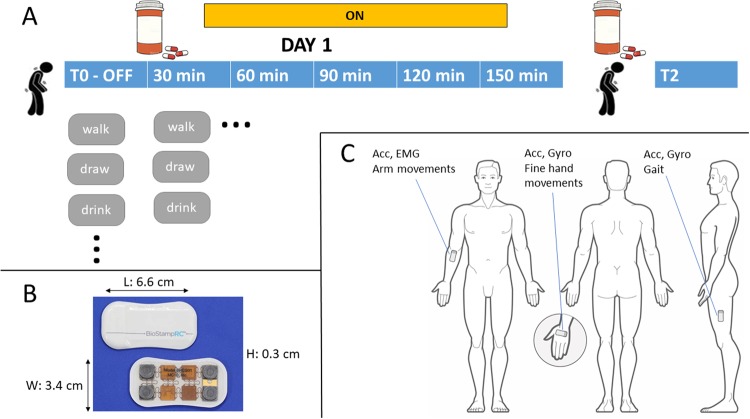
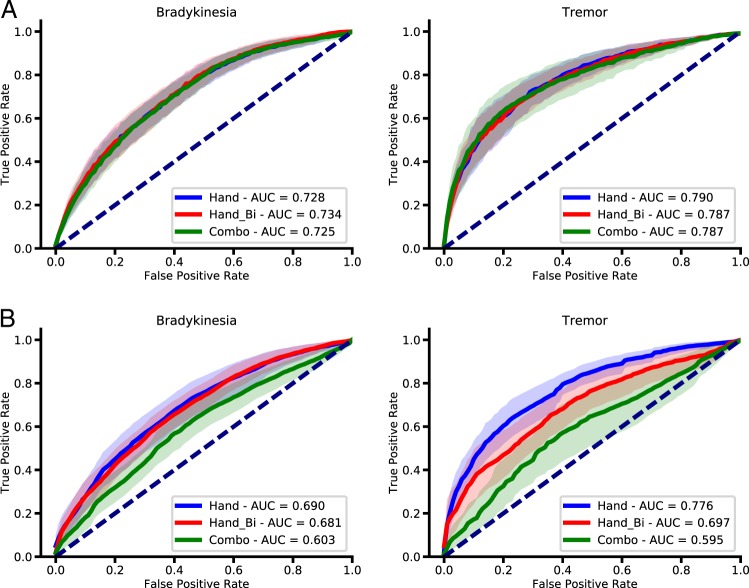
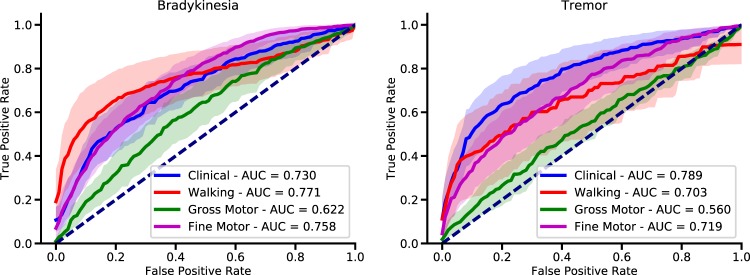
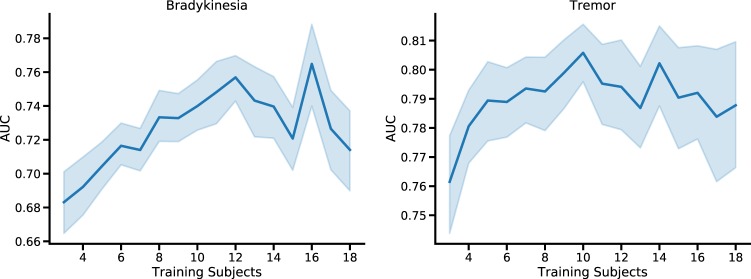
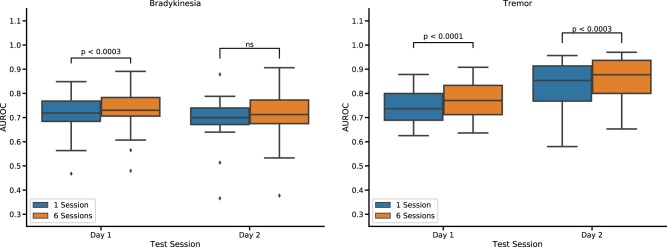
Machine learning algorithms that use data streams captured from soft wearable sensors have the potential to automatically detect PD symptoms and inform clinicians about the progression of disease. However, these algorithms must be trained with annotated data from clinical experts who can recognize symptoms, and collecting such data are costly. Understanding how many sensors and how much labeled data are required is key to successfully deploying these models outside of the clinic. Here we recorded movement data using 6 flexible wearable sensors in 20 individuals with PD over the course of multiple clinical assessments conducted on 1 day and repeated 2 weeks later. Participants performed 13 common tasks, such as walking or typing, and a clinician rated the severity of symptoms (bradykinesia and tremor). We then trained convolutional neural networks and statistical ensembles to detect whether a segment of movement showed signs of bradykinesia or tremor based on data from tasks performed by other individuals. Our results show that a single wearable sensor on the back of the hand is sufficient for detecting bradykinesia and tremor in the upper extremities, whereas using sensors on both sides does not improve performance. Increasing the amount of training data by adding other individuals can lead to improved performance, but repeating assessments with the same individuals—even at different medication states—does not substantially improve detection across days. Our results suggest that PD symptoms can be detected during a variety of activities and are best modeled by a dataset incorporating many individuals.
Overview
The claims and statistics of this paper haven’t been checked yet.
Free: it reads the open-access text and checks the first 5 claims that cite a source we can check. Create a free account to check every claim.
Integrity signals
Registry
Cites
Statistics
Figures
Verification
Claims the paper makes
The claims and statistics of this paper haven’t been checked yet.
Free: it reads the open-access text and checks the first 5 claims that cite a source we can check. Create a free account to check every claim.
Claims other papers make about this one
Each is checked against this paper’s own text: does it say what the citing paper says it does?
The check wasn’t confident either way, so it gives no verdict — never disputed.
In the citing paper
“Moreover, some diseases of the locomotor system provoke abnormal elevations of metabolites and biomarkers, such as L-dopa in Parkinson’s disease[246–248] uric acid in gout,[45] which are very important evaluation factors.”
From Flexible Electronics and Devices as Human–Machine Interfaces for Medical Robotics (2022) · cites this paper as [246]
Experimental — accuracy not yet measuredIn the citing paper
“For example, for Parkinson's disease, a single sensor on the hand is enough to detect tremors 9 .”
From Skin sensors are the future of health care (2019) · cites this paper as [9]
Self-check
Percentages, sums and reported differences re-computed from the paper’s own numbers.
The self-check needs the paper’s full text.
Citations
Cites
Breiman, L. (2001) · Machine Learning · doi:10.1023/a:1010933404324 · Cited by 133,538
LeCun, Y., Bengio, Y., & Hinton, G. (2015) · Nature · doi:10.1038/nature14539 · Cited by 84,126
(2014) · Cited by 33,419
Parkinson's disease: clinical features and diagnosis
Jankovic, J. (2008) · Journal of Neurology, Neurosurgery & Psychiatry · doi:10.1136/jnnp.2007.131045 · Cited by 5,720
Adams, J. L., Dinesh, K., Xiong, M., Tarolli, C. G., Sharma, S., Sheth, N., Aranyosi, A. J., Zhu, W., Goldenthal, S., Biglan, K. M., et al. (2017) · Digital Biomarkers · doi:10.1159/000479018 · Cited by 3,171
Epidemiology of Parkinson’s disease
Tysnes, O.-B., & Storstein, A. (2017) · Journal of Neural Transmission · doi:10.1007/s00702-017-1686-y · Cited by 2,414
The prevalence of Parkinson's disease: a systematic review and meta-analysis
Pringsheim, T., Jette, N., Frolkis, A., & Steeves, T. D. L. (2014) · Movement Disorders · doi:10.1002/mds.25945 · Cited by 2,188
The Unified Parkinson's Disease Rating Scale (UPDRS): Status and recommendations
Movement Disorder Society Task Force on Rating Scales for Parkinson's Disease (2003) · Movement Disorders · doi:10.1002/mds.10473 · Cited by 1,810
Technology in Parkinson’s disease: challenges and opportunities
Espay, A. J., Bonato, P., Nahab, F. B., Maetzler, W., Dean, J. M., Klucken, J., Eskofier, B. M., Merola, A., Horak, F., Lang, A. E., et al. (2016) · Movement Disorders · doi:10.1002/mds.26642 · Cited by 654
Self-citationMonitoring Motor Fluctuations in Patients With Parkinson's Disease Using Wearable Sensors
Patel, S., Lorincz, K., Hughes, R., Huggins, N., Growdon, J., Standaert, D., Akay, M., Dy, J., Welsh, M., & Bonato, P. (2009) · IEEE Transactions on Information Technology in Biomedicine · doi:10.1109/titb.2009.2033471 · Cited by 623
Cited by
Items 101–200 of 214
Habets, J., Spooner, R. K., Mathiopoulou, V., Feldmann, L. K., Busch, J. L., Roediger, J., Bahners, B. H., Schnitzler, A., Florin, E., & Kühn, A. A. (2023) · Sensors · doi:10.3390/s23115238 · Cited by 15
“These kinematic features were chosen based on their performance in previous studies of accelerometer-based tapping assessments [19,20,33,37,38] (for a recent review comparing kinematic tapping features, see [27]).”
MethodWearable monitoring of positive and negative myoclonus in progressive myoclonic epilepsy type 1
Rissanen, S. M., Hyppönen, J., Silvennoinen, K., Säïsänen, L., Karjalainen, P. A., Mervaala, E., & Kälviäinen, R. K. (2021) · Clinical Neurophysiology · doi:10.1016/j.clinph.2021.06.026 · Cited by 14
“Previously, an increase in the number of sensors did not result in improvement in the detection of tremor and dyskinesia in upper extremities (Lonini et al., 2018).”
Bezuidenhout, L., Joseph, C., Einarsson, U., Thurston, C., Hagströmer, M., & Conradsson, D. M. (2021) · Disability and Rehabilitation · doi:10.1080/09638288.2021.2012838 · Cited by 14
Direct Printed Silver Nanowire Strain Sensor for Early Extravasation Detection
Lu, H.-C., & Liao, Y. (2021) · Nanomaterials · doi:10.3390/nano11102583 · Cited by 14
Adhesive bioelectronics for closed-loop therapy
Jung, H., Lee, H., Shin, M., & Son, D. (2025) · Med-X · doi:10.1007/s44258-025-00055-5 · Cited by 20
“Such technologies have the potential to offer digital experiences for remote-controlled therapies, provide immersive environments for patients with severe disorders, and significantly enhance the effectiveness of cognitive-behavioral therapy and rehabilitation [71, 184, 185].”
A Novel Application of Flexible Inertial Sensors for Ambulatory Measurement of Gait Kinematics
Yin, W., Reddy, C. P., Zhou, Y. M., & Zhang, X. (2021) · IEEE Transactions on Human-Machine Systems · doi:10.1109/thms.2021.3086017 · Cited by 13
Knudson, K., & Gupta, A. S. (2022) · Sensors · doi:10.3390/s22239454 · Cited by 14
“In Parkinson’s disease, CNN-based approaches have also been used [Lonini et al., 2018].”
MethodArtificial Intelligence—Blockchain Enabled Technology for Internet of Things
Kumari, S., & Muthulakshmi, P. (2023) · Wiley eBooks · doi:10.1002/9781394213726.ch18 · Cited by 15
Disease diagnosis using machine learning: A comparative study
Jain, R., Chotani, A., & Anuradha, G. (2020) · Elsevier eBooks · doi:10.1016/b978-0-12-819314-3.00010-0 · Cited by 14
Sieberts, S. K., Borzymowski, H., Guan, Y., Huang, Y., Matzner, A., Page, A., Bar‐Gad, I., Beaulieu‐Jones, B. K., El-Hanani, Y., Goschenhofer, J., et al. (2023) · PLOS Digital Health · doi:10.1371/journal.pdig.0000208 · Cited by 12
“This weighting scheme was chosen in order to downweight the contributions from subjects with substantially more observations because there was a large range in the number of test observations across subjects (11-99).”
MethodSelf-citationHammoud, M., Shcherbak, A., Istrakova, O., Shindryaeva, N., Витальевна, Б. Е., Passerone, R., & Somov, A. (2025) · IEEE Transactions on Instrumentation and Measurement · doi:10.1109/tim.2025.3544381 · Cited by 14
Freezing of Gait Detection Using Gramian Angular Fields and Federated Learning from Wearable Sensors
Soumma, S. B., Alam, S., Rahman, R., Mahi, U. N., Mamun, A., Mostafavi, S. M., & Ghasemzadeh, H. G. (2025) · Annual International Conference of the IEEE Engineering in Medicine and Biology Society (EMBC) · doi:10.1109/embc58623.2025.11254302 · Cited by 17
“Variations in environmental conditions, sensor noise, and individual gait patterns can significantly affect performance [31], highlighting the need for robust adaptation mechanisms.”
Preeti, M., Guha, K., Baishnab, K. L., & Sastry, A. (2021) · Studies in systems, decision and control · doi:10.1007/978-981-15-9612-4_2 · Cited by 12
Donié, C., Das, N., Endo, S., & Hirche, S. (2025) · Scientific Reports · doi:10.1038/s41598-025-04263-2 · Cited by 10
“Using engineered features and a random forest 52 yields higher AUROC than our approaches and wavelets with Gaussian processes 44 are more accurate.”
Langebrake, C., Gottfried, K., Dadkhah, A., Eggert, J., Gutowski, T., Rosch, M., Schönbeck, N., Gundler, C., Nürnberg, S., Ückert, F., et al. (2023) · Clinical eHealth · doi:10.1016/j.ceh.2023.05.001 · Cited by 10
Detecting the symptoms of Parkinson’s disease with non-standard video
Mifsud, J., Embry, K., Macaluso, R., Lonini, L., Cotton, R. J., Simuni, T., & Jayaraman, A. (2024) · Journal of NeuroEngineering and Rehabilitation · doi:10.1186/s12984-024-01362-5 · Cited by 9
“It also meets or exceeds the performance of comparable works that use wearable sensors [18] or video [35–37].”
BackgroundMethodSelf-citationReal-Time Detection of Parkinson’s States Based on Wearable Sensor With Embedded Machine Learning
Su, F., Chen, M., Zhang, M., Wang, X., Wu, L., Liu, C., Wang, J., Chang, S., & Xin, T. (2024) · IEEE Sensors Journal · doi:10.1109/jsen.2024.3472069 · Cited by 10
“Lonini et al. [13] investigate the number of wearable inertial measurement unit (IMU) sensors needed to detect PD symptoms automatically; results show that a single sensor placed on the back of the hand, combined with fine-tuned random forest (RF) or deep convolutional neural network classification…”
Materials for biointegrated electronic and microfluidic systems
Rogers, J. A. (2019) · MRS Bulletin · doi:10.1557/mrs.2019.46 · Cited by 9
Self-citationDigital Health Technology Implementation: Is It Effective in a Healthy Healthcare Perspective?
Stein, A. T., Ben, Â. J., Pachito, D. V., Cazella, S. C., van Dongen, J. M., & Bosmans, J. E. (2020) · Springer eBooks · doi:10.1007/978-3-030-59467-1_9 · Cited by 10
Hu, Z.-Q., Wang, C., Xu, X., Wang, Z., Xie, Y., Li, Z., & Gao, W. Q. (2025) · Journal of Materials Chemistry C · doi:10.1039/d5tc00470e · Cited by 8
Liu, M., Pun, C., Li, H., Zhai, M., Xu, F., & Gao, H. (2024) · IEEE International Conference on Bioinformatics and Biomedicine (BIBM) · doi:10.1109/bibm62325.2024.10822311 · Cited by 9
“In the meantime, multiple types of wearable motion sensors, such as inertial sensors and electromyography (EMG) sensors [5], are employed to collect motion information of patients for assessment.”
Sushkova, O. S., Morozov, A. A., Gabova, A. V., & Karabanov, A. V. (2020) · International Conference on Information Technology and Nanotechnology (ITNT) · doi:10.1109/itnt49337.2020.9253237 · Cited by 8
“(ACC) [2]–[5] are used for the investigation of motor features.”
MethodZhang, W., Zhang, H., Jiang, Z., Servati, A., & Servati, P. (2025) · Discover Electronics · doi:10.1007/s44291-025-00093-8 · Cited by 9
“Gait analysis [1, 2], recognized for its complexity and uniqueness akin to fingerprints, serves as a crucial tool across diverse fields, including medicine, security, rehabilitation, and sports science [3, 4].”
Smartphone-based prediction of dopaminergic deficit in prodromal and manifest Parkinson’s disease
Gunter, K. M., Groenewald, K., Aubourg, T., Lo, C., Welch, J., Razzaque, J., van Hillegondsberg, L., Nastasa, A., Ratti, P., Orso, B., et al. (2025) · npj Digital Medicine · doi:10.1038/s41746-025-02148-2 · Cited by 7
Real-World Parkinson’s Hand Tremor Detection Using Ensemble Learning Techniques
Hur, S., Zhang, J., Kim, M.-H., & Chung, T. (2025) · IEEE Access · doi:10.1109/access.2025.3534293 · Cited by 7
“Early The associate editor coordinating the review of this manuscript and approving it for publication was Vishal Srivastava. detection is a crucial step in slowing its progression [2], [3].”
Parab, S., Boster, J., & Washington, P. Y. (2023) · JMIR Formative Research · doi:10.2196/49898 · Cited by 8
“Previous studies have shown that PD can be detected by monitoring digital device activity, such as abnormal mouse movements and atypical typing patterns [27-33].”
BackgroundHypoglycemia Detection Using Hand Tremors: Home Study of Patients With Type 1 Diabetes
Jahromi, R. K., Zahed, K., Sasangohar, F., Erraguntla, M., Mehta, R. K., & Qaraqe, K. A. (2023) · JMIR Diabetes · doi:10.2196/40990 · Cited by 8
“Accelerometer sensors are validated devices to measure motion and have been used in various applications such as assessing physical activity [25-31], aiding in the management of Parkinson disease [32-34], and gait analysis [35,36].”
MethodInternet-Based Audiological Interventions: An Update for Clinicians
Beukes, E. W., & Manchaiah, V. K. C. (2019) · Perspectives of the ASHA Special Interest Groups · doi:10.1044/2019_pers-sig18-2018-0003 · Cited by 8
Sankineni, S., Saraswat, A., Suchetha, M., Aakur, S. N., Sehastrajit, S., & Dhas, D. E. (2023) · Evolutionary Intelligence · doi:10.1007/s12065-023-00859-7 · Cited by 6
“Accelerometers, inertial measurement units, gyroscopes, and a combination of sensors in form of a wearable device can be used to measure the tremors and motor symptoms of a PD patient [9].”
Lightweight Football Motion Recognition and Intensity Analysis Using Low-Cost Wearable Sensors
Xie, Q., Jin, N., & Lu, S. (2023) · Applied Bionics and Biomechanics · doi:10.1155/2023/2354728 · Cited by 6
“Nevertheless, data enhancement has also been successfully applied to the study of wearable sensor data [13] and good performance in voice recognition [14].”
BackgroundGross, M. S., Hood, A. J., & Corbin, B. (2021) · International Journal of Feminist Approaches to Bioethics · doi:10.3138/ijfab-2021-03-22 · Cited by 9
Bremm, R. P., Werle, A., Auer, C., Hertel, F., Gonçalves, J. M., & Koch, K. P. (2021) · arXiv (Cornell University) · doi:10.48550/arxiv.2108.01736 · Cited by 9
“Wearable sensors offer significant opportunities to improve personalised medicine and to develop new digital health applications [1].”
BackgroundBibbo, D., Marchis, C. D., Schmid, M., & Ranaldi, S. (2023) · Physiological Measurement · doi:10.1088/1361-6579/ad133b · Cited by 5
Wearable systems in movement disorders
Bianchini, E., & Maetzler, W. (2023) · International review of movement disorders · doi:10.1016/bs.irmvd.2023.04.002 · Cited by 9
Khalil, R. M., Shulman, L. M., Gruber‐Baldini, A. L., Shakya, S., Fenderson, R., Hoven, M. V., Hausdorff, J. M., von Coelln, R., & Cummings, M. P. (2024) · Sensors · doi:10.3390/s24154983 · Cited by 8
“Some studies emphasize the importance of comprehensive data collection to train symptom detection models [85], objectively measure gait parameters [43,46,48,50–52, 69 ,86, 96, 102, 103, 106, 112 Machine learning offers a powerful and flexible analytical approach to accomplish this goal in a…”
BackgroundZhou, D., Yin, M., Wang, C., Wang, X., Li, Y., Shen, Y., Fang, Q., Chen, K., & Qiao, S. (2024) · Nano Today · doi:10.1016/j.nantod.2024.102613 · Cited by 5
Lemoyne, R. C., Mastroianni, T., Whiting, D. M., & Tomycz, N. D. (2019) · Advances in Parkinson s Disease · doi:10.4236/apd.2019.84007 · Cited by 8
Wearable Sensors and Machine Learning Fusion for Parkinson's Disease Assessment
Hammoud, M., Shcherbak, A., Getahun, M. N., Istrakova, O., Shindryaeva, N., Zimniakova, O., Витальевна, Б. Е., Semenov, M., Baldycheva, A. V., & Somov, A. (2024) · IEEE International Instrumentation and Measurement Technology Conference · doi:10.1109/i2mtc60896.2024.10561139 · Cited by 6
“The composition of exercises is as follows: adopted from the MDS-UPDRS include ’2’, ’3’, ’4’, ’6’, ’7’, ’10’, ’11’ , modified from the MDS-UPDRS include ’1’, ’9’ , proposed by neurologists include ’8’ , adopted from relevant research [19] include ’5’ .”
Design and modelling of a serpentine meander for low spring constant to vibrate at a low frequency
Preeti, M., Guha, K., & Baishnab, K. L. (2023) · Materials Today Proceedings · doi:10.1016/j.matpr.2023.03.317 · Cited by 4
Parisi, F., Corniani, G., Bonato, P., Balkwill, D., Acuña, P. J., Go, C. L., Sharma, N., & Stephen, C. D. (2024) · Scientific Reports · doi:10.1038/s41598-024-63946-4 · Cited by 4
Development of a graphic medicine‐enabled social media‐based intervention for youth social anxiety
Rice, S., O’Bree, B., Wilson, M., McEnery, C., Lim, M. H., Hamilton, M. P., Gleeson, J., Bendall, S., D’Alfonso, S., Russon, P., et al. (2020) · Clinical Psychologist · doi:10.1111/cp.12222 · Cited by 4
López‐López, V. R., Escobedo, L., & Trujillo, L. (2020) · Expert Systems · doi:10.1111/exsy.12572 · Cited by 4
Data labelling in the wild: annotating free-living activities and Parkinson's disease symptoms
Morgan, C., Heidarivincheh, F., Craddock, I. J., McConville, R., Perelló-Nieto, M., Tonkin, E. L., Masullo, A., Vafeas, A., Kim, M. K., McNaney, R., et al. (2021) · IEEE International Conference on Pervasive Computing and Communications Workshops (PerCom Workshops) · doi:10.1109/percomworkshops51409.2021.9431017 · Cited by 6
“To improve the accuracy of outcome measures that aim to quantify progression of these symptoms in a free-living environment, excellent training data would involve multiple expert clinicians’ annotation of a participant’s symptoms [3].”
Analysis of (IoT)-Based Healthcare Framework System Using Machine Learning
Lalithadevi, B., & Krishnaveni, S. (2022) · Lecture notes on data engineering and communications technologies · doi:10.1007/978-981-16-7610-9_16 · Cited by 4
Unlocking autism’s complexity: the Move Initiative’s path to comprehensive motor function analysis
Good, A. P., & Horn, E. (2025) · Frontiers in Integrative Neuroscience · doi:10.3389/fnint.2024.1496165 · Cited by 3
“…and AI technologies have been instrumental in identifying motor patterns and predicting disease progression in neurological disorders such as Parkinson’s Disease and Multiple Sclerosis, using tools like wearables and advanced imaging (di Biase et al., 2024; Lonini et al., 2018; Zhan et al., 2018).”
Vu, Q., Cuong, N. M., Tran, D., & Solanki, V. K. (2026) · VFAST Transactions on Software Engineering · doi:10.21015/vtse.v14i1.2373 · Cited by 3
“However, recent wearable sensing technologies have made it possible to apply continuous non-invasive motion signal acquisition to assess PD continuously and non-invasively [3–5].”
Recognition of Similar Habits Using Smartwatches and Supervised Learning
Hassemer, M., Cudjoe, E., Dohn, J., Kredel, C., Lietz, Y., Luderschmidt, J., Mohr, L., & Staab, S. (2022) · Lecture notes in networks and systems · doi:10.1007/978-3-031-16075-2_52 · Cited by 4
Jayasudha, V., Deepa, N., & Devi, T. M. (2025) · Discover Computing · doi:10.1007/s10791-025-09534-0 · Cited by 3
“Retrogression models like direct [14] with logistic [15] have also been exercised for PD inquiry, which involve modelling among a dependent and an independent variable [16, 17], in extension to classification approaches.”
AlRyalat, S. A., Al-Ryalat, N. T., & Ryalat, S. T. (2021) · Expert Review of Ophthalmology · doi:10.1080/17469899.2021.1964956 · Cited by 5
Neurologic Diagnostics in 2035: The Neurology Future Forecasting Series
Ciccarelli, O., & Pandolfo, M. (2021) · Neurology · doi:10.1212/wnl.0000000000012833 · Cited by 3
Classification of Gait in Parkinson's Disease using Single Sensors
Pham, T. D. (2021) · International Conference on Electrical, Computer and Energy Technologies (ICECET) · doi:10.1109/icecet52533.2021.9698524 · Cited by 3
Sponge‐inspired multisensory hydrogel
Chen, K., Liu, R., Liu, H., Lyu, T., Wang, Z., & Tian, Y. (2022) · Polymers for Advanced Technologies · doi:10.1002/pat.5927 · Cited by 3
“Flexible sensors have attracted more and more attentions due to their broad range of applications in different fields, like electronic skin, 1,2 human-computer interaction, 3,4 intelligent medical treat-ment 5,6 and soft robots.”
Healthcare Data Handling with Machine Learning Systems: A Framework
Ang, D. S., Naineni, K., & Ho, J. C. (2023) · Congress in Computer Science, Computer Engineering, and Applied Computing (CSCE) · doi:10.1109/csce60160.2023.00223 · Cited by 3
Introduction to emerging biosensing technologies
Shukla, M., Mahato, K., & Pandya, A. (2025) · Progress in molecular biology and translational science · doi:10.1016/bs.pmbts.2025.05.013 · Cited by 3
Sigcha, L. (2021) · UPM Digital Archive (Technical University of Madrid) · doi:10.20868/upm.thesis.68904 · Cited by 4
Self-supervised learning for early detection of neurodegenerative diseases with small data
Jiang, H. (2023) · DR-NTU (Nanyang Technological University) · doi:10.32657/10356/166402 · Cited by 9
Magni, S., Bremm, R. P., Verros, K., He, X., Lecossois, S., Jelke, F., Husch, A., Gonçalves, J. M., & Hertel, F. (2026) · Biomedical Signal Processing and Control · doi:10.1016/j.bspc.2026.110845 · Cited by 2
Okita, S., Berry, J., Khazanchi, R., Lanotte, F., O’Brien, M. K., & Jayaraman, A. (2025) · International Conference on Rehabilitation Robotics · doi:10.1109/icorr66766.2025.11063104 · Cited by 2
“Determining the optimal activities and sensor placement is key, both for minimizing data requirements without compromising accuracy [12], and for guiding additional illuminative or predictive measures to enhance clinical insights.”
Self-citationHammoud, M., Shcherbak, A., Bril, E., Semenov, M., Sergiyenko, O., & Somov, A. (2025) · Measurement · doi:10.1016/j.measurement.2025.120052 · Cited by 3
Machine Learning-based Early Diagnosis and EMG-Assisted Monitoring of Parkinson’s Disorder
Tejas, H. S., Kumar, T., Venkat Bharadwaj, J., Desai, K., Vinu, R., & Jisy, N. K. (2025) · International Conference on Electronics, Communication and Aerospace Technology (ICECA) · doi:10.1109/iceca66444.2025.11383050 · Cited by 2
“The process of training the various ML models for different symptoms of Parkinson's disorder is elaborated [7].”
Wearable Technologies in Lifestyle Medicine
Mechanick, J. I., & Zhao, S. (2020) · Springer eBooks · doi:10.1007/978-3-030-48088-2_13 · Cited by 2
Detection Hand Tremor Through Each Finger Movement Based On Arduino For Parkinson’s Patients
Rini, E. M., & Haq, E. S. (2021) · International Conference on Computer Science, Information Technology, and Electrical Engineering (ICOMITEE) · doi:10.1109/icomitee53461.2021.9650157 · Cited by 2
Lin, F., Wang, Z., Li, Z., Zhao, H., Shi, X., Liu, R., Li, J., Peng, D., & Ru, B. (2025) · IEEE Transactions on Human-Machine Systems · doi:10.1109/thms.2025.3570704 · Cited by 3
“[7],[8],[9].”
Adediran, G. A., Tafirenyika, S., Agyemang, A. S. A., Akinfemisoye, I., Mojekwu, M. A., Hanafi, M. O., Akpovino, C. U., Okoronkwo, U. I., Fadamiro, C. F., & Elechi, U. S. (2025) · Journal of Medical Science Biology and Chemistry · doi:10.69739/jmsbc.v2i2.716 · Cited by 2
Machine learning-based early detection of Parkinson’s disease using handwriting and vocal features
Ashok, R., & Anil, K. D. (2025) · Research on Engineering Structures and Materials · doi:10.17515/resm2025-835ml0422rs · Cited by 2
Machine learning for healthcare using wearable sensors
Rad, N. M., & Marchiori, E. (2021) · Elsevier eBooks · doi:10.1016/b978-0-12-818914-6.00007-7 · Cited by 3
Pietrosanti, L., Verrelli, C. M., Giannini, F., Suppa, A., Fattapposta, F., Zampogna, A., Patera, M., Rosati, V., & Saggio, G. (2023) · Electronics · doi:10.3390/electronics12153347 · Cited by 2
Sohn, M. H., Deol, J. K., & Dewald, J. P. A. (2022) · medRxiv · doi:10.1101/2022.01.06.22268857 · Cited by 2
“, for daily use at home, outside the laboratory [32-34].”
BackgroundDigitally Connected Diagnostics Data in the Future of Public Health
Mugahid, D., Hoffmann, T., Olejarz, J. W., Molinaro, R. J., Cooper, C., Atun, R. A., Grad, Y. H., Fortune, S. M., Sampath, R., & Onnela, J.-P. “. (2023) · GEN Biotechnology · doi:10.1089/genbio.2023.0016 · Cited by 2
“5,6 Indeed, the utility of such data for public health monitoring is an active area of exploration by researchers in academia as well as the private sector.”
A Quantitative Evaluation Method for Parkinson's Disease
Ding, X., Liang, P., & Gao, H. (2024) · Communications in computer and information science · doi:10.1007/978-981-99-9109-9_39 · Cited by 1
Wearables for diagnosis and predicting clinical milestones
Paul, S. S., & Mancini, M. (2024) · Elsevier eBooks · doi:10.1016/b978-0-323-99494-1.00017-4 · Cited by 1
Mukund, A. V. V. (2025) · IGI Global eBooks · doi:10.4018/979-8-3373-0194-5.ch010 · Cited by 3
Bezuidenhout, L., Miller, W., Joseph, C., & Conradsson, D. M. (2025) · Geospatial health · doi:10.4081/gh.2025.1382 · Cited by 1
“While accelerometer data have proven reliable (Bernmark & Wiktorin, 2002, Chen et al. , 2003; Leuenberger et al. , 2017; Lonini et al. , 2018; Silfee et al. , 2018), there are some issues with GPS measurement, such as poor accuracy attributed to recording indoors or in highly dense urban areas and…”
Sakib, M., Khanom, S., Nahadi, T. M., Mithu, A. M., Ahmed, N., Islam, M., Sarker, T., Chisty, N., Ahad, A., Hossain, M. M., et al. (2025) · Biomedical Engineering Letters · doi:10.1007/s13534-025-00526-z · Cited by 2
Wang, X., Peng, X., Xu, Z., Xu, M., Yang, Y., Zhou, M., Zhao, Z., Yue, P., & Yang, P. (2025) · IEEE Transactions on Biomedical Engineering · doi:10.1109/tbme.2025.3648564 · Cited by 1
“Lonini et al. found that the detection of bradykinesia and tremors from fine motor tasks or WALK has comparable accuracy to the PD detection utilising clinical type [31].”
Vilches, J. R., Puthusserypady, S. K., Biering‐Sørensen, B., Thomsen, T. H., & Tolu, S. (2026) · Frontiers in Aging Neuroscience · doi:10.3389/fnagi.2026.1774177 · Cited by 2
Parkinson’s Disease and Software: The Applicability Challenge
Aly, N. (2019) · American Journal of Biomedical Science & Research · doi:10.34297/ajbsr.2019.01.000548 · Cited by 1
Systems Medicine in Parkinson׳s Disease: Joining Efforts to Change History
Xicoy, H., Vila, M., & Laguna, A. (2020) · Elsevier eBooks · doi:10.1016/b978-0-12-801238-3.11612-5 · Cited by 3
Infant Pacifier with Passive Wireless Temperature Sensor
Kotriwar, Y. D., Kumar, D., Mondal, S., & Chahal, P. P. (2021) · IEEE Electronic Components and Technology Conference (ECTC) · doi:10.1109/ectc32696.2021.00247 · Cited by 1
A Review Paper on Machine Learning Techniques and Its Applications in Health Care Sector
Gautam, P., & Dehraj, P. (2022) · Smart innovation, systems and technologies · doi:10.1007/978-981-19-2541-2_15 · Cited by 1
Research progress in flexible wearable sensing and intelligent recognition techniques
Wan, C., Wu, Z., & Huang, X. L. (2022) · Scientia Sinica Chimica · doi:10.1360/ssc-2022-0164 · Cited by 2
Dharangutte, P., Xie, Z., Gao, J., Schoenfeld, E. R., Hua, Y., & Ye, F. (2023) · IEEE International Conference on Bioinformatics and Biomedicine (BIBM) · doi:10.1109/bibm58861.2023.10385567 · Cited by 1
“Moreover, wearable data has been demonstrated to be indicative of disease progression (e.g., Parkinson [17]) and outcomes [5], [14], thereby facilitating timely diagnosis and medical intervention.”
BackgroundA Weakly Supervised Learning Framework for Parkinson’s Disease Assessment Using Wearable Sensor
Li, Z., Peng, X., Zhao, Y., Wang, X., Yang, Y., & Yang, P. (2023) · International Conference on Mobility, Sensing and Networking (MSN) · doi:10.1109/msn60784.2023.00119 · Cited by 1
“In order to find the optimal number of cluster centers to determine the type of words, we set the number of cluster centers k ∈ [4,5,6,7,8,9,10,11,12,13,14,15,16,17].”
BackgroundWearable Technologies in Rehabilitation
Mustafaoğlu, R. (2024) · doi:10.69860/nobel.9786053359418.17 · Cited by 1
Pan, J., & Nan, F. (2024) · IEEE International Conference on Bioinformatics and Biomedicine (BIBM) · doi:10.1109/bibm62325.2024.10822004 · Cited by 1
Data-Driven Analysis of Parkinson's Disease and its Detection at an Early Stage
Talitckii, A., Anikina, A., Kovalenko, E., Mayora, O., Osmani, V., Zimniakova, O., Semenov, M., Витальевна, Б. Е., Dylov, D. V., & Somov, A. (2020) · International Conference on Pervasive Computing Technologies for Healthcare · doi:10.1145/3421937.3421953 · Cited by 1
“Behaviour analysis based on wearable sensors [6] or video [3].”
MethodCalatrava-Nicolás, F. M., Stoyanov, T., & Martinez Mozos, O. (2026) · Scientific Reports · doi:10.1038/s41598-026-64846-5
“This availability enables inertial HAR in a broad spectrum of applications, ranging from everyday well-being and lifestyle monitoring 5,6 to clinical assessment 7 and human–robot interaction 8 among others.”
Automatic Assessment of Clinical Frailty of Parkinson’s Disease Subjects
Fusca, M. C., Riva, E., Perego, P., Omini, F., Conte, E., Impallomeni, M., Rosaspina, S., Grillo, A., Teresa, S., Fabbrini, S., et al. (2021) · Lecture notes of the Institute for Computer Sciences, Social Informatics and Telecommunications Engineering · doi:10.1007/978-3-030-76066-3_14
Clinical applications of wearable and non-contact sensors
俊世, 田. (2020) · JAPANES JOURNAL OF MEDICAL INSTRUMENTATION · doi:10.4286/jjmi.90.11 · Cited by 2
Contribution of different movement tasks to differential diagnosis of Parkinson’s disease
Jenei, A. Z., & Sztahó, D. (2024) · Workshop on Intelligent Infocommunication Networks, Systems and Services · doi:10.3311/wins2024-011
Feature representation learning for human activity recognition
Khaertdinov, B. (2024) · Research Publications (Maastricht University) · doi:10.26481/dis.20240618bk · Cited by 1
Developing an Application with Sensors in Smart Phones
Tufekci, A., Colak, M., Gurbanov, A., & Kirci, P. (2024) · International Conference on Computational Linguistics and Intelligent Systems (COLINS) · doi:10.31110/colins/2024-3/014
“Each of the accelerometer and gyroscope data from a total of 41,802 clips obtained in this process was matched with the corresponding patient ID, side, activity, session and clinical score data (22).”
MethodRecent developments in biosensor based transdermal drug delivery systems
Yadav, S. K., & Mishra, B. (2025) · Elsevier eBooks · doi:10.1016/b978-0-443-21592-6.00029-x
Instrumented Mouthguards: Advancing the Functionality and Reliability
Powell, D. R. L. (2024) · Cronfa (Swansea University) · doi:10.23889/suthesis.68812
Modeling and Classifying Parkinsonian Tremors With Nonlinear Dynamics and Kalman Optimization
Vanitha, V., Kumar, V. D., Geman, O., Postolache, O. A., Bellam, S. K., & Toderean, R. (2025) · IEEE Access · doi:10.1109/access.2025.3603726
“Similarly, [6] created a real-time smartwatch algorithm for PD detection, achieving results strongly aligned with clinical metrics.”
Data-Driven Approach to Parkinson's Disease Detection Using SMOTE and Classifier
Logesh, B., Anasuya, G. S., Nithyalakshmi, G., & Gupta, R. (2025) · International Conference on Advancements in Power, Communication and Intelligent Systems (APCI) · doi:10.1109/apci65531.2025.11136821
“Basically, we need better ways to track symptoms over time [2].”
Comparative analysis of trunk sensor placement in people with and without Parkinson’s disease
Sotirakis, C., Pelliet, A., Conway, N., FitzGerald, J. J., & Antoniades, C. A. (2025) · Journal of Biomechanics · doi:10.1016/j.jbiomech.2025.112975
Early Detection of Neurological Disorders in a Voice Clinic at a Tertiary Care Hospital
Nerurkar, N. K., Ramanan, R., Pardasani, V., & Nagree, Z. (2025) · Indian Journal of Otolaryngology and Head & Neck Surgery · doi:10.1007/s12070-025-06124-w
“How - ever, one case study had tremors which were felt by the neu - rologist to be an independent feature [ 2, 3, 8, 13].”
Metadata
- Authors
- Lonini, L., Dai, A., Shawen, N., Simuni, T., Poon, C., Shimanovich, L., Daeschler, M., Ghaffari, R., Rogers, J. A., & Jayaraman, A.
- Affiliations
- Northwestern University (US)
- Michael J. Fox Foundation (US)
- Corresponding author
- Jayaraman, Arun
- ORCID
- Venue
- npj Digital Medicine
- Published
- 2018-11-23
- Volume
- 1
- Issue
- 1
- Pages
- 64-64
- ISSN
- 2398-6352 (ISSN-L)
- PMC
- PMC6550186
- OpenAlex
- W2900586747
- Semantic Scholar
- 69bc66f31dc79359b2ec7e83e9edb927adb2f13a
- Cited by
- 209
- References
- 42
- Citations by year
- 2026: 11 · 2025: 31 · 2024: 23 · 2023: 31 · 2022: 29 · 2021: 38 · 2020: 32 · 2019: 14
- FWCI
- 10.50
- Type
- journal article
- Language
- en
- Open access
- gold
- doi.org
- Licence
- cc-by
- creativecommons.org/licenses/by/4.0 (tdm)
- creativecommons.org/licenses/by/4.0 (vor)
- Locations
- npj Digital Medicine (publishedVersion, cc-by)
- Europe PMC (PubMed Central) (publishedVersion, cc-by)
- PubMed Central (publishedVersion, cc-by)
- PubMed (publishedVersion)
- DOAJ (DOAJ: Directory of Open Access Journals) (submittedVersion)
- Funders
- Michael J. Fox Foundation for Parkinson's Research (14702)
- Northwestern University (T32GM008152)
- National Institutes of Health
- Feinberg School of Medicine
- National Institute of General Medical Sciences (T32GM008152)
- Topics
- Physical Sciences › Computer Science › Computer Vision and Pattern Recognition › Context-Aware Activity Recognition Systems
- Physical Sciences › Engineering › Biomedical Engineering › Non-Invasive Vital Sign Monitoring
- Health Sciences › Medicine › Clinical Neurology › Parkinson's Disease Mechanisms and Treatments
- Keywords
- Parkinson's disease, wearable sensors, bradykinesia, tremor, symptom detection, convolutional neural networks, statistical ensembles, movement data, sensor placement, training data size, cross-subject transfer, medication state, upper limb
About these checks
Registry, retraction, Cites and statistics results are computed, not judged, with one exception: a printed reference that no index lists is read once by a model before it counts as a citation error. Claims are extracted by a model and kept only when their quote appears verbatim in the text; each cited source is then checked, with a model’s help, for whether it says what the claim relies on. Those verdicts can be wrong — read the claim’s quote and the cited source before relying on one.
Statistics and arithmetic are recomputed, not judged.
Confidence bands are shown only for fields calibrated on our annotated test set. None is calibrated yet, so no band is shown.
What counts as a claim ›How we measure confidence ›How we check this ›
Are you an author, or do you see a problem with this page? Request a review
Data sources
Bibliographic data: Semantic Scholar, OpenAlex, Crossref.
Contains information from the Semantic Scholar Academic Graph Datasets, made available under the ODC Attribution License (ODC-BY 1.0).
Semantic Scholar’s data is described in: Kinney, R., et al. (2023). The Semantic Scholar Open Data Platform. arXiv:2301.10140.
