

Wearable sensors for Parkinson’s disease: which data are worth collecting for training symptom detection models
Open accessThe DOI matches its Crossref record; 42 of the 42 references it cites were found in a registry or an index.
Abstract
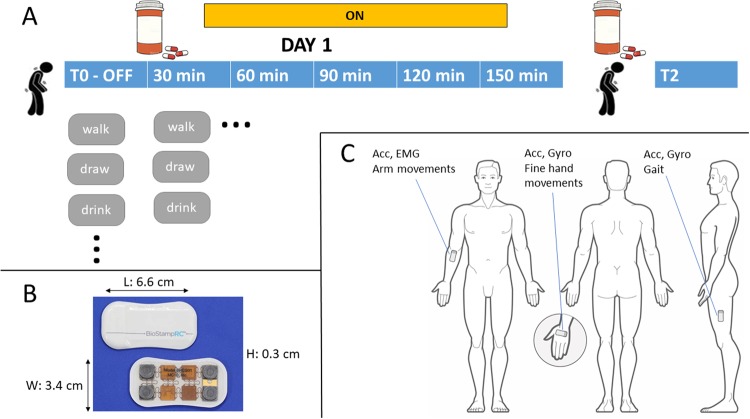
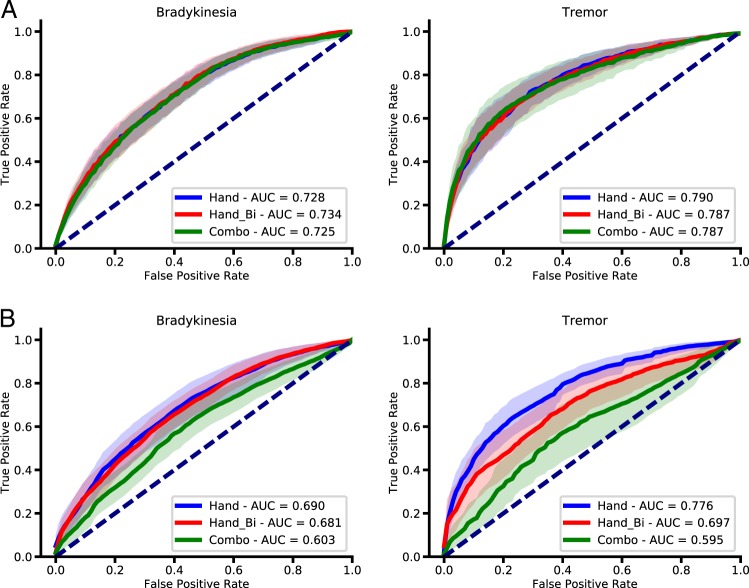
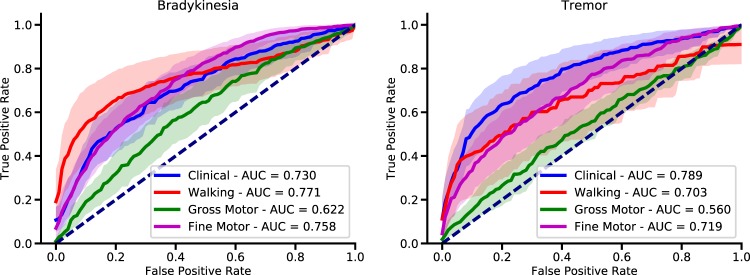
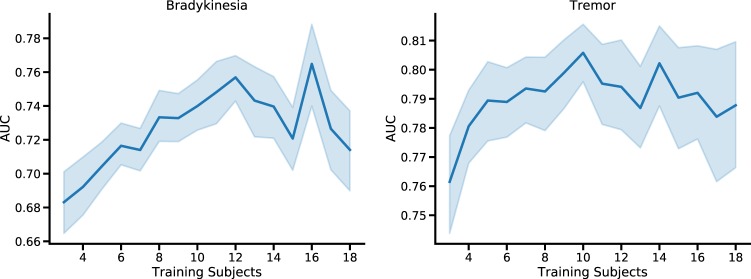
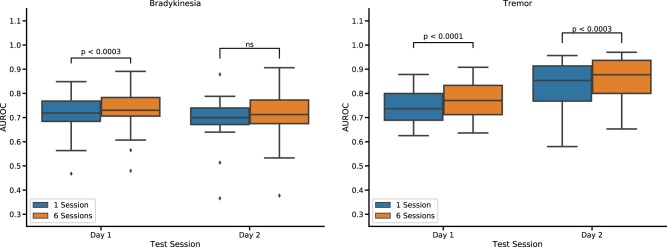
Machine learning algorithms that use data streams captured from soft wearable sensors have the potential to automatically detect PD symptoms and inform clinicians about the progression of disease. However, these algorithms must be trained with annotated data from clinical experts who can recognize symptoms, and collecting such data are costly. Understanding how many sensors and how much labeled data are required is key to successfully deploying these models outside of the clinic. Here we recorded movement data using 6 flexible wearable sensors in 20 individuals with PD over the course of multiple clinical assessments conducted on 1 day and repeated 2 weeks later. Participants performed 13 common tasks, such as walking or typing, and a clinician rated the severity of symptoms (bradykinesia and tremor). We then trained convolutional neural networks and statistical ensembles to detect whether a segment of movement showed signs of bradykinesia or tremor based on data from tasks performed by other individuals. Our results show that a single wearable sensor on the back of the hand is sufficient for detecting bradykinesia and tremor in the upper extremities, whereas using sensors on both sides does not improve performance. Increasing the amount of training data by adding other individuals can lead to improved performance, but repeating assessments with the same individuals—even at different medication states—does not substantially improve detection across days. Our results suggest that PD symptoms can be detected during a variety of activities and are best modeled by a dataset incorporating many individuals.
Overview
The claims and statistics of this paper haven’t been checked yet.
Free: it reads the open-access text and checks the first 5 claims that cite a source we can check. Create a free account to check every claim.
Integrity signals
Registry
Cites
Statistics
Figures
Verification
Claims the paper makes
The claims and statistics of this paper haven’t been checked yet.
Free: it reads the open-access text and checks the first 5 claims that cite a source we can check. Create a free account to check every claim.
Claims other papers make about this one
Each is checked against this paper’s own text: does it say what the citing paper says it does?
The check wasn’t confident either way, so it gives no verdict — never disputed.
In the citing paper
“Moreover, some diseases of the locomotor system provoke abnormal elevations of metabolites and biomarkers, such as L-dopa in Parkinson’s disease[246–248] uric acid in gout,[45] which are very important evaluation factors.”
From Flexible Electronics and Devices as Human–Machine Interfaces for Medical Robotics (2022) · cites this paper as [246]
Experimental — accuracy not yet measuredIn the citing paper
“For example, for Parkinson's disease, a single sensor on the hand is enough to detect tremors 9 .”
From Skin sensors are the future of health care (2019) · cites this paper as [9]
Self-check
Percentages, sums and reported differences re-computed from the paper’s own numbers.
The self-check needs the paper’s full text.
Citations
Cites
Breiman, L. (2001) · Machine Learning · doi:10.1023/a:1010933404324 · Cited by 133,538
LeCun, Y., Bengio, Y., & Hinton, G. (2015) · Nature · doi:10.1038/nature14539 · Cited by 84,126
(2014) · Cited by 33,419
Parkinson's disease: clinical features and diagnosis
Jankovic, J. (2008) · Journal of Neurology, Neurosurgery & Psychiatry · doi:10.1136/jnnp.2007.131045 · Cited by 5,720
Adams, J. L., Dinesh, K., Xiong, M., Tarolli, C. G., Sharma, S., Sheth, N., Aranyosi, A. J., Zhu, W., Goldenthal, S., Biglan, K. M., et al. (2017) · Digital Biomarkers · doi:10.1159/000479018 · Cited by 3,171
Epidemiology of Parkinson’s disease
Tysnes, O.-B., & Storstein, A. (2017) · Journal of Neural Transmission · doi:10.1007/s00702-017-1686-y · Cited by 2,414
The prevalence of Parkinson's disease: a systematic review and meta-analysis
Pringsheim, T., Jette, N., Frolkis, A., & Steeves, T. D. L. (2014) · Movement Disorders · doi:10.1002/mds.25945 · Cited by 2,188
The Unified Parkinson's Disease Rating Scale (UPDRS): Status and recommendations
Movement Disorder Society Task Force on Rating Scales for Parkinson's Disease (2003) · Movement Disorders · doi:10.1002/mds.10473 · Cited by 1,810
Technology in Parkinson’s disease: challenges and opportunities
Espay, A. J., Bonato, P., Nahab, F. B., Maetzler, W., Dean, J. M., Klucken, J., Eskofier, B. M., Merola, A., Horak, F., Lang, A. E., et al. (2016) · Movement Disorders · doi:10.1002/mds.26642 · Cited by 654
Self-citationMonitoring Motor Fluctuations in Patients With Parkinson's Disease Using Wearable Sensors
Patel, S., Lorincz, K., Hughes, R., Huggins, N., Growdon, J., Standaert, D., Akay, M., Dy, J., Welsh, M., & Bonato, P. (2009) · IEEE Transactions on Information Technology in Biomedicine · doi:10.1109/titb.2009.2033471 · Cited by 623
Cited by
Advances in healthcare wearable devices
Iqbal, S. M. A., Mahgoub, I., Du, E., Leavitt, M. A., & Asghar, W. (2021) · npj Flexible Electronics · doi:10.1038/s41528-021-00107-x · Cited by 714
“Reproduced with permission50 Copyright © Oura Ring, 2020. c Position of sensors for the detection of bradykinesia and tremor features of PD. Reproduced with permission from Lonini et al.71 Copyright © npj Digital Medicine, 2018. d Earphones for the portable acquisition of EEG with reference and ground electrodes on le…”
MethodFlexible Electronics and Devices as Human–Machine Interfaces for Medical Robotics
Heng, W., Solomon, S., & Gao, W. (2022) · Advanced Materials · doi:10.1002/adma.202107902 · Cited by 609
How Machine Learning Will Transform Biomedicine
Goecks, J., Jalili, V., Heiser, L. M., & Gray, J. W. (2020) · Cell · doi:10.1016/j.cell.2020.03.022 · Cited by 582
“…detection of atrial fibrillation (Bumgarner et al., 2018), blood cholesterol monitoring (Fu and Guo, 2018), early detection of Parkinson’s disease (Lonini et al., 2018), self-adherence to medications (Car et al., 2017; Toh et al., 2016), and early warning of heart attack (Sahoo et al., 2017).”
Functional Fiber Materials to Smart Fiber Devices
Chen, C., Feng, J., Li, J., Guo, Y., Shi, X., & Peng, H. (2023) · Chemical Reviews · doi:10.1021/acs.chemrev.2c00192 · Cited by 308
Microfluidic Point-of-Care Devices: New Trends and Future Prospects for eHealth Diagnostics
Mejía-Salazar, J. R., Rodrigues Cruz, K., Materón Vásques, E. M., & Novais de Oliveira Jr., O. (2020) · Sensors · doi:10.3390/s20071951 · Cited by 225
Pacifier Biosensor: Toward Noninvasive Saliva Biomarker Monitoring
García-Carmona, L., Martín, A., Sempionatto, J. R., Moreto, J. R., González, M. C., Wang, J., & Escarpa, A. (2019) · Analytical Chemistry · doi:10.1021/acs.analchem.9b03379 · Cited by 230
Skin sensors are the future of health care
Xu, S., Jayaraman, A., & Rogers, J. A. (2019) · Nature · doi:10.1038/d41586-019-02143-0 · Cited by 214
Self-citationKim, J.-N., Lee, J., Lee, H., & Oh, I.-K. (2021) · Nano Energy · doi:10.1016/j.nanoen.2020.105705 · Cited by 209
Flexible Hybrid Sensor Systems with Feedback Functions
Xu, K., Lu, Y., & Takei, K. (2020) · Advanced Functional Materials · doi:10.1002/adfm.202007436 · Cited by 160
Sigcha, L., Borzì, L., Amato, F., Rechichi, I., Ramos-Romero, C. A., Cardenas, A. J. A., Gascó, L., & Olmo, G. (2023) · Expert Systems with Applications · doi:10.1016/j.eswa.2023.120541 · Cited by 172
“Several validation methods were used to evaluate the performance of the tremor algorithms, including LOSO CV (Lonini et al., 2018; Papadopoulos, Iakovakis et al., 2020; Papadopoulos, Kyrit-sis et al., 2020; San-Segundo et al., 2020; Sigcha et al., 2021; Stamate et al., 2018; Tong et al., 2021),…”
BackgroundMethodInfluentialMoon, S., Song, H.-J., Sharma, V. D., Lyons, K. E., Pahwa, R., Akinwuntan, A., & Devos, H. (2020) · Journal of NeuroEngineering and Rehabilitation · doi:10.1186/s12984-020-00756-5 · Cited by 153
“New technology such as video analysis, radar, sonar, and wireless sensors has emerged to assist in differential diagnosis of PD and ET [17].”
BackgroundSotirakis, C., Su, Z., Brzezicki, M. A., Conway, N., Tarassenko, L., FitzGerald, J. J., & Antoniades, C. A. (2023) · npj Parkinson s Disease · doi:10.1038/s41531-023-00581-2 · Cited by 141
AI in Rehabilitation Medicine: Opportunities and Challenges
Lanotte, F., O’Brien, M. K., & Jayaraman, A. (2023) · Annals of Rehabilitation Medicine · doi:10.5535/arm.23131 · Cited by 148
“In the upper limb, IMUs have shown promise in assessing motor deficits in stroke and traumatic brain injury during the Wolf Motor Function Test [37], or evaluating tremor and bra-dykinesia for individuals with Parkinson’s disease [38,39].”
BackgroundSelf-citationSweat as a Source of Next-Generation Digital Biomarkers
Brasier, N., & Eckstein, J. (2019) · Digital Biomarkers · doi:10.1159/000504387 · Cited by 130
Carbon‐Based Nanomaterials and Sensing Tools for Wearable Health Monitoring Devices
Erdem, Ö., Derin, E., Shirejini, S. Z., Sagdic, K., Yilmaz, E. G., Yildiz, S., Akceoglu, G. A., & İnci, F. (2021) · Advanced Materials Technologies · doi:10.1002/admt.202100572 · Cited by 119
The future is now? Clinical and translational aspects of “Omics” technologies
D’Adamo, G. L., Widdop, J. T., & Giles, E. M. (2020) · Immunology and Cell Biology · doi:10.1111/imcb.12404 · Cited by 110
Benchmark on a large cohort for sleep-wake classification with machine learning techniques
Palotti, J., Mall, R., Aupetit, M., Rueschman, M., Singh, M., Sathyanarayana, A., Taheri, S., & Fernandez-Luque, L. (2019) · npj Digital Medicine · doi:10.1038/s41746-019-0126-9 · Cited by 104
Babatain, W., Bhattacharjee, S., Hussain, A. M., & Hussain, M. M. (2021) · ACS Applied Electronic Materials · doi:10.1021/acsaelm.0c00746 · Cited by 108
Shawen, N., O’Brien, M. K., Venkatesan, S., Lonini, L., Simuni, T., Hamilton, J. L., Ghaffari, R., Rogers, J. A., & Jayaraman, A. (2020) · Journal of NeuroEngineering and Rehabilitation · doi:10.1186/s12984-020-00684-4 · Cited by 116
“The number of trees in each RF model was set to 50, based on a prior analysis of out-of-bag training error using another subset of data from this study [22].”
BackgroundMethodResultInfluentialSelf-citationKumm, A. J., Viljoen, M., & de Vries, P. J. (2021) · Journal of Autism and Developmental Disorders · doi:10.1007/s10803-021-05084-8 · Cited by 116
Automating sleep stage classification using wireless, wearable sensors
Boe, A. J., McGee Koch, L. L., O’Brien, M. K., Shawen, N., Rogers, J. A., Lieber, R. L., Reid, K. J., Zee, P. C., & Jayaraman, A. (2019) · npj Digital Medicine · doi:10.1038/s41746-019-0210-1 · Cited by 98
Self-citationWearable and Biodegradable Sensors for Clinical and Environmental Applications
Baldo, T. A., de Lima, L. F., Mendes, L. F., de Araujo, W. R., Paixão, T. R. L. C., & Coltro, W. K. T. (2020) · ACS Applied Electronic Materials · doi:10.1021/acsaelm.0c00735 · Cited by 98
Morgan, C., Rolinski, M., McNaney, R., Jones, B., Rochester, L., Maetzler, W., Craddock, I. J., & Whone, A. L. (2020) · Journal of Parkinson s Disease · doi:10.3233/jpd-191781 · Cited by 101
“A good quality validation dataset would depend on the symptom or activity under evaluation; generally, due to the complex and heterogeneous nature of the condition, having a dataset which incorporates many individuals would increase the generalisability of the results of validation [104].”
BackgroundRemote patient monitoring using artificial intelligence
Jeddi, Z., & Bohr, A. (2020) · Elsevier eBooks · doi:10.1016/b978-0-12-818438-7.00009-5 · Cited by 132
Shi, Q., Yang, Y., Sun, Z., & Lee, C. (2022) · ACS Materials Au · doi:10.1021/acsmaterialsau.2c00001 · Cited by 98
Burq, M., Rainaldi, E., Ho, K. C., Chen, C., Bloem, B. R., Evers, L. J. W., Helmich, R. C. G., Myers, L. J., Marks, W. J., & Kapur, R. (2022) · npj Digital Medicine · doi:10.1038/s41746-022-00607-8 · Cited by 95
Deep Learning Identifies Digital Biomarkers for Self-Reported Parkinson's Disease
Zhang, H., Deng, K., Li, H., Albin, R. L., & Guan, Y. (2020) · Patterns · doi:10.1016/j.patter.2020.100042 · Cited by 84
Wearable Devices for Assessment of Tremor
Vescio, B., Quattrone, A., Nisticò, R., Crasà, M., & Quattrone, A. (2021) · Frontiers in Neurology · doi:10.3389/fneur.2021.680011 · Cited by 82
“(17), where PD subjects where instrumented with six multi-modal soft sensors”
BackgroundShcherbak, A., Kovalenko, E., & Somov, A. (2023) · IEEE Transactions on Instrumentation and Measurement · doi:10.1109/tim.2023.3284944 · Cited by 81
“For bradykinesia, the range is approximately 1–3 Hz, while for tremor it can be in the range of 3–12 Hz [40].”
BackgroundNeuron-inspired multifunctional conductive hydrogels for flexible wearable sensors
Zhang, L., Wang, J., Wang, S., Wang, L., & Wu, M. (2022) · Journal of Materials Chemistry C · doi:10.1039/d1tc05864a · Cited by 75
Alhaddad, A. Y., Aly, H., Gad, H., Al-Ali, A. K., Sadasivuni, K. K., Cabibihan, J., & Malik, R. A. (2022) · Frontiers in Bioengineering and Biotechnology · doi:10.3389/fbioe.2022.876672 · Cited by 78
“Smart wearables can detect tremors and identify different patterns with the help of machine learning techniques, but have not been widely assessed to predict hypoglycemia (San-Segundo et al., 2020; Lonini et al., 2018; Zahed et al., 2018).”
BackgroundSpinocerebellar ataxia clinical trials: opportunities and challenges
Brooker, S. M., Edamakanti, C. R., Akasha, S. M., Kuo, S., & Opal, P. (2021) · Annals of Clinical and Translational Neurology · doi:10.1002/acn3.51370 · Cited by 74
“Similar technologies are being studied for other neurological diseases such as PD.(63,64) It is likely that advances in this arena will provide more precise and accurate rating scales for the SCAs that will improve statistical power in clinical trials.”
BackgroundDifferential diagnosis of Parkinson and essential tremor with convolutional LSTM networks
Oktay, A. B., & Kocer, A. (2020) · Biomedical Signal Processing and Control · doi:10.1016/j.bspc.2019.101683 · Cited by 65
Rodríguez-Martín, D., Cabestany, J., Pérez‐López, C., Pie, M., Calvet, J., Samà, A., Capra, C., Catalá, A., & Rodríguez‐Molinero, A. (2022) · Frontiers in Neurology · doi:10.3389/fneur.2022.912343 · Cited by 74
Liao, J., Zou, Y., Jiang, D., Liu, Z., Qu, X., Li, Z. Y., Liu, R., Fan, Y., Shi, B., Li, Z., et al. (2019) · Nano Energy · doi:10.1016/j.nanoen.2019.104417 · Cited by 69
Goyal, J., Khandnor, P., & Aseri, T. C. (2020) · Engineering Applications of Artificial Intelligence · doi:10.1016/j.engappai.2020.103955 · Cited by 71
Evaluation of movement and brain activity
Hallett, M., DelRosso, L. M., Elble, R. J., Ferri, R., Horak, F. B., Lehericy, S., Mancini, M., Matsuhashi, M., Matsumoto, R., Muthuraman, M., et al. (2021) · Clinical Neurophysiology · doi:10.1016/j.clinph.2021.04.023 · Cited by 73
Aich, S., Youn, J., Chakraborty, S., Pradhan, P. M., Park, J.-H., Park, S.-H., & Park, J. (2020) · Diagnostics · doi:10.3390/diagnostics10060421 · Cited by 73
“There have been studies that have tried to monitor motor complications in PD [1–3].”
BackgroundLearning Hand Kinematics for Parkinson's Disease Assessment Using a Multimodal Sensor Glove
Li, Y., Yin, J., Liu, C., Xue, B., Shokoohi, C., Ge, G., Hu, M.-L. M., Li, T., Tao, X., Rao, Z., et al. (2023) · Advanced Science · doi:10.1002/advs.202206982 · Cited by 65
Detecting Parkinson Disease Using a Web-Based Speech Task: Observational Study
Rahman, W., Lee, S., Islam, M. S., Antony, V. N., Ratnu, H., Ali, M. R., Mamun, A. A., Wagner, E. S., Jensen-Roberts, S., Waddell, E. M., et al. (2021) · Journal of Medical Internet Research · doi:10.2196/26305 · Cited by 71
“Although many studies have shown success by analyzing hand movements [4], limb movement patterns [5], and facial expressions [6], speech is especially important because approximately 90% of patients with PD exhibit vocal impairment [7,8], which is often one of the earliest indicators of PD [9].”
A scoping review of neurodegenerative manifestations in explainable digital phenotyping
Alfalahi, H., Dias, S. B., Khandoker, A. H., Chaudhuri, К. R., & Hadjileontiadis, L. J. (2023) · npj Parkinson's Disease · doi:10.1038/s41531-023-00494-0 · Cited by 67
“For example, recordings from six sensors for the upper extremity, while performing naturalistic home activities, harnessed by an ensemble of random forests and convolutional neural networks, returned a high detection rate of tremor and bradykinesia 64 .”
BackgroundAli, M. R., Myers, T., Wagner, E., Ratnu, H., Dorsey, E. R., & Hoque, M. E. (2021) · npj Digital Medicine · doi:10.1038/s41746-021-00502-8 · Cited by 55
RetractedAssessment of movement disorders using wearable sensors during upper limb tasks: A scoping review
Vanmechelen, I., Haberfehlner, H., Vleeschhauwer, J. D., Wonterghem, E. V., Feys, H., Desloovere, K., Aerts, J., & Monbaliu, E. (2023) · Frontiers in Robotics and AI · doi:10.3389/frobt.2022.1068413 · Cited by 61
Talitckii, A., Kovalenko, E., Anikina, A., Zimniakova, O., Semenov, M., Витальевна, Б. Е., Shcherbak, A., Dylov, D. V., & Somov, A. (2020) · IEEE Sensors Journal · doi:10.1109/jsen.2020.3027564 · Cited by 57
“Although wearable sensors can provide truly heterogeneous data, the recent trend in the scope of pervasive sensing is to figure out what is the minimum number of sensors required for PD classification tasks [14], [15].”
BackgroundComparative Study of Wearable Sensors, Video, and Handwriting to Detect Parkinson’s Disease
Talitckii, A., Kovalenko, E., Shcherbak, A., Anikina, A., Витальевна, Б. Е., Zimniakova, O., Semenov, M., Dylov, D. V., & Somov, A. (2022) · IEEE Transactions on Instrumentation and Measurement · doi:10.1109/tim.2022.3176898 · Cited by 54
Guo, Y., Huang, D., Zhang, W., Wang, L., Li, Y., Olmo, G., Wang, Q., Meng, F., & Chan, P. (2022) · Computers in Biology and Medicine · doi:10.1016/j.compbiomed.2022.105629 · Cited by 47
Review on Wearables to Monitor Foot Temperature in Diabetic Patients
Vaquero, J. M., Encinas, A. H., Queiruga‐Dios, A., Pérez, J. J. B., Nova, A. M., González, J. T., & Bullón-Carbajo, C. (2019) · Sensors · doi:10.3390/s19040776 · Cited by 47
“[40] described machine learning algorithms that use data streams captured from soft wearable sensors and have the potential to automatically detect Parkinson’s disease symptoms and inform clinicians about the progression of the disease.”
BackgroundIleșan, R. R., Cordoș, C.-G., Mihăilă, L.-I., Fleșar, R., Popescu, A.-S., Perju‐Dumbravă, L., & Faragó, P. (2022) · Biosensors · doi:10.3390/bios12040189 · Cited by 48
“report on the employment of Random Forest classifiers to identify bradykinesia and tremor [27].”
BackgroundMethodInfluentialZeng, Q., Liu, P., Yu, N., Wu, J., Huo, W., & Han, J. (2023) · IEEE Transactions on Neural Systems and Rehabilitation Engineering · doi:10.1109/tnsre.2023.3291359 · Cited by 50
“Fornon-laboratory assessments, wearable sensors have been widely used due to advantages such as lightweight and ease of use [13], [14].”
BackgroundWearable sensors in the diagnosis and study of Parkinson’s disease symptoms: a systematic review
Albán-Cadena, A. C., Villalba-Meneses, F., Pila‐Varela, K. O., Moreno-Calvo, A., Villalba-Meneses, C. P., & Almeida-Galárraga, D. A. (2021) · Journal of Medical Engineering & Technology · doi:10.1080/03091902.2021.1922528 · Cited by 47
Injection‐on‐Skin Granular Adhesive for Interactive Human–Machine Interface
Kim, S., Jang, J., Kang, K., Jin, S., Choi, H., Son, D., & Shin, M. (2023) · Advanced Materials · doi:10.1002/adma.202307070 · Cited by 41
Habets, J., Herff, C., Kubben, P., Kuijf, M. L., Temel, Y., Evers, L. J. W., Bloem, B. R., Starr, P. A., Gilron, R., & Little, S. J. (2021) · Sensors · doi:10.3390/s21237876 · Cited by 44
Torrado, J. C., Husebo, B. S., Allore, H. G., Erdal, A., Fæø, S. E., Reithe, H., Førsund, E., Tzoulis, C., & Pătraşcu, M. (2022) · PLoS ONE · doi:10.1371/journal.pone.0275747 · Cited by 38
“UPDRS is among the most widely used assessment tools for motor symptoms in PD and belongs to the “gold standard” of clinical assessment tools, in which the patient performs tasks while a trained clinician visually evaluates the movements and assesses motor symptoms [44,45].”
MethodCorrà, M. F., Atrsaei, A., Sardoreira, A., Hansen, C., Aminian, K., Correia, M. A., Vila‐Chã, N., Maetzler, W., & Maia, L. F. (2021) · Sensors · doi:10.3390/s21123974 · Cited by 44
Wearable Sensor-Based Assessments for Remotely Screening Early-Stage Parkinson’s Disease
Johnson, S., Kantartjis, M., Severson, J., Dorsey, R. E., Adams, J., Kangarloo, T., Kostrzebski, M. A., Best, A., Merickel, M., Amato, D., et al. (2024) · Sensors · doi:10.3390/s24175637 · Cited by 40
“Lonini and colleagues, for example, developed models of bradykinesia and tremor and demonstrated that a model including features from a single hand acceleration sensor performed just as well as a model including features from multiple sensors distributed across both hands, arms, and thighs [22].”
BackgroundA Review of Recent Advances in Cognitive-Motor Dual-Tasking for Parkinson’s Disease Rehabilitation
Tan, X., Wang, K., Sun, W., Li, X., Wang, W., & Tian, F. (2024) · Sensors · doi:10.3390/s24196353 · Cited by 58
Objective Assessment of Cerebellar Ataxia: A Comprehensive and Refined Approach
Kashyap, B., Phan, D. H., Pathirana, P. N., Horne, M. K., Power, L., & Szmulewicz, D. J. (2020) · Scientific Reports · doi:10.1038/s41598-020-65303-7 · Cited by 38
Quantitative assessment of essential tremor based on machine learning methods using wearable device
Ma, C., Li, D., Pan, L., Li, X., Yin, C., Li, A., Zhang, Z., & Zong, R. (2021) · Biomedical Signal Processing and Control · doi:10.1016/j.bspc.2021.103244 · Cited by 40
Sigcha, L., Domínguez, B., Borzì, L., Costa, N., da Costa, S. P., Arezes, P., López, J. M., de Arcas, G., & Pavón, I. (2022) · Electronics · doi:10.3390/electronics11233879 · Cited by 40
Kovalenko, E., Talitckii, A., Anikina, A., Shcherbak, A., Zimniakova, O., Semenov, M., Витальевна, Б. Е., Dylov, D. V., & Somov, A. (2020) · IEEE Sensors Journal · doi:10.1109/jsen.2020.3035240 · Cited by 35
“In [10] the authors used the accelerometer and gyroscope and conducted their research on identifying the worthwhile data which could be collected from these wearable sensors in the case of PD.”
BackgroundInfluentialTalitckii, A., Anikina, A., Kovalenko, E., Shcherbak, A., Mayora, O., Zimniakova, O., Витальевна, Б. Е., Semenov, M., Dylov, D. V., & Somov, A. (2021) · IEEE Transactions on Instrumentation and Measurement · doi:10.1109/tim.2021.3097857 · Cited by 35
An Interpretable Deep Learning Optimized Wearable Daily Detection System for Parkinson’s Disease
Su, F., Chen, M., Sun, Z., Xin, T., Su, F., & Chen, Y. (2023) · IEEE Transactions on Neural Systems and Rehabilitation Engineering · doi:10.1109/tnsre.2023.3314100 · Cited by 38
“Therefore, current studies are moving toward a minimum number or even external detection of sensors [25], [26].”
BackgroundA Comparative Study of Early Detection of Parkinson's Disease using Machine Learning Techniques
Raval, S., Balar, R., & Patel, V. D. (2020) · International Conference on Trends in Electronics and Informatics (ICOEI) · doi:10.1109/icoei48184.2020.9142956 · Cited by 32
“Wearable sensors are the new approach to detect tremor at rest in PD patients [33].”
BackgroundAbbas, Z., Tayara, H., & Chong, K. T. (2022) · Chemometrics and Intelligent Laboratory Systems · doi:10.1016/j.chemolab.2022.104536 · Cited by 34
de Araújo, A. C. A., Santos, E. G. R., de Sá, K. S. G., Furtado, V. K. T., Santos, F. A. F., de Lima, R. C., Krejčová, L. V., Santos‐Lobato, B. L., Pinto, G., Cabral, A. D. S., et al. (2020) · Frontiers in Bioengineering and Biotechnology · doi:10.3389/fbioe.2020.00778 · Cited by 39
Screening of Parkinson’s Disease Using Geometric Features Extracted from Spiral Drawings
Chandra, J., Muthupalaniappan, S., Shang, Z., Deng, R., Lin, R., Tolkova, I., Butts, D., Sul, D., Marzouk, S., Bose, S., et al. (2021) · Brain Sciences · doi:10.3390/brainsci11101297 · Cited by 34
“It largely fails to account for different stages of PD [50], different natural drawing abilities [41], and different circumstances, from levels of cognitive ability [51] and work experience to technological literacy, especially in older adults who are more likely to be tested for PD.”
BackgroundUS primary care in 2029: A Delphi survey on the impact of machine learning
Blease, C., Kharko, A., Locher, C., DesRoches, C. M., & Mandl, K. D. (2020) · PLOS ONE · doi:10.1371/journal.pone.0239947 · Cited by 27
Krokidis, M. G., Dimitrakopoulos, G. Ν., Vrahatis, A. G., Tzouvelekis, C., Drakoulis, D., Papavassileiou, F., Exarchos, T. P., & Vlamos, P. (2022) · Sensors · doi:10.3390/s22020409 · Cited by 32
Deeply Trained Real-Time Body Sensor Networks for Analyzing the Symptoms of Parkinson’s Disease
Rajasoundaran, S., Prabu, A. V., Routray, S., Malla, P. P., Ray, A. K., Palai, G., Faragallah, O. S., Baz, M., Abualnaja, M. M., Eid, M. M. A., et al. (2022) · IEEE Access · doi:10.1109/access.2022.3181985 · Cited by 29
Wearable-Based Parkinson’s Disease Severity Monitoring Using Deep Learning
Goschenhofer, J., Pfister, F., Yüksel, K. A., Bischl, B., Fietzek, U. M., & Thomas, J. (2020) · Lecture notes in computer science · doi:10.1007/978-3-030-46133-1_24 · Cited by 31
Ali, M. R., Hernandez, J., Dorsey, E. R., Hoque, M. E., & McDuff, D. (2020) · International Conference on Automatic Face and Gesture Recognition · doi:10.1109/fg47880.2020.00008 · Cited by 33
“The application of computers in medicine has led to the development of novel approaches for detecting PD using audio signals [14], [15], [16], [17], [18], wearable sensor data [19], [20], and video data [21], [22], [23], [24].”
BackgroundBakri, N. A. C., Kwasnicki, R. M., Dhillon, K., Khan, N., Ghandour, O., Cairns, A., Darzi, A. W., & Leff, D. R. (2021) · Annals of Surgical Oncology · doi:10.1245/s10434-021-10458-4 · Cited by 29
Domotics, Smart Homes, and Parkinson’s Disease
Simonet, C., & Noyce, A. J. (2021) · Journal of Parkinson s Disease · doi:10.3233/jpd-202398 · Cited by 35
“Increasing the number of participants and raters, including assessment battery with diaries, telephone calls and the use of other devices with data filters could be possible solutions to overcome these issues and improve the quality of validation studies and ensure results are not device dependent [42].”
BackgroundInterpretable video-based tracking and quantification of Parkinsonism clinical motor states
Deng, D., Ostrem, J. L., Nguyen, V., Cummins, D. D., Sun, J., Pathak, A., Little, S., & Abbasi-Asl, R. (2024) · npj Parkinson's Disease · doi:10.1038/s41531-024-00742-x · Cited by 25
“In this study, we address these needs by (1) publicly releasing a comprehensive kinematics dataset from 31 patients all with parkinsonism, and (2) developing a video-based framework to automatically predict PD motor symptom high versus low severity according to the MDS-UPDRS Part III…”
MethodRevolutionizing sensing technologies: A comprehensive review of flexible acceleration sensors
Wu, B., Ke, L., Wang, L., Yin, K., Nie, M., & Sun, L. (2025) · FlexMat. · doi:10.1002/flm2.38 · Cited by 29
Upper limb intention tremor assessment: opportunities and challenges in wearable technology
Paredes-Acuña, N., Utpadel-Fischler, D., Ding, K., Thakor, N. V., & Cheng, G. (2024) · Journal of NeuroEngineering and Rehabilitation · doi:10.1186/s12984-023-01302-9 · Cited by 27
Zhao, Y., Wang, X., Peng, X., Li, Z., Nan, F., Zhou, M., Qi, J., Yang, Y., Zhao, Z., Xu, L., et al. (2024) · IEEE Journal of Selected Areas in Sensors · doi:10.1109/jsas.2024.3432714 · Cited by 27
“ThevariabilityofPDmotorsymptomscan significantlydifferbetweenindividuals,andactivities,andalso changeovertime[30].”
Wu, X., Ma, L., Wei, P., Shan, Y., Chan, P., Wang, K., & Zhao, G. (2024) · Frontiers in Neurology · doi:10.3389/fneur.2024.1387477 · Cited by 32
“Therefore, the current research is moving toward a minimum number of sensors worn and daily monitoring (41, 47).”
BackgroundLi, H., Zecca, M., & Huang, J. (2025) · Journal of Medical Internet Research · doi:10.2196/69422 · Cited by 27
Rissanen, S. M., Koivu, M., Hartikainen, P. H., & Pekkonen, E. (2020) · Clinical Neurophysiology · doi:10.1016/j.clinph.2020.11.039 · Cited by 25
The Digital Neurologic Examination
Cohen, A. B., & Nahed, B. V. (2021) · Digital Biomarkers · doi:10.1159/000515577 · Cited by 22
Kovalenko, E., Shcherbak, A., Somov, A., Витальевна, Б. Е., Zimniakova, O., Semenov, M., & Samoylov, A. (2022) · IEEE Sensors Journal · doi:10.1109/jsen.2022.3191864 · Cited by 22
Shi, R., Liu, X., Lei, T., Lü, L., Xia, Z., & Wong, M. (2023) · Advanced Science · doi:10.1002/advs.202207683 · Cited by 22
A Machine Learning Model for Early Prediction of Parkinson's Disease from Wearable Sensors
Igene, L., Alim, A., Imtiaz, M. H., & Schuckers, S. (2023) · IEEE Annual Computing and Communication Workshop and Conference (CCWC) · doi:10.1109/ccwc57344.2023.10099230 · Cited by 20
“However, due to the stark differences in the tremor and gait symptoms of individuals and the effects of the disease characteristics on their daily lives, it is necessary to investigate these symptoms outside the clinic [2].”
BackgroundInfluentialGlobal joint information extraction convolution neural network for Parkinson’s disease diagnosis
Zhao, Y., Liu, Y., Li, J., Wang, X., Yang, R., Lian, C., Shan, P., Wang, Y., Zhan, Z., & Fu, C. (2023) · Expert Systems with Applications · doi:10.1016/j.eswa.2023.122837 · Cited by 21
Using machine learning to identify Parkinson’s disease severity subtypes with multimodal data
Park, H., Youm, C., Cheon, S., Kim, B., Choi, H., Hwang, J., & Kim, M. (2025) · Journal of NeuroEngineering and Rehabilitation · doi:10.1186/s12984-025-01648-2 · Cited by 22
“This underscores the clinical value of sensor-based gait analysis in PD management, which supports its integration into personalized monitoring systems and therapeutic interventions [18, 31, 32].”
A Multi-Layer Gaussian Process for Motor Symptom Estimation in People With Parkinson's Disease
Lang, M., Hirche, S., Pfister, F., Fröhner, J., Abedinpour, K., Pichler, D., Fietzek, U. M., Um, T. T., Kulić, D., & Endo, S. (2019) · IEEE Transactions on Biomedical Engineering · doi:10.1109/tbme.2019.2900002 · Cited by 21
“[21] show that the use of a wrist band suffices to detect bradykinesia and tremor.”
BackgroundA multiple motion sensors index for motor state quantification in Parkinson's disease
Aghanavesi, S., Westin, J., Bergquist, F., Nyholm, D., Askmark, H., Aquilonius, S. M., Constantinescu, R., Medvedev, A. V., Spira, J., Ohlsson, F., et al. (2020) · Computer Methods and Programs in Biomedicine · doi:10.1016/j.cmpb.2019.105309 · Cited by 18
Chen, M., Sun, Z., Su, F., Chen, Y., Bu, D., & Lyu, Y. (2022) · IEEE Transactions on Neural Systems and Rehabilitation Engineering · doi:10.1109/tnsre.2022.3197807 · Cited by 18
Packer, E., Debelle, H., Bailey, H. G. B., Rehman, R. Z. U., Yarnall, A. J., Rochester, L., Alcock, L., & Din, S. D. (2025) · npj Parkinson s Disease · doi:10.1038/s41531-025-00943-y · Cited by 19
“Other studies reported on the accuracy of algorithmstodetectthepresenceofbradykinesia 42,70 ordyskinesia 70,73,80,81 , tremor severity 42 , and gait phase estimation in ON-OFF states 55 .”
Sensor technology with gait as a diagnostic tool for assessment of Parkinson’s disease: a survey
Kour, N., Gupta, S., & Arora, S. (2022) · Multimedia Tools and Applications · doi:10.1007/s11042-022-13398-7 · Cited by 20
“The decrease in accuracy of the MLT when trained with a large amount of data leads to the development of a more supreme platform known as deep learning (DL) [26, 87] such as recurrent neural networks (RNN), convolutional neural networks, etc.”
Sensor-Based Quantification of MDS-UPDRS III Subitems in Parkinson’s Disease Using Machine Learning
Bremm, R. P., Pavelka, L., Garcia, M. M., Mombaerts, L., Krüger, R., & Hertel, F. (2024) · Sensors · doi:10.3390/s24072195 · Cited by 24
“For example, two studies investigated the effect of sensor placement and combinations of inertial sensors on symptom detection (tremor and bradykinesia) [13,36].”
BackgroundMethodResultInfluentialCrowe, C., Sica, M., Kenny, L., O’Flynn, B., Mueller, D. S., Timmons, S., Barton, J. J., & Tedesco, S. A. (2024) · IEEE Transactions on Neural Systems and Rehabilitation Engineering · doi:10.1109/tnsre.2024.3477003 · Cited by 20
“Notably, Kim et al. reported an accuracy of 0.85 in differentiating tremor severity using CNNs, which outperformed other machine learning algorithms tested [39], and San Segundo et al. reported an average error of 4.1% when predicting percentage of tremor time on laboratory captured data [36].”
BackgroundMethodInfluentialPage, A., Yung, N. C. W., Auinger, P., Venuto, C. S., Glidden, A. M., Macklin, E. A., Omberg, L., Schwarzschild, M. A., & Dorsey, E. R. (2022) · Digital Biomarkers · doi:10.1159/000521232 · Cited by 20
Wearable-Sensor-Based Weakly Supervised Parkinson’s Disease Assessment with Data Augmentation
Yue, P., Li, Z., Zhou, M., Wang, X., & Yang, P. (2024) · Sensors · doi:10.3390/s24041196 · Cited by 20
“To identify the optimal number of cluster centers for word types, we set the number of cluster centers as k ∈ [4, 5, 6, 7, 8, 9, 10, 11, 12, 13, 14, 15, 16, 17].”
BackgroundInfluentialMa, C., Zhang, P., Wang, J., Zhang, J., Pan, L., Li, X., Yin, C., Li, A., Zong, R., & Zhang, Z. (2022) · Computer Methods and Programs in Biomedicine · doi:10.1016/j.cmpb.2022.106741 · Cited by 17
Graphene Coated Liquid Metal Droplet‐Enabled Dual‐Axis Integrated Accelerometer
Babatain, W., El‐Atab, N., & Hussain, M. M. (2022) · Advanced Materials Technologies · doi:10.1002/admt.202201094 · Cited by 17
Perspectives of nanobiotechnology and biomacromolecules in parkinson’s disease
Adam, H., Gopinath, S. C. B., Arshad, M. K. M., Adam, T., & Hashim, U. (2019) · Process Biochemistry · doi:10.1016/j.procbio.2019.07.019 · Cited by 16
Bai, B., Liu, J., Chen, T., Xu, B., Xu, S., Xu, D., Wang, J., Wang, H., & Zan, G. (2025) · ACS Nano · doi:10.1021/acsnano.5c14971 · Cited by 17
Adaptive Closed-Loop Deep Brain Stimulator Coding Techniques for Target Detections in Parkinson’s
Raju, V. R., Reddy, D. A., Narsimha, D., Srinivas, K., & Rani, B. K. (2021) · IETE Journal of Research · doi:10.1080/03772063.2021.1962742 · Cited by 16
“deduce the severity of motor manifestations such as akinesia/Bradykinesia, rigidity and axial symptoms such as freezing of gait (FoG) gait [11,105,106].”
Background
Metadata
- Authors
- Lonini, L., Dai, A., Shawen, N., Simuni, T., Poon, C., Shimanovich, L., Daeschler, M., Ghaffari, R., Rogers, J. A., & Jayaraman, A.
- Affiliations
- Northwestern University (US)
- Michael J. Fox Foundation (US)
- Corresponding author
- Jayaraman, Arun
- ORCID
- Venue
- npj Digital Medicine
- Published
- 2018-11-23
- Volume
- 1
- Issue
- 1
- Pages
- 64-64
- ISSN
- 2398-6352 (ISSN-L)
- PMC
- PMC6550186
- OpenAlex
- W2900586747
- Cited by
- 209
- References
- 42
- Citations by year
- 2026: 11 · 2025: 31 · 2024: 23 · 2023: 31 · 2022: 29 · 2021: 38 · 2020: 32 · 2019: 14
- FWCI
- 10.50
- Type
- journal article
- Language
- en
- Open access
- gold
- doi.org
- Licence
- cc-by
- creativecommons.org/licenses/by/4.0 (tdm)
- creativecommons.org/licenses/by/4.0 (vor)
- Locations
- npj Digital Medicine (publishedVersion, cc-by)
- Europe PMC (PubMed Central) (publishedVersion, cc-by)
- PubMed Central (publishedVersion, cc-by)
- PubMed (publishedVersion)
- DOAJ (DOAJ: Directory of Open Access Journals) (submittedVersion)
- Funders
- Michael J. Fox Foundation for Parkinson's Research (14702)
- Northwestern University (T32GM008152)
- National Institutes of Health
- Feinberg School of Medicine
- National Institute of General Medical Sciences (T32GM008152)
- Topics
- Physical Sciences › Computer Science › Computer Vision and Pattern Recognition › Context-Aware Activity Recognition Systems
- Physical Sciences › Engineering › Biomedical Engineering › Non-Invasive Vital Sign Monitoring
- Health Sciences › Medicine › Clinical Neurology › Parkinson's Disease Mechanisms and Treatments
- Keywords
- Parkinson's disease, wearable sensors, bradykinesia, tremor, symptom detection, convolutional neural networks, statistical ensembles, movement data, sensor placement, training data size, cross-subject transfer, medication state, upper limb
About these checks
Registry, retraction, Cites and statistics results are computed, not judged, with one exception: a printed reference that no index lists is read once by a model before it counts as a citation error. Claims are extracted by a model and kept only when their quote appears verbatim in the text; each cited source is then checked, with a model’s help, for whether it says what the claim relies on. Those verdicts can be wrong — read the claim’s quote and the cited source before relying on one.
Statistics and arithmetic are recomputed, not judged.
Confidence bands are shown only for fields calibrated on our annotated test set. None is calibrated yet, so no band is shown.
What counts as a claim ›How we measure confidence ›How we check this ›
Are you an author, or do you see a problem with this page? Request a review
Data sources
Bibliographic data: Semantic Scholar, OpenAlex, Crossref.
Contains information from the Semantic Scholar Academic Graph Datasets, made available under the ODC Attribution License (ODC-BY 1.0).
Semantic Scholar’s data is described in: Kinney, R., et al. (2023). The Semantic Scholar Open Data Platform. arXiv:2301.10140.
