

Med-BERT: pretrained contextualized embeddings on large-scale structured electronic health records for disease prediction
Open accessThe DOI matches its Crossref record; 70 of the 72 references it cites were found in a registry or an index.
Abstract
Deep learning (DL)-based predictive models from electronic health records (EHRs) deliver impressive performance in many clinical tasks. Large training cohorts, however, are often required by these models to achieve high accuracy, hindering the adoption of DL-based models in scenarios with limited training data. Recently, bidirectional encoder representations from transformers (BERT) and related models have achieved tremendous successes in the natural language processing domain. The pretraining of BERT on a very large training corpus generates contextualized embeddings that can boost the performance of models trained on smaller datasets. Inspired by BERT, we propose Med-BERT, which adapts the BERT framework originally developed for the text domain to the structured EHR domain. Med-BERT is a contextualized embedding model pretrained on a structured EHR dataset of 28,490,650 patients. Fine-tuning experiments showed that Med-BERT substantially improves the prediction accuracy, boosting the area under the receiver operating characteristics curve (AUC) by 1.21–6.14% in two disease prediction tasks from two clinical databases. In particular, pretrained Med-BERT obtains promising performances on tasks with small fine-tuning training sets and can boost the AUC by more than 20% or obtain an AUC as high as a model trained on a training set ten times larger, compared with deep learning models without Med-BERT. We believe that Med-BERT will benefit disease prediction studies with small local training datasets, reduce data collection expenses, and accelerate the pace of artificial intelligence aided healthcare.
Overview
The claims and statistics of this paper haven’t been checked yet.
Free: it reads the open-access text and checks the first 5 claims that cite a source we can check. Create a free account to check every claim.
Integrity signals
Registry
Cites
Statistics
Figures

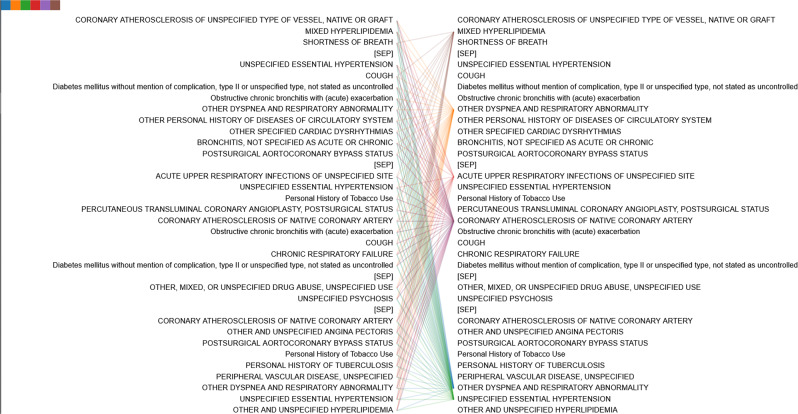
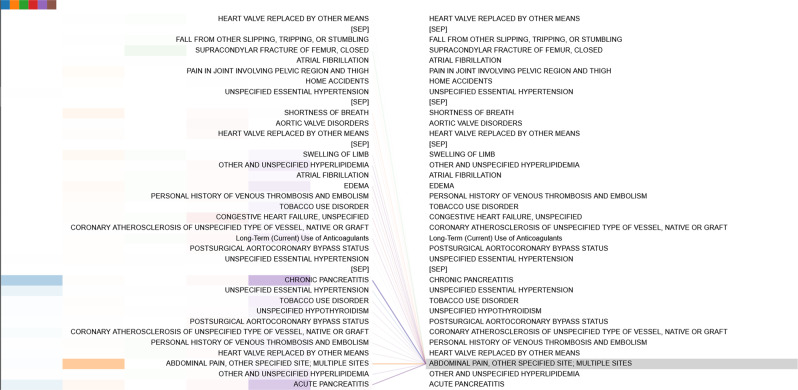
Verification
Claims the paper makes
The claims and statistics of this paper haven’t been checked yet.
Free: it reads the open-access text and checks the first 5 claims that cite a source we can check. Create a free account to check every claim.
Claims other papers make about this one
Each is checked against this paper’s own text: does it say what the citing paper says it does?
The source backs part of the claim, not all of it — or backs it for a different population, condition or comparison.
In the citing paper
“In biomedical informatics, numerous models utilizing this approach, such as BioBERT, MedBERT, and BiomedBERT, have been developed by training models on various relevant text corpora, such as EHR data and biomedical academic literature15–17.”
From OnSIDES database: Extracting adverse drug events from drug labels using natural language processing models (2025) · cites this paper as [17]
Experimental — accuracy not yet measuredThe source backs part of the claim, not all of it — or backs it for a different population, condition or comparison.
In the citing paper
“Machine learning methods11–14, particularly deep learning, typically employ neural networks and the first generation of transformer-based large language models (e.g., BERT).”
From A critical assessment of using ChatGPT for extracting structured data from clinical notes (2024) · cites this paper as [14]
Experimental — accuracy not yet measuredThe source backs part of the claim, not all of it — or backs it for a different population, condition or comparison.
In the citing paper
“MedBERT is limited to ICD 10 codes and evaluated on a small subset of disorders, which might be insufficient for estimating general performance.”
From Foresight-a generative pretrained transformer for modelling of patient timelines using electronic health records: a retrospective modelling study (2024) · cites this paper as [6]
Experimental — accuracy not yet measuredThe cited source says what the claim attributes to it.
In the citing paper
“Med-BERT was pretrained on structured EHR data from over 28 million patients and evaluated on the prediction of pancreatic cancer, and heart failure in patients with diabetes61.”
From Orchestrating explainable artificial intelligence for multimodal and longitudinal data in medical imaging (2024) · cites this paper as [61]
The cited source says what the claim attributes to it.
In the citing paper
“Structured EHR baselines implemented embedding, based and transformer, based architectures for disease prediction from longitudinal clinical records56.”
From K-STAMM: a knowledge-enhanced spatial - temporal attention model with multimodal fusion for pneumonia prediction (2026) · cites this paper as [56]
2 more claims about this paper
Create a free account to see every claim other papers make about this one.
Self-check
Percentages, sums and reported differences re-computed from the paper’s own numbers.
The self-check needs the paper’s full text.
Citations
Cites
BERT: Pre-training of Deep Bidirectional Transformers for Language Understanding
Devlin, J., Chang, M.-W., Lee, K., & Toutanova, K. (2019) · Proceedings of the 2019 Conference of the North American Chapter of the Association for Computational Linguistics: Human Language Technologies, Volume 1 (Long and Short Papers) · doi:10.18653/v1/n19-1423 · Cited by 54,325 · cited 1×
“For pre-training we used mainly the BERT recommended parameters [29].”
MethodGlove: Global Vectors for Word Representation
Pennington, J., Socher, R., & Manning, C. (2014) · Proceedings of the 2014 Conference on Empirical Methods in Natural Language Processing (EMNLP) · doi:10.3115/v1/d14-1162 · Cited by 34,071
Pan, S. J., & Yang, Q. (2010) · IEEE Transactions on Knowledge and Data Engineering · doi:10.1109/tkde.2009.191 · Cited by 23,387 · cited 1×
“Transfer learning was developed to address the issue whereby some representations were first pretrained on large volumes of unannotated datasets and then further adapted to guide other tasks [23].”
BackgroundLanguage Models are Few-Shot Learners
Brown, T. B., Mann, B., Ryder, N., Subbiah, M., Kaplan, J., Dhariwal, P., Neelakantan, A., Shyam, P., Sastry, G., Askell, A., et al. (2020) · arXiv · doi:10.48550/arxiv.2005.14165 · Cited by 23,372
Dermatologist-level classification of skin cancer with deep neural networks
Esteva, A., Kuprel, B., Novoa, R. A., Ko, J., Swetter, S. M., Blau, H. M., & Thrun, S. (2017) · Nature · doi:10.1038/nature21056 · Cited by 14,362
Deep Contextualized Word Representations
Peters, M., Neumann, M., Iyyer, M., Gardner, M., Clark, C., Lee, K., & Zettlemoyer, L. (2018) · Proceedings of the 2018 Conference of the North American Chapter of the Association for Computational Linguistics: Human Language Technologies, Volume 1 (Long Papers) · doi:10.18653/v1/n18-1202 · Cited by 11,983 · cited 1×
“This pre-training-fine-tuning paradigm has been proven to be extremely effective in natural language processing (NLP) [24-30] and, recently, computer visions [31,32].”
Empirical Evaluation of Gated Recurrent Neural Networks on Sequence Modeling
Chung, J., Gulcehre, C., Cho, K., & Bengio, Y. (2014) · arXiv · doi:10.48550/arxiv.1412.3555 · Cited by 11,008 · cited 1×
“For Ex-1 and Ex-2, we adopted GRU [50], Bi-GRU [51], and RETAIN [12] as our base models.”
MethodA simple framework for contrastive learning of visual representations
Chen, T., Kornblith, S., Norouzi, M., & Hinton, G. (2020) · arXiv · doi:10.48550/arxiv.2002.05709 · Cited by 10,857
Enriching Word Vectors with Subword Information
Bojanowski, P., Grave, E., Joulin, A., & Mikolov, T. (2017) · Transactions of the Association for Computational Linguistics · doi:10.1162/tacl_a_00051 · Cited by 9,645
Transformers: State-of-the-Art Natural Language Processing
Wolf, T., Debut, L., Sanh, V., Chaumond, J., Delangue, C., Moi, A., Cistac, P., Rault, T., Louf, R., Funtowicz, M., et al. (2020) · Proceedings of the 2020 Conference on Empirical Methods in Natural Language Processing: System Demonstrations · doi:10.18653/v1/2020.emnlp-demos.6 · Cited by 8,741
Research works printed but not linked: 3
- Sun, C., Shrivastava, A., Singh, S. & Gupta, A. In Proceedings of the IEEE International Conference on Computer Vision, 843–852.
- Mikolov, T., Sutskever, I., Chen, K., Corrado, G. S. & Dean, J. Distributed representations of words and phrases and their compositionality. In Advances in Neural Information Processing Systems, 3111–3119 (NIPS, 2013).
- Radford A Language models are unsupervised multitask learners OpenAI Blog 2019 1 9
Cited by
Items 901–1,000 of 1,006
A Review on Deep State Space Models for Sequential Healthcare Data Prediction
Li, W., Xie, Y., & Dai, Y. (2026) · Mathematics · doi:10.3390/math14122210
“These strengths have catalyzed their success in healthcare: for instance, TERTIAN [68] leverages time-aware attention for ICU mortality prediction, while Med-BERT [69] extracts generalizable disease patterns across large EHR databases [70].”
Transformer-based deep learning models for disease prediction: A systematic review
Mwogosi, A. (2026) · Intelligence-Based Medicine · doi:10.1016/j.ibmed.2026.100416
Tanhaei, M. (2026) · Machine Learning with Applications · doi:10.1016/j.mlwa.2026.100935
Kabir, M., Medina, T., Daulat, S. R., DiMarzio, M. D., & Pilitsis, J. G. (2026) · Neuromodulation Technology at the Neural Interface · doi:10.1016/j.neurom.2026.06.464
A Multi-Model Artificial Intelligence Framework for Knowledge Extraction from Patient Drug ReviewsPreprint
Akinwumi, P. O., Qian, M., Babatope, O. A., & Olorunsogbon, T. A. (2026) · Research Square · doi:10.21203/rs.3.rs-9560387/v1
Venkat, A., Zaksas, V., Baker, A., Brophy, M. T., Davenport, M. J., Elbers, D. C., Fillmore, N. R., Hamed, O., Lukasse, P., Malson, C., et al. (2026) · Research Square · doi:10.21203/rs.3.rs-10021917/v1
Intelligent Disease Prediction using Hybrid Deep Learning Models
Ramesh, A., & Babu, T. G. R. (2026) · International Conference on Integrated Circuits and Communication Systems (ICICACS) · doi:10.1109/icicacs68679.2026.11578866
Analyzing ESG Disclosure Patterns in Vietnamese Commercial Banks
Bui, M. P., & Ngoc, M. N. T. (2026) · IGI Global eBooks · doi:10.4018/979-8-3373-8392-7.ch009
CHaRT: An Autoregressive Transformer for Joint Forecasting of Clinical Events and Continuous Values
Walz, M., & Byrd, T. F. (2026) · Informatics · doi:10.3390/informatics13070099
“Models such as BEHRT, Med-BERT, and CEHR-BERT showed that structured EHR pretraining could improve disease and risk prediction [10–12].”
Chahid, Y., Chahid, A., Chahid, I., & Elmiad, A. K. (2026) · International Journal of Advanced Computer Science and Applications · doi:10.14569/ijacsa.2026.0170604
“Structured-clinical representation learning advanced through Med-BERT and BEHRT, which demonstrated that transformer-based pretraining on large EHR repositories benefits downstream prediction tasks [30], [31].”
Priyadharshini, U., & Vijayan, R. (2026) · Frontiers in Artificial Intelligence · doi:10.3389/frai.2026.1844707 · Cited by 1
Evaluation and Enhancement of Text Anonymization with Language Models
Manzanares-Salor, B. (2026) · Tesis Doctorals en Xarxa (Consorci de Serveis Universitaris de Catalunya)
Salama, W. M., Hussien, A., Fathy, N., & Magdy, S. (2026) · International Conference on Machine Intelligence and Smart Innovation (ICMISI) · doi:10.1109/icmisi69868.2026.11584040
“Models such as BEHRT [11], Med-BERT [12], and ME-Transformer [13] demonstrated superior performance for mortality prediction, diagnosis, and drug recommendation.”
Wang, R., Chang, M., & Leckman‐Westin, E. (2026) · Lecture notes in computer science · doi:10.1007/978-3-032-30813-9_60
Chung, P.-H., & Yoon, B.-J. (2026) · npj Health Systems · doi:10.1038/s44401-026-00119-7
“For structured EHR coding data, Med-BERT demonstrates effective pretraining on ICD-coded records 14 , while earlier EHR transformer models such as BEHRT introduced transformer-based patient representations for longitudinal structured records 15 .”
A Cloud Native Data and Intelligence Framework for Medical Reasoning and Digital Health Analysis
Arya, P., M, D. B., & Khanna, M. (2026) · Procedia Computer Science · doi:10.1016/j.procs.2026.06.356
Mapping artificial intelligence applications in electronic medical records research
Putra, B. A., & Arini, M. (2026) · International Journal of Advances in Applied Sciences · doi:10.11591/ijaas.v15.i2.pp646-655
“Medical bidirectional encoder representations from transformers (Med-BERT) likewise enhances disease prediction by transferring pretrained contextual representations to structured EMR data, benefiting institutions with limited local datasets [47].”
Lee, S., Hong, S., Shin, J., & Yi, M. Y. (2026) · Journal of Intelligent Manufacturing · doi:10.1007/s10845-026-02913-4
Kolavennu, G. P., Shi, Y., Suo, K., & Nguyen, T. (2026) · Lecture notes in computer science · doi:10.1007/978-981-92-2891-1_16
RT2C: Predicting Time-to-New Caries with Structured Dental Data Using RNN
Liu, X., Kookal, K. K., Brandon, R., Rindal, D. B., Mullins, J., White, J. M., Walji, M. F., & Rasmy, L. (2026) · Journal of Dental Research · doi:10.1177/00220345261462463 · Cited by 2
Self-citationBuzea, C. G., & Agop, M. (2026) · Artificial intelligence · doi:10.5772/intechopen.1014563
Temporal Validation of a Structured Data Transformer Ensemble for 30-Day AMI Readmission PredictionPreprint
Serrano, X., Oberg, E., Pandit, J., Wu, Y., & Dua, A. (2026) · Research Square · doi:10.21203/rs.3.rs-10374411/v1
Πρόβλεψη τροχιάς νόσου σε υποεκπροσωπούμενους πληθυσμούς μέσω παραγωγικών μοντέλων
Striftis, G. (2026) · DSpace - NTUA (National Technical University of Athens) · doi:10.26240/heal.ntua.33284
EDBERT: Predicting Emergency Department Disposition Using a BERT-Based Architecture
Hossain, M. A., Chavinda, K., Woodbright, M. D., Senadheera, I., Srikandabala, K., Freeman, S., Putland, M., Akhlaghi, H., Alahakoon, D., & Rahman, M. A. (2026) · Algorithms · doi:10.3390/a19090729
Chaki, S., Rakshit, P., & Adhikari, S. (2026) · Elsevier eBooks · doi:10.1016/b978-0-443-43934-6.00008-0
Transformer Models and their Cross-Domain Applications: A Systematic Review
Pathania, K., Singh, S., & Sharma, A. (2026) · Archives of Computational Methods in Engineering · doi:10.1007/s11831-026-10742-0
Liang, Q., & Zhao, B. (2024) · Journal of Business and Green Innovation · doi:10.63646/tdeo3402
Genetic decoding reveals druggable biology implicitly learned by a medical-history foundation modelPreprint
Zeng, W., Kohleick, L., Beuchel, C. F., Zoodsma, M., Koprulu, M., Carrasco-Zanini, J., Wild, B., Langenberg, C., & Pietzner, M. (2026) · medRxiv · doi:10.64898/2026.07.28.26359117
Sayeed, S., & Liang, G. (2026) · International Conference on Federated Learning and Intelligent Computing Systems (FLICS) · doi:10.1109/flics70075.2026.11621939
“The second is a sequential therapeutic trajectory, namely the ordered set of medications administered during the stay, in which both drug identity and ordering carry clinical meaning, and which is naturally modelled by self-attention [17, 19].”
Amirshahi, A., Toosi, M. H., Mohammadi, S., Albini, S., Schiavone, P. D., Ansaloni, G., Aminifar, A., & Atienza, D. (2026) · Communications Medicine · doi:10.1038/s43856-026-01740-1
“This direct transfer method is common in medical research across various data types, such as medical images 38 – 41 , biomedical signals 42 – 47 , electronic health records 48 – 51 , and their combinations 52 – 55 .”
XRFormer: Multiscale Tokenization for XRF Representation Learning
Daimellah, S., Hégarat‐Mascle, S. L., & Boust, C. (2026) · Lecture notes in computer science · doi:10.1007/978-3-032-31933-3_43
“Second, application-specific objectives incorporate domain knowledge to address specialized needs where generic pretraining is insufficient, as demonstrated in domains like source code [10] and medical records [23].”
Souza, M. L. H., Barcelos, J., da Costa, C. A., Piovesan, L. D., Abe, J. M., & Leite, M. V. (2026) · Advances in sustainability science and technology · doi:10.1007/978-3-032-25267-8_4
Predicting Unplanned Hospital Readmissions in People with Multiple Long-Term ConditionsPreprint
Hamad, R. A., Angdembe, A., Hussain, A. B., Casment, J., Iqbal, W. A., Atallah, C., Canoy, D., Henkin, R., Taylor, D., Mountain, S., et al. (2026) · medRxiv · doi:10.64898/2026.08.01.26359453
Jharbade, N. K., & Mathur, H. (2026) · International Journal of Computers and Applications · doi:10.1080/1206212x.2026.2709589
PLeDO: Pain level detection for osteoarthritis from EMR data
Chen, Y., Cai, J., Sadman, N., Zulkernine, F. H., Queenan, J. A., & Barber, D. (2026) · Intelligent Data Analysis · doi:10.1177/1088467x261472133
“As larger annotated datasets become available, supervised and semi-supervised approaches, including domain-specific transformer models such as MedicalBERT 41 , may be evaluated and compared with the proposed framework.”
RxGuard: Knowledge-Guided Safety Guardrails for Medication Recommendation
Wang, H., Dong, H., & Liu, L. (2026) · ACM SIGKDD Conference on Knowledge Discovery and Data Mining (KDD) · doi:10.1145/3770855.3818849
“…knowledge resources, such as interaction networks, prescription relation structures, molecular graphs, and multi-relational knowledge graphs (KGs), to enhance representations, inject safety signals, and provide supporting evidence or traceability [3, 14, 17–20, 22–25, 28–30, 32, 34, 35, 37–42].”
Chatbots for Healthcare: A Literature Review
Gupta, A., Kaushik, A., Sharma, H., & Archita (2026) · Lecture notes in networks and systems · doi:10.1007/978-3-032-25694-2_28
Kespechara, K., & Mingkhwan, A. (2026) · Lecture notes in computer science · doi:10.1007/978-3-032-35387-0_32
Natural Language Processing to Predict Deep Brain Stimulation Outcomes in Parkinson’s Disease
Daulat, S., Colome, D., DiMarzio, M. D., Durphy, J., & Pilitsis, J. G. (2026) · Stereotactic and Functional Neurosurgery · doi:10.1159/sfn/aeuag003
Liu, H., Zhang, Y., Abedin, N., Kidd, N., Porter, K., Chen, C., You, W., & Li, J. (2026) · IEEE International Conference on Healthcare Informatics (ICHI) · doi:10.1109/ichi69079.2026.00055
“More recently, Transformer-based architectures [29] have shown strong performance in capturing long-range dependencies in EHR sequences, including BEHRT [30] and Med-BERT [31], as well as subsequent Transformer-based EHR frameworks [32].”
Embedding clinical event sequences enhances infection risk prediction in asplenic patients
Cappuccio, T., Casale, M., Casalino, L., Vacca, M., Giordano, M., & Granata, I. (2026) · Scientific Reports · doi:10.1038/s41598-026-55082-y
Cho, H. N., Sutari, S., Lopez, A., Bow, H. C., & Zheng, K. (2026) · Research Square · doi:10.21203/rs.3.rs-10624154/v1
HealthDroid: malware detection in healthcare Android application using BERT
Jain, S., Gera, T., & Gill, R. (2026) · The Computer Journal · doi:10.1093/comjnl/bxag055
MedBuddy: AI-Based Healthcare Chatbot Disease Detection System
Shanmuga Raja, B., Dhanush, C. C., Kumar, T. S., Vishnu, G. H., Navadeep, S., & Jebaraj, B. S. (2026) · International Conference on Power, Control and Computing Technologies (ICPC2T) · doi:10.1109/icpc2t68221.2026.11646387
“Besides that, its modular nature further enhances the incorporation of cloud based medical databases, wearable health equipment and IoT sensors in the future to provide real time health monitoring [3].”
Dlamini, N., Zulu, S., Nkosi, T., & Molefe, L. (2026) · International Journal Of Pharmaceutical Research And Allied Sciences · doi:10.51847/kowndomzzk
Explainable Transformer Models for Clinical Prediction Tasks on Structured Electronic Health RecordsPreprint
Du, J. N., Adámek, L., Kryukov, M., Dormont, F., Bar‐Joseph, Z., Jager, S., & Rufino, B. (2026) · arXiv (Cornell University) · doi:10.48550/arxiv.2608.20315
“For the loss-of-control task, BERT-LER attains the highest PR-AUC and ROC-AUC, outperforming MED-BERT, RETAIN, and count-based approaches.”
InfluentialMachine Learning-based Predictive Analytics for Early Detection of Chronic Diseases
Prakash, P. A., Mamtha, C., Manishathri, R., Jimshitha, V., Barani, S., & Mythily., B. (2026) · International Conference on Smart Systems and Inventive Technology (ICSSIT) · doi:10.1109/icssit69151.2026.11656654
“Pretrained medical embeddings have been found to improve model performance as well, utilizing structured clinical data in richer ways [7].”
Vorontsov, E., Wang, Y. K., Bozkurt, A., Casson, A., Tydlitátová, L., Zelechowski, M., Cohen, E. E. W., Patel, J. D., Banaszak, M., McWilliams, C., et al. (2026) · arXiv (Cornell University) · doi:10.48550/arxiv.2608.24688
“BEHRT and Med-BERT use masked language modeling on sequences of structured EHR codes [Li et al., 2020, Rasmy et al., 2021], while CEHR-BERT introduced time encoding between events [Pang et al., 2021].”
Lu, Q., Li, T., Chen, J., Ba, H., Zhang, Y., Li, J., Yin, J., Ma, K., Liu, H., & Jin, J. (2026) · Frontiers in Cellular and Infection Microbiology · doi:10.3389/fcimb.2026.1837493
“In the context of clinical prediction, Transformers have shown exceptional promise in various tasks including mortality prediction, disease progression modeling, treatment response forecasting, and electronic health record analysis (Rasmy et al., 2021; Wu et al., 2021).”
Phiri, J., Zimba, A., Njovu, C., & Lumpa, M. (2026) · Discover Artificial Intelligence · doi:10.1007/s44163-026-01958-x
“Automated representation learning and phenotyping approaches appeared in deep learning studies [60–62] but was rarely seen in LMIC research due to data sparsity and computational constraints [63, 64].”
Structured Evidence Routing for Incident Risk Prediction from Multimodal Longitudinal EHRsPreprint
Agarwal, A., Ghaffari, M., Fatehi, N., & Morato, C. (2026) · arXiv (Cornell University) · doi:10.48550/arxiv.2608.26191
“…structured EHRs using recurrent, transformer-based, and pretrained foundation-style models, including methods for future diagnosis prediction and related forecasting tasks (Choi et al., 2016a;b; Ma et al., 2017; Li et al., 2020; 2023; Rasmy et al., 2021; Yang et al., 2023; Steinberg et al., 2024).”
Gao, Y., Yu, S., Xia, Y., Ren, Y., Chen, S., 夏生龙, An, R., Zeng, J., Zhao, F., Ma, Y., et al. (2026) · SSRN Electronic Journal · doi:10.64898/2026.08.30.26361693
Dada, T. J., & Oine, A. A. (2024) · Journal of Frontiers in Multidisciplinary Research · doi:10.54660/.jfmr.2024.5.1.349-367
O'Connor, P., & Murphy, S. (2025) · Journal of Artificial Intelligence for Healthcare Systems · doi:10.68159/g890210173
A Multimodal Foundation Model for Zero-Shot Rare Disease Diagnosis from Electronic Health Records
Youssef, A., Hassan, K., & Elamin, M. (2025) · Journal of Artificial Intelligence for Healthcare Systems · doi:10.68159/l150807572
From Clinical Free Text to Auditable Concepts: An Agentic Framework for Interpretable PredictionPreprint
Ni, C., Liu, W., Song, Q., Murrow, M., Malin, B., & Yin, Z. (2026) · medRxiv · doi:10.64898/2026.09.02.26362086
Ughoo, E., Sobnath, D., & Mousa, M. (2026) · SSRN Electronic Journal · doi:10.2139/ssrn.7355979
Damptey, F., & Asomaning, B. O. (2026) · International Journal of Innovative Science and Research Technology (IJISRT) · doi:10.38124/ijisrt/26sep361
“Related transformer-based EHR architectures such as Med-BERT have demonstrated the utility of pretrained contextual representations for clinical prediction (Rasmy et al., 2021).”
Manohar, P., Singh, S. K., & Misra, R. (2026) · Lecture notes in networks and systems · doi:10.1007/978-3-032-31998-2_32
Structured Bayesian modelling advances longitudinal EHR research
Chen, X., Li, Z., Yang, W., Liu, T., & Yan, F. (2026) · The Innovation Nutrition · doi:10.59717/j.xinn-nutri.2026.100036
Babac, M. B. (2026) · Journal of Intelligent Information Systems · doi:10.1007/s10844-026-01092-1
“Med-BERT extended the same logic to disease prediction in structured health-record contexts (Rasmy et al., 2021), and recent surveys indicate that large language model research is now reshaping biomedical data analysis much more broadly (Lan et al., 2015).”
Burhanuddin (2026) · STORAGE Jurnal Ilmiah Teknik dan Ilmu Komputer · doi:10.55123/storage.v5i3.8955
Early Forecasting of Chronic Kidney Disease Progression Using Longitudinal Laboratory Trajectories
Kokila, S., Rabiyathul Basiriya, A., Reshma, A., Dhivyabharathi, P., & Madhurambal, V. (2026) · International Conference on Trends in Quantum Computing and Emerging Business Technologies (TQCEBT) · doi:10.1109/tqcebt67648.2026.11681369
He, Q., Liu, X., Liu, J., Liu, B., & Liu, W. (2026) · International Journal of Medical Informatics · doi:10.1016/j.ijmedinf.2026.106727
Multi-Agent LLM Framework for Preliminary Disease Diagnosis
Waghmare, S., & Gundewar, S. K. (2026) · International Conference Computational Vision and Bio Inspired Computing · doi:10.1109/iccvbic71195.2026.11689038
“But issues such as lack of domain-specific reasoning, lack of explainability, and hallucination have hampered single-agent LLM-based systems [4].”
A multimodal risk stratification model using deep learning and tabular data
Sadik, A. A., Morsey, M. M., Nazmy, T., & El-Horbaty, E.-S. M. (2026) · Discover Artificial Intelligence · doi:10.1007/s44163-026-02225-9
“Rasmy et al. [20] proposed Med-BERT, a BERT-based pre-training framework applied to structured EHR data from over 28 million patients, achieving AUROC improvements of 1.21–6.14% over recurrent baselines across two disease prediction tasks, particularly in low-data settings—demonstrating that…”
InfluentialShah, A. R., Abel, B. G., Komeili, M., Gohar, B., & Nowrouzi‐Kia, B. (2026) · JMIR Research Protocols · doi:10.2196/99807
“…for Biomedical Text Mining (BioBERT), Clinical Bidirectional Encoder Representations from Transformers (ClinicalBERT), and Medical Bidirectional Encoder Representations from Transformers (Med-BERT), have demonstrated effectiveness in extracting diagnoses, medications, and symptoms from EHRs [9-11].”
ICD2Bert: ICD Bert Encodings for Clinical Outcome Prediction on Routine Health Insurance DataPreprint
Harriehausen, J., Mäurer, M., Metsch, J. M., Ritter, Z., Weller, L., Pollmann, T., Kretzler, M., Grobe, T., & Hauschild, A.-C. (2026) · Research Square · doi:10.21203/rs.3.rs-10725344/v1
Yamamoto, Y., & Ito, K. (2026) · Journal of Health Informatics and Digital Systems · doi:10.68159/b943680546
Dupont, C., & Martin, J. (2023) · Journal of Health Informatics and Digital Systems · doi:10.68159/e285585334
Kowalska, A., Nowak, P., Zielinski, T., & Mazur, K. (2024) · Journal of Health Informatics and Digital Systems · doi:10.68159/e263842856
Li, C., Yu, W., & Zhang, W. (2026) · Journal of Health Informatics and Digital Systems · doi:10.68159/k304401829
Khalid, O., Nadeem, S., Farooq, B., & Saeed, H. (2025) · Journal of Health Informatics and Digital Systems · doi:10.68159/q675497320
Tran, M., & Pham, D. (2026) · Journal of Health Informatics and Digital Systems · doi:10.68159/r230258736
Padmavathi, B., & Vempati, R. (2026) · International Conference on Secure Information Systems and Technologies (ICSIST) · doi:10.1109/icsist70215.2026.11706357
“Moreover, Med-BERT [13] and G-BERT [14] have shown that transformer-based representation learning is effective for patient outcome prediction.”
ReLMem: Learning Recurrent Memory for Longitudinal EHR ModelingPreprint
Meng, Z., Dai, X., Zhang, Y., Wu, J., Wu, X., & Liu, Z. (2026) · arXiv (Cornell University) · doi:10.48550/arxiv.2609.37587
“Following prior works, we map drug identifiers and names to ATC level-3 classes using a fixed ingredient-to-ATC crosswalk and collapse duplicate classes within each target set (Shang et al., 2019; Yang et al., 2021; Bodenreider et al., 2014).”
A unified medical incomplete multimodal diagnosis framework based on optimal feature disentanglement
Lyu, C., Han, K., Chen, J., Zhang, J., Teng, Q., Xu, W., & Liu, Z. (2026) · Pattern Recognition · doi:10.1016/j.patcog.2026.115047
Chen, W., Zhou, B., Zeiger, R. S., Crawford, W., Schatz, M. X., Puttock, E. J., Xu, S., Slaughter, M. T., & Xie, F. (2026) · JAMIA Open · doi:10.1093/jamiaopen/ooag193
GLoC-EHR: Evidence-Cited Clinical Reasoning over Global Context and Local EHR EventsPreprint
Shin, C., & Kim, K. (2026) · arXiv (Cornell University) · doi:10.48550/arxiv.2610.01076
“…modeling to diagnosis sequences with age and visit information (Li et al., 2020b); Med-BERT learns transferable diagnosis representations through large-scale pretraining (Rasmy et al., 2021); and CEHR-BERT incorporates temporal information across multiple structured domains (Pang et al., 2021).”
InfluentialA Knowledge Graph Framework for Longitudinal Congenital Heart Disease Modeling
Xu, H., Cunge, L., Ming, Z., Chen, S., Husain, M., Renella, P., Lluri, G., Finn, J. P., Hsu, W., & Nguyen, K. (2026) · JACC Advances · doi:10.1016/j.jacadv.2026.103291 · Cited by 1
Robust foundation model for healthcare
Wu, Z. (2025) · Illinois Digital Environment for Access to Learning and Scholarship (University of Illinois at Urbana-Champaign)
An Explainable Deep Learning Framework for Early Cardiovascular Risk Prediction
Thriveni, K., & Shrivastava, V. K. (2026) · International Conference on Natural Language Processing and Computer Vision (ICNPCV) · doi:10.1109/icnpcv69434.2026.11708895
“One major limitation is the lack of effective integration between static tabular features and longitudinal temporal signals, as many models process these modalities independently, leading to suboptimal performance [6].”
Yan, Y., Li, G., Chen, T., Yan, J., Wang, C., Yuan, A., Zhang, J., & Pu, J. (2026) · Frontiers in Artificial Intelligence · doi:10.3389/frai.2026.1962796
“Med-BERT was evaluated for heart failure prediction among patients with diabetes using structured EHR data (Rasmy et al., 2021).”
Pamuja, S. D., & Noviyanto (2025) · JKTi - Jurnal Keilmuan Teknologi Informasi · doi:10.61902/jkti.v1i2.2256
Artificial intelligence in microfluidic biosensors: From signal processing to closed-loop detection
Xu, R., Le, V., Abbasi, M., Shakeel, M., Ma, S., Jiale, G., Wan, X., Ni, G., Liu, F., Luo, A., et al. (2026) · TrAC Trends in Analytical Chemistry · doi:10.1016/j.trac.2026.119189
Comparative Analysis of Encoder-Based and Generative Models for Symptom-Based Disease Classification
Leong, O. A. P., Djoenarko, N. N., Putri, S. E., & Wiputra, R. (2026) · International Conference on Advancements in Smart, Secure and Intelligent Computing (ASSIC) · doi:10.1109/assic70037.2026.11717348
“[5] Although LLMs have shown great results when attempting to understand the complex layers of the medical language, newer studies have shown that the results of LLMs are inconsistent [6] and depend on how the task is structured, how much data is present, and how the evaluation is structured.”
Bathli, N., Mohan, T., & Patil, S. D. (2026) · Sustainable Computing Informatics and Systems · doi:10.1016/j.suscom.2026.101489
Shafiq, H., Tang, J., Dang, T., Hu, J., & Saeed, A. (2026) · arXiv (Cornell University) · doi:10.48550/arxiv.2610.13510
“Longitudinal EHR models (Rasmy et al., 2021; Li et al., 2020) capture temporal dependencies over months or years of discrete clinical events, but the problem of incorporating short-horizon, multi-acquisition waveform histories within a language model architecture remains unaddressed.”
Sun, J., Fan, Z., Bohn, R. C., Kim, S., & Park, H. J. (2026) · Briefings in Bioinformatics · doi:10.1093/bib/bbag545
“This paradigm, known as transfer learning, has broad appeal in computational biology, where labeled outcomes are often limited, expensive, or siloed across cohorts, because only a lightweight task-specific prediction layer must be trained on the target cohort [ 2, 13].”
Zhang, Z., Wang, W., Li, B., Sun, Y., Liu, Y., & Wang, J. (2026) · Biomedical Signal Processing and Control · doi:10.1016/j.bspc.2026.111644
Kurucu, B. (2026) · Journal of Life Science and Biomedicine · doi:10.54203/jlsb.2026.4
Zheng, J., & Tseng, V. S. (2026) · arXiv (Cornell University) · doi:10.48550/arxiv.2610.20512
“Explicit trajectory mining yields inspectable sequences and branches that can be reviewed as candidate disease-progression hypotheses, whereas neural sequence models typically compress history into latent states or contextualized token representations [4-11].”
Karthika, P., Premkumar, M. J., & Kumar, M. S. (2026) · IGI Global eBooks · doi:10.4018/979-8-3373-9705-4.ch009
Zheng, J., & Tseng, V. S. (2026) · arXiv (Cornell University) · doi:10.48550/arxiv.2610.20502
AGraphHF: Adversarial graph-based multimodal learning for heart failure risk prediction
Hailemichael, M. T., Hasanuzzaman, M., Wang, H., Chen, F., & Lió, P. (2026) · Artificial Intelligence in Medicine · doi:10.1016/j.artmed.2026.103547
Multimodal artificial intelligence for vascular aging: toward proactive detection and management
Wang, Z., Dai, Y., Li, C., Hu, Y., Ding, Z., Huang, Z., & Chen, T. (2026) · The Journal of Cardiovascular Aging · doi:10.20517/jca.2026.35
Semi-supervised Clustering Through Representation Learning of High-dimensional Count Data
Wang, L., Li, M., Xia, Z., Liu, M., & Cai, T. (2026) · Journal of the American Statistical Association · doi:10.1080/01621459.2026.2749128
Discrete Neural Interlingua for Ontology-Agnostic EHR ModelingPreprint
Ding, T., Tian, C., Bang, D., Lu, M. Y., Wagner, S. J., Zhang, A., Pettit, R., Le, L. P., & Mahmood, F. (2026) · arXiv (Cornell University) · doi:10.48550/arxiv.2610.27047
Mangal, A., Lalchandani, P., Kumari, P. I. C., Jagdish, M., Gowrishankar, J., Parhi, M., Mayan, J. A., Singh, D., & Arora, I. (2026) · Journal of Data Information and Management · doi:10.1007/s42488-026-00172-9
Metadata
- Authors
- Rasmy, L., Xiang, Y., Xie, Z., Tao, C., & Zhi, D.
- Affiliations
- The University of Texas Health Science Center at Houston (US)
- Peng Cheng Laboratory (CN)
- Corresponding author
- Xiang, Yang
- Zhi, Degui
- Venue
- npj Digital Medicine
- Published
- 2021-05-20
- Volume
- 4
- Issue
- 1
- Pages
- 86-86
- ISSN
- 2398-6352 (ISSN-L)
- PMC
- PMC8137882
- OpenAlex
- W3160137267
- Semantic Scholar
- 5d4de0fa45aeddc31142e6a24666d06ed7923f1e
- Cited by
- 886
- References
- 71
- Citations by year
- 2026: 184 · 2025: 226 · 2024: 196 · 2023: 146 · 2022: 90 · 2021: 41
- FWCI
- 41.96
- Type
- journal article
- Language
- en
- Open access
- gold
- doi.org
- Licence
- cc-by
- creativecommons.org/licenses/by/4.0 (tdm)
- creativecommons.org/licenses/by/4.0 (vor)
- Locations
- npj Digital Medicine (publishedVersion, cc-by)
- PubMed Central (publishedVersion, cc-by)
- PubMed (publishedVersion)
- DOAJ (DOAJ: Directory of Open Access Journals) (submittedVersion, cc-by-sa)
- Funders
- Cancer Prevention and Research Institute of Texas (RP170668, RP160015)
- American Heart Association (19GPSGC35180031)
- Topics
- Physical Sciences › Computer Science › Artificial Intelligence › Machine Learning in Healthcare
- Health Sciences › Health Professions › Health Information Management › Artificial Intelligence in Healthcare
- Health Sciences › Medicine › Health Informatics › Artificial Intelligence in Healthcare and Education
- Keywords
- BERT, contextual embeddings, disease prediction, pre-trained language models, limited training data, fine-tuning, clinical text representation
About these checks
Registry, retraction, Cites and statistics results are computed, not judged, with one exception: a printed reference that no index lists is read once by a model before it counts as a citation error. Claims are extracted by a model and kept only when their quote appears verbatim in the text; each cited source is then checked, with a model’s help, for whether it says what the claim relies on. Those verdicts can be wrong — read the claim’s quote and the cited source before relying on one.
Statistics and arithmetic are recomputed, not judged.
Confidence bands are shown only for fields calibrated on our annotated test set. None is calibrated yet, so no band is shown.
What counts as a claim ›How we measure confidence ›How we check this ›
Are you an author, or do you see a problem with this page? Request a review
Data sources
Bibliographic data: Semantic Scholar, OpenAlex, Crossref.
Contains information from the Semantic Scholar Academic Graph Datasets, made available under the ODC Attribution License (ODC-BY 1.0).
Semantic Scholar’s data is described in: Kinney, R., et al. (2023). The Semantic Scholar Open Data Platform. arXiv:2301.10140.
