

Med-BERT: pretrained contextualized embeddings on large-scale structured electronic health records for disease prediction
Open accessThe DOI matches its Crossref record; 70 of the 72 references it cites were found in a registry or an index.
Abstract
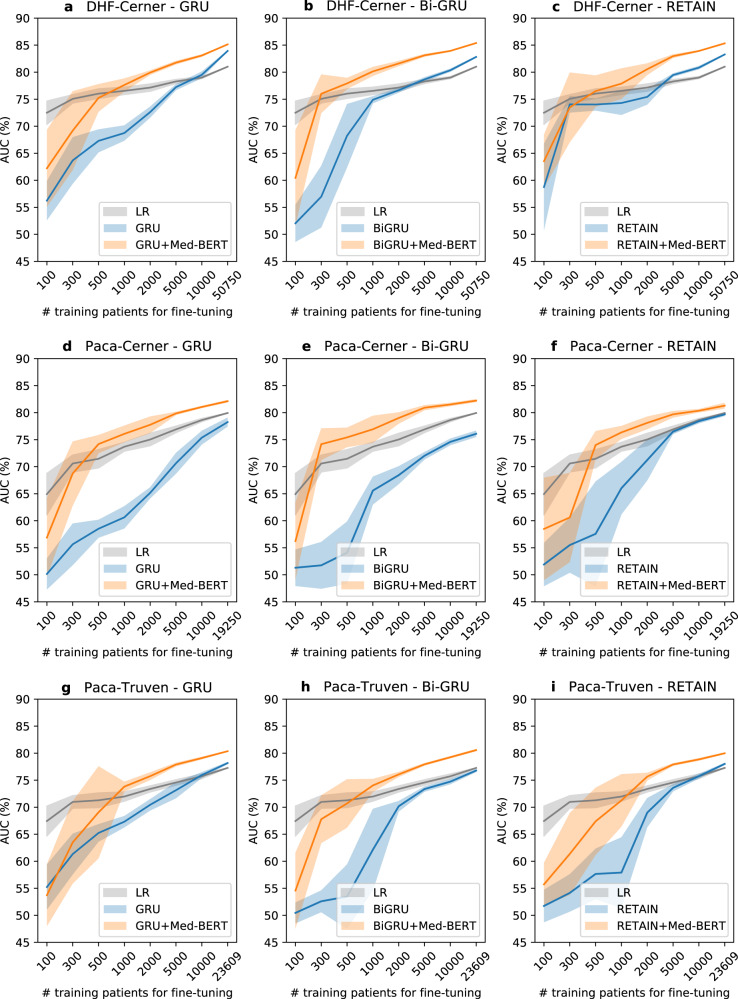
Deep learning (DL)-based predictive models from electronic health records (EHRs) deliver impressive performance in many clinical tasks. Large training cohorts, however, are often required by these models to achieve high accuracy, hindering the adoption of DL-based models in scenarios with limited training data. Recently, bidirectional encoder representations from transformers (BERT) and related models have achieved tremendous successes in the natural language processing domain. The pretraining of BERT on a very large training corpus generates contextualized embeddings that can boost the performance of models trained on smaller datasets. Inspired by BERT, we propose Med-BERT, which adapts the BERT framework originally developed for the text domain to the structured EHR domain. Med-BERT is a contextualized embedding model pretrained on a structured EHR dataset of 28,490,650 patients. Fine-tuning experiments showed that Med-BERT substantially improves the prediction accuracy, boosting the area under the receiver operating characteristics curve (AUC) by 1.21–6.14% in two disease prediction tasks from two clinical databases. In particular, pretrained Med-BERT obtains promising performances on tasks with small fine-tuning training sets and can boost the AUC by more than 20% or obtain an AUC as high as a model trained on a training set ten times larger, compared with deep learning models without Med-BERT. We believe that Med-BERT will benefit disease prediction studies with small local training datasets, reduce data collection expenses, and accelerate the pace of artificial intelligence aided healthcare.
Overview
The claims and statistics of this paper haven’t been checked yet.
Free: it reads the open-access text and checks the first 5 claims that cite a source we can check. Create a free account to check every claim.
Integrity signals
Registry
Cites
Statistics
Figures

Verification
Claims the paper makes
The claims and statistics of this paper haven’t been checked yet.
Free: it reads the open-access text and checks the first 5 claims that cite a source we can check. Create a free account to check every claim.
Claims other papers make about this one
Each is checked against this paper’s own text: does it say what the citing paper says it does?
The source backs part of the claim, not all of it — or backs it for a different population, condition or comparison.
In the citing paper
“In biomedical informatics, numerous models utilizing this approach, such as BioBERT, MedBERT, and BiomedBERT, have been developed by training models on various relevant text corpora, such as EHR data and biomedical academic literature15–17.”
From OnSIDES database: Extracting adverse drug events from drug labels using natural language processing models (2025) · cites this paper as [17]
Experimental — accuracy not yet measuredThe source backs part of the claim, not all of it — or backs it for a different population, condition or comparison.
In the citing paper
“Machine learning methods11–14, particularly deep learning, typically employ neural networks and the first generation of transformer-based large language models (e.g., BERT).”
From A critical assessment of using ChatGPT for extracting structured data from clinical notes (2024) · cites this paper as [14]
Experimental — accuracy not yet measuredThe source backs part of the claim, not all of it — or backs it for a different population, condition or comparison.
In the citing paper
“MedBERT is limited to ICD 10 codes and evaluated on a small subset of disorders, which might be insufficient for estimating general performance.”
From Foresight-a generative pretrained transformer for modelling of patient timelines using electronic health records: a retrospective modelling study (2024) · cites this paper as [6]
Experimental — accuracy not yet measuredThe cited source says what the claim attributes to it.
In the citing paper
“Med-BERT was pretrained on structured EHR data from over 28 million patients and evaluated on the prediction of pancreatic cancer, and heart failure in patients with diabetes61.”
From Orchestrating explainable artificial intelligence for multimodal and longitudinal data in medical imaging (2024) · cites this paper as [61]
The cited source says what the claim attributes to it.
In the citing paper
“Structured EHR baselines implemented embedding, based and transformer, based architectures for disease prediction from longitudinal clinical records56.”
From K-STAMM: a knowledge-enhanced spatial - temporal attention model with multimodal fusion for pneumonia prediction (2026) · cites this paper as [56]
2 more claims about this paper
Create a free account to see every claim other papers make about this one.
Self-check
Percentages, sums and reported differences re-computed from the paper’s own numbers.
The self-check needs the paper’s full text.
Citations
Cites
BERT: Pre-training of Deep Bidirectional Transformers for Language Understanding
Devlin, J., Chang, M.-W., Lee, K., & Toutanova, K. (2019) · Proceedings of the 2019 Conference of the North American Chapter of the Association for Computational Linguistics: Human Language Technologies, Volume 1 (Long and Short Papers) · doi:10.18653/v1/n19-1423 · Cited by 54,325 · cited 1×
“For pre-training we used mainly the BERT recommended parameters [29].”
MethodGlove: Global Vectors for Word Representation
Pennington, J., Socher, R., & Manning, C. (2014) · Proceedings of the 2014 Conference on Empirical Methods in Natural Language Processing (EMNLP) · doi:10.3115/v1/d14-1162 · Cited by 34,071
Pan, S. J., & Yang, Q. (2010) · IEEE Transactions on Knowledge and Data Engineering · doi:10.1109/tkde.2009.191 · Cited by 23,387 · cited 1×
“Transfer learning was developed to address the issue whereby some representations were first pretrained on large volumes of unannotated datasets and then further adapted to guide other tasks [23].”
BackgroundLanguage Models are Few-Shot Learners
Brown, T. B., Mann, B., Ryder, N., Subbiah, M., Kaplan, J., Dhariwal, P., Neelakantan, A., Shyam, P., Sastry, G., Askell, A., et al. (2020) · arXiv · doi:10.48550/arxiv.2005.14165 · Cited by 23,372
Dermatologist-level classification of skin cancer with deep neural networks
Esteva, A., Kuprel, B., Novoa, R. A., Ko, J., Swetter, S. M., Blau, H. M., & Thrun, S. (2017) · Nature · doi:10.1038/nature21056 · Cited by 14,362
Deep Contextualized Word Representations
Peters, M., Neumann, M., Iyyer, M., Gardner, M., Clark, C., Lee, K., & Zettlemoyer, L. (2018) · Proceedings of the 2018 Conference of the North American Chapter of the Association for Computational Linguistics: Human Language Technologies, Volume 1 (Long Papers) · doi:10.18653/v1/n18-1202 · Cited by 11,983 · cited 1×
“This pre-training-fine-tuning paradigm has been proven to be extremely effective in natural language processing (NLP) [24-30] and, recently, computer visions [31,32].”
Empirical Evaluation of Gated Recurrent Neural Networks on Sequence Modeling
Chung, J., Gulcehre, C., Cho, K., & Bengio, Y. (2014) · arXiv · doi:10.48550/arxiv.1412.3555 · Cited by 11,008 · cited 1×
“For Ex-1 and Ex-2, we adopted GRU [50], Bi-GRU [51], and RETAIN [12] as our base models.”
MethodA simple framework for contrastive learning of visual representations
Chen, T., Kornblith, S., Norouzi, M., & Hinton, G. (2020) · arXiv · doi:10.48550/arxiv.2002.05709 · Cited by 10,857
Enriching Word Vectors with Subword Information
Bojanowski, P., Grave, E., Joulin, A., & Mikolov, T. (2017) · Transactions of the Association for Computational Linguistics · doi:10.1162/tacl_a_00051 · Cited by 9,645
Transformers: State-of-the-Art Natural Language Processing
Wolf, T., Debut, L., Sanh, V., Chaumond, J., Delangue, C., Moi, A., Cistac, P., Rault, T., Louf, R., Funtowicz, M., et al. (2020) · Proceedings of the 2020 Conference on Empirical Methods in Natural Language Processing: System Demonstrations · doi:10.18653/v1/2020.emnlp-demos.6 · Cited by 8,741
Research works printed but not linked: 3
- Sun, C., Shrivastava, A., Singh, S. & Gupta, A. In Proceedings of the IEEE International Conference on Computer Vision, 843–852.
- Mikolov, T., Sutskever, I., Chen, K., Corrado, G. S. & Dean, J. Distributed representations of words and phrases and their compositionality. In Advances in Neural Information Processing Systems, 3111–3119 (NIPS, 2013).
- Radford A Language models are unsupervised multitask learners OpenAI Blog 2019 1 9
Cited by
Items 401–500 of 1,006
Natural language processing – relevance to patient outcomes and real-world evidence
Stewart, R. J., Chaturvedi, J., & Roberts, A. (2023) · Expert Review of Pharmacoeconomics & Outcomes Research · doi:10.1080/14737167.2023.2275670 · Cited by 9
“…such big data from EHR text have been increasingly used for downstream tasks such as text classification [6–8], prediction of medical outcomes [9–12], and named entity recognition [13,14], the latter increasingly used to aid clinical coding by linking mentions of medical concepts in text to…”
MethodShalmani, M. A., Khani, M., Taleban, A., Yi, Z., Fink, J. T., Weber, C. E., Lu, Q., & Luo, J. (2026) · Neural Computing and Applications · doi:10.1007/s00521-025-11695-4 · Cited by 7
“Med-BERT [15] further demonstrated the power of transformers for clinical classification tasks, employing encoder-only architecture for effective clinical representation learning.”
Multimodal fusion of pathology and radiology foundation models for WHO 2021 glioma subtyping
Saueressig, C. F., Scholz, D., Raffler, P., Delbridge, C., Wiestler, B., & Schüffler, P. J. (2026) · npj Precision Oncology · doi:10.1038/s41698-026-01366-5 · Cited by 7
“Acrossclinicaldomains — including radiology, histopathology, and clinical reports — FMs have consistently enabled the development of high-performing classi fi ers for routine diagnostic and prognostic questions 4 – 7 .”
Chikumo, O. T., & Ndlovu, B. M. (2026) · Journal of Applied Informatics and Computing · doi:10.30871/jaic.v10i1.11899 · Cited by 7
“[17 ] introduced Medical-BERT, which is a transformer-based deep learning model that is designed to work with structured EHRs.”
Hu, J., Zhu, Y., Wu, L., Luo, Q., Teng, F., & Li, T. (2024) · International Journal of Machine Learning and Cybernetics · doi:10.1007/s13042-024-02285-2 · Cited by 7
“Laila et al. [11] proposed a pre-trained model for the medical field called Med-BERT, which leverages electronic health record datasets to pre-train the BERT model.”
DOME: Directional medical embedding vectors from Electronic Health Records
Wen, J., Xue, H., Rush, E. N., Panickan, V. A., Cai, T. A., Zhou, D., Ho, Y.-L. A., Costa, L., Begoli, E., Hong, C., et al. (2025) · Journal of Biomedical Informatics · doi:10.1016/j.jbi.2024.104768 · Cited by 6
Machine learning-driven prediction of hospital admissions using gradient boosting and GPT-2
Zhang, X., Wang, H., Yu, G., & Zhang, W. (2025) · Digital Health · doi:10.1177/20552076251331319 · Cited by 9
ForestryBERT: A pre-trained language model with continual learning adapted to changing forestry text
Tan, J., Zhang, H., Yang, J., Liu, Y., Zheng, D., & Liu, X. (2025) · Knowledge-Based Systems · doi:10.1016/j.knosys.2025.113706 · Cited by 8
Zheng, C., Khan, A., Ritter, D., Marks, D. S., Do, N., Fillmore, N. R., & Sander, C. (2025) · Cell Reports Medicine · doi:10.1016/j.xcrm.2025.102359 · Cited by 10
“In addition, use of medications can provide direct information on disease risk due to known preventive effects or negative side effects.”
Isgut, M., Hornback, A. M., Bao, H., Sun, Y., Choi, K., Anderson, B. J., Deshpande, S. R., Chang, A., & Wang, M. D. (2025) · Communications Medicine · doi:10.1038/s43856-025-01138-5 · Cited by 6
Will large language models transform clinical prediction?
Yildiz, Y., Nenadić, G., Jani, M., & Jenkins, D. A. (2025) · Diagnostic and Prognostic Research · doi:10.1186/s41512-025-00211-w · Cited by 10
“In contrast, LLMs use a two-step development process: pretraining on a large portion of the data to extract general features, followed by fine-tuning, often on a smaller subset for specific outcomes, such as predicting mortality [10] or onset of pancreatic cancer [11].”
MedRep: medical concept representations for general electronic health record foundation models
Kim, J., Lee, N., Kim, J., & Kim, K. (2026) · Journal of the American Medical Informatics Association · doi:10.1093/jamia/ocag032 · Cited by 9
Caskey, J., McConnell, I., Oguss, M. K., Dligach, D., Kulikoff, X. R., Grogan, B., Gibson, C., Wimmer, E., DeSalvo, T. E., Nyakoe-Nyasani, E. E., et al. (2022) · JMIR Public Health and Surveillance · doi:10.2196/36119 · Cited by 7
“Prior work in health care has demonstrated success in using pretrained neural language models for biomedical and clinical entity normalization [6] and building computable disease phenotypes [7].”
BackgroundCorrelating contexts and NFR conflicts from event logs
Roy, M., Das, S., Deb, N., Cortesi, A., Chaki, R., & Chaki, N. (2023) · Software & Systems Modeling · doi:10.1007/s10270-023-01087-4 · Cited by 7
Research on a massively large artificial intelligence model and its application in medicine
Guo, H., Liu, P., Lu, R., Yang, F., Xu, H., Zhuang, Y., Huang, G. M., Song, S., & He, K. (2024) · Scientia Sinica Vitae · doi:10.1360/ssv-2022-0298 · Cited by 10
Evaluation of input data modality choices on functional gene embeddings
Brechtmann, F., Bechtler, T., Londhe, S., Mertes, C., & Gagneur, J. (2023) · NAR Genomics and Bioinformatics · doi:10.1093/nargab/lqad095 · Cited by 9
“For instance, by leveraging our embeddings, researchers could more easily build models linking genetic alterations to electronic health records or imaging, or embeddings thereof ( 58 ,59 ), facilitating the discovery of novel connections across different types of biomedical data.”
BackgroundMaciejewski, C., Ozierański, K., Barwiołek, A., Basza, M., Bożym, A., Ciurla, M., Krajsman, M. J., Maciejewska, M., Lodziński, P., Opolski, G., et al. (2024) · International Journal of Medical Informatics · doi:10.1016/j.ijmedinf.2024.105380 · Cited by 6
BERT Goes to SQL School: Improving Automatic Grading of SQL Statements
Rivas, P., Schwartz, D. R., & Quevedo, E. (2023) · Congress in Computer Science, Computer Engineering, and Applied Computing (CSCE) · doi:10.1109/csce60160.2023.00019 · Cited by 8
“BERT is pre-trained on a large corpus of text using masked language modeling and next-sentence prediction tasks, which allows the model to capture a wide range of semantic relationships between words [23].”
BackgroundMethodInfluentialHeart failure prognosis prediction: Let’s start with the MDL-HFP model
Ma, H., Li, D., Fu, J., Zhao, G., & Zhao, J. (2024) · Information Systems · doi:10.1016/j.is.2024.102408 · Cited by 8
Adaption BERT for Medical Information Processing with ChatGPT and Contrastive Learning
Min, L., Fan, Z., Dou, F., Sun, J., Luo, C., & Lv, Q. (2024) · Electronics · doi:10.3390/electronics13132431 · Cited by 8
DSG-KD: Knowledge Distillation From Domain-Specific to General Language Models
Cho, S., Jeon, J., Lee, D., Lee, C., & Kim, J. (2024) · IEEE Access · doi:10.1109/access.2024.3457850 · Cited by 8
“Notably, LMs such as KM-BERT and Clinical-BERT have been pre-trained on extensive medical data, exhibiting great potential in various NLP tasks in the medical domain [16], [37].”
MethodMulti-Modal Fusion of Routine Care Electronic Health Records (EHR): A Scoping Review
Miled, Z. B., Shebesh, J. A., Su, J., Dexter, P. R., Grout, R. W., & Boustani, M. A. (2025) · Information · doi:10.3390/info16010054 · Cited by 13
Lin, S., Wang, M., Shi, C., Xu, Z., Chen, L., Gao, Q., & Chen, J. (2022) · BMC Bioinformatics · doi:10.1186/s12859-022-05102-1 · Cited by 8
“At present, EMRs or EHRs pre-training is attracting attentions [27–29].”
BackgroundMethodNamed Entity Recognition and Normalization for Alzheimer’s Disease Eligibility Criteria
Sun, Z., & Tao, C. (2023) · IEEE International Conference on Healthcare Informatics (ICHI) · doi:10.1109/ichi57859.2023.00100 · Cited by 10
“With the development of deep learning techniques, pre-trained models—specifically BioBERT [29], PubMedBERT [30], Med-BERT [31], BlueBERT [32], ClinicalBERT [33]— have shown remarkable success in biomedical entity representation which then can be effectively applied in various biomedical tasks.”
Self-citationTowards knowledge-infused automated disease diagnosis assistant
Tomar, M., Tiwari, A., & Saha, S. (2024) · Scientific Reports · doi:10.1038/s41598-024-53042-y · Cited by 6
“In Med-BERT 19 , authors adapt BERT 20 in the EHR setting.”
MethodHuang, Y., Zheng, Z., Ma, M., Xin, X., Liu, H., Fei, X., Wei, L., & Chen, H. (2022) · Journal of Medical Internet Research · doi:10.2196/37486 · Cited by 6
Transfer Learning in Electronic Health Records through Clinical Concept EmbeddingPreprint
Solares, J. R. A., Zhu, Y., Hassaïne, A., Rao, S., Li, Y., Mamouei, M., Canoy, D., Rahimi, K., & Salimi‐Khorshidi, G. (2021) · arXiv (Cornell University) · doi:10.48550/arxiv.2107.12919 · Cited by 9
“The technique has also been applied to learn the latent EHR patterns; Graph Convolutional Transformer [40] and Med-BERT [41] are two examples of such applications.”
MethodLi, F., Rasmy, L., Yang, X., Feng, J., Du, J., Aguilar, D. A., Dhoble, A., Wang, Q., Niu, S., Hu, X., et al. (2022) · medRxiv · doi:10.1101/2022.02.05.22270508 · Cited by 6
“Moreover, we will apply advanced EHR-tailored transformer-based approaches, such as Med-BERT (49).”
MethodSelf-citationA Comparison of Representation Learning Methods for Medical Concepts in MIMIC-IVPreprint
Wu, X., Zhao, Y., Yang, Y., Liu, Z., & Clifton, D. A. (2022) · medRxiv · doi:10.1101/2022.08.21.22278835 · Cited by 7
“GRAM [7] learns ICD-9 disease code embeddings using GloVe and shows a considerable improvement in sequential diagnosis predictions; G-BERT [38] pre-trains on ICD-9 disease codes for diagnoses and ATC codes for medications together with a modified MLM objective where the loss combines these two modalities of codes; BEH…”
MethodPham, M.-K., Ho, T.-L. N., Dao, T. T. P., Mai, T. T., Tran, M.-T., Ward, M. E., Geary, Ú., Brennan, R., McDonald, N., Crane, M., et al. (2026) · Research Square · doi:10.21203/rs.3.rs-9085469/v1 · Cited by 6
“EHRs exhibit structural properties that fundamentally shape the reliability, scalability, and clinical applicability of machine learning models (Li et al., 2020; Rasmy et al., 2021).”
Medical world models in healthcare: capabilities, evidence, and trustworthy clinical translationPreprint
Fan, W., Cong, Z., Chen, Z., Jin, Z., Ai, Q., Gong, H., Liao, C., Liu, X., Zhou, D., & Wang, C. (2026) · arXiv (Cornell University) · doi:10.48550/arxiv.2607.25242 · Cited by 6
“Foresight, EHRWorld, ChronoMedicalWorld, MOTOR, EHRSHOT, CEHR-GPT, CoMET, TransformEHR, BEHRT, and Med-BERT cover complementary forms of timeline modelling and transfer 3,23,34,35,37,40,93–96 .”
Algorithmic bias, generalist models, and clinical medicine
Keeling, G. (2024) · AI and Ethics · doi:10.1007/s43681-023-00329-x · Cited by 5
“…been adapted for a range of clinical functions including BioBERT for biomedical text mining (Lee et al., 2020), G-BERT for treatment recommendation (Shang et al., 2019), Med-BERT for disease prediction (Rasmy et al., 2021), and ClinicalBERT for predicting hospital readmission (Huang et al., 2019).”
Gao, J., Chen, G., O’Rourke, A. P., Caskey, J., Carey, K. A., Oguss, M., Stey, A., Dligach, D., Miller, T., Mayampurath, A., et al. (2024) · Journal of the American Medical Informatics Association · doi:10.1093/jamia/ocae071 · Cited by 5
Enhancing Financial Domain Adaptation of Language Models via Model Augmentation
Tanabe, K., Hirano, M., Matoya, K., Imajo, K., Sakaji, H., & Noda, I. (2024) · IEEE International Conference on Big Data (BigData) · doi:10.1109/bigdata62323.2024.10825292 · Cited by 6
Developing Resource-Efficient Clinical LLMs for Brazilian Portuguese
Pinto, J. G. D. S., de Freitas, A. R., Martins, A. R. D. C., Sawazaki, C. M. R., Vidal, C., & Oliveira, L. E. S. E. (2025) · Lecture notes in computer science · doi:10.1007/978-3-031-79038-6_4 · Cited by 6
Moser, D., Bender, M., & Sariyar, M. (2025) · Applied Artificial Intelligence · doi:10.1080/08839514.2025.2519169 · Cited by 8
“In contrast, existing methods, such as fine-tuned encoder models (Harnoune et al. 2021; Rasmy et al. 2021), though potentially less effective in recall, often maintain more consistent precision.”
Sharabiani, M. T. A., Mahani, A. S., Bottle, A., Srinivasan, Y., Issitt, R. W., & Stoica, S. C. (2025) · Scientific Reports · doi:10.1038/s41598-025-04651-8 · Cited by 7
Li, Q., Wang, S., Safari, M., Hu, X. Y., Qiu, R. L. J., Roper, J. R., Lin, M., Lin, J. Y., Torres, M. A., & Yang, X. (2025) · Physics in Medicine and Biology · doi:10.1088/1361-6560/ae0be6 · Cited by 5
Pham, M.-K., Mai, T. T., Crane, M., Brennan, R., Ward, M. E., Geary, Ú., Byrne, D., O'Connell, B. C., Bergin, C. J., Creagh, D., et al. (2025) · BMC Medical Informatics and Decision Making · doi:10.1186/s12911-025-03214-1 · Cited by 5
“Transformer-based models such as Med-BERT [29], BEHRT [30], Hierarchical BEHRT [31], CORE-BEHRT [32], and EHR-Mamba [33] have shown strong performance for EMR-based patient outcome prediction.”
Mbaye, N. M., Danziger, M. M., Toussaint, A., Dumas, É., Guerin, J., Hamy-Petit, A.-S., Reyal, F., Rosen‐Zvi, M., & Azencott, C. (2025) · Frontiers in Oncology · doi:10.3389/fonc.2025.1496215 · Cited by 11
“These architectures have been successfully transposed to patient trajectories by seeing them as sequences of medical events rather than of words (11, 12, 13, 14, 15).”
Dantuluri, A. V. S. R. (2026) · IEEE Access · doi:10.1109/access.2026.3663571 · Cited by 5
Systematic review of foundation models for structured electronic health records
Guo, L. L., Arciniegas, S. E., Yan, A. P., Fries, J., TOMLINSON, G. A., & Sung, L. (2026) · Journal of the American Medical Informatics Association · doi:10.1093/jamia/ocag033 · Cited by 6
Kapwata, T., Webster, C., Chen, W. G. G., Suder, M. I., Jarvis, D., Vogt, A., Mahlangeni, N. T., Laban, T. L., Naidoo, N., Mudu, P., et al. (2026) · Environmental Monitoring and Assessment · doi:10.1007/s10661-026-15376-0 · Cited by 5
“By transferring knowledge from the pre-training stage, the model can be fine-tuned with relatively little task-specific data (Li et al., 2019; Rasmy et al., 2021a, 2021b).”
Extensive Study of Automatic Text Summarization on Biomedical Texts
Kuber, A., Kulthe, S., Kulkarni, Y., Pimple, R., & Kosamkar, P. K. (2022) · International Conference on Computing Communication Control and automation · doi:10.1109/iccubea54992.2022.10010753 · Cited by 5
DL-BERT: a time-aware double-level BERT-style model with pre-training for disease prediction
Chen, X., Lin, J., & An, Y. (2022) · IEEE International Conference on Big Data (BigData) · doi:10.1109/bigdata55660.2022.10020513 · Cited by 11
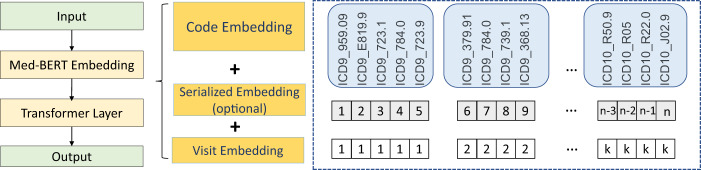
“In Med-BERT [8], the input includes code, visit, and serialization.”
MethodPrediction of Lung Cancer from Electronic Health Records Using CNN Supported NLP
Jabir, K., & Raja, A. T. (2023) · EAI/Springer Innovations in Communication and Computing · doi:10.1007/978-3-031-23683-9_40 · Cited by 5
Steinfeldt, J., Wild, B., Buergel, T., Pietzner, M., zu Belzen, J. U., Vauvelle, A., Hegselmann, S., Denaxas, S., Hemingway, H., Langenberg, C., et al. (2024) · Nature Communications · doi:10.1038/s41467-024-48568-8 · Cited by 5
RetractedA Federated Learning Approach for Disease Prediction and Remedies Recommendation
Sehag, A., Jayasankar, V., Poojitha, S., Raman, S. S., & Sarasvathi, V. (2024) · IEEE International Conference for Convergence in Technology (I2CT) · doi:10.1109/i2ct61223.2024.10544309 · Cited by 6
“A novel approach for disease prediction, called Med-BERT, was presented by Laila Rasmy et al. [5].”
MethodBansal, H., Chinagundi, B., Rana, P. S., & Kumar, N. (2024) · Expert Systems · doi:10.1111/exsy.13653 · Cited by 5
Luo, J., Huang, S., Lan, L., Yang, S., Cao, T., Yin, J. Y., Qiu, J., Yang, X., Guo, Y., & Zhou, X. (2024) · Computer Methods and Programs in Biomedicine · doi:10.1016/j.cmpb.2024.108521 · Cited by 5
A BERT-Based Classification Model: The Case of Russian Fairy Tales
Solovyev, V. D., Solnyshkina, M. I., Ten, A., & Prokopyev, N. A. (2024) · Journal of language and Education · doi:10.17323/jle.2024.24030 · Cited by 5
Li, J., Zakka, K. R., Booth, J., Rigny, L., Ray, S., Cortina‐Borja, M., Barnaghi, P. M., & Sebire, N. J. (2025) · BMC Medical Informatics and Decision Making · doi:10.1186/s12911-024-02812-9 · Cited by 8
“While several EHR-specific feature learning/ embedding algorithms exist[21–23], these algorithms are often designed with general visit-level data in mind and would translate poorly to longitudinal records generated within the PICU.”
Foundation Models for Translational Cancer Biology
Tsang, K. K., Kivelson, S., Cortina, J. M. A., Kuchi, A., Berkowitz, J. S., Liu, H., Srinivasan, A., Friedrich, N. A., Fatapour, Y., & Tatonetti, N. P. (2025) · Annual Review of Biomedical Data Science · doi:10.1146/annurev-biodatasci-103123-095633 · Cited by 6
Dual-masked contrastive learning based hypergraph foundation model for whole slide images
Zhou, X., Ding, S., Zhang, W., Li, J., Wang, J., Chen, J., & Shi, J. (2025) · Pattern Recognition · doi:10.1016/j.patcog.2025.111995 · Cited by 7
Liu, Y., Tan, Z. D., Zhang, Z., Wang, S., Guo, J. S., Liu, H., Chen, T., & Bian, J. (2025) · Knowledge-Based Systems · doi:10.1016/j.knosys.2025.114102 · Cited by 6
Jain, S., Kaur, A. P., Qadeer, A., Ghosh, V., Thota, S., Banala, M., Lee, J., Yerrapragada, G., Poonguzhali, E., Shariff, M. N., et al. (2025) · Advances in respiratory medicine · doi:10.3390/arm93050047 · Cited by 5
“Specialized training AI models, such as Med-BERT, have been used to analyze the EHR [125].”
Bridging Stepwise Lab-Informed Pretraining and Knowledge-Guided Learning for Diagnostic Reasoning
Hu, P., Lu, C. H., Wang, F., & Ning, Y. (2026) · IEEE Journal of Biomedical and Health Informatics · doi:10.1109/jbhi.2026.3670251 · Cited by 8
“2) Lack of diagnostic reasoning when using EHR data: Some studies [4], [13], [14] take advantage of customized pretraining tasks to fully exploit EHR data, overlooking the procedural nature of clinical decision-making.”
InfluentialFeature engineering from medical notes: A case study of dementia detection
Miled, Z. B., Dexter, P. R., Grout, R. W., & Boustani, M. A. (2023) · Heliyon · doi:10.1016/j.heliyon.2023.e14636 · Cited by 7
Leveraging patient similarities via graph neural networks to predict phenotypes from temporal data
Proios, D., Yazdani, A., Bornet, A., Ehrsam, J., Rekik, I., & Teodoro, D. (2023) · IEEE International Conference on Data Science and Advanced Analytics (DSAA) · doi:10.1109/dsaa60987.2023.10302556 · Cited by 7
“…such as Fully Connected Neural Networks (FCNNs) [32], Convolutional Neural Networks (CNNs) [33], Long-Short-Term Memory Networks (LSTMs) [34], Gated Recurrent Units (GRUs) [35], Word2Vec [10], [36], Transformers [37]–[39], and GNNs [40]–[44] (for systematic reviews, see [31], [45], [46]).”
BackgroundCluster Analysis of Low-Dimensional Medical Concept Representations from Electronic Health Records
Jaume-Santero, F., Zhang, B., Proios, D., Yazdani, A., Gouareb, R., Bjelogrlic, M., & Teodoro, D. (2022) · Lecture notes in computer science · doi:10.1007/978-3-031-20627-6_29 · Cited by 6
Dupuy-Zini, A., Audeh, B., Gérardin, C., Duclos, C., Gagneux‐Brunon, A., & Cédric Bousquet, B. (2023) · Journal of Medical Internet Research · doi:10.2196/37237 · Cited by 6
“Similarly, Med-BERT, a pretrained model on a structured electronic health record data set of 28,490,650 patients [68], allows working with smaller training sets while obtaining better performance.”
Patient Event Sequences for Predicting Hospitalization Length of Stay
Hansen, E. R., Nielsen, T. D., Mulvad, T., Stausholm, M. N., Sagi, T., & Hose, K. (2023) · Lecture notes in computer science · doi:10.1007/978-3-031-34344-5_7 · Cited by 5
“While Rasmy et al. [16] investigate prolonged LOS > 7 days event prediction as a model pre-training task, they do not predict future LOS for new patients.”
Dong, B., Wang, Z., Li, Z., Duan, Z., Xu, J., Pan, T., Zhang, R., Liu, N., Li, X., Wang, J., et al. (2023) · Scientific Reports · doi:10.1038/s41598-023-39543-2 · Cited by 6
“Unfortunately, because Med-BERT does not share its pre-trained model, and the dataset Cerner Health Facts used for pre-training has stopped permitting new users, we are not able to reproduce the work of Med-BERT and compare IPDM with it.”
BackgroundMethodInfluentialEnhancing Diagnosis Prediction in Healthcare With Knowledge-Based Recurrent Neural Networks
Shen, H. (2023) · IEEE Access · doi:10.1109/access.2023.3319502 · Cited by 7
“…data, recurrent neural networks (RNNs) have been extensively used for modeling disease progression [8], [27], handling time series healthcare data with missing values [28], [29], and performing diagnosis classification [30] and prediction [10], [13], [16], [17], [18], [23], [31], [32], [33], [34].”
MethodAdding Recurrence to Pretrained Transformers for Improved Efficiency and Context SizePreprint
Yoshida, D., Ettinger, A., & Gimpel, K. (2020) · arXiv (Cornell University) · doi:10.48550/arxiv.2008.07027 · Cited by 7
“…(Le et al., 2020; Martin et al., 2020), Italian (Polignano et al., 2019), and many other languages (see Nozza et al. (2020) for an overview) as well as specific domains such as scientific papers (Beltagy et al., 2019), biomedical papers (Lee et al., 2020), and health records (Rasmy et al., 2020).”
BackgroundA nationwide deep learning pipeline to predict stroke and COVID-19 death in atrial fibrillationPreprint
Handy, Á., Wood, A., Sudlow, C. L. M., Tomlinson, C., Kee, F., Thygesen, J. H., Mamouei, M., Sofat, R., Dobson, R., Ip, S. S., et al. (2021) · medRxiv · doi:10.1101/2021.12.20.21268113 · Cited by 5
Knowledge-Driven New Drug RecommendationPreprint
Wu, Z., Yao, H., Zhe, S., Liebovitz, D., Glass, L. M., Zou, J., Finn, C., & Sun, J. (2022) · arXiv (Cornell University) · doi:10.48550/arxiv.2210.05572 · Cited by 10
“Among them, SafeDrug achieves slightly better performance, probably due to the usage of drug molecule information.”
InfluentialKim, M. K., Kim, Y., Kang, H. J., Seo, H., Choi, H., Han, J., Kee, G., Ko, S., Jung, H., Kim, B., et al. (2025) · BMC Medical Informatics and Decision Making · doi:10.1186/s12911-025-03145-x · Cited by 6
“For instance, Med-BERT [28], pre-trained on medical records from approximately 20 million patients, demonstrates how larger cohorts and longer visit sequences allow models to capture a more comprehensive clinical context.”
Evolution of Traditional Healthcare to Modern Healthcare—Benefits, Opportunities and Challenges
Kumar, A., & Singh, D. (2025) · Transactions on computer systems and networks · doi:10.1007/978-981-96-6703-1_13 · Cited by 4
Balakrishnan, V., Loganathamoorthy, D., Ayyasamy, R. K., Alhashmi, S. M., & Chinnasamy, P. (2025) · PeerJ Computer Science · doi:10.7717/peerj-cs.3239 · Cited by 6
Govindarajan, V., & Patel, P. (2025) · IEEE Access · doi:10.1109/access.2025.3628552 · Cited by 4
“Efforts such as Google’s Deep-Care [14] and Med-BERT [15] achieved promising results on predictive tasks, yet they lack the capability to learn and adapt continuously across sites.”
Emerging anomaly detection techniques for electronic health records: A survey
Bhanja, S. N., Niu, H., Chen, Y., Omitaomu, O. A., Laurio, A., Trickey, A. W., Sampath, V., & Nebeker, J. R. (2026) · Intelligence-Based Medicine · doi:10.1016/j.ibmed.2026.100349 · Cited by 5
Greco, K. F., Yang, Z., Li, M., Tong, H., Sweet, S. M., Geva, A., Mandl, K. D., Raby, B. A., & Cai, T. (2026) · npj Digital Medicine · doi:10.1038/s41746-026-02406-x · Cited by 10
“Models such as BEHRT [43], Med-BERT [44], RatchetEHR [45], and Foresight [46] have achieved strong performance across predictive and classification tasks in both structured and unstructured data.”
Nekouie, A., Jahan, M. V., Moattar, M. H., & Sheibani, R. (2026) · Scientific Reports · doi:10.1038/s41598-026-39690-2 · Cited by 4
Advancing cancer detection and treatment using longitudinal routine clinical data
Liu, F., Wang, K., Xu, H., Tang, C., Shen, X., Wang, M., Yang, L., Yang, L., Liu, L., Hu, C., et al. (2026) · Cell · doi:10.1016/j.cell.2026.07.009 · Cited by 4
A Survey of Deep Learning Based Natural Language Processing in Smart Healthcare
M’hamdi, Z. E., Lazaar, M., & Mahboub, O. (2023) · Lecture notes in networks and systems · doi:10.1007/978-3-031-29313-9_9 · Cited by 5
Conversational Artificial Intelligence in Digital Healthcare: A Bibliometric Analysis
Visakh, P. R., Meena, P., & Anoop, V. S. (2023) · Lecture notes in computer science · doi:10.1007/978-3-031-36402-0_67 · Cited by 4
Maciejewski, C., Ozierański, K., Basza, M., Barwiołek, A., Ciurla, M., Bożym, A., Krajsman, M. J., Lodziński, P., Opolski, G., Grabowski, M., et al. (2024) · Polskie Archiwum Medycyny Wewnętrznej · doi:10.20452/pamw.16704 · Cited by 4
Training a language model to learn the syntax of commands
Hussain, Z., Nurminen, J. K., & Ranta-aho, P. O. (2024) · Array · doi:10.1016/j.array.2024.100355 · Cited by 4
Kodati, D., & Dasari, C. M. (2024) · Engineering Applications of Artificial Intelligence · doi:10.1016/j.engappai.2024.109649 · Cited by 5
Defending mutation-based adversarial text perturbation: a black-box approach
Deanda, D., Alsmadi, I., Guerrero, J., & Liang, G. (2025) · Cluster Computing · doi:10.1007/s10586-024-04916-3 · Cited by 4
“These neural network-based approaches now dominate the field, with popular methods like Transformers [29], the GPT family [30–33], RoBERTa [34], LLaMA [35] and their applications such as Med-Bert [36], ChatGPT [37], and Gemini [38].”
Enhancing Adverse Event Reporting With Clinical Language Models: Inpatient Falls
Cho, I., Park, H., Park, B. S., & Lee, D. (2025) · Journal of Advanced Nursing · doi:10.1111/jan.16812 · Cited by 5
Zero-shot learning for clinical phenotyping: Comparing LLMs and rule-based methods
Neves, B. D., Moreira, J.-M., Gonçalves, S., Cerejo, J., da Silva, N. A., Leite, F., & Silva, M. J. (2025) · Computers in Biology and Medicine · doi:10.1016/j.compbiomed.2025.110181 · Cited by 13
Moassefi, M., Houshmand, S., Faghani, S., Chang, P., Sun, S. H., Khosravi, B., Triphati, A. G., Rasool, G., Bhatia, N. K., Folio, L. R., et al. (2025) · Journal of Imaging Informatics in Medicine · doi:10.1007/s10278-025-01523-5 · Cited by 4
“The introduction of bidirectional encoders, specifically BERT [16], BioBERT [17], and MedBERT [18], transformed this landscape by enabling models to process text with minimal preprocessing.”
AliceBot: Designing AI-Driven Applications for Mental Health Management
Zhao, M., Bai, Y., Zhong, W., Cun, W., Li, Y., Zhu, M., Feng, Y., & Chen, D. (2025) · Lecture notes in computer science · doi:10.1007/978-3-031-93712-5_16 · Cited by 4
Transfer Learning with Clinical Concept Embeddings from Large Language ModelsPreprint
Gao, Y., Bao, R., Ji, Y., Sun, Y., Song, C., Ferraro, J. P., & Ye, Y. (2024) · Europe PMC (PubMed Central) · doi:10.48550/arxiv.2409.13893 · Cited by 5
“We also compared the performance of another biomedical knowledge involved LLM, BioBERT, which exhibited the results much lower than Med-BERT.”
MethodInfluentialBenchmarking pre-trained text embedding models in aligning built asset information
Shahinmoghadam, M., & Motamedi, A. (2025) · Scientific Reports · doi:10.1038/s41598-025-09052-5 · Cited by 6
Leveraging Natural Language Processing and Clinical Notes for Dementia Detection
Liu, M., Beare, R. J., Collyer, T. A., Andrew, N. E., & Srikanth, V. K. (2023) · Clinical Natural Language Processing Workshop (ClinicalNLP) · doi:10.18653/v1/2023.clinicalnlp-1.20 · Cited by 4
“…(Alsentzer et al., 2019) model was trained on all notes from MIMIC-III (Johnson et al., 2016), a database containing electronic health records from ICU patients at the Beth Israel Hospital in Boston, MA. MedBERT (Rasmy et al., 2021) was pretrained on a structured EHR dataset of 28,490,650 patients.”
MethodWang, W., Xu, B., Fang, T., Zhang, L., & Song, Y. (2023) · International Workshop on Semantic Evaluation (SemEval) · doi:10.18653/v1/2023.semeval-1.1 · Cited by 9
“The statement may claim one or two CTRs on a specific section. systems, multiple language models pre-trained in the medical domain have been proposed to tackle medical NLP tasks efficiently (Rasmy et al., 2021; Lewis et al., 2020b; Liu et al., 2022; Kanakara-jan et al., 2021).”
BackgroundTessler, I., Yamin, T., Peeri, H., Alon, E. E., Zimlichman, E., Glicksberg, B. S., & Klang, E. (2024) · Future Medicine AI · doi:10.2217/fmai-2024-0001 · Cited by 4
Analysing weighted disease symptoms to recommend an expert through an integrated healthcare model
Mohapatra, S., & Roy, A. (2024) · Discover Public Health · doi:10.1186/s12982-024-00261-3 · Cited by 4
TC-BERT: large-scale language model for Korean technology commercialization documents
Kim, T., Oh, C., Hwang, H., Lee, E., Kim, Y., Choi, Y., Kim, S.-J., Choi, H., & Song, K. (2024) · The Journal of Supercomputing · doi:10.1007/s11227-024-06597-6 · Cited by 4
“It promotes research on the development of large-scale LMs specialized in specific domains (e.g., medical [9, 25], biomedical [7, 8], education [5, 10, 11], scientific [26, 27], and financial [6, 12]) has been actively advanced.”
Medical language model specialized in extracting cardiac knowledge
Gwon, H., Seo, J., Park, S., Kim, Y., & Jun, T. J. (2024) · Scientific Reports · doi:10.1038/s41598-024-80165-z · Cited by 6
Kim, J., Park, S. H., Lee, H., Lee, S. K., Kim, J., Kim, S., Kwon, Y. J., & Kim, K. (2024) · International Journal of Medical Informatics · doi:10.1016/j.ijmedinf.2024.105775 · Cited by 5
Generative artificial intelligence for ophthalmic images: developments, applications and challenges
Li, T., Wang, Z., Jiang, Z., Zhong, H., & Qin, Y. (2025) · The Visual Computer · doi:10.1007/s00371-025-03988-5 · Cited by 6
“Other text encoders, such as T5X [106], medBERT [104], and SAPBERT [82], have also been explored for specialized domains.”
Amirahmadi, A., Etminani, K., Björk, J., Melander, O., & Ohlsson, M. (2025) · JMIR Medical Informatics · doi:10.2196/68138 · Cited by 10
“Consistent with the results of the Med-BERT model [11], the transformer pretrained with only MLM outperformed almost all other conventional methods in all downstream tasks for both datasets.”
InfluentialCLIMD: A Curriculum Learning Framework for Imbalanced Multimodal Diagnosis
Han, K., Lyu, C., Ma, L., Qian, C., Ma, S., Pang, Z., Chen, J., & Liu, Z. (2025) · Lecture notes in computer science · doi:10.1007/978-3-032-05182-0_7 · Cited by 8
Decoder Transformer for Temporally-Embedded Health Outcome Predictions
Boursalie, O., Samavi, R., & Doyle, T. E. (2021) · International Conference on Machine Learning and Applications · doi:10.1109/icmla52953.2021.00235 · Cited by 4
Nuntachit, N., & Sugunnasil, P. (2022) · Machine Learning and Knowledge Extraction · doi:10.3390/make4030030 · Cited by 4
“Criteria PubMedBERT [13] Clinical BERT [14] Med-BERT [15] Our Model”
MethodMACEDONIZER - The Macedonian Transformer Language Model
Dobreva, J., Pavlov, T., Mishev, K., Simjanoska, M., Tudzarski, S., Trajanov, D., & Kocarev, L. (2022) · Communications in computer and information science · doi:10.1007/978-3-031-22792-9_5 · Cited by 4
Metadata
- Authors
- Rasmy, L., Xiang, Y., Xie, Z., Tao, C., & Zhi, D.
- Affiliations
- The University of Texas Health Science Center at Houston (US)
- Peng Cheng Laboratory (CN)
- Corresponding author
- Xiang, Yang
- Zhi, Degui
- Venue
- npj Digital Medicine
- Published
- 2021-05-20
- Volume
- 4
- Issue
- 1
- Pages
- 86-86
- ISSN
- 2398-6352 (ISSN-L)
- PMC
- PMC8137882
- OpenAlex
- W3160137267
- Semantic Scholar
- 5d4de0fa45aeddc31142e6a24666d06ed7923f1e
- Cited by
- 886
- References
- 71
- Citations by year
- 2026: 184 · 2025: 226 · 2024: 196 · 2023: 146 · 2022: 90 · 2021: 41
- FWCI
- 41.96
- Type
- journal article
- Language
- en
- Open access
- gold
- doi.org
- Licence
- cc-by
- creativecommons.org/licenses/by/4.0 (tdm)
- creativecommons.org/licenses/by/4.0 (vor)
- Locations
- npj Digital Medicine (publishedVersion, cc-by)
- PubMed Central (publishedVersion, cc-by)
- PubMed (publishedVersion)
- DOAJ (DOAJ: Directory of Open Access Journals) (submittedVersion, cc-by-sa)
- Funders
- Cancer Prevention and Research Institute of Texas (RP170668, RP160015)
- American Heart Association (19GPSGC35180031)
- Topics
- Physical Sciences › Computer Science › Artificial Intelligence › Machine Learning in Healthcare
- Health Sciences › Health Professions › Health Information Management › Artificial Intelligence in Healthcare
- Health Sciences › Medicine › Health Informatics › Artificial Intelligence in Healthcare and Education
- Keywords
- BERT, contextual embeddings, disease prediction, pre-trained language models, limited training data, fine-tuning, clinical text representation
About these checks
Registry, retraction, Cites and statistics results are computed, not judged, with one exception: a printed reference that no index lists is read once by a model before it counts as a citation error. Claims are extracted by a model and kept only when their quote appears verbatim in the text; each cited source is then checked, with a model’s help, for whether it says what the claim relies on. Those verdicts can be wrong — read the claim’s quote and the cited source before relying on one.
Statistics and arithmetic are recomputed, not judged.
Confidence bands are shown only for fields calibrated on our annotated test set. None is calibrated yet, so no band is shown.
What counts as a claim ›How we measure confidence ›How we check this ›
Are you an author, or do you see a problem with this page? Request a review
Data sources
Bibliographic data: Semantic Scholar, OpenAlex, Crossref.
Contains information from the Semantic Scholar Academic Graph Datasets, made available under the ODC Attribution License (ODC-BY 1.0).
Semantic Scholar’s data is described in: Kinney, R., et al. (2023). The Semantic Scholar Open Data Platform. arXiv:2301.10140.
