

Med-BERT: pretrained contextualized embeddings on large-scale structured electronic health records for disease prediction
Open accessThe DOI matches its Crossref record; 70 of the 72 references it cites were found in a registry or an index.
Abstract
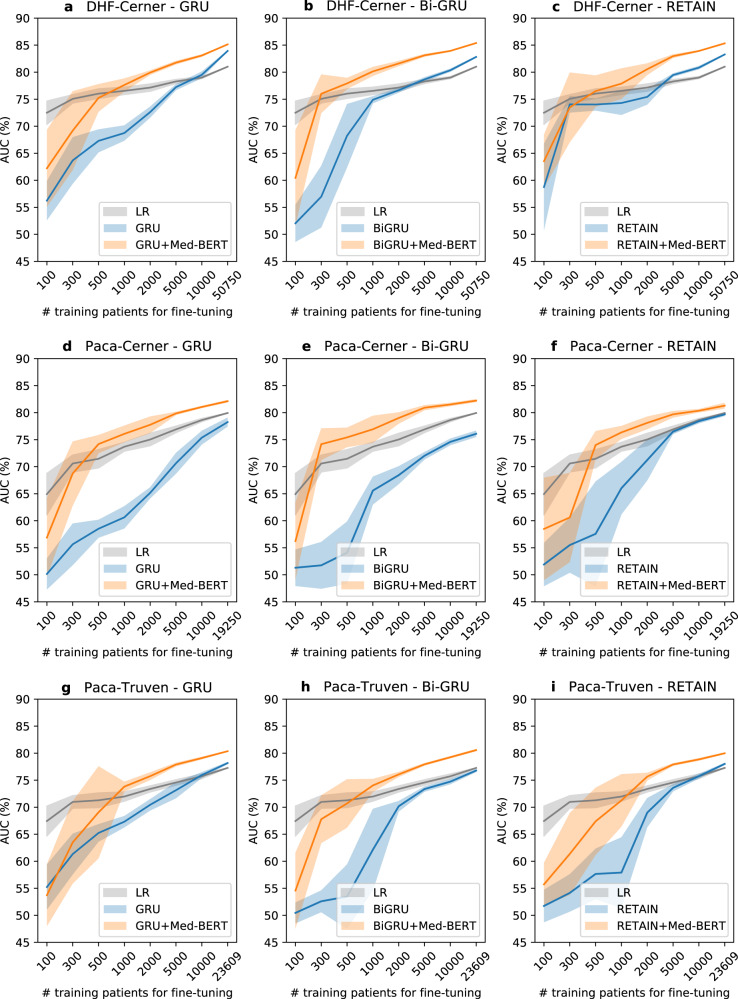
Deep learning (DL)-based predictive models from electronic health records (EHRs) deliver impressive performance in many clinical tasks. Large training cohorts, however, are often required by these models to achieve high accuracy, hindering the adoption of DL-based models in scenarios with limited training data. Recently, bidirectional encoder representations from transformers (BERT) and related models have achieved tremendous successes in the natural language processing domain. The pretraining of BERT on a very large training corpus generates contextualized embeddings that can boost the performance of models trained on smaller datasets. Inspired by BERT, we propose Med-BERT, which adapts the BERT framework originally developed for the text domain to the structured EHR domain. Med-BERT is a contextualized embedding model pretrained on a structured EHR dataset of 28,490,650 patients. Fine-tuning experiments showed that Med-BERT substantially improves the prediction accuracy, boosting the area under the receiver operating characteristics curve (AUC) by 1.21–6.14% in two disease prediction tasks from two clinical databases. In particular, pretrained Med-BERT obtains promising performances on tasks with small fine-tuning training sets and can boost the AUC by more than 20% or obtain an AUC as high as a model trained on a training set ten times larger, compared with deep learning models without Med-BERT. We believe that Med-BERT will benefit disease prediction studies with small local training datasets, reduce data collection expenses, and accelerate the pace of artificial intelligence aided healthcare.
Overview
The claims and statistics of this paper haven’t been checked yet.
Free: it reads the open-access text and checks the first 5 claims that cite a source we can check. Create a free account to check every claim.
Integrity signals
Registry
Cites
Statistics
Figures

Verification
Claims the paper makes
The claims and statistics of this paper haven’t been checked yet.
Free: it reads the open-access text and checks the first 5 claims that cite a source we can check. Create a free account to check every claim.
Claims other papers make about this one
Each is checked against this paper’s own text: does it say what the citing paper says it does?
The source backs part of the claim, not all of it — or backs it for a different population, condition or comparison.
In the citing paper
“In biomedical informatics, numerous models utilizing this approach, such as BioBERT, MedBERT, and BiomedBERT, have been developed by training models on various relevant text corpora, such as EHR data and biomedical academic literature15–17.”
From OnSIDES database: Extracting adverse drug events from drug labels using natural language processing models (2025) · cites this paper as [17]
Experimental — accuracy not yet measuredThe source backs part of the claim, not all of it — or backs it for a different population, condition or comparison.
In the citing paper
“Machine learning methods11–14, particularly deep learning, typically employ neural networks and the first generation of transformer-based large language models (e.g., BERT).”
From A critical assessment of using ChatGPT for extracting structured data from clinical notes (2024) · cites this paper as [14]
Experimental — accuracy not yet measuredThe source backs part of the claim, not all of it — or backs it for a different population, condition or comparison.
In the citing paper
“MedBERT is limited to ICD 10 codes and evaluated on a small subset of disorders, which might be insufficient for estimating general performance.”
From Foresight-a generative pretrained transformer for modelling of patient timelines using electronic health records: a retrospective modelling study (2024) · cites this paper as [6]
Experimental — accuracy not yet measuredThe cited source says what the claim attributes to it.
In the citing paper
“Med-BERT was pretrained on structured EHR data from over 28 million patients and evaluated on the prediction of pancreatic cancer, and heart failure in patients with diabetes61.”
From Orchestrating explainable artificial intelligence for multimodal and longitudinal data in medical imaging (2024) · cites this paper as [61]
The cited source says what the claim attributes to it.
In the citing paper
“Structured EHR baselines implemented embedding, based and transformer, based architectures for disease prediction from longitudinal clinical records56.”
From K-STAMM: a knowledge-enhanced spatial - temporal attention model with multimodal fusion for pneumonia prediction (2026) · cites this paper as [56]
2 more claims about this paper
Create a free account to see every claim other papers make about this one.
Self-check
Percentages, sums and reported differences re-computed from the paper’s own numbers.
The self-check needs the paper’s full text.
Citations
Cites
BERT: Pre-training of Deep Bidirectional Transformers for Language Understanding
Devlin, J., Chang, M.-W., Lee, K., & Toutanova, K. (2019) · Proceedings of the 2019 Conference of the North American Chapter of the Association for Computational Linguistics: Human Language Technologies, Volume 1 (Long and Short Papers) · doi:10.18653/v1/n19-1423 · Cited by 54,325 · cited 1×
“For pre-training we used mainly the BERT recommended parameters [29].”
MethodGlove: Global Vectors for Word Representation
Pennington, J., Socher, R., & Manning, C. (2014) · Proceedings of the 2014 Conference on Empirical Methods in Natural Language Processing (EMNLP) · doi:10.3115/v1/d14-1162 · Cited by 34,071
Pan, S. J., & Yang, Q. (2010) · IEEE Transactions on Knowledge and Data Engineering · doi:10.1109/tkde.2009.191 · Cited by 23,387 · cited 1×
“Transfer learning was developed to address the issue whereby some representations were first pretrained on large volumes of unannotated datasets and then further adapted to guide other tasks [23].”
BackgroundLanguage Models are Few-Shot Learners
Brown, T. B., Mann, B., Ryder, N., Subbiah, M., Kaplan, J., Dhariwal, P., Neelakantan, A., Shyam, P., Sastry, G., Askell, A., et al. (2020) · arXiv · doi:10.48550/arxiv.2005.14165 · Cited by 23,372
Dermatologist-level classification of skin cancer with deep neural networks
Esteva, A., Kuprel, B., Novoa, R. A., Ko, J., Swetter, S. M., Blau, H. M., & Thrun, S. (2017) · Nature · doi:10.1038/nature21056 · Cited by 14,362
Deep Contextualized Word Representations
Peters, M., Neumann, M., Iyyer, M., Gardner, M., Clark, C., Lee, K., & Zettlemoyer, L. (2018) · Proceedings of the 2018 Conference of the North American Chapter of the Association for Computational Linguistics: Human Language Technologies, Volume 1 (Long Papers) · doi:10.18653/v1/n18-1202 · Cited by 11,983 · cited 1×
“This pre-training-fine-tuning paradigm has been proven to be extremely effective in natural language processing (NLP) [24-30] and, recently, computer visions [31,32].”
Empirical Evaluation of Gated Recurrent Neural Networks on Sequence Modeling
Chung, J., Gulcehre, C., Cho, K., & Bengio, Y. (2014) · arXiv · doi:10.48550/arxiv.1412.3555 · Cited by 11,008 · cited 1×
“For Ex-1 and Ex-2, we adopted GRU [50], Bi-GRU [51], and RETAIN [12] as our base models.”
MethodA simple framework for contrastive learning of visual representations
Chen, T., Kornblith, S., Norouzi, M., & Hinton, G. (2020) · arXiv · doi:10.48550/arxiv.2002.05709 · Cited by 10,857
Enriching Word Vectors with Subword Information
Bojanowski, P., Grave, E., Joulin, A., & Mikolov, T. (2017) · Transactions of the Association for Computational Linguistics · doi:10.1162/tacl_a_00051 · Cited by 9,645
Transformers: State-of-the-Art Natural Language Processing
Wolf, T., Debut, L., Sanh, V., Chaumond, J., Delangue, C., Moi, A., Cistac, P., Rault, T., Louf, R., Funtowicz, M., et al. (2020) · Proceedings of the 2020 Conference on Empirical Methods in Natural Language Processing: System Demonstrations · doi:10.18653/v1/2020.emnlp-demos.6 · Cited by 8,741
Research works printed but not linked: 3
- Sun, C., Shrivastava, A., Singh, S. & Gupta, A. In Proceedings of the IEEE International Conference on Computer Vision, 843–852.
- Mikolov, T., Sutskever, I., Chen, K., Corrado, G. S. & Dean, J. Distributed representations of words and phrases and their compositionality. In Advances in Neural Information Processing Systems, 3111–3119 (NIPS, 2013).
- Radford A Language models are unsupervised multitask learners OpenAI Blog 2019 1 9
Cited by
Items 101–200 of 1,006
Artificial intelligence in the neonatal intensive care unit: the time is now
Beam, K., Sharma, P., Levy, P. T., & Beam, A. L. (2023) · Journal of Perinatology · doi:10.1038/s41372-023-01719-z · Cited by 61
“Beyond medical imaging, these advances have also translated into large-scale deep learning systems to predict important clinical outcomes from electronic health record (EHR) data [29, 50, 51], real-time monitoring devices [52, 53], and wearables [54].”
Transformers in health: a systematic review on architectures for longitudinal data analysis
Siebra, C., Kurpicz-Briki, M., & Wac, K. (2024) · Artificial Intelligence Review · doi:10.1007/s10462-023-10677-z · Cited by 52
“The works (Li et al. 2020) and (Rasmy et al. 2021) also rely on attention weights, but they use a visualization tool (Vig 2019) that supports and augments the analysis of such weights.”
InfluentialEHR-BERT: A BERT-based model for effective anomaly detection in electronic health records
Niu, H., Omitaomu, O. A., Langston, M. A., Olama, M., Özmen, Ö., Klasky, H. B., Laurio, A., Ward, M. C., & Nebeker, J. R. (2024) · Journal of Biomedical Informatics · doi:10.1016/j.jbi.2024.104605 · Cited by 59
AltibbiVec: A Word Embedding Model for Medical and Health Applications in the Arabic Language
Habib, M., Faris, M., Alomari, A., & Faris, H. (2021) · IEEE Access · doi:10.1109/access.2021.3115617 · Cited by 44
“However, implementing contextualized word representations (e.g., ELMO) demands large amounts of data [48].”
BackgroundA Survey of Deep Learning for Electronic Health Records
Xu, J., Xi, X., Chen, J., Sheng, V. S., Ma, J., & Cui, Z. (2022) · Applied Sciences · doi:10.3390/app122211709 · Cited by 51
Drug-Drug Interaction Extraction from Biomedical Text Using Relation BioBERT with BLSTM
KafiKang, M., & Hendawi, A. (2023) · Machine Learning and Knowledge Extraction · doi:10.3390/make5020036 · Cited by 50
Applying interpretable deep learning models to identify chronic cough patients using EHR data
Luo, X., Gandhi, P., Zhang, Z., Shao, W., Han, Z., Chandrasekaran, V., Turzhitsky, V. M., Bali, V., Roberts, A., Metzger, M., et al. (2021) · Computer Methods and Programs in Biomedicine · doi:10.1016/j.cmpb.2021.106395 · Cited by 48
CEHR-BERT: Incorporating temporal information from structured EHR data to improve prediction tasks
Pang, C., Jiang, X., Kalluri, K. S., Spotnitz, M., Chen, R., Perotte, A., & Natarajan, K. (2021) · arXiv (Cornell University) · doi:10.48550/arxiv.2111.08585 · Cited by 30
Ahmed, T., Ivan, S., Kabir, M., Mahmud, H., & Hasan, K. (2022) · Social Network Analysis and Mining · doi:10.1007/s13278-022-00934-4 · Cited by 42
“Pre-trained models used in this study are known for achieving state-of-the-art performance in numerous language related task from various domains such as politics Gupta et al. (2020) and medical Rasmy et al. (2021).”
MethodMED-Prompt: A novel prompt engineering framework for medicine prediction on free-text clinical notes
Ahmed, A., Zeng, X., Xi, R., Hou, M., & Shah, S. A. (2024) · Journal of King Saud University - Computer and Information Sciences · doi:10.1016/j.jksuci.2024.101933 · Cited by 35
“Rasmy et al. (2021) introduce Med-BERT, tailored for the medical field, emphasizing its effectiveness in medicine prediction using pretrained language models.”
Wu, J., Liu, X., Li, M., Li, W., Su, Z., Lin, S., Garay, L., Zhang, Z., Zhang, Y., Zeng, Q., et al. (2024) · NEJM AI · doi:10.1056/aira2400012 · Cited by 41
Moglia, V., Johnson, O. A., Cook, G., de Kamps, M., & Smith, L. (2025) · BMC Medical Research Methodology · doi:10.1186/s12874-025-02473-w · Cited by 46
Zhuang, Y., Yu, L.-C., Jiang, N., & Ge, Y. (2025) · Computers in Biology and Medicine · doi:10.1016/j.compbiomed.2025.109887 · Cited by 49
Tavabi, N., Pruneski, J. A., Golchin, S., Singh, M., Sanborn, R. M., Heyworth, B. E., Landschaft, A., Kimia, A. A., & Kiapour, A. M. (2024) · Artificial Intelligence in Medicine · doi:10.1016/j.artmed.2024.102847 · Cited by 43
Bhattacharya, M., Pal, S., Chatterjee, S., Lee, S., & Chakraborty, C. (2024) · Molecular Therapy — Nucleic Acids · doi:10.1016/j.omtn.2024.102255 · Cited by 54
“78,79 LLMs in medical education LLMs might be improved by concentrating on specialized medical literature to stay relevant and up to date.”
BackgroundChatGPT for digital pathology research
Omar, M., Ullanat, V., Loda, M. F., Marchionni, L., & Umeton, R. (2024) · The Lancet Digital Health · doi:10.1016/s2589-7500(24)00114-6 · Cited by 59
An LLM chatbot to facilitate primary-to-specialist care transitions: a randomized controlled trial
Tao, X., Zhou, S., Ding, K., Li, S., Li, Y., Wu, B., Huang, Q., Chen, W., Shen, M., Meng, E., et al. (2026) · Nature Medicine · doi:10.1038/s41591-025-04176-7 · Cited by 66
Machine Learning and Health Science Research: Tutorial
Cho, H., She, J., de Marchi, D., El-Zaatari, H., Barnes, E. L., Kahkoska, A. R., Kosorok, M. R., & Virkud, A. (2024) · Journal of Medical Internet Research · doi:10.2196/50890 · Cited by 43
“For instance, NLP models can be used to automatically transcribe patient conversations, predict disease from medical notes, or impute missing values in medical forms [65].”
Sim, J.-A., Huang, X., Horan, M. R., Baker, J. N., & Huang, I. (2024) · Expert Review of Pharmacoeconomics & Outcomes Research · doi:10.1080/14737167.2024.2322664 · Cited by 44
Levra, A. G., Gatti, M., Menè, R., Shiffer, D., Costantino, G., Solbiati, M., Furlan, R., & Dipaola, F. (2024) · European Journal of Internal Medicine · doi:10.1016/j.ejim.2024.09.017 · Cited by 48
Generative Artificial Intelligence in Medicine
Shanmugam, D., Agrawal, M., Movva, R., Chen, I. Y., Ghassemi, M., Jacobs, M. L., & Pierson, E. (2025) · Annual Review of Biomedical Data Science · doi:10.1146/annurev-biodatasci-103123-095332 · Cited by 42
Hein, D., Christie, A. L., Holcomb, M. J., Xie, B., Jain, A., Vento, J. A., Rakheja, N., Shakur, A. H., Christley, S., Cowell, L. G., et al. (2025) · npj Digital Medicine · doi:10.1038/s41746-025-01686-z · Cited by 56
“Similarly, interpreting complex distinctions, such as delineating local vs. distant lymph node metastases and assessing the relevance of medical history, necessitated providing detailed clinical context within the prompts (Table 5 and Supplementary Tables 10, 11).”
Natural Language Processing Enhances Prediction of Functional Outcome After Acute Ischemic Stroke
Sung, S., Chen, C., Pan, R., Hu, Y., & Jeng, J. (2021) · Journal of the American Heart Association · doi:10.1161/jaha.121.023486 · Cited by 47
“com/kinow/ jazzy); (2) acronyms and abbreviations were expanded to their full forms by looking up a list of common clinical acronyms and abbreviations used locally; (3) nonASCII characters and nonword special characters were deleted; (4) words were converted to lowercase; (5) words were lemmatized to their root forms;…”
BackgroundChandra, R., & Ranjan, M. (2022) · PLoS ONE · doi:10.1371/journal.pone.0273476 · Cited by 51
Huang, X., & Gong, H. (2023) · IEEE Transactions on Medical Imaging · doi:10.1109/tmi.2023.3322868 · Cited by 48
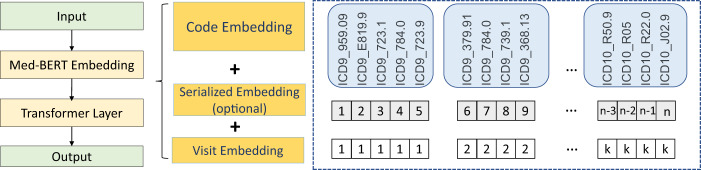
“Rasmy et al. introduced Med-BERT, a domain-specific language model for electronic health records (EHRs) that incorporates code embeddings, serialization embeddings, and visit embeddings as input features, and demonstrated its effectiveness in predicting diseases with remarkable accuracy [29].”
BackgroundBeaulieu‐Jones, B. K., Villamar, M. F., Scordis, P., Bartmann, A. P., Ali, W., Wissel, B. D., Alsentzer, E., de Jong, J., Patra, A., & Kohane, I. S. (2023) · The Lancet Digital Health · doi:10.1016/s2589-7500(23)00179-6 · Cited by 46
“33 34–36 Jiang and colleagues 37 trained a large language model for general tasks such as re-admission, in-hospital mortality, length of stay, and comorbidity index prediction.”
Grout, R., Gupta, R. A., Bryant, R., Elmahgoub, M. A., Li, Y., Irfanullah, K., Patel, R. F., Fawkes, J., & Inness, C. (2024) · Frontiers in Artificial Intelligence · doi:10.3389/frai.2023.1287541 · Cited by 50
Identification of Uncontrolled Symptoms in Cancer Patients Using Natural Language Processing
DiMartino, L., Miano, T., Wessell, K. L., Bohac, B., & Hanson, L. C. (2021) · Journal of Pain and Symptom Management · doi:10.1016/j.jpainsymman.2021.10.014 · Cited by 39
Wang, C., Ma, J., Zhang, S., Shao, J., Wang, Y., Zhou, H.-Y., Song, L., Zheng, J., Yu, Y., & Li, W. (2022) · npj Digital Medicine · doi:10.1038/s41746-022-00648-z · Cited by 41
“Given that the AUC has been considered as a relatively effective performance metric for disease prediction in academic research 42 , the AUC was utilized to evaluate our deep-learning model and to compare human/DeepMRD TR performances.”
MethodDing, J.-E., Thao, P. N. M., Peng, W.-C., Wang, J.-Z., Chug, C.-C., Hsieh, M.-C., Tseng, Y.-C., Chen, L., Luo, D., Wu, C., et al. (2024) · Scientific Reports · doi:10.1038/s41598-024-71020-2 · Cited by 36
ViSoBERT: A Pre-Trained Language Model for Vietnamese Social Media Text Processing
Nguyen, N., Phan, T., Nguyen, D.-V., & Nguyen, K. V. (2023) · Conference on Empirical Methods in Natural Language Processing (EMNLP) · doi:10.18653/v1/2023.emnlp-main.315 · Cited by 51
Mishra, A. K., Chong, B., Arunachalam, S. P., Oberg, A. L., & Majumder, S. (2024) · The American Journal of Gastroenterology · doi:10.14309/ajg.0000000000002870 · Cited by 45
“We observed that 6 articles did not provide any information about the prediction time window or data exclusion time intervals (20,26,28,31,36,41).”
Zhang, X., Wang, Y., Jiang, Y., Pacella, C. B., & Zhang, W. (2024) · BMC Medical Informatics and Decision Making · doi:10.1186/s12911-024-02793-9 · Cited by 43
Yang, H., li, J., Zhang, C., Pazos, A., & Shen, B. (2025) · Journal of Medical Internet Research · doi:10.2196/65537 · Cited by 46
“Then, we introduced zero-shot and few-shot methods to explore the model’s performance in handling unseen or infrequent entities based on CMeEE, comparing them with conventional models such as BERT-CRF [34], BERT-wwm [35], Lattice-LSTM [36], and Med-BERT [30].”
Kioskli, K., Grigoriou, E., Islam, S., Yiorkas, A. M., Christofi, L., & Mouratidis, H. (2025) · International Journal of Information Security · doi:10.1007/s10207-025-01009-z · Cited by 42
“To handle the logs, Natural Language Processing (NLP) techniques with a Bidirectional Encoder Representations from Transformers (BERT) model [45] could be used to parse system logs generated by medical devices.”
Deep Learning-Based Knowledge Graph Generation for COVID-19
Kim, T., Yun, Y. I., & Kim, N. (2021) · Sustainability · doi:10.3390/su13042276 · Cited by 42
“These methods usually involve extracting and redefining domain knowledge from new data and representing the domain knowledge as a knowledge graph, because traditional knowledge graphs will not allow rapid adaptability in describing new relationships in terms of a specific domain.”
MethodCarrell, D., Gruber, S., Floyd, J. S., Bann, M. A., Cushing‐Haugen, K. L., Johnson, R. L., Graham, V. F., Cronkite, D., Hazlehurst, B. L., Felcher, A. H., et al. (2022) · American Journal of Epidemiology · doi:10.1093/aje/kwac182 · Cited by 40
“Long/short-term memory (LSTM) neural networks and bidirectional encoder representations from transformers (BERT) have been shown to improve classification models when applied to data sets containing tens of thousands of the health outcome of interest (80, 81).”
MethodThe Impact of Domain-Specific Pre-Training on Named Entity Recognition Tasks in Materials SciencePreprint
Walker, N., Trewartha, A., Huo, H., Lee, S.-H., Cruse, K., Dagdelen, J. M., Dunn, A., Persson, K. A., Ceder, G., & Jain, A. (2021) · SSRN Electronic Journal · doi:10.2139/ssrn.3950755 · Cited by 50
Lung Cancer Prediction Using Electronic Claims Records: A Transformer-Based Approach
Chen, H., Wang, H., Lin, C., Yang, R., & Lee, C.-C. (2023) · IEEE Journal of Biomedical and Health Informatics · doi:10.1109/jbhi.2023.3324191 · Cited by 38
“Diverse variants of Transformers-like modeling has been proposed for EMRs and were shown to outperform other deep learning architectures [31], [32], [33], [34].”
BackgroundGenHPF: General Healthcare Predictive Framework for Multi-Task Multi-Source Learning
Hur, K., Oh, J., Kim, J., Kim, J., Lee, M. J., Cho, E., Moon, S.-E., Kim, Y., Atallah, L., & Choi, E. (2023) · IEEE Journal of Biomedical and Health Informatics · doi:10.1109/jbhi.2023.3327951 · Cited by 66
“Self-supervised pretraining in EHR Self-supervised learning (SSL), which involves pretraining on large-scale unlabeled datasets and fine-tuning for prediction tasks, has demonstrated success in various applications [26]–[28] including predictive models based on EHR [29]–[34].”
MethodCesario, E., Comito, C., & Zumpano, E. (2023) · Neurocomputing · doi:10.1016/j.neucom.2023.127079 · Cited by 39
A hybrid framework with large language models for rare disease phenotyping
Wu, J., Dong, H., Li, Z., Wang, H., Li, R., Patra, A., Dai, C., Ali, W., Scordis, P., & Wu, H. (2024) · BMC Medical Informatics and Decision Making · doi:10.1186/s12911-024-02698-7 · Cited by 50
“Recently, Large language models (LLMs), such as the GPT [14] and LLaMA [15] series, have revolutionized the field of natural language processing with their impressive performance across a wide range of tasks, including named entity recognition, relation extraction, and question answering [31, 33].”
BackgroundHama, T., Alsaleh, M. M., Allery, F., Choi, J. W., Tomlinson, C., Wu, H., Lai, A. G., Pontikos, N., & Thygesen, J. H. (2025) · Journal of Medical Internet Research · doi:10.2196/57358 · Cited by 45
“[24,39,68,100].”
Advances in Machine Learning Approaches to Heart Failure with Preserved Ejection Fraction
Ahmad, F. S., Luo, Y., Wehbe, R. M., Thomas, J. D., & Shah, S. J. (2022) · Heart Failure Clinics · doi:10.1016/j.hfc.2021.12.002 · Cited by 34
Lituiev, D., Lacar, B., Pak, S. S., Abramowitsch, P. L., Marchis, E. H. D., & Peterson, T. A. (2023) · Journal of the American Medical Informatics Association · doi:10.1093/jamia/ocad054 · Cited by 45
Lentzen, M., Lindén, T., Veeranki, S. P. K., Madan, S., Kramer, D., Leodolter, W., & Fröhlich, H. (2023) · IEEE Journal of Biomedical and Health Informatics · doi:10.1109/jbhi.2023.3288768 · Cited by 38
Adam, H., Yang, M. Y., Cato, K., Baldini, I., Senteio, C., Celi, L. A., Zeng, J., Singh, M., & Ghassemi, M. (2022) · Proceedings of the 2022 AAAI/ACM Conference on AI, Ethics, and Society · doi:10.1145/3514094.3534203 · Cited by 33
“Language models like MedBERT [48] and Clinical BERT [5] have also demonstrated excellent performance on tasks like disease prediction, de-identification, and named entity recognition.”
MethodMachine-learning-based adverse drug event prediction from observational health data: A review
Denck, J., Özkırımlı, E., & Wang, K. (2023) · Drug Discovery Today · doi:10.1016/j.drudis.2023.103715 · Cited by 38
Real-world prediction of preclinical Alzheimer’s disease with a deep generative model
Hwang, U., Kim, S.-W., Jung, D., Kim, S., Lee, H., Seo, S. W., Seong, J., & Yoon, S. (2023) · Artificial Intelligence in Medicine · doi:10.1016/j.artmed.2023.102654 · Cited by 40
Jin, R., Ye, Q., Wang, J., Cao, Z., Jiang, D., Wang, T., Kang, Y., Xu, W., Hsieh, C., & Hou, T. (2024) · Briefings in Bioinformatics · doi:10.1093/bib/bbae304 · Cited by 44
Liu, F., Ju, Q., Zheng, Q., & Peng, Y. (2024) · Current Opinion in Behavioral Sciences · doi:10.1016/j.cobeha.2024.101452 · Cited by 45
Qiu, J., Hu, Y., Li, L., Erzurumluoglu, A. M., Brænne, I., Whitehurst, C. E., Schmitz, J., Arora, J., Bartholdy, B., Gandhi, S., et al. (2025) · Nature Communications · doi:10.1038/s41467-025-56625-z · Cited by 44
“Leveraging recent advances in large language modeling technology 6,7 , Med-BERT and BEHRT were two early examples of using transformer neural networks for learning representations from EHR sequences 3,4 , with applications including heart failure prediction and pancreatic cancer prediction.”
Contextual Word Embedding for Biomedical Knowledge Extraction: a Rapid Review and Case Study
Vithanage, D., Yu, P., Wang, L., & Deng, C. (2024) · Journal of Healthcare Informatics Research · doi:10.1007/s41666-023-00157-y · Cited by 35
“The model is fine-tuned for disease prediction tasks [21].”
Clinical risk prediction using language models: benefits and considerations
Acharya, A., Shrestha, S., Chen, A., Conte, J., Avramovic, S., Sikdar, S., Anastasopoulos, A., & Das, S. (2024) · Journal of the American Medical Informatics Association · doi:10.1093/jamia/ocae030 · Cited by 36
Research on Sentiment Analysis of Online Public Opinion Based on RoBERTa–BiLSTM–Attention Model
Deng, J., & Liu, Y. (2025) · Applied Sciences · doi:10.3390/app15042148 · Cited by 41
GERNERMED: An open German medical NER model
Frei, J., & Krämer, F. (2021) · Software Impacts · doi:10.1016/j.simpa.2021.100212 · Cited by 37
Wang, L. F., Yin, Y., Glampson, B., Peach, R. L., Barahona, M., Delaney, B. C., & Mayer, E. K. (2024) · EBioMedicine · doi:10.1016/j.ebiom.2024.105442 · Cited by 40
“…hierarchical nature of structured EHR data, being a sequence of visits over time for each patient and each visit containing multiple medical codes, 19,20 we fl attened the structured EHR into a single dimensional sequence in order to retain to the largest extent the causal relationships between…”
Rong, R., Gu, Z., Lai, H., Nelson, T. L., Keller, T., Walker, C., Jin, K. W., Chen, C., Návar, A. M., Velasco, F. T., et al. (2025) · JAMIA Open · doi:10.1093/jamiaopen/ooaf026 · Cited by 39
Prakash, P. G., Chilukuri, S., Ranade, N., & Viswanathan, S. (2021) · Proceedings of the AAAI Conference on Artificial Intelligence · doi:10.1609/aaai.v35i1.16122 · Cited by 51
“…are trying to utilize the BERT architecture on sequential patient journeys to solve problem related to diagnosis code prediction, medication code prediction etc. Architectures such as BEHRT (Li Y., Rao et al. 2020), G-BERT (Shang et a l. 2019) and Med-BERT (Rasmy et al. 2020) are being proposed.”
BackgroundDF-DM: A foundational process model for multimodal data fusion in the artificial intelligence eraPreprint
Restrepo, D. S., Wu, C., Vásquez-Venegas, C., Nakayama, L. F., Celi, L. A., & López, D. M. (2024) · Research Square · doi:10.21203/rs.3.rs-4277992/v1 · Cited by 39
“Foundational models may also be available for specific tasks such as clinical notes with examples like Med-Bert [30], Bio-Bert [31], or medical images like Retfound for retinal images [32].”
BackgroundPre-training in Medical Data: A Survey
Qiu, Y., Lin, F., Chen, W., & Xu, M. (2023) · Machine Intelligence Research · doi:10.1007/s11633-022-1382-8 · Cited by 30
“In further research, the authors of MoCo proposed MoCov2[124] and MoCo-v3[125] to improve the performance.”
MethodAdvancing Precision Oncology Through Modeling of Longitudinal and Multimodal Data
Zhuang, L., Park, S., Skates, S. J., Prosper, A. E., Aberle, D. R., & Hsu, W. W. Y. (2025) · IEEE Reviews in Biomedical Engineering · doi:10.1109/rbme.2025.3577587 · Cited by 34
“BERT has been adapted to structured EHR data and has shown substantial improvements in predicting diseaseoutcomesindownstreamtasks[123],[124],[125],[126].”
Retrieval-Augmented Generation with Large Language Models in Radiology: From Theory to Practice
Fink, A., Rau, A., Reisert, M., Bamberg, F., & Russe, M. F. (2025) · Radiology Artificial Intelligence · doi:10.1148/ryai.240790 · Cited by 39
Su, X., Grabowska, M. E., Kullo, I. J., Luo, Y., Smoller, J. W., Walunas, T. L., Wei, W., Jarvik, G. P., Mooney, S. D., & Crosslin, D. R. (2025) · npj Digital Medicine · doi:10.1038/s41746-025-01872-z · Cited by 43
“Several other studies have explored the potential of representation learning to characterize diseases using the EHR with various machine learning architectures 10,11,13,50,51 .”
Builtjes, L., Bosma, J. S., Prokop, M., van Ginneken, B., & Hering, A. (2025) · JAMIA Open · doi:10.1093/jamiaopen/ooaf109 · Cited by 46
Ru, B., Tan, X., Liu, Y., Kannapur, K., Ramanan, D., Kessler, G. N., Lautsch, D., & Fonarow, G. C. (2023) · JMIR Formative Research · doi:10.2196/41775 · Cited by 33
“BERT is among the most contemporary NLP models for embedding medical codes and representing patient temporal clinical records in a matrix form for downstream analyses [36,37].”
BackgroundWu, J., He, K., Mao, R., Shang, X., & Cambria, E. (2025) · Information Fusion · doi:10.1016/j.inffus.2025.103283 · Cited by 40
Rodríguez-Pérez, J., Andreu-Martínez, R., Daza, R., Fernández-Arroyo, L., Hernández-García, A., Díaz‐García, E., Cubillos‐Zapata, C., Lozano-Díez, A., Morales, A., Ramos, D., et al. (2025) · Antioxidants · doi:10.3390/antiox14070839 · Cited by 38
Vavekanand, R., Laghari, A. A., & Kumar, T. (2026) · Iran Journal of Computer Science · doi:10.1007/s42044-025-00360-7 · Cited by 34
BERTSurv: BERT-Based Survival Models for Predicting Outcomes of Trauma PatientsPreprint
Zhao, Y., Hong, Q., Zhang, X., Deng, Y., Wang, Y., & Petzold, L. R. (2021) · arXiv (Cornell University) · doi:10.48550/arxiv.2103.10928 · Cited by 34
“Med-BERT [11] modifies BERT by leveraging domain specific hierarchical code embedding and layer representation to generate sequential relationships in the clinical domain.”
MethodAI Advances in ICU with an Emphasis on Sepsis Prediction: An Overview
Stylianides, C., Nicolaou, A., Sulaiman, W. A., Alexandropoulou, C.-A., Panagiotopoulos, I., Karathanasopoulou, K., Dimitrakopoulos, G., Kleanthous, S., Politi, E., Ntalaperas, D., et al. (2025) · Machine Learning and Knowledge Extraction · doi:10.3390/make7010006 · Cited by 28
“Some popular transformer-based models trained specifically on healthcare data are BioBERT [253], MedBERT [254], BEHRT [255], BioGPT [256], Med-Palm [257], Foresight [258], and Gemini [259].”
pysentimiento: A Python Toolkit for Opinion Mining and Social NLP tasksPreprint
Perez, J. M., Rajngewerc, M., Giudici, J. C., Furman, D., Luque, F. M., Alemany, L. A., & Martínez, M. V. (2023) · Research Square · doi:10.21203/rs.3.rs-3570648/v1 · Cited by 39
GTP-4o: Modality-Prompted Heterogeneous Graph Learning for Omni-Modal Biomedical Representation
Li, C., Liu, X., Wang, C., Liu, Y., Yu, W., Shao, J., & Yuan, Y. (2024) · Lecture notes in computer science · doi:10.1007/978-3-031-73235-5_10 · Cited by 66
Taylor, N., Kormilitzin, A., Lorge, I., Nevado‐Holgado, A. J., Cipriani, A., & Joyce, D. W. (2024) · Artificial Intelligence in Medicine · doi:10.1016/j.artmed.2024.102988 · Cited by 30
A review on Natural Language Processing Models for COVID-19 research
Hall, K., Chang, V. I. C., & Jayne, C. (2022) · Healthcare Analytics · doi:10.1016/j.health.2022.100078 · Cited by 33
Gu, Z., He, X., Yu, P., Jia, W., Yang, X., Peng, G., Hu, P., Chen, S., Chen, H., & Lin, Y. (2024) · Artificial Intelligence in Medicine · doi:10.1016/j.artmed.2024.102822 · Cited by 28
Federated learning of medical concepts embedding using BEHRT
Shoham, O. B., & Rappoport, N. (2024) · JAMIA Open · doi:10.1093/jamiaopen/ooae110 · Cited by 32
“21 In addition, Rasmy et al. did not include the time between different visits, unlike BEHRT.”
InfluentialElectronic Health Records-Based Data-Driven Diabetes Knowledge Unveiling and Risk Prognosis
Pang, H., Zhou, L. N., Dong, Y., Chen, P., Gu, D., Lyu, T., & Zhang, H.-J. (2024) · ICCK Transactions on Intelligent Systematics · doi:10.62762/tis.2025.367320 · Cited by 38
Timilsina, M., Buosi, S., Razzaq, M. A., Haque, R., Judge, C. S., & Curry, E. (2025) · Computers in Biology and Medicine · doi:10.1016/j.compbiomed.2025.109925 · Cited by 32
Utilizing large language models for gastroenterology research: a conceptual framework
Berry, P., Dhanakshirur, R. R., & Khanna, S. (2025) · Therapeutic Advances in Gastroenterology · doi:10.1177/17562848251328577 · Cited by 29
Liu, Z., Zhang, J., Hou, Y., Zhang, X., Li, G., & Xiang, Y. (2023) · Communications in computer and information science · doi:10.1007/978-981-19-9865-2_10 · Cited by 36
Self-citationAgarwal, K., Choudhury, S., Tipirneni, S., Mukherjee, P., Ham, C., Tamang, S. R., Baker, M. C., Tang, S., Kocaman, V., Gevaert, O., et al. (2022) · Scientific Reports · doi:10.1038/s41598-022-13072-w · Cited by 31
Could an artificial intelligence approach to prior authorization be more human?
Lenert, L. A., Lane, S., & Wehbe, R. M. (2023) · Journal of the American Medical Informatics Association · doi:10.1093/jamia/ocad016 · Cited by 30
“They can be fine-tuned for specific tasks with relatively few labeled examples (even as few as 100 or less) using techniques such as transfer learning 21 or meta-learning, 22,23 and still achieve state-of-the-art performance.”
Williams, E., Rodrigues, P., & Novak, V. (2020) · arXiv (Cornell University) · doi:10.48550/arxiv.2009.02431 · Cited by 30
“We do see these technologies being used in the medical field (e.g. [20]), and anticipate there will be many more applications coming.”
MethodDas, A., Tariq, A., Batalini, F., Dhara, B., & Banerjee, I. (2024) · medRxiv · doi:10.1101/2024.03.20.24304627 · Cited by 42
“Clinical researchers often use these state-of-the-art pre-trained LLMs on downstream clinical tasks such as information extraction from electronic health records (EHRs) and summarizing clinical notes 1–3 .”
BackgroundWong, J., Prieto‐Alhambra, D., Rijnbeek, P. R., Desai, R. J., Reps, J., & Toh, S. (2022) · Drug Safety · doi:10.1007/s40264-022-01158-3 · Cited by 30
“…medical images [8], extract structured information from unstructured clinical notes [9, 10], construct dense representations of medical concepts [9, 11, 12], predict health outcomes [13], identify data-driven descriptors of illnesses and diseases (i.e., phenotypes) [9, 14], and enhance confounding…”
BackgroundShickel, B., Silva, B., Ozrazgat‐Baslanti, T., Ren, Y., Khezeli, K., Guan, Z., Tighe, P. J., Bihorac, A., & Rashidi, P. (2022) · Frontiers in Digital Health · doi:10.3389/fdgth.2022.1029191 · Cited by 33
Precision information extraction for rare disease epidemiology at scale
Kariampuzha, W. Z., Alyea, G., Qu, S., Sanjak, J. S., Mathé, E. A., Sid, E., Chatelaine, H., Yadaw, A. S., Xu, Y., & Zhu, Q. (2023) · Journal of Translational Medicine · doi:10.1186/s12967-023-04011-y · Cited by 31
“In the related clinical domain, pre-training on clinical notes [44–46] and fine-tuning on electronic health records [47] have been demonstrated to identify semantically similar sentences for note summarization [48], classify relations between bleeding events and clinical entities for better detection of bleeding [49],…”
BackgroundIntegrating domain knowledge for biomedical text analysis into deep learning: A survey
Cai, L., Li, J., Lv, H., Liu, W., Niu, H., & Wang, Z. (2023) · Journal of Biomedical Informatics · doi:10.1016/j.jbi.2023.104418 · Cited by 28
Frei, J., Frei‐Stuber, L., & Krämer, F. (2023) · Journal of Biomedical Informatics · doi:10.1016/j.jbi.2023.104513 · Cited by 28
Guo, L. L., Morse, K., Aftandilian, C. C., Steinberg, E., Fries, J., Posada, J., Fleming, S. L., Lemmon, J., Jessa, K., Shah, N. H., et al. (2024) · BMC Medical Informatics and Decision Making · doi:10.1186/s12911-024-02449-8 · Cited by 28
Artificial intelligence-aided data mining of medical records for cancer detection and screening
Haue, A. D., Hjaltelin, J. X., Holm, P. C., Placido, D., & Brunak, S. (2024) · The Lancet Oncology · doi:10.1016/s1470-2045(24)00277-8 · Cited by 30
Roshani, M. A., Zhou, X., Qiang, Y., Suresh, S., Hicks, S. D., Sethuraman, U., & Zhu, D. (2025) · JMIR AI · doi:10.2196/67363 · Cited by 28
“MedBERT [7], further trained on electronic health records (EHRs), achieved a high area under the curve (AUC) scores for disease risk prediction.”
A survey on biomedical automatic text summarization with large language models
Huang, Z., Chen, X., Wang, Y., Huang, J., & Zhao, X. (2025) · Information Processing & Management · doi:10.1016/j.ipm.2025.104216 · Cited by 27
Liu, Z., Peach, R. L., Lawrance, E. L., Noble, A., Ungless, M. A., & Barahona, M. (2021) · Frontiers in Digital Health · doi:10.3389/fdgth.2021.779091 · Cited by 25
Prepare for truly useful large language models
(2023) · Nature Biomedical Engineering · doi:10.1038/s41551-023-01012-6 · Cited by 24
Mitigating bias in clinical machine learning models
Perez-Downes, J. C., Tseng, A. S., McConn, K. A., Elattar, S. M., Sokumbi, O., Sebro, R. A., Allyse, M. A., Dangott, B. J., Carter, R. E., & Adedinsewo, D. (2024) · Current Treatment Options in Cardiovascular Medicine · doi:10.1007/s11936-023-01032-0 · Cited by 23
Niu, S., Yin, Q., Song, Y., Guo, Y., & Yang, X. (2021) · Proceedings · doi:10.1109/icdm51629.2021.00056 · Cited by 27
“[23] fine-tuned Retain [7] and Clinical-BERT together to achieve a 3.”
MethodLi, T. Z., Still, J. M., Xu, K., Lee, H. H., Cai, L. Y., Krishnan, A. R., Gao, R., Khan, M. S., Antic, S., Kammer, M. N., et al. (2023) · Lecture notes in computer science · doi:10.1007/978-3-031-43895-0_61 · Cited by 33
Symptom-BERT: Enhancing Cancer Symptom Detection in EHR Clinical Notes
Zeinali, N., Albashayreh, A., Fan, W., & White, S. G. (2024) · Journal of Pain and Symptom Management · doi:10.1016/j.jpainsymman.2024.05.015 · Cited by 27
Metadata
- Authors
- Rasmy, L., Xiang, Y., Xie, Z., Tao, C., & Zhi, D.
- Affiliations
- The University of Texas Health Science Center at Houston (US)
- Peng Cheng Laboratory (CN)
- Corresponding author
- Xiang, Yang
- Zhi, Degui
- Venue
- npj Digital Medicine
- Published
- 2021-05-20
- Volume
- 4
- Issue
- 1
- Pages
- 86-86
- ISSN
- 2398-6352 (ISSN-L)
- PMC
- PMC8137882
- OpenAlex
- W3160137267
- Semantic Scholar
- 5d4de0fa45aeddc31142e6a24666d06ed7923f1e
- Cited by
- 886
- References
- 71
- Citations by year
- 2026: 184 · 2025: 226 · 2024: 196 · 2023: 146 · 2022: 90 · 2021: 41
- FWCI
- 41.96
- Type
- journal article
- Language
- en
- Open access
- gold
- doi.org
- Licence
- cc-by
- creativecommons.org/licenses/by/4.0 (tdm)
- creativecommons.org/licenses/by/4.0 (vor)
- Locations
- npj Digital Medicine (publishedVersion, cc-by)
- PubMed Central (publishedVersion, cc-by)
- PubMed (publishedVersion)
- DOAJ (DOAJ: Directory of Open Access Journals) (submittedVersion, cc-by-sa)
- Funders
- Cancer Prevention and Research Institute of Texas (RP170668, RP160015)
- American Heart Association (19GPSGC35180031)
- Topics
- Physical Sciences › Computer Science › Artificial Intelligence › Machine Learning in Healthcare
- Health Sciences › Health Professions › Health Information Management › Artificial Intelligence in Healthcare
- Health Sciences › Medicine › Health Informatics › Artificial Intelligence in Healthcare and Education
- Keywords
- BERT, contextual embeddings, disease prediction, pre-trained language models, limited training data, fine-tuning, clinical text representation
About these checks
Registry, retraction, Cites and statistics results are computed, not judged, with one exception: a printed reference that no index lists is read once by a model before it counts as a citation error. Claims are extracted by a model and kept only when their quote appears verbatim in the text; each cited source is then checked, with a model’s help, for whether it says what the claim relies on. Those verdicts can be wrong — read the claim’s quote and the cited source before relying on one.
Statistics and arithmetic are recomputed, not judged.
Confidence bands are shown only for fields calibrated on our annotated test set. None is calibrated yet, so no band is shown.
What counts as a claim ›How we measure confidence ›How we check this ›
Are you an author, or do you see a problem with this page? Request a review
Data sources
Bibliographic data: Semantic Scholar, OpenAlex, Crossref.
Contains information from the Semantic Scholar Academic Graph Datasets, made available under the ODC Attribution License (ODC-BY 1.0).
Semantic Scholar’s data is described in: Kinney, R., et al. (2023). The Semantic Scholar Open Data Platform. arXiv:2301.10140.
