

Med-BERT: pretrained contextualized embeddings on large-scale structured electronic health records for disease prediction
Open accessThe DOI matches its Crossref record; 70 of the 72 references it cites were found in a registry or an index.
Abstract
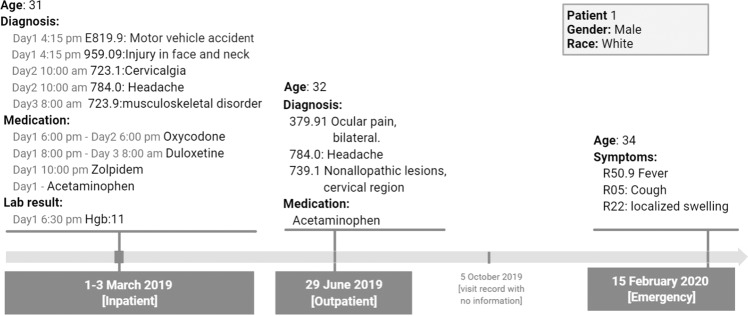
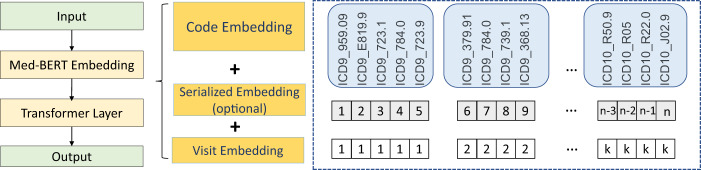
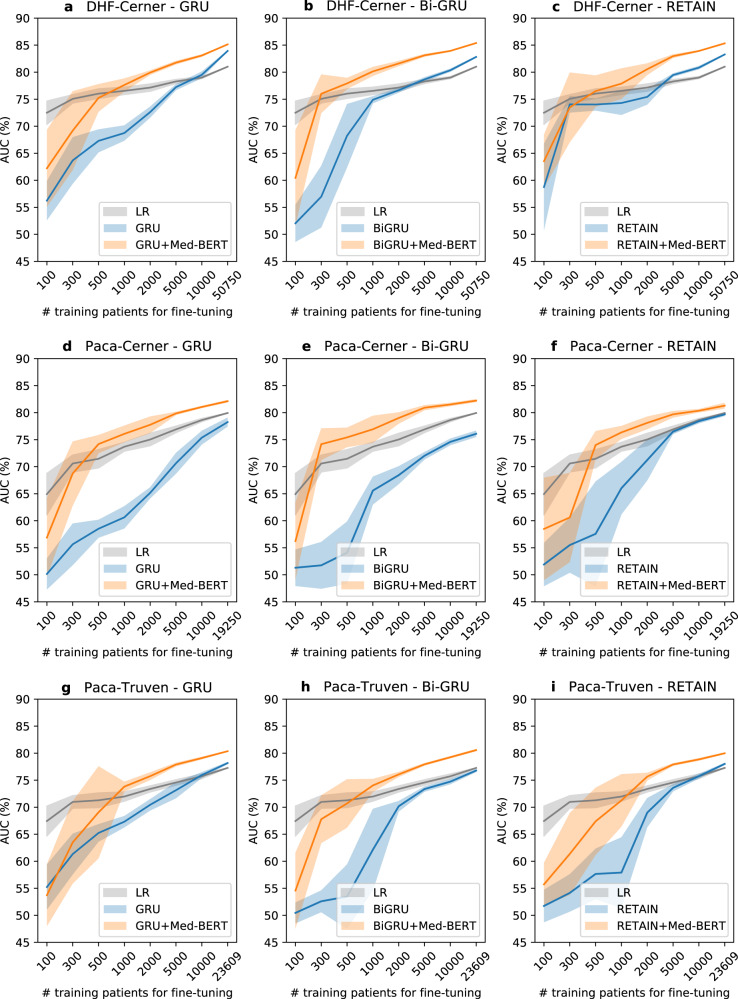
Deep learning (DL)-based predictive models from electronic health records (EHRs) deliver impressive performance in many clinical tasks. Large training cohorts, however, are often required by these models to achieve high accuracy, hindering the adoption of DL-based models in scenarios with limited training data. Recently, bidirectional encoder representations from transformers (BERT) and related models have achieved tremendous successes in the natural language processing domain. The pretraining of BERT on a very large training corpus generates contextualized embeddings that can boost the performance of models trained on smaller datasets. Inspired by BERT, we propose Med-BERT, which adapts the BERT framework originally developed for the text domain to the structured EHR domain. Med-BERT is a contextualized embedding model pretrained on a structured EHR dataset of 28,490,650 patients. Fine-tuning experiments showed that Med-BERT substantially improves the prediction accuracy, boosting the area under the receiver operating characteristics curve (AUC) by 1.21–6.14% in two disease prediction tasks from two clinical databases. In particular, pretrained Med-BERT obtains promising performances on tasks with small fine-tuning training sets and can boost the AUC by more than 20% or obtain an AUC as high as a model trained on a training set ten times larger, compared with deep learning models without Med-BERT. We believe that Med-BERT will benefit disease prediction studies with small local training datasets, reduce data collection expenses, and accelerate the pace of artificial intelligence aided healthcare.
Overview
The claims and statistics of this paper haven’t been checked yet.
Free: it reads the open-access text and checks the first 5 claims that cite a source we can check. Create a free account to check every claim.
Integrity signals
Registry
Cites
Statistics
Figures

Verification
Claims the paper makes
The claims and statistics of this paper haven’t been checked yet.
Free: it reads the open-access text and checks the first 5 claims that cite a source we can check. Create a free account to check every claim.
Claims other papers make about this one
Each is checked against this paper’s own text: does it say what the citing paper says it does?
The source backs part of the claim, not all of it — or backs it for a different population, condition or comparison.
In the citing paper
“In biomedical informatics, numerous models utilizing this approach, such as BioBERT, MedBERT, and BiomedBERT, have been developed by training models on various relevant text corpora, such as EHR data and biomedical academic literature15–17.”
From OnSIDES database: Extracting adverse drug events from drug labels using natural language processing models (2025) · cites this paper as [17]
Experimental — accuracy not yet measuredThe source backs part of the claim, not all of it — or backs it for a different population, condition or comparison.
In the citing paper
“Machine learning methods11–14, particularly deep learning, typically employ neural networks and the first generation of transformer-based large language models (e.g., BERT).”
From A critical assessment of using ChatGPT for extracting structured data from clinical notes (2024) · cites this paper as [14]
Experimental — accuracy not yet measuredThe source backs part of the claim, not all of it — or backs it for a different population, condition or comparison.
In the citing paper
“MedBERT is limited to ICD 10 codes and evaluated on a small subset of disorders, which might be insufficient for estimating general performance.”
From Foresight-a generative pretrained transformer for modelling of patient timelines using electronic health records: a retrospective modelling study (2024) · cites this paper as [6]
Experimental — accuracy not yet measuredThe cited source says what the claim attributes to it.
In the citing paper
“Med-BERT was pretrained on structured EHR data from over 28 million patients and evaluated on the prediction of pancreatic cancer, and heart failure in patients with diabetes61.”
From Orchestrating explainable artificial intelligence for multimodal and longitudinal data in medical imaging (2024) · cites this paper as [61]
The cited source says what the claim attributes to it.
In the citing paper
“Structured EHR baselines implemented embedding, based and transformer, based architectures for disease prediction from longitudinal clinical records56.”
From K-STAMM: a knowledge-enhanced spatial - temporal attention model with multimodal fusion for pneumonia prediction (2026) · cites this paper as [56]
2 more claims about this paper
Create a free account to see every claim other papers make about this one.
Self-check
Percentages, sums and reported differences re-computed from the paper’s own numbers.
The self-check needs the paper’s full text.
Citations
Cites
BERT: Pre-training of Deep Bidirectional Transformers for Language Understanding
Devlin, J., Chang, M.-W., Lee, K., & Toutanova, K. (2019) · Proceedings of the 2019 Conference of the North American Chapter of the Association for Computational Linguistics: Human Language Technologies, Volume 1 (Long and Short Papers) · doi:10.18653/v1/n19-1423 · Cited by 54,325 · cited 1×
“For pre-training we used mainly the BERT recommended parameters [29].”
MethodGlove: Global Vectors for Word Representation
Pennington, J., Socher, R., & Manning, C. (2014) · Proceedings of the 2014 Conference on Empirical Methods in Natural Language Processing (EMNLP) · doi:10.3115/v1/d14-1162 · Cited by 34,071
Pan, S. J., & Yang, Q. (2010) · IEEE Transactions on Knowledge and Data Engineering · doi:10.1109/tkde.2009.191 · Cited by 23,387 · cited 1×
“Transfer learning was developed to address the issue whereby some representations were first pretrained on large volumes of unannotated datasets and then further adapted to guide other tasks [23].”
BackgroundLanguage Models are Few-Shot Learners
Brown, T. B., Mann, B., Ryder, N., Subbiah, M., Kaplan, J., Dhariwal, P., Neelakantan, A., Shyam, P., Sastry, G., Askell, A., et al. (2020) · arXiv · doi:10.48550/arxiv.2005.14165 · Cited by 23,372
Dermatologist-level classification of skin cancer with deep neural networks
Esteva, A., Kuprel, B., Novoa, R. A., Ko, J., Swetter, S. M., Blau, H. M., & Thrun, S. (2017) · Nature · doi:10.1038/nature21056 · Cited by 14,362
Deep Contextualized Word Representations
Peters, M., Neumann, M., Iyyer, M., Gardner, M., Clark, C., Lee, K., & Zettlemoyer, L. (2018) · Proceedings of the 2018 Conference of the North American Chapter of the Association for Computational Linguistics: Human Language Technologies, Volume 1 (Long Papers) · doi:10.18653/v1/n18-1202 · Cited by 11,983 · cited 1×
“This pre-training-fine-tuning paradigm has been proven to be extremely effective in natural language processing (NLP) [24-30] and, recently, computer visions [31,32].”
Empirical Evaluation of Gated Recurrent Neural Networks on Sequence Modeling
Chung, J., Gulcehre, C., Cho, K., & Bengio, Y. (2014) · arXiv · doi:10.48550/arxiv.1412.3555 · Cited by 11,008 · cited 1×
“For Ex-1 and Ex-2, we adopted GRU [50], Bi-GRU [51], and RETAIN [12] as our base models.”
MethodA simple framework for contrastive learning of visual representations
Chen, T., Kornblith, S., Norouzi, M., & Hinton, G. (2020) · arXiv · doi:10.48550/arxiv.2002.05709 · Cited by 10,857
Enriching Word Vectors with Subword Information
Bojanowski, P., Grave, E., Joulin, A., & Mikolov, T. (2017) · Transactions of the Association for Computational Linguistics · doi:10.1162/tacl_a_00051 · Cited by 9,645
Transformers: State-of-the-Art Natural Language Processing
Wolf, T., Debut, L., Sanh, V., Chaumond, J., Delangue, C., Moi, A., Cistac, P., Rault, T., Louf, R., Funtowicz, M., et al. (2020) · Proceedings of the 2020 Conference on Empirical Methods in Natural Language Processing: System Demonstrations · doi:10.18653/v1/2020.emnlp-demos.6 · Cited by 8,741
Research works printed but not linked: 3
- Sun, C., Shrivastava, A., Singh, S. & Gupta, A. In Proceedings of the IEEE International Conference on Computer Vision, 843–852.
- Mikolov, T., Sutskever, I., Chen, K., Corrado, G. S. & Dean, J. Distributed representations of words and phrases and their compositionality. In Advances in Neural Information Processing Systems, 3111–3119 (NIPS, 2013).
- Radford A Language models are unsupervised multitask learners OpenAI Blog 2019 1 9
Cited by
Items 301–400 of 1,006
Wang, B., Liu, Y., Tian, H., Hua, R., Chang, K., Xia, J., Dai, X., Gao, Z., Liu, S., Wang, R., et al. (2025) · Tsinghua Science & Technology · doi:10.26599/tst.2024.9010125 · Cited by 14
Evaluation of trajectory analysis for disease risk assessment: a scoping review
Pollington, F., Denaxas, S., Li, K., Thygesen, J. H., Lyratzopoulos, G., & White, B. (2025) · Journal of the American Medical Informatics Association · doi:10.1093/jamia/ocaf208 · Cited by 17
Drozdov, I. A., Szubert, B., Reda, E., Makary, P., Forbes, D., Chang, S. L., Ezhil, A., Puttagunta, S. A., Hall, M., Carlin, C. M., et al. (2021) · Scientific Reports · doi:10.1038/s41598-021-99986-3 · Cited by 14
Type 2 Diabetes Mellitus: Early Detection using Machine Learning Classification
Gowthami, S., Reddy, V. S., & Ahmed, M. R. (2023) · International Journal of Advanced Computer Science and Applications · doi:10.14569/ijacsa.2023.01406127 · Cited by 16
“Rasmy et al. (2021) [29] developed a machine-learning model for the early prediction of T2DM using electronic health record data from a large healthcare system.”
MethodApplication of Natural Language Processing in Total Joint Arthroplasty: Opportunities and Challenges
Nugen, F., Vera-Garcia, D. V., Sohn, S., Mickley, J. P., Wyles, C. C., Erickson, B. J., & Taunton, M. J. (2023) · The Journal of Arthroplasty · doi:10.1016/j.arth.2023.08.047 · Cited by 15
Domain Heuristic Fusion of Multi-Word Embeddings for Nutrient Value Prediction
Ispirova, G., Eftimov, T., & Seljak, B. K. (2021) · Mathematics · doi:10.3390/math9161941 · Cited by 12
Wang, X., Liu, B., Tang, S., & Wu, L. (2022) · Conference on Empirical Methods in Natural Language Processing (EMNLP) · doi:10.18653/v1/2022.emnlp-main.37 · Cited by 20
What Do You See in this Patient? Behavioral Testing of Clinical NLP Models
van Aken, B., Herrmann, S., & Löser, A. (2022) · Clinical Natural Language Processing Workshop (ClinicalNLP) · doi:10.18653/v1/2022.clinicalnlp-1.7 · Cited by 14
Self-Supervised Forecasting in Electronic Health Records With Attention-Free Models
Kumar, Y., Ilin, A., Salo, H., Kulathinal, S., Leinonen, M. K., & Marttinen, P. (2024) · IEEE Transactions on Artificial Intelligence · doi:10.1109/tai.2024.3353164 · Cited by 15
“Applying pretrained Transformers to EHR data has shown promise, as evidenced by studies from Li et al. [39] and Rasmy et al. [54], who achieved improved performance over RNNs us-ing pretrained BERT Transformers.”
BackgroundMethodEntity-enhanced BERT for medical specialty prediction based on clinical questionnaire data
Lee, S., Han, Y. J., Park, H., Lee, B., Son, D., Kim, S., Yang, H., Han, T., Kim, E., & Han, S. W. (2025) · PLoS ONE · doi:10.1371/journal.pone.0317795 · Cited by 11
Guo, Y., Wang, H., Ren, X., Wang, T., Chen, W., Xu, Z., & Ge, H. (2025) · Journal of Evidence-Based Medicine · doi:10.1111/jebm.70004 · Cited by 13
“The medical text pretraining models like BioBERT [44], Med-BERT [45], and BioGPT [46] usually follow the masked strategy of BERT and the generative strategy of GPTs, conducted on literature,clinicalreports,orEHRs.”
Multi-Modal Disease Prediction With Hierarchical Self-Supervised Learning
Qu, Z., Chen, T., Zhou, X., Zhu, F., Guo, W., Xu, Y., Zhang, Y., & Cui, L. (2025) · IEEE Journal of Biomedical and Health Informatics · doi:10.1109/jbhi.2025.3561546 · Cited by 13
“Inthehealthcaredomain,the effectivenessofSSLhasbeenvalidatedinvariousapplications, suchasdiseaseprediction[38],[39],[40],drugrecommen-dation[41],andmedicalimaginganalysis[42],[43].”
Embedding Methods for Electronic Health Record Research
Kauffman, J., Miotto, R., Klang, E., Costa, A. B., Norgeot, B., Žitnik, M., Shameer, K., Fei, W., Nadkarni, G. N., & Glicksberg, B. S. (2025) · Annual Review of Biomedical Data Science · doi:10.1146/annurev-biodatasci-103123-094729 · Cited by 16
Unstructured Electronic Health Records of Dysphagic Patients Analyzed by Large Language Models
Neubig, L., Larsen, D., Kunduk, M., & Kist, A. M. (2025) · IEEE Journal of Translational Engineering in Health and Medicine · doi:10.1109/jtehm.2025.3571255 · Cited by 12
“…bidirectional encoder representations from transformer (BERT) [17] in its foundational version, alongside distinct fine-tuned variants including Med-BERT (MB) [18] trained on electronic health records, Clinical BERT (CB) [19] fine-tuned on clinical notes, and the Word2Vec (W2V) [20] approach.”
Zhang, Q., Chen, S., & Liu, W. (2025) · Symmetry · doi:10.3390/sym17060823 · Cited by 34
Shah, K. A., Halim, Z., Anwar, S., Hsu, C.-C., & Rida, I. (2025) · Information Fusion · doi:10.1016/j.inffus.2025.103503 · Cited by 18
Redekop, E., Wang, Z., Kulkarni, R., Pleasure, M., Chin, A. T., Hassanzadeh, H. R., Hill, B. L., Emami, M., Speier, W. F., & Arnold, C. W. (2025) · Journal of the American Medical Informatics Association · doi:10.1093/jamia/ocaf160 · Cited by 11
CURENet: combining unified representations for efficient chronic disease prediction
Dao, C.-T., Phan, T. T., Ding, J.-E., Wu, C., Restrepo, D. S., Luo, D., Zhao, F., Liao, C.-C., Peng, W.-C., Wang, C., et al. (2025) · Health Information Science and Systems · doi:10.1007/s13755-025-00396-w · Cited by 15
“To ensure a fair and unbiased evaluation, we do not directly compare CURENet with models that rely solely on structured medical codes (e.g., ICD-based models such as BEHRT [9] and Med-BERT [54]).”
The Role of Artificial Intelligence in Theranostics
Currie, G. M., & ROHREN, E. M. (2025) · Journal of Nuclear Medicine Technology · doi:10.2967/jnmt.125.270251 · Cited by 12
SimSUM – simulated benchmark with structured and unstructured medical records
Rabaey, P., Heytens, S., & Demeester, T. (2025) · Journal of Biomedical Semantics · doi:10.1186/s13326-025-00341-6 · Cited by 15
“…EHRs form a valuable basis for training clinical decision support systems, (partially) automating essential processes in the clinical world, such as diagnosis, writing treatment plans, and more (Peiffer-Smadja et al. 2020; Mujtaba et al. 2019; Rasmy et al. 2021; Li et al. 2020; Xu et al. 2019).”
PLUE: Language Understanding Evaluation Benchmark for Privacy Policies in English
Chi, J., Ahmad, W. U., Tian, Y., & Chang, K.-W. (2023) · Proceedings of the conference - Association for Computational Linguistics. Meeting · doi:10.18653/v1/2023.acl-short.31 · Cited by 17
Marcou, Q., Berti‐Équille, L., & Novelli, N. (2024) · Journal of Biomedical Informatics · doi:10.1016/j.jbi.2024.104617 · Cited by 13
al-BERT: a semi-supervised denoising technique for disease prediction
Tseng, Y.-C., Kuo, C.-W., Peng, W.-C., & Hung, C. (2024) · BMC Medical Informatics and Decision Making · doi:10.1186/s12911-024-02528-w · Cited by 12
“Med-BERT [1] demonstrates that when disease records are transformed into sequences, it exhibit similar structures to sentences.”
BackgroundMethodInfluentialSingh, A. K., Sharma, K. K., Bajpai, M. K., & Cabezuelo, A. S. (2024) · Applied Soft Computing · doi:10.1016/j.asoc.2024.112374 · Cited by 12
Steinfeldt, J., Wild, B., Buergel, T., Pietzner, M., zu Belzen, J. U., Vauvelle, A., Hegselmann, S., Denaxas, S., Hemingway, H., Langenberg, C., et al. (2025) · Nature Communications · doi:10.1038/s41467-025-55879-x · Cited by 14
“While approaches have been developed for high-throughput phenotyping 31,32 and to extract information from longitudinal health records 33,34 , no studies have investigated the predictive potential and potential utility over the entire human phenome.”
Contrastive Visual Semantic Pretraining Magnifies the Semantics of Natural Language Representations
Wolfe, R., & Caliskan, A. (2022) · Proceedings of the conference - Association for Computational Linguistics. Meeting · doi:10.18653/v1/2022.acl-long.217 · Cited by 22
Bornet, A., Proios, D., Yazdani, A., Jaume-Santero, F., Haller, G., Choi, E., & Teodoro, D. (2025) · Artificial Intelligence in Medicine · doi:10.1016/j.artmed.2025.103108 · Cited by 15
Zhu, W., Tang, H., Zhang, H., Rajamohan, H. R., Huang, S., Ma, X., Chaudhari, A., Madaan, D., Almahmoud, E., Chopra, S., et al. (2024) · medRxiv · doi:10.1101/2024.04.26.24306180 · Cited by 18
“This refined approach offered a more nuanced representation of age and the temporal gap between encounters, compared to BERHT and Med-BERT 20,21 .”
OctoMed: Data Recipes for State-of-the-Art Multimodal Medical ReasoningPreprint
Ossowski, T., Zhang, S., Liu, Q., Qin, G., Tan, R., Naumann, T., Hu, J., & Poon, H. (2025) · arXiv (Cornell University) · doi:10.48550/arxiv.2511.23269 · Cited by 13
Kim, K., Park, S., Min, J., Park, S., Kim, J. Y., Eun, J., Jung, K., Park, Y. E., Kim, E. H., Lee, E. Y., et al. (2024) · JMIR Medical Informatics · doi:10.2196/52897 · Cited by 13
“Rasmy et al [24] introduced Med-BERT, which pretrained BERT using electronic health record data to classify diabetes and pancreatic cancer datasets.”
Choi, A., Kim, C. H., Ryoo, J., Jeon, J., Cho, S., Lee, D., Kim, J., Lee, C., & Bae, W. (2025) · Scientific Reports · doi:10.1038/s41598-025-87161-x · Cited by 10
NLP and AI for Public Health Intelligence: Automating Disease Surveillance from Unstructured Data
Methuku, V. (2025) · ICCK Transactions on Emerging Topics in Artificial Intelligence · doi:10.62762/tetai.2025.222799 · Cited by 11
Kim, H. K., Park, Y., Park, Y., Choi, E., Kim, S., You, H., & Bae, Y. S. (2023) · IEEE Access · doi:10.1109/access.2023.3245523 · Cited by 14
“In clinical applications, transformer-based language models have been successfully applied in various downstream applications, such as hospital readmission prediction [23], [24], [25], disease prediction [26], and concept normalization [27], [28], [29].”
MethodUMLS-KGI-BERT: Data-Centric Knowledge Integration in Transformers for Biomedical Entity Recognition
Mannion, A., Schwab, D., & Goeuriot, L. (2023) · Clinical Natural Language Processing Workshop (ClinicalNLP) · doi:10.18653/v1/2023.clinicalnlp-1.35 · Cited by 13
LATTE: Label-efficient incident phenotyping from longitudinal electronic health records
Wen, J., Hou, J., Bonzel, C.-L., Zhao, Y., Castro, V. M., Gainer, V. S., Weisenfeld, D., Cai, T. A., Ho, Y.-L. A., Panickan, V. A., et al. (2023) · Patterns · doi:10.1016/j.patter.2023.100906 · Cited by 17
Zheng, Y., Dickson, V. V., Blecker, S., Ng, J. M., Rice, B. C., Melkus, G. D., Shenkar, L., Mortejo, M. C. R., & Johnson, S. B. (2022) · JMIR Diabetes · doi:10.2196/34681 · Cited by 11
“However, deep learning–based models require large amounts of training data to achieve high accuracy, hindering the adoption of deep learning–based models in scenarios with limited amounts of training data [27].”
BackgroundPark, J., Artin, M. G., Lee, E., May, B. L., Park, M. K., Hur, C., & Tatonetti, N. P. (2022) · Patterns · doi:10.1016/j.patter.2022.100636 · Cited by 13
“16 Another study presented by Rasmy et al. evaluated effects of data granularity on prediction performance.”
BackgroundOn the Transformation of Latent Space in Fine-Tuned NLP Models
Durrani, N., Sajjad, H., Dalvi, F., & Alam, F. (2022) · Conference on Empirical Methods in Natural Language Processing (EMNLP) · doi:10.18653/v1/2022.emnlp-main.97 · Cited by 20
Generalized and transferable patient language representation for phenotyping with limited data
Si, Y., Bernstam, E. V., & Roberts, K. E. (2021) · Journal of Biomedical Informatics · doi:10.1016/j.jbi.2021.103726 · Cited by 15
Schimanski, T., Reding, A., Reding, N., Bingler, J., Kraus, M., & Leippold, M. (2023) · SSRN Electronic Journal · doi:10.2139/ssrn.4649064 · Cited by 10
Construction of a Japanese Financial Benchmark for Large Language ModelsPreprint
Hirano, M. (2024) · SSRN Electronic Journal · doi:10.2139/ssrn.4769124 · Cited by 10
Stanekova, V., Inglis, J. M., Lam, L., Lam, A., Smith, W., Shakib, S., & Bacchi, S. (2024) · Internal Medicine Journal · doi:10.1111/imj.16360 · Cited by 10
“13 This may prove useful if the model were applied to alternative drug allergy labels such as nonpenicillin antibiotics, opioids and aspirin, where the reduced prevalence means that there is a smaller number of labels for training.”
Fair and Accurate Skin Disease Image Classification by Alignment with Clinical Labels
Aayushman, Gaddey, H., Mittal, V., Chawla, M., & Gupta, G. R. (2024) · Lecture notes in computer science · doi:10.1007/978-3-031-72378-0_37 · Cited by 14
HEART: Learning better representation of EHR data with a heterogeneous relation-aware transformer
Huang, T., Rizvi, S. A., Thakur, R. K., Socrates, V., Gupta, M., van Dijk, D., Taylor, R. A., & Ying, R. (2024) · Journal of Biomedical Informatics · doi:10.1016/j.jbi.2024.104741 · Cited by 18
TGFN-SD: A text-guided multimodal fusion network for swine disease diagnosis
Yang, G., Li, Q., Zhao, C., Wang, C., Yan, H., Meng, R., Liu, Y., & Yu, L. (2025) · Artificial Intelligence in Agriculture · doi:10.1016/j.aiia.2025.03.002 · Cited by 16
Dai, J., Kim, M.-Y., Sutton, R. T., Mitchell, J. R., Goebel, R. G., & Baumgart, D. C. (2025) · npj Digital Medicine · doi:10.1038/s41746-025-01729-5 · Cited by 11
“28million,1.6million, and20millionpatientsforCancerBERT,BEHRT,andMedBERT,respectively.”
InfluentialA vision–language pretrained transformer for versatile clinical respiratory disease applications
Ma, L., Liang, H., He, Y., Wang, W., Yan, Z., Li, W., Wang, R., Li, Y., Lizhu, Y., Liu, Y., et al. (2025) · Nature Biomedical Engineering · doi:10.1038/s41551-025-01544-z · Cited by 13
A Systematic Review of Topic Modeling Techniques for Electronic Health Records
Mehmood, I., Zahra, Z., Iqbal, S., Qahmash, A., & Hussain, I. (2026) · Healthcare · doi:10.3390/healthcare14020282 · Cited by 11
Generative AI for healthcare: fundamentals, challenges, and perspectives
Chen, G., Liu, C., Anne, O. G., Tan, M., Xie, Z., Yin, J., Yip, J. W. L., Zhang, W., ZHU, J., & Ooi, B. C. (2026) · Science China Information Sciences · doi:10.1007/s11432-025-4927-2 · Cited by 10
“For structured and temporal medical data, Med-BERT [32] targets longitudinal EHR sequences to enable dynamic health monitoring and risk stratification.”
Self-citationEnhancing Neural Text Detector Robustness with μAttacking and RR-Training
Liang, G., Guerrero, J., Zheng, F., & Alsmadi, I. M. (2023) · Electronics · doi:10.3390/electronics12081948 · Cited by 13
Huang, Y., Wang, M., Zheng, Z., Ma, M., Fei, X., Wei, L., & Chen, H. (2023) · Journal of Biomedical Informatics · doi:10.1016/j.jbi.2023.104427 · Cited by 9
Wu, R. S. L. (2024) · Intelligent and Converged Networks · doi:10.23919/icn.2024.0004 · Cited by 9
Artificial Intelligence–Assisted Cancer Status Detection in Radiology Reports
Arya, A., Niederhausern, A., Bahadur, N. S., Shah, N. J., Nichols, C., Chatterjee, A., & Philip, J. (2024) · Cancer Research Communications · doi:10.1158/2767-9764.crc-24-0064 · Cited by 11
Unlocking the Potentials of Large Language Models in Orthodontics: A Scoping Review
Zheng, J., Ding, X., Pu, J. J., Chung, S. M., Ai, Q. Y. H., Hung, K. F., & Shan, Z. (2024) · Bioengineering · doi:10.3390/bioengineering11111145 · Cited by 18
“In the medical field, LLMs can be applied to assist in diagnosis and personalized treatment planning, which can effectively improve the efficiency and quality of medical services [65–67].”
The Effectiveness of Transformer-Based Models for BEC Attack Detection
Almutairi, A., Kang, B., & Fadhel, N. F. (2023) · Lecture notes in computer science · doi:10.1007/978-3-031-39828-5_5 · Cited by 9
Peng, X., Long, G., Shen, T., Wang, S., Zhang, C., Clarke, A., & Schlegel, C. (2025) · International Joint Conference on Neural Networks (IJCNN) · doi:10.1109/ijcnn64981.2025.11228235 · Cited by 10
“BioBERT [35], ClinicalBERT [36] and Med-BERT [37] achieve new state-of-the-art results on various biomedical NLP tasks through simple fine-tuning techniques with medical corpus.”
Learning the natural history of human disease with generative transformersPreprint
Shmatko, A., Jung, A. W., Gaurav, K., Brunak, S., Mortensen, L. H., Birney, E., Fitzgerald, T. W., & Gerstung, M. (2024) · medRxiv · doi:10.1101/2024.06.07.24308553 · Cited by 13
Professionalism and clinical short answer question marking with machine learning
Lam, A., Lam, L., Blacketer, C., Parnis, R., Franke, K., Wagner, M., Wang, D., Tan, Y., Oakden‐Rayner, L., Gallagher, S., et al. (2022) · Internal Medicine Journal · doi:10.1111/imj.15839 · Cited by 8
Liu, Y., Zhang, Z., Mi, J., Pan, S., Chen, T., Guo, Y. M., He, X., & Bian, J. (2024) · Journal of Biomedical Informatics · doi:10.1016/j.jbi.2025.104851 · Cited by 11
Kim, J., Kim, J. S., Lee, J., Kim, M., Kim, T., Cho, C., Park, R. W., & Kim, K. (2025) · Communications Medicine · doi:10.1038/s43856-025-00914-7 · Cited by 9
“The model pretrained with DE exhibited the best AUROC and AUPRC in all cohorts with all timepoints, only except the Chemo-NF cohort of the external dataset with the prediction timepoint of twelveweeks(SupplementaryTables5 – 10).”
Smith, A., Beaney, T. E., Hockham, C., Su, B., Elliott, P., Downey, L. E., Denaxas, S., Barnaghi, P. M., Dehghan, A., & Tzoulaki, I. (2025) · npj Digital Medicine · doi:10.1038/s41746-025-01806-9 · Cited by 8
“However, previous models that incorporate diagnostic codes as words, such as BEHRT 17 and MedBERT 18 , have utilised a limited diagnosis vocabulary, are built on earlier-generation models such as BERT 19 and, to our knowledge, have not been utilised for patient clustering to explain common patterns…”
InfluentialLarge Language Models in Cardiovascular Prevention: A Narrative Review and Governance Framework
Santos, J. F., & Dores, H. (2026) · Diagnostics · doi:10.3390/diagnostics16030390 · Cited by 9
“Foundational work with transformer encoders pretrained on EHR data, such as Med-BERT, has demonstrated superior performance in phenotyping tasks compared with conventional models, learning clinically meaningful patterns from sequences of diagnostic and procedural codes [69].”
Generic medical concept embedding and time decay for diverse patient outcome prediction tasks
Li, Y., Dong, W., Ru, B., Black, A., Zhang, X., & Guan, Y. (2022) · iScience · doi:10.1016/j.isci.2022.104880 · Cited by 9
“Additionally, Rasmy and colleagues adapted the BERT framework to the EHR domain, pretrained on over 28 million individuals and evaluated two datasets of disease risk prediction (Rasmy et al., 2021).”
Language model-guided student performance prediction with multimodal auxiliary information
Oh, C., Park, M., Lim, S., & Song, K. (2024) · Expert Systems with Applications · doi:10.1016/j.eswa.2024.123960 · Cited by 8
Moore, A., Orset, B., Yassaee, A., Irving, B., & Morelli, D. (2024) · ACM Transactions on Computing for Healthcare · doi:10.1145/3665899 · Cited by 11
Özkan, E., & Boix, X. (2024) · Scientific Reports · doi:10.1038/s41598-024-73561-y · Cited by 12
Lin, S., Zhou, S., Jiao, H., Wang, M., Yan, H., Dou, P., & Chen, J. (2024) · Complex & Intelligent Systems · doi:10.1007/s40747-024-01697-5 · Cited by 9
“For example, Rasmy et al. [29]”
Yao, K.-Y., Lai, D. K.-H., Lim, H.-J., So, B. P.-H., Chan, A. C.-H., Yip, P. Y.-M., Wong, D. W., Dai, B., Zhao, X., Wong, S. H. D., et al. (2025) · Materials & Design · doi:10.1016/j.matdes.2025.113861 · Cited by 8
Patel, K., Connor, A. A., Kodali, S., Mobley, C. M., Victor, D., Hobeika, M. J., Dib, Y. E., Saharia, A., Cheah, Y. L., Simon, C. J., et al. (2025) · Artificial Intelligence Surgery · doi:10.20517/ais.2024.103 · Cited by 9
Moen, H., Raj, V., Vabalas, A., Perola, M., Kaski, S., Ganna, A., & Marttinen, P. (2025) · Annals of Epidemiology · doi:10.1016/j.annepidem.2025.08.025 · Cited by 13
Deep Dynamic Patient Similarity Analysis: Model Development and Validation in ICU
Sun, Z., Lü, X., Duan, H., & Li, H. (2022) · Computer Methods and Programs in Biomedicine · doi:10.1016/j.cmpb.2022.107033 · Cited by 11
Few-Shot Learning with Semi-Supervised Transformers for Electronic Health Records.
Poulain, R., Gupta, M., & Beheshti, R. (2022) · PubMed · Cited by 28
Naseem, U., Thapa, S., Zhang, Q., Hu, L., Masood, A., & Nasim, M. (2023) · Clinical Natural Language Processing Workshop (ClinicalNLP) · doi:10.18653/v1/2023.clinicalnlp-1.32 · Cited by 8
“In order to effectively analyze medical data, it is essential to capture the relationships between different medical concepts and understand their context within the larger medical knowledge network (Rasmy et al., 2021).”
BackgroundHirano, M., & Imajo, K. (2024) · IIAI International Congress on Advanced Applied Informatics (IIAI-AAI) · doi:10.1109/iiai-aai63651.2024.00059 · Cited by 10
“Back to the era of BERT, SciB-ERT [20], MedBERT [21], Japanese BERT 1 , and Japanese financial BERT [22] are proposed.”
BackgroundMethodMahajan, P., & Rana, D. P. (2023) · Expert Systems with Applications · doi:10.1016/j.eswa.2023.120310 · Cited by 8
Yadalam, P. K., Pawar, A. R., Natarajan, P. M., & Ardila, C. M. (2025) · Head & Face Medicine · doi:10.1186/s13005-025-00528-3 · Cited by 8
“The approach integrates image-based analysis through a convolutional neural network (CNN) with text-based classification using ClinicalBERT and MedicalBERT [9, 22, 23].”
Mann, H., Bar-Hillel, A., Lev‐Tzion, R., Greenfeld, S., Kariv, R., Lederman, N., Matz, E., Dotan, I., Turner, D., & Lerner, B. (2023) · Artificial Intelligence in Medicine · doi:10.1016/j.artmed.2023.102684 · Cited by 7
Horvath, A.-S., & Pouliou, P. (2024) · CRC Press eBooks · doi:10.1201/9781003425724-46 · Cited by 9
Liu, R., Chen, P., & Zhang, P. (2024) · Patterns · doi:10.1016/j.patter.2024.100973 · Cited by 8
“Similarly, Med-BERT, another Transformer model, incorporates customized pre-training objectives tailored for disease prediction problems.”
Milligan, G., Bernard, A., Dowthwaite, L., Vallejos, E. P., Davis, J. N., Salhi, L., & Goulding, J. (2024) · Counselling and Psychotherapy Research · doi:10.1002/capr.12766 · Cited by 7
Park, J. I., Johnson, S., & Pruinelli, L. (2024) · Journal of Nursing Scholarship · doi:10.1111/jnu.13009 · Cited by 7
Junior, V. F. M., Kummer, B. R., & Moura, L. M. V. R. (2025) · Seminars in Neurology · doi:10.1055/a-2563-9844 · Cited by 10
“68 The rise of health care-speci fi c LLMs holds promise for enhancing diagnostic accuracy in neurology.”
Lyu, L., Zhu, H., Chen, H., Zhou, J., Chan, R. H. M., & Lu, L. (2025) · IEEE Journal of Biomedical and Health Informatics · doi:10.1109/jbhi.2025.3593388 · Cited by 8
“Med-BERT, another notable variant, is a contextualized embedding model pre-trained on large-scale structured EHR data, specifically aimed at improving predictions across multiple disease categories [14].”
A survey on electronic health record driven multimodal representation learning
Dou, Y., Liu, Y., Zou, H., Zeng, W., Xu, K., & Peng, S. (2025) · Information Fusion · doi:10.1016/j.inffus.2025.103810 · Cited by 11
Finch, A., Crowell, A., Chang, Y.-C., Parameshwarappa, P., Martinez, J., & Horberg, M. A. (2021) · JAMIA Open · doi:10.1093/jamiaopen/ooab064 · Cited by 7
“To capture the basic relationships between diseases, several models have incorporated hierarchical structures in which patient visits are aggregated in an intermediary step between entity embedding and patient summary.(9,14,17,19) Such models benefit by encoding logically related information into a structural element…”
BackgroundMethodInfluentialPatient Clustering for Vital Organ Failure Using ICD Code With Graph Attention
Liu, Z., Hu, Y., Wu, X., Mertes, G., Yang, Y., & Clifton, D. A. (2023) · IEEE Transactions on Biomedical Engineering · doi:10.1109/tbme.2023.3243311 · Cited by 9
“A large amount of literature has shown the power of diagnosis information in various clinical tasks [5], [17], [48].”
BackgroundShickel, B., Lucarelli, N., Rao, A. S., Yun, D., Moon, K. C., Seok, H. S., & Sarder, P. (2023) · SPIE Medical Imaging: Digital and Computational Pathology · doi:10.1117/12.2655266 · Cited by 8
“, BERT [29], GPT-3 [30], T5 [31]), including notable examples in the medical domain [32-35], and have begun to demonstrate state-of-the-art performance in general imaging applications [36-38] including computational pathology [39-41].”
MedLink: De-Identified Patient Health Record Linkage
Wu, Z., Xiao, C., & Sun, J. (2023) · ACM SIGKDD Conference on Knowledge Discovery and Data Mining (KDD) · doi:10.1145/3580305.3599427 · Cited by 8
“Models are designed to capture complex and temporal patterns in patient data [2, 4–6, 15, 23–27, 45, 46], model structural information in medical codes [7, 9, 36], augment the model using pre-training [21, 32, 39], or handle heterogeneous data across institutions [43].”
BackgroundForecasting Treatment Outcomes Over Time Using Alternating Deep Sequential Models
Wu, F. C., Zhao, G., Zhou, Y., Qian, X., Elias, B.-K., & Lehman, L.-W. H. (2023) · IEEE Transactions on Biomedical Engineering · doi:10.1109/tbme.2023.3331298 · Cited by 11
“MED-BERT [19] utilized the per-trained model and large language model to modeling the disease progression by text records in EHR.”
MethodDuKA: A Dual-Keyless-Attention Model for Multi-Modality EHR Data Fusion and Organ Failure Prediction
Liu, Z., Wu, X., Yang, Y., & Clifton, D. A. (2023) · IEEE Transactions on Biomedical Engineering · doi:10.1109/tbme.2023.3331305 · Cited by 7
“We adopted the structure of the model in Med-BERT [47] pre-trained with masked language model (MLM) objective.”
BackgroundMethodInfluentialLee, T.-H., Kim, S., Lee, J., & Jun, C. (2024) · Information Sciences · doi:10.1016/j.ins.2024.120265 · Cited by 7
Towards Reducing Diagnostic Errors with Interpretable Risk Prediction
McInerney, D. J., Dickinson, W., Flynn, L. C., Young, A. C., Young, G. S., van de Meent, J.-W., & Wallace, B. (2024) · Conference of the North American Chapter of the Association for Computational Linguistics: Human Language Technologies (NAACL-HLT) · doi:10.18653/v1/2024.naacl-long.399 · Cited by 8
Leveraging Large Language Models for Generating Personalized Care Recommendations in Dementia
Hu, H., Lin, Y., Chia, C.-H., Chuang, E., & Ru, Y. C. (2024) · IEEE International Workshop on Electromagnetics: Applications and Student Innovation Competition · doi:10.1109/iwem59914.2024.10649066 · Cited by 7
AKI-BERT: a pre-trained clinical language model for early prediction of acute kidney injury
Mao, C., Yao, L., & Luo, Y. (2025) · BMC Medical Informatics and Decision Making · doi:10.1186/s12911-025-03095-4 · Cited by 7
“Laila et al. [52] adapted BERT to the structured EHR domain and proposed Med-BERT for disease prediction; they evaluated Med-BERT for heart failure and pancreatic cancer and achieved substantial improvements.”
Prompt Discriminative Language Models for Domain Adaptation
Lu, K., Potash, P., Lin, X., Sun, Y., Qian, Z., Zheng, Y. G., Naumann, T., Cai, T., & Lu, J. (2023) · Clinical Natural Language Processing Workshop (ClinicalNLP) · doi:10.18653/v1/2023.clinicalnlp-1.30 · Cited by 11
“Most existing domain-specific PLMs rely on tremendous in-domain corpus and computing resources for continual pretraining (Lee et al., 2020; Rasmy et al., 2021; Yuan et al., 2022; Alsentzer et al., 2019) or pretraining from scratch (Gu et al., 2021; Yasunaga et al., 2022), which could be in-feasible…”
BackgroundPredicting Outcomes for Cancer Patients with Transformer-Based Multi-task Learning
Gerrard, L., Peng, X., Clarke, A., Schlegel, C., & Jiang, J. B. (2022) · Lecture notes in computer science · doi:10.1007/978-3-030-97546-3_31 · Cited by 9
Explainable Health Risk Predictor with Transformer-based Medicare Claim EncoderPreprint
Lahlou, C., Crayton, A., Trier, C., & Willett, E. (2021) · arXiv (Cornell University) · doi:10.48550/arxiv.2105.09428 · Cited by 12
Shickel, B., Tighe, P. J., Bihorac, A., & Rashidi, P. (2021) · arXiv (Cornell University) · doi:10.48550/arxiv.2111.05431 · Cited by 9
“• In contrast to recent Transformer approaches that either use discrete medical concepts (Li et al., 2020; Rasmy, 2021; Li et al., 2021) or continuous measurements from a handpicked set of features (Song et al., 2018), we introduce a data embedding scheme that jointly captures both concept and…”
MethodHur, K., Lee, J., Oh, J., Price, W., Kim, Y., & Choi, E. (2021) · doi:10.2196/preprints.32523 · Cited by 8
Metadata
- Authors
- Rasmy, L., Xiang, Y., Xie, Z., Tao, C., & Zhi, D.
- Affiliations
- The University of Texas Health Science Center at Houston (US)
- Peng Cheng Laboratory (CN)
- Corresponding author
- Xiang, Yang
- Zhi, Degui
- Venue
- npj Digital Medicine
- Published
- 2021-05-20
- Volume
- 4
- Issue
- 1
- Pages
- 86-86
- ISSN
- 2398-6352 (ISSN-L)
- PMC
- PMC8137882
- OpenAlex
- W3160137267
- Semantic Scholar
- 5d4de0fa45aeddc31142e6a24666d06ed7923f1e
- Cited by
- 886
- References
- 71
- Citations by year
- 2026: 184 · 2025: 226 · 2024: 196 · 2023: 146 · 2022: 90 · 2021: 41
- FWCI
- 41.96
- Type
- journal article
- Language
- en
- Open access
- gold
- doi.org
- Licence
- cc-by
- creativecommons.org/licenses/by/4.0 (tdm)
- creativecommons.org/licenses/by/4.0 (vor)
- Locations
- npj Digital Medicine (publishedVersion, cc-by)
- PubMed Central (publishedVersion, cc-by)
- PubMed (publishedVersion)
- DOAJ (DOAJ: Directory of Open Access Journals) (submittedVersion, cc-by-sa)
- Funders
- Cancer Prevention and Research Institute of Texas (RP170668, RP160015)
- American Heart Association (19GPSGC35180031)
- Topics
- Physical Sciences › Computer Science › Artificial Intelligence › Machine Learning in Healthcare
- Health Sciences › Health Professions › Health Information Management › Artificial Intelligence in Healthcare
- Health Sciences › Medicine › Health Informatics › Artificial Intelligence in Healthcare and Education
- Keywords
- BERT, contextual embeddings, disease prediction, pre-trained language models, limited training data, fine-tuning, clinical text representation
About these checks
Registry, retraction, Cites and statistics results are computed, not judged, with one exception: a printed reference that no index lists is read once by a model before it counts as a citation error. Claims are extracted by a model and kept only when their quote appears verbatim in the text; each cited source is then checked, with a model’s help, for whether it says what the claim relies on. Those verdicts can be wrong — read the claim’s quote and the cited source before relying on one.
Statistics and arithmetic are recomputed, not judged.
Confidence bands are shown only for fields calibrated on our annotated test set. None is calibrated yet, so no band is shown.
What counts as a claim ›How we measure confidence ›How we check this ›
Are you an author, or do you see a problem with this page? Request a review
Data sources
Bibliographic data: Semantic Scholar, OpenAlex, Crossref.
Contains information from the Semantic Scholar Academic Graph Datasets, made available under the ODC Attribution License (ODC-BY 1.0).
Semantic Scholar’s data is described in: Kinney, R., et al. (2023). The Semantic Scholar Open Data Platform. arXiv:2301.10140.
