

Deep transfer learning and data augmentation improve glucose levels prediction in type 2 diabetes patients
Open accessThe DOI matches its Crossref record; 65 of the 65 references it cites were found in a registry or an index.
Abstract
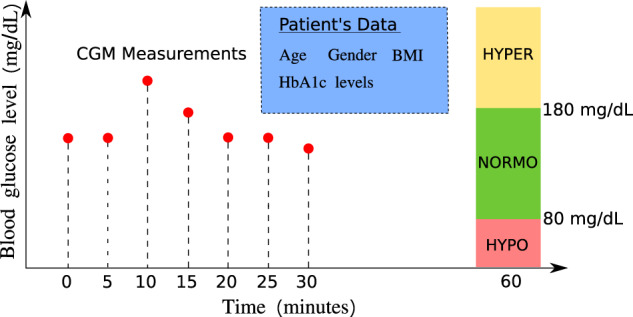
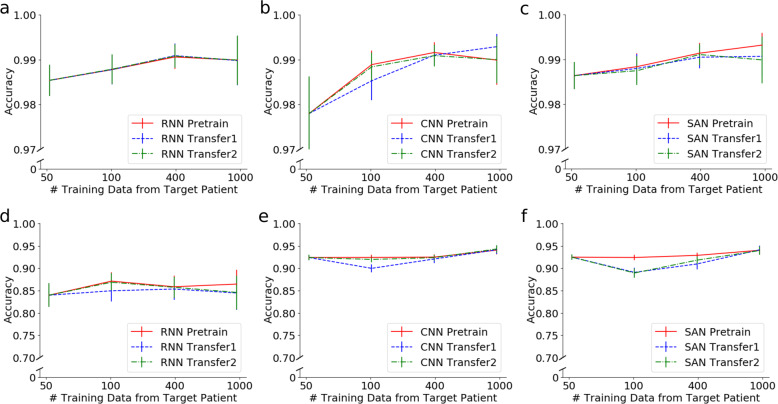
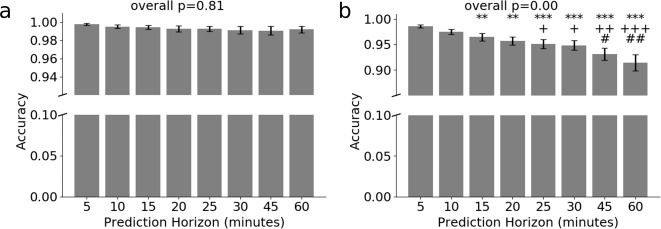
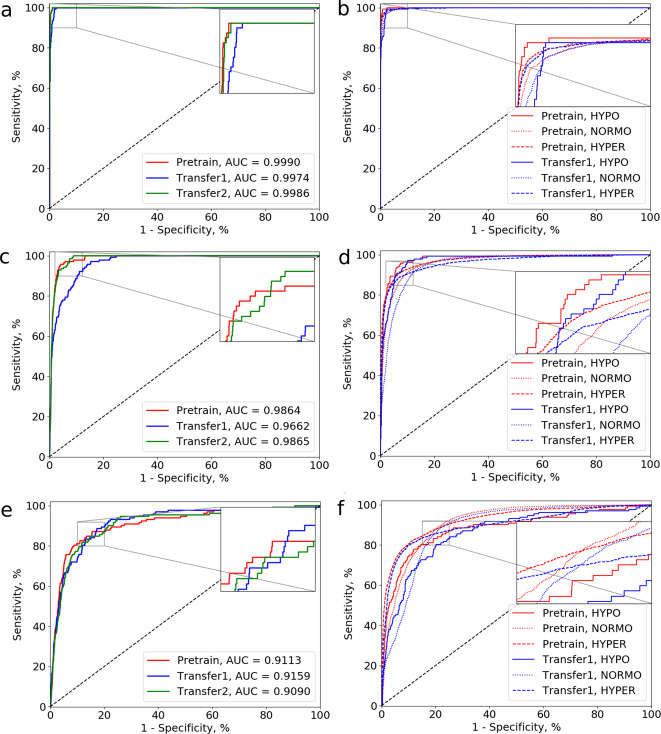
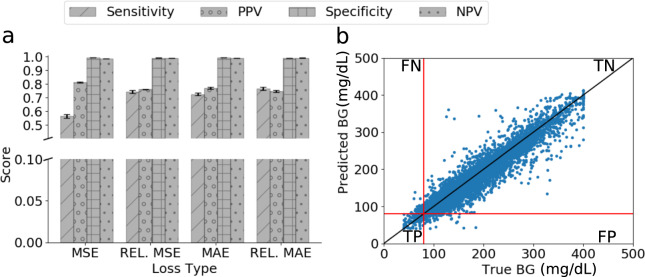
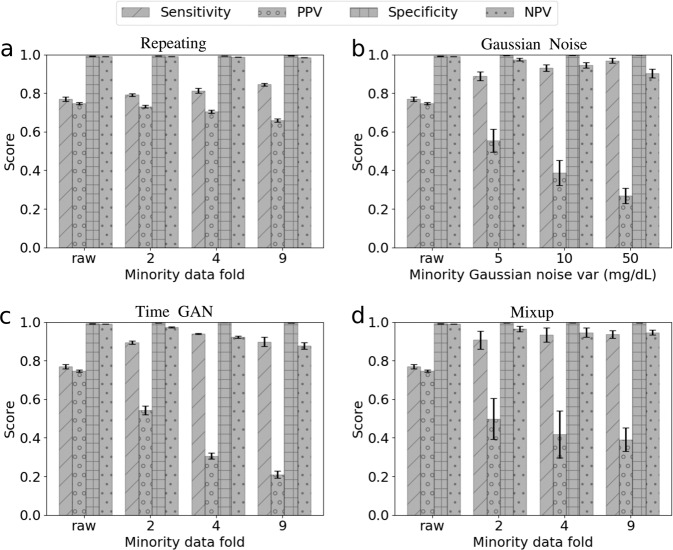
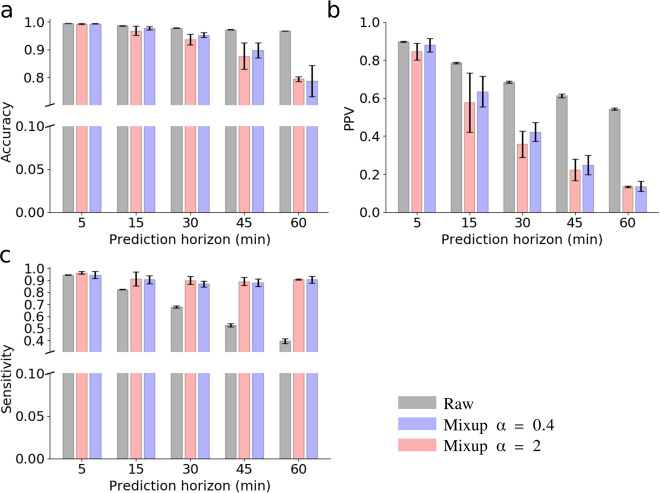
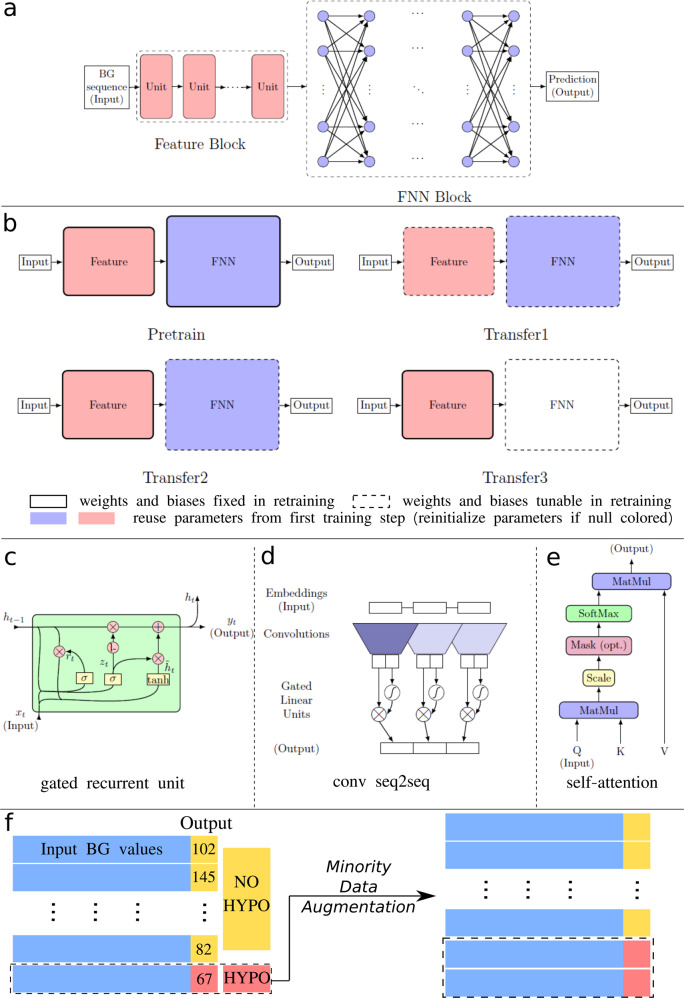
Accurate prediction of blood glucose variations in type 2 diabetes (T2D) will facilitate better glycemic control and decrease the occurrence of hypoglycemic episodes as well as the morbidity and mortality associated with T2D, hence increasing the quality of life of patients. Owing to the complexity of the blood glucose dynamics, it is difficult to design accurate predictive models in every circumstance, i.e., hypo/normo/hyperglycemic events. We developed deep-learning methods to predict patient-specific blood glucose during various time horizons in the immediate future using patient-specific every 30-min long glucose measurements by the continuous glucose monitoring (CGM) to predict future glucose levels in 5 min to 1 h. In general, the major challenges to address are (1) the dataset of each patient is often too small to train a patient-specific deep-learning model, and (2) the dataset is usually highly imbalanced given that hypo- and hyperglycemic episodes are usually much less common than normoglycemia. We tackle these two challenges using transfer learning and data augmentation, respectively. We systematically examined three neural network architectures, different loss functions, four transfer-learning strategies, and four data augmentation techniques, including mixup and generative models. Taken together, utilizing these methodologies we achieved over 95% prediction accuracy and 90% sensitivity for a time period within the clinically useful 1 h prediction horizon that would allow a patient to react and correct either hypoglycemia and/or hyperglycemia. We have also demonstrated that the same network architecture and transfer-learning methods perform well for the type 1 diabetes OhioT1DM public dataset.
Overview
The claims and statistics of this paper haven’t been checked yet.
Free: it reads the open-access text and checks the first 5 claims that cite a source we can check. Create a free account to check every claim.
Integrity signals
Registry
Cites
Statistics
Figures
Verification
Claims the paper makes
The claims and statistics of this paper haven’t been checked yet.
Free: it reads the open-access text and checks the first 5 claims that cite a source we can check. Create a free account to check every claim.
Self-check
Percentages, sums and reported differences re-computed from the paper’s own numbers.
The self-check needs the paper’s full text.
Citations
Cites
Vaswani, A., Shazeer, N., Parmar, N., Uszkoreit, J., Jones, L., Gomez, A. N., Kaiser, L., & Polosukhin, I. (2017) · arXiv · doi:10.48550/arxiv.1706.03762 · Cited by 120,404
Hochreiter, S., & Schmidhuber, J. (1997) · Neural Computation · doi:10.1162/neco.1997.9.8.1735 · Cited by 102,318
Scikit-learn: Machine Learning in Python
Pedregosa, F., Varoquaux, G., Gramfort, A., Michel, V., Thirion, B., Grisel, O., Blondel, M., Müller, A., Nothman, J., Louppe, G., et al. (2012) · arXiv · doi:10.48550/arxiv.1201.0490 · Cited by 71,016
Pan, S. J., & Yang, Q. (2010) · IEEE Transactions on Knowledge and Data Engineering · doi:10.1109/tkde.2009.191 · Cited by 23,387
Saeedi, P., Petersohn, I., Salpea, P., Malanda, B., Karuranga, S., Unwin, N., Colagiuri, S., Guariguata, L., Motala, A. A., Ogurtsova, K., et al. (2019) · Diabetes Research and Clinical Practice · doi:10.1016/j.diabres.2019.107843 · Cited by 10,792
He, H., & Garcia, E. A. (2009) · IEEE Transactions on Knowledge and Data Engineering · doi:10.1109/tkde.2008.239 · Cited by 10,359
Effects of Intensive Glucose Lowering in Type 2 Diabetes
(2008) · New England Journal of Medicine · doi:10.1056/nejmoa0802743 · Cited by 7,888
10-year follow-up of intensive glucose control in type 2 diabetes
Holman, R. R., Paul, S. K., Bethel, M. A., Matthews, D. R., & Neil, H. A. W. (2008) · New England Journal of Medicine · doi:10.1056/nejmoa0806470 · Cited by 7,751
IDF Diabetes Atlas: Global estimates for the prevalence of diabetes for 2015 and 2040
Ogurtsova, K., da Rocha Fernandes, J. D., Huang, Y., Linnenkamp, U., Guariguata, L., Cho, N. H., Cavan, D., Shaw, J. E., & Makaroff, L. E. (2017) · Diabetes Research and Clinical Practice · doi:10.1016/j.diabres.2017.03.024 · Cited by 6,966
A Comprehensive Survey on Transfer Learning
Zhuang, F., Qi, Z., Duan, K., Xi, D., Zhu, Y., Zhu, H., Xiong, H., & He, Q. (2021) · Proceedings of the IEEE · doi:10.1109/jproc.2020.3004555 · Cited by 6,678
Research works printed but not linked: 13
- van den Oord, A. et al. WaveNet: a generative model for raw audio. 9th ISCA Speech Synthesis Workshop 125.
- Zhu, T., Li, K., Herrero, P., Chen, J. & Georgiou, P. in A Deep Learning Algorithm for Personalized Blood Glucose Prediction. 64-78 (KHD@ IJCAI, 2018).
- Chung, J., Gulcehre, C., Cho, K. & Bengio, Y. Empirical evaluation of gated recurrent neural networks on sequence modeling. NIPS 2014 Workshop on Deep Learning, December 2014 (2014).
- Zhang, H., Cisse, M., Dauphin, Y. N. & Lopez-Paz, D. Mixup: beyond empirical risk minimization. In International Conference on Learning Representations (Pro- ceedings of Machine Learning Research, Stockholmsmässan, Stockholm, Swe- den. 2018).
- Yoon, J., Jarrett, D. & van der Schaar, M. Time-series generative adversarial net- works. 33rd Conference on Neural Information Processing Systems (NeurIPS 2019) 5508-5518 (Vancouver, Canada, 2019).
- Wu, S., Zhang, H., Valiant, G. & Re, C. the generalization effects of linear trans- formations in data augmentation. International Conference on Machine Learning 10410-10420 (PMLR, 2020).
- Rajpurkar, P., Hannun, A. Y., Haghpanahi, M., Bourn, C. & Ng, A. Y. Cardiologist- level arrhythmia detection with convolutional neural networks. Preprint at https://arxiv.org/abs/1707.01836arXiv (2017).
- Khadem, H., Nemat, H., Elliott, J. & Benaissa, M. In (eds Bach, K., Bunescu, R., Marling, C. & Wiratunga, N.) Knowledge Discovery in Healthcare Data 2020, Vol. 2675, 152-156 (CEUR Workshop Proceedings, 2020).
- Bevan, R. & Coenen, F. In (eds Bach, K., Bunescu, R., Marling, C. & Wiratunga, N.) Knowledge Discovery in Healthcare Data 2020, Vol. 2675, 100-104 (CEUR Work- shop Proceedings, 2020).
- Joedicke, D. et al. In (eds Bach, K., Bunescu, R., Marling, C. & Wiratunga, N.) Knowledge Discovery in Healthcare Data 2020, Vol. 2675, 147-151 (CEUR Work- shop Proceedings, 2020).
- Ma, N. et al. In (eds Bach, K., Bunescu, R., Marling, C. & Wiratunga, N.) Knowledge Discovery in Healthcare Data 2020, Vol. 2675, 157-161 (CEUR Workshop Pro- ceedings, 2020).
- Bahdanau, D., Cho, K. & Bengio, Y. Neural machine translation by jointly learning to align and translate. 3rd International Conference on Learning Representations, ICLR 2015
- Bahdanau, D., Cho, K. & Bengio, Y. Neural machine translation by jointly learning to align and translate. 3rd International Conference on Learning Representations, ICLR 2015; Conference date: 07-05-2015 through 09-05-2015 (2015).
Cited by
Self-Supervised Contrastive Pre-Training for Time Series Via Time-Frequency Consistency
Zhang, X., Zhao, Z., Tsiligkaridis, T., & Žitnik, M. (2022) · neural information processing systems · doi:10.52202/068431-0288 · Cited by 203
Islam, T., Hafiz, M. S., Jim, J. R., Kabir, M. M., & Mridha, M. F. (2024) · Healthcare Analytics · doi:10.1016/j.health.2024.100340 · Cited by 185
Zhu, T., Li, K., Herrero, P., & Georgiou, P. (2023) · IEEE Transactions on Biomedical Engineering · doi:10.1109/tbme.2022.3187703 · Cited by 135
“It is to be noted that, in the literature, the sensitivity of 75% and precision of 51% [61], and the sensitivity of 59% and precision of 68% [55], were obtained for a 30-minute PH, while an MCC score of 0.51 with the sensitivity of 48.5% was achieved for a 60-minute PH [62].”
MethodInfluentialReliable Extrapolation of Deep Neural Operators Informed by Physics or Sparse Observations
Zhu, M., Zhang, H., Jiao, A., Karniadakis, G. E., & Lu, L. (2023) · Computer Methods in Applied Mechanics and Engineering · doi:10.1016/j.cma.2023.116064 · Cited by 188
“The idea of first pre-training and then fine-tuning is also relevant to the field of transfer learning (TL) [37, 38, 39], which aims to extract the knowledge from one or more source tasks and then apply the knowledge to a target task.”
BackgroundSelf-citationJacobs, P. G., Herrero, P., Facchinetti, A., Vehi, J., Kovatchev, B., Breton, M. D., Cinar, A., Nikita, K. S., Doyle, F. J., Bondia, J., et al. (2024) · IEEE Reviews in Biomedical Engineering · doi:10.1109/rbme.2023.3331297 · Cited by 113
“Population models can be personalized using transfer learning [81], [82] or meta learning [83], [84], [85], [86] approaches.”
BackgroundEnhancing self-management in type 1 diabetes with wearables and deep learning
Zhu, T., Uduku, C., Li, K., Herrero, P., Oliver, N., & Georgiou, P. (2022) · npj Digital Medicine · doi:10.1038/s41746-022-00626-5 · Cited by 97
Alnowaiser, K. (2024) · IEEE Access · doi:10.1109/access.2024.3359760 · Cited by 98
“Deng et al. [17] applied transfer learning and data augmentation techniques to tackle challenges stemming from imbalanced datasets and limited training data.”
BackgroundDuckworth, C., Guy, M. J., Kumaran, A., O’Kane, A. A., Ayobi, A., Chapman, A., Marshall, P., & Boniface, M. (2024) · Journal of Diabetes Science and Technology · doi:10.1177/19322968221103561 · Cited by 75
“23,46 2.”
Machine learning for diabetes clinical decision support: a review
Tuppad, A., & Patil, S. D. (2022) · Advances in Computational Intelligence · doi:10.1007/s43674-022-00034-y · Cited by 70
Kiran, M., Xie, Y., Anjum, N., Ball, G., Pierscionek, B. K., & Russell, D. (2025) · Frontiers in Digital Health · doi:10.3389/fdgth.2025.1557467 · Cited by 109
Lu, H. Y., Ding, X., Hirst, J. E., Yang, Y., Yang, J., Mackillop, L. H., & Clifton, D. A. (2023) · IEEE Reviews in Biomedical Engineering · doi:10.1109/rbme.2023.3242261 · Cited by 78
Liu, K., Li, L., Ma, Y., Jiang, J., Liu, Z., Ye, Z., Liu, S., Pu, C., Chen, C., & Wan, Y. (2023) · JMIR Medical Informatics · doi:10.2196/47833 · Cited by 67
“Recently, studies have focused on more novel deep learning models, such as transformers, which have also been proved clinically useful [72].”
BackgroundGlucose Transformer: Forecasting Glucose Level and Events of Hyperglycemia and Hypoglycemia
Lee, S.-M., Kim, D.-Y., & Woo, J. (2023) · IEEE Journal of Biomedical and Health Informatics · doi:10.1109/jbhi.2023.3236822 · Cited by 76
“Deng et al. [26] used the OhioT1DM data set to construct a deep learning-based predictive model to classify future blood glucose levels into hypoglycemia, hyperglycemia, and normoglycemia between 5 min and 1 h.”
MethodSun, J., Han, K., Xu, M., Li, L., Qian, J., Li, L., & Li, X. (2022) · Frontiers in Physiology · doi:10.3389/fphys.2022.827428 · Cited by 63
“Diabetes mellitus (DM), the fastest growing chronic disease worldwide, is a metabolic disease characterized by persistently elevated glucose levels in the blood (Mathers and Loncar, 2006; Deng et al., 2021).”
BackgroundJung, H. H., Lee, H., Yea, J., & Jang, K. (2024) · Soft Science · doi:10.20517/ss.2024.02 · Cited by 57
Fraser, R. A., Walker, R. J., Campbell, J. A., Ekwunife, O. I., & Egede, L. E. (2025) · npj Digital Medicine · doi:10.1038/s41746-025-02036-9 · Cited by 61
“Similarly, CGM devices, integrated with AI models suchas recurrent neural networks and transfer learning approaches demonstrated by Deng et al. 25 and He et al. 26 , showcased the capability to predict interstitial glucose trends; however, challenges related to data imbalance and patient-speci fi c adaptation persisted.”
GluGAN: Generating Personalized Glucose Time Series Using Generative Adversarial Networks
Zhu, T., Li, K., Herrero, P., & Georgiou, P. (2023) · IEEE Journal of Biomedical and Health Informatics · doi:10.1109/jbhi.2023.3271615 · Cited by 56
Altamimi, A., Alarfaj, A. A., Umer, M., Alabdulqader, E. A., Alsubai, S., Kim, T.-H., & Ashraf, I. (2024) · BMC Medical Research Methodology · doi:10.1186/s12874-024-02324-0 · Cited by 58
“Transfer learning and data augmentation approaches were used by Deng et al. [19] to overcome issues caused by uneven datasets and a lack of training data.”
MethodAhamed, B. S., Arya, M. S., & Nancy, V. A. O. (2022) · Advances in Human-Computer Interaction · doi:10.1155/2022/9220560 · Cited by 53
Noguer, J., Contreras, I., Mujahid, O., Beneyto, A., & Vehí, J. (2022) · Sensors · doi:10.3390/s22134944 · Cited by 42
“In the specific field of using synthetic data for glucose prediction, the article [17] proposes a model that implements different data augmentation techniques to balance data sets and improve the performance of a glucose prediction model for patients with type 2 diabetes mellitus at different time horizons, achieving…”
MethodOperational prediction of solar flares using a transformer-based framework
Abduallah, Y., Wang, J. T. L., Wang, H., & Xu, Y. (2023) · Scientific Reports · doi:10.1038/s41598-023-40884-1 · Cited by 34
Huang, W. H., Pang, I., Bai, J., Cui, B., Qi, X., & Zhang, S. (2025) · Advanced Intelligent Systems · doi:10.1002/aisy.202400822 · Cited by 43
An explainable Artificial Intelligence software system for predicting diabetes
Srinivasu, P. N., Ahmed, S., Hassaballah, M., & Almusallam, N. (2024) · Heliyon · doi:10.1016/j.heliyon.2024.e36112 · Cited by 42
Prioleau, T., Bartolome, A., Comi, R. J., & Stanger, C. (2023) · Scientific Data · doi:10.1038/s41597-023-02469-5 · Cited by 54
Ahamed, B. S., Arya, M. S., Sangeetha, S., & Nancy, V. A. O. (2022) · Applied Computational Intelligence and Soft Computing · doi:10.1155/2022/7899364 · Cited by 41
“When a body does not produce enough insulin or stops insulin usage, the blood sugar level will rise that further leads to gestational pregnancy [9].”
BackgroundEnhancing the Capabilities of Continuous Glucose Monitoring With a Predictive App
Herrero, P., Andorrà, M., Babion, N., Bos, H., Koehler, M., Klopfenstein, Y., Leppäaho, E., Lustenberger, P., Peak, A., Ringemann, C., et al. (2024) · Journal of Diabetes Science and Technology · doi:10.1177/19322968241267818 · Cited by 31
“41,17 Despite extensive research efforts in developing CGM-driven glucose prediction models, the availability of commercial solutions incorporating these functionalities remains limited.”
Ghimire, S., Çelik, T., Gerdes, M. W., & Omlin, C. W. P. (2024) · PLoS ONE · doi:10.1371/journal.pone.0310801 · Cited by 38
Recent trends and techniques of blood glucose level prediction for diabetes control
Ahmed, B. M., Ali, M. E., Masud, M. M., & Naznin, M. (2024) · Smart Health · doi:10.1016/j.smhl.2024.100457 · Cited by 34
Mathematical modeling for freshness/spoilage of chicken breast using chemometric analysis
Kim, H., Kim, H.-J., Kim, H. C., Lee, D., Jung, H. Y., Kang, T., & Jo, C. (2023) · Current Research in Food Science · doi:10.1016/j.crfs.2023.100590 · Cited by 24
Updating methods for artificial intelligence–based clinical prediction models: a scoping review
Meijerink, L., Dunias, Z. S., Leeuwenberg, A., de Hond, A., Jenkins, D. A., Martin, G. P., Sperrin, M., Peek, N. B., Spijker, R., Hooft, L., et al. (2024) · Journal of Clinical Epidemiology · doi:10.1016/j.jclinepi.2024.111636 · Cited by 27
Acuña, E., Aparicio, R., & Palomino, V. (2023) · Big Data and Cognitive Computing · doi:10.3390/bdcc7010041 · Cited by 25
Phillips, N. E., Collet, T., & Naef, F. (2023) · Cell Reports Methods · doi:10.1016/j.crmeth.2023.100545 · Cited by 27
“Regarding the analysis of wearable data streams, a diverse range of glucose models have been proposed over the last decades, ranging fromminimal models(37) tomore detailed simulators with dozens of parameters(38) and neural networks.(39,40) Recent efforts have also attempted to utilize additional multimodal wearable s…”
BackgroundMulti-Horizon Glucose Prediction Across Populations With Deep Domain Generalization
Zhu, T., Afentakis, I., Li, K., Armiger, R., Hill, N. E., Oliver, N. S., & Georgiou, P. (2024) · IEEE Journal of Biomedical and Health Informatics · doi:10.1109/jbhi.2024.3428921 · Cited by 26
“The predominant trend in current research is to design personalized models tailored for individual subjects in one or two datasets [21], [22], [25], [26], [27], due to the limited availability of expansive CGM datasets.”
Application of artificial intelligence in electrochemical diagnostics for human health
Ranjan, K., Barar, B., Prasad, M., & Prasad, G. (2025) · Discover Electrochemistry. · doi:10.1007/s44373-025-00042-w · Cited by 25
Deep learning to estimate permeability using geophysical data
Mudunuru, M. K., Cromwell, E. L., Wang, H., & Chen, X. (2022) · Advances in Water Resources · doi:10.1016/j.advwatres.2022.104272 · Cited by 21
Han, Y., Kim, D.-Y., Woo, J., & Kim, J. (2024) · Heliyon · doi:10.1016/j.heliyon.2024.e29030 · Cited by 28
“Deng et al. [32] developed a predictive methodology utilizing deep learning to forecast blood glucose fluctuations in patients with T2DM.”
BackgroundKalita, D., Sharma, H., & Mirza, K. B. (2024) · IEEE Journal of Biomedical and Health Informatics · doi:10.1109/jbhi.2024.3396880 · Cited by 21
“It should be noticed that there is considerable overlap between the feasibility of data generation using GANs for T1D datasets [17], [31].”
BackgroundYang, M., He, X., Xu, L., Liu, M., Deng, J., Cheng, X., Wei, Y., Li, Q., Wan, S., Zhang, F., et al. (2022) · Frontiers in Oncology · doi:10.3389/fonc.2022.961779 · Cited by 22
“Transfer learning is widely used in medical image processing, such as type 2 diabetes (32), 3D genome folding (33), and papillary thyroid carcinoma (34), etc.”
BackgroundSun, Y., & Kosmas, P. (2024) · IEEE Journal of Biomedical and Health Informatics · doi:10.1109/jbhi.2024.3472077 · Cited by 19
“This data split is widely adopted in existing research on SOTA blood glucose forecasting methods [6], [80]–[82].”
MethodDeep Learning Applied to SEM Images for Supporting Marine Coralline Algae Classification
Piazza, G., Valsecchi, C., & Sottocornola, G. (2021) · Diversity · doi:10.3390/d13120640 · Cited by 16
“, less than a thousand images) it is convenient to start from a pretrained network, which is a CNN whose weights have been already trained on thousands of images [45,46].”
BackgroundMagboo, V. P. C., & Magboo, M. S. A. (2021) · Artificial Intelligence and Cloud Computing Conference (AICCC) · doi:10.1145/3508259.3508288 · Cited by 16
“gies, and four data augmentation techniques, including mixup and generative models obtained over 95% accuracy and 90% sensitivity [6].”
Li, T., Wang, Q., An, Y., Guo, L. J., Ren, L., Lei, L., & Chen, X. (2025) · Biomedical Signal Processing and Control · doi:10.1016/j.bspc.2025.107750 · Cited by 22
Personalized Blood Glucose Forecasting From Limited CGM Data Using Incrementally Retrained LSTM
Shen, Y., & Kleinberg, S. (2024) · IEEE Transactions on Biomedical Engineering · doi:10.1109/tbme.2024.3494732 · Cited by 20
“However training deep learning models from scratch for new CGM users with minimal data may not yield accurate predictions [12], [13], as deep learning relies on large amounts of data [17], [18].”
Deng, Y., Chang, H.-Y., & Li, H. (2022) · Biomimetics · doi:10.3390/biomimetics7010015 · Cited by 13
Self-citationHaleem, M. S., Katsarou, D., Georga, E. I., Dafoulas, G. E., Bargiota, A., Lopez-Perez, L., Rujas, M., Fico, G., Pecchia, L., Fotiadis, D., et al. (2025) · Scientific Reports · doi:10.1038/s41598-025-07272-3 · Cited by 14
“Regarding T2D, Deng et al. 35 employed deep transfer learning with data augmentation to improve robustness under limited data conditions.”
Advancing Precision Nutrition Through Multimodal Data and Artificial Intelligence
Fu, Y., Zhang, K., Miao, Z., Yang, G., Huang, Y., & Zheng, J. (2026) · Advanced Science · doi:10.1002/advs.202521111 · Cited by 14
“Meta-learning enables rapid adaptation to individual dietary responses [ 87 ], and transfer learning leverages cross-cohort insights to pre-train models [ 88 ].”
Prediction of Blood Risk Score in Diabetes Using Deep Neural Networks
Toledo-Marín, J. Q., Ali, T., van Rooij, T., Görges, M., & Wasserman, W. W. (2023) · Journal of Clinical Medicine · doi:10.3390/jcm12041695 · Cited by 12
Heterogeneous temporal representation for diabetic blood glucose prediction
Huang, Y., Ni, Z., Lu, Z., He, X., Hu, J., Li, B., Ya, H., & Shi, Y. (2023) · Frontiers in Physiology · doi:10.3389/fphys.2023.1225638 · Cited by 13
“…(2019) attempted to use the glucose signal by multiple patients to infer a new patient glucose-level through RNN, LSTM, and auto-regressive model; Deng et al. (2021) presented an improved generative adversarial network to capture the temporal patterns from type 2 diabetes mellitus(T2DM)patients.”
BackgroundThomsen, H. B., Jakobsen, M. M., Hecht-Pedersen, N., Jensen, M. H., & Kronborg, T. (2023) · Journal of Diabetes Science and Technology · doi:10.1177/19322968231215324 · Cited by 13
“14 This challenge is especially pertinent when considering CGM data for T2D, where the scarcity of publicly available data can hinder the development of models.”
Ağraz, M., Deng, Y., Karniadakis, G. E., & Mantzoros, C. S. (2024) · Scientific Reports · doi:10.1038/s41598-024-69844-z · Cited by 18
“In this study, ML models were developed to predict the occurrence of SH events and identify the effective features that contribute to such predictions for patients with T2DM in the ACCORD data.”
MethodInfluentialSelf-citationNogay, H. S., Noğay, N. H., & Adeli, H. (2025) · Biomedical Signal Processing and Control · doi:10.1016/j.bspc.2025.108351 · Cited by 10
Luo, J., Kumbara, A., Shomali, M. E., Han, R., Iyer, A., Aleppo, G., Agarwal, R., & Gao, G. G. (2025) · npj Health Systems · doi:10.1038/s44401-025-00039-y · Cited by 26
“These approaches suffer from: (1) unsuitable model structures that either struggle with long-range dependencies or lack parallel processing capabilities; and (2) insuf fi cient data leading to under fi tting, as highlighted by transfer learning and augmentation attempts in recent studies 17 .”
Seo, W., Kim, N., Park, S. W., Jin, S., & Park, S. (2024) · Biomedical Signal Processing and Control · doi:10.1016/j.bspc.2024.106077 · Cited by 12
Wang, J., Jin, Y., Jiang, A., Chen, W., Shan, G., Gu, Y., Ming, Y., Li, J., Yue, C., Huang, Z., et al. (2024) · Reproductive Biology and Endocrinology · doi:10.1186/s12958-024-01232-8 · Cited by 12
Alexiadis, A., Tsanas, A., Shtika, L., Efopoulos, V., Votis, K., Tzovaras, D. K., & Triantafyllidis, A. K. (2024) · IEEE Access · doi:10.1109/access.2024.3350201 · Cited by 12
“The same dataset (with the addition of 6 participants from the 2020 version of the OhioT1DM dataset) was also explored by Deng et al. [23], in order to test different neural network architectures.”
Kalita, D., & Mirza, K. B. (2025) · IEEE Journal of Biomedical and Health Informatics · doi:10.1109/jbhi.2025.3530461 · Cited by 11
“This approach tackles the issue of the vanishing gradient problem in RNNs and LSTM/GRU architecture [12], [24] with proper handling of temporal and sequential features.”
Toward Personalized Hemoglobin A1c Estimation for Type 2 Diabetes
Kim, N., Lee, D. Y., Seo, W., Kim, N. H., & Park, S. (2022) · IEEE Sensors Journal · doi:10.1109/jsen.2022.3215004 · Cited by 11
“This method has been previously used for CGM data augmentation [27].”
MethodYang, H., Li, W., Tian, M., & Ren, Y. (2024) · Mathematical Biosciences & Engineering · doi:10.3934/mbe.2024111 · Cited by 8
“Researchers are investigating methods to predict blood glucose levels from physiological data, aiming to reduce the need for frequent patient visits and the discomfort caused by punctures [10].”
BackgroundTahyudin, I., Nurhopipah, A., Tikaningsih, A., Lestari, P., Suryana, Y., Winarko, E., Winarto, E., Haza, N., & Nambo, H. (2025) · Computer Methods and Programs in Biomedicine Update · doi:10.1016/j.cmpbup.2025.100198 · Cited by 7
RetractedLotfi, Z., Hajihosseini, R., & Aminipour, M. (2025) · InfoScience Trends · doi:10.61186/ist.202502.06.01 · Cited by 8
Hwang, M., Rachim, V. P., Yoo, J., Lee, Y., & Park, S. (2025) · npj Digital Medicine · doi:10.1038/s41746-025-01994-4 · Cited by 13
“However, many models remain vulnerable to over fi tting on dataset-speci fi c patterns, limiting their 16,22 – 24 .”
Machine learning based study for the classification of Type 2 diabetes mellitus subtypes
Ordóñez-Guillén, N. E., Gonzalez-Compean, J. L., López-Arévalo, I., Contreras-Murillo, M., & Aldana-Bobadilla, E. (2023) · BioData Mining · doi:10.1186/s13040-023-00340-2 · Cited by 13
“Another major diabetic complications tackled with machine learning algorithms are cardiovascular disease [23], peripheral neuropathy [24], diabetic foot [25], and episodes of hypoglycemia [26, 27].”
BackgroundYin, Y., Zhao, Z., Na, J., Xue, C., & Qin, K. (2025) · Biomedical Signal Processing and Control · doi:10.1016/j.bspc.2025.107998 · Cited by 7
Huang, Z., Zhao, X., Ziv, O., Laurita, K. R., Rollins, A. M., & Hendon, C. P. (2023) · Biomedical Optics Express · doi:10.1364/boe.480943 · Cited by 11
Kim, S.-H., Kim, D., Chun, S.-W., Kim, J., & Woo, J. (2024) · Computers in Biology and Medicine · doi:10.1016/j.compbiomed.2024.108257 · Cited by 7
After-meal blood glucose level prediction for type-2 diabetic patients
Ahmed, B. M., Ali, M. E., Masud, M. M., Azad, M. R., & Naznin, M. (2024) · Heliyon · doi:10.1016/j.heliyon.2024.e28855 · Cited by 14
Hotta, S., Kytö, M., Koivusalo, S. B., Heinonen, S. T., & Marttinen, P. (2024) · PLoS ONE · doi:10.1371/journal.pone.0298506 · Cited by 8
Patient-specific deep offline artificial pancreas for blood glucose regulation in type 1 diabetes
Deng, Y., Arao, K., Mantzoros, C. S., & Karniadakis, G. E. (2026) · Smart Health · doi:10.1016/j.smhl.2026.100633 · Cited by 9
“Fortunately, emerging efforts using artificial intelligence (Bent et al., 2021; Deng et al., 2021; Gordon & Stern, 2019; Zhang et al., 2022; Zhu et al., 2022), especially deep neural network-based data-driven machine learning algorithms, provide us with opportunities to predict glucose levels and…”
Self-citationBurks, J. H., Joe, L., Kanjaria, K., Monsivais, C., O'laughlin, K., & Smarr, B. L. (2025) · PLOS Digital Health · doi:10.1371/journal.pdig.0000815 · Cited by 5
“While there has been much interest in determining the short-term forecasting of a glycemic excursion [11–15], there are opportunities to investigate how longer-term structures can predict longer-term glycemic dysregulation.”
Prendin, F., Streicher, O., Cappon, G., Rolfes, E., Herzig, D., Bally, L., & Facchinetti, A. (2025) · BMC Medical Informatics and Decision Making · doi:10.1186/s12911-025-02856-5 · Cited by 7
Noninvasive estimation of blood glucose and HbA1c using Quantum Machine Learning technique
Sridevi, P., Rabbani, M., Aziz, M. H., Upama, P. B., Mamun, S. M., Khan, R. A., & Ahamed, S. I. (2025) · Machine Learning with Applications · doi:10.1016/j.mlwa.2025.100626 · Cited by 11
Araújo‐Moura, K., Souza, L., de Oliveira, T. A., Rocha, M. S., de Moraes, A. C. F., & Filho, A. D. P. C. (2025) · International Journal of Public Health · doi:10.3389/ijph.2025.1607944 · Cited by 8
“In the context of HTN, TL has the potential to transfer knowledge from models trained on extensive adult datasets to pediatric populations, thereby addressing the scarcity of data in children and adolescents [15, 16].”
Blood Glucose Prediction Algorithms Require Clinically Relevant Performance Criteria Beyond Accuracy
Wolff, M. K., Schaathun, H. G., Gros, S., Volden, R., Steinert, M., & Fougner, A. L. (2025) · Diabetes Technology & Therapeutics · doi:10.1089/dia.2025.0074 · Cited by 9
“31 Designing a universally applicable performance criterion for all predictive contexts is inherently unrealistic; the choice of evaluation and optimization strategies must be tailored to the speci fi c use case.”
Simulating Realistic Continuous Glucose Monitor Time Series By Data Augmentation
Gomez, L., Toye, A. A., Hum, R. S., & Kleinberg, S. (2023) · Journal of Diabetes Science and Technology · doi:10.1177/19322968231181138 · Cited by 7
Cui, R., Nolan, C. J., Daskalaki, E., & Suominen, H. (2023) · Annual International Conference of the IEEE Engineering in Medicine and Biology Society (EMBC) · doi:10.1109/embc40787.2023.10340094 · Cited by 8
“To date, the most straightforward setting of glucose prediction is short-term glucose prediction [4]–[9].”
BackgroundMethodClassification of DNA Sequence for Diabetes Mellitus Type Using Machine Learning Methods
Hamza, L. A. A., Lafta, H. A., & AL-Rashid, S. Z. (2024) · Lecture notes in networks and systems · doi:10.1007/978-981-99-9562-2_8 · Cited by 5
Deep learning for few-shot white blood cell image classification and feature learning
Deng, Y., & Li, H. (2023) · Computer Methods in Biomechanics and Biomedical Engineering Imaging & Visualization · doi:10.1080/21681163.2023.2219341 · Cited by 10
“When integrated with transfer learning, machine learning models show accelerated training process and better performance, particularly for large neural network models (Deng et al. 2021).”
MethodSelf-citationAhamed, B. S., Arya, M. S., & Nancy, V. A. O. (2022) · Lecture notes in networks and systems · doi:10.1007/978-981-19-5221-0_40 · Cited by 4
Kladov, D. E., Berikov, V., Semenova, J. F., & Klimontov, V. V. (2024) · Diagnostics · doi:10.3390/diagnostics14212427 · Cited by 7
Biomimic models for in vitro glycemic index: Scope of sensor integration and artificial intelligence
K, M. S. C., Beura, M., Singh, A., Dahuja, A., Kamble, V. B., Shukla, R. P., Thandapilly, S. J., & Krishnan, V. (2024) · Food Chemistry X · doi:10.1016/j.fochx.2024.102132 · Cited by 8
“Deep learning architectures, notably CNNs and RNNs have exhibited remarkable capabilities in capturing complex, non-linear relationships within glucose release patterns (Deng et al., 2021).”
Predicting the Blood Glucose Level Using Transformers
Acuña, E., & Aparicio, R. (2023) · International Conference on Computational Science and Computational Intelligence (CSCI) · doi:10.1109/csci62032.2023.00228 · Cited by 4
“Deng et al. [17] implemented time series generative networks (TimeGAN) using training data from both OhioT1DM cohorts and testing data from the first cohort.”
MethodDiabetes Monitoring and Prediction Using Computational Intelligence Techniques: A Systematic Review
Nayak, P., Jyothi, J., Harika, V., Swaraja, K., & Hanuman, A. S. (2025) · SN Computer Science · doi:10.1007/s42979-025-03802-y · Cited by 5
“…it happens during the 5 th –6th month of initial pregnancy when an adequate amount of insulin is not generated by the body or insulin practice does not move inside the human body This insufficient level of insulin increases the blood sugar level, which leads to gestational pregnancy [16].”
Cheng, J., Xie, P., Zhao, H., & Ji, Z. (2025) · Sensors · doi:10.3390/s25175260 · Cited by 5
“Deng et al. [22] achieved RMSE of 19.08 mg/dL (1.06 mmol/L) and 33.8 mg/dL (1.88 mmol/L) for 30 min and 60 min prediction horizons using a convolutional neural network (CNN) and transfer learning.”
InfluentialFew-Shot Transfer Learning for Diabetes Risk Prediction Across Global Populations
Babel, S., Babel, S., Hodgson, J., & Camporesi, E. M. (2025) · Medicina · doi:10.3390/medicina62010007 · Cited by 4
“Deng et al. explored transfer learning to improve blood glucose prediction by adapting a general model to individual patients’ data [27].”
Sun, X., Li, H., & Yu, X. (2026) · Scientific Reports · doi:10.1038/s41598-026-41787-7 · Cited by 5
Deep Learning-Based Postural Asymmetry Detection Through Pressure Mat
Azurmendi, I., González, M., García, G., Zulueta, E., & García‐Martín, E. (2024) · Applied Sciences · doi:10.3390/app142412050 · Cited by 4
Improving Long‐Term Glucose Prediction Accuracy with Uncertainty‐Estimated ProbSparse‐Transformer
Huang, W. H., Fan, N., Wang, W., Wang, J., Qi, X., & Zhang, S. (2025) · Advanced Intelligent Systems · doi:10.1002/aisy.202500235 · Cited by 6
Meta-Analysing Diabetes Mellitus Discovery Using Artificial Intelligence Techniques
Saravanan, K., & Mohan, V. (2025) · Journal of Ubiquitous Computing and Communication Technologies · doi:10.36548/jucct.2025.2.008 · Cited by 3
Imputing missing multi-sensor data in the healthcare domain: A systematic review
Gupta, V., Grensing, F., Cinar, B., & Maleshkova, M. (2025) · Image and Vision Computing · doi:10.1016/j.imavis.2025.105797 · Cited by 3
“Consequently, they must undergo proper preprocessing techniques before being utilised as input for ML models, as highlighted in studies [2, 14, 9, 7].”
Heterogeneous Covariates-Aware Pseudo Supervised Meta-Learning for Few-Shot Diabetes Classification
Wang, L., Liu, W., Cai, D., Ji, L., Shi, D., Yao, K., & Yang, Q. (2025) · IEEE Transactions on Computational Biology and Bioinformatics · doi:10.1109/tcbbio.2025.3610741 · Cited by 2
“Transfer learning utilized models pre-trained on publicly available large datasets and transferred the knowledge to specific tasks with limited data [20].”
Alredaini, R., Abulkhair, M., & Almisbahi, H. (2025) · Scientific Reports · doi:10.1038/s41598-025-32373-4 · Cited by 6
“When applied to a data set of 40 patients, their model demonstrated strong performance, exceeding 95% accuracy and reaching 90% sensitivity to predict glucose levels half an hour in advance 17 .”
Sarwar, M. A., Maqsood, S., Amini, A., Abbas, I., Belousovienė, E., & Maskeliūnas, R. (2026) · IEEE International Systems Conference (SysCon) · doi:10.1109/syscon66367.2026.11503533 · Cited by 2
An Advanced Learning Approach for Early Stage Diabetes Detection
Raju, T. K., & Kumar, A. V. S. (2023) · International Conference on Sustainable Communication Networks and Application (ICSCNA) · doi:10.1109/icscna58489.2023.10370238 · Cited by 2
COMET: Constrained Counterfactual Explanations for Patient Glucose Multivariate Forecasting
Wang, Z., Samsten, I., Miliou, I., & Papapetrou, P. (2024) · Proceedings - IEEE Symposium on Computer-Based Medical Systems · doi:10.1109/cbms61543.2024.00089 · Cited by 3
“Moreover, recent advances in DL forecasting models have gained popularity in blood glucose forecasting tasks through data-driven DL-based approaches [4], [8], [9].”
BackgroundMethodTransfer Learning in Hypoglycemia Classification
Cinar, B., Grensing, F., van den Boom, L., & Maleshkova, M. (2024) · Lecture notes in computer science · doi:10.1007/978-3-031-67278-1_8 · Cited by 2
Li, L., Zhang, H., & Song, R. (2024) · IEEE Access · doi:10.1109/access.2024.3456908 · Cited by 2
A Machine Learning Framework to Quantify Postprandial Glucose Responses in Gestational Diabetes
Barua, S., Sangmo, T., Upadhyay, D., Mucahit, E., Martinez, V., Berube, L. T., Penfield, C. A., Heo, H. J., Li, L., Williams, S. F., et al. (2025) · Diabetes Technology and Obesity Medicine · doi:10.1089/dtom.2024.0003 · Cited by 3
“We also did not account for physical activity and sleep, which prior studies have shown impact morning PPGRs. 16,17 The random forest model was trained on PPGRs in nonpregnant adults without diabetes and therefore lacks knowledge on pregnancy-speci fi c PPGR patterns.”
ML based IoT Framework for Diabetes DetectionPreprint
Kumar, U., Kumar, T., Gautam, S., & Pandey, S. C. (2023) · Research Square · doi:10.21203/rs.3.rs-3024165/v1 · Cited by 2
Bayesian Neural Network for Uncertainty-Aware Blood Glucose Prediction for Type 1 Diabetes
Ghimire, S., Çelik, T., Gerdes, M. W., & Omlin, C. W. P. (2025) · Proceedings - IEEE Symposium on Computer-Based Medical Systems · doi:10.1109/cbms65348.2025.00071 · Cited by 1
House, C., Huang, Z., Shankar, K. N., Young, S. J., Roberts, M. E., Diamond, S. L., Tomaiuolo, M., Stalker, T. J., Lu, L., & Sinno, T. R. (2025) · PLoS Computational Biology · doi:10.1371/journal.pcbi.1012853 · Cited by 3
“Transfer learning has recently been employed in various medical research fields such as medical image segmentation [23], cell group segmentation in cancer or disease areas [24,25], cell nucleoplasm segmentation [26], and glucose levels prediction in diabetes patients [27].”
Self-citation
Metadata
- Authors
- Deng, Y., Lu, L., Aponte, L., Angelidi, A. M., Novak, V., Karniadakis, G. E., & Mantzoros, C. S.
- Affiliations
- Brown University (US)
- University of Pennsylvania (US)
- Beth Israel Deaconess Medical Center (US)
- Corresponding author
- Karniadakis, George Em
- Mantzoros, Christos S.
- ORCID
- Venue
- npj Digital Medicine
- Published
- 2021-07-14
- Volume
- 4
- Issue
- 1
- Pages
- 109-109
- ISSN
- 2398-6352 (ISSN-L)
- PMC
- PMC8280162
- OpenAlex
- W3178109510
- Cited by
- 152
- References
- 63
- Citations by year
- 2026: 30 · 2025: 41 · 2024: 35 · 2023: 28 · 2022: 16 · 2021: 2
- FWCI
- 15.10
- Type
- journal article
- Language
- en
- Open access
- gold
- doi.org
- Licence
- cc-by
- creativecommons.org/licenses/by/4.0 (tdm)
- creativecommons.org/licenses/by/4.0 (vor)
- Locations
- npj Digital Medicine (publishedVersion, cc-by)
- PubMed Central (publishedVersion, cc-by)
- PubMed (publishedVersion)
- DOAJ (DOAJ: Directory of Open Access Journals) (submittedVersion, cc-by-sa)
- Funders
- U.S. Department of Health & Human Services | NIH | National Heart, Lung, and Blood Institute (R01HL154150, U01HL142518)
- U.S. Department of Health & Human Services | NIH | National Institute of Diabetes and Digestive and Kidney Diseases (DK081913)
- U.S. Department of Health & Human Services | NIH | National Institute on Aging (1R01-AG-0287601)
- Topics
- Health Sciences › Medicine › Endocrinology, Diabetes and Metabolism › Diabetes Management and Research
- Physical Sciences › Computer Science › Artificial Intelligence › Machine Learning in Healthcare
- Health Sciences › Health Professions › Health Information Management › Artificial Intelligence in Healthcare
- Keywords
- type 2 diabetes, blood glucose prediction, continuous glucose monitoring, transfer learning, data augmentation, patient-specific prediction, hypoglycemia, hyperglycemia, class imbalance, mixup, generative models, type 1 diabetes, neural network architecture, loss functions
About these checks
Registry, retraction, Cites and statistics results are computed, not judged, with one exception: a printed reference that no index lists is read once by a model before it counts as a citation error. Claims are extracted by a model and kept only when their quote appears verbatim in the text; each cited source is then checked, with a model’s help, for whether it says what the claim relies on. Those verdicts can be wrong — read the claim’s quote and the cited source before relying on one.
Statistics and arithmetic are recomputed, not judged.
Confidence bands are shown only for fields calibrated on our annotated test set. None is calibrated yet, so no band is shown.
What counts as a claim ›How we measure confidence ›How we check this ›
Are you an author, or do you see a problem with this page? Request a review
Data sources
Bibliographic data: Semantic Scholar, OpenAlex, Crossref.
Contains information from the Semantic Scholar Academic Graph Datasets, made available under the ODC Attribution License (ODC-BY 1.0).
Semantic Scholar’s data is described in: Kinney, R., et al. (2023). The Semantic Scholar Open Data Platform. arXiv:2301.10140.
