

A framework for human evaluation of large language models in healthcare derived from literature review.
Open accessThe DOI matches its Crossref record; 107 of the 107 references it cites were found in a registry or an index.
Abstract
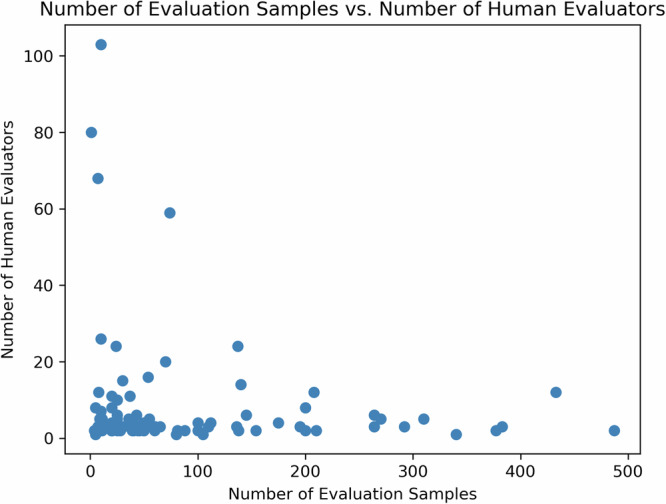
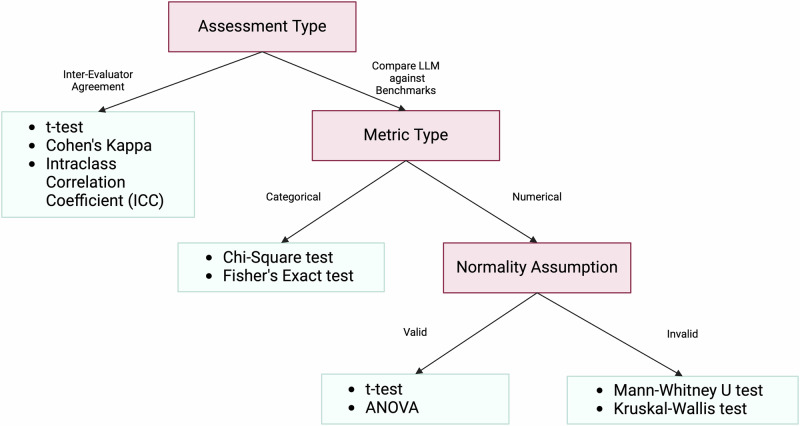
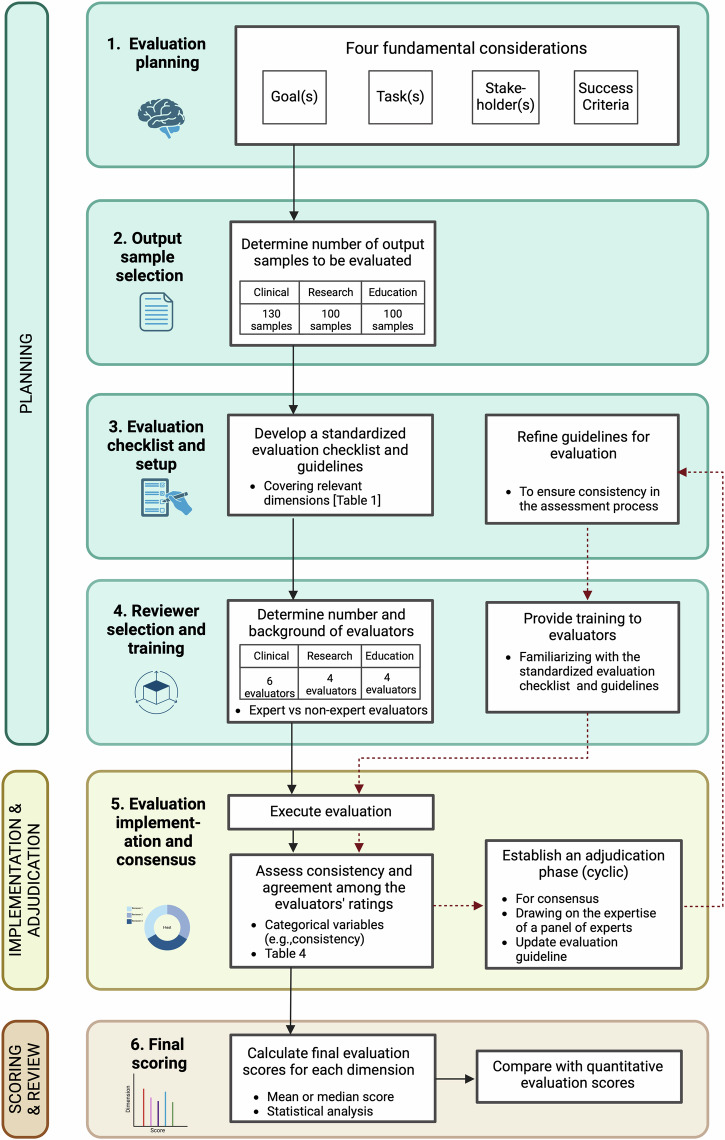
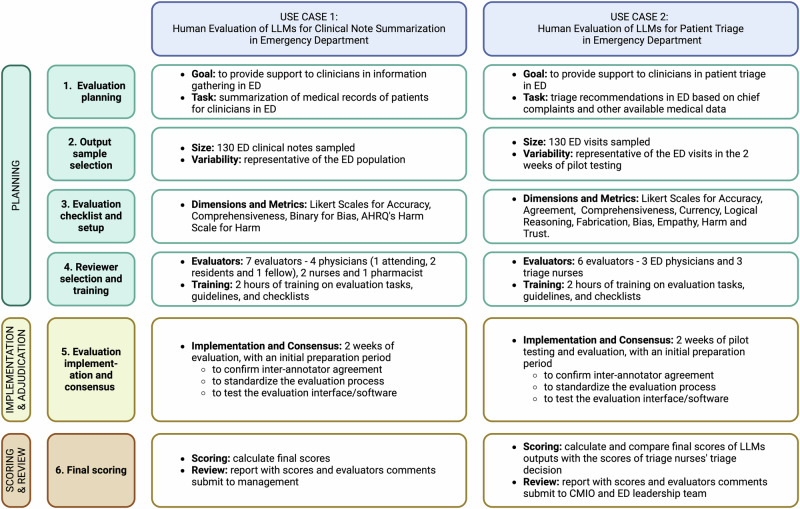
With generative artificial intelligence (GenAI), particularly large language models (LLMs), continuing to make inroads in healthcare, assessing LLMs with human evaluations is essential to assuring safety and effectiveness. This study reviews existing literature on human evaluation methodologies for LLMs in healthcare across various medical specialties and addresses factors such as evaluation dimensions, sample types and sizes, selection, and recruitment of evaluators, frameworks and metrics, evaluation process, and statistical analysis type. Our literature review of 142 studies shows gaps in reliability, generalizability, and applicability of current human evaluation practices. To overcome such significant obstacles to healthcare LLM developments and deployments, we propose QUEST, a comprehensive and practical framework for human evaluation of LLMs covering three phases of workflow: Planning, Implementation and Adjudication, and Scoring and Review. QUEST is designed with five proposed evaluation principles: Quality of Information, Understanding and Reasoning, Expression Style and Persona, Safety and Harm, and Trust and Confidence.
Overview
The claims and statistics of this paper haven’t been checked yet.
Free: it reads the open-access text and checks the first 5 claims that cite a source we can check. Create a free account to check every claim.
Integrity signals
Registry
Cites
Statistics
Figures
Verification
Claims the paper makes
The claims and statistics of this paper haven’t been checked yet.
Free: it reads the open-access text and checks the first 5 claims that cite a source we can check. Create a free account to check every claim.
Claims other papers make about this one
Each is checked against this paper’s own text: does it say what the citing paper says it does?
The cited source says what the claim attributes to it.
In the citing paper
“Healthcare evaluation frameworks already stress reliability, generalizability, human evaluation, safety, harm, trust, and confidence [24].”
From Machine Psychometrics: A Mathematical Psychology of Artificial Intelligence (2026) · cites this paper as [24]
In the citing paper
“Tam et al. 168 reviewed 142 papers on the human evaluation of LLM application in healthcare in general and find that generalizability, applicability, and reliability are lacking in current evaluation practices”
From Data extraction methods for systematic review (semi)automation: Update of a living systematic review (2025) · cites this paper as [168]
Self-check
Percentages, sums and reported differences re-computed from the paper’s own numbers.
The self-check needs the paper’s full text.
Citations
Cites
BLEU: a method for automatic evaluation of machine translation
Papineni, K., Roukos, S., Ward, T., & Zhu, W.-J. (2001) · Proceedings of the 40th Annual Meeting on Association for Computational Linguistics - ACL '02 · doi:10.3115/1073083.1073135 · Cited by 21,344
RoBERTa: A Robustly Optimized BERT Pretraining Approach
Liu, Y., Ott, M., Goyal, N., Du, J., Joshi, M., Chen, D., Levy, O., Lewis, M., Zettlemoyer, L., & Stoyanov, V. (2019) · arXiv · doi:10.48550/arxiv.1907.11692 · Cited by 16,515 · cited 1×
“Wealsoexcludedstudieswhichexamine onlynon-generativepretrainedlanguagemodelslikeBERT 59 , RoBERTa 60 , etc. and multimodal studies such as image-to-text or text-to-image application of generative LLMs.”
BackgroundLearning Transferable Visual Models From Natural Language Supervision
Radford, A., Kim, J. W., Hallacy, C., Ramesh, A., Goh, G., Agarwal, S., Sastry, G., Askell, A., Mishkin, P., Clark, J., et al. (2021) · arXiv · doi:10.48550/arxiv.2103.00020 · Cited by 15,293 · cited 1×
“There are also technical advancements of multimodal LLMs and text-to-image foundational models such as CLIP 58 .”
BackgroundBeyond Accuracy: What Data Quality Means to Data Consumers
Wang, R. Y., & Strong, D. M. (1996) · Journal of Management Information Systems · doi:10.1080/07421222.1996.11518099 · Cited by 4,672
Training language models to follow instructions with human feedback
Ouyang, L., Wu, J., Jiang, X., Almeida, D., Wainwright, C. L., Mishkin, P., Zhang, C., Agarwal, S., Slama, K., Ray, A., et al. (2022) · arXiv · doi:10.48550/arxiv.2203.02155 · Cited by 4,208
Large language models encode clinical knowledge
Singhal, K., Azizi, S., Tu, T., Mahdavi, S. S., Wei, J., Chung, H. W., Scales, N., Tanwani, A., Cole-Lewis, H., Pfohl, S., et al. (2023) · Nature · doi:10.1038/s41586-023-06291-2 · Cited by 4,083
Large Language Models Encode Clinical Knowledge
Singhal, K., Azizi, S., Tu, T., Mahdavi, S. S., Wei, J., Chung, H. W., Scales, N., Tanwani, A., Cole-Lewis, H., Pfohl, S., et al. (2022) · arXiv · doi:10.48550/arxiv.2212.13138 · Cited by 4,083
Charnock, D., Shepperd, S., Needham, G., & Gann, R. (1999) · Journal of Epidemiology and Community Health · doi:10.1136/jech.53.2.105 · Cited by 3,329
Ayers, J. W., Poliak, A., Dredze, M., Leas, E. C., Zhu, Z., Kelley, J. B., Faix, D. J., Goodman, A. M., Longhurst, C. A., Hogarth, M., et al. (2023) · JAMA Internal Medicine · doi:10.1001/jamainternmed.2023.1838 · Cited by 2,613
Llama 2: Open Foundation and Fine-Tuned Chat Models
Touvron, H., Martin, L., Stone, K., Albert, P., Almahairi, A., Babaei, Y., Bashlykov, N., Batra, S., Bhargava, P., Bhosale, S., et al. (2023) · arXiv · doi:10.48550/arxiv.2307.09288 · Cited by 2,604
Research works printed but not linked: 4
- 8. Lin, C.-Y. ROUGE: a package for automatic evaluation of summaries. Text Summarization Branches Out (Association for Computational Linguistics, Barcelona, Spain, 2004).
- 59. Devlin, J., Chang, M.-W., Lee, K. & Toutanova, K. Bert: pre-training of deep bidirectional transformers for language understanding. Proceedings of the 2019 Conference of the North {A}merican Chapter of the Association for Computational Linguistics: Human Language Technologies, Vol. 1 (Long and Short Papers) (eds Burstein, J Doran, C & Solorio, T.) 4171–4186 (Association for Computational Linguistics, 2019).
- 94. Parasuraman, A., Berry, L. L. & Zeithaml, V. A. Refinement and reassessment of the SERVQUAL scale. J. Retail. 67, 420 (1991).
- 97. Biggs, J. B. & Collis, K. F. Evaluating the Quality of Learning: The SOLO Taxonomy (Structure of the Observed Learning Outcome) (Academic Press, 2014).
Cited by
Items 101–200 of 495
Grace, B., Zhu, J., Dudakia, H., Ajao-Rotimi, F., & Colton, N. A. (2025) · Human Fertility · doi:10.1080/14647273.2025.2584673 · Cited by 7
“Supplemental data for this article can be accessed online at https://doi.org/10.1080/14647273.2025.2584673. adaptable (Tam et al., 2024), understandable and could provide access to encyclopaedic information on healthcare (Lu et al., 2024), including fertility, enabling proactive and tailored…”
InfluentialDevane, D., Pope, J. S., Byrne, P., Forde, E., O'Byrne, I., Woloshin, S., Culloty, E., Dahly, D., Elgersma, I. H., Munthe‐Kaas, H. M., et al. (2025) · Journal of Clinical Epidemiology · doi:10.1016/j.jclinepi.2025.112102 · Cited by 6
Maia, B. K. F., de Morais, É. F., Santos, T. D. S., & Pagotto, L. E. C. (2026) · British Journal of Oral and Maxillofacial Surgery · doi:10.1016/j.bjoms.2026.01.002 · Cited by 5
More, V., Lu, L., Ding, Z., Ding, Z., Xi, Z., Mizia, S., & Guo, N. (2026) · npj Precision Oncology · doi:10.1038/s41698-025-01265-1 · Cited by 14
“However, current systems face signi fi cant challenges, including hallucinations, bias, and limited transparency 42 – 44 .”
Jiang, Z., Chen, H., Wu, Y., Qin, Y., Pei, C., Zeng, D., Sheng, B., & Wong, T. Y. (2026) · Intelligent Medicine · doi:10.1016/j.imed.2026.01.001 · Cited by 9
Empathy by Design: Aligning Large Language Models for Healthcare Dialogue
Umucu, E., Solis, G. R., Garza, L., Rivas, E., Lee, B., Kotal, A., & Piplai, A. (2025) · IEEE International Conference on Big Data (BigData) · doi:10.1109/bigdata66926.2025.11402624 · Cited by 5
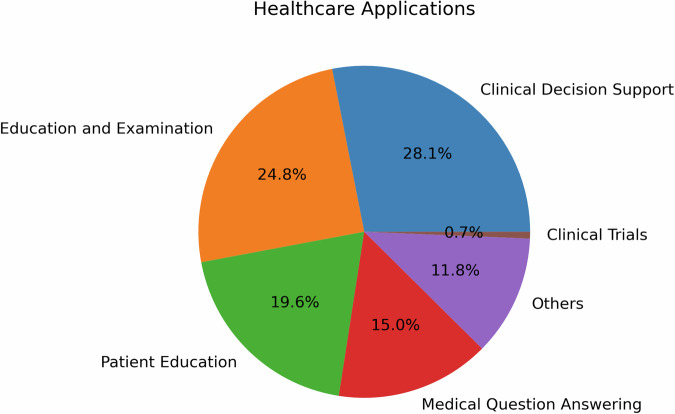
“A study reviewed human-evaluation methodologies for healthcare LLMs and found that conversational QA, patient education, and clinical decision support are among the most common interactive applications, underlining the role of LLMs as dialogue-centric interfaces in clinical workflows [17].”
Rust, P., Frings, J., Meister, S., Schulte, F. C., Prinz, C., & Fehring, L. (2026) · The Lancet Digital Health · doi:10.1016/j.landig.2026.100991 · Cited by 8
Large language models exhibit stigmatizing behaviour in contextual judgements of health conditions
Wang, X., Zhou, Y., & Zhou, G. (2026) · Nature Health · doi:10.1038/s44360-026-00164-4 · Cited by 5
Madrid-García, A., Benavent, D., Plasencia-Rodríguez, C., Rosales, Z., Barbancho, B. M., & Freites, D. (2025) · medRxiv · doi:10.1101/2025.04.10.25325588 · Cited by 5
“Recent studies have demonstrated that while LLMs can assist in drafting patient information and generating preliminary clinical documentation, their outputs require meticulous human validation to ensure accuracy and reliability [10,11].”
Mitigating Clinician Information Overload: Generative AI for Integrated EHR and RPM Data Analysis
Shetgaonkar, A., Pradhan, D., Arora, L., Girija, S. S., Raj, A., & Kapoor, S. (2025) · IEEE Annual International Computer Software and Applications Conference (COMPSAC) · doi:10.1109/compsac65507.2025.00284 · Cited by 5
“…Understudy for Gisting Evaluation) [37], BERTScore (Score for Bidirectional Encoder Representations from Transformers) [37], AUROC (Area Under the Receiver Operating Characteristic) [53] must be considered along with benchmarks such as HELM (Holistic Evaluation of Language Models) [46].”
Self-citationChang, Q., Chen, F., Chen, Y., Cheng, L., Dong, D., Dong, J., Feng, X., Ge, J., He, J., He, Y., et al. (2025) · Intelligent Medicine · doi:10.1016/j.imed.2025.09.001 · Cited by 10
Self-citationJung, K., Kim, H. J., Shin, S., Lee, W., Lee, J. H., Park, H. S., & Choi, Q. (2025) · Annals of Laboratory Medicine · doi:10.3343/alm.2025.0200 · Cited by 4
“Consistency of responses, or reproducibility, is as critical as accuracy in evaluating LLMs in medical contexts [19].”
Wang, S., & Ye, Q. (2025) · JMIR Medical Informatics · doi:10.2196/73857 · Cited by 7
“…(including 1 certified clinical nutritionist), all of whom have over 10 years of work experience, to manually score the model-generated answers based on the following criteria [35]: • Accuracy: the response contained specific and precise information rather than general or generic information.”
Tan, M., Tang, S., Kan, S., Zhang, H., Wu, B., Ni, Z., Lin, C., & Ding, J. (2025) · BMJ Open · doi:10.1136/bmjopen-2025-099226 · Cited by 4
“The evaluation will follow a framework for human evaluation of LLMs, 26 which assesses five aspects of dialogue performance, including quality of information, understanding and reasoning, expression style and persona, safety and harm, and trust and confidence (QUEST), with each criterion rated on a…”
Zhou, H., Zhu, Z., Oh, K. M., & Hong, S.-S. (2026) · JMIR Formative Research · doi:10.2196/79975 · Cited by 5
EvalCouncil: A Committee-Based LLM Framework for Reliable and Unbiased Automated Grading
Anghel, C., Crăciun, M., Anghel, A. A., Cocu, A., Balau, A. S., Andrei, C. A., Maier, C., Dragosloveanu, Ş., Nedelea, D.-G., & Scheau, C. (2025) · Computers · doi:10.3390/computers14120530 · Cited by 5
“Human decisions never feed back into the committee or the LLM chief; they serve as an external reference to examine alignment, chief–panel bias, and stability [18,43,44].”
Joshi, S., Mehta, M., Maniar, S., Wang, M., & Singh, V. K. (2026) · JMIR AI · doi:10.2196/83640 · Cited by 4
Artificial intelligence-based tools for optimizing surgical research publications
Coronel, B. V., Marescaux, J., & Giménez, M. (2026) · Artificial Intelligence Surgery · doi:10.20517/ais.2025.112 · Cited by 4
Assessing Generative AI Chatbots for Alcohol Misuse Support: A Longitudinal Simulation Study
Uscher‐Pines, L., Sousa, J. L., Raja, P. V., Ayer, L. A., Mehrotra, A., Huskamp, H. A., & Busch, A. B. (2026) · NEJM AI · doi:10.1056/aics2500676 · Cited by 4
Liang, J., Xing, M., Xiang, P., Wang, G., Chen, M., Fang, Q., Zhou, T., Lu, Z., Leng, X., Huang, J., et al. (2026) · npj Digital Medicine · doi:10.1038/s41746-026-02537-1 · Cited by 5
Du, X., Anna, N., Oates, M., Wang, Y., Wang, X., Plasek, J. M., Aronson, S., Lebo, M. S., & Zhou, L. (2026) · International Journal of Medical Informatics · doi:10.1016/j.ijmedinf.2026.106424 · Cited by 6
Self-citationXu, Y., Zhu, Y., Wang, H., Wu, Y. G., Ouyang, Y., Li, H., Zhou, W., Liu, X., Jiang, C., & Li, Q. (2026) · CHI Conference on Human Factors in Computing Systems · doi:10.1145/3772318.3790835 · Cited by 5
“For example, Singhal et al. [84] proposed a multi-dimensional evaluation framework tailored to clinical contexts, while Tam et al. [93] conducted a comprehensive literature review and proposed a practical evaluation framework applicable across various medical specialties.”
Human Evaluation of Large Language Models: A Review and Protocol Selection Framework
Brunyé, T. T. (2026) · AI · doi:10.3390/ai7050174 · Cited by 4
Ma, Z., Chen, R., Wang, A., Xi, Y., Liang, M., Yuan, S., Fan, N., Zang, J., Wang, T., & Zang, L. (2026) · Journal of Medical Internet Research · doi:10.2196/92315 · Cited by 4
“However, LLMs also come with some drawbacks, such as misunderstanding of the prompt, lack of self-awareness, fabrication, falsification, or plagiarism [13,14].”
Scherenberg, V. (2026) · Frontiers in Public Health · doi:10.3389/fpubh.2026.1891658 · Cited by 7
Ferreira, J. C., & Rosa, I. (2026) · Frontiers in Digital Health · doi:10.3389/fdgth.2026.1865568 · Cited by 4
Kim, M. S., Lee, J. S., & Bae, H. (2025) · Healthcare Informatics Research · doi:10.4258/hir.2025.31.2.200 · Cited by 4
“The evaluation dimensions were adapted from existing frameworks for assessing LLMs in the medical domain [21] but modified to better suit the needs of this study.”
Pourhoseingholi, M. A., Killan, C. F., Rafiee, S., Hoare, D. J., Wray, N., & Bateman, P. K. (2025) · International Journal of Audiology · doi:10.1080/14992027.2025.2569927 · Cited by 6
“Structured prompting frameworks (e.g. SMART-style templates) may further standardise elicitation and reduce bias (Tam et al. 2024); we did not apply these in the present study but plan to benchmark them in future work.”
Yang, S., Jing, M., Wang, S., Huang, Z., Wang, J., Kou, J., Shi, M., Xia, Z., Wei, Q., Xing, W., et al. (2025) · Artificial Intelligence in Medicine · doi:10.1016/j.artmed.2025.103310 · Cited by 5
Disagreement between human and AI evaluation of treatment plans
Sengupta, D., & Panda, S. (2026) · Scientific Reports · doi:10.1038/s41598-026-35406-8 · Cited by 6
“Calls for alternative evaluation regimes increasingly emphasize multi-metric, human-centered protocols that make scoring criteria explicit and clinically meaningful 30 .”
Gurler, N., Şengül, T., Bülbül, S. H., Akyaz, D. Y., Güler, Ö., Yantaç, A. E., Aydın, E. B., & Kirkland‐Kyhn, H. (2026) · Nurse Education in Practice · doi:10.1016/j.nepr.2026.104789 · Cited by 4
Unmasking Toxicity and Vulnerabilities in Large Vision-Language Models
Erol, A., Padhi, T., Saha, A., Aktas, M. E., & Kursuncu, U. (2026) · ACM Transactions on Intelligent Systems and Technology · doi:10.1145/3821418 · Cited by 4
Plausibility as Failure: How LLMs and Humans Co-Construct Epistemic ErrorPreprint
Oliveira, C. V., Zagalo, N., Silva, F., Brandao, A., Khurrum, S. F. H., & Santos, J. (2025) · arXiv (Cornell University) · doi:10.48550/arxiv.2512.16750 · Cited by 4
“Cross-referencing the findings obtained from the exploratory study against the methods used within the framework proposed by Tam et al. (2024), identified in Appendix I, Likert scales and binary scales such as Presence/Absence are emphasized.”
Ganti, B., Balasubramanian, K., & Pati, S. B. B. (2025) · IEEE Access · doi:10.1109/access.2025.3614148 · Cited by 3
Gorgos, P., Ternell, K. H., Hammarstrand, C., Wallmon, A., Brogren, E., Björkman, A., & Horváth, A. (2025) · Hand surgery & rehabilitation · doi:10.1016/j.hansur.2025.102530 · Cited by 3
Vasilev, Y. A., Vladzymyrskyy, A. V., Omelyanskaya, O. V., Alymova, Y. A., Альфредовна, А. Д., Федоровна, Ш. Ю., Kodenko, M. R., Blokhin, I. A., & Reshetnikov, R. V. (2025) · AI · doi:10.3390/ai6110287 · Cited by 4
Ambereen, A., Chawla, J. G., Lal, B., Alagarsamy, R., Tatapudi, S., & Mohanty, S. (2025) · Journal of Maxillofacial and Oral Surgery · doi:10.1007/s12663-025-02735-6 · Cited by 3
Results-Actionability Gap: Understanding How Practitioners Evaluate LLM Products in the Wild
van der Maden, W., Sadek, M., Xiao, Z., Mottelson, A., Liao, Q. V., & Zhu, J. (2026) · CHI Conference on Human Factors in Computing Systems · doi:10.1145/3772318.3791069 · Cited by 3
Qi, X., Fan, L., Yao, Y., Shen, S., Yang, Z., Zhu, J., & Yang, D. (2026) · Clinica Chimica Acta · doi:10.1016/j.cca.2026.120984 · Cited by 3
Şişmanoğlu, S., Işık, V., & Kayahan, M. B. (2026) · BMC Oral Health · doi:10.1186/s12903-026-08269-8 · Cited by 3
Benchmarking the safety of large language models for robotic health attendant control
Nakao, M., & Takemoto, K. (2026) · Royal Society Open Science · doi:10.1098/rsos.261022 · Cited by 3
“…evaluator, and formal assessment of inter-rater reliability against human raters remains to be conducted; developing human-in-the-loop evaluation protocols, as proposed in the QUEST framework [56], would contribute to the broader goal of standardized safety benchmarking for medical robots.”
A multimodal generative model for structured and unstructured electronic health records
Sivarajkumar, S., Zhang, H., Ji, Y., Bilalpur, M., Wu, X., Li, C., Kwak, M. G., Visweswaran, S., & Wang, Y. (2026) · npj Health Systems · doi:10.1038/s44401-026-00095-y · Cited by 5
“…reviewed a randomized sample of 200 summary outputs per model, rating each on fi ve criteria, as de fi ned by QUEST human evaluation framework 27 : Faithfulness, or how accurately the summary re fl ects thepatient ’ sclinicalfacts;Completeness,meaningcoverageofallkeyclinical events;…”
Self-citationMingole, B., Majumdar, A., Choudhury, F. A., Kraschnewski, J. L., Sundar, S. S., & Yadav, A. (2026) · ACM Conference on Fairness, Accountability, and Transparency (FAccT) · doi:10.1145/3805689.3812315 · Cited by 2
Pumpo, M. D., Villani, L., Gualano, M. R., Buonsenso, D., Raffaelli, F., Donà, D., Laurenti, P., Maio, V., Boccia, S., & Ricciardi, W. (2026) · Frontiers in Public Health · doi:10.3389/fpubh.2026.1874389 · Cited by 3
Pujol, O., Ferrer, R., Coelho, A., Oettl, F. C., Zsidai, B., Leal‐Blanquet, J., Hirschmann, M. T., & Samuelsson, K. (2026) · Knee Surgery Sports Traumatology Arthroscopy · doi:10.1002/ksa.70544 · Cited by 3
“It was published by Chow reliability, generalisability and applicability of previous human evaluation practices [24].”
InfluentialAI-based augmentation of oncology clinical trials
Villa, A., Eadie, A. L., Synnott, D., Romanò, R., Piffoux, M., Wong, E. Y. T., Scheinerman, N., Tan, D. S. W., de Braud, F., Koopman, M., et al. (2026) · Nature Reviews Clinical Oncology · doi:10.1038/s41571-026-01189-0 · Cited by 3
Enhancing Medical Diagnostic Reasoning with Chain-of-Thought in Large Language Models
Dai, G., Li, X., Fan, L., & Ma, X. (2025) · International Conference on Mechatronics, Robotics, and Artificial Intelligence (MRAI) · doi:10.1109/mrai65197.2025.11135834 · Cited by 4
Barco, M. K. D., Casartelli, V., Sanò, M., Vascon, S., Torresan, S., & Critto, A. (2025) · International Journal of Disaster Risk Reduction · doi:10.1016/j.ijdrr.2025.105818 · Cited by 5
Toward the Clinically Effective Evaluation of Artificial Intelligence–Generated Responses
Anbumani, S., & Ahunbay, E. E. (2024) · JCO Clinical Cancer Informatics · doi:10.1200/cci-24-00258 · Cited by 4
PGxRAG: A Retrieval Augmented Generation supported Pharmacogenomics AssistantPreprint
Borishetty, D., Banda, P., Andhi, N., Desai, A. P., Uppili, B., Samudrala, N. M., Palanki, S. S., Bobbili, D. R., & Iyer, G. R. (2025) · medRxiv · doi:10.1101/2025.09.24.25336524 · Cited by 3
Shah, A., Hines, A., Downs, A., Bajet, D., Mui, P., Araujo, F., Offutt, L., Rutledge, A., & Jimenez, E. (2026) · arXiv (Cornell University) · doi:10.48550/arxiv.2604.24710 · Cited by 3
“Expert clinician judgment is widely regarded as the gold standard for assessing clinical AI outputs, but it does not scale [3, 4].”
Khurana, J., Zaki, H. A., Pavlick, E., Turbitt, J., McGee, H. A., Gupta, S., Datla, S. S. P., Eldeeb, S., Salazar‐Mather, T. P., Warrier, S. S., et al. (2026) · BMC Medical Education · doi:10.1186/s12909-026-09975-1 · Cited by 2
Alagarsamy, R., Lal, B., Chawla, J. G., Arangaraju, R., Mohanty, S., Fatima, K., & Barathi, A. (2025) · Journal of Oral and Maxillofacial Surgery · doi:10.1016/j.joms.2025.09.016 · Cited by 2
Boldi, A., Gabbatore, I., & Bosco, F. M. (2025) · Electronics · doi:10.3390/electronics14224411 · Cited by 2
Kim, S. K., Kim, G. M., Cha, S., & Jung, M. (2025) · Journal of Korean Academy of Psychiatric and Mental Health Nursing · doi:10.12934/jkpmhn.2025.34.s1.23 · Cited by 2
“Evaluating whether an LLM's response is valid and reliable necessitates empirical analyses using multidimensional evaluation metrics beyond simple accuracy rates, including clinical consistency, emotional appropriateness, alignment with current evidence-based practice, and user satisfaction [3].”
Jiang, W., Wang, D., Zeng, Y., Huang, J., Xu, C., & Liu, C. (2025) · Journal of Medical Internet Research · doi:10.2196/80770 · Cited by 2
From hype to homework: what 2025 taught us about AI for veterinary medicine
Williams‐Xavier, A. (2025) · Veterinary Record · doi:10.1002/vetr.70193 · Cited by 2
Muasher-Kerwin, C., Hughes, M. C., Sanatizadeh, A., Mayer, J. F., & Alhoori, H. (2026) · Discover Artificial Intelligence · doi:10.1007/s44163-026-00879-z · Cited by 2
Hoyt, R. E., & Bajwa, M. (2026) · Applied Clinical Informatics · doi:10.1055/a-2807-4256 · Cited by 2
Bai, T., Jiang, K., Yu, Y., Qie, S., Wang, C., Wang, B., & Zhang, W. (2026) · Future Internet · doi:10.3390/fi18020095 · Cited by 2
“…clinical deployment of LLMs emphasizes that human verification should be embedded as a system design element—supported by standardized review checklists, auditable interaction logs, and risk-stratified escalation rules for safety-critical outputs—rather than treated as a post hoc safeguard [77–79].”
Kadhim, E. A., Feizi‐Derakhshi, M., & Aghdasi, H. S. (2026) · IEEE Access · doi:10.1109/access.2026.3665264 · Cited by 3
Ben Shitrit, I., Idan, D., Volevich, M., Goldenberg, H. S., Vaknin, D., Degany, O., Abelson, N., Binyamin, Y., Nassar, R., Nassar, M., et al. (2026) · PLOS Digital Health · doi:10.1371/journal.pdig.0001278 · Cited by 2
Xiang, B., Yan, Z., Wei, H., & Shi, J. (2026) · Expert Systems with Applications · doi:10.1016/j.eswa.2026.132026 · Cited by 3
Integrating lightweight and large-scale models for state analysis of air traffic controllers
Liu, B., Cao, W., Sun, Y., Dong, J., & Lu, F. (2026) · International Journal of Industrial Ergonomics · doi:10.1016/j.ergon.2026.103926 · Cited by 2
Xie, F., Lee, M. S., Chen, W., & Phan, D. Q. (2026) · JAMIA Open · doi:10.1093/jamiaopen/ooag036 · Cited by 2
“22 Each selected cardiac catheterization report belonged to a different patient, whereas multiple echocardiography reports could come from the same patient, but typically occurred months to years apart.”
Advances in Closed-Loop Artificial Intelligence for Healthcare
Das, D., Adams, S. D., Corva, D. M., Bucknall, T. K., & Kouzani, A. Z. (2026) · Electronics · doi:10.3390/electronics15071396 · Cited by 3
ChatGPT as a Patient Education Tool in Female Sexual Dysfunction: A Clinician-Based Evaluation
Akdemir, C., Balcı, M. F., Yıldırım, F., KINCI, M. F., & Pay, R. E. (2026) · International Journal of Sexual Health · doi:10.1080/19317611.2026.2649956 · Cited by 2
“…issues have been explored in domains such as oncology, obstetric anesthesia, urogynecology, and sexually transmitted infections (Gencer et al., 2025; Lamont et al., 2018; Recker et al., 2025; Tam et al., 2024), rigorous evaluations focusing on female sexual dysfunction remain extremely limited.”
Medical multimodal large language models: A survey
Xiao, H., Hui, N., Xu, Y. D., Li, Z., & Peng, J. (2026) · Information Fusion · doi:10.1016/j.inffus.2026.104386 · Cited by 5
Lei, C., Zhao, C., Ji, K., Cao, C., Chen, H. Z., Wei, D., Zhang, S., Guo, S., Li, R., Zhong, S., et al. (2026) · Scientific Reports · doi:10.1038/s41598-026-48996-0 · Cited by 2
“In addition, we applied the multi-dimensional QUEST framework 20 , which covers Quality, Understanding/Reasoning, Expression, Safety/Harm, and Trust, allowing for a more comprehensive and clinically relevant evaluation compared with their reliance solely on the Quality and Expression dimensions.”
Liu, T., Qi, X., Guo, M., Ye, X., Fan, L., & Yang, D. (2026) · Clinical Chemistry and Laboratory Medicine (CCLM) · doi:10.1515/cclm-2026-0435 · Cited by 2
Vowels, L. M., Vohra, P., Li, D., Zeinoddin, P. S., Elswick, A., Marcantonio, T. L., Wood, N. D., & Vowels, M. J. (2026) · PLOS Digital Health · doi:10.1371/journal.pdig.0001352 · Cited by 2
“Psychiatry-specific benchmarks such as PsychBench [45] and QUEST [46] have further evaluated LLM reasoning across psychiatric diagnostic and risk-related scenarios using structured scoring rubrics and human expert adjudication.”
Patient-Facing Radiology Communication with LLMs: Calibration Deficit and the Metadata Paradox
Shin, C., Park, J. H., Kim, S. J., Lee, Y. H., & Lee, H. S. (2026) · Healthcare · doi:10.3390/healthcare14111490 · Cited by 2
“…performance in medical tasks such as summarization and triage [5–7], but a critical yet under-explored area is the quality assessment of LLM-generated answers tailored to the complex, emotionally charged, and highly varied questions that patients pose regarding their clinical reports [8,9].”
Research integrity and data ethics in AI-driven integrated healthcare: a critical appraisal
Zeng, W., Wei, H., Chen, Y., Tang, J., Ge, J., & Chen, H. (2026) · Frontiers in Public Health · doi:10.3389/fpubh.2026.1838551 · Cited by 2
“Frameworks for rigorous clinical evaluation of LLMs remain nascent, and methodological standardization represents an urgent research priority (93).”
Pumpo, M. D., Villani, L., Maio, V., Gualano, M. R., Marziali, E., Maio, L. D., Mancini, R., Boccia, S., Ricciardi, W., & Laurenti, P. (2026) · Public Health · doi:10.1016/j.puhe.2026.106359 · Cited by 2
Topic-Aware Summarization of Lived Health Care Experiences: Large Language Model Evaluation Study
Bilalpur, M., Hamm, M., Lee, Y. J., Norman, N., McTigue, K. M., & Wang, Y. (2026) · JMIR Medical Informatics · doi:10.2196/85960 · Cited by 2
Self-citationLanter, L., Masel, S., Hochreiter, B., Meisterhans, M., Rebsamen, M., Herzog, B., Caprara, S., & Oettl, F. C. (2026) · Journal of Experimental Orthopaedics · doi:10.1002/jeo2.70813 · Cited by 2
“For each response, each reviewer provided ratings across all QUEST criteria [15].”
InfluentialA roadmap for medical large language models: a review of foundations, applications, and challenges
Sha, Y.-Y., Yu, L., Lin, Z.-H., Kaur, A., Lou, Y., Gornale, S. S., Zhang, T., Wong, L. S., Wang, Z., Yan, Y., et al. (2026) · Military Medical Research · doi:10.1016/j.mmr.2026.100050 · Cited by 4
Akbasli, I. T., Oztürk, B., Serin, O., Doğan, V., Berikol, G. B., Comeau, D. S., Celi, L. A., & Ozguner, O. (2026) · Journal of medical imaging · doi:10.1117/1.jmi.13.4.045501 · Cited by 2
Zhang, L., Huai, P., XuRui, Sun, J., Jin, R., & Lv, H. (2026) · Journal of Medical Internet Research · doi:10.2196/90744 · Cited by 2
“…[105,106]; (4) safety assurance systems incorporating real-time hallucination detection and verification mechanisms to secure the “foundational layer” [107]; (5) standardized evaluation frameworks developed through interdisciplinary consensus to capture all three dimensions of LLM performance.”
Large language models as judges for clinical generative AI evaluation
Gershon, R., Ben‐Shlomo, Y., Yitzhaki, S., Sberro, A., Tausky, O., Golan, N., Rabinovitch, M., Hasidim, A. A., Arianu, I., Dagan, M., et al. (2026) · npj Digital Medicine · doi:10.1038/s41746-026-03248-3 · Cited by 3
Classification of Hallucinations in Large Language Models Using a Novel Weighted Metric
Raghava, S. (2024) · UC Merced Undergraduate Research Journal · doi:10.5070/m417164607 · Cited by 2
Du, X., Nagy, A. A., Oates, M., Wang, Y., Wang, X., Plasek, J. M., Aronson, S., Lebo, M. S., & Zhou, L. N. (2025) · SSRN Electronic Journal · doi:10.2139/ssrn.5385545 · Cited by 4
Self-citationAI-Generated Responses to Patient's Messages: Effectiveness, Feasibility and ImplementationPreprint
Bladder, K. J. M., Verburg, A. C., Arts-Tenhagen, M., Willemsen, R., van den Broek, G. B., Driessen, C. M. L., Driessen, R. J. B., Robberts, B., Scheffer, A. R. T., de Vries, A. P., et al. (2026) · medRxiv · doi:10.64898/2026.03.02.26347175 · Cited by 2
Large Language Models in Pharmacist-Led Direct Patient Care: A Rapid Review of Published Evaluations
Yakob, R. A., Bamgboje-Ayodele, A., Collins, J. C., & Aslani, P. (2026) · Research in Social and Administrative Pharmacy · doi:10.1016/j.sapharm.2026.09.007 · Cited by 1
A Scoping Review of LLM-as-a-Judge in Healthcare and the MedJUDGE Framework
Li, C., Akhtar, Z., Kwak, M., Ji, Y., Zhang, H., Obi, T., Ren, Y., Wu, X., Sivarajkumar, S., Lehmann, H. P., et al. (2026) · arXiv · doi:10.48550/arxiv.2604.25933 · Cited by 1
Self-citationXiong, Y., Zeng, Y.-M., Liu, H.-N., Sun, Y., Tang, W., & Liu, C. (2025) · Frontiers in Public Health · doi:10.3389/fpubh.2025.1582377 · Cited by 1
Slosarek, T., Baum, J., Frost, B., Genchev, N., Hermann, L., Kunst, S., Meister, C., Schmidt, M., Wagner, S., Mashni, S. M., et al. (2026) · JAMIA Open · doi:10.1093/jamiaopen/ooag132 · Cited by 2
Issues and Perspectives on Integrating a Healthcare Monitoring Tool with an LLM Module
Pilato, G., Persia, F., & D’Auria, D. (2025) · IEEE International Conference on Semantic Computing (ICSC) · doi:10.1109/icsc64641.2025.00048 · Cited by 1
“Opaque information can potentially compromise patient welfare and damage the reliability of clinical guidelines, whereas transparency is critical to ensure patient safety and enable replicability of evidence-based medical practices [7] [8].”
Chatbots in Mental Healthcare: Developments and Challenges
Shi, Q. (2025) · IEEE China Conference on System Simulation Technology and its Applications (CCSSTA) · doi:10.1109/ieeeconf65522.2025.11137008 · Cited by 4
“For example, the QUEST framework used to evaluate the application of LLMs in the medical field [63].”
Gürbüz, S., Karslıoğlu, B., Keskin, A., İğde, N., Ayaz, M. B., & İmren, Y. (2025) · The Journal of Knee Surgery · doi:10.1055/a-2693-0756 · Cited by 2
Assessing AI-Generated Legal Reasoning: A Benchmark for Legal Text Quality from Literature Review
Tritto, P. P., & Ponce-Espinosa, H. (2025) · Communications in computer and information science · doi:10.1007/978-3-031-97907-1_5 · Cited by 1
Gazzo, A. M., Berardelli, S., Biancospino, M., Cuollo, L., Zotti, F. D., Ferraro, E., Marra, A., Tartarotti, E., & Magni, P. (2026) · Genome biology · doi:10.1186/s13059-026-04237-1 · Cited by 2
Castano-Villegas, N., Llano, I., Villa, M. C., Zea, J., & Velásquez, L. (2026) · Intelligence-Based Medicine · doi:10.1016/j.ibmed.2026.100447 · Cited by 3
Ethical Considerations in AI Agents
Ramachandran, M. (2025) · Springer eBooks · doi:10.1007/978-981-95-2909-4_17 · Cited by 1
Yıldız, C., Gökmen, M. Y., Utlu, Ç., Karabay, E. S., Tanık, U., & Pazarcı, Ö. (2025) · Indian Journal of Orthopaedics · doi:10.1007/s43465-025-01653-6 · Cited by 2
Huang, R., Cecil, J., Freedman, M., & Chattopadhyay, S. (2026) · Journal of Medical Internet Research · doi:10.2196/88126 · Cited by 1
GamELY: Human-in-the loop Framework for Scaling Human Evaluation of LLMs in Healthcare
Awasthi, R., Singh, N., Mishra, S., Bhattad, A., Auron, M., Subramanian, C. R., Atreja, A., Maheshwari, K., Mahapatra, D., Cywinski, J. B., et al. (2025) · ACM International Conference on Bioinformatics, Computational Biology, and Health Informatics (ACM-BCB) · doi:10.1145/3765612.3767224 · Cited by 1
Self-citationArtificial Intelligence for the Oral and Maxillofacial Surgeon
Nathan, J., Shim, J., Arce, K., & Ettinger, K. S. (2025) · Journal of Oral and Maxillofacial Surgery · doi:10.1016/j.joms.2025.12.013 · Cited by 1
Deschepper, M., Rogge, H., Syx, M., & Colpaert, K. E. (2026) · JMIR Medical Informatics · doi:10.2196/80613 · Cited by 3
Pańczyk, M., Piątek, T. D., Małkowski, P., Hreńczuk, M. K., Jaworski, M., Cieślak, I., & Gotlib, J. (2026) · Journal of Multidisciplinary Healthcare · doi:10.2147/jmdh.s566966 · Cited by 1
Metadata
- Authors
- Tam, T. Y. C., Sivarajkumar, S., Kapoor, S., Stolyar, A. V., Polanska, K., McCarthy, K. R., Osterhoudt, H., Wu, X., Visweswaran, S., Fu, S., Mathur, P., Cacciamani, G. E., Sun, C., Peng, Y., & Wang, Y.
- Affiliations
- University of Pittsburgh (US)
- University of Pittsburgh Medical Center (US)
- The University of Texas Health Science Center at Houston (US)
- Cleveland Clinic (US)
- University of Southern California (US)
- Weill Cornell Medicine (US)
- Corresponding author
- Wang, Yanshan
- ORCID
- Venue
- npj Digital Medicine
- Published
- 2024-09-28
- Volume
- 7
- Issue
- 1
- Pages
- 258-258
- ISSN
- 2398-6352 (ISSN-L)
- PMC
- PMC11437138
- OpenAlex
- W4402909345
- Cited by
- 424
- References
- 102
- Citations by year
- 2026: 270 · 2025: 149 · 2024: 5
- FWCI
- 39.64
- Type
- journal article
- Language
- en
- Open access
- gold
- doi.org
- Licence
- cc-by
- creativecommons.org/licenses/by/4.0 (tdm)
- creativecommons.org/licenses/by/4.0 (vor)
- Locations
- npj Digital Medicine (publishedVersion, cc-by)
- PubMed Central (publishedVersion, cc-by)
- PubMed (publishedVersion)
- arXiv (Cornell University) (submittedVersion)
- Digital Commons-TMC (Texas Medical Center) (submittedVersion)
- DOAJ (DOAJ: Directory of Open Access Journals) (submittedVersion, cc-by-sa)
- arXiv (Cornell University)
- Funders
- U.S. Department of Health & Human Services | National Institutes of Health (UL1TR001857, U24TR004111, R01LM014306)
- Topics
- Health Sciences › Medicine › Health Informatics › Artificial Intelligence in Healthcare and Education
- Physical Sciences › Computer Science › Artificial Intelligence › Explainable Artificial Intelligence (XAI)
- Physical Sciences › Computer Science › Artificial Intelligence › Ethics and Social Impacts of AI
- Keywords
- large language models, human evaluation, health care, generative AI, evaluation framework, evaluation metrics, assessment reliability, trust and confidence, evaluation principles
About these checks
Registry, retraction, Cites and statistics results are computed, not judged, with one exception: a printed reference that no index lists is read once by a model before it counts as a citation error. Claims are extracted by a model and kept only when their quote appears verbatim in the text; each cited source is then checked, with a model’s help, for whether it says what the claim relies on. Those verdicts can be wrong — read the claim’s quote and the cited source before relying on one.
Statistics and arithmetic are recomputed, not judged.
Confidence bands are shown only for fields calibrated on our annotated test set. None is calibrated yet, so no band is shown.
What counts as a claim ›How we measure confidence ›How we check this ›
Are you an author, or do you see a problem with this page? Request a review
Data sources
Bibliographic data: Semantic Scholar, OpenAlex, Crossref.
Contains information from the Semantic Scholar Academic Graph Datasets, made available under the ODC Attribution License (ODC-BY 1.0).
Semantic Scholar’s data is described in: Kinney, R., et al. (2023). The Semantic Scholar Open Data Platform. arXiv:2301.10140.
