

A framework for human evaluation of large language models in healthcare derived from literature review.
Open accessThe DOI matches its Crossref record; 107 of the 107 references it cites were found in a registry or an index.
Abstract
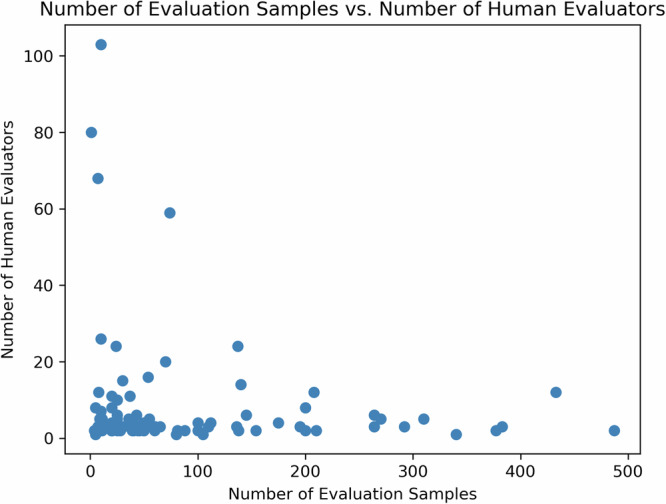
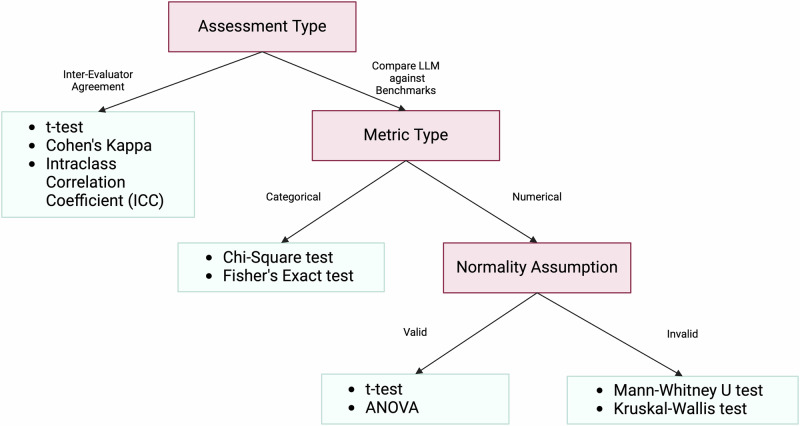
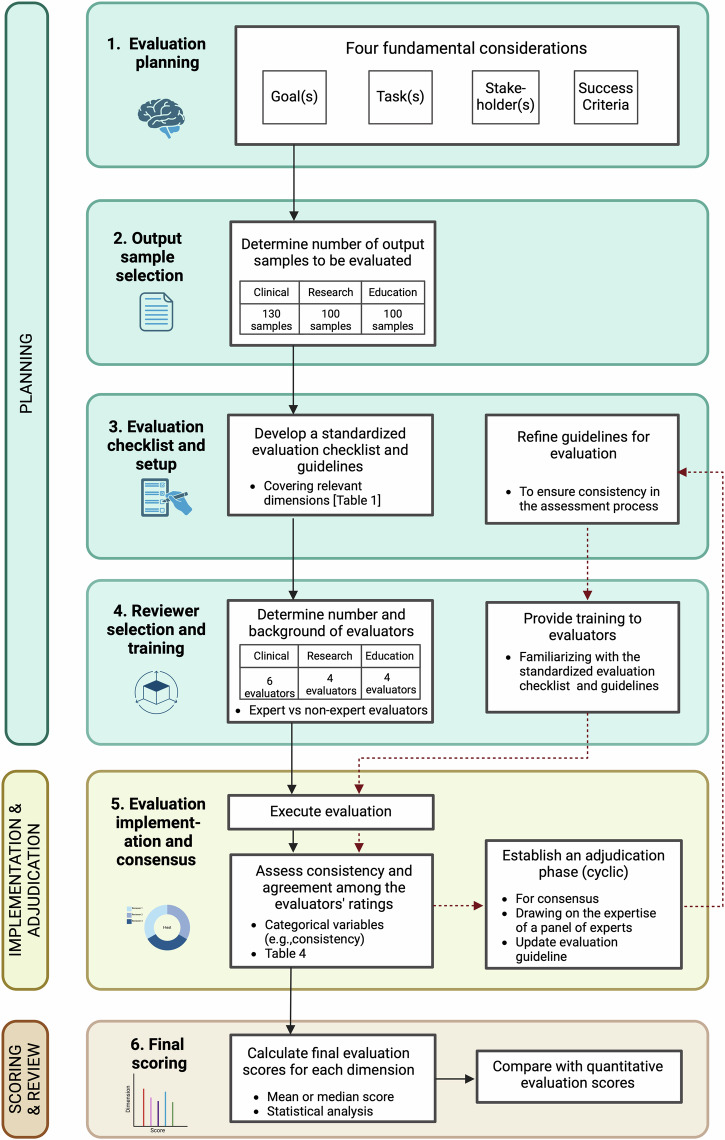
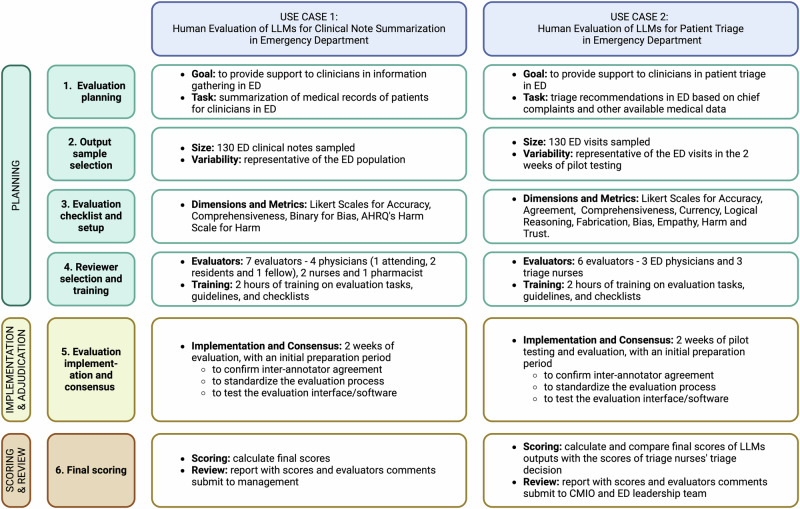
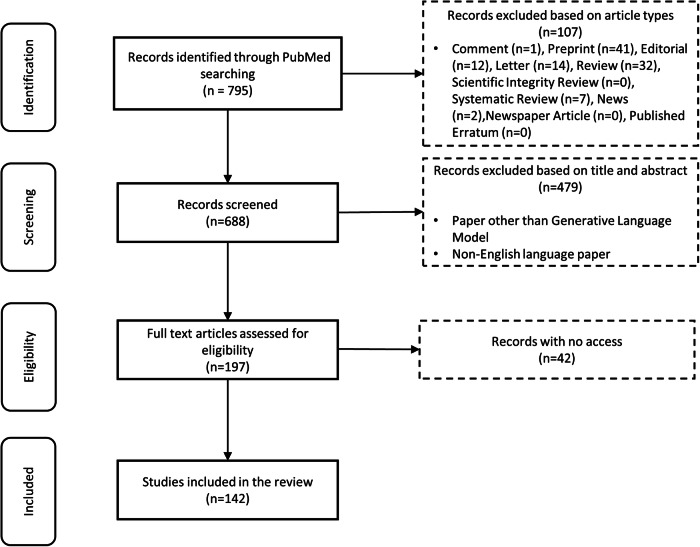
With generative artificial intelligence (GenAI), particularly large language models (LLMs), continuing to make inroads in healthcare, assessing LLMs with human evaluations is essential to assuring safety and effectiveness. This study reviews existing literature on human evaluation methodologies for LLMs in healthcare across various medical specialties and addresses factors such as evaluation dimensions, sample types and sizes, selection, and recruitment of evaluators, frameworks and metrics, evaluation process, and statistical analysis type. Our literature review of 142 studies shows gaps in reliability, generalizability, and applicability of current human evaluation practices. To overcome such significant obstacles to healthcare LLM developments and deployments, we propose QUEST, a comprehensive and practical framework for human evaluation of LLMs covering three phases of workflow: Planning, Implementation and Adjudication, and Scoring and Review. QUEST is designed with five proposed evaluation principles: Quality of Information, Understanding and Reasoning, Expression Style and Persona, Safety and Harm, and Trust and Confidence.
Overview
The claims and statistics of this paper haven’t been checked yet.
Free: it reads the open-access text and checks the first 5 claims that cite a source we can check. Create a free account to check every claim.
Integrity signals
Registry
Cites
Statistics
Figures
Verification
Claims the paper makes
The claims and statistics of this paper haven’t been checked yet.
Free: it reads the open-access text and checks the first 5 claims that cite a source we can check. Create a free account to check every claim.
Claims other papers make about this one
Each is checked against this paper’s own text: does it say what the citing paper says it does?
The cited source says what the claim attributes to it.
In the citing paper
“Healthcare evaluation frameworks already stress reliability, generalizability, human evaluation, safety, harm, trust, and confidence [24].”
From Machine Psychometrics: A Mathematical Psychology of Artificial Intelligence (2026) · cites this paper as [24]
In the citing paper
“Tam et al. 168 reviewed 142 papers on the human evaluation of LLM application in healthcare in general and find that generalizability, applicability, and reliability are lacking in current evaluation practices”
From Data extraction methods for systematic review (semi)automation: Update of a living systematic review (2025) · cites this paper as [168]
Self-check
Percentages, sums and reported differences re-computed from the paper’s own numbers.
The self-check needs the paper’s full text.
Citations
Cites
BLEU: a method for automatic evaluation of machine translation
Papineni, K., Roukos, S., Ward, T., & Zhu, W.-J. (2001) · Proceedings of the 40th Annual Meeting on Association for Computational Linguistics - ACL '02 · doi:10.3115/1073083.1073135 · Cited by 21,344
RoBERTa: A Robustly Optimized BERT Pretraining Approach
Liu, Y., Ott, M., Goyal, N., Du, J., Joshi, M., Chen, D., Levy, O., Lewis, M., Zettlemoyer, L., & Stoyanov, V. (2019) · arXiv · doi:10.48550/arxiv.1907.11692 · Cited by 16,515 · cited 1×
“Wealsoexcludedstudieswhichexamine onlynon-generativepretrainedlanguagemodelslikeBERT 59 , RoBERTa 60 , etc. and multimodal studies such as image-to-text or text-to-image application of generative LLMs.”
BackgroundLearning Transferable Visual Models From Natural Language Supervision
Radford, A., Kim, J. W., Hallacy, C., Ramesh, A., Goh, G., Agarwal, S., Sastry, G., Askell, A., Mishkin, P., Clark, J., et al. (2021) · arXiv · doi:10.48550/arxiv.2103.00020 · Cited by 15,293 · cited 1×
“There are also technical advancements of multimodal LLMs and text-to-image foundational models such as CLIP 58 .”
BackgroundBeyond Accuracy: What Data Quality Means to Data Consumers
Wang, R. Y., & Strong, D. M. (1996) · Journal of Management Information Systems · doi:10.1080/07421222.1996.11518099 · Cited by 4,672
Training language models to follow instructions with human feedback
Ouyang, L., Wu, J., Jiang, X., Almeida, D., Wainwright, C. L., Mishkin, P., Zhang, C., Agarwal, S., Slama, K., Ray, A., et al. (2022) · arXiv · doi:10.48550/arxiv.2203.02155 · Cited by 4,208
Large language models encode clinical knowledge
Singhal, K., Azizi, S., Tu, T., Mahdavi, S. S., Wei, J., Chung, H. W., Scales, N., Tanwani, A., Cole-Lewis, H., Pfohl, S., et al. (2023) · Nature · doi:10.1038/s41586-023-06291-2 · Cited by 4,083
Large Language Models Encode Clinical Knowledge
Singhal, K., Azizi, S., Tu, T., Mahdavi, S. S., Wei, J., Chung, H. W., Scales, N., Tanwani, A., Cole-Lewis, H., Pfohl, S., et al. (2022) · arXiv · doi:10.48550/arxiv.2212.13138 · Cited by 4,083
Charnock, D., Shepperd, S., Needham, G., & Gann, R. (1999) · Journal of Epidemiology and Community Health · doi:10.1136/jech.53.2.105 · Cited by 3,329
Ayers, J. W., Poliak, A., Dredze, M., Leas, E. C., Zhu, Z., Kelley, J. B., Faix, D. J., Goodman, A. M., Longhurst, C. A., Hogarth, M., et al. (2023) · JAMA Internal Medicine · doi:10.1001/jamainternmed.2023.1838 · Cited by 2,613
Llama 2: Open Foundation and Fine-Tuned Chat Models
Touvron, H., Martin, L., Stone, K., Albert, P., Almahairi, A., Babaei, Y., Bashlykov, N., Batra, S., Bhargava, P., Bhosale, S., et al. (2023) · arXiv · doi:10.48550/arxiv.2307.09288 · Cited by 2,604
Research works printed but not linked: 4
- 8. Lin, C.-Y. ROUGE: a package for automatic evaluation of summaries. Text Summarization Branches Out (Association for Computational Linguistics, Barcelona, Spain, 2004).
- 59. Devlin, J., Chang, M.-W., Lee, K. & Toutanova, K. Bert: pre-training of deep bidirectional transformers for language understanding. Proceedings of the 2019 Conference of the North {A}merican Chapter of the Association for Computational Linguistics: Human Language Technologies, Vol. 1 (Long and Short Papers) (eds Burstein, J Doran, C & Solorio, T.) 4171–4186 (Association for Computational Linguistics, 2019).
- 94. Parasuraman, A., Berry, L. L. & Zeithaml, V. A. Refinement and reassessment of the SERVQUAL scale. J. Retail. 67, 420 (1991).
- 97. Biggs, J. B. & Collis, K. F. Evaluating the Quality of Learning: The SOLO Taxonomy (Structure of the Observed Learning Outcome) (Academic Press, 2014).
Cited by
A framework to assess clinical safety and hallucination rates of LLMs for medical text summarisation
Asgari, E., Montaña-Brown, N., Dubois, M., Khalil, S., Balloch, J., Yeung, J. A., & Pimenta, D. (2025) · npj Digital Medicine · doi:10.1038/s41746-025-01670-7 · Cited by 423
Large Language Models in Healthcare and Medical Applications: A Review
Maity, S., & Saikia, M. J. (2025) · Bioengineering · doi:10.3390/bioengineering12060631 · Cited by 249
“Human-centered evaluation frameworks, such as the QUEST protocol, involve physicians, nurses, and pharmacists in the systematic assessment of LLM outputs for accuracy, comprehensiveness, bias, and harm in real clinical scenarios [71].”
Liu, S., McCoy, A. B., & Wright, A. (2025) · Journal of the American Medical Informatics Association · doi:10.1093/jamia/ocaf008 · Cited by 200
“14 However, these guidelines do not cover RAG applications in clinical settings, emphasizing the need for a more specific guideline.”
Large language models for disease diagnosis: a scoping review
Zhou, S., Xu, Z., Zhang, M., Xu, C., Guo, Y., Zhan, Z., Fang, Y., Ding, S., Wang, J., Xu, K., et al. (2025) · npj Artificial Intelligence · doi:10.1038/s44387-025-00011-z · Cited by 122
A personal health large language model for sleep and fitness coaching
Khasentino, J., Belyaeva, A., Liu, X., Yang, Z., Furlotte, N. A., Lee, C., Schenck, E., Patel, Y., Cui, J., Schneider, L. D., et al. (2025) · Nature Medicine · doi:10.1038/s41591-025-03888-0 · Cited by 191
“Health metrics: daily data on day of the week, date, resting heart rate, heart rate variability and respiratory rate were provided to assess recovery and stress (Supplementary Tables 32 and 33), along with graphical representations (Fig.”
From GPT to DeepSeek: Significant gaps remain in realizing AI in healthcare
Peng, Y., Malin, B., Rousseau, J. F., Wang, Y., Xu, Z., Xu, X., Weng, C., & Bian, J. (2025) · Journal of Biomedical Informatics · doi:10.1016/j.jbi.2025.104791 · Cited by 153
Self-citationGuidelines for empirical studies in software engineering involving large language models
Baltes, S., Angermeir, F., Arora, C., Muñoz Barón, M., Chen, C., Böhme, L., Calefato, F., Ernst, N., Falessi, D., Fitzgerald, B., et al. (2027) · Empirical Software Engineering · doi:10.1007/s10664-026-10922-3 · Cited by 3
Data extraction methods for systematic review (semi)automation: a living systematic review
Schmidt, L., Olorisade, B. K., McGuinness, L. A., Thomas, J., & Higgins, J. P. T. (2021) · F1000Research · doi:10.12688/f1000research.51117.1 · Cited by 106
Evaluating clinical AI summaries with large language models as judges
Croxford, E., Gao, Y., First, E., Pellegrino, N., Schnier, M., Caskey, J., Oguss, M. K., Wills, G., Chen, G., Dligach, D., et al. (2025) · npj Digital Medicine · doi:10.1038/s41746-025-02005-2 · Cited by 175
Wells, B. J., Nguyen, H. M., McWilliams, A., Pallini, M., Bovi, A., Kuzma, A., Kramer, J., Chou, S.-H., Hetherington, T., Corn, P., et al. (2025) · npj Digital Medicine · doi:10.1038/s41746-025-01900-y · Cited by 90
“…generativeAIrequirescareful re fi nement toensurea practical, ef fi cient, and reproducible process that aligns with stakeholder needs 42,43 . b Question1useslanguagefromFDAguidanceto designatesolutions ashighriskiftheyappearto requireFDA approvalfor theirintendedusebutdonot haveit. c…”
A scoping review and evidence gap analysis of clinical AI fairness
Liu, M., Ning, Y., Teixayavong, S., Liu, X., Mertens, M., Shang, Y., Li, X., Miao, D., Liao, J., Xu, J., et al. (2025) · npj Digital Medicine · doi:10.1038/s41746-025-01667-2 · Cited by 113
“To cultivate clinically contextualizedfairness,itisessentialtoactivelyinvolvedomainexpertswho arefamiliarwithspeci fi c clinical contexts and aware of biases in the model development and evaluation process 126 .”
Scientific evidence for clinical text summarization using large language models: scoping review
Bednarczyk, L., Reichenpfader, D., Gaudet-Blavignac, C., Ette, A. K., Zaghir, J., Zheng, Y., Bensahla, A., Bjelogrlic, M., & Lovis, C. (2025) · Journal of Medical Internet Research · doi:10.2196/68998 · Cited by 83
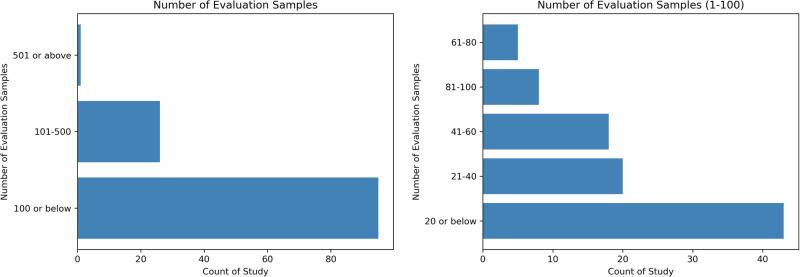
“A previous work by Tam et al [71] suggests that at least 130 documents should be evaluated when testing clinical decision support tools to enable meaningful performance assessments.”
Current and future state of evaluation of large language models for medical summarization tasks
Croxford, E., Gao, Y., Pellegrino, N., Wong, K., Wills, G., First, E., Liao, F., Goswami, C., Patterson, B., & Afshar, M. (2025) · npj Health Systems · doi:10.1038/s44401-024-00011-2 · Cited by 63
McBain, R. K., Cantor, J., Zhang, L. A., Baker, O. N., Zhang, F., Burnett, A., Kofner, A., Breslau, J. A., Stein, B. D., Mehrotra, A., et al. (2025) · Psychiatric Services · doi:10.1176/appi.ps.20250086 · Cited by 98
The evaluation illusion of large language models in medicine
Agrawal, M., Chen, I. Y., Gulamali, F., & Joshi, S. D. (2025) · npj Digital Medicine · doi:10.1038/s41746-025-01963-x · Cited by 115
Palm, E., Manikantan, A., Mahal, H., Belwadi, S. S., & Pepin, M. E. (2025) · Frontiers in Artificial Intelligence · doi:10.3389/frai.2025.1691499 · Cited by 75
Large language model integrations in cancer decision-making: a systematic review and meta-analysis
Hao, Y., Qiu, Z., Holmes, J., Löckenhoff, C. E., Liu, W., Ghassemi, M., & Kalantari, S. (2025) · npj Digital Medicine · doi:10.1038/s41746-025-01824-7 · Cited by 67
Data-Centric Foundation Models in Computational Healthcare: A Survey
Zhang, Y., Gao, J. G., Tan, Z., Zhou, L., Ding, K., Zhou, M., Zhang, S., & Wang, D. (2026) · ACM Computing Surveys · doi:10.1145/3800677 · Cited by 74
Kanaparthy, N. S., Villuendas-Rey, Y., Bakare, T., Diao, Z., Iscoe, M., Loza, A., Wright, D., Safranek, C., Faustino, I. V., Brackett, A., et al. (2025) · JMIR AI · doi:10.2196/76743 · Cited by 57
“The data synthesis for this study was conducted using a structured thematic approach guided by the QUEST human evaluation framework [23], Systems Engineering Initiative for Patient Safety (SEIPS) 3.0 model [24,25], and a study by Abbasian et al [26].”
InfluentialDu, X., Zhou, Z., Wang, Y., Chuang, Y.-W., Li, Y., Yang, R. C., Zhang, W., Wang, X., Chen, X., Guan, H., et al. (2026) · Journal of the American Medical Informatics Association · doi:10.1093/jamia/ocaf233 · Cited by 72
Self-citationLarge language models in oncology: a review
Chen, D., Parsa, R., Swanson, K. E., Nuñez, J.-J., Critch, A., Bitterman, D. S., Liu, F., & Raman, S. (2025) · BMJ Oncology · doi:10.1136/bmjonc-2025-000759 · Cited by 75
Croxford, E., Gao, Y., Pellegrino, N., Wong, K., Wills, G. J., First, E., Schnier, M., Burton, K. A., Ebby, C. G., Gorski, J. K., et al. (2025) · Journal of the American Medical Informatics Association · doi:10.1093/jamia/ocaf068 · Cited by 69
Li, H., Fu, J., & Python, A. (2025) · Journal of Medical Internet Research · doi:10.2196/71916 · Cited by 68
Large Language Models Meet Energy Systems: Opportunities, Challenges, and Future Perspectives
Zhang, C., Zhang, J., Lü, J., & Zhao, Y. (2025) · Applied Energy · doi:10.1016/j.apenergy.2025.127076 · Cited by 56
An evaluation framework for ambient digital scribing tools in clinical applications
Wang, H., Yang, R., Alwakeel, M., Kayastha, A., Chowdhury, A., Biro, J., Sorrentino, A. D., Handley, J. L., Hantzmon, S. V., Bessias, S., et al. (2025) · npj Digital Medicine · doi:10.1038/s41746-025-01622-1 · Cited by 58
Large language models in clinical trials: applications, technical advances, and future directions
Lin, A.-Q., Wang, Z., Jiang, A.-M., Chen, L., Qi, C., Zhu, L., Mou, W., Gan, W.-Y., Zeng, D.-Q., Xiao, M.-J., et al. (2025) · BMC Medicine · doi:10.1186/s12916-025-04348-9 · Cited by 35
“Moreover, quantitative metrics, including ROC curves and domain-specific checklists such as STAGER and QUEST, have been proposed to assess the LLMs’ output quality [137, 138].”
Self-citationEvaluating Large Language Models in Ophthalmology: Systematic Review
Zhang, Z., Zhang, H., Pan, Z., Bi, Z., Wan, Y., Song, X., & Fan, X. (2025) · Journal of Medical Internet Research · doi:10.2196/76947 · Cited by 48
“While cross-disciplinary surveys in medicine [204,205] flagged generic gaps in LLM evaluation, our study is the first to quantify them within ophthalmology.”
Tripathi, S., Alkhulaifat, D., Doo, F. X., Rajpurkar, P., McBeth, R., Daye, D., & Cook, T. S. (2025) · NEJM AI · doi:10.1056/aip2401106 · Cited by 31
AI agent in healthcare: applications, evaluations, and future directions
Zhao, L., Liu, S., Xin, T., Tan, J., Wang, X., Li, Y., Bian, Z., Chen, Y., Kong, F., Bian, J., et al. (2026) · npj Artificial Intelligence · doi:10.1038/s44387-026-00076-4 · Cited by 51
Sallam, M., Snygg, J., Allam, D., Kassem, R., & Damani, M. (2025) · Journal of Innovations in Medical Research · doi:10.63593/jimr.2788-7022.2025.06.001 · Cited by 29
“By 2024, growing interest in AI integration within healthcare was observed, supported by developments in explainable AI, multimodal systems, and evolving regulatory considerations (Pahud de Mortanges et al., 2024; Sadeghi et al., 2024; Tam et al., 2024).”
Gaps in artificial intelligence research for rural health in the United States: a scoping review
Brown, K. E., & Davis, S. E. (2025) · Journal of the American Medical Informatics Association · doi:10.1093/jamia/ocaf206 · Cited by 34
Data extraction methods for systematic review (semi)automation: Update of a living systematic review
Schmidt, L., Finnerty Mutlu, A. N., Elmore, R., Olorisade, B. K., Thomas, J., & Higgins, J. P. T. (2025) · F1000Research · doi:10.12688/f1000research.51117.3 · Cited by 27
A Brief Review on Benchmarking for Large Language Models Evaluation in Healthcare
Cilar, L., Chen, H., Chen, A., Topaz, M., Tam, W., Bian, J., & Štiglic, G. (2025) · Wiley Interdisciplinary Reviews Data Mining and Knowledge Discovery · doi:10.1002/widm.70010 · Cited by 39
Livingston, L., Featherstone-Uwague, A., Barry, A., Barretto, K., Morey, T., Herrmannová, D., & Avula, V. (2025) · JAMIA Open · doi:10.1093/jamiaopen/ooaf054 · Cited by 29
Croxford, E., Gao, Y., First, E., Pellegrino, N., Schnier, M., Caskey, J., Oguss, M., Wills, G., Chen, G., Dligach, D., et al. (2025) · doi:10.1101/2025.04.22.25326219 · Cited by 25
Patient agency and large language models in worldwide encoding of equity
Armoundas, A. A., & Loscalzo, J. (2025) · npj Digital Medicine · doi:10.1038/s41746-025-01598-y · Cited by 27
“LLMscansimplifythedescriptionofmedicalconditions, assistindraftingmedicaldocuments,createtrainingprogramsandpro-cesses,andstreamlineresearchprocesses,andmaypotentiallytransform healthcarebyenhancingdiagnostics,medicalwriting,education,andpro-jectmanagement 7,8 .”
Al-Ewaidat, O. A., & Naffaa, M. M. (2025) · Rheumato · doi:10.3390/rheumato5040017 · Cited by 28
“For continuously adaptive systems (e.g., large language model-based triage tools), dynamic monitoring frameworks that integrate model updates under prespecified safety and governance conditions are becoming essential (Figure 3) [257–259].”
Vrdoljak, J., Boban, Z., Maleš, I., Škrabić, R., Kumrić, M., Ottosen, A., Clemencau, A., Božić, J., & Völker, S. (2025) · Computers in Biology and Medicine · doi:10.1016/j.compbiomed.2025.110351 · Cited by 29
The dawn of a new era: can machine learning and large language models reshape QSP modeling?
Androulakis, I. P., Cucurull-Sanchez, L., Kondic, A., Mehta, K., Pichardo, C., Pryor, M., & Renardy, M. (2025) · Journal of Pharmacokinetics and Pharmacodynamics · doi:10.1007/s10928-025-09984-5 · Cited by 22
From Transformers to ChatGPT: An Analysis of Large Language Models Research
Cotfas, L., Sandu, A., Delcea, C., Diaconu, P., Frăsineanu, C., & Stănescu, A. (2025) · IEEE Access · doi:10.1109/access.2025.3600739 · Cited by 22
Wang, J., Ning, H., Peng, Y., Wei, Q., Tesfai, D., Mao, W., Zhu, T., & Huang, R. (2026) · Neurocomputing · doi:10.1016/j.neucom.2026.132914 · Cited by 23
Self-citationSun, Z., Yim, W.-W., Uzuner, Ö., Xia, F., & Yetişgen, M. (2025) · Journal of Biomedical Informatics · doi:10.1016/j.jbi.2025.104866 · Cited by 25
“Standardized evaluation frameworks are emerging to systematically benchmark a model’s factual correctness [31].”
Awasthi, R., Bhattad, A., Ramachandran, S. P., Mishra, S. V., Khanna, A. K., Cywiński, J. B., Maheshwari, K. K., Mahapatra, D., DiRosa, I., Cohen, A., et al. (2025) · npj Health Systems · doi:10.1038/s44401-025-00043-2 · Cited by 32
Self-citationA Longitudinal Study of Child Wellbeing Assessment via Online Interactions with a Social Robot
Abbasi, N. I., Laban, G., Ford, T., Jones, P. B., & Güneş, H. (2025) · ACM Transactions on Human-Robot Interaction · doi:10.1145/3722123 · Cited by 22
Assessing the ability of GPT-4o to visually recognize medications and provide patient education
Bazzari, A. H., & Bazzari, F. H. (2024) · Scientific Reports · doi:10.1038/s41598-024-78577-y · Cited by 21
The use of large language models to enhance cancer clinical trial educational materials
Gao, M., Varshney, A., Chen, S., Goddla, V., Gallifant, J., Doyle, P., Novack, C., Dillon-Martin, M., Perkins, T. A., Correia, X., et al. (2025) · JNCI Cancer Spectrum · doi:10.1093/jncics/pkaf021 · Cited by 19
“60 Nevertheless, given these limitations, our results should be considered as early proof of concept, and larger-scale studies demonstrating safety, acceptability, and effectiveness are needed.”
Integrating Artificial Intelligence into Causal Research in Epidemiology
Matthay, E. C., Neill, D. B., Titus, A. R., Desai, S. M., Troxel, A. B., Cerdá, M., Diaz, I. M., Santacatterina, M., & Thorpe, L. E. (2025) · Current Epidemiology Reports · doi:10.1007/s40471-025-00359-5 · Cited by 19
“One large systematic review of this topic found that current practices for evaluation are varied, limited, and unstandardized, and consequently proposed a framework for standardizing human evaluation of LLMs in healthcare [163].”
Song, Y., Yan, T., Jia, F., Chen, L., & Li, H. (2025) · Journal of Operations Management · doi:10.1002/joom.70012 · Cited by 21
Chu, B., Modi, N. D., Menz, B. D., Bacchi, S., Kichenadasse, G., Paterson, C. C., Kovoor, J. G., Ramsey, I., Logan, J. M., Wiese, M. D., et al. (2025) · Frontiers in Public Health · doi:10.3389/fpubh.2025.1584348 · Cited by 17
Madrid-García, A., Benavent, D., Plasencia‐Rodríguez, C., Rosales, Z., Barbancho, B. M., & Freites, D. (2025) · EULAR Rheumatology Open · doi:10.1016/j.ero.2025.08.001 · Cited by 20
Generative artificial intelligence for automated data extraction from unstructured medical text
Dao, N., Quesada, L., Hassan, S. M., Campo, M. I., Johnson, S. W., Ghose, S., Estépar, R. S. J., Waxman, A. B., Washko, G. R., & Rahaghi, F. N. (2025) · JAMIA Open · doi:10.1093/jamiaopen/ooaf097 · Cited by 20
“23 We chose a sample size of 200 notes to exceed the minimum recommendation and ensure robustness of the pipeline.”
Rapid generation method of process routes based on multi-agent collaboration with LLMs
Xie, Y., Liu, J., Wang, R., Wang, Z., Yu, K., & Song, Z. (2025) · Advanced Engineering Informatics · doi:10.1016/j.aei.2025.103733 · Cited by 17
Schorcht, S., Müller, F. A., & Buchholtz, N. F. (2026) · ZDM · doi:10.1007/s11858-026-01784-6 · Cited by 21
“…outputs (Tam et al., 2024), which are subsequently assessed by human raters using pre-defined, task-specific criteria (Jacobsen & Weber, 2025; Laskar et al., 2023; Maro-engsit et al., 2019; Qiu et al., 2017; Schorcht & Buchholtz, 2024; Schorcht et al., 2024; Spreitzer et al., 2024; Tam et al., 2024).”
InfluentialCarl, N., Hetz, M. J., Wies, C., Haggenmüller, S., Winterstein, J. T., Mangold, M. H., Maywald, L., Worst, T. S., Westhoff, N., Michel, M. S., et al. (2025) · European Journal of Cancer · doi:10.1016/j.ejca.2025.116168 · Cited by 15
Chen, M., Wu, Y., Ma, J., Jia, X., Gao, C., Zhao, F., & Qiao, Y. (2026) · npj Digital Medicine · doi:10.1038/s41746-026-02409-8 · Cited by 22
“Beyondaccuracy, multipleadditionaldimensionsmeritevaluation 91,92 , including explanation quality (e.g., factual consistency, hallucination rates, output stability), error pattern analysis to identify disease-speci fi c or subgroup-related issues, and fairness assessment addressing bias ampli fi…”
DeepSeek is open-access and the next AI disrupter for radiology
Peng, Y., Chen, Q., & Shih, G. (2025) · Radiology Advances · doi:10.1093/radadv/umaf009 · Cited by 15
“10 To date, no publicly reported studies specifically explore DeepSeek's capabilities in analyzing clinical text.”
Self-citationPsychiatryBench: a multi-task benchmark for LLMs in psychiatry
Fouda, A. E., Hassan, A. A., Hanafy, R. J., & Fouda, M. E. (2026) · npj Digital Medicine · doi:10.1038/s41746-026-02582-w · Cited by 26
Nazar, W., Nazar, G., Kamińska, A., & Daniłowicz‐Szymanowicz, L. (2025) · Journal of Medical Internet Research · doi:10.2196/70481 · Cited by 20
“It is necessary to assess both clinical soundness and the potential for harm [6,8,21].”
InfluentialBolpagni, M., & Gabrielli, S. (2025) · Informatics · doi:10.3390/informatics12010033 · Cited by 19
Hack, S., Gvili, B., Alsleibi, S., Yogev, D., & Glikson, E. (2025) · European Journal of Plastic Surgery · doi:10.1007/s00238-025-02329-y · Cited by 12
“If relied on without oversight, such outputs could inadvertently harm patients or delay needed care [24–26].”
Grazhdanski, G., Vasilev, V., Vassileva, S., Taskov, D., Antova, I., Koychev, I. K., & Boytcheva, S. (2025) · Journal of Biomedical Informatics · doi:10.1016/j.jbi.2025.104906 · Cited by 22
Large language models for clinical artificial intelligence in healthcare a systematic review
Ghnemat, R., & Saleh, A. (2026) · Discover Artificial Intelligence · doi:10.1007/s44163-025-00784-x · Cited by 17
“…is the lack of standardized evaluation of LLMs. Current human evaluation practices for these models are not sufficiently reliable and generalizable to have required development that has been developed in frameworks such as QUEST to ensure LLM safety and effectiveness within health care [13].”
Yu, A., Li, A., Ahmed, W., Saturno, M. P., & Cho, S. K.-W. (2025) · Global Spine Journal · doi:10.1177/21925682251321837 · Cited by 14
Wang, T., Chen, R., Wang, B., Zou, C., Fan, N., Yuan, S., Wang, A., Xi, Y., & Zang, L. (2025) · Journal of Medical Internet Research · doi:10.2196/75567 · Cited by 11
“However, this emerging technique also comes with some defects, such as misunderstanding of prompt, lack of self-awareness, fabrication, falsification, or plagiarism [11-13], which are always magnified in health care practice as it may considerably aggravate health and economic burden.”
InfluentialEvaluating AI-driven characters in extended reality (XR) healthcare simulations: A systematic review
Dasa, D., Michèle Board, Rolfe, U. T., Dolby, T., & Tang, W. Y. (2025) · Artificial Intelligence in Medicine · doi:10.1016/j.artmed.2025.103270 · Cited by 10
Enhanced LLM-supported instructions for medication use through retrieval-augmented generation
de Jesus, D., Júnior, A. P. D. S., de Albergaria, E. T., Pagano, A. S., de Oliveira, I. J. R., Dias, C. D. S., Lage, E. M., de Oliveira, F. R., Oliveira, J. A., Gomes, I. D. C., et al. (2025) · Computers in Biology and Medicine · doi:10.1016/j.compbiomed.2025.111135 · Cited by 12
Tian, J., Zhao, Z., Tang, L., Song, Y., Li, Y., & Jiang, N. (2026) · Journal of Medical Internet Research · doi:10.2196/92680 · Cited by 12
Verma, R., Alsentzer, E., Strasser, Z. H., Chang, L., Roman, K., Gershanik, E., Hernandez, C., Linares, M. A., Rodriguez, J. A., Thakral, D., et al. (2026) · Journal of the American Medical Informatics Association · doi:10.1101/2025.06.02.25328807 · Cited by 16
“Most evaluations of generative AI in healthcare focus on intrinsic measures of generated text quality rather than real-world usability 37–41 .”
Artificial intelligence for the prediction of postoperative complications in the critically ill
Moll, V., Khanna, A. K., & Mathur, P. (2025) · Critical Care Science · doi:10.62675/2965-2774.20250025 · Cited by 10
“(18)”
Self-citationGurbuz, S., Bahar, H., Yavuz, U., Keskin, A., Karslioglu, B., & Solak, Y. (2025) · Arthroplasty Today · doi:10.1016/j.artd.2025.101730 · Cited by 9
Towards a Domain Expert Evaluation Framework for Conversational Search in Healthcare
Degachi, C., Dhar, U., Niforatos, E., & Kortuem, G. (2025) · CHI Conference Extended Abstracts on Human Factors in Computing Systems (CHI EA) · doi:10.1145/3706599.3719675 · Cited by 12
Zhang, L., Wang, T., Zheng, Y., Kong, X., Hong, G., & Zang, L. (2025) · Journal of Orthopaedic Surgery and Research · doi:10.1186/s13018-025-05831-y · Cited by 9
Zhang, H., Wang, X., Luo, H., Zeng, W., Hong, X., Feng, J., Lu, G., Su, Y., Tong, W., & Xiao, Y. (2025) · Frontiers in Medicine · doi:10.3389/fmed.2025.1543630 · Cited by 9
“Expert review remains the most widely adopted evaluation method when patient-level outcome data are unavailable (26, 32).”
Liu, W., Pan, Y., Zhang, D., Deng, H., Zou, X., & Li, M. (2025) · Neurocomputing · doi:10.1016/j.neucom.2025.132434 · Cited by 12
Stakeholder-centric participation in large language models enhanced health systems
Wang, Z., Yan, R., Francis, S., Diaz, C., Flickinger, T., Lin, Y., Xiao, H., Barnes, L. E., & LeBaron, V. T. (2025) · npj Health Systems · doi:10.1038/s44401-025-00024-5 · Cited by 11
Scott, I. A., Shaw, T. J., Slade, C., Wan, T. T., Barmanray, R., Coorey, C. P., Johnson, S. L., Bell, L. M., Herd, M., & Sullivan, C. M. (2025) · Internal Medicine Journal · doi:10.1111/imj.70112 · Cited by 8
“…fi c performance thresholds (for ML models) and benchmark cases with chain-of-thought (CoT) reasoning (for LLMs) should be regularly applied to AI tools using auditing processes 18 and scenario testing, 19 both aimed at identifying when tool functioning is degrading to unacceptable levels.”
Strategies for Harmonizing Fragmented AI Ethics Frameworks, Standards, and Regulations
Schiff, D. S. (2025) · Springer eBooks · doi:10.1007/978-981-97-8440-0_82-1 · Cited by 12
Oettl, F. C., Pruneski, J. A., Zsidai, B., Yu, Y., Cong, T., Tischer, T., Hirschmann, M. T., & Samuelsson, K. (2025) · Knee Surgery Sports Traumatology Arthroscopy · doi:10.1002/ksa.70145 · Cited by 11
“In the case of synthesised clinical reports, the key metrics are clinical relevance and coherence, while being more cost ef fi cient, which often require evaluation by human experts [61].”
Dundas, N. E., Law, T. J., Brender, T. D., Mills, H., Espejo, E., Heintz, T. A., Wallace, A. W., & Cobert, J. M. (2025) · Anesthesiology · doi:10.1097/aln.0000000000005795 · Cited by 8
Waqas, A., Ullah, E., Khan, A., Khalil, F. K., Ozturk, Z. G., Chumbalkar, V. C., Saeed‐Vafa, D., Jameel, Z., Chen, W.-S., Bittar, H. E. T., et al. (2026) · Diagnostic Pathology · doi:10.1186/s13000-026-01809-4 · Cited by 11
Human vs Machine: The Future of Decision-making in Plastic and Reconstructive Surgery
Duran, A., Demiröz, A., Çörtük, O., Ok, B., Özten, M., & Eroğlu, S. (2025) · Aesthetic Surgery Journal · doi:10.1093/asj/sjaf015 · Cited by 8
Strategies for Harmonizing Fragmented AI Ethics Frameworks, Standards, and Regulations
Schiff, D. S. (2026) · Springer eBooks · doi:10.1007/978-981-95-3658-0_82 · Cited by 9
Innovating global regulatory frameworks for generative AI in medical devices is an urgent priority
Ong, J. C. L., Ning, Y., Liu, M., Ma, Y., Zhao, L., Singh, K., Chang, R. T., Vogel, S., Lim, J. C. W., Tan, I. S. K., et al. (2026) · npj Digital Medicine · doi:10.1038/s41746-026-02552-2 · Cited by 7
“In a separate systematic review concerning current AI reporting and evaluation methods, 220 distinct items were recommended for detailing model performance or describing source data characteristics through “ model cards ” and “ data cards ” 62 .”
Cao, W., Qu, M., Zhu, T., Liu, J., Shen, Y., Zou, J., Li, Y., Wang, H., Zhang, L., Liu, H., et al. (2026) · Journal of NeuroEngineering and Rehabilitation · doi:10.1186/s12984-026-01903-0 · Cited by 9
Classroom AI: large language models as grade-specific teachers
Oh, J., Whang, S. E., Evans, J. A., & Wang, J. (2026) · npj Artificial Intelligence · doi:10.1038/s44387-026-00081-7 · Cited by 8
“If a participant ranks them as [6,5,4,3,2,1], the L1 distances would be [5,3,1,1,3,5].”
Large Language Models in Healthcare: An Urgent Call for Ongoing, Rigorous Validation
Júnior, G. H. Y., & Vitorino, L. M. (2024) · Journal of Medical Systems · doi:10.1007/s10916-024-02126-3 · Cited by 7
“The integration of artificial intelligence (AI) tools in medicine is not a recent innovation [ 1].”
InfluentialEthics and Regulations in Generative AI
ZadZiabari, A., & Tabatabaei, A. (2025) · Springer eBooks · doi:10.1007/978-3-031-82963-5_8 · Cited by 7
Pagotto, L. E. C., Almeida, D. R. D. M. F., Santos, T. D. S., & de Morais, É. F. (2025) · Journal of Oral and Maxillofacial Surgery · doi:10.1016/j.joms.2025.08.012 · Cited by 6
Sun, M., Zang, D., & Chen, J. (2026) · Frontiers in Bioengineering and Biotechnology · doi:10.3389/fbioe.2026.1750225 · Cited by 6
Jiang, L., Zhu, Y., Song, C., Hu, X., Fan, X., Yang, W., & Zhao, Y. (2026) · Frontiers in Cell and Developmental Biology · doi:10.3389/fcell.2026.1785731 · Cited by 6
The Impact of Response Latency and Task Type on Human-LLM Interaction and Perception
Tan, F. F.-Y., Messerschmidt, M. A., Yin, W. F., & Nov, O. (2026) · CHI Conference on Human Factors in Computing Systems · doi:10.1145/3772318.3790716 · Cited by 10
“No other pairwise differences were significant.”
Perdomo-Lampignano, J. A., Kale, A. U., Kumar, S., Shah, D., Reddy, B., & Lowe, D. J. (2026) · Journal of Medical Systems · doi:10.1007/s10916-026-02426-w · Cited by 7
Maslinski, J., Grasfield, R. H., Awasthi, R., Mishra, S. V., Mahapatra, D., & Mathur, P. (2025) · Cureus · doi:10.7759/cureus.82397 · Cited by 9
“To addresses this gap, the authors have proposed QUEST, as a comprehensive and practical framework for human evaluation of LLMs [49].”
InfluentialSelf-citationBeyond Benchmarks: Evaluating Generalist Medical Artificial Intelligence With Psychometrics
Sun, L., Sidey-Gibbons, C. J., Hernández‐Orallo, J., Wang, X., Jiang, L., Stillwell, D. J., Luo, F., & Xie, X. (2025) · Journal of Medical Internet Research · doi:10.2196/70901 · Cited by 7
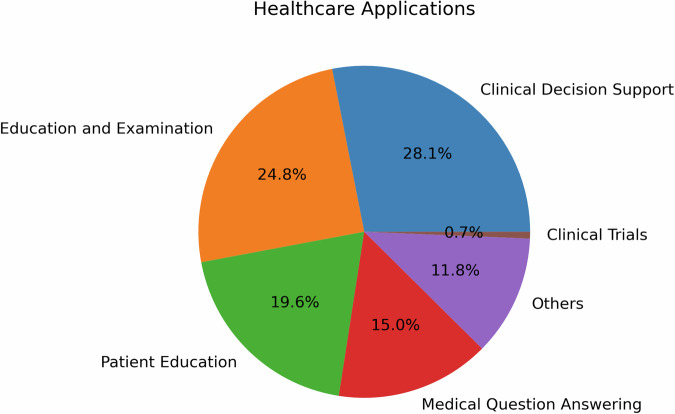
“According to a recent review [4], the most prevalent health care applications of LLMs include clinical decision support, medical education and examination, patient education, medical question answering, administrative tasks, and mental health support.”
Devane, D., Pope, J. S., Byrne, P., Forde, E., Woloshin, S., Culloty, E., Dahly, D. L., Elgersma, I. H., Munthe‐Kaas, H. M., Judge, C. S., et al. (2025) · Journal of Clinical Epidemiology · doi:10.1016/j.jclinepi.2025.111894 · Cited by 6
Schuss, P., Gonschorek, A. S., Kämper, M., Lemcke, J., Meisel, H.-J., Rogge, W., Schaan, M., Schwenkreis, P., Strowitzkí, M., Wohlfahrt, K., et al. (2025) · Journal of Neurotrauma · doi:10.1177/08977151251401539 · Cited by 6
“28,29 The present study utilizes an evaluation method based on service-oriented inquiries in order to capture those potential human-like interaction characteristics in AI-supported health communication.”
Federico, L. C. M. D., Fusaro, D. D., Coppola, G., Gregori, M., & Durante, S. (2025) · Radiography · doi:10.1016/j.radi.2025.102972 · Cited by 7
Guerrero, J., Martínez-Cruz, C., Espinilla, M., Díaz-Jiménez, D., & López, J. L. (2025) · Computer Methods and Programs in Biomedicine · doi:10.1016/j.cmpb.2025.108878 · Cited by 6
Dai, X., Xi, Y., Hu, Y., Ding, Q., Zhang, Y., Liu, H., Chen, P., Wang, X., Wang, W., & Zhang, C. (2025) · Frontiers in Endocrinology · doi:10.3389/fendo.2025.1667809 · Cited by 5
Kim, H., Jung, K., Shin, S.-H., Lee, W., Lee, J. H., Park, H., & Choi, Q. (2025) · Scientific Reports · doi:10.1038/s41598-025-20066-x · Cited by 7
“The exact prompts used for each LLM model, including the format for both single-answer and multiple-answer (R-type) questions, are provided in Supplementary Table 5 for transparency and reproducibility 5,7 .”
Metadata
- Authors
- Tam, T. Y. C., Sivarajkumar, S., Kapoor, S., Stolyar, A. V., Polanska, K., McCarthy, K. R., Osterhoudt, H., Wu, X., Visweswaran, S., Fu, S., Mathur, P., Cacciamani, G. E., Sun, C., Peng, Y., & Wang, Y.
- Affiliations
- University of Pittsburgh (US)
- University of Pittsburgh Medical Center (US)
- The University of Texas Health Science Center at Houston (US)
- Cleveland Clinic (US)
- University of Southern California (US)
- Weill Cornell Medicine (US)
- Corresponding author
- Wang, Yanshan
- ORCID
- Venue
- npj Digital Medicine
- Published
- 2024-09-28
- Volume
- 7
- Issue
- 1
- Pages
- 258-258
- ISSN
- 2398-6352 (ISSN-L)
- PMC
- PMC11437138
- OpenAlex
- W4402909345
- Cited by
- 424
- References
- 102
- Citations by year
- 2026: 270 · 2025: 149 · 2024: 5
- FWCI
- 39.64
- Type
- journal article
- Language
- en
- Open access
- gold
- doi.org
- Licence
- cc-by
- creativecommons.org/licenses/by/4.0 (tdm)
- creativecommons.org/licenses/by/4.0 (vor)
- Locations
- npj Digital Medicine (publishedVersion, cc-by)
- PubMed Central (publishedVersion, cc-by)
- PubMed (publishedVersion)
- arXiv (Cornell University) (submittedVersion)
- Digital Commons-TMC (Texas Medical Center) (submittedVersion)
- DOAJ (DOAJ: Directory of Open Access Journals) (submittedVersion, cc-by-sa)
- arXiv (Cornell University)
- Funders
- U.S. Department of Health & Human Services | National Institutes of Health (UL1TR001857, U24TR004111, R01LM014306)
- Topics
- Health Sciences › Medicine › Health Informatics › Artificial Intelligence in Healthcare and Education
- Physical Sciences › Computer Science › Artificial Intelligence › Explainable Artificial Intelligence (XAI)
- Physical Sciences › Computer Science › Artificial Intelligence › Ethics and Social Impacts of AI
- Keywords
- large language models, human evaluation, health care, generative AI, evaluation framework, evaluation metrics, assessment reliability, trust and confidence, evaluation principles
About these checks
Registry, retraction, Cites and statistics results are computed, not judged, with one exception: a printed reference that no index lists is read once by a model before it counts as a citation error. Claims are extracted by a model and kept only when their quote appears verbatim in the text; each cited source is then checked, with a model’s help, for whether it says what the claim relies on. Those verdicts can be wrong — read the claim’s quote and the cited source before relying on one.
Statistics and arithmetic are recomputed, not judged.
Confidence bands are shown only for fields calibrated on our annotated test set. None is calibrated yet, so no band is shown.
What counts as a claim ›How we measure confidence ›How we check this ›
Are you an author, or do you see a problem with this page? Request a review
Data sources
Bibliographic data: Semantic Scholar, OpenAlex, Crossref.
Contains information from the Semantic Scholar Academic Graph Datasets, made available under the ODC Attribution License (ODC-BY 1.0).
Semantic Scholar’s data is described in: Kinney, R., et al. (2023). The Semantic Scholar Open Data Platform. arXiv:2301.10140.
