

RENGE infers gene regulatory networks using time-series single-cell RNA-seq data with CRISPR perturbations
Open accessThe DOI matches its Crossref record; 46 of the 47 references it cites were found in a registry or an index.
Abstract
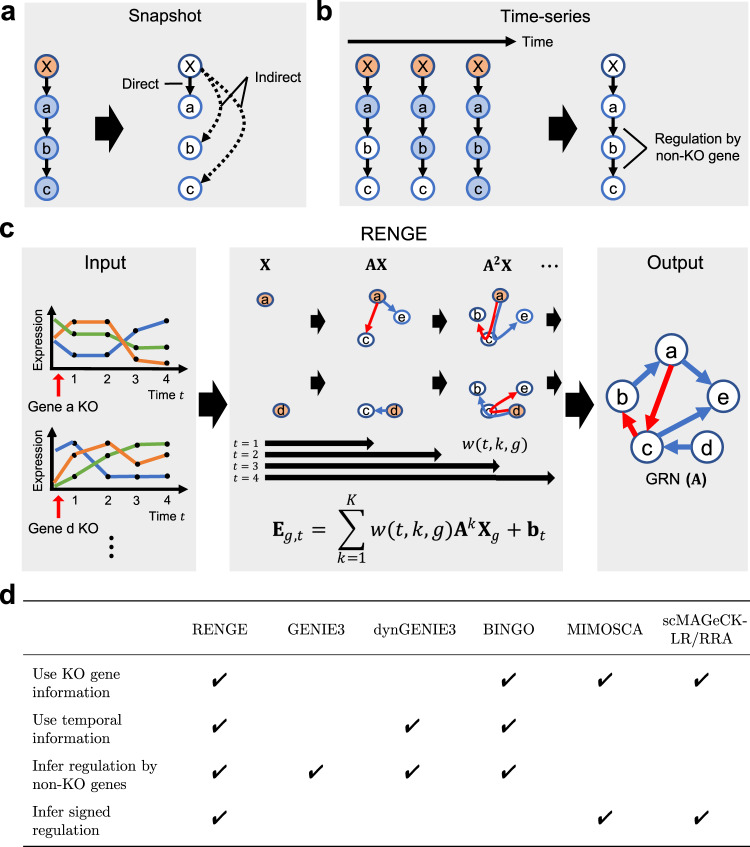
Single-cell RNA-seq analysis coupled with CRISPR-based perturbation has enabled the inference of gene regulatory networks with causal relationships. However, a snapshot of single-cell CRISPR data may not lead to an accurate inference, since a gene knockout can influence multi-layered downstream over time. Here, we developed RENGE, a computational method that infers gene regulatory networks using a time-series single-cell CRISPR dataset. RENGE models the propagation process of the effects elicited by a gene knockout on its regulatory network. It can distinguish between direct and indirect regulations, which allows for the inference of regulations by genes that are not knocked out. RENGE therefore outperforms current methods in the accuracy of inferring gene regulatory networks. When used on a dataset we derived from human-induced pluripotent stem cells, RENGE yielded a network consistent with multiple databases and literature. Accurate inference of gene regulatory networks by RENGE would enable the identification of key factors for various biological systems.
Overview
The claims and statistics of this paper haven’t been checked yet.
Free: it reads the open-access text and checks the first 5 claims that cite a source we can check. Create a free account to check every claim.
Integrity signals
Registry
Cites
Statistics
Figures
Verification
Claims the paper makes
The claims and statistics of this paper haven’t been checked yet.
Free: it reads the open-access text and checks the first 5 claims that cite a source we can check. Create a free account to check every claim.
Claims other papers make about this one
Each is checked against this paper’s own text: does it say what the citing paper says it does?
The cited source says what the claim attributes to it.
In the citing paper
“RENGE[47] is a computational approach for deducing GRNs by analysing time-series single-cell CRISPR data.”
From A mini-review on perturbation modelling across single-cell omic modalities (2024) · cites this paper as [47]
In the citing paper
“RENGE can differentiate between direct and indirect regulatory interactions, facilitating the inference of regulations by genes not subject to knockout.”
From A mini-review on perturbation modelling across single-cell omic modalities (2024) · cites this paper as [47]
In the citing paper
“RENGE's resultant network aligns well with multiple databases and existing literature.”
From A mini-review on perturbation modelling across single-cell omic modalities (2024) · cites this paper as [47]
Self-check
Percentages, sums and reported differences re-computed from the paper’s own numbers.
The self-check needs the paper’s full text.
Citations
Cites
Integrated analysis of multimodal single-cell data
Hao, Y., Hao, S., Andersen-Nissen, E., Mauck, W. M., Zheng, S., Butler, A., Lee, M. J., Wilk, A. J., Darby, C., Zagar, M., et al. (2020) · doi:10.1101/2020.10.12.335331 · Cited by 15,508 · cited 3×
“The generated expression matrix was processed using Seurat (version 4.0.3) 38 .”
InfluentialLarian Studios Dev Team (2024) · doi:10.1145/3292500.3330701 · Cited by 8,618 · cited 1×
“K , λ 1 , λ 2 are hyperparameters that are set to values that minimize cross-validation loss using Bayesian optimization with Optuna 39 .”
Szklarczyk, D., Gable, A. L., Nastou, K. C., Lyon, D., Kirsch, R., Pyysalo, S., Doncheva, N. T., Legeay, M., Fang, T., Bork, P., et al. (2021) · Nucleic Acids Research · doi:10.1093/nar/gkaa1074 · Cited by 8,056 · cited 1×
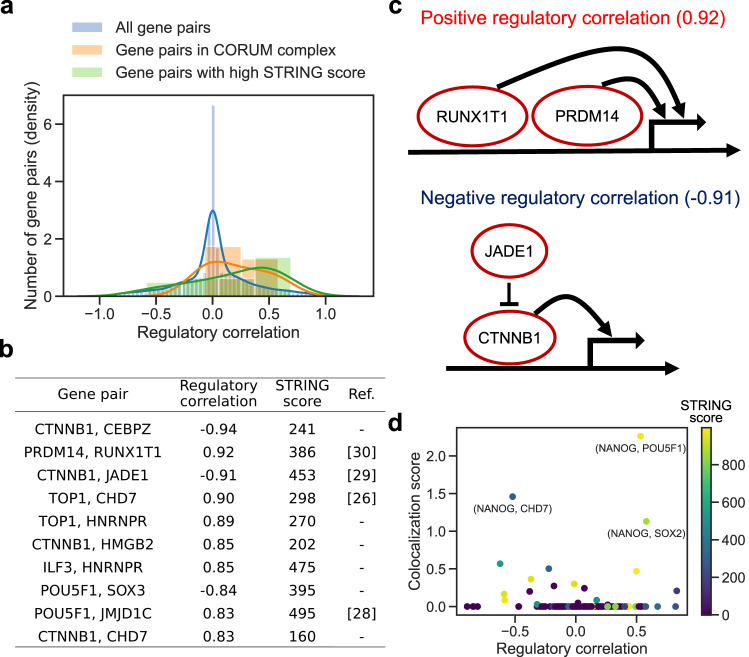
“We validated this hypothesis using the protein-protein interaction data obtained from the STRING database 24 and protein complex data obtained from the CORUM3.”
Anomalous collapses of Nares Strait ice arches leads to enhanced export of Arctic sea ice
Moore, G. W. K., Howell, S. E. L., Brady, M., Xu, X., & McNeil, K. (2021) · Nature Communications · doi:10.1038/s41467-020-20314-w · Cited by 5,155
Network motifs: theory and experimental approaches
Alon, U. (2007) · Nature Reviews Genetics · doi:10.1038/nrg2102 · Cited by 3,279
Performance of neural network basecalling tools for Oxford Nanopore sequencing
Wick, R. R., Judd, L. M., & Holt, K. E. (2019) · Genome Biology · doi:10.1186/s13059-019-1727-y · Cited by 3,221
Controllability of complex networks
Liu, Y.-Y., Slotine, J.-J., & Barabási, A.-L. (2011) · Nature · doi:10.1038/nature10011 · Cited by 3,215
Inferring Regulatory Networks from Expression Data Using Tree-Based Methods
Huynh-Thu, V. A., Irrthum, A., Wehenkel, L., & Geurts, P. (2010) · PLoS ONE · doi:10.1371/journal.pone.0012776 · Cited by 2,131 · cited 15×
“For example, GENIE3 9 is a leading method in this fi eld and boasts outstanding performance in the DREAM benchmark 10 and in the analysis of GRN inference from scRNA-seq data 11 .”
InfluentialDixit, A., Parnas, O., Li, B., Chen, J., Fulco, C. P., Jerby-Arnon, L., Marjanovic, N. D., Dionne, D., Burks, T., Raychowdhury, R., et al. (2016) · Cell · doi:10.1016/j.cell.2016.11.038 · Cited by 1,863 · cited 15×
“The expression changes were calculated using the coef fi cient matrix β obtained by applying MIMOSCA.”
InfluentialWisdom of crowds for robust gene network inference
The DREAM5 Consortium, Marbach, D., Costello, J. C., Küffner, R., Vega, N. M., Prill, R. J., Camacho, D. M., Allison, K. R., Kellis, M., Collins, J. J., et al. (2012) · Nature Methods · doi:10.1038/nmeth.2016 · Cited by 1,667 · cited 2×
“10).”
CORUM: the comprehensive resource of mammalian protein complexes—2009
Ruepp, A., Waegele, B., Lechner, M., Brauner, B., Dunger-Kaltenbach, I., Fobo, G., Frishman, G., Montrone, C., & Mewes, H.-W. (2010) · Nucleic Acids Research · doi:10.1093/nar/gkp914 · Cited by 1,310
Control of the Embryonic Stem Cell State
Young, R. A. (2011) · Cell · doi:10.1016/j.cell.2011.01.032 · Cited by 1,197 · cited 3×
“NANOG, POU5F1, and SOX2 are the core pluripotency factors and are known to function together 18,19 .”
Pooled CRISPR screening with single-cell transcriptome readout.
Datlinger, P., Rendeiro, A. F., Schmidl, C., Krausgruber, T., Traxler, P., Klughammer, J., Schuster, L. C., Kuchler, A., Alpar, D., & Bock, C. (2017) · Nature Methods · doi:10.1038/nmeth.4177 · Cited by 1,096
A decade of transcription factor-mediated reprogramming to pluripotency
Takahashi, K., & Yamanaka, S. (2016) · Nature Reviews Molecular Cell Biology · doi:10.1038/nrm.2016.8 · Cited by 878 · cited 2×
“We therefore selected 23 genes (TFs) that are thought to be involved in hiPSC pluripotency 18 – 20 and four control gRNAs (two AAVS1-targeting and two non-cutter gRNAs) to construct a gRNA library (Supplementary Table 1).”
Mapping information-rich genotype-phenotype landscapes with genome-scale Perturb-seq
Replogle, J. M., Saunders, R. A., Pogson, A. N., Hussmann, J. A., Lenail, A., Guna, A., Mascibroda, L., Wagner, E. J., Adelman, K., Lithwick-Yanai, G., et al. (2022) · Cell · doi:10.1016/j.cell.2022.05.013 · Cited by 795 · cited 2×
“In particular, the recently developed single-cell CRISPR (scCRISPR) analysis 13 – 15 and associated computational tools, including MIMOSCA 13 and scMAGeCK 16 , have made it possible to infer regulatory relationships between genes by measuring changes in expression resulting from the knockout (KO),…”
Benchmarking algorithms for gene regulatory network inference from single-cell transcriptomic data
Pratapa, A., Jalihal, A. P., Law, J. N., Bharadwaj, A., & Murali, T. M. (2020) · Nature Methods · doi:10.1038/s41592-019-0690-6 · Cited by 792 · cited 2×
“Although it exhibited superior performance in the benchmark of GRN inference from scRNA-seq data 11 , GENIE3 cannot handle information on KO genes or time series data.”
ChIP‐Atlas: a data‐mining suite powered by full integration of public ChIP‐seq data
Oki, S., Ohta, T., Shioi, G., Hatanaka, H., Ogasawara, O., Okuda, Y., Kawaji, H., Nakaki, R., Sese, J., & Meno, C. (2018) · The EMBO Reports · doi:10.15252/embr.201846255 · Cited by 763 · cited 16×
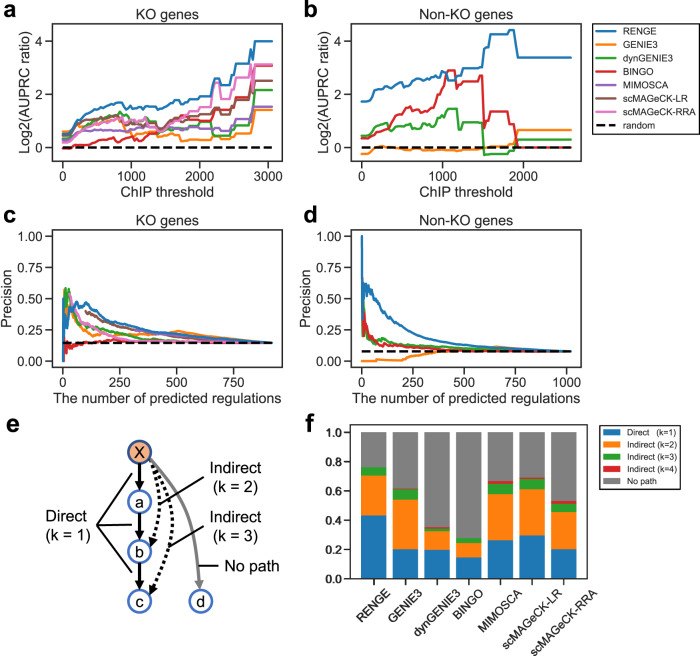
“The rank correlation coef fi cient between the con fi dence level of each regulation was calculated using each method and the con fi dence level of the ChIP-seq data ( (cid:2) 10 ´ log 10 ð MACS2 q -value Þ ).”
InfluentialTzelepis, K., Koike-Yusa, H., De Braekeleer, E., Li, Y., Metzakopian, E., Dovey, O. M., Mupo, A., Grinkevich, V., Li, M., Mazan, M., et al. (2016) · Cell Reports · doi:10.1016/j.celrep.2016.09.079 · Cited by 761 · cited 1×
“G using LipofectamineLTX 37 .”
Self-citationCORUM: the comprehensive resource of mammalian protein complexes—2019
Giurgiu, M., Reinhard, J., Brauner, B., Dunger-Kaltenbach, I., Fobo, G., Frishman, G., Montrone, C., & Ruepp, A. (2019) · Nucleic Acids Research · doi:10.1093/nar/gky973 · Cited by 595 · cited 1×
“0 database 25 .”
CHD7 Targets Active Gene Enhancer Elements to Modulate ES Cell-Specific Gene Expression
Schnetz, M. P., Handoko, L., Akhtar-Zaidi, B., Bartels, C. F., Pereira, C. F., Fisher, A. G., Adams, D. J., Flicek, P., Crawford, G. E., LaFramboise, T., et al. (2010) · PLoS Genetics · doi:10.1371/journal.pgen.1001023 · Cited by 255 · cited 1×
“NANOG and CHD7 are reported to co-bind enhancers and have the opposite effect on the expression of target genes in mice 31 .”
dynGENIE3: dynamical GENIE3 for the inference of gene networks from time series expression data
Huynh-Thu, V. A., & Geurts, P. (2018) · Scientific Reports · doi:10.1038/s41598-018-21715-0 · Cited by 245 · cited 1×
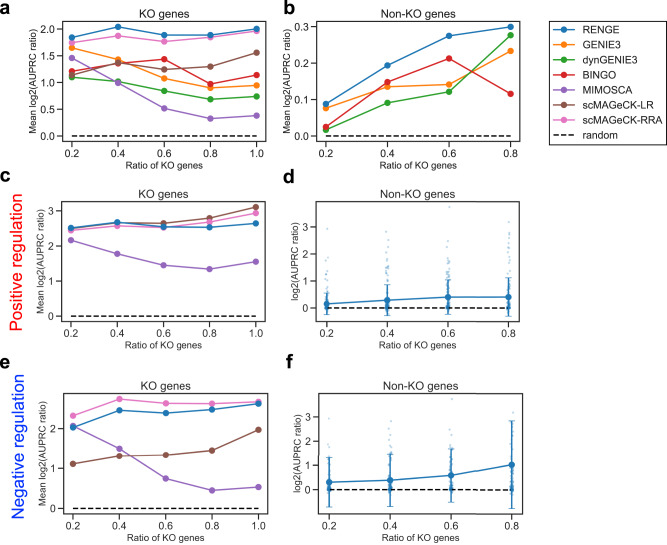
“For each backbone, the 250 GRNs were divided into 5 sets, each of which included 50 GRNs. GRNs in each set have a different size M ( ∣ M ∣ = 20, 40, 60, 80, 100).”
Single-cell transcriptomics unveils gene regulatory network plasticity
Iacono, G., Massoni-Badosa, R., & Heyn, H. (2019) · Genome Biology · doi:10.1186/s13059-019-1713-4 · Cited by 218 · cited 2×
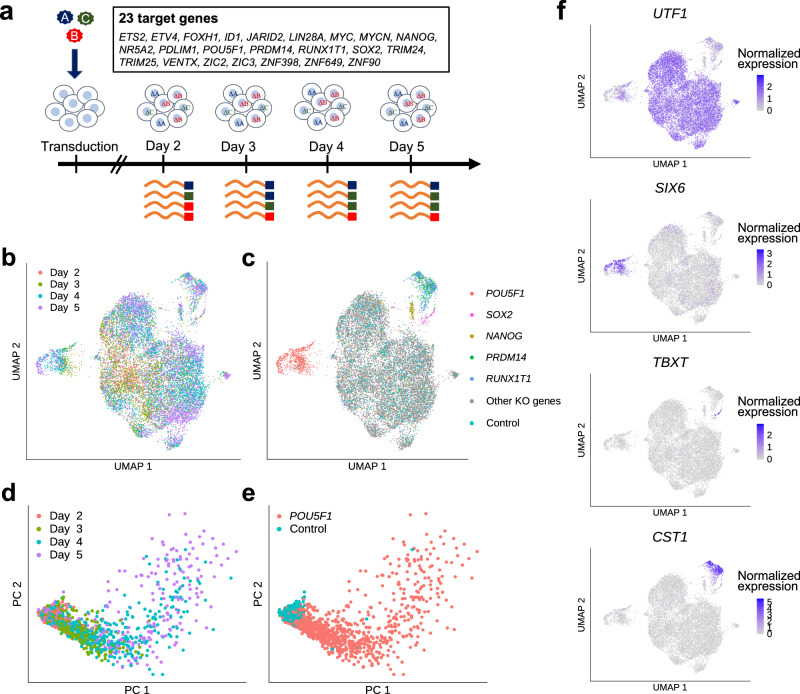
“To capture the time-series expression changes, samples were collected on days 2, 3, 4, and 5 after transduction and scRNA-seq analysis was performed (Fig.”
Computational methods for Gene Regulatory Networks reconstruction and analysis: A review
Delgado, F. M., & Gómez-Vela, F. (2019) · Artificial Intelligence in Medicine · doi:10.1016/j.artmed.2018.10.006 · Cited by 206 · cited 2×
“GRNs have been inferred using a variety of methods 6,7 , which are categorised into three groups based on data used.”
Chitalia, V. C., Foy, R. L., Bachschmid, M. M., Zeng, L., Panchenko, M. V., Zhou, M. I., Bharti, A., Seldin, D. C., Lecker, S. H., Dominguez, I., et al. (2008) · Nature Cell Biology · doi:10.1038/ncb1781 · Cited by 182 · cited 3×
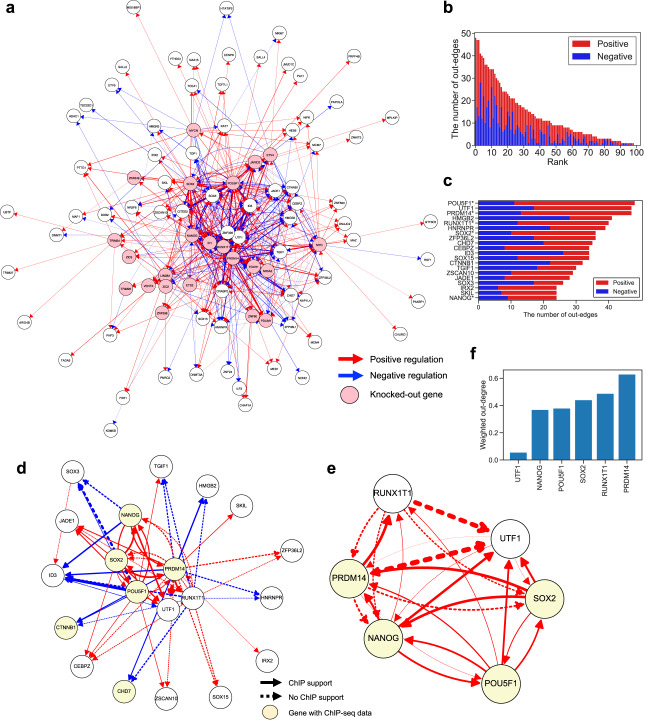
“Moreover, negative regulations from the pluripotency factors to CHD7 and CTNNB1 were detected, which were also supported by ChIP-seq data.”
InfluentialMochizuki, A., Fiedler, B., Kurosawa, G., & Saito, D. (2013) · Journal of Theoretical Biology · doi:10.1016/j.jtbi.2013.06.009 · Cited by 175 · cited 1×
“For example, a set (feedback vertex set; FVS) of genes determined solely from the structure of the GRN, was proven to be a set of key factors that could be used to observe/control the dynamics of the entire system 33,34 .”
Self-citationGround rules of the pluripotency gene regulatory network
Li, M., & Belmonte, J. C. I. (2017) · Nature Reviews Genetics · doi:10.1038/nrg.2016.156 · Cited by 165 · cited 12×
“NANOG, POU5F1, and SOX2 are the core pluripotency factors and are known to function together 18,19 .”
InfluentialFiedler, B., Mochizuki, A., Kurosawa, G., & Saito, D. (2013) · Journal of Dynamics and Differential Equations · doi:10.1007/s10884-013-9312-7 · Cited by 164 · cited 1×
“For example, a set (feedback vertex set; FVS) of genes determined solely from the structure of the GRN, was proven to be a set of key factors that could be used to observe/control the dynamics of the entire system 33,34 .”
Self-citationGene regulatory network inference resources: A practical overview
Mercatelli, D., Scalambra, L., Triboli, L., Ray, F., & Giorgi, F. M. (2020) · Biochimica et Biophysica Acta (BBA) - Gene Regulatory Mechanisms · doi:10.1016/j.bbagrm.2019.194430 · Cited by 161 · cited 1×
“GRNs have been inferred using a variety of methods 6,7 , which are categorised into three groups based on data used.”
Feng, W., Kawauchi, D., Körkel-Qu, H., Deng, H., Serger, E., Sieber, L., Lieberman, J. A., Jimeno-González, S., Lambo, S., Hanna, B. S., et al. (2017) · Nature Communications · doi:10.1038/ncomms14758 · Cited by 132 · cited 1×
“It has been suggested that the chromatin remodeler CHD7 and the DNA topoisomerase TOP1 (correlation = 0.90) can physically interact and are involved in the transcription of long genes in the neuron 26 .”
InfluentialSpearheading future omics analyses using dyngen, a multi-modal simulator of single cells
Cannoodt, R., Saelens, W., Deconinck, L., & Saeys, Y. (2021) · Nature Communications · doi:10.1038/s41467-021-24152-2 · Cited by 124
Gene regulatory network inference from sparsely sampled noisy data
Aalto, A., Viitasaari, L., Ilmonen, P., Mombaerts, L., & Gonçalves, J. M. (2020) · Nature Communications · doi:10.1038/s41467-020-17217-1 · Cited by 95 · cited 9×
“BINGO is a method used to infer GRNs from time-series expression data by modeling gene expression dynamics with stochastic differential equations involving nonlinear gene-gene interactions.”
InfluentialscMAGeCK links genotypes with multiple phenotypes in single-cell CRISPR screens
Yang, L., Zhu, Y., Yu, H., Cheng, X., Chen, S., Chu, Y., Huang, H., Zhang, J., & Li, W. (2020) · Genome Biology · doi:10.1186/s13059-020-1928-4 · Cited by 94 · cited 2×
“…the recently developed single-cell CRISPR (scCRISPR) analysis 13 – 15 and associated computational tools, including MIMOSCA 13 and scMAGeCK 16 , have made it possible to infer regulatory relationships between genes by measuring changes in expression resulting from the knockout (KO), or…”
SCEPTRE improves calibration and sensitivity in single-cell CRISPR screen analysis
Barry, T., Wang, X., Morris, J. A., Roeder, K., & Katsevich, E. (2021) · Genome Biology · doi:10.1186/s13059-021-02545-2 · Cited by 86 · cited 1×
“Recently, SCEPTRE 41 and Normalisr 42 were shown to improve the inference of associations between perturbations and gene expression in scCRISPR analysis.”
Mapping information-rich genotype-phenotype landscapes with genome-scale Perturb-seqPreprint
Replogle, J. M., Saunders, R. A., Pogson, A. N., et al. (2021) · bioRxiv (Cold Spring Harbor Laboratory) · doi:10.1101/2021.12.16.473013 · Cited by 79
Miyazaki, K., Dyson, M. T., Coon, J. S., Furukawa, Y., Yilmaz, B. D., Maruyama, T., & Bulun, S. E. (2018) · Stem Cell Reports · doi:10.1016/j.stemcr.2018.10.002 · Cited by 74 · cited 1×
“The expression of these genes is reportedly important for cell differentiation 21,22 .”
Pluripotency Transcription Factor Oct4 Mediates Stepwise Nucleosome Demethylation and Depletion
Shakya, A., Callister, C., Goren, A., Yosef, N., Garg, N., Khoddami, V., Nix, D., Regev, A., & Tantin, D. (2015) · Molecular and Cellular Biology · doi:10.1128/mcb.01105-14 · Cited by 53 · cited 1×
“Regarding the pluripotency core factor POU5F1 and histone lysine demethylase JMJD1C (correlation = 0.83), it is suggested that POU5F1 recruits JMJD1C near POU5F1 target genes and prevents DNA methylation by DMNT3A through histone demethylation by JMJD1C 28 .”
InfluentialImplications of Developmental Gene Regulatory Networks Inside and Outside Developmental Biology
Peter, I. S., & Davidson, E. H. (2016) · Current topics in developmental biology/Current Topics in Developmental Biology · doi:10.1016/bs.ctdb.2015.12.014 · Cited by 53 · cited 1×
“U nderstanding gene regulation is crucial for our comprehension of biological processes. regulatory As information on gene regulation has accumulated, it has become clear that the relationships between genes constitute complex systems, designated gene regulatory networks (GRNs) 1,2 .”
JARID2 haploinsufficiency is associated with a clinically distinct neurodevelopmental syndrome
Verberne, E. A., Goh, S., England, J., van Ginkel, M., Rafael‐Croes, L., Maas, S. M., Polstra, A. M., Zárate, Y. A., Bosanko, K. A., Pechter, K. B., et al. (2020) · Genetics in Medicine · doi:10.1038/s41436-020-00992-z · Cited by 36 · cited 1×
“This 276 kb gene is expressed in neurons and its mutations and deletions cause neurodevelopmental syndrome 27 .”
Wang, L. (2021) · Nature Communications · doi:10.1038/s41467-021-26682-1 · Cited by 33 · cited 1×
“Recently, SCEPTRE 41 and Normalisr 42 were shown to improve the inference of associations between perturbations and gene expression in scCRISPR analysis.”
Controlling Cell Fate Specification System by Key Genes Determined from Network Structure
Kobayashi, K., Maeda, K., Tokuoka, M., Mochizuki, A., & Satou, Y. (2018) · iScience · doi:10.1016/j.isci.2018.05.004 · Cited by 30 · cited 2×
“Hence, elucidating the structures of GRNs is expected to provide insights into system dynamics including the identi fi cation of key genes that control the behavior of the entire system 3 – 5 .”
Self-citationDifferentiation potential of Pluripotent Stem Cells correlates to the level of CHD7
Yamamoto, T., Takenaka, C., Yoda, Y., Oshima, Y., Kagawa, K., Miyajima, H., Sasaki, T., & Kawamata, S. (2018) · Scientific Reports · doi:10.1038/s41598-017-18439-y · Cited by 28 · cited 1×
“The expression of these genes is reportedly important for cell differentiation 21,22 .”
An Insight into the Role of UTF1 in Development, Stem Cells, and Cancer
Raina, K., Dey, C., Thool, M., Selvaraju, S., & Thummer, R. P. (2021) · Stem Cell Reviews and Reports · doi:10.1007/s12015-021-10127-9 · Cited by 28 · cited 1×
“5e, f), which is consistent with reports that have indicated that UTF1 expression can serve as a marker of pluripotency, however, is not responsible for maintaining pluripotency 23 .”
Collier, A. J., Bendall, A., Fabian, C., Malcolm, A. A., Tilgner, K., Semprich, C. I., Wojdyła, K., Nisi, P. S., Kishore, K., Franklin, V. N. R., et al. (2022) · Science Advances · doi:10.1126/sciadv.abk0013 · Cited by 25
Self-citationYamamoto, M., Suwa, Y., Sugiyama, K., Okashita, N., Kawaguchi, M., Tani, N., Matsubara, K., Nakamura, A., & Seki, Y. (2020) · Journal of Cell Science · doi:10.1242/jcs.240176 · Cited by 24 · cited 1×
“In mice, PRDM14 and RUNX1T1 have been suggested to form a complex by shotgun liquid chromatography-tandem mass spectrometry (LC-MS/MS) 30 .”
Knowledge of the perturbation design is essential for accurate gene regulatory network inference
Seçilmiş, D., Hillerton, T., Tjärnberg, A., Nelander, S., Nordling, T. E. M., & Sonnhammer, E. L. L. (2022) · Scientific Reports · doi:10.1038/s41598-022-19005-x · Cited by 19 · cited 1×
“The most reliable way to infer a causal relationship between genes would be to examine the changes in expression resulting from perturbed gene expression 12 .”
Using linkage logic theory to control dynamics of a gene regulatory network of a chordate embryo
Kobayashi, K., Maeda, K., Tokuoka, M., Mochizuki, A., & Satou, Y. (2021) · Scientific Reports · doi:10.1038/s41598-021-83045-y · Cited by 7 · cited 1×
“In fact, it has been reported that by experimentally manipulating six factors included in the FVS, identi fi ed from the GRN structure of ascidians, each of the seven tissues (epidermis, brain, nerve cord, muscle, notochord, mesenchyme, and endoderm) can be speci fi cally induced 5,35 .”
Self-citationmasastat/RENGE: RENGE release v0.0.3
masastat (2023) · Zenodo (CERN European Organization for Nuclear Research) · doi:10.5281/zenodo.10114567 · Cited by 1
Cited by
Rood, J. E., Hupalowska, A., & Regev, A. (2024) · Cell · doi:10.1016/j.cell.2024.07.035 · Cited by 139
A mini-review on perturbation modelling across single-cell omic modalities
Gavriilidis, G. I., Vasileiou, V., Orfanou, A., Ishaque, N., & Psomopoulos, F. (2024) · Computational and Structural Biotechnology Journal · doi:10.1016/j.csbj.2024.04.058 · Cited by 54
“RENGE [47] is a computational approach for deducing GRNs by analysing time-series single-cell CRISPR data.”
MethodInterpretation, extrapolation and perturbation of single cells
Dimitrov, D., Schrod, S., Rohbeck, M., & Stegle, O. (2026) · Nature Reviews Genetics · doi:10.1038/s41576-025-00920-4 · Cited by 39
Season combinatorial intervention predictions with Salt & Peper
Gaudelet, T., Del Vecchio, A., Carrami, E. M., Cudini, J., Kapourani, C.-A., Uhler, C., & Edwards, L. (2024) · arXiv · doi:10.48550/arxiv.2404.16907
“…in metabolism (e.g. (Edwards et al., 2011)), dynamic models of the complexity of transcription are rarer (Erbe et al., 2023; Bhaskar et al., 2023; Ishikawa et al., 2023); the lack of large-scale, time-resolved, interventional datasets has limited the development of methods targeting our task of…”
BackgroundWang, T., Pan, Y., Ju, F., Zheng, S., Liu, C., Min, Y., Jiang, Q., Liu, X., Xia, H., Liu, G., et al. (2025) · Nature Cell Biology · doi:10.1038/s41556-025-01755-1 · Cited by 12
Metadata
- Authors
- Ishikawa, M., Sugino, S., Masuda, Y., Tarumoto, Y., Seto, Y., Taniyama, N., Wagai, F., Yamauchi, Y., Kojima, Y., Kiryu, H., Yusa, K., Eiraku, M., & Mochizuki, A.
- Affiliations
- Kyoto University (JP)
- National Cancer Center Research Institute (JP)
- The University of Tokyo (JP)
- Corresponding author
- Ishikawa, Masato
- ORCID
- Venue
- Communications Biology
- Published
- 2023-12-28
- Volume
- 6
- Issue
- 1
- Pages
- 1290-1290
- ISSN
- 2399-3642 (ISSN-L)
- PMC
- PMC10754834
- OpenAlex
- W4390340766
- Cited by
- 22
- References
- 45
- Citations by year
- 2026: 10 · 2025: 9 · 2024: 3
- FWCI
- 1.95
- Type
- journal article
- Language
- en
- Open access
- gold
- doi.org
- Licence
- cc-by
- creativecommons.org/licenses/by/4.0 (tdm)
- creativecommons.org/licenses/by/4.0 (vor)
- Locations
- Communications Biology (publishedVersion, cc-by)
- PubMed Central (publishedVersion, cc-by)
- PubMed (publishedVersion)
- Institutional Repositories DataBase (IRDB) (submittedVersion, cc-by)
- DOAJ (DOAJ: Directory of Open Access Journals) (submittedVersion, cc-by-sa)
- Kyoto University Research Information Repository (Kyoto University) (submittedVersion, cc-by)
- Funders
- MEXT | Japan Society for the Promotion of Science (JP20K15714, JP22K06237, 17K00398, 20K12059, JP17K20146, JP21H04959, 19H03196)
- Takeda Science Foundation
- Kato Memorial Bioscience Foundation
- Joint Usage/Research Center program of Institute for Life and Medical Sciences, Kyoto University
- MEXT | JST | Core Research for Evolutional Science and Technology (JPMJCR1922)
- Mitsubishi Foundation
- Topics
- Life Sciences › Biochemistry, Genetics and Molecular Biology › Molecular Biology › Gene Regulatory Network Analysis
- Life Sciences › Biochemistry, Genetics and Molecular Biology › Molecular Biology › Single-cell and spatial transcriptomics
- Life Sciences › Biochemistry, Genetics and Molecular Biology › Molecular Biology › Bioinformatics and Genomic Networks
- Keywords
- gene regulatory network inference, CRISPR perturbation, gene knockout, causal inference, induced pluripotent stem cells
- MeSH terms
- Single-Cell Gene Expression Analysis, Humans, Time Factors, Gene Regulatory Networks, Gene Knockout Techniques
About these checks
Registry, retraction, Cites and statistics results are computed, not judged, with one exception: a printed reference that no index lists is read once by a model before it counts as a citation error. Claims are extracted by a model and kept only when their quote appears verbatim in the text; each cited source is then checked, with a model’s help, for whether it says what the claim relies on. Those verdicts can be wrong — read the claim’s quote and the cited source before relying on one.
Statistics and arithmetic are recomputed, not judged.
Confidence bands are shown only for fields calibrated on our annotated test set. None is calibrated yet, so no band is shown.
What counts as a claim ›How we measure confidence ›How we check this ›
Are you an author, or do you see a problem with this page? Request a review
Data sources
Bibliographic data: Semantic Scholar, OpenAlex, Crossref.
Contains information from the Semantic Scholar Academic Graph Datasets, made available under the ODC Attribution License (ODC-BY 1.0).
Semantic Scholar’s data is described in: Kinney, R., et al. (2023). The Semantic Scholar Open Data Platform. arXiv:2301.10140.
