

Tissue damaging toxins in snake venoms: mechanisms of action, pathophysiology and treatment strategies
Open accessThe DOI matches its Crossref record; 216 of the 216 references it cites were found in a registry or an index.
Abstract
Snakebite envenoming is an important public health issue responsible for mortality and severe morbidity. Where mortality is mainly caused by venom toxins that induce cardiovascular disturbances, neurotoxicity, and acute kidney injury, morbidity is caused by toxins that directly or indirectly destroy cells and degrade the extracellular matrix. These are referred to as ‘tissue-damaging toxins’ and have previously been classified in various ways, most of which are based on the tissues being affected (e.g., cardiotoxins, myotoxins). This categorisation, however, is primarily phenomenological and not mechanistic. In this review, we propose an alternative way of classifying cytotoxins based on their mechanistic effects rather than using a description that is organ- or tissue-based. The mechanisms of toxin-induced tissue damage and their clinical implications are discussed. This review contributes to our understanding of fundamental biological processes associated with snakebite envenoming, which may pave the way for a knowledge-based search for novel therapeutic options.
Overview
The claims and statistics of this paper haven’t been checked yet.
Free: it reads the open-access text and checks the first 5 claims that cite a source we can check. Create a free account to check every claim.
Integrity signals
Registry
Cites
Statistics
Figures
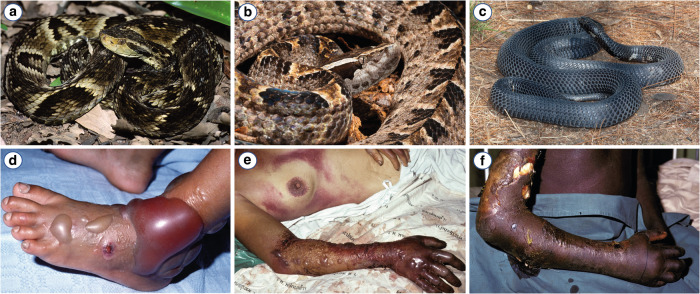
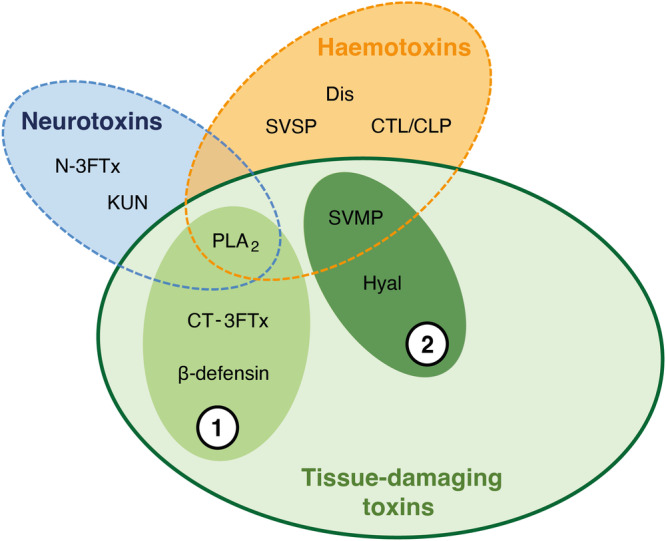
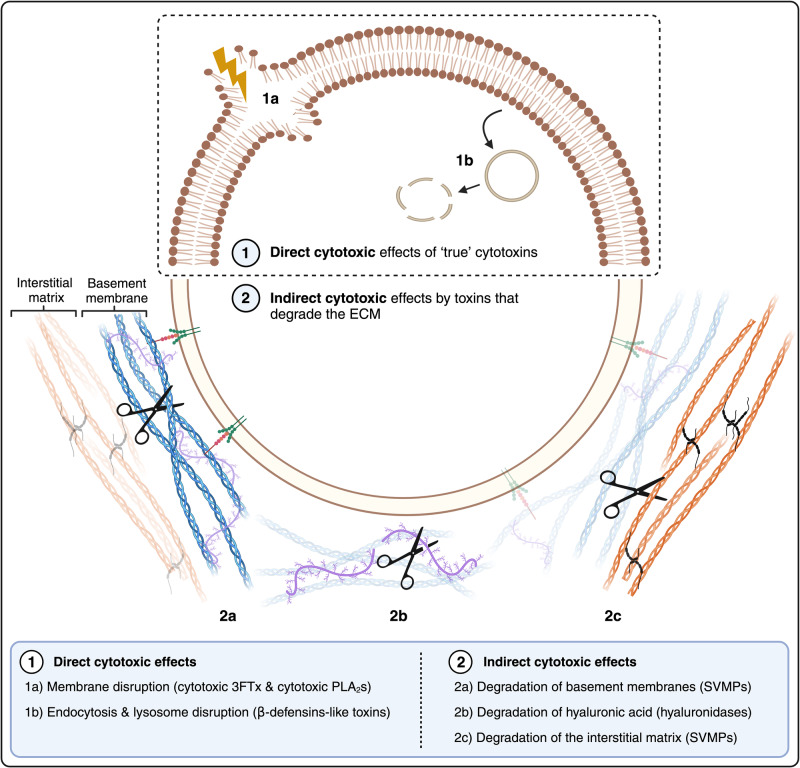
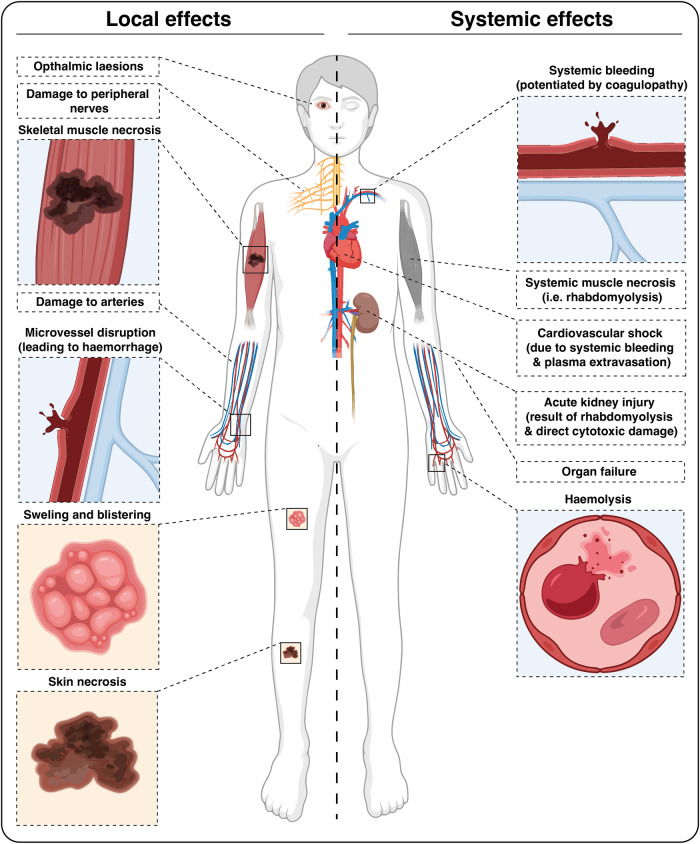
Verification
Claims the paper makes
The claims and statistics of this paper haven’t been checked yet.
Free: it reads the open-access text and checks the first 5 claims that cite a source we can check. Create a free account to check every claim.
Claims other papers make about this one
Each is checked against this paper’s own text: does it say what the citing paper says it does?
The source backs part of the claim, not all of it — or backs it for a different population, condition or comparison.
In the citing paper
“Local and systemic toxicity due to snakebite envenomation is primarily driven by cytotoxic venom components that affect cell viability and extracellular matrix degradation [4,26].”
From Role of Regulated Cell Death Pathways in Snakebite Envenomation: Mechanisms, Crosstalk, and Therapeutic Opportunities (2026) · cites this paper as [4]
Experimental — accuracy not yet measuredThe cited source says what the claim attributes to it.
In the citing paper
“While mortality is a major concern, snakebite envenomation also causes local tissue damage, leading to permanent disability and long-term complications [4].”
From Role of Regulated Cell Death Pathways in Snakebite Envenomation: Mechanisms, Crosstalk, and Therapeutic Opportunities (2026) · cites this paper as [4]
Self-check
Percentages, sums and reported differences re-computed from the paper’s own numbers.
The self-check needs the paper’s full text.
Citations
Cites
ROS function in redox signaling and oxidative stress
Schieber, M., & Chandel, N. S. (2014) · Current Biology · doi:10.1016/j.cub.2014.03.034 · Cited by 6,931 · cited 1×
“Although low ROS levels are intrinsically associated with normal cellular functioning, the accumulation of ROS (e.g., hydrogen peroxide) is suggested to be the primary inducer of oxidative stress 133 .”
BackgroundThe extracellular matrix at a glance
Frantz, C., Stewart, K. M., & Weaver, V. M. (2010) · Journal of Cell Science · doi:10.1242/jcs.023820 · Cited by 4,334 · cited 1×
“The interstitial matrix consists of several types of collagens, as well as fi bronectin, various proteoglycans, and hyaluronic acid, and plays critical roles in the homeostasis of tissues 40,76 .”
BackgroundA phylogeny and revised classification of Squamata, including 4161 species of lizards and snakes
Pyron, R., Burbrink, F. T., & Wiens, J. J. (2013) · BMC Evolutionary Biology · doi:10.1186/1471-2148-13-93 · Cited by 1,641
The extracellular matrix as a cell survival factor.
Meredith, J. E., Fazeli, B., & Schwartz, M. A. (1993) · Molecular Biology of the Cell · doi:10.1091/mbc.4.9.953 · Cited by 1,526
Dennis, E. A., Cao, J., Hsu, Y.-H., Magrioti, V., & Kokotos, G. (2011) · Chemical Reviews · doi:10.1021/cr200085w · Cited by 1,203
Anoikis molecular pathways and its role in cancer progression
Paoli, P., Giannoni, E., & Chiarugi, P. (2013) · Biochimica et Biophysica Acta (BBA) - Molecular Cell Research · doi:10.1016/j.bbamcr.2013.06.026 · Cited by 1,160
Bours, M. J. L., Swennen, E. L. R., Di Virgilio, F., Cronstein, B. N., & Dagnelie, P. C. (2006) · Pharmacology & Therapeutics · doi:10.1016/j.pharmthera.2005.04.013 · Cited by 1,030
Gutiérrez, J. M., Calvete, J. J., Habib, A. G., Harrison, R. A., Williams, D. J., & Warrell, D. A. (2017) · Nature Reviews Disease Primers · doi:10.1038/nrdp.2017.63 · Cited by 955
Self-citationWarrell, D. A. (2010) · The Lancet · doi:10.1016/s0140-6736(09)61754-2 · Cited by 774
Excitement ahead: structure, function and mechanism of snake venom phospholipase A2 enzymes
Manjunatha Kini, R. (2003) · Toxicon · doi:10.1016/j.toxicon.2003.11.002 · Cited by 720
Research works printed but not linked: 4
- Sarkar B Maitra S Ghosh B The Effect of Neurotoxin, Haemolysin and Choline Esterase Isolated from Cobra Venom on Heart, Blood Pressure and Respiration J. Ind. chem. Soc. 1942 30 453 460
- Sarkar NK Isolation of cardiotoxin from cobra venom (Naja tripudians), monocellate variety). J. Ind. Chem. Soc 1947 24 227 232
- Harvey AL Cardiotoxins from cobra venoms: Possible mechanisms of action Toxin Rev. 1985 4 41 69
- Alberts, B. et al. Essential cell biology: Fifth international student edition. (WW Norton & Company., 2018).
Cited by
Animal Venom in Modern Medicine: A Review of Therapeutic Applications
Kim, E., Hwang, D. H., Prakash, R. L. M., Ravi, D. A., Lee, H., Heo, Y., Munawir, A., Seyedian, R., & Kang, C. (2025) · Toxins · doi:10.3390/toxins17080371 · Cited by 43
D'Araujo, T. Y., Hall, S. R., Chung, F., Kurdyukov, S., Crittenden, E., Patel, K., Dawson, C. A., Westhorpe, A., Bartlett, K. E., Rasmussen, S. A., et al. (2024) · Science Translational Medicine · doi:10.1126/scitranslmed.adk4802 · Cited by 20
Self-citationSnake Venom Compounds: A New Frontier in the Battle Against Antibiotic-Resistant Infections
Barathan, M., & Hanafiah, A. (2025) · Toxins · doi:10.3390/toxins17050221 · Cited by 15
Lakušić, M., Damm, M., Bjelica, V., Andjelković, M., Tomović, L., Bonnet, X., Arsovski, D., Süßmuth, R. D., Calvete, J. J., & Martínez‐Freiría, F. (2024) · Journal of Proteomics · doi:10.1016/j.jprot.2024.105320 · Cited by 13
Dermatopathological findings of Bothrops atrox snakebites: A case series in the Brazilian Amazon
Barbosa, F. B. A., Raad, R. D. S., Ibiapina, H. N. S., dos Reis, M. F., Neves, J. C. F., de Andrade, R. V., Nascimento, T. P., Valle, F. F., Casewell, N. R., Sachett, J. D. A. G., et al. (2024) · PLoS neglected tropical diseases · doi:10.1371/journal.pntd.0012704 · Cited by 20
Self-citationDamm, M., Avella, I., Merzara, R., Lucchini, N., Buldain, J., Corga, F., Bouazza, A., Fahd, S., Süßmuth, R. D., & Martínez‐Freiría, F. (2024) · Biochimie · doi:10.1016/j.biochi.2024.07.008 · Cited by 14
Bittenbinder, M. A., Bonanini, F., Kurek, D., Vulto, P., Kool, J., & Vonk, F. J. (2024) · Scientific Reports · doi:10.1038/s41598-024-60282-5 · Cited by 12
Self-citationIs the acute compartment syndrome diagnosed in snake bites true?: A review
Cañas, C. A. (2024) · Medicine · doi:10.1097/md.0000000000040008 · Cited by 10
Alvitigala, B. Y., Gooneratne, L. V., Gnanathasan, C. A., & Wijewickrama, E. S. (2025) · Transactions of the Royal Society of Tropical Medicine and Hygiene · doi:10.1093/trstmh/trae077 · Cited by 15
Venoms and Extracellular Vesicles: A New Frontier in Venom Biology
Bala, A. A., Oukkache, N., Sanchez, E. E., Suntravat, M., & Galan, J. A. (2025) · Toxins · doi:10.3390/toxins17010036 · Cited by 10
Kumar, A., Banjara, R. A., Aneshwari, R. K., Khan, J., & Bernarde, P. S. (2025) · Frontiers in Pharmacology · doi:10.3389/fphar.2025.1548929 · Cited by 13
Snake venom-derived peptides as anticancer candidates: Pioneering next-generation therapies
Almeida, J. R., Pinos-Tamayo, E. A., Mendes, B. D. S., Robles-Loaiza, A. A., Syahputra, R. A., Oliveira, A. G. S., & Ribeiro, R. I. M. D. A. (2025) · Biochimica et Biophysica Acta (BBA) - Reviews on Cancer · doi:10.1016/j.bbcan.2025.189479 · Cited by 13
Metabolomics and proteomics: synergistic tools for understanding snake venom inhibition
Hussain, S. S., & Kingsley, D. J. (2025) · Archives of Toxicology · doi:10.1007/s00204-024-03947-4 · Cited by 9
Investigating Snake-Venom-Induced Dermonecrosis and Inflammation Using an Ex Vivo Human Skin Model
Alsolaiss, J., Leeming, G., Da Silva, R., Alomran, N., Casewell, N. R., Habib, A. G., Harrison, R. A., & Modahl, C. M. (2024) · Toxins · doi:10.3390/toxins16060276 · Cited by 8
“In elapid venoms, cytotoxic PLA 2 s and three-finger toxins directly damage cells, disrupting cell membranes and/or inducing pore formation, including lysosome lysis [15–17].”
BackgroundSelf-citationComputational insight into the peptide-based inhibition of α-cobratoxin
Mitra, A., Pandijothi, V., & Paul, S. (2024) · Physical Chemistry Chemical Physics · doi:10.1039/d4cp03408b · Cited by 8
Ivanović, S. R., Maslov, D. R., Rubić, I., Mrljak, V., Zivkovic, I. P., Borozan, N., Grujić-Milanović, J. D., & Borozan, S. Z. (2024) · Veterinary Sciences · doi:10.3390/vetsci11120605 · Cited by 12
Pulmonary Thromboembolism following Russell’s Viper Bites
Senthilkumaran, S., Sampath, S., Almeida, J. R., Williams, J., Williams, H. F., Patel, K., Thirumalaikolundusubramanian, P., & Vaiyapuri, S. (2024) · Toxins · doi:10.3390/toxins16050222 · Cited by 8
New perspective for pathomechanism and clinical applications of animal toxins: Programmed cell death
Sun, J., Liu, J., Liu, M., Bi, X., & Huang, C. (2024) · Toxicon · doi:10.1016/j.toxicon.2024.108071 · Cited by 6
Nyarko, E. N. Y., Atubiga, I. A., Siame, E. T., Gutiérrez, J. M., & Fernandez, E. A. (2025) · PLoS neglected tropical diseases · doi:10.1371/journal.pntd.0013295 · Cited by 5
Self-citationRapon, C., Florentin, J., Radouani, F., Jalta, P., Negrello, F., Guèye, P., Pierre-Louis, O., Nevière, R., & Résière, D. (2025) · Frontiers in Immunology · doi:10.3389/fimmu.2025.1625165 · Cited by 9
Almeida, T., Priante, S. P., João, G. A. P., Oliveira, D. N., Mouta, G. D. S., Sachett, J. D. A. G., Ferreira, L. C. D. L., de Amorim, R. L. O., Lobo, L., Sartim, M. A., et al. (2025) · PLoS neglected tropical diseases · doi:10.1371/journal.pntd.0013789 · Cited by 9
Dubovskii, P. V., & Utkin, Y. N. (2024) · Toxins · doi:10.3390/toxins16060262 · Cited by 6
Zhang, Z., Li, Q., Li, H., Wei, S., Yu, W., Peng, Z., Wei, F., & Zhou, W. (2024) · BMC Genomics · doi:10.1186/s12864-024-11149-6 · Cited by 6
Alonso, L. L., Slagboom, J., Casewell, N. R., Samanipour, S., & Kool, J. (2025) · Journal of Proteome Research · doi:10.1021/acs.jproteome.4c00923 · Cited by 6
Self-citationZhao, J., Wang, L., Shi, X., Yang, Y., & Huang, C. (2025) · Archives of Toxicology · doi:10.1007/s00204-025-04250-6 · Cited by 5
Snakes and Skin: A Review of Aesthetic, Analgesic, and Anesthetic Snake Venom Applications
Skaribas, E. E., Kashyap, A., Black, T. A., Yang, N., Ali, I., & Rashid, R. M. (2025) · International Journal of Dermatology · doi:10.1111/ijd.17760 · Cited by 5
Toxins from Animal Venom—A Rich Source of Active Compounds with High Pharmacological Potential
Lyukmanova, E. N., & Shenkarev, Z. O. (2024) · Toxins · doi:10.3390/toxins16120512 · Cited by 5
Sartim, M. A., Costa, M. J., Bentes, K. O., Mwangi, V. I., Pinto, T. S., de Oliveira, S. S., Cordeiro, J. S. M., Corrêa, J. W. D. N., Ferreira, J. M. B. B., de Melo, G. C., et al. (2025) · Toxicon · doi:10.1016/j.toxicon.2025.108312 · Cited by 5
Chuaikhongthong, W., Khimmaktong, W., Thipthong, N., Lorthong, N., & Chaisakul, J. (2025) · Current Issues in Molecular Biology · doi:10.3390/cimb47020086 · Cited by 4
Jhade, S. K., Kalidoss, K., Pathak, P. K., & Shrivastava, R. (2025) · Transactions of the Royal Society of Tropical Medicine and Hygiene · doi:10.1093/trstmh/trae073 · Cited by 15
Ribas, A. D. S. F., de Godoi, K. S., Sant’Anna, S. S., da Rocha, M. M. T., & da Silva, W. D. (2025) · Toxins · doi:10.3390/toxins17040164 · Cited by 6
Explaining Echis: Proteotranscriptomic Profiling of Echis carinatus carinatus Venom
Javed, S., Gond, P. G., Samanta, A., Unawane, A., Muralidhar Nayak, M., Jaglan, A., & Sunagar, K. (2025) · Toxins · doi:10.3390/toxins17070353 · Cited by 3
Coral Venom and Toxins as Protection Against Crown‐of‐Thorns Sea Star Attack
Gorman, L. M., Huffmyer, A. S., Byrne, M., Mills, S. C., & Putnam, H. M. (2025) · Molecular Ecology · doi:10.1111/mec.70202 · Cited by 3
Silva, M. D. S., da Silva, C. P., de Araujo, V. F., de Araujo, E. C. S., Brilhante, L. M. V., Santana, H. M., Cordeiro Eulálio, M. D. M., Soares, A. M., da Silva, J. S., Setúbal, S. D. S., et al. (2026) · Journal of Innate Immunity · doi:10.1159/000551301 · Cited by 3
“SVMPs are major contributors to the hemorrhagic manifestations associated with snakebites of the Viperidae and Crotalinae families [8, 9].”
Bâlici, Ș., Florea, A., Al-Hajaj, A. I., Chiorean, A.-D., & Nicula, G. Z. (2025) · Molecules · doi:10.3390/molecules30224419 · Cited by 3
Snake venom-induced tissue damage as a paradigm of redox imbalance, ferroptosis, and inflammaging
Dahiya, R., Singh, A. P., & Rawat, A. (2026) · Toxicology Letters · doi:10.1016/j.toxlet.2026.111894 · Cited by 3
Hiu, J. J., Tan, H. S., & Yap, M. K. K. (2024) · Biochimie · doi:10.1016/j.biochi.2024.12.011 · Cited by 3
A simple method to determine proteolytic activity of snake venoms
Camicia, F., Miguez, R. I., Lago, N. R., Damín, C. F., & de Roodt, A. R. (2024) · Toxicon · doi:10.1016/j.toxicon.2024.108157 · Cited by 5
Shahabi, S., Azizi, K., Soltani, A., Paksa, A., Moemenbellah‐Fard, M. D., & Kalantari, M. (2024) · Journal of Tropical Medicine · doi:10.1155/jotm/4207010 · Cited by 3
Asaduzzaman, M., Akter, S., Sultana, J., Hasan, N., Tasin, Z. A. R. I. N. T. A. S. R. I. N. H. A. Q. U. E., Zaman, S. U., Roy, S., Alam, M. M. J., & Chowdhury, F. R. (2025) · Toxicon · doi:10.1016/j.toxicon.2025.108324 · Cited by 3
Choudhury, A., Linne, K., Bulfone, T. C., Hossain, T., Sina, A. A. I., Bickler, P. L., Fry, B. G., & Lewin, M. R. (2025) · Toxins · doi:10.3390/toxins17040193 · Cited by 5
Sonavane, M., Alqallaf, A., Mitchell, R. D., Almeida, J. R., Gilabadi, S., Richards, N. J., Adeyemi, S., Williams, J., Ritvos, O., Vaiyapuri, S., et al. (2025) · Toxins · doi:10.3390/toxins17020059 · Cited by 2
Melo, P. A., Nogueira-Souza, P. D., Romanelli, M. A., Strauch, M. A., César, M. O., Monteiro‐Machado, M., Patrão-Neto, F. C., Gonsalez, S. R., de Siqueira, N. G., Schaeffer, E., et al. (2025) · International Journal of Molecular Sciences · doi:10.3390/ijms26093950 · Cited by 4
Snake venom in conjugation with silica nanoparticles: an emerging cancer therapy
Azam, D., Arshad, N., Khalid, M., Hassan, S., Anjum, S., Sharif, E., & Ibrahim, W. N. (2025) · ONCOLOGIE · doi:10.1515/oncologie-2025-0056 · Cited by 2
Liu, P., Zhu, H., Wang, S., Wang, Y., Ruan, Z.-Y., Qiao, L., Wu, X., Yan, Q.-H., Lu, Y., Bai, B., et al. (2025) · Insects · doi:10.3390/insects16060588 · Cited by 2
Animal Venoms as Potential Antitumor Agents Against Leukemia and Lymphoma
Malachias-Pires, G. M., Filardi, E. T. M., Romanazzi, M., Lopes-de-Oliveira, J., Santos, I. C. S., Melo-dos-Santos, G., Rossi, A. B., Machado, M. P., da Silva, T. A., & Pucca, M. B. (2025) · Cancers · doi:10.3390/cancers17142331 · Cited by 3
Dingwoke, E. J., Opara, U. L., Adamude, F. A., Moh, K. O., Nsadzetsen, G. A., Sallau, A. B., Balogun, E. O., Eltayeb, A. E., Ezeaku, I. N., Wassagwa, J., et al. (2026) · Aspects of Molecular Medicine · doi:10.1016/j.amolm.2026.100100 · Cited by 2
The Venom Revolution in Biomedicine: Unlocking Nature’s Toxin Toolkit for Therapeutic Innovation
Bose, D., Srinivasan, K., Patil, S. S., Nayak, A. G., & Hariharapura, R. C. (2026) · Toxicology Reports · doi:10.1016/j.toxrep.2026.102227 · Cited by 3
Solano, G., Durán, G., Villalta, M., Sánchez, P., Sánchez, A., Gómez, A., & León, G. (2026) · Toxicon · doi:10.1016/j.toxicon.2026.109058 · Cited by 2
Kutsenko, V., Nosov, A., Ushal, I., Papina, E., Seliverstov, P. V., Golovanov, M., Medvedeva, E., Nurgaliev, A., & Koichuev, S. (2026) · Problems of Biological Medical and Pharmaceutical Chemistry · doi:10.29296/25877313-2026-04-13 · Cited by 2
Purified zymogens reveal mechanisms of snake venom metalloproteinase auto-activation
Hall, S., Cardoso, I. A., Wilkinson, M. C., Carretero, M. M., Lingappa, S., Rand, B. O., Shen, D., Boldrini-França, J., Stenner, R., Menzies, S. K., et al. (2026) · eLife · doi:10.7554/elife.109112.3 · Cited by 4
Self-citationQi, X.-L. (2024) · American Journal of Translational Research · doi:10.62347/prdn7778 · Cited by 2
Multiple Mononeuropathy following Crotalid Envenomation: A case report
Camelo-Filho, A. E., Lima, P. L. G. D. S. B., Cavalcante, F. L. H. B., Rodrigues, P. V. F., Miyajima, O. R., Braga‐Neto, P., & Nóbrega, P. R. (2024) · Revista da Sociedade Brasileira de Medicina Tropical · doi:10.1590/0037-8682-0273-2024 · Cited by 2
Successful Use of Cytokine Hemadsorption Filter In Montivipera xanthina Envenomation: A Case Report
Savaş, A. M., Özlüer, Y. E., Buyuktas, O. C., & Akkus, F. (2025) · Cureus · doi:10.7759/cureus.77807 · Cited by 2
Purified zymogens reveal mechanisms of snake venom metalloproteinase auto-activationPreprint
Hall, S., Cardoso, I. A., Wilkinson, M. C., Carretero, M. M., Lingappa, S., Rand, B. O., Shen, D., Boldrini-França, J., Stenner, R., Menzies, S. K., et al. (2026) · eLife · doi:10.7554/elife.109112 · Cited by 2
Self-citationAfter the bite: evaluating a specialized clinic for follow-up care for snake envenomation
Rushton, W. F., Ryan, E., Rivera, J. V., Kelly, M., Atti, S. K., Marshall, S., & Shapshak, D. (2024) · Clinical Toxicology · doi:10.1080/15563650.2024.2425068 · Cited by 1
Alternativas terapêuticas para o tratamento dos acidentes ofídicos e suas reações adversas
Soares, A. P. D., Santos, Y. S. R. A., & Fialho, E. M. S. (2024) · Revista Eletrônica Acervo Saúde · doi:10.25248/reas.e17050.2024 · Cited by 1
Neutralization of Naja naja venom by green and chemically synthesized titanium dioxide nanoparticles
Farrukh, F., Ahmed, S. M., Gul, A., & Waheed, H. (2025) · Nano Express · doi:10.1088/2632-959x/adb1fc · Cited by 1
Smelski, G. T., Guthrie, A. M., Axon, D. R., Shirazi, F. “., Walter, F. G., & Gerardo, C. J. (2025) · Journal of the American College of Emergency Physicians Open · doi:10.1016/j.acepjo.2025.100207 · Cited by 1
Sinus bradycardia and acute renal injury secondary to Viperidae snakebite: first case report
Charco, E. D. G., Ponce, A. A. S., Orellana-Chimbay, H., Omares, N., Guamán-Charco, G., Rubio, M., Vásconez-González, J., & Ortiz‐Prado, E. (2025) · Frontiers in Medicine · doi:10.3389/fmed.2025.1600067 · Cited by 1
Yusuf, A. J., Christian, T. T., Ibrahim, N., Alkali, Y. I., Aminu, J., Kamran, S., Barau, A. S., Hussain, N., Manshoor, N., & Salihu, M. (2025) · Discover Chemistry. · doi:10.1007/s44371-025-00272-2 · Cited by 1
The role of antimicrobial prophylaxis in the management of snakebite: a systematic review
Moody, S., Beech, A. J., Harriss, E., & Lamb, T. W. (2025) · Wellcome Open Research · doi:10.12688/wellcomeopenres.24701.1 · Cited by 1
Avagyan, G. A., Dabaghyan, V., Khachatryan, H., Aslanyan, A., Kishmiryan, A., Karapetyan, A. F., & Ayvazyan, N. M. (2025) · PLoS neglected tropical diseases · doi:10.1371/journal.pntd.0013724 · Cited by 2
Prashanth, K. S., Swethakumar, B., NaveenKumar, S. K., Karthik, K. V., Kumar, R., Gnanesh Kumar, B. S., Girish, K. S., & Kemparaju, K. (2025) · British Journal of Pharmacology · doi:10.1111/bph.70202 · Cited by 1
Eidenbenz, D., Scotti, C., Larréché, S., Pagani, J., & Carron, P. (2025) · Toxicon · doi:10.1016/j.toxicon.2025.108951 · Cited by 1
Hu, Z., Xu, Y., Li, X., Gong, Z., Zhang, Z., Wang, Y., Huang, Y., Huang, H., Wang, X., Zhang, A., et al. (2026) · International Journal of Surgery · doi:10.1097/js9.0000000000004880 · Cited by 1
Wang, Y., Wang, Z., Gao, X., Shi, Q. X., Yuan, Y., Chen, C., Yu, Z., & Yuan, Y. (2026) · Forensic Science Medicine and Pathology · doi:10.1007/s12024-026-01178-w · Cited by 1
Molecular mechanisms of type 2 innate immune sensing
Chen, Z., & Xu, M. (2026) · Trends in Immunology · doi:10.1016/j.it.2026.01.008 · Cited by 1
Humanized synthetic nanobody library for antivenom development
Jia, Y. Y., Coronado, F., & Garcia, C. (2026) · Toxicon · doi:10.1016/j.toxicon.2026.109092 · Cited by 1
Inflammation induced by snake venoms optimizes envenomation
Helden, D. F. V., Spratt, N. J., Dosen, P. J., McFadden, S. A., Holdsworth, J., Beard, D. J., Coupland, K., Jobling, P., Hardy, T. A., & Laver, D. R. (2026) · The Journal of Physiology · doi:10.1113/jp290494 · Cited by 1
Ainsworth, S., Casewell, N. R., Sartim, M. A., Marriott, A. E., & Gutiérrez, J. M. (2026) · PLoS neglected tropical diseases · doi:10.1371/journal.pntd.0014537 · Cited by 1
Self-citationSteinhorst, J., Amuasi, J. H., Werker, P. M. N., Habib, A. G., Lavonas, E. J., Kreuels, B., Lalloo, D. G., & Stienstra, Y. (2026) · PLoS neglected tropical diseases · doi:10.1371/journal.pntd.0014536 · Cited by 1
Assessing the Utility of Broad-Acting Inhibitors as Therapeutics in Diverse Venoms
Kadler, R., Morrison, B., & Yanagihara, A. A. (2025) · Toxins · doi:10.3390/toxins17040188 · Cited by 1
Boiarchuk, O. D. (2026) · Regulatory Mechanisms in Biosystems · doi:10.15421/0226147 · Cited by 1
Talukdar, A., & Basumatary, M. (2025) · Springer eBooks · doi:10.1007/978-3-031-40858-8_398-1 · Cited by 2
Alangode, A., Rajasekhar, A., Sabu, J. J., Krishna, S., Anuja, D., Sreeja, A., Remesh, G., Kaladevi, A., & Nair, B. G. (2026) · International Journal of Molecular Sciences · doi:10.3390/ijms27156830
“While mortality is a major concern, snakebite envenomation also causes local tissue damage, leading to permanent disability and long-term complications [4].”
Thantry, A. D. K., Linn, W. M., & Zahadi, R. N. R. (2024) · medRxiv · doi:10.1101/2024.09.18.24313523
The neurotoxic effect of Naja nubiae (Serpentes: Elapidae) venom from Sudan
Khalid, H., & Mukhtar, M. M. (2024) · Transactions of the Royal Society of Tropical Medicine and Hygiene · doi:10.1093/trstmh/trae116
Plenge‐Tellechea, F., Meléndez‐Martínez, D., Rivas-Valles, C. E., Gatica-Colima, A., Cruz-Pérez, M. S., & Sierra-Fonseca, J. A. (2025) · Drug and Chemical Toxicology · doi:10.1080/01480545.2025.2463369
Zebrafish larvae locomotion bioassay: application on nanofractionated Naja nigricollis venom
Calderoni, G., Xu, H., Nelck, H., Slagboom, J., Richardson, M. K., Kool, J., & Tudorache, C. (2025) · Toxicology Mechanisms and Methods · doi:10.1080/15376516.2025.2509740
Self-citationGeevarghese, A. V., Ranganathan, H., Vishvanathan, R., & Benjamin, P. R. (2025) · Pharmacological Research - Natural Products · doi:10.1016/j.prenap.2025.100391 · Cited by 6
Cardiovascular Toxicity of Natural Toxins
Đukić-Ćosić, D. (2025) · Advances in biochemistry in health and disease · doi:10.1007/978-3-031-90598-8_26
Darkaoui, B., Lafnoune, A., Irahal, I. N., Chakir, S., Aassila, H., Aksim, M., Filali, O. A., & Oukkache, N. (2025) · Journal of Applied Toxicology · doi:10.1002/jat.4941
Hussain, S. S., & J, D. (2025) · Annales de Toxicologie Analytique · doi:10.1016/j.toxac.2025.09.081 · Cited by 2
The role of oxidative stress in red blood cell responses to Bothrops atrox venom
Kallel, H., Lakhrem, M., Boujhoud, Z., Feki, A., Houcke, S., Pujo, J. M., Résière, D., & Amara, I. B. (2025) · Toxicon · doi:10.1016/j.toxicon.2025.108656
Mechanistic insights into NOBA hydrolysis by viper venom secreted phospholipase A2
Calixto, A. R., Pinto, R., Spiegel, M., Ramos, M. J., & Fernandes, P. A. (2025) · Biochimie · doi:10.1016/j.biochi.2025.12.003
Agyapong, W., Weber, N., Waleczek, F. J. G., Neumann, K., Neumüller, S., Moellmann, M., Thieße, L., Kraft, T., Ruhparwar, A., Fernández, J., et al. (2026) · Biomedicine & Pharmacotherapy · doi:10.1016/j.biopha.2026.119017 · Cited by 2
Self-citationPurified Zymogens Reveal Mechanisms of Snake Venom Metalloproteinase Auto-ActivationPreprint
Hall, S., Cardoso, I. A., Wilkinson, M. C., Carretero, M. M., Lingappa, S., Rand, B. O., Shen, D., Boldrini-França, J., Stenner, R., Menzies, S. K., et al. (2026) · eLife · doi:10.7554/elife.109112.1
Self-citationKallel, H., Lakhrem, M., Boujhoud, Z., ESSAYAGH, S., Hilali, S., Mallouli, M., Bouhamed, M., Kammoun, M., Résière, D., Pujo, J. M., et al. (2026) · PLoS neglected tropical diseases · doi:10.1371/journal.pntd.0013969 · Cited by 1
Mesmoudi, N., Hammani, N., Ammouch, K., Ibenmoussa, S., Moustaghfir, A., & Oukkache, N. (2026) · BIO Web of Conferences · doi:10.1051/bioconf/202621502010
Praseetha, P. K., Sakthivel, G., Sakthidhasan, P., Vethamonickam, S. R., & Balasubramanian, R. (2026) · Toxin Reviews · doi:10.1080/15569543.2026.2625228
Successful Management of a Chronic Pedal Ulcer Secondary to Snake Bite: A Case Report
Jose, J., Jose, S., Prakash, L. S., & Harold, D. (2026) · Cureus · doi:10.7759/cureus.104325
Romanelli, M. A., Nogueira-Souza, P. D., Gomes, D. S., Bastos, G. A., Pinto, H. F., Brito, E. S., Albernaz, L. C. S., Pereira, T., Oliveira, J., Oliveira, S. S. C., et al. (2026) · ACS Omega · doi:10.1021/acsomega.5c09974
Zivkovic, I. P., Vasić, M., Petrušić, M., Blagojević, V., Dragačević, L., & Lukić, I. (2026) · Toxicon · doi:10.1016/j.toxicon.2026.109040
Snakebite with a fatal outcome ın Western Serbıa: A rare case report
Pavić, S., Tomić, B., Novković, A., Ajtić, R., & Nikolić, S. (2026) · Medicinska istrazivanja · doi:10.5937/medi0-63169
Bourke, L. A., Slagboom, J., Waller, M. A., Neely, G. G., Kool, J., & Cardoso, F. C. (2026) · Frontiers in Pharmacology · doi:10.3389/fphar.2026.1769550
Self-citationProença-Hirata, V. S., Oliveira, I. N., Souza-Gomes, G. C., Dias, S. R., Ghirotti, H. A., Azevedo, S. N. S., Demico, P. J., Pacagnelli, F. L., Giuffrida, R., Nai, G. A., et al. (2026) · Toxicon · doi:10.1016/j.toxicon.2026.109105
Ngari, C., Cattell-Ravdal, S., Wasonga, S. A., de Oliviera, R. C., Ngage, T. O., Dolinaj, L., Asila, L. A., Steinhorst, J., Mwethera, P. G., Kitwan, L., et al. (2026) · PLoS neglected tropical diseases · doi:10.1371/journal.pntd.0014259 · Cited by 1
Purified Zymogens Reveal Mechanisms of Snake Venom Metalloproteinase Auto-ActivationPreprint
Hall, S., Cardoso, I. A., Wilkinson, M. C., Carretero, M. M., Lingappa, S., Rand, B. O., Shen, D., Boldrini-França, J., Stenner, R., Menzies, S. K., et al. (2026) · eLife · doi:10.7554/elife.109112.2
Self-citationScreening the antimicrobial properties of snake venoms: an iterative fractionation approach
Fraser, A. J., Wilkinson, M. C., Meehan, C. J., Casewell, N. R., Roberts, A. P., & Hubbard, A. T. M. (2026) · Access Microbiology · doi:10.1099/acmi.0.001151.v3 · Cited by 1
Self-citation
Metadata
- Authors
- Bittenbinder, M. A., van Thiel, J., Cardoso, F. C., Casewell, N. R., Gutiérrez, J.-M., Kool, J., & Vonk, F. J.
- Affiliations
- Naturalis Biodiversity Center (NL)
- The University of Queensland (AU)
- Liverpool School of Tropical Medicine (GB)
- Vrije Universiteit Amsterdam (NL)
- Corresponding author
- Kool, Jeroen
- ORCID
- Venue
- Communications Biology
- Published
- 2024-03-22
- Volume
- 7
- Issue
- 1
- Pages
- 358-358
- ISSN
- 2399-3642 (ISSN-L)
- PMC
- PMC10960010
- OpenAlex
- W4393078489
- Cited by
- 132
- References
- 216
- Citations by year
- 2026: 63 · 2025: 45 · 2024: 24
- FWCI
- 9.08
- Type
- journal article
- Language
- en
- Open access
- gold
- doi.org
- Licence
- cc-by
- creativecommons.org/licenses/by/4.0 (tdm)
- creativecommons.org/licenses/by/4.0 (vor)
- Locations
- Communications Biology (publishedVersion, cc-by)
- PubMed Central (publishedVersion, cc-by)
- PubMed (publishedVersion)
- LSTM Online Archive (Liverpool School of Tropical Medicine) (acceptedVersion)
- The Digital Academic Repository of Naturalis Biodiversity Center (Naturalis Biodiversity Center) (submittedVersion, cc-by)
- DOAJ (DOAJ: Directory of Open Access Journals) (submittedVersion, cc-by-sa)
- VU Research Portal (submittedVersion, other-oa)
- Topics
- Life Sciences › Pharmacology, Toxicology and Pharmaceutics › Toxicology › Venomous Animal Envenomation and Studies
- Life Sciences › Agricultural and Biological Sciences › Ecology, Evolution, Behavior and Systematics › Amphibian and Reptile Biology
- Health Sciences › Medicine › Pharmacology (medical) › Healthcare and Venom Research
- Keywords
- snakebite, snake venom toxins, cytotoxin, extracellular matrix degradation, cardiotoxin, myotoxins, neurotoxins, acute kidney injury, cardiovascular disturbances, pathophysiology
- MeSH terms
- Extracellular Matrix, Humans, Public Health, Snake Bites, Snake Venoms
About these checks
Registry, retraction, Cites and statistics results are computed, not judged, with one exception: a printed reference that no index lists is read once by a model before it counts as a citation error. Claims are extracted by a model and kept only when their quote appears verbatim in the text; each cited source is then checked, with a model’s help, for whether it says what the claim relies on. Those verdicts can be wrong — read the claim’s quote and the cited source before relying on one.
Statistics and arithmetic are recomputed, not judged.
Confidence bands are shown only for fields calibrated on our annotated test set. None is calibrated yet, so no band is shown.
What counts as a claim ›How we measure confidence ›How we check this ›
Are you an author, or do you see a problem with this page? Request a review
Data sources
Bibliographic data: Semantic Scholar, OpenAlex, Crossref.
Contains information from the Semantic Scholar Academic Graph Datasets, made available under the ODC Attribution License (ODC-BY 1.0).
Semantic Scholar’s data is described in: Kinney, R., et al. (2023). The Semantic Scholar Open Data Platform. arXiv:2301.10140.
