

Glucose-dependent insulinotropic polypeptide regulates body weight and food intake via GABAergic neurons in mice
Open accessThe DOI matches its Crossref record; 36 of the 36 references it cites were found in a registry or an index.
Abstract
The development of single-molecule co-agonists for the glucagon-like peptide-1 (GLP-1) receptor (GLP-1R) and glucose-dependent insulinotropic polypeptide (GIP) receptor (GIPR) is considered a breakthrough in the treatment of obesity and type 2 diabetes. But although GIPR–GLP-1R co-agonism decreases body weight with superior efficacy relative to GLP-1R agonism alone in preclinical 1–3 and clinical studies 4,5 , the role of GIP in regulating energy metabolism remains enigmatic. Increasing evidence suggests that long-acting GIPR agonists act in the brain to decrease body weight through the inhibition of food intake 3,6–8 ; however, the mechanisms and neuronal populations through which GIP affects metabolism remain to be identified. Here, we report that long-acting GIPR agonists and GIPR–GLP-1R co-agonists decrease body weight and food intake via inhibitory GABAergic neurons. We show that acyl-GIP decreases body weight and food intake in male diet-induced obese wild-type mice, but not in mice with deletion of Gipr in Vgat (also known as Slc32a1 )-expressing GABAergic neurons ( Vgat-Gipr knockout). Whereas the GIPR–GLP-1R co-agonist MAR709 leads, in male diet-induced obese wild-type mice, to greater weight loss and further inhibition of food intake relative to a pharmacokinetically matched acyl-GLP-1 control, this superiority over GLP-1 vanishes in Vgat-Gipr knockout mice. Our data demonstrate that long-acting GIPR agonists crucially depend on GIPR signaling in inhibitory GABAergic neurons to decrease body weight and food intake.
Overview
The claims and statistics of this paper haven’t been checked yet.
Free: it reads the open-access text and checks the first 5 claims that cite a source we can check. Create a free account to check every claim.
Integrity signals
Registry
Cites
Statistics
Figures
Verification
Claims the paper makes
The claims and statistics of this paper haven’t been checked yet.
Free: it reads the open-access text and checks the first 5 claims that cite a source we can check. Create a free account to check every claim.
Claims other papers make about this one
Each is checked against this paper’s own text: does it say what the citing paper says it does?
The source backs part of the claim, not all of it — or backs it for a different population, condition or comparison.
In the citing paper
“Similar effects of GIP receptor agonism and antagonism on bodyweight can be explained by their different target pathways: GIP receptor agonists act on GABAergic neurons, which leads to reduced food (energy) intake, 11 whereas GIP receptor knock-out in GABAergic neurons sensitises people to weight loss induced by GLP-1 receptor agonists.154”
From GLP-1 receptor agonists and next-generation incretin-based medications: metabolic, cardiovascular, and renal benefits (2026) · cites this paper as [11]
Experimental — accuracy not yet measuredThe cited source says what the claim attributes to it.
In the citing paper
“GIPR agonism further promotes bone formation [40], has beneficial effects in animal models for atherosclerosis [41–43] and neurodegenerative diseases [44, 45], and decreases body weight in obese rodents via inhibition of food intake [46, 47].”
From Dual and Triple Incretin-Based Co-agonists: Novel Therapeutics for Obesity and Diabetes (2024) · cites this paper as [47]
The cited source says what the claim attributes to it.
In the citing paper
“a GLP-1/GIP dual agonist produced greater reductions in body weight than GLP-1 monoagonists alone in DIO mice [46, 47, 89].”
From Dual and Triple Incretin-Based Co-agonists: Novel Therapeutics for Obesity and Diabetes (2024) · cites this paper as [47]
The cited source says what the claim attributes to it.
In the citing paper
“an effect subsequently shown to result from GIPR signaling in inhibitory γ-aminobutyric acid (GABA)-ergic neurons [47].”
From Dual and Triple Incretin-Based Co-agonists: Novel Therapeutics for Obesity and Diabetes (2024) · cites this paper as [47]
The cited source says what the claim attributes to it.
In the citing paper
“In a recent study Liskiewicz and colleagues found that GABAergic neurons expressing the GIPR in the area postrema are activated by long-acting GIPR agonists, and GIPR signaling in GABAergic neurons is required for the body weight-lowering effects of GIP [47].”
From Dual and Triple Incretin-Based Co-agonists: Novel Therapeutics for Obesity and Diabetes (2024) · cites this paper as [47]
1 more claim about this paper
Create a free account to see every claim other papers make about this one.
Self-check
Percentages, sums and reported differences re-computed from the paper’s own numbers.
The self-check needs the paper’s full text.
Citations
Cites
Analysis of Relative Gene Expression Data Using Real-Time Quantitative PCR and the 2−ΔΔCT Method
Livak, K. J., & Schmittgen, T. D. (2001) · Methods · doi:10.1006/meth.2001.1262 · Cited by 180,860
QuPath: Open source software for digital pathology image analysis
Bankhead, P., Loughrey, M. B., Fernández, J. A., Dombrowski, Y., McArt, D. G., Dunne, P. D., McQuaid, S., Gray, R. T., Murray, L. J., Coleman, H. G., et al. (2017) · Scientific Reports · doi:10.1038/s41598-017-17204-5 · Cited by 8,908 · cited 1×
“The Allen Brain Atlas was imputed and aligned to the whole slide images using Fiji with the ABBA plugin and the number of cFos-positive cells in each identified region was measured by using QuPath v.0.4.4 software 30 .”
MethodInfluentialSCANPY: large-scale single-cell gene expression data analysis
Wolf, F. A., Angerer, P., & Theis, F. J. (2018) · Genome Biology · doi:10.1186/s13059-017-1382-0 · Cited by 8,881
Spatial reconstruction of single-cell gene expression data
Satija, R., Farrell, J. A., Gennert, D., Schier, A. F., & Regev, A. (2015) · Nature Biotechnology · doi:10.1038/nbt.3192 · Cited by 7,055
Mutation of the mouse klotho gene leads to a syndrome resembling ageing
Kuro-o, M., Matsumura, Y., Aizawa, H., Kawaguchi, H., Suga, T., Utsugi, T., Ohyama, Y., Kurabayashi, M., Kaname, T., Kume, E., et al. (1997) · Nature · doi:10.1038/36285 · Cited by 3,837
Tirzepatide versus Semaglutide Once Weekly in Patients with Type 2 Diabetes
Frías, J. P., Davies, M. J., Rosenstock, J., Pérez Manghi, F. C., Fernández Landó, L., Bergman, B. K., Liu, B., Cui, X., & Brown, K. (2021) · New England Journal of Medicine · doi:10.1056/nejmoa2107519 · Cited by 2,096 · cited 1×
“But although GIPR–GLP-1R co-agonism decreases body weight with superior efficacy relative to GLP-1R agonism alone in preclinical 1–3 and clinical studies 4,5 , the role of GIP in regulating energy metabolism remains enigmatic.”
BackgroundAnti-obesity drug discovery: advances and challenges
Müller, T. D., Blüher, M., Tschöp, M. H., & DiMarchi, R. D. (2022) · Nature Reviews Drug Discovery · doi:10.1038/s41573-021-00337-8 · Cited by 1,021 · cited 1×
“The development of GIPR–GLP-1R co-agonists have been a major advancement in the treatment of obesity and diabetes 9 , but the mechanisms through which GIP affects systemic energy metabolism remain largely unknown.”
BackgroundSelf-citationInhibition of gastric inhibitory polypeptide signaling prevents obesity
Miyawaki, K., Yamada, Y., Ban, N., Ihara, Y., Tsukiyama, K., Zhou, H., Fujimoto, S., Oku, A., Tsuda, K., Toyokuni, S., et al. (2002) · Nature Medicine · doi:10.1038/nm727 · Cited by 963
Coskun, T., Sloop, K. W., Loghin, C., Alsina-Fernandez, J., Urva, S., Bokvist, K. B., Cui, X., Briere, D. A., Cabrera, O., Roell, W. C., et al. (2018) · Molecular Metabolism · doi:10.1016/j.molmet.2018.09.009 · Cited by 882
A guide to analysis of mouse energy metabolism
Tschöp, M. H., Speakman, J. R., Arch, J. R. S., Auwerx, J., Brüning, J. C., Chan, L., Eckel, R. H., Farese, R. V., Galgani, J. E., Hambly, C., et al. (2012) · Nature Methods · doi:10.1038/nmeth.1806 · Cited by 813 · cited 2×
“Data for energy expenditure were analyzed using ANCOVA with body weight as a covariate as previously suggested 26,27 .”
MethodSelf-citation
Cited by
Transforming obesity: The advancement of multi-receptor drugs
Kusminski, C. M., Perez-Tilve, D., Müller, T. D., DiMarchi, R. D., Tschöp, M. H., & Scherer, P. E. (2024) · Cell · doi:10.1016/j.cell.2024.06.003 · Cited by 126
Self-citationGLP-1 physiology in obesity and development of incretin-based drugs for chronic weight management
Holst, J. J. (2024) · Nature Metabolism · doi:10.1038/s42255-024-01113-9 · Cited by 125
“By contrast, in mice, recent evidence supports a role for GIP in regulation of food intake, and cerebral pathways responsible for this have been identified 170 .”
Lombardi, L., Genio, V. D., Alberício, F., & Williams, D. R. (2025) · Chemical Reviews · doi:10.1021/acs.chemrev.4c00989 · Cited by 147
Once-monthly maridebart cafraglutide for the treatment of obesity—a phase 2 trial
Jastreboff, A. M., Ryan, D. H., Bays, H. E., Ebeling, P. R., Mackowski, M. G., Philipose, N., Ross, L., Liu, Y., Burns, C. E., Abbasi, S. A., et al. (2025) · New England Journal of Medicine · doi:10.1056/nejmoa2504214 · Cited by 110
Nauck, M. A., Tuttle, K. R., Tschöp, M. H., & Blüher, M. (2026) · The Lancet · doi:10.1016/s0140-6736(25)02105-1 · Cited by 123
Self-citationGlucose-dependent insulinotropic polypeptide (GIP)
Müller, T. D., Adriaenssens, A. E., Ahrén, B., Blüher, M., Birkenfeld, A. L., Campbell, J. E., Coghlan, M. P., D’Alessio, D. D., Deacon, C. F., DelPrato, S., et al. (2025) · Molecular Metabolism · doi:10.1016/j.molmet.2025.102118 · Cited by 114
Self-citationDual and Triple Incretin-Based Co-agonists: Novel Therapeutics for Obesity and Diabetes
Gutgesell, R. M., Nogueiras, R., Tschöp, M. H., & Müller, T. D. (2024) · Diabetes Therapy · doi:10.1007/s13300-024-01566-x · Cited by 61
“In a recent study Liskiewicz and colleagues found that GABAergic neurons expressing the GIPR in the area postrema are activated by long-acting GIPR agonists, and GIPR signaling in GABAergic neurons is required for the body weight-lowering effects of GIP [47].”
BackgroundMethodInfluentialSelf-citationBrain control of energy homeostasis: implications for anti-obesity pharmacotherapy
Johansen, V. B. I., Petersen, J., Lund, J., Mathiesen, C. V., Fenselau, H., & Clemmensen, C. (2025) · Cell · doi:10.1016/j.cell.2025.06.010 · Cited by 53
Gutgesell, R. M., Khalil, A., Liśkiewicz, A., Maity‐Kumar, G., Novikoff, A., Grandl, G., Liśkiewicz, D., Coupland, C., Karaoglu, E., Akindehin, S., et al. (2025) · Nature Metabolism · doi:10.1038/s42255-025-01294-x · Cited by 62
“In sum-mary, and in contrast to GIPR agonism 14 , these data indicate that GIPR + GABAergic neurons are dispensable for GIPR antagonism to amplify GLP-1-induced weight loss and inhibition of food intake.”
InfluentialSelf-citationGLP-1 and GIP agonism has no direct actions in human hepatocytes or hepatic stellate cells
Lima, N. D. S., Cabaleiro, A., Nóvoa, E., Riobello, C., Knerr, P. J., He, Y., Esquinas-Román, E. M., González‐García, I., Prévot, V., Schwaninger, M., et al. (2024) · Cellular and Molecular Life Sciences · doi:10.1007/s00018-024-05507-6 · Cited by 62
Self-citationGlucose-Dependent Insulinotropic Polypeptide in Incretin Physiology: Role in Health and Disease
Wolfe, M. M., Boylan, M. O., & Chin, W. W. (2025) · Endocrine Reviews · doi:10.1210/endrev/bnaf006 · Cited by 48
“Finally, Liskiewicz et al (118) recently reported that long-acting GIP agonists and GIP–GLP-1 coagonists decrease body weight and food intake via inhibitory GABAergic neurons.”
Urkon, M., Ferencz, E., Szász, J. A., Szabó, M. I. M., Orbán-Kis, K., Szatmári, S., & Nagy, E. E. (2025) · Pharmaceuticals · doi:10.3390/ph18050614 · Cited by 45
“To date, the majority of CNS effects-focusing studies have discussed the GIP agonism’s mechanisms of food intake and appetite control [133,134], and there is less known regarding neuroprotection.”
Neuroendocrine gut–brain signaling in obesity
Gruber, T., Lechner, F., Krieger, J.-P., & García‐Cáceres, C. (2024) · Trends in Endocrinology and Metabolism · doi:10.1016/j.tem.2024.05.002 · Cited by 44
Liu, C. M., Killion, E. A., Hammoud, R., Lu, S.-C., Komorowski, R., Liu, T., Kanke, M., Thomas, V. A., Cook, K. D., Sivits, G. N., et al. (2025) · Nature Metabolism · doi:10.1038/s42255-025-01295-w · Cited by 44
“Additionally, it has been suggested that GIPR agonists and antagonists might target different CNS receptor populations, with evidence showing that acylated peptide GIPR agonists act on GABAergic neurons to further reduce food intake and body weight when combined with GLP-1R agonists in mice 39,40 .”
Stimulating intestinal GIP release reduces food intake and body weight in mice
Lewis, J. E., Nuzzaci, D., James-Okoro, P.-P., Montaner, M., O’Flaherty, E. A. A., Darwish, T., Hayashi, M., Liberles, S. D., Hornigold, D. C., Naylor, J., et al. (2024) · Molecular Metabolism · doi:10.1016/j.molmet.2024.101945 · Cited by 39
“Acyl-GIP has previously been shown to reduce food intake and increase c-Fos in hypothalamic feeding centres [12] and recently has been shown to engage GABAergic neurons in the brain stem [13].”
BackgroundResultInfluentialBailey, C. J., Flatt, P. R., & Conlon, J. M. (2025) · Peptides · doi:10.1016/j.peptides.2025.171380 · Cited by 42
“GIP does not acutely affect appetite or food intake in humans but recent studies in mice have found that chronic exposure to long-acting GIPRAs reduces food intake through direct effects within the central nervous system involving regions of the hypothalamus and hind brain [35,36].”
Wean, J., Kowalsky, A. H., Laker, R., Will, S., Drucker, D. J., Rhodes, C. J., & Seeley, R. J. (2025) · Molecular Metabolism · doi:10.1016/j.molmet.2024.102074 · Cited by 28
“The body weight effects in Figure 1 match published data for the GIPR KO and GIPR D GAT knockouts at room temperature [33,49] but two previous studies found that thermoneutrality negates the protective effect of both GLP-1R and GIPR knockouts on body weight [51,52].”
InfluentialAn integrative framework to prioritize genes in more than 500 loci associated with body mass index
Hemerich, D., Svenstrup, V., Díez‐Obrero, V., Preuss, M. H., Moscati, A., Hirschhorn, J. N., & Loos, R. J. F. (2024) · The American Journal of Human Genetics · doi:10.1016/j.ajhg.2024.04.016 · Cited by 29
The interplay of glucose-dependent insulinotropic polypeptide in adipose tissue
Kagdi, S., Lyons, S. A., & Beaudry, J. L. (2024) · Journal of Endocrinology · doi:10.1530/joe-23-0361 · Cited by 33
CVOT Summit Report 2023: new cardiovascular, kidney, and metabolic outcomes
Schnell, O., Barnard-Kelly, K. D., Battelino, T., Ceriello, A., Larsson, H. E., Fernández‐Fernández, B., Forst, T. M., Frías, J. P., Gavin, J. R., Giorgino, F., et al. (2024) · Cardiovascular Diabetology · doi:10.1186/s12933-024-02180-8 · Cited by 29
“More recently, GIP and GIPR/GLP-1 R co-agonists were shown to decrease body weight and food intake via signaling through GABAergic GIPR neurons [100].”
BackgroundSelf-citationThe (dys)regulation of energy storage in obesity
Levin, B. E., Geary, N., & Lutz, T. A. (2025) · Physiological Reviews · doi:10.1152/physrev.00002.2024 · Cited by 29
A GLP-1 analogue optimized for cAMP-biased signaling improves weight loss in obese mice
Douros, J. D., Novikoff, A., DUBOIS, B. N., Rohlfs, R., Mokrosiński, J., Hogendorf, W. F. J., Augustin, R., Merkestein, M., Martini, L. B. E., Linderoth, L., et al. (2025) · Molecular Metabolism · doi:10.1016/j.molmet.2025.102124 · Cited by 26
“The improved efficacy of tirzepatide has been previously ascribed both to its full, potent GIPR agonism profile and to its partial, biased GLP-1R signaling profile [9,21 — 24].”
Self-citationAnastasiou, I. A., Argyrakopoulou, G., Dalamaga, Μ., & Kokkinos, A. D. (2025) · Current Obesity Reports · doi:10.1007/s13679-025-00623-1 · Cited by 29
“In a recent study, Liskiewicz and colleagues discovered that long-acting GIP receptor agonists activate GABAergic neurons that express the GIP receptor in the area postrema, and that GIP receptor signaling in GABAergic neurons is necessary for the effects of GIP to lower body weight [151].”
Singh, V., Sun, J. M., Cheng, S. C., Kwan, A. C., & Velazquez, A. (2025) · Advances in Therapy · doi:10.1007/s12325-025-03352-y · Cited by 37
Liu, J., Jing, C., Guo, Y., Shang, Z., Zhang, B., Zhou, X., Zhang, J., Lian, G., Tian, F., Li, L., et al. (2025) · Journal of Translational Medicine · doi:10.1186/s12967-025-06656-3 · Cited by 32
Recent achievements and future directions of anti-obesity medications
Grandl, G., Novikoff, A., Liu, X., & Müller, T. D. (2024) · The Lancet Regional Health - Europe · doi:10.1016/j.lanepe.2024.101100 · Cited by 33
Self-citationThe role of incretin receptor agonists in the treatment of obesity
Forst, T. M., Block, C. E. M. D., Prato, S. D., Armani, S., Frías, J. P., Lautenbach, A., Ludvik, B. H., Marinez, M., Mathieu, C., Müller, T. D., et al. (2024) · Diabetes Obesity and Metabolism · doi:10.1111/dom.15796 · Cited by 22
Self-citationRecent progress in the pharmacotherapy for obesity
Lu, J., Liu, P., Cai, M., Lv, T., Zhang, M., Yin, K., Cheng, J., & Zhang, G. (2025) · European Journal of Pharmacology · doi:10.1016/j.ejphar.2025.177850 · Cited by 17
Fluorescent GLP1R/GIPR dual agonist probes reveal cell targets in the pancreas and brain
de Bray, A., Roberts, A. G., Armour, S. L., Tong, J., Huhn, C., Gatin‐Fraudet, B., Roßmann, K., Shilleh, A. H., Jiang, W., Burgos, N. S. F., et al. (2025) · Nature Metabolism · doi:10.1038/s42255-025-01342-6 · Cited by 21
“Glucagon-like peptide-1 (GLP1) and glucose-dependent insulinotropic polypeptide (GIP) potently amplify insulin secretion and influence satiety to reduce food intake 1–3 .”
Regulation of energy metabolism through central GIPR signaling
Liśkiewicz, A., & Müller, T. D. (2024) · Peptides · doi:10.1016/j.peptides.2024.171198 · Cited by 18
“Notably, both GLP-1R and GIPR agonists reach the hindbrain via the AP [3,4,56,57], but while GLP-1R agonists induce cFos neuronal activation in the AP and the NTS [54], GIPR agonists induce neuronal activation primarily in the AP [54,62 – 64].”
InfluentialSelf-citationDuquenne, M., Deligia, E., Folgueira, C., Bourouh, C., Caron, É., Pfrieger, F. W., Schwaninger, M., Nogueiras, R., Annicotte, J., Imbernón, M., et al. (2024) · Molecular Metabolism · doi:10.1016/j.molmet.2024.101996 · Cited by 20
“…glucose-dependent insulinotropic polypeptide (GIP) coagonism are also known to exert their regulatory effects on body weight and food intake through central nervous system pathways [68,69], and it may be possible to enhance their ef fi cacy or speci fi city by targeting their entry into the brain.”
BackgroundThe role of GIPR in food intake control
James-Okoro, P.-P., Lewis, J. E., Gribble, F. M., & Reimann, F. (2025) · Frontiers in Endocrinology · doi:10.3389/fendo.2025.1532076 · Cited by 23
Hansford, R., Buller, S. A., Tsang, A. H. K., Benoit, S., Roberts, A. G., Erskine, E., Brown, T., Pirro, V., Reimann, F., Harada, N., et al. (2025) · Cell Metabolism · doi:10.1016/j.cmet.2025.07.009 · Cited by 23
“Further, brain-wide deletion of the GIPR in GABA-ergic neurons suppresses the potentiating action of GIPR agonism on the weight loss response to GLP1R agonism 43 .”
ROSENKILDE, M. M., George, J. T., Véniant, M. M., & Holst, J. J. (2025) · Diabetes · doi:10.2337/dbi24-0027 · Cited by 19
“Deletion of broad central nervous system (CNS) (18) and GABAergic, neuron-specific (19) GIP receptor populations in mice produced a DIO protective phenotype along with reduced fat mass and improved glucose homeostasis.”
Borner, T., Pataro, A. M., Doebley, S. A., Furst, C. D., White, A. D., Gao, S. X., Chow, A., Sanchez-Navarro, M. J., Ghidewon, M. Y., Halas, J. G., et al. (2025) · Science Advances · doi:10.1126/sciadv.adu1589 · Cited by 21
“Recent evidence demonstrated that GIPR agonists depend on GIPR signaling in inhibitory AP/NTS GABAergic neurons to decrease body weight and food intake ( 27 , 57 , 58 ).”
GLP-1/GLP-1R axis: from metabolism (obesity and T2DM) to immunity
Kumar, V. (2025) · Open Biology · doi:10.1098/rsob.240303 · Cited by 19
Douros, J. D., Flak, J. N., & Knerr, P. J. (2025) · Frontiers in Endocrinology · doi:10.3389/fendo.2025.1530985 · Cited by 18
Self-citationForst, T. M., Block, C. E. M. D., Prato, S. D., Frías, J. P., Lautenbach, A., Ludvik, B. H., Marinez, M., Mathieu, C., Müller, T. D., & Schnell, O. (2025) · Diabetes Obesity and Metabolism · doi:10.1111/dom.16247 · Cited by 15
“31,33 The effect of GLP-1 in adipose tissue physiology remains elusive.”
Self-citationLi, C., Ge, C., Wang, Q., Teng, P., Jia, H., Yao, S., & Huang, Z. (2025) · Cellular Oncology · doi:10.1007/s13402-025-01058-5 · Cited by 23
Adipose Tissue, at the Core of the Action of Incretin and Glucagon-Based Anti-Obesity Drugs
Villarroya, F., Peyrou, M., & Giralt, M. (2025) · Current Obesity Reports · doi:10.1007/s13679-025-00660-w · Cited by 15
Lewandowski, S. L., EL, K. M., & Campbell, J. E. (2024) · American Journal of Physiology-Endocrinology and Metabolism · doi:10.1152/ajpendo.00360.2023 · Cited by 16
Incretins and the cardiovascular system: bridging digestion with metabolism
Avogaro, A., & Fadini, G. P. (2025) · The Lancet Diabetes & Endocrinology · doi:10.1016/s2213-8587(25)00166-4 · Cited by 21
Reitz, J., Rosoff, D. B., Perlstein, T., Wagner, A., Jung, J., Wagner, J., Reiner, B. C., & Lohoff, F. W. (2025) · Molecular Psychiatry · doi:10.1038/s41380-025-03199-3 · Cited by 18
“GLP1R and GIPR agonists inhibit food intake and modulate diet preferences [19, 20], which motivates their investigation for addiction-related behaviors.”
Roell, W. C., Alsina‐Fernandez, J., Qu, H., Coşkun, T., Benson, C., Haupt, A., Kelly, R. P., O’Farrell, L. S., Sloop, K. W., Steele, J. P., et al. (2025) · Molecular Metabolism · doi:10.1016/j.molmet.2025.102298 · Cited by 13
“This is concordant with studies demonstrating that GIPR agonism regulates feeding behavior centers in the brain, consistent with reduced food intake [27 — 30].”
Akindehin, S., Liśkiewicz, A., Liśkiewicz, D., Bernecker, M., García‐Cáceres, C., Drucker, D. J., Finan, B., Grandl, G., Gutgesell, R. M., Hofmann, S. M., et al. (2024) · Molecular Metabolism · doi:10.1016/j.molmet.2024.101915 · Cited by 17
“…agonist (acyl-GIP) was recently shown to decrease body weight and food intake in diet-induced obese (DIO) mice, and these effects vanish in mice with either Nestin-Cre-mediated neuronal loss of Gipr [8], or with deletion of Gipr speci fi cally in inhibitory ( Vgat -expressing) GABAergic neurons [9].”
InfluentialSelf-citationA Contemporary Rationale for Agonism of the GIP Receptor in the Treatment of Obesity
Samms, R. J., & Sloop, K. W. (2025) · Diabetes · doi:10.2337/dbi24-0026 · Cited by 27
“…GIPR signaling is not required for the additive effects of GIPR and GLP-1R agonism in inducing weight loss (48) — whereas other knockout studies have shown that GIPR activity is necessary in GABAergic neurons (52) but not glutamatergic neurons (56), to inhibit food intake and reduce body weight.”
Douros, J. D., Mowery, S. A., & Knerr, P. J. (2025) · Journal of Clinical Medicine · doi:10.3390/jcm14113812 · Cited by 12
“On the other hand, deletion of broad central nervous system (CNS) [29,30] and GABAergic neuron specific [31] GIPR populations produces a DIO-protective phenotype along with reduced fat mass.”
InfluentialSelf-citationFeetham, C. H., Ai, M., Culotta, I., Costa, A., Hunter, J., Brown, R. A., Coşkun, T., Emmerson, P. J., D’Agostino, G., & Luckman, S. M. (2025) · Molecular Metabolism · doi:10.1016/j.molmet.2025.102214 · Cited by 13
“This supports previous studies that suggest that the main target for GIP in the brainstem is GABAergic neurons in the AP that inhibit the local GLP1R/CCK/GFRAL neurons projecting directly to the PBN [13,14,36].”
Incretin receptor agonism rapidly inhibits AgRP neurons to suppress food intake in mice
McMorrow, H. E., Cohen, A. B., Lorch, C. M., Hayes, N. W., Fleps, S. W., Frydman, J. A., Xia, J. L., Samms, R. J., & Beutler, L. R. (2025) · Journal of Clinical Investigation · doi:10.1172/jci186652 · Cited by 12
“CNS knockout of the GIPR from GABAergic neurons blocks the modest anorectic effects of long-acting GIPR agonists and abrogates the benefit of dual GLP-1 and GIP receptor agonism when compared with GLP-1R monoagonism in obese mice (30, 45, 61).”
Insights into the Mechanism of Action of Tirzepatide: A Narrative Review
Galindo, R. J., CHENG, A. Y. Y., Longuet, C., Ai, M., Coşkun, T., Malik, R., Peleshok, J. C., Levine, J. A., & Dunn, J. P. (2025) · Diabetes Therapy · doi:10.1007/s13300-025-01804-w · Cited by 32
“Importantly, preclinical studies demonstrated that the synergistic effect of GIPRAs and GLP-1RAs on body weight requires the GABAergic (GABA refers to gamma-aminobutyric acid) GIPR-expressing neurons in the CNS [21, 28].”
Pharmacological Advances in Incretin-Based Polyagonism: What We Know and What We Don’t
Novikoff, A., & Müller, T. D. (2024) · Physiology · doi:10.1152/physiol.00032.2023 · Cited by 15
Self-citationThe evolving landscape of obesity pharmacotherapy
Petersen, J., Finan, B., Johansen, V. B. I., Müller, T. D., & Clemmensen, C. (2026) · Nature Reviews Drug Discovery · doi:10.1038/s41573-026-01427-1 · Cited by 22
Self-citationA Mechanistic Rationale for Incretin-Based Therapeutics in the Management of Obesity
Samms, R. J., & Kusminski, C. M. (2024) · Annual Review of Physiology · doi:10.1146/annurev-physiol-022724-105443 · Cited by 12
Incretin hormones and pharmacomimetics rapidly inhibit AgRP neuron activity to suppress appetitePreprint
McMorrow, H. E., Lorch, C. M., Hayes, N. W., Fleps, S. W., Frydman, J. A., Xia, J. L., Samms, R. J., & Beutler, L. R. (2024) · bioRxiv (Cold Spring Harbor Laboratory) · doi:10.1101/2024.03.18.585583 · Cited by 10
“CNS knockout of the GIPR from GABAergic neurons blocks the modest anorectic effects of long-acting GIPR agonists and abrogates the benefit of dual GLP-1 and GIP receptor agonism when compared to GLP-1R agonism in obese mice 31,40,56 .”
BackgroundDoes Incretin Agonism Have Sustainable Efficacy?
Janket, S., Chatanaka, M. K., Sohaei, D., Tamimi, F., Meurman, J. H., & Diamandis, E. P. (2024) · Cells · doi:10.3390/cells13221842 · Cited by 11
Innovative Molecules and Delivery Technologies Enabling the Future of GLP-1-based Therapies
Xu, Y., Drucker, D. J., Traverso, G., & Beloqui, A. (2025) · Endocrine Reviews · doi:10.1210/endrev/bnaf027 · Cited by 13
The unexpected role of GIP in transforming obesity treatment
Zandvakili, I., & Pérez–Tilve, D. (2024) · Trends in Endocrinology and Metabolism · doi:10.1016/j.tem.2024.07.022 · Cited by 9
Lyons, S. A., Lea, M. B. S., Parikh, M., Guo, Z., Kagdi, S., Bisnauth, A. R., Pitino, J. R., Ziai, S., Mir, N., Tyrrell, A. D., et al. (2025) · EMBO Reports · doi:10.1038/s44319-025-00582-7 · Cited by 9
“Central GABAergic GIPR + neurons mediate the food intake-reducing effects of both GIPR monoagonists and dual incretin receptor agonists in rodents, leading to weight loss (Zhang et al, 2021; Liskiewicz et al, 2023; Wean et al, 2024).”
Self-citationDaverio, Z., Kolkman, M., Perrier, J., Brunet, L., Bendridi, N., Sanglar, C., Berger, M.-A., Panthu, B., & Rautureau, G. J. P. (2023) · Scientific Reports · doi:10.1038/s41598-023-44783-3 · Cited by 9
Efficacy and safety of incretin co-agonists: Transformative advances in cardiometabolic healthcare
Bhat, S., Fernandez, C. J., Lakshmi, V., & Pappachan, J. M. (2025) · World Journal of Cardiology · doi:10.4330/wjc.v17.i8.107991 · Cited by 9
Novel cardiovascular metabolic risk factor mechanisms and therapeutic opportunities
Evans, P. C., Vilahur, G., Kleinbongard, P., Osto, E., Remme, C. A., Madonna, R., Aksentijević, D., Sourij, H., Davidson, S. M., Santovito, D., et al. (2026) · European Heart Journal · doi:10.1093/eurheartj/ehag116 · Cited by 10
Roßmann, K., Birke, R., Levitz, J., Jones, B. J., & Broichhagen, J. (2024) · RSC Chemical Biology · doi:10.1039/d4cb00209a · Cited by 7
Insights into the neurobiology of weight loss after bariatric surgery and GLP-1R agonists
Cook, T. M., Fuller, K. N. Z., & Sandoval, D. A. (2024) · Neuropharmacology · doi:10.1016/j.neuropharm.2024.110269 · Cited by 7
Alcaino, C., Reimann, F., & Gribble, F. M. (2024) · The Journal of Physiology · doi:10.1113/jp286293 · Cited by 10
“In mouse models, GIPR agonists reduce food intake through a pathway involving central GABA-ergic neurones (Liskiewicz et al., 2023), likely in the area postrema.”
Comprehensive insights into emerging advances in the Neurobiology of anorexia
Mao, L., Wang, L., Huang, Z., Chen, J.-K., Tucker, L. D., & Zhang, Q. (2025) · Journal of Advanced Research · doi:10.1016/j.jare.2025.03.046 · Cited by 8
“The inhibitory effect of GLP-1 signaling on food intake is particularly pronounced in obese individuals and mouse models, making it a potential strategy for obesity intervention [123–125].”
Unravelling the GIPR agonist versus antagonist paradox
Adriaenssens, A. E. (2025) · Nature Metabolism · doi:10.1038/s42255-025-01299-6 · Cited by 7
Alavi, S. E., Boshrouyeh, R., Raza, A., & Shahmabadi, H. E. (2026) · European Journal of Medicinal Chemistry · doi:10.1016/j.ejmech.2026.118587 · Cited by 6
GIP in Cardiovascular and Kidney Disease: From Physiology to Pharmacology
Fano, M. D., Haurum, L. L., Andreasen, C. R., Porcellati, F., & Andersen, A. (2026) · Diabetes Obesity and Metabolism · doi:10.1111/dom.70888 · Cited by 5
“…data confirmed a GIPR-dependent mechanism underlying its enhanced weight-reducing effects, providing critical proof- of-concept for GIPR engagement in the pharmacological field and supporting the shift toward dual incretin agonism in light of the limited efficacy of GIP mono-agonism [79, 85].”
Advances in incretin-based drug discovery in 2025
Müller, T. D. (2025) · Nature Reviews Endocrinology · doi:10.1038/s41574-025-01219-4 · Cited by 4
“The use of GIPR agonists and antagonists in adjunct to GLP1R agonism in modern anti-obesity medications might seem counterintuitive, but both accelerate GLP1-induced weight loss 7–9 via seemingly distinct mechanisms 9 .”
Self-citationDistinct brain regions mediate regulation of food intake in response to GIPR agonism or antagonism
Lewis, J. E., Montaner, M., Nuzzaci, D., James-Okoro, P.-P., Harada, N., Inagaki, N., Dodson, W. S., Knerr, P. J., Douros, J. D., Gribble, F. M., et al. (2026) · Nature Metabolism · doi:10.1038/s42255-026-01575-z · Cited by 6
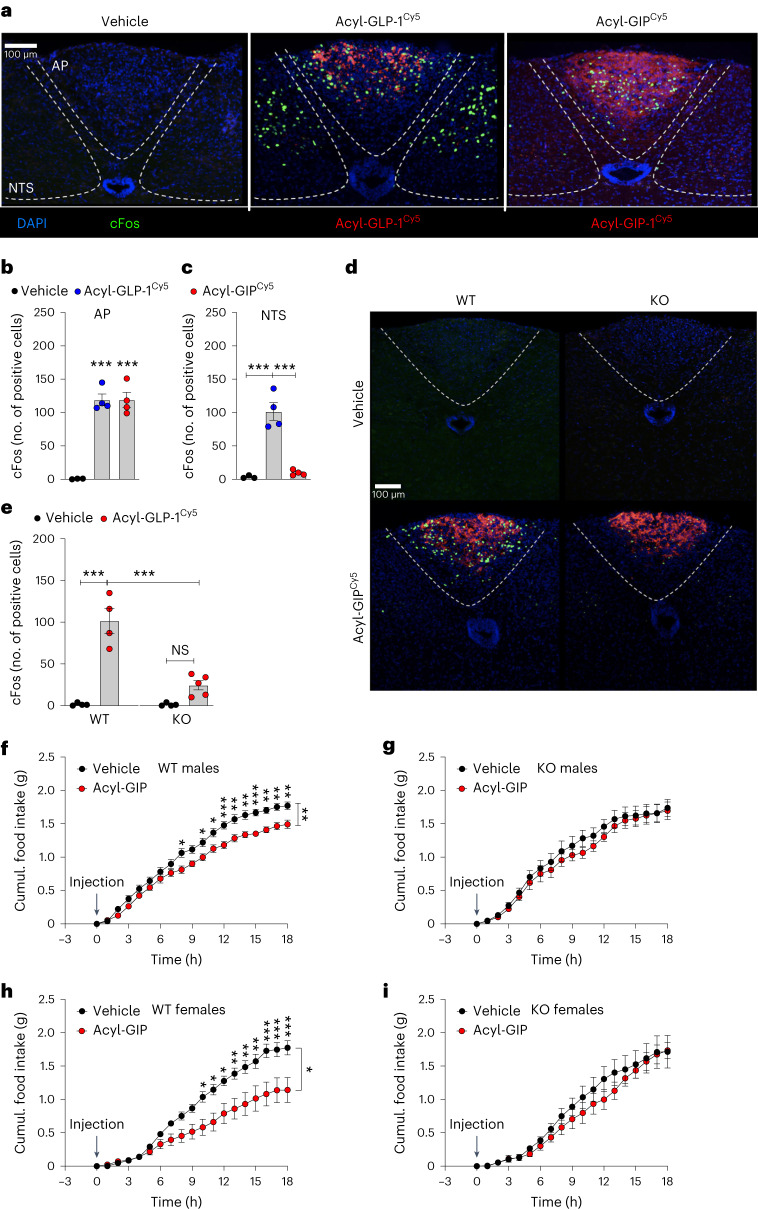
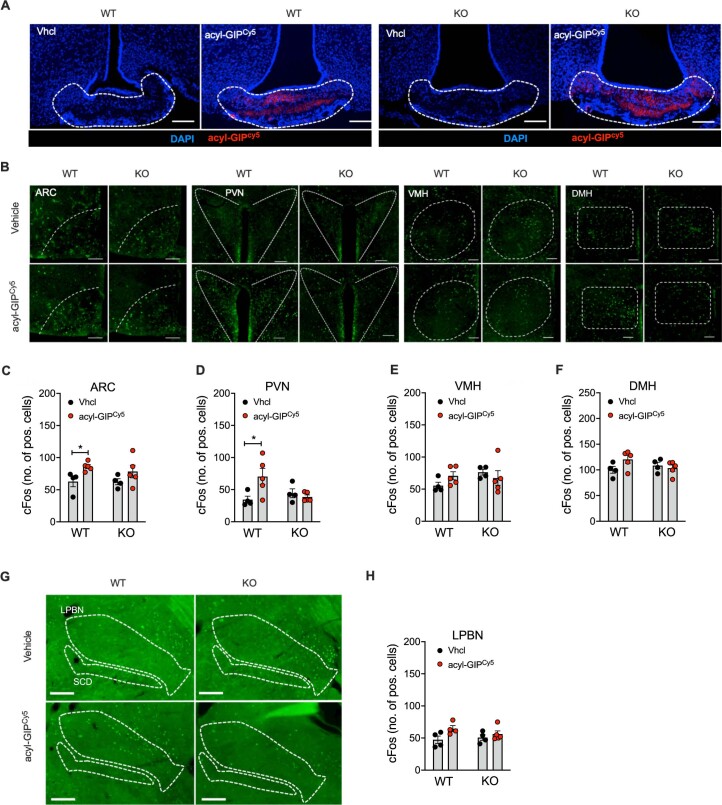
“Consistent with the previously demonstrated ability of fluorescently-labelled GIP to access and activate the AP 5,7 , we found that acyl-GIP increased the total number of cells in the AP staining positive for cFos (a marker of neuronal activation) in control mice.”
InfluentialSelf-citationMetformin Boosts Intestinal Lipid Sensing via GIP to Suppress Feeding
Kuah, R., Wang, M. T., Yang, Z., Back, G., Li, R., Bruce, K., LoChoy, J. N., Beaudry, J. L., Barros, D. R., Zhang, S., et al. (2025) · Diabetes · doi:10.2337/db25-0100 · Cited by 5
Self-citationTreatment approaches for alcohol use disorder with metabolic dysfunction
Wagner, A. C., Jung, J., Pacher, P., & Lohoff, F. W. (2025) · Pharmacology & Therapeutics · doi:10.1016/j.pharmthera.2025.108957 · Cited by 6
Endogenous GIP signaling is indispensable for DPP ‐4 inhibitor‐mediated metabolic control in mice
Kubota‐Okamoto, S., Kubota, S., Tsuchida, H., Liu, Y., Banno, S., Imaizumi, T., Fujisawa, T., Takahashi, Y., Kato, T., Horikawa, Y., et al. (2026) · Journal of Diabetes Investigation · doi:10.1111/jdi.70252 · Cited by 2
“In contrast to this obesogenic role, GIP is also known to reduce food intake and body weight in mice under pharmacological stimulation, acting both directly and indirectly via the central nervous system 24 – 27 .”
GIP receptor agonism suppresses inflammation-induced aversion and food intake via distinct circuits
Province, H. S., Hayes, N. W., Leong, N. A., Tang, E., Lorch, C. M., Pekerman, A., Xia, J. L., & Beutler, L. R. (2026) · Cell Reports · doi:10.1016/j.celrep.2026.117116 · Cited by 3
“4,11,12,57,58 OND had no effect on food intake when given alone or co-administered with IL-1 β (Figure 5B).”
Zhu, F., Castillo-Quan, J. I., Ogawa, T., Wu, Z., Ding, L., Sura, M., Watanabe, Y., Lentschat, H., Fernández-Cárdenas, L. P., Dag, U., et al. (2026) · Proceedings of the National Academy of Sciences · doi:10.1073/pnas.2530979123 · Cited by 2
“…therapy has resorted to use of other agents, most importantly GLP - 1 receptor agonists or polyagonists for GLP - 1R and several closely related hormones, including GIP, glucagon, and amylin, even though these are not normally major hormones in the control of eating behavior (16, 47).”
The Paradox and Future of GLP-1/GIP Combination Therapies: Efficacy and Mechanisms
Davies, I., Holst, J. J., ROSENKILDE, M. M., & Tan, T. (2026) · Annual Review of Nutrition · doi:10.1146/annurev-nutr-061824-043740 · Cited by 3
Rao, Y., Yu, S., Wang, B.-Z., Cui, S., & Gou, K. (2025) · Transgenic Research · doi:10.1007/s11248-025-00458-5 · Cited by 2
“Recent investigation has demonstrated that long-acting GIP RAs depend crucially on GIP receptor signalling in inhibitory GABAergic neurons to decrease body weight and food intake in mice (Liskiewicz et al. 2023).”
Future Perspectives in the Management of Obesity
Garcha, S. C., & Kalra, S. (2025) · Springer eBooks · doi:10.1007/978-981-96-1651-0_6 · Cited by 2
Zhang, L., Wu, J., Xue, J., Jia, Z., Zhou, X., & Hu, G. (2025) · Recent Patents on Anti-Cancer Drug Discovery · doi:10.2174/0115748928371118250327084127 · Cited by 1
Peptide drugs for obesity and type 2 diabetes mellitus: an overview of clinical trials
Barzgar, H., Darmadi, D., Nafisa, J., Narkulov, S., & Sviridova, M. B. (2025) · Clinica Chimica Acta · doi:10.1016/j.cca.2025.120772 · Cited by 2
Ectopic, hepatic GLP-1R agonism enhances the weight loss efficacy of GLP-1 analogues
Douros, J. D., Capozzi, M. E., Novikoff, A., Mokrosiński, J., DUBOIS, B. N., Stock, J., Rohlfs, R., Anderson, M., Jedrzejcyk, D. J., Poulsen, S., et al. (2026) · Molecular Metabolism · doi:10.1016/j.molmet.2026.102327 · Cited by 1
“While the full complement of mechanisms underlying these effects remains to be fully characterized, it is clear that pharmacologic activation of central GLP-1R [5] and GIPR [6,7] populations reduces FI, while hepatic GcgR agonism promotes EE [8,9] in rodents.”
Self-citationZhang, F., Chen, W., Wang, H., Wu, D., Chen, Z., Cheng, R., Hu, J., Xie, L., Qiu, Y., Zhou, Z., et al. (2026) · Journal of Advanced Research · doi:10.1016/j.jare.2026.02.006 · Cited by 3
Clinical Potential of GIP in Type 2 Diabetes and Obesity
Nauck, M. A., Gribble, F. M., Reimann, F., D’Alessio, D. A., & Campbell, J. E. (2026) · Diabetes Care · doi:10.2337/dci25-0141 · Cited by 3
“Although the GLP-1R is also expressed by cells in this area, there is little coexpression of the two incretin receptors in individual CNS neurons (60,62–64).”
GIPR:GCGR co-agonism restores normal weight in obese rodents
Pérez–Tilve, D., Zhang, F., Zhang, Y., Lohman, K., Sorrell, J. E., Vick, A., Müller, T. D., Tschoep, M. H., & DiMarchi, R. D. (2026) · Molecular Metabolism · doi:10.1016/j.molmet.2026.102365 · Cited by 1
“The fractional contribution and liabilities of agonism at each receptor have been measured in a series of preclinical studies employing selective agonists and obese rodents deficient for individual receptors [10,14 — 18].”
Self-citationYie, J., Mou, Z., & Liu, X. (2026) · Antibody Therapeutics · doi:10.1093/abt/tbag029 · Cited by 2
“For example, GIPR is predominantly expressed in GABAergic neurons [ 73], whereas GLP-1R is mainly expressed in distinct neuronal populations that activate vagal pathways associated with nausea and vomiting.”
Recent developments in GPCR signalling in appetite regulation
Brittain, H. R., & Gorvin, C. M. (2026) · Bioscience Reports · doi:10.1042/bsr20250120 · Cited by 1
“This led to simultaneous development of peptide conjugates that combine a GLP-1R agonist with either a GIPR antagonist or agonist, both of which produced superior weight loss to GLP-1R agonist alone [73–75].”
Liu, Y., & Liu, X. (2026) · Biomedicine & Pharmacotherapy · doi:10.1016/j.biopha.2026.119717 · Cited by 1
Gao, S., & Borner, T. (2026) · Appetite · doi:10.1016/j.appet.2026.108723 · Cited by 2
Wireless electrocatalytic closed-loop system for drug-free management of diabesity
Maity, D., Ray, P. G., Buchmann, P., Hamri, G. C., & Fussenegger, M. (2026) · Science · doi:10.1126/science.ady8560 · Cited by 2
GIP regulates body weight via GABAergic neurons
Starling, S. (2023) · Nature Reviews Endocrinology · doi:10.1038/s41574-023-00930-4
Multi‐target Peptides for the Treatment of Metabolic Diseases
Bossart, M., & Heßler, G. (2024) · Wiley eBooks · doi:10.1002/9781394182862.ch20
Slow mechanisms for inhibiting eating: Appetite, satiety, and their control
Carr, J. A. (2025) · Elsevier eBooks · doi:10.1016/b978-0-443-29218-7.00020-1
Obesity medications and acquired hypothalamic obesity in adults: A two-case experience
Lang, H., Dorand, M. F., Hassan, M., & Richards, J. R. (2026) · Obesity Pillars · doi:10.1016/j.obpill.2026.100246
“GIPR agonism further reduces intake via hypothalamic and GABAergic circuits, with co-agonism showing synergistic suppression of caloric intake [46,47].”
Cyclic neuronostatin regulates glucose homeostasis and food intake through GPR107 phosphorylation
Yang, S., Zhang, Y., Li, M., Li, Y. A., Guo, Y., Li, Y. A., & Shao, T. (2026) · Neuropharmacology · doi:10.1016/j.neuropharm.2026.111026
Regulators of appetite in mammals—old and new players
Fernandes, J. H., Silva, J. D., Costa, M. D., & Maciel, P. (2026) · Endocrine Reviews · doi:10.1210/endrev/bnag020 · Cited by 1
Patil, M., Piccinini, F., Johnstone, E. K. M., Casari, I., & Falasca, M. (2026) · Bioscience Reports · doi:10.1042/bsr20250114 · Cited by 1
“Consistent with this, neuronal and GABAergic GIPR deletion lowers body weight primarily through reduced food intake [93,94,96], and central GIPR neutralisation potentially enhances leptin receptor signalling [97].”
Functional segregation of body-brain signals in the area postremaPreprint
López-Cruz, A., Burgos, N. S. F., Hakimi, A. M., Xie, K., Mao, M., Kaur, M., Spina, A., Choi, K., Qiu, L., Lever, T. E., et al. (2026) · bioRxiv (Cold Spring Harbor Laboratory) · doi:10.64898/2026.06.15.732473 · Cited by 1
“This reveals that these “anti-nausea” neurons 8,66–68 , which are key targets of the drug tirzepatide 69–71 , are activated during normal food ingestion, and suggests a model in which GIPR neurons gate GFRAL neuron activity in a macronutrient-specific manner (Fig.”
Peptide hormone-based combinational pharmacotherapies for chronic metabolic diseases
Chui, Z. S. W., Xue, Y., Wu, X., & Xu, A. (2026) · Pharmacological Reviews · doi:10.1016/j.pharmr.2026.100150
James-Okoro, P.-P., Field, J., Davies, G., Pearce, A., Al‐Sabah, S., Lim, K. N., Ladds, G., Hornigold, D. C., Gribble, F. M., & Reimann, F. (2026) · Peptides · doi:10.1016/j.peptides.2026.171507 · Cited by 1
Kitamoto, T., Yoshino, M., Shingaki, T., Oura, T., Valderas, E. G., & Dunn, J. P. (2026) · Current Medical Research and Opinion · doi:10.1080/03007995.2026.2695047
“In addition to GLP-1 mediated appetite suppression, GIP receptor agonism recruits distinct GABAergic neuronal pathways that are not fully over-lapping with GLP-1 receptor signalling and are required for the synergistic weight-reducing effects of dual agon-ism 38 .”
Metadata
- Authors
- Liskiewicz, A., Khalil, A., Liskiewicz, D., Novikoff, A., Grandl, G., Maity-Kumar, G., Gutgesell, R. M., Bakhti, M., Bastidas-Ponce, A., Czarnecki, O., Makris, K., Lickert, H., Feuchtinger, A., Tost, M., Coupland, C., Ständer, L., Akindehin, S., Prakash, S., Abrar, F., Castelino, R. L., He, Y., Knerr, P. J., Yang, B., Hogendorf, W. F. J., Zhang, S., Hofmann, S. M., Finan, B., DiMarchi, R. D., Tschöp, M. H., Douros, J. D., & Müller, T. D.
- Affiliations
- Helmholtz Munich (DE)
- Indiana University Bloomington (US)
- Corresponding author
- Müller, Timo D.
- ORCID
- Liskiewicz, Arkadiusz
- Khalil, Ahmed
- Novikoff, Aaron
- Grandl, Gerald
- Gutgesell, Robert M.
- Bakhti, Mostafa
- Bastidas-Ponce, Aimée
- Czarnecki, Oliver
- Makris, Konstantinos
- Lickert, Heiko
- Feuchtinger, Annette
- Coupland, Callum
- Akindehin, Seun
- Castelino, Russell L.
- He, Yantao
- Yang, Bin
- Hogendorf, Wouter F. J.
- Zhang, Shiqi
- Hofmann, Susanna M.
- Finan, Brian
- DiMarchi, Richard D.
- Tschöp, Matthias H.
- Douros, Jonathan D.
- Müller, Timo D.
- Venue
- Nature Metabolism
- Published
- 2023-11-09
- Volume
- 5
- Issue
- 12
- Pages
- 2075-2085
- ISSN
- 2522-5812 (ISSN-L)
- PMC
- PMC10730394
- OpenAlex
- W4388524094
- Semantic Scholar
- 2e8183ffd944723c816b1797b2c7ca7a7f59b6cc
- Cited by
- 110
- References
- 35
- Citations by year
- 2026: 37 · 2025: 46 · 2024: 25 · 2023: 2
- FWCI
- 16.35
- Type
- journal article
- Language
- en
- Open access
- hybrid
- doi.org
- Licence
- cc-by
- creativecommons.org/licenses/by/4.0 (tdm)
- creativecommons.org/licenses/by/4.0 (vor)
- Locations
- Nature Metabolism (publishedVersion, cc-by)
- PubMed Central (publishedVersion, cc-by)
- PubMed (publishedVersion)
- mediaTUM – the media and publications repository of the Technical University Munich (Technical University Munich) (submittedVersion)
- PuSH - Publication Server of Helmholtz Zentrum München (submittedVersion)
- Funders
- Deutsche Forschungsgemeinschaft (GRK2816/1, TRR- 152, SFB1123, RTG 2816, TRR296)
- Helmholtz Zentrum München
- H2020 European Research Council (695054)
- HORIZON EUROPE European Research Council (101044445)
- Topics
- Life Sciences › Neuroscience › Endocrine and Autonomic Systems › Regulation of Appetite and Obesity
- Health Sciences › Medicine › Endocrinology, Diabetes and Metabolism › Diabetes Treatment and Management
- Health Sciences › Medicine › Pharmacology (medical) › Pharmacology and Obesity Treatment
- Keywords
- glucose-dependent insulinotropic polypeptide, GIP receptor, GLP-1 receptor, GABAergic neurons, vesicular GABA transporter, dietary intake, body weight regulation, diet-induced obesity, energy metabolism
- MeSH terms
- Animals, Diabetes Mellitus, Type 2, Eating, Gastric Inhibitory Polypeptide, Glucose, Male, Obesity, Receptors, G-Protein-Coupled, Mice, Glucagon-Like Peptide 1, GABAergic Neurons
About these checks
Registry, retraction, Cites and statistics results are computed, not judged, with one exception: a printed reference that no index lists is read once by a model before it counts as a citation error. Claims are extracted by a model and kept only when their quote appears verbatim in the text; each cited source is then checked, with a model’s help, for whether it says what the claim relies on. Those verdicts can be wrong — read the claim’s quote and the cited source before relying on one.
Statistics and arithmetic are recomputed, not judged.
Confidence bands are shown only for fields calibrated on our annotated test set. None is calibrated yet, so no band is shown.
What counts as a claim ›How we measure confidence ›How we check this ›
Are you an author, or do you see a problem with this page? Request a review
Data sources
Bibliographic data: Semantic Scholar, OpenAlex, Crossref.
Contains information from the Semantic Scholar Academic Graph Datasets, made available under the ODC Attribution License (ODC-BY 1.0).
Semantic Scholar’s data is described in: Kinney, R., et al. (2023). The Semantic Scholar Open Data Platform. arXiv:2301.10140.
