

A guide to the organ-on-a-chip
Open accessThe DOI matches its Crossref record; 327 of the 327 references it cites were found in a registry or an index.
Abstract
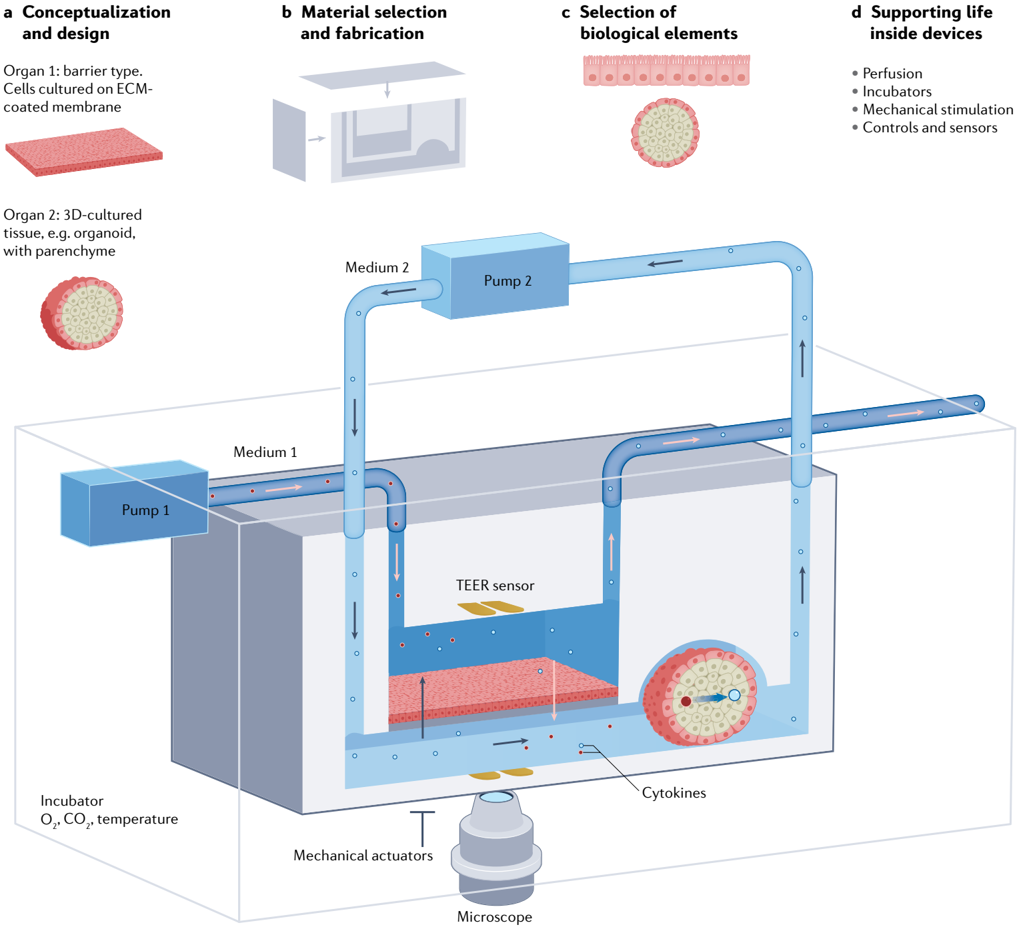
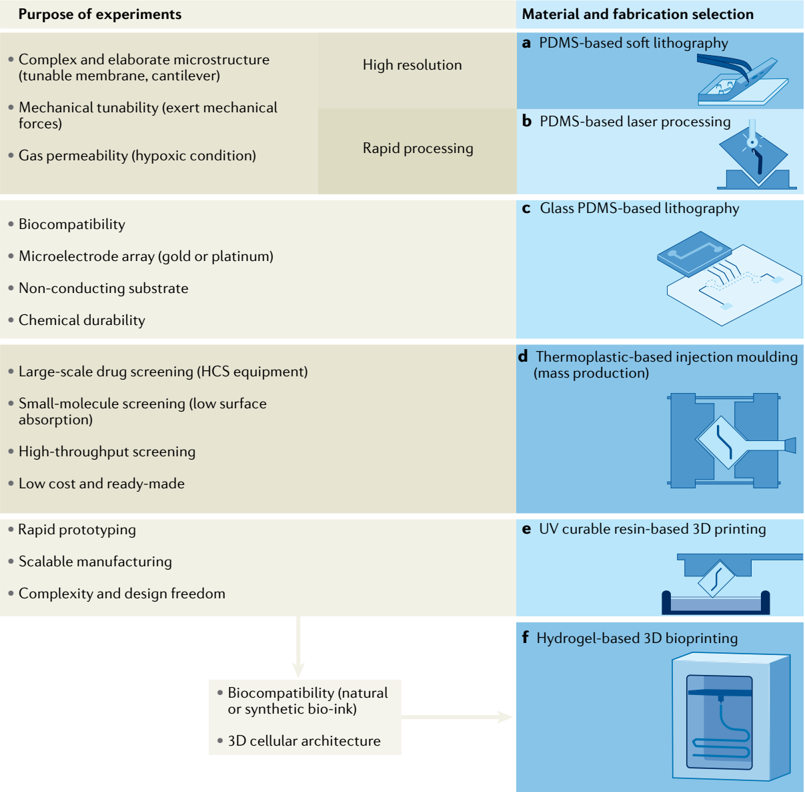
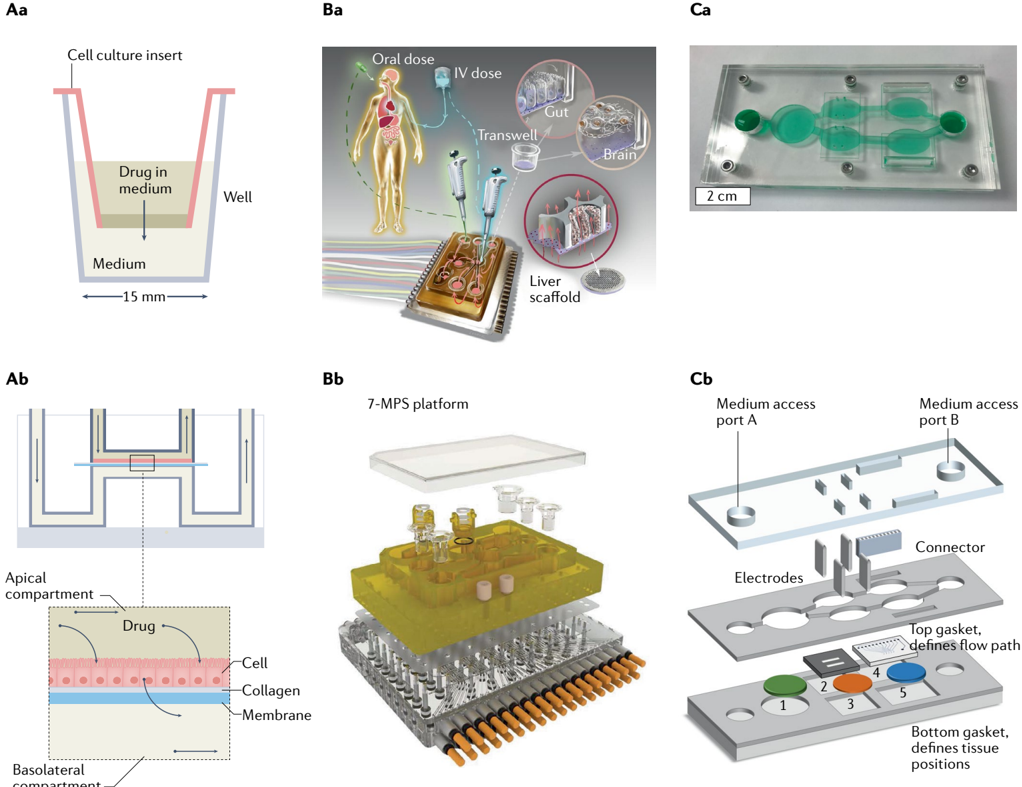
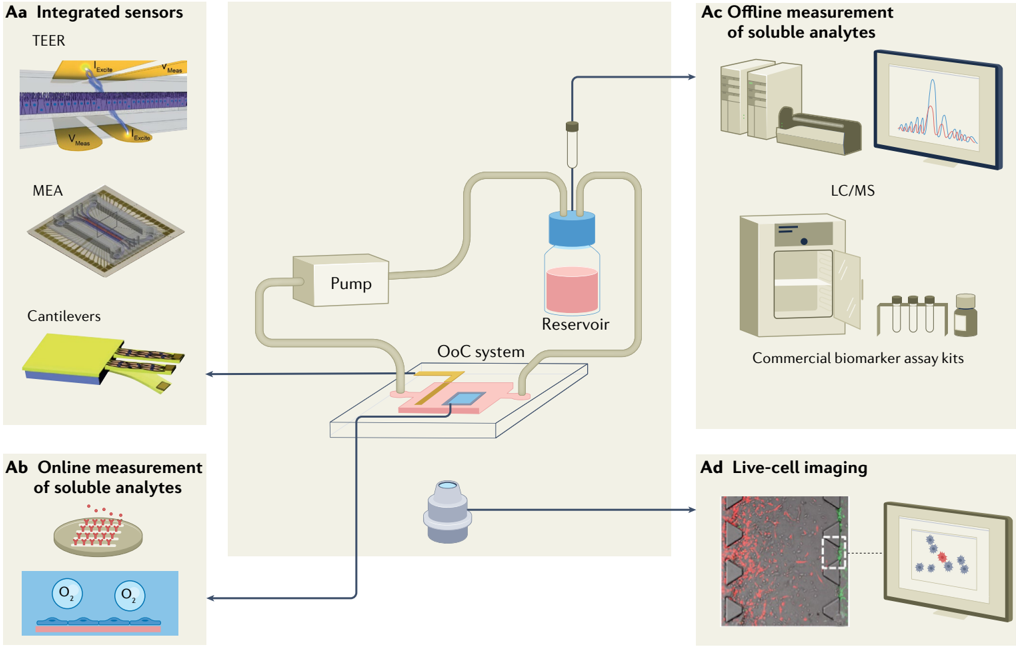
Organs-on-chips are microfluidic systems containing miniature tissues with the aim of mimicking human physiology for a range of biomedical and therapeutic applications. Leung, de Haan et al. report practical tips to inform design and operational decisions during the implementation of organ-on-a-chip systems.
Overview
The claims and statistics of this paper haven’t been checked yet.
Free: it reads the open-access text and checks the first 5 claims that cite a source we can check. Create a free account to check every claim.
Integrity signals
Registry
Cites
Statistics
Figures
Verification
Claims the paper makes
The claims and statistics of this paper haven’t been checked yet.
Free: it reads the open-access text and checks the first 5 claims that cite a source we can check. Create a free account to check every claim.
Claims other papers make about this one
Each is checked against this paper’s own text: does it say what the citing paper says it does?
The source backs part of the claim, not all of it — or backs it for a different population, condition or comparison.
In the citing paper
“Developers of OoC models typically do not consider standardization and regulation early in their design process, hindering their possible future development into products that are qualified for use in commercial and regulatory contexts (Leung et al., 2022; Piergiovanni et al., 2024).”
From Considering future qualification for regulatory science in the early development of microphysiological systems: a case study of microthrombosis in a Vessel-on-Chip (2024) · cites this paper as Leung et al., 2022
Experimental — accuracy not yet measuredThe source backs part of the claim, not all of it — or backs it for a different population, condition or comparison.
In the citing paper
“Particular care should be given to the leak tightness and the absence of bubbles since these are the main failure causes of microfluidic systems (Leung et al., 2022; Wang et al., 2012).”
From Recommendations on fit-for-purpose criteria to establish quality management for microphysiological systems and for monitoring their reproducibility (2024) · cites this paper as Leung et al., 2022
Experimental — accuracy not yet measured
Self-check
Percentages, sums and reported differences re-computed from the paper’s own numbers.
The self-check needs the paper’s full text.
Citations
Cites
The origins and the future of microfluidics
Whitesides, G. M. (2006) · Nature · doi:10.1038/nature05058 · Cited by 9,687
IDF Diabetes Atlas: Global estimates for the prevalence of diabetes for 2015 and 2040
Ogurtsova, K., da Rocha Fernandes, J. D., Huang, Y., Linnenkamp, U., Guariguata, L., Cho, N. H., Cavan, D., Shaw, J. E., & Makaroff, L. E. (2017) · Diabetes Research and Clinical Practice · doi:10.1016/j.diabres.2017.03.024 · Cited by 6,966
Rapid Prototyping of Microfluidic Systems in Poly(dimethylsiloxane)
Duffy, D. C., McDonald, J. C., Schueller, O. J. A., & Whitesides, G. M. (1998) · Analytical Chemistry · doi:10.1021/ac980656z · Cited by 5,288
Xia, Y., & Whitesides, G. M. (1998) · Annual Review of Materials Science · doi:10.1146/annurev.matsci.28.1.153 · Cited by 4,611
Reconstituting organ-level lung functions on a chip
Huh, D., Matthews, B. D., Mammoto, A., Montoya-Zavala, M., Hsin, H. Y., & Ingber, D. E. (2010) · Science · doi:10.1126/science.1188302 · Cited by 4,250
Of Mice and Not Men: Differences between Mouse and Human Immunology
Mestas, J., & Hughes, C. C. W. (2004) · The Journal of Immunology · doi:10.4049/jimmunol.172.5.2731 · Cited by 3,822
The human microbiome: at the interface of health and disease
Cho, I., & Blaser, M. J. (2012) · Nature Reviews Genetics · doi:10.1038/nrg3182 · Cited by 3,449
Bhatia, S. N., & Ingber, D. E. (2014) · Nature Biotechnology · doi:10.1038/nbt.2989 · Cited by 3,305
Miniaturized total chemical analysis systems: A novel concept for chemical sensing
Manz, A., Graber, N., & Widmer, H. M. (1990) · Sensors and Actuators B: Chemical · doi:10.1016/0925-4005(90)80209-i · Cited by 3,122
A 3D bioprinting system to produce human-scale tissue constructs with structural integrity
Kang, H.-W., Lee, S. J., Ko, I. K., Kengla, C., Yoo, J. J., & Atala, A. (2016) · Nature Biotechnology · doi:10.1038/nbt.3413 · Cited by 2,622
Research works printed but not linked: 8
- Ronaldson-Bouchard K., et al. Inter-organ chips with matured tissue niches linked by vascular perfusion. Nat. Biomed. Eng. (in the press). This paper reports a multi-tissue chip system in which matured human tissues are linked by recirculating vascular flow, allowing for the maintenance of their phenotypes, communication across endothelial barriers and recapitulation of interdependent organ functions.
- Kim, H. J., Li, H., Collins, J. J. & Ingber, D. E. Contributions of microbiome and mechanical deformation to intestinal bacterial overgrowth and inflammation in a human gut-on-a-chip. Proc. Natl Acad. Sci. USA 113, E7-E15 (2016).
- Vernetti, L. et al. Functional coupling of human microphysiology systems: intestine, liver, kidney proximal tubule, blood-brain barrier and skeletal muscle. Sci. Rep. 7, 42296 (2017). This paper combines multiple single-OoCs by manual transfer of culture medium from one organ to the next to simulate multi-organ functions; termed 'functional' coupling rather than direct coupling of organs in a flow-through system.
- Lindner, M., Laporte, A., Block, S., Elomaa, L. & Weinhart, M. Physiological shear stress enhances differentiation, mucus-formation and structural 3D organization of intestinal epithelial. Cell Vitro. Cell 10, 2062 (2021).
- Perlman, R. L. Mouse models of human disease: an evolutionary perspective. Evol. Med. Public Health 2016, 170–176 (2016).
- Liu, J., Pan, L., Cheng, X. & Berdichevsky, Y. Perfused drop microfluidic device for brain slice culture-based drug discovery. Biomed. Microdevices 18, 46 (2016).
- Wang, J. D. Development of a 3D in Vitro Model of the Blood–Brain Barrier in Layered Microfluidic Devices. PhD thesis, Univ. of Michigan (2015).
- Jeon, J.-W., Lee, S. H., Kim, D. & Sung, J. H. In vitro hepatic steatosis model based on gut–liver-on-a-chip. Biotechnol. Prog. 37, e3121 (2021).
Cited by
Items 101–200 of 1,000
Artificial intelligence for drug delivery: Yesterday, today and tomorrow
Wu, Y., Wang, N., Xiong, P., Wang, R., Deng, J., & Ouyang, D. (2025) · Acta Pharmaceutica Sinica B · doi:10.1016/j.apsb.2025.09.022 · Cited by 46
Brandauer, K., Schweinitzer, S., Lorenz, A., Krauß, J., Schobesberger, S., Frauenlob, M., & Ertl, P. (2025) · Lab on a Chip · doi:10.1039/d4lc01011f · Cited by 46
Orr, A., Kalantarnia, F., Nazir, S., Bolandi, B., Alderson, D., O’Grady, K., Hoorfar, M., Julian, L. M., & Willerth, S. M. (2025) · Advanced Drug Delivery Reviews · doi:10.1016/j.addr.2025.115524 · Cited by 45
On-chip recapitulation of the tumor microenvironment: A decade of progress
Giannitelli, S. M., Peluzzi, V., Raniolo, S., Roscilli, G., Trombetta, M., Mozetic, P., & Rainer, A. (2024) · Biomaterials · doi:10.1016/j.biomaterials.2024.122482 · Cited by 45
Magnetic‐Based Strategies for Regenerative Medicine and Tissue Engineering
Santos, L. F., Silva, A. S., & Mano, J. F. (2023) · Advanced Healthcare Materials · doi:10.1002/adhm.202300605 · Cited by 45
Rodrigues, R. O., Shin, S.-R., & Bañobre-López, M. (2024) · Journal of Nanobiotechnology · doi:10.1186/s12951-024-02720-0 · Cited by 44
“Recently, organ-on-a-chip (OoC) has emerged as an advanced microfluidic platform combined with 3D tissue culture techniques, with the goal of recapitulating human physiology and homeostasis at a lower cost and higher reproducibility [21].”
BackgroundHigh‐Scale 3D‐Bioprinting Platform for the Automated Production of Vascularized Organs‐on‐a‐Chip
Fritschen, A., Lindner, N., Scholpp, S., Richthof, P., Dietz, J., Linke, P., Guttenberg, Z., & Blaeser, A. (2024) · Advanced Healthcare Materials · doi:10.1002/adhm.202304028 · Cited by 45
Review: 3D cell models for organ-on-a-chip applications
Żuchowska, A., Baranowska, P., Flont, M., Brzózka, Z., & Jastrzębska, E. (2024) · Analytica Chimica Acta · doi:10.1016/j.aca.2024.342413 · Cited by 44
van den Nieuwenhof, D. W. A., Moroni, L., Chou, J., & Hinkelbein, J. (2024) · npj Microgravity · doi:10.1038/s41526-024-00442-z · Cited by 44
Skin-on-a-chip technologies towards clinical translation and commercialization
Ismayilzada, N., Tarar, C., Dabbagh, S. R., Tokyay, B. K., Dilmani, S. A., Sokullu, E., Abaci, H. E., & Taşoğlu, S. (2024) · Biofabrication · doi:10.1088/1758-5090/ad5f55 · Cited by 43
Cellular interactions and microenvironment dynamics in skeletal muscle regeneration and disease
Rodríguez, C., Timóteo-Ferreira, F., Minchiotti, G., Brunelli, S., & Guardiola, O. (2024) · Frontiers in Cell and Developmental Biology · doi:10.3389/fcell.2024.1385399 · Cited by 43
A high-throughput gut-on-chip platform to study the epithelial responses to enterotoxins
Morelli, M., Rodríguez, M. C., & Queiroz, K. C. S. (2024) · Scientific Reports · doi:10.1038/s41598-024-56520-5 · Cited by 43
Al-wdan, O. A., Sharallah, O. A., Abdelwahab, N. A., Mohammed, A. O., Elmowafy, E. M., & Soliman, M. E. (2023) · OpenNano · doi:10.1016/j.onano.2023.100156 · Cited by 43
Engineering Mesoscopic 3D Tumor Models with a Self‐Organizing Vascularized Matrix
Lorenzi, F. D., Hansen, N., Theek, B., Daware, R., Motta, A., Breuel, S., Nasehi, R., Baumeister, J., Schöneberg, J., Stojanovic, N. M., et al. (2023) · Advanced Materials · doi:10.1002/adma.202303196 · Cited by 43
Kato, R., Zeng, W., Siramshetty, V. B., Williams, J. W., Kabir, M., Hagen, N. R., Padilha, E. C., Wang, A. Q., Mathé, E. A., Xu, X., et al. (2023) · Frontiers in Pharmacology · doi:10.3389/fphar.2023.1291246 · Cited by 42
A path forward advancing microphysiological systems
Härtung, T., & Smirnova, L. (2025) · ALTEX · doi:10.14573/altex.2504091 · Cited by 43
Exploring human brain development and disease using assembloids
Wu, S., & Nowakowski, T. J. (2025) · Neuron · doi:10.1016/j.neuron.2025.02.010 · Cited by 41
Progress in developing microphysiological systems for biological product assessment
Mansouri, M., Lam, J., & Sung, K. E. (2024) · Lab on a Chip · doi:10.1039/d3lc00876b · Cited by 43
Preclinical Models of Hepatocellular Carcinoma: Current Utility, Limitations, and Challenges
Cigliano, A., Liao, W., Deiana, G. A., Rizzo, D., Chen, X., & Calvisi, D. F. (2024) · Biomedicines · doi:10.3390/biomedicines12071624 · Cited by 41
Organ-on-a-Chip Approach for Accelerating Blood–Brain Barrier Nanoshuttle Discovery
Choi, J.-W., Kim, K., Mukhambetiyar, K., Lee, N. K., del Río, J. S., Joo, J., Park, C. G., Kwon, T., & Park, T. (2024) · ACS Nano · doi:10.1021/acsnano.4c00994 · Cited by 41
Integration of immune cells in organs-on-chips: a tutorial
van Os, L., Engelhardt, B., & Guenat, O. T. (2023) · Frontiers in Bioengineering and Biotechnology · doi:10.3389/fbioe.2023.1191104 · Cited by 41
Small tissue chips with big opportunities for space medicine
Mu, X., He, W., Rivera, V. A. M., Alba, R. A. D. D., Newman, D. J., & Zhang, Y. S. (2022) · Life Sciences in Space Research · doi:10.1016/j.lssr.2022.09.002 · Cited by 40
Makkar, H., & Sriram, G. (2025) · Lab on a Chip · doi:10.1039/d4lc00871e · Cited by 40
Zingales, V., Esposito, M. R., Torriero, N., Taroncher, M., Cimetta, E., & Ruiz, M.-J. (2023) · Toxins · doi:10.3390/toxins15070422 · Cited by 40
Integrating mechanical sensor readouts into organ-on-a-chip platforms
Anaya, I., Boghdady, C.-M., Campbell, B. E., & Moraes, C. (2022) · Frontiers in Bioengineering and Biotechnology · doi:10.3389/fbioe.2022.1060895 · Cited by 40
Constructal design of passive micromixers with multiple obstacles via computational fluid dynamics
Cunegatto, E. H. T., Zinani, F. S. F., Biserni, C., & Rocha, L. A. O. (2023) · International Journal of Heat and Mass Transfer · doi:10.1016/j.ijheatmasstransfer.2023.124519 · Cited by 40
Microphysiological Blood‐Brain Barrier Systems for Disease Modeling and Drug Development
Mulay, A. R., Hwang, J., & Kim, D. (2024) · Advanced Healthcare Materials · doi:10.1002/adhm.202303180 · Cited by 39
Advancements in modelling human blood brain-barrier on a chip
Guarino, V., Zizzari, A. T., Bianco, M., Gigli, G., Moroni, L., & Arima, V. (2023) · Biofabrication · doi:10.1088/1758-5090/acb571 · Cited by 39
Organ‐On‐A‐Chip Devices: Technology Progress and Challenges
Obeid, P. J., Yammine, P., El‐Nakat, H., Kassab, R., Tannous, T., Nasr, Z., Maarawi, T., Dahdah, N., Safadi, A. E., Mansour, A., et al. (2024) · ChemBioChem · doi:10.1002/cbic.202400580 · Cited by 39
Animal models of Klebsiella pneumoniae mucosal infections
Assoni, L., Couto, A. J. M., Vieira, B., Milani, B., Lima, A. S., Converso, T. R., & Darrieux, M. (2024) · Frontiers in Microbiology · doi:10.3389/fmicb.2024.1367422 · Cited by 39
Engineering Cardiac Tissue for Advanced Heart‐On‐A‐Chip Platforms
Chen, X., Liu, S., Han, M., Long, M., Li, T., Hu, L., Wang, L., Huang, W., & Wu, Y. (2023) · Advanced Healthcare Materials · doi:10.1002/adhm.202301338 · Cited by 38
Advances in 3D Bioprinting and Microfluidics for Organ-on-a-Chip Platforms
de Barros, N. R., Harb, S. V., Horinouchi, C. D. D. S., Tofani, L. B., Santos, D., Elias, G. B., Velho, J. C. M., de Aguiar, A. C., Sant’Ana, M., & Figueira, A. C. M. (2025) · Polymers · doi:10.3390/polym17223078 · Cited by 40
Fanizza, F., Boeri, L., Donnaloja, F., Perottoni, S., Forloni, G., Giordano, C., & Albani, D. (2023) · ACS Biomaterials Science & Engineering · doi:10.1021/acsbiomaterials.3c00346 · Cited by 38
Yang, J., Khorsandi, D., Trabucco, L., Ahmed, M., Khademhosseini, A., Dokmeci, M. R., Ye, J. Y., & Jucaud, V. (2024) · Small · doi:10.1002/smll.202403560 · Cited by 39
Eliahoo, P., Setayesh, H., Hoffman, T., Wu, Y., Li, S., & Treweek, J. B. (2024) · ACS Materials Au · doi:10.1021/acsmaterialsau.3c00038 · Cited by 38
Placci, M., Giannotti, M. I., & Muro, S. (2023) · Advanced Drug Delivery Reviews · doi:10.1016/j.addr.2022.114683 · Cited by 38
An Overview on Spheroid and Organoid Models in Applied Studies
Živković, Z., & Opačak‐Bernardi, T. (2025) · Sci · doi:10.3390/sci7010027 · Cited by 39
Yang, P., Boer, G. E., Snow, F., Williamson, A., Cheeseman, S., Samarasinghe, R. M., Rifai, A., Priyam, A., Elnathan, R., Guijt, R. M., et al. (2025) · Chemical Engineering Journal · doi:10.1016/j.cej.2025.159295 · Cited by 37
Pump‐Less Platform Enables Long‐Term Recirculating Perfusion of 3D Printed Tubular Tissues
Zhang, F., Lin, D. S. Y., Rajasekar, S., Sotra, A., & Zhang, B. (2023) · Advanced Healthcare Materials · doi:10.1002/adhm.202300423 · Cited by 37
3D Cell Models in Radiobiology: Improving the Predictive Value of In Vitro Research
Antonelli, F. (2023) · International Journal of Molecular Sciences · doi:10.3390/ijms241310620 · Cited by 38
Bridging silicon and carbon worlds with digital twins and on-chip systems in drug discovery
Akbarialiabad, H., Seyyedi, M. S., Paydar, S., Habibzadeh, A., Haghighi, A., & Kvedar, J. C. (2024) · npj Systems Biology and Applications · doi:10.1038/s41540-024-00476-9 · Cited by 37
Advances in cancer mechanobiology: Metastasis, mechanics, and materials
Clevenger, A. J., McFarlin, M. K., Gorley, J. P. M., Solberg, S. C., Madyastha, A. K., & Raghavan, S. A. (2024) · APL Bioengineering · doi:10.1063/5.0186042 · Cited by 37
Lazofsky, A., & Buckley, B. (2022) · Molecules · doi:10.3390/molecules27248835 · Cited by 37
Rizzato, R., von Grafenstein, N. R., & Bucher, D. (2023) · Applied Physics Letters · doi:10.1063/5.0169027 · Cited by 37
Liver-on-a-chip: Considerations, advances, and beyond
Yang, Z., Liu, X., Cribbin, E. M., Kim, A. M., Li, J. J., & Yong, K. (2022) · Biomicrofluidics · doi:10.1063/5.0106855 · Cited by 36
In Vitro Models for Investigating Intestinal Host–Pathogen Interactions
McCoy, R. S. A., Oldroyd, S., Yang, W., Wang, K., Hoven, D., Bulmer, D. C., Zilbauer, M., & Owens, R. M. (2023) · Advanced Science · doi:10.1002/advs.202306727 · Cited by 36
Lucchetti, M., Werr, G., Johansson, S., Barbe, L., Grandmougin, L., Wilmes, P., & Tenje, M. (2024) · Microsystems & Nanoengineering · doi:10.1038/s41378-023-00640-x · Cited by 37
Fabrication of organ-on-a-chip using microfluidics
Ying-Jin, S., Yuste, I., González‐Burgos, E., & Serrano, D. R. (2025) · Bioprinting · doi:10.1016/j.bprint.2025.e00394 · Cited by 37
Biosensor integrated brain-on-a-chip platforms: Progress and prospects in clinical translation
Çeçen, B., Saygılı, E., Zare, I., Nejati, O., Khorsandi, D., Zarepour, A., Alarçın, E., Zarrabi, A., Topkaya, S. N., Yeşil-Çeliktaş, Ö., et al. (2023) · Biosensors and Bioelectronics · doi:10.1016/j.bios.2023.115100 · Cited by 36
Revolutionizing nephrology research: expanding horizons with kidney-on-a-chip and beyond
Huang, W., Chen, Y., He, F.-F., & Zhang, C. (2024) · Frontiers in Bioengineering and Biotechnology · doi:10.3389/fbioe.2024.1373386 · Cited by 36
Carvalho, V. M., Gonçalves, I. M., Rodrigues, N., Sousa, P. J., Pinto, V. C., Minas, G. M. H., Kaji, H., Shin, S. R., Rodrigues, R. O., Teixeira, S., et al. (2023) · Computer Methods and Programs in Biomedicine · doi:10.1016/j.cmpb.2023.107883 · Cited by 36
Byndloss, M. X., Devkota, S., Duca, F. A., Niess, J. H., Nieuwdorp, M., Orho‐Melander, M., Sanz, Y., Tremaroli, V., & Zhao, L. (2024) · Diabetes · doi:10.2337/dbi24-0028 · Cited by 35
A review of organ-on-chip fabrication methods: From early developments to overcoming inert barriers
Olaizola‐Rodrigo, C., Bayona, C., Oliván, S., & Monge, R. (2025) · iScience · doi:10.1016/j.isci.2025.113992 · Cited by 35
Microfluidic organ-on-chip systems for periodontal research: advances and future directions
Sriram, G., & Makkar, H. (2025) · Frontiers in Bioengineering and Biotechnology · doi:10.3389/fbioe.2024.1490453 · Cited by 35
Maertens, A., Luechtefeld, T. H., Knight, J., & Härtung, T. (2024) · ALTEX · doi:10.14573/altex.2312291 · Cited by 35
Sun, C., Zhu, J., Sun, X., Zhang, Z., Sun, Y., Jin, Y., & Wu, T. (2025) · Journal of Advanced Research · doi:10.1016/j.jare.2025.12.032 · Cited by 36
Miranda, S., Marchal, S., Cumps, L., Dierckx, J., Krüger, M., Grimm, D. G., Baatout, S., Tabury, K., & Baselet, B. (2023) · Biomedicines · doi:10.3390/biomedicines11071921 · Cited by 35
An Intelligent Intestine‐on‐a‐Chip for Rapid Screening of Probiotics with Relief‐Enteritis Function
Wu, J., Zhang, B., Liu, X., Gu, W., Xu, F., Wang, J., Liu, Q., Wang, R., Hu, Y., Liu, J., et al. (2024) · Advanced Materials · doi:10.1002/adma.202408485 · Cited by 35
Sun, X., Zhang, Z., Zhao, W., Xu, S., Zhang, J., ZhuanSun, X.-M., Ye, J., Han, Y., Gu, Z., & Chen, Z. (2025) · Small · doi:10.1002/smll.202503384 · Cited by 35
Self-citationOrganoids as models of immune-organ interaction
Harter, M. F., Recaldin, T., & Gjorevski, N. (2025) · Cell Reports · doi:10.1016/j.celrep.2025.116214 · Cited by 36
Ceccarelli, M. C., Lefevre, M. C., Marino, A., Pignatelli, F., Krukiewicz, K., Battaglini, M., & Ciofani, G. (2024) · Lab on a Chip · doi:10.1039/d4lc00633j · Cited by 35
Emerging technologies for quality control of cell-based, advanced therapy medicinal products
Zia, S., Pizzuti, V., Paris, F., Alviano, F., Bonsi, L., Zattoni, A., Reschiglian, P., Roda, B., & Marassi, V. (2024) · Journal of Pharmaceutical and Biomedical Analysis · doi:10.1016/j.jpba.2024.116182 · Cited by 35
Bioprinted Organoids: An Innovative Engine in Biomedicine
Li, Z., Li, K., Zhang, C., Zhao, Y., Guo, Y., He, J., Chang, S., Fang, X., Liu, K., Zhu, P., et al. (2025) · Advanced Science · doi:10.1002/advs.202507317 · Cited by 35
Self-citationExpanding CAR-T cell immunotherapy horizons through microfluidics
Kim, H., Kim, S., Lim, H., & Chung, A. J. (2024) · Lab on a Chip · doi:10.1039/d3lc00622k · Cited by 34
Recent Developments in Glioblastoma‐On‐A‐Chip for Advanced Drug Screening Applications
Maity, S., Bhuyan, T., Jewell, C., Kawakita, S., Sharma, S., Nguyen, H. T., Najafabadi, A. H., Ermis, M., Falcone, N., Chen, J., et al. (2024) · Small · doi:10.1002/smll.202405511 · Cited by 34
Tissue-Engineered 3D In Vitro Disease Models for High-Throughput Drug Screening
Huskin, G. N., Chen, J., Davis, T. J., & Jun, H. (2023) · Tissue Engineering and Regenerative Medicine · doi:10.1007/s13770-023-00522-3 · Cited by 34
Cook, S. R., Ball, A. G., Mohammad, A., & Pompano, R. R. (2025) · Lab on a Chip · doi:10.1039/d4lc00489b · Cited by 34
Ahmed, M. A. M., Jurczak, K. M., Lynn, N. S., Jr., Mulder, J.-P. S. H., Verpoorte, E. M. J., & Nagelkerke, A. (2024) · Scientific Reports · doi:10.1038/s41598-024-53266-y · Cited by 34
Self-citationKo, J., Hyung, S., Heo, Y. J., Jung, S., Kim, S. T., Park, S. H., Hong, J. Y., Lim, S. H., Kim, K., Yoo, S., et al. (2024) · Biomaterials · doi:10.1016/j.biomaterials.2024.122504 · Cited by 33
Self-citationDrug-induced kidney injury: challenges and opportunities
Connor, S., Roberts, R. A., & Tong, W. (2024) · Toxicology Research · doi:10.1093/toxres/tfae119 · Cited by 33
Organ chip research in Europe: players, initiatives, and policies
da Silva, R. G. L., & Blasimme, A. (2023) · Frontiers in Bioengineering and Biotechnology · doi:10.3389/fbioe.2023.1237561 · Cited by 32
Spinal Cord Organoids to Study Motor Neuron Development and Disease
Buchner, F., Dokuzluoglu, Z., Graß, T., & Rodríguez‐Muela, N. (2023) · Life · doi:10.3390/life13061254 · Cited by 32
Advances in, and prospects of, 3D preclinical models for skin drug discovery
Imran, M., Moyle, P. M., Kamato, D., & Mohammed, Y. (2024) · Drug Discovery Today · doi:10.1016/j.drudis.2024.104208 · Cited by 32
A guide for blood–brain barrier models
Soliman, Y., Al‐khodor, J., Koken, G. Y., & Mustafaoğlu, N. (2024) · FEBS Letters · doi:10.1002/1873-3468.15053 · Cited by 32
Ugodnikov, A., Persson, H., & Simmons, C. A. (2024) · Lab on a Chip · doi:10.1039/d3lc01027a · Cited by 33
Fedi, A., Vitale, C., Fato, M., & Scaglione, S. (2023) · Bioengineering · doi:10.3390/bioengineering10020270 · Cited by 31
Using Biosensors to Study Organoids, Spheroids and Organs-on-a-Chip: A Mechanobiology Perspective
Yousafzai, M. S., & Hammer, J. A. (2023) · Biosensors · doi:10.3390/bios13100905 · Cited by 31
Sadiq, I. Z., Abubakar, F. S., Katsayal, B. S., Ibrahim, B., Adamu, A., Usman, M. A., Aliyu, M., Suleiman, M. A., & Muhammad, A. (2025) · Biomedical Engineering Advances · doi:10.1016/j.bea.2025.100172 · Cited by 35
Preclinical Testing Techniques: Paving the Way for New Oncology Screening Approaches
van Rijt, A., Stefanek, E., & Valente, K. P. (2023) · Cancers · doi:10.3390/cancers15184466 · Cited by 32
Heart‐on‐a‐Chip Model of Epicardial–Myocardial Interaction in Ischemia Reperfusion Injury
Bannerman, D., Pascual‐Gil, S., Wu, Q., Fernandes, I. M., Zhao, Y., Wagner, K. T., Okhovatian, S., Landau, S., Rafatian, N., Bodenstein, D. F., et al. (2024) · Advanced Healthcare Materials · doi:10.1002/adhm.202302642 · Cited by 31
Self-citationTowards single-cell bioprinting: micropatterning tools for organ-on-chip development
Bosmans, C., Rodriguez, N. G., Karperien, M., Malda, J., Teixeira, L. M., Levato, R., & Leijten, J. (2024) · Trends in biotechnology · doi:10.1016/j.tibtech.2023.11.014 · Cited by 30
Hu, W., Wang, Y., Han, J., Zhang, W., Chen, J., Li, X., & Wang, L. (2025) · Biomaterials Science · doi:10.1039/d4bm01273a · Cited by 30
Boosting the Clinical Translation of Organ-on-a-Chip Technology
Caballero, D., Reis, R. L., & Kundu, S. C. (2022) · Bioengineering · doi:10.3390/bioengineering9100549 · Cited by 31
Organs‐on‐Chips: Trends and Challenges in Advanced Systems Integration
Mughal, S., López‐Muñoz, G. A., Fernández‐Costa, J. M., Cortés-Reséndiz, A., Chiara, F. D., & Ramón‐Azcón, J. (2022) · Advanced Materials Interfaces · doi:10.1002/admi.202201618 · Cited by 30
Lab on chip for medical and clinical applications
Gupte, B., Jadhav, U. U., Gosavi, S., & Jagtap, S. (2025) · Sensors & Diagnostics · doi:10.1039/d5sd00096c · Cited by 30
Targeting metastasis with nanomedicine
Pallares, R. M., Consolino, L., Wang, A., Lorenzi, F. D., Kiessling, F. M., Schroeder, A., & Lammers, T. (2025) · Nature Reviews Bioengineering · doi:10.1038/s44222-025-00358-7 · Cited by 29
Li, Y., Sun, K., Shao, Y. C., Wang, C., Xue, F., Chu, C., Gu, Z., Chen, Z., & Bai, J. (2024) · Advanced Healthcare Materials · doi:10.1002/adhm.202402611 · Cited by 30
Self-citationKim, J. J., Bae, M., & Cho, D. (2024) · Small Science · doi:10.1002/smsc.202400314 · Cited by 29
Organ-on-a-Chip Models—New Possibilities in Experimental Science and Disease Modeling
Wysoczański, B., Świątek, M., & Wójcik-Gładysz, A. (2024) · Biomolecules · doi:10.3390/biom14121569 · Cited by 29
Toward continuous monitoring systems: emerging trends of on-chip sensors in organ-on-a-chip
Ling, S., Xu, C., Jiang, Y., Xu, F., Jin, H., Chen, H. H., Chen, S., Ding, Z., & Sun, D. (2026) · Microsystems & Nanoengineering · doi:10.1038/s41378-025-01142-8 · Cited by 31
Let’s make it personal: CRISPR tools in manipulating cell death pathways for cancer treatment
Bayat, M., & Nahand, J. S. (2024) · Cell Biology and Toxicology · doi:10.1007/s10565-024-09907-z · Cited by 29
Zhang, S., Xu, G., Wu, J., Liu, X., Fan, Y. Z., Chen, J., Wallace, G. G., & Gu, Q. (2023) · Small Methods · doi:10.1002/smtd.202300685 · Cited by 28
State-of-the-art advancements in Liver-on-a-chip (LOC): Integrated biosensors for LOC
Liu, M., Xiang, Y., Yang, Y., Long, X., Xiao, Z., Nan, Y., Jiang, Y., Qiu, Y., Huang, Q., & Ai, K. (2022) · Biosensors and Bioelectronics · doi:10.1016/j.bios.2022.114758 · Cited by 28
3D Bioprinting Models for Glioblastoma: From Scaffold Design to Therapeutic Application
Branco, F., Cunha, J., Mendes, M., Sousa, J., & Vitorino, C. (2025) · Advanced Materials · doi:10.1002/adma.202501994 · Cited by 29
Impact of mechanical cues on key cell functions and cell-nanoparticle interactions
Elblová, P., Lunová, M., Dejneka, A., Jirsa, M., & Lunov, O. (2024) · Discover Nano · doi:10.1186/s11671-024-04052-2 · Cited by 28
Microfluidic models of the neurovascular unit: a translational view
Wevers, N. R., & de Vries, H. E. (2023) · Fluids and Barriers of the CNS · doi:10.1186/s12987-023-00490-9 · Cited by 28
Overview of Biofluids and Flow Sensing Techniques Applied in Clinical Practice
Yáñez, C., DeMas-Giménez, G., & Royo, S. (2022) · Sensors · doi:10.3390/s22186836 · Cited by 29
Actuation for flexible and stretchable microdevices
Roshan, U., Mudugamuwa, A., Cha, H., Hettiarachchi, S., Zhang, J., & Nguyen, N. (2024) · Lab on a Chip · doi:10.1039/d3lc01086d · Cited by 28
de Janon, A., Mantalaris, A., & Panoskaltsis, N. (2023) · The Journal of Immunology · doi:10.4049/jimmunol.2200836 · Cited by 28
Emerging Trends in Microfluidic Biomaterials: From Functional Design to Applications
Jiaqi, L., Cui, L., Shi, X., & Wu, S. (2025) · Journal of Functional Biomaterials · doi:10.3390/jfb16050166 · Cited by 29
Metadata
- Authors
- Leung, C. M., de Haan, P., Ronaldson-Bouchard, K., Kim, G.-A., Ko, J., Rho, H. S., Chen, Z., Habibovic, P., Jeon, N. L., Takayama, S., Shuler, M. L., Vunjak-Novakovic, G., Frey, O., Verpoorte, E., & Toh, Y.-C.
- Affiliations
- National University of Singapore (SG)
- Columbia University (US)
- Georgia Institute of Technology (US)
- Seoul National University (KR)
- Maastricht University (NL)
- Bio-Rad (United States) (US)
- Cornell University (US)
- University of Groningen (NL)
- Queensland University of Technology (AU)
- Corresponding author
- Takayama, Shuichi
- Frey, Olivier
- Toh, Yi-Chin
- ORCID
- Venue
- Nature Reviews Methods Primers
- Published
- 2022-05-12
- Volume
- 2
- Issue
- 1
- ISSN
- 2662-8449 (ISSN-L)
- OpenAlex
- W4280540675
- Semantic Scholar
- 45ec29aab69ca645123975e12b60d56a8f7820aa
- Cited by
- 1,116
- References
- 324
- Citations by year
- 2026: 266 · 2025: 335 · 2024: 317 · 2023: 170 · 2022: 28
- FWCI
- 18.95
- Type
- journal article
- Language
- en
- Open access
- hybrid
- doi.org
- Licence
- cc-by
- www.springernature.com/gp/researchers/text-and-data-mining (tdm)
- www.springernature.com/gp/researchers/text-and-data-mining (vor)
- Locations
- Nature Reviews Methods Primers (publishedVersion, cc-by)
- Research Publications (Maastricht University) (publishedVersion, cc-by)
- QUT ePrints (Queensland University of Technology) (submittedVersion)
- University of Groningen research database (University of Groningen / Centre for Information Technology) (submittedVersion, other-oa)
- Research Publications (Maastricht University) (submittedVersion, other-oa)
- Funders
- National Science Foundation (1647837)
- National Aeronautics and Space Administration (NNX16A069A)
- National Research Foundation
- National University of Singapore
- National Research Foundation of Korea (2021R1A3B1077481)
- National Institutes of Health (EB027062)
- Biomedical Advanced Research and Development Authority
- Australian Research Council (DP200101658, FT180100157)
- National Heart, Lung, and Blood Institute (R01HL136414)
- National Cancer Institute (R01CA249799)
- National Institute of Biomedical Imaging and Bioengineering (P41EB027062)
- Topics
- Physical Sciences › Engineering › Biomedical Engineering › 3D Printing in Biomedical Research
- Physical Sciences › Engineering › Biomedical Engineering › Microfluidic and Capillary Electrophoresis Applications
- Health Sciences › Medicine › Surgery › Tissue Engineering and Regenerative Medicine
- Keywords
- organ-on-a-chip, microfluidics, organoids, tissue engineering, microfluidic device design
About these checks
Registry, retraction, Cites and statistics results are computed, not judged, with one exception: a printed reference that no index lists is read once by a model before it counts as a citation error. Claims are extracted by a model and kept only when their quote appears verbatim in the text; each cited source is then checked, with a model’s help, for whether it says what the claim relies on. Those verdicts can be wrong — read the claim’s quote and the cited source before relying on one.
Statistics and arithmetic are recomputed, not judged.
Confidence bands are shown only for fields calibrated on our annotated test set. None is calibrated yet, so no band is shown.
What counts as a claim ›How we measure confidence ›How we check this ›
Are you an author, or do you see a problem with this page? Request a review
Data sources
Bibliographic data: Semantic Scholar, OpenAlex, Crossref.
Contains information from the Semantic Scholar Academic Graph Datasets, made available under the ODC Attribution License (ODC-BY 1.0).
Semantic Scholar’s data is described in: Kinney, R., et al. (2023). The Semantic Scholar Open Data Platform. arXiv:2301.10140.
