

The DOI matches its Crossref record; 115 of the 116 references it cites were found in a registry or an index.
Systematic review and individual participant data meta-analysis of randomized controlled trials assessing mindfulness-based programs for mental health promotion
Open accessAbstract
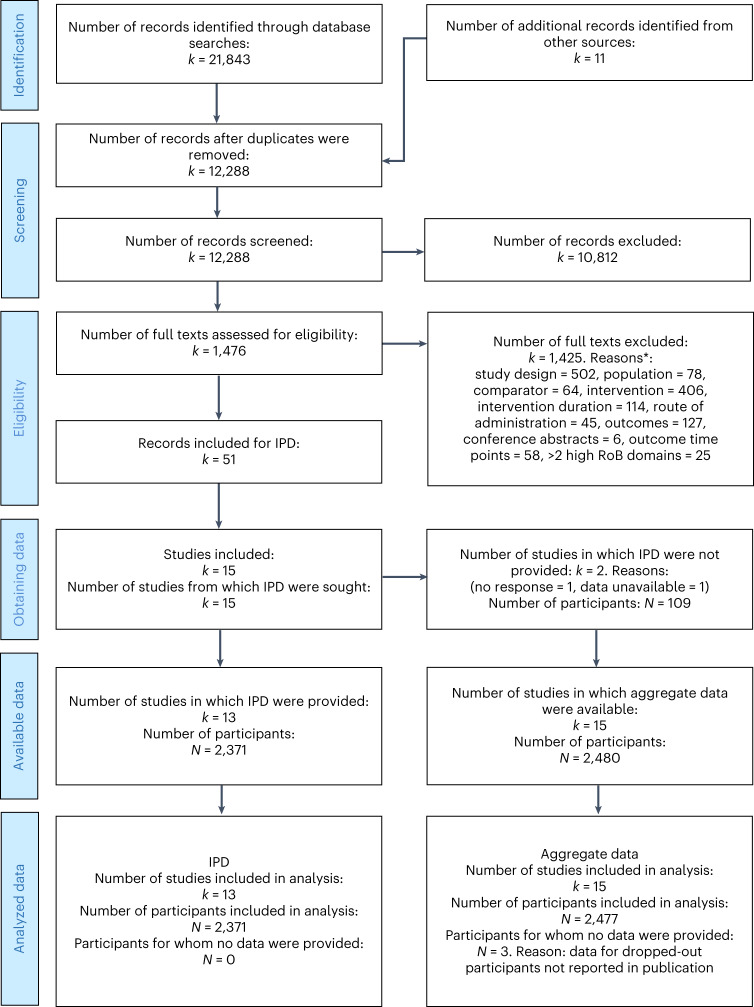
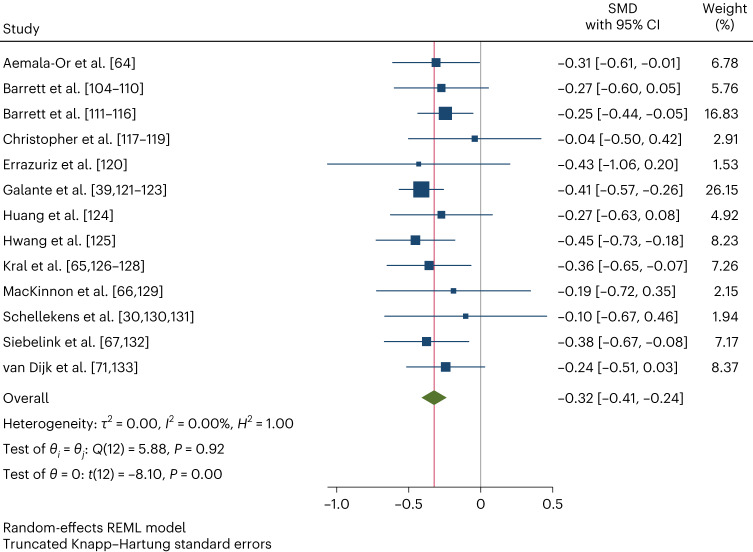
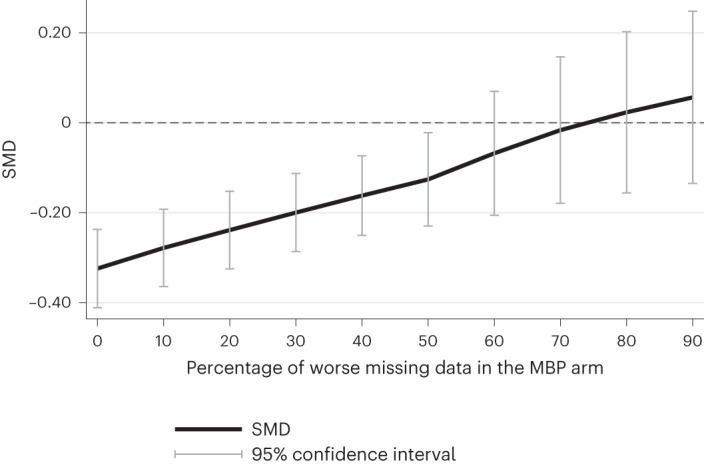
Introduction: Mindfulness-based programmes (MBPs) are widely used to prevent mental ill-health that is becoming the leading global cause of morbidity. Evidence suggests beneficial average effects but wide variability. We aimed to confirm the effect of MBPs on psychological distress, and to understand whether and how baseline distress, gender, age, education, and dispositional mindfulness modify the effect of MBPs on distress among adults in non-clinical settings. Methods: We conducted a pre-registered systematic review and individual participant data (IPD) meta-analysis (PROSPERO CRD42020200117). Thirteen databases were searched in December 2020 for randomised controlled trials satisfying a quality threshold and comparing in-person, expert-defined MBPs in non-clinical settings with passive control groups. Two researchers independently selected, extracted, and appraised trials using the revised Cochrane Risk-of-Bias Tool (RoB2). Anonymised IPD of eligible trials were sought from collaborating authors. The primary outcome was psychological distress (unpleasant mental or emotional experiences including anxiety and depression) at 1 to 6 months after programme completion. Data were checked and imputed if missing. Pairwise, random-effects, two-stage IPD meta-analyses were conducted. Effect modification analyses followed a within-studies approach. Public and professional stakeholders were involved in the planning, conduct and dissemination of this study. Results: Fifteen trials were eligible, 13 trialists shared IPD (2,371 participants representing 8 countries, median age 34 years-old, 71% women, moderately distressed on average, 20% missing outcome data). In comparison with passive control groups, MBPs reduced average distress between one- and six-months post-intervention with a small to moderate effect size (standardised mean difference (SMD) -0.32; 95% confidence interval (CI) -0.41 to -0.24; p-value < 0.001; 95% prediction interval (PI) -0.41 to -0.24 (no heterogeneity)). Results were robust to sensitivity analyses, and similar for the other psychological distress time point ranges. Confidence in the primary outcome result is high. We found no clear indication that this effect is modified by baseline psychological distress, gender, age, education level, or dispositional mindfulness. Conclusions: Group-based teacher-led MBPs generally reduce psychological distress among community adults who volunteer to receive this type of intervention. More research is needed to identify sources of variability in outcomes at an individual level.
Overview
The claims and statistics of this paper haven’t been checked yet.
Run the check — free, no account needed. It reads the open-access text and checks the sources it cites.
Integrity signals
Registry
Cites
Statistics
Figures
Verification
Claims the paper makes
The claims and statistics of this paper haven’t been checked yet.
Run the check — free, no account needed. It reads the open-access text and checks the sources it cites.
Claims other papers make about this one
Each is checked against this paper’s own text: does it say what the citing paper says it does?
The source backs part of the claim, not all of it — or backs it for a different population, condition or comparison.
In the citing paper
“Meta-analyses and randomized trials indicate that mindfulness-based interventions can reduce depressive symptoms, perceived stress, and rumination among caregivers (Galante et al., 2023; Kor et al., 2021; Oh et al., 2022)”
From Mindfulness and rumination: stress pathways for caregivers of persons living with dementia. (2026) · cites this paper as Galante et al., 2023
Experimental — accuracy not yet measured
Self-check
Percentages, sums and reported differences re-computed from the paper’s own numbers.
The self-check needs the paper’s full text.
Citations
Cites
RoB 2: a revised tool for assessing risk of bias in randomised trials
Sterne, J. A. C., Savović, J., Page, M. J., Elbers, R. G., Blencowe, N. S., Boutron, I., Cates, C. J., Cheng, H.-Y., Corbett, M. S., Eldridge, S. M., et al. (2019) · BMJ · doi:10.1136/bmj.l4898 · Cited by 34,787 · cited 2×
“…completion; (f) At least one of the following candidate effect modifiers being reported: baseline psychological distress, gender, age, education, and dispositional mindfulness; and (g) A maximum of two risk-of-bias sources rated as ‘high’, before having obtained IPD, according to the RoB2 tool 93 .”
Self-citationGRADE: an emerging consensus on rating quality of evidence and strength of recommendations
Guyatt, G. H., Oxman, A. D., Vist, G. E., Kunz, R., Falck-Ytter, Y., Alonso-Coello, P., & Schünemann, H. J. (2008) · BMJ · doi:10.1136/bmj.39489.470347.ad · Cited by 23,305
Shamseer, L., Moher, D., Clarke, M., Ghersi, D., Liberati, A., Petticrew, M., Shekelle, P., Stewart, L. A., & the PRISMA-P Group (2015) · BMJ · doi:10.1136/bmj.g7647 · Cited by 13,120 · cited 1×
“This study is reported in accordance with the relevant PRISMA guidelines 91,92 .”
Multiple imputation using chained equations: Issues and guidance for practice
White, I. R., Royston, P., & Wood, A. M. (2011) · Statistics in Medicine · doi:10.1002/sim.4067 · Cited by 9,792 · cited 1×
“We imputed missing data following a prespecified plan 54,100,101 .”
Self-citationPower failure: why small sample size undermines the reliability of neuroscience
Button, K. S., Ioannidis, J. P. A., Mokrysz, C., Nosek, B. A., Flint, J., Robinson, E. S. J., & Munafò, M. R. (2013) · Nature Reviews Neuroscience · doi:10.1038/nrn3475 · Cited by 7,641 · cited 1×
“However, study designs other than IPD meta-analysis suffer from methodological shortcomings that make interaction analyses of potential effect modifiers at the individual participant level less reliable 80,81 .”
Vos, T., Allen, C., Arora, M., Barber, R. M., Bhutta, Z. A., Brown, A., Carter, A., Casey, D. C., Charlson, F. J., Chen, A. Z., et al. (2016) · The Lancet · doi:10.1016/s0140-6736(16)31678-6 · Cited by 7,253 · cited 1×
“Anxiety and depression prevalence increased by 14.9% and 18.4% from 2005 to 2015 respectively 3 , despite the increase in provision of treatment for common mental disorders 4 .”
InfluentialVos, T., Barber, R. M., Bell, B., Bertozzi-Villa, A., Biryukov, S., Bolliger, I., Charlson, F., Davis, A., Degenhardt, L., Dicker, D., et al. (2015) · The Lancet · doi:10.1016/s0140-6736(15)60692-4 · Cited by 6,414 · cited 1×
“Depression and other common mental health disorders are among the leading global causes of morbidity, generating a significant societal burden 1 .”
The effect of mindfulness based therapy on anxiety and depression: A meta analytic review
Hofmann, S. G., Sawyer, A. T., Witt, A. A., & Oh, D. (2010) · Journal of Consulting and Clinical Psychology · doi:10.1037/a0018555 · Cited by 3,846
Interpretation of random effects meta-analyses
Riley, R. D., Higgins, J. P. T., & Deeks, J. J. (2011) · BMJ · doi:10.1136/bmj.d549 · Cited by 2,884 · cited 1×
“We used restricted maximum likelihood to estimate heterogeneity in the intervention effect, and quantified heterogeneity using approximate prediction intervals 99 .”
Effects of mindfulness on psychological health: A review of empirical studies
Keng, S.-L., Smoski, M. J., & Robins, C. J. (2011) · Clinical Psychology Review · doi:10.1016/j.cpr.2011.04.006 · Cited by 2,687 · cited 1×
“However, preliminary evidence strongly suggests that MBPs’ effectiveness varies as a function of individual, participant-level differences, with many calling for studies with large enough sample sizes to study such differences properly 21–27 .”
Research works printed but not linked: 8
- Kabat-Zinn, J. Full Catastrophe Living, Revised Edition: How to Cope with Stress, Pain and Illness Using Mindfulness Meditation 2 edn (Piatkus, 2013).
- Burton, H., Sagoo, G. S., Pharoah, P. D. P. & Zimmern, R. L. Time to revisit Geoffrey Rose: strategies for prevention in the genomic era? Ital. J. Public Health 9, e8665–8661 (2012).
- Aeamla-Or, N. The Effect of Mindfulness-Based Stress Reduction on Stress, Depression, Self-Esteem and Mindfulness in Thai Nursing Students: a Randomised Controlled Trial. PhD thesis, Univ. Newcastle (2015).
- Covidence systematic review software (Veritas Health Innovation, 2019).
- Barrett, B. et al. P02.36. Meditation or exercise for preventing acute respiratory infection: a randomized controlled trial. BMC Complement. Altern. Med. https://doi.org/10.1370/afm.1376 (2012). · DOI · Paper page
- Baird, B., Riedner, B. A., Boly, M., Davidson, R. J. & Tononi, G. Increased lucid dream frequency in long-term meditators but not following MBSR training. Psychol. Conscious. (Wash. D.C.) 6, 40–54 (2019).
- Schellekens, M. P. J. et al. Mindfulness-based stress reduction in addition to treatment as usual for patients with lung cancer and their partners: results of a multi-centre randomized controlled trial. Int. J. Behav. Med. 23, S231 (2016).
- van Dijk, I. et al. Effect of mindfulness training on the course of psychological distress and positive mental health of medical students during their clinical clerkships. A cluster-randomized controlled trial. Int. J. Behav. Med. 23, S86 (2016).
Cited by
Sorted by citations
Ong, N. Y., Teo, F. J. J., Ee, J. Z. Y., Yau, C. E., Thumboo, J., Tan, H. K., & Ng, Q. X. (2024) · General Psychiatry · doi:10.1136/gpsych-2023-101115 · Cited by 93
Linardon, J., Messer, M., Goldberg, S. B., & Fuller‐Tyszkiewicz, M. (2023) · Clinical Psychology Review · doi:10.1016/j.cpr.2023.102370 · Cited by 78
Self-citationDavies, J. N., Faschinger, A., Galante, J., & Dam, N. T. V. (2024) · Scientific Reports · doi:10.1038/s41598-024-64562-y · Cited by 68
“Increases in accessibility 52 , evidence regarding health and wellbeing benefits 10–12 , and barriers to accessing conventional mental health services 38,39 may be contributing to increases in use across all practices.”
BackgroundSelf-citationAbellaneda‐Pérez, K., Potash, R. M., Pascual‐Leone, Á., & Sacchet, M. D. (2024) · Neuroscience & Biobehavioral Reviews · doi:10.1016/j.neubiorev.2024.105862 · Cited by 49
Mental health disorders and their impact on cardiovascular health disparities
Vaccarino, V., Prescott, E., Shah, A. J., Bremner, J. D., Raggi, P., Dobilienė, O., Gale, C. P., & Bugiardini, R. (2025) · The Lancet Regional Health - Europe · doi:10.1016/j.lanepe.2025.101373 · Cited by 44
“73 Mantra-based meditation such as transcendental meditation have also shown potential efficacy, but studies on psychiatric patients are limited.”
Min, H. J., Park, S. H., Lee, S., Lee, B.-H., Kang, M.-K., Kwon, M. J., Chang, M. J., Negi, L. T., Samphel, T., & Won, S. (2024) · Behavioral Sciences · doi:10.3390/bs14060458 · Cited by 29
“…individuals relieve and manage stress or burnout, thereby reducing suffering and enhancing attention, self-awareness, and self-regulation [31–34 ,38, 39 Finally, SEE Learning is fundamentally based on compassion, or recognizing and relieving one’s own and others’ suffering while cultivating…”
BackgroundPoetar, C.-R., Bradley, N., & Voinescu, A. (2023) · Frontiers in Psychology · doi:10.3389/fpsyg.2023.1157469 · Cited by 23
Qü, P., Zhu, X., Zhou, H., Kang, Z., Li, R., Wen, J., Pan, F., Liu, Y. S., Zhu, T., Cao, Q., et al. (2024) · Frontiers in Psychology · doi:10.3389/fpsyg.2024.1381009 · Cited by 24
The sharing economy is not always greener: a review and consolidation of empirical evidence
Meshulam, T., Goldberg, S., Ivanova, D., & Makov, T. (2023) · Environmental Research Letters · doi:10.1088/1748-9326/ad0f00 · Cited by 29
Self-citationEconomic Inequality and Mental Health: Causality, Mechanisms, and Interventions
Rakesh, D., Shiba, K., Lamont, M., Lund, C., Pickett, K. E., VanderWeele, T. J., & Patel, V. (2025) · Annual Review of Clinical Psychology · doi:10.1146/annurev-clinpsy-081423-025710 · Cited by 20
Juul, L., Frydenberg, M., Bonde, E. H., Beck, M. S., Gøtzsche, K., Nielsen, H. B., & Fjorback, L. O. (2025) · Social Science & Medicine · doi:10.1016/j.socscimed.2025.118117 · Cited by 16
An integrative framework for the mechanisms underlying mindfulness-induced cognitive change
Cásedas, L., Schooler, J. W., Vadillo, M. A., & Lupiáñez, J. (2024) · Nature Reviews Psychology · doi:10.1038/s44159-024-00374-1 · Cited by 19
Chen, S., & Qi, X. (2025) · Frontiers in Psychology · doi:10.3389/fpsyg.2025.1722669 · Cited by 19
Panzeri, A., Devita, M., Rosa, E. D., Bottesi, G., Brundisini, V., Guarrera, C., Ravelli, A., Ponza, I., Cattelan, A. M., Volpe, B., et al. (2023) · Psychiatry Research · doi:10.1016/j.psychres.2023.115609 · Cited by 11
“Follow-up assessments were planned after 3 and 6 months for theoretical and practical considerations (Galante et al., 2023; National Collaborating Centre for Mental Health, 2018).”
BackgroundNoha, A.-M. A., Asanov, I., & Buenstorf, G. (2024) · Social Science & Medicine · doi:10.1016/j.socscimed.2024.117442 · Cited by 11
Half a Century of Research for Mind–Body Interventions: A Scientometric Analysis
Sabé, M., Chen, C., Vancampfort, D., Firth, J., Smith, L., Stubbs, B., Rosenbaum, S., Schuch, F. B., Prada, P., Saccaro, L. F., et al. (2025) · Mindfulness · doi:10.1007/s12671-025-02592-x · Cited by 11
“…cognitive therapy practices (MBCT), playing a pivotal role in the incorporation of mind–body interventions as adjunctive measures in concurrent healthcare, particularly in mental disorders (Galante et al., 2023; Tan et al., 2023) and cancer-related symptoms management (Casuso-Holgado et al., 2022).”
Díez, G. G., Martin-Subero, I., Zangri, R. M., Kulis, M., Andreu, C. I., Blanco, I., Roca, P., Cuesta, P., García, C., Garzón, J., et al. (2023) · PLoS ONE · doi:10.1371/journal.pone.0283169 · Cited by 11
Teixeira, D. S., Fortes, S., Kestenberg, C. C. F., Alves, K., Campos, M. R., Neto, A. D. O., Ortega, F., García‐Campayo, J., & Demarzo, M. (2024) · Frontiers in Medicine · doi:10.3389/fmed.2024.1356040 · Cited by 18
Deane, G., Mago, J., Fotopoulou, A., Sacchet, M. D., Carhart-Harris, R. L., & Sandved-Smith, L. (2024) · PsyArXiv (OSF Preprints) · doi:10.31234/osf.io/x7aew · Cited by 11
Burić, I., Žderić, L., Koch, P., & de Bruin, C. (2024) · Journal of Affective Disorders · doi:10.1016/j.jad.2024.12.076 · Cited by 11
Childhood maltreatment, mindfulness, and the mediating role of rumination in college students
Fox, S. W., Morgan, V. R., Strait, G. G., Strait, J. E., & Ranton, K. (2024) · Current Psychology · doi:10.1007/s12144-024-07033-x · Cited by 7
“Mindfulness-based interventions have been found to be effective in treating depression, anxiety, and stress (Chiesa & Serretti, 2011; Galante et al., 2023; Grossman et al., 2004; Khoury et al., 2013), while dispositional or trait mindfulness (i.e., the tendency to be mindful in day-to-day…”
Laurent, H. K., Haigler, K., Sbrilli, M. D., Suzuki, K., & Duncan, L. G. (2025) · BMC Pregnancy and Childbirth · doi:10.1186/s12884-025-07676-z · Cited by 7
“Meta-analyses have typically demonstrated more reliable effects of mindfulness training on individual well-being, with moderate-sized effects on psychological distress in adult community samples [5].”
Puhlmann, L. M. C., Vrtička, P., Linz, R., Valk, S. L., Papassotiriou, I., Chrousos, G. P., Engert, V., & Singer, T. (2024) · Biological Psychiatry Global Open Science · doi:10.1016/j.bpsgos.2024.100414 · Cited by 7
Mind the Echo Chamber: Mindfulness as a Contemplative Practice That can Contribute to Public Health
Galante, J., & Dam, N. T. V. (2024) · Mindfulness · doi:10.1007/s12671-024-02343-4 · Cited by 6
Self-citationJong, M. A.-D., Geurts, D. E. M., Spinhoven, P., Ruhé, H. G., & Speckens, A. E. M. (2025) · Journal of General Internal Medicine · doi:10.1007/s11606-025-09529-z · Cited by 7
Self-citationPiguet, C., Celen, Z., Meuleman, B., Schilliger, Z., Smith, M. M., Mendola, E., Pham, E., Jouabli, S., Ivanova, V., Murray, R. J., et al. (2025) · Depression and Anxiety · doi:10.1155/da/2679049 · Cited by 10
“The general improvement in psychological distress seems to be robust [33], as well as the speci fi c impact on anxiety disorders in adults, where it was shown noninferior to antidepressant SSRI [34].”
Work Hours, Stress, and Burnout Among Resident Physicians
Tan, S. F., Siddiqui, H., Pinto, A. A., Paur, B., Chen, G., Elfenbein, D. M., Minichiello, V. J., Barrett, B., Davidson, R. J., & Goldberg, S. B. (2026) · JAMA Network Open · doi:10.1001/jamanetworkopen.2025.53974 · Cited by 6
Self-citationBanzi, A., Sacco, P. L., Vanutelli, M. E., & Lucchiari, C. (2026) · Behavioral Sciences · doi:10.3390/bs16010116 · Cited by 5
Matiz, A., Pascut, S., Fabbro, F., & Crescentini, C. (2025) · Mindfulness · doi:10.1007/s12671-025-02573-0 · Cited by 7
“The higher percentage of women in the MBI group may have magnified the effects of the MBI; however, the influence of gender on MBI outcomes has not yet been confirmed (Galante et al., 2023).”
Psychoneuroimmunology of Mindfulness: What works, how it works, and for whom?
Burić, I. (2025) · Brain Behavior & Immunity - Health · doi:10.1016/j.bbih.2025.101022 · Cited by 6
Jönhagen, E., Wood, T., Niemi, M., & Galante, J. (2024) · PLoS ONE · doi:10.1371/journal.pone.0301593 · Cited by 5
Self-citationLi, H., Yang, Y., Li, Y., & Zeng, Y. (2024) · International Journal of Sexual Health · doi:10.1080/19317611.2024.2360739 · Cited by 5
“…determined the protective role of mindfulness-based interventions and mindfulness practices for both heterosexual and gay men’s psychological health (Galante et al., 2023; Gayner et al., 2012; Hoge et al., 2015; Iacono, 2018; Kearns et al., 2016; Lau et al., 2020; Schanche et al., 2020; Tan, 2016;…”
Holas, P., & Wardęszkiewicz, J. (2026) · Mindfulness · doi:10.1007/s12671-025-02738-x · Cited by 5
“…evidence indicates that MBCT and related mindfulness-based interventions (MBIs), such as Mindfulness-Based Stress Reduction (MBSR), significantly reduce anxiety and perceived stress, with effect sizes comparable to standard psychological treatments (Fumero et al., 2020; Galante et al., 2023).”
Casellas, À., Casellas‐Grau, A., Serra, À., & Alibés, E. B. I. (2024) · European Journal of Medical Genetics · doi:10.1016/j.ejmg.2024.104984 · Cited by 4
Tsubono, K., & Mitoku, S. (2025) · Psychology in the Schools · doi:10.1002/pits.70040 · Cited by 4
“Recently, the delivery system of mindfulness programs has changed with the emergence of new technology (Galante et al. 2023).”
InfluentialPuhlmann, L. M. C., & Engert, V. (2025) · Frontiers in Endocrinology · doi:10.3389/fendo.2025.1415081 · Cited by 5
Davies, J. N., Bailey, C., Galante, J., & Dam, N. T. V. (2025) · BMC Complementary Medicine and Therapies · doi:10.1186/s12906-025-05183-4 · Cited by 4
“…while there is good evidence that specific forms of meditation (e.g. mindfulness) can be beneficial for several health and wellbeing outcomes [3, 4], recent data suggests that meditation is not helpful for everyone, and that adverse effects ranging from mild anxiety, emotional and sleep…”
Self-citationSoláriková, P., & Bartolen, I. (2025) · Acta Psychologica · doi:10.1016/j.actpsy.2025.104697 · Cited by 4
Volpini, V., Bricca, S., Ubaldi, F., Ghaffar, T., Platania, S., Valeriani, F., & Spica, V. R. (2025) · Sports Medicine and Health Science · doi:10.1016/j.smhs.2025.07.007 · Cited by 5
From Clinic to Community: A Public Health Approach to Mindfulness
Medvedev, O. N., & Krägeloh, C. U. (2025) · Mindfulness · doi:10.1007/s12671-025-02550-7 · Cited by 3
“…of mindfulness and meditation practices has resulted in the mindfulness literature gaining mainstream acceptance, and MBIs are now recognized as an evidence-based approach not only to address psychological distress but also to improve psychological well-being more broadly (Galante et al., 2023).”
Self-citationMindfulness as a mediating mechanism between health importance and positive mental well-being
Borges, A. P., Rodrigues, P. C. L., Brochado, A. M., & Sousa, A. (2025) · International Journal of Pharmaceutical and Healthcare Marketing · doi:10.1108/ijphm-07-2024-0069 · Cited by 2
Two weeks to tune in: Evaluating the effects of a short‐term body scan on interoception
Schwerdtfeger, A. R., Weber, B., & Rominger, C. (2025) · Applied Psychology Health and Well-Being · doi:10.1111/aphw.70073 · Cited by 2
“Mindfulness practices have been discussed to benefit mental health (Galante et al., 2023; Hanley et al., 2015; Johnson et al., 2023; Keng et al., 2011; Remskar et al., 2024) with four neurobiologically based key mechanisms being involved: Attention regulation, body awareness, emotion regulation,…”
Climate anxiety impairs sustained attention: objective evidence of a cognitive cost
Denkova, E., Tardibuono, T. K., Tsukahara, J. S., Zanesco, A. P., & Jha, A. P. (2025) · Frontiers in Psychology · doi:10.3389/fpsyg.2025.1624782 · Cited by 2
Real-World Meditation App Engagement: Longitudinal Study of the Medito Meditation App
Adams, J. A., Davies, J. N., Wattanatakulchat, P., Galante, J., D’Alfonso, S., & Christodoulides, N. (2026) · JMIR mhealth and uhealth · doi:10.2196/79366 · Cited by 2
Self-citationDenkova, E., Tardibuono, T. K., Zanesco, A. P., Montenegro, C. S., Rooks, J. D., Rogers, S. L., & Jha, A. P. (2026) · Mindfulness · doi:10.1007/s12671-026-02786-x · Cited by 2
Cheng, D., Young, D. K. W., Carlbring, P., Petrus Yat-nam, N. G., & Hung, S. L. (2023) · Journal of Evidence-Based Social Work · doi:10.1080/26408066.2023.2281418 · Cited by 2
Н.А., Б. (2024) · International journal of medicine and psychology. · doi:10.58224/2658-3313-2024-7-5-143-153 · Cited by 2
Who Wants to be Mindful? Personality Predictors of Meditation Practice
Ryakhovskaya, Y., Dam, N. T. V., & Smillie, L. D. (2025) · Mindfulness · doi:10.1007/s12671-025-02526-7 · Cited by 2
“Given evidence linking meditation to improved well-being and mental health (Galante et al., 2023) personality predictors of meditation could help explain some of the variance that personality shares with these positive life outcomes (Anglim et al., 2020; Kotov et al., 2010).”
Shahyad, S., Mohammadzadegan, R., Saadat, S. H., Hatef, B., Jahromi, G. P., & Hassanvandi, S. (2025) · Applied Psychophysiology and Biofeedback · doi:10.1007/s10484-025-09690-5 · Cited by 4
“Mindfulness is a form of awareness that emerges through paying attention to the goal in the present moment and not judging the unfolding of moment-to-moment experiences (Galante et al., 2023; Kabat-Zinn, 2003).”
Hirshberg, M. J., Flook, L., Sundaram-Stukel, R., & Davidson, R. J. (2021) · doi:10.31234/osf.io/bxy2a · Cited by 2
Self-citationPandya, S. P. (2024) · Child & Family Behavior Therapy · doi:10.1080/07317107.2024.2429767 · Cited by 1
“…populations, have supported that privileged classes (middle and upper classes) tend to have a greater positive impact of spiritual interventions (Galante et al., 2023; Sauer et al., 2013; van der Oord et al., 2014), but the finer distinction between middle classes and the elite subgroups has…”
Arnaud, N., Fritsch, N., & Thomasius, R. (2024) · Praxis der Kinderpsychologie und Kinderpsychiatrie · doi:10.13109/prkk.2024.73.7.627 · Cited by 1
Jo, D., Pan, M. C., & Masuda, A. (2025) · Mindfulness · doi:10.1007/s12671-025-02536-5 · Cited by 1
“There is now sufficient theoretical and empirical evidence suggesting the benefits of mindfulness-based interventions (Dawson et al., 2020; Galante et al., 2023; Goldberg et al., 2022; Haller et al., 2021; Tran et al., 2022).”
Ramasawmy, P., Antal, A., Gamboa, O. L., Petzke, F. W., & Kästner, A. (2025) · Clinical Journal of Pain · doi:10.1097/ajp.0000000000001319 · Cited by 2
Juul, L., Frydenberg, M., Bonde, E. H., Beck, M. S., Gøtzsche, K., Bruggisser, S., & Fjorback, L. O. (2025) · npj Mental Health Research · doi:10.1038/s44184-025-00150-w · Cited by 1
Teixeira-Santos, A. C., Gomes, L., Pereira, D. R., Ribeiro, F. S., Carvalheiro, J., Godinho, C., Silva‐Fernandes, A., Bihan, E. L., Federspiel, C., Steinmetz, J., et al. (2025) · International Journal of Clinical and Health Psychology · doi:10.1016/j.ijchp.2025.100642 · Cited by 3
“Previous meta-analysis has shown that mindfulness is superior to passive control comparisons, such as wait-list, in reducing distress (Galante et al., 2023; Whitfield et al., 2022).”
Bailey, C., Dam, N. T. V., Davies, J. N., Schilling, C. G., & Galante, J. (2026) · Mindfulness · doi:10.1007/s12671-026-02788-9 · Cited by 1
Self-citationAn Umbrella Review of Meta-analyses of School-Based Mindfulness Based Interventions (MBIs)
Grennan, S., O’Dowd, A., Twomey, C. D., O’Connor, M., & Carr, A. (2026) · Mindfulness · doi:10.1007/s12671-026-02809-7 · Cited by 2
“The evidence base for MBIs with adult populations is more robust, with positive impact across all four variables reviewed in this paper, and with larger effect sizes (Galante et al., 2023).”
Burić, I., ter Avest, M. J., Helmond, P., Assink, M., Nikolić, M., Pizarro-Carmona, A., Möller, E. L., de Bruin, E. I., Bögels, S. M., Greven, C. U., et al. (2026) · Mindfulness · doi:10.1007/s12671-026-02832-8 · Cited by 1
“Individual participant data (IPD) meta-analyses can address this limitation by using raw, participant-level data, enabling a more precise examination of moderators and associations (e.g. Galante et al., 2023; Riley et al., 2021).”
Self-citationKamollimsakul, S., von Bormann, S. M., & Triamchaisri, S. K. (2026) · PLoS ONE · doi:10.1371/journal.pone.0350556 · Cited by 1
“Conventional Mindfulness-Based Programs (MBPs), most notably Mindfulness-Based Stress Reduction (MBSR) or Mindfulness-Based Cognitive Therapy (MBCT), function primarily by anchoring the individual in non-judgmental awareness, leveraging top-down cognitive reappraisal to regulate distress [8,9].”
Personalized prediction of response to three meditation practices: A randomized controlled trial
Simonsson, O., Webb, C. A., Ruiz, M., Osika, W., Narayanan, J., Dahlén, M., Lutz, W., Schwartz, B., Ren, B., Dahl, C. J., et al. (2026) · Behaviour Research and Therapy · doi:10.1016/j.brat.2026.105141 · Cited by 1
Self-citationТерапевтическое присутствие: взгляд через созерцательные практики
Ярмолюк, Р. (2024) · Психологические исследования · doi:10.54359/ps.v17i94.1585
Ueki, S., Kaneda, Y., Ozaki, A., Kotera, Y., Tanimoto, T. E., Omoto, Y., Kurosaki, K., Yamazaki, H., Yoshida, T., Mizoue, N., et al. (2024) · SN Comprehensive Clinical Medicine · doi:10.1007/s42399-024-01722-1 · Cited by 1
“Still, mental health issues are significant concerns, and self-administered mental health interventions, such as mindfulness practices and self-compassion techniques, could prove beneficial in maintaining optimal psychological well-being [26, 27].”
Luο, X. (2024) · American Journal of Health Behavior · doi:10.5993/ajhb.48.5.13 · Cited by 1
Sun, S., Pisani, C., Pellowski, J. A., Go, M., & Loucks, E. B. (2025) · Mindfulness · doi:10.1007/s12671-025-02699-1 · Cited by 1
“…(MBCT), encompass practices such as body awareness, gentle yoga, mindful walking, and self-kindness, and they have been shown to improve psychological health, reduce food craving, improve sleep quality, and facilitate a healthy lifestyle (Galante et al., 2023; Mace et al., 2024; Tapper, 2022).”
Mindfulness and rumination: stress pathways for caregivers of persons living with dementia.
Savla, J., Mansoor, M., Kim, N., Hagemann, L., Luci, K., & Sapra, M. (2026) · The Gerontologist · doi:10.1093/geront/gnag103
“…randomized trials indicate that mindfulness-based interventions can reduce depressive symptoms, perceived stress, and rumination among caregivers (Galante et al., 2023; Kor et al., 2021; Oh et al., 2022), although effects are often comparable to those observed in strong active controls such as…”
A comprehensive matrix of factors contributing to depression
Medvedev, O. N., & Krägeloh, C. U. (2023) · Nature Mental Health · doi:10.1038/s44220-023-00126-9
Self-citationFriedrich, C., Fairbairn, T., Denton, G., Geddes, M., Thomas-Carr, D., Jones, P. B., & Galante, J. (2023) · doi:10.31234/osf.io/jpu9c
Self-citationFriedrich, C., Fairbairn, T., Denton, G., Geddes, M., Thomas-Carr, D., Jones, P. B., & Galante, J. (2024) · Systematic Reviews · doi:10.1186/s13643-024-02601-5
Self-citationPrevost, V., Razafimandimby, A., Leclair, M., Sesboüé, A., Bui, É., Bocca, M., Delamillieure, P., & Lechevrel, M. (2025) · Annales Médico-psychologiques revue psychiatrique · doi:10.1016/j.amp.2024.12.008
Katzenelenbogen, O., & Aisenberg-Shafran, D. (2025) · Behavioral Sciences · doi:10.3390/bs15040466
“Mindfulness has been widely recognized for its role in promoting emotional well-being and cognitive functions across different age groups (Jha et al., 2015; Goldberg et al., 2022; Galante et al., 2023; Zenner et al., 2014).”
Borgers, C., Karremans, J., & Speckens, A. E. M. (2025) · Mindfulness · doi:10.1007/s12671-025-02589-6
“These include reduced distress levels (Galante et al., 2023), attenuations in depression and psychiatric symptoms, smoking and substance use (Goldberg et al., 2022), and improvements in cognitive functioning (Im et al., 2021), happiness and productivity (Coo & Salanova, 2018), and social…”
Self-citationAdams, J. A., Davies, J. N., Wattanatakulchat, P., Galante, J., D’Alfonso, S., & Dam, N. T. V. (2025) · doi:10.2196/preprints.79366
Self-citationGarofalo, C., Billen, E., Adams, C. F., Velotti, P., Mazzeschi, C., Delvecchio, E., & Gillespie, S. M. (2025) · Assessment · doi:10.1177/10731911251365742
“…perhaps unsurpris-ingly, the application of mindfulness-based interventions has skyrocketed across various contexts (Fulambarkar et al., 2023; Galante et al., 2023; Zhang et al., 2021) Initially applied mainly to target internalizing symptoms, mindfulness may also hold promise for studying…”
Cullen, D., Cavanagh, K., & Strauss, C. (2025) · PLoS ONE · doi:10.1371/journal.pone.0331196
Pedersen, L. B., Ramsdal, N. B., Fjorback, L. O., Ravn, S. L., Kolls, M., & Skovbjerg, S. (2025) · PLOS mental health. · doi:10.1371/journal.pmen.0000412
Strengthening Public Health in Portugal: The Value of Behavioural Science
Godinho, C. I. A., & Marques, M. M. (2025) · Portuguese Journal of Public Health · doi:10.1159/000548677
ADINDU, K. N., Alao, O. J., Ige, T., Nwudele, U., OHANU, C., ONAKOYA, A., Anadu, J. U., Awoyemi, B., Chukwunonye, C., & Riches, A. (2025) · British journal of healthcare and medical research · doi:10.14738/bjhr.1204.19102
Olarza, A., Nyklíček, I., Mindeguia, R., Soroa, G., & Aritzeta, A. (2025) · Mindfulness · doi:10.1007/s12671-025-02742-1
Mindfulness and Psychological Growth
Wajanatinapart, P. (2025) · Springer eBooks · doi:10.1007/978-981-95-3133-2_12
Sun, Y., Xu, Y., Kwok, T. T.-O., Sit, S. M.-M., & Lai, A. Y. K. (2026) · Mindfulness · doi:10.1007/s12671-026-02780-3 · Cited by 1
Burić, I., Žderić, L., Bögels, S. M., & de Bruin, E. I. (2026) · Mindfulness · doi:10.1007/s12671-026-02779-w
Self-citationTrauma und sexuelle Gesundheit
Hocke, A. (2026) · Die Gynäkologie · doi:10.1007/s00129-026-05481-z
Cui, X. (2026) · Revista da Escola de Enfermagem da USP · doi:10.1590/1980-220x-reeusp-2025-0379en
“…a positive nurse–patient relationship and providing psychological counseling and cognitive reconstruction help patients recognize and modify negative cognitive patterns and maladaptive thinking habits, improve emotional regulation abilities, and relieve depressive and anxious symptoms (19) .”
Cui, X. (2026) · Revista da Escola de Enfermagem da USP · doi:10.1590/1980-220x-reeusp-2025-0379es
Lamas-Morales, P., García-Rubio, C., Beltrán-Ruiz, M., Barceló‐Soler, A., del Hoyo, Y. L., & García‐Campayo, J. (2026) · Mindfulness · doi:10.1007/s12671-026-02825-7
“anxiety, and depression (Galante et al., 2023; Zhang et al., 2021).”
Kanda, J., & Rani, R. (2026) · Emerald Group Publishing Limited eBooks · doi:10.1108/978-1-83708-156-120261014
Adachi, K., Kurosawa, T., & Takizawa, R. (2026) · Scientific Reports · doi:10.1038/s41598-026-46317-z
Türer, O. U., Özcan, M., Alkaya, B., Demirbilek, F., Kayhan, H. G., Dağlıoğlu, G., Totik, N., Şeydaoğlu, G., & Haytac, M. C. (2026) · BMC Psychology · doi:10.1186/s40359-026-04571-w
Saha, S., Singh, M. K., Tiwari, U., Prasad, B., Choudhary, P. K., & Astuti, Y. (2026) · Pedagogy of Physical Culture and Sports · doi:10.15561/26649837.2026.0205
“A recent individual participant data meta-analysis of 13 trials conducted across eight countries (N = 2,371) reported that mindfulness-based programs produce small-to-moderate reductions in psychological distress [41].”
Ariza, M., Cano, N., Carnes, A., Gelonch, O., Plana, Y., Porras-García, B., López-Soley, E., Moron, S., Piñol‐Ripoll, G., Garolera, M., et al. (2026) · Digital Health · doi:10.1177/20552076261428205
“30 Mindfulness training in VR has been associated with signi fi cant mindfulness improvements in individuals with mental health disorders, but not in those with chronic physical conditions.”
Trusculescu, L.-M., Kiș, A. M., Popovici, R. A., Sălcudean, A., Pitic, D. E., Feher, A., Enache, A., & Olariu, I. (2026) · Digital · doi:10.3390/digital6020034
Zhang, H., & Li, X. (2026) · International Journal of Human-Computer Interaction · doi:10.1080/10447318.2026.2674839
Miksic, I., Muza, E., Marijanovic, I., Kišiček, S., & Burić, I. (2026) · Mindfulness · doi:10.1007/s12671-026-02876-w
“While the beneficial effects of MBIs on adults are rigorously established through numerous meta-analyses and systematic reviews (Galante et al., 2023; Tan et al., 2022; Virgili, 2015), when it comes to children and adolescents, the results remain mixed.”
Simard, A., F.-Dufour, I., Goulet, S., & Hudon, C. (2026) · Canadian Journal on Aging / La Revue canadienne du vieillissement · doi:10.1017/s0714980826100701
Михайловна, Б. П., Smith, L. M., Riordan, K. M., Simonsson, O., Dottori, L. T., Song, H. Q., Shashko, N. S., Tatar, R., Baldwin, S. A., Bernstein, A., et al. (2026) · JMIR Mental Health · doi:10.2196/90602
“Meditation-based interventions (MBIs) have become widely recognized treatments for a range of mental and physical health conditions, with comparable efficacy to established psychological treatments [1-4].”
Self-citationArgungu, Z. M., Alhaiti, A. H., & Jibreel, E. A. (2026) · European Archives of Psychiatry and Clinical Neuroscience · doi:10.1007/s00406-026-02288-w
“These findings align with those of Galante et al. (2023), who reported similar effect sizes in their individual patient data meta-analysis of MBCT for relapse prevention in recurrent depression [58].”
InfluentialThe effects of mindfulness levels on menstrual symptoms and irritability in university students
Ceylan, S., Buyrukoğlu, R. C., & Sevinç, A. M. (2026) · Turkish Journal of Family Practice · doi:10.54308/tjfp.2026.902
Siew, S. K. H., & Yu, J. (2026) · PLoS ONE · doi:10.1371/journal.pone.0352195
Metadata
- Authors
- Galante, J., Friedrich, C., Collaboration of Mindfulness Trials (CoMinT), Aeamla-Or, N., Arts-de Jong, M., Barrett, B., Bögels, S. M., Buitelaar, J. K., Checovich, M. M., Christopher, M. S., Davidson, R. J., Errazuriz, A., Goldberg, S. B., Greven, C. U., Hirshberg, M. J., Huang, S.-L., Hunsinger, M., Hwang, Y.-S., Jones, P. B., Medvedev, O. N., Rosenkranz, M. A., Schellekens, M. P. J., Siebelink, N. M., Singh, N. N., Speckens, A. E. M., Tang, F.-C., Tomfohr-Madsen, L., Dalgleish, T., Jones, P. B., & White, I. R.
- Affiliations
- The University of Melbourne (AU)
- University of Cambridge (GB)
- University of Phayao (TH)
- University of Wisconsin–Madison (US)
- University of Amsterdam (NL)
- Radboud University Nijmegen (NL)
- Pacific University Oregon (US)
- Chung Shan Medical University Hospital (TW)
- Australian Catholic University (AU)
- University of Waikato (NZ)
- Radboud University Medical Center (NL)
- Augusta University (US)
- Chaoyang University of Technology (TW)
- MRC Cognition and Brain Sciences Unit (GB)
- MRC Clinical Trials Unit at UCL (GB)
- Corresponding author
- Galante, Julieta
- ORCID
- Galante, Julieta
- Friedrich, Claire
- Arts-de Jong, Marieke
- Barrett, Bruce
- Bögels, Susan M.
- Buitelaar, Jan K.
- Checovich, Mary M.
- Christopher, Michael S.
- Davidson, Richard J.
- Errazuriz, Antonia
- Goldberg, Simon B.
- Greven, Corina U.
- Hirshberg, Matthew J.
- Huang, Shu-Ling
- Hunsinger, Matthew
- Hwang, Yoon-Suk
- Medvedev, Oleg N.
- Rosenkranz, Melissa A.
- Schellekens, Melanie P. J.
- Siebelink, Nienke M.
- Singh, Nirbhay N.
- Speckens, Anne E. M.
- Tang, Feng-Cheng
- Dalgleish, Tim
- White, Ian R.
- Venue
- Nature Mental Health
- Published
- 2023-07-10
- Volume
- 1
- Issue
- 7
- Pages
- 462-476
- ISSN
- 2731-6076 (ISSN-L)
- PMC
- PMC7615230
- OpenAlex
- W4383815381
- Cited by
- 113
- References
- 116
- Citations by year
- 2026: 43 · 2025: 37 · 2024: 23 · 2023: 9
- FWCI
- 5.67
- Type
- journal article
- Language
- en
- Open access
- hybrid
- doi.org
- Locations
- Nature Mental Health (publishedVersion, cc-by)
- PubMed Central (publishedVersion, cc-by)
- Research portal (Tilburg University) (publishedVersion, cc-by)
- PubMed (publishedVersion)
- UvA-DARE (University of Amsterdam) (submittedVersion, cc-by)
- Research Commons (University of Waikato) (submittedVersion, cc-by)
- Greater South Information System
- Funders
- DH | National Institute for Health Research (PDF-2017-10-018, BRC-1215-20014, NA)
- Cambridgeshire & Peterborough NHS Foundation Trust
- U.S. Department of Health & Human Services | NIH | National Center for Complementary and Integrative Health (K23AT010879)
- Hope for Depression Research Foundation
- RCUK | Medical Research Council (SUAG/043 G101400, MR/N019067/1, MC_UU_00004/06)
- Topics
- Social Sciences › Psychology › Clinical Psychology › Mindfulness and Compassion Interventions
- Social Sciences › Psychology › Applied Psychology › Digital Mental Health Interventions
- Social Sciences › Psychology › Clinical Psychology › Psychotherapy Techniques and Applications
- Keywords
- mental health promotion, psychological distress, anxiety, depression, non-clinical adults, community-based intervention, teacher-led intervention, effect modification, trait mindfulness, gender differences, age and education effects, heterogeneous effects
About these checks
Registry, retraction, Cites and statistics results are computed, not judged, with one exception: a printed reference that no index lists is read once by a model before it counts as a citation error. Claims are extracted by a model and kept only when their quote appears verbatim in the text; each cited source is then checked, with a model’s help, for whether it says what the claim relies on. Those verdicts can be wrong — read the claim’s quote and the cited source before relying on one.
Statistics and arithmetic are recomputed, not judged.
Confidence bands are shown only for fields calibrated on our annotated test set. None is calibrated yet, so no band is shown.
What counts as a claim ›How we measure confidence ›How we check this ›
Are you an author, or do you see a problem with this page? Request a review
