

The DOI matches its Crossref record; 115 of the 116 references it cites were found in a registry or an index.
Systematic review and individual participant data meta-analysis of randomized controlled trials assessing mindfulness-based programs for mental health promotion
Open accessAbstract
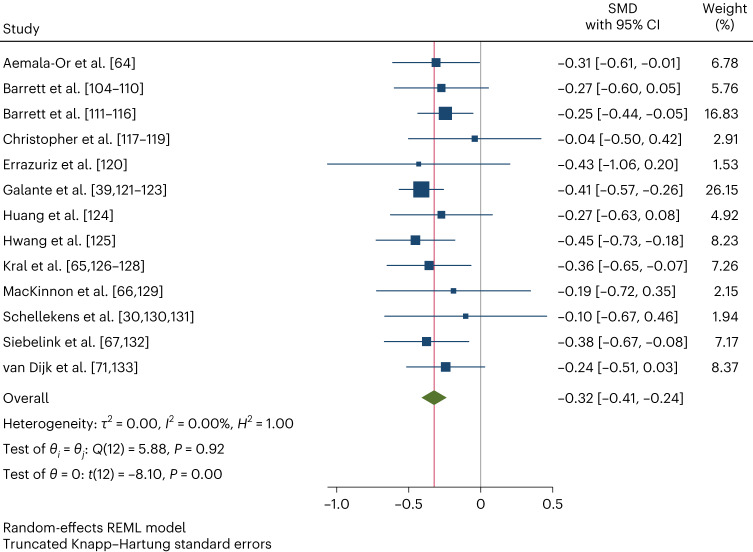
Introduction: Mindfulness-based programmes (MBPs) are widely used to prevent mental ill-health that is becoming the leading global cause of morbidity. Evidence suggests beneficial average effects but wide variability. We aimed to confirm the effect of MBPs on psychological distress, and to understand whether and how baseline distress, gender, age, education, and dispositional mindfulness modify the effect of MBPs on distress among adults in non-clinical settings. Methods: We conducted a pre-registered systematic review and individual participant data (IPD) meta-analysis (PROSPERO CRD42020200117). Thirteen databases were searched in December 2020 for randomised controlled trials satisfying a quality threshold and comparing in-person, expert-defined MBPs in non-clinical settings with passive control groups. Two researchers independently selected, extracted, and appraised trials using the revised Cochrane Risk-of-Bias Tool (RoB2). Anonymised IPD of eligible trials were sought from collaborating authors. The primary outcome was psychological distress (unpleasant mental or emotional experiences including anxiety and depression) at 1 to 6 months after programme completion. Data were checked and imputed if missing. Pairwise, random-effects, two-stage IPD meta-analyses were conducted. Effect modification analyses followed a within-studies approach. Public and professional stakeholders were involved in the planning, conduct and dissemination of this study. Results: Fifteen trials were eligible, 13 trialists shared IPD (2,371 participants representing 8 countries, median age 34 years-old, 71% women, moderately distressed on average, 20% missing outcome data). In comparison with passive control groups, MBPs reduced average distress between one- and six-months post-intervention with a small to moderate effect size (standardised mean difference (SMD) -0.32; 95% confidence interval (CI) -0.41 to -0.24; p-value < 0.001; 95% prediction interval (PI) -0.41 to -0.24 (no heterogeneity)). Results were robust to sensitivity analyses, and similar for the other psychological distress time point ranges. Confidence in the primary outcome result is high. We found no clear indication that this effect is modified by baseline psychological distress, gender, age, education level, or dispositional mindfulness. Conclusions: Group-based teacher-led MBPs generally reduce psychological distress among community adults who volunteer to receive this type of intervention. More research is needed to identify sources of variability in outcomes at an individual level.
Overview
The claims and statistics of this paper haven’t been checked yet.
Run the check — free, no account needed. It reads the open-access text and checks the sources it cites.
Integrity signals
Registry
Cites
Statistics
Figures
Verification
Claims the paper makes
The claims and statistics of this paper haven’t been checked yet.
Run the check — free, no account needed. It reads the open-access text and checks the sources it cites.
Claims other papers make about this one
Each is checked against this paper’s own text: does it say what the citing paper says it does?
The source backs part of the claim, not all of it — or backs it for a different population, condition or comparison.
In the citing paper
“Meta-analyses and randomized trials indicate that mindfulness-based interventions can reduce depressive symptoms, perceived stress, and rumination among caregivers (Galante et al., 2023; Kor et al., 2021; Oh et al., 2022)”
From Mindfulness and rumination: stress pathways for caregivers of persons living with dementia. (2026) · cites this paper as Galante et al., 2023
Experimental — accuracy not yet measured
Self-check
Percentages, sums and reported differences re-computed from the paper’s own numbers.
The self-check needs the paper’s full text.
Citations
Cites
RoB 2: a revised tool for assessing risk of bias in randomised trials
Sterne, J. A. C., Savović, J., Page, M. J., Elbers, R. G., Blencowe, N. S., Boutron, I., Cates, C. J., Cheng, H.-Y., Corbett, M. S., Eldridge, S. M., et al. (2019) · BMJ · doi:10.1136/bmj.l4898 · Cited by 34,787 · cited 2×
“…completion; (f) At least one of the following candidate effect modifiers being reported: baseline psychological distress, gender, age, education, and dispositional mindfulness; and (g) A maximum of two risk-of-bias sources rated as ‘high’, before having obtained IPD, according to the RoB2 tool 93 .”
Self-citationGRADE: an emerging consensus on rating quality of evidence and strength of recommendations
Guyatt, G. H., Oxman, A. D., Vist, G. E., Kunz, R., Falck-Ytter, Y., Alonso-Coello, P., & Schünemann, H. J. (2008) · BMJ · doi:10.1136/bmj.39489.470347.ad · Cited by 23,305
Shamseer, L., Moher, D., Clarke, M., Ghersi, D., Liberati, A., Petticrew, M., Shekelle, P., Stewart, L. A., & the PRISMA-P Group (2015) · BMJ · doi:10.1136/bmj.g7647 · Cited by 13,120 · cited 1×
“This study is reported in accordance with the relevant PRISMA guidelines 91,92 .”
Multiple imputation using chained equations: Issues and guidance for practice
White, I. R., Royston, P., & Wood, A. M. (2011) · Statistics in Medicine · doi:10.1002/sim.4067 · Cited by 9,792 · cited 1×
“We imputed missing data following a prespecified plan 54,100,101 .”
Self-citationPower failure: why small sample size undermines the reliability of neuroscience
Button, K. S., Ioannidis, J. P. A., Mokrysz, C., Nosek, B. A., Flint, J., Robinson, E. S. J., & Munafò, M. R. (2013) · Nature Reviews Neuroscience · doi:10.1038/nrn3475 · Cited by 7,641 · cited 1×
“However, study designs other than IPD meta-analysis suffer from methodological shortcomings that make interaction analyses of potential effect modifiers at the individual participant level less reliable 80,81 .”
Vos, T., Allen, C., Arora, M., Barber, R. M., Bhutta, Z. A., Brown, A., Carter, A., Casey, D. C., Charlson, F. J., Chen, A. Z., et al. (2016) · The Lancet · doi:10.1016/s0140-6736(16)31678-6 · Cited by 7,253 · cited 1×
“Anxiety and depression prevalence increased by 14.9% and 18.4% from 2005 to 2015 respectively 3 , despite the increase in provision of treatment for common mental disorders 4 .”
InfluentialVos, T., Barber, R. M., Bell, B., Bertozzi-Villa, A., Biryukov, S., Bolliger, I., Charlson, F., Davis, A., Degenhardt, L., Dicker, D., et al. (2015) · The Lancet · doi:10.1016/s0140-6736(15)60692-4 · Cited by 6,414 · cited 1×
“Depression and other common mental health disorders are among the leading global causes of morbidity, generating a significant societal burden 1 .”
The effect of mindfulness based therapy on anxiety and depression: A meta analytic review
Hofmann, S. G., Sawyer, A. T., Witt, A. A., & Oh, D. (2010) · Journal of Consulting and Clinical Psychology · doi:10.1037/a0018555 · Cited by 3,846
Interpretation of random effects meta-analyses
Riley, R. D., Higgins, J. P. T., & Deeks, J. J. (2011) · BMJ · doi:10.1136/bmj.d549 · Cited by 2,884 · cited 1×
“We used restricted maximum likelihood to estimate heterogeneity in the intervention effect, and quantified heterogeneity using approximate prediction intervals 99 .”
Effects of mindfulness on psychological health: A review of empirical studies
Keng, S.-L., Smoski, M. J., & Robins, C. J. (2011) · Clinical Psychology Review · doi:10.1016/j.cpr.2011.04.006 · Cited by 2,687 · cited 1×
“However, preliminary evidence strongly suggests that MBPs’ effectiveness varies as a function of individual, participant-level differences, with many calling for studies with large enough sample sizes to study such differences properly 21–27 .”
Effect Sizes for Interpreting Changes in Health Status
Kazis, L. E., Anderson, J. J., & Meenan, R. F. (1989) · Medical Care · doi:10.1097/00005650-198903001-00015 · Cited by 2,401 · cited 1×
“…we have combined different instruments, although E u r op e P M C F und e r s A u t ho r M a nu s c r i p t s E u r op e P M C F und e r s A u t ho r M a nu s c r i p t s the effect size is within the range that has been proposed for defining minimally important difference based on effect size 73 .”
Stewart, L. A., Clarke, M., Rovers, M., Riley, R. D., Simmonds, M., Stewart, G., & Tierney, J. F. (2015) · JAMA · doi:10.1001/jama.2015.3656 · Cited by 2,134 · cited 1×
“This study is reported in accordance with the relevant PRISMA guidelines 91,92 .”
Mindfulness-based therapy: a comprehensive meta-analysis
Khoury, B., Lecomte, T., Fortin, G., Masse, M., Therien, P., Bouchard, V., Chapleau, M.-A., Paquin, K., & Hofmann, S. G. (2013) · Clinical Psychology Review · doi:10.1016/j.cpr.2013.05.005 · Cited by 2,003 · cited 1×
“There is evidence that MBPs targeted at stressed, anxious, or symptomatic groups have larger effects 20,30–33 .”
Meta-analysis of individual participant data: rationale, conduct, and reporting
Riley, R. D., Lambert, P. C., & Abo-Zaid, G. (2010) · BMJ · doi:10.1136/bmj.c221 · Cited by 1,701 · cited 2×
“…P M C F und e r s A u t ho r M a nu s c r i p t s estimating intervention effects, since the data can be checked and re-analysed consistently across all the included samples, RCT data unused in previous analyses can be included, and missing data can be accounted for at the individual level 60,61 .”
Brown, K. W., & Kasser, T. (2005) · Social Indicators Research · doi:10.1007/s11205-004-8207-8 · Cited by 1,098
Cénat, J. M., Blais-Rochette, C., Kokou-Kpolou, C. K., Noorishad, P.-G., Mukunzi, J. N., McIntee, S.-E., Dalexis, R. D., Goulet, M.-A., & Labelle, P. R. (2021) · Psychiatry Research · doi:10.1016/j.psychres.2020.113599 · Cited by 952 · cited 2×
“This tool considers bias due to (1) randomization, (2) deviations from intended interventions, (3) missing outcome data, (4) measurement of the outcome and (5) selection of the reported result.”
What defines mindfulness-based programs? The warp and the weft
Crane, R. S., Brewer, J., Feldman, C., Kabat-Zinn, J., Santorelli, S., Williams, J. M. G., & Kuyken, W. (2017) · Psychological Medicine · doi:10.1017/s0033291716003317 · Cited by 868 · cited 3×
“The review inclusion criteria, applied at the study level, were: (a) Parallel-arm RCTs, including cluster RCTs; (b) Group-based first generation MBPs as defined by Crane et al 19 , with a minimum intensity of four one-hour in-person teacher-led sessions or equivalent; (c) Passive control groups, such as no interventio…”
InfluentialKuyken, W., Warren, F. C., Taylor, R. S., Whalley, B., Crane, C., Bondolfi, G., Hayes, R., Huijbers, M., Ma, H., Schweizer, S., et al. (2016) · JAMA Psychiatry · doi:10.1001/jamapsychiatry.2016.0076 · Cited by 821
Self-citationRuss, T. C., Stamatakis, E., Hamer, M., Starr, J. M., Kivimaki, M., & Batty, G. D. (2012) · BMJ · doi:10.1136/bmj.e4933 · Cited by 637 · cited 1×
“If unaddressed, psychological distress can result in mental and physical health disorders 10 .”
Dunning, D. L., Griffiths, K., Kuyken, W., Crane, C., Foulkes, L., Parker, J., & Dalgleish, T. (2019) · Journal of Child Psychology and Psychiatry · doi:10.1111/jcpp.12980 · Cited by 610
Self-citationJorm, A. F., Patten, S. B., Brugha, T. S., & Mojtabai, R. (2017) · World Psychiatry · doi:10.1002/wps.20388 · Cited by 556 · cited 2×
“This tool considers bias due to (1) randomization, (2) deviations from intended interventions, (3) missing outcome data, (4) measurement of the outcome and (5) selection of the reported result.”
Mindfulness, by any other name…: trials and tribulations of sati in western psychology and science
Grossman, P., & Van Dam, N. T. (2011) · Contemporary Buddhism · doi:10.1080/14639947.2011.564841 · Cited by 548
Prognosis research strategy (PROGRESS) 4: Stratified medicine research
Hingorani, A. D., van der Windt, D., Riley, R. D., Abrams, K. R., Moons, K. G. M., Steyerberg, E. W., Schroter, S., Sauerbrei, W., Altman, D. G., Hemingway, H., et al. (2013) · BMJ · doi:10.1136/bmj.e5793 · Cited by 534
Goldberg, S. B., Riordan, K. M., Sun, S., & Davidson, R. J. (2022) · Perspectives on Psychological Science · doi:10.1177/1745691620968771 · Cited by 520
Self-citationMeditation practices for health: state of the research.
(2007) · PubMed Central · Cited by 516
Galante, J., Dufour, G., Vainre, M., Wagner, A. P., Stochl, J., Benton, A., Lathia, N., Howarth, E., & Jones, P. B. (2018) · The Lancet Public Health · doi:10.1016/s2468-2667(17)30231-1 · Cited by 516
Self-citationShapiro, S. L., Brown, K. W., Thoresen, C., & Plante, T. G. (2011) · Journal of Clinical Psychology · doi:10.1002/jclp.20761 · Cited by 440
de Vibe, M., Solhaug, I., Tyssen, R., Friborg, O., Rosenvinge, J. H., Sørlie, T., & Bjørndal, A. (2013) · BMC Medical Education · doi:10.1186/1472-6920-13-107 · Cited by 398
Savović, J., Turner, R. M., Mawdsley, D., Jones, H. E., Beynon, R., Higgins, J. P. T., & Sterne, J. A. C. (2018) · American Journal of Epidemiology · doi:10.1093/aje/kwx344 · Cited by 382
A typology of actions to tackle social inequalities in health: Figure 1
Whitehead, M. (2007) · Journal of Epidemiology & Community Health · doi:10.1136/jech.2005.037242 · Cited by 369 · cited 2×
“Gender-specific effects may also be present in psychosocial interventions to promote health 37 .”
Vieten, C., & Astin, J. (2008) · Archives of Women's Mental Health · doi:10.1007/s00737-008-0214-3 · Cited by 369 · cited 1×
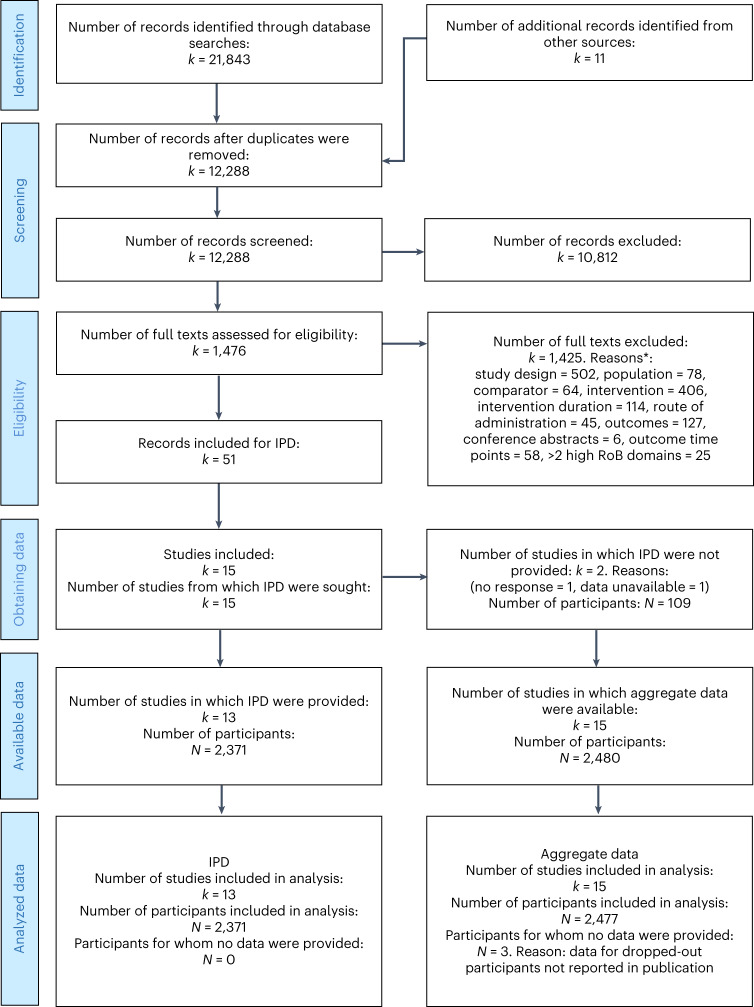
“Data were unavailable from two of the 15 eligible trials for which IPD were sought; due to non-response to multiple contact attempts 62 , and authors confirming data inaccessibility 63 .”
Tierney, J. F., Vale, C. L., Riley, R. D., Smith, C. T., Stewart, L. A., Clarke, M. J., & Rovers, M. M. (2015) · PLoS Medicine · doi:10.1371/journal.pmed.1001855 · Cited by 362 · cited 2×
“We were able to obtain IPD for 96% of the eligible participants, over the 90% mark which is seen as a reliable indicator of low risk of selection bias 86,87 .”
Get real in individual participant data (IPD) meta‐analysis: a review of the methodology
Debray, T. P. A., Moons, K. G. M., van Valkenhoef, G., Efthimiou, O., Hummel, N., Groenwold, R. H. H., Reitsma, J. B., & on behalf of the GetReal methods review group (2015) · Research Synthesis Methods · doi:10.1002/jrsm.1160 · Cited by 348 · cited 1×
“We imputed missing data following a prespecified plan 54,100,101 .”
Quaglia, J. T., Braun, S. E., Freeman, S. P., McDaniel, M. A., & Brown, K. W. (2016) · Psychological Assessment · doi:10.1037/pas0000268 · Cited by 341
Kral, T. R. A., Schuyler, B. S., Mumford, J. A., Rosenkranz, M. A., Lutz, A., & Davidson, R. J. (2018) · NeuroImage · doi:10.1016/j.neuroimage.2018.07.013 · Cited by 326 · cited 2×
“…participants; for a cluster-RCT of lung cancer patients and partners, only partner data were used 30 , for one of parents of children with ADHD, only parent data were used 67 , and only the data from non-asthmatic participants was used in an RCT which also recruited asthmatic participants 65 .”
Self-citationGalante, J., Friedrich, C., Dawson, A. F., Modrego-Alarcón, M., Gebbing, P., Delgado-Suárez, I., Gupta, R., Dean, L., Dalgleish, T., White, I. R., et al. (2021) · PLOS Medicine · doi:10.1371/journal.pmed.1003481 · Cited by 319 · cited 10×
“A comparison of meta-analyses of MBPs for children and students with those of MBPs for adults suggests that effects may be larger among younger people 20,41–43 .”
InfluentialSelf-citationDawson, A. F., Brown, W. W., Anderson, J., Datta, B., Donald, J. N., Hong, K., Allan, S., Mole, T. B., Jones, P. B., & Galante, J. (2020) · Applied Psychology: Health and Well-Being · doi:10.1111/aphw.12188 · Cited by 312
Self-citationGál, É., Ștefan, S., & Cristea, I. A. (2021) · Journal of Affective Disorders · doi:10.1016/j.jad.2020.09.134 · Cited by 289 · cited 1×
“Despite the popularity of app-based mindfulness courses, potentially driven by cost and accessibility advantages 14,76 , the evidence-base is still developing 77 .”
Kuyken, W., Ball, S., Crane, C., Ganguli, P., Jones, B., Montero-Marin, J., Nuthall, E., Raja, A., Taylor, L., Tudor, K., et al. (2022) · Evidence Based Mental Health · doi:10.1136/ebmental-2021-300396 · Cited by 285 · cited 1×
“Furthermore, a recent large and well-conducted trial assessing a non-clinical MBP for adolescents, delivered as part of the school curriculum, showed no added benefit to wellbeing compared to normal school provision 79 .”
Self-citationDefining and Measuring Meditation-Related Adverse Effects in Mindfulness-Based Programs
Britton, W. B., Lindahl, J. R., Cooper, D. J., Canby, N. K., & Palitsky, R. (2021) · Clinical Psychological Science · doi:10.1177/2167702621996340 · Cited by 278 · cited 1×
“There is evidence that some people may not benefit or may even experience harm 74 .”
Mindfulness-Based Programs in the Workplace: a Meta-Analysis of Randomized Controlled Trials
Vonderlin, R., Biermann, M., Bohus, M., & Lyssenko, L. (2020) · Mindfulness · doi:10.1007/s12671-020-01328-3 · Cited by 259 · cited 3×
“Some evidence from RCTs and AD meta-analyses suggests that MBPs’ effects on men are smaller than those on women, and multiple explanations for this have been proposed 26,38–40 .”
A practical introduction to multivariate meta-analysis
Mavridis, D., & Salanti, G. (2013) · Statistical Methods in Medical Research · doi:10.1177/0962280211432219 · Cited by 255 · cited 1×
“Meta-analyses were univariate for the time-point ranges for which data from all the trials were available, otherwise they were multivariate, including all available time-point ranges to make the most efficient use of available data 97 .”
de Vibe, M., Bjørndal, A., Tipton, E., Hammerstrøm, K., & Kowalski, K. (2012) · Campbell Systematic Reviews: Better Evidence for a Better World · doi:10.4073/csr.2012.3 · Cited by 253
Women benefit more than men in response to college-based meditation training
Rojiani, R., Santoyo, J. F., Rahrig, H., Roth, H. D., & Britton, W. B. (2017) · Frontiers in Psychology · doi:10.3389/fpsyg.2017.00551 · Cited by 235 · cited 2×
“Some evidence from RCTs and AD meta-analyses suggests that MBPs’ effects on men are smaller than those on women, and multiple explanations for this have been proposed 26,38–40 .”
Dispositional mindfulness: A critical review of construct validation research
Rau, H. K., & Williams, P. G. (2016) · Personality and Individual Differences · doi:10.1016/j.paid.2015.09.035 · Cited by 215 · cited 1×
“Another candidate effect modifier is dispositional mindfulness, a construct reflecting an individual’s focus and quality of attention 48 .”
Fisher, D. J., Carpenter, J. R., Morris, T. P., Freeman, S. C., & Tierney, J. F. (2017) · BMJ · doi:10.1136/bmj.j573 · Cited by 212 · cited 2×
“The effect modification analyses assessed the potential modifiers of interest one by one following a within-studies approach 80,102 .”
Lasserson, T. J., Thomas, J., & Higgins, J. P. T. (2019) · Wiley eBooks · doi:10.1002/9781119536604.ch1 · Cited by 192
Ioannidis, J. P. A. (2017) · British Journal of Sports Medicine · doi:10.1136/bjsports-2017-097621 · Cited by 189
Individual participant data meta-analyses compared with meta-analyses based on aggregate data
Smith, C. T., Marcucci, M., Nevitt, S. J., Iorio, A., Sudell, M., Riley, R. D., Rovers, M. M., & Williamson, P. R. (2016) · Cochrane Database of Systematic Reviews · doi:10.1002/14651858.mr000007.pub3 · Cited by 182
Riley, R. D., Debray, T. P. A., Fisher, D. J., Hattle, M., Marlin, N., Hoogland, J., Gueyffier, F., Staessen, J. A., Wang, J., Moons, K. G. M., et al. (2020) · Statistics in Medicine · doi:10.1002/sim.8516 · Cited by 180
Christopher, M. S., Hunsinger, M., Goerling, L. R. J., Bowen, S., Rogers, B. S., Gross, C. R., Dapolonia, E., & Pruessner, J. C. (2018) · Psychiatry Research · doi:10.1016/j.psychres.2018.03.059 · Cited by 173
Self-citationBurke, A., Lam, C. N., Stussman, B. J., & Yang, H. (2017) · BMC Complementary and Alternative Medicine · doi:10.1186/s12906-017-1827-8 · Cited by 171 · cited 1×
“Mindfulness-based programmes (MBPs) are among the most popular preventive interventions 11 .”
Meditation or exercise for preventing acute respiratory infection: a randomized controlled trial
Barrett, B., Hayney, M. S., Muller, D., Rakel, D., Ward, A., Obasi, C. N., Brown, R., Zhang, Z., Zgierska, A., Gern, J., et al. (2012) · The Annals of Family Medicine · doi:10.1370/afm.1376 · Cited by 156
Self-citationEbert, D. D., Donkin, L., Andersson, G., Andrews, G., Berger, T., Carlbring, P., Rozenthal, A., Choi, I., Laferton, J. A. C., Johansson, R., et al. (2016) · Psychological Medicine · doi:10.1017/s0033291716001562 · Cited by 154
Greeson, J. M., Smoski, M. J., Suarez, E. C., Brantley, J. G., Ekblad, A. G., Lynch, T. R., & Wolever, R. Q. (2015) · The Journal of Alternative and Complementary Medicine · doi:10.1089/acm.2014.0285 · Cited by 143 · cited 2×
“Some, but not all, studies found that those with greater baseline dispositional mindfulness experienced greater mental health and wellbeing improvements after having participated in MBPs 27,45,53 .”
Schellekens, M. P. J., van den Hurk, D. G. M., Prins, J. B., Donders, A. R. T., Molema, J., Dekhuijzen, R., van der Drift, M. A., & Speckens, A. E. M. (2017) · Psycho-Oncology · doi:10.1002/pon.4430 · Cited by 138 · cited 3×
“There is evidence that MBPs targeted at stressed, anxious, or symptomatic groups have larger effects 20,30–33 .”
Self-citationWaldron, E. M., Hong, S., Moskowitz, J. T., & Burnett-Zeigler, I. (2018) · Mindfulness · doi:10.1007/s12671-018-0920-5 · Cited by 137 · cited 2×
“Our sample reflects the wider situation: the average rates of educational attainment for the individuals in MBSR and MBCT trials tends to be greater than the average for the US population 83 84 .”
Mental health in the post‐COVID‐19 era: challenges and the way forward
Vadivel, R., Shoib, S., Halabi, S. E., Hayek, S. E., Essam, L., Bytyçi, D. G., Karaliūnienė, R., Teixeira, A. L. S., Nagendrappa, S., Ramalho, R., et al. (2021) · General Psychiatry · doi:10.1136/gpsych-2020-100424 · Cited by 134 · cited 1×
“The review inclusion criteria, applied at the study level, were (1) parallel-arm RCTs, including cluster RCTs; (2) group-based firstgeneration MBPs(19), with a minimum intensity of four 1 h in-person teacher-led sessions or equivalent; (3) passive-control groups, such as no intervention or waitlists, or treatment as u…”
Phang, C. K., Mukhtar, F., Ibrahim, N., Keng, S., & Sidik, S. M. (2015) · Advances in Health Sciences Education · doi:10.1007/s10459-015-9591-3 · Cited by 133 · cited 1×
“Data were unavailable from two of the 15 eligible trials for which IPD were sought; due to non-response to multiple contact attempts 62 , and authors confirming data inaccessibility 63 .”
Dunning, D. L., Tudor, K., Radley, L., Dalrymple, N., Funk, J., Vainre, M., Ford, T. J., Montero‐Marín, J., Kuyken, W., & Dalgleish, T. (2022) · Evidence-Based Mental Health · doi:10.1136/ebmental-2022-300464 · Cited by 133 · cited 1×
“A comparison of meta-analyses of MBPs for children and students with those of MBPs for adults suggests that effects may be larger among younger people 20,41–43 .”
Self-citationOxman, A. D. (1995) · JAMA · doi:10.1001/jama.1995.03530100085040 · Cited by 113 · cited 1×
“…P M C F und e r s A u t ho r M a nu s c r i p t s estimating intervention effects, since the data can be checked and re-analysed consistently across all the included samples, RCT data unused in previous analyses can be included, and missing data can be accounted for at the individual level 60,61 .”
Mindfulness-Based Stress Reduction-related changes in posterior cingulate resting brain connectivity
Kral, T. R. A., Imhoff‐Smith, T., Dean, D., Grupe, D. W., Adluru, N., Patsenko, E. G., Mumford, J. A., Goldman, R. I., Rosenkranz, M. A., & Davidson, R. J. (2019) · Social Cognitive and Affective Neuroscience · doi:10.1093/scan/nsz050 · Cited by 103
Self-citationRoos, C. R., Bowen, S., & Witkiewitz, K. (2017) · Journal of Consulting and Clinical Psychology · doi:10.1037/ccp0000249 · Cited by 92
Tang, R., & Braver, T. S. (2020) · Frontiers in Psychology · doi:10.3389/fpsyg.2020.00818 · Cited by 91 · cited 3×
“With the current surge of MBP use, it is crucial to move beyond simply studying group-level intervention effects, and assess individual variability in MBP training responsiveness 28 .”
Influentialvan Dijk, I., Lucassen, P. L., Akkermans, R., van Engelen, B. G. M., van Weel, C., & Speckens, A. E. M. (2017) · Academic Medicine · doi:10.1097/acm.0000000000001546 · Cited by 89 · cited 1×
“Three trials measured psychological distress beyond 6 months after completion of the intervention; the longest follow up was 17 months post-intervention 71 .”
Self-citationHuang, S.-L., Li, R.-H., Huang, F., & Tang, F. (2015) · PLoS ONE · doi:10.1371/journal.pone.0138089 · Cited by 88
Self-citationHwang, Y., Goldstein, H., Medvedev, O. N., Singh, N. N., Noh, J., & Hand, K. (2019) · Mindfulness · doi:10.1007/s12671-019-01147-1 · Cited by 84
Self-citationFor Whom Does Mindfulness-Based Stress Reduction Work? Moderating Effects of Personality
Nyklíček, I., & Irrmischer, M. (2017) · Mindfulness · doi:10.1007/s12671-017-0687-0 · Cited by 81 · cited 1×
“While some studies support this suggestion 44 , age was not a significant effect modifier in the clinical MBCT IPD meta-analysis nor in other studies 34,45 .”
Hayney, M. S., Henriquez, K. M., Barnet, J. H., Ewers, T., Champion, H. M., Flannery, S., & Barrett, B. P. (2017) · Journal of Clinical Virology · doi:10.1016/j.jcv.2017.03.003 · Cited by 81
Self-citationAn Examination of Mindfulness-Based Programs in US Medical Schools
Barnes, N., Hattan, P., Black, D. S., & Schuman‐Olivier, Z. (2016) · Mindfulness · doi:10.1007/s12671-016-0623-8 · Cited by 78 · cited 1×
“Mindfulness training is offered in over 600 companies globally 14 and 79% of United States medical schools 15 .”
Tierney, J. F., Fisher, D. J., Burdett, S., Stewart, L. A., & Parmar, M. (2020) · PLoS Medicine · doi:10.1371/journal.pmed.1003019 · Cited by 73 · cited 1×
“As it allows for effect modification testing at the participant level, IPD meta-analysis is regarded as the ideal approach for estimating the modification effects of individual differences 22,23,54–57 .”
Neto, A. D., Lucchetti, A. L. G., Ezequiel, O. D. S., & Lucchetti, G. (2019) · Journal of General Internal Medicine · doi:10.1007/s11606-019-05284-0 · Cited by 71
Barrett, B. P., Hayney, M. S., Muller, D., Rakel, D. P., Brown, R., Zgierska, A. E., Barlow, S., Hayer, S. D., Barnet, J. H., Torres, E. R., et al. (2018) · PLoS ONE · doi:10.1371/journal.pone.0197778 · Cited by 68
Self-citationGalante, J., Stochl, J., Dufour, G., Vainre, M., Wagner, A. P., & Jones, P. B. (2021) · Journal of Epidemiology and Community Health · doi:10.1136/jech-2020-214390 · Cited by 68
Self-citationMa, L., Zhang, Y., & Cui, Z. (2019) · Mindfulness · doi:10.1007/s12671-019-01192-w · Cited by 67 · cited 1×
“Another AD meta-analysis found similar results for depressive symptoms among university E u r op e P M C F und e r s A u t ho r M a nu s c r i p t s E u r op e P M C F und e r s A u t ho r M a nu s c r i p t s students 82 .”
Siebelink, N. M., Bögels, S. M., Speckens, A. E. M., Dammers, J. T., Wolfers, T., Buitelaar, J. K., & Greven, C. U. (2021) · Journal of Child Psychology and Psychiatry · doi:10.1111/jcpp.13430 · Cited by 67 · cited 2×
“…participants; for a cluster-RCT of lung cancer patients and partners, only partner data were used 30 , for one of parents of children with ADHD, only parent data were used 67 , and only the data from non-asthmatic participants was used in an RCT which also recruited asthmatic participants 65 .”
Self-citationBaer, R., Gu, J., Cavanagh, K., & Strauss, C. (2019) · Psychological Assessment · doi:10.1037/pas0000744 · Cited by 66 · cited 1×
“Dispositional mindfulness, although very frequently measured, is an inconsistent concept, and it is unclear to what extent changes in dispositional mindfulness are specific to MBPs 49–52 .”
Davidson, R. J. (2016) · JAMA Psychiatry · doi:10.1001/jamapsychiatry.2016.0135 · Cited by 63
Self-citationPrevalence of harm in mindfulness-based stress reduction
Hirshberg, M. J., Goldberg, S. B., Rosenkranz, M., & Davidson, R. J. (2022) · Psychological Medicine · doi:10.1017/s0033291720002834 · Cited by 62
Self-citationA Retrospective Systematic Review of Diversity Variables in Mindfulness Research, 2000–2016
Eichel, K., Gawande, R., Acabchuk, R. L., Palitsky, R., Chau, S., Pham, A., Cheaito, A., Yam, D., Lipsky, J., Dumais, T., et al. (2021) · Mindfulness · doi:10.1007/s12671-021-01715-4 · Cited by 60
Hayney, M. S., Coe, C. L., Muller, D., Obasi, C. N., Backonja, U., Ewers, T., & Barrett, B. P. (2013) · Human Vaccines & Immunotherapeutics · doi:10.4161/hv.26661 · Cited by 52
Self-citationGawrysiak, M. J., Grassetti, S. N., Greeson, J. M., Shorey, R. C., Pohlig, R., & Baime, M. J. (2018) · Journal of Clinical Psychology · doi:10.1002/jclp.22521 · Cited by 52 · cited 1×
“Some, but not all, studies found that those with greater baseline dispositional mindfulness experienced greater mental health and wellbeing improvements after having participated in MBPs 27,45,53 .”
Goldberg, S. B., Tucker, R. P., Greene, P. A., Simpson, T. L., Hoyt, W. T., Kearney, D. J., & Davidson, R. J. (2018) · Mindfulness · doi:10.1007/s12671-018-1032-y · Cited by 50 · cited 1×
“Dispositional mindfulness, although very frequently measured, is an inconsistent concept, and it is unclear to what extent changes in dispositional mindfulness are specific to MBPs 49–52 .”
Self-citationBóo, S. J. M., Childs‐Fegredo, J., Cooney, S., Datta, B., Dufour, G., Jones, P. B., & Galante, J. (2019) · Counselling and Psychotherapy Research · doi:10.1002/capr.12282 · Cited by 50
Self-citationErrázuriz, A., Schmidt, K., Undurraga, E. A., Medeiros, S., Baudrand, R. F., Cussen, D., Henríquez, M., Celhay, P., & Figueroa, R. A. (2020) · Journal of Psychiatric Research · doi:10.1016/j.jpsychires.2020.11.011 · Cited by 50
Tomfohr‐Madsen, L. M., Campbell, T. S., Giesbrecht, G. F., Letourneau, N. L., Carlson, L. E., Madsen, J. W., & Dimidjian, S. (2016) · Trials · doi:10.1186/s13063-016-1601-0 · Cited by 49
Self-citationBaird, B., Riedner, B. A., Boly, M., Davidson, R. J., & Tononi, G. (2018) · Psychology of Consciousness Theory Research and Practice · doi:10.1037/cns0000176 · Cited by 49
Self-citationMontero-Marin, J., Taylor, L., Crane, C., Greenberg, M. T., Ford, T. J., Williams, J. M. G., García-Campayo, J., Sonley, A., Lord, L., Dalgleish, T., et al. (2021) · Journal of Educational Psychology · doi:10.1037/edu0000542 · Cited by 49 · cited 1×
“The lack of human interaction and teacher guidance may substantially modify their effectiveness and safety 75 .”
Self-citationMcKenzie, J. E., Herbison, P., & Deeks, J. J. (2015) · Research Synthesis Methods · doi:10.1002/jrsm.1196 · Cited by 40 · cited 1×
“We used the ANCOVA estimate as effect measure (final score adjusted for baseline score and the available pre-specified effect modifiers) 54,98 .”
Turner, L., Galante, J., Vainre, M., Štochl, J., Dufour, G., & Jones, P. B. (2020) · Scientific Reports · doi:10.1038/s41598-020-62274-7 · Cited by 39
Self-citationMacKinnon, A., Madsen, J. W., Giesbrecht, G. F., Campbell, T. S., Carlson, L. E., Dimidjian, S., Letourneau, N. L., Tough, S., & Tomfohr‐Madsen, L. M. (2021) · Mindfulness · doi:10.1007/s12671-020-01585-2 · Cited by 38 · cited 1×
“Publication dates ranged from 2012 to 2022 - for two trials 66 67 the main papers were published after our search, but their protocols had been identified in the search.”
Self-citationWang, H., Chen, Y., Lin, Y., Abesig, J., Wu, X., & Tam, W. (2021) · BMJ · doi:10.1136/bmj.n736 · Cited by 38 · cited 2×
“We were able to obtain IPD for 96% of the eligible participants, over the 90% mark which is seen as a reliable indicator of low risk of selection bias 86,87 .”
Meyer, J. D., Torres, E. R., Grabow, M., Zgierska, A. E., Teng, H., Coe, C. L., & Barrett, B. P. (2018) · Medicine & Science in Sports & Exercise · doi:10.1249/mss.0000000000001636 · Cited by 36
Self-citationObasi, C. N., Brown, R., Ewers, T., Barlow, S., Gassman, M., Zgierska, A. E., Coe, C. L., & Barrett, B. P. (2012) · Influenza and Other Respiratory Viruses · doi:10.1111/irv.12053 · Cited by 34
Self-citationAwareness and Experience of Mindfulness in Britain
Simonsson, O., Fisher, S. D., & Martin, M. (2020) · Sociological Research Online · doi:10.1177/1360780420980761 · Cited by 33 · cited 1×
“It is estimated that 15% of British adults and 20% of Australians have practiced mindfulness meditation at some point in their lives; 5% in the United States have done so in 2017 12,13 .”
Meyer, J. D., Hayney, M. S., Coe, C. L., Ninos, C. L., & Barrett, B. P. (2019) · Journal of Sport and Exercise Psychology · doi:10.1123/jsep.2018-0214 · Cited by 29
Self-citationSelf-Reported Mental Health Predicts Acute Respiratory Infection.
Maxwell, L., Barrett, B. P., Chase, J., Brown, R., & Ewers, T. (2015) · PubMed · Cited by 26
Self-citationMoro, G. L., Soneson, E., Jones, P. B., & Galante, J. (2020) · International Journal of Environmental Research and Public Health · doi:10.3390/ijerph17249445 · Cited by 26
Self-citationSiebelink, N. M., Kaijadoe, S. P. T., van Horssen, F. M., Holtland, J. N. P., Bögels, S. M., Buitelaar, J. K., Speckens, A. E. M., & Greven, C. U. (2020) · Journal of Attention Disorders · doi:10.1177/1087054720945023 · Cited by 24
Self-citationRakel, D. P., Mundt, M. P., Ewers, T., Fortney, L., Zgierska, A. E., Gassman, M., & Barrett, B. P. (2013) · Family Practice · doi:10.1093/fampra/cmt008 · Cited by 23
Self-citationMindfulness Training, Implicit Bias, and Force Response Decision-Making
Hunsinger, M., Christopher, M., & Schmidt, A. M. (2019) · Mindfulness · doi:10.1007/s12671-019-01213-8 · Cited by 22
Self-citationZgierska, A. E., Obasi, C. N., Brown, R., Ewers, T., Muller, D., Gassman, M., Barlow, S., & Barrett, B. P. (2013) · Evidence-based Complementary and Alternative Medicine · doi:10.1155/2013/952716 · Cited by 20
Self-citationDifferential Impact of Mindfulness Practices on Aggression Among Law Enforcement Officers
Ribeiro, L., Colgan, D. D., Hoke, C. K., Hunsinger, M., Bowen, S. W., Oken, B., & Christopher, M. (2019) · Mindfulness · doi:10.1007/s12671-019-01289-2 · Cited by 20
Self-citationFiocco, A. J., Mallya, S., Farzaneh, M., & Koszycki, D. (2018) · Mindfulness · doi:10.1007/s12671-018-1041-x · Cited by 18 · cited 2×
“Other study designs, mainly individual trials and AD meta-analyses, have found different results for all of these potential effect modifiers e.g., 26,27,36,38–40 .”
Tsujimoto, Y., Fujii, T., Onishi, A., Omae, K., Luo, Y., Imai, H., Takahashi, S., Itaya, T., Pinson, C., Nevitt, S. J., et al. (2020) · Journal of Clinical Epidemiology · doi:10.1016/j.jclinepi.2019.10.004 · Cited by 17 · cited 1×
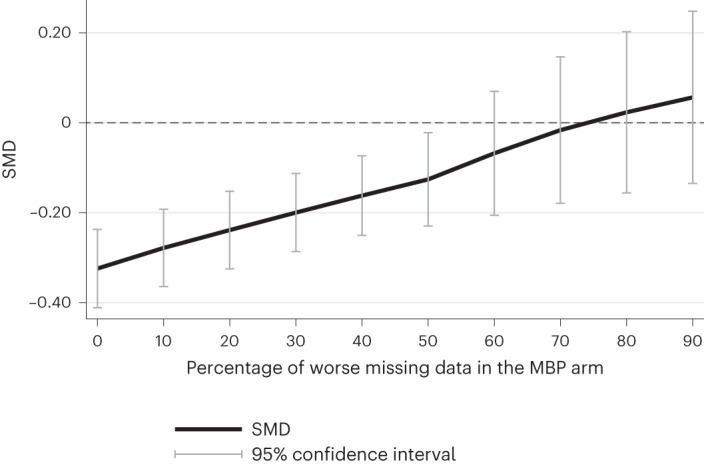
“In line with recent work 88 , results were robust to sensitivity analyses including AD for the two eligible trials for which we could not obtain IPD.”
Barrett, B. P., Torres, E. R., Meyer, J. D., Barnet, J. H., & Brown, R. (2019) · Mindfulness · doi:10.1007/s12671-019-01137-3 · Cited by 16
Self-citationter Avest, M. J., Dusseldorp, E., Huijbers, M. J., van Aalderen, J. R., Cladder-Micus, M. B., Spinhoven, P., Greven, C. U., & Speckens, A. E. M. (2019) · Behaviour Research and Therapy · doi:10.1016/j.brat.2019.103467 · Cited by 16
Self-citationGalante, J., Friedrich, C., Dalgleish, T., White, I. R., & Jones, P. B. (2022) · BMJ Open · doi:10.1136/bmjopen-2021-058976 · Cited by 8 · cited 2×
“We updated this search in December 2020 using the search strategies prespecified in our IPD meta-analysis protocol 90 .”
Self-citationRelevance of mindfulness practices for culturally and linguistically diverse cancer populations
Russell, L., Ugalde, A., White, V., Pitcher, M., Jorgenssen, S., Whitfield, K., Rasmussen, B., & Livingston, P. (2019) · Psycho-Oncology · doi:10.1002/pon.5221 · Cited by 6 · cited 1×
“There are concerns that those with lower education levels may not benefit equally from MBPs because of their language and cultural references 47 .”
Increasing momentum in prevention of mental illness and mental health promotion across Europe
Samele, C. (2016) · BJPsych International · doi:10.1192/s2056474000000957 · Cited by 5
PFAS Health Database: A Systematic Evidence MapPreprint
Pelch, K. E., Reade, A., Kwiatkowski, C. F., Schultz, K., Varshavsky, J., Cavalier, H., Merced-Nieves, F., & Wolffe, T. A. M. (2021) · doi:10.17605/osf.io/f9upx · Cited by 5
Zgierska, A. E., Obasi, C. N., Brown, R., Ewers, T., Rabago, D., & Barrett, B. P. (2012) · BMC Complementary and Alternative Medicine · doi:10.1186/1472-6882-12-s1-p113 · Cited by 3
Self-citationSchellekens, M. P. J., van den Hurk, D. G. M., Prins, J. B., Donders, A. R. T., Molema, J., Dekhuijzen, R. P. N., van der Drift, M. A., & Speckens, A. E. M. (2017) · Journal of Thoracic Oncology · doi:10.1016/j.jtho.2016.11.2170 · Cited by 2
Self-citationDevelopments in Qualitative Mindfulness Practice Research: a Pilot Scoping Review
Frank, P., & Marken, M. (2021) · Mindfulness · doi:10.1007/s12671-021-01748-9
Research works printed but not linked: 8
- Kabat-Zinn, J. Full Catastrophe Living, Revised Edition: How to Cope with Stress, Pain and Illness Using Mindfulness Meditation 2 edn (Piatkus, 2013).
- Burton, H., Sagoo, G. S., Pharoah, P. D. P. & Zimmern, R. L. Time to revisit Geoffrey Rose: strategies for prevention in the genomic era? Ital. J. Public Health 9, e8665–8661 (2012).
- Aeamla-Or, N. The Effect of Mindfulness-Based Stress Reduction on Stress, Depression, Self-Esteem and Mindfulness in Thai Nursing Students: a Randomised Controlled Trial. PhD thesis, Univ. Newcastle (2015).
- Covidence systematic review software (Veritas Health Innovation, 2019).
- Barrett, B. et al. P02.36. Meditation or exercise for preventing acute respiratory infection: a randomized controlled trial. BMC Complement. Altern. Med. https://doi.org/10.1370/afm.1376 (2012). · DOI · Paper page
- Baird, B., Riedner, B. A., Boly, M., Davidson, R. J. & Tononi, G. Increased lucid dream frequency in long-term meditators but not following MBSR training. Psychol. Conscious. (Wash. D.C.) 6, 40–54 (2019).
- Schellekens, M. P. J. et al. Mindfulness-based stress reduction in addition to treatment as usual for patients with lung cancer and their partners: results of a multi-centre randomized controlled trial. Int. J. Behav. Med. 23, S231 (2016).
- van Dijk, I. et al. Effect of mindfulness training on the course of psychological distress and positive mental health of medical students during their clinical clerkships. A cluster-randomized controlled trial. Int. J. Behav. Med. 23, S86 (2016).
Cited by
Sorted by citations
Ong, N. Y., Teo, F. J. J., Ee, J. Z. Y., Yau, C. E., Thumboo, J., Tan, H. K., & Ng, Q. X. (2024) · General Psychiatry · doi:10.1136/gpsych-2023-101115 · Cited by 93
Linardon, J., Messer, M., Goldberg, S. B., & Fuller‐Tyszkiewicz, M. (2023) · Clinical Psychology Review · doi:10.1016/j.cpr.2023.102370 · Cited by 78
Self-citationDavies, J. N., Faschinger, A., Galante, J., & Dam, N. T. V. (2024) · Scientific Reports · doi:10.1038/s41598-024-64562-y · Cited by 68
“Increases in accessibility 52 , evidence regarding health and wellbeing benefits 10–12 , and barriers to accessing conventional mental health services 38,39 may be contributing to increases in use across all practices.”
BackgroundSelf-citationAbellaneda‐Pérez, K., Potash, R. M., Pascual‐Leone, Á., & Sacchet, M. D. (2024) · Neuroscience & Biobehavioral Reviews · doi:10.1016/j.neubiorev.2024.105862 · Cited by 49
Mental health disorders and their impact on cardiovascular health disparities
Vaccarino, V., Prescott, E., Shah, A. J., Bremner, J. D., Raggi, P., Dobilienė, O., Gale, C. P., & Bugiardini, R. (2025) · The Lancet Regional Health - Europe · doi:10.1016/j.lanepe.2025.101373 · Cited by 44
“73 Mantra-based meditation such as transcendental meditation have also shown potential efficacy, but studies on psychiatric patients are limited.”
Metadata
- Authors
- Galante, J., Friedrich, C., Collaboration of Mindfulness Trials (CoMinT), Aeamla-Or, N., Arts-de Jong, M., Barrett, B., Bögels, S. M., Buitelaar, J. K., Checovich, M. M., Christopher, M. S., Davidson, R. J., Errazuriz, A., Goldberg, S. B., Greven, C. U., Hirshberg, M. J., Huang, S.-L., Hunsinger, M., Hwang, Y.-S., Jones, P. B., Medvedev, O. N., Rosenkranz, M. A., Schellekens, M. P. J., Siebelink, N. M., Singh, N. N., Speckens, A. E. M., Tang, F.-C., Tomfohr-Madsen, L., Dalgleish, T., Jones, P. B., & White, I. R.
- Affiliations
- The University of Melbourne (AU)
- University of Cambridge (GB)
- University of Phayao (TH)
- University of Wisconsin–Madison (US)
- University of Amsterdam (NL)
- Radboud University Nijmegen (NL)
- Pacific University Oregon (US)
- Chung Shan Medical University Hospital (TW)
- Australian Catholic University (AU)
- University of Waikato (NZ)
- Radboud University Medical Center (NL)
- Augusta University (US)
- Chaoyang University of Technology (TW)
- MRC Cognition and Brain Sciences Unit (GB)
- MRC Clinical Trials Unit at UCL (GB)
- Corresponding author
- Galante, Julieta
- ORCID
- Galante, Julieta
- Friedrich, Claire
- Arts-de Jong, Marieke
- Barrett, Bruce
- Bögels, Susan M.
- Buitelaar, Jan K.
- Checovich, Mary M.
- Christopher, Michael S.
- Davidson, Richard J.
- Errazuriz, Antonia
- Goldberg, Simon B.
- Greven, Corina U.
- Hirshberg, Matthew J.
- Huang, Shu-Ling
- Hunsinger, Matthew
- Hwang, Yoon-Suk
- Medvedev, Oleg N.
- Rosenkranz, Melissa A.
- Schellekens, Melanie P. J.
- Siebelink, Nienke M.
- Singh, Nirbhay N.
- Speckens, Anne E. M.
- Tang, Feng-Cheng
- Dalgleish, Tim
- White, Ian R.
- Venue
- Nature Mental Health
- Published
- 2023-07-10
- Volume
- 1
- Issue
- 7
- Pages
- 462-476
- ISSN
- 2731-6076 (ISSN-L)
- PMC
- PMC7615230
- OpenAlex
- W4383815381
- Cited by
- 113
- References
- 116
- Citations by year
- 2026: 43 · 2025: 37 · 2024: 23 · 2023: 9
- FWCI
- 5.67
- Type
- journal article
- Language
- en
- Open access
- hybrid
- doi.org
- Locations
- Nature Mental Health (publishedVersion, cc-by)
- PubMed Central (publishedVersion, cc-by)
- Research portal (Tilburg University) (publishedVersion, cc-by)
- PubMed (publishedVersion)
- UvA-DARE (University of Amsterdam) (submittedVersion, cc-by)
- Research Commons (University of Waikato) (submittedVersion, cc-by)
- Greater South Information System
- Funders
- DH | National Institute for Health Research (PDF-2017-10-018, BRC-1215-20014, NA)
- Cambridgeshire & Peterborough NHS Foundation Trust
- U.S. Department of Health & Human Services | NIH | National Center for Complementary and Integrative Health (K23AT010879)
- Hope for Depression Research Foundation
- RCUK | Medical Research Council (SUAG/043 G101400, MR/N019067/1, MC_UU_00004/06)
- Topics
- Social Sciences › Psychology › Clinical Psychology › Mindfulness and Compassion Interventions
- Social Sciences › Psychology › Applied Psychology › Digital Mental Health Interventions
- Social Sciences › Psychology › Clinical Psychology › Psychotherapy Techniques and Applications
- Keywords
- mental health promotion, psychological distress, anxiety, depression, non-clinical adults, community-based intervention, teacher-led intervention, effect modification, trait mindfulness, gender differences, age and education effects, heterogeneous effects
About these checks
Registry, retraction, Cites and statistics results are computed, not judged, with one exception: a printed reference that no index lists is read once by a model before it counts as a citation error. Claims are extracted by a model and kept only when their quote appears verbatim in the text; each cited source is then checked, with a model’s help, for whether it says what the claim relies on. Those verdicts can be wrong — read the claim’s quote and the cited source before relying on one.
Statistics and arithmetic are recomputed, not judged.
Confidence bands are shown only for fields calibrated on our annotated test set. None is calibrated yet, so no band is shown.
What counts as a claim ›How we measure confidence ›How we check this ›
Are you an author, or do you see a problem with this page? Request a review
