

The DOI matches its Crossref record; 40 of the 40 references it cites were found in a registry or an index.
Association of perceived physician communication style with patient satisfaction, distress, cancer-related self-efficacy, and perceived control over the disease
Open accessAbstract
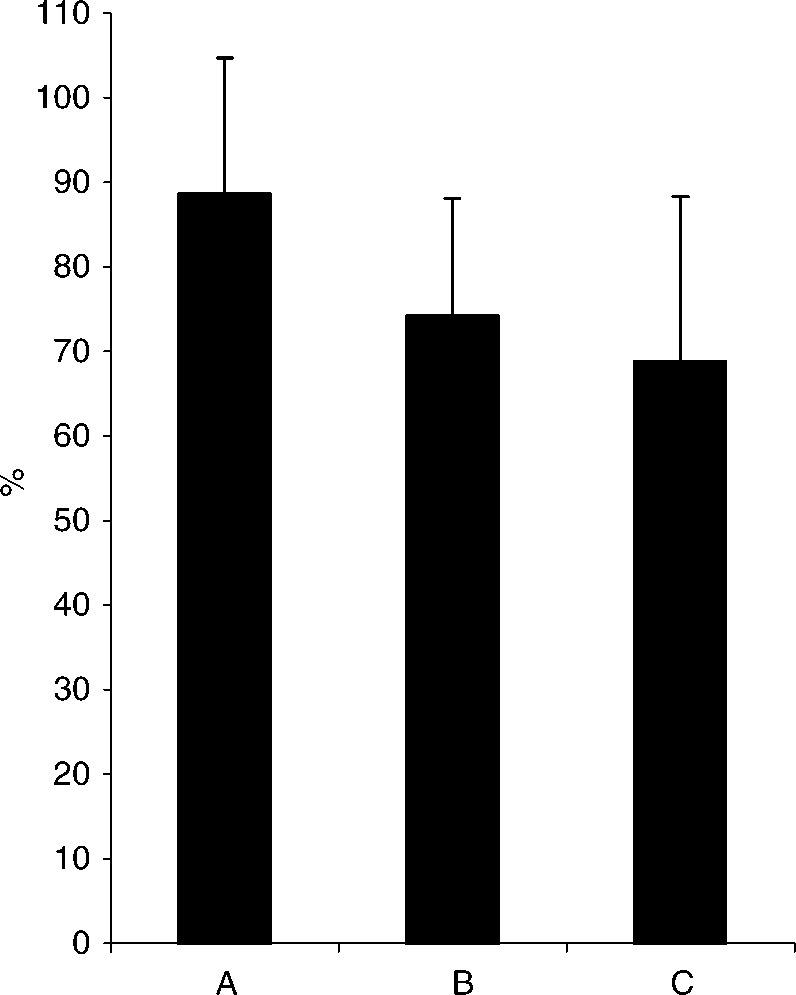
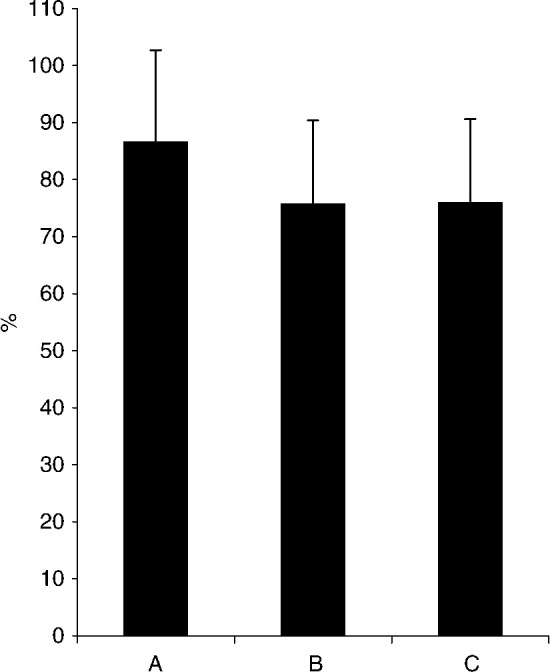
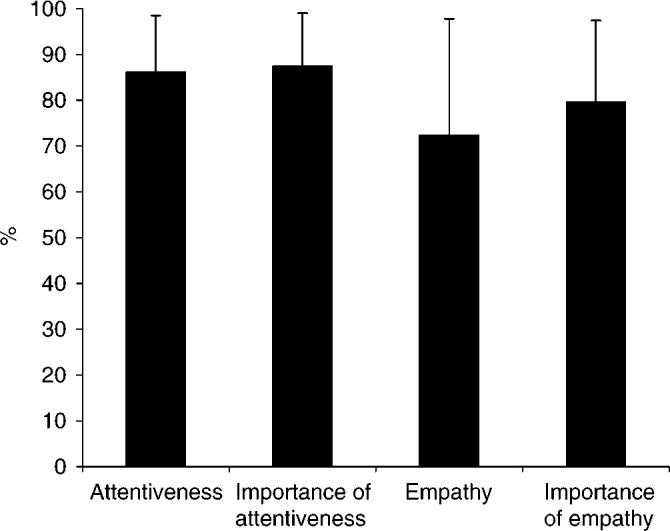
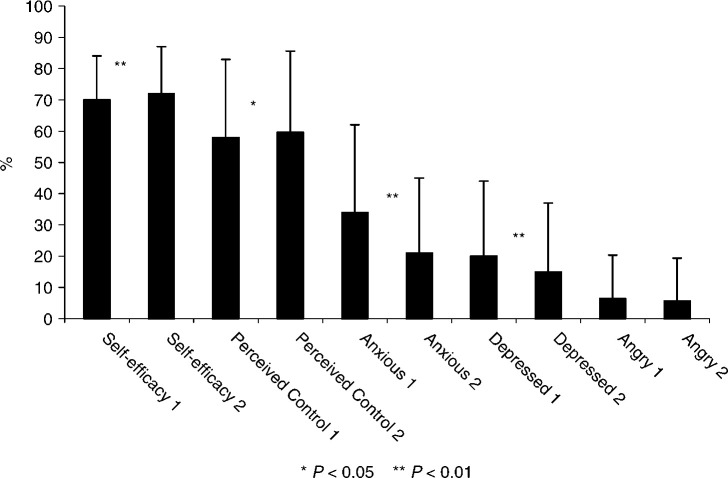
The aim of the study was to investigate the association of physician communication behaviours as perceived by the patient with patient reported satisfaction, distress, cancer-related self-efficacy, and perceived control over the disease in cancer patients. Questionnaires measuring distress, self-efficacy, and perceived control were completed prior to and after the consultation by 454 patients attending an oncology outpatient clinic. After the consultation, the patients also rated the physicians' communicative behaviours by completing a patient-physician relationship inventory (PPRI), and the physicians were asked to estimate patient satisfaction. The overall results showed that higher PPRI scores of physician attentiveness and empathy were associated with greater patient satisfaction, increased self-efficacy, and reduced emotional distress following the consultation. In contrast, lower PPRI scores were associated with reduced ability of the physician to estimate patient satisfaction. The results confirm and expand previous findings, suggesting that communication is a core clinical skill in oncology.
Overview
The claims and statistics of this paper haven’t been checked yet.
Run the check — free, no account needed. It reads the open-access text and checks the sources it cites.
Integrity signals
Registry
Cites
Statistics
Figures
Verification
Claims the paper makes
The claims and statistics of this paper haven’t been checked yet.
Run the check — free, no account needed. It reads the open-access text and checks the sources it cites.
Claims other papers make about this one
Each is checked against this paper’s own text: does it say what the citing paper says it does?
In the citing paper
“Many studies have documented the positive effect of provider empathy on patients, which include increased patient satisfaction, adherence, self-efficacy, perceptions of control, less emotional distress, and better outcomes.87–90”
From Reducing Racial Bias Among Health Care Providers: Lessons from Social-Cognitive Psychology (2007) · cites this paper as [90]
Self-check
Percentages, sums and reported differences re-computed from the paper’s own numbers.
The self-check needs the paper’s full text.
Citations
Cites
Effective physician-patient communication and health outcomes: a review.
(1995) · Europe PMC (PubMed Central) · Cited by 4,085
Doctor-patient communication: a review of the literature
Ong, L. M. L., de Haes, J. C. J. M., Hoos, A. M., & Lammes, F. B. (1995) · Social Science & Medicine · doi:10.1016/0277-9536(94)00155-m · Cited by 2,430 · cited 2×
“The results thus confirmed hypothesis 1 and are in support of previous results showing that higher frequency of patient-centred behaviours is associated with greater patient satisfaction (Stewart, 1984; Roter et al, 1987; Ong et al, 1995).”
BackgroundResultReduction of Postoperative Pain by Encouragement and Instruction of Patients
Egbert, L. D., Battit, G. E., Welch, C. E., & Bartlett, M. K. (1964) · New England Journal of Medicine · doi:10.1056/nejm196404162701606 · Cited by 1,147 · cited 1×
“…Ford et al, 1996), including greater symptom resolution, reduced stress, lower blood pressure in hypertensive patients (Orth et al, 1987), lower blood glucose levels in diabetics (Greenfield et al, 1988), and better postoperative pain control with reduced use of analgesics (Egbert et al, 1964).”
BackgroundPatients’ participation in medical care
Greenfield, S., Kaplan, S. H., Ware, J. E., Yano, E. M., & Frank, H. J. L. (1988) · Journal of General Internal Medicine · doi:10.1007/bf02595921 · Cited by 1,117
Meta-analysis of correlates of provider behavior in medical encounters
Hall, J. A., Roter, D. L., & Katz, N. R. (1988) · Medical Care · doi:10.1097/00005650-198807000-00002 · Cited by 1,069 · cited 1×
“Some studies have used direct observations of a limited number of consultations (Hall et al, 1988) or structured patient interviews (Stewart, 1984; Butow et al, 1994), while others have used questionnaires (Cantwell and Ramirez, 1997; Detmar et al, 2000).”
BackgroundAttributions, beliefs about control, and adjustment to breast cancer.
Taylor, S. E., Lichtman, R. R., & Wood, J. V. (1984) · Journal of Personality and Social Psychology · doi:10.1037//0022-3514.46.3.489 · Cited by 953 · cited 1×
“This finding is in concordance with previous findings that even illusory positive beliefs of women with breast cancer about their disease and their ability to control disease were associated with positive mental health but independent of the objective medical evidence (Taylor et al, 1984).”
ResultPsychiatric morbidity and its recognition by doctors in patients with cancer
Fallowfield, L., Ratcliffe, D., Jenkins, V, & Saul, J. (2001) · British Journal of Cancer · doi:10.1054/bjoc.2001.1724 · Cited by 694 · cited 1×
“Although recognition of psychological distress is a crucial aspect of patient care, oncologists often fail to detect general distress in patients (Ford et al, 1994; Cull et al, 1995; Fallowfield et al, 2001) and ask few questions regarding patients’ psychological health (Ford et al, 1996).”
BackgroundROTER, D. L. (1995) · Archives of Internal Medicine · doi:10.1001/archinte.155.17.1877 · Cited by 651
Effective communication skills are the key to good cancer care
Fallowfield, L. J., & Jenkins, V. A. (1999) · European Journal of Cancer · doi:10.1016/s0959-8049(99)00212-9 · Cited by 558 · cited 3×
“…Research UK Keywords: patient–physician relationship; communication skills; self-efficacy ; anxiety ; depression; anger Patient dissatisfaction can lead to low understanding and recall of information, poor compliance, lengthier recovery periods, and increased complication rates (Fallowfield, 1992).”
BackgroundImproving Physicians' Interviewing Skills and Reducing Patients' Emotional Distress
ROTER, D. L. (1995) · Archives of Internal Medicine · doi:10.1001/archinte.1995.00430170071009 · Cited by 421 · cited 1×
“Our results are in concordance with previous findings that a training course designed to enhance the physicians’ emotion-handling skills was associated with reduced emotional distress in patients (Roter et al, 1995).”
Result
Research works printed but not linked: 2
- Bandura A (1997) Self-efficacy – The Exercize of Control. New York: Freeman and Company
- Pedersen CG, Christensen S, Zachariae R, Bonde-Jensen A, Lehbrink M, Maase H (2001) Psychosocial and demographic predictors of pain, discomfort and satisfaction with the patient–physician relationship in a group of women attending a mammography clinic. Psycho-Oncology 10: S23
Cited by
Sorted by citations
Items 201–300 of 598
Trask, C. L., Welch, J. J. G., Manley, P. E., Jelalian, E., & Schwartz, C. L. (2008) · Pediatric Blood & Cancer · doi:10.1002/pbc.21802 · Cited by 26
Snaman, J. M., Kaye, E. C., Cunningham, M. J., Sykes, A. D., Levine, D. R., Mahoney, D., & Baker, J. N. (2016) · Pediatric Blood & Cancer · doi:10.1002/pbc.26089 · Cited by 27
“There was a significant difference in the mean retrospective presurvey and postsurvey scores for the following topics: (1) overall preparedness, (2) breaking bad news to a patient and family, (3) addressing the need for information, (4) addressing emotional suffering at the EOL, (5) addressing if/when a patient should…”
BackgroundLiang, S., Wu, W., Kuo, C.-Y., & Lu, Y. (2015) · Asian Nursing Research · doi:10.1016/j.anr.2015.09.001 · Cited by 29
“Instruments have addressed self-efficacy among cancer patients but have focused on either the global impact of the disease [18,19] or particular aspects of a cancer diagnosis [20], breast cancer survivor [21], communication [22] or analgesic use [23].”
BackgroundProvider Verbal Responses to Patient Distress Cues During Ambulatory Oncology Visits
Sheldon, L. K., Hilaire, D. M., & Berry, D. L. (2011) · Oncology nursing forum · doi:10.1188/11.onf.369-375 · Cited by 25
“In addition, facilitating, exploring, and providing validation of patients’ socioemotional concerns can decrease anxiety and distress in patients (Fogarty, Curbow, Wingard, McDonnell, & Somerfield, 1999; Iwamitsu, Shimoda, Abe, Okawa, & Buck, 2005; Zachariae et al., 2003).”
BackgroundDavidsen, A. S., & Fosgerau, C. F. (2014) · Patient Education and Counseling · doi:10.1016/j.pec.2013.12.018 · Cited by 25
“Physicians’ reactions to patients’ emotions are important for outcome and patient satisfaction [39,81].”
BackgroundJones, R. L., Regan, M., Ristevski, E., & Breen, S. (2011) · Patient Education and Counseling · doi:10.1016/j.pec.2010.12.006 · Cited by 29
Hitz, F., Ribi, K., Li, Q., Klingbiel, D., Cerny, T., & Koeberle, D. (2013) · Supportive Care in Cancer · doi:10.1007/s00520-013-1886-4 · Cited by 43
“A patient’s satisfaction with the way that treatment-related end-of-life decisions are taken is highly determined by the communications skills of the physician [1–4].”
BackgroundWeeger, S., & Farin‐Glattacker, E. (2016) · Disability and Rehabilitation · doi:10.3109/09638288.2016.1146360 · Cited by 24
“In addition, perceived physician’s empathy has been associated with higher patient self-efficacy and reduced emotional distress,[39] which might explain the medium-term effect of the ESC scale.”
BackgroundYuguero, O., Marsal, J. R., Esquerda, M., Galván, L., & Soler-González, J. (2019) · Primary Health Care Research & Development · doi:10.1017/s1463423619000793 · Cited by 24
“Doctor, What Do I have?” Knowledge of Cancer Diagnosis Among Immigrant/Migrant Minorities
Gany, F. M., Yogendran, L. V., Massie, D., Ramirez, J., Lee, T., Winkel, G. H., Diamond, L. C., & Leng, J. C. F. (2012) · Journal of Cancer Education · doi:10.1007/s13187-012-0429-x · Cited by 24
“Miscommunication about terminology can result in poor patient understanding; patients' informational needs may require elicitation by the physician; patients' nonverbal cues should also be attended to, highlighting the importance of patient satisfaction with the relationship with the physician; and a more tailored pat…”
BackgroundApenteng, B. A., Hansen, A., Opoku, S. T., & Mase, W. A. (2016) · Journal of Cancer Education · doi:10.1007/s13187-016-0984-7 · Cited by 24
Using Technology to Enhance Teaching of Patient-Centered Interviewing for Early Medical Students
Kaltman, S. I., Talisman, N. W., Pennestri, S., Syverson, E., Arthur, P., & Vovides, Y. (2018) · Simulation in Healthcare The Journal of the Society for Simulation in Healthcare · doi:10.1097/sih.0000000000000304 · Cited by 24
Yuguero, O., Melnick, E. R., Marsal, J. R., Esquerda, M., & Soler-González, J. (2018) · BMJ Open · doi:10.1136/bmjopen-2017-020949 · Cited by 29
“Clinical empathy has been shown to be associated with improved communication, patient satisfaction and therapeutic compliance.(25) 26 Empathic physicians reduce patient anxiety, potentially leading to better clinical outcomes.”
BackgroundMessinger, S. D., Bozorghadad, S., & Pasquina, P. F. (2017) · Journal of Rehabilitation Medicine · doi:10.2340/16501977-2274 · Cited by 24
Validation of a 5-Item Tool to Measure Patient Assessment of Clinician Compassion in Hospitals
Roberts, B. W., Roberts, M., Mazzarelli, A. J., & Trzeciak, S. (2021) · Journal of General Internal Medicine · doi:10.1007/s11606-021-06733-5 · Cited by 23
Mellblom, A. V., Korsvold, L., Ruud, E., Lie, H. C., Loge, J. H., & Finset, A. (2015) · Patient Education and Counseling · doi:10.1016/j.pec.2015.07.021 · Cited by 23
Farin‐Glattacker, E., & Meder, M. (2010) · Health and Quality of Life Outcomes · doi:10.1186/1477-7525-8-100 · Cited by 24
“These studies show that aspects of the physician-patient relationship such as involving the patient in decision-making processes [24,25], positive assessment of communication and interaction by the patient [26,27], and patient’s trust in the physician [28] affect not only adherence, but the patient-reported outcome of…”
BackgroundSelf-concept and emotional well-being in patients with breast cancer
Pintado, S., & Universidad de las Américas Puebla, S. A. C. (2017) · Revista Iberoamericana de Psicología y Salud · doi:10.23923/j.rips.2017.08.007 · Cited by 23
“Self-efficacy is related to with a better psychological adjustment, self-esteem, well-being and adaptation to chronic illness (Compas y Luecken, 2002; Han et al., 2005; Karademas et al., 2007; Lam & Fielding, 2006; Rogers et al., 2008; Taylor et al., 1984; Zachariae et al., 2003).”
Associations among student conflict management style and attitudes toward empathy
Hastings, T. J., Kavookjian, J., & Ekong, G. J. (2018) · Currents in Pharmacy Teaching and Learning · doi:10.1016/j.cptl.2018.09.019 · Cited by 32
Schoenthaler, A., Butler, M. J., Chaplin, W. F., Tobin, J. N., & Ogedegbe, G. G. (2016) · Annals of Behavioral Medicine · doi:10.1007/s12160-016-9791-y · Cited by 23
“This finding replicates those of similar studies, which have shown that when patients and providers engage in collaborative discussions within the medical encounter, patients feel more self-efficacious,(44,45) and are more likely to adhere to treatment recommendations.”
ResultVries, A. M. M. D., Gholam‐Rezaee, M., Leeuw, I. M. V., Passchier, J., Despland, J., Stiefel, F., & de Roten, Y. (2016) · Psycho-Oncology · doi:10.1002/pon.4233 · Cited by 24
Ammentorp, J., Sabroe, S., Kofoed, P., & Mainz, J. (2009) · Scandinavian Journal of Caring Sciences · doi:10.1111/j.1471-6712.2008.00653.x · Cited by 24
Empathy Between Physician Assistant Students and Standardized Patients
Floyd, K., Generous, M. A., Clark, L., Simon, A. F., & McLeod, I. (2015) · The Journal of Physician Assistant Education · doi:10.1097/jpa.0000000000000016 · Cited by 22
Aijaz, M., Lewis, V. A., & Murray, G. F. (2024) · Digital Health · doi:10.1177/20552076241233148 · Cited by 23
The relation between psychological profiles and quality of life in patients with lung cancer
van Montfort, E., de Vries, J., Arts, R., Aerts, J., Kloover, J., & Traa, M. (2019) · Supportive Care in Cancer · doi:10.1007/s00520-019-04923-w · Cited by 25
Medendorp, N. M., van den Heuvel, L. M., Han, P. K. J., Hillen, M. A., & Smets, E. M. A. (2020) · Patient Education and Counseling · doi:10.1016/j.pec.2020.07.018 · Cited by 22
Hamel, L. M., Moulder, R. G., Jr., Harper, F. W. K., Penner, L. A., Albrecht, T. L., & Eggly, S. S. (2020) · Cancer · doi:10.1002/cncr.33352 · Cited by 22
“5) Sex, n (%) Women 68 (92) Men 5 (7) Education, n (%) Less than high school 17 (23) High school graduate 9 (12) Some college 27 (37) Graduated college 12 (16) Postgraduate degree 9 (12) Marital Status, n (%) Married/Partnered 23 (31) Divorced/Widowed/Separated 28 (38) Single 21 (28) Annual household income, n (%) $0-…”
BackgroundFisseha, H., Mulugeta, W., Kassu, R. A., Geleta, T. O., & Desalegn, H. (2020) · Ethiopian Journal of Health Sciences · doi:10.4314/ejhs.v30i6.21 · Cited by 22
Berney, A., Carrard, V., Berney, S., Schlegel, K., Gaume, J., Gholam‐Rezaee, M., Bart, P., Preisig, M., Wac, K., Mast, M. S., et al. (2021) · BMJ Open · doi:10.1136/bmjopen-2021-053070 · Cited by 22
Doctor-patient communication: Patient perception
Swaminath, G. (2007) · Indian Journal of Psychiatry · doi:10.4103/0019-5545.37309 · Cited by 22
“The patients in the study by Zachariae and colleagues,[9]”
BackgroundNurse-Patient Communication in Follow-up Consultations After Head and Neck Cancer Treatment
de Leeuw, J., Prins, J. B., Uitterhoeve, R., Merkx, M. A. W., Marres, H. A. M., & van Achterberg, T. (2013) · Cancer Nursing · doi:10.1097/ncc.0b013e318288d3f3 · Cited by 22
Applying Sociodramatic Methods in Teaching Transition to Palliative Care
Baile, W. F., & Walters, R. (2012) · Journal of Pain and Symptom Management · doi:10.1016/j.jpainsymman.2012.03.002 · Cited by 22
Factors affecting the communication experiences of newly diagnosed colorectal cancer patients
Treiman, K., Mccormack, L. A., Wagner, L., Roach, N., Moultrie, R., Sanoff, H., Bann, C., Street, R. L., Ashok, M., & Reeve, B. B. (2018) · Patient Education and Counseling · doi:10.1016/j.pec.2018.04.016 · Cited by 22
Managing the unmet psychosocial and information needs of patients with cancer
Abrahamson, K. K., Durham, M., & Fox, R. L. (2010) · Patient Intelligence · doi:10.2147/pi.s9442 · Cited by 22
“There is evidence that cancer patients perceive physicians to be unable to or uninterested in discussing psychosocial issues.(25,38) PCC requires health care providers to have the ability to interact with patients in a manner that assures information is understood by the patient, especially during those encounters tha…”
BackgroundPerceptions of health care communication: examining the role of patients' psychological distress.
Ye, J., & Shim, R. S. (2010) · Journal of the National Medical Association · doi:10.1016/s0027-9684(15)30779-3 · Cited by 24
A Music Assignment to Develop Pharmacy Students’ Empathy Toward People with Opioid Use Disorder
Silvia, R. J. (2020) · American Journal of Pharmaceutical Education · doi:10.5688/ajpe7631 · Cited by 21
Benson, J. A., Bhandari, P., Lui, N. S., Berry, M. F., Liou, D. Z., Shrager, J. B., Ayers, K., & Backhus, L. M. (2021) · Seminars in Thoracic and Cardiovascular Surgery · doi:10.1053/j.semtcvs.2021.03.003 · Cited by 21
Sardessai‐Nadkarni, A. A., & Street, R. L. (2022) · Journal of Cancer Survivorship · doi:10.1007/s11764-022-01170-7 · Cited by 25
Lindberg, P., Koller, M. T., Steinger, B., Lorenz, W., Wyatt, J. C., Inwald, E. C., & Klinkhammer‐Schalke, M. (2015) · BMC Cancer · doi:10.1186/s12885-015-1573-6 · Cited by 22
“Likewise, physician attentiveness and empathy have been found to be associated with greater patient satisfaction and reduced emotional distress after the consultation in cancer patients [53].”
BackgroundEmbodied health: a guiding perspective for research in health psychology
Ghane, A., & Sweeny, K. M. (2012) · Health Psychology Review · doi:10.1080/17437199.2012.706988 · Cited by 24
“Indeed, patient satisfaction with an interaction is influenced by a number of related variables in addition to perceived empathy (Kim, Kaplowitz, & Johnston, 2004) and perceived doctor attentiveness (Zachariae et al., 2003).”
BackgroundInterpersonal complaints regarding cancer care through a gender lens
Olsson, E. M. G. V. S. (2016) · International Journal of Health Care Quality Assurance · doi:10.1108/ijhcqa-03-2014-0032 · Cited by 21
Amundsen, A., Nordøy, T., Lingen, K. E., Sørlie, T., & Bergvik, S. (2017) · Patient Education and Counseling · doi:10.1016/j.pec.2017.10.001 · Cited by 21
Factors related to the expression of emotions by early-stage breast cancer patients
Piccolo, L. D., Mazzi, M. A., Mascanzoni, A., Lonardi, M., Felice, M. D., Danzi, O. P., Buizza, C., Ghilardi, A., Bottacini, A., & Goss, C. (2019) · Patient Education and Counseling · doi:10.1016/j.pec.2019.04.002 · Cited by 21
Andersen, A., Hvidt, E. A., Hvidt, N., & Roessler, K. (2020) · Health Psychology and Behavioral Medicine · doi:10.1080/21642850.2020.1792308 · Cited by 17
“…relationship in general impacts health outcomes, effects on patients’ health might be negative if the physician–patient relationship cannot contain patients’ disease-related existential crises and associated coping-strategies and needs (Dezutter et al., 2016; Zachariae et al., 2003).”
BackgroundAlexander, S. C., Pollak, K. I., Morgan, P., Strand, J., Abernethy, A. P., Jeffreys, A. S., Arnold, R. M., Olsen, M. K., Rodriguez, K. L., Garrigues, S. K., et al. (2010) · Supportive Care in Cancer · doi:10.1007/s00520-010-0996-5 · Cited by 21
“When providers respond empathically to this negative emotion, patients often report lower distress and higher quality of life [6].”
Effect of Perceived Control on Quality of Life in Indigent Adults With Type 2 Diabetes
Hernandez‐Tejada, M. A., Lynch, C. P., Strom, J. L., & Egede, L. E. (2012) · The Science of Diabetes Self-Management and Care · doi:10.1177/0145721711436135 · Cited by 21
Wu, Q. J., & Jiang, S. (2023) · Journal of Health Communication · doi:10.1080/10810730.2023.2208537 · Cited by 20
“When doctors proactively understand patients’ difficult situations, show empathy, respect and support, and treat patients as partners during consultations, patients will have fewer negative emotions (e.g., depression and hopelessness) (Capone, 2016; Zachariae et al., 2003).”
BackgroundMediating role of physician’s empathy between physician’s communication and patient’s satisfaction
Arshad, M., Sriram, S., Khan, S. A., Gollapalli, P. K., & Albadrani, M. S. (2024) · Journal of Family Medicine and Primary Care · doi:10.4103/jfmpc.jfmpc_1615_23 · Cited by 20
Should physicians be empathetic? Rethinking clinical empathy
Schwan, D. (2018) · Metamedicine · doi:10.1007/s11017-018-9463-y · Cited by 20
Health Care Disparities and the Future of Pancreatic Cancer Care
Papageorge, M. V., Evans, D. B., & Tseng, J. F. (2021) · Surgical Oncology Clinics of North America · doi:10.1016/j.soc.2021.06.012 · Cited by 20
Hamel, L. M., Moulder, R. G., Jr., Ramseyer, F., Penner, L. A., Albrecht, T. L., Boker, S. M., & Eggly, S. S. (2022) · Cancer Control · doi:10.1177/10732748221113905 · Cited by 21
Zhou, Y., Collinson, A., Laidlaw, A. H., & Humphris, G. M. (2013) · PLoS ONE · doi:10.1371/journal.pone.0079166 · Cited by 21
“patient care outcomes [5–9].”
Visser, L. N. C., Schepers, S., Tollenaar, M. S., de Haes, J. C. J. M., & Smets, E. M. A. (2018) · Patient Education and Counseling · doi:10.1016/j.pec.2018.02.012 · Cited by 20
Seo, W., Buyuktur, A. G., Verma, S., Kim, H., Choi, S. W., Sedig, L., & Park, S. Y. (2021) · Proceedings of the 2021 CHI Conference on Human Factors in Computing Systems · doi:10.1145/3411764.3445120 · Cited by 18
“A good, trustful patientprovider relationship can promote positive health outcomes for patients, such as higher treatment satisfaction [18], increased medication adherence [33], and reduced emotional distress [55], while unsatisfactory relationships have been associated with negative outcomes including decreased trust…”
BackgroundHerzog, E. M., Pirmorady-Sehouli, A., Boer, J. D., Pietzner, K., Petru, E., Heinzelmann, V., Roser, E., Dimitrova, D., Oskay-Özcelik, G., Camara, O., et al. (2023) · International Journal of Gynecological Cancer · doi:10.1136/ijgc-2023-004693 · Cited by 19
Patient-Clinician Communication: ASCO Guideline Update
Gilligan, T. D., Bohlke, K., Alpert, A. B., Coyle, N., Harichand-Herdt, S., Lathan, C. S., Razis, E., Rivera, K., Sanft, T. B., Seigel, C., et al. (2026) · Journal of Clinical Oncology · doi:10.1200/jco-26-00118 · Cited by 21
Wasp, G. T., Cullinan, A. M., Chamberlin, M. D., Hayes, C. A., Barnato, A. E., & Vergo, M. T. (2020) · Journal of Cancer Education · doi:10.1007/s13187-020-01772-8 · Cited by 19
Emotions in primary care: Are there cultural differences in the expression of cues and concerns?
Schouten, B. C., & Schinkel, S. (2015) · Patient Education and Counseling · doi:10.1016/j.pec.2015.05.018 · Cited by 19
“In addition, physicians who respond to patients’ emotions in an open and empathic manner can reduce patients’ level of distress and increase levels of treatment adherence [7,8].”
Learning to Cope: How Far Is Too Close?
Wolpin, B. M., Chabner, B. A., Lynch, T. J., & Penson, R. T. (2005) · The Oncologist · doi:10.1634/theoncologist.10-6-449 · Cited by 19
Reblin, M., Clayton, M. F., John, K. K., & Ellington, L. (2015) · Health Communication · doi:10.1080/10410236.2014.1000480 · Cited by 19
“Patient-centered communication has been linked to patient outcomes such as improved emotional states (Coulter, 2012; Zachariae et al., 2003), adherence, improved disease control, physical functioning (Greenfield, Kaplan, & Ware, 1985; Roter, 1977; Rouse & Hamilton, 1991), and reduced 790 M.”
BackgroundTeam Approach to Prosthetic Prescription Decision-Making
Donaghy, A. C., Morgan, S. J., Kaufman, G. E., & Morgenroth, D. C. (2020) · Current Physical Medicine and Rehabilitation Reports · doi:10.1007/s40141-020-00289-x · Cited by 18
Illness perception, coping, and quality of life in early-stage Mycosis fungoides
Segal, O., Trumper, N., Pavlotsky, F., Goldzweig, G., & Barzilai, A. (2020) · Anais Brasileiros de Dermatologia · doi:10.1016/j.abd.2020.05.008 · Cited by 18
Ibrahim, K., Schommer, J. C., Morisky, D. E., Rodríguez, R., Gaither, C. A., & Snyder, M. (2021) · Pharmacy · doi:10.3390/pharmacy9010031 · Cited by 19
“Improving communication skills will enhance healthcare providers’ counseling efficiency in information-giving and increase patients’ self-efficacy [30].”
BackgroundLongley, W. A., Tate, R. L., & Brown, R. F. (2022) · Neuropsychological Rehabilitation · doi:10.1080/09602011.2022.2047734 · Cited by 23
“The communication and working alliance skills of the experienced neuropsychologists and their credibility as MS experts may have also played a positive protective role (Rosti-Otajärvi et al., 2014; Zachariae et al., 2003).”
BackgroundSabapathi, P., Roberts, M., Fuller, B. M., Puskarich, M. A., Jones, C. W., Kilgannon, J. H., Braz, V. A., Creel-Bulos, C., Scott, N. L., Tester, K. L., et al. (2019) · BMC Emergency Medicine · doi:10.1186/s12873-019-0279-5 · Cited by 18
Psychosocial Concerns in Cancer Care: The Role of the Oncology Nurse
Sheldon, L. K., Harris, D., & Arcieri, C. (2012) · Clinical journal of oncology nursing · doi:10.1188/12.cjon.316-319 · Cited by 18
Pfaff, H., Wirtz, M. A., Bollschweiler, E., Mercer, S. W., Warm, M. R., Wolf, J., & Neumann, M. (2007) · European Journal of Cancer Supplements · doi:10.1016/s1359-6349(07)70633-x · Cited by 18
Sebo, P., Herrmann, F. R., & Haller, D. M. (2015) · BMJ Open · doi:10.1136/bmjopen-2014-007085 · Cited by 17
The Impact of Virtual Humans on Psychosomatic Medicine
Loveys, K., Sagar, M. A., Antoni, M. H., & Broadbent, E. (2023) · Psychosomatic Medicine · doi:10.1097/psy.0000000000001227 · Cited by 18
Communication skill frameworks: applications in radiation oncology
Martin, E. J., Rich, S. E., Jones, J., & Dharmarajan, K. V. (2019) · Annals of Palliative Medicine · doi:10.21037/apm.2019.03.03 · Cited by 17
Stajduhar, K., & Tayler, C. (2014) · PubMed · Cited by 17
Kvåle, K., Haugen, D. F., & Synnes, O. (2019) · Cancer Reports · doi:10.1002/cnr2.1227 · Cited by 17
Holzer, K. J., Bollepalli, H., Carron, J., Yaeger, L., Avidan, M. S., Lenze, E. J., & Abraham, J. (2024) · Journal of Affective Disorders · doi:10.1016/j.jad.2024.08.110 · Cited by 18
Tyrrell, E. G., Sandhu, S., Berry, K., Ghannam, S. F., Lewis, S., Crowfoot, D., Sahota, G. S., Carson, J. A., Wilson, E. E., & Taggar, J. (2025) · JMIR Formative Research · doi:10.2196/71667 · Cited by 22
“Good practitioner communication helps improve patient well-being [9], shared decision-making, treatment compliance, health-promoting behaviors [10], patient satisfaction, and reduce health care litigation [11].”
Gessnitzer, S., Schulte, E.-M., & Kauffeld, S. (2016) · Consulting psychology journal · doi:10.1037/cpb0000064 · Cited by 16
Rajagopalan, D., Thomas, J., Ring, D., & Fatehi, A. (2022) · Quality Management in Health Care · doi:10.1097/qmh.0000000000000355 · Cited by 16
“36,37 Patient text comments can be a rich repository of meaningful qualitative information to help clinicians www.qmhcjournal.com and organizations improve.”
BackgroundCo-designing Patient-centered Health Communication Tools for Cancer Care
Gonzales, M., & Riek, L. D. (2013) · Proceedings of the ICTs for improving Patients Rehabilitation Research Techniques · doi:10.4108/icst.pervasivehealth.2013.252109 · Cited by 17
Moreto, G., Santos, I. S., Blasco, P. G., Pessini, L., & Lotufo, P. A. (2017) · Educación Médica · doi:10.1016/j.edumed.2017.07.019 · Cited by 16
Comparing Empathy Levels in Doctor of Pharmacy Students and Exemplary Pharmacist Preceptors
Williams, C. R., Rodgers, P. T., McLaughlin, J. E., Angelo, T. A., & Shepherd, G. (2020) · American Journal of Pharmaceutical Education · doi:10.5688/ajpe7497 · Cited by 17
Anxiety During the COVID-19 Pandemic: A Web-Based Survey of Thyroid Cancer Survivors
Graves, C. E., Goyal, N. G., Levin, A. O., Nuno, M. A., Kim, J., Campbell, M. J., Shen, W. T., Gosnell, J. E., Roman, S. A., Sosa, J. A., et al. (2022) · Endocrine Practice · doi:10.1016/j.eprac.2022.01.002 · Cited by 16
Avaliação da evolução da empatia em alunos do quarto ano da graduação em medicina da Unifesp em 2012
Thomazi, L., Moreira, F. G., & Marco, M. A. D. (2014) · Revista Brasileira de Educação Médica · doi:10.1590/s0100-55022014000100012 · Cited by 15
Fröjd, C., Lampic, C., Larsson, G., Birgegård, G., & von Essén, L. (2007) · Scandinavian Journal of Caring Sciences · doi:10.1111/j.1471-6712.2007.00507.x · Cited by 16
Levels and predictors of patient satisfaction with doctor home-visit services in Australia
Ifediora, C., & Rogers, G. D. (2016) · Family Practice · doi:10.1093/fampra/cmw092 · Cited by 16
Cheng, J.-F., Lai, Y.-M., Livneh, H., & Tsai, T. (2011) · PubMed · Cited by 15
Determinants of caregiver satisfaction in pediatric orthopedics
Singleton, I. M., Garfinkel, R. J., Malone, J., Temkit, M., & Belthur, M. V. (2020) · Journal of Pediatric Orthopaedics B · doi:10.1097/bpb.0000000000000778 · Cited by 16
Fong, Z. W., Lee, S. S., Yap, K. Z., & Chng, H. T. (2021) · Currents in Pharmacy Teaching and Learning · doi:10.1016/j.cptl.2021.01.040 · Cited by 14
Yuen, J. K. Y., See, C., Cheung, J. T. K., Lum, C. M., Lee, J. S., & Wong, W. T. (2023) · BMC Medical Education · doi:10.1186/s12909-023-04010-z · Cited by 15
Stensrud, T. L., Mjaaland, T. A., & Finset, A. (2012) · Europe PMC (PubMed Central) · Cited by 15
The long-term impact of a communication course for doctors and nurses: The parents’ perspective
Ammentorp, J., & Kofoed, P. (2010) · Communication & Medicine · doi:10.1558/cam.v7i1.3 · Cited by 15
Lundeby, T., Gulbrandsen, P., Mjaaland, T. A., Skretting, S., & Finset, A. (2013) · Patient Education and Counseling · doi:10.1016/j.pec.2013.12.005 · Cited by 15
“concerns and emotions) Increase satisfaction [42]”
Gonzalez, A. I., Kortlever, J. T. P., Rijk, L., Ring, D., Brown, L. E., & Reichel, L. M. (2020) · Patient Experience Journal · doi:10.35680/2372-0247.1399 · Cited by 15
“non-trauma), (2) PDRQ-9, (3) JSPPPE, (4) four questions assessing communication effectiveness from the CG-CAPHS, (5) an overall rating of the doctor on an 11point ordinal scale (a measure from the CG-CAPHS), (6) the 4 question Pain Catastrophizing Scale (PCS-4), (7) a”
MethodImpact of a fictional reading intervention on empathy development in student pharmacists
Collins, K. L., Zweber, A., & Irwin, A. N. (2017) · Currents in Pharmacy Teaching and Learning · doi:10.1016/j.cptl.2016.12.003 · Cited by 15
A New Model to Enhance Robot-Patient Communication: Applying Insights from the Medical World
Broadbent, E., Johanson, D. L., & Shah, J. (2018) · Lecture notes in computer science · doi:10.1007/978-3-030-05204-1_30 · Cited by 16
McGarragle, K., Aronson, M. D., Semotiuk, K., Holter, S., Hare, C. J., Ferguson, S. E., Cohen, Z., & Hart, T. L. (2019) · Hereditary Cancer in Clinical Practice · doi:10.1186/s13053-019-0123-7 · Cited by 15
Strategies for communicating oral and oropharyngeal cancer diagnosis: why talk about it?
Alves, C. G. B., Treister, N. S., Ribeiro, A. C. P., Brandão, T. B., Tonaki, J. O., Lopes, M. A., Rivera, C., & Santos‐Silva, A. R. (2019) · Oral Surgery Oral Medicine Oral Pathology and Oral Radiology · doi:10.1016/j.oooo.2019.11.014 · Cited by 14
Zakaria, M., Mazumder, S., Faisal, H. M., Zannat, R., Haque, M. R., Afrin, T., Cheng, F., & Xu, J. (2024) · Journal of Primary Care & Community Health · doi:10.1177/21501319241277396 · Cited by 14
“71 In ,73-75 In a systematic review study, Moslehpour et al 69 found that verbal and nonverbal indirect interpersonal communication was associated with patients’ satisfaction, while physicians’ interpersonal communication skills had a significant effect on low-income patients’ satisfaction levels…”
BackgroundPiccolo, L. D., Danzi, O. P., Fattori, N., Mazzi, M. A., & Goss, C. (2014) · Patient Education and Counseling · doi:10.1016/j.pec.2014.06.001 · Cited by 14
“Indeed, helping patients to verbalize their feelings, besides serving diagnostic purposes, facilitates emotion regulation [10], predicts competent coping [11,12], generates greater patient satisfaction with interpersonal care [13] and increases collaboration [14,15].”
BackgroundNew challenges to psycho‐oncology research: Precision medicine oncology and targeted therapies
McFarland, D. C., Blackler, L., & Holland, J. C. (2017) · Psycho-Oncology · doi:10.1002/pon.4371 · Cited by 14
“know that poor communication affects patient outcomes; however, we also know that communication is the key for satisfactory patient care and the skills to do it well can be learned.(21,22) Psycho‐oncology is the area of oncology that studies responses of patients and caregiving staff to cancer treatment.”
BackgroundEmpathy is not so perfect! -For a descriptive and wide conception of empathy
Malbois, E., & Hurst, S. (2022) · Medicine Health Care and Philosophy · doi:10.1007/s11019-022-10124-w · Cited by 16
Food labelling and dietary behaviour: bridging the gap
Barker, M. E., Lawrence, W. T., Robinson, S. M., & Baird, J. (2012) · Public Health Nutrition · doi:10.1017/s136898001200081x · Cited by 14
“outcomes, and disease self-management programmes, such as the Department of Health’s ‘Expert Patient’ Programme, have been shown to be more effective than standard patient education in improving outcomes and quality of life for patients with chronic conditions((7,8)).”
Background
Metadata
- Authors
- Zachariae, R., Pedersen, C. G., Jensen, A. B., Ehrnrooth, E., Rossen, P. B., & von der Maase, H.
- Affiliations
- Aarhus University Hospital (DK)
- Corresponding author
- Zachariae, R
- Venue
- British Journal of Cancer
- Published
- 2003-03
- Volume
- 88
- Issue
- 5
- Pages
- 658-665
- ISSN
- 0007-0920 (ISSN-L)
- 1532-1827
- PMC
- PMC2376357
- OpenAlex
- W2058562152
- Cited by
- 601
- References
- 40
- Citations by year
- 2026: 13 · 2025: 17 · 2024: 25 · 2023: 32 · 2022: 47 · 2021: 37 · 2020: 34 · 2019: 27 · 2018: 27 · 2017: 40 · 2016: 30 · 2015: 40 · 2014: 30 · 2013: 41 · 2012: 43
- FWCI
- 17.82
- Type
- journal article
- Language
- en
- Open access
- hybrid
- doi.org
- Licence
- cc-by-nc-sa
- www.springer.com/tdm (unspecified)
- Locations
- British Journal of Cancer (publishedVersion, cc-by-nc-sa)
- Europe PMC (PubMed Central) (publishedVersion, cc-by)
- PubMed Central (publishedVersion, cc-by)
- PubMed (publishedVersion)
- Research at the University of Copenhagen (University of Copenhagen) (submittedVersion)
- Funders
- Aarhus Universitet
- Aarhus Universitetshospital
- Kræftens Bekæmpelse
- Topics
- Health Sciences › Health Professions › General Health Professions › Patient-Provider Communication in Healthcare
- Health Sciences › Medicine › Psychiatry and Mental health › Empathy and Medical Education
- Health Sciences › Medicine › Oncology › Cancer survivorship and care
- Keywords
- patient satisfaction, emotional distress, perceived control, physician empathy, physician-patient relationship
- MeSH terms
- Humans, Neoplasms, Physician-Patient Relations, Surveys and Questionnaires, Stress, Psychological, Patient Satisfaction, Self Efficacy
About these checks
Registry, retraction, Cites and statistics results are computed, not judged, with one exception: a printed reference that no index lists is read once by a model before it counts as a citation error. Claims are extracted by a model and kept only when their quote appears verbatim in the text; each cited source is then checked, with a model’s help, for whether it says what the claim relies on. Those verdicts can be wrong — read the claim’s quote and the cited source before relying on one.
Statistics and arithmetic are recomputed, not judged.
Confidence bands are shown only for fields calibrated on our annotated test set. None is calibrated yet, so no band is shown.
What counts as a claim ›How we measure confidence ›How we check this ›
Are you an author, or do you see a problem with this page? Request a review
