

The DOI matches its Crossref record; 40 of the 40 references it cites were found in a registry or an index.
Association of perceived physician communication style with patient satisfaction, distress, cancer-related self-efficacy, and perceived control over the disease
Open accessAbstract
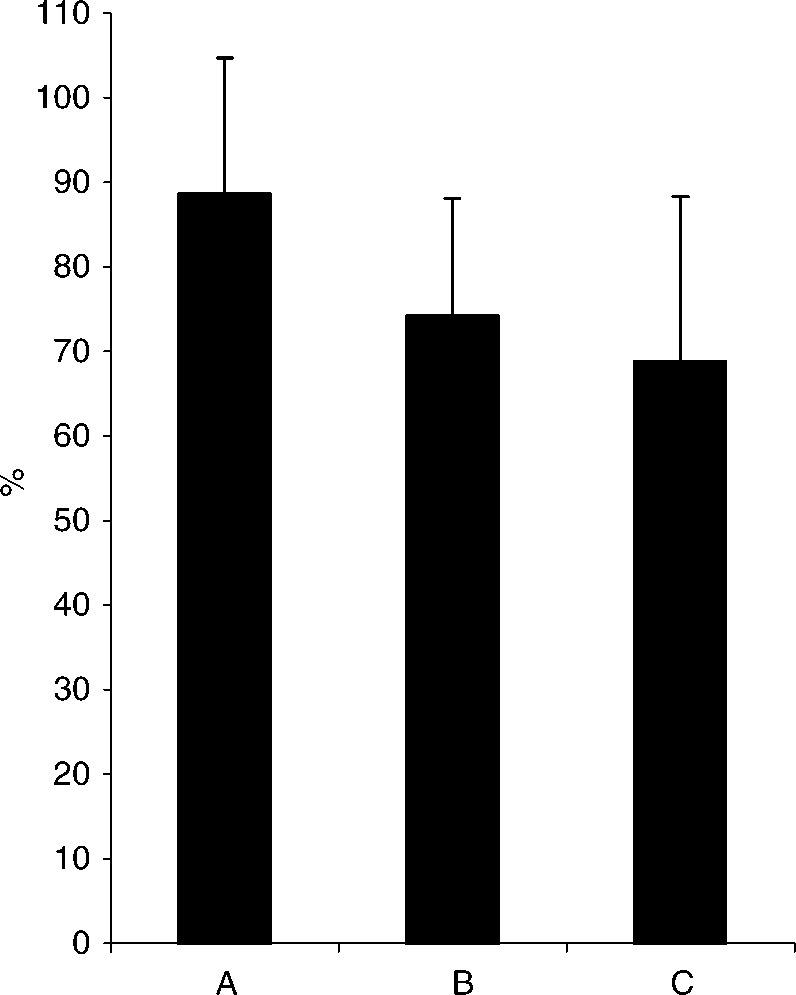
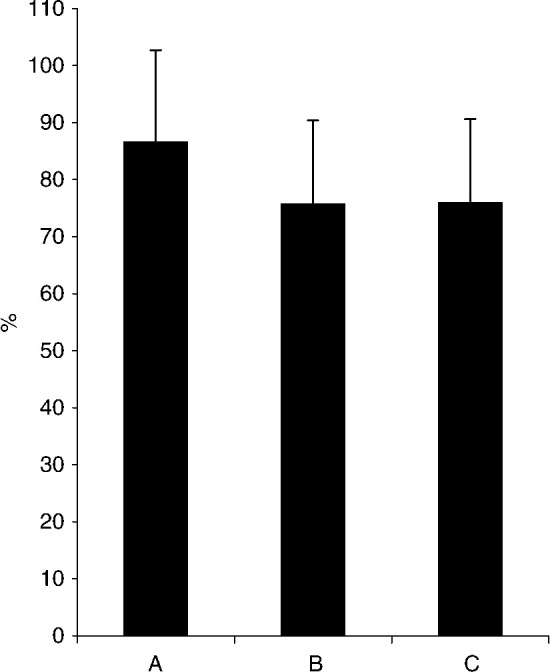
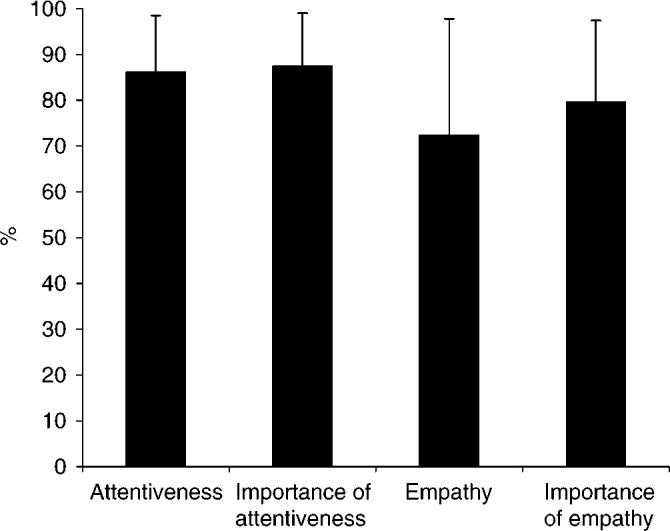
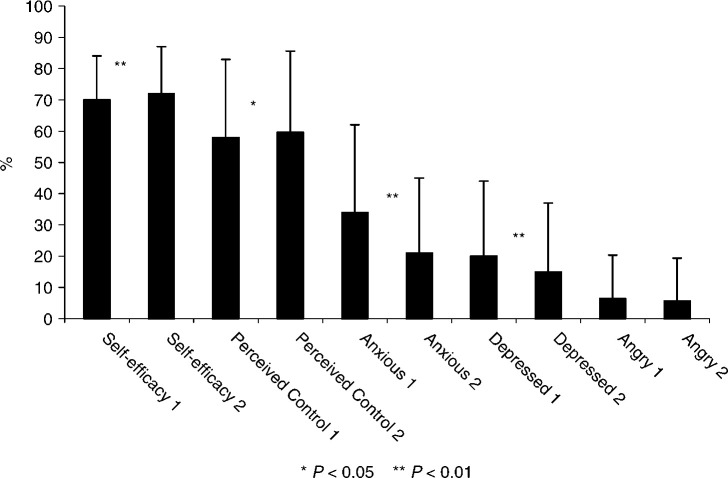
The aim of the study was to investigate the association of physician communication behaviours as perceived by the patient with patient reported satisfaction, distress, cancer-related self-efficacy, and perceived control over the disease in cancer patients. Questionnaires measuring distress, self-efficacy, and perceived control were completed prior to and after the consultation by 454 patients attending an oncology outpatient clinic. After the consultation, the patients also rated the physicians' communicative behaviours by completing a patient-physician relationship inventory (PPRI), and the physicians were asked to estimate patient satisfaction. The overall results showed that higher PPRI scores of physician attentiveness and empathy were associated with greater patient satisfaction, increased self-efficacy, and reduced emotional distress following the consultation. In contrast, lower PPRI scores were associated with reduced ability of the physician to estimate patient satisfaction. The results confirm and expand previous findings, suggesting that communication is a core clinical skill in oncology.
Overview
The claims and statistics of this paper haven’t been checked yet.
Run the check — free, no account needed. It reads the open-access text and checks the sources it cites.
Integrity signals
Registry
Cites
Statistics
Figures
Verification
Claims the paper makes
The claims and statistics of this paper haven’t been checked yet.
Run the check — free, no account needed. It reads the open-access text and checks the sources it cites.
Claims other papers make about this one
Each is checked against this paper’s own text: does it say what the citing paper says it does?
In the citing paper
“Many studies have documented the positive effect of provider empathy on patients, which include increased patient satisfaction, adherence, self-efficacy, perceptions of control, less emotional distress, and better outcomes.87–90”
From Reducing Racial Bias Among Health Care Providers: Lessons from Social-Cognitive Psychology (2007) · cites this paper as [90]
Self-check
Percentages, sums and reported differences re-computed from the paper’s own numbers.
The self-check needs the paper’s full text.
Citations
Cites
Effective physician-patient communication and health outcomes: a review.
(1995) · Europe PMC (PubMed Central) · Cited by 4,085
Doctor-patient communication: a review of the literature
Ong, L. M. L., de Haes, J. C. J. M., Hoos, A. M., & Lammes, F. B. (1995) · Social Science & Medicine · doi:10.1016/0277-9536(94)00155-m · Cited by 2,430 · cited 2×
“The results thus confirmed hypothesis 1 and are in support of previous results showing that higher frequency of patient-centred behaviours is associated with greater patient satisfaction (Stewart, 1984; Roter et al, 1987; Ong et al, 1995).”
BackgroundResultReduction of Postoperative Pain by Encouragement and Instruction of Patients
Egbert, L. D., Battit, G. E., Welch, C. E., & Bartlett, M. K. (1964) · New England Journal of Medicine · doi:10.1056/nejm196404162701606 · Cited by 1,147 · cited 1×
“…Ford et al, 1996), including greater symptom resolution, reduced stress, lower blood pressure in hypertensive patients (Orth et al, 1987), lower blood glucose levels in diabetics (Greenfield et al, 1988), and better postoperative pain control with reduced use of analgesics (Egbert et al, 1964).”
BackgroundPatients’ participation in medical care
Greenfield, S., Kaplan, S. H., Ware, J. E., Yano, E. M., & Frank, H. J. L. (1988) · Journal of General Internal Medicine · doi:10.1007/bf02595921 · Cited by 1,117
Meta-analysis of correlates of provider behavior in medical encounters
Hall, J. A., Roter, D. L., & Katz, N. R. (1988) · Medical Care · doi:10.1097/00005650-198807000-00002 · Cited by 1,069 · cited 1×
“Some studies have used direct observations of a limited number of consultations (Hall et al, 1988) or structured patient interviews (Stewart, 1984; Butow et al, 1994), while others have used questionnaires (Cantwell and Ramirez, 1997; Detmar et al, 2000).”
BackgroundAttributions, beliefs about control, and adjustment to breast cancer.
Taylor, S. E., Lichtman, R. R., & Wood, J. V. (1984) · Journal of Personality and Social Psychology · doi:10.1037//0022-3514.46.3.489 · Cited by 953 · cited 1×
“This finding is in concordance with previous findings that even illusory positive beliefs of women with breast cancer about their disease and their ability to control disease were associated with positive mental health but independent of the objective medical evidence (Taylor et al, 1984).”
ResultPsychiatric morbidity and its recognition by doctors in patients with cancer
Fallowfield, L., Ratcliffe, D., Jenkins, V, & Saul, J. (2001) · British Journal of Cancer · doi:10.1054/bjoc.2001.1724 · Cited by 694 · cited 1×
“Although recognition of psychological distress is a crucial aspect of patient care, oncologists often fail to detect general distress in patients (Ford et al, 1994; Cull et al, 1995; Fallowfield et al, 2001) and ask few questions regarding patients’ psychological health (Ford et al, 1996).”
BackgroundROTER, D. L. (1995) · Archives of Internal Medicine · doi:10.1001/archinte.155.17.1877 · Cited by 651
Effective communication skills are the key to good cancer care
Fallowfield, L. J., & Jenkins, V. A. (1999) · European Journal of Cancer · doi:10.1016/s0959-8049(99)00212-9 · Cited by 558 · cited 3×
“…Research UK Keywords: patient–physician relationship; communication skills; self-efficacy ; anxiety ; depression; anger Patient dissatisfaction can lead to low understanding and recall of information, poor compliance, lengthier recovery periods, and increased complication rates (Fallowfield, 1992).”
BackgroundImproving Physicians' Interviewing Skills and Reducing Patients' Emotional Distress
ROTER, D. L. (1995) · Archives of Internal Medicine · doi:10.1001/archinte.1995.00430170071009 · Cited by 421 · cited 1×
“Our results are in concordance with previous findings that a training course designed to enhance the physicians’ emotion-handling skills was associated with reduced emotional distress in patients (Roter et al, 1995).”
Result
Research works printed but not linked: 2
- Bandura A (1997) Self-efficacy – The Exercize of Control. New York: Freeman and Company
- Pedersen CG, Christensen S, Zachariae R, Bonde-Jensen A, Lehbrink M, Maase H (2001) Psychosocial and demographic predictors of pain, discomfort and satisfaction with the patient–physician relationship in a group of women attending a mammography clinic. Psycho-Oncology 10: S23
Cited by
Sorted by citations
Items 301–400 of 598
Gertsman, S., Ene, I. C., Palmert, S., Liu, A. W. K., Makkar, M., Shao, I., Shapiro, J. F., & Williams, C. (2023) · CMAJ Open · doi:10.9778/cmajo.20220211 · Cited by 13
Applying smartphone apps to drive greater patient engagement in personalized physiotherapy
Postolache, G. B., Girão, P. S., & Postolache, O. A. (2014) · IEEE International Symposium on Medical Measurements and Applications (MeMeA) · doi:10.1109/memea.2014.6860094 · Cited by 13
Guan, Y., ROTER, D. L., Erby, L. H., Wolff, J. L., Gitlin, L. N., Roberts, J. S., Green, R. C., & Christensen, K. D. (2018) · Journal of Health Communication · doi:10.1080/10810730.2018.1528319 · Cited by 13
“48 . behaviors is associated with greater patient satisfaction (Beck, Daughtridge, & Sloane, 2002; Roter DL, 2006; Zachariae et al., 2003).”
BackgroundPark, J., Saha, S., Han, D., Jindal, M., Korthuis, P., Moore, R. D., & Beach, M. (2020) · Patient Education and Counseling · doi:10.1016/j.pec.2020.04.016 · Cited by 11
Longitudinal Measurement of Empathy in Student Pharmacists
Walker, P. C., Marshall, V. D., Sweet, B. V., & Vordenberg, S. E. (2021) · American Journal of Pharmaceutical Education · doi:10.5688/ajpe8752 · Cited by 13
“Empathic engagement with patients leads to more accurate diagnoses; improved adherence with health care recommendations and clinical outcomes; reduced patient anxiety, depression, and hostility; and increased patient satisfaction with their care.(1-9) Thus, empathy is an important skill pharmacists must have as they i…”
BackgroundSugano, K., Okuyama, T., Iida, S., Komatsu, H., Ishida, T., Kusumoto, S., Uchida, M., Nakaguchi, T., Kubota, Y., Ito, Y., et al. (2015) · PLoS ONE · doi:10.1371/journal.pone.0136163 · Cited by 13
Shue, C. K., O’Hara, L. L. S., Marini, D. C., McKenzie, J., & Schreiner, M. (2010) · Communication Education · doi:10.1080/03634521003646877 · Cited by 13
Communicating with Cancer Patients: What Areas do Physician Assistants Find Most Challenging?
Parker, P. A., Ross, A. C., Polansky, M., Palmer, J. L., Rodriguez, M. A., & Baile, W. F. (2010) · Journal of Cancer Education · doi:10.1007/s13187-010-0110-1 · Cited by 13
Zhou, Y., Lundy, J.-M., Humphris, G. M., & Mercer, S. W. (2015) · Patient Education and Counseling · doi:10.1016/j.pec.2015.05.026 · Cited by 13
Psychometric properties of the Greek Diabetes Treatment Satisfaction Questionnaire
Kontodimopoulos, N., Arvanitaki, E., Aletras, V. H., & Niakas, D. A. (2012) · Health and Quality of Life Outcomes · doi:10.1186/1477-7525-10-17 · Cited by 13
Factors That Predict Overall Patient Satisfaction With Oncology Hospital Care in Bulgaria
Djambazov, S., Giammanco, M. D., & Gitto, L. (2019) · Value in Health Regional Issues · doi:10.1016/j.vhri.2018.11.006 · Cited by 21
Gehenne, L., Lelorain, S., Anota, A., Brédart, A., Dolbeault, S., Sultan, S., Piessen, G., Grynberg, D., Baudry, A., Christophe, V., et al. (2020) · European Journal of Cancer Care · doi:10.1111/ecc.13306 · Cited by 15
Alves-Nogueira, A. C., Góis, A. C., Pereira, M., Canavarro, M. C., Melo, C., & Carona, C. (2023) · Health Communication · doi:10.1080/10410236.2023.2243043 · Cited by 13
“Only two studies assessed PPC based on different types of informants (M. Stewart et al., 2000; Zachariae et al., 2003) and only two considered physicians’ self-report (Linn & Wilson, 1980; Zachariae et al., 2003).”
Ebm, C. C., Sarti, R., Panico, P., Pagliotta, M., Vinci, V., & Oldani, S. (2025) · BMC Medical Education · doi:10.1186/s12909-025-06687-w · Cited by 13
Communication Skills for Discussing Treatment Options When Chemotherapy Has Failed
Saraiya, B., Arnold, R. M., & Tulsky, J. A. (2010) · The Cancer Journal · doi:10.1097/ppo.0b013e3181f28800 · Cited by 12
“Empathic statements reduce patient’s emotional distress and increase patient satisfaction.(7,8) The goal of the oncologist is to convey empathy to the patient in a way that it can be recognized and appreciated.”
BackgroundPatient Loyalty in the HospitalPatient Relationship: The Mediating Role of Social Media
Tosyalı, H., Sütçü, C., & Tosyalı, F. (2019) · Erciyes İletişim Dergisi · doi:10.17680/erciyesiletisim.454347 · Cited by 12
“Moreover, it is suggested that effective and patient-centered communication skills lead to greater patient satisfaction (Burgener, 2017; Zachariae et al., 2003).”
BackgroundGrouping Together to Fight Cancer: The Role of WeChat Groups on the Social Support and Self-Efficacy
Fangqi, Z., Li, P., & Qianru, Z. (2022) · Frontiers in Public Health · doi:10.3389/fpubh.2022.792699 · Cited by 14
“In the field of medical therapy, cancer-related self-efficacy refers primarily to the act of self-control and participation in treatment (65).”
BackgroundQuestion prompt lists to improve communication between cancer patients and healthcare professionals
Terrasson, J., Rault, A., Dolbeault, S., & Brédart, A. (2022) · Current Opinion in Oncology · doi:10.1097/cco.0000000000000840 · Cited by 12
Alves, C. G. B., Ribeiro, A. C. P., Brandão, T. B., Tonaki, J. O., Pedroso, C. M., Rivera, C., Epstein, J. B., Migliorati, C. A., Kowalski, L. P., Mak, M. P., et al. (2022) · Oral Surgery Oral Medicine Oral Pathology and Oral Radiology · doi:10.1016/j.oooo.2022.12.008 · Cited by 12
Hsieh, C.-I., Chung, K., Yang, M., & Li (2013) · Patient Preference and Adherence · doi:10.2147/ppa.s43631 · Cited by 12
“In the case of life threatening cancer, communication may have a strong impact on patient outcome.(56,57) Uncertainty and anxiety on the part of the patient and their family may place greater demands on the relationship.”
Level of empathy among dietitians: A pilot study
Yang, W. Y., & Fu, Y. (2018) · Nutrition & Dietetics · doi:10.1111/1747-0080.12421 · Cited by 12
Juniat, V. A. R., Bourkiza, R., Das, A., Das-Bhaumik, R. G., Founti, P., Yeo, C., Mathew, R. G., & Okhravi, N. (2019) · Journal of Medical Education and Curricular Development · doi:10.1177/2382120519843854 · Cited by 12
Education as a predictor of quality of life outcomes among disadvantaged men
Augustus, J. S., Kwan, L. C., Fink, A., Connor, S. E., Maliski, S. L., & Litwin, M. S. (2009) · Prostate Cancer and Prostatic Diseases · doi:10.1038/pcan.2008.58 · Cited by 12
Moore, R. J., & Butow, P. (2004) · Kluwer Academic Publishers eBooks · doi:10.1007/0-306-48007-7_2 · Cited by 15
Stevens, J., Miranda, R., Deliëns, L., Pype, P. F., Vleminck, A. D., & Pardon, K. (2022) · British Journal of General Practice · doi:10.3399/bjgp.2022.0100 · Cited by 11
Kuchinad, K. E., Park, J. R., Han, D., Saha, S., Moore, R. D., & Beach, M. C. (2024) · Patient Education and Counseling · doi:10.1016/j.pec.2024.108241 · Cited by 11
Talking Points: Enhancing Communication Between Radiologists and Patients
Burns, J., Agarwal, V., Catanzano, T. M., Schaefer, P. W., & Jordan, S. G. (2021) · Academic Radiology · doi:10.1016/j.acra.2021.02.026 · Cited by 11
Muğla Sıtkı Koçman Üniversitesi Tıp Fakültesi öğrencilerinde duygusal zeka ve empati ilişkisi
Yeniçeri, E. N., Yıldız, E., Seydaoğulları, A., Güleç, S., Çetin, E. S., & Baldemir, E. (2015) · Turkish Journal of Family Practice · doi:10.15511/tahd.15.02099 · Cited by 11
“Hekimlerin duygusal zeka ve empati becerilerinin yüksek olması, hastaları anlama, hastalıkları ile ilgili değerlendirme yapma ve hasta hekim ilişkisinin kurulması açısından önemli olup bu durum, tedavi uyumu[21,29] ve hasta memnuniyetini[19,21,30] arttırmaktadır.”
Ellington, L., Matwin, S., Uchino, B. N., Jasti, S., Dudley, W. N., & ROTER, D. L. (2008) · Journal of Applied Biobehavioral Research · doi:10.1111/j.1751-9861.2008.00028.x · Cited by 11
“For example, increases in satisfaction, treatment adherence, and physiological health change have been associated with less dominant and more facilitative physician communication styles (Ellington et al., 2008; Kaplan, Greenfield, & Ware, 1989; Roter & Hall, 1989; Zachariae et al., 2003).”
BackgroundEssential elements of surgeon communication impacting patient satisfaction: a systematic review
O’Rorke, E. V., Mauch, J. T., Liu, Y. K., & Friedrich, J. B. (2021) · Journal of Communications In Healthcare · doi:10.1080/17538068.2021.1994826 · Cited by 10
“information [45], level of emotional distress [46], patient depression [45], ability to cope with prescribed treatment [47], and quality of life [45].”
BackgroundThe barriers dentists face to communicate cancer diagnosis: self-assessment based on SPIKES protocol
Martins, B., Migliorati, C. A., Ribeiro, A. C. P., Martins, M., Brandão, T. B., Lopes, M., Alves, C., & Santos‐Silva, A. R. (2022) · Medicina oral, patología oral y cirugía bucal · doi:10.4317/medoral.25650 · Cited by 10
Delivering Bad News: Emotional Perspective and Coping Strategies of Medical Students
Sobczak, K., Trzciński, M., Kotłowska, A., Lenkiewicz, J., Lenkiewicz, O., Przeniosło, J., & Plenikowski, J. (2023) · Psychology Research and Behavior Management · doi:10.2147/prbm.s421995 · Cited by 10
S3-Leitlinie „Diagnostik und Therapie des Hepatozellulären Karzinoms“ – Langversion 4.0
Bitzer, M., Groß, S., Albert, J., Blödt, S., Boda‐Heggemann, J., Brunner, T. B., Caspari, R., Toni, E. D., Dombrowski, F., Evert, M., et al. (2024) · Zeitschrift für Gastroenterologie · doi:10.1055/a-2189-6353 · Cited by 10
Kim, J. Y., Fairman, N. P., Dove, M. S., Hoch, J. S., & Keegan, T. H. M. (2023) · Patient Education and Counseling · doi:10.1016/j.pec.2023.107876 · Cited by 10
Contemplative Science: An Insider Prospectus
Britton, W. B., Brown, A.-C. H., Kaplan, C. T., Goldman, R. E., DeLuca, M., Rojiani, R., Reis, H. T., Xi, M., Chou, J. C., McKenna, F. F., et al. (2013) · New Directions for Teaching and Learning · doi:10.1002/tl.20051 · Cited by 12
“Clinician empathy infl uences patient satisfaction (Bertakis, Roter, and Putnam 1991; Blatt et al. 2010; Kim, Kaplowitz, and Johnston 2004; Zachariae et al. 2003), adherence to medical recommendations (Kim, Kaplowitz, and Johnston 2004; Pollak et al. 2007; Vermeire et al. 2001), and medical-legal…”
BackgroundEmotions in communication skills training − experiences from general practice to Porsche maintenance
Lundeby, T., Jacobsen, H. B., Lundeby, P. A., & Loge, J. H. (2017) · Patient Education and Counseling · doi:10.1016/j.pec.2017.06.006 · Cited by 10
Communicating About Precision Oncology
McFarland, D. C., Blackler, E., Banerjee, S., & Holland, J. (2017) · JCO Precision Oncology · doi:10.1200/po.17.00066 · Cited by 10
Morgan, P., de Oliveira, J. S., Alexander, S. C., Pollak, K. I., Jeffreys, A. S., Olsen, M. K., Arnold, R. M., Abernethy, A. P., Rodriguez, K. L., & Tulsky, J. A. (2010) · The Journal of Physician Assistant Education · doi:10.1097/01367895-201021030-00002 · Cited by 10
The Need for Communication Skills Training in Oncology
Hilaire, D. M. (2013) · Journal of the Advanced Practitioner in Oncology · doi:10.6004/jadpro.2013.4.3.4 · Cited by 10
Yildiz, B., Korfage, I. J., Deliëns, L., Preston, N. J., Miccinesi, G., Čeh, H. K., Pollock, K., Johnsen, A. T., van Delden, J. J. M., Rietjens, J. A. C., et al. (2023) · Supportive Care in Cancer · doi:10.1007/s00520-023-07974-2 · Cited by 9
Srinivasan, S., Rachoin, J.-S., Gentile, M., Hunter, K. M., & Cerceo, E. A. (2024) · BMC Medical Education · doi:10.1186/s12909-024-06040-7 · Cited by 9
Mackenzie, L., Carey, M. L., Paul, C. L., Sanson‐Fisher, R., & D’Este, C. A. (2013) · Psycho-Oncology · doi:10.1002/pon.3337 · Cited by 9
“It was expected that perceived patient-centred communication may be influenced by socio-demographic and disease characteristics including sex [25], age, region of birth, living arrangement, cancer type [26–29], experience of a second diagnosis or recurrence, perceived treatment aim [30], anxiety and depression [31].”
BackgroundMethodReforming support systems of newly diagnosed brain cancer patients: a systematic review
Loizidou, M., Sefcikova, V., Ekert, J. O., Bone, M., & Samandouras, G. (2021) · Journal of Neuro-Oncology · doi:10.1007/s11060-021-03895-4 · Cited by 9
“01) correlated with patient satisfaction in a cohort of 500 oncology patients [52].”
BackgroundCommunication Style Affects Physiological Response in Simulated Cancer Risk Reduction Interactions
Reblin, M., Ellington, L., Latimer, S., Uchino, B. N., ROTER, D. L., & Maxwell, A. (2012) · Journal of Applied Biobehavioral Research · doi:10.1111/j.1751-9861.2012.00080.x · Cited by 9
Tang, C., Draucker, C. B., Tejani, M. A., & Ah, D. M. V. (2018) · Supportive Care in Cancer · doi:10.1007/s00520-018-4202-5 · Cited by 9
Discourses of Diabetes Management in Patient-Physician Interactions
O'Hara, L., & Shue, C. K. (2018) · The Qualitative Report · doi:10.46743/2160-3715/2018.3174 · Cited by 9
Automated Empathy Detection for Oncology Encounters
Chen, Z., Gibson, J., Chiu, M.-C., Hu, Q., Knight, T. K., Meeker, D., Tulsky, J. A., Pollak, K. I., & Narayanan, S. S. (2020) · IEEE International Conference on Healthcare Informatics (ICHI) · doi:10.1109/ichi48887.2020.9374402 · Cited by 9
“Conversations between patients and oncologists acknowledge that emotion may reduce this distress [4]–[9].”
S3-Leitlinie: Diagnostik und Therapie des hepatozellulären Karzinoms
Voesch, S., Bitzer, M., Jörg, A., Bartenstein, P., Bechstein, W. O., Blödt, S., Thomas, B., Dombrowski, F., Evert, M., Follmann, M., et al. (2022) · Zeitschrift für Gastroenterologie · doi:10.1055/a-1589-7568 · Cited by 9
Robertson, A. D., Moore, M., McFadden, L., Steere, E., Barnes, J., & Shrader, S. P. (2022) · Currents in Pharmacy Teaching and Learning · doi:10.1016/j.cptl.2022.09.021 · Cited by 9
Enhancing patient–provider communication through bibliotherapy: A brief historical review
Sherrill, W. W., & Harris, M. (2014) · Journal of Poetry Therapy · doi:10.1080/08893675.2014.895491 · Cited by 9
“The benefits of effective communication include, but are not limited to, a clearer understanding of the diagnosis, trust in the provider, and decreased stress related to illness (Zachariae et al., 2003).”
BackgroundWong, W. S., Fielding, R., Wong, C. M., & Hedley, A. J. (2009) · Value in Health · doi:10.1111/j.1524-4733.2008.00480.x · Cited by 9
Disease-specific self-efficacy in the eosinophilic gastrointestinal disorders
Ballou, S., Taft, T., & Keefer, L. (2013) · Journal of Health Psychology · doi:10.1177/1359105313506028 · Cited by 9
“, 2006) and that greater patient satisfaction levels are associated with greater disease-specific SE (Zachariae et al., 2003).”
BackgroundYoon, S., Chan, M. C., Hung, W. K., Ying, M., Or, A., & Lam, W. (2014) · Health Expectations · doi:10.1111/hex.12260 · Cited by 9
Dunning, R., & Laidlaw, A. H. (2015) · Scottish Medical Journal · doi:10.1177/0036933015608132 · Cited by 9
Lambert, S., Bellamy, T., & Girgis, A. (2017) · Journal of Psychosocial Oncology · doi:10.1080/07347332.2017.1382645 · Cited by 9
“…relationship, increase patient satisfaction, decrease the need to restate the negative emotion, and may make patients more likely to disclose future concerns and adhere to treatment plans in cancer treatment (Morse, Edwardsen, & Gordon, 2008; Pollak et al., 2010; Zachariae et al., 2003).”
BackgroundBaral, A., Diggs, B.-N., Aka, A., Williams, R. S., Hernandez-Ortega, N., Fellah, R. M. E., Islam, J. Y., Camacho‐Rivera, M., Penedo, F. J., & Vidot, D. C. (2024) · Journal of Cancer Education · doi:10.1007/s13187-024-02507-9 · Cited by 8
Shared Decision-Making and the Lower Literate Patient
Shalowitz, D. I., & Wolf, M. S. (2004) · The Journal of Law Medicine & Ethics · doi:10.1111/j.1748-720x.2004.tb01981.x · Cited by 8
Knibbs, V., & Manley, S. (2022) · Journal of Medical Radiation Sciences · doi:10.1002/jmrs.578 · Cited by 8
“Using effective communication to manage expectations seems to benefit cancer patients’ feelings of control.(36) Furthermore, rural patients who practise self-monitoring, guided by nurses, foster a greater sense of control and self-advocacy,(30) features which were also valued by patients interviewed here.”
BackgroundThyroid Cancer–Related Fear & Anxiety in Patients With Benign Thyroid Nodules: A Mixed-Methods Study
Evans, E. E., Dougherty, A., Jensen, C. B., Sinco, B. R., Robinson, N., Özkan, M. U., Khan, I., Roche, K. N., Saucke, M. C., Bushaw, K. J., et al. (2024) · Journal of Surgical Research · doi:10.1016/j.jss.2024.07.108 · Cited by 8
Using Participant Choice to Enhance Memory Performance
Weger, U., & Loughnan, S. (2014) · Applied Cognitive Psychology · doi:10.1002/acp.3088 · Cited by 8
Outcomes of Physicians’ Communication Goals During Patient Interactions
Hua, J., Howell, J. L., Sweeny, K. M., & Andrews, S. E. (2020) · Health Communication · doi:10.1080/10410236.2020.1719321 · Cited by 8
“Our findings are consistent with the broader literature on physician-patient communication, which suggests that effective communication is associated with favorable outcomes such as increased patient satisfaction, adherence, and informed decision-making (Sweeny & Shepperd, 2007; Zachariae et al., 2003; Zolnierek & DiM…”
BackgroundResultRaphael, D. L., Frey, R. A., & Gott, M. (2020) · Psychology Health & Medicine · doi:10.1080/13548506.2020.1778752 · Cited by 8
“Furthermore, cancer patients treated with attentiveness and empathy by physicians show lower emotional distress (Zachariae et al., 2003).”
BackgroundJanssen, A. L., Shaw, T. J., Nagrial, A. M., Pene, C., Rabbets, M., Carlino, M. S., Zachulski, C., Phillips, J., Birnbaum, R., Gandhi, T. K., et al. (2016) · JMIR Research Protocols · doi:10.2196/resprot.5547 · Cited by 8
“This is particularly concerning considering the literature has shown that both health literacy and involvement in shared decision making significantly impact patient satisfaction and treatment outcomes [7].”
Dencker, A., Kristiansen, M., Rix, B. A., Bøge, P., & Tjørnhøj‐Thomsen, T. (2017) · European Journal of Cancer Care · doi:10.1111/ecc.12792 · Cited by 9
“Patient-centred care has been shown to increase patient satisfaction and their understanding of the medical information imparted, while improving their sense of being able to cope with illness (Ha Fong & Longnecker, 2010; Ortmann, Rösler, & Helbig, 2016; Stewart, 1995; Zachariae et al., 2003).”
BackgroundSchönenberg, A., Teschner, U., & Prell, T. (2021) · BMC Geriatrics · doi:10.1186/s12877-021-02469-3 · Cited by 8
“Instead, research regarding the relationship between GPs and patients has focused either on highly vulnerable patients, such as in the field of oncology [28, 29], or on a more heterogeneous patient population encompassing a large age span with an overall view on younger patients [6, 9, 11, 30, 31].”
BackgroundLee, Y., Park, H., Shin, H. S., & Huh, S. Y. (2022) · Teaching and Learning in Medicine · doi:10.1080/10401334.2022.2042815 · Cited by 7
“Findings: The adapted IRI-MS (IRI for medical students) consisted of 17 items in four dimensions: empathic concern (5), fictitious situation (4), perspective taking (4), and personal distress (4).”
MethodFunctional Impairments Associated With Patient Activation Among Community-Dwelling Older Adults
Na, L., Kwong, P. L., Xie, D., Pezzin, L. E., Kurichi, J. E., & Streim, J. E. (2018) · American Journal of Physical Medicine & Rehabilitation · doi:10.1097/phm.0000000000000979 · Cited by 7
“Physician attentiveness and empathy were associated with reduced emotional distress, higher satisfaction, and increased self-efficacy among patients with cancer.(26) Disability is perceived as a barrier to effective patientdoctor communication.”
BackgroundAssessment of Canadian patient education material for oncology pharmaceutics
van Ballegooie, C. (2020) · Journal of Oncology Pharmacy Practice · doi:10.1177/1078155220960823 · Cited by 7
van Ballegooie, C., & Hoang, P. (2021) · Cancer Control · doi:10.1177/1073274821989709 · Cited by 7
“This concept, also known as health literacy, has been linked to positive health outcomes such as increased patient satisfaction and adherence to treatment, improved physician communication, and decreased anxiety and depression.(10-15) Studies have indicated that a substantial proportion of health-care content is writt…”
BackgroundØrnes, K., Finset, A., Storøy, H.-L. E., & Pedersen, R. (2021) · Patient Education and Counseling · doi:10.1016/j.pec.2021.03.042 · Cited by 7
Teaching clinical empathy to undergraduate medical students of Dehradun: A quasi-experimental study
Srivastava, A. K., Tiwari, K., Vyas, S., Semwal, J., & Kandpal, S. D. (2017) · Indian Journal of Community Health · doi:10.47203/ijch.2017.v29i03.008 · Cited by 7
“Clinical empathy comes with enticing packages of patients‟ as well as doctors‟ satisfaction, upgraded diagnosis and management, better patient compliance, reduced medico-legal issues and an overall reform in clinical outcome (3-6).”
BackgroundNasser, F. S., Ritsema, D. F., Cheney, S. M., Stern, K., Sokoloff, M. H., Hu, C., & Nguyen, M. M. (2010) · Journal of Endourology · doi:10.1089/end.2010.0385 · Cited by 7
“13 To our knowledge, there have been no studies investigating if patients benefit from viewing their radiographic images.”
A Shared Interface to Improve Oncologist-Patient Communication
Gonzales, M., & Riek, L. D. (2012) · International Conference on Pervasive Computing Technologies for Healthcare · doi:10.4108/icst.pervasivehealth.2012.248711 · Cited by 7
“In contrast, the study also showed an overall dissatisfaction in patient-physician communication with oncologists who were not able to accurately assess patient satisfaction [5].”
BackgroundResultSenol, Y. Y., Özdoğan, M., & Bozcuk, H. S. (2012) · Journal of Cancer Education · doi:10.1007/s13187-012-0309-4 · Cited by 7
“Evidence also shows that patients giving higher scores to the communication methods of their doctors have higher levels of self-confidence regarding their cancer and lower levels of emotional stress [11].”
BackgroundWestbrook, K. W., Grant, C. C., Rafalski, E. M., & Babakus, E. (2015) · Journal of Health Management · doi:10.1177/0972063415589232 · Cited by 7
“Providing empathetic support during a critical care stay could be manifested as listening, a two-way dialogue with questions and answers, proper explanations of treatments and responding to patient emotions (Zachariae et al., 2003).”
BackgroundClinical communication in inflammatory bowel disease: a systematic literature review protocol
Karimi, N., Moore, A. R., Lukin, A., Kanazaki, R., Williams, A., & Connor, S. J. (2020) · BMJ Open · doi:10.1136/bmjopen-2020-039503 · Cited by 7
Sanford, K., Rivers, A. S., Braun, T. L., Schultz, K. P., & Buchanan, E. P. (2018) · Psychological Assessment · doi:10.1037/pas0000594 · Cited by 8
A Structural Analysis of Surgeon-Patient Consultations in Clinic Settings in New Zealand
White, S. J. (2011) · Otago University Research Archive (University of Otago) · Cited by 7
Bedos, C. P., Apelian, N., & Vergnes, J. (2021) · BDJ · doi:10.1038/s41415-021-3322-3 · Cited by 6
Takahashi, N., Matsuhisa, T., Takahashi, K., Aomatsu, M., Mercer, S. W., & Ban, N. (2022) · Family Practice · doi:10.1093/fampra/cmac034 · Cited by 6
“11,17,28 Therefore, we analysed patient satisfaction in this study.”
Suartz, C. V., Quintana, M. I., Lucchese, A. C., & Marco, M. A. D. (2013) · Revista Brasileira de Educação Médica · doi:10.1590/s0100-55022013000300003 · Cited by 6
Malek, K. A., Abdul-Razak, S., Hassan, H. A., & Othman, S. B. (2019) · Europe PMC (PubMed Central) · Cited by 6
Adatia, S., Tellier, P., & Remtulla, R. (2022) · PRiMER · doi:10.22454/primer.2022.535629 · Cited by 6
Alqahtani, O. M., AlSamghan, A. S., Alsaleem, S. A., Alyahya, A. A. S., Alrazhi, F. S., Alshahrani, A. S., Alasmari, A. S. M., Saeed, A. A., Qawwadi, R. A. N., Alotayfi, B. M., et al. (2022) · World Family Medicine Journal/Middle East Journal of Family Medicine · doi:10.5742/mewfm.2022.95251375 · Cited by 6
Stolzenberg, L., Huang, A., Usman, M., & MacGregor, G. (2023) · Cureus · doi:10.7759/cureus.41703 · Cited by 6
“A common theme that has been emphasized in the literature is the focus on the importance of effective communication between healthcare providers and patients [2,4,5].”
BackgroundKrieger, T., Dittmer, K., Reinert, D., Hömberg, M., Tepe, A., Hamm, I., & Vitinius, F. (2024) · BMJ Paediatrics Open · doi:10.1136/bmjpo-2023-002473 · Cited by 7
Smith, D. L. (2013) · Journal of Communications In Healthcare · doi:10.1179/1753807612y.0000000025 · Cited by 6
“Zachariae et al.22 investigated the association of physician communication behaviors as perceived by the patient with patientreported satisfaction, distress, cancer-related self-efficacy, and perceived control over the disease in cancer patients.”
BackgroundAttitudes Toward Aging Among Patients With Upper Extremity Illness
Tran, T. T. H., Kortlever, J. T. P., Teunis, T., Ring, D., Vagner, G. A., & Reichel, L. M. (2019) · Hand · doi:10.1177/1558944719866872 · Cited by 6
“This is also in line with current evidence.(26,27) The association of satisfaction with greater distress (symptoms of depression or anxiety), self-efficacy, and perceived control over the disease is known.”
BackgroundResultThe Effect of ACT on Self-Esteem and Self-efficacy of Women with Breast Cancer in Iran
Daneshvar, M., Vakilian, K., Zadeh-Emran, A. H., & Zadeh, R. H. (2019) · Current Women s Health Reviews · doi:10.2174/1573404815666191121150647 · Cited by 6
Abdulah, D. M., Piro, R. S., & Yaseen, Y. A. (2021) · Frontiers of Nursing · doi:10.2478/fon-2021-0038 · Cited by 6
Rutkowska, A. (2018) · Medical Science Educator · doi:10.1007/s40670-017-0521-2 · Cited by 6
Senger, A., Venetis, M. K., Greene, K. L., Catona, D., & Devine, K. A. (2024) · PEC Innovation · doi:10.1016/j.pecinn.2024.100259 · Cited by 5
“Ample data exist on patient and caregiver perceptions of provider behavior during treatment visits [8] including recommendations for changes in provider communication, especially within geriatric care [9,10]; limited data categorizes patient and partner evaluation of caregiving behavior in the…”
BackgroundA randomized controlled trial of empathetic refutational learning with health care professionals
Holford, D. L., Mäki, K. O., Karlsson, L. C., Lewandowsky, S., Gould, V. C., & Soveri, A. (2025) · BMC Public Health · doi:10.1186/s12889-025-21787-4 · Cited by 5
Yang, M. E., Barker, K., Goodman, D., & Park, H. L. (2018) · The Breast Journal · doi:10.1111/tbj.13086 · Cited by 5
“In addition, physician communication behaviors that demonstrate attentiveness and empathy, such as listening, letting the patient ask questions, giving information in a precise manner, and ability to respond to the patients' emotions, are also associated with higher self‐efficacy.(10) Using the HBM, we described the i…”
BackgroundGehenne, L., Lelorain, S., Eveno, C., Piessen, G., Mariette, C., Gléhen, O., D’Journo, X. B., Mathonnet, M., Regenet, N., Meunier, B., et al. (2021) · Supportive Care in Cancer · doi:10.1007/s00520-021-06257-y · Cited by 5
Reality, from virtual to augmented
Weiss, T. L., Bailenson, J. N., Bullock, K. D., & Greenleaf, W. (2021) · Elsevier eBooks · doi:10.1016/b978-0-12-818914-6.00018-1 · Cited by 5
Effectiveness of a patient-centred sleep study report in the management of obstructive sleep apnoea
Srinivasan, M., Duncan, J. M., Hibbert, M., Joffe, D., Mohammadieh, A. M., Cohen, G., Cistulli, P. A., & Chan, A. S. L. (2022) · Sleep And Breathing · doi:10.1007/s11325-022-02573-7 · Cited by 4
“Strong patient-physician relationships are also positively correlated with improved patient self-efficacy [18].”
BackgroundChanges in the empathy levels of a group of undergraduate medical students: A longitudinal study
Archer, E., & Re, T. (2023) · South African Journal of Bioethics and Law · doi:10.7196/sajbl.2023.v16i2.1015 · Cited by 5
Why should patients and clinicians talk about emotion?
Finset, A. (2012) · Patient Education and Counseling · doi:10.1016/j.pec.2012.09.001 · Cited by 5
“terms of reduced distress [16,17], patient adherence [18,19] and”
BackgroundPositive psychology in women with breast cancer
Pintado, S. (2015) · The European Proceedings of Social & Behavioural Sciences · doi:10.15405/epsbs.2015.07.3 · Cited by 5
“In addition there has been an increase in psychological distress in those patients without feelings of self-efficacy (Han et al., 2005; Zachariae et al., 2003) and greater psychological adjustment, greater emotional well-being and quality of life in patients with high scores in selfefficacy (Han et…”
Background
Metadata
- Authors
- Zachariae, R., Pedersen, C. G., Jensen, A. B., Ehrnrooth, E., Rossen, P. B., & von der Maase, H.
- Affiliations
- Aarhus University Hospital (DK)
- Corresponding author
- Zachariae, R
- Venue
- British Journal of Cancer
- Published
- 2003-03
- Volume
- 88
- Issue
- 5
- Pages
- 658-665
- ISSN
- 0007-0920 (ISSN-L)
- 1532-1827
- PMC
- PMC2376357
- OpenAlex
- W2058562152
- Cited by
- 601
- References
- 40
- Citations by year
- 2026: 13 · 2025: 17 · 2024: 25 · 2023: 32 · 2022: 47 · 2021: 37 · 2020: 34 · 2019: 27 · 2018: 27 · 2017: 40 · 2016: 30 · 2015: 40 · 2014: 30 · 2013: 41 · 2012: 43
- FWCI
- 17.82
- Type
- journal article
- Language
- en
- Open access
- hybrid
- doi.org
- Licence
- cc-by-nc-sa
- www.springer.com/tdm (unspecified)
- Locations
- British Journal of Cancer (publishedVersion, cc-by-nc-sa)
- Europe PMC (PubMed Central) (publishedVersion, cc-by)
- PubMed Central (publishedVersion, cc-by)
- PubMed (publishedVersion)
- Research at the University of Copenhagen (University of Copenhagen) (submittedVersion)
- Funders
- Aarhus Universitet
- Aarhus Universitetshospital
- Kræftens Bekæmpelse
- Topics
- Health Sciences › Health Professions › General Health Professions › Patient-Provider Communication in Healthcare
- Health Sciences › Medicine › Psychiatry and Mental health › Empathy and Medical Education
- Health Sciences › Medicine › Oncology › Cancer survivorship and care
- Keywords
- patient satisfaction, emotional distress, perceived control, physician empathy, physician-patient relationship
- MeSH terms
- Humans, Neoplasms, Physician-Patient Relations, Surveys and Questionnaires, Stress, Psychological, Patient Satisfaction, Self Efficacy
About these checks
Registry, retraction, Cites and statistics results are computed, not judged, with one exception: a printed reference that no index lists is read once by a model before it counts as a citation error. Claims are extracted by a model and kept only when their quote appears verbatim in the text; each cited source is then checked, with a model’s help, for whether it says what the claim relies on. Those verdicts can be wrong — read the claim’s quote and the cited source before relying on one.
Statistics and arithmetic are recomputed, not judged.
Confidence bands are shown only for fields calibrated on our annotated test set. None is calibrated yet, so no band is shown.
What counts as a claim ›How we measure confidence ›How we check this ›
Are you an author, or do you see a problem with this page? Request a review
