

The DOI matches its Crossref record; 40 of the 40 references it cites were found in a registry or an index.
Association of perceived physician communication style with patient satisfaction, distress, cancer-related self-efficacy, and perceived control over the disease
Open accessAbstract
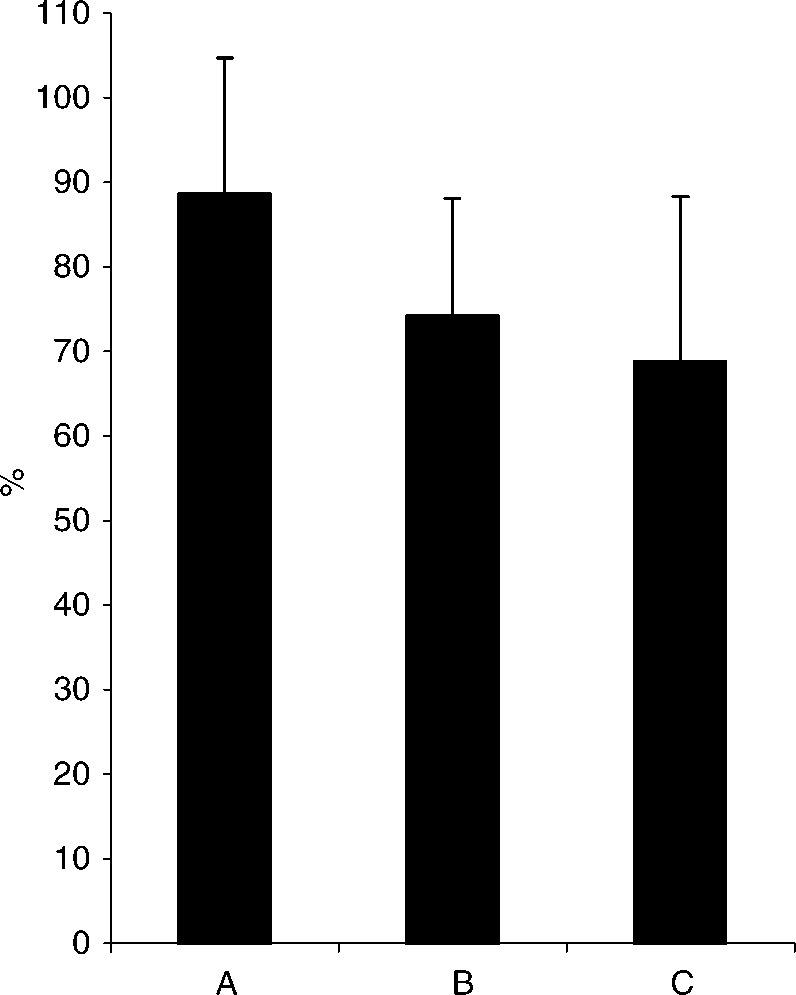
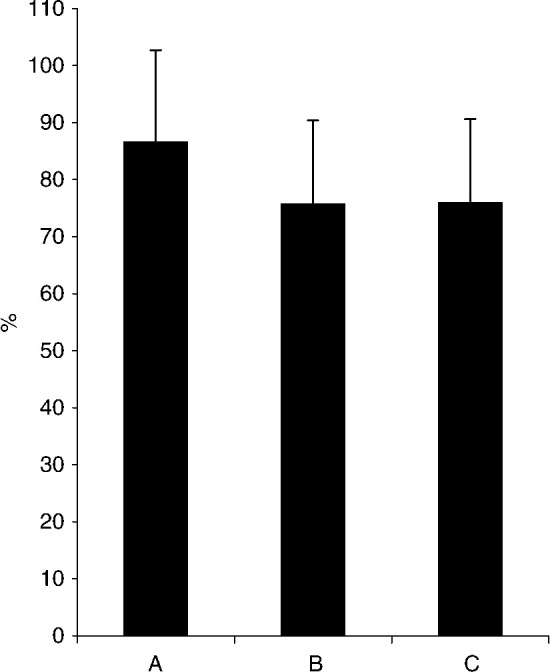
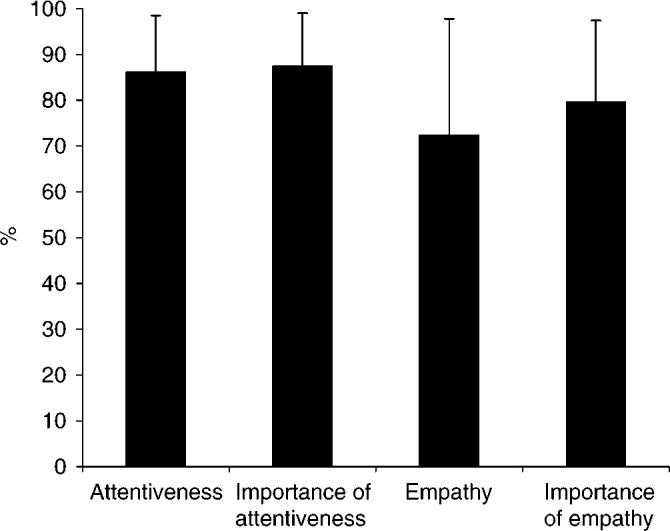
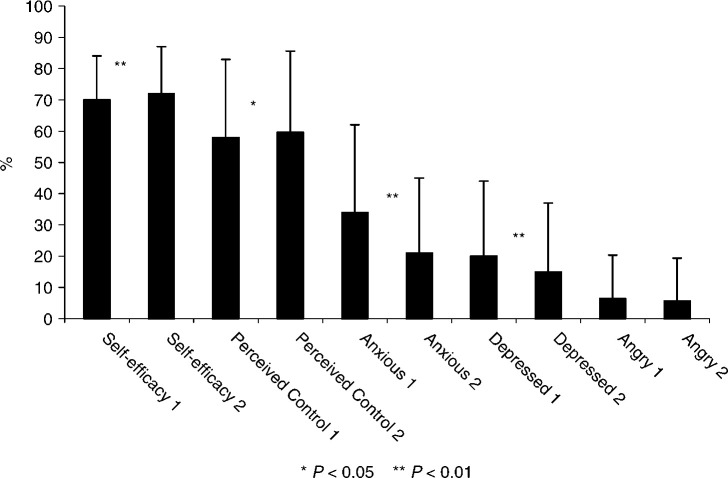
The aim of the study was to investigate the association of physician communication behaviours as perceived by the patient with patient reported satisfaction, distress, cancer-related self-efficacy, and perceived control over the disease in cancer patients. Questionnaires measuring distress, self-efficacy, and perceived control were completed prior to and after the consultation by 454 patients attending an oncology outpatient clinic. After the consultation, the patients also rated the physicians' communicative behaviours by completing a patient-physician relationship inventory (PPRI), and the physicians were asked to estimate patient satisfaction. The overall results showed that higher PPRI scores of physician attentiveness and empathy were associated with greater patient satisfaction, increased self-efficacy, and reduced emotional distress following the consultation. In contrast, lower PPRI scores were associated with reduced ability of the physician to estimate patient satisfaction. The results confirm and expand previous findings, suggesting that communication is a core clinical skill in oncology.
Overview
The claims and statistics of this paper haven’t been checked yet.
Run the check — free, no account needed. It reads the open-access text and checks the sources it cites.
Integrity signals
Registry
Cites
Statistics
Figures
Verification
Claims the paper makes
The claims and statistics of this paper haven’t been checked yet.
Run the check — free, no account needed. It reads the open-access text and checks the sources it cites.
Claims other papers make about this one
Each is checked against this paper’s own text: does it say what the citing paper says it does?
In the citing paper
“Many studies have documented the positive effect of provider empathy on patients, which include increased patient satisfaction, adherence, self-efficacy, perceptions of control, less emotional distress, and better outcomes.87–90”
From Reducing Racial Bias Among Health Care Providers: Lessons from Social-Cognitive Psychology (2007) · cites this paper as [90]
Self-check
Percentages, sums and reported differences re-computed from the paper’s own numbers.
The self-check needs the paper’s full text.
Citations
Cites
Effective physician-patient communication and health outcomes: a review.
(1995) · Europe PMC (PubMed Central) · Cited by 4,085
Doctor-patient communication: a review of the literature
Ong, L. M. L., de Haes, J. C. J. M., Hoos, A. M., & Lammes, F. B. (1995) · Social Science & Medicine · doi:10.1016/0277-9536(94)00155-m · Cited by 2,430 · cited 2×
“The results thus confirmed hypothesis 1 and are in support of previous results showing that higher frequency of patient-centred behaviours is associated with greater patient satisfaction (Stewart, 1984; Roter et al, 1987; Ong et al, 1995).”
BackgroundResultReduction of Postoperative Pain by Encouragement and Instruction of Patients
Egbert, L. D., Battit, G. E., Welch, C. E., & Bartlett, M. K. (1964) · New England Journal of Medicine · doi:10.1056/nejm196404162701606 · Cited by 1,147 · cited 1×
“…Ford et al, 1996), including greater symptom resolution, reduced stress, lower blood pressure in hypertensive patients (Orth et al, 1987), lower blood glucose levels in diabetics (Greenfield et al, 1988), and better postoperative pain control with reduced use of analgesics (Egbert et al, 1964).”
BackgroundPatients’ participation in medical care
Greenfield, S., Kaplan, S. H., Ware, J. E., Yano, E. M., & Frank, H. J. L. (1988) · Journal of General Internal Medicine · doi:10.1007/bf02595921 · Cited by 1,117
Meta-analysis of correlates of provider behavior in medical encounters
Hall, J. A., Roter, D. L., & Katz, N. R. (1988) · Medical Care · doi:10.1097/00005650-198807000-00002 · Cited by 1,069 · cited 1×
“Some studies have used direct observations of a limited number of consultations (Hall et al, 1988) or structured patient interviews (Stewart, 1984; Butow et al, 1994), while others have used questionnaires (Cantwell and Ramirez, 1997; Detmar et al, 2000).”
BackgroundAttributions, beliefs about control, and adjustment to breast cancer.
Taylor, S. E., Lichtman, R. R., & Wood, J. V. (1984) · Journal of Personality and Social Psychology · doi:10.1037//0022-3514.46.3.489 · Cited by 953 · cited 1×
“This finding is in concordance with previous findings that even illusory positive beliefs of women with breast cancer about their disease and their ability to control disease were associated with positive mental health but independent of the objective medical evidence (Taylor et al, 1984).”
ResultPsychiatric morbidity and its recognition by doctors in patients with cancer
Fallowfield, L., Ratcliffe, D., Jenkins, V, & Saul, J. (2001) · British Journal of Cancer · doi:10.1054/bjoc.2001.1724 · Cited by 694 · cited 1×
“Although recognition of psychological distress is a crucial aspect of patient care, oncologists often fail to detect general distress in patients (Ford et al, 1994; Cull et al, 1995; Fallowfield et al, 2001) and ask few questions regarding patients’ psychological health (Ford et al, 1996).”
BackgroundROTER, D. L. (1995) · Archives of Internal Medicine · doi:10.1001/archinte.155.17.1877 · Cited by 651
Effective communication skills are the key to good cancer care
Fallowfield, L. J., & Jenkins, V. A. (1999) · European Journal of Cancer · doi:10.1016/s0959-8049(99)00212-9 · Cited by 558 · cited 3×
“…Research UK Keywords: patient–physician relationship; communication skills; self-efficacy ; anxiety ; depression; anger Patient dissatisfaction can lead to low understanding and recall of information, poor compliance, lengthier recovery periods, and increased complication rates (Fallowfield, 1992).”
BackgroundImproving Physicians' Interviewing Skills and Reducing Patients' Emotional Distress
ROTER, D. L. (1995) · Archives of Internal Medicine · doi:10.1001/archinte.1995.00430170071009 · Cited by 421 · cited 1×
“Our results are in concordance with previous findings that a training course designed to enhance the physicians’ emotion-handling skills was associated with reduced emotional distress in patients (Roter et al, 1995).”
Result
Research works printed but not linked: 2
- Bandura A (1997) Self-efficacy – The Exercize of Control. New York: Freeman and Company
- Pedersen CG, Christensen S, Zachariae R, Bonde-Jensen A, Lehbrink M, Maase H (2001) Psychosocial and demographic predictors of pain, discomfort and satisfaction with the patient–physician relationship in a group of women attending a mammography clinic. Psycho-Oncology 10: S23
Cited by
Sorted by citations
Items 401–500 of 598
Professional Interactions: Negotiation and Expression for Future Physicians and Healthcare Providers
Pan, A. J., Pan, A. J., & Leary, K. R. (2017) · Universal Journal of Educational Research · doi:10.13189/ujer.2017.051127 · Cited by 5
“Likewise, there is a wealth of literature tying effective communication and interaction to improved health outcomes and quality measures such as adherence to treatment, satisfaction ratings, patient participation in care, and self-management [4-9].”
Background“Sorry You Had to Go Through That”
Cargile, A. C., & Salazar, L. R. (2015) · Journal of Language and Social Psychology · doi:10.1177/0261927x15580595 · Cited by 5
“Attempts to describe and categorize caregiver communicative responses to suffering patients run the gamut, including one-dimensional coding schemes for pencil-paper responses (Winefield & Chur-Hansen, 2000), two-factor schemes (Zachariae et al., 2003), four-factor observer-coded schemes for prescriptive behavior (Krup…”
BackgroundNielsen, B. K., Mehlsen, M. Y., Jensen, A. B., & Zachariae, R. H. (2017) · Open Journal of Nursing · doi:10.4236/ojn.2017.77060 · Cited by 5
“Although not validated, the PPRI has previously been reported to have adequate psychometric properties [6] [23] [33], and in the present sample, internal consistency was 0.”
BackgroundMethodInfluentialSelf-citationSharing Serious News With Cancer Patients: Strategies That Can Help.
Parker, P. A., & Banerjee, S. C. (2018) · PubMed · Cited by 5
Zhou, Y., Che, C. C., Chong, M. C., Zhao, H., Hou, Y., & Zhao, M. (2025) · Frontiers in Psychology · doi:10.3389/fpsyg.2025.1572569 · Cited by 4
Danet, A., Carretero, M. J. E., Rodríguez, M. Á. P., & Cerdá, J. C. M. (1970) · Revista de Comunicación y Salud · doi:10.35669/revistadecomunicacionysalud.2012.2(2).63-77 · Cited by 4
Diendorfer, T., Roider‐Schur, S., Lütgendorf‐Caucig, C., Masel, E. K., Watzke, H., Pötter, R., & Kirchheiner, K. (2022) · European Journal of Cancer Care · doi:10.1111/ecc.13737 · Cited by 4
S3-Leitlinie Diagnostik und Therapie biliärer Karzinome – Langversion
Bitzer, M., Groß, S., Albert, J., Boda‐Heggemann, J., Brunner, T. B., Caspari, R., Toni, E. D., Dombrowski, F., Evert, M., Geier, A., et al. (2023) · Zeitschrift für Gastroenterologie · doi:10.1055/a-2026-1240 · Cited by 4
Edwardsen, E. A., Morse, D. S., Gurnsey, M. G., Taupin, A., Shields, C. G., Griggs, J. J., & McDaniel, S. H. (2013) · European Journal for Person Centered Healthcare · doi:10.5750/ejpch.v1i1.646 · Cited by 4
“Cancer patients report more satisfaction, greater self-efficacy and less psychological distress after seeing physicians they rate as attentive and empathic [8].”
BackgroundCounseling During Real Ear Measurements: The Clients' Perspective
Ryall, A., Jenstad, L. M., Pumford, J., Howe, T., & Grosjean, G. (2021) · Journal of the American Academy of Audiology · doi:10.1055/s-0040-1718930 · Cited by 4
Richards, H., Polnay, A., Wilkinson, P. J., Read, E., & Young, H. (2020) · Scottish Medical Journal · doi:10.1177/0036933020918056 · Cited by 4
Hospice Patient Care Goals and Medical Students’ Perceptions: Evidence of a Generation Gap?
Levy, K., Grant, P. C., Kerr, C. W., Byrwa, D. J., & Depner, R. M. (2020) · American Journal of Hospice and Palliative Medicine® · doi:10.1177/1049909120934737 · Cited by 4
Brédart, A., Rault, A., Terrasson, J., Seigneur, E., de Koning, L., Hess, E., Savignoni, A., Cottu, P. H., Pierga, J., Piperno-Neumann, S., et al. (2021) · JMIR Research Protocols · doi:10.2196/26414 · Cited by 4
Karlsson, L. E. (2018) · Journal of Community Medicine & Public Health · doi:10.29011/cmph-130/100030 · Cited by 4
“This finding is supported by previous studies that proposed that physicianpatient relationships can be an essential element of patient selfefficacy [14,33].”
BackgroundResultPatient Satisfaction and Physician Empathy at a Hellenic Air Force Health Service
Naoum, S., Konstantinidis, T. I., Spinthouri, M., Mitseas, P., & Sarafis, P. (2021) · Military Medicine · doi:10.1093/milmed/usab060 · Cited by 6
Sánchez, N., Salamero, M., Sirgo, A., Hollenstein, M. F., León, C., & Lacorte, T. M. (2005) · Complutensian Scientific Journals (Complutense University of Madrid) · doi:10.5209/rev_psic.2005.v2.n1.16959 · Cited by 4
Breaking Bad News — Skills and Evidence
Thistlethwaite, J. E. (2009) · InnovAiT Education and inspiration for general practice · doi:10.1093/innovait/inp133 · Cited by 4
“Patients of doctors who are empathic within this approach have been shown to have a greater capacity to cope with their disease and its treatment and to experience a better quality of life ( Zachariae et al. , 2003 ).”
BackgroundPhysician Communication with Patients
Christianson, J. B., Warrick, L. H., Finch, M., & Jonas, W. B. (2012) · University of Michigan Press eBooks · doi:10.3998/mpub.3644234 · Cited by 4
The Empathetic Refutational Interview to tackle vaccine misconceptions: four randomised experimentsPreprint
Holford, D. L., Schmid, P., Fasce, A., & Lewandowsky, S. (2023) · doi:10.31219/osf.io/8ndz2 · Cited by 4
Özdemir, K., Tuğral, A., İsmailoğlu, E. G., Bakar, Y., TAŞKIRAN, N., Önder, H. E., & Sarı, D. (2023) · Journal of Basic and Clinical Health Sciences · doi:10.30621/jbachs.1106052 · Cited by 3
Treatment preferences of patients with Crohn's disease: Development of the IMPLICA questionnaire.
Borruel, N., Castro, J., Riestra, S., Costi, M. P., & Casellas, F. (2014) · PubMed · Cited by 3
Falotico, R., Liberati, C., & Zappa, P. (2015) · Quality and Reliability Engineering International · doi:10.1002/qre.1853 · Cited by 3
“8 In the latest years, as the availability of online tools has increased, also health communication has increasingly exploited them.”
BackgroundInfluentialBellon-Harn, M. L., Manchaiah, V. K. C., & Azios, J. H. (2019) · Perspectives of the ASHA Special Interest Groups · doi:10.1044/2019_pers-sig7-2019-0005 · Cited by 3
Anderson, N., Zhou, Y., & Humphris, G. M. (2021) · Pilot and Feasibility Studies · doi:10.1186/s40814-021-00833-z · Cited by 3
“Based on previous research, it would be expected that consultations demonstrating higher levels of Cognitive reassurance would result in higher levels of satisfaction [13], while those with higher levels of Affective reassurance would result in higher levels of perceived empathy [11].”
Background(2018) · Journal of Community Medicine & Public Health · doi:10.29011/2577-2228.100030 · Cited by 3
Abdulrahman, K. A. B., Alhazani, F. A., Alayed, F. T., Alomar, A. A., AlSarrani, A. H., Albalawi, A. M., & Alhussini, F. O. (2022) · World Family Medicine Journal/Middle East Journal of Family Medicine · doi:10.5742/mewfm.2022.95251370 · Cited by 4
Tajima, K., Koyanagi, K., Ozawa, S., Kazuno, A., Yamamoto, M., Shoji, Y., Yatabe, K., Kanamori, K., Zhao, H., & Mori, M. (2023) · Journal of the American College of Surgeons · doi:10.1097/xcs.0000000000000801 · Cited by 3
Kim, J., Linos, E., Dove, M. S., Hoch, J. S., & Keegan, T. H. M. (2023) · npj Mental Health Research · doi:10.1038/s44184-023-00034-x · Cited by 3
S3-Leitlinie „Diagnostik und Therapie biliärer Karzinome“ – Langversion 4.0
Groß, S., Bitzer, M., Albert, J., Blödt, S., Boda‐Heggemann, J., Brunner, T. B., Caspari, R., Toni, E. D., Dombrowski, F., Evert, M., et al. (2024) · Zeitschrift für Gastroenterologie · doi:10.1055/a-2189-8567 · Cited by 3
Fairburn, L., Holcombe, C., & Beesley, H. (2017) · Springer eBooks · doi:10.1007/978-3-319-56673-3_59 · Cited by 3
Pretransplant Psychological Assessment for Stem Cell Treatment
Thilges, S., Bolton, C. J., & Mumby, P. B. (2018) · Journal of Health Service Psychology · doi:10.1007/bf03544671 · Cited by 3
Bienestar emocional, imagen corporal, autoestima y sexualidad en mujeres con cáncer de mama
Cucarella, M. S. P. (2013) · Complutensian Scientific Journals (Complutense University of Madrid) · doi:10.5209/rev_psic.2013.v10.n1.42446 · Cited by 3
Hall, M., Hanna, L., Hanna, A. J., & McDevitt, C. (2015) · Research Portal (Queen's University Belfast) · Cited by 3
The Words Your Patients Will Remember
Hemphill, R. R., & Santen, S. A. (2011) · Academic Emergency Medicine · doi:10.1111/j.1553-2712.2010.00966.x · Cited by 3
Roos, T. C., Niehaus, D. J. H., Leppänen, J. M., Ras, J. M., Cloete, K. J., Jordaan, E., & Koen, L. (2014) · BMC Medical Education · doi:10.1186/s12909-014-0245-6 · Cited by 3
Communication entre soignant et soigné: historique, définitions et mesures
Trudel, J. G., Leduc, N., & Dumont, S. (2013) · Psycho-Oncologie · doi:10.1007/s11839-013-0423-5 · Cited by 3
Do Attributes of Patient Satisfaction Affect Word-of-Mouth Communication?
Upadhyay, S., & Powers, T. L. (2017) · Developments in marketing science: proceedings of the Academy of Marketing Science · doi:10.1007/978-3-319-45596-9_158 · Cited by 3
Tzeng, H., Okpalauwaekwe, U., Feng, C. X., Jansen, L., Barker, A., & Yin, C.-Y. (2019) · Nursing Open · doi:10.1002/nop2.315 · Cited by 3
“…and their motivation as patients to further pursue healthcare ser‐ vices (Hashim, 2017; Johnson, Saha, Arbelaez, Beach, & Cooper, 2004; Ozaras & Abaan, 2016; Saha, Arbelaez, & Cooper, 2003; Siminoff et al., 2006; Tzeng, Okpalauwaekwe, et al., 2019; Tzeng, & Pierson, 2017a; Zachariae et al., 2003).”
Ay, M. K., SULAIMAN, T. M., GARABLI, N., Acar, Y., Uzunoglu, I., Akkuş, M. A., & Topuzoǧlu, A. (2021) · Marmara medical journal · doi:10.5472/marumj.942621 · Cited by 3
“Physicians’ high emotional intelligence and communication skills are important in terms of understanding patients, evaluating their diseases and establishing a patient-physician relationship, which increases treatment compliance [18,19] and patient satisfaction [20,21].”
BackgroundPredictive factors of postoperative paralytic ileus following abdominal surgery: a clinical study
Abdelrahman, T. M., Alharthi, A. K., Alamri, S., Alnefaie, A. M., Omar, B., & Alzahrani, M. A. (2022) · World Family Medicine Journal/Middle East Journal of Family Medicine · doi:10.5742/mewfm.2022.95251361 · Cited by 3
Unraveling postgraduate communication learning: from transfer to transformative learning
van den Eertwegh, V. (2015) · Research Publications (Maastricht University) · doi:10.26481/dis.20151111ve · Cited by 3
Health Beliefs and Patient Adherence to Treatment
Miller, T. A., & DiMatteo, M. R. (2015) · Elsevier eBooks · doi:10.1016/b978-0-12-397045-9.00042-2 · Cited by 3
S3-Leitlinie Diagnostik und Therapie biliärer Karzinome – Langversion
Groß, S., Bitzer, M., Albert, J., Blödt, S., Boda‐Heggemann, J., Borucki, K., Brunner, T. B., Caspari, R., Dombrowski, F., Evert, M., et al. (2025) · Zeitschrift für Gastroenterologie · doi:10.1055/a-2460-6347 · Cited by 3
S3-Leitlinie Diagnostik und Therapie des Hepatozellulären Karzinoms – Langversion
Bitzer, M., Groß, S., Albert, J., Blödt, S., Boda‐Heggemann, J., Borucki, K., Brunner, T. B., Caspari, R., Dombrowski, F., Evert, M., et al. (2025) · Zeitschrift für Gastroenterologie · doi:10.1055/a-2460-6298 · Cited by 4
Tuca, A., Viladot, M., Barrera, C., Chicote, M., Gabarró-Taulé, T., Carrera, G., Pascual, A., Font, E., Angulo, E., Hernández-Godoy, E., et al. (2025) · Cancers · doi:10.3390/cancers17081345 · Cited by 2
END-OF-LIFE DECISION-MAKING AMONG AFRICAN AMERICANS WITH SERIOUS ILLNESS
Smith-Howell, E. R., Meghani, S. H., & Hickman, S. E. (2017) · Innovation in Aging · doi:10.1093/geroni/igx004.470 · Cited by 2
Using a longitudinal case-based approach to teach population health and disease prevention
Jackowski, R. M., & Hall-Lipsy, E. A. (2020) · Currents in Pharmacy Teaching and Learning · doi:10.1016/j.cptl.2020.04.024 · Cited by 2
Validation of a pre-/post-survey to measure change in student social justice attitudes and empathy
Vaffis, S., Anderson, E. J., Fettkeather, R. M., Warholak, T. L., & Hall-Lipsy, E. A. (2021) · Currents in Pharmacy Teaching and Learning · doi:10.1016/j.cptl.2021.07.016 · Cited by 2
An Impact of Patient-physician Communication Curriculum on Students of Korean Medical School
Lee, H.-Y., Im, S. J., Yune, S. J., & Lee, S. Y. (2021) · 대한한의학회지 · doi:10.13048/jkm.21027 · Cited by 2
Two Issues with the Empathy-Based Argument Against Robot-Physicians
Malbois, E. (2023) · Frontiers in artificial intelligence and applications · doi:10.3233/faia220606 · Cited by 2
Aoude, M. (2023) · Undergraduate Research in Natural and Clinical Science and Technology (URNCST) Journal · doi:10.26685/urncst.430 · Cited by 2
Lyons, M. S., Baker, C., Chaput, G., Finelli, A., Kupets, R., Hong, N. J. L., Wright, F. C., & Gagliardi, A. R. (2025) · BMJ Open · doi:10.1136/bmjopen-2024-087484 · Cited by 2
Hamel, L. M., Bagautdinova, D., Winkler, B., Hardy, F., Sulad, C., Lumpkin, M., Heath, E. I., & Eggly, S. S. (2025) · Patient Education and Counseling · doi:10.1016/j.pec.2025.108649 · Cited by 2
Zhou, Y., Che, C. C., Chong, M. C., Zhao, H., Hou, Y., & Li, J. (2025) · Supportive Care in Cancer · doi:10.1007/s00520-025-09516-4 · Cited by 3
“Consistent with previous research [29, 30], it is anticipated that discrepancies in communication between patients and their partners will be the greatest source of distress, potentially more severe than the multitude of issues reported by each individual.”
Health-promoting Lifestyle, Illness Control Beliefs and Well-being of the Obese Diabetic Women
Awasthi, P., Mishra, R. C., & Singh, S. (2018) · Psychology and Developing Societies · doi:10.1177/0971333618783395 · Cited by 2
“The role of doctors’ attention and empathy in reducing patients’ distress has often been reported in studies of cancer patients (Parchman & Burge, 2004; Zachariae et al., 2003).”
BackgroundInformation and Support for Patients Throughout the Radiation Therapy Treatment Pathway
Leech, M., & Coffey, M. A. (2012) · InTech eBooks · doi:10.5772/35825 · Cited by 2
“Older patients are often less assertive in communicating with health professionals, less likely to ask questions and less inclined to take a controlling role in the decision making process (19).”
BackgroundThe “cash or care” conflict in general practice – A cautionary tale with methodological reflections
Krüger, E., & Reilly, D. T. (2011) · Patient Education and Counseling · doi:10.1016/j.pec.2011.01.019 · Cited by 2
Respecting of Patient's Rights in Aspect of Doctor-Patient Communication in Surgery Wards
Rosiek, A. B., & Leksowski, K. (2013) · Cited by 2
History: A Historical Perspective on Patient Education in Clinical Practice and in Medical Education
Wouda, J. C., van de Wiel, H. B. M., & Paarlberg, K. M. (2017) · Springer eBooks · doi:10.1007/978-3-319-40404-2_23 · Cited by 2
Spiritual Discussion: Relevance, Benefits and Application to Primary Care Consultations
(2014) · Primary Health Care Open Access · doi:10.4172/2167-1079.1000178 · Cited by 3
Mehra, P. (2018) · Asia Pacific Journal of Health Management · doi:10.24083/apjhm.v13i1.31 · Cited by 1
“[10,11,12,13] For example, Roter (2000) described effectiveness of provider communication skills as being akin to a ‘therapeutic’ experience; small talk and informal conversations boosted the patients’ sense of participation and encouraged them to ask open-ended questions.”
BackgroundChen, Y., Chen, Y., Zhang, L., Li, J., & Bai, J. (2021) · Cancer Nursing · doi:10.1097/ncc.0000000000001009 · Cited by 2
Trosdorf, M., & Brédart, A. (2022) · Springer eBooks · doi:10.1007/978-3-030-84702-9_15 · Cited by 2
Communication and Treatment Decision Making
Naeim, A. (2012) · Elsevier eBooks · doi:10.1016/b978-1-4377-1398-5.10012-8 · Cited by 2
Placebo in der Medizin oder: Die Rolle des Arztes im therapeutischen Prozess
Kentenich, H., & Pietzner, K. (2012) · Journal für Kardiologie (Krause & Pachernegg GmbH) · Cited by 2
The value of tailored communication in promoting medication intake behavior
Linn, A. J. (2013) · UvA-DARE (University of Amsterdam) · Cited by 2
van Vliet, L. M. (2013) · Utrecht University Repository (Utrecht University) · Cited by 2
Kalavana, T. V. (2015) · doi:10.1002/9781118728130.ch14 · Cited by 2
Quality of Life in the Gynecologic Cancer Patient
Bodurka, D. C., Sun, C. C., & Basen-Engquist, K. M. (2004) · Elsevier eBooks · doi:10.1016/b978-0-443-07142-3.50063-4 · Cited by 2
Adaptation to cancer from an attachment theoretical perspective
Holwerda, N. (2006) · University of Groningen research database (University of Groningen / Centre for Information Technology) · Cited by 2
Gibbon, L. M., Hurd, C., & Merel, S. E. (2020) · Journal of Pain and Symptom Management · doi:10.1016/j.jpainsymman.2020.02.002 · Cited by 1
Awareness and attitude toward antidepressants in the population of Riyadh, Saudi Arabia
Alsenaidi, Y. I., AlDawas, O., AlFihaid, A., AlZimami, M., AlQahtani, R., & Abdulrahman, K. A. B. (2022) · World Family Medicine Journal/Middle East Journal of Family Medicine · doi:10.5742/mewfm.2022.95251360 · Cited by 1
Takagishi, S. C., Grinberg, A. S., Lindsey, H. M., Goldman, R. E., Baird, S. A., Burrone, L., Sico, J. J., & Damush, T. M. (2024) · Cureus · doi:10.7759/cureus.56175 · Cited by 1
“Better communication among team members can produce improved coordination of care, a more appropriate plan of treatment, and better outcomes for the patient [45-47].”
BackgroundYau, A., Lentskevich, M. A., Figueroa, A. E., Gutowski, K. S., Bajaj, A., Donaldson, R., Herbener, C., & Gosain, A. K. (2024) · Journal of Craniofacial Surgery · doi:10.1097/scs.0000000000010885 · Cited by 1
“15 In contrast, language-discordant care has been associated with decreased patient satisfaction.”
Guolo, F., Riccardi, F., Sette, P. D., Perrone, C., Minetto, P., Todiere, A., Ballerini, F., Riva, C., Cea, M., Lemoli, R. M., et al. (2025) · PEC Innovation · doi:10.1016/j.pecinn.2025.100439 · Cited by 1
“It is widely known that high-quality communication in solid cancer care mitigates cancer patients' distress and enhances their overall well-being [14-16].”
Krieger, T., Frey, L., Hoemberg, M., & Dittmer, K. (2026) · PEC Innovation · doi:10.1016/j.pecinn.2026.100464 · Cited by 1
“The quality of BBN is considered a critical factor influencing the patient's treatment journey, shaping adherence, coping with treatment challenges, and cancer-related self-efficacy in managing emotional distress [16,17].”
Igde, E., Oskay-Özcelik, G., Vasiljeva, J., Karaman, M., Fechner, S., Pirmorady-Sehouli, A., & Sehouli, J. (2026) · Current Oncology · doi:10.3390/curroncol33040229 · Cited by 1
“Greater patient satisfaction and reduced emotional distress were associated with the attentiveness and empathy of the physicians during the conversation [14].”
Emotion Talk in Psychotherapy: A Systematic Review of Conversation Analytic Studies
Zhang, S., Huang, T., Li, H., & Chen, L. (2026) · Clinical Psychology & Psychotherapy · doi:10.1002/cpp.70297 · Cited by 2
“Positive responses can improve the effect of treatment (Cape et al. 2000; Jani et al. 2012) and enhance the patient's satisfaction and self-efficacy (Finset 2010; Zachariae et al. 2003).”
Communication Between Patients and Health Care Providers
Epner, D. E. (2014) · Springer eBooks · doi:10.1007/978-1-4939-0986-5_27 · Cited by 1
Breaking bad news: an interactive workshop for general practitioners
Thistlethwaite, J. E., Nehill, C., & Wilcoxon, H. (2009) · The Clinical Teacher · doi:10.1111/j.1743-498x.2009.00307.x · Cited by 1
“Patients of doctors who are empathic within this approach have been shown to have a greater capacity to cope with their disease and its treatment, and to experience a better quality of life.(5)”
BackgroundPeiró, G., & Sánchez, P. T. (2012) · Cited by 1
Saleh, N. S., & Yaacob, H. F. (2015) · Sains Humanika · doi:10.11113/sh.v4n1.361 · Cited by 1
Tarber, C., Frostholm, L., & Rehfeld, E. (2016) · Tidsskrift for Forskning i Sygdom og Samfund · doi:10.7146/tfss.v13i24.18843 · Cited by 1
Medical “Gatekeeping” for Psychosocial Research on Serious Illness
McGrath, P. D., Kaur, A., Feracho, R., & Patton, M. A. (2017) · Illness Crisis & Loss · doi:10.1177/1054137317718999 · Cited by 1
“Research by Zachariae et al. (2003) demonstrated that the lower the cancer patient rated the oncologist’s communicative behaviors the reduced ability of the physician to estimate patient satisfaction and distress.”
BackgroundMellblom, A. V., Ruud, E., Loge, J. H., Lie, H. C., & Finset, A. (2021) · Journal of Adolescent and Young Adult Oncology · doi:10.1089/jayao.2021.0123 · Cited by 1
Co-designing Patient-centered Health Communication Tools for Cancer Care
Gonzales, M., & Riek, L. D. (2013) · Proceedings of the ICTs for improving Patients Rehabilitation Research Techniques · doi:10.4108/pervasivehealth.2013.252109 · Cited by 1
Alfadli, F. M., Aljuaid, A., Althbaiti, M. A., Alhamyani, A. D., Alsoaimi, A. S., & Alzahrani, K. M. (2022) · World Family Medicine Journal/Middle East Journal of Family Medicine · doi:10.5742/mewfm.2022.95251368 · Cited by 1
Spiritual Beliefs, Illness Controllability and Subjective Wellbeing of Breast Cancer Patients
Awasthi, P., Agrawal, B., Shahi, U. P., & Saxena, S. (2022) · Purushartha - A Journal of Management Ethics and Spirituality · doi:10.21844/16202114203 · Cited by 1
Völkel, V., Steinger, B., Koller, M. T., Klinkhammer‐Schalke, M., & Lindberg, P. (2023) · BMC Cancer · doi:10.1186/s12885-023-10604-z · Cited by 1
“This underlines the importance of establishing a good patient-caregiver relationship [39].”
Ward, A. L., McPherson, L., & Glanaghy, E. M. (2023) · Seminars in Oncology Nursing · doi:10.1016/j.soncn.2023.151483 · Cited by 1
Coaching in Humanism: A Pilot Program for Medical Students
Matuska, M., Rogers, D., Frings, D., & Orlov, N. M. (2023) · Academic Medicine · doi:10.1097/acm.0000000000005384 · Cited by 1
Understanding the User's Point of View: When the Doctor Gets Sick with Cancer and Seeks Help
Massa, E., Lai, E., Donisi, C., Scartozzi, M., Orgiano, L., Mulas, O., Pretta, A., Caocci, G., & Carta, M. G. (2023) · Clinical Practice and Epidemiology in Mental Health · doi:10.2174/0117450179241325231011070735 · Cited by 1
The Use of Artificial Intelligence in Health Communication
Tanyıldızı, N. İ., & Yıldız, İ. (2024) · Advances in medical technologies and clinical practice book series · doi:10.4018/979-8-3693-3719-6.ch006 · Cited by 1
The Perspective of Romanian Patients on Continuous Therapy for Multiple Myeloma
Irimia, R. M., BADELITA, S. N., Barbu, S., Zidaru, L. E., Carlan, I. L., Preda, O. D., & Coriu, D. (2024) · Journal of Personalized Medicine · doi:10.3390/jpm14090910 · Cited by 1
“Studies have shown that higher ratings of empathy from cancer patients correlate with greater patient satisfaction and reduced emotional distress [12,13,33,34].”
BackgroundCompassionate care in the emergency department: A narrative review and blueprint for future inquiry
Marks, C. M., Scudder, A. M., Roberts, B. W., Haimovich, A. D., Trzeciak, S. W., & Shapiro, N. I. (2025) · The American Journal of Emergency Medicine · doi:10.1016/j.ajem.2025.02.012 · Cited by 1
Niveles de empatía en una muestra de enfermeras españolas
Giménez‐Espert, M. D. C., Avivar-Cáceres, S., & Prado‐Gascó, V. (2016) · Cited by 1
Howson, A., Turell, W., & Roc, A. C. (2018) · Health Education Journal · doi:10.1177/0017896918763232 · Cited by 1
Fowler, L. A., & Shigley, S. B. (2018) · Emerald Group Publishing Limited eBooks · doi:10.1108/s1042-319220180000016012 · Cited by 1
Choosing the Right Oncologist and the Value of a Second Opinion
Cohen, M. (2012) · Elsevier eBooks · doi:10.1016/b978-1-4377-1398-5.10005-0 · Cited by 1
Facial Emotional Perception Training for Medical Students
Campo, M. V., Vidal, L., Torres, Á., Mateos, R., Olivares, J. M., García-Lado, I., & García-Caballero, A. A. (2019) · Creative Education · doi:10.4236/ce.2019.108128 · Cited by 1
“The practitioner’s skills in recognizing and managing their patients’ emotional signals are associated with positive results in the quality of patient care (Zachariae et al., 2003; Squier, 1990; Kim et al., 2004; Hojat et al., 2011; Stewart et al., 2000).”
Background
Metadata
- Authors
- Zachariae, R., Pedersen, C. G., Jensen, A. B., Ehrnrooth, E., Rossen, P. B., & von der Maase, H.
- Affiliations
- Aarhus University Hospital (DK)
- Corresponding author
- Zachariae, R
- Venue
- British Journal of Cancer
- Published
- 2003-03
- Volume
- 88
- Issue
- 5
- Pages
- 658-665
- ISSN
- 0007-0920 (ISSN-L)
- 1532-1827
- PMC
- PMC2376357
- OpenAlex
- W2058562152
- Cited by
- 601
- References
- 40
- Citations by year
- 2026: 13 · 2025: 17 · 2024: 25 · 2023: 32 · 2022: 47 · 2021: 37 · 2020: 34 · 2019: 27 · 2018: 27 · 2017: 40 · 2016: 30 · 2015: 40 · 2014: 30 · 2013: 41 · 2012: 43
- FWCI
- 17.82
- Type
- journal article
- Language
- en
- Open access
- hybrid
- doi.org
- Licence
- cc-by-nc-sa
- www.springer.com/tdm (unspecified)
- Locations
- British Journal of Cancer (publishedVersion, cc-by-nc-sa)
- Europe PMC (PubMed Central) (publishedVersion, cc-by)
- PubMed Central (publishedVersion, cc-by)
- PubMed (publishedVersion)
- Research at the University of Copenhagen (University of Copenhagen) (submittedVersion)
- Funders
- Aarhus Universitet
- Aarhus Universitetshospital
- Kræftens Bekæmpelse
- Topics
- Health Sciences › Health Professions › General Health Professions › Patient-Provider Communication in Healthcare
- Health Sciences › Medicine › Psychiatry and Mental health › Empathy and Medical Education
- Health Sciences › Medicine › Oncology › Cancer survivorship and care
- Keywords
- patient satisfaction, emotional distress, perceived control, physician empathy, physician-patient relationship
- MeSH terms
- Humans, Neoplasms, Physician-Patient Relations, Surveys and Questionnaires, Stress, Psychological, Patient Satisfaction, Self Efficacy
About these checks
Registry, retraction, Cites and statistics results are computed, not judged, with one exception: a printed reference that no index lists is read once by a model before it counts as a citation error. Claims are extracted by a model and kept only when their quote appears verbatim in the text; each cited source is then checked, with a model’s help, for whether it says what the claim relies on. Those verdicts can be wrong — read the claim’s quote and the cited source before relying on one.
Statistics and arithmetic are recomputed, not judged.
Confidence bands are shown only for fields calibrated on our annotated test set. None is calibrated yet, so no band is shown.
What counts as a claim ›How we measure confidence ›How we check this ›
Are you an author, or do you see a problem with this page? Request a review
