

The DOI matches its Crossref record; 30 of the 30 references it cites were found in a registry or an index.
Drosophila screen connects nuclear transport genes to DPR pathology in c9ALS/FTD
Open accessAbstract
Hexanucleotide repeat expansions in C9orf72 are the most common cause of amyotrophic lateral sclerosis (ALS) and frontotemporal degeneration (FTD) (c9ALS/FTD). Unconventional translation of these repeats produces dipeptide repeat proteins (DPRs) that may cause neurodegeneration. We performed a modifier screen in Drosophila and discovered a critical role for importins and exportins, Ran-GTP cycle regulators, nuclear pore components and arginine methylases in mediating DPR toxicity. These findings provide evidence for an important role for nucleocytoplasmic transport in the pathogenic mechanism of c9ALS/FTD.
Overview
The claims and statistics of this paper haven’t been checked yet.
Run the check — free, no account needed. It reads the open-access text and checks the sources it cites.
Integrity signals
Registry
Cites
Statistics
Figures
Verification
Claims the paper makes
The claims and statistics of this paper haven’t been checked yet.
Run the check — free, no account needed. It reads the open-access text and checks the sources it cites.
Claims other papers make about this one
Each is checked against this paper’s own text: does it say what the citing paper says it does?
The check wasn’t confident either way, so it gives no verdict — never disputed.
In the citing paper
“Custom Python scripts were used to track ROIs over time, and cell death marked a set of criteria that include rounding of the soma, loss of fluorescence and degeneration of neuritic processes (63, 64).”
From Nemo-like kinase disrupts nuclear import and drives TDP43 mislocalization in ALS (2025) · cites this paper as [63]
Experimental — accuracy not yet measured
Self-check
Percentages, sums and reported differences re-computed from the paper’s own numbers.
The self-check needs the paper’s full text.
Citations
Cites
Mfold web server for nucleic acid folding and hybridization prediction
Zuker, M. (2003) · Nucleic Acids Research · doi:10.1093/nar/gkg595 · Cited by 13,404
Ubiquitinated TDP-43 in Frontotemporal Lobar Degeneration and Amyotrophic Lateral Sclerosis
Neumann, M., Sampathu, D. M., Kwong, L. K., Truax, A. C., Micsenyi, M. C., Chou, T. T., Bruce, J., Schuck, T., Grossman, M., Clark, C. M., et al. (2006) · Science · doi:10.1126/science.1134108 · Cited by 6,576
DeJesus-Hernandez, M., Mackenzie, I. R., Boeve, B. F., Boxer, A. L., Baker, M., Rutherford, N. J., Nicholson, A. M., Finch, N. A., Flynn, H., Adamson, J., et al. (2011) · Neuron · doi:10.1016/j.neuron.2011.09.011 · Cited by 4,936 · cited 2×
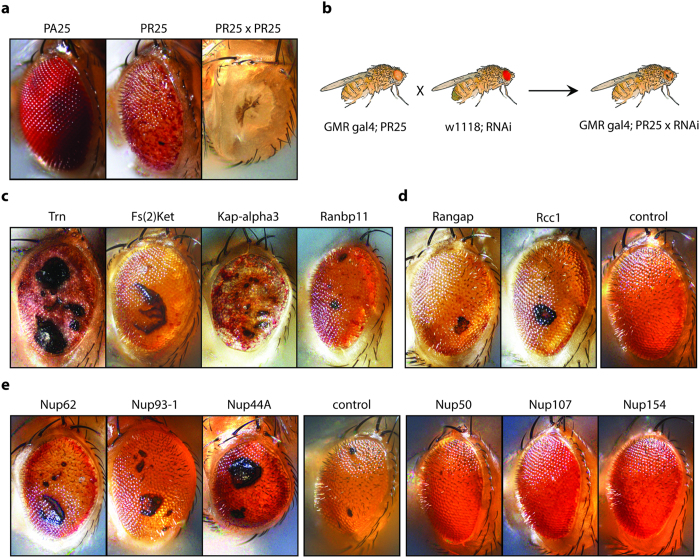
“(c) Knockdown of four karyopherins (Trn, Fs(2)Ket, Kap-alpha3 and Ranbp11) strongly enhanced PR toxicity.”
BackgroundA Hexanucleotide Repeat Expansion in C9ORF72 Is the Cause of Chromosome 9p21-Linked ALS-FTD
Renton, A. E., Majounie, E., Waite, A., Simón-Sánchez, J., Rollinson, S., Gibbs, J. R., Schymick, J. C., Laaksovirta, H., van Swieten, J. C., Myllykangas, L., et al. (2011) · Neuron · doi:10.1016/j.neuron.2011.09.010 · Cited by 4,409
Converging Mechanisms in ALS and FTD: Disrupted RNA and Protein Homeostasis
Ling, S.-C., Polymenidou, M., & Cleveland, D. W. (2013) · Neuron · doi:10.1016/j.neuron.2013.07.033 · Cited by 1,811
Increasing the precision of comparative models with YASARA NOVA—a self‐parameterizing force field
Krieger, E., Koraimann, G., & Vriend, G. (2002) · Proteins Structure Function and Bioinformatics · doi:10.1002/prot.10104 · Cited by 1,521
Spatiotemporal Rescue of Memory Dysfunction in Drosophila
McGuire, S. E., Le, P. T., Osborn, A. J., Matsumoto, K., & Davis, R. L. (2003) · Science · doi:10.1126/science.1089035 · Cited by 1,318
The C9orf72 GGGGCC Repeat Is Translated into Aggregating Dipeptide-Repeat Proteins in FTLD/ALS
Mori, K., Weng, S., Arzberger, T., May, S., Rentzsch, K., Kremmer, E., Schmid, B., Kretzschmar, H. A., Cruts, M., Broeckhoven, C. V., et al. (2013) · Science · doi:10.1126/science.1232927 · Cited by 1,248
Self-citationAsh, P. E. A., Bieniek, K. F., Gendron, T. F., Caulfield, T. R., Lin, W.-L., DeJesus‐Hernandez, M., van Blitterswijk, M., Jansen‐West, K. R., Paul, J. W., Rademakers, R., et al. (2013) · Neuron · doi:10.1016/j.neuron.2013.02.004 · Cited by 1,079
The C9orf72 repeat expansion disrupts nucleocytoplasmic transport.
Zhang, K., Donnelly, C. J., Haeusler, A. R., Grima, J. C., Machamer, J. B., Steinwald, P., Daley, E. L., Miller, S. J., Cunningham, K. M., Vidensky, S., et al. (2015) · Nature · doi:10.1038/nature14973 · Cited by 982
Research works printed but not linked: 1
- Mizielinska, S. et al. C9orf72 repeat expansions cause neurodegeneration in Drosophila through arginine-rich proteins. Science 345, 1192–1194 (2014). · DOI · Paper page
Cited by
Sorted by citations
Protein Phase Separation: A New Phase in Cell Biology
Boeynaems, S., Alberti, S., Fawzi, N. L., Mittag, T., Polymenidou, M., Rousseau, F., Schymkowitz, J. W. H., Shorter, J., Wolozin, B. L., Bosch, L. V. D., et al. (2018) · Trends in Cell Biology · doi:10.1016/j.tcb.2018.02.004 · Cited by 2,001
Self-citationC9orf72-mediated ALS and FTD: multiple pathways to disease
Balendra, R., & Isaacs, A. M. (2018) · Nature Reviews Neurology · doi:10.1038/s41582-018-0047-2 · Cited by 715
Jiang, J., Zhu, Q., Gendron, T. F., Saberi, S., McAlonis-Downes, M., Seelman, A., Stauffer, J. E., Jafar-nejad, P., Drenner, K., Schulte, D., et al. (2016) · Neuron · doi:10.1016/j.neuron.2016.04.006 · Cited by 536
Mead, R. J., Shan, N., Reiser, H. J., Marshall, F., & Shaw, P. J. (2023) · Nature Reviews Drug Discovery · doi:10.1038/s41573-022-00612-2 · Cited by 505
Phase Separation of C9orf72 Dipeptide Repeats Perturbs Stress Granule Dynamics
Boeynaems, S., Bogaert, E., Kovács, D., Konijnenberg, A., Timmerman, E., Volkov, A. N., Guharoy, M., Decker, M. D., Jaspers, T., Ryan, V. H., et al. (2017) · Molecular Cell · doi:10.1016/j.molcel.2017.02.013 · Cited by 502
Self-citationThe role of TDP-43 mislocalization in amyotrophic lateral sclerosis
Suk, T. R., & Rousseaux, M. W. C. (2020) · Molecular Neurodegeneration · doi:10.1186/s13024-020-00397-1 · Cited by 483
Stress Granule Assembly Disrupts Nucleocytoplasmic Transport
Zhang, K., Daigle, J. G., Cunningham, K. M., Coyne, A. N., Ruan, K., Grima, J. C., Bowen, K., Wadhwa, H., Yang, P., Rigo, F., et al. (2018) · Cell · doi:10.1016/j.cell.2018.03.025 · Cited by 420
Self-citationLopez-Gonzalez, R., Lu, Y., Gendron, T. F., Karydas, A., Tran, H., Yang, D., Petrucelli, L., Miller, B. L., Almeida, S., & Gao, F. (2016) · Neuron · doi:10.1016/j.neuron.2016.09.015 · Cited by 429
Molecular mechanisms underlying nucleotide repeat expansion disorders
Malik, I., Kelley, C. P., Wang, E. T., & Todd, P. K. (2021) · Nature Reviews Molecular Cell Biology · doi:10.1038/s41580-021-00382-6 · Cited by 363
Zhang, Y., Gendron, T. F., Ebbert, M., O’Raw, A. D., Yue, M., Jansen‐West, K. R., Zhang, X., Prudencio, M., Chew, J., Cook, C. N., et al. (2018) · Nature Medicine · doi:10.1038/s41591-018-0071-1 · Cited by 299
Self-citationKim, H. J., & Taylor, J. P. (2017) · Neuron · doi:10.1016/j.neuron.2017.07.029 · Cited by 280
Disruption of RNA Metabolism in Neurological Diseases and Emerging Therapeutic Interventions
Nussbacher, J. K., Tabet, R., Yeo, G. W.-M., & Lagier‐Tourenne, C. (2019) · Neuron · doi:10.1016/j.neuron.2019.03.014 · Cited by 271
Triad of TDP43 control in neurodegeneration: autoregulation, localization and aggregation
Tziortzouda, P., Bosch, L. V. D., & Hirth, F. (2021) · Nature reviews. Neuroscience · doi:10.1038/s41583-021-00431-1 · Cited by 285
The Role of Dipeptide Repeats in C9ORF72-Related ALS-FTD
Freibaum, B. D., & Taylor, J. P. (2017) · Frontiers in Molecular Neuroscience · doi:10.3389/fnmol.2017.00035 · Cited by 263
Kramer, N. J., Haney, M. S., Morgens, D. W., Jovičić, A., Couthouis, J., Li, A., Ousey, J., Ma, R., Bieri, G., Tsui, C. K., et al. (2018) · Nature Genetics · doi:10.1038/s41588-018-0070-7 · Cited by 226
Self-citationGao, F., Almeida, S., & Lopez‐Gonzalez, R. (2017) · The EMBO Journal · doi:10.15252/embj.201797568 · Cited by 227
Modelling amyotrophic lateral sclerosis: progress and possibilities
Damme, P. V., Robberecht, W., & Bosch, L. V. D. (2017) · Disease Models & Mechanisms · doi:10.1242/dmm.029058 · Cited by 225
Self-citationRegulation of mRNA Translation in Neurons—A Matter of Life and Death
Kapur, M., Monaghan, C. E., & Ackerman, S. L. (2017) · Neuron · doi:10.1016/j.neuron.2017.09.057 · Cited by 208
Cheng, W., Wang, S., Mestre, A. A., Fu, C., Makarem, A. O., Xian, F., Hayes, L. R., Lopez-Gonzalez, R., Drenner, K., Jiang, J., et al. (2017) · Nature Communications · doi:10.1038/s41467-017-02495-z · Cited by 199
ALS: A bucket of genes, environment, metabolism and unknown ingredients
Zufiría, M., Gil-Bea, F. J., Fernández‐Torrón, R., Poza, J. J., Muñoz-Blanco, J. L., Rojas‐García, R., Riancho, J., & de Munaín, A. L. (2016) · Progress in Neurobiology · doi:10.1016/j.pneurobio.2016.05.004 · Cited by 204
TDP ‐43 and FUS en route from the nucleus to the cytoplasm
Ederle, H., & Dormann, D. (2017) · FEBS Letters · doi:10.1002/1873-3468.12646 · Cited by 172
RNA toxicity in non‐coding repeat expansion disorders
Swinnen, B., Robberecht, W., & Bosch, L. V. D. (2019) · The EMBO Journal · doi:10.15252/embj.2018101112 · Cited by 161
Self-citationNuclear egress of TDP-43 and FUS occurs independently of Exportin-1/CRM1
Ederle, H., Funk, C., Abou‐Ajram, C., Hutten, S., Funk, E. B. E., Kehlenbach, R. H., Bailer, S. M., & Dormann, D. (2018) · Scientific Reports · doi:10.1038/s41598-018-25007-5 · Cited by 170
There has been an awakening: Emerging mechanisms of C9orf72 mutations in FTD/ALS
Gitler, A. D., & Tsuiji, H. (2016) · Brain Research · doi:10.1016/j.brainres.2016.04.004 · Cited by 155
Self-citationArchbold, H. C., Jackson, K. L., Arora, A., Weskamp, K., Tank, E. M. H., Li, X., Miguez, R., Dayton, R. D., Tamir, S., Klein, R. L., et al. (2018) · Scientific Reports · doi:10.1038/s41598-018-22858-w · Cited by 157
Hautbergue, G. M., Castelli, L. M., Ferraiuolo, L., Sánchez-Martínez, Á., Cooper‐Knock, J., Higginbottom, A., Lin, Y.-H., Bauer, C. S., Dodd, J. E., Myszczynska, M. A., et al. (2017) · Nature Communications · doi:10.1038/ncomms16063 · Cited by 140
Mechanisms of protein toxicity in neurodegenerative diseases
Chung, C. G., Lee, H., & Lee, S. B. (2018) · Cellular and Molecular Life Sciences · doi:10.1007/s00018-018-2854-4 · Cited by 142
Fautsch, M. P., Wieben, E. D., Baratz, K. H., Bhattacharyya, N., Sadan, A. N., Hafford‐Tear, N. J., Tuft, S. J., & Davidson, A. E. (2020) · Progress in Retinal and Eye Research · doi:10.1016/j.preteyeres.2020.100883 · Cited by 148
Boivin, M., Pfister, V., Gaucherot, A., Ruffenach, F., Negroni, L., Sellier, C., & Charlet‐Berguerand, N. (2020) · The EMBO Journal · doi:10.15252/embj.2018100574 · Cited by 137
A zebrafish model for C9orf72 ALS reveals RNA toxicity as a pathogenic mechanism
Swinnen, B., Bento‐Abreu, A., Gendron, T. F., Boeynaems, S., Bogaert, E., Nuyts, R., Timmers, M., Scheveneels, W., Hersmus, N., Wang, J., et al. (2018) · Acta Neuropathologica · doi:10.1007/s00401-017-1796-5 · Cited by 137
Self-citationC9orf72 arginine-rich dipeptide repeat proteins disrupt karyopherin-mediated nuclear import
Hayes, L. R., Duan, L., Bowen, K., Kaláb, P., & Rothstein, J. D. (2020) · eLife · doi:10.7554/elife.51685 · Cited by 135
Inside out: the role of nucleocytoplasmic transport in ALS and FTLD
Boeynaems, S., Bogaert, E., Damme, P. V., & Bosch, L. V. D. (2016) · Acta Neuropathologica · doi:10.1007/s00401-016-1586-5 · Cited by 129
Self-citationHutten, S., Usluer, S., Bourgeois, B. M. R., Simonetti, F., Odeh, H. M., Fare, C. M., Czuppa, M., Hruška-Plocháň, M., Hofweber, M., Polymenidou, M., et al. (2020) · Cell Reports · doi:10.1016/j.celrep.2020.108538 · Cited by 110
Biomolecular condensates in neurodegeneration and cancer
Spannl, S., Tereshchenko, M., Mastromarco, G. J., Ihn, S. J., & Lee, H. O. (2019) · Traffic · doi:10.1111/tra.12704 · Cited by 116
Cytoplasmic poly-GA aggregates impair nuclear import of TDP-43 in C9orf72 ALS/FTLD
Khosravi, B., Hartmann, H., May, S., Möhl, C., Ederle, H., Michaelsen, M., Schludi, M. H., Dormann, D., & Edbauer, D. (2016) · Human Molecular Genetics · doi:10.1093/hmg/ddw432 · Cited by 113
Moens, T. G., Niccoli, T., Wilson, K. M., Atilano, M. L., Birsa, N., Gittings, L. M., Hölbling, B. V., Dyson, M. C., Thoeng, A., Neeves, J., et al. (2019) · Acta Neuropathologica · doi:10.1007/s00401-018-1946-4 · Cited by 110
Proteomics and C9orf72 neuropathology identify ribosomes as poly-GR/PR interactors driving toxicity
Hartmann, H., Hornburg, D., Czuppa, M., Bader, J. M., Michaelsen, M., Farny, D., Arzberger, T., Mann, M., Meissner, F., & Edbauer, D. (2018) · Life Science Alliance · doi:10.26508/lsa.201800070 · Cited by 105
Ageing as a risk factor for ALS/FTD
Niccoli, T., Partridge, L., & Isaacs, A. M. (2017) · Human Molecular Genetics · doi:10.1093/hmg/ddx247 · Cited by 106
Sakae, N., Bieniek, K. F., Zhang, Y., Ross, K., Gendron, T. F., Murray, M. E., Rademakers, R., Petrucelli, L., & Dickson, D. W. (2018) · Acta Neuropathologica Communications · doi:10.1186/s40478-018-0564-7 · Cited by 103
Solomon, D. A., Stepto, A., Au, W. H., Adachi, Y., Diaper, D. C., Hall, R., Rekhi, A., Boudi, A., Tziortzouda, P., Lee, Y., et al. (2018) · Brain · doi:10.1093/brain/awy241 · Cited by 105
Nuclear pore complexes — a doorway to neural injury in neurodegeneration
Coyne, A. N., & Rothstein, J. D. (2022) · Nature Reviews Neurology · doi:10.1038/s41582-022-00653-6 · Cited by 96
Repeat-associated non-ATG (RAN) translation
Cleary, J. D., Pattamatta, A., & Ranum, L. P. W. (2018) · Journal of Biological Chemistry · doi:10.1074/jbc.r118.003237 · Cited by 100
Fumagalli, L., Young, F. L., Boeynaems, S., Decker, M. D., Mehta, A. R., Swijsen, A., Fazal, R., Guo, W., Moisse, M., Beckers, J., et al. (2021) · Science Advances · doi:10.1126/sciadv.abg3013 · Cited by 94
Self-citationLin, Y., Kumar, M. S., Ramesh, N., Anderson, E. N., Nguyen, A. T., Kim, B., Cheung, S., McDonough, J. A., Skarnes, W. C., Lopez-Gonzalez, R., et al. (2021) · Nature Neuroscience · doi:10.1038/s41593-021-00859-9 · Cited by 92
Flores, B. N., Li, X., Malik, A. M., Martinez, J., Beg, A. A., & Barmada, S. J. (2019) · Cell Reports · doi:10.1016/j.celrep.2019.03.093 · Cited by 90
Nucleocytoplasmic transport defects in neurodegeneration — Cause or consequence?
Hutten, S., & Dormann, D. (2019) · Seminars in Cell and Developmental Biology · doi:10.1016/j.semcdb.2019.05.020 · Cited by 82
Pooled CRISPR screens with imaging on microraft arrays reveals stress granule-regulatory factors
Wheeler, E. C., Vu, A. Q., Einstein, J. M., DiSalvo, M., Ahmed, N., Nostrand, E. L. V., Shishkin, A. A., Jin, W., Allbritton, N. L., & Yeo, G. W.-M. (2020) · Nature Methods · doi:10.1038/s41592-020-0826-8 · Cited by 86
New developments in RAN translation: insights from multiple diseases
Cleary, J. D., & Ranum, L. P. W. (2017) · Current Opinion in Genetics & Development · doi:10.1016/j.gde.2017.03.006 · Cited by 84
C9orf72-FTD/ALS pathogenesis: evidence from human neuropathological studies
Vatsavayai, S. C., Nana, A. L., Yokoyama, J. S., & Seeley, W. W. (2018) · Acta Neuropathologica · doi:10.1007/s00401-018-1921-0 · Cited by 82
New pathologic mechanisms in nucleotide repeat expansion disorders
Rodriguez, C. M., & Todd, P. K. (2019) · Neurobiology of Disease · doi:10.1016/j.nbd.2019.104515 · Cited by 82
Synaptic dysfunction and altered excitability in C9ORF72 ALS/FTD
Starr, A., & Sattler, R. (2018) · Brain Research · doi:10.1016/j.brainres.2018.02.011 · Cited by 78
TFEB/Mitf links impaired nuclear import to autophagolysosomal dysfunction in C9-ALS
Cunningham, K. M., Maulding, K., Ruan, K., Şentürk, M., Grima, J. C., Sung, H., Zuo, Z., Song, H., Gao, J., Dubey, S. K., et al. (2020) · eLife · doi:10.7554/elife.59419 · Cited by 80
The Proline/Arginine Dipeptide from Hexanucleotide Repeat Expanded C9ORF72 Inhibits the Proteasome
Gupta, R., Lan, M., Mojsilovic‐Petrovic, J., Choi, W. H., Safren, N., Barmada, S. J., Lee, M. J., & Kalb, R. G. (2017) · eNeuro · doi:10.1523/eneuro.0249-16.2017 · Cited by 74
Ohki, Y., Wenninger-Weinzierl, A., Hruscha, A., Asakawa, K., Kawakami, K., Haass, C., Edbauer, D., & Schmid, B. (2017) · Molecular Neurodegeneration · doi:10.1186/s13024-016-0146-8 · Cited by 75
Cell‐to‐cell transmission of C9orf72 poly‐(Gly‐Ala) triggers key features of ALS/FTD
Khosravi, B., LaClair, K. D., Riemenschneider, H., Zhou, Q., Frottin, F., Mareljic, N., Czuppa, M., Farny, D., Hartmann, H., Michaelsen, M., et al. (2020) · The EMBO Journal · doi:10.15252/embj.2019102811 · Cited by 70
Traffic jam at the nuclear pore: All roads lead to nucleocytoplasmic transport defects in ALS/FTD
Fallini, C., Khalil, B., Smith, C. L., & Rossoll, W. (2020) · Neurobiology of Disease · doi:10.1016/j.nbd.2020.104835 · Cited by 71
NUP62 localizes to ALS/FTLD pathological assemblies and contributes to TDP-43 insolubility
Gleixner, A. M., Verdone, B. M., Otte, C. G., Anderson, E. N., Ramesh, N., Shapiro, O. R., Gale, J. R., Mauna, J. C., Mann, J. R., Copley, K. E., et al. (2022) · Nature Communications · doi:10.1038/s41467-022-31098-6 · Cited by 71
Understanding Amyotrophic Lateral Sclerosis: Pathophysiology, Diagnosis, and Therapeutic Advances
Rizea, R. E., Corlatescu, A.-D., Costin, H. P., Dumitru, A. V., & Ciurea, A. V. (2024) · International Journal of Molecular Sciences · doi:10.3390/ijms25189966 · Cited by 76
Genetic strategies to tackle neurological diseases in fruit flies
Şentürk, M., & Bellen, H. J. (2017) · Current Opinion in Neurobiology · doi:10.1016/j.conb.2017.10.017 · Cited by 73
Sense and antisense RNA are not toxic in Drosophila models of C9orf72-associated ALS/FTD
Moens, T. G., Mizielinska, S., Niccoli, T., Mitchell, J. S., Thoeng, A., Ridler, C. E., Grönke, S., Eßer, J., Heslegrave, A., Zetterberg, H., et al. (2018) · Acta Neuropathologica · doi:10.1007/s00401-017-1798-3 · Cited by 72
Molecular Mechanisms of Neurodegeneration Related to C9orf72 Hexanucleotide Repeat Expansion
Leko, M. B., Župunski, V., Kirincich, J., Smilović, D., Hortobágyi, T., Hof, P. R., & Šimić, G. (2019) · Behavioural Neurology · doi:10.1155/2019/2909168 · Cited by 73
Therapeutic Dissolution of Aberrant Phases by Nuclear-Import Receptors
Guo, L. E., Fare, C. M., & Shorter, J. (2019) · Trends in Cell Biology · doi:10.1016/j.tcb.2018.12.004 · Cited by 69
Shaw, M. P., Higginbottom, A., McGown, A., Castelli, L. M., James, E. G., Hautbergue, G. M., Shaw, P. J., & Ramesh, T. (2018) · Acta Neuropathologica Communications · doi:10.1186/s40478-018-0629-7 · Cited by 72
C9orf72-generated poly-GR and poly-PR do not directly interfere with nucleocytoplasmic transport
Vanneste, J., Vercruysse, T., Boeynaems, S., Sicart, A., Damme, P. V., Daelemans, D., & Bosch, L. V. D. (2019) · Scientific Reports · doi:10.1038/s41598-019-52035-6 · Cited by 68
Self-citationADAR2 mislocalization and widespread RNA editing aberrations in C9orf72-mediated ALS/FTD
Moore, S. R., Alsop, E. B., Lorenzini, I., Starr, A., Rabichow, B. E., Mendez, E. F., Levy, J. L., Burciu, C., Reiman, R. A., Chew, J., et al. (2019) · Acta Neuropathologica · doi:10.1007/s00401-019-01999-w · Cited by 73
LaClair, K. D., Zhou, Q., Michaelsen, M., Wefers, B., Brill, M. S., Janjic, A., Rathkolb, B., Farny, D., Cygan, M., de Angelis, M. H., et al. (2020) · Acta Neuropathologica · doi:10.1007/s00401-020-02176-0 · Cited by 68
C9orf72 loss-of-function: a trivial, stand-alone or additive mechanism in C9 ALS/FTD?
Braems, E., Swinnen, B., & Bosch, L. V. D. (2020) · Acta Neuropathologica · doi:10.1007/s00401-020-02214-x · Cited by 72
Focus on the heterogeneity of amyotrophic lateral sclerosis
Bendotti, C., Bonetto, V., Pupillo, E., Logroscino, G., Al‐Chalabi, A., Lunetta, C., Riva, N., Mora, G., Lauria, G., Weishaupt, J. H., et al. (2020) · Amyotrophic Lateral Sclerosis and Frontotemporal Degeneration · doi:10.1080/21678421.2020.1779298 · Cited by 67
Nuclear trafficking in amyotrophic lateral sclerosis and frontotemporal lobar degeneration
Mihevc, S. P., Darovic, S., Kovanda, A., Česnik, A. B., Župunski, V., & Rogelj, B. (2016) · Brain · doi:10.1093/brain/aww197 · Cited by 62
Niblock, M., Smith, B. N., Lee, Y., Sardone, V., Topp, S. D., Troakes, C., Al‐Sarraj, S., Leblond, C. S., Dion, P. A., Rouleau, G. A., et al. (2016) · Acta Neuropathologica Communications · doi:10.1186/s40478-016-0289-4 · Cited by 64
Nucleo–cytoplasmic transport defects and protein aggregates in neurodegeneration
Bitetto, G., & Fonzo, A. D. (2020) · Translational Neurodegeneration · doi:10.1186/s40035-020-00205-2 · Cited by 68
Li, S., Wu, Z., Tantray, I., Li, Y., Chen, S., Dong, J., Glynn, S. E., Vogel, H. S., Snyder, M. P., & Lu, B. (2020) · Proceedings of the National Academy of Sciences · doi:10.1073/pnas.2005506117 · Cited by 62
ALS and FTD: Where RNA metabolism meets protein quality control
Mandrioli, J., Mediani, L., Alberti, S., & Carra, S. (2019) · Seminars in Cell and Developmental Biology · doi:10.1016/j.semcdb.2019.06.003 · Cited by 63
Genetic models of C9orf72: what is toxic?
Moens, T. G., Partridge, L., & Isaacs, A. M. (2017) · Current Opinion in Genetics & Development · doi:10.1016/j.gde.2017.01.006 · Cited by 57
Failure to Deliver and Translate—New Insights into RNA Dysregulation in ALS
Coyne, A. N., Zaepfel, B. L., & Zarnescu, D. C. (2017) · Frontiers in Cellular Neuroscience · doi:10.3389/fncel.2017.00243 · Cited by 62
Repeat-associated non-AUG (RAN) translation: insights from pathology
Báñez-Coronel, M., & Ranum, L. P. W. (2019) · Laboratory Investigation · doi:10.1038/s41374-019-0241-x · Cited by 56
Prion-Like Proteins in Phase Separation and Their Link to Disease
Sprunger, M. L., & Jackrel, M. E. (2021) · Biomolecules · doi:10.3390/biom11071014 · Cited by 60
Jovičić, A., Paul, J. W., & Gitler, A. D. (2016) · Journal of Neurochemistry · doi:10.1111/jnc.13642 · Cited by 53
Self-citationInsights into C9ORF72-Related ALS/FTD from Drosophila and iPSC Models
Yuva-Aydemir, Y., Almeida, S., & Gao, F. (2018) · Trends in Neurosciences · doi:10.1016/j.tins.2018.04.002 · Cited by 52
Ryan, S., Rollinson, S. J., Hobbs, E., & Pickering-Brown, S. M. (2022) · Scientific Reports · doi:10.1038/s41598-022-08724-w · Cited by 49
Tazelaar, G. H. P., Boeynaems, S., Decker, M. D., van Vugt, J. J. F. A., Kool, L., Goedee, H. S., McLaughlin, R. L., Sproviero, W., Iacoangeli, A., Moisse, M., et al. (2020) · Brain Communications · doi:10.1093/braincomms/fcaa064 · Cited by 56
Self-citationCelona, B., Dollen, J. V., Vatsavayai, S. C., Kashima, R., Johnson, J. R., Tang, A. A., Hata, A., Miller, B. L., Huang, E. J., Krogan, N. J., et al. (2017) · eLife · doi:10.7554/elife.19032 · Cited by 50
Xu, W., & Xu, J. (2018) · Journal of Neuroscience · doi:10.1523/jneurosci.0908-18.2018 · Cited by 55
Karyopherin abnormalities in neurodegenerative proteinopathies
Pasha, T., Zatorska, A., Sharipov, D., Rogelj, B., Hortobágyi, T., & Hirth, F. (2021) · Brain · doi:10.1093/brain/awab201 · Cited by 51
Phase Separation of Toxic Dipeptide Repeat Proteins Related to C9orf72 ALS/FTD
Jafarinia, H., der Giessen, E. V., & Onck, P. R. (2020) · Biophysical Journal · doi:10.1016/j.bpj.2020.07.005 · Cited by 42
Role and therapeutic potential of liquid–liquid phase separation in amyotrophic lateral sclerosis
Pakravan, D., Orlando, G., Bercier, V., & Bosch, L. V. D. (2020) · Journal of Molecular Cell Biology · doi:10.1093/jmcb/mjaa049 · Cited by 47
Integrative genetic analysis illuminates ALS heritability and identifies risk genes
Megat, S., Mora, N., Sanogo, J., Roman, O., Catanese, A., Alami, N. O., Freischmidt, A., Mingaj, X., de Calbiac, H., Muratet, F., et al. (2023) · Nature Communications · doi:10.1038/s41467-022-35724-1 · Cited by 53
Jensen, B. K., Schuldi, M. H., McAvoy, K., Russell, K. A., Boehringer, A. V., Curran, B. M., Krishnamurthy, K., Wen, X., Westergard, T., Ma, L., et al. (2020) · EMBO Molecular Medicine · doi:10.15252/emmm.201910722 · Cited by 51
C9orf72 isoforms in Amyotrophic Lateral Sclerosis and Frontotemporal Lobar Degeneration
Xiao, S., MacNair, L., McLean, J. R., McGoldrick, P., McKeever, P. M., Soleimani, S., Keith, J. L., Zinman, L. H., Rogaeva, E. A., & Robertson, J. (2016) · Brain Research · doi:10.1016/j.brainres.2016.04.062 · Cited by 48
Wen, X., Westergard, T., Pasinelli, P., & Trotti, D. (2016) · Neuroscience Letters · doi:10.1016/j.neulet.2016.09.007 · Cited by 45
Distinct C9orf72-Associated Dipeptide Repeat Structures Correlate with Neuronal Toxicity
Flores, B. N., Dulchavsky, M. E., Krans, A., Sawaya, M. R., Paulson, H. L., Todd, P. K., Barmada, S. J., & Ivanova, M. I. (2016) · PLoS ONE · doi:10.1371/journal.pone.0165084 · Cited by 42
Cho, K., Yoon, D., Qiu, S., Danziger, Z. C., Grill, W. M., Wetsel, W. C., & Ferreira, P. A. (2017) · Disease Models & Mechanisms · doi:10.1242/dmm.027730 · Cited by 42
The Genetics of C9orf72 ExpansionsPreprint
Gijselinck, I., Cruts, M., & Broeckhoven, C. V. (2017) · Cold Spring Harbor Perspectives in Medicine · doi:10.1101/cshperspect.a026757 · Cited by 43
Self-citationSteyaert, J., Scheveneels, W., Vanneste, J., Damme, P. V., Robberecht, W., Callaerts, P., Bogaert, E., & Bosch, L. V. D. (2018) · Human Molecular Genetics · doi:10.1093/hmg/ddy303 · Cited by 42
Self-citationArginine-rich dipeptide-repeat proteins as phase disruptors in C9-ALS/FTD
Odeh, H. M., & Shorter, J. (2020) · Emerging Topics in Life Sciences · doi:10.1042/etls20190167 · Cited by 38
Nuclear Transport Deficits in Tau-Related Neurodegenerative Diseases
Diez, L., & Wegmann, S. (2020) · Frontiers in Neurology · doi:10.3389/fneur.2020.01056 · Cited by 40
RAN Translation of the Expanded CAG Repeats in the SCA3 Disease Context
Jazurek, M., Ciesiołka, A., Komur, A. A., Urbanek-Trzeciak, M. O., Krzyżosiak, W. J., & Fiszer, A. (2020) · Journal of Molecular Biology · doi:10.1016/j.jmb.2020.10.033 · Cited by 40
Jiang, J., & Ravits, J. (2019) · Neurotherapeutics · doi:10.1007/s13311-019-00797-2 · Cited by 44
Yang, Q., Jiao, B., & Shen, L. H. (2020) · Frontiers in Genetics · doi:10.3389/fgene.2020.562758 · Cited by 43
Lee, P.-T., Liévens, J.-C., Wang, S., Chuang, J., Khalil, B., Wu, H.-E., Chang, W., Maurice, T., & Su, T. (2020) · Nature Communications · doi:10.1038/s41467-020-19396-3 · Cited by 41
Metadata
- Authors
- Boeynaems, S., Bogaert, E., Michiels, E., Gijselinck, I., Sieben, A., Jovičić, A., De Baets, G., Scheveneels, W., Steyaert, J., Cuijt, I., Verstrepen, K. J., Callaerts, P., Rousseau, F., Schymkowitz, J., Cruts, M., Van Broeckhoven, C., Van Damme, P., Gitler, A. D., Robberecht, W., & Van Den Bosch, L.
- Affiliations
- VIB-KU Leuven Center for Brain & Disease Research (BE)
- University of Antwerp (BE)
- Stanford Medicine (US)
- KU Leuven (BE)
- ORCID
- Venue
- Scientific Reports
- Published
- 2016-02-12
- Volume
- 6
- Issue
- 1
- Pages
- 20877-20877
- ISSN
- 2045-2322 (ISSN-L)
- PMC
- PMC4751451
- OpenAlex
- W2309375248
- Semantic Scholar
- dc423dfe17daef5834c89e5fc34a3236305be9c9
- Cited by
- 262
- References
- 30
- Citations by year
- 2026: 6 · 2025: 6 · 2024: 14 · 2023: 25 · 2022: 15 · 2021: 47 · 2020: 37 · 2019: 29 · 2018: 40 · 2017: 27 · 2016: 16
- FWCI
- 28.08
- Type
- journal article
- Language
- en
- Open access
- gold
- doi.org
- Locations
- Scientific Reports (publishedVersion, cc-by)
- PubMed Central (publishedVersion, cc-by)
- PubMed (publishedVersion)
- Lirias (submittedVersion, cc-by)
- Ghent University Academic Bibliography (Ghent University) (submittedVersion, cc-by)
- Funders
- Association Belge contre les Maladies Neuro-Musculaires
- Johns Hopkins University
- Target ALS
- Belgian Federal Science Policy Office (P7/16)
- Fonds Wetenschappelijk Onderzoek (G098314N)
- KU Leuven
- Onderzoeksraad, KU Leuven
- Universiteit Antwerpen (FP7/2007-2013)
- Vlaamse regering
- Fondation pour la Recherche sur Alzheimer
- National Institutes of Health (FP7/2007-2013)
- National Institute of Neurological Disorders and Stroke (R01NS073660, R01NS065317)
- FP7 Ideas: European Research Council (241426, 340429)
- Topics
- Health Sciences › Medicine › Clinical Neurology › Amyotrophic Lateral Sclerosis Research
- Life Sciences › Neuroscience › Cellular and Molecular Neuroscience › Genetic Neurodegenerative Diseases
- Life Sciences › Neuroscience › Cellular and Molecular Neuroscience › Alzheimer's disease research and treatments
- Keywords
- C9orf72, hexanucleotide repeat expansion, dipeptide repeat proteins, nuclear transport, importins, exportins, nuclear pore complex, modifier screen, Drosophila model, amyotrophic lateral sclerosis, frontotemporal lobar degeneration
- MeSH terms
- Amyotrophic Lateral Sclerosis, Animals, Arginine, Cell Nucleus, Dipeptides, Disease Models, Animal, Drosophila melanogaster, Eye, Genetic Testing, HeLa Cells, Humans, Methylation, Genes, Insect, Repetitive Sequences, Amino Acid, Active Transport, Cell Nucleus, RNA Interference, Frontotemporal Dementia
About these checks
Registry, retraction, Cites and statistics results are computed, not judged, with one exception: a printed reference that no index lists is read once by a model before it counts as a citation error. Claims are extracted by a model and kept only when their quote appears verbatim in the text; each cited source is then checked, with a model’s help, for whether it says what the claim relies on. Those verdicts can be wrong — read the claim’s quote and the cited source before relying on one.
Statistics and arithmetic are recomputed, not judged.
Confidence bands are shown only for fields calibrated on our annotated test set. None is calibrated yet, so no band is shown.
What counts as a claim ›How we measure confidence ›How we check this ›
Are you an author, or do you see a problem with this page? Request a review
